Twin Beds With Trundle
Looking for a practical and space-saving solution for your bedroom? Look no further than our selection of twin beds with trundles. These versatile beds are perfect for any room, providing both comfort and functionality. Whether you need extra sleeping space for guests or want to maximize the use of your child's room, our twin beds with trundle offer the perfect solution. With various styles and designs to choose from, you can find the perfect bed that matches your personal taste and complements your existing decor.
Sort


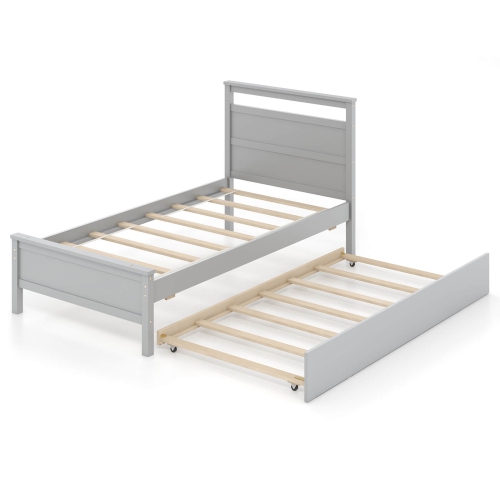
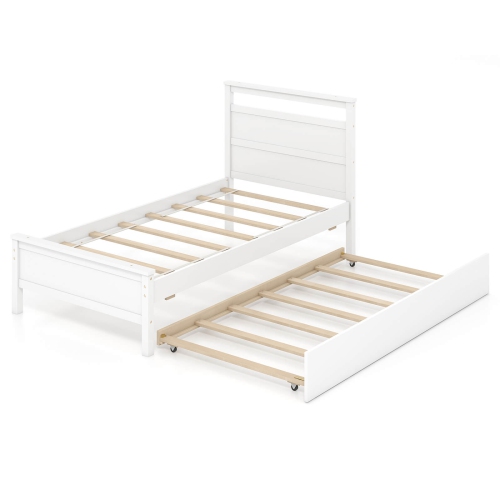

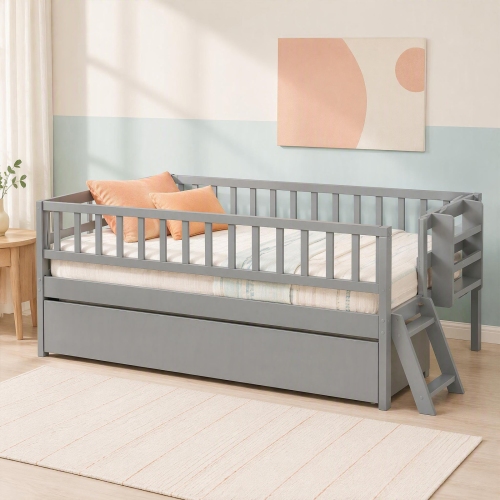

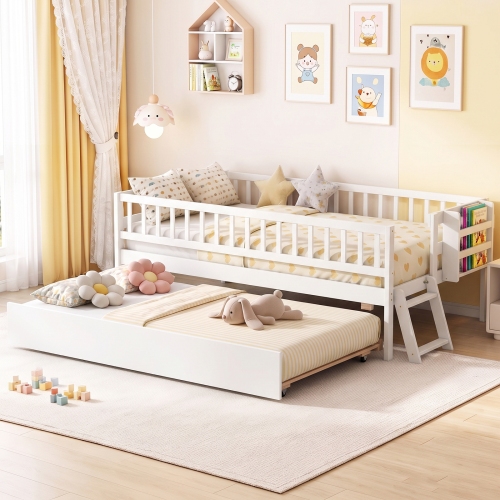


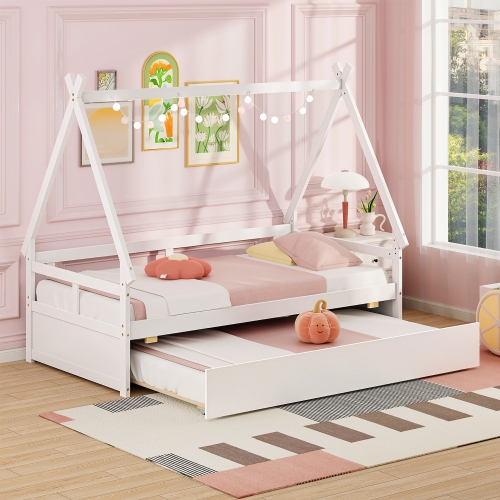

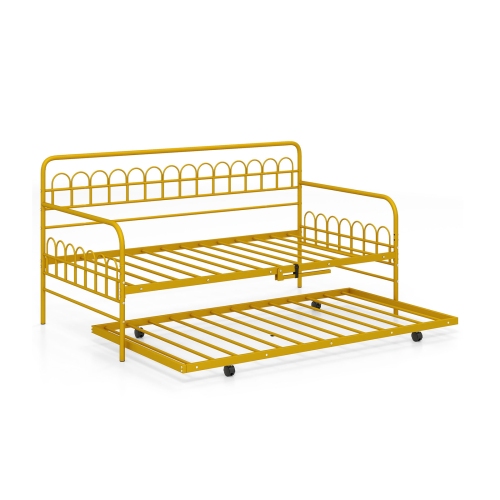
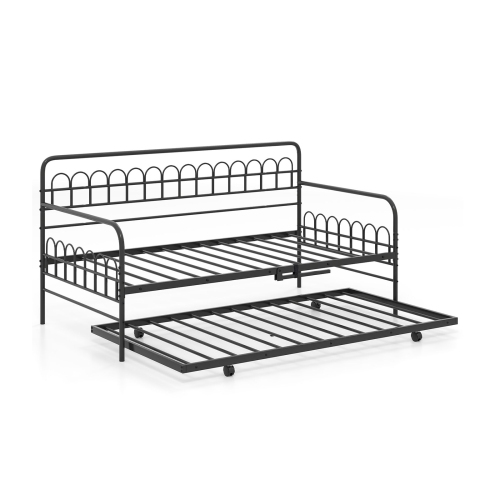

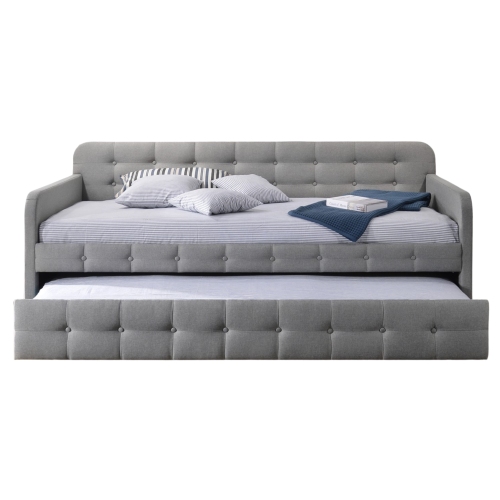
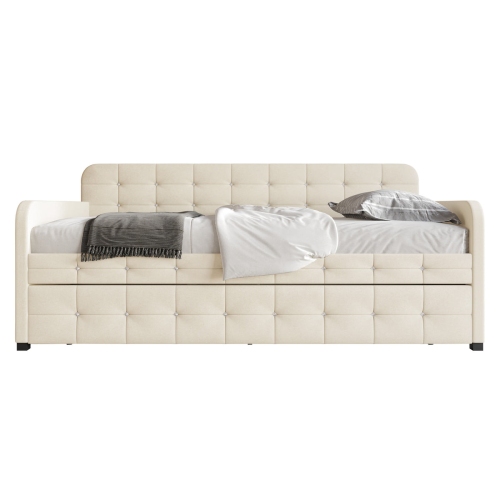
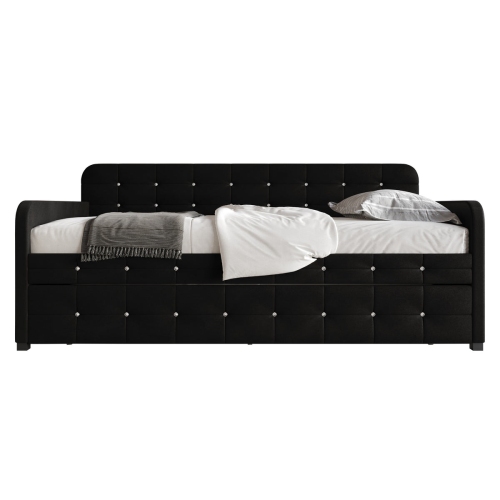
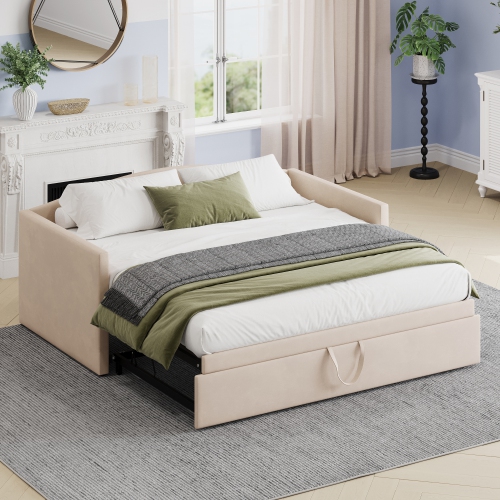
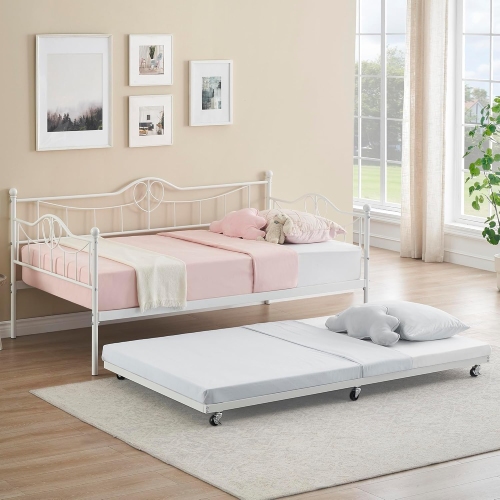

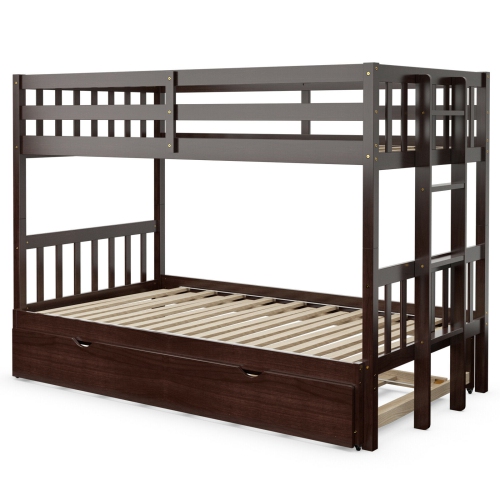
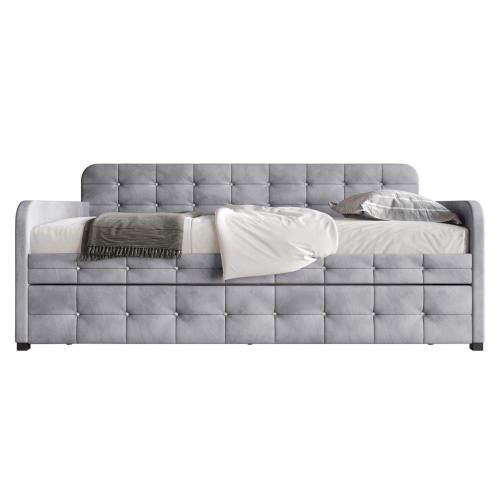
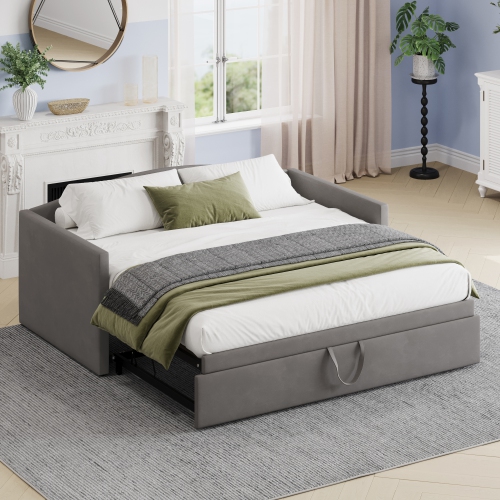
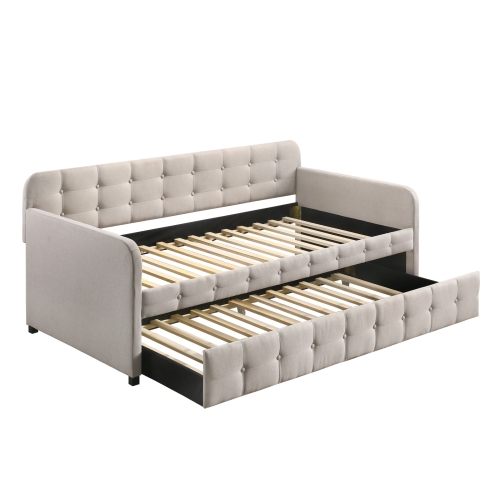



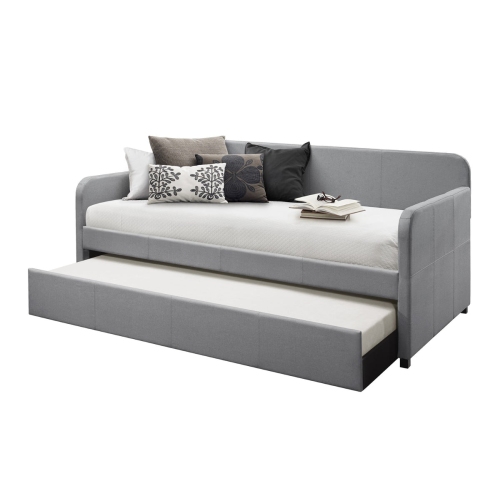
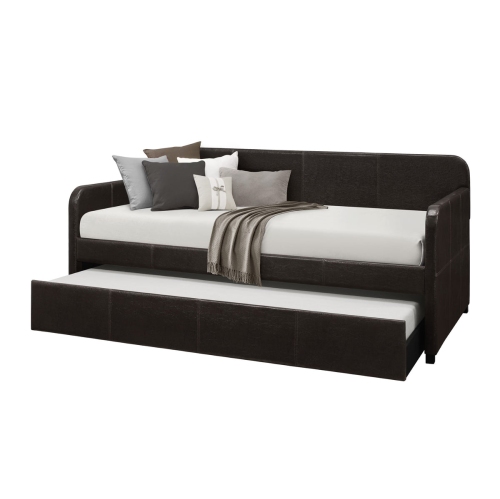

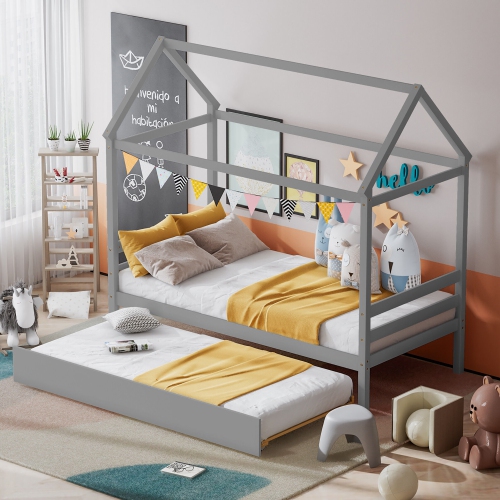


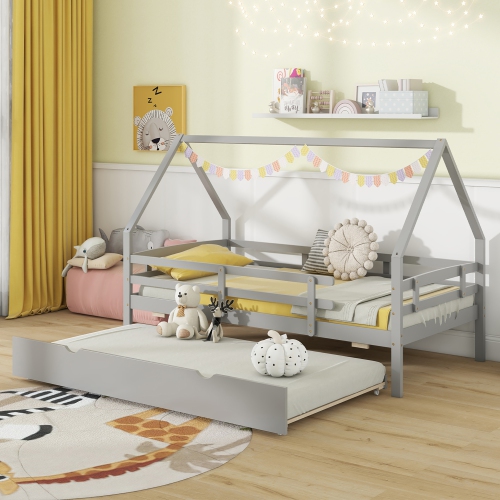
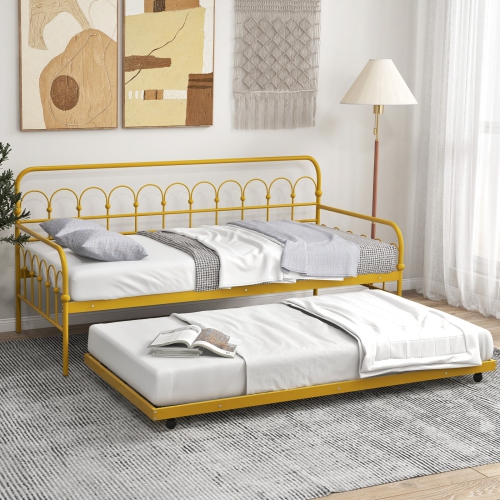
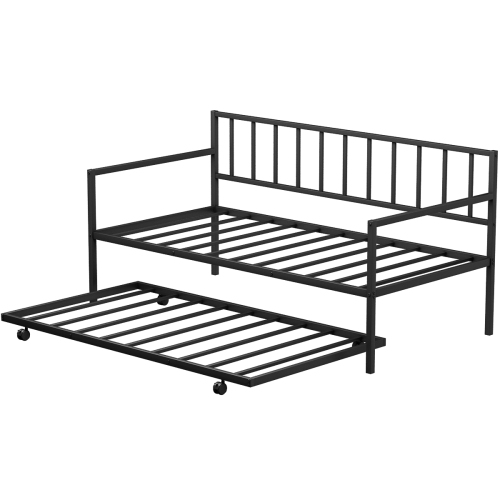
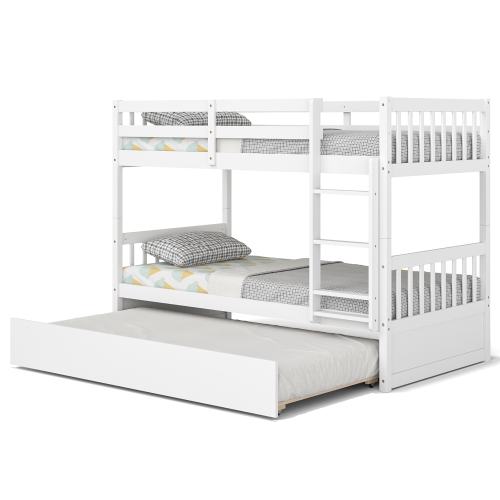
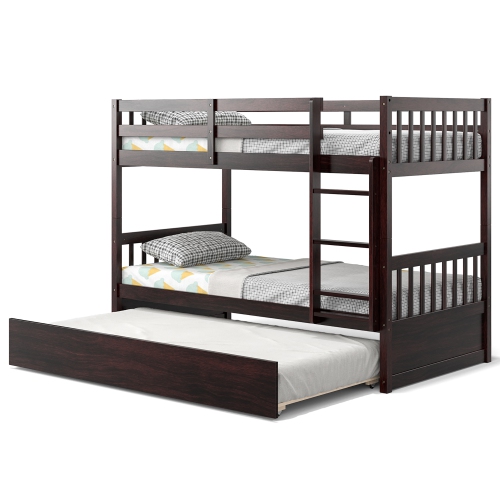
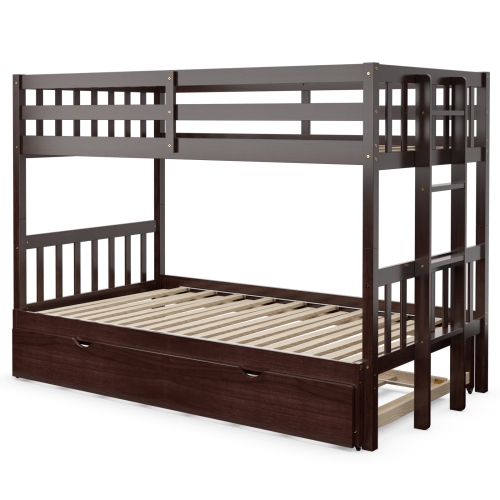


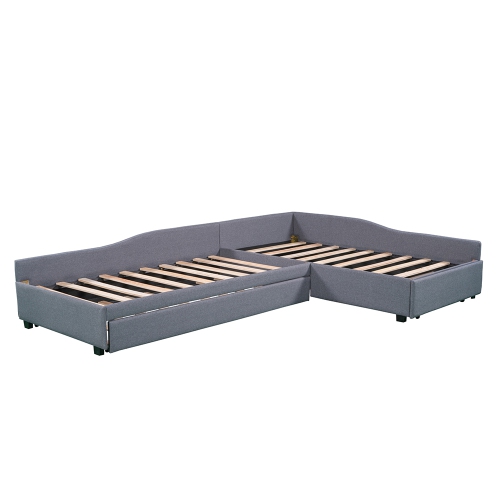
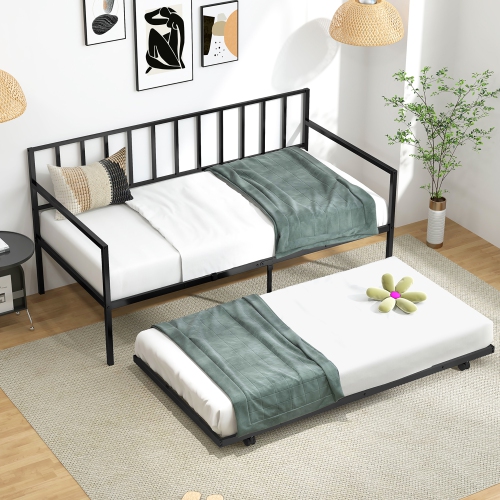
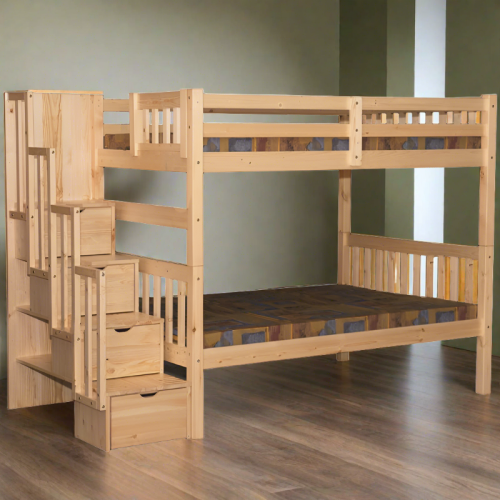

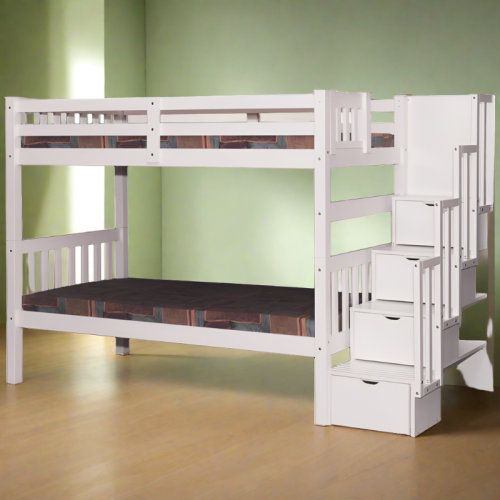
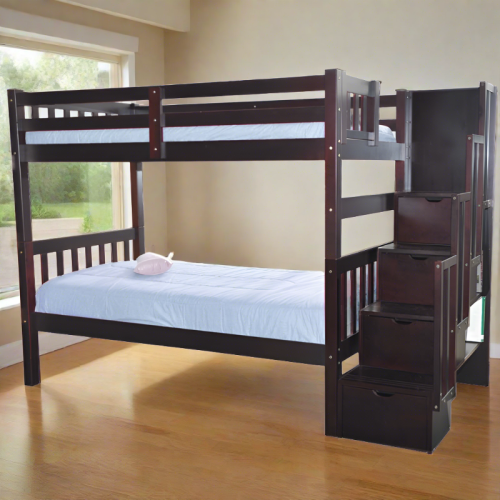
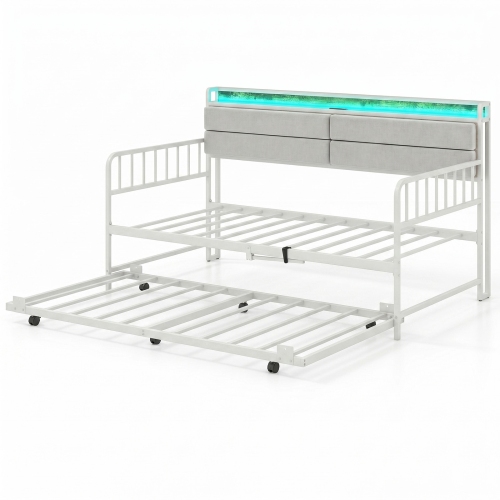

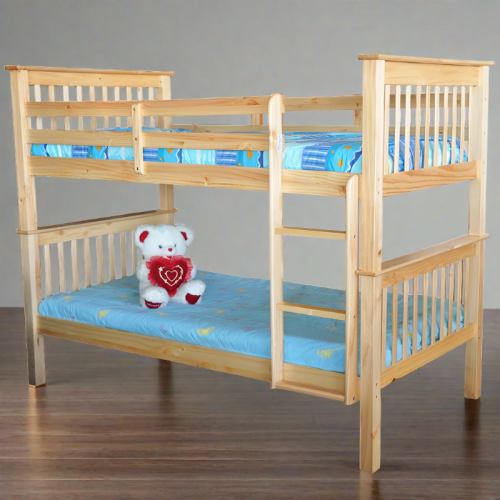

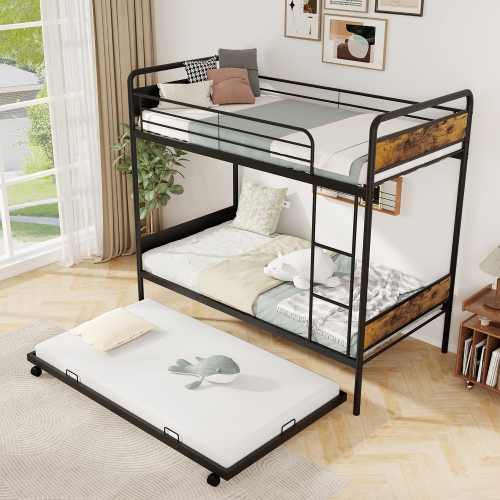
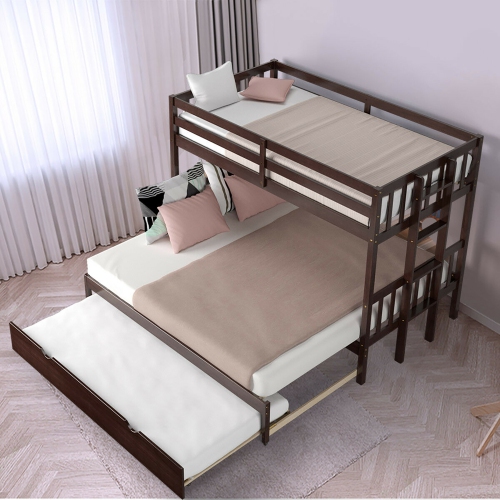
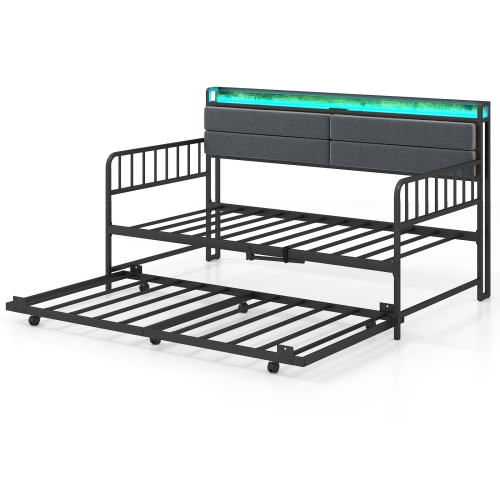
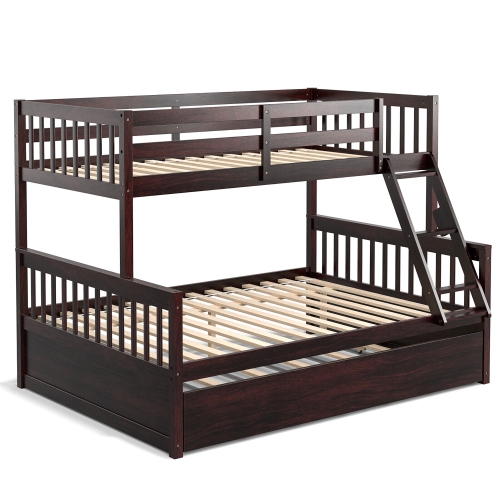

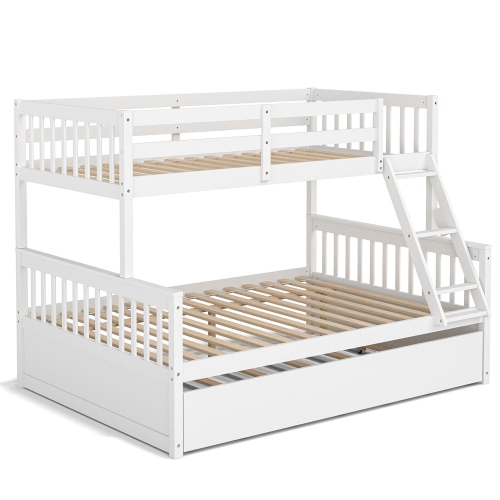
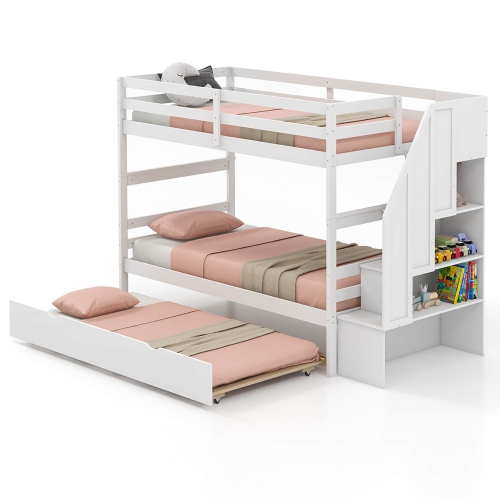
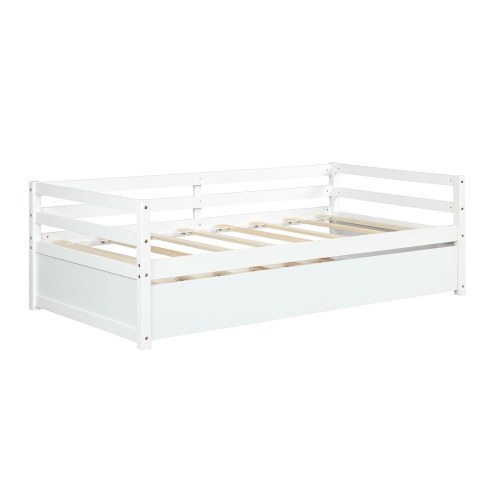


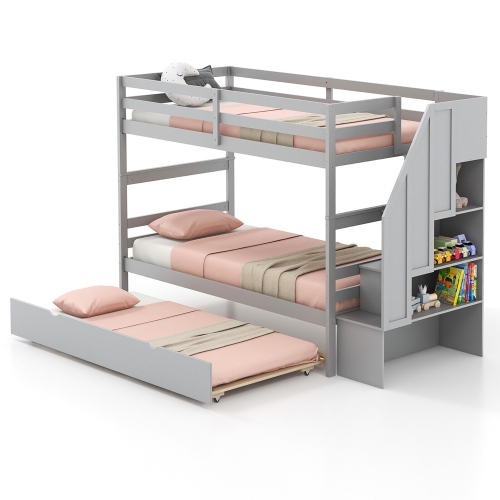

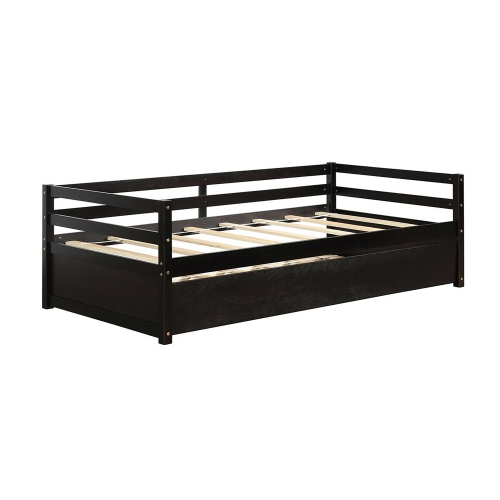

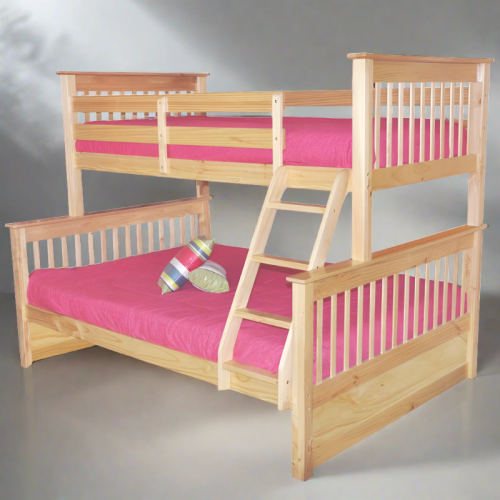
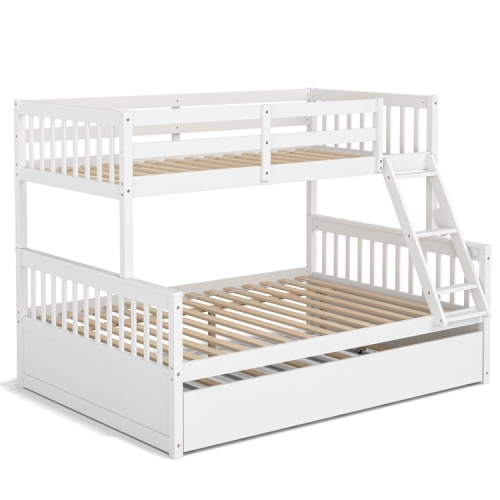
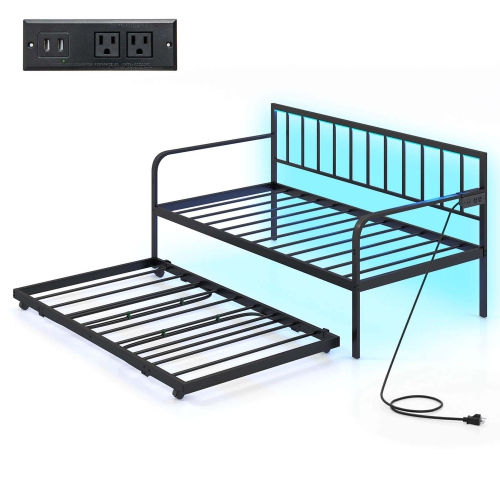
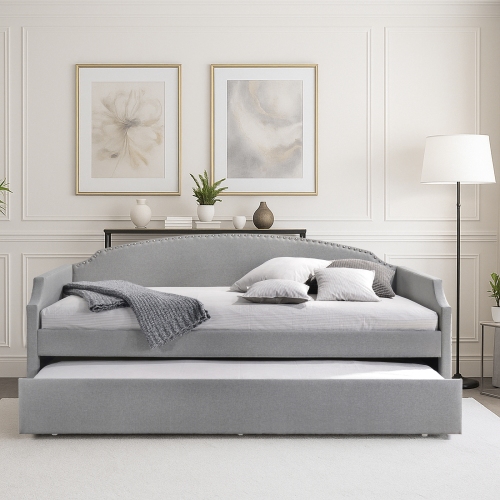

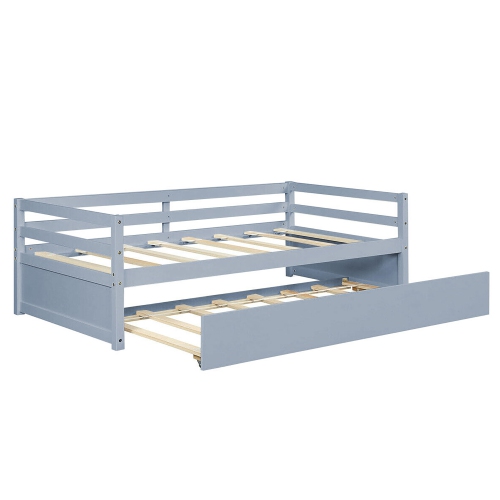
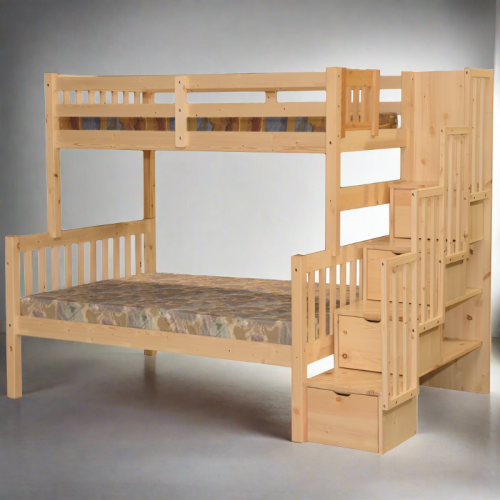
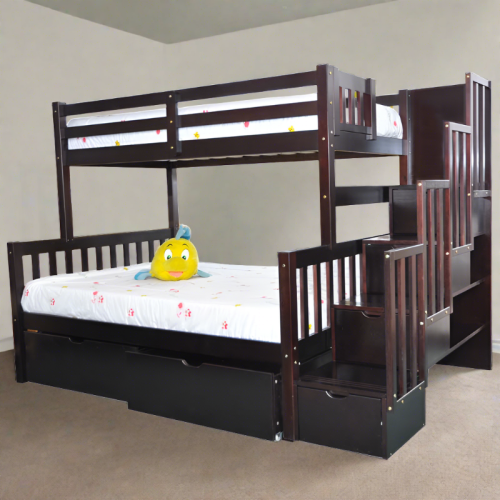

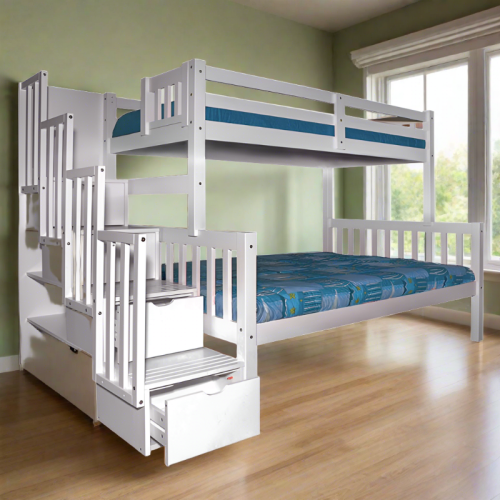
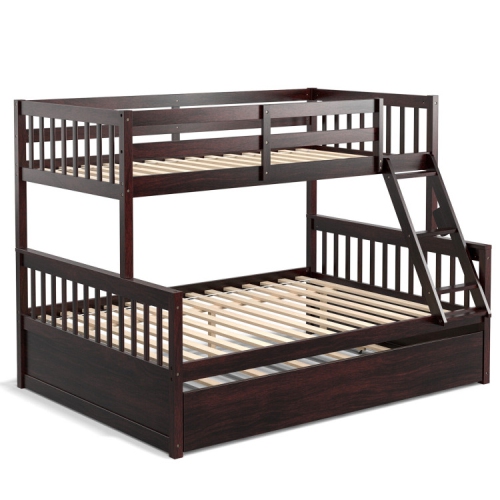
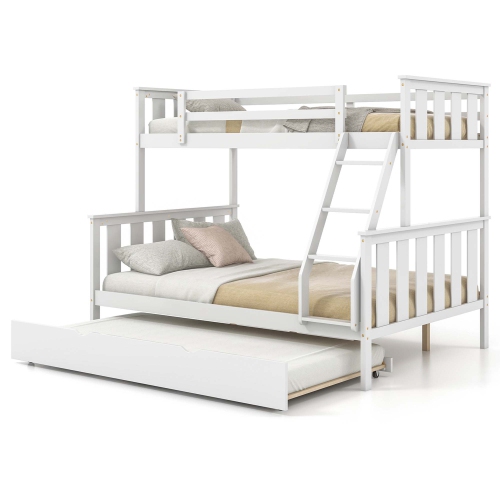
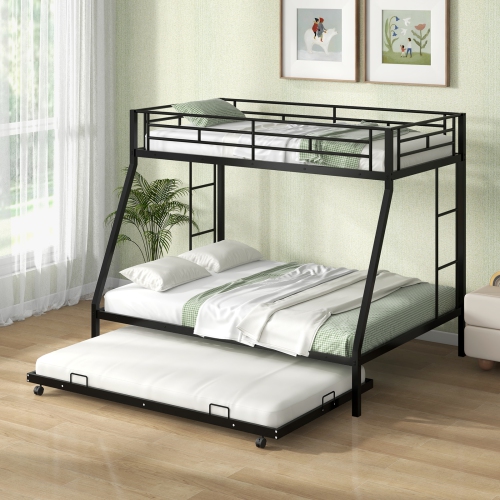
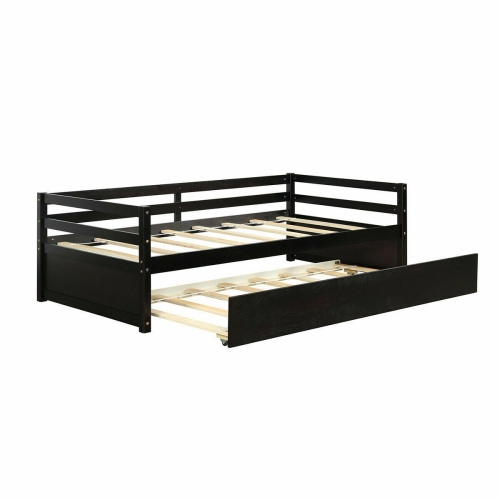


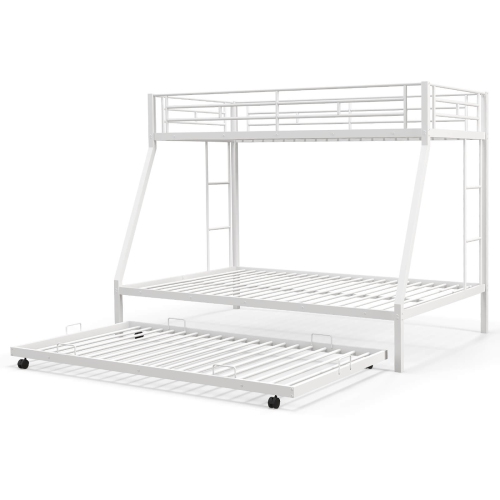

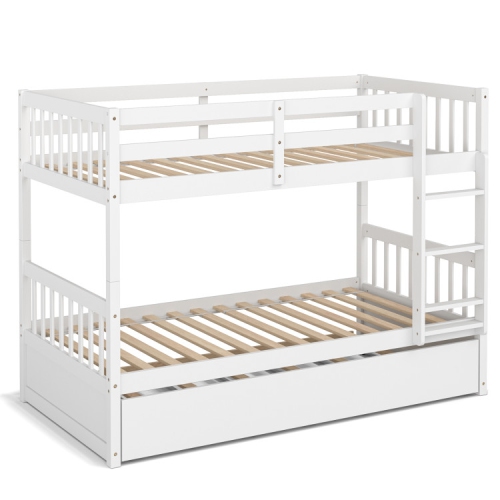
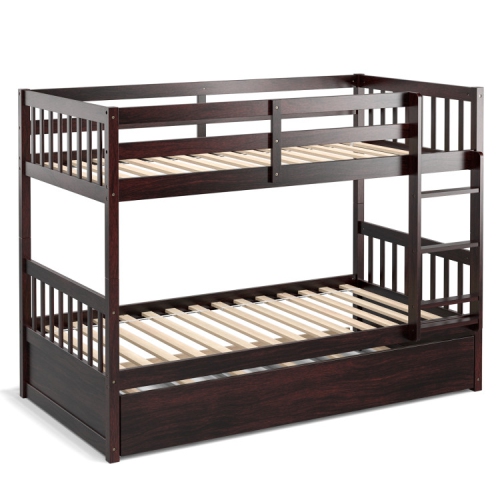
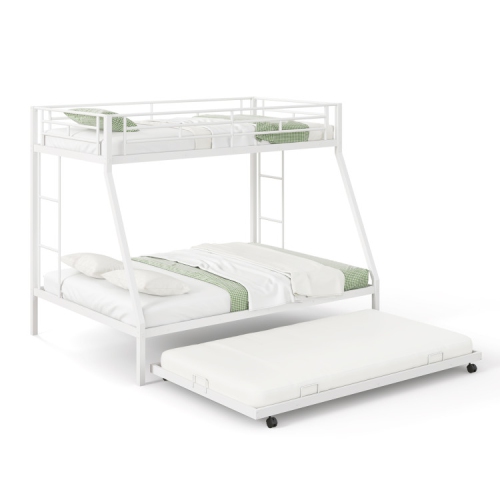
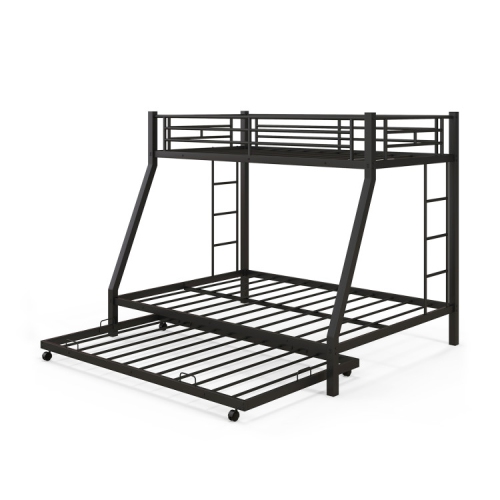


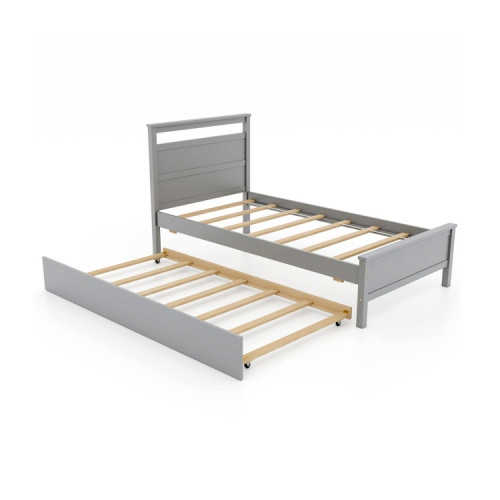


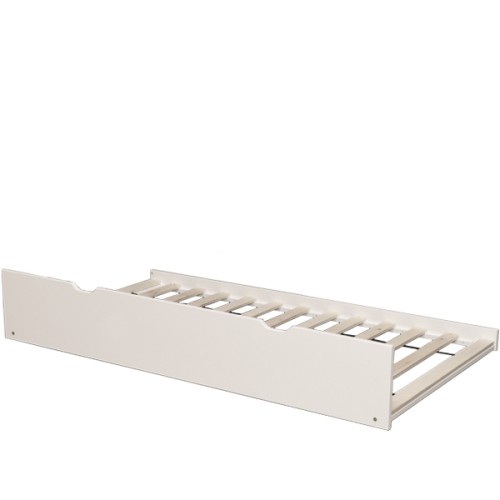

An extra bed that tucks away between visits
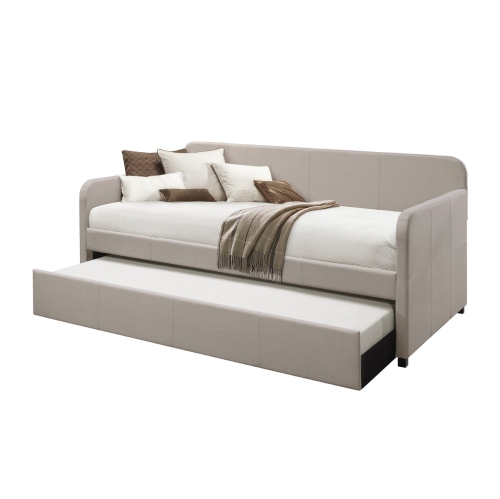
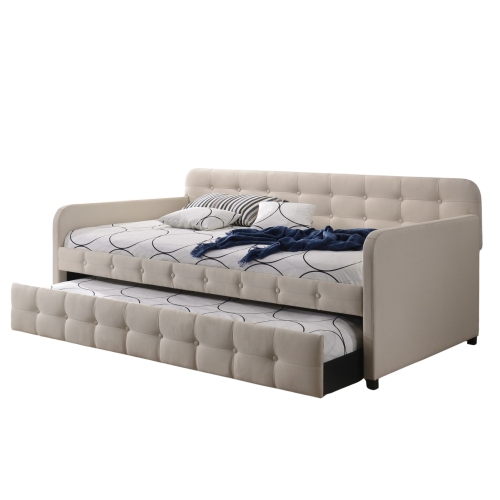
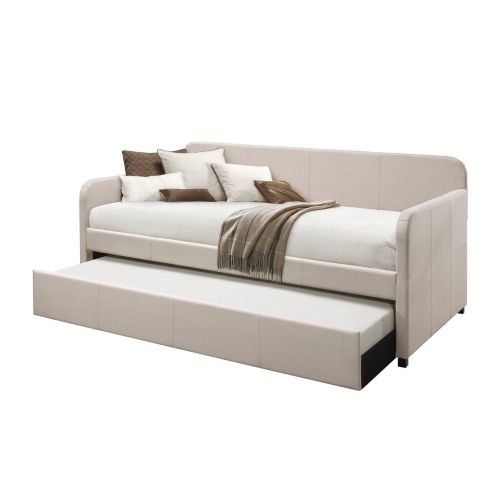
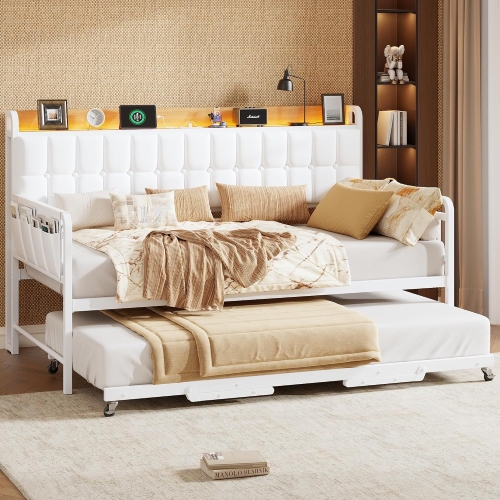
Twin beds with trundle combine an everyday sleeping surface with an extra bed that tucks underneath, making them a practical fit for bedrooms where floor space has more than one job. The main frame holds a twin mattress, while a separate lower frame pulls out when another sleeping spot is needed. With the trundle closed, the room has more space for a desk chair, a play mat, or a clear path to the wardrobe. That arrangement suits a child’s room used for sleepovers, a teenager’s bedroom that occasionally welcomes a cousin, or a guest room that doubles as a home office. A standard twin mattress is generally about 38 inches wide by 75 inches long, although the bed’s overall footprint will be larger and varies with the headboard, footboard, and frame construction. Twin and twin XL are different sizes, so the mattress dimensions need to match each sleeping surface rather than simply the name of the bed. Most roll-out trundles remain close to the floor, giving each sleeper a separate bed at a different height. Some designs use a pop-up mechanism to raise the lower frame, but these require attention to their locking system, permitted setup, and mattress compatibility. A raised trundle should not be assumed to create one continuous sleeping surface unless it is designed for that arrangement. Daybed-style frames add a back and side panels, letting the upper bed serve as a comfortable spot for reading or relaxing with cushions during the day. Traditional frames offer a more familiar bedroom look, with a headboard and sometimes a footboard. Neither shape changes the basic appeal: an extra sleeping place can be kept out of the way between visits. For a room used regularly by two people, the lower bed’s comfort, access, and ease of opening matter just as much as the appearance of the main frame.
The fit of a twin trundle bed depends on both its closed dimensions and the space it occupies when fully extended. A frame that sits neatly against a wall may still need a substantial stretch of clear floor beside it for the lower bed. Nearby dresser drawers, closet doors, bedside tables, and heating vents all affect how comfortably the arrangement works. In a narrow room, a lightweight bedside table may be easier to position than a wide chest beside the pull-out side. There should also be room for sleepers to get in and out without climbing over furniture or blocking a doorway. Floor surfaces make a difference: casters can travel differently over hardwood, carpet, and the edge of an area rug, and a thick rug may interfere with the clearance beneath the bed. The trundle mattress deserves particular attention because its maximum height is often lower than that of the upper mattress. Some frames call for a mattress around 4 to 6 inches thick, while others permit different heights; the stated limit for the frame takes priority. A mattress that is too thick can prevent the trundle from closing, and a bulky topper or folded duvet may use up the remaining clearance. Bedding may need to be removed before the lower frame is pushed back underneath. Many twin beds with trundle use wood or metal slats to support the mattresses directly, so a box spring is often unnecessary and may not fit. However, the support requirements for both the frame and mattress still need to agree, including any limits on slat spacing. For a similar arrangement built around a low-profile mattress base, platform beds with trundle offer another way to pair an upper sleeping surface with a tucked-away bed. Weight capacities should be checked separately for the upper bed and trundle, since they are not always the same. An adult guest needs a lower frame and mattress suited to adult use, not simply a bed long enough to lie on.
Materials and construction influence how a twin bed with trundle looks, feels, and holds up to everyday use. Solid wood can bring visible grain and a substantial feel to a bedroom, while engineered wood can offer smooth surfaces and a consistent finish. Metal frames often have slimmer rails and a more open appearance, which can help a compact room feel less crowded. Upholstered frames add a softer-looking headboard or surround, with fabric texture that can make the main bed feel inviting for an evening of reading. Durability depends on more than the material alone: secure joints, suitable centre supports, sturdy slats, and a well-supported trundle frame all contribute to a stable setup. A lower bed that is opened frequently benefits from smooth-running casters, an accessible handle or front panel, and hardware that remains secure with repeated movement. Where a pop-up mechanism is included, its locks and moving parts should be used exactly as intended, with hands and bedding kept clear during opening and closing. Children may need an adult to operate the trundle, and the lower mattress should not be treated as an infant sleep space. Care is usually straightforward but varies by finish. Wood and metal surfaces generally benefit from gentle dusting and prompt drying after spills, while upholstery may need regular vacuuming and fabric-specific spot cleaning. Harsh cleaners and excess moisture can damage finishes or leave marks. The area beneath the main bed also needs occasional cleaning, especially where dust and pet hair collect around wheels. After assembly and periodically with use, checking fasteners and mattress supports can help catch loosened connections before they affect stability. Storage details deserve a close look as well: a drawer-shaped front may conceal the trundle rather than provide space for clothes, and separate storage compartments are not part of every design. For occasional guests, washable mattress protectors and a dedicated set of twin sheets make preparation simpler. For daily use, breathable bedding, appropriate mattress support, and an easy route around the open bed help make both sleeping spaces feel considered rather than temporary.
Top selling and popular products
-
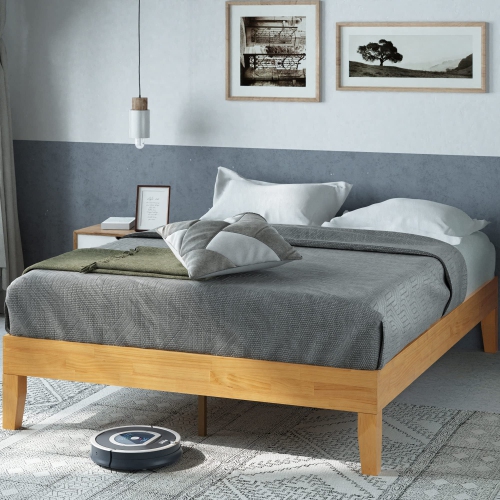 Your price for this item is $493.52
-
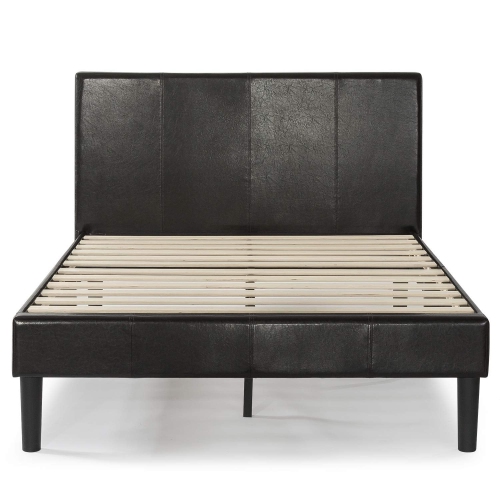 Your price for this item is $611.85
-
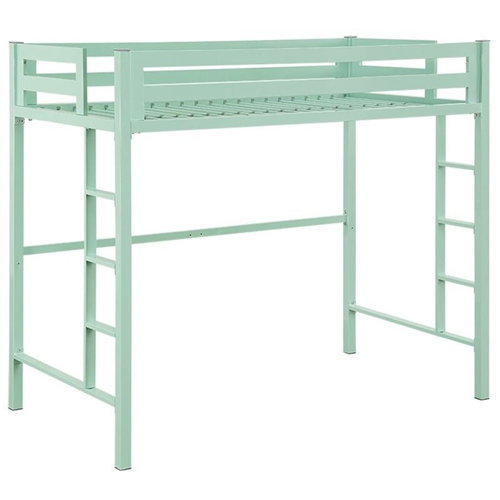 Your price for this item is $824.18
-
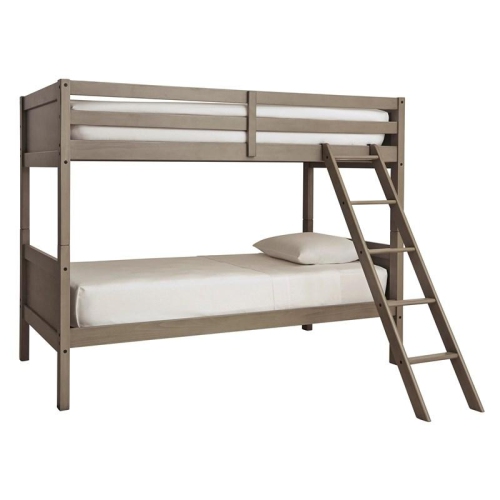 Your price for this item is $799.99
-
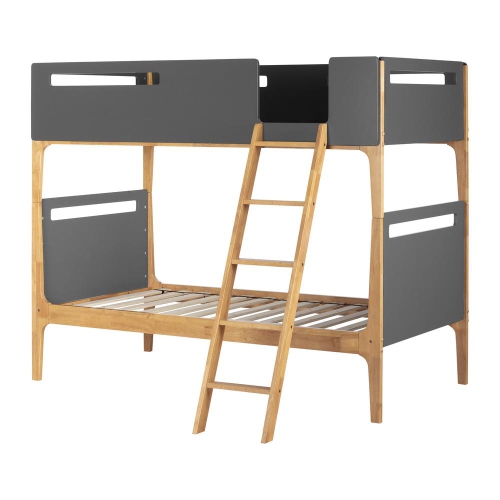 Your price for this item is $985.42
-
 Your price for this item is $157.99
-
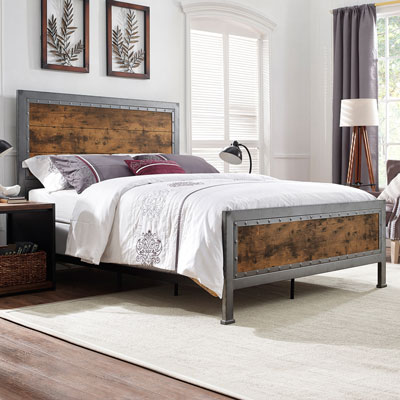 Your price for this item is $862.99
-
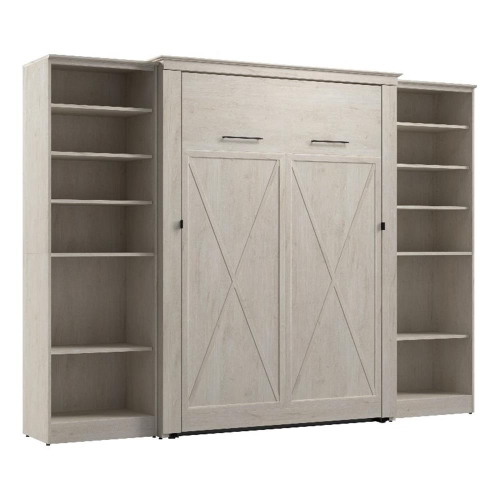 Your price for this item is $3099.99
Discover more categories related to Twin Beds With Trundle
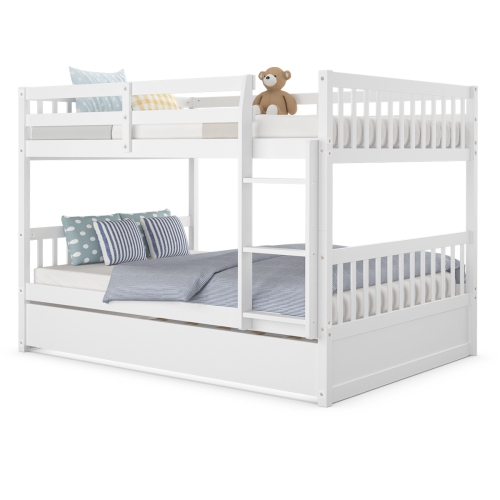
Top Collections:
Pokemon Centers, Best Cameras for Sports Photography, Kindle Devices, Samsung Galaxy Phones, Canon G7X Cameras, Pokémon 30th Celebration Cards, Refurbished Apple Laptops, iPhone 15 Apple, Laptops for Students, Budget Smartphones
Some products may be subject to Environmental Handling Fees
(EHF) depending on your province.
Learn more about EHFs.