Twin Daybeds With Storage
Transform your living space with these stylish and functional twin daybeds with storage. These versatile pieces not only provide a comfortable spot for lounging or sleeping, but also offer ample storage solutions to help you maximize your space. Whether you're looking to create a cozy reading nook in your home office, a guest bedroom that doubles as a storage area, or simply want to add an extra seating option in your living room, these twin daybeds with storage are the perfect choice.
Sort
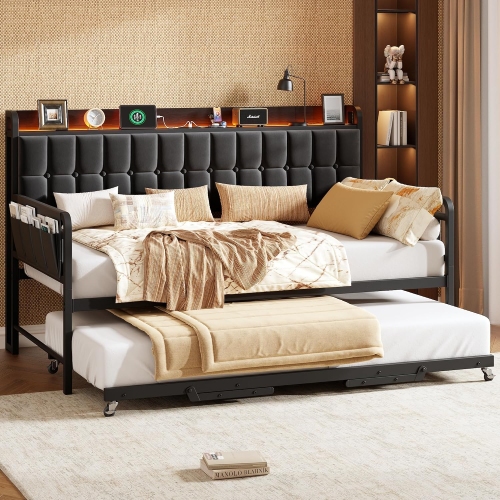
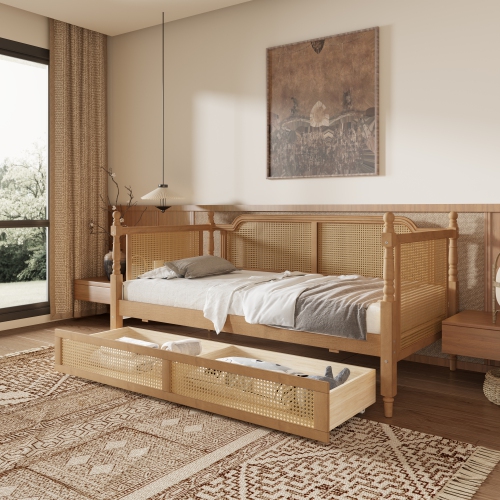
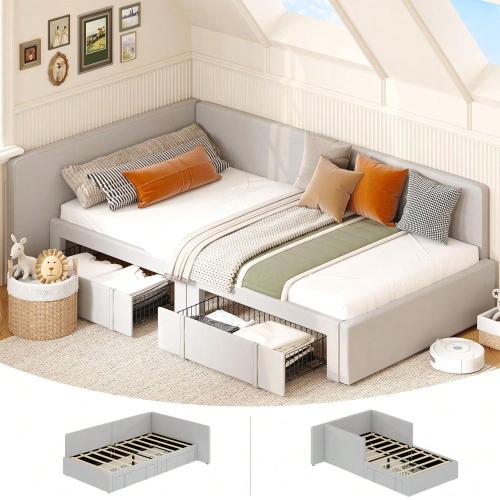
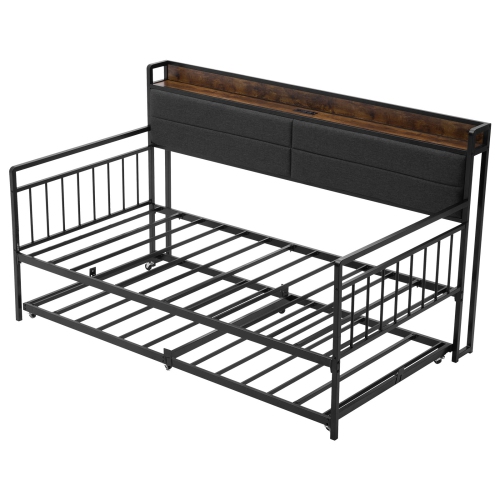
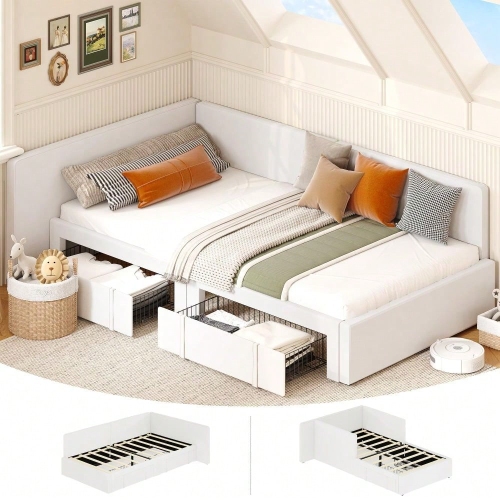
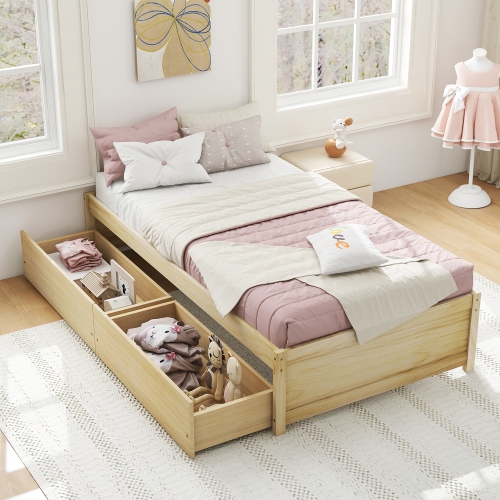
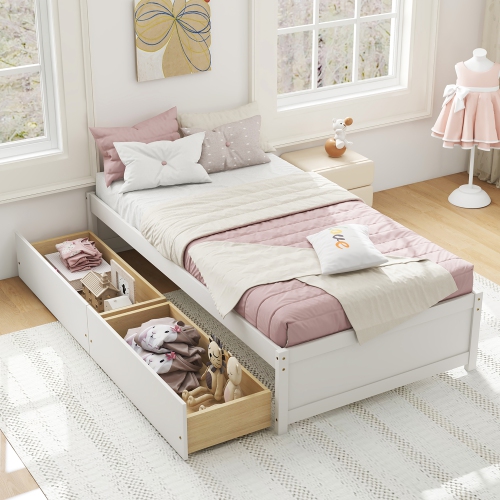
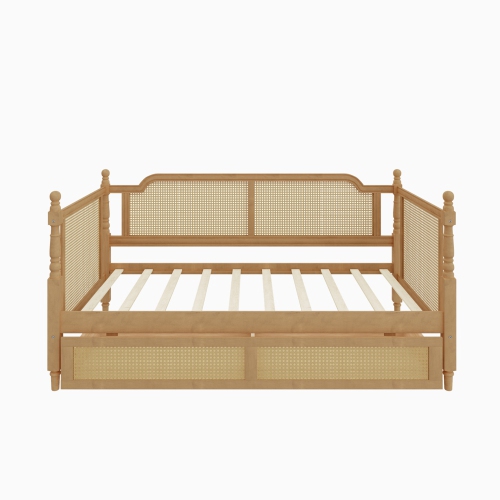
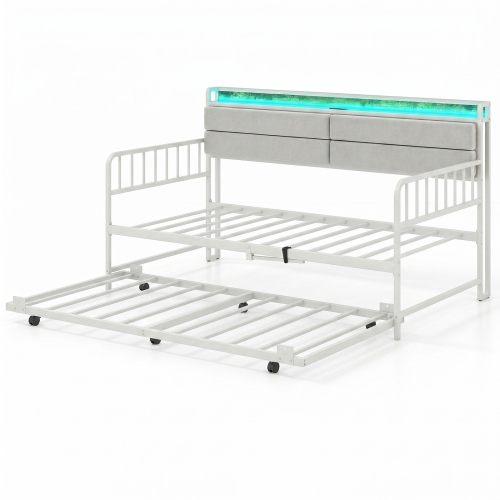
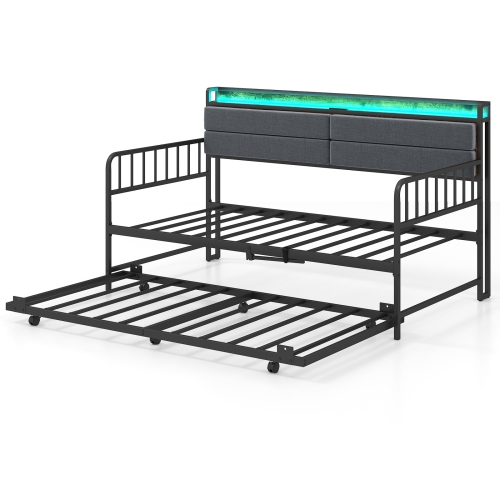
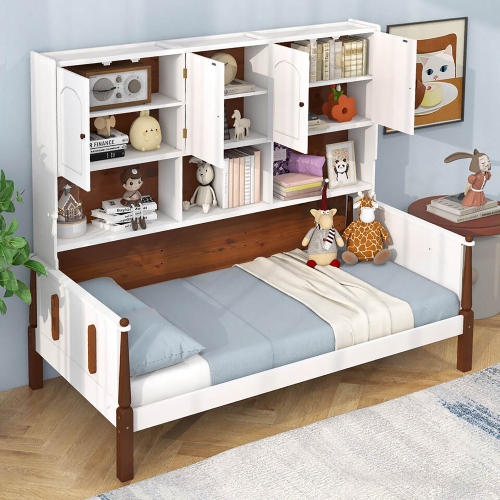
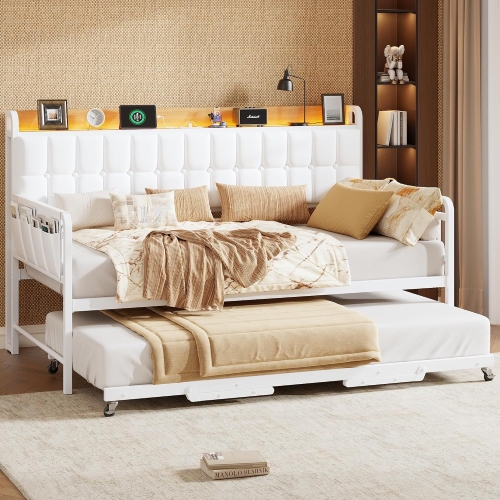

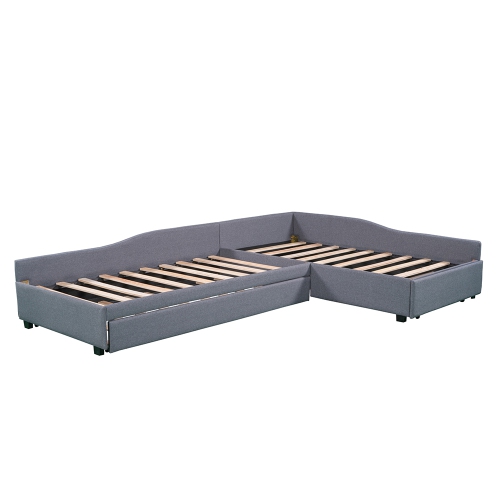
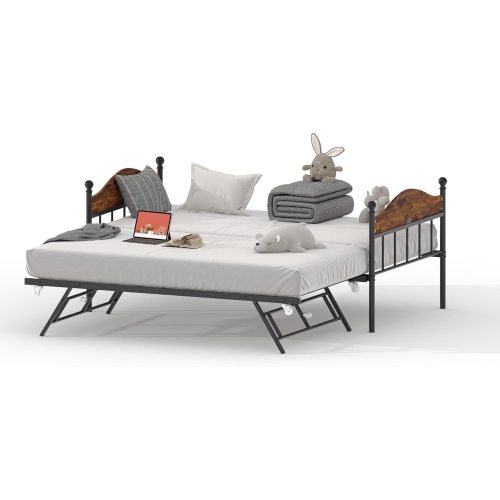
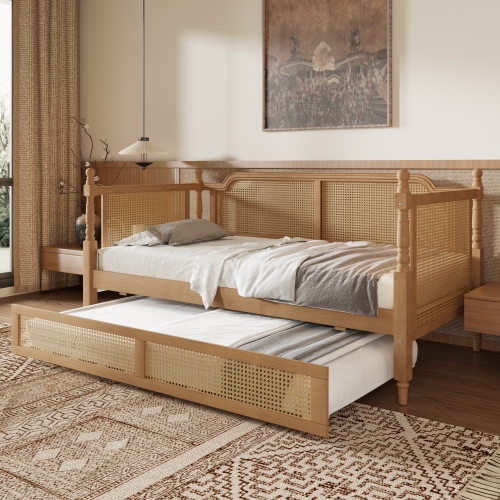
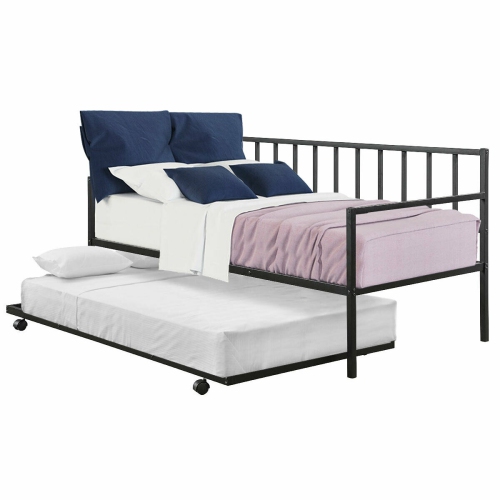
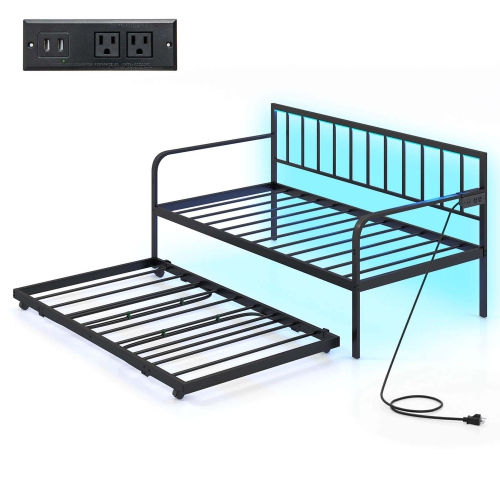
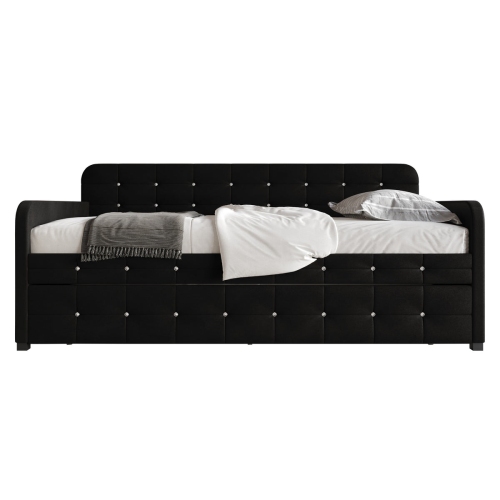
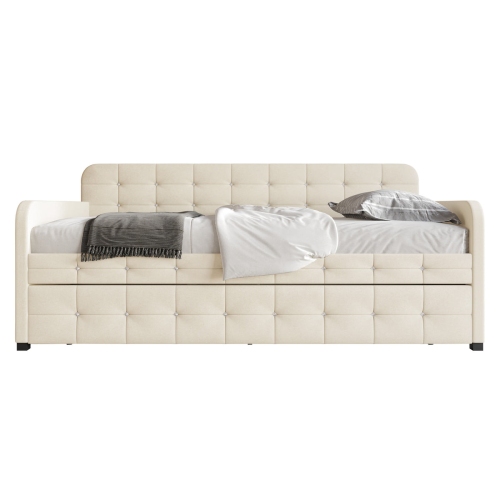
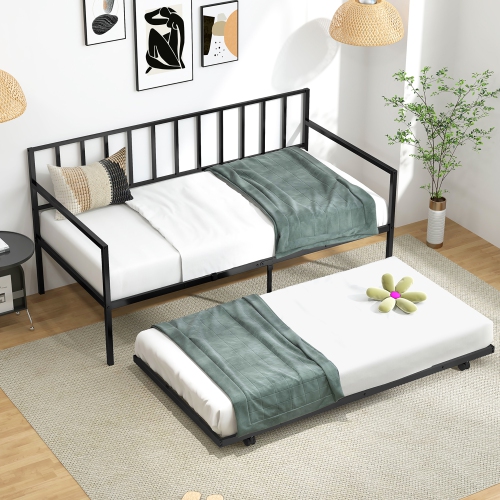
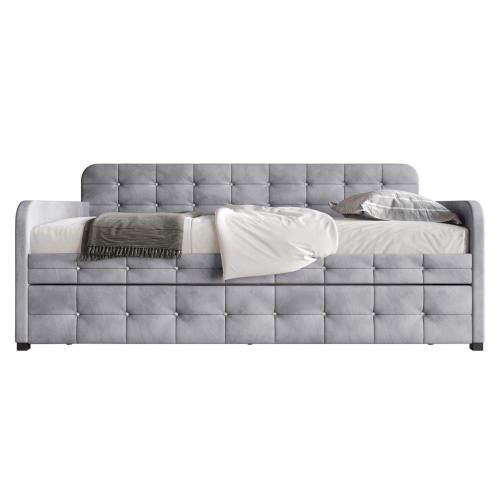
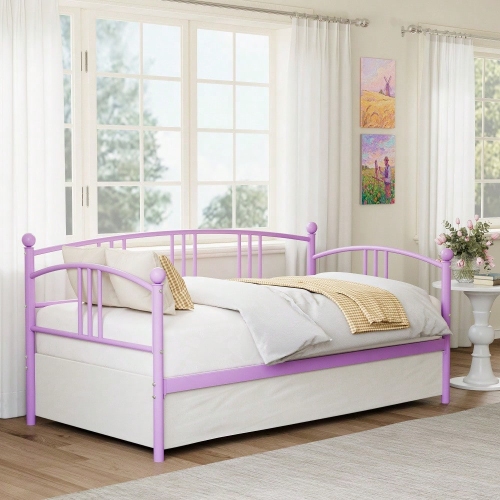
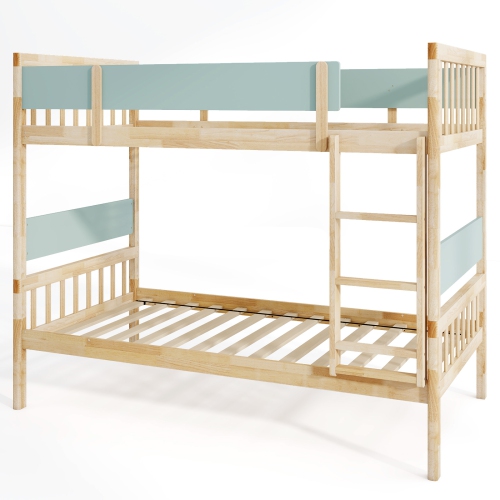
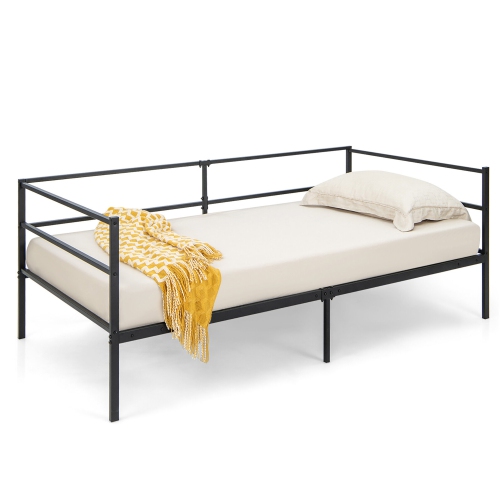
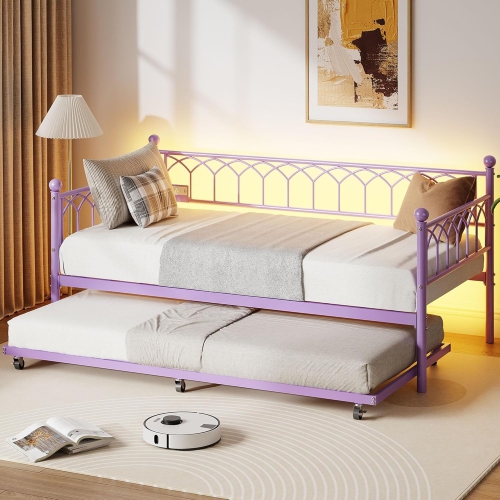
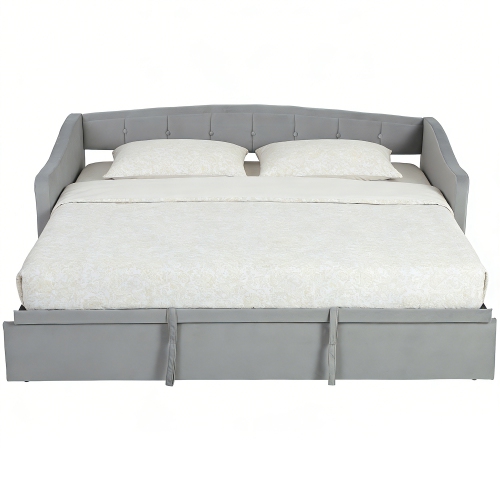
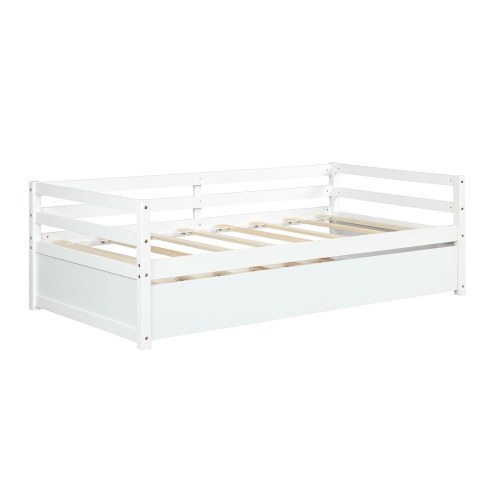
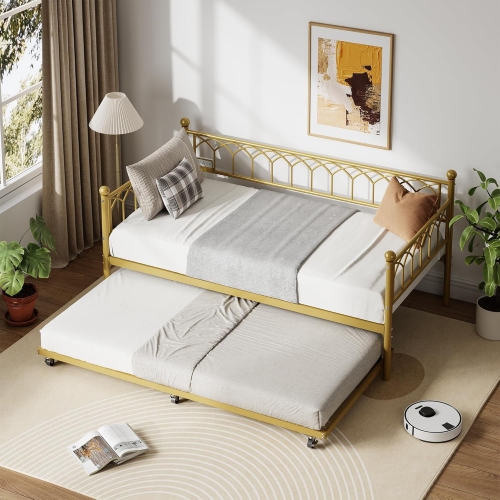
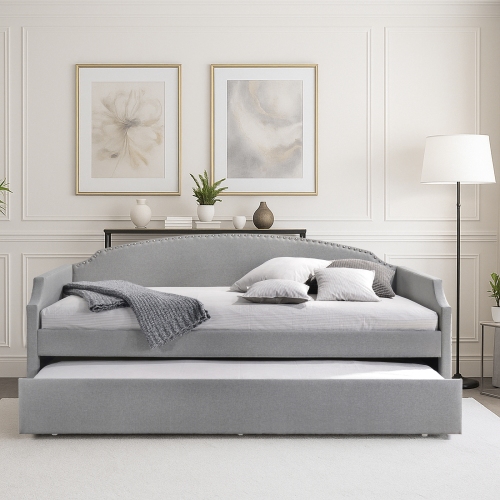
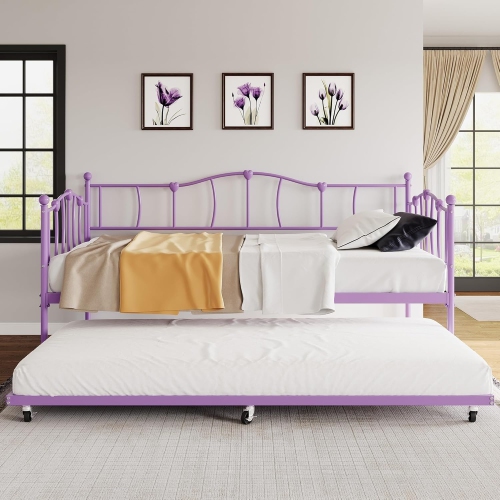

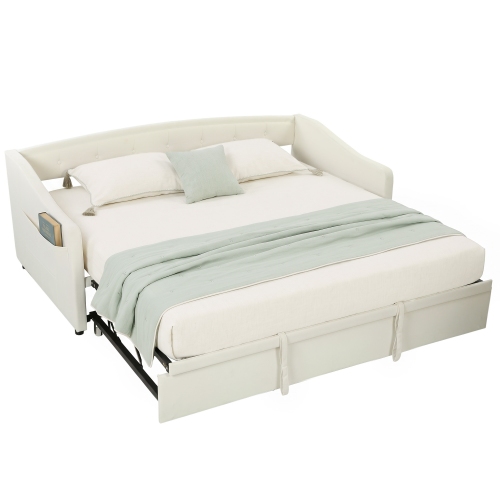
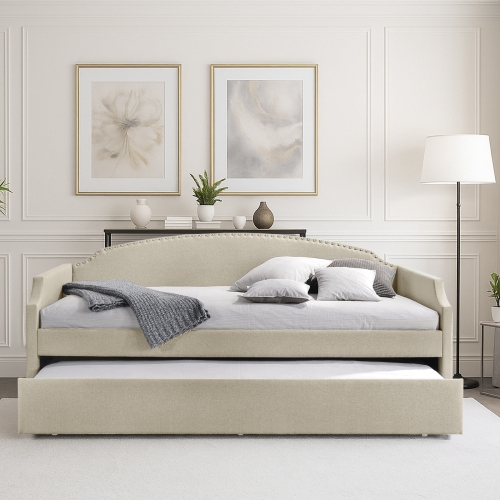
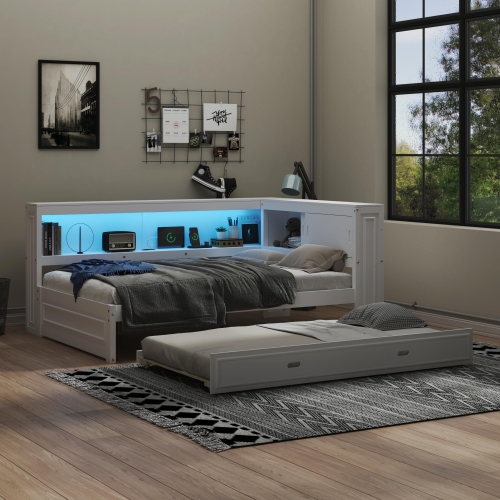
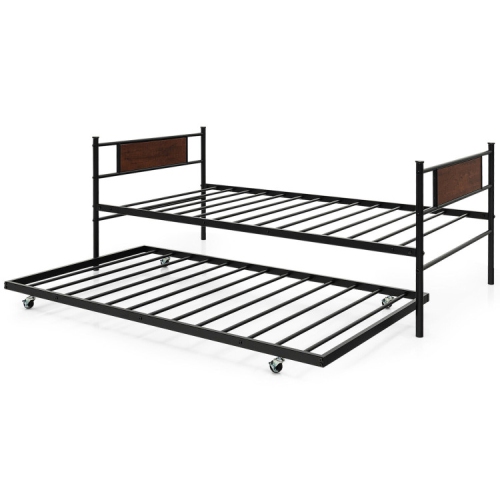
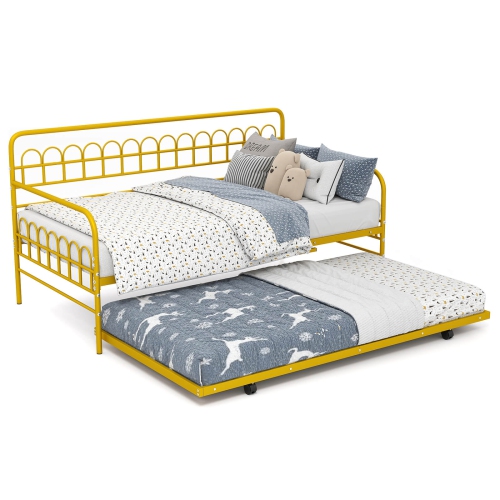
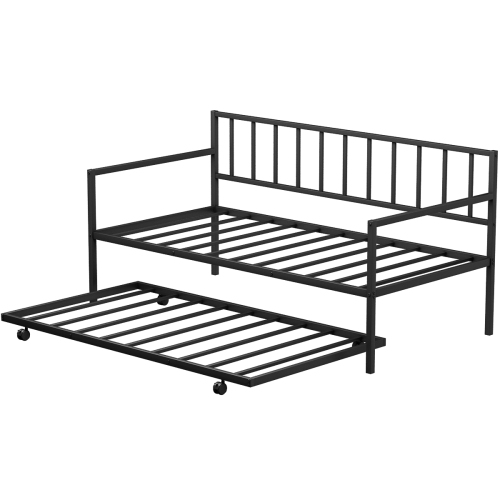
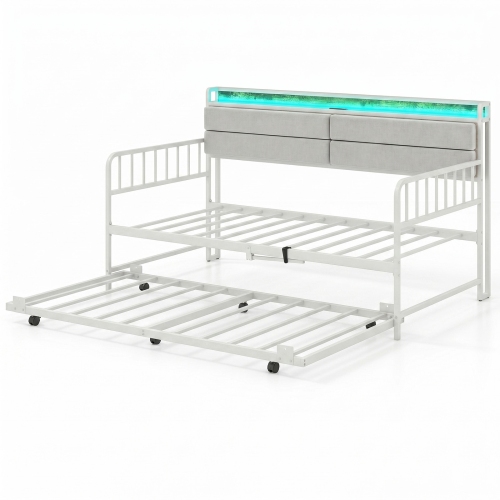
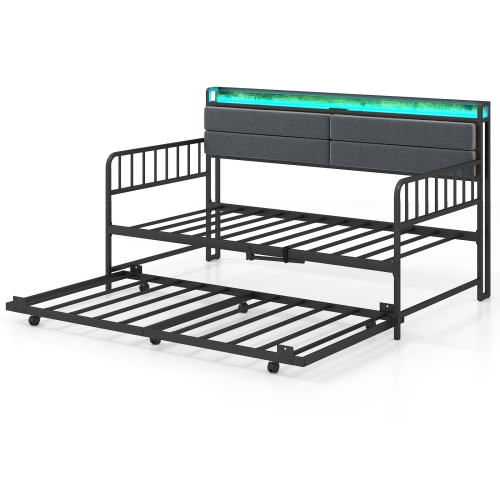
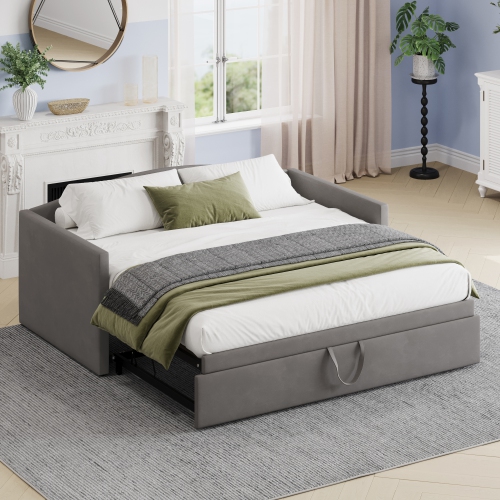
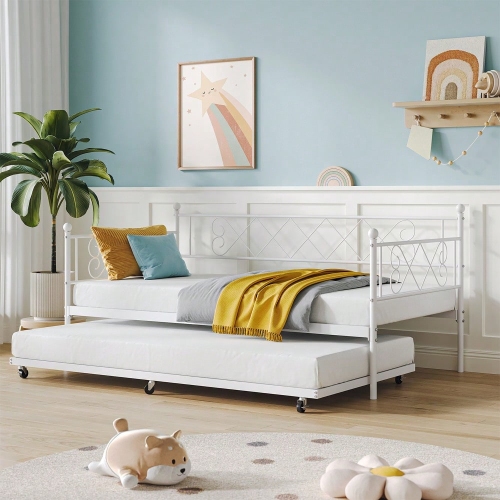
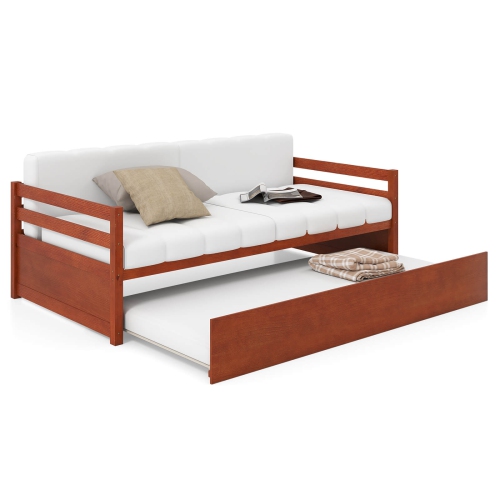

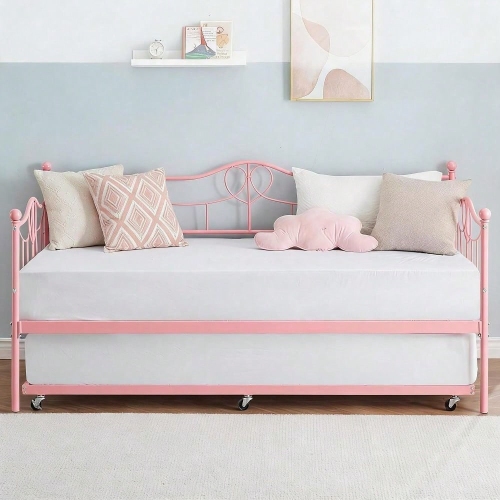
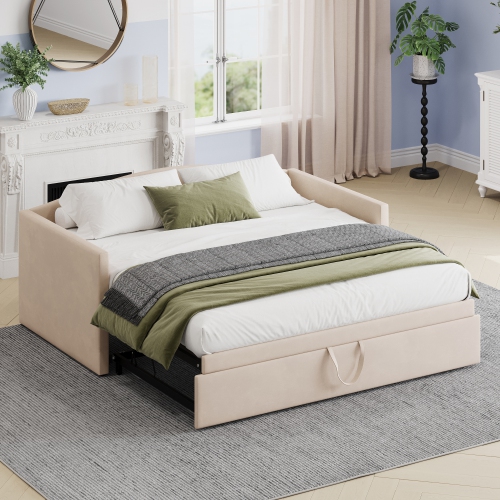
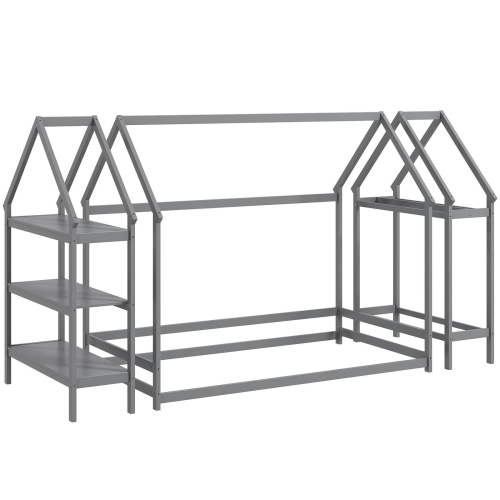
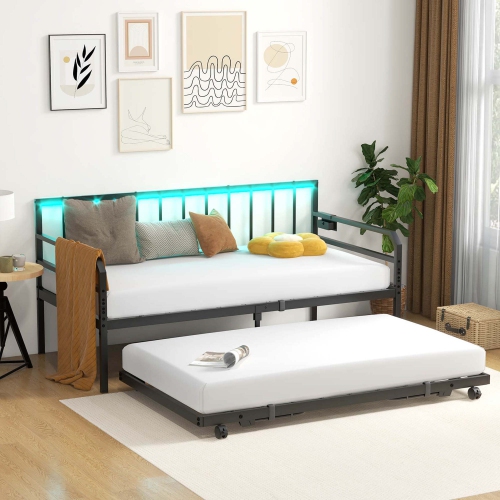
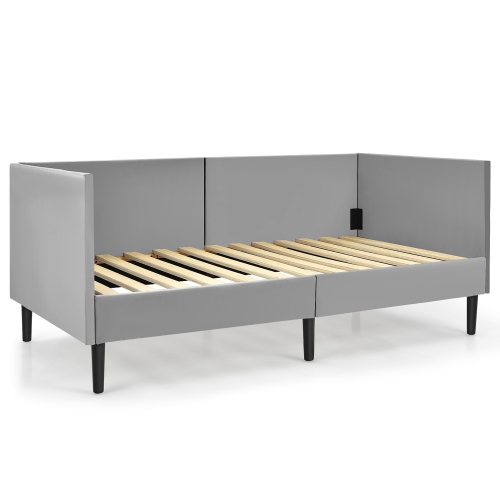
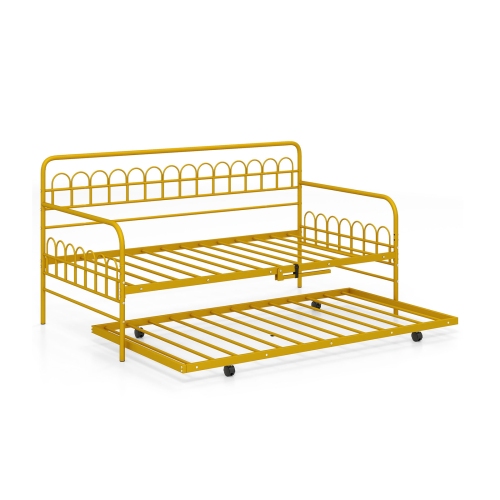
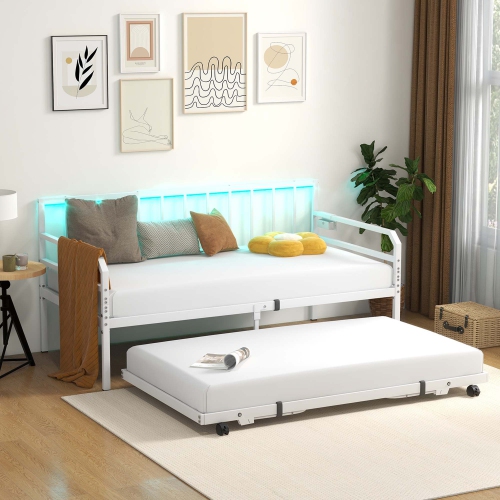

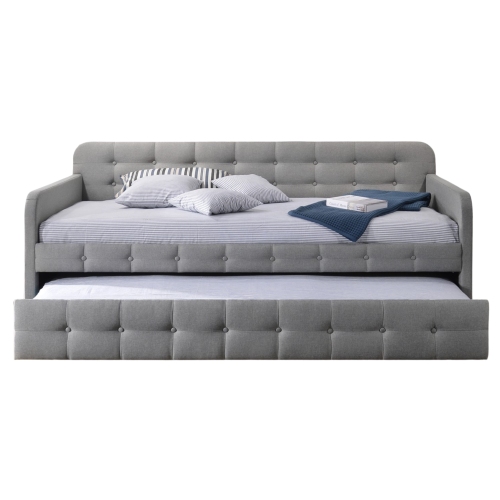
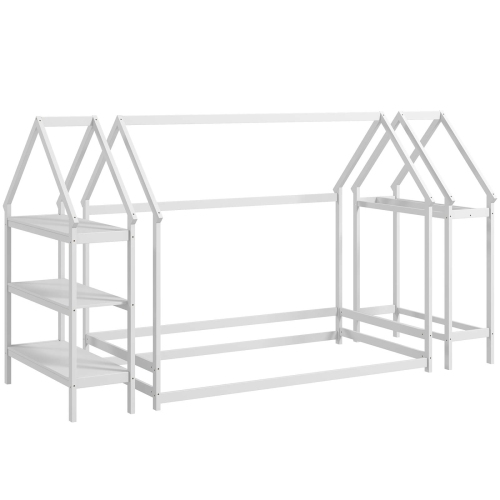
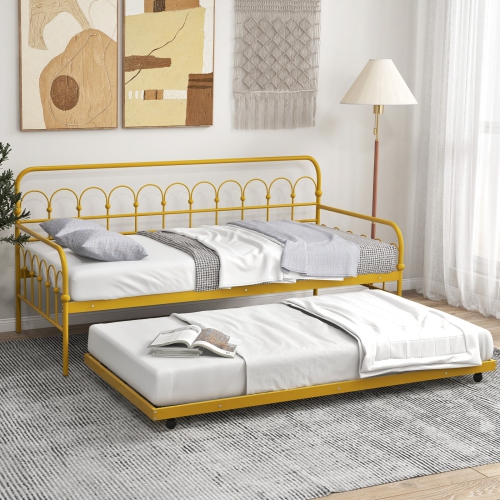
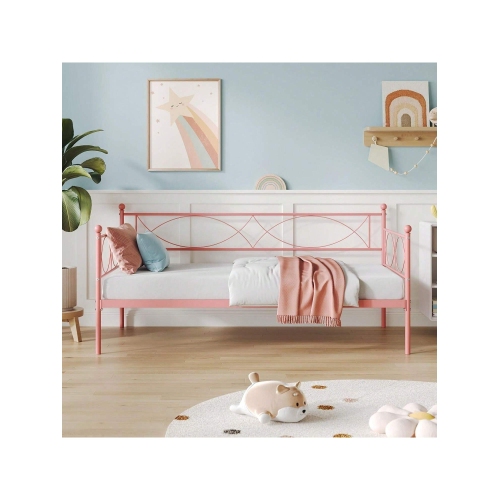
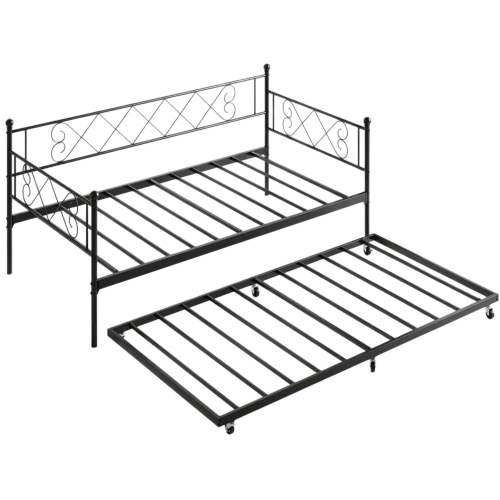
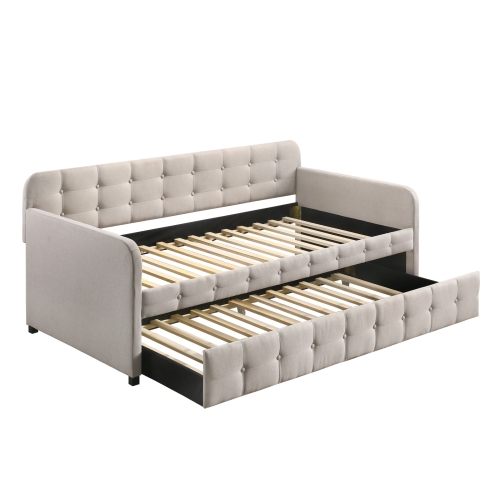
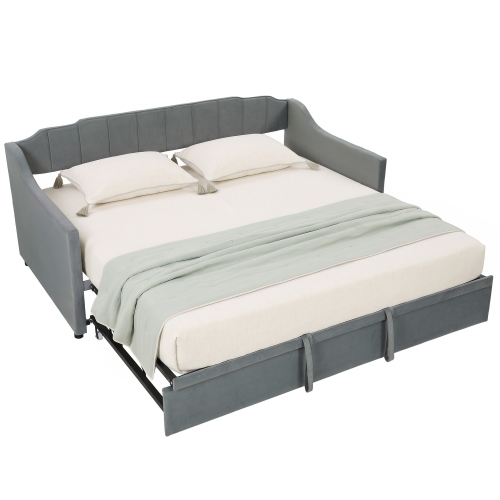
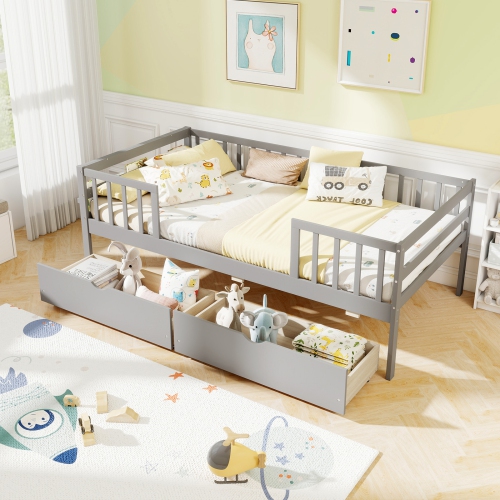
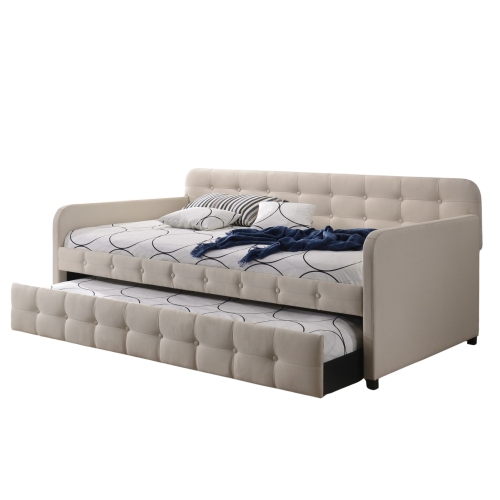


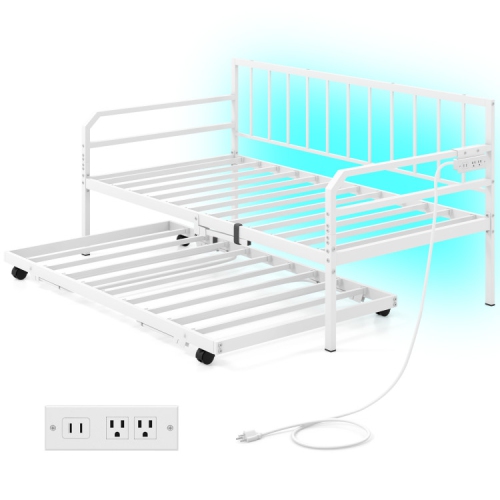
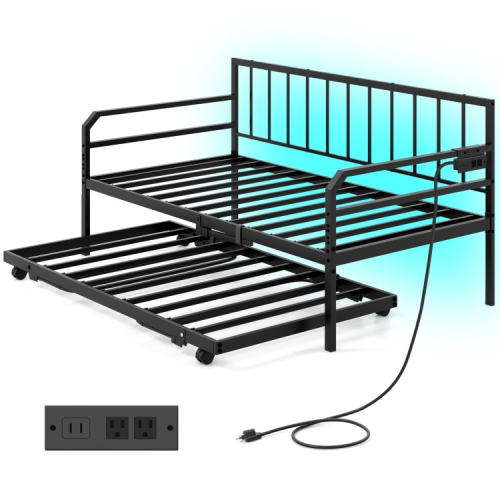
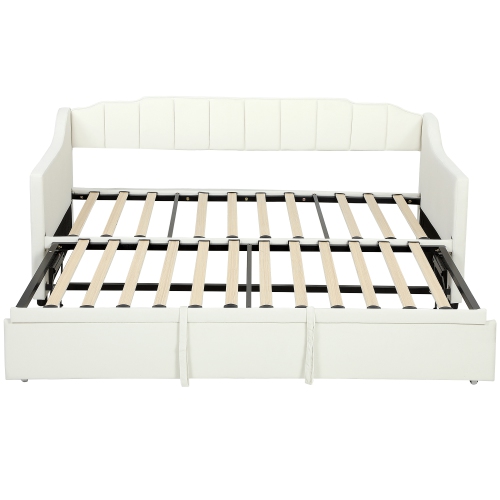

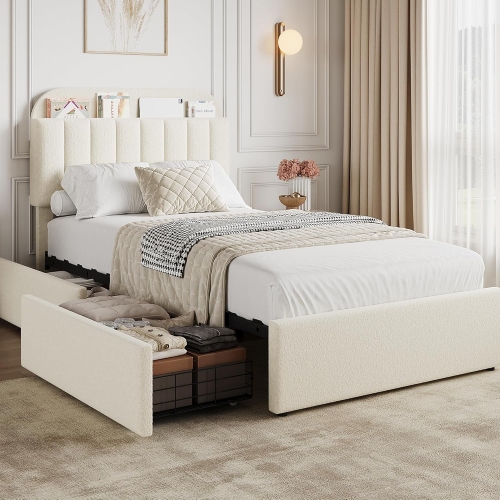
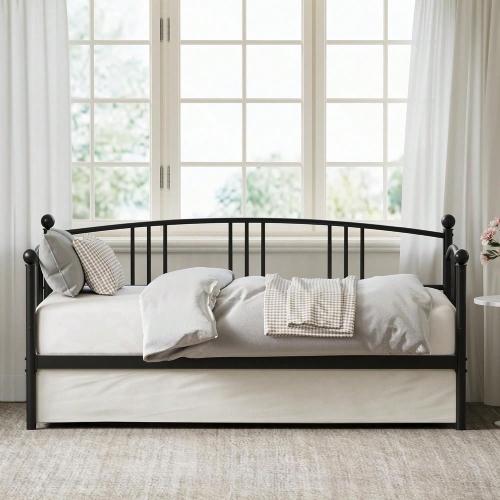
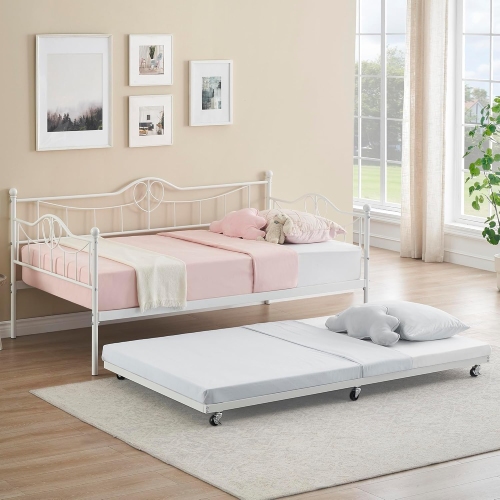

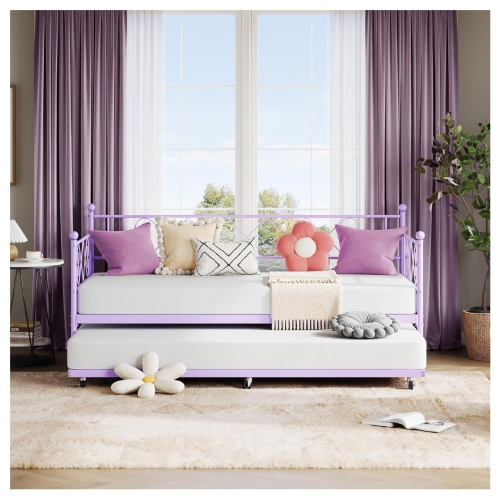
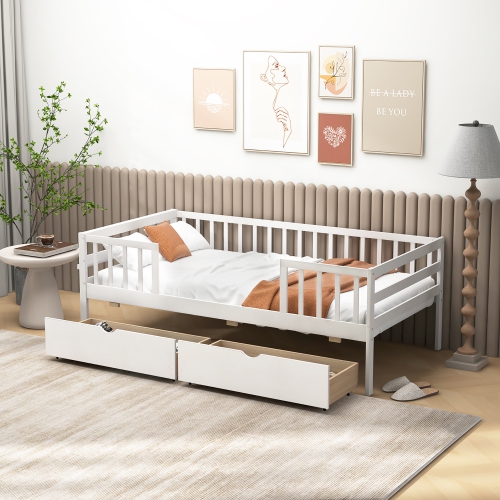
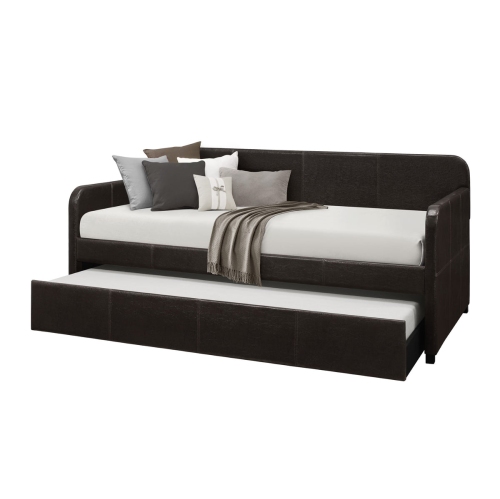
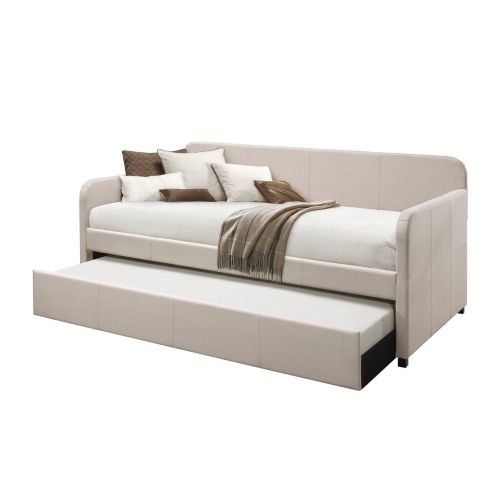
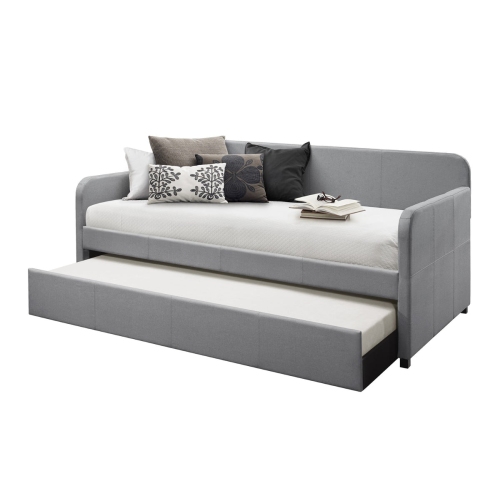

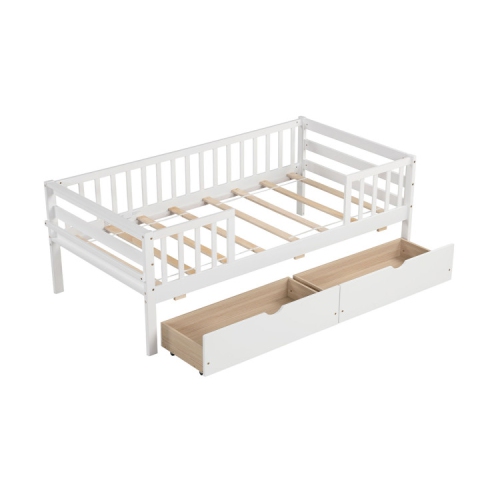
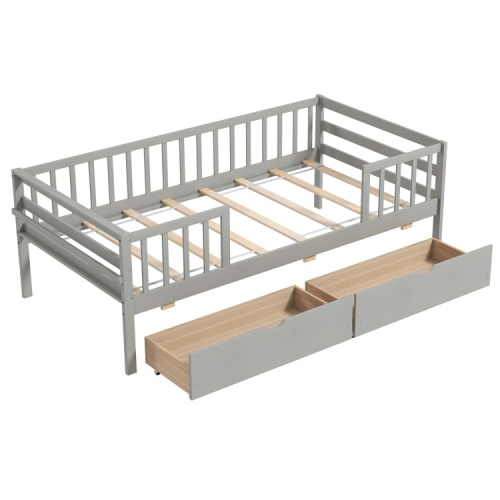
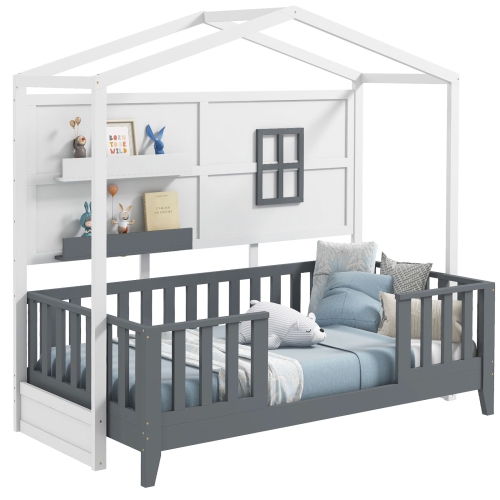
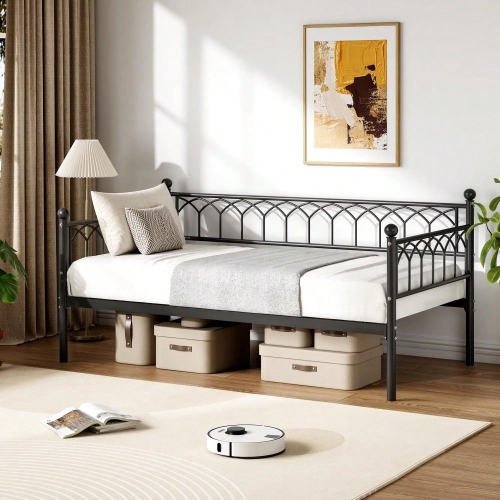
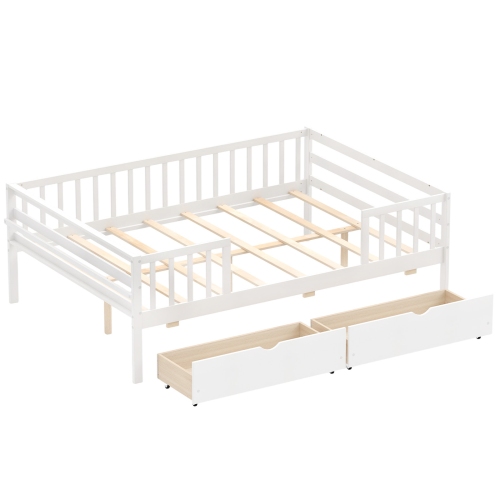
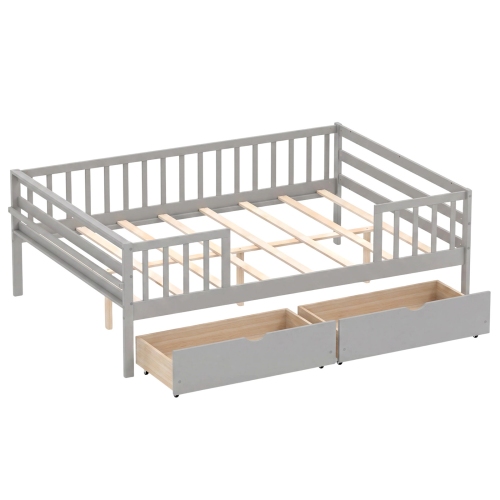

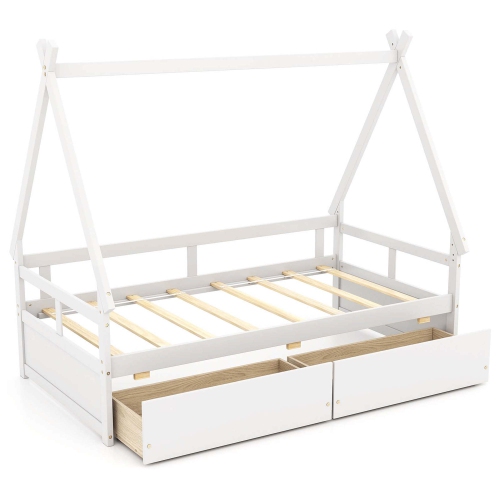

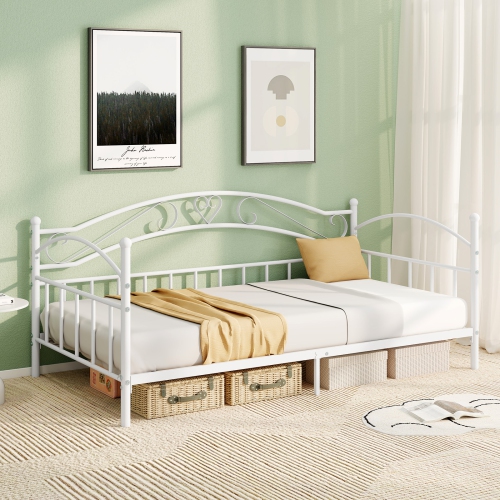
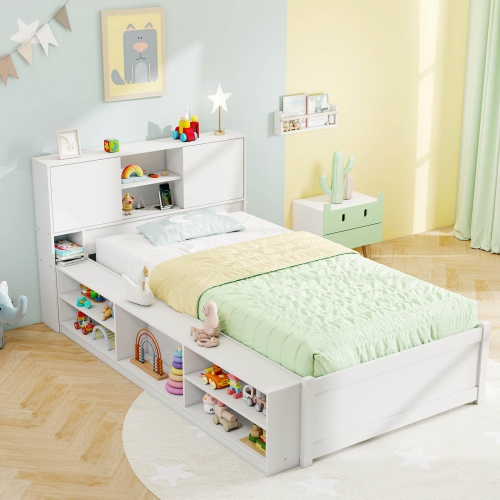
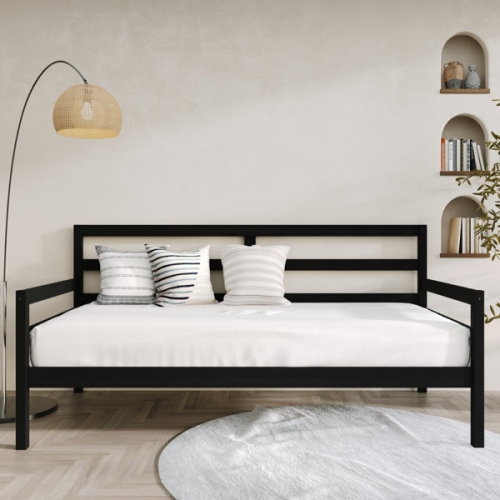
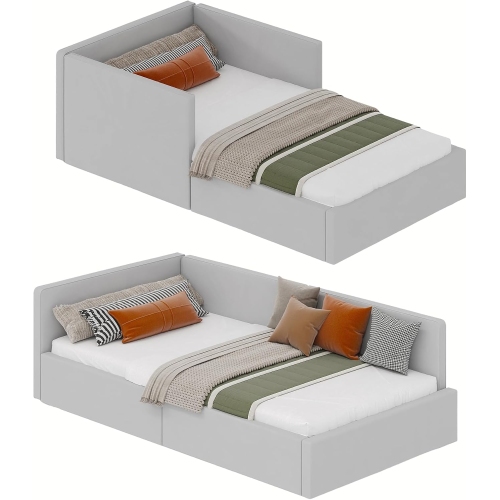

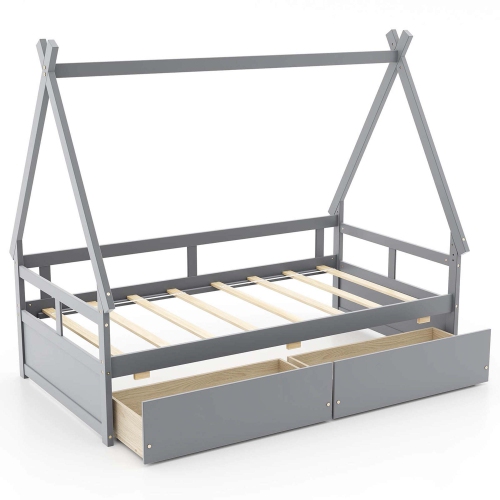
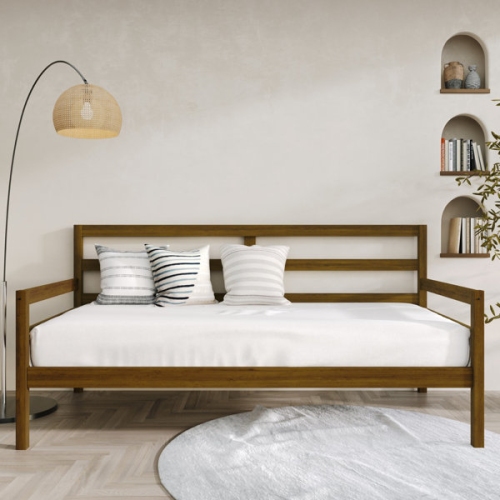
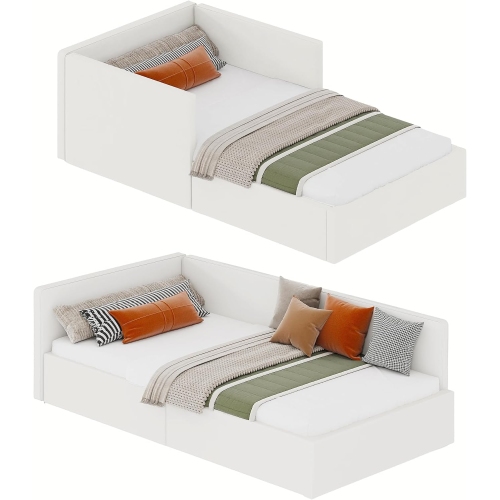
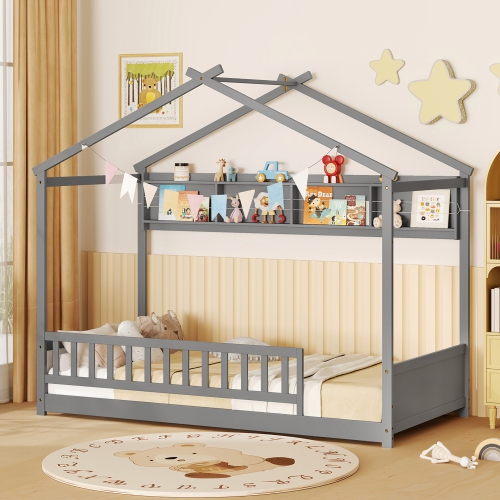
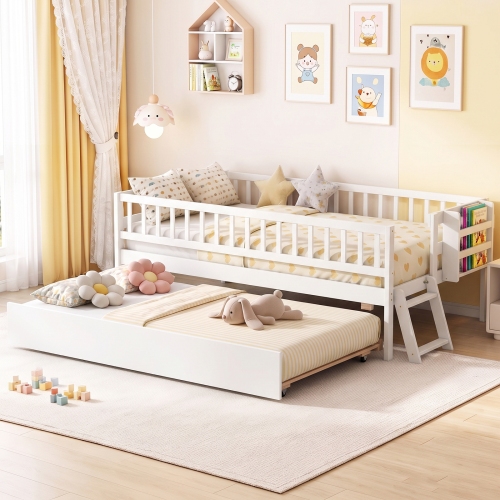
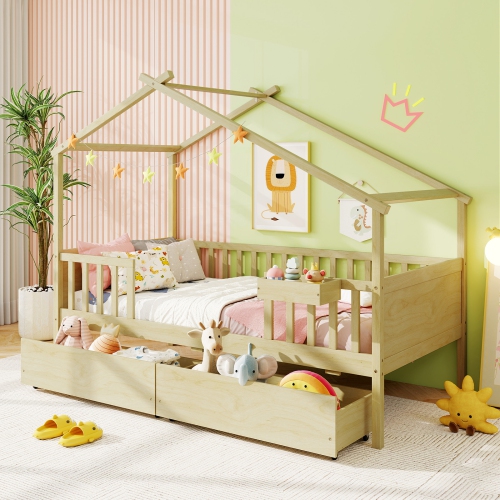
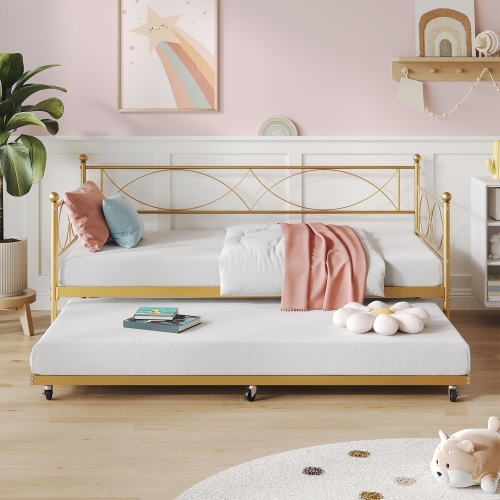


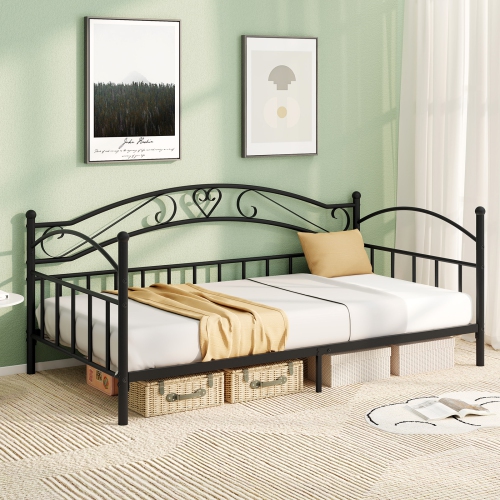
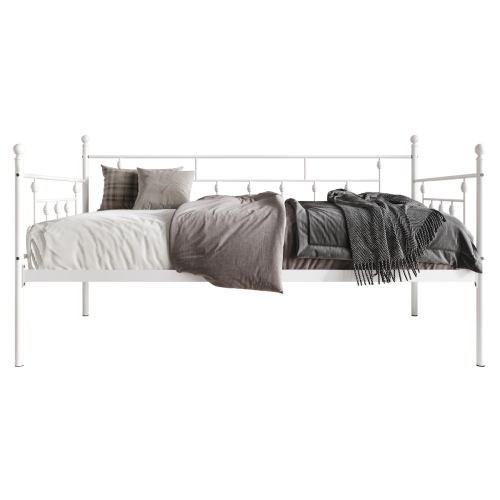
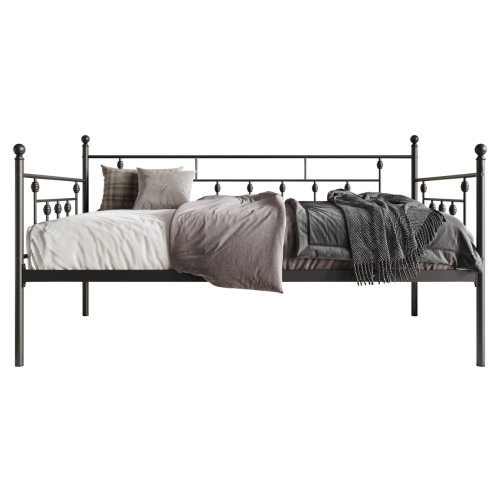
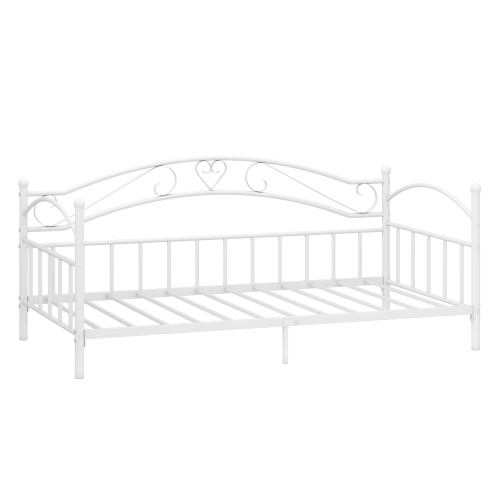
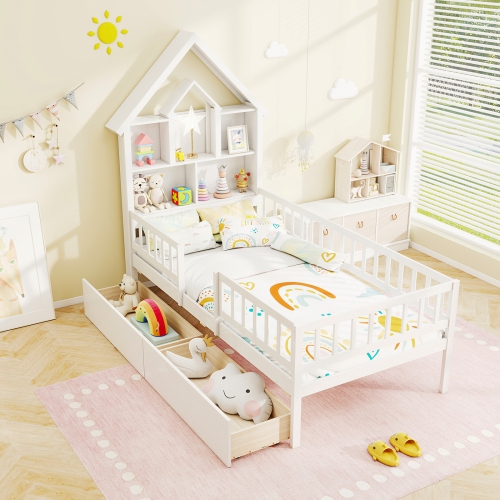

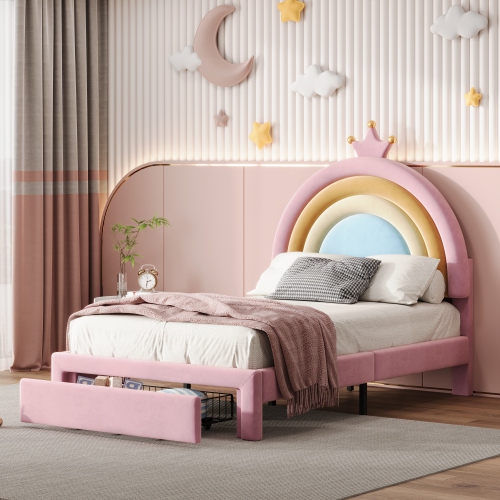

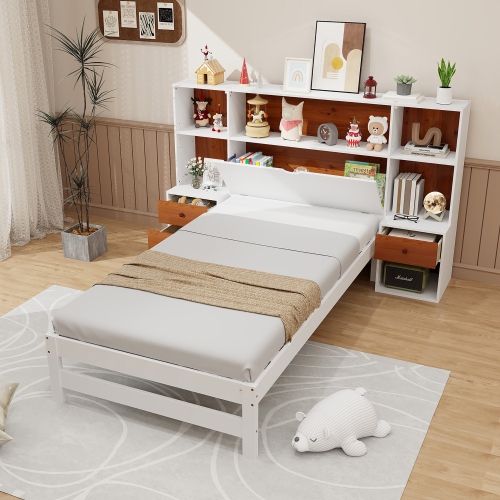
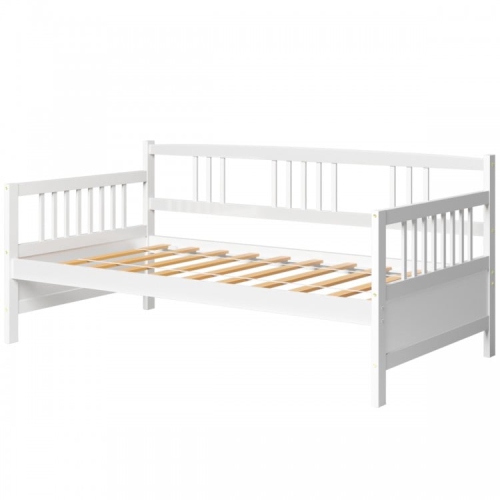
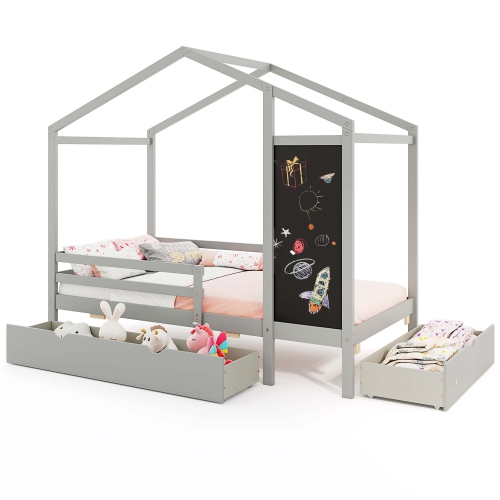
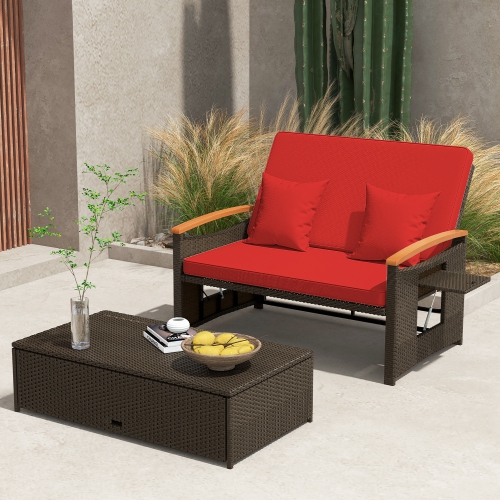
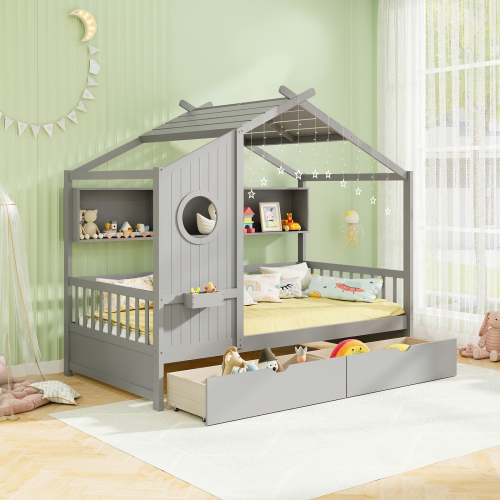
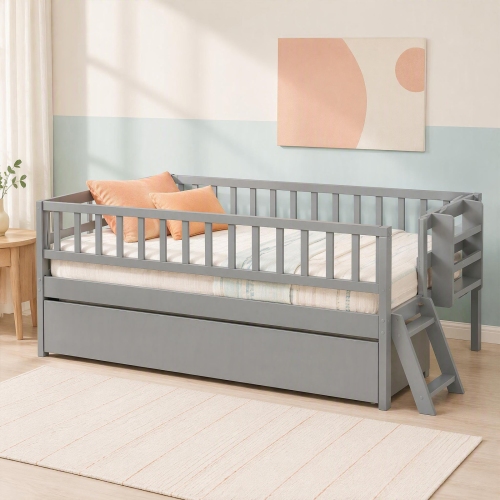
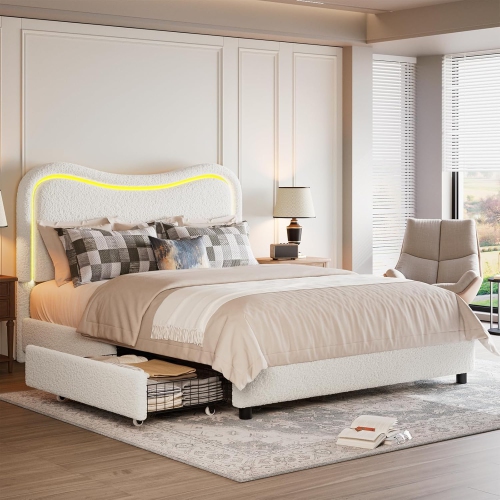
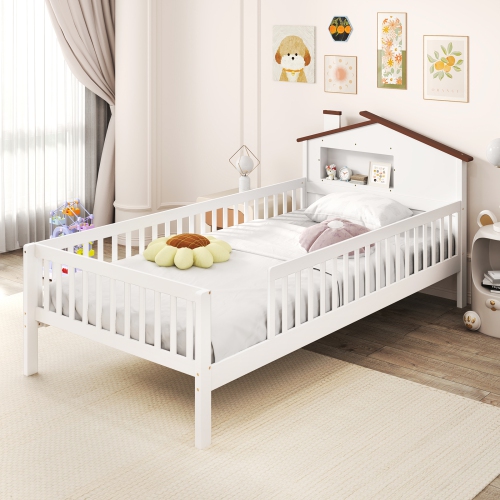
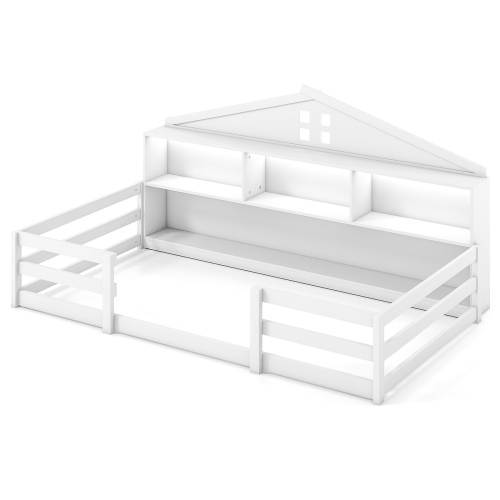
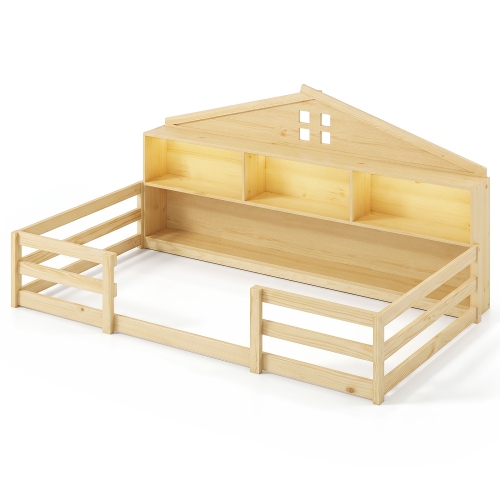
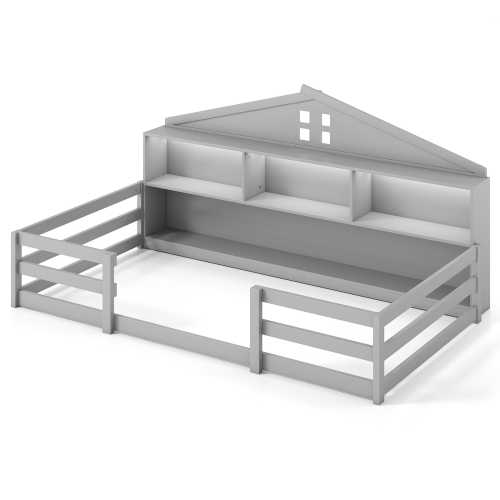

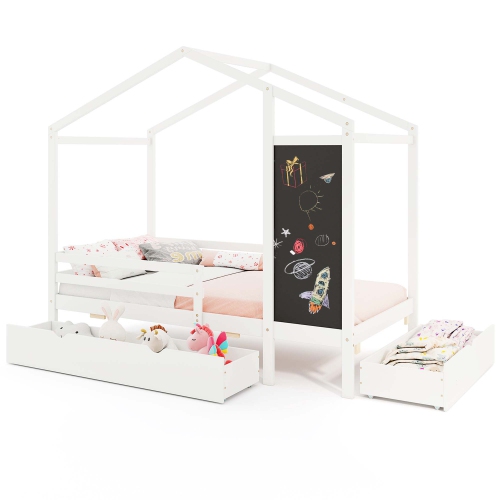
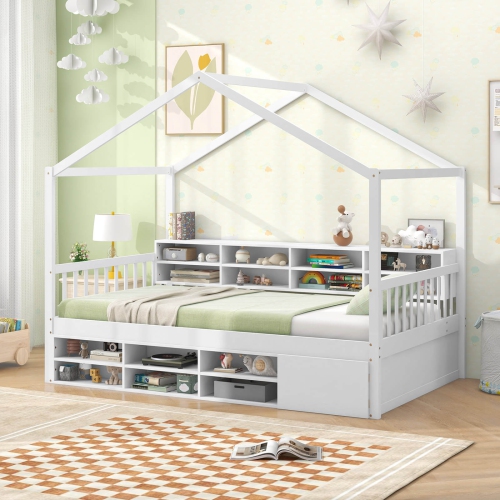
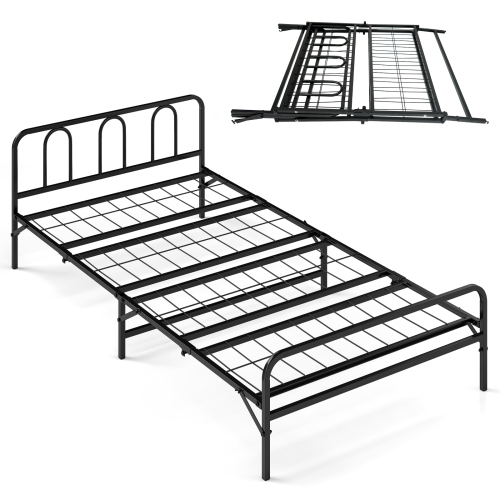
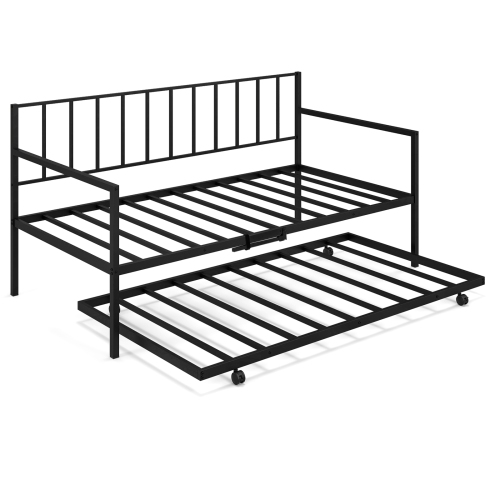
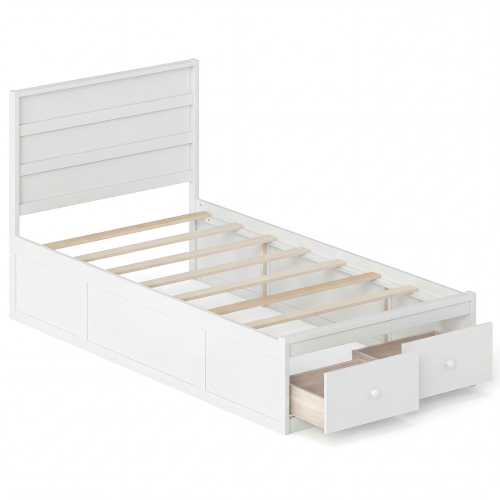
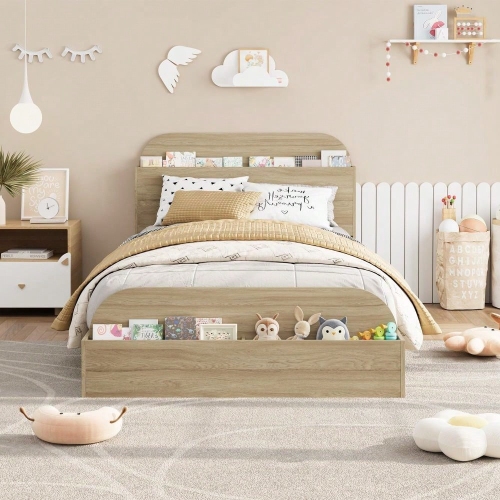
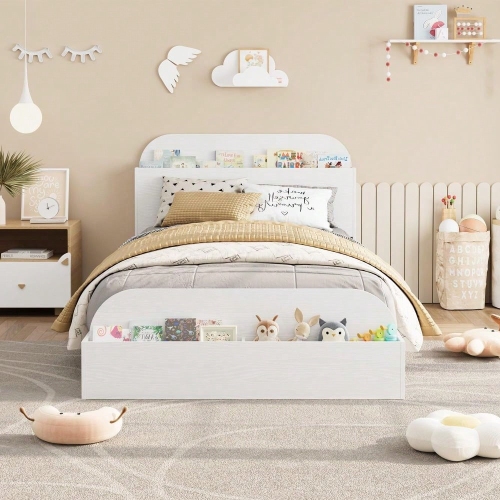

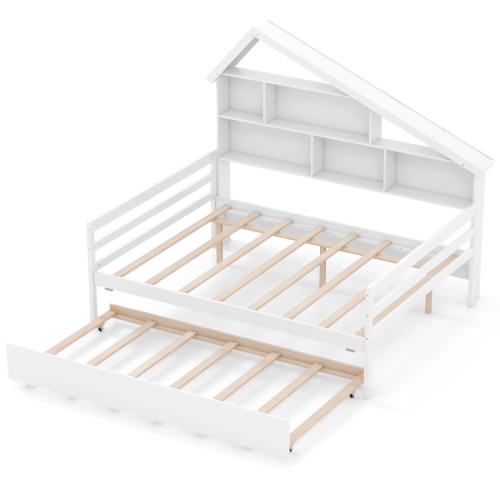
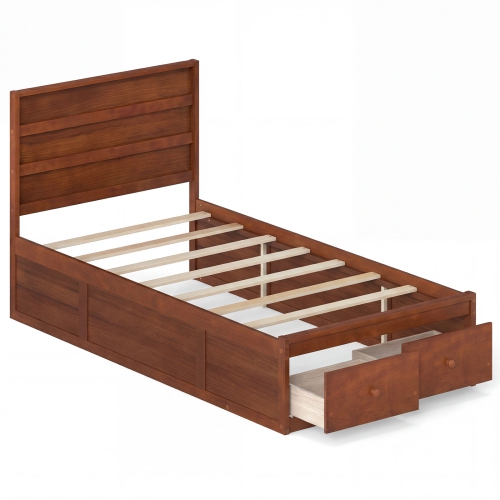
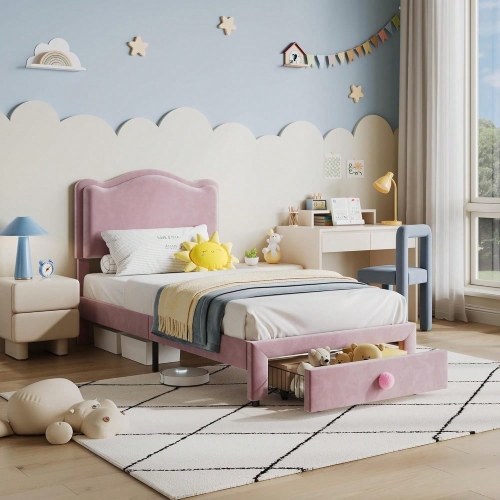
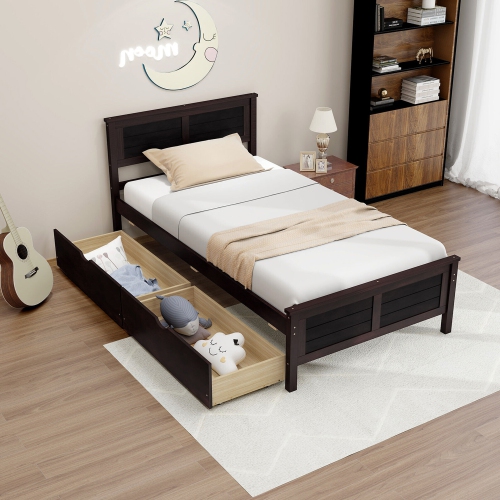
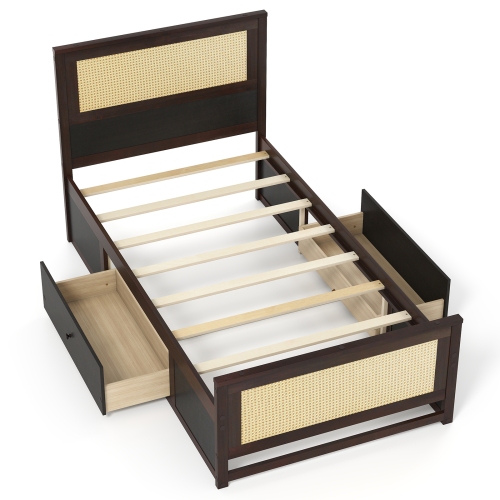
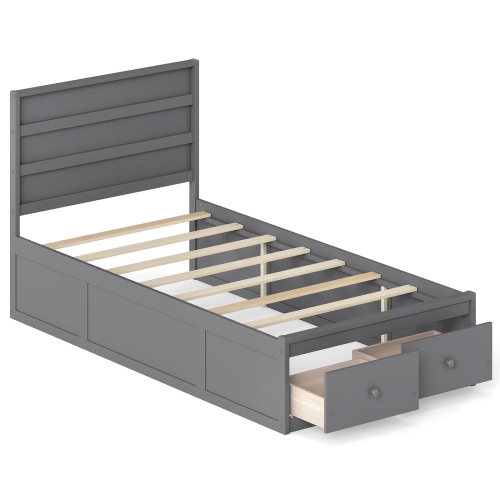
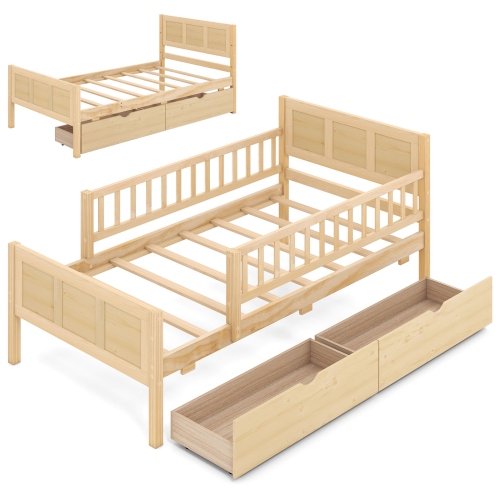
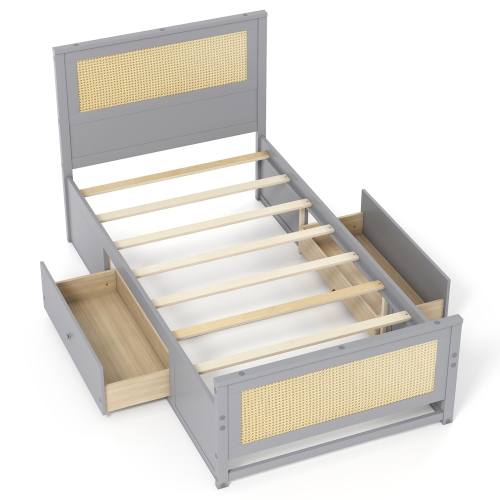
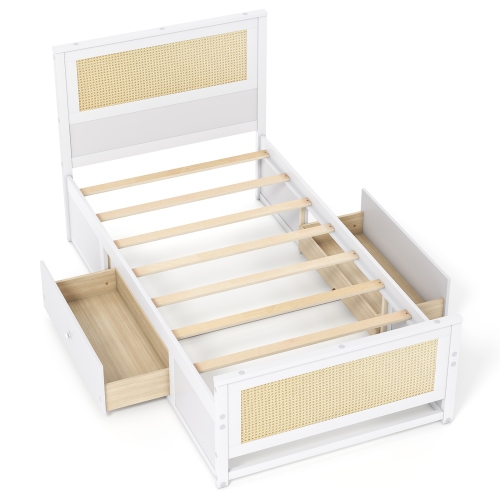
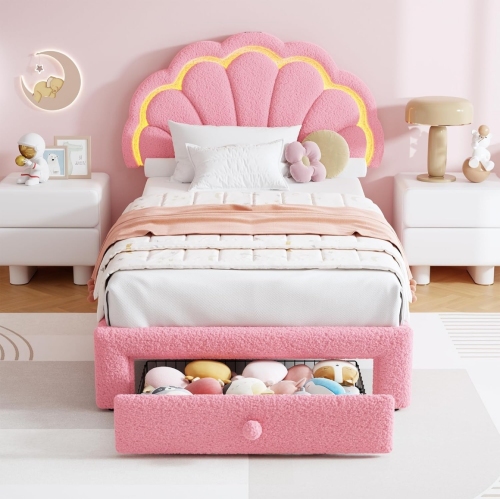
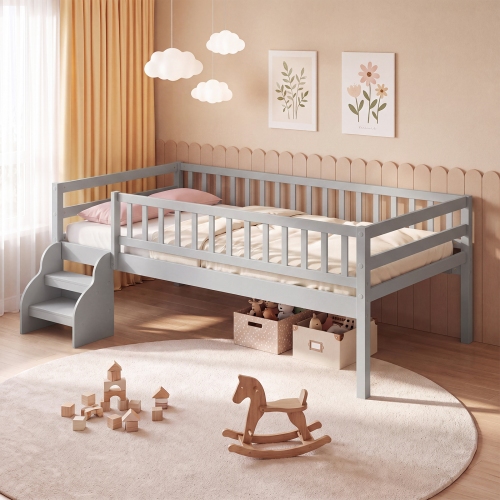
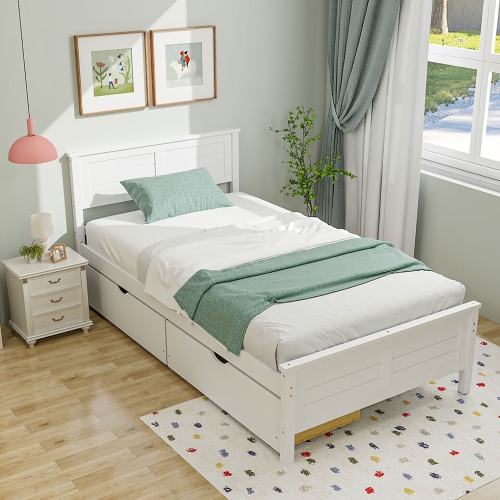
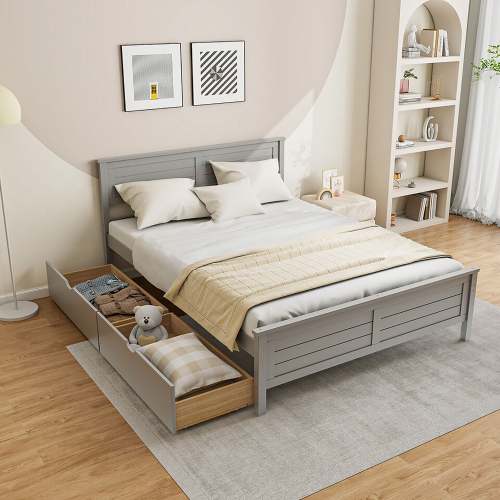
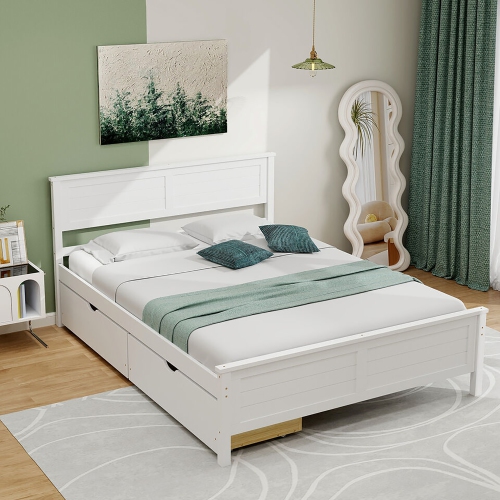
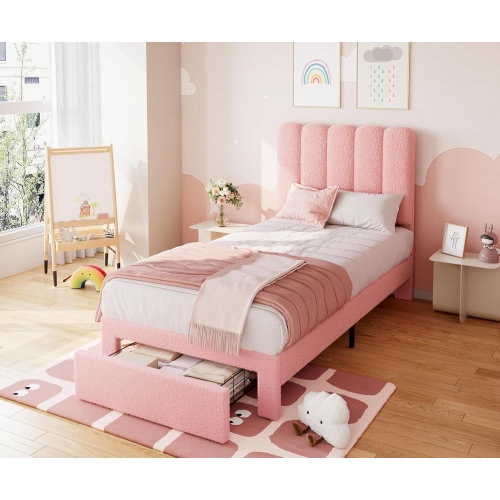
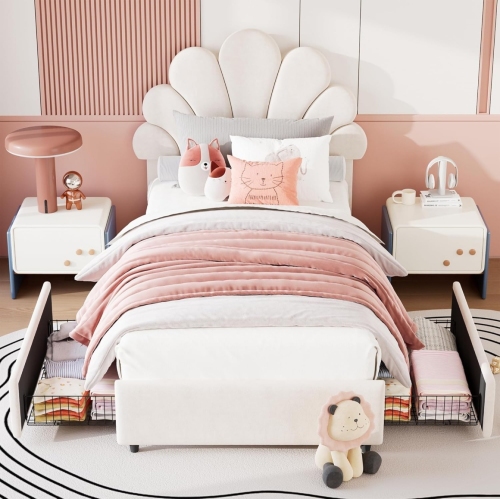
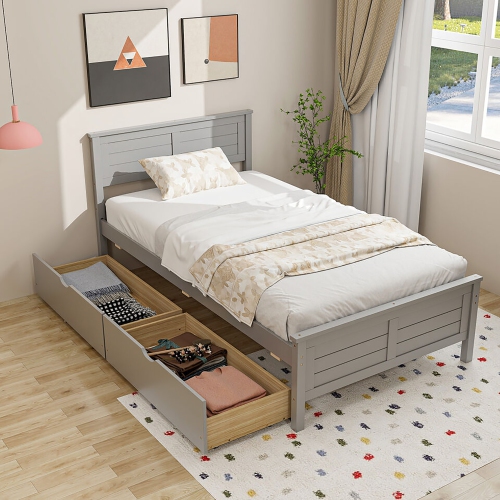
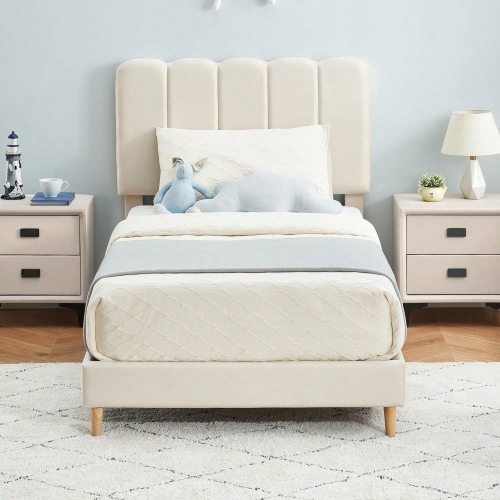
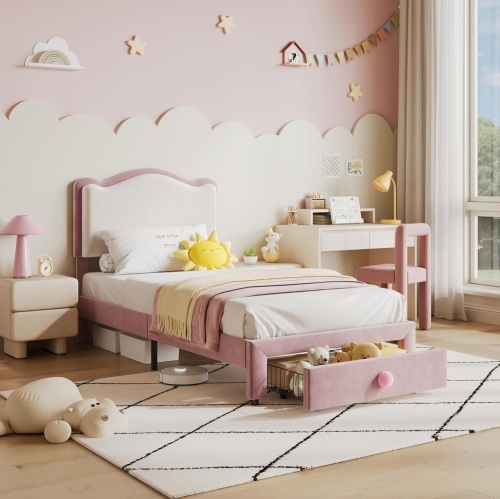
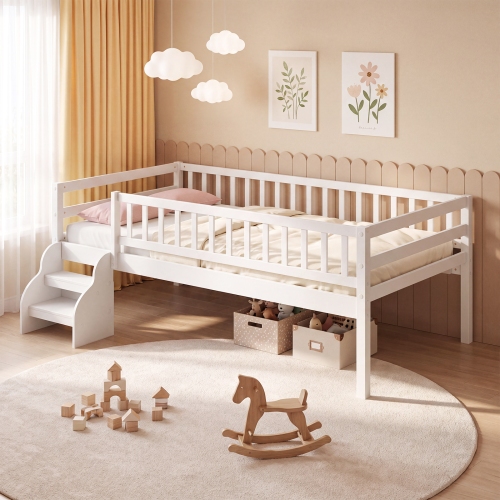
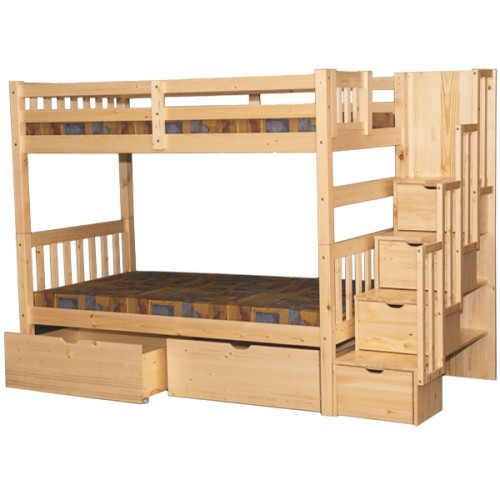
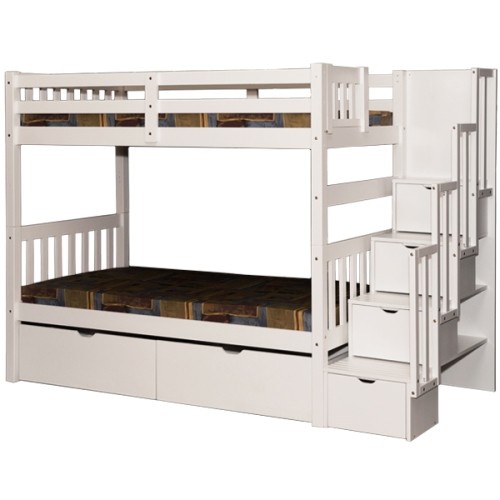
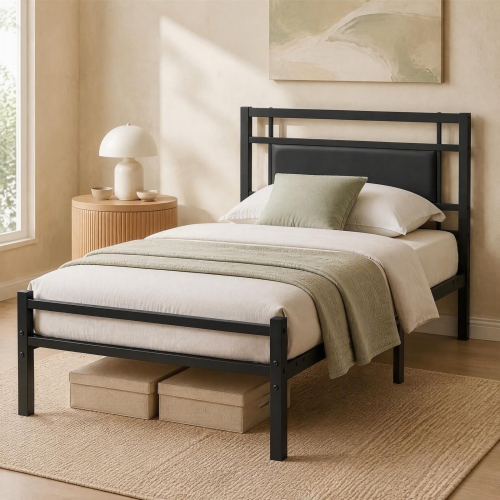
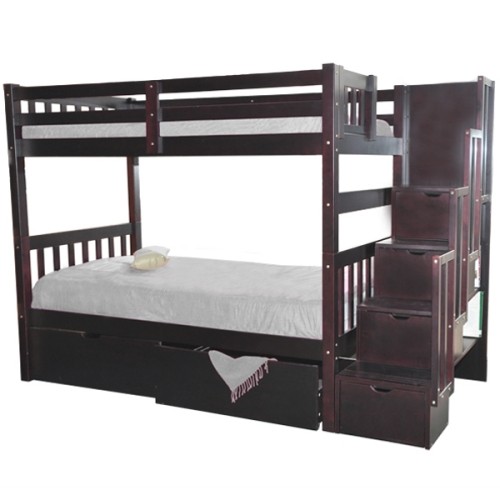
Daytime seating with space for bedding underneath
Twin daybeds with storage combine a single sleeping surface, a sofa-like frame, and built-in space for bedding or everyday belongings. They suit rooms that need to do more than one job, such as a home office that welcomes overnight guests, a child’s bedroom with limited cupboard space, or a studio where seating and sleeping share the same floor area. Back and side rails give many daybeds their distinctive shape, while cushions along the back can make the mattress more comfortable for reading or sitting. Underneath, drawers or compartments put otherwise unused space to work. Storage and trundle features are not interchangeable: drawers hold belongings, while a trundle is a pull-out platform intended for an additional mattress. Some configurations combine both functions, but the layout determines how much usable storage remains. A standard twin mattress is generally about 38 to 39 inches wide and 75 inches long; the complete daybed will be larger because of its frame, arms, and back. Twin XL mattresses are longer and should only be paired with frames designed to accommodate them. Within the Daybed With Storage category, twin-sized designs make sense when one person needs a regular sleeping space or a household wants an occasional guest bed without dedicating a room to it. Measure the full frame rather than relying on mattress dimensions, then account for drawers opening into the room. A daybed that fits neatly against a wall may still crowd a desk chair or block a cupboard once its storage is extended. Door swings, baseboards, nearby outlets, and the route from the doorway to the bed all deserve attention. Painter’s tape on the floor can help show the footprint and drawer clearance before the room is rearranged. Also check how the frame will pass through doorways and stairwells, particularly when furnishing an upper floor or a compact apartment. Keeping the centre of the room open helps the daybed function as seating without making access to its drawers awkward.
Materials and construction influence how a twin storage daybed looks, feels, and stands up to daily use. Solid wood frames can show natural grain and may develop small surface marks over time, while engineered wood components often provide smooth, consistent panels and finishes. Neither material name alone tells the whole story: panel thickness, joinery, support placement, and assembly quality also matter. Metal frames can create a lighter visual profile, although storage capacity depends on the design rather than the frame material. Upholstered daybeds add a padded look that can sit comfortably alongside living room furniture, but fabric needs to suit the household. A tightly woven covering may be easier to vacuum than a deeply textured surface, while pale fabric can make spills and marks more noticeable. Removable covers should only be washed when the care label permits it. For any frame, inspect the stated weight capacity, mattress support requirements, and assembly instructions. Slat spacing and centre supports should meet the mattress manufacturer’s requirements, and a box spring should only be added if the frame is designed for one. Mattress thickness matters as well: an overly tall mattress can cover much of the back or side rails and change the proportions of the seating area. If there is a trundle, its specified mattress height is particularly important because the platform must slide beneath the main bed. For regular sleeping, choose a compatible mattress with support and comfort suited to the sleeper, rather than treating it as an afterthought to the frame. For daytime use, a fitted cover and a few supportive cushions can make the same surface feel more like a place to sit. In a child’s room, follow the manufacturer’s age and use guidance; decorative side rails should not be assumed to provide the same protection as purpose-designed safety rails. Smooth edges, secure hardware, and drawers that move predictably are practical details worth checking in any frequently used room.
The most useful storage arrangement depends on what needs to be put away and how often it will be reached. Wide, shallow drawers can suit spare sheets, folded pyjamas, or lightweight blankets, while deeper compartments may accommodate bulkier bedding if their dimensions and load limits allow it. Check usable internal measurements rather than judging capacity from the drawer front. Drawer sides, runners, and the space beneath the mattress all affect what will fit. For guests, keeping a clean sheet set and pillowcases together makes it easier to prepare the bed without searching through several cupboards. In a child’s bedroom, separate drawers can give clothing and toys distinct places, provided the contents remain within the stated capacity. Avoid overfilling drawers, since fabric caught behind a drawer or belongings pressing against its base can interfere with smooth movement. Storage that opens from the front is convenient when a daybed sits against a wall, but it still needs a clear path across the floor. Thick rugs, uneven flooring, and nearby furniture can affect drawers that roll on castors, so consider the surface beneath the bed as well as the surrounding space. Care is usually straightforward when matched to the materials: remove dust with a soft cloth, vacuum upholstery and accessible gaps, and clean spills promptly using the recommended method. Avoid soaking wood-based panels or applying cleaning products without checking the finish and care instructions. Periodically check accessible fasteners according to the assembly guidance, especially after moving the frame, and keep drawer tracks free of loose objects. A daybed used every night benefits from easy access for changing sheets and cleaning beneath it; one in an office benefits from cushions and bedding that can be put away quickly before the working day. The right combination leaves room to move, provides comfortable sleeping space, and keeps frequently used belongings close without making the room feel crowded.
Top selling and popular products
-
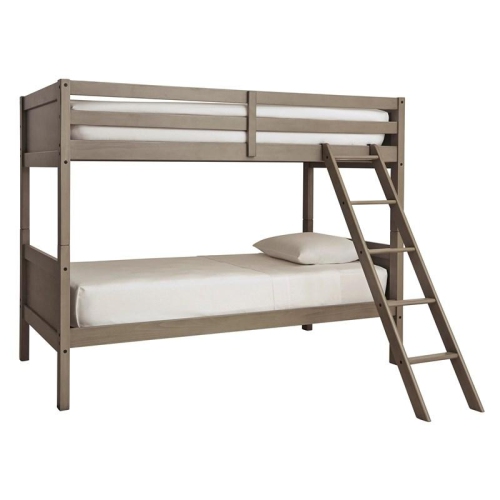 Your price for this item is $799.99
-
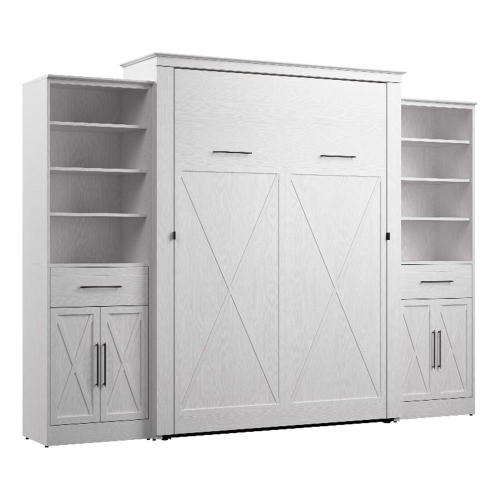 Your price for this item is $3519.99
-
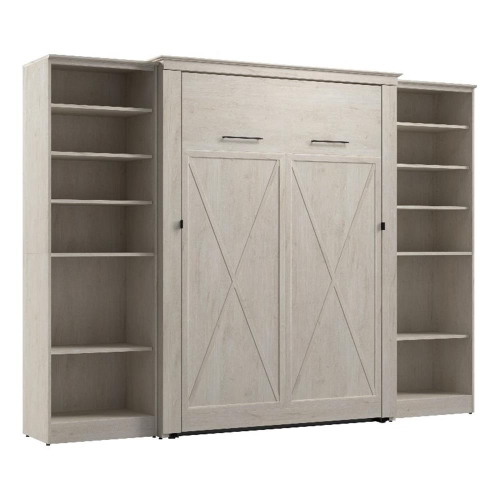 Your price for this item is $3099.99
-
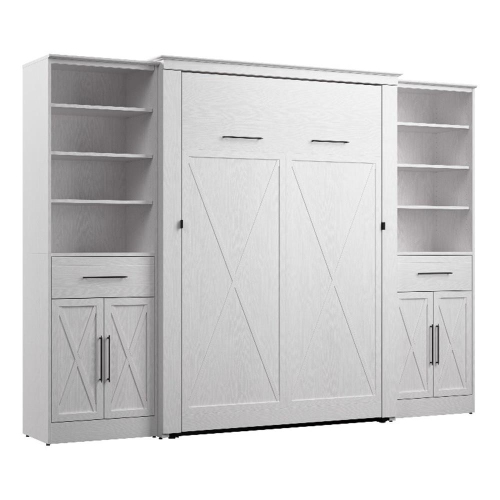 Your price for this item is $3349.99
-
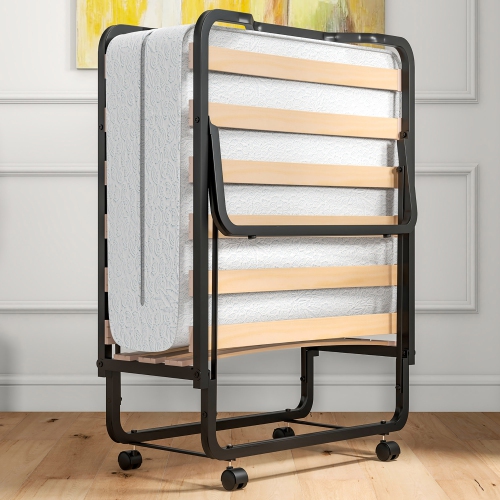 Your price for this item is $235.99
-
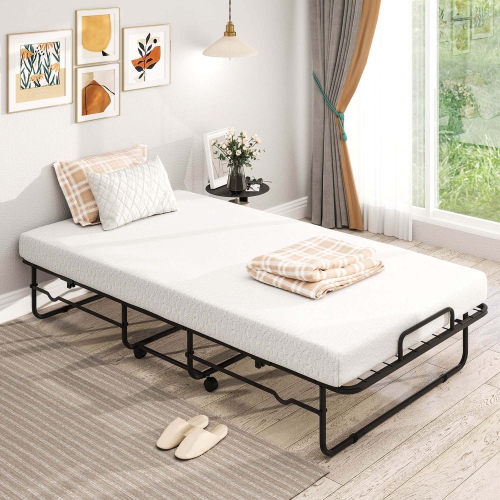 Your price for this item is $243.99
-
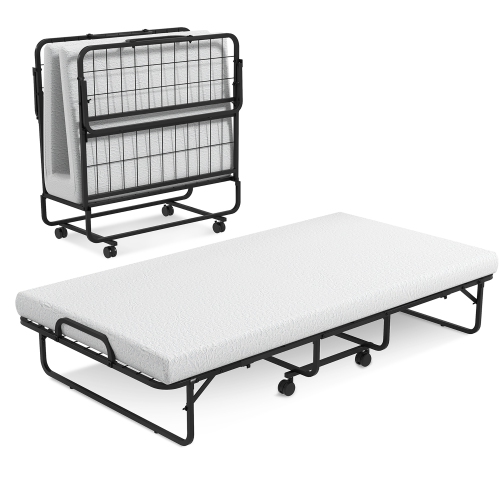 Your price for this item is $233.99
-
 Your price for this item is $364.99
Discover more categories related to Twin Daybeds With Storage

Top Collections:
Best Black Friday Deals This Year, Best Black Friday Deals On Electronics, Kindle Devices, Best Black Friday Deals On Apple Products, Best Budget Office Chairs, Best Cameras for Sports Photography, Dyson Airwrap, Canon G7X Cameras, Best Laptops for Writers, Samsung Galaxy Phones
Some products may be subject to Environmental Handling Fees
(EHF) depending on your province.
Learn more about EHFs.