Twin Mattress Canada
Discover the perfect blend of comfort and support with our selection of twin mattresses, thoughtfully curated to enhance your sleep experience. Whether you're outfitting a child's bedroom, a guest room, or a cozy dorm space, finding the right mattress is essential for restful nights and refreshed mornings. Our diverse range of twin mattresses caters to various preferences and needs, offering options that prioritize quality and durability. Dive into a world where restful slumber meets innovative design, ensuring you wake up ready to embrace the day with energy and enthusiasm.
Sort
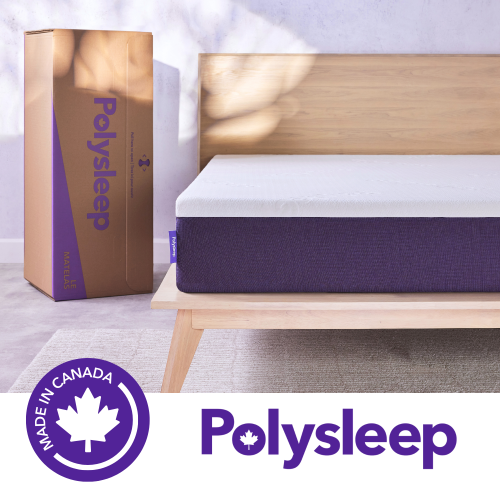
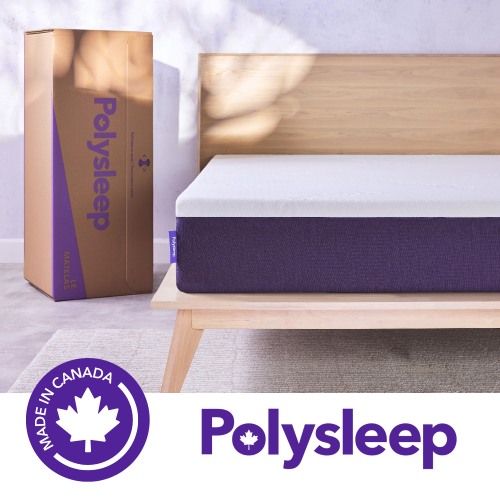
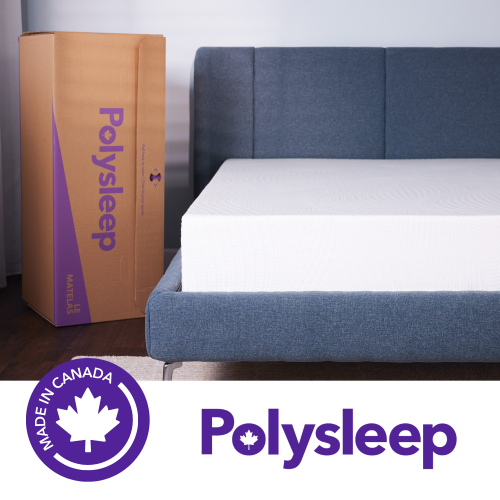
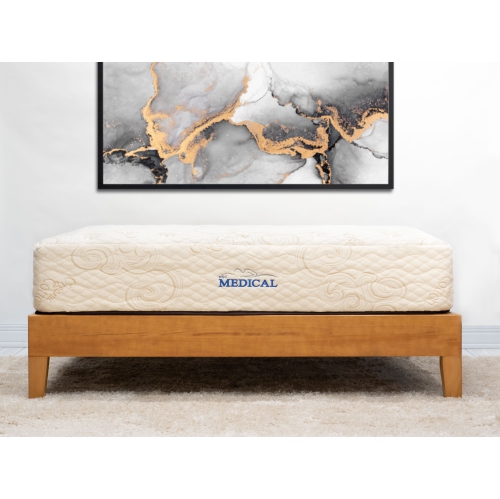
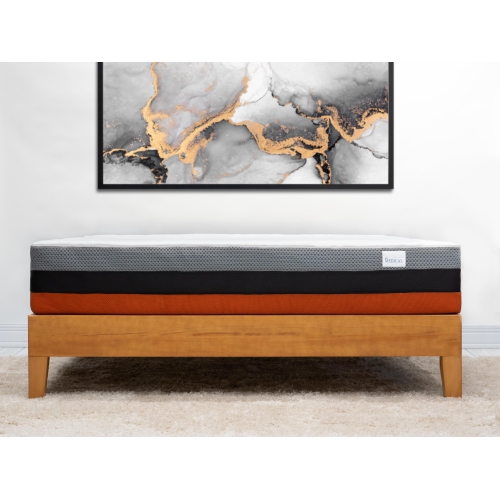
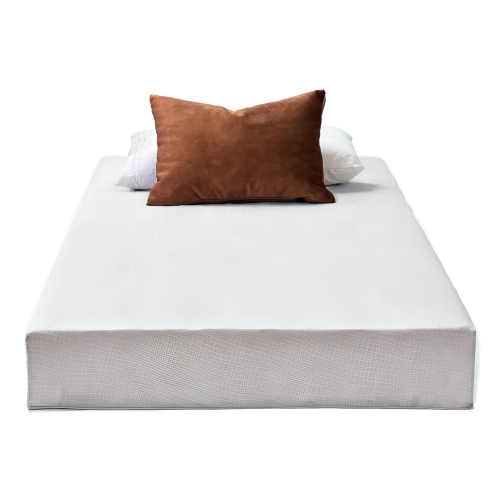
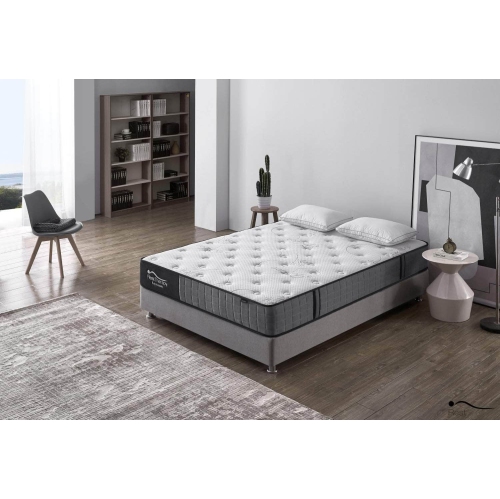
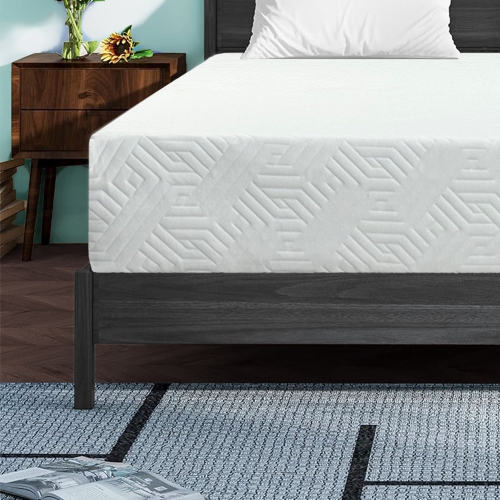
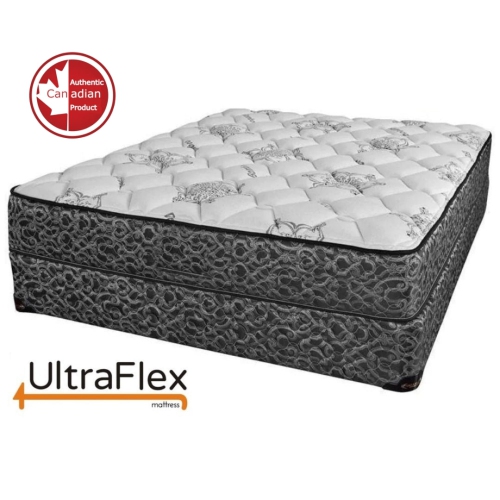
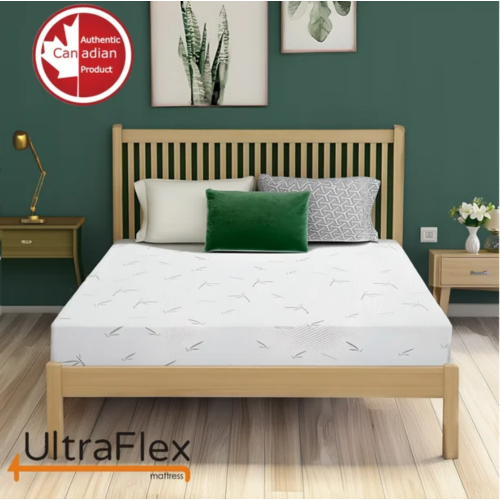

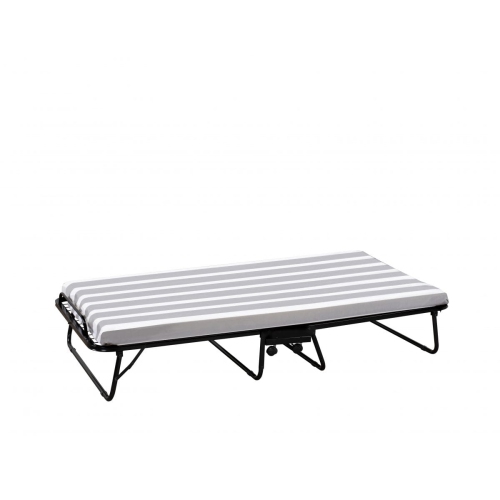

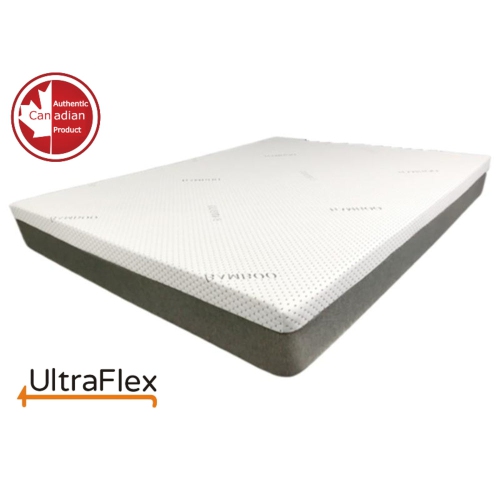

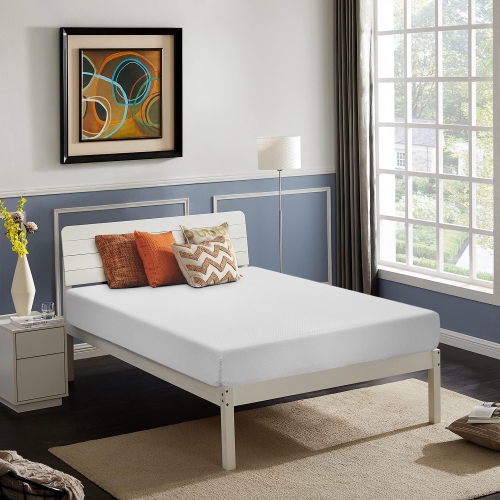
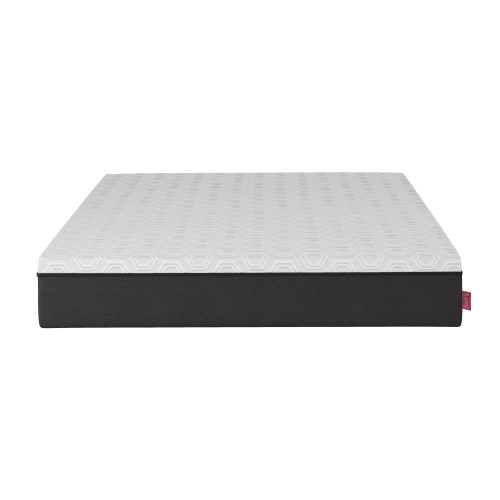
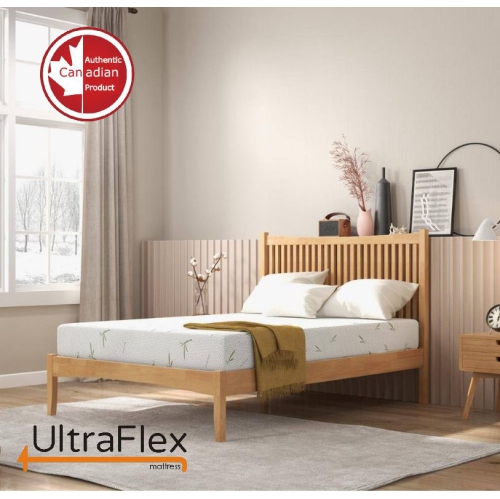
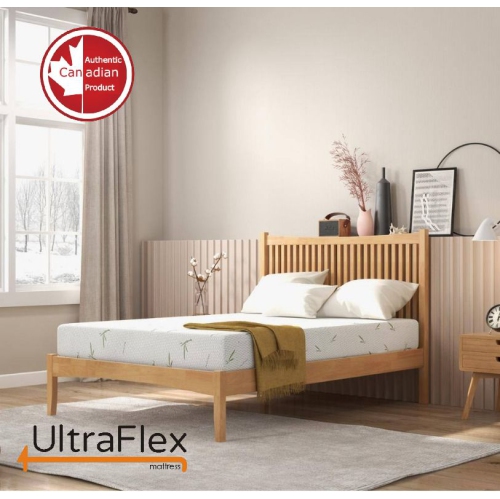
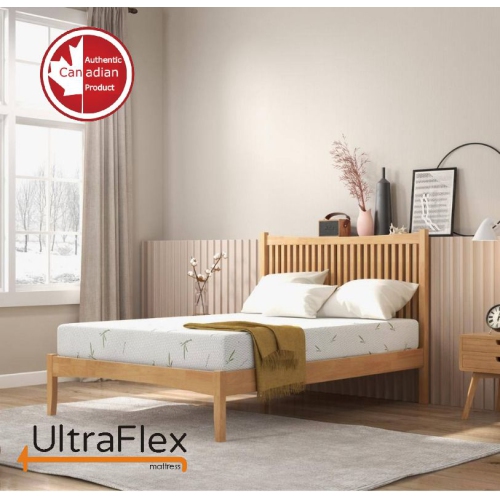
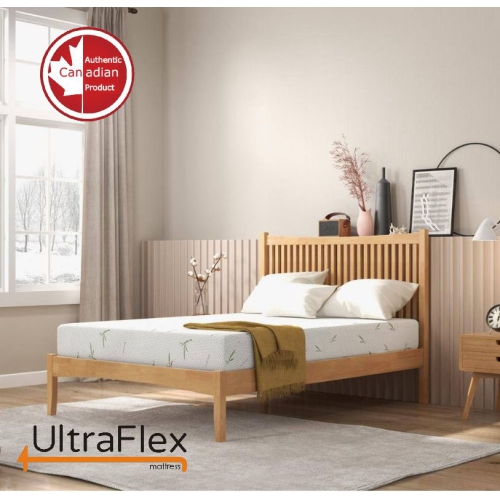
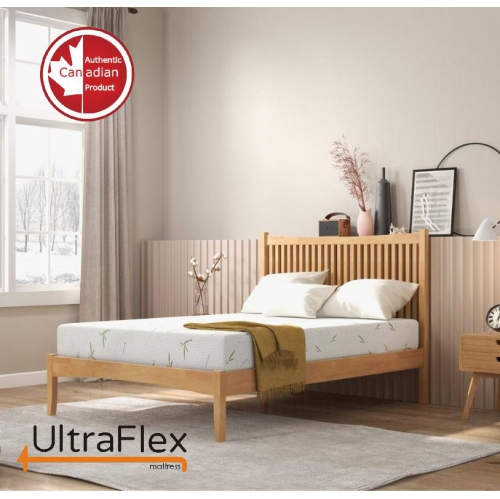
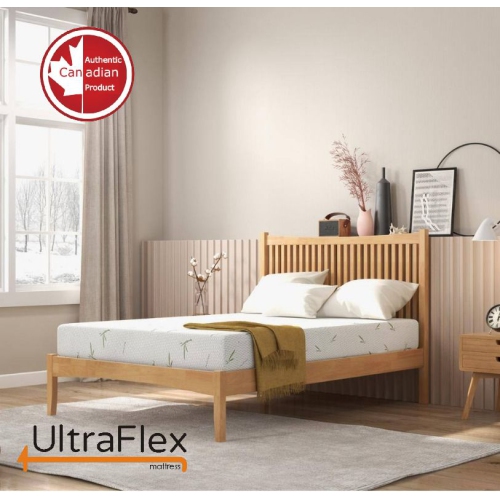
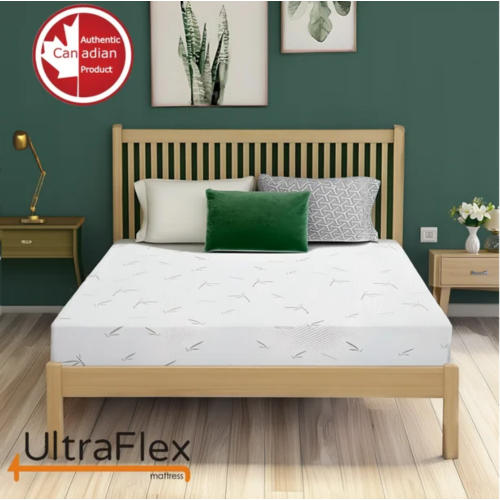

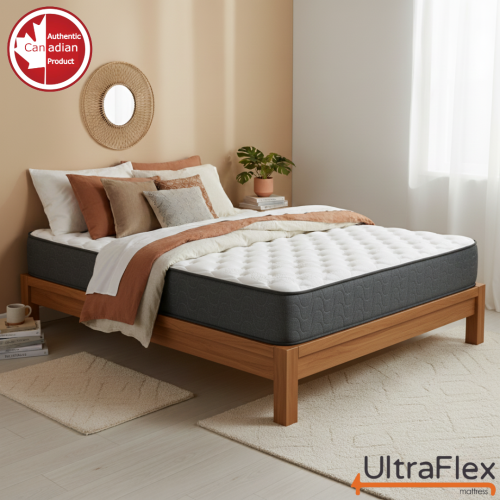
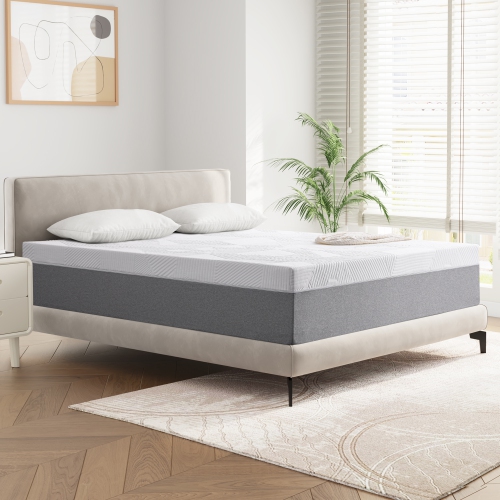
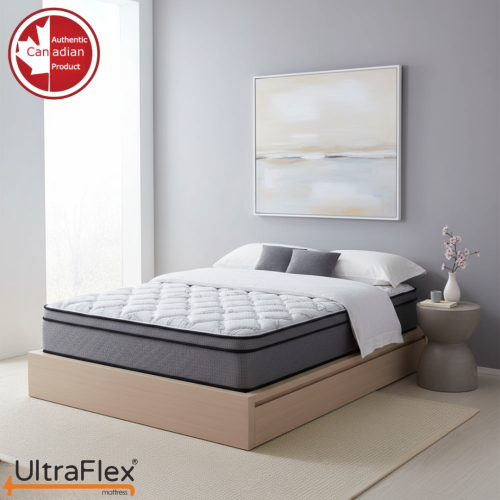
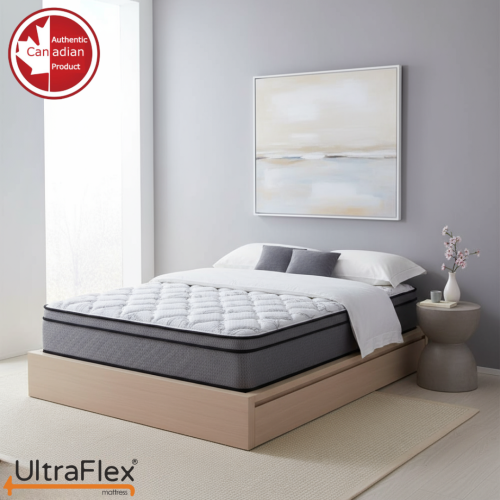
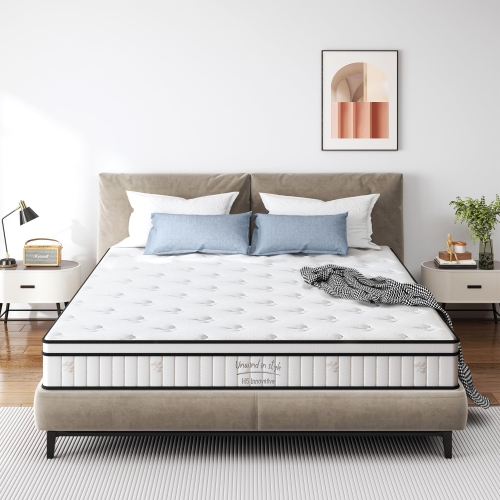
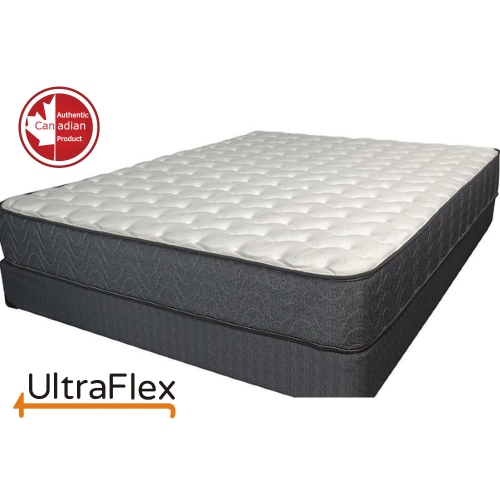

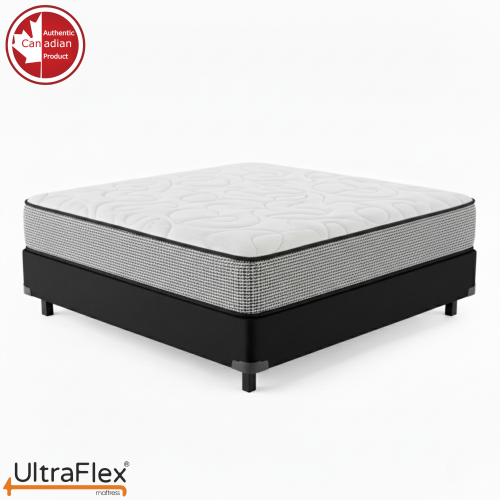




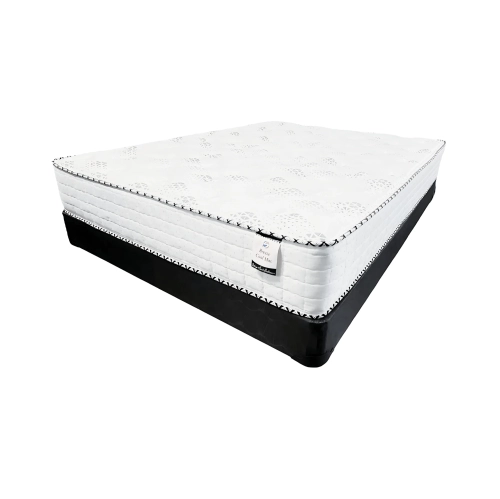
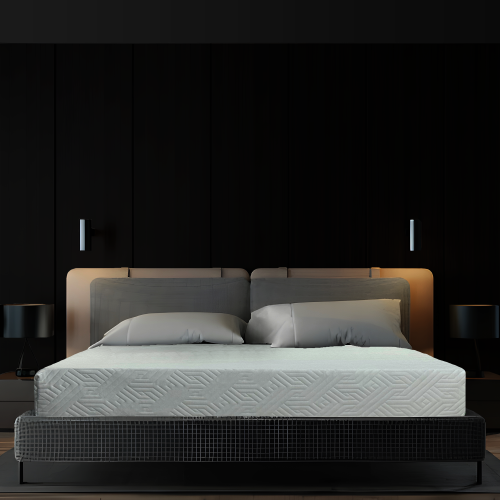
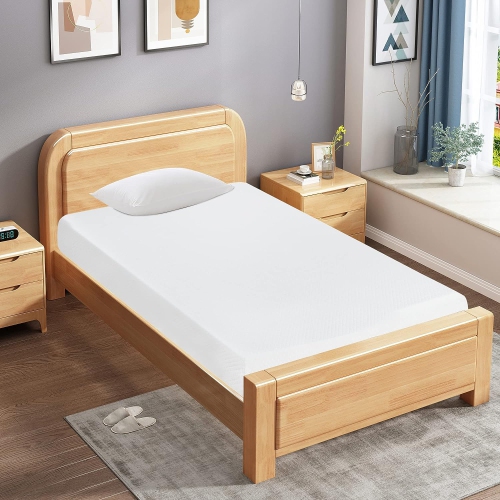
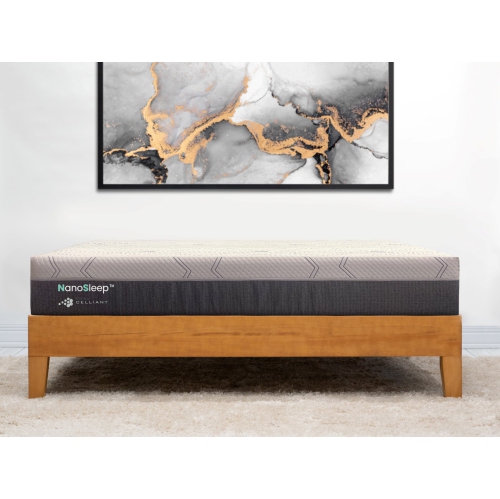
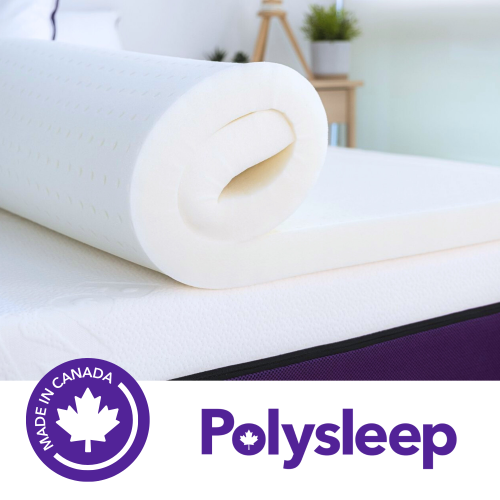
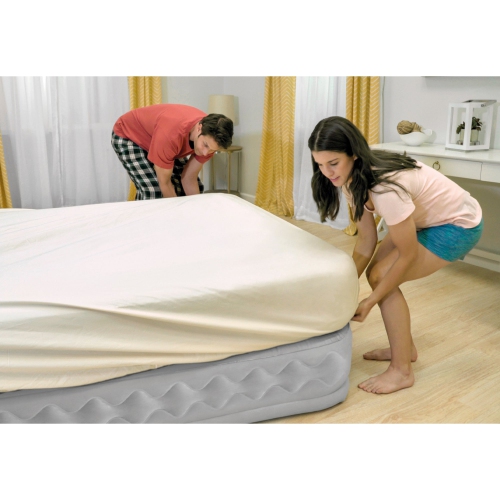
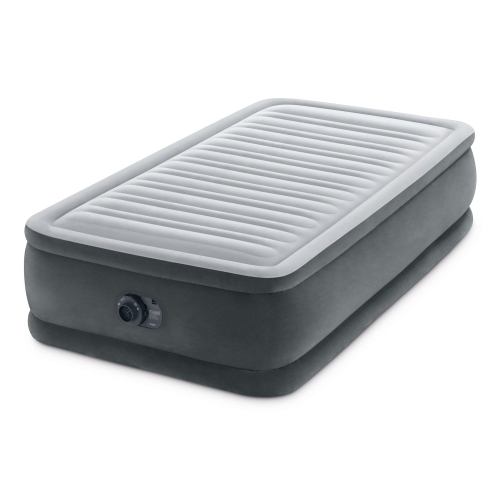
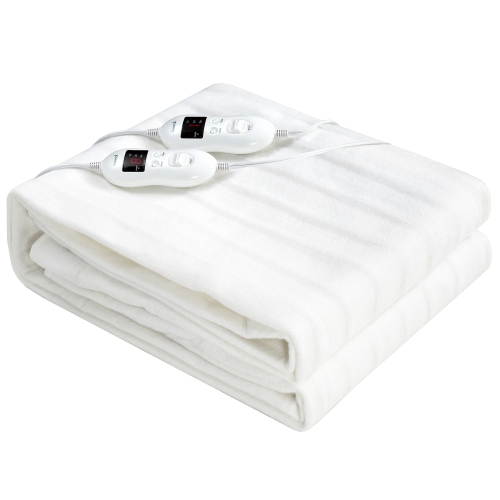
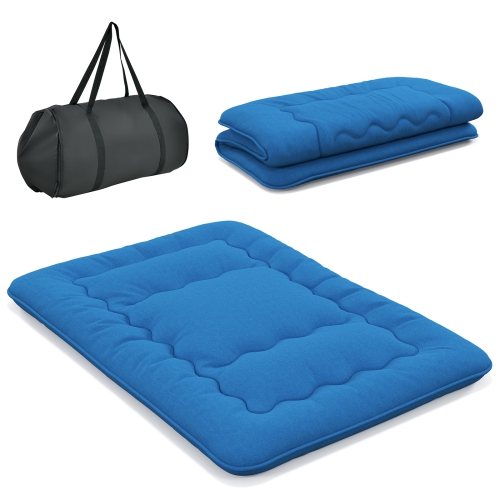
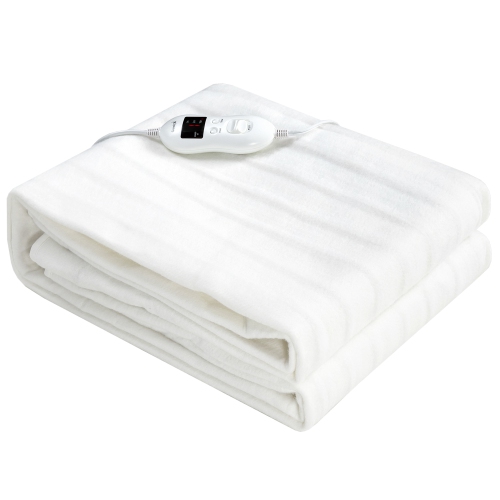
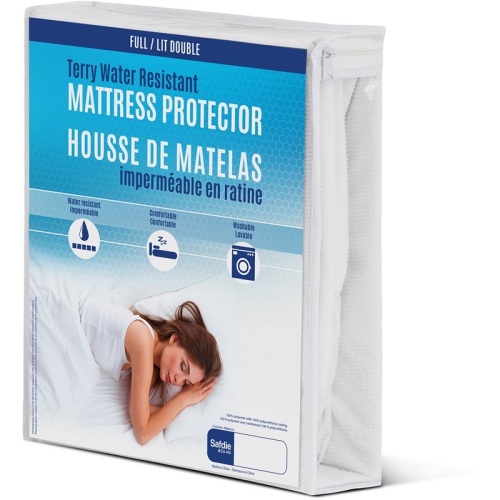
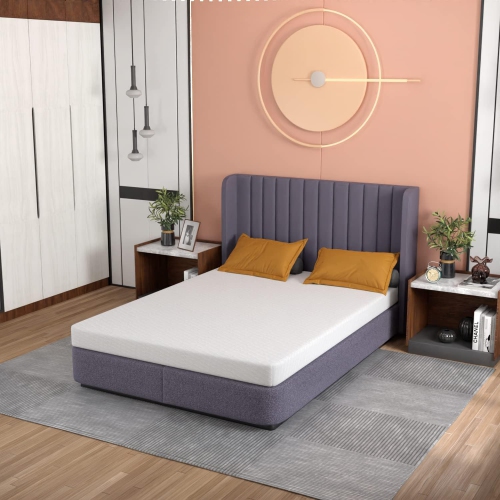
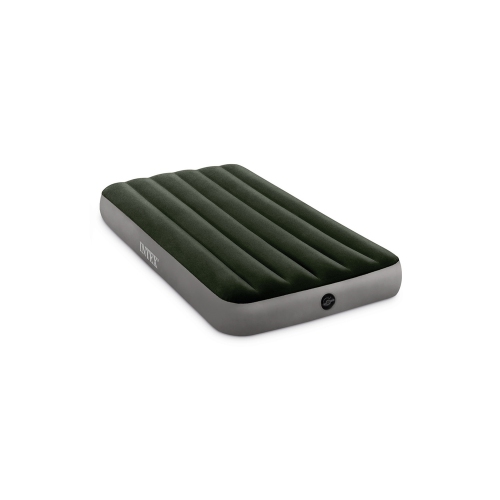
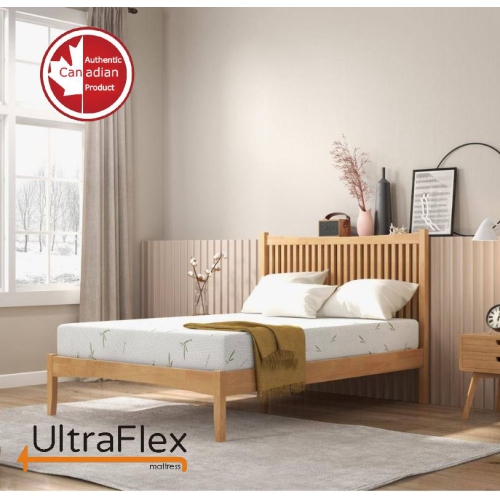
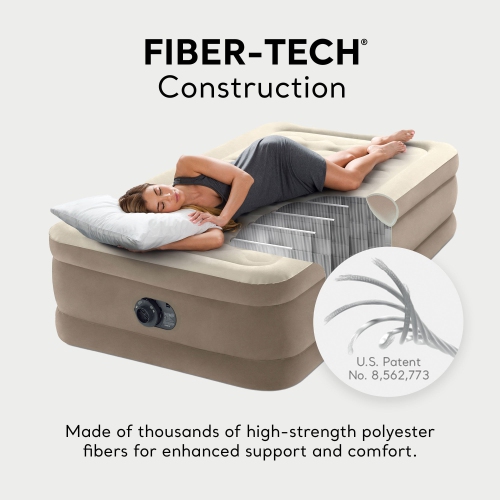
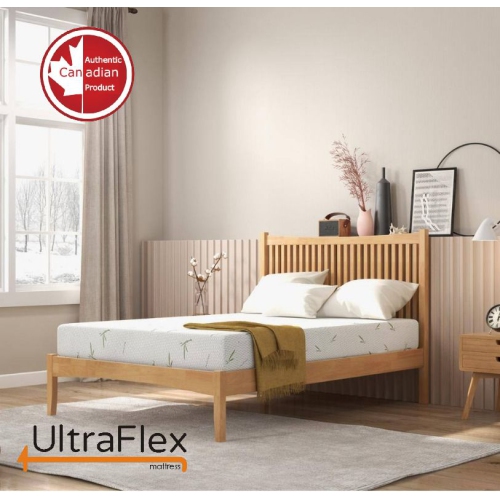
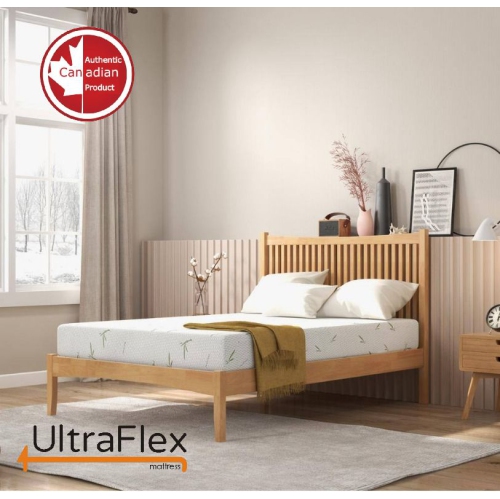
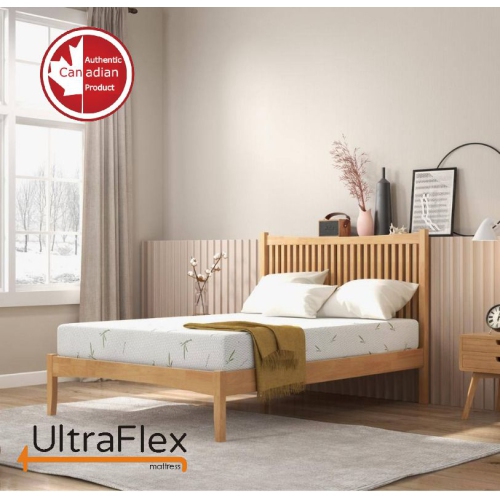
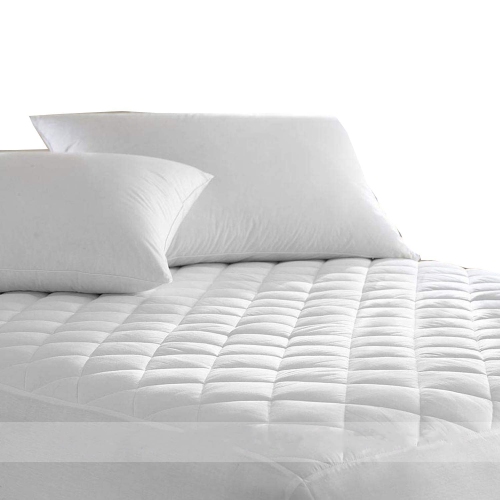
Twin mattress comfort goes beyond length and width
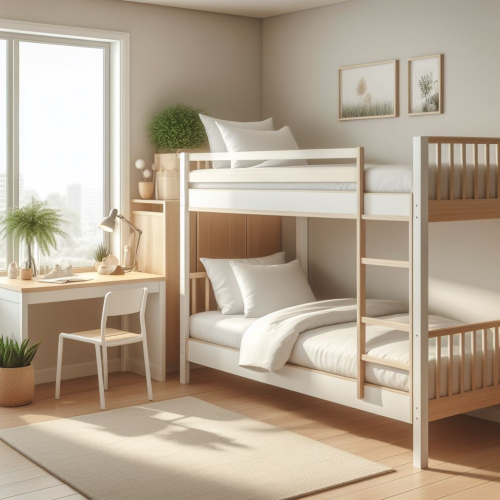
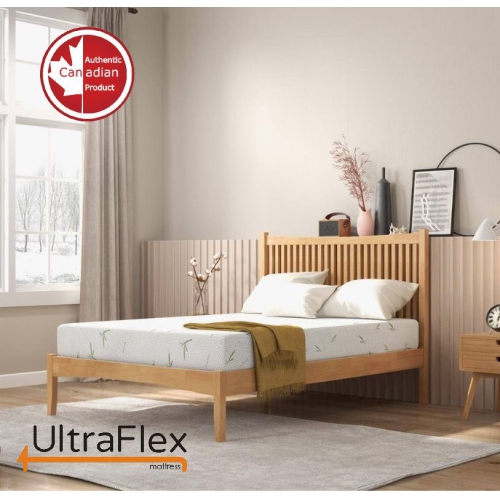
A standard twin mattress in Canada measures approximately 38 inches wide by 75 inches long, making it a practical size for one sleeper in a child’s bedroom, a compact guest room, or a shared space with separate beds. Twin and single generally refer to the same mattress size in Canada, although exact measurements can vary slightly by manufacturer. A twin XL mattress is typically 38 inches wide by 80 inches long, adding 5 inches of length without taking up more floor space across the room. That extra length can make a noticeable difference for a taller teenager or adult, especially when a standard twin leaves little room between their feet and the end of the bed. Standard twin and twin XL mattresses need bed frames and fitted sheets that match their respective lengths; the two sizes are not interchangeable. For a smaller bedroom, a twin bed can leave room for a desk, a dresser, or a clear path to the closet. Two twins can also give siblings or overnight guests individual sleeping spaces without requiring separate bedrooms. Mattress dimensions are only part of the fit, since headboards, footboards, and upholstered rails add to a bed’s overall footprint. Measuring the full frame and leaving enough clearance for drawers and doors helps keep a room comfortable to move through. A twin mattress works best for someone who sleeps alone and is comfortable with a narrower surface, while sleepers who spread out may prefer more width. For a larger shared bed, king size mattresses in Canada offer a different layout option when the room has enough space. Twin mattresses are also used in bunk beds, daybeds, and trundle beds, but those applications require a closer look at mattress height, frame dimensions, and any limits set by the furniture manufacturer. The right size should suit both the person sleeping on it and the structure supporting it.
Twin mattresses come in foam, innerspring, latex, and hybrid constructions, each with a distinct feel. All-foam designs use layers with different roles: a firmer base provides support, while upper layers add cushioning. Memory foam tends to contour around the body and respond more slowly when a sleeper changes position. Other cushioning foams may feel more immediately responsive, making it easier to roll over without a pronounced sinking sensation. Innerspring mattresses use a coil support system, often with padding above it, and generally have a springier feel. Hybrid designs combine a coil base with more substantial comfort layers, which may include memory foam, other foams, or latex. Latex typically has a buoyant, responsive feel, though the overall comfort still depends on the mattress’s construction and firmness. Firmness describes how soft or firm the surface feels, while support concerns how well the mattress holds the body in a comfortable position; a thick or very firm mattress is not automatically more supportive. Side sleepers often appreciate cushioning at the shoulders and hips, while back and stomach sleepers may prefer a surface that limits sinking around the midsection. Body weight, personal preference, and the depth of the comfort layers all affect that experience, so a firmness label is a useful starting point rather than a universal prediction. Edge support is another consideration on a narrower mattress. A stable perimeter can feel reassuring when sitting to put on socks or sleeping near the side, although its strength varies by design. For a guest room used by different people, a balanced feel may be more versatile than an especially plush or rigid surface. For a child’s first larger bed, suitable dimensions, dependable support, and straightforward care are more useful considerations than mattress thickness alone. A twin mattress is not a substitute for a properly fitted crib mattress; the bed and sleeping arrangement should always be appropriate for the child’s age and stage.
A twin mattress performs best on a compatible base, whether that is a platform, a slatted frame, or a foundation specified by the manufacturer. Slat spacing matters because gaps that are too wide can allow parts of the mattress to sag, and some warranties require a particular type of support. An older box spring is not necessarily suitable for a newer mattress, even if its length and width match. On a bunk bed, the maximum permitted mattress thickness is especially important because an overly tall mattress reduces the effective height of the guardrails. A trundle needs enough clearance to slide beneath the main bed with its mattress in place, while a daybed may have side panels that make precise measurements worthwhile. Mattress height also affects how easily someone can get into bed and whether fitted sheets will stay securely tucked around the corners. Checking sheet pocket depth alongside mattress dimensions helps avoid bedding that pulls loose whenever the sleeper turns. For everyday care, a well-fitting, washable mattress protector can help keep spills, perspiration, and everyday marks away from the sleeping surface. A removable mattress cover should only be taken off and washed if its care instructions explicitly allow it; a zipper does not always mean the cover is washable. Spot cleaning should follow the manufacturer’s directions, using as little moisture as instructed and allowing the surface to dry fully before replacing bedding. Many modern mattresses are designed with a single sleeping surface, so rotating them from head to foot, when directed, is different from flipping them over. Long-term durability depends on the quality of the comfort layers and support system, how often the bed is used, and whether its base remains sound. A mattress used every night by a growing teenager faces different demands from one reserved for occasional guests. Persistent sagging, damaged edges, or a change in comfort can signal wear, but lifespan varies. Matching construction, fit, and care requirements to daily use helps make a twin bed a comfortable, practical part of the room.
Twin mattresses come in foam, innerspring, latex, and hybrid constructions, each with a distinct feel. All-foam designs use layers with different roles: a firmer base provides support, while upper layers add cushioning. Memory foam tends to contour around the body and respond more slowly when a sleeper changes position. Other cushioning foams may feel more immediately responsive, making it easier to roll over without a pronounced sinking sensation. Innerspring mattresses use a coil support system, often with padding above it, and generally have a springier feel. Hybrid designs combine a coil base with more substantial comfort layers, which may include memory foam, other foams, or latex. Latex typically has a buoyant, responsive feel, though the overall comfort still depends on the mattress’s construction and firmness. Firmness describes how soft or firm the surface feels, while support concerns how well the mattress holds the body in a comfortable position; a thick or very firm mattress is not automatically more supportive. Side sleepers often appreciate cushioning at the shoulders and hips, while back and stomach sleepers may prefer a surface that limits sinking around the midsection. Body weight, personal preference, and the depth of the comfort layers all affect that experience, so a firmness label is a useful starting point rather than a universal prediction. Edge support is another consideration on a narrower mattress. A stable perimeter can feel reassuring when sitting to put on socks or sleeping near the side, although its strength varies by design. For a guest room used by different people, a balanced feel may be more versatile than an especially plush or rigid surface. For a child’s first larger bed, suitable dimensions, dependable support, and straightforward care are more useful considerations than mattress thickness alone. A twin mattress is not a substitute for a properly fitted crib mattress; the bed and sleeping arrangement should always be appropriate for the child’s age and stage.
A twin mattress performs best on a compatible base, whether that is a platform, a slatted frame, or a foundation specified by the manufacturer. Slat spacing matters because gaps that are too wide can allow parts of the mattress to sag, and some warranties require a particular type of support. An older box spring is not necessarily suitable for a newer mattress, even if its length and width match. On a bunk bed, the maximum permitted mattress thickness is especially important because an overly tall mattress reduces the effective height of the guardrails. A trundle needs enough clearance to slide beneath the main bed with its mattress in place, while a daybed may have side panels that make precise measurements worthwhile. Mattress height also affects how easily someone can get into bed and whether fitted sheets will stay securely tucked around the corners. Checking sheet pocket depth alongside mattress dimensions helps avoid bedding that pulls loose whenever the sleeper turns. For everyday care, a well-fitting, washable mattress protector can help keep spills, perspiration, and everyday marks away from the sleeping surface. A removable mattress cover should only be taken off and washed if its care instructions explicitly allow it; a zipper does not always mean the cover is washable. Spot cleaning should follow the manufacturer’s directions, using as little moisture as instructed and allowing the surface to dry fully before replacing bedding. Many modern mattresses are designed with a single sleeping surface, so rotating them from head to foot, when directed, is different from flipping them over. Long-term durability depends on the quality of the comfort layers and support system, how often the bed is used, and whether its base remains sound. A mattress used every night by a growing teenager faces different demands from one reserved for occasional guests. Persistent sagging, damaged edges, or a change in comfort can signal wear, but lifespan varies. Matching construction, fit, and care requirements to daily use helps make a twin bed a comfortable, practical part of the room.
Top selling and popular products
-
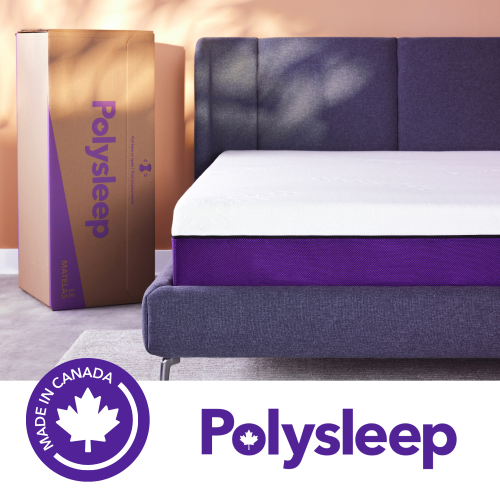 Your price for this item is $1195
 -
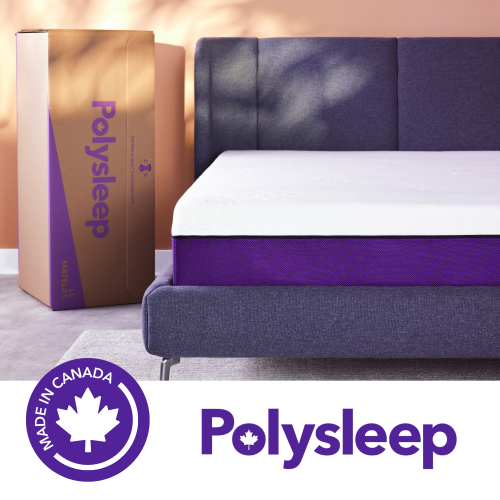 Your price for this item is $1395
 -
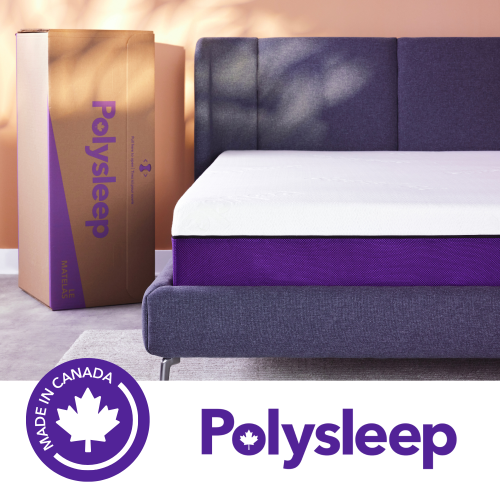 Your price for this item is $1095
 -
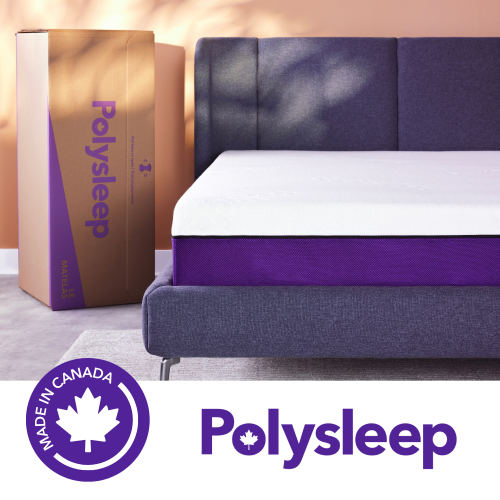 Your price for this item is $945
 -
 Your price for this item is $1199
 -
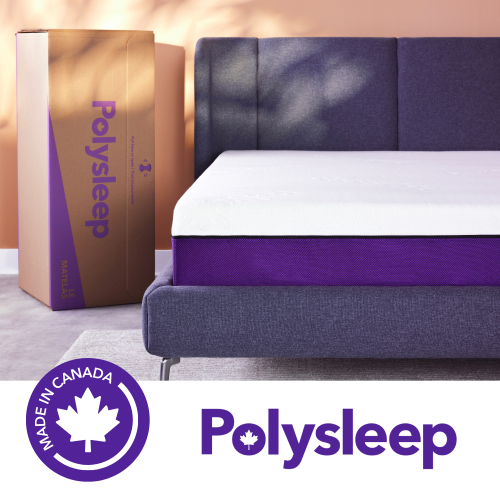 Your price for this item is $1395
 -
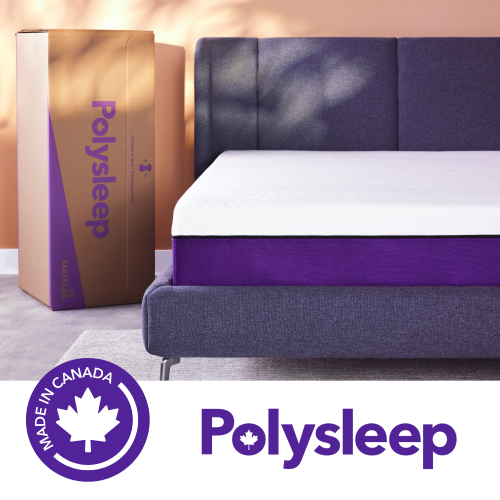 Your price for this item is $895
 -
 Your price for this item is $920
Discover more categories related to Twin Mattress Canada
Top Collections:
Pokemon Centers, Kindle Devices, Best Budget Office Chairs, Apple iPhones 16, Best Laptops for Writers, iPhone 15 Apple, Canon G7X Cameras, Refurbished Apple Laptops, Alarm Clock, Motorola Razr Phones
Some products may be subject to Environmental Handling Fees
(EHF) depending on your province.
Learn more about EHFs.