King Size Mattress Canada
Discover the ultimate in comfort and support with our selection of king size mattresses in Canada. Perfect for those who crave extra space or share their bed, a king size mattress elevates your sleep experience to new heights. Whether you're looking for plush softness, firm support, or something in between, our diverse range caters to every preference and need. Explore options that blend innovative materials with expert craftsmanship, ensuring restful nights and refreshed mornings. Investing in a king size mattress means more than just upgrading your sleep—it's about enhancing your overall well-being. Dive into a world of luxurious rest and find the perfect fit for your bedroom sanctuary.
Sort

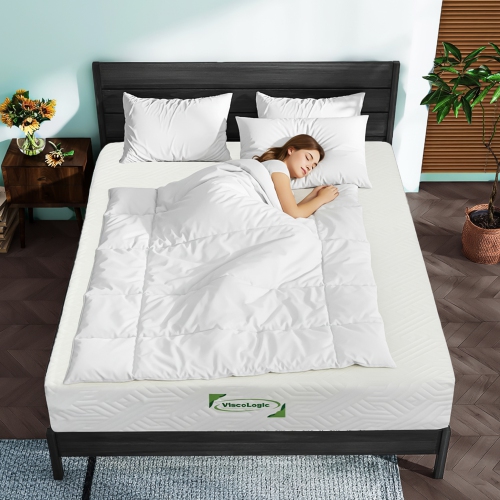
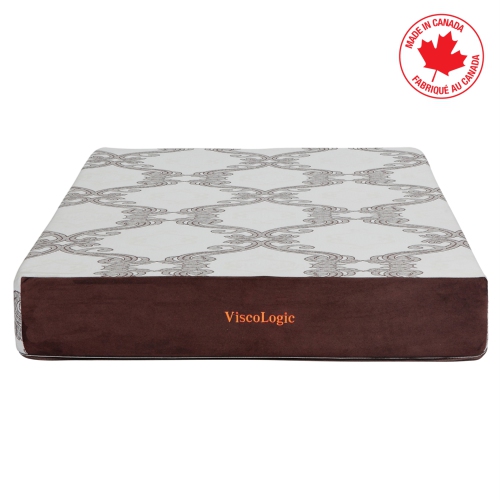
![VISCOLOGIC Hamilton [ ] 11" Orthopedic 5-Zone Pocket Coil Foam Encased Euro Top Eco-Friendly Hybrid Mattress - King Size](https://multimedia.bbycastatic.ca/multimedia/products/500x500/155/15588/15588120.jpeg)
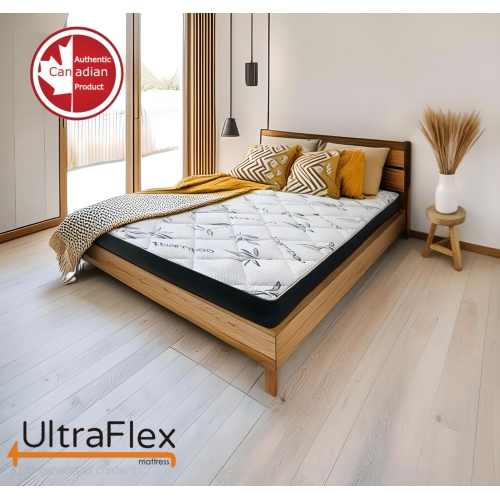
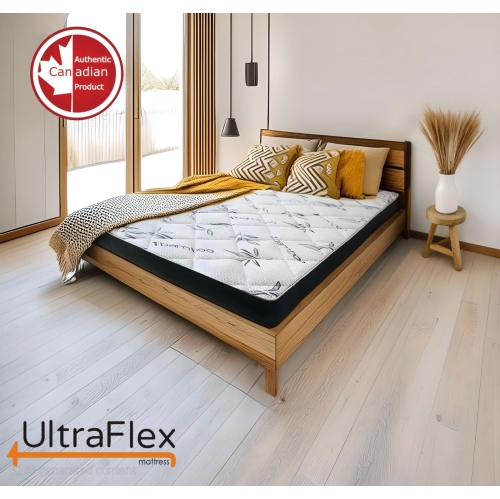

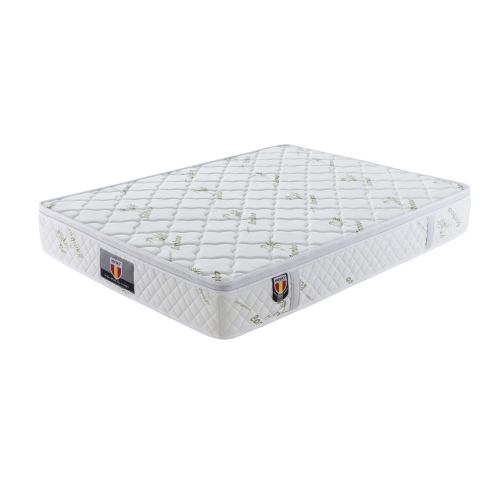
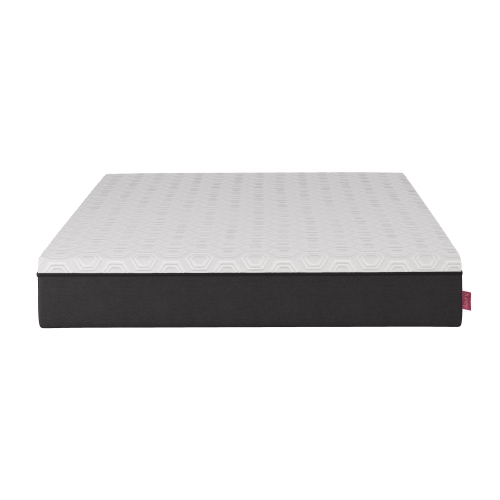
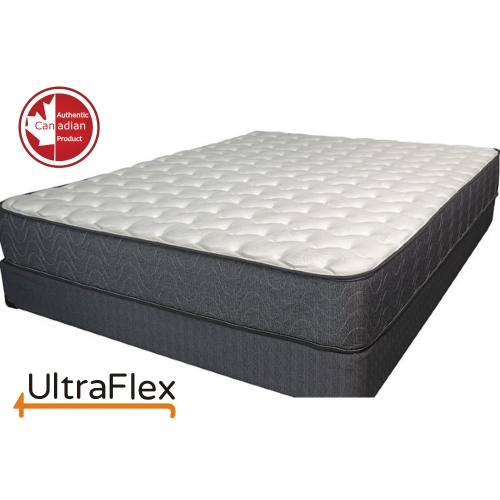
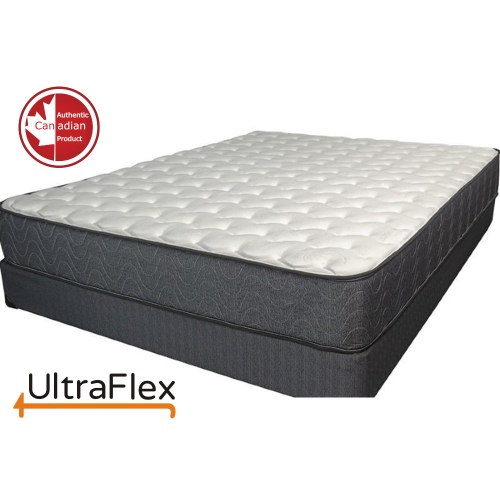

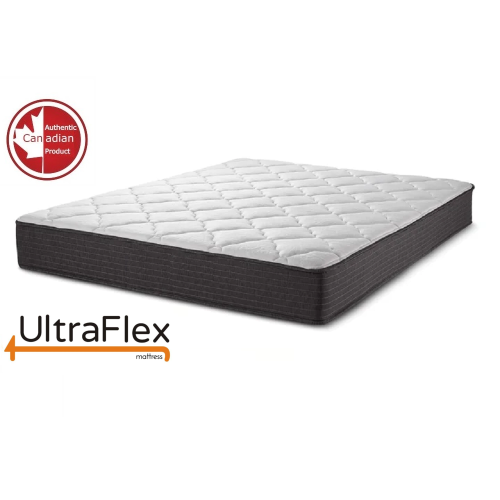
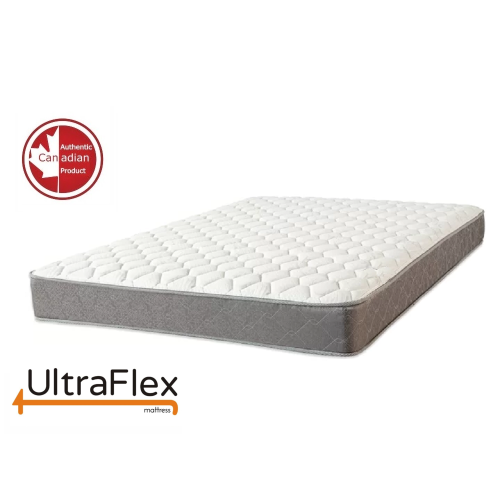

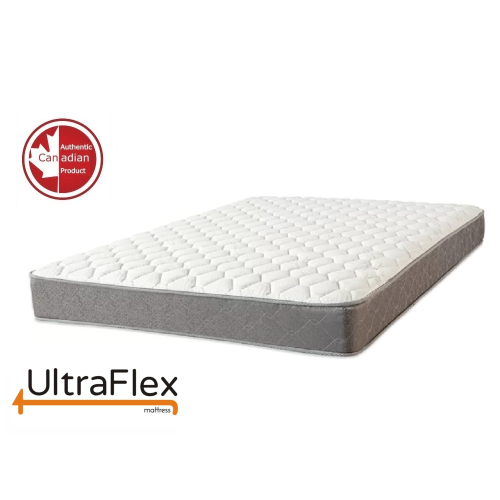
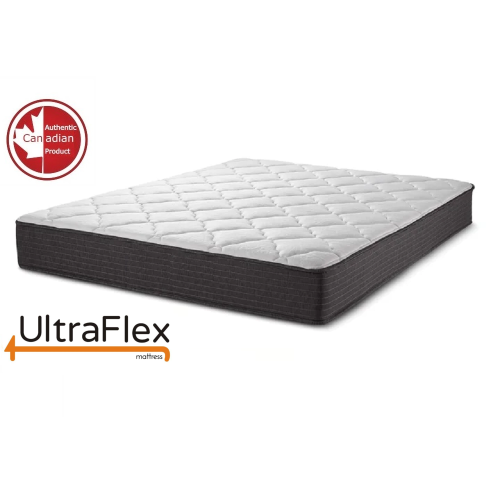
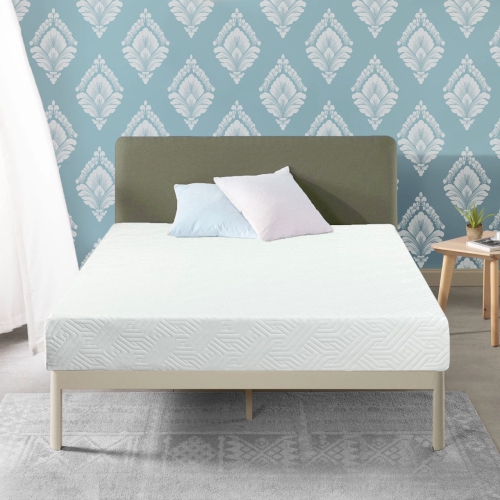
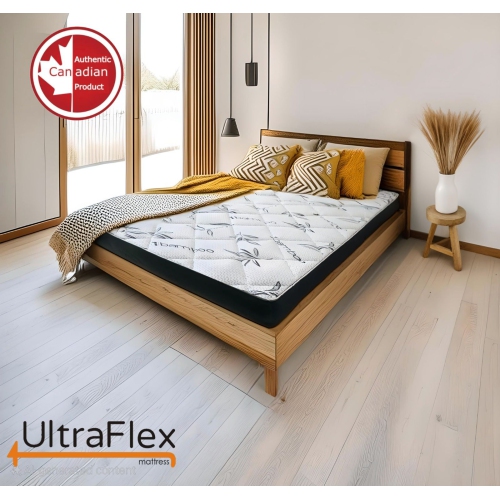
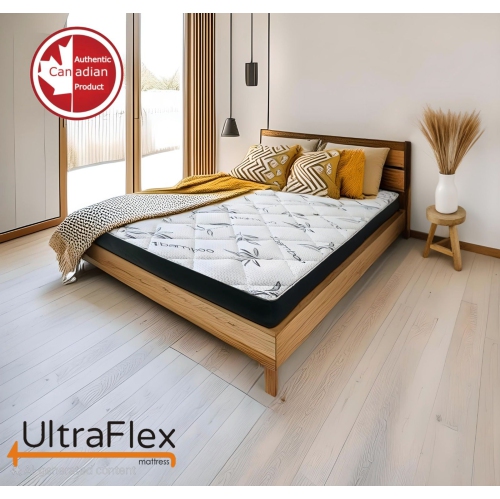
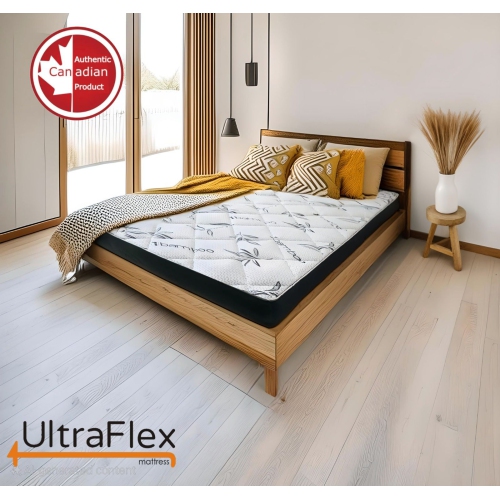
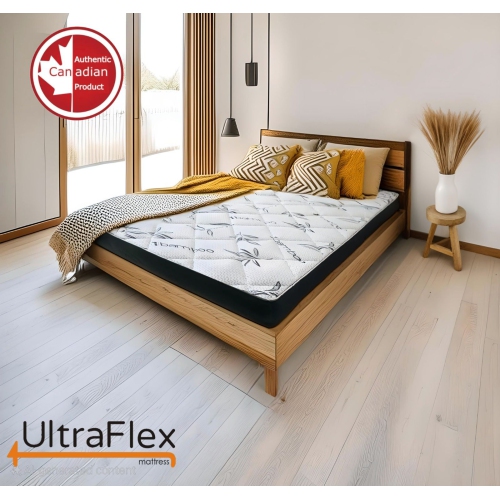
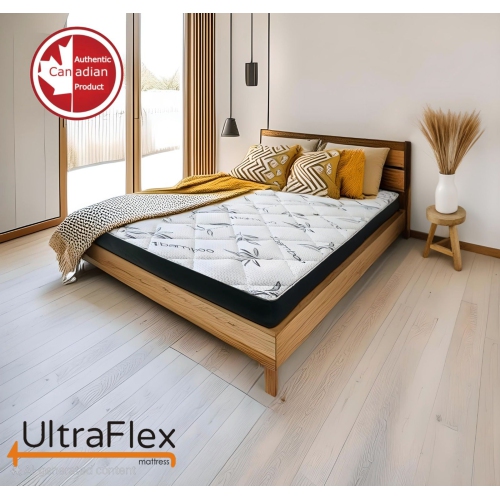
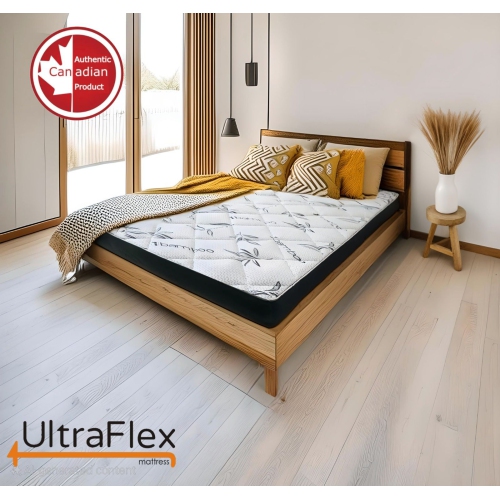

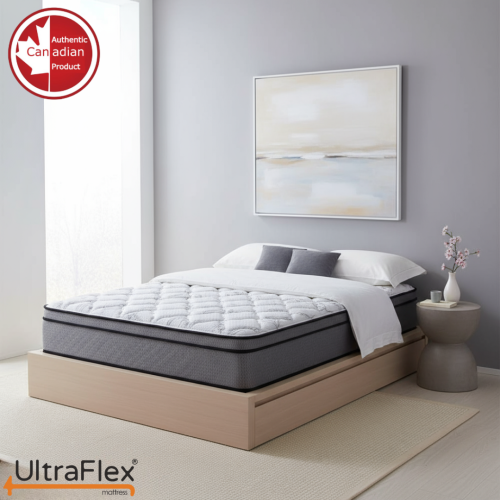
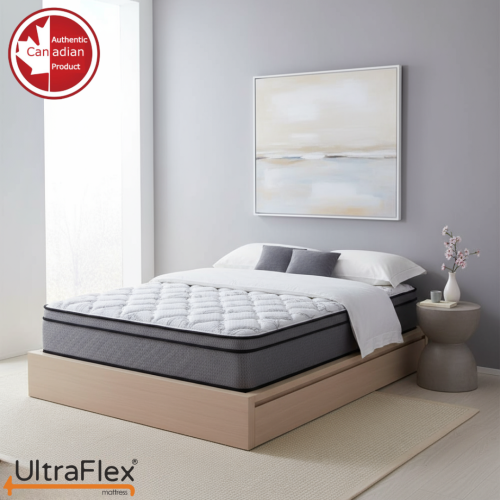
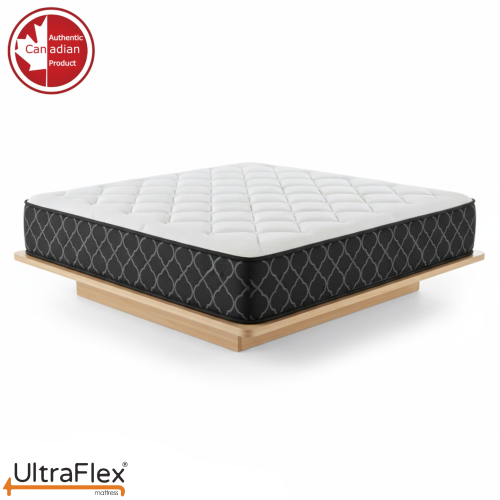
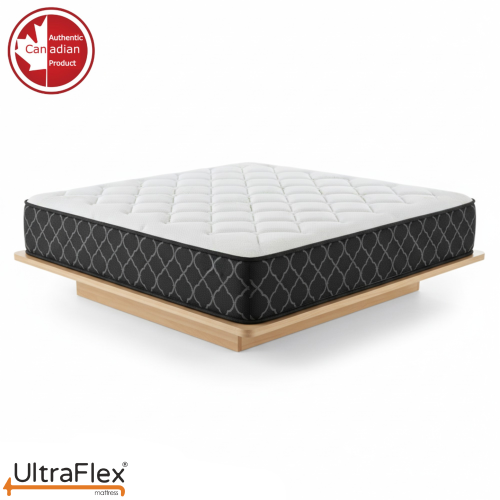

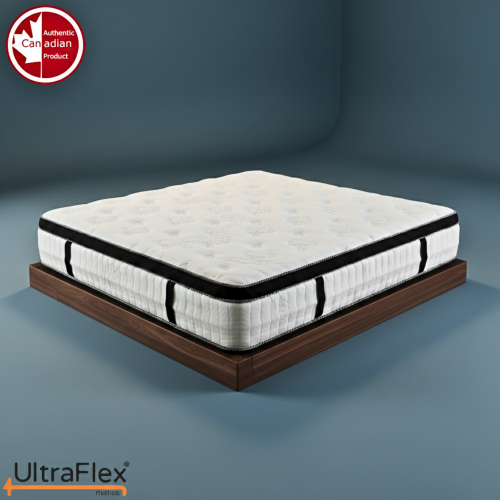
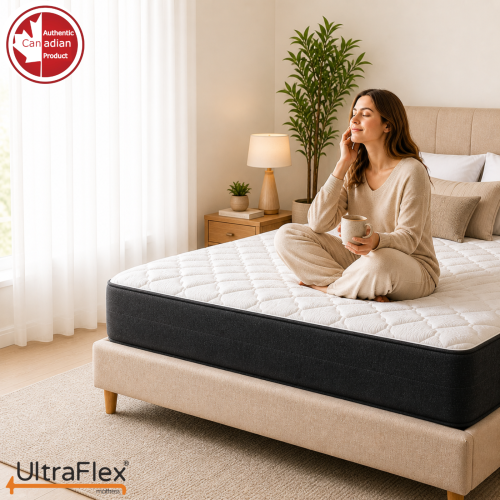
More room to stretch without crowding your partner
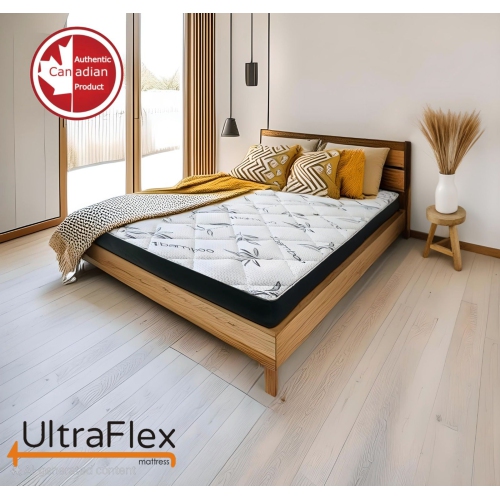
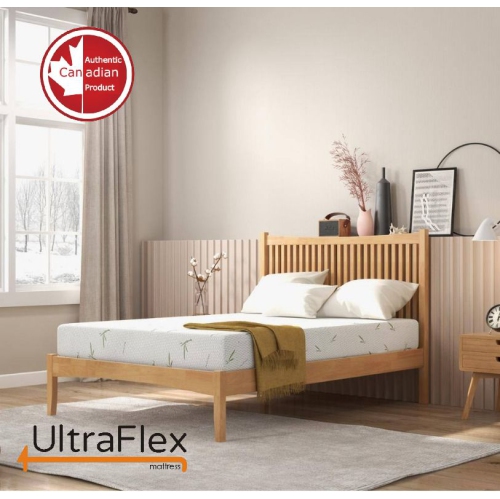
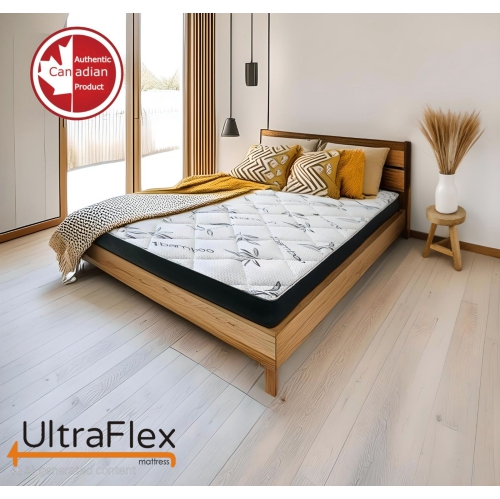
A king size mattress gives couples room to settle into different sleeping positions without feeling crowded, while offering generous space for anyone who prefers a wide sleep surface. In Canada, a standard king mattress, also called an Eastern king, measures approximately 76 inches wide by 80 inches long, or 193 cm by 203 cm. That makes it 16 inches wider than a standard queen while keeping the same length—a noticeable difference when one sleeper stretches out and the other curls onto their side. A California king has different proportions: approximately 72 inches wide by 84 inches long, or 183 cm by 213 cm. Its extra length can suit taller sleepers, but it sacrifices some width and needs bedding and a frame made for that size. For either format, the fit involves more than the mattress dimensions alone. An upholstered frame, broad headboard, or projecting footboard increases the bed’s footprint, and comfortable space beside the bed keeps bedside drawers, wardrobe doors, and walking paths accessible. In a shared bedroom, enough clearance on both sides also makes changing sheets less awkward. Mattress height matters just as much in daily use: a deep mattress on a tall base creates a very different seat height from a slimmer mattress on a low platform. The most practical combination allows the sleeper to sit at the edge with their feet comfortably reaching the floor. Delivery access is another part of the fit, especially in homes with narrow stairs, tight hallway turns, or small lifts. A compressed mattress may be easier to bring through those spaces, although its package can still be heavy and requires room for unpacking and expansion according to its care information. For a smaller guest room or a separate single-sleeper space, the Twin Mattress Canada page offers a useful size contrast without changing the appeal of a king for the main bedroom.
The feel of a king mattress comes from its construction, not simply its size or the firmness printed on its label. Foam mattresses typically combine a supportive base with softer comfort layers, creating a surface that can cushion shoulders and hips while limiting the transfer of movement across the bed. Memory foam tends to contour gradually around the body, whereas other foams may feel quicker to respond when a sleeper turns over. Latex usually has a more buoyant, responsive feel, with less of the slow-sinking sensation associated with some memory foams. Innerspring mattresses use coils for support and vary widely in the amount and type of cushioning above them. Hybrid mattresses pair a coil support system with substantial foam or latex comfort layers, bringing together the responsiveness of springs and the cushioning of those upper materials. Individually wrapped coils can help reduce movement transfer, though the overall result also depends on the comfort layers and how the mattress is built. That distinction matters when one person gets up early or changes position frequently. Side sleepers often appreciate enough cushioning for the shoulder and hip to settle in, while back and stomach sleepers may prefer a steadier feel that limits excessive sinking around the middle. Body weight changes how each surface feels, so a medium-firm description does not promise the same experience for every sleeper. A soft surface is not necessarily unsupportive, and a firm surface is not automatically more comfortable. For couples with different preferences, a balanced feel may be suitable, while a split king can allow each person to choose a separate firmness. Two standard twin XL mattresses, each approximately 38 inches wide by 80 inches long, together match the footprint of a standard king. With a compatible split adjustable base, the two sides can also move independently. This arrangement introduces a centre seam and different bedding needs, making it distinct from a single, continuous king mattress.
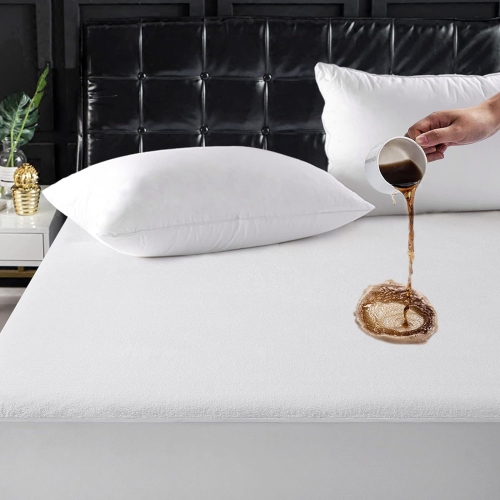
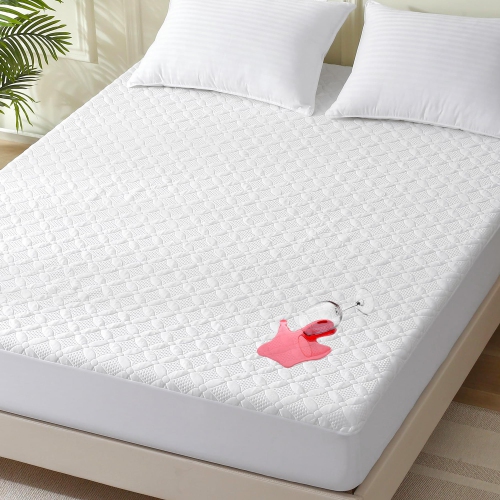
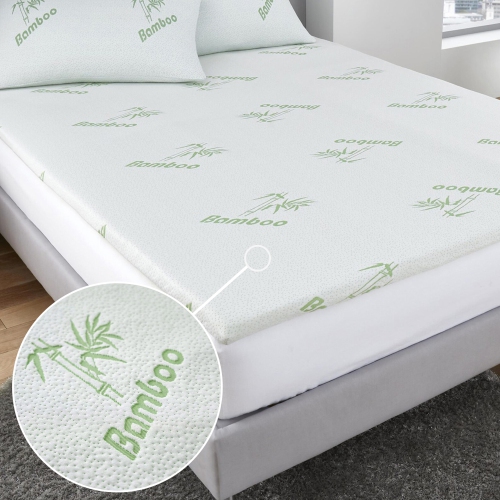
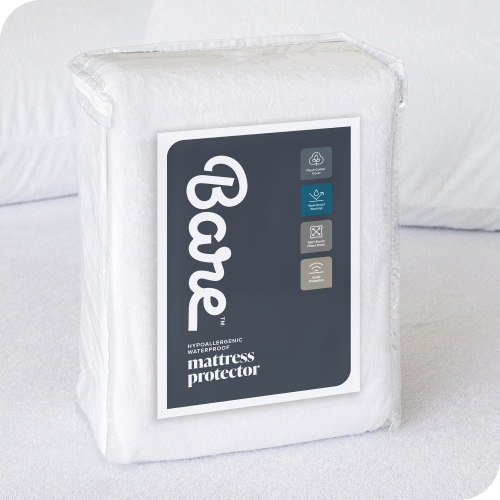
Everyday comfort also depends on details that are easy to overlook beneath the sheets. A reinforced perimeter can make the edge feel steadier when sitting to put on socks or sleeping close to the side, although edge support varies by construction. Temperature comfort comes from the whole bed: mattress materials, the cover, a protector, sheets, and a duvet all affect how warm the sleep surface feels. Coil interiors leave space for airflow, while breathable covers and lighter bedding may help sleepers who tend to feel warm. Cooling descriptions alone cannot account for room temperature or a heavy duvet during the cooler months. Cotton and linen sheets offer different textures and moisture-handling characteristics, and fitted-sheet pocket depth needs to accommodate the mattress plus any topper. A protector helps shield the surface from spills, perspiration, and everyday marks; a waterproof version adds a barrier against liquids but may change the feel or breathability of the bed. Care requirements vary, particularly for covers that appear removable but are not intended for machine washing. Following the mattress care label, allowing damp areas to dry fully, and keeping bedding clean help maintain a comfortable sleeping surface. Many mattresses are designed for use on one side only, so flipping is not interchangeable with head-to-foot rotation, and either practice depends on the manufacturer’s directions. Long-term performance also relies on a suitable foundation. A king mattress needs a base with the required centre support, slat spacing, and weight capacity; an unsuitable frame can allow sagging and may affect warranty coverage. Mattress thickness alone is not a reliable measure of durability, since foam density, coil construction, material quality, and use all influence how the bed holds its shape. Warranty terms and any sleep-trial conditions are separate considerations, with details such as required protectors, support specifications, and adjustment periods worth understanding. For a couple furnishing a larger bedroom, a solo sleeper who enjoys extra room, or taller adults comparing standard and California king dimensions, the right match brings together space, surface feel, practical care, and dependable support for nightly use.
The feel of a king mattress comes from its construction, not simply its size or the firmness printed on its label. Foam mattresses typically combine a supportive base with softer comfort layers, creating a surface that can cushion shoulders and hips while limiting the transfer of movement across the bed. Memory foam tends to contour gradually around the body, whereas other foams may feel quicker to respond when a sleeper turns over. Latex usually has a more buoyant, responsive feel, with less of the slow-sinking sensation associated with some memory foams. Innerspring mattresses use coils for support and vary widely in the amount and type of cushioning above them. Hybrid mattresses pair a coil support system with substantial foam or latex comfort layers, bringing together the responsiveness of springs and the cushioning of those upper materials. Individually wrapped coils can help reduce movement transfer, though the overall result also depends on the comfort layers and how the mattress is built. That distinction matters when one person gets up early or changes position frequently. Side sleepers often appreciate enough cushioning for the shoulder and hip to settle in, while back and stomach sleepers may prefer a steadier feel that limits excessive sinking around the middle. Body weight changes how each surface feels, so a medium-firm description does not promise the same experience for every sleeper. A soft surface is not necessarily unsupportive, and a firm surface is not automatically more comfortable. For couples with different preferences, a balanced feel may be suitable, while a split king can allow each person to choose a separate firmness. Two standard twin XL mattresses, each approximately 38 inches wide by 80 inches long, together match the footprint of a standard king. With a compatible split adjustable base, the two sides can also move independently. This arrangement introduces a centre seam and different bedding needs, making it distinct from a single, continuous king mattress.
Everyday comfort also depends on details that are easy to overlook beneath the sheets. A reinforced perimeter can make the edge feel steadier when sitting to put on socks or sleeping close to the side, although edge support varies by construction. Temperature comfort comes from the whole bed: mattress materials, the cover, a protector, sheets, and a duvet all affect how warm the sleep surface feels. Coil interiors leave space for airflow, while breathable covers and lighter bedding may help sleepers who tend to feel warm. Cooling descriptions alone cannot account for room temperature or a heavy duvet during the cooler months. Cotton and linen sheets offer different textures and moisture-handling characteristics, and fitted-sheet pocket depth needs to accommodate the mattress plus any topper. A protector helps shield the surface from spills, perspiration, and everyday marks; a waterproof version adds a barrier against liquids but may change the feel or breathability of the bed. Care requirements vary, particularly for covers that appear removable but are not intended for machine washing. Following the mattress care label, allowing damp areas to dry fully, and keeping bedding clean help maintain a comfortable sleeping surface. Many mattresses are designed for use on one side only, so flipping is not interchangeable with head-to-foot rotation, and either practice depends on the manufacturer’s directions. Long-term performance also relies on a suitable foundation. A king mattress needs a base with the required centre support, slat spacing, and weight capacity; an unsuitable frame can allow sagging and may affect warranty coverage. Mattress thickness alone is not a reliable measure of durability, since foam density, coil construction, material quality, and use all influence how the bed holds its shape. Warranty terms and any sleep-trial conditions are separate considerations, with details such as required protectors, support specifications, and adjustment periods worth understanding. For a couple furnishing a larger bedroom, a solo sleeper who enjoys extra room, or taller adults comparing standard and California king dimensions, the right match brings together space, surface feel, practical care, and dependable support for nightly use.
Top selling and popular products
-
 Your price for this item is $1195
 -
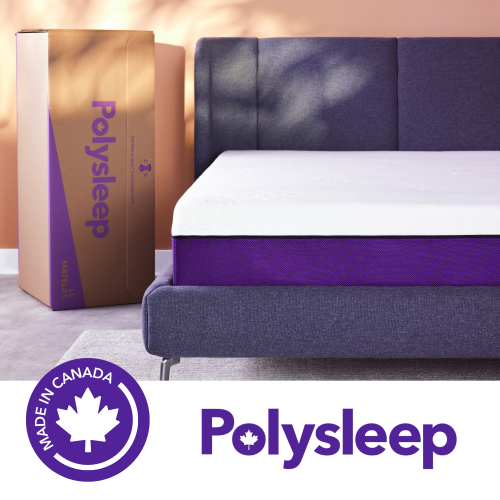 Your price for this item is $1395
 -
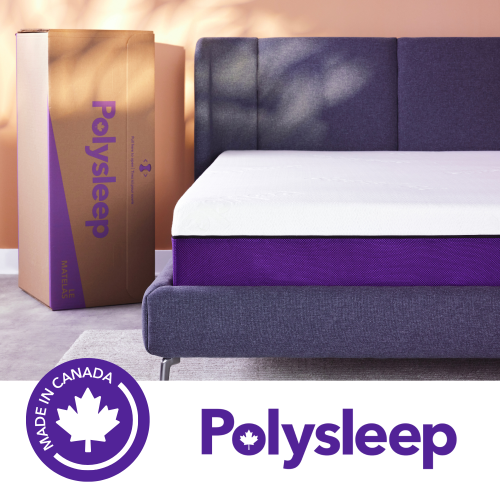 Your price for this item is $1095
 -
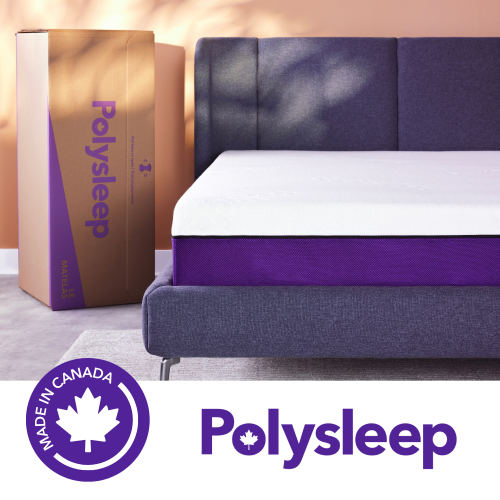 Your price for this item is $945
 -
 Your price for this item is $1199
 -
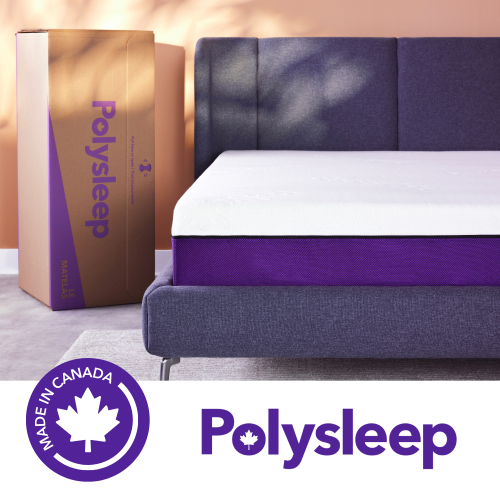 Your price for this item is $1395
 -
 Your price for this item is $895
 -
 Your price for this item is $920
Discover more categories related to King Size Mattress Canada
Top Collections:
Pokemon Centers, Kindle Devices, Best Budget Office Chairs, Apple iPhones 16, Best Laptops for Writers, iPhone 15 Apple, Canon G7X Cameras, Refurbished Apple Laptops, Alarm Clock, Motorola Razr Phones
Some products may be subject to Environmental Handling Fees
(EHF) depending on your province.
Learn more about EHFs.