Twin Mattress Covers
Transform your sleep experience with a twin mattress cover that offers both protection and comfort. Ideal for preserving the lifespan of your mattress, these covers act as a barrier against dust, allergens, and spills, ensuring a hygienic sleeping environment. Whether you're looking to enhance comfort with added cushioning or seeking peace of mind with waterproof features, you'll find a variety of options to suit your needs. Easy to maintain and simple to install, a quality twin mattress cover is an essential addition to any bedroom setup. Discover how this practical accessory can contribute to a restful night's sleep while keeping your mattress in pristine condition.
Sort
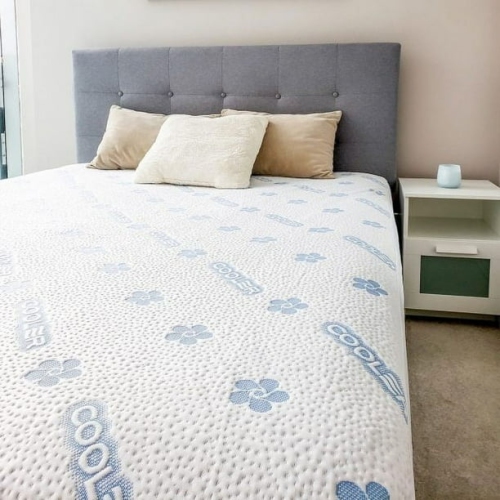
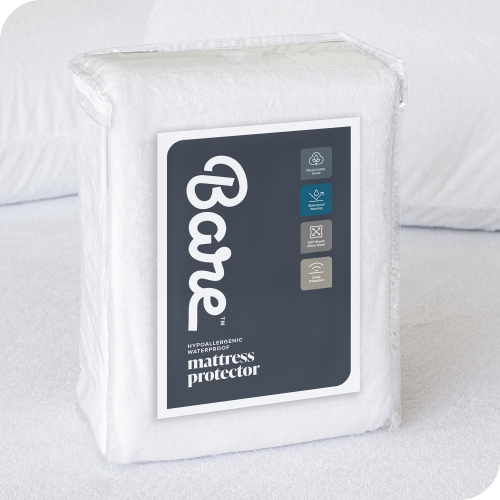
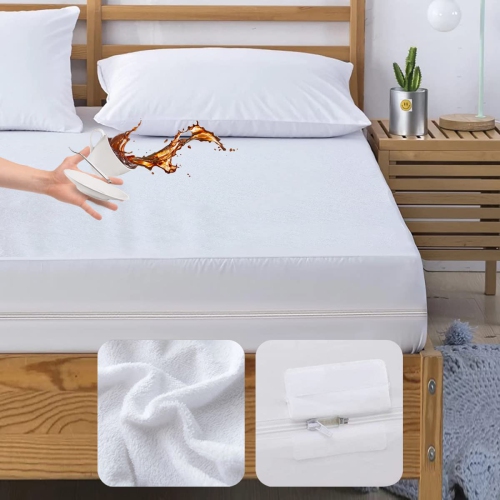
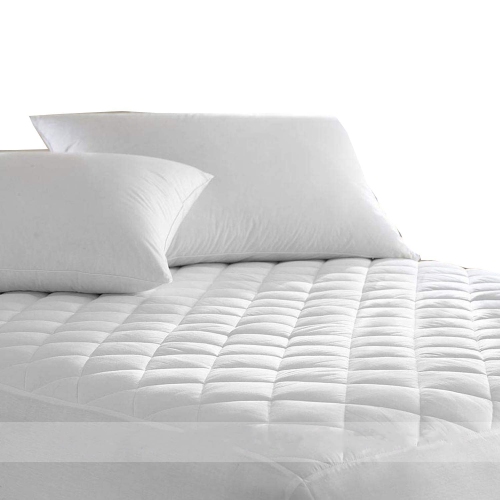

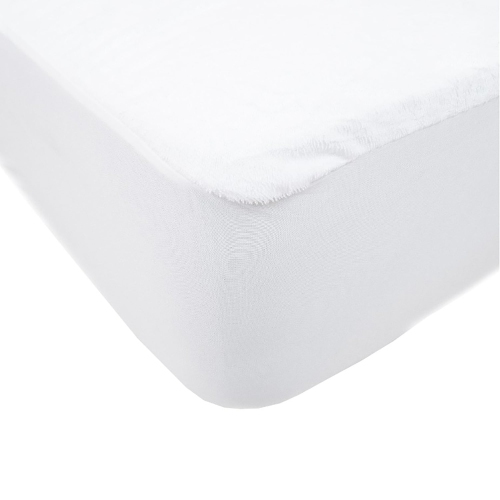
Mattress protection goes beyond a waterproof top panel
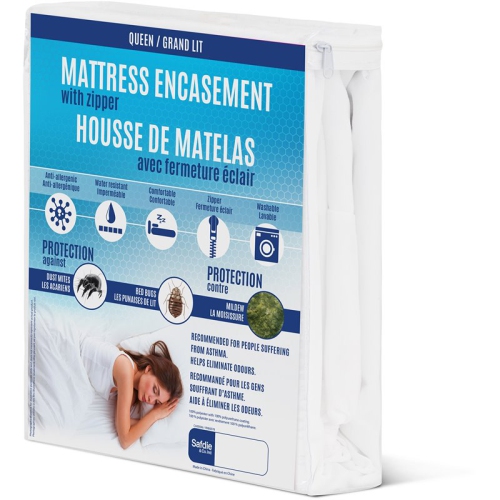
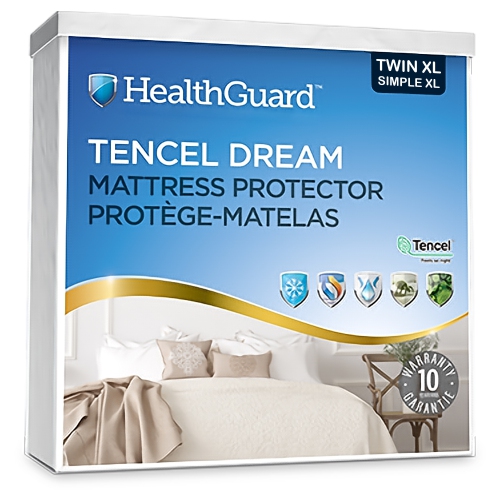
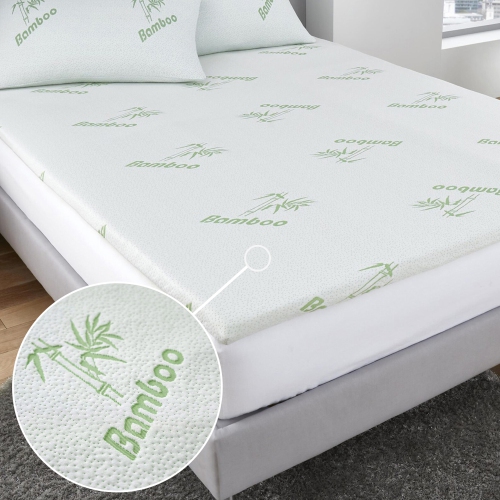
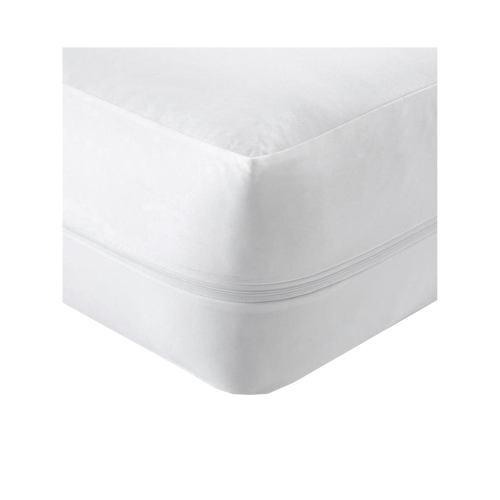
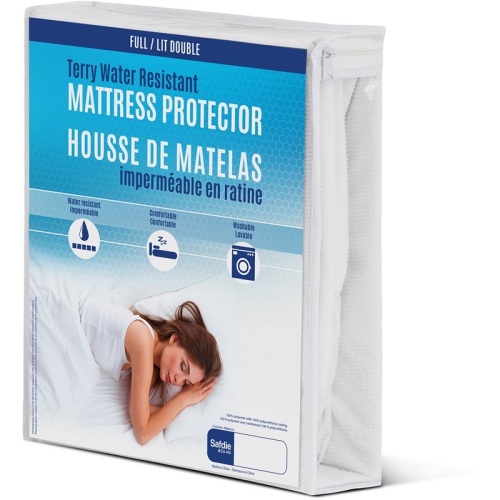
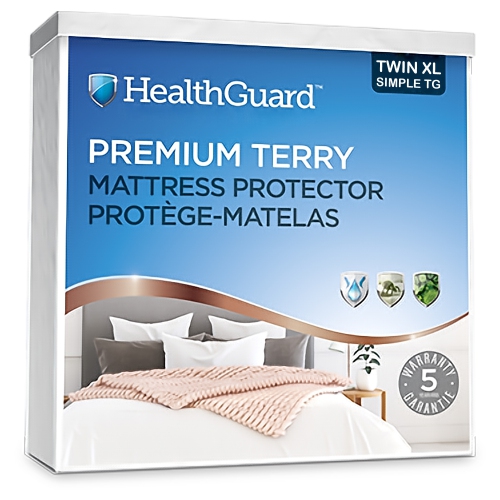
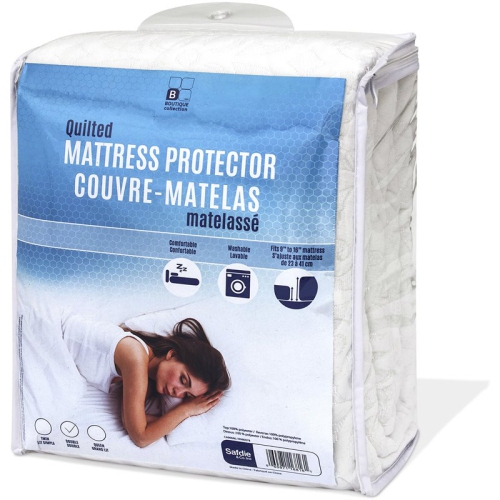
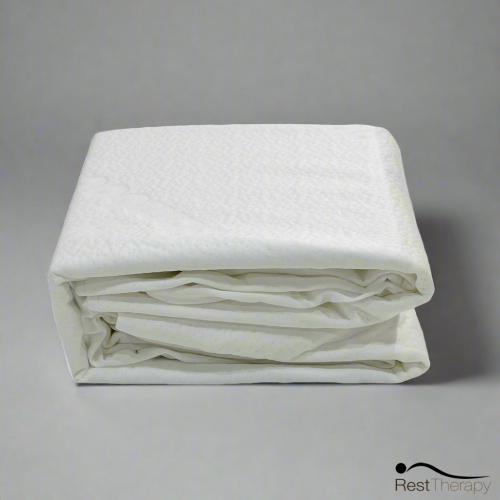
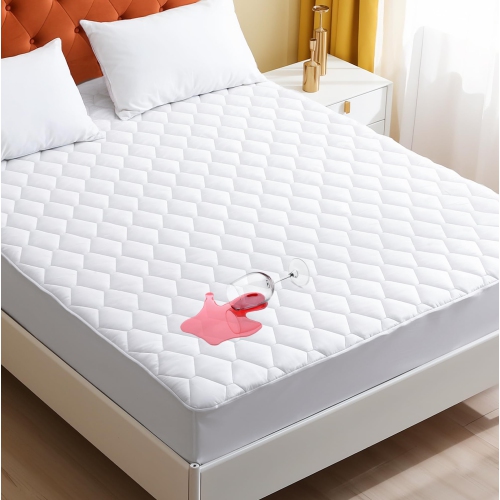
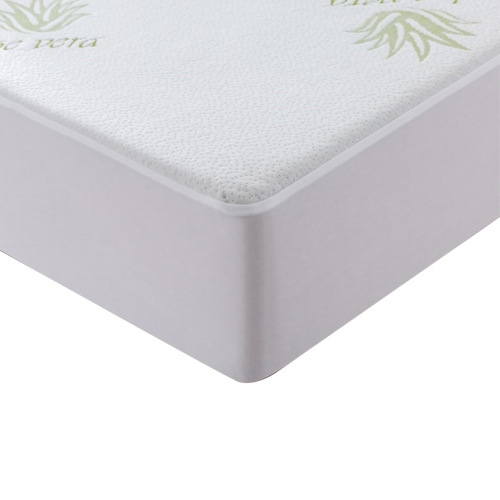
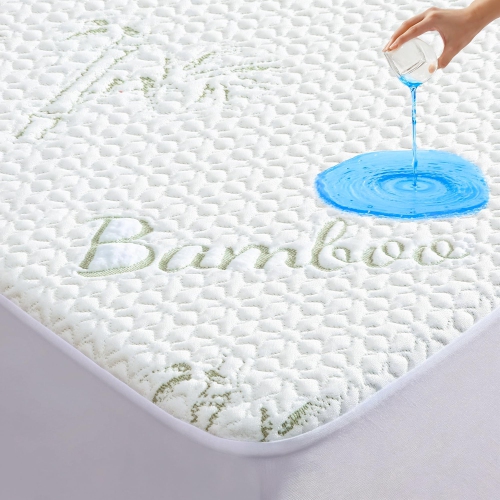
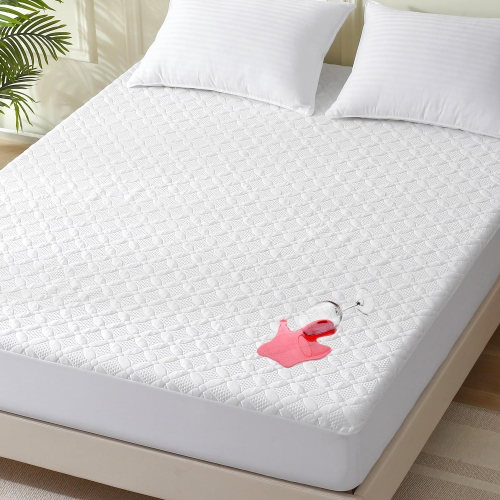
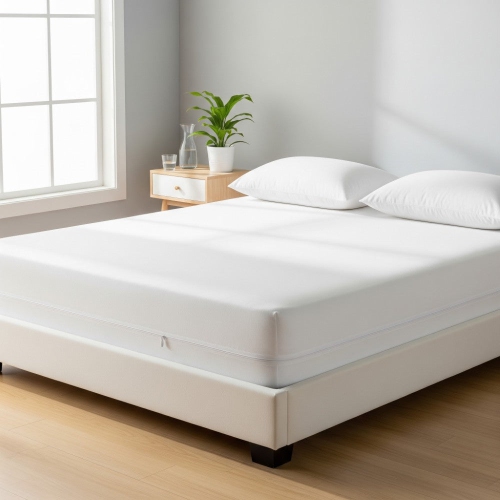
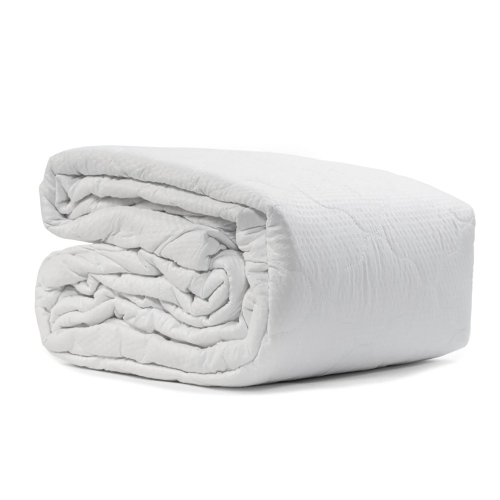
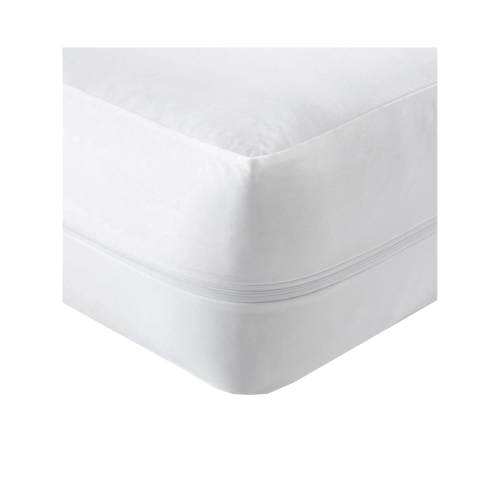
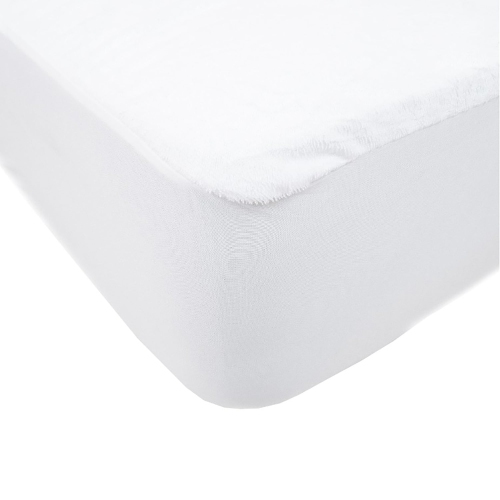
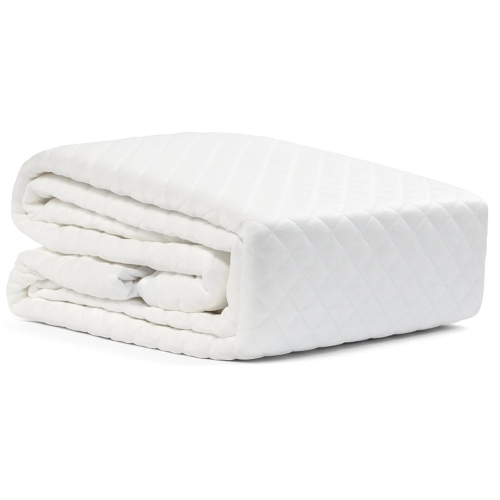
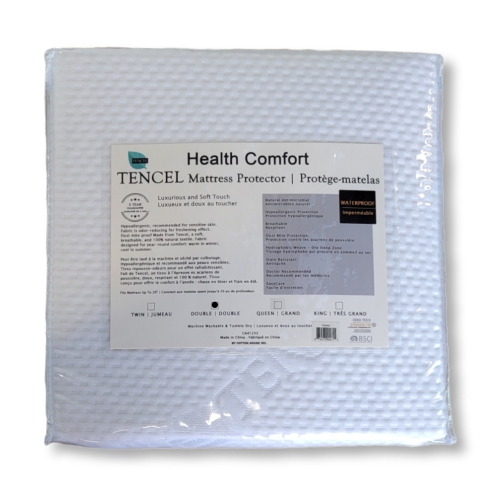
Twin mattress covers add a removable layer of protection between a mattress and its bedding, helping keep everyday spills, perspiration, dust, and marks away from the sleep surface. The term can describe several constructions, from a simple fitted protector to a padded cover or a fully zippered encasement. Each serves a slightly different purpose. A fitted cover stretches over the top and sides of the mattress, much like a fitted sheet, making it straightforward to remove on laundry day. A strap-style protector sits across the top and attaches at the corners, while an encasement surrounds all six sides of the mattress. Waterproof twin mattress covers include a liquid-blocking barrier; covers without that feature may help with surface dirt and light wear but should not be assumed to stop spills from reaching the mattress. This distinction matters for a child moving into a first larger bed, a student furnishing a residence room, or a guest bed that doubles as a reading spot. A knocked-over glass of water or an unexpected overnight accident is easier to manage when the protective layer can be removed and cleaned according to its care label. For beds used by someone with sensitivities to dust mites, a fully enclosed cover specifically designed and tested as an allergen barrier may be relevant. An ordinary fabric cover does not necessarily provide that protection. Likewise, bed bug protection requires an encasement specifically designed for that purpose, including a secure zipper closure; a fitted protector leaves the underside exposed. Covers intended for bed bug protection are not a substitute for treatment of an existing infestation. Whether the bed is used every night or occasionally, the cover’s role is to help preserve the mattress beneath it while keeping regular bedding care manageable. Sheets still go over the cover, creating the familiar sleeping surface while allowing the protective layer to do its work underneath.
Fit is central to how well a twin mattress cover stays in place. A standard twin mattress is commonly about 38 or 39 inches wide by 75 inches long, while a twin XL is typically about 38 or 39 inches wide by 80 inches long. Those extra 5 inches mean a standard twin cover and a twin XL cover are not automatically interchangeable. Published dimensions and an actual measurement of the mattress are more reliable than the size name alone, especially for older beds or mattresses with unusual proportions. For beds being furnished with twin mattresses, matching the cover’s length, width, and depth helps prevent pulled corners, loose folds, and unnecessary strain on seams. Depth is particularly important with fitted designs: the pocket needs to reach around the mattress and tuck securely underneath. If the cover will sit over both a mattress and a topper, their combined height determines the depth required. A deep-pocket cover can accommodate a taller sleep surface, but excess fabric on a thin mattress may gather beneath the sheet. Zippered encasements also have depth requirements, and an overly tight fit can make the closure difficult to fasten. The outer fabric affects how the bed feels through its sheets. Cotton surfaces offer a familiar fabric feel and absorb moisture, although cotton alone is not waterproof. Polyester and blended fabrics can offer softness and practical care, depending on their construction. Terry surfaces have small absorbent loops, while smooth knit covers tend to add less texture beneath bedding. Quilted designs introduce a lightly padded layer that may soften the surface feel without providing the substantial cushioning of a mattress topper. Many waterproof covers pair a textile surface with a thin polyurethane barrier, sometimes identified as TPU. These can be more flexible and quieter than some vinyl constructions, though rustling, softness, and breathability vary. A low-profile cover generally changes the feel of the mattress less than a thicker padded design, which can matter when someone already likes the support of their bed.
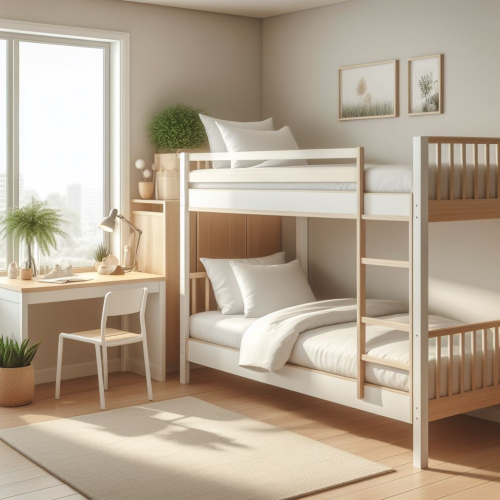
Care requirements and construction details influence how useful a twin mattress cover remains over time. Machine-washable designs can simplify routine cleaning, but wash settings and drying instructions differ, particularly when a waterproof membrane or specialized barrier is involved. High heat, bleach, fabric softener, or ironing may damage certain materials, so the care label takes priority over a general bedding routine. A cover should be completely dry before it goes back on the mattress, including along seams and around elastic edges where moisture can linger. For a child’s bed or a frequently used guest bed, having a second washable cover can keep the bed usable while the first is being cleaned. Spills are best addressed promptly rather than left sitting on the surface, and a waterproof top panel should not be confused with waterproof protection on every side. Some fitted designs use a waterproof sleeping surface with an unprotected stretch skirt, leaving the sides more vulnerable if liquid runs over an edge. Secure stitching, well-attached elastic, and a zipper that closes smoothly are practical details worth noticing because covers experience repeated stretching, removal, and laundering. Signs such as split seams, cracked backing, peeling layers, or stretched-out corners can indicate that the cover no longer fits or protects as intended. Intended use also shapes the most suitable construction. A slim fitted protector can be convenient for a bunk bed, where lifting the mattress to install an encasement may take more effort, while a fully enclosed design provides broader coverage when that is the priority. Any added padding on an upper bunk must stay within the bed frame manufacturer’s mattress-height limits. On a daybed used for both sitting and sleeping, a secure fit helps reduce shifting as someone leans against cushions or changes position. For an adjustable bed, a cover needs enough flexibility to move with the mattress without pulling free. Across these settings, the most useful twin mattress covers balance the required level of protection with a comfortable surface, dependable fit, and a cleaning routine that suits the household.
Fit is central to how well a twin mattress cover stays in place. A standard twin mattress is commonly about 38 or 39 inches wide by 75 inches long, while a twin XL is typically about 38 or 39 inches wide by 80 inches long. Those extra 5 inches mean a standard twin cover and a twin XL cover are not automatically interchangeable. Published dimensions and an actual measurement of the mattress are more reliable than the size name alone, especially for older beds or mattresses with unusual proportions. For beds being furnished with twin mattresses, matching the cover’s length, width, and depth helps prevent pulled corners, loose folds, and unnecessary strain on seams. Depth is particularly important with fitted designs: the pocket needs to reach around the mattress and tuck securely underneath. If the cover will sit over both a mattress and a topper, their combined height determines the depth required. A deep-pocket cover can accommodate a taller sleep surface, but excess fabric on a thin mattress may gather beneath the sheet. Zippered encasements also have depth requirements, and an overly tight fit can make the closure difficult to fasten. The outer fabric affects how the bed feels through its sheets. Cotton surfaces offer a familiar fabric feel and absorb moisture, although cotton alone is not waterproof. Polyester and blended fabrics can offer softness and practical care, depending on their construction. Terry surfaces have small absorbent loops, while smooth knit covers tend to add less texture beneath bedding. Quilted designs introduce a lightly padded layer that may soften the surface feel without providing the substantial cushioning of a mattress topper. Many waterproof covers pair a textile surface with a thin polyurethane barrier, sometimes identified as TPU. These can be more flexible and quieter than some vinyl constructions, though rustling, softness, and breathability vary. A low-profile cover generally changes the feel of the mattress less than a thicker padded design, which can matter when someone already likes the support of their bed.
Care requirements and construction details influence how useful a twin mattress cover remains over time. Machine-washable designs can simplify routine cleaning, but wash settings and drying instructions differ, particularly when a waterproof membrane or specialized barrier is involved. High heat, bleach, fabric softener, or ironing may damage certain materials, so the care label takes priority over a general bedding routine. A cover should be completely dry before it goes back on the mattress, including along seams and around elastic edges where moisture can linger. For a child’s bed or a frequently used guest bed, having a second washable cover can keep the bed usable while the first is being cleaned. Spills are best addressed promptly rather than left sitting on the surface, and a waterproof top panel should not be confused with waterproof protection on every side. Some fitted designs use a waterproof sleeping surface with an unprotected stretch skirt, leaving the sides more vulnerable if liquid runs over an edge. Secure stitching, well-attached elastic, and a zipper that closes smoothly are practical details worth noticing because covers experience repeated stretching, removal, and laundering. Signs such as split seams, cracked backing, peeling layers, or stretched-out corners can indicate that the cover no longer fits or protects as intended. Intended use also shapes the most suitable construction. A slim fitted protector can be convenient for a bunk bed, where lifting the mattress to install an encasement may take more effort, while a fully enclosed design provides broader coverage when that is the priority. Any added padding on an upper bunk must stay within the bed frame manufacturer’s mattress-height limits. On a daybed used for both sitting and sleeping, a secure fit helps reduce shifting as someone leans against cushions or changes position. For an adjustable bed, a cover needs enough flexibility to move with the mattress without pulling free. Across these settings, the most useful twin mattress covers balance the required level of protection with a comfortable surface, dependable fit, and a cleaning routine that suits the household.
Top selling and popular products
-
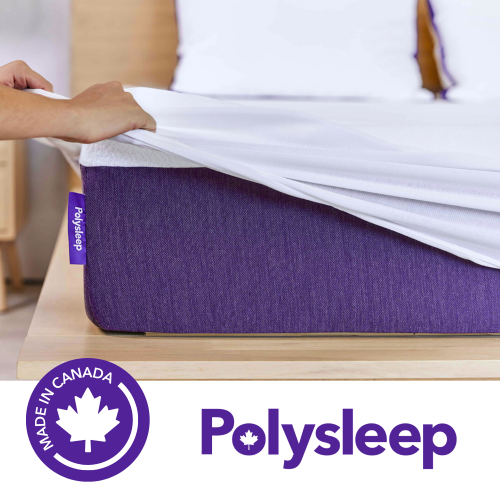 Your price for this item is $230
 -
 Your price for this item is $260
 -
 Your price for this item is $240
 -
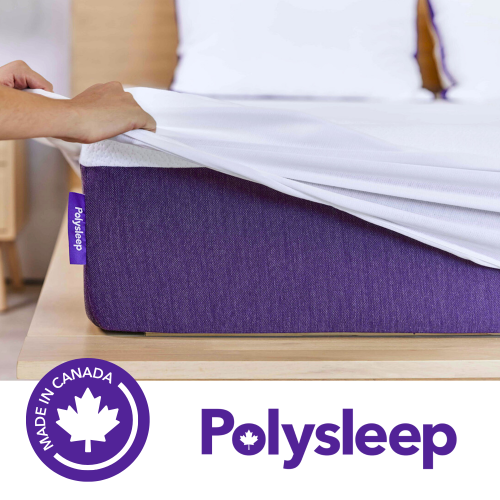 Your price for this item is $270
 -
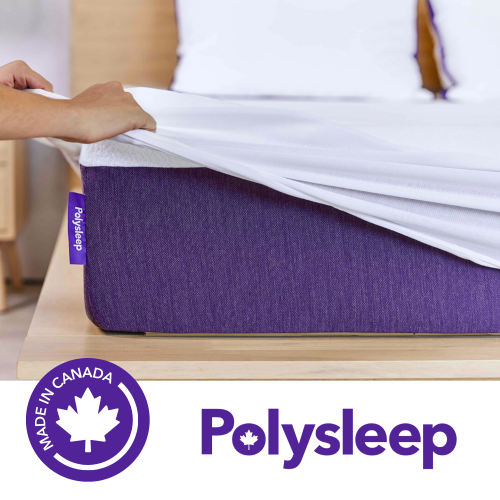 Your price for this item is $270
 -
 Your price for this item is $250
 -
 Your price for this item is $260
 -
 Your price for this item is $65.99
Discover more categories related to Twin Mattress Covers

Top Collections:
Pokemon Centers, Kindle Devices, Best Budget Office Chairs, Apple iPhones 16, Best Laptops for Writers, iPhone 15 Apple, Canon G7X Cameras, Refurbished Apple Laptops, Alarm Clock, Motorola Razr Phones
Some products may be subject to Environmental Handling Fees
(EHF) depending on your province.
Learn more about EHFs.