Double Mattress Protectors
Keep your mattress protected and extend its lifespan with double mattress protectors. Designed to shield your bed from spills, stains, allergens, and dust mites, these mattress protectors offer a layer of defense that helps maintain the hygiene and cleanliness of your sleeping space. Whether you have little ones prone to accidents or simply want to safeguard your investment, a double mattress protector is an essential addition to any bedroom.
Sort





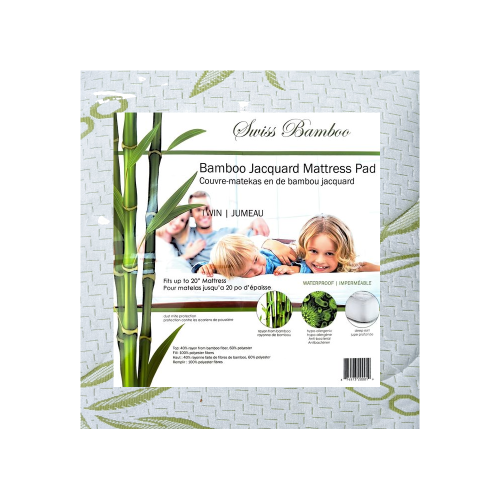
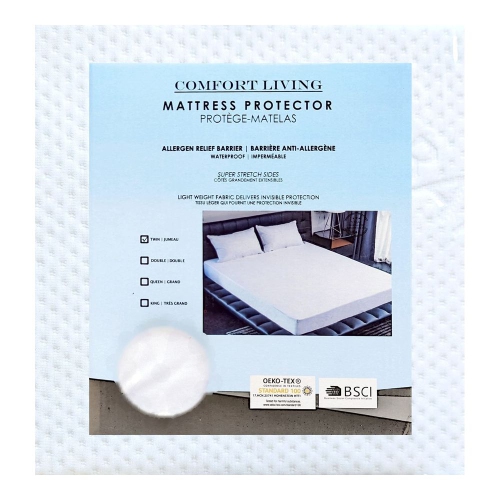
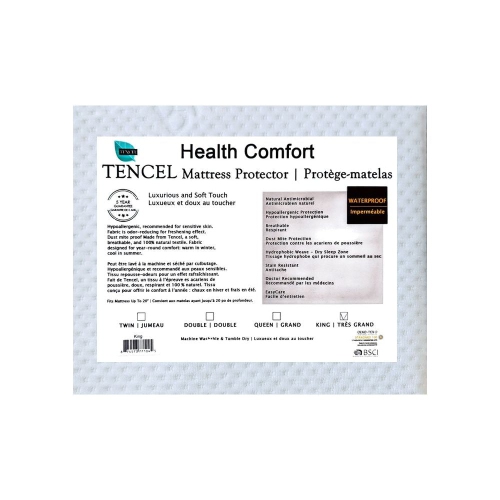

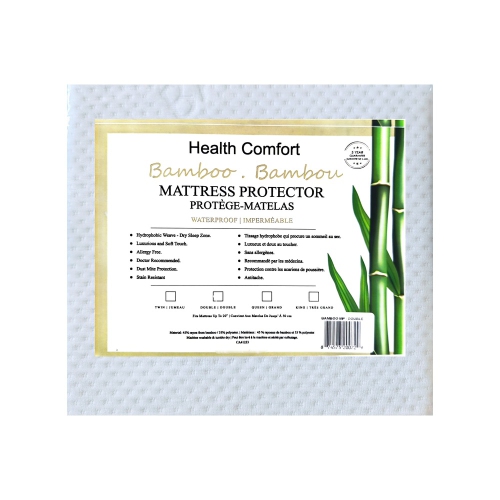
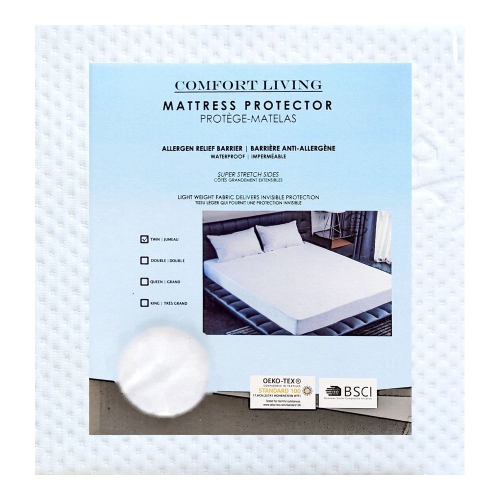
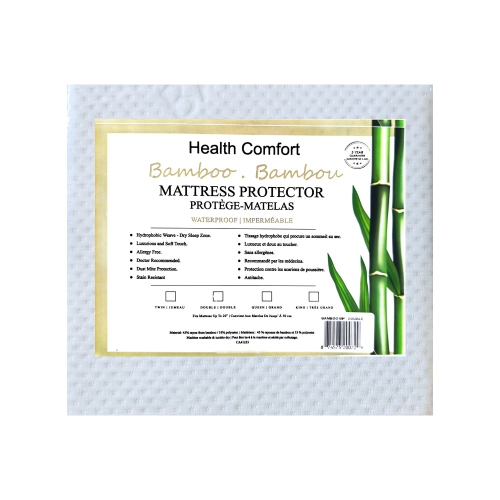
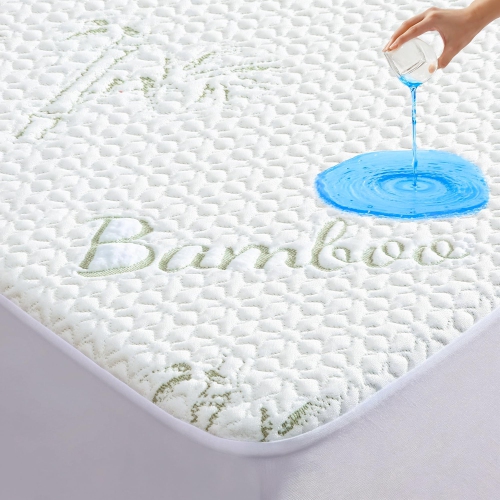





Why mattress depth matters for a smooth fit
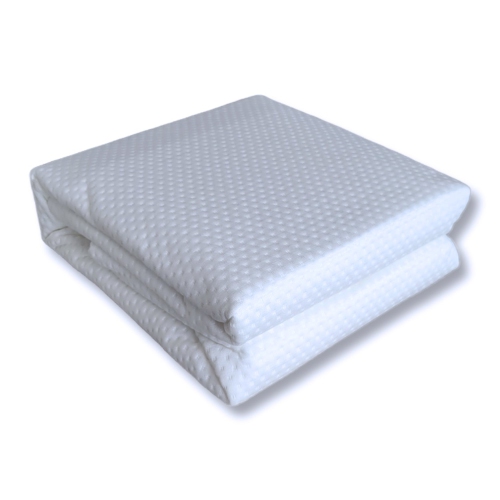
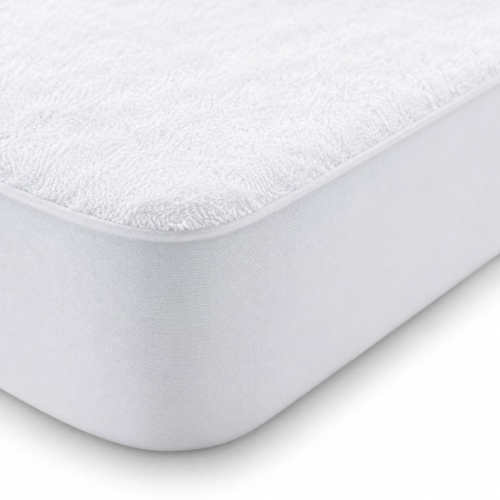
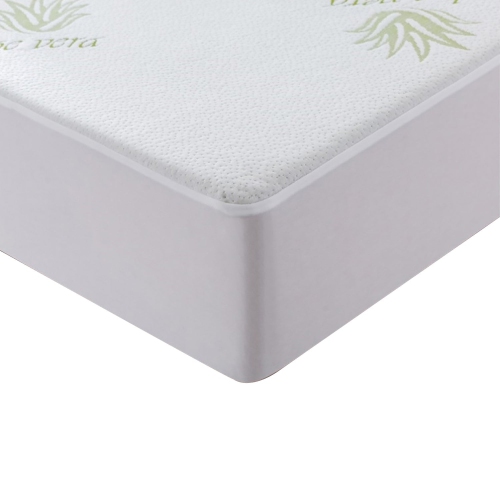
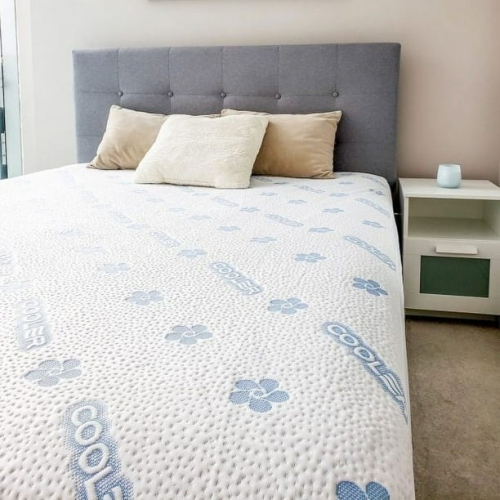
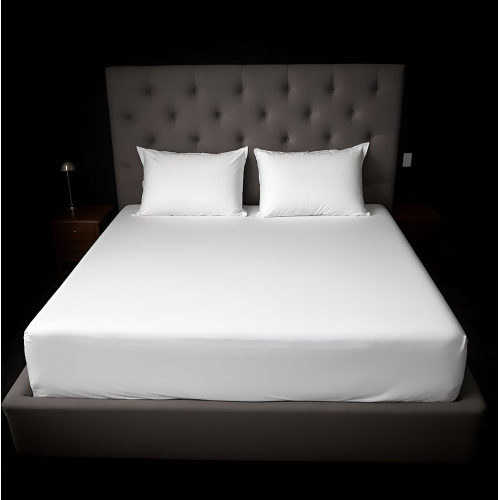
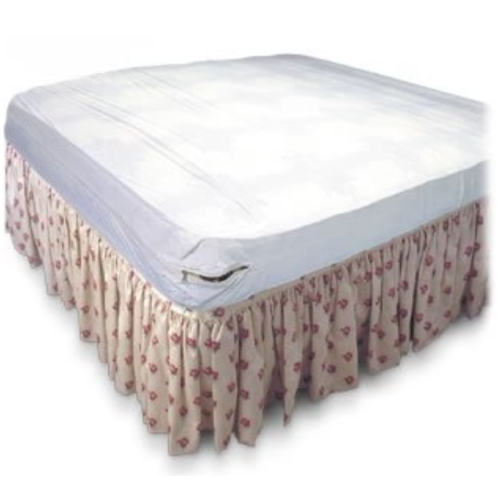
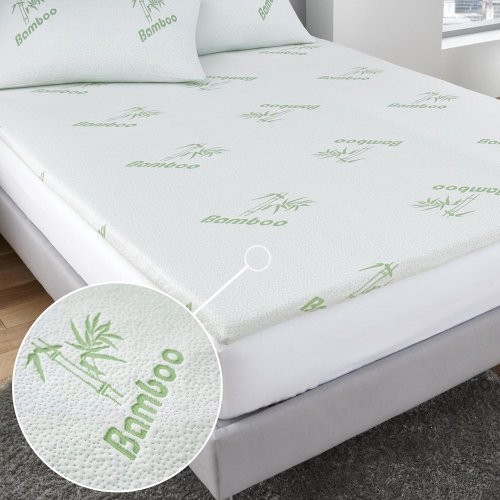
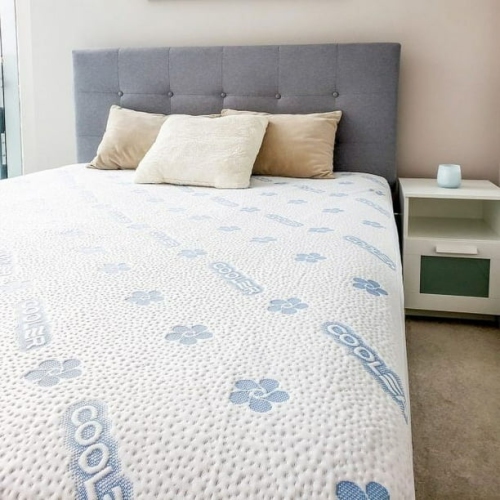
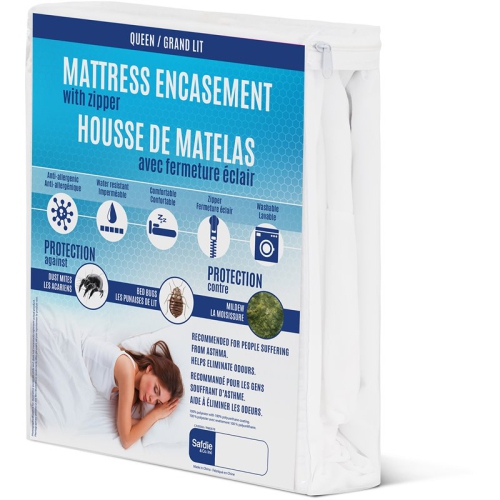
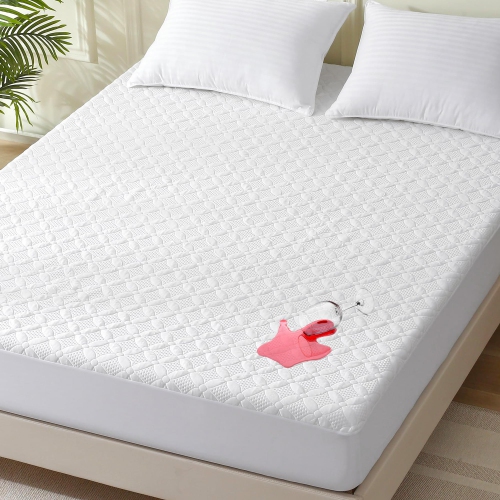
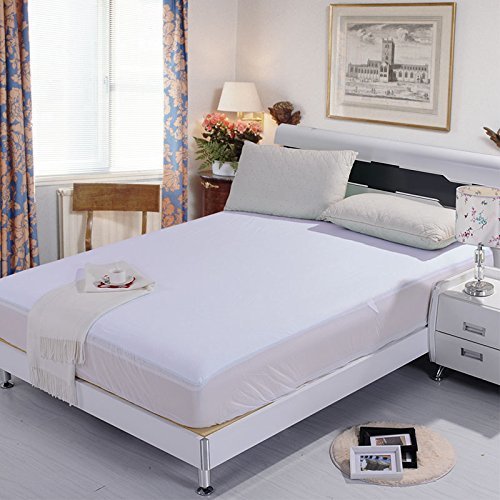
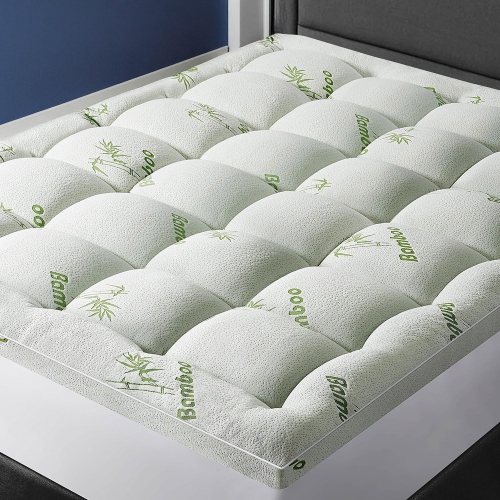
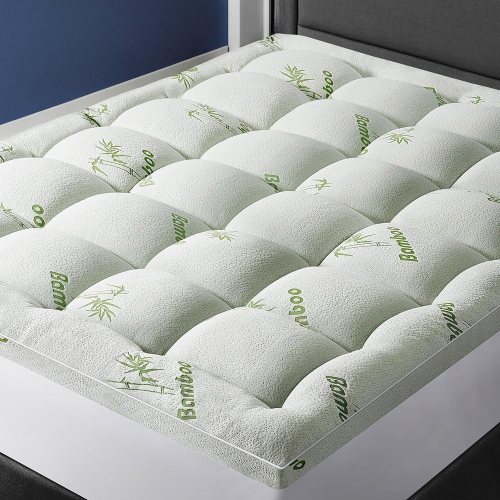
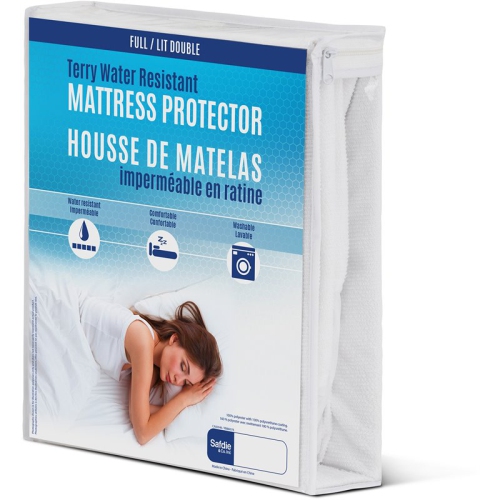
Double mattress protectors are removable covers designed to help keep a double mattress cleaner by providing a washable layer beneath the fitted sheet. A standard double mattress, also called a full mattress, measures approximately 54 inches wide by 75 inches long, or 137 cm by 191 cm. Protectors labelled double or full are generally intended for this footprint, but mattress depth also matters: a slim foam mattress and a thick pillow-top mattress may need different pocket depths even when their length and width match. A well-fitting cover reaches around the corners without pulling the mattress edges upward, while its sleeping surface lies flat rather than bunching beneath the sheet. If a mattress topper sits on the bed, the combined height of the mattress and topper determines the depth needed when the protector covers both layers. Full XL mattresses are longer than standard doubles, so those size names are not interchangeable. Fitted protectors use an elasticized skirt to wrap around the mattress sides and are convenient to remove for regular laundering. Flat pad styles may attach with corner straps, while zippered encasements surround the mattress on all sides. The style affects how much of the mattress is covered, but it does not, by itself, indicate whether the fabric is waterproof. These constructions suit double beds in children’s rooms, student bedrooms, compact primary bedrooms, and guest rooms, where the same mattress may see everyday sleep or an occasional overnight visit. For a child moving into a larger bed, washable protection can make an unexpected spill easier to manage. In a guest room, a removable cover makes it simpler to prepare a fresh sleeping surface between visitors. On a shared double bed, secure elastic and enough fabric depth help the cover stay positioned as either sleeper turns. The most useful fit is snug and unobtrusive, allowing the fitted sheet to sit smoothly over the protected mattress without creating bulky folds along the edges.
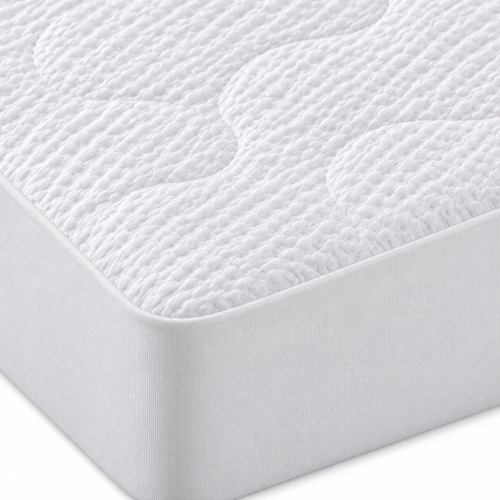
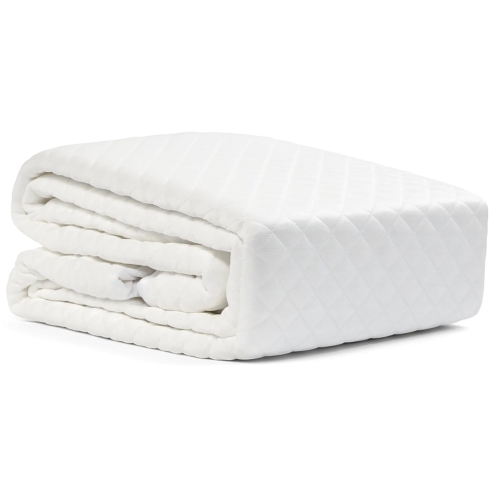
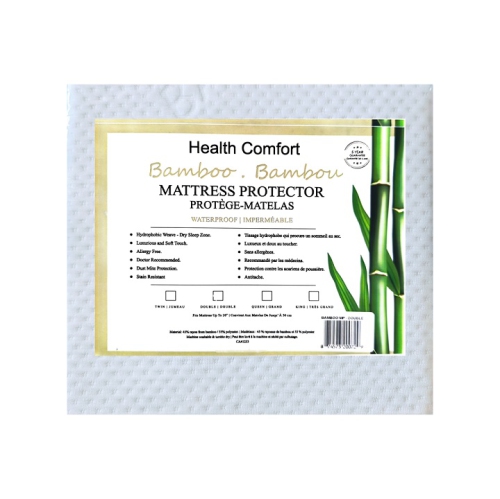
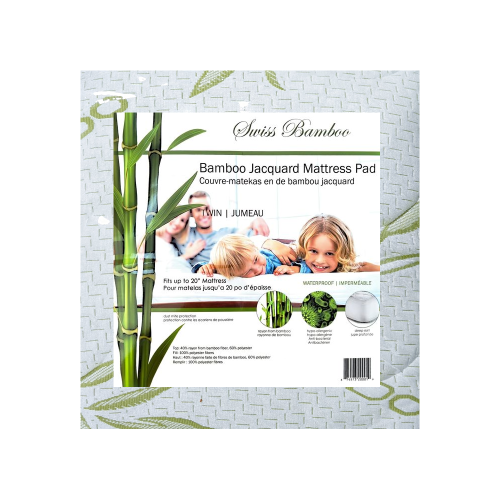
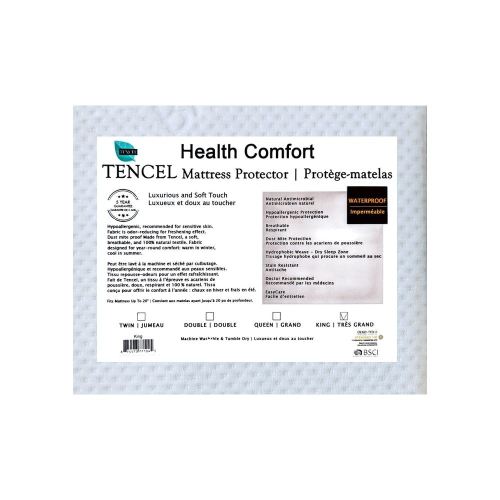
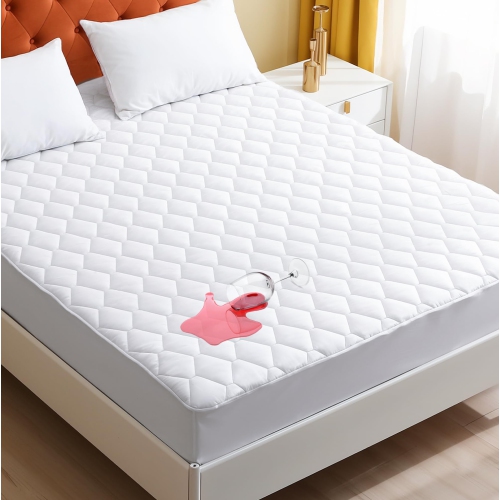
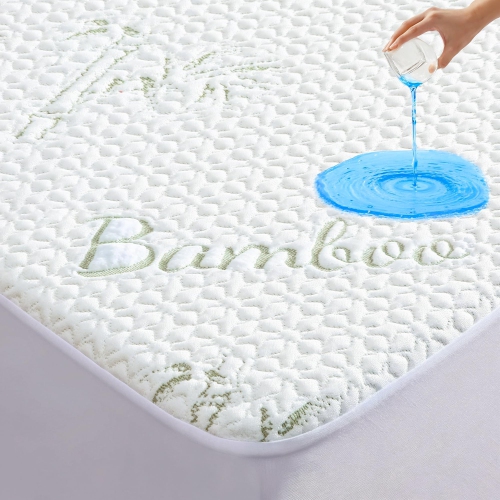
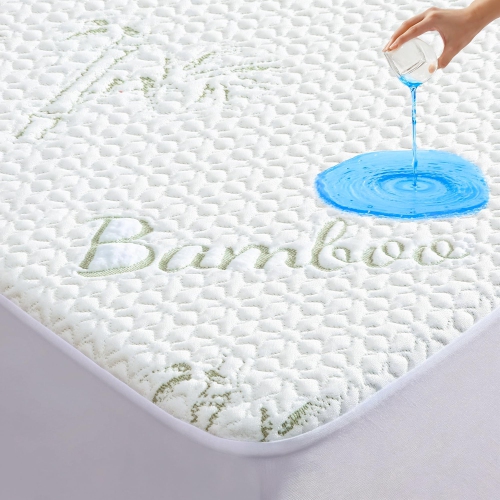
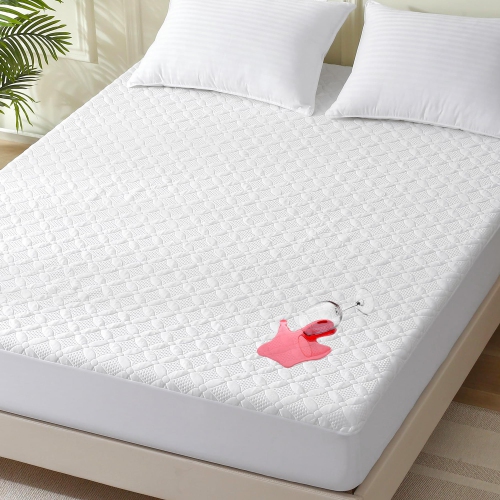
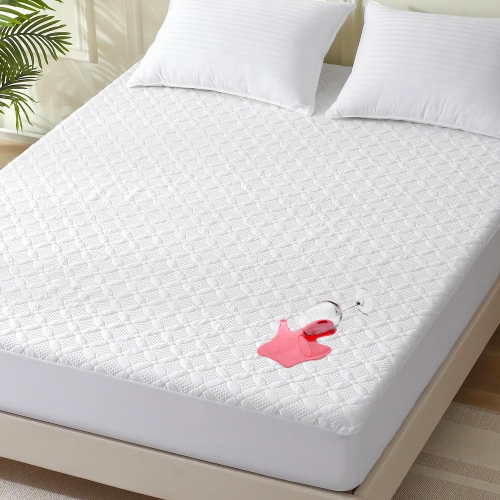
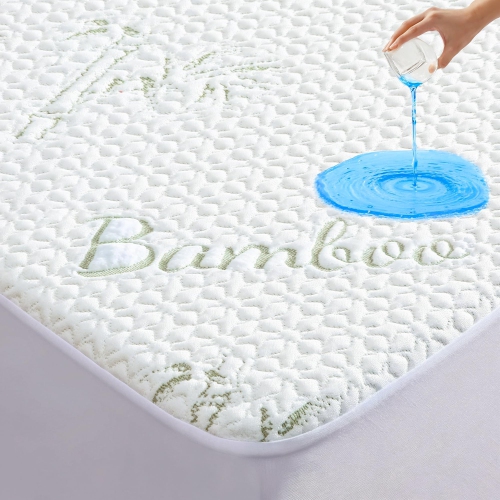
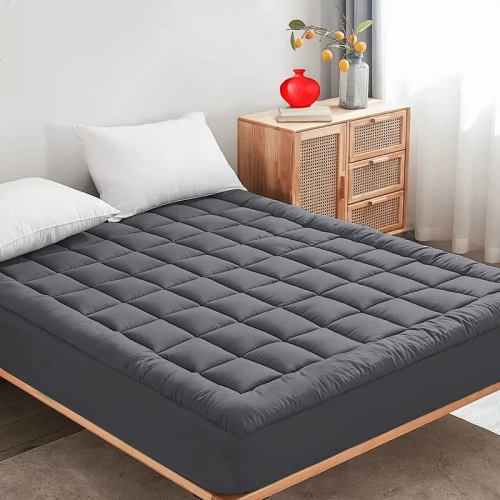
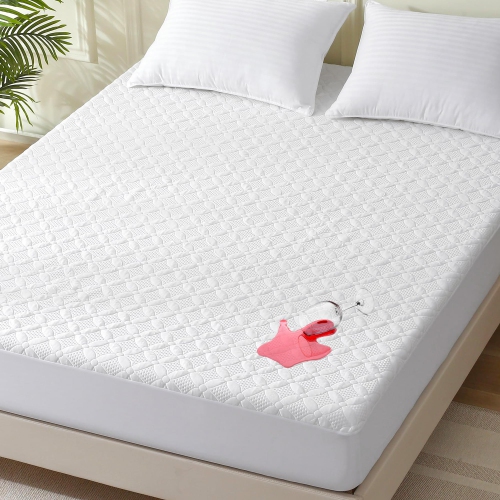
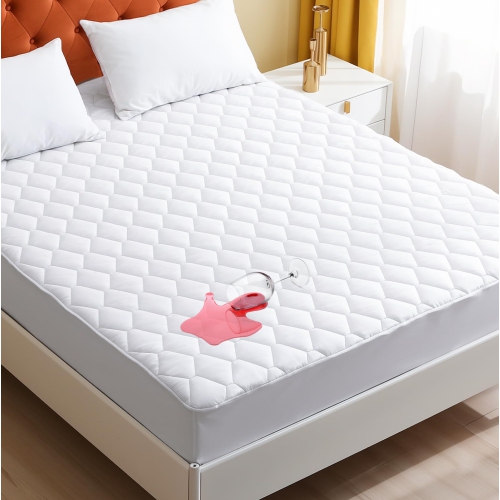
Materials and construction determine how a double mattress protector feels and the type of protection it provides. Cotton-rich surfaces can offer a soft, familiar fabric feel, while polyester blends may combine a smooth finish with straightforward care. Terry surfaces have small loops that can absorb moisture at the surface, and stretch-knit fabrics can flex with the mattress beneath them. The top fabric and the protective backing serve different purposes, so an absorbent surface should not be mistaken for a waterproof barrier. Waterproof protectors include a backing or membrane intended to prevent liquids from reaching the covered area of the mattress when used as directed. Water-resistant fabrics provide a different level of protection and should not be assumed to stop a larger spill or prolonged exposure. Coverage matters here, too: a waterproof sleeping surface does not necessarily mean that the skirt or sides are waterproof. For a bed used by a child, someone managing nighttime accidents, or a pet that likes to settle beside its owner, the location and extent of the barrier are especially relevant. Comfort remains important because the protector stays between the sleeper and the mattress every night. A flexible backing, supple fabric, and a secure fit can help limit rustling and shifting, although feel and sound vary by construction. For a softly padded surface, Quilted Mattress Protectors feature stitching that holds layers of fabric and fill together. Quilting can add a light cushion, but it does not automatically make a protector waterproof. A lightly padded protector also serves a different purpose from a substantial mattress topper: it is not intended to correct a sagging mattress or make a major change to firmness. Thinner, less padded designs may suit sleepers who want to preserve the familiar feel of their mattress. Fabric texture, padding, backing, and fit work together, making the full construction more informative than a single material name.
Care requirements influence how easily a double mattress protector fits into an established laundry routine. Many fabric protectors are machine washable, but washing and drying directions vary with the fibres, fill, elastic, and waterproof backing. The care label determines the appropriate cycle and drying method, as well as whether bleach, fabric softener, ironing, or other treatments are permitted. A protector with a waterproof membrane may need different handling from an unbacked cotton pad, even if both feel similar on the surface. Thorough drying before the bed is remade helps prevent moisture from being trapped between layers. Prompt laundering after a spill also keeps residue from remaining against the fabric, although no protector should be assumed to resist every stain. For households managing frequent bedding changes, having a second correctly sized cover can make it easier to remake the bed while the first is being washed. Ease of removal matters as much as washing instructions: an elasticized fitted style lifts off the corners, while a full encasement usually takes more handling because it wraps beneath the mattress. Durability depends on sound seams, resilient elastic, secure stitching, and care that preserves the protective layer. Repeated stretching over a mattress that is too deep can strain corners, while rough handling of a zipper can damage an encasement’s closure. Tears, worn patches, separating backing, or elastic that no longer holds the corners are signs that the cover may not perform as intended. A protector remains one part of bedding care rather than a substitute for cleaning sheets or following the mattress manufacturer’s instructions. Its everyday value is practical: it creates a removable layer between the mattress and the small messes that come with a lived-in bedroom. For a new household, a student’s room, or a refreshed guest bed, the right double mattress protector combines suitable coverage with a comfortable surface and manageable care, helping keep the bed ready for its next use.
Top selling and popular products
-
 Your price for this item is $182
-
 Your price for this item is $175
-
 Your price for this item is $182
-
 Your price for this item is $161
-
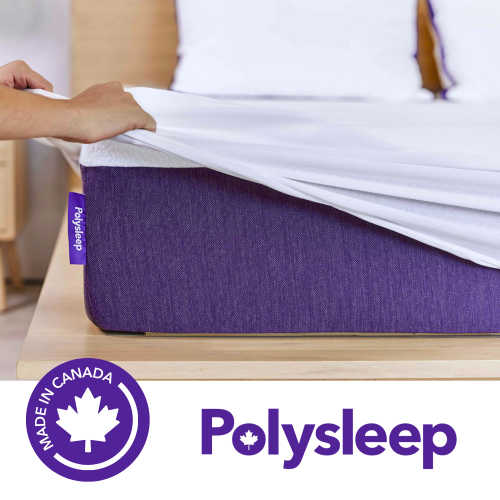 Your price for this item is $189
-
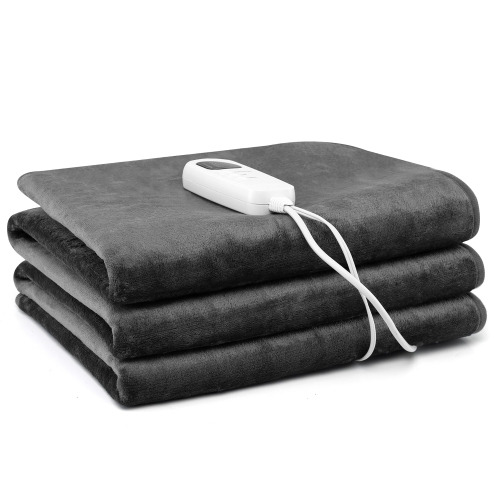 Your price for this item is $61.99
-
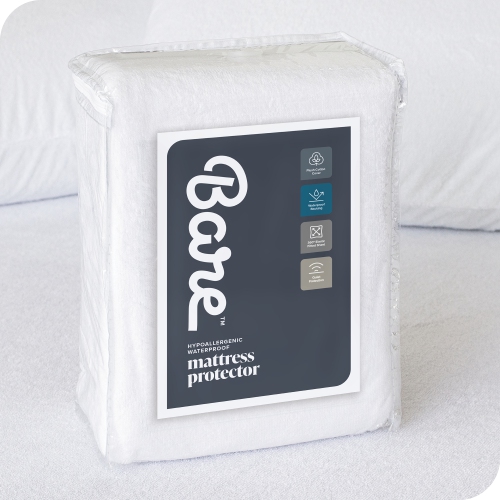 Your price for this item is $87.99
-
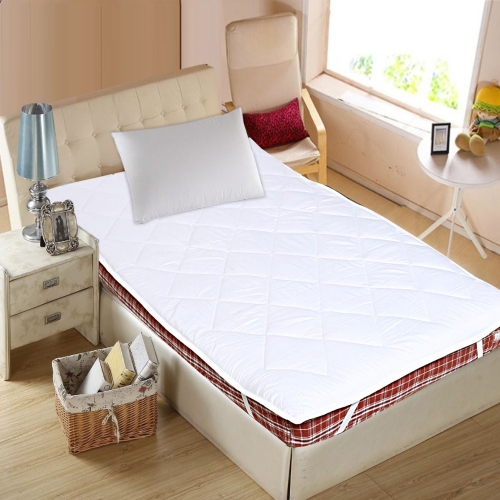 Your price for this item is $22.12
Discover more categories related to Double Mattress Protectors
Top Collections:
Best Black Friday Deals This Year, Best Black Friday Deals On Electronics, Kindle Devices, Best Black Friday Deals On Apple Products, Best Budget Office Chairs, Best Cameras for Sports Photography, Dyson Airwrap, Canon G7X Cameras, Best Laptops for Writers, Samsung Galaxy Phones
Some products may be subject to Environmental Handling Fees
(EHF) depending on your province.
Learn more about EHFs.