Twin Size Daybed Frames
A Twin Size Daybed Frame is a versatile addition to any home, offering both comfort and style for bedrooms, guest rooms, or small spaces. Perfect for maximizing space without sacrificing design, these frames provide a practical solution for sleeping or lounging. Whether you're looking to create a cozy reading nook or accommodate overnight guests, a Twin Size Daybed Frame blends seamlessly with various décor styles while delivering reliable support. Explore options that fit your needs and elevate the look of your living space effortlessly.
Sort
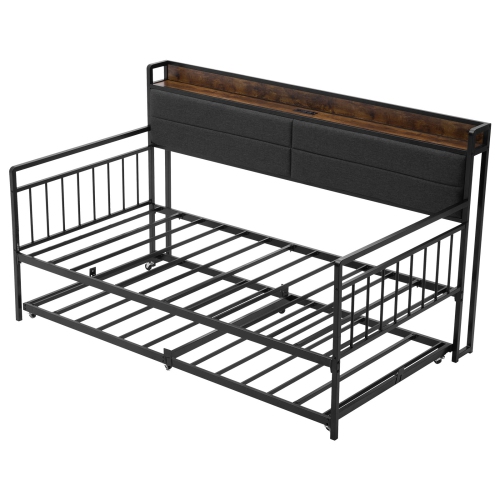

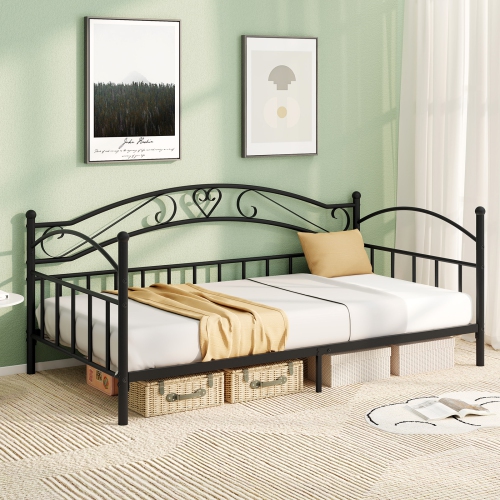

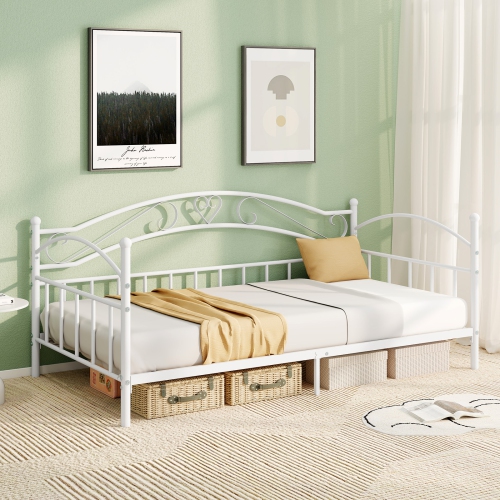
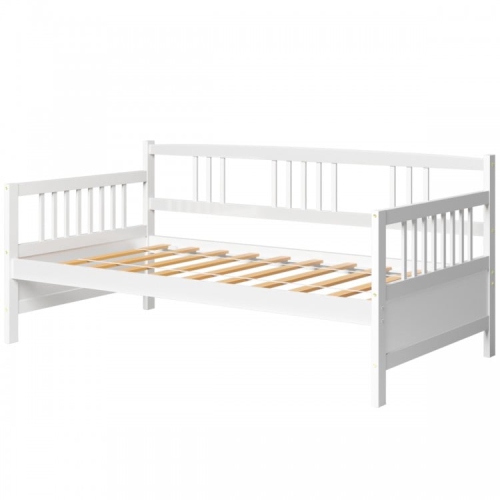
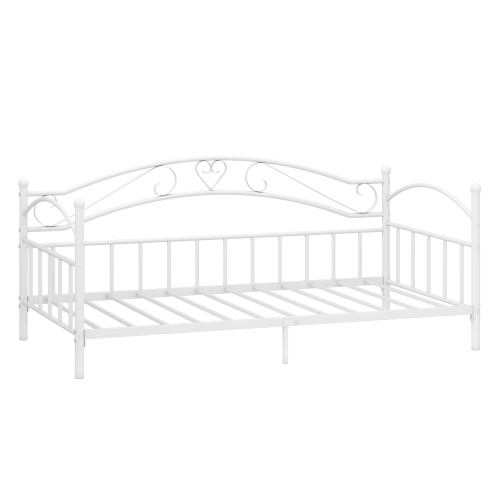
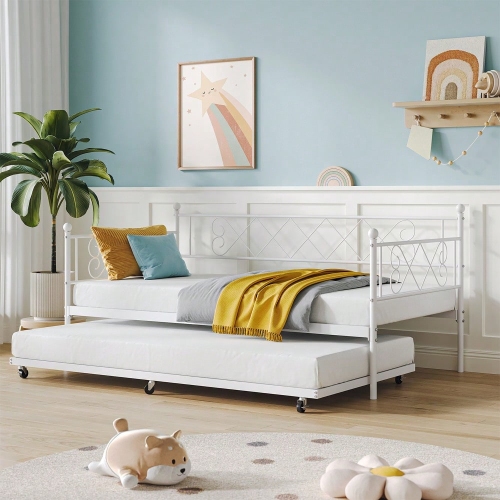

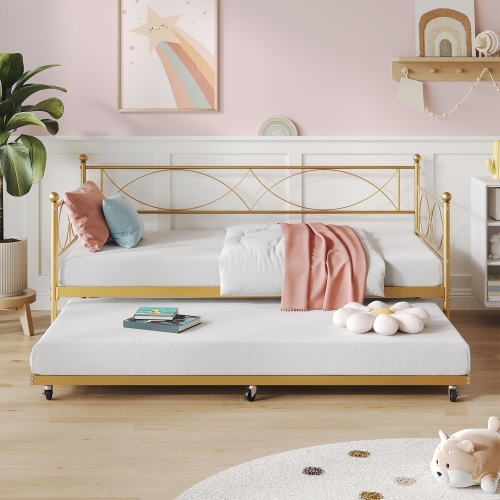
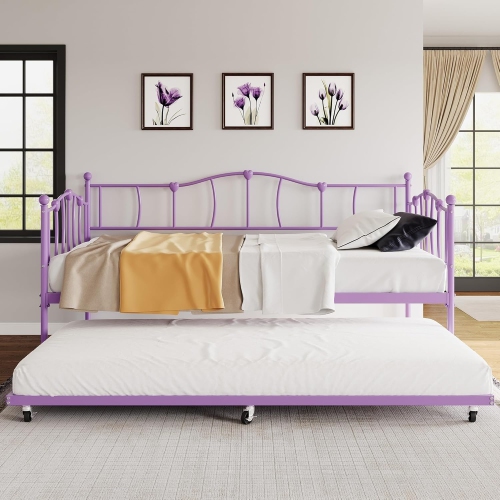
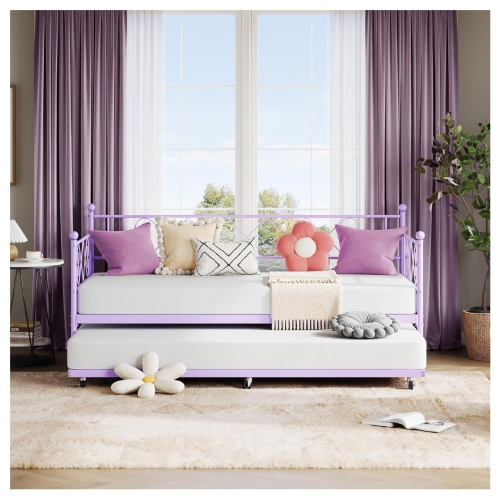

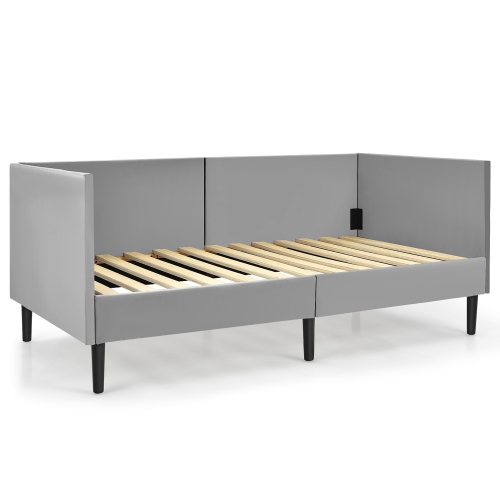
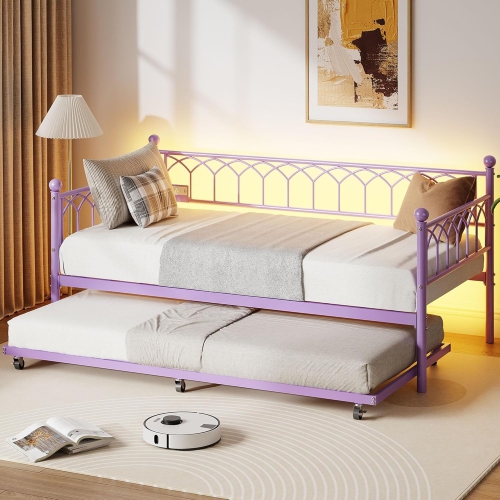
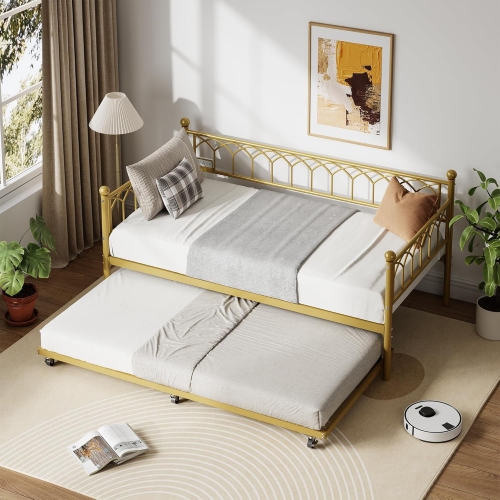
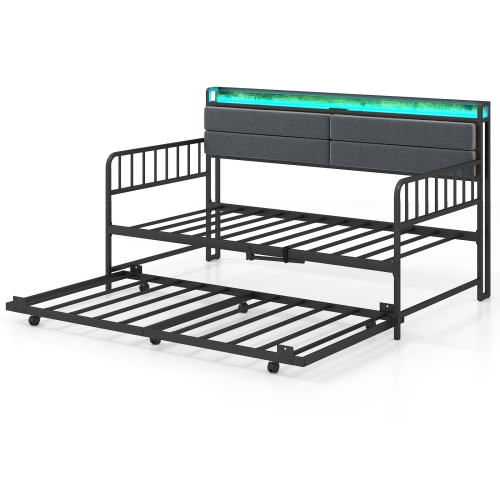
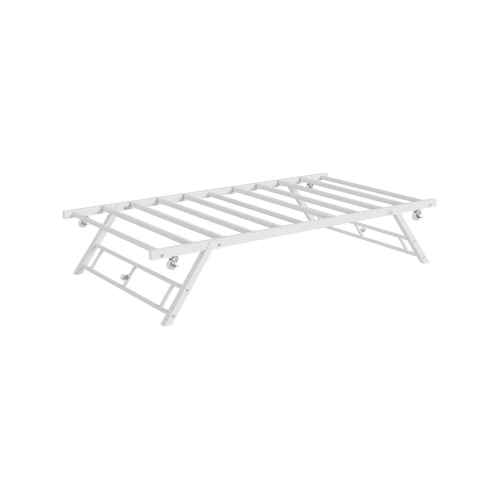

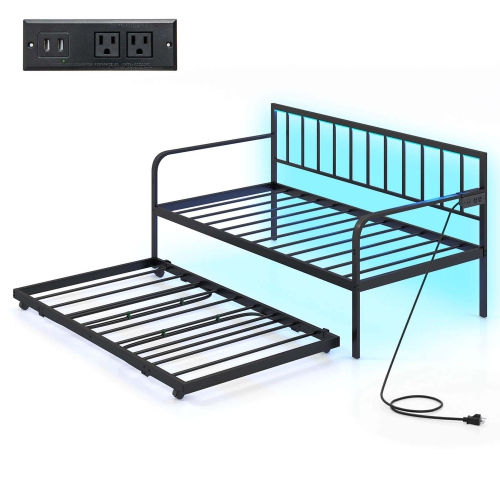

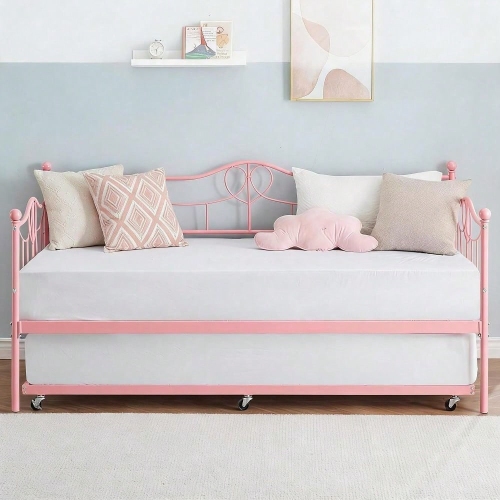
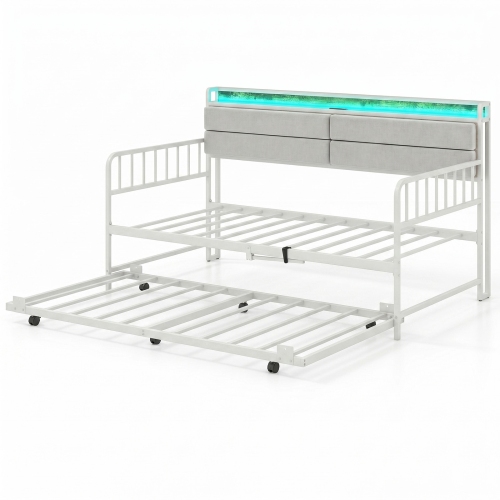
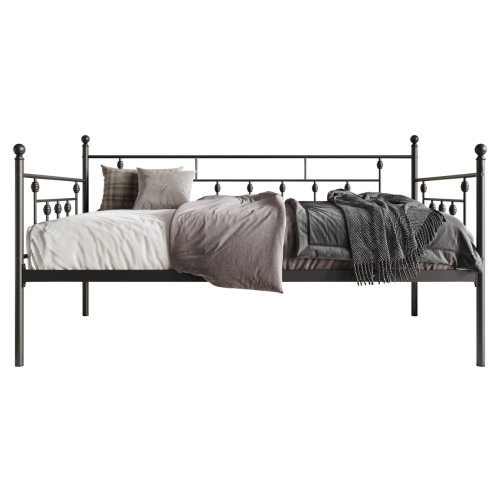
Sofa-like seating with a dedicated place to sleep
Twin size daybed frames combine the footprint of a single bed with a sofa-like shape, creating a place to sit during the day and sleep at night. Most are designed for a standard twin mattress, typically about 38 inches wide and 75 inches long, although the frame’s overall measurements will be larger. A back panel and two raised ends give many daybeds their familiar profile, while more open designs offer a lighter visual presence. This combination makes them useful in guest bedrooms, children’s rooms, home offices, and smaller living spaces where one piece of furniture needs to serve more than one purpose. A twin daybed can give visiting family a dedicated sleeping surface without making an office feel entirely like a bedroom, or provide a child with a bed that doubles as a comfortable spot for reading. Unlike a sofa bed, a typical daybed keeps the mattress in place rather than folding it into a seating mechanism. Changing from lounging to sleeping usually means removing the back cushions and arranging the bedding, rather than unfolding a hidden bed. The mattress matters just as much as the frame: a surface that feels comfortable for overnight sleep may feel softer or deeper than a conventional sofa seat. Large back cushions can shorten that sitting depth, while a supportive mattress helps the daybed work as a regular bed rather than only an occasional resting place. Mattress compatibility depends on the frame’s construction. Some designs use slats or a metal platform and do not require a box spring, while others have different support requirements. The specified mattress dimensions, thickness limits, and foundation requirements help establish the intended fit. Twin and twin XL sizes are not interchangeable; a twin XL mattress is longer, so the frame must be explicitly designed to accommodate it.
Materials influence both the appearance of twin size daybed frames and how they stand up to daily use. Wood frames can bring warmth and a substantial feel to a room, with painted finishes offering a different character from visible wood grain. Solid wood and engineered wood components have different construction and care needs, so the material description is more useful than appearance alone when comparing designs. Metal frames often have slimmer rails and an open profile that leaves more of the wall visible, making them a practical visual fit where a heavier piece might dominate the room. Their long-term stability depends on sound joints, secure hardware, and adequate mattress support, not simply the thickness of the visible rails. Upholstered frames add a padded surface around the back or sides and can make a daybed feel closer to a lounge seat. Fabric texture, seam placement, and cleaning requirements become particularly noticeable when the frame is used every day. A tightly woven surface may be easier to brush free of crumbs or pet hair than a deeply textured fabric, although care instructions remain specific to the upholstery. For wood and metal, a soft cloth and cleaning methods suited to the finish help limit scratches and surface damage. Upholstery may require vacuuming, spot cleaning, or another specified treatment; removable-looking fabric is not necessarily machine washable. Durability also comes from less visible details, including centre supports, the spacing of slats, and the way the side rails connect to the end panels. A frame intended for nightly sleep needs to suit the sleeper’s requirements as well as the mattress. The manufacturer’s stated weight capacity, including how that limit is calculated, is important for both sleeping and seated use. Periodic hardware checks can help address loosening that develops through ordinary movement, especially after a frame has been moved or reassembled.
The best fit for a room involves more than finding an empty stretch of wall. Overall length, depth, and height determine how a twin size daybed frame sits beside a desk, dresser, window, or doorway. A high back can create a defined seating area, while an open rail design allows more of the surrounding room to remain visible. Mattress thickness also changes the finished seat height and the amount of back or side rail left exposed. For a child climbing into bed independently, or a guest who prefers a higher sleeping surface, that finished height can matter as much as the frame’s appearance. Access through hallways, stairwells, and door openings is another practical consideration, particularly when larger panels arrive as single pieces. Under the bed, open clearance can accommodate suitable storage containers, while built-in drawers keep bedding or clothing close at hand. Drawers need enough space to pull out fully, and rugs or nearby furniture can interfere with their movement. Trundle-compatible designs offer a different use for that floor space, allowing an additional sleeping surface to roll out when needed. A trundle is not automatically included with a daybed frame, and its mattress size, maximum thickness, and operating clearance need to match the design. Pull-out sleeping space also occupies part of the room, so a layout that feels generous with the trundle tucked away may become tight when both beds are in use. Storage and a trundle generally compete for the same under-bed area rather than providing interchangeable functions. For everyday styling, a fitted cover, a washable throw, and a few supportive cushions can make the mattress feel like an inviting seat without creating a lengthy bedtime routine. In a guest room that also holds a work desk, bedding stored nearby keeps the transition simple. In a child’s room, fewer loose cushions leave more space for stretching out with a book. A well-matched frame brings together comfortable support, manageable care, and a layout that remains useful whether the room is being used for sleep, company, or quiet downtime.
Top selling and popular products
-
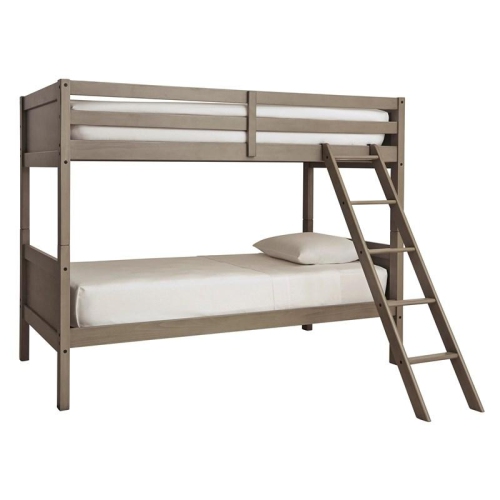 Your price for this item is $799.99
-
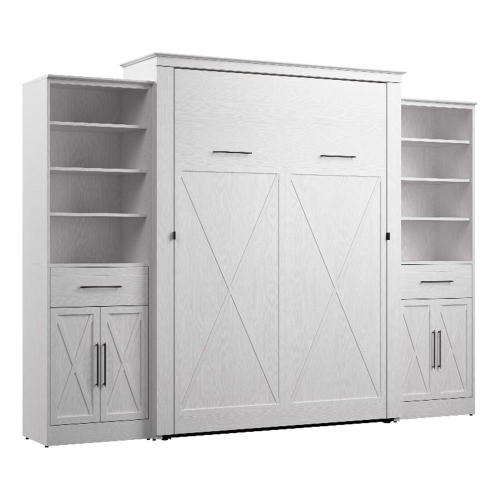 Your price for this item is $3519.99
-
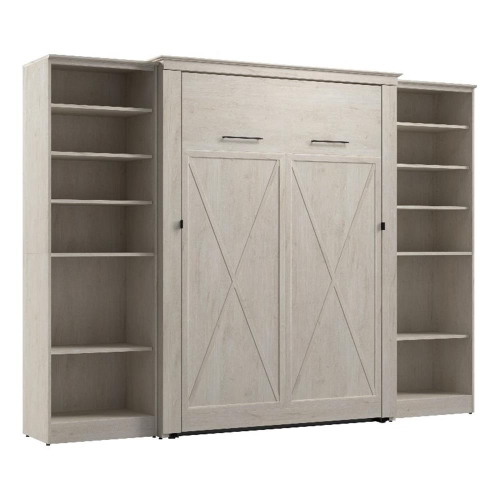 Your price for this item is $3099.99
-
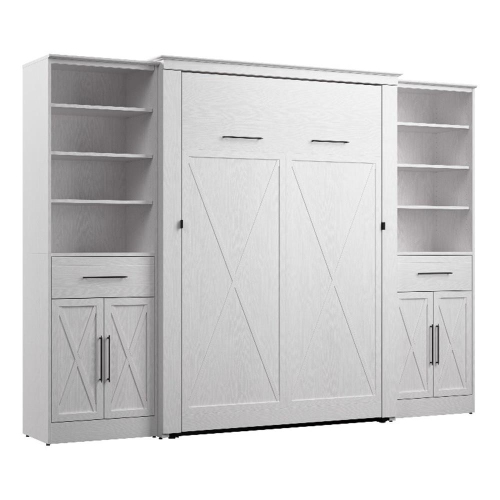 Your price for this item is $3349.99
-
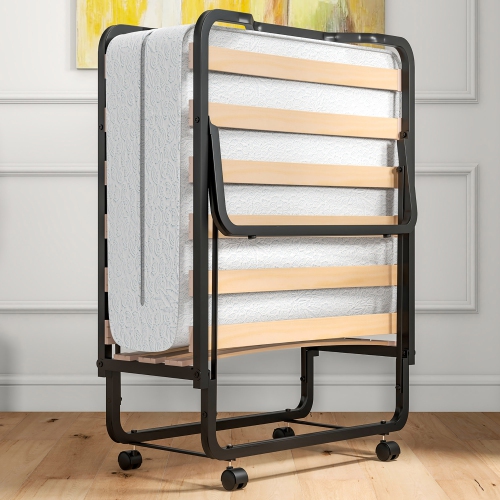 Your price for this item is $235.99
-
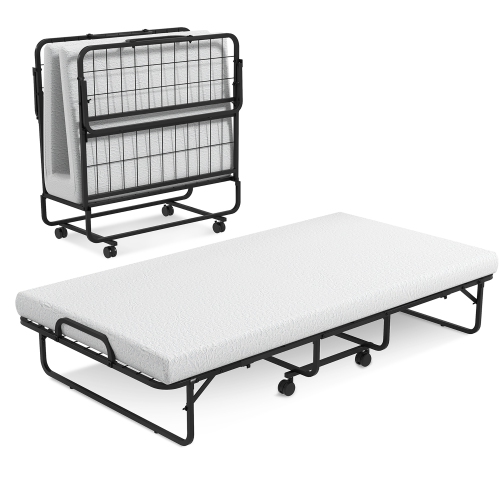 Your price for this item is $233.99
-
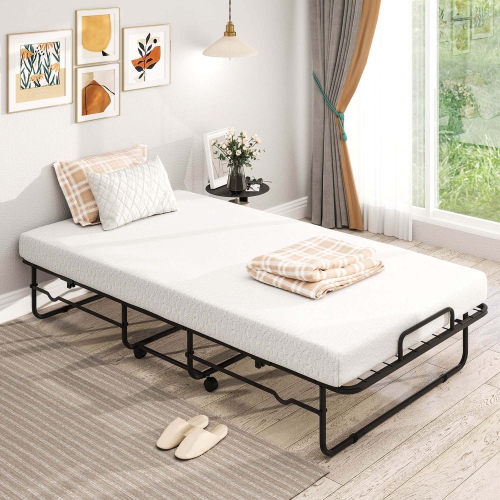 Your price for this item is $243.99
-
 Your price for this item is $364.99
Discover more categories related to Twin Size Daybed Frames
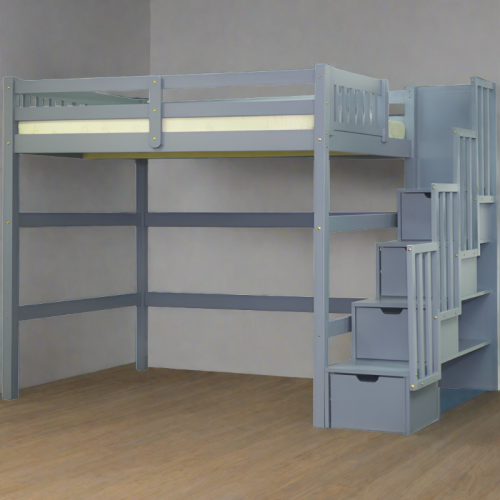
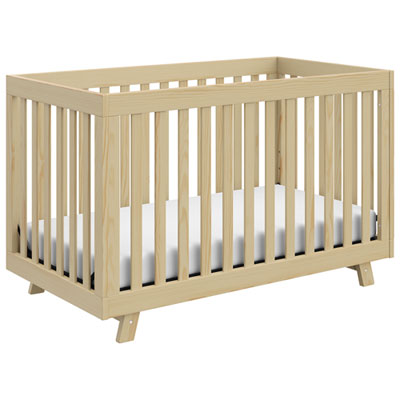
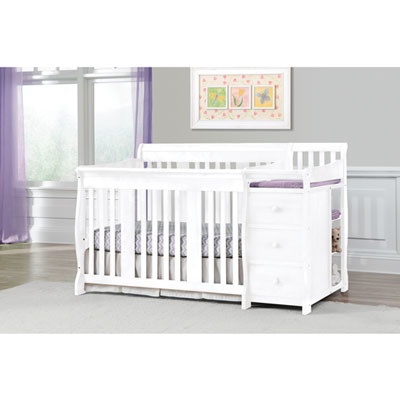
Top Collections:
Best Black Friday Deals This Year, Best Black Friday Deals On Electronics, Kindle Devices, Best Black Friday Deals On Apple Products, Best Budget Office Chairs, Best Cameras for Sports Photography, Dyson Airwrap, Canon G7X Cameras, Best Laptops for Writers, Samsung Galaxy Phones
Some products may be subject to Environmental Handling Fees
(EHF) depending on your province.
Learn more about EHFs.