Twin Xl Memory Foam Mattresses
Upgrade your sleep experience with twin XL memory foam mattresses, designed to offer exceptional comfort for any bedroom. Perfectly sized for dorm rooms, guest spaces, or growing teens, these mattresses combine the benefits of memory foam with the versatile dimensions of a twin XL. Discover options that fit your space and lifestyle while enjoying the support and adaptability that memory foam is known for. Find the ideal twin XL memory foam mattress to help you wake up refreshed and ready for the day.
Sort
![VISCOLOGIC [] Fusion-Gel 12" Thick Gel-Infused Cool Memory Foam Mattress (Twin/single)](https://multimedia.bbycastatic.ca/multimedia/products/500x500/138/13898/13898471.jpeg)
Five extra inches of legroom without added width
Twin XL memory foam mattresses offer a narrow sleeping surface with extra length, making them a practical fit for taller teens, adults, student residences, and compact bedrooms. A twin XL mattress typically measures 38 inches wide by 80 inches long, giving sleepers five more inches of legroom than a standard twin without taking up more floor space across the room. That added length can make a noticeable difference for someone whose feet reach the end of a regular twin bed, particularly when stretching out on their back or stomach. The width still suits one sleeper, leaving room beside the bed for a desk, dresser, or clear walkway. Memory foam responds to body weight and warmth, gradually contouring around the shoulders, hips, and other contact points rather than providing the springy feel of a traditional innerspring surface. This close cushioning can help distribute pressure, while the firmer foam underneath provides the mattress’s underlying support. Most all-foam designs combine a memory foam comfort layer with one or more transition and base layers, each contributing to how deeply the sleeper settles into the bed. Twin XL sizing also has a role in shared bedrooms: two twin XL mattresses placed side by side form the nominal dimensions of a king mattress, 76 inches wide by 80 inches long. A split king arrangement lets two people choose different mattress feels, although the centre seam remains part of the setup. For a shorter bed frame or a room where the extra length is unnecessary, Memory Foam Twin Mattresses provide a useful size comparison. Standard twin and twin XL mattresses are not interchangeable in every frame, so the mattress dimensions, usable frame length, and bedding size all matter. Twin XL fitted sheets are designed for the longer surface, and their pocket depth should also match the mattress thickness, including any topper.
The feel of a twin XL memory foam mattress depends on more than its firmness label. Comfort-layer thickness, foam density, the arrangement of the layers, and the sleeper’s build all affect the balance between cushioning and support. A side sleeper may appreciate enough give for the shoulder and hip to settle comfortably, while a back sleeper may prefer a surface that cushions without allowing the pelvis to sink too deeply. Stomach sleepers often benefit from a firmer feel that limits excessive sinking through the middle of the body, though personal comfort varies. Firmness descriptions are not standardized across manufacturers, so “medium-firm” is best understood alongside the construction details rather than as a guarantee of a particular feel. Denser foam is not automatically firmer, either; density describes the amount of material within a given volume and can be useful when comparing durability among otherwise similar foams. Traditional memory foam tends to have a slower response, gently holding the contours left by the body before returning to shape. More responsive constructions can make changing position feel easier, which may appeal to a sleeper who rolls from side to side. Some mattresses use gel-infused memory foam, open-cell structures, or airflow channels to address heat buildup around the body. These features may influence comfort, but their effect depends on the complete mattress design, the cover, and the bedding used over it; a cooling description does not guarantee a consistently cool sleeping surface. Cover materials also shape the experience. A stretch-knit cover can allow the foam beneath it to contour more freely, while quilting may add a slightly different surface texture or cushioning feel. Memory foam generally absorbs movement well, limiting how far motion travels across the mattress. In a split king setup, separate mattresses can further reduce movement transfer, although the shared frame may still carry some vibration. Edge support deserves attention in a narrow bed, especially for someone who sits along the side to get dressed or tends to sleep close to the edge. Softer foam edges may compress more noticeably under concentrated weight.
A well-matched base and straightforward care routine help a twin XL memory foam mattress maintain its shape and comfort over time. Many designs work with a platform bed or slatted foundation, but the permitted slat spacing and support requirements vary. Wide gaps can allow foam to sag between the slats, while an unsuitable foundation may affect warranty coverage. An existing box spring is not automatically the right base for an all-foam mattress, even if the dimensions match. For an adjustable bed, both mattress flexibility and the manufacturer’s compatibility requirements matter; twin XL sizing alone does not confirm that a mattress can bend with the base. Lower-profile mattresses may suit some bunk beds or trundles, but those uses require particular care with maximum mattress height, guardrail clearance, and the bed’s stated specifications. A thicker mattress is not necessarily more supportive, and extra height can make a low guardrail ineffective or prevent a trundle from sliding beneath the main bed. In a student room, everyday details such as total bed height, fitted-sheet access, and space to lift the mattress corners can be just as important as the initial feel. A properly fitted mattress protector helps limit spills and staining, while regular laundering of sheets keeps the sleeping surface fresh. Foam should not be saturated during cleaning; spot-cleaning methods and drying requirements should follow the care label. A zippered cover should only be removed or washed when the manufacturer explicitly permits it. Most layered memory foam mattresses are designed to stay with the comfort side facing up rather than being flipped. Head-to-foot rotation may help spread wear when recommended, particularly for someone who sleeps in the same position each night. Mattresses delivered compressed also need the specified time to expand before their dimensions and feel can be assessed fairly. Over the longer term, lasting indentations, uneven support, or a pronounced change in comfort can indicate wear. For a teen moving into a longer bed, an adult furnishing a smaller room, or a couple creating a split sleeping setup, the strongest fit brings together the right dimensions, a comfortable foam construction, and a base suited to everyday use.
The feel of a twin XL memory foam mattress depends on more than its firmness label. Comfort-layer thickness, foam density, the arrangement of the layers, and the sleeper’s build all affect the balance between cushioning and support. A side sleeper may appreciate enough give for the shoulder and hip to settle comfortably, while a back sleeper may prefer a surface that cushions without allowing the pelvis to sink too deeply. Stomach sleepers often benefit from a firmer feel that limits excessive sinking through the middle of the body, though personal comfort varies. Firmness descriptions are not standardized across manufacturers, so “medium-firm” is best understood alongside the construction details rather than as a guarantee of a particular feel. Denser foam is not automatically firmer, either; density describes the amount of material within a given volume and can be useful when comparing durability among otherwise similar foams. Traditional memory foam tends to have a slower response, gently holding the contours left by the body before returning to shape. More responsive constructions can make changing position feel easier, which may appeal to a sleeper who rolls from side to side. Some mattresses use gel-infused memory foam, open-cell structures, or airflow channels to address heat buildup around the body. These features may influence comfort, but their effect depends on the complete mattress design, the cover, and the bedding used over it; a cooling description does not guarantee a consistently cool sleeping surface. Cover materials also shape the experience. A stretch-knit cover can allow the foam beneath it to contour more freely, while quilting may add a slightly different surface texture or cushioning feel. Memory foam generally absorbs movement well, limiting how far motion travels across the mattress. In a split king setup, separate mattresses can further reduce movement transfer, although the shared frame may still carry some vibration. Edge support deserves attention in a narrow bed, especially for someone who sits along the side to get dressed or tends to sleep close to the edge. Softer foam edges may compress more noticeably under concentrated weight.
A well-matched base and straightforward care routine help a twin XL memory foam mattress maintain its shape and comfort over time. Many designs work with a platform bed or slatted foundation, but the permitted slat spacing and support requirements vary. Wide gaps can allow foam to sag between the slats, while an unsuitable foundation may affect warranty coverage. An existing box spring is not automatically the right base for an all-foam mattress, even if the dimensions match. For an adjustable bed, both mattress flexibility and the manufacturer’s compatibility requirements matter; twin XL sizing alone does not confirm that a mattress can bend with the base. Lower-profile mattresses may suit some bunk beds or trundles, but those uses require particular care with maximum mattress height, guardrail clearance, and the bed’s stated specifications. A thicker mattress is not necessarily more supportive, and extra height can make a low guardrail ineffective or prevent a trundle from sliding beneath the main bed. In a student room, everyday details such as total bed height, fitted-sheet access, and space to lift the mattress corners can be just as important as the initial feel. A properly fitted mattress protector helps limit spills and staining, while regular laundering of sheets keeps the sleeping surface fresh. Foam should not be saturated during cleaning; spot-cleaning methods and drying requirements should follow the care label. A zippered cover should only be removed or washed when the manufacturer explicitly permits it. Most layered memory foam mattresses are designed to stay with the comfort side facing up rather than being flipped. Head-to-foot rotation may help spread wear when recommended, particularly for someone who sleeps in the same position each night. Mattresses delivered compressed also need the specified time to expand before their dimensions and feel can be assessed fairly. Over the longer term, lasting indentations, uneven support, or a pronounced change in comfort can indicate wear. For a teen moving into a longer bed, an adult furnishing a smaller room, or a couple creating a split sleeping setup, the strongest fit brings together the right dimensions, a comfortable foam construction, and a base suited to everyday use.
Top selling and popular products
-
 Your price for this item is $1195
 -
 Your price for this item is $1395
 -
 Your price for this item is $1095
 -
 Your price for this item is $945
 -
 Your price for this item is $1199
 -
 Your price for this item is $1395
 -
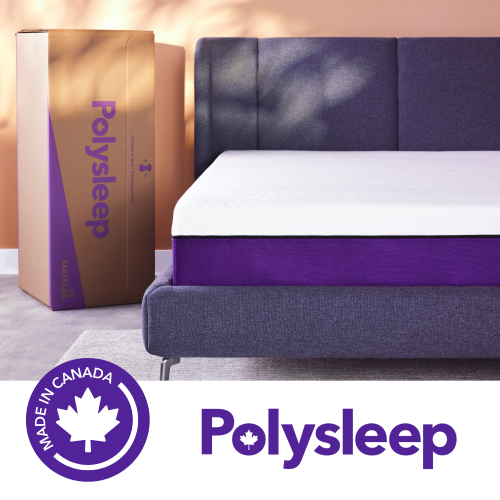 Your price for this item is $895
 -
 Your price for this item is $920
Discover more categories related to Twin Xl Memory Foam Mattresses
Top Collections:
Pokemon Centers, Kindle Devices, Best Budget Office Chairs, Apple iPhones 16, Best Laptops for Writers, iPhone 15 Apple, Canon G7X Cameras, Refurbished Apple Laptops, Alarm Clock, Motorola Razr Phones
Some products may be subject to Environmental Handling Fees
(EHF) depending on your province.
Learn more about EHFs.