Memory Foam Twin Mattresses
Upgrade your sleep experience with memory foam twin mattresses, designed to provide comfort and support for any bedroom. Perfect for kids’ rooms, guest spaces, or compact living areas, these mattresses offer a versatile solution for restful nights. Explore a wide selection of memory foam twin mattresses to find the ideal fit for your space and sleep preferences.
Sort
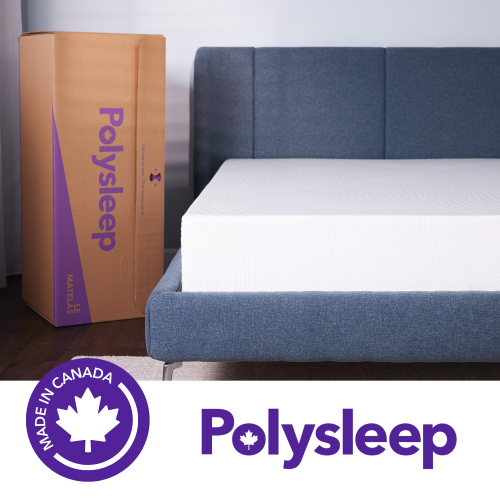
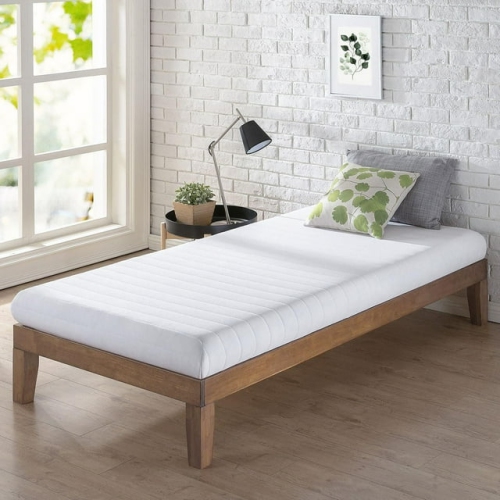
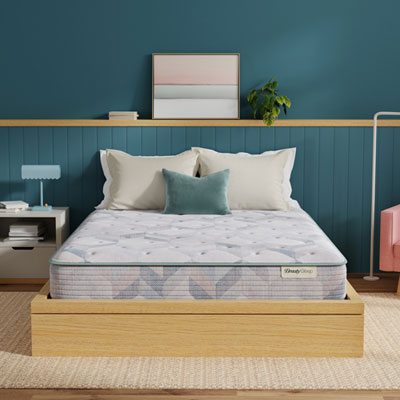
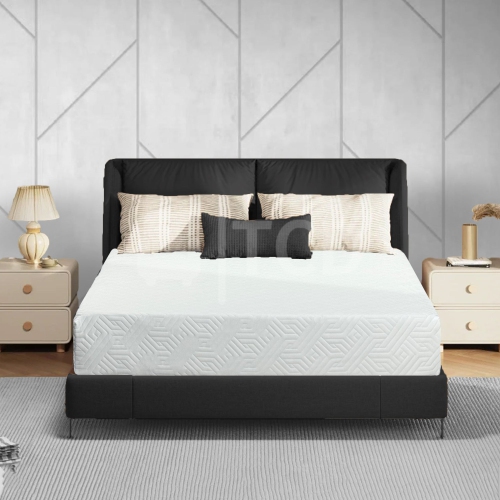
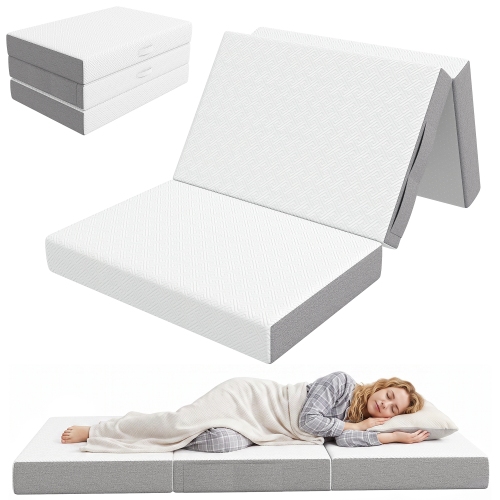
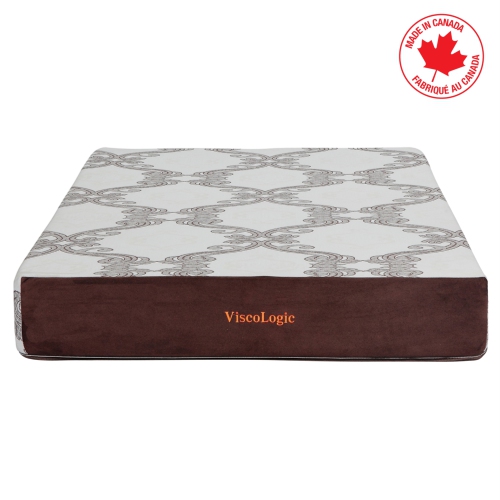
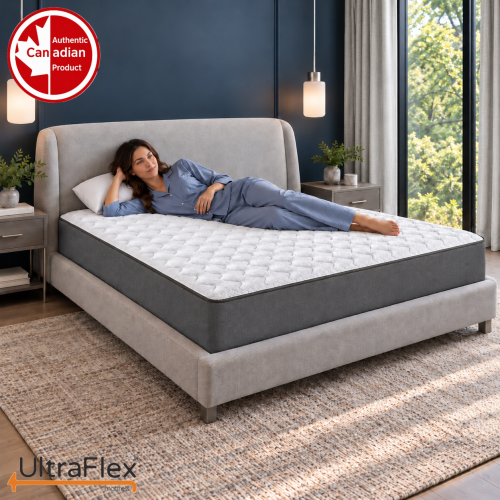
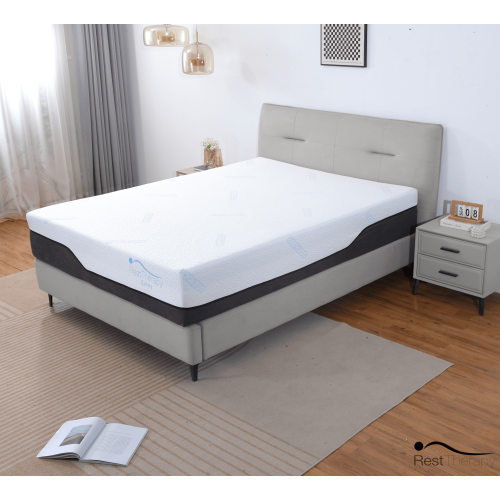
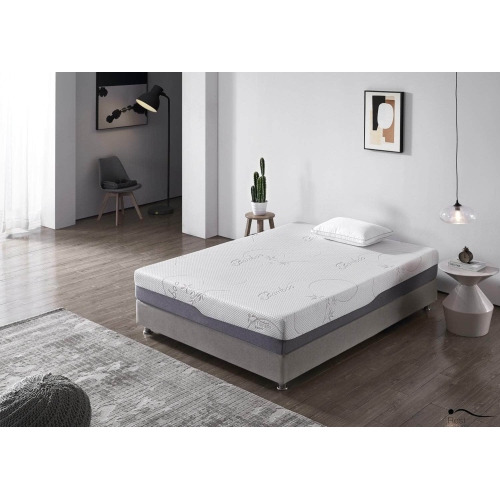
Contouring comfort that fits a compact bedroom
Memory foam twin mattresses bring contouring comfort to a compact bed size suited to children’s bedrooms, student rooms, guest spaces, and smaller homes. A standard twin mattress measures approximately 38 inches wide by 75 inches long, or 96.5 cm by 190.5 cm, although exact dimensions can vary slightly by manufacturer. That footprint provides sleeping space for one person while leaving room for a bedside table, desk, or storage furniture. Twin and twin XL are different sizes: a twin XL is typically 80 inches long, so it needs a compatible frame and fitted sheet. For taller teenagers and adults, those extra inches can make a noticeable difference. Memory foam responds to body weight and gradually conforms around the sleeper, helping distribute pressure across contact points such as the shoulders and hips. Most all-foam designs combine a softer comfort layer with a firmer support core, rather than using the same foam throughout. This layered construction influences how deeply the sleeper settles into the surface and how supported the body feels underneath. A twin mattress can work well for a school-age child moving into a larger bed, a teenager furnishing a first bedroom, or an adult using a single bed in a smaller room. For a guest room, a balanced feel may accommodate different preferences more easily than an especially soft or firm surface. Side sleepers often appreciate cushioning around the shoulders and hips, while back and stomach sleepers may prefer a feel that limits excessive sinking. These are general preferences rather than fixed rules, since body size, sleeping position, and personal comfort all affect how a mattress feels. A lighter sleeper may experience the same mattress as firmer than a heavier sleeper does. Memory foam also tends to absorb movement instead of producing the bounce associated with some spring constructions, creating a more settled surface when someone changes position or sits down at the edge of the bed.
The materials and proportions inside a memory foam twin mattress matter as much as its overall height. A thicker mattress is not automatically firmer, more supportive, or more durable; the thickness and density of each layer, along with the construction of the support core, help shape those qualities. Foam density and firmness are separate characteristics, so a dense foam can still have a soft feel. Traditional memory foam is known for close contouring and a slower response when pressure is removed. Designs incorporating gel-infused foam, open-cell structures, or ventilated layers may be intended to improve airflow or manage heat at the sleeping surface, but these features do not guarantee the same experience for every sleeper. Covers, sheets, mattress protectors, and how deeply someone sinks into the mattress can also influence comfort. For someone who turns frequently, a more responsive construction may feel easier to move across than a deeply enveloping surface. Edge support is another practical consideration, especially when the mattress is used by an adult who regularly sits along the side to put on socks or shoes. All-foam edges can compress under concentrated weight, with the amount varying by design. The bed underneath should provide the level, consistent support specified by the mattress manufacturer. Platform beds, slatted frames, and adjustable bases may be suitable, but compatibility depends on the mattress construction and the base requirements. Widely spaced slats or a sagging foundation can leave foam insufficiently supported. Bunk beds and trundles call for particular attention to mattress height and dimensions. On a top bunk, the mattress must stay within the bed manufacturer’s stated thickness limit so the guardrails retain their required clearance above the sleeping surface. A trundle needs enough clearance to slide beneath the main bed without scraping or compressing the mattress. Daybeds also benefit from a precise fit, especially when their sides closely surround the sleeping surface. Matching the mattress to the frame helps avoid gaps, overhang, and an awkward finished bed height.
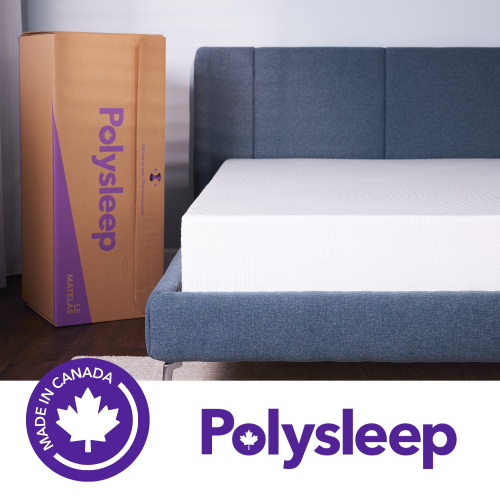
Many memory foam twin mattresses are compressed and rolled for transport, making the package easier to move through narrow hallways or into a compact bedroom. After unwrapping, the foam needs time to regain its intended shape. Full expansion commonly takes 24 to 72 hours, although the manufacturer’s stated timing should take priority, including any directions about when the mattress can be used. A newly unpacked foam mattress may have a noticeable odour, and allowing air to circulate around it can help during the initial setup period. Once the mattress is in place, bedding and routine care play an important role in keeping the sleeping surface comfortable. A fitted sheet should match both the twin dimensions and the mattress depth; a shallow pocket can pull loose from a taller mattress, while an overly deep pocket may leave excess fabric on a low-profile design. A suitably fitted mattress protector adds a washable barrier against spills and everyday marks, particularly useful in a child’s room or a bed used by different guests. The Mattress Topper Twin collection is relevant when an otherwise supportive twin mattress needs an additional comfort layer, but a topper cannot repair a sagging core or compensate for an unsuitable foundation. Its added height also matters on bunk beds and trundles. Care requirements vary by cover and construction: a removable cover is not necessarily machine-washable, and soaking foam can make it difficult to dry thoroughly. Where spot cleaning is permitted, minimal moisture and complete drying before replacing bedding help protect the material. Many layered foam mattresses are designed for one-sided use and should not be flipped; rotation should follow the manufacturer’s directions. Consistent support, suitable bedding, and appropriate cleaning help preserve comfort over time, whether the mattress serves as a child’s everyday bed, a student’s sleeping space, or a welcoming place for an overnight guest.
Top selling and popular products
-
 Your price for this item is $1199
-
 Your price for this item is $644
-
 Your price for this item is $696.5
-
 Your price for this item is $591.5
-
 Your price for this item is $906.5
-
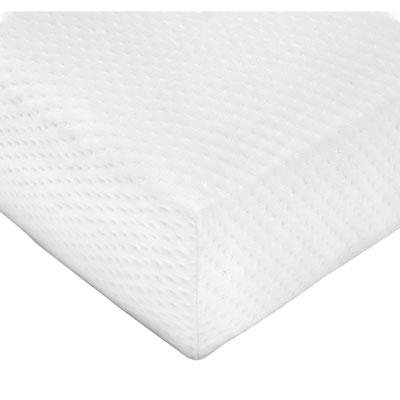 Your price for this item is $159.99
-
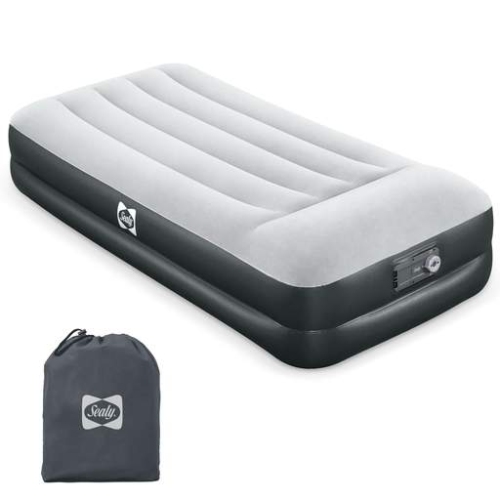 Your price for this item is $133.99
-
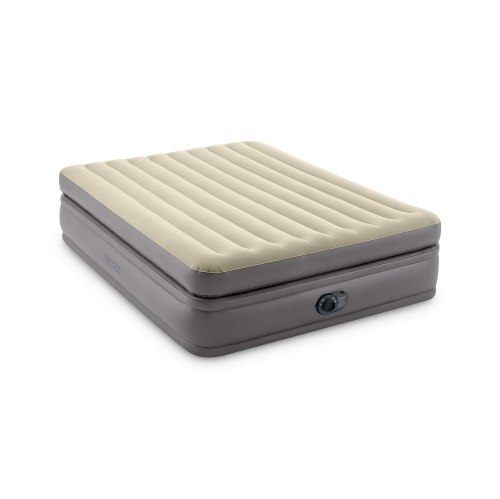 Your price for this item is $239.99
Discover more categories related to Memory Foam Twin Mattresses
Top Collections:
Best Black Friday Deals This Year, Best Black Friday Deals On Electronics, Kindle Devices, Best Black Friday Deals On Apple Products, Best Budget Office Chairs, Best Cameras for Sports Photography, Dyson Airwrap, Canon G7X Cameras, Best Laptops for Writers, Samsung Galaxy Phones
Some products may be subject to Environmental Handling Fees
(EHF) depending on your province.
Learn more about EHFs.