Under Cabinet Lighting for Small Kitchens
Under Cabinet Lighting for Small Kitchens offers a simple way to brighten up your cooking space and enhance visibility where you need it most. Perfect for compact kitchens, these lighting solutions help make meal prep and cleanup easier by illuminating countertops and work areas. Explore a variety of options designed to fit seamlessly under cabinets, providing both style and functionality without taking up valuable space. Find the ideal Under Cabinet Lighting for Small Kitchens to create a more inviting and efficient kitchen environment.
Sort
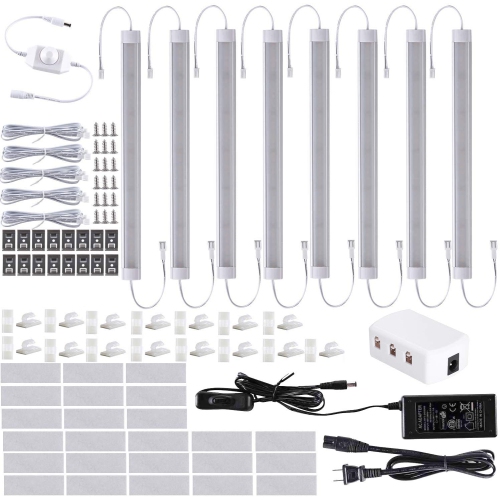
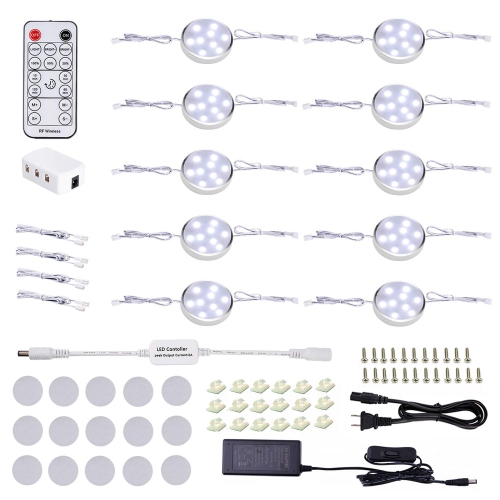
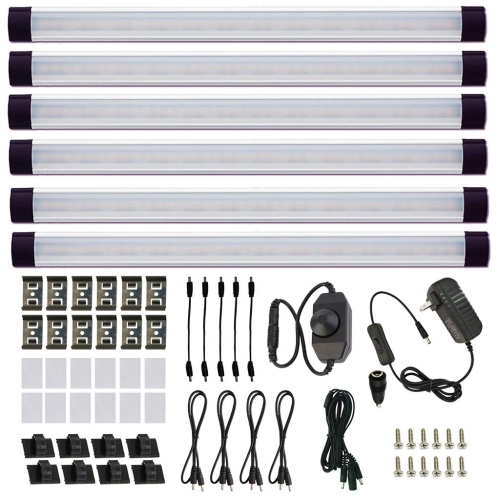
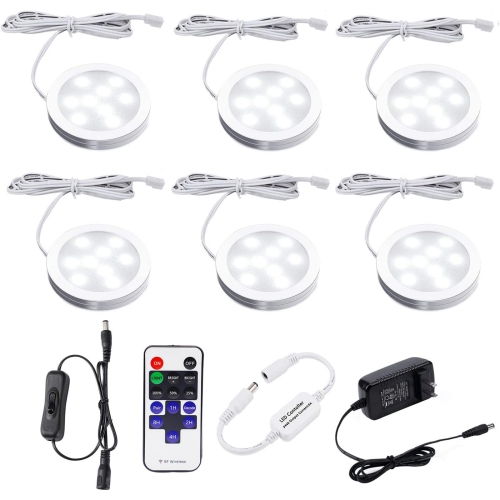
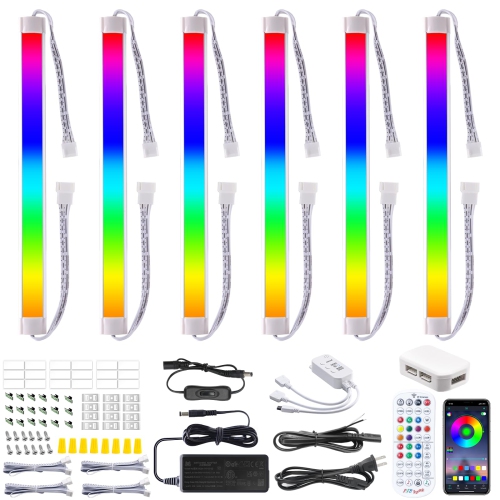
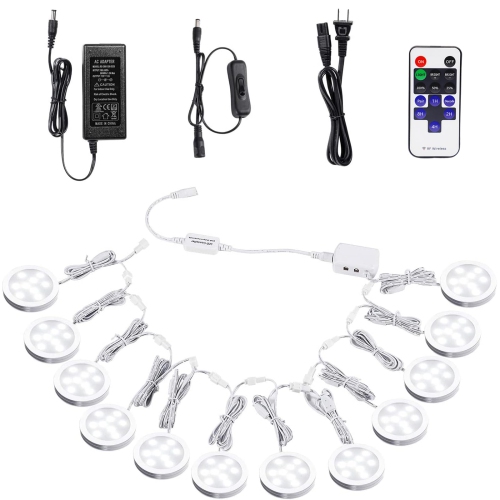
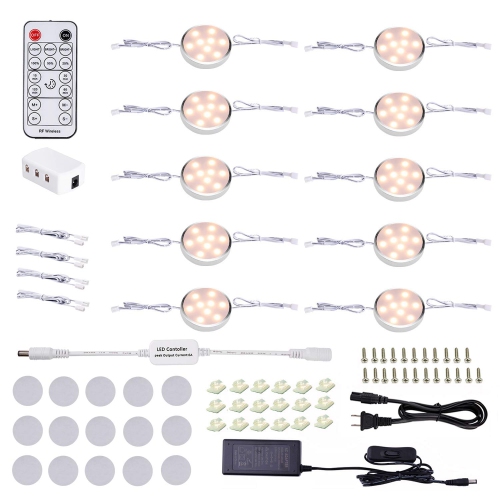
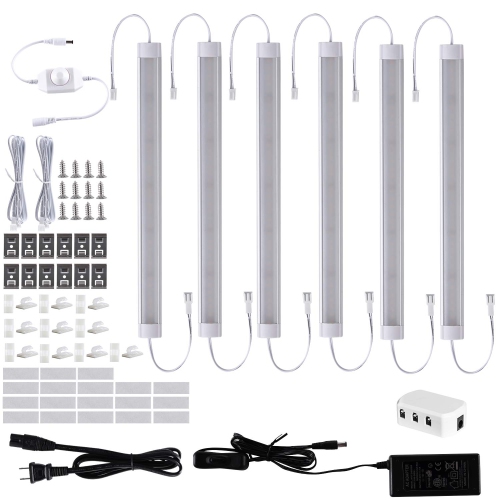
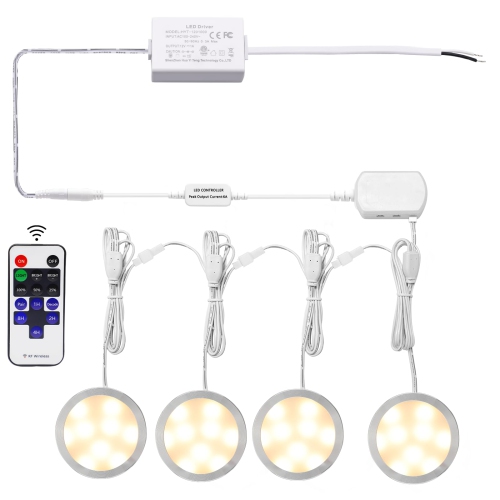
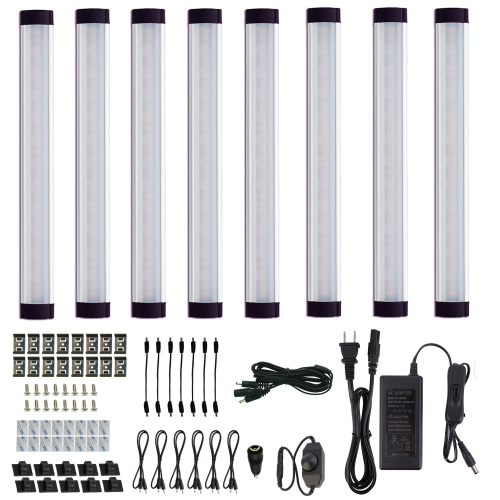
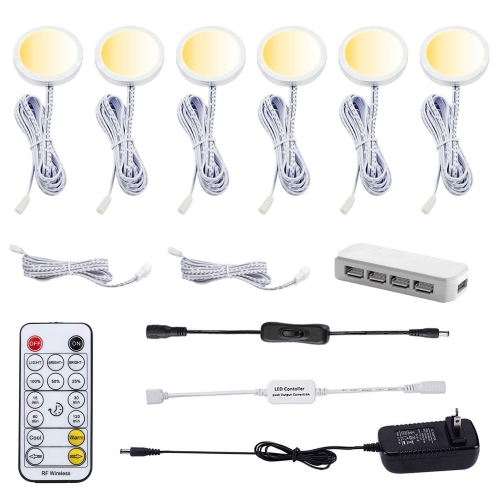
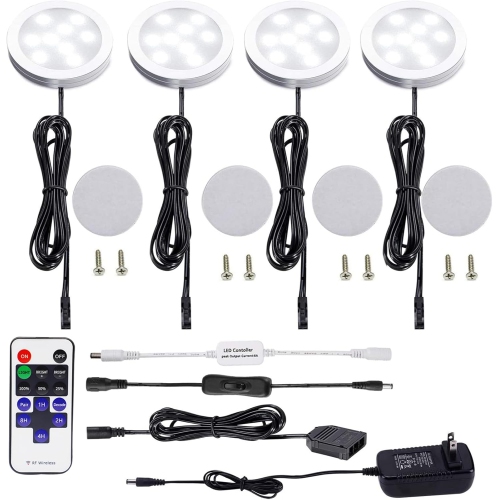
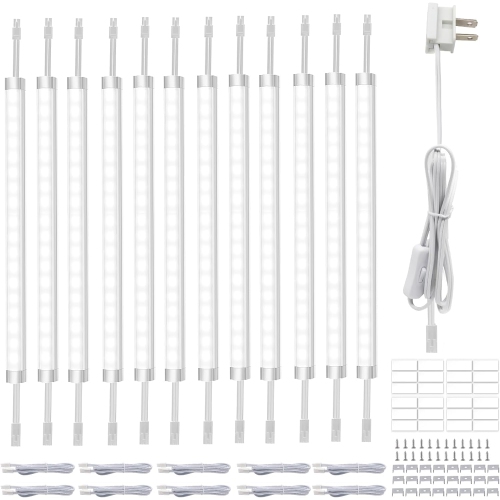
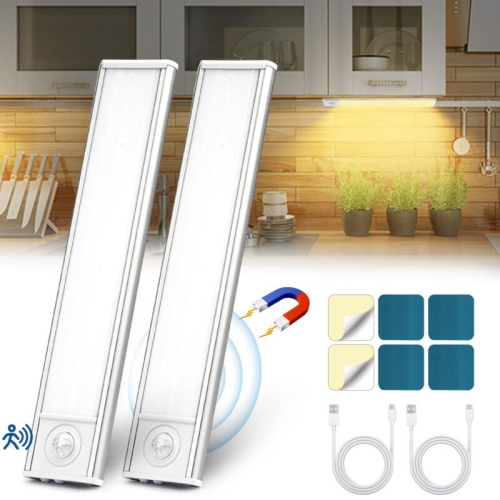
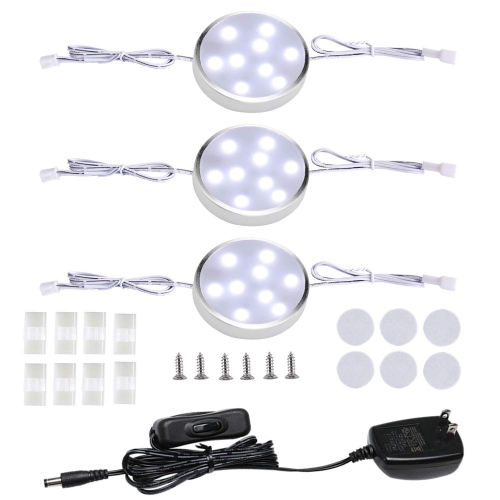
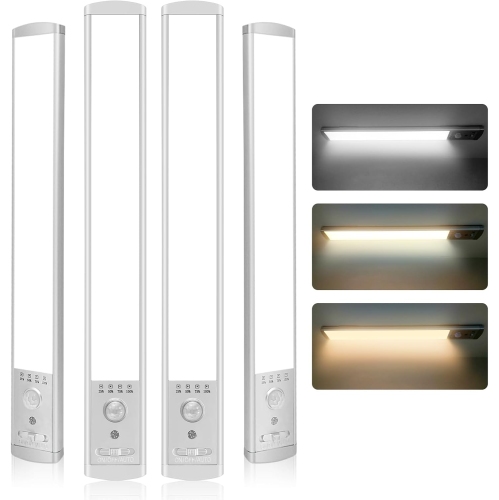
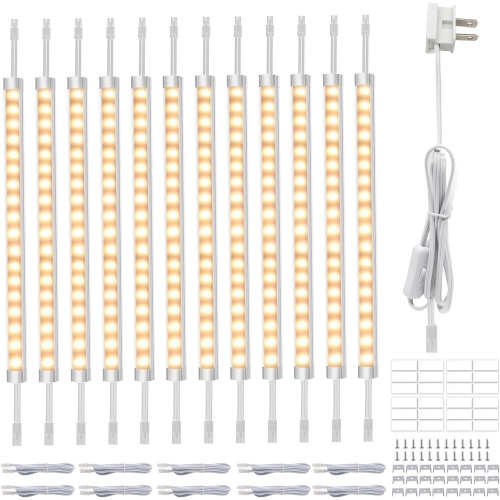
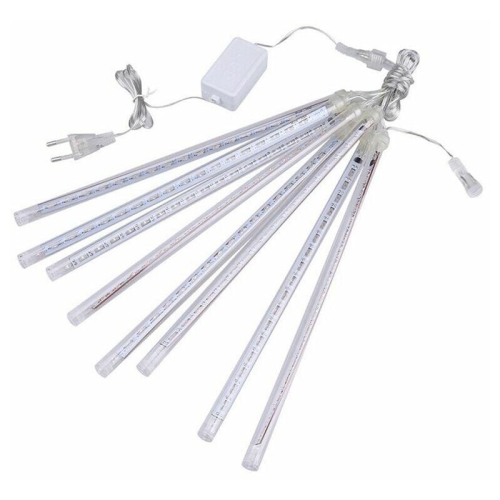
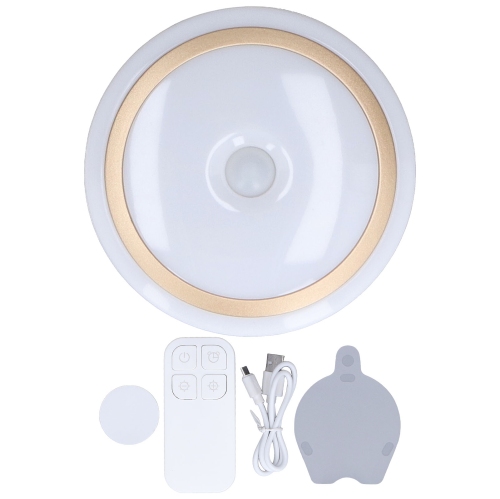
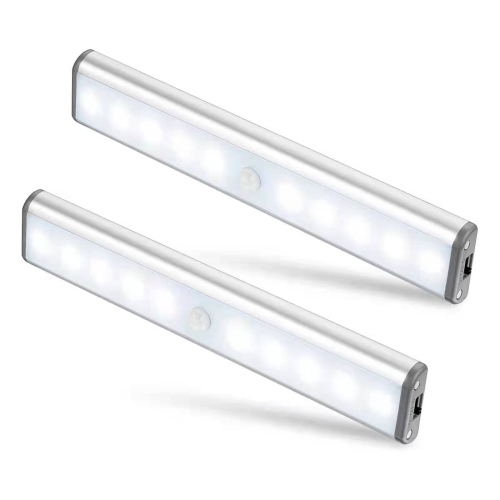
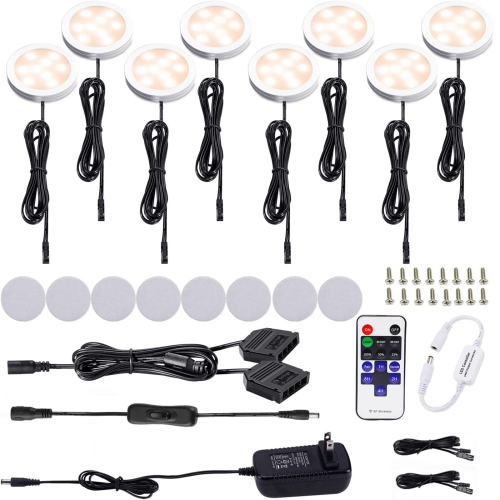
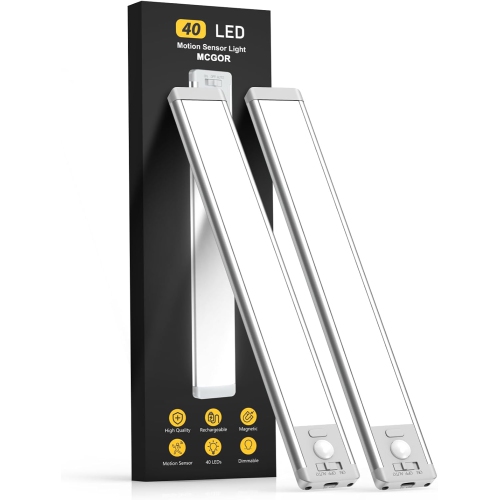
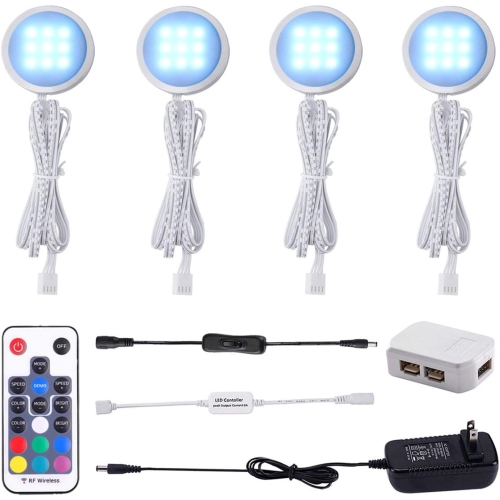
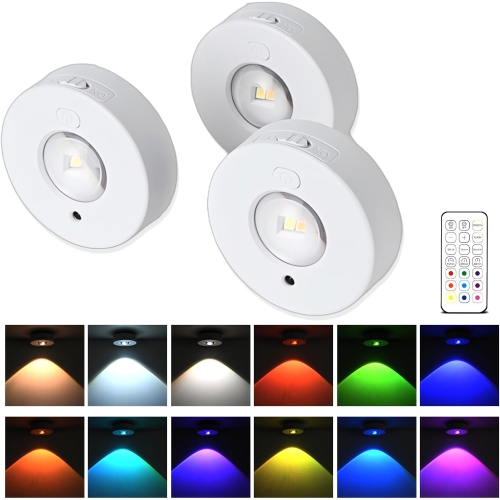
Brighter worktops without giving up valuable counter space
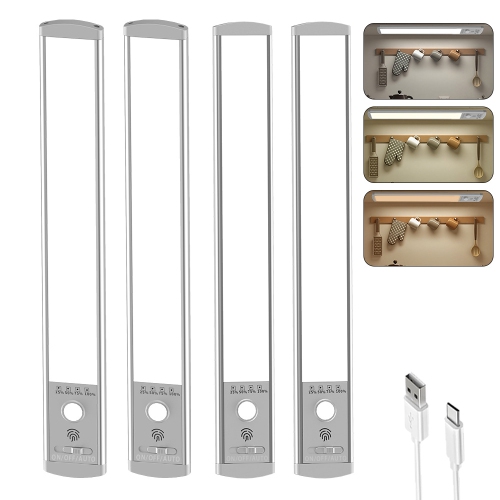
Under-cabinet lighting for small kitchens brings light directly to worktops without taking up counter space or adding a bulky fixture overhead. Compact, low-profile lights beneath upper cabinets help reduce shadows where food is chopped, recipes are read, and coffee is prepared. They can also make a narrow kitchen feel more open by illuminating the counter and backsplash rather than leaving a dark band below the cupboards. Common formats within the Under Cabinet Lights category include slim light bars, flexible strips, and compact puck fixtures. Each creates a different effect: bars provide illumination along a straight run, strips can follow longer cabinet sections, and pucks create individual pools of light over smaller work areas. In a galley kitchen, a continuous-looking line of light can bring visual order to two closely spaced counters. In a kitchenette with just one preparation area, a short fixture may provide the focused illumination that a ceiling light cannot reach. Fit depends on more than cabinet width. The depth of the cabinet underside, the position of its front lip, and the space between the cabinet and backsplash all affect how discreetly a fixture sits and where its light falls. A shallow housing can remain hidden behind a trim edge, while a deeper fixture may be visible from a nearby dining chair. Cabinet divisions, range hoods, and corners can interrupt a run, making separate sections more practical than a single long fixture. Mounting position matters, too: a light near the front edge often reaches farther across the worktop, while one closer to the wall may emphasize the backsplash. The right arrangement suits the actual workspace, whether that means a bright stretch beside the sink, a dedicated baking counter, or a compact breakfast station tucked beneath a cupboard.
Light quality makes a noticeable difference when several kitchen activities share the same small surface. A comfortable glow for pouring tea may not provide enough visibility for finely chopping herbs or reading the small print on a food label. Brightness is expressed in lumens, while wattage describes power consumption, so the two measurements serve different purposes when comparing lighting. The useful amount of light also depends on the length of the counter, the mounting height, and how strongly the surrounding surfaces reflect it. Pale worktops and glossy tile can bounce light around the space; darker finishes tend to absorb more of it. A diffuser helps soften the appearance of individual LEDs and can reduce the dotted reflections that sometimes show up on polished stone. Colour temperature influences the overall appearance of the room. Warm white light, often around 2700 K to 3000 K, gives wood cabinetry and a dining nook a softer look, while neutral white light around 3500 K to 4000 K can feel clearer over a preparation area. Matching neighbouring fixtures helps prevent one section of counter from looking noticeably yellow beside another that appears blue. Colour rendering is a separate consideration: a higher colour rendering index can help ingredients, cabinet finishes, and backsplash colours appear more faithful to their appearance in natural light. Dimmable lighting adds flexibility where the kitchen opens directly into a living or dining area, allowing the counter to stay gently illuminated without dominating the whole room. Touch controls, remotes, and compatible app-based controls offer different ways to adjust the light, though dimming and smart features depend on the fixture and its supported connections. Motion activation can be useful when hands are occupied, provided the sensor position suits the layout and does not repeatedly trigger as someone passes through an adjacent doorway. For households with different routines, independently controlled sections can keep a coffee corner lit without lighting every counter.
Power, mounting materials, and everyday care influence how well under-cabinet lighting fits into a working kitchen over time. Plug-in fixtures use a nearby outlet and can suit layouts where the cord has a tidy route along the cabinet underside. Their placement needs to account for appliance plugs, accessible switches, and cables that must stay clear of hot surfaces and splashes. Rechargeable and battery-powered fixtures avoid a permanent power connection, making them useful for renters or for a small cabinet section away from an outlet, but they require charging or battery replacement. Their runtime varies with brightness, activation settings, and frequency of use. Hardwired lighting offers a more integrated appearance, with installation by a qualified electrician helping ensure the wiring meets applicable local requirements. Recognized Canadian electrical certification is an important consideration for powered fixtures, and suitability for damp locations depends on the stated rating rather than appearance alone. Kitchens expose fittings to cooking residue, steam, and regular wiping, so smooth housings and accessible covers are practical details. Aluminum housings can help dissipate heat, while plastic lenses can soften the light and protect the LEDs; construction quality and the fixture’s design matter alongside the material itself. Adhesive mounting depends on a clean, compatible surface and the weight of the fixture. Screw-mounted brackets provide a mechanical attachment, although cabinet thickness and permission to drill are important in rental homes. Removable mounts can make charging and cleaning easier, particularly where a fixture sits close to a cooking area. Care generally involves switching the light off, allowing it to cool, and wiping it according to the manufacturer’s directions without soaking electrical parts or using abrasive cleaners. Serviceability also deserves attention: an integrated LED assembly and a fixture with a replaceable light source have different maintenance needs. For compact condos, apartments, and smaller family kitchens, well-fitted under-cabinet lighting makes an existing counter more useful while preserving the limited space needed for daily cooking.
Top selling and popular products
-
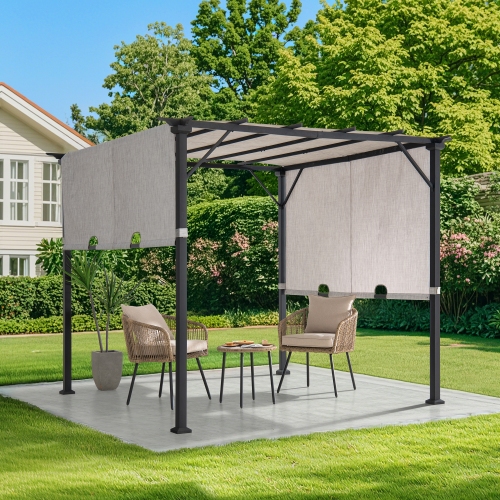 Your price for this item is $232.99
-
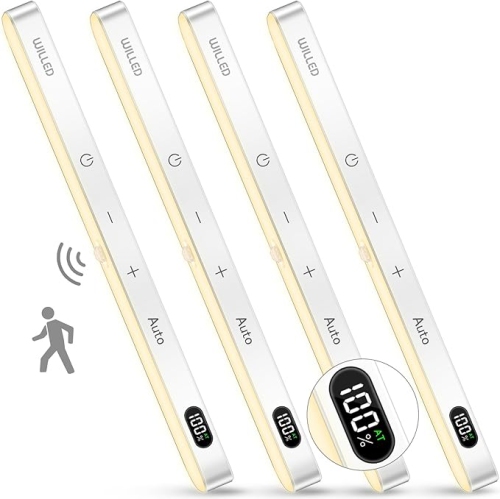 Your price for this item is $17.68
-
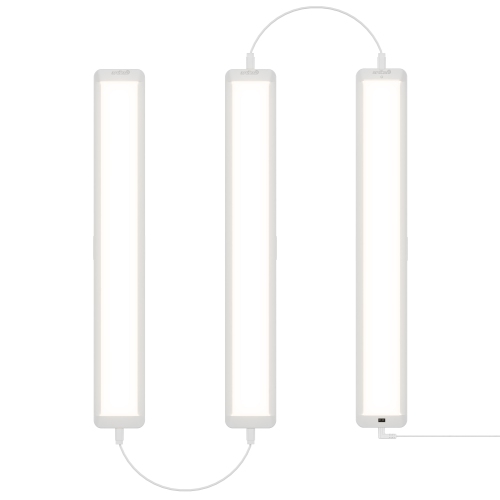 Your price for this item is $89.99
-
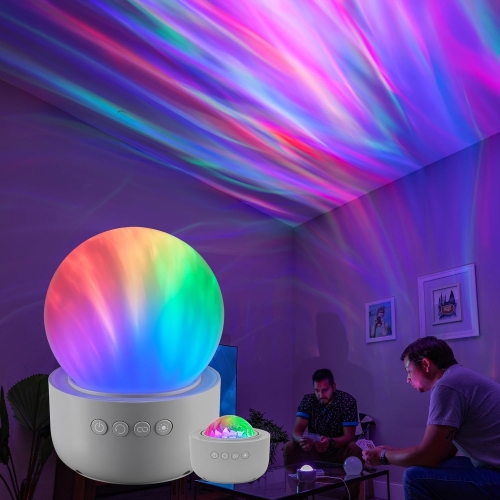 Your price for this item is $29.99
-
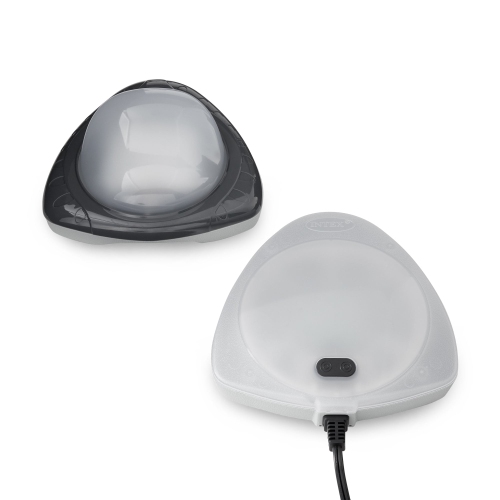 Your price for this item is $119.99
-
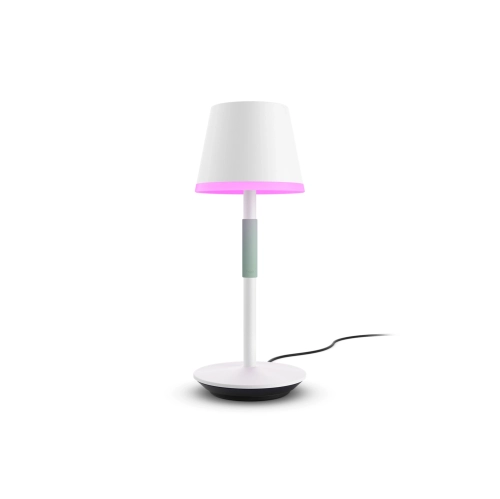 Your price for this item is $245.68
-
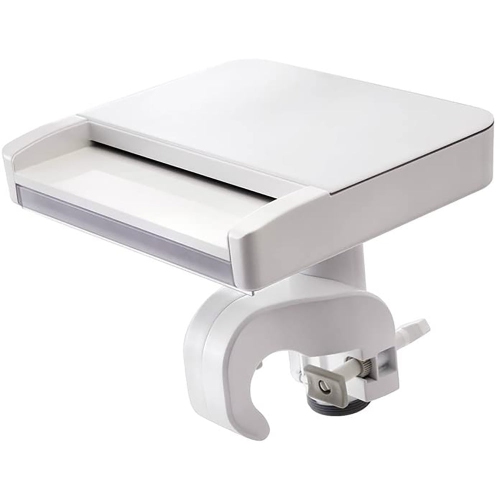 Your price for this item is $129.99
-
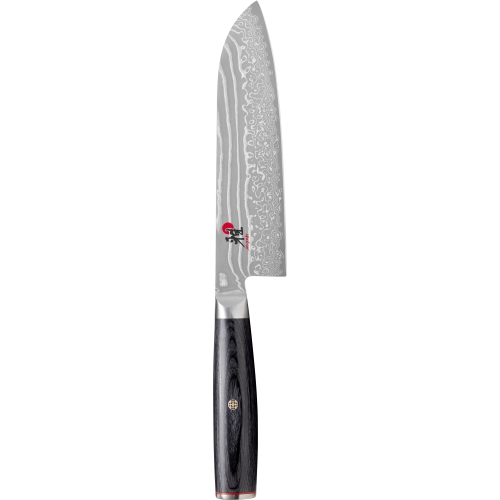 Your price for this item is $299.99
Discover more categories related to Under Cabinet Lighting for Small Kitchens
Top Collections:
Best Black Friday Deals This Year, Best Black Friday Deals On Electronics, Kindle Devices, Pokemon Centers, Best Black Friday Deals On Apple Products, Best Cameras for Sports Photography, Dyson Airwrap, Pokémon 30th Celebration Cards, Apple iPhone 17 Pro, Canon G7X Cameras
Some products may be subject to Environmental Handling Fees
(EHF) depending on your province.
Learn more about EHFs.