Unique Kitchen Knives
Elevate your culinary experience with unique kitchen knives designed to add a distinct touch to your cooking routine. Whether you're a seasoned chef or just starting out, these eye-catching blades offer both style and functionality for every kitchen. Explore a diverse selection of unique kitchen knives that blend innovative design with exceptional craftsmanship, making meal prep more enjoyable and efficient. Discover the perfect addition to your collection and transform everyday tasks into something special.
Sort
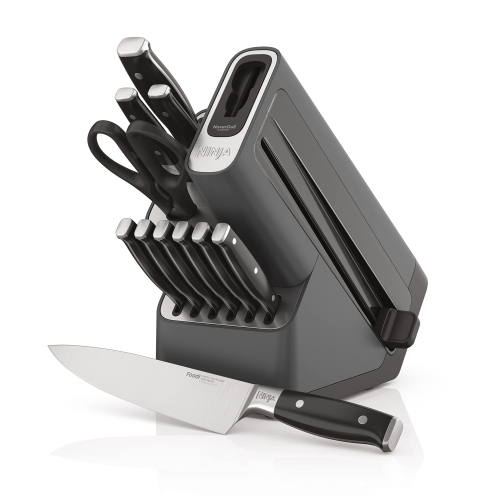
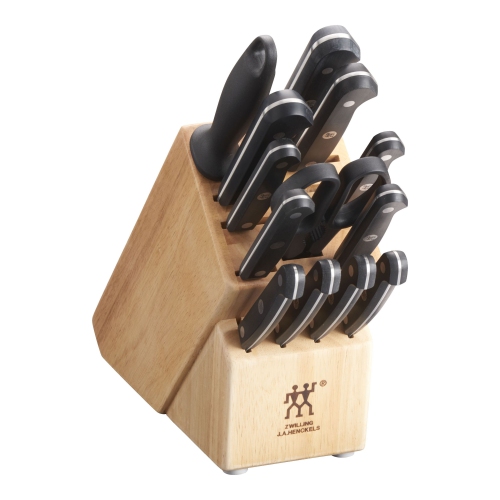
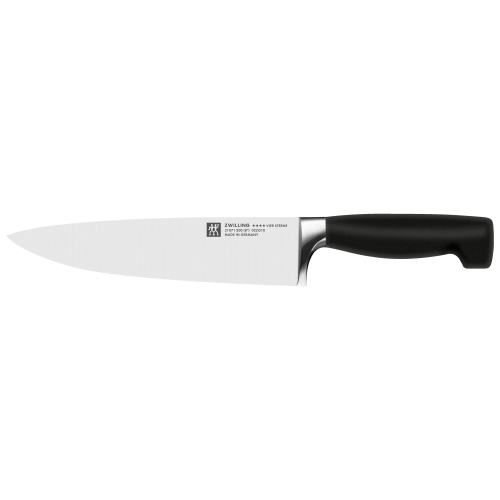
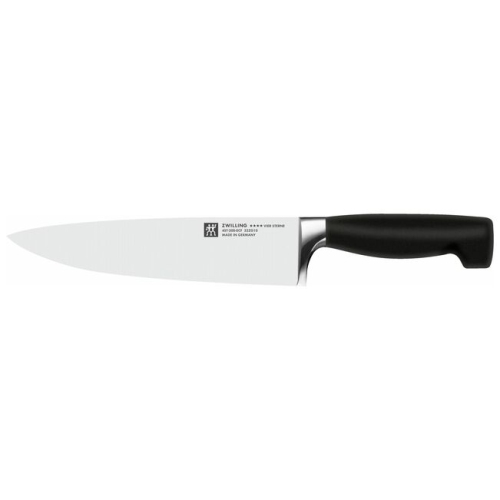
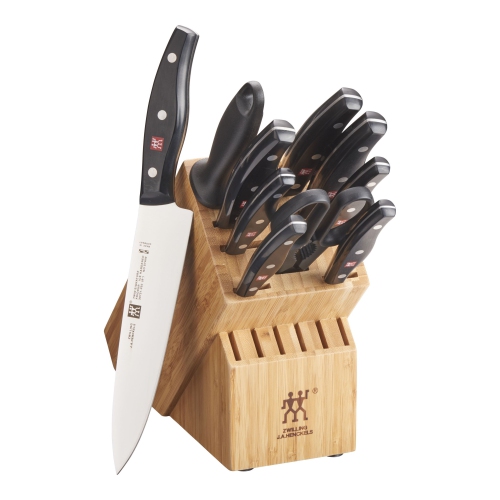
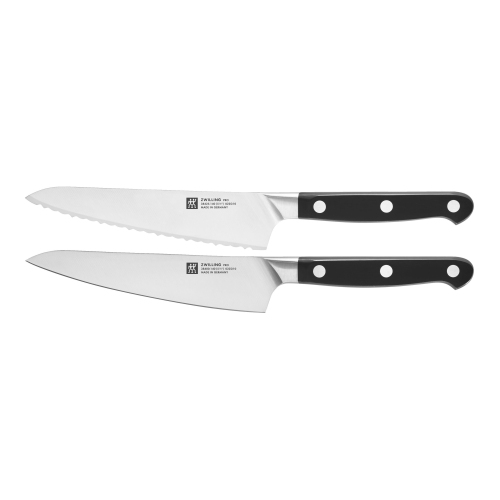
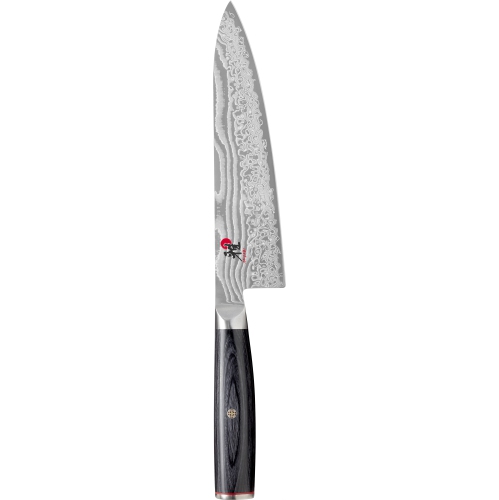
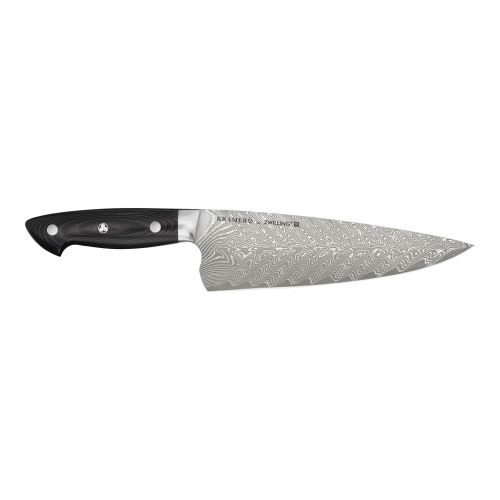
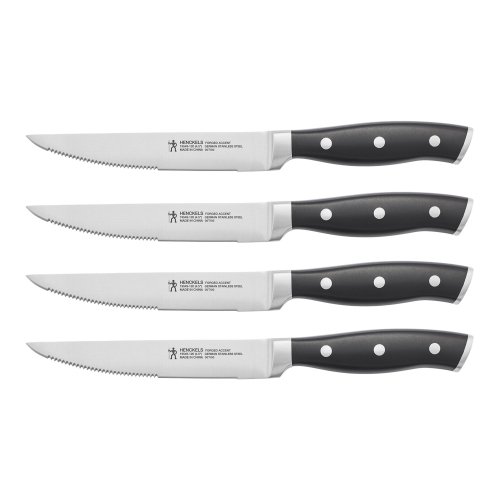

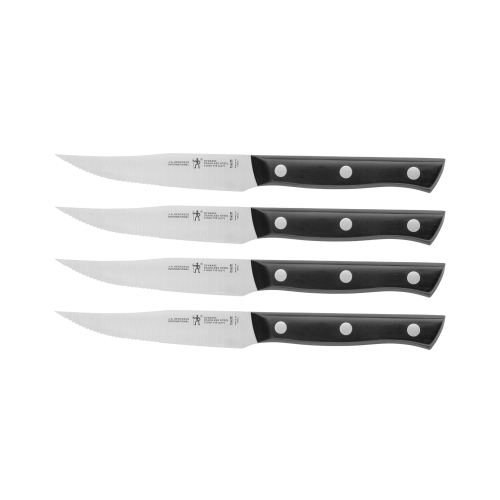
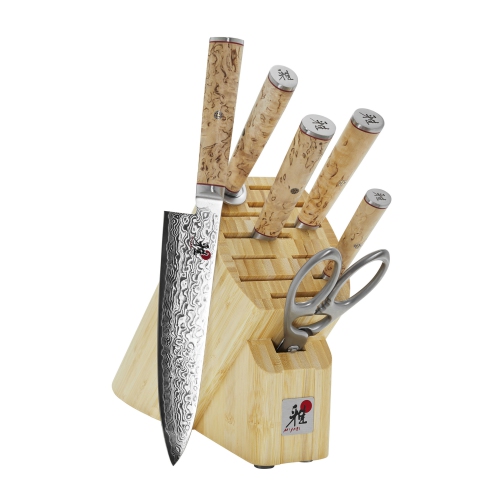
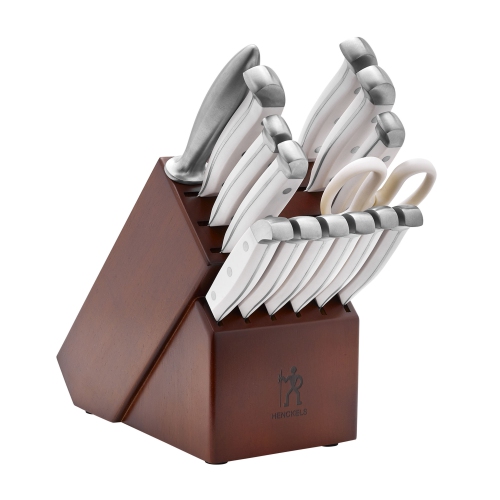
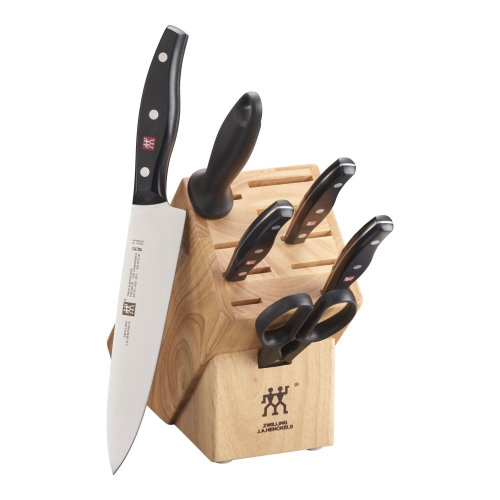
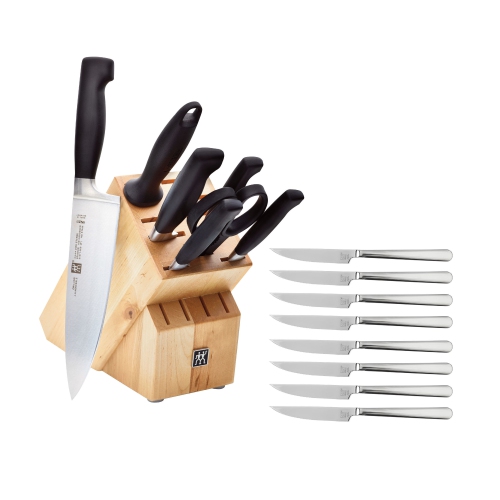
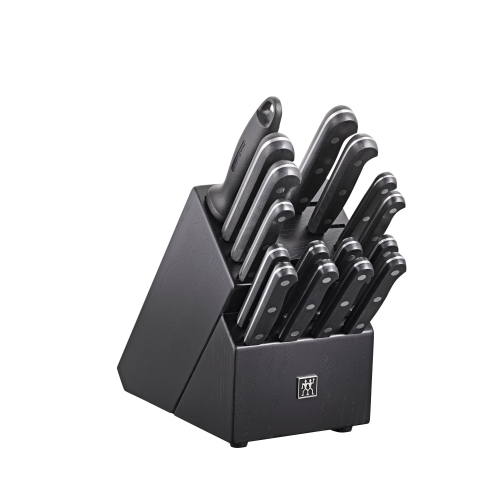
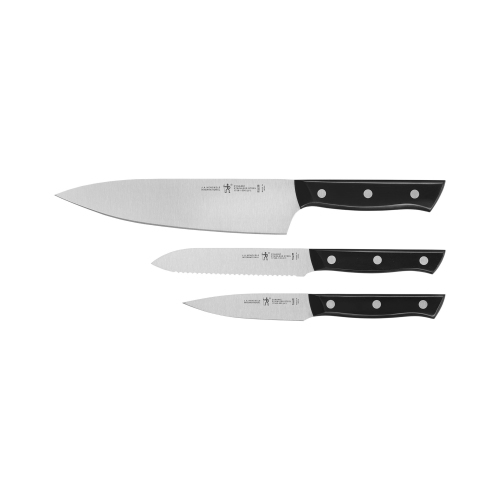
There’s more to a striking knife than its finish
Unique kitchen knives combine practical cutting performance with distinctive blade patterns, handle materials, shapes, or finishing details. Their appeal is more than visual: a well-matched knife can feel comfortable through a full session of chopping vegetables, slicing meat, and preparing garnishes, while bringing individual character to an everyday kitchen tool. A rippled Damascus pattern, richly grained wood, or a swirl of coloured resin can make a knife recognizable at a glance. Damascus-style blades deserve a closer look because similar appearances can come from different construction methods. Layered steel may surround a harder cutting core, with the pattern revealed through finishing, while other blades have a surface-applied pattern. The appearance alone does not establish edge retention, sharpness, or overall quality; the cutting steel, heat treatment, blade geometry, and workmanship matter more. Stainless steel is a practical choice for cooks who prefer relatively straightforward upkeep, although it still benefits from prompt cleaning and drying. Carbon steel can develop a changing patina and requires particular attention to moisture and acidic ingredients. That patina is different from active rust and does not remove the need for proper care. Copper-toned accents or layered detailing can add visual warmth, but they should not be treated as proof of better cutting performance. Handles offer another source of individuality. Natural wood can show variations in grain and tone, while resin can introduce translucent effects, bold colour, or a flowing marbled appearance. Stabilized wood is treated with resin to improve dimensional stability, though its care requirements still depend on the construction. Shell inlays and mixed-material handles can add subtle shimmer or contrast. Beyond the finish, smooth joins, a secure handle, and a clean transition between materials are meaningful details. A beautiful knife is most satisfying when its distinctive features support comfortable use rather than creating awkward ridges, slippery surfaces, or places where food residue can collect.
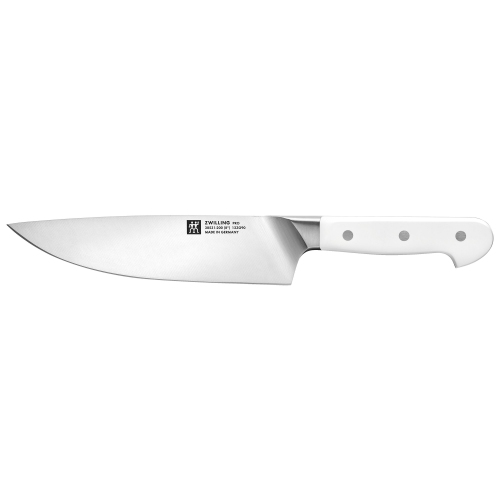
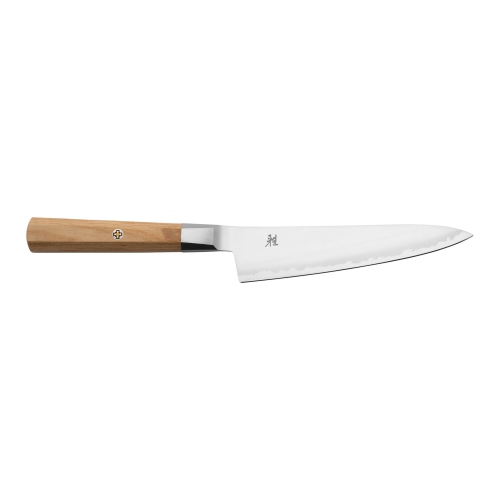
The right shape gives a unique kitchen knife a clear role on the cutting board. A chef’s knife with a gently curved edge suits cooks who use a rocking motion for herbs and repeated chopping, while a flatter profile can feel more natural for controlled up-and-down vegetable cuts. Santoku-style knives often have a compact, broad blade that works well for everyday slicing, dicing, and mincing. A rectangular vegetable knife offers a different feel, with a straight edge suited to making full contact with the board when cutting ingredients such as cabbage or courgettes. Small paring knives are useful for trimming strawberries, removing blemishes from potatoes, and other close work where a large blade feels cumbersome. Long slicing blades help produce smooth cuts through cooked roasts, while serrated edges suit crusty bread and foods with a firm exterior and softer centre. These differences matter more than choosing an unusual silhouette simply for display. A fine, thin edge can move neatly through a ripe tomato or a pile of onions, but it is not intended for twisting through frozen food or striking bones. Blade length also affects the fit: a longer knife provides reach for large ingredients, while a shorter one may feel easier to manage on a compact board. Handle comfort depends on hand size, grip style, and balance rather than appearance alone. Rounded edges, sufficient clearance between the fingers and the board, and a secure grip with clean, dry hands help make repeated prep more comfortable. Some cooks prefer weight near the blade for a substantial chopping feel; others favour a lighter knife that feels less tiring during detailed work. Full-tang construction can contribute to balance and strength, but it is not the only sign of a well-made knife. Forged and stamped blades can both perform well when properly designed and finished. For left-handed cooks, handle shaping and edge bevel deserve attention, particularly with asymmetrical handles or single-bevel blades that may be designed for a specific hand.
Care helps preserve both the cutting edge and the details that make a knife distinctive. Handwashing with mild detergent, followed by immediate drying, is generally a better fit for fine blades and mixed-material handles than a dishwasher’s heat, prolonged moisture, and contact with other utensils. Wood handles may need occasional treatment with an appropriate food-safe care product, according to the maker’s directions; resin, shell, and metal accents can have different requirements. Leaving a knife soaking in the sink can affect handle materials and also hides a sharp edge where someone might reach. During prep, a wooden or suitable plastic cutting board is gentler on an edge than glass, stone, or a ceramic plate. Sliding chopped ingredients with a board scraper rather than dragging the cutting edge sideways helps reduce unnecessary wear. Sharpening and honing serve different purposes: sharpening removes material to restore the edge, while honing can help maintain alignment on compatible steel blades. The appropriate tool and angle depend on the blade, and very hard or specialized edges may need a different maintenance approach from a typical everyday knife. Storage matters just as much. A fitted blade guard, a suitable block, or a secure magnetic holder can keep the edge from knocking against other utensils, provided the knife is clean, dry, and stored safely away from children. With thoughtful handling, visual details can remain appealing without sacrificing everyday usefulness. An appreciation for distinctive materials and careful finishing also draws many cooks to Artisan Kitchen Knives, particularly when craftsmanship is part of the appeal. As gifts, unique kitchen knives suit enthusiastic home cooks, confident bakers who frequently slice bread, and people building a kitchen around tools they enjoy using. A recipient who loves vegetable prep may value a nimble, comfortable blade more than an elaborate finish, while someone who enjoys presentation may appreciate expressive handle materials. Matching the knife to their cooking habits, preferred grip, storage space, and willingness to maintain it makes the gift personal and practical.
Top selling and popular products
-
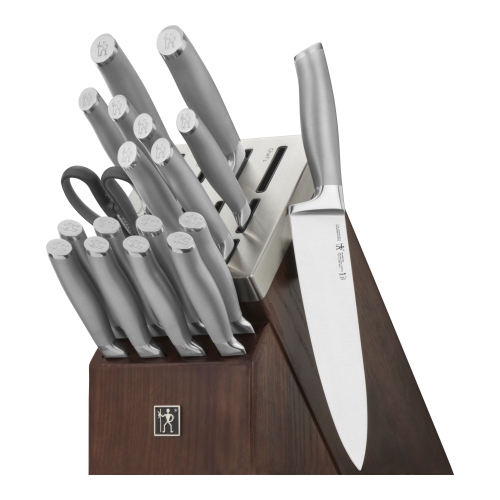 Your price for this item is $489.99
-
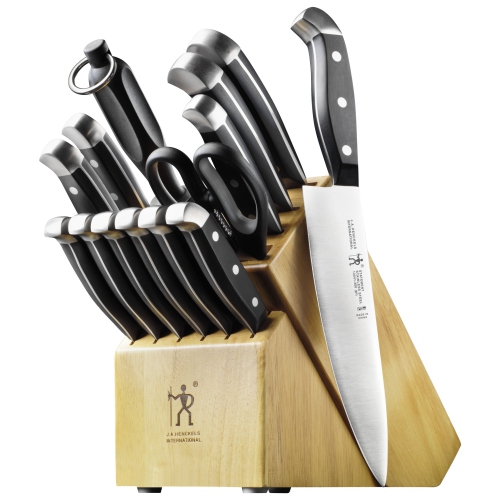 Your price for this item is $179.99
-
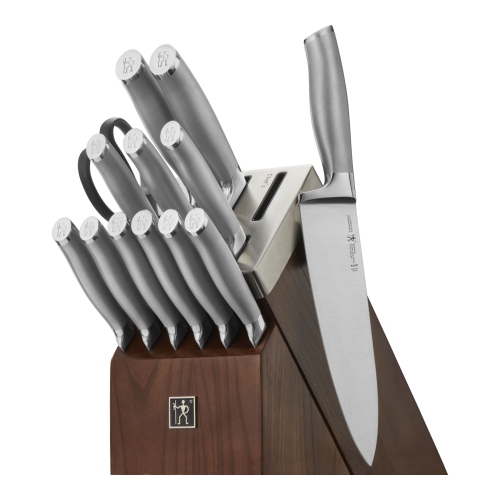 Your price for this item is $299.99
-
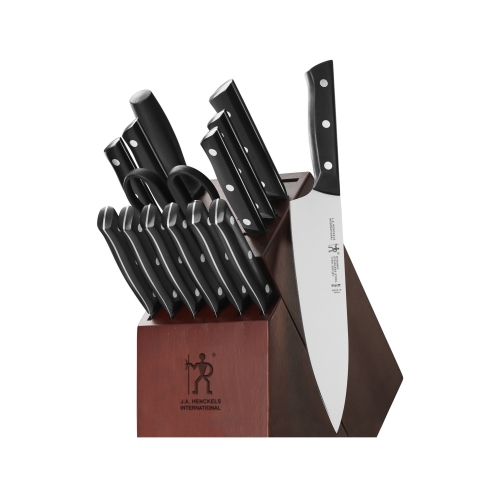 Your price for this item is $214.99
-
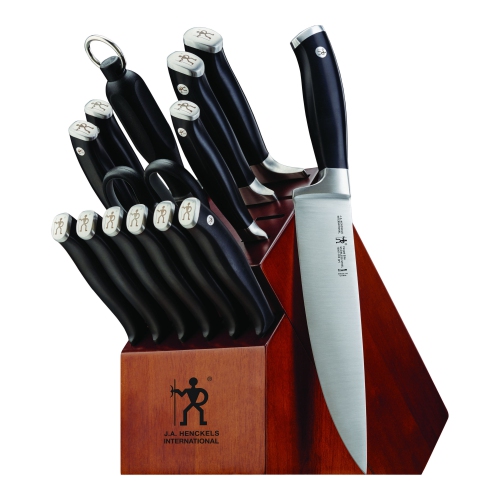 Your price for this item is $289.99
-
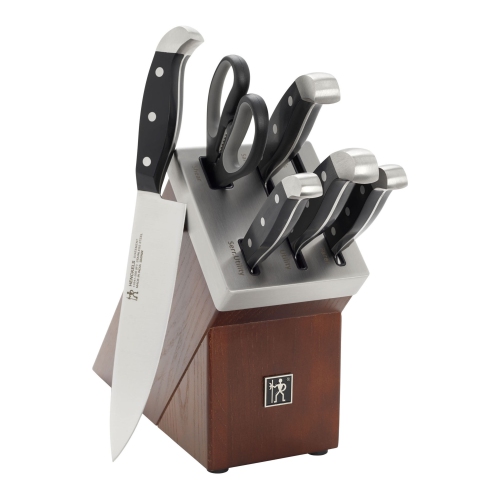 Your price for this item is $179.99
-
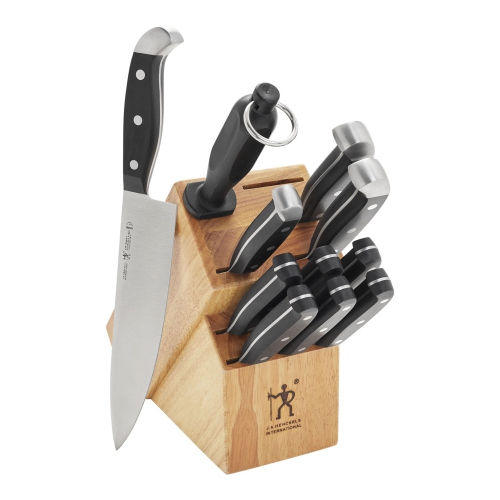 Your price for this item is $179.99
-
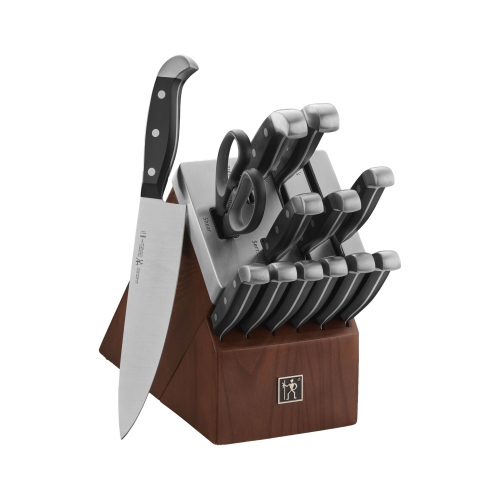 Your price for this item is $279.99
Discover more categories related to Unique Kitchen Knives
Top Collections:
Pokemon Centers, Best Cameras for Sports Photography, Kindle Devices, Samsung Galaxy Phones, Canon G7X Cameras, Pokémon 30th Celebration Cards, Refurbished Apple Laptops, iPhone 15 Apple, Laptops for Students, Budget Smartphones
Some products may be subject to Environmental Handling Fees
(EHF) depending on your province.
Learn more about EHFs.