Upholstered Bar Chairs
Upgrade your home bar or kitchen island with our selection of upholstered bar chairs. Whether you're looking to add a touch of elegance or a pop of color, these stylish chairs are designed to provide both comfort and functionality. With a variety of designs, materials, and finishes to choose from, you can find the perfect bar chair to complement your existing decor and create a cozy gathering spot for family and friends. Elevate your entertaining game with our collection of upholstered bar chairs that effortlessly blend style and practicality.
Sort

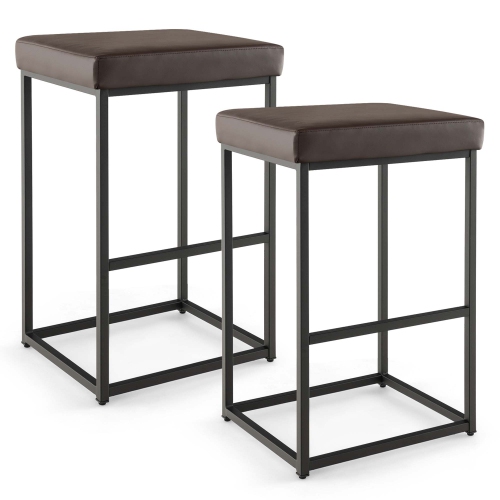
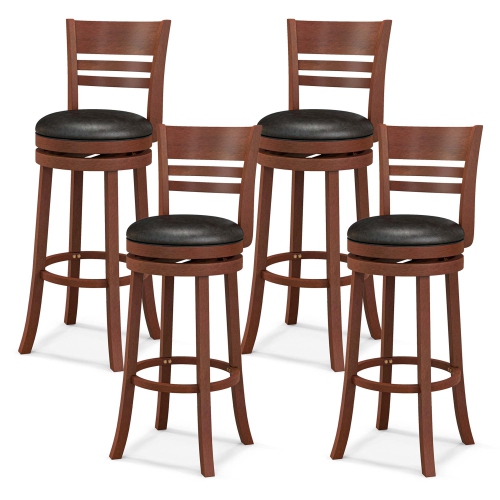
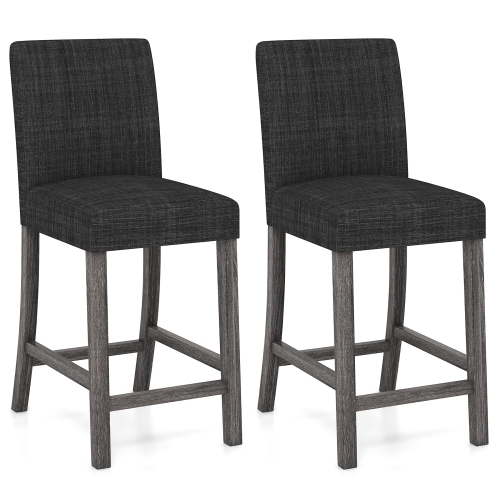
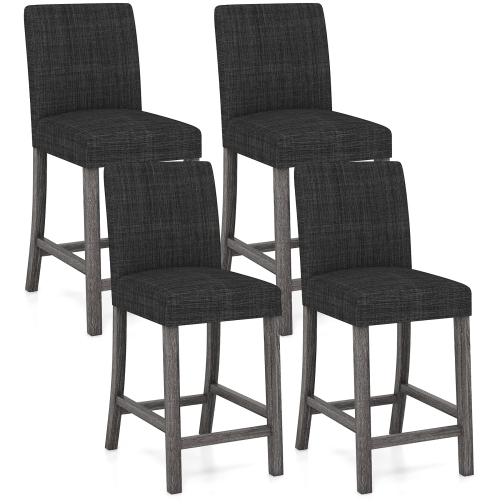
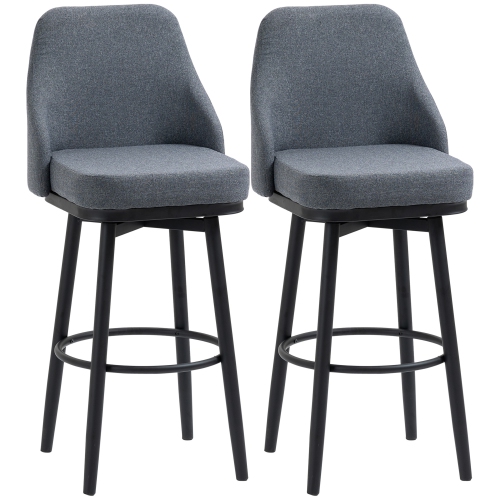
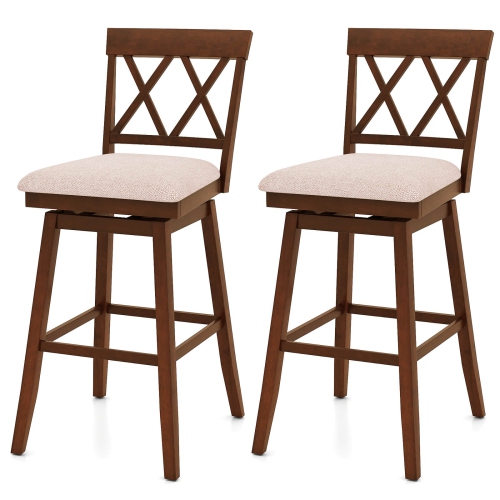
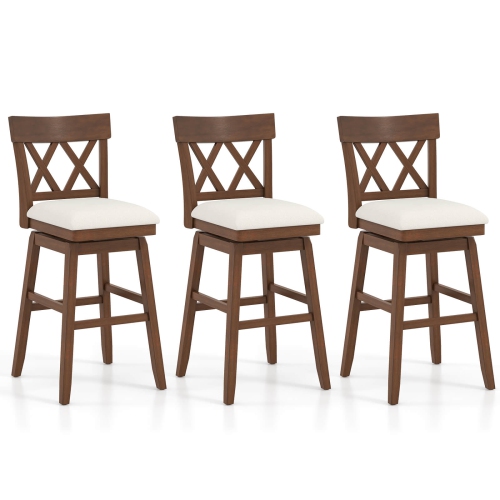
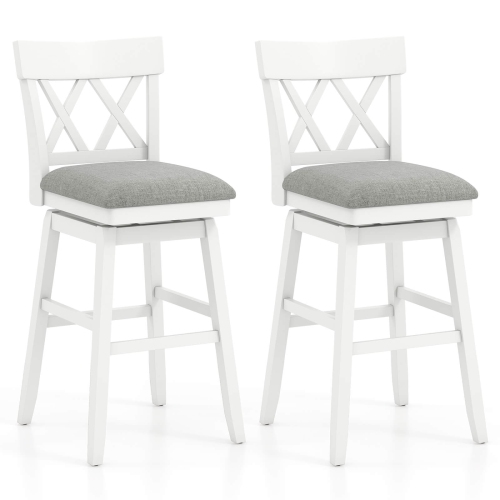
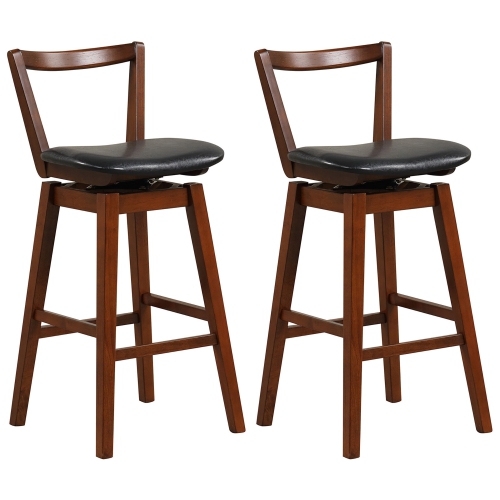
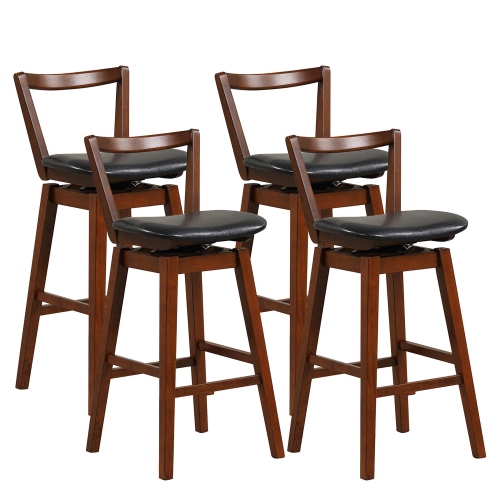
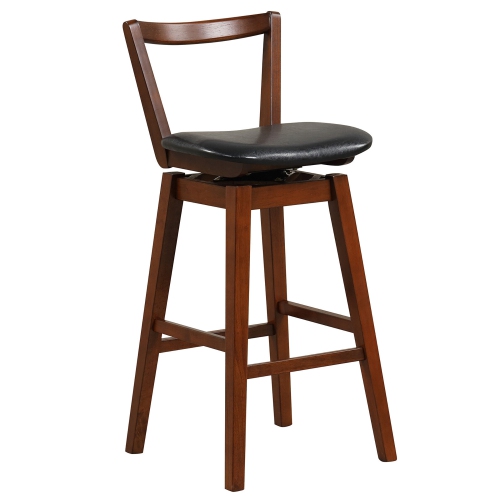
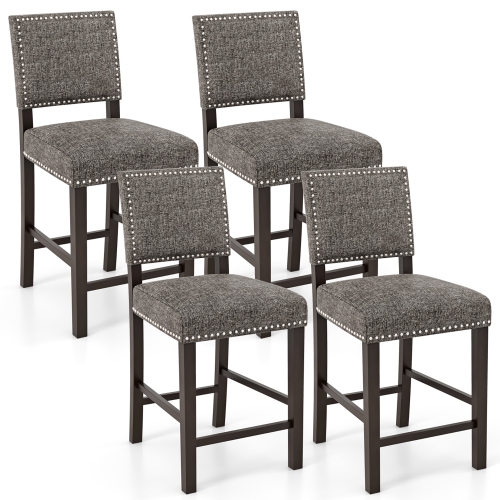
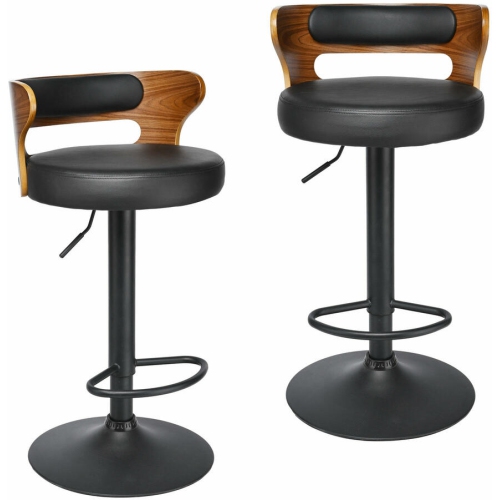
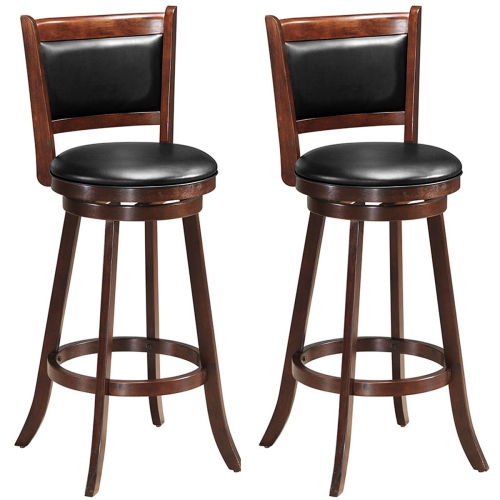
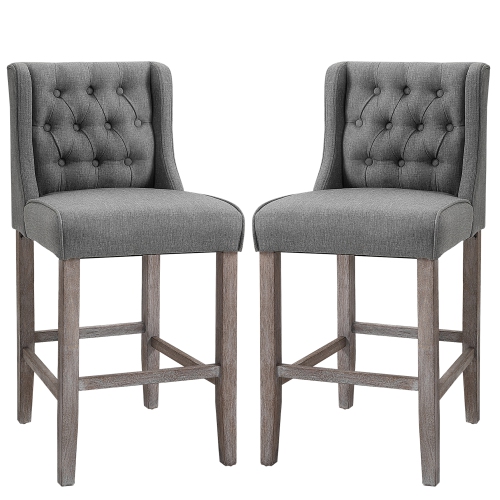
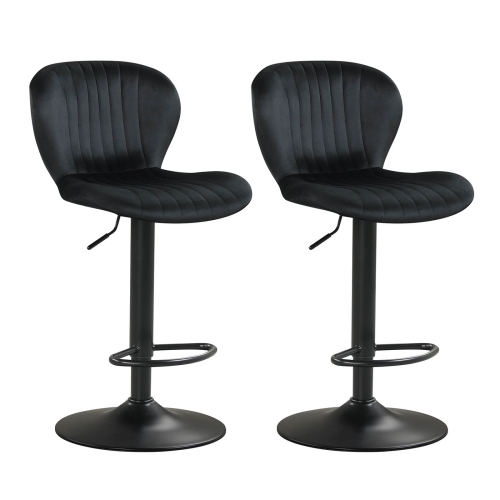
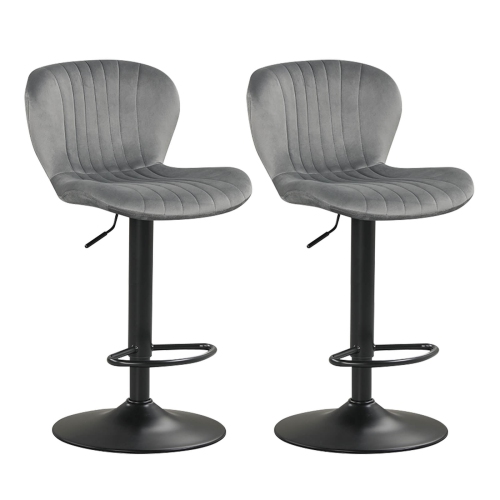
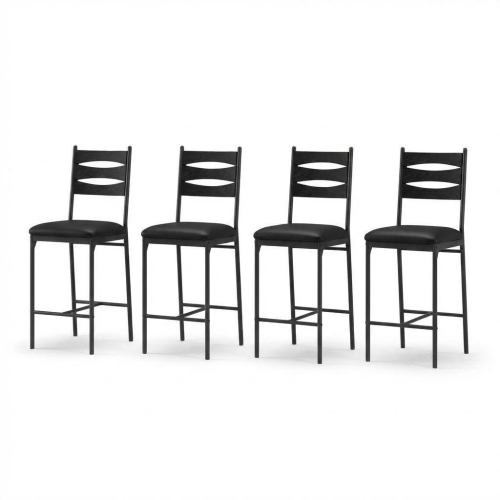
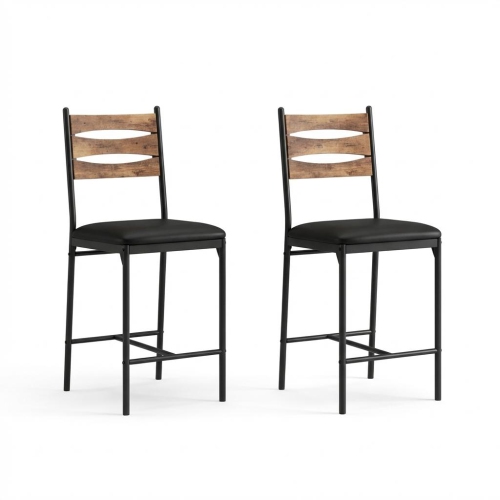
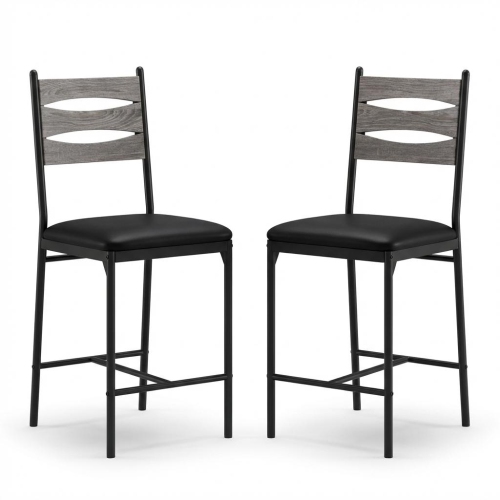
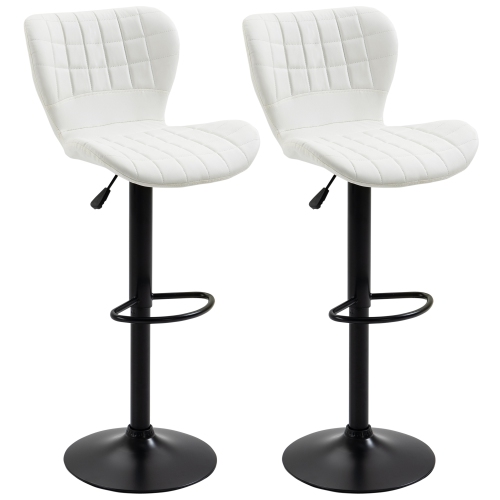
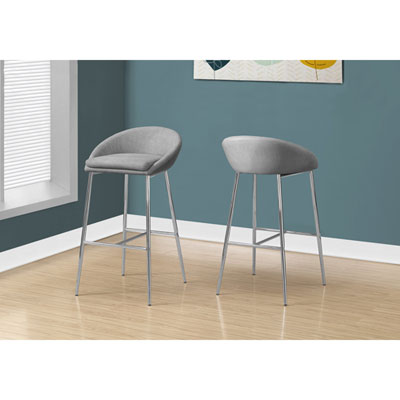
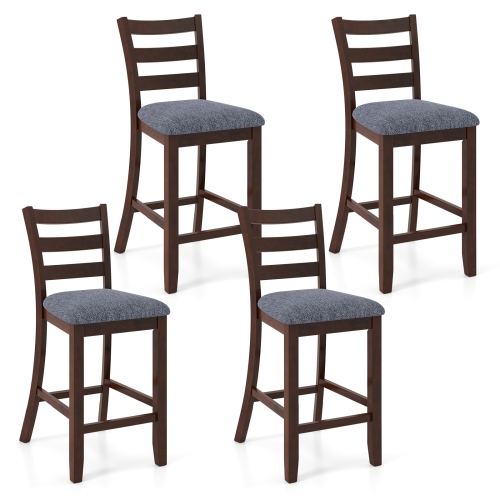
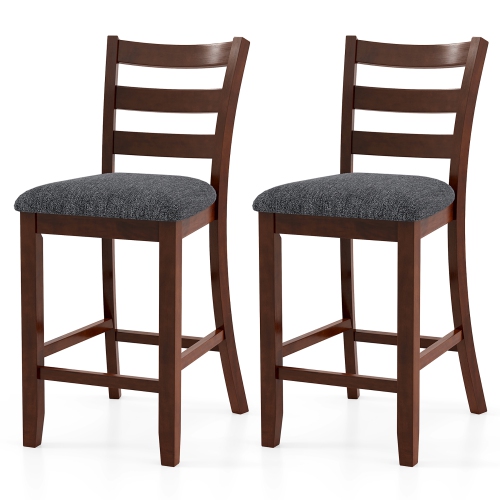
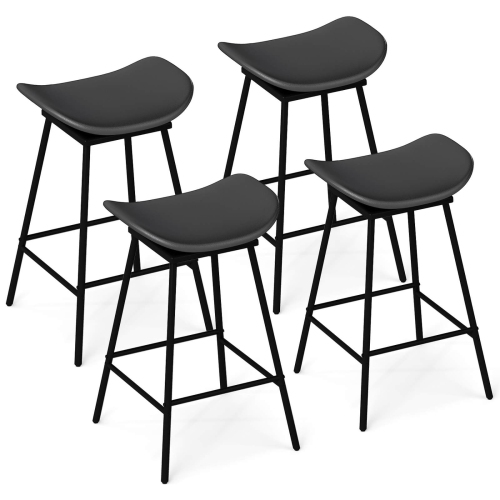
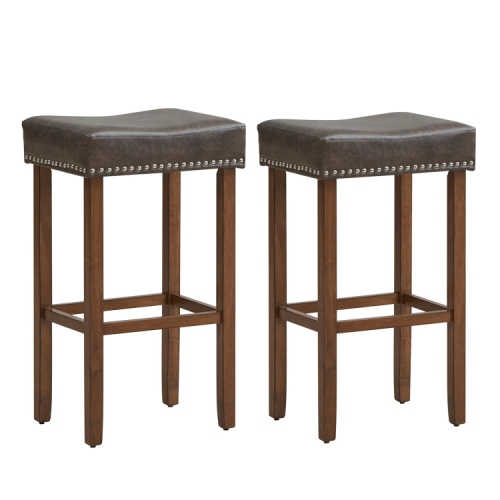
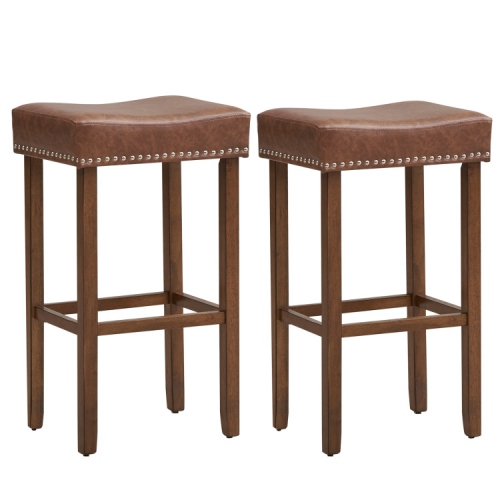
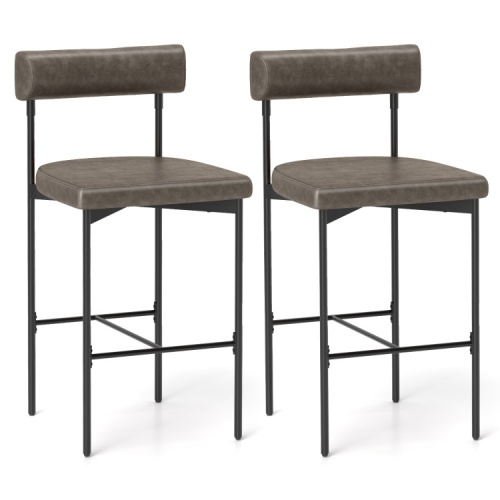

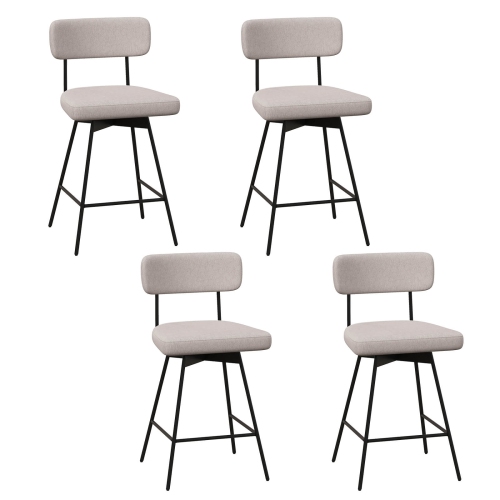
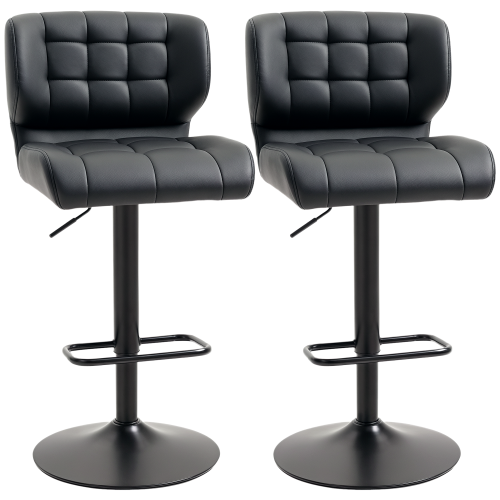
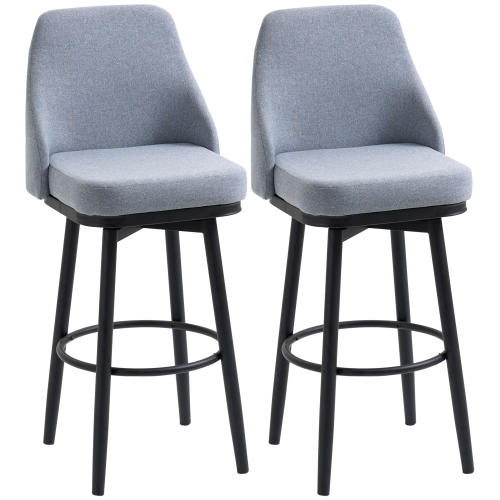

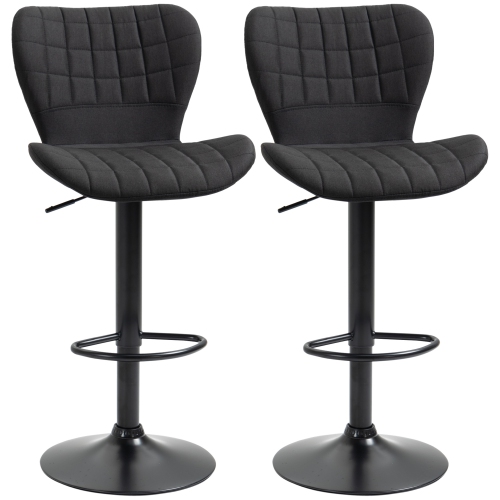
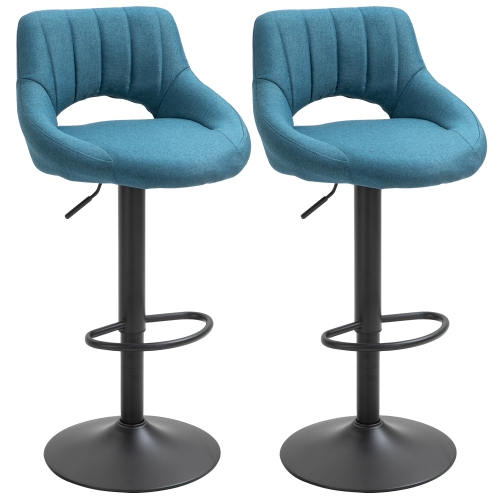
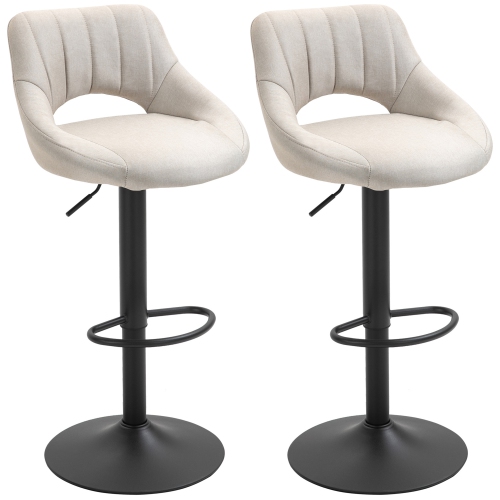
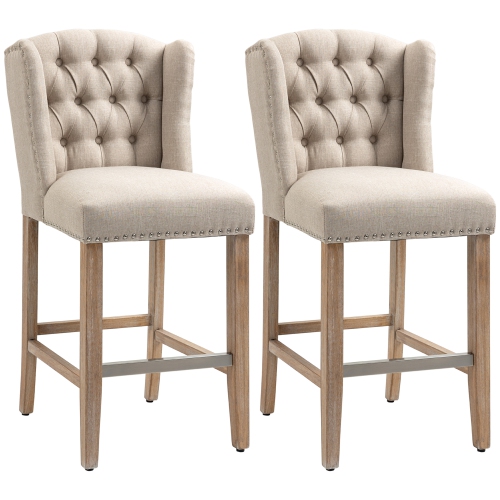
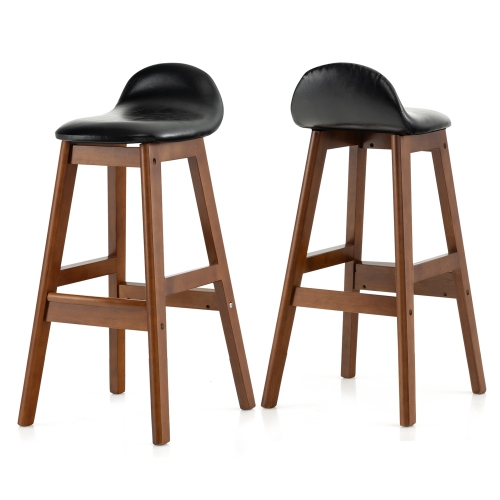
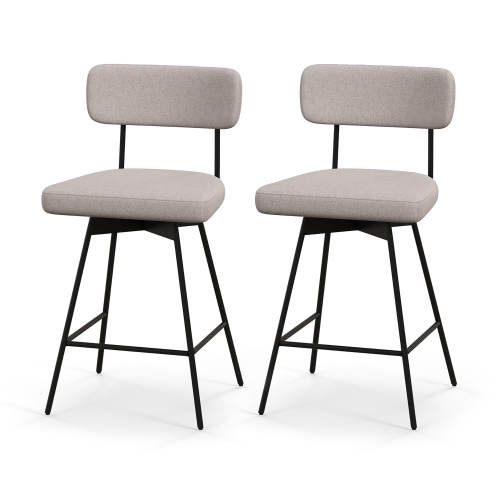
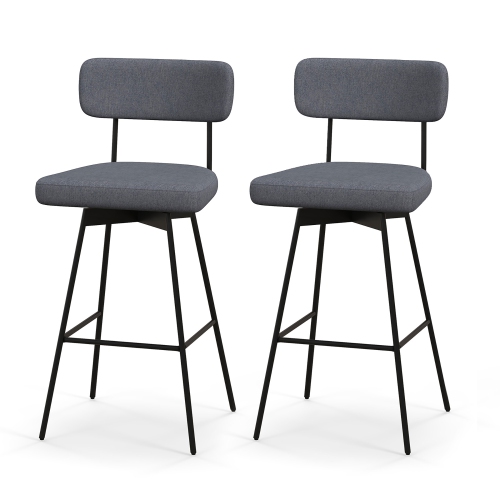
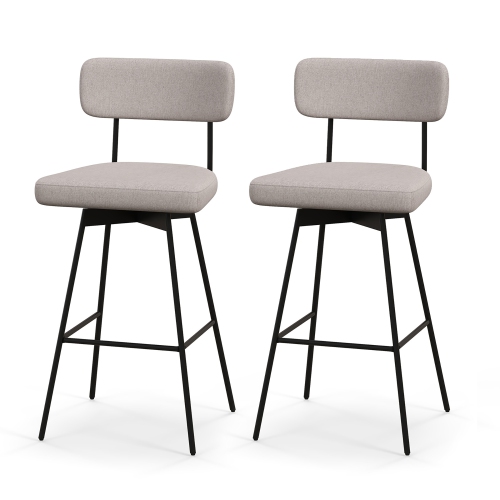
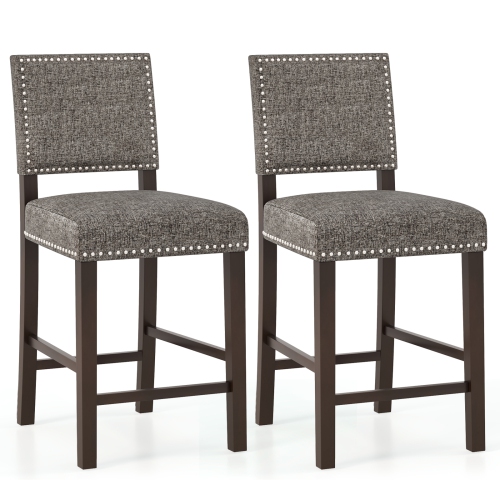
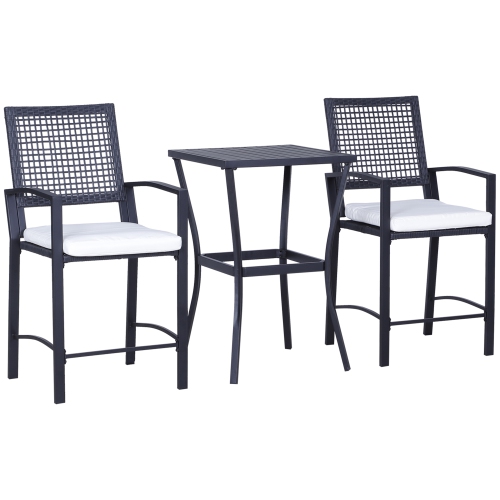
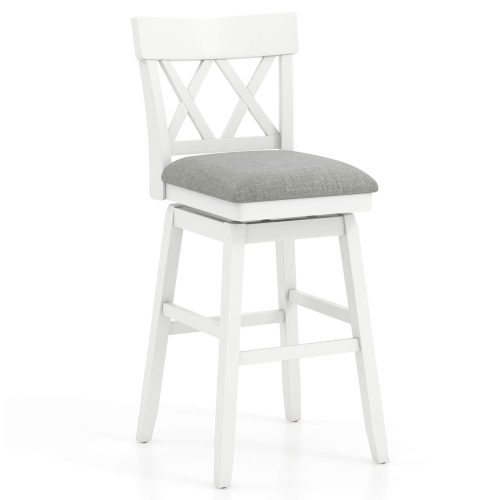
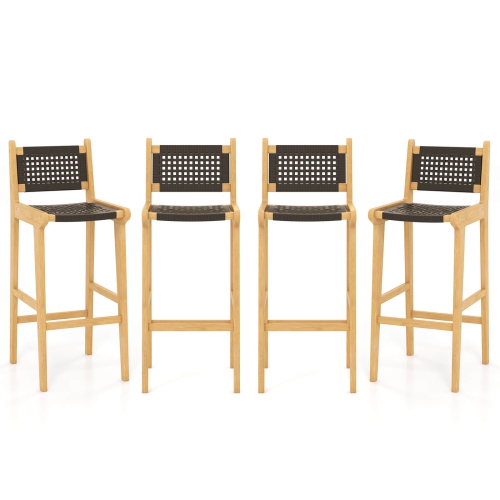
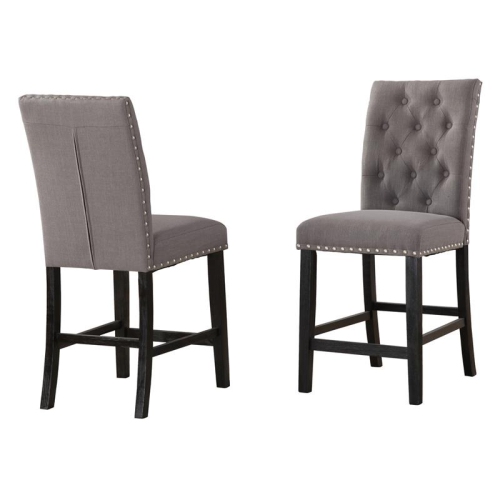
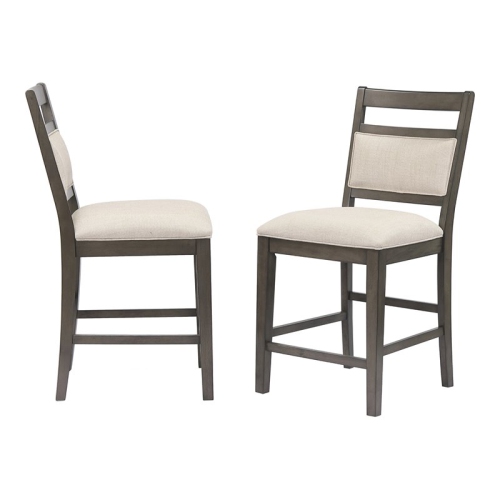
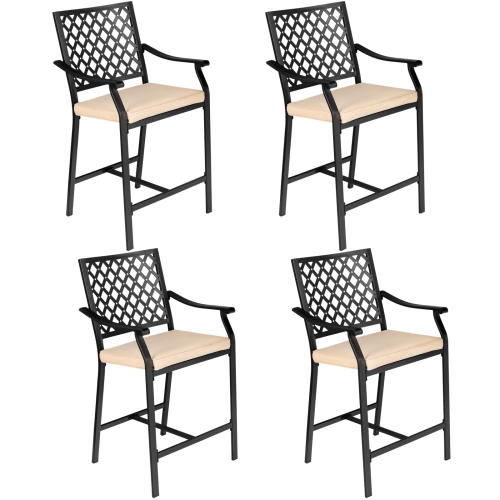
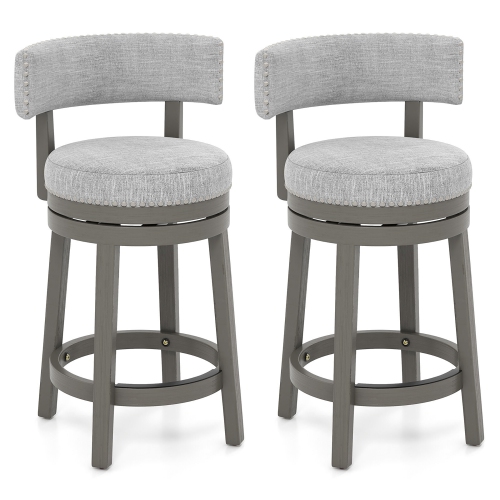
Comfort at the counter starts with the right fit
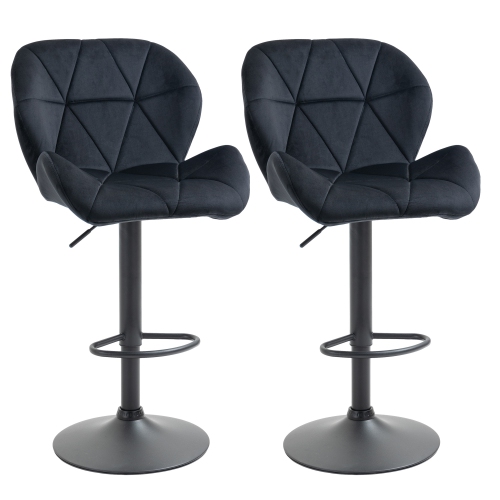
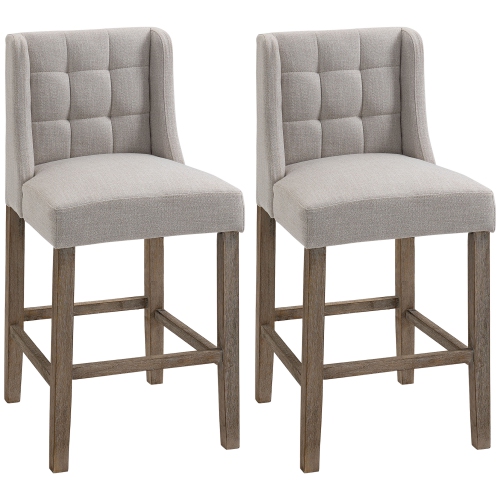
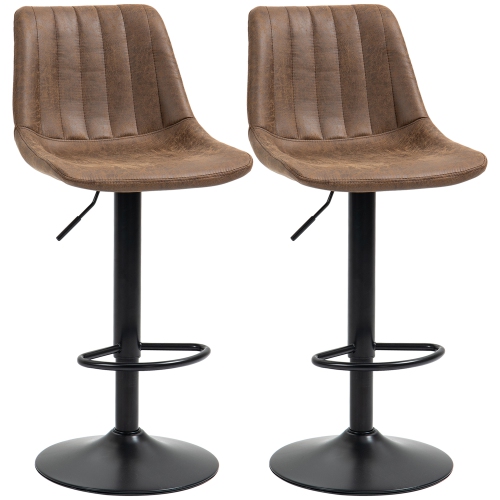
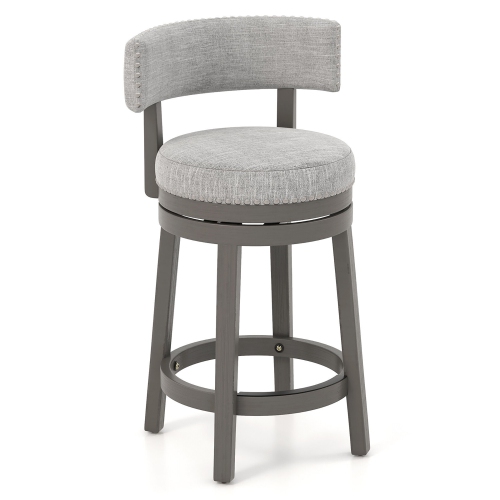
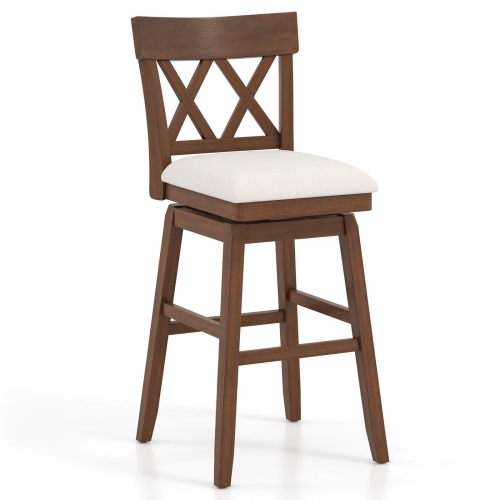
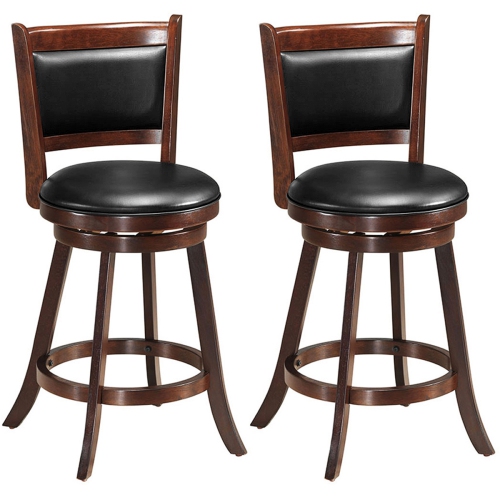
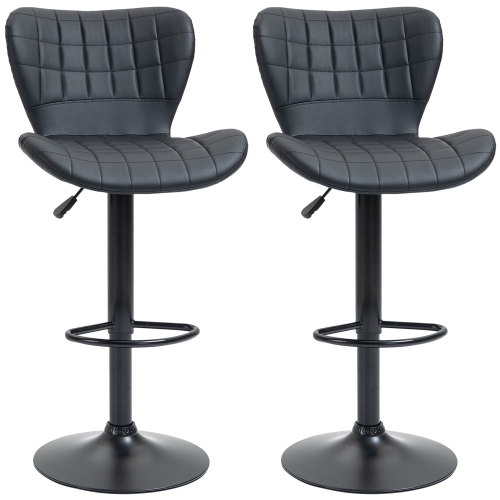
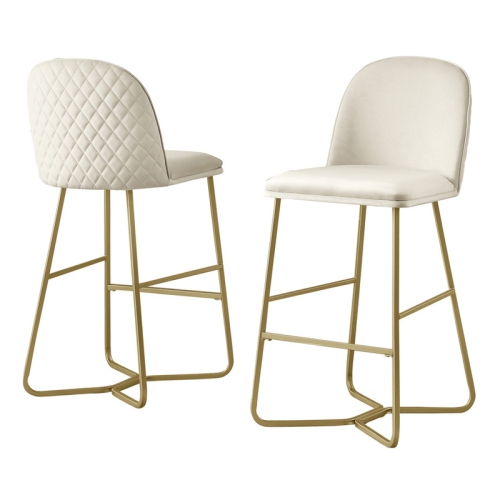
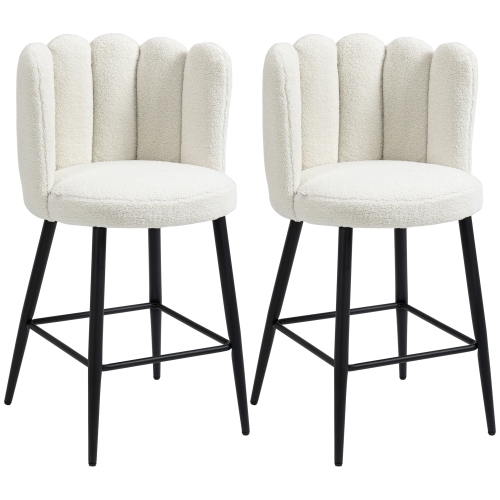
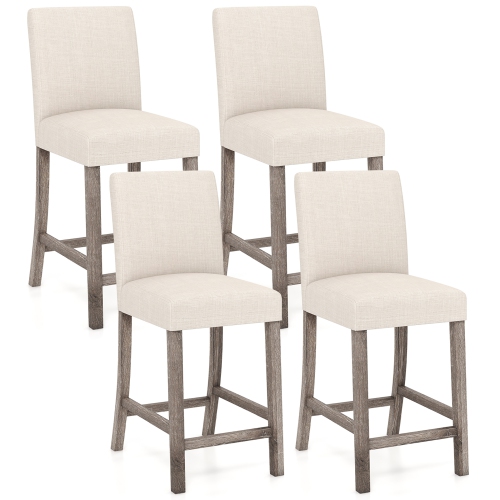
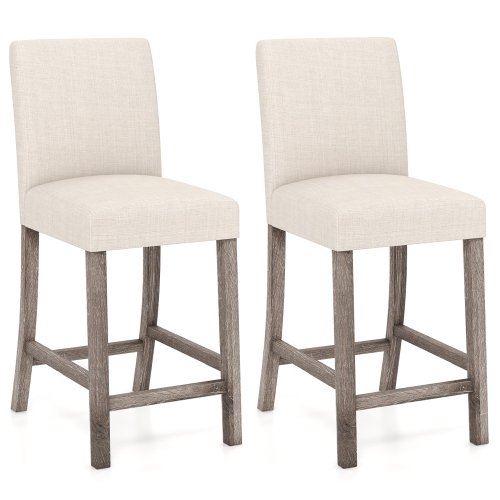
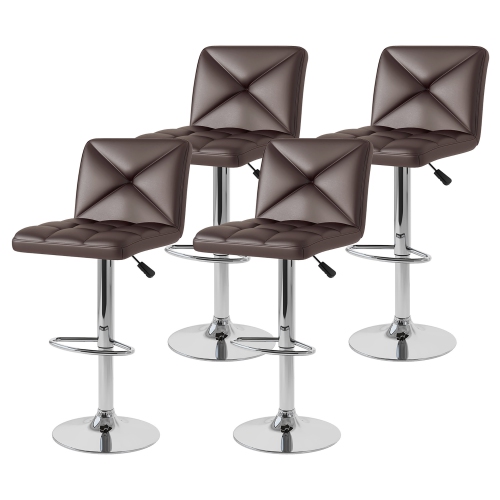
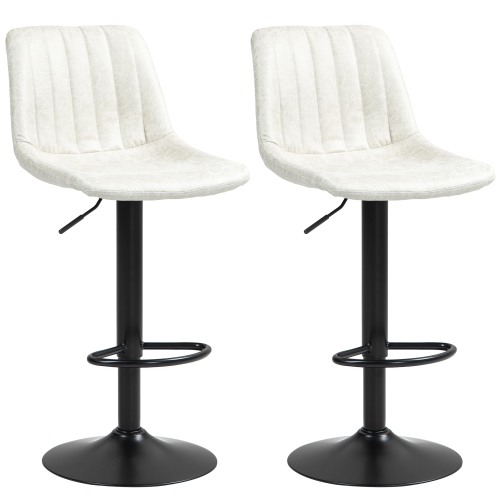
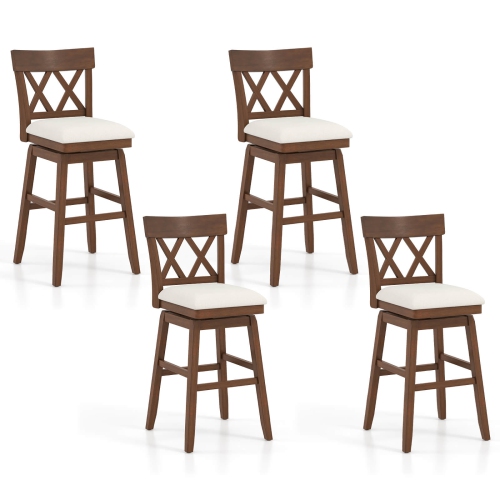
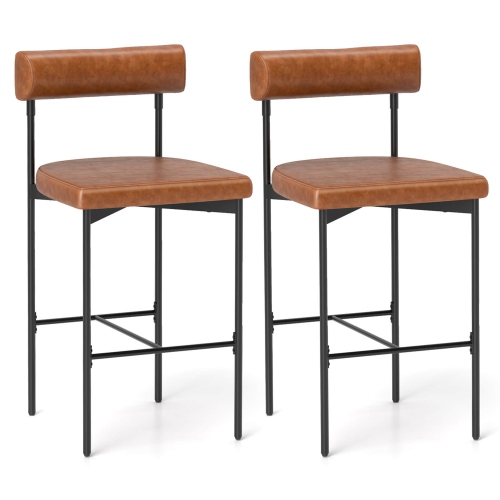
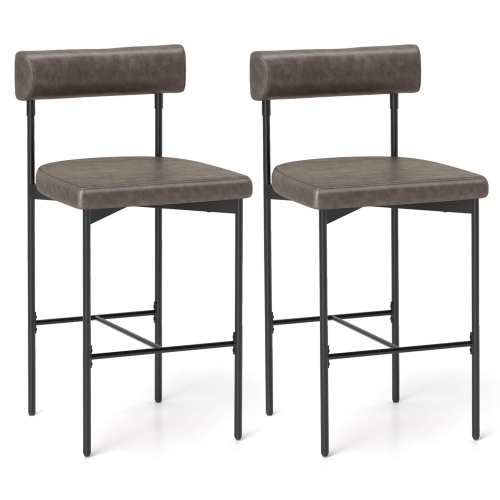
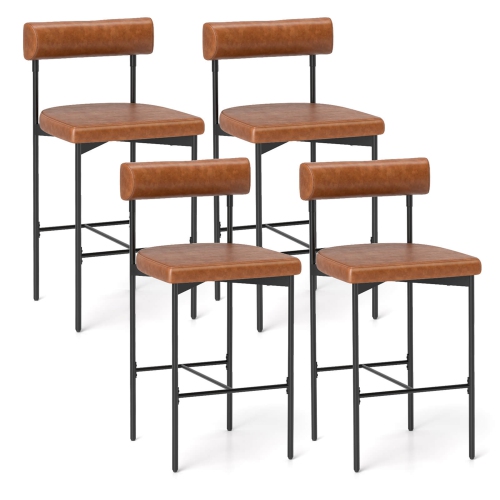
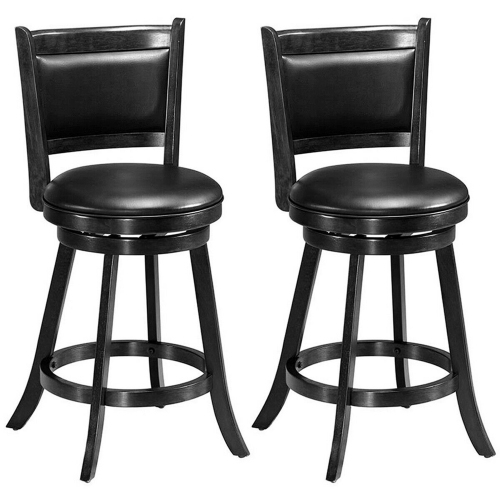
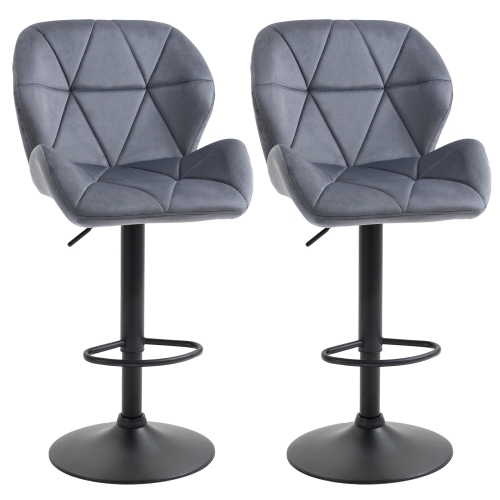
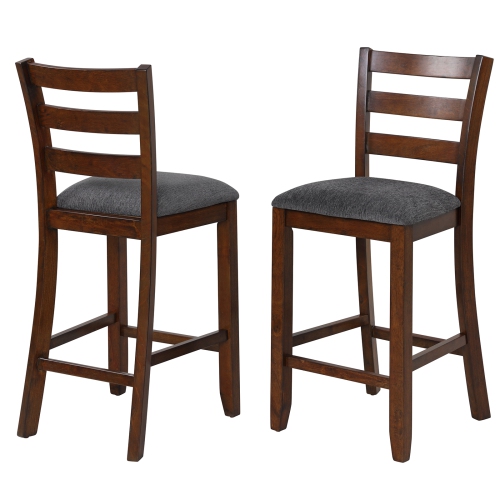
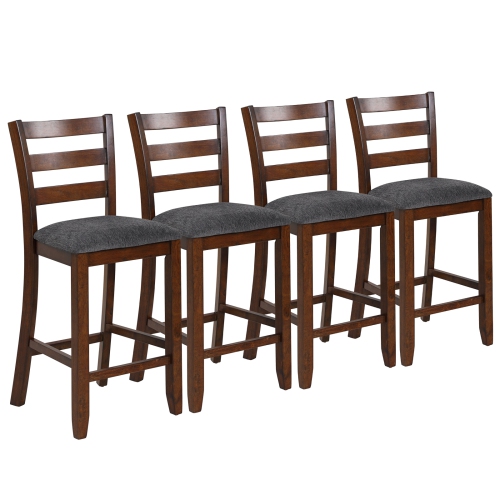
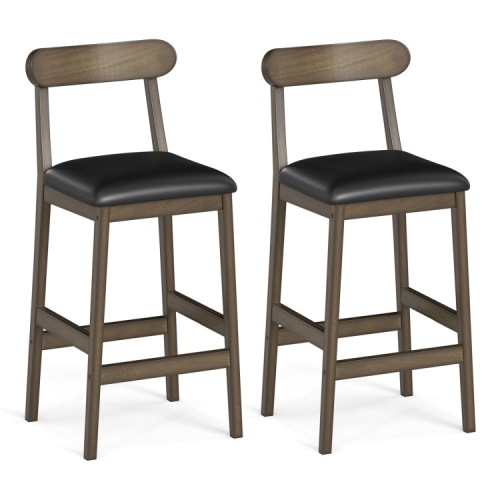
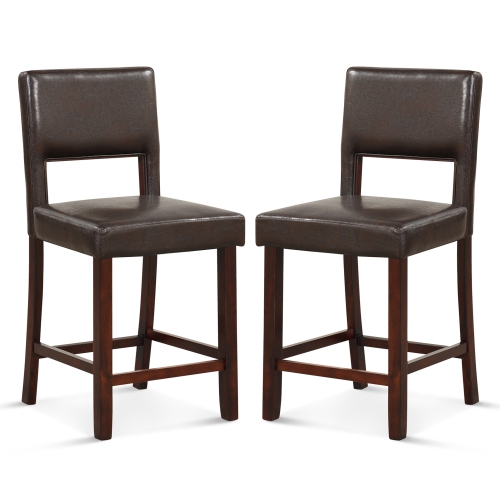
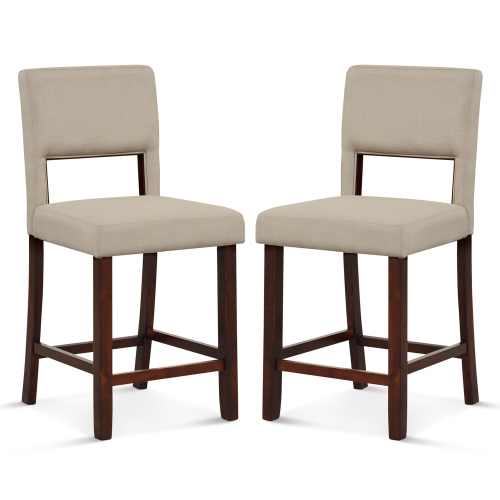
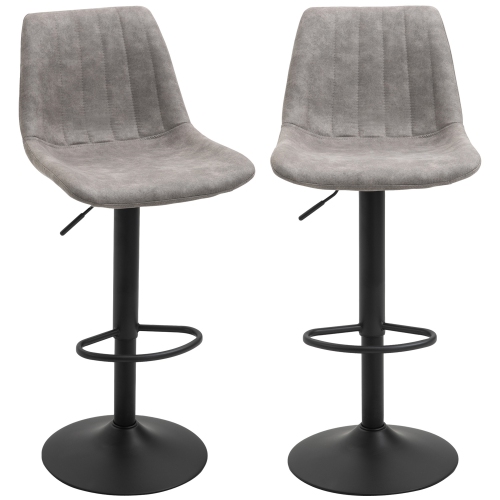
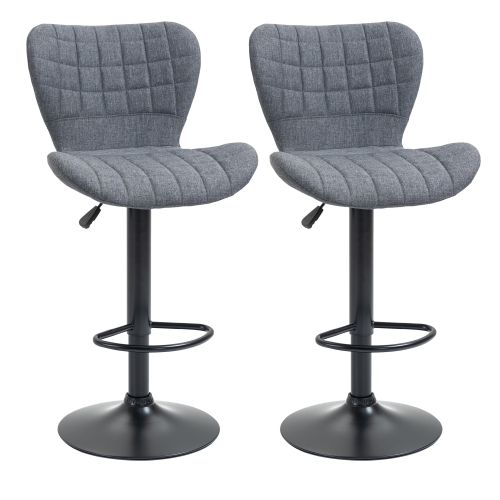
Upholstered bar chairs bring cushioned seating and a more finished look to raised dining surfaces, kitchen islands, and home bars. Unlike a bare wood or metal stool, an upholstered chair has padding covered in fabric, leather, or a leather-look material, often extending from the seat onto the backrest. That combination suits spaces where people linger over breakfast, share a casual meal, or sit nearby while dinner is being prepared. The right fit starts with the height of the surface rather than the name of the chair: counter-height and bar-height seating serve different purposes, even when their designs look similar. Counter-height seats are typically about 24 to 26 inches from the floor and suit many surfaces around 34 to 36 inches high. Bar-height seats are generally around 28 to 30 inches high and pair with many surfaces around 40 to 42 inches high. These are starting points, not universal matches. Measure from the floor to the underside of the counter, including any apron or support rail, and aim for roughly 10 to 12 inches of clearance above the seat for comfortable legroom. Allow about 24 to 30 inches of counter width per chair, measured from the centre of one seat to the next, with more room for wider seats, arms, or swivel movement. A generous seat can feel inviting, but it should not leave neighbours touching elbows or block the walkway behind the island. Seat depth matters as well: someone sitting back against the upholstery should be able to reach the footrest without the front edge pressing uncomfortably behind their knees. For a compact kitchen, a low-backed silhouette can keep sightlines open, while a taller padded back gives a home bar a more lounge-like feel. Chairs that tuck beneath an overhang make it easier to move between the counter and nearby cupboards, provided their arms and backs clear the surface.
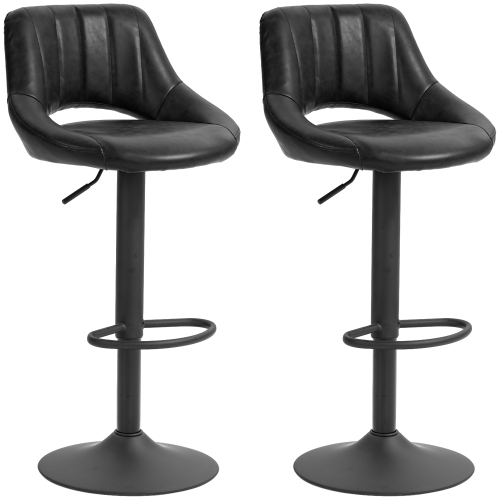
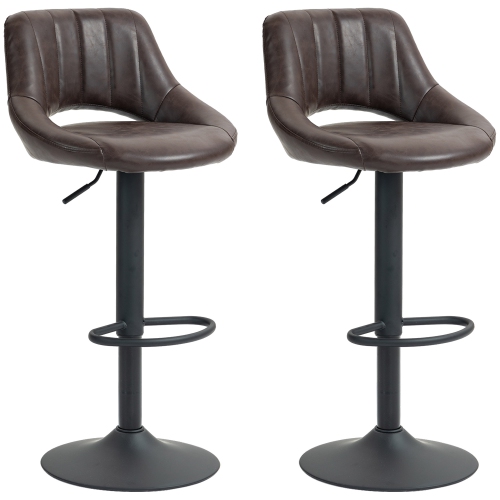
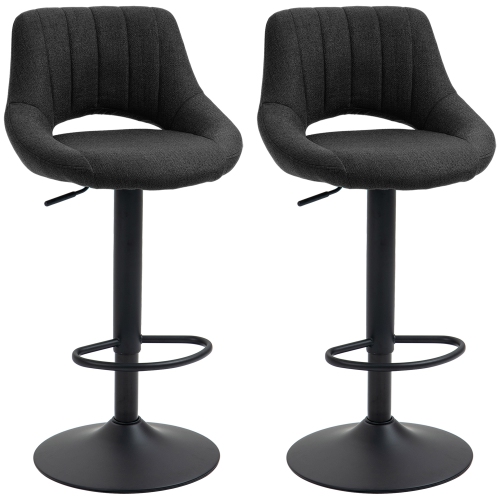
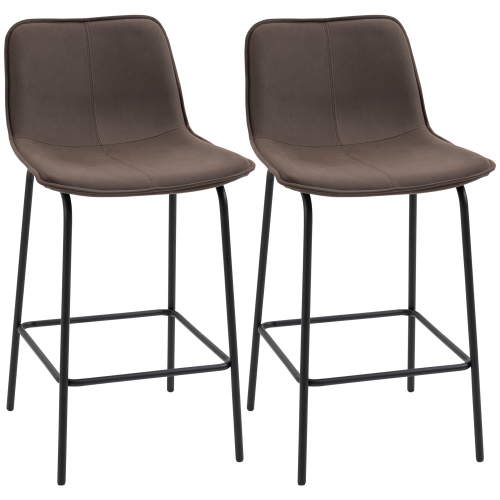
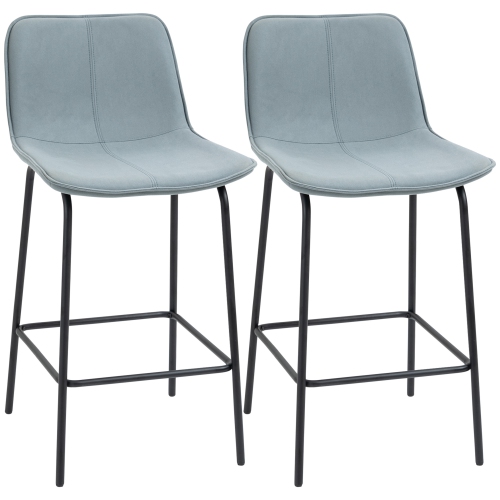
Upholstery has a strong influence on both the look of bar chairs and the attention they need in everyday use. Woven fabrics offer texture that can soften a kitchen filled with flat cabinet fronts, stone surfaces, and metal hardware. A close weave may be easier to keep free of crumbs than a deeply textured surface, although stain resistance and cleaning requirements depend on the particular fabric and finish. Linen and linen-blend upholstery have a relaxed appearance, while velvet adds a richer surface with a pile that can change shade as it catches the light. Neither material should be assumed to be washable or stain-resistant simply because of its name. Leather develops character with use and needs care suited to its finish; faux leather offers a similar visual effect but has different maintenance requirements and may wear differently over time. For seating beside a busy breakfast counter, practical details such as accessible seams, minimal deep tufting, and removable covers can matter as much as colour. A removable cover is only machine washable if its care label says so. Crumbs can usually be lifted with a suitable vacuum attachment, and spills are best blotted promptly rather than rubbed into the upholstery. Follow the manufacturer's cleaning directions, test approved cleaners in an inconspicuous spot, and avoid soaking the padding. Households with pets may prefer a tightly woven surface over an open looped texture that can catch claws. Mid-tone colours and subtle patterns can make small marks less noticeable, though they do not replace regular cleaning. Cream, beige, grey, and muted green sit comfortably alongside many cabinet finishes, while deeper blue or charcoal can give a seating area more definition. Fabric swatches, where provided, help show how a colour looks beside flooring and worktops under the room's lighting. For an open-plan space, related upholstery tones can connect the island to upholstered dining chairs at a nearby table without requiring every chair to have the same frame or silhouette.
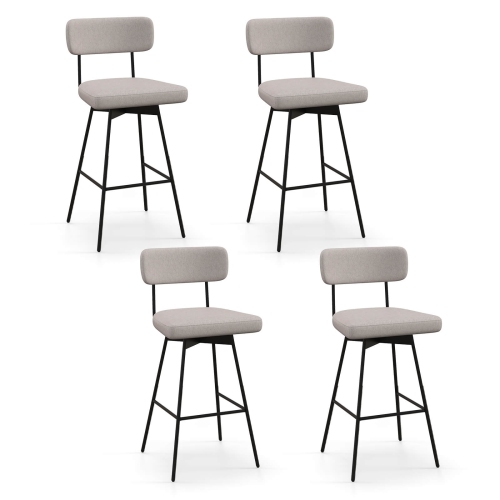
Comfort and durability also depend on what sits beneath the upholstery. Solid wood frames bring visible grain and warmth, while metal frames can create a slimmer outline that works well around a narrow island. Matte black legs offer a crisp contrast with pale upholstery; brushed or polished metallic finishes add a more noticeable accent. Beyond appearance, a stable base, secure joints, and a well-positioned footrest are important for seating that gets used throughout the day. A padded seat should offer support without sinking so deeply that getting up becomes awkward, and a shaped backrest can make a longer conversation more comfortable. Arms give the chair a more enclosed feel, but they add width and may prevent it from sliding fully beneath a counter. Swivel chairs let someone turn towards the room without dragging the legs across the floor, making them useful where an island faces away from the main living area. They still need clearance from adjacent chairs and cabinet corners. Height-adjustable designs can accommodate different raised surfaces within their stated adjustment range, while fixed-height chairs offer a straightforward fit when the counter measurements are known. Check the stated weight capacity, assembly requirements, and care information rather than judging strength by how substantial a chair looks. Floor protectors appropriate to the flooring can reduce scraping, and fasteners may need periodic checks according to the manufacturer's directions. Footrests are for supporting feet while seated, not for use as steps; younger children need age-appropriate seating and supervision around raised chairs. In a household where the island doubles as a place for meals, conversation, and occasional laptop use, supportive padding and sufficient elbow room make the area more welcoming. For people furnishing a first apartment, updating a shared kitchen, or completing a dedicated entertaining space, upholstered bar chairs combine the practical role of raised seating with the texture and comfort of a dining chair. As a housewarming gift, they make the most sense when the recipient's measurements, preferred upholstery, and room layout are already known.
Upholstery has a strong influence on both the look of bar chairs and the attention they need in everyday use. Woven fabrics offer texture that can soften a kitchen filled with flat cabinet fronts, stone surfaces, and metal hardware. A close weave may be easier to keep free of crumbs than a deeply textured surface, although stain resistance and cleaning requirements depend on the particular fabric and finish. Linen and linen-blend upholstery have a relaxed appearance, while velvet adds a richer surface with a pile that can change shade as it catches the light. Neither material should be assumed to be washable or stain-resistant simply because of its name. Leather develops character with use and needs care suited to its finish; faux leather offers a similar visual effect but has different maintenance requirements and may wear differently over time. For seating beside a busy breakfast counter, practical details such as accessible seams, minimal deep tufting, and removable covers can matter as much as colour. A removable cover is only machine washable if its care label says so. Crumbs can usually be lifted with a suitable vacuum attachment, and spills are best blotted promptly rather than rubbed into the upholstery. Follow the manufacturer's cleaning directions, test approved cleaners in an inconspicuous spot, and avoid soaking the padding. Households with pets may prefer a tightly woven surface over an open looped texture that can catch claws. Mid-tone colours and subtle patterns can make small marks less noticeable, though they do not replace regular cleaning. Cream, beige, grey, and muted green sit comfortably alongside many cabinet finishes, while deeper blue or charcoal can give a seating area more definition. Fabric swatches, where provided, help show how a colour looks beside flooring and worktops under the room's lighting. For an open-plan space, related upholstery tones can connect the island to upholstered dining chairs at a nearby table without requiring every chair to have the same frame or silhouette.
Comfort and durability also depend on what sits beneath the upholstery. Solid wood frames bring visible grain and warmth, while metal frames can create a slimmer outline that works well around a narrow island. Matte black legs offer a crisp contrast with pale upholstery; brushed or polished metallic finishes add a more noticeable accent. Beyond appearance, a stable base, secure joints, and a well-positioned footrest are important for seating that gets used throughout the day. A padded seat should offer support without sinking so deeply that getting up becomes awkward, and a shaped backrest can make a longer conversation more comfortable. Arms give the chair a more enclosed feel, but they add width and may prevent it from sliding fully beneath a counter. Swivel chairs let someone turn towards the room without dragging the legs across the floor, making them useful where an island faces away from the main living area. They still need clearance from adjacent chairs and cabinet corners. Height-adjustable designs can accommodate different raised surfaces within their stated adjustment range, while fixed-height chairs offer a straightforward fit when the counter measurements are known. Check the stated weight capacity, assembly requirements, and care information rather than judging strength by how substantial a chair looks. Floor protectors appropriate to the flooring can reduce scraping, and fasteners may need periodic checks according to the manufacturer's directions. Footrests are for supporting feet while seated, not for use as steps; younger children need age-appropriate seating and supervision around raised chairs. In a household where the island doubles as a place for meals, conversation, and occasional laptop use, supportive padding and sufficient elbow room make the area more welcoming. For people furnishing a first apartment, updating a shared kitchen, or completing a dedicated entertaining space, upholstered bar chairs combine the practical role of raised seating with the texture and comfort of a dining chair. As a housewarming gift, they make the most sense when the recipient's measurements, preferred upholstery, and room layout are already known.
Top selling and popular products
-
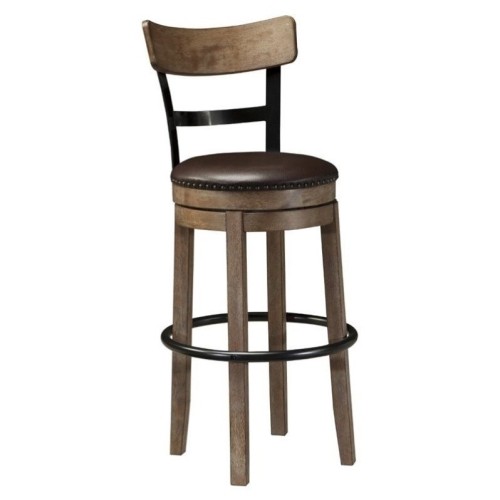 Your price for this item is $416.61
 -
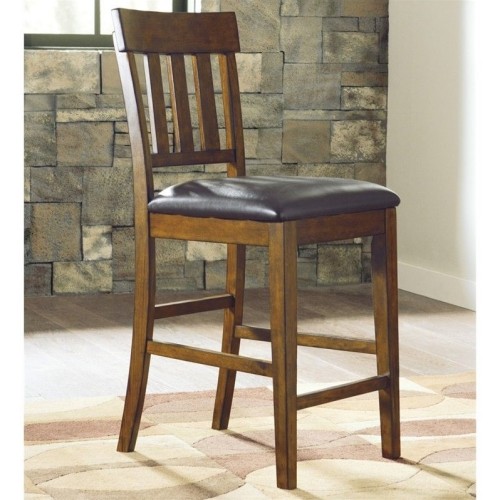 Your price for this item is $666.4
 -
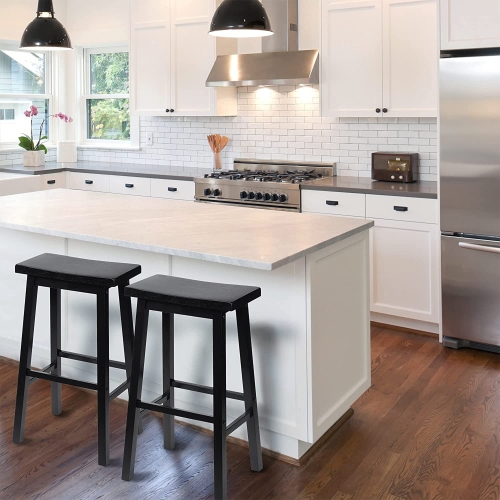 Your price for this item is $538.99
 -
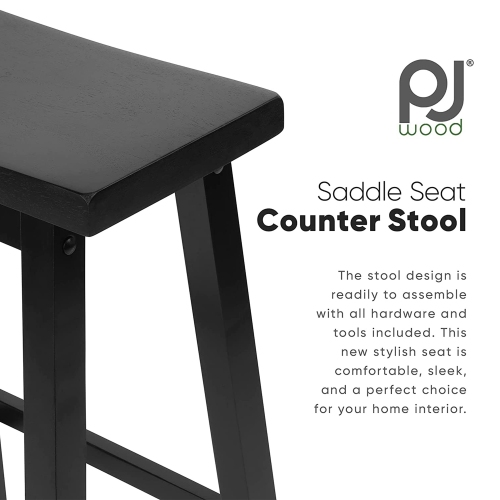 Your price for this item is $207.99
 -
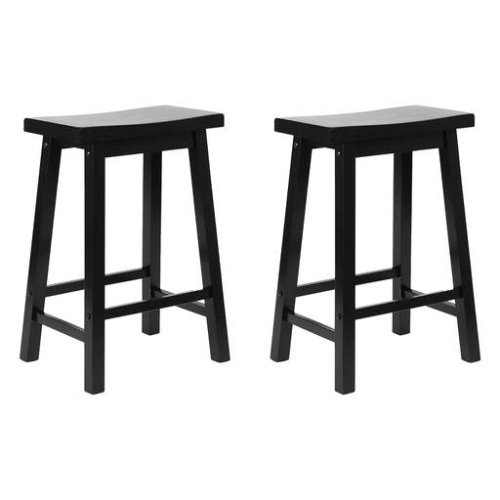 Your price for this item is $214.99
 -
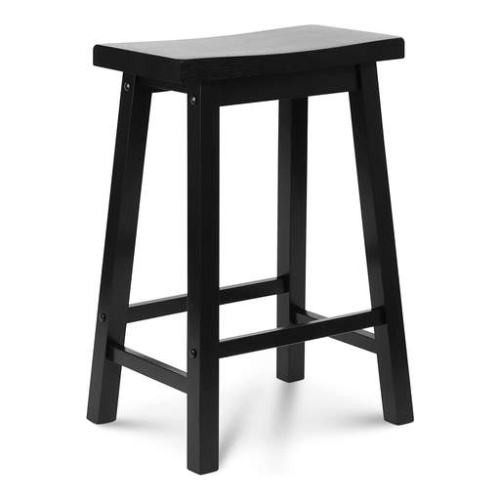 Your price for this item is $88.99
 -
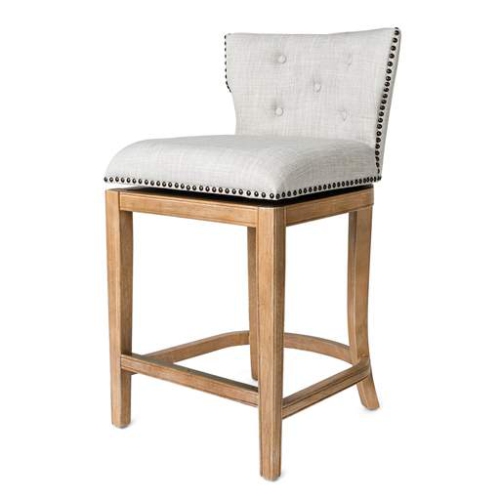 Your price for this item is $529.99
 -
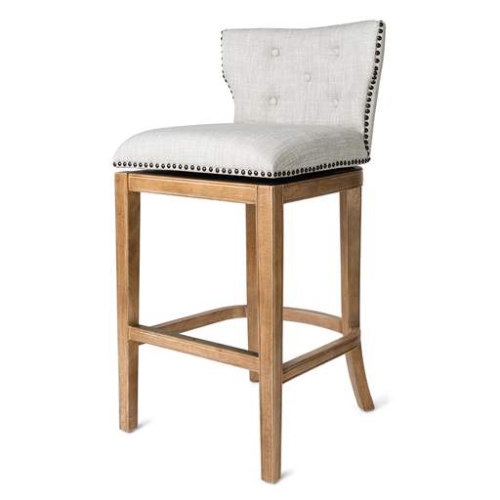 Your price for this item is $406.99
Discover more categories related to Upholstered Bar Chairs
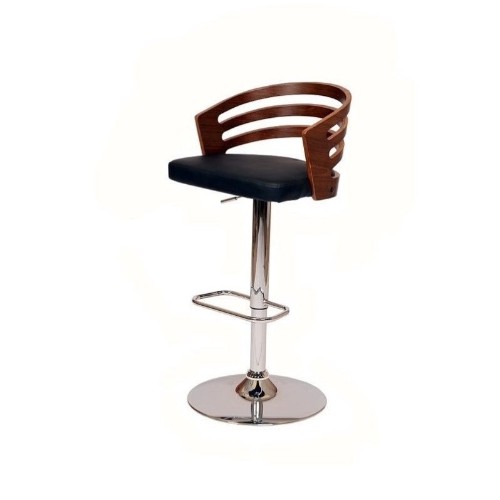
Top Collections:
Pokemon Centers, Kindle Devices, Best Budget Office Chairs, Apple iPhones 16, Best Laptops for Writers, iPhone 15 Apple, Canon G7X Cameras, Refurbished Apple Laptops, Alarm Clock, Motorola Razr Phones
Some products may be subject to Environmental Handling Fees
(EHF) depending on your province.
Learn more about EHFs.