Upholstered Mid Back Chairs
Upholstered mid-back chairs are a great way to add comfort and style to your home. They're available in a variety of styles, colors, and materials, so you can find one that matches your existing decor. Upholstered mid-back chairs are designed to provide support for your upper back and shoulders, while still allowing for a comfortable seating experience. Here are some of the great options available on the market today.
Sort
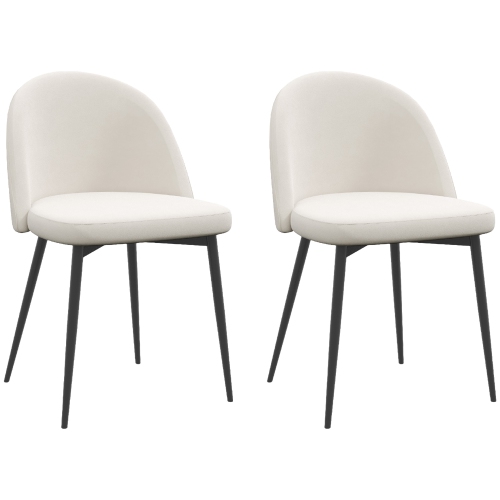
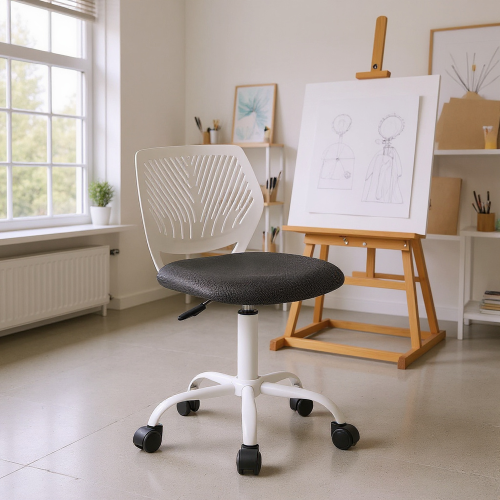
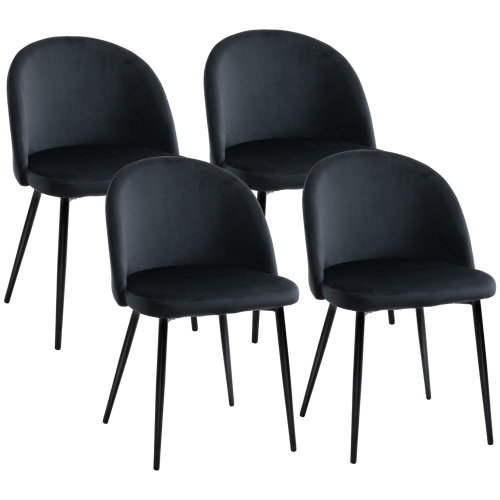
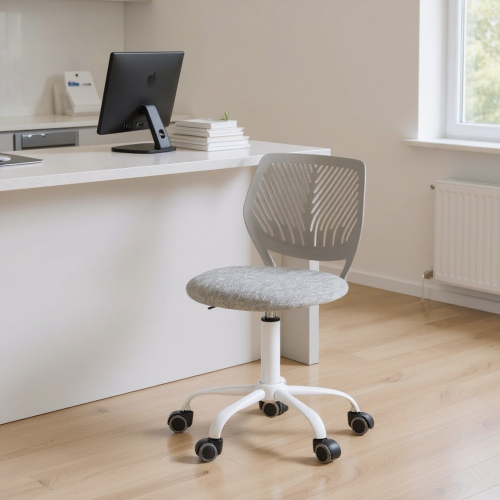
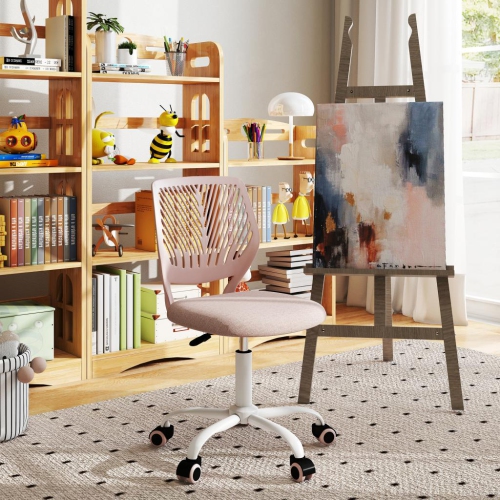
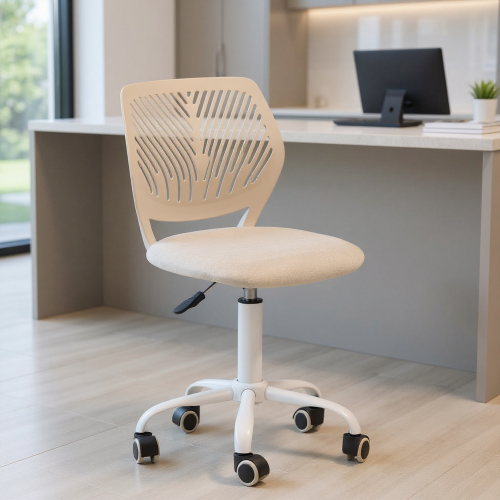


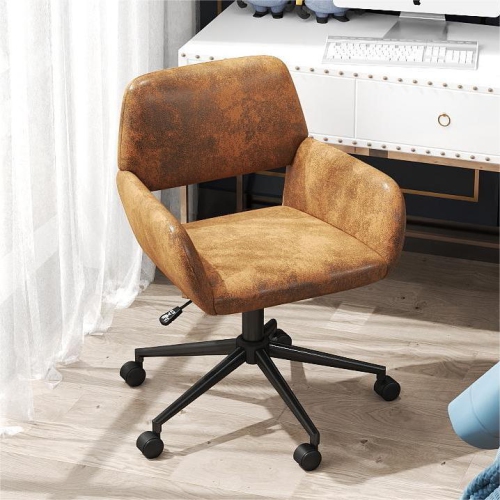

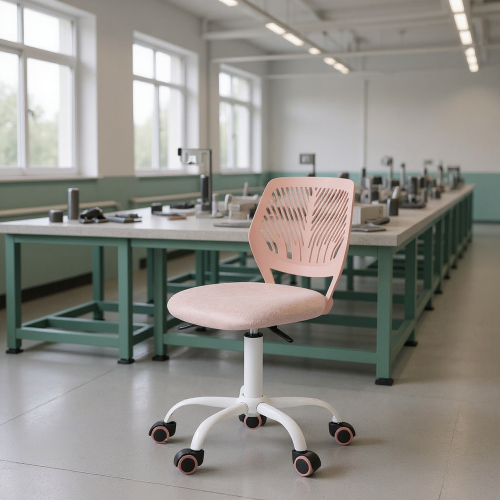


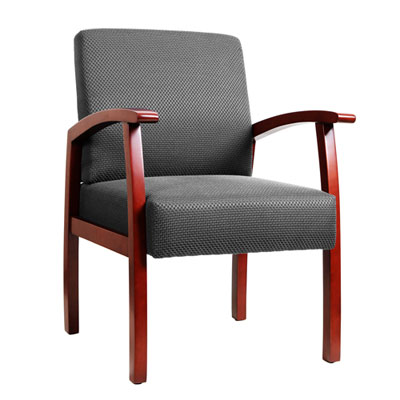
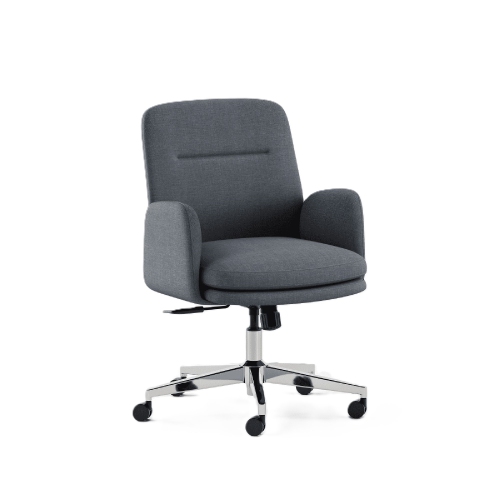
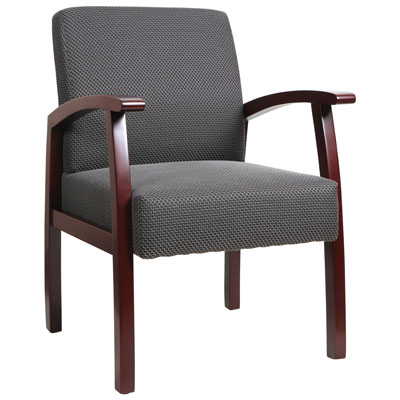
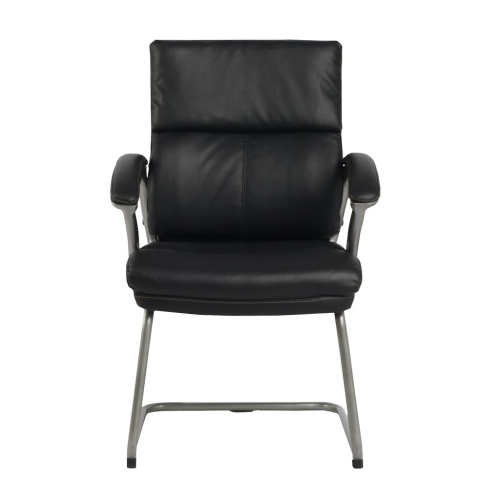

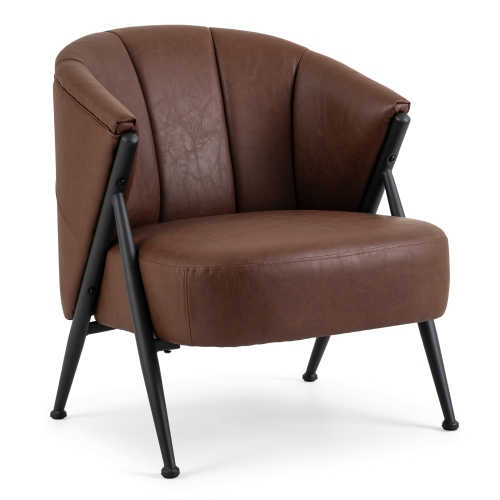
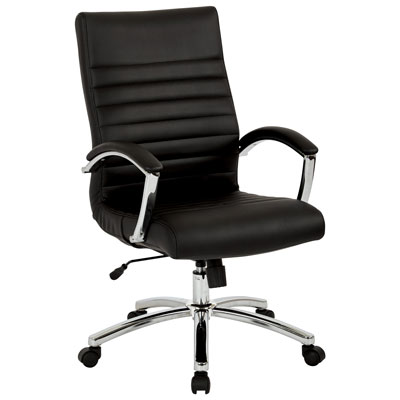
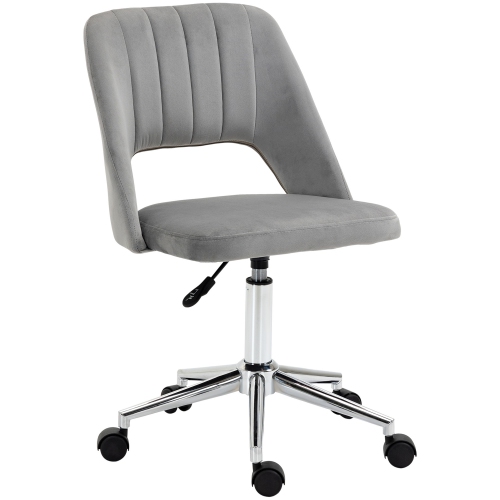
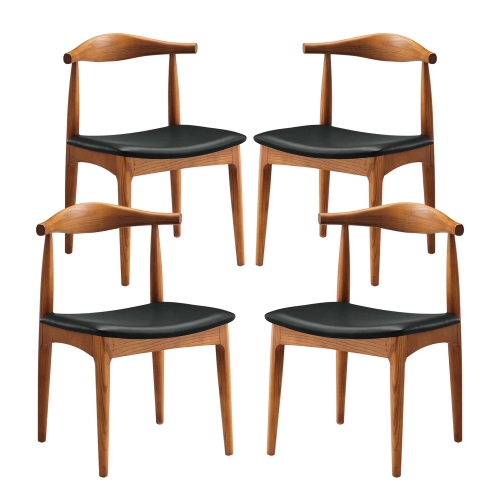
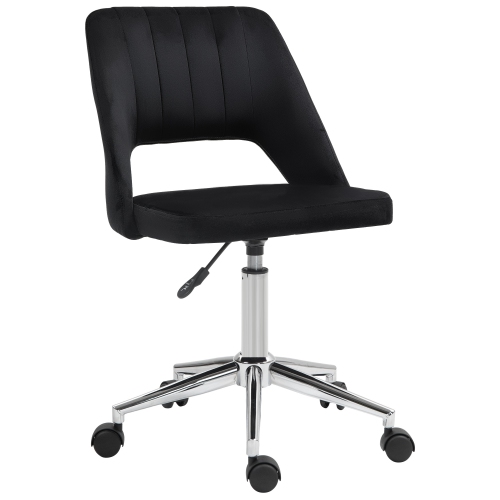
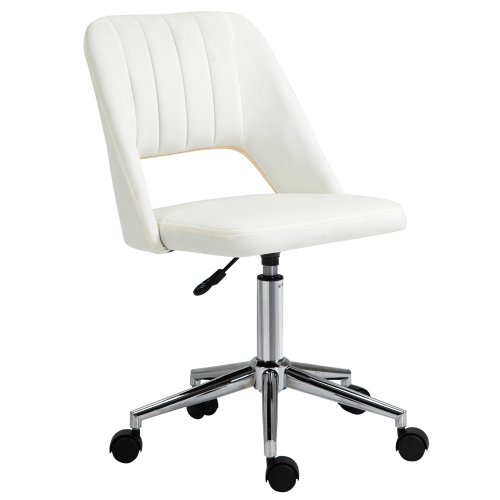
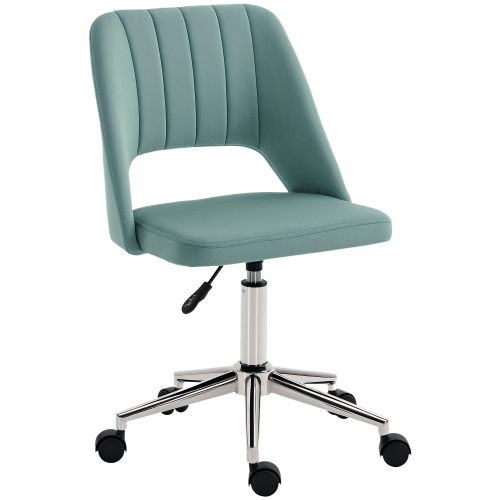
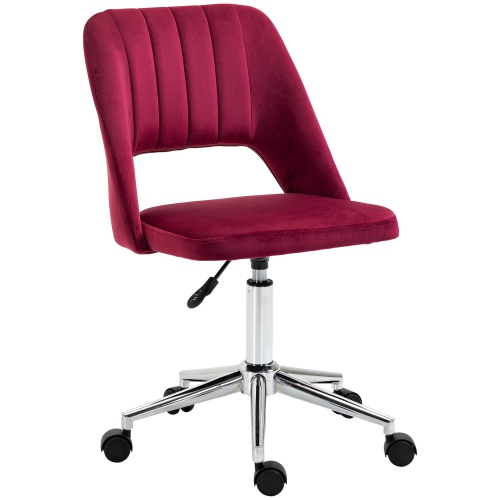
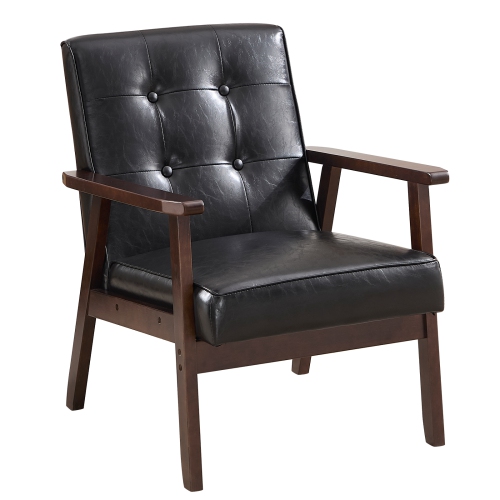
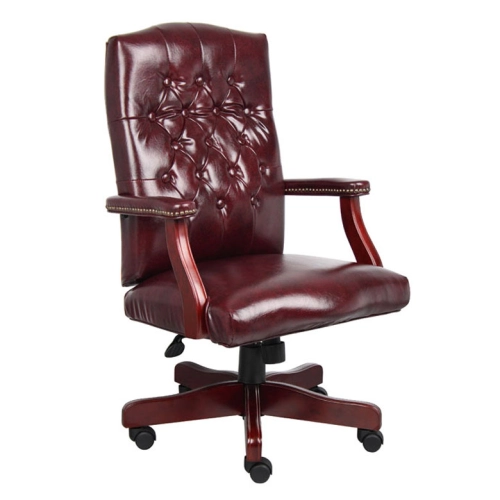
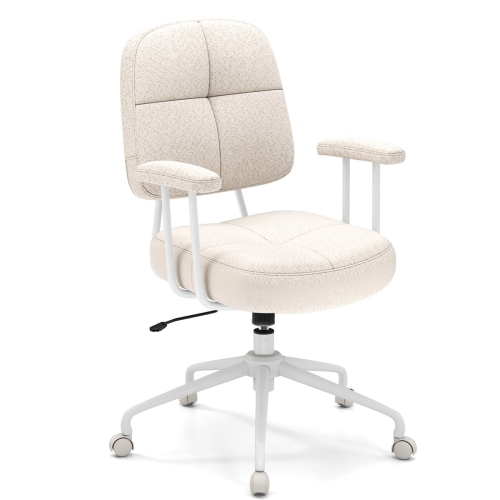
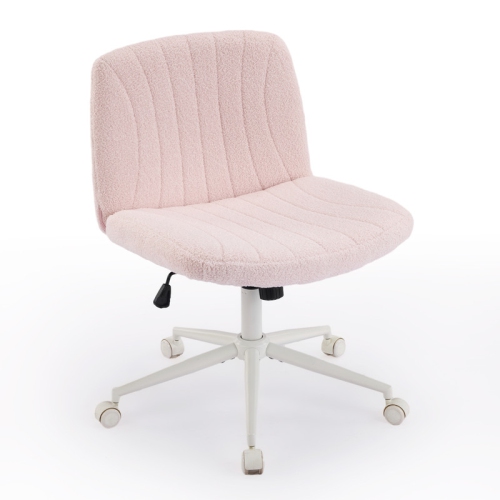
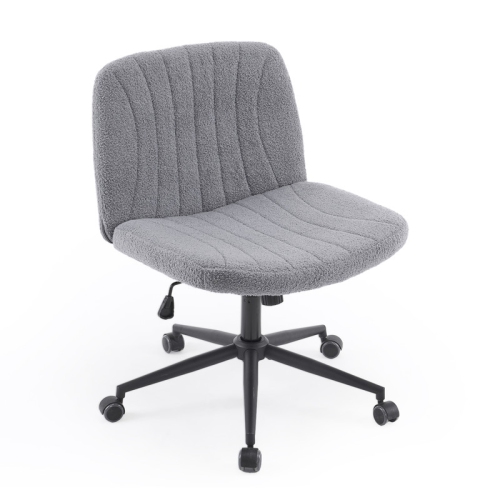
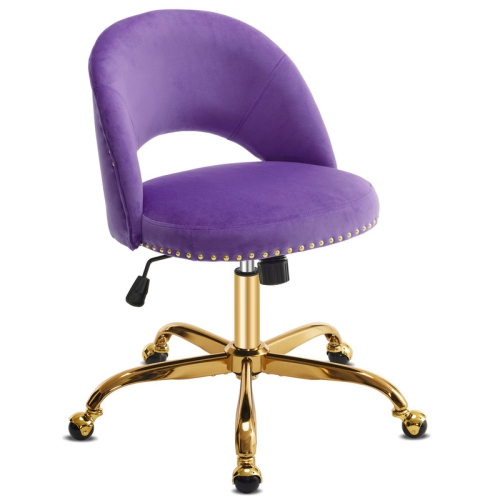
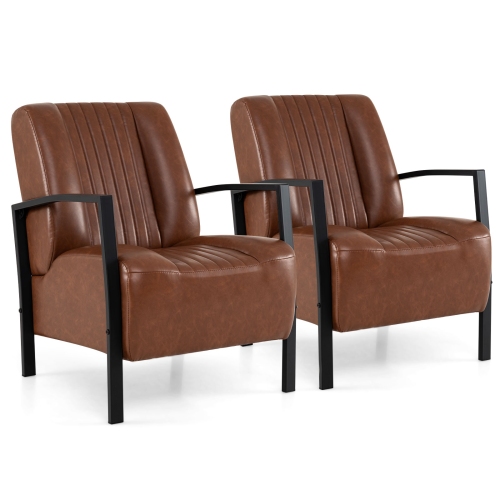
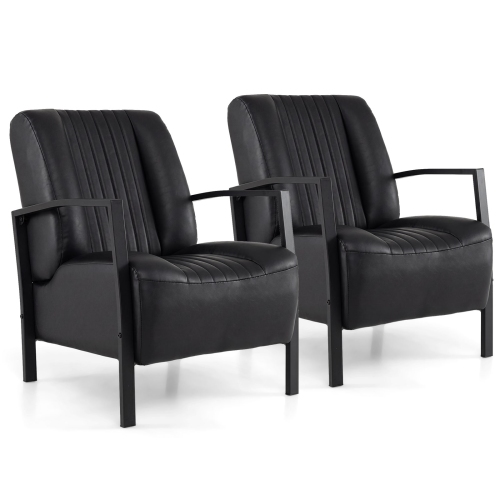
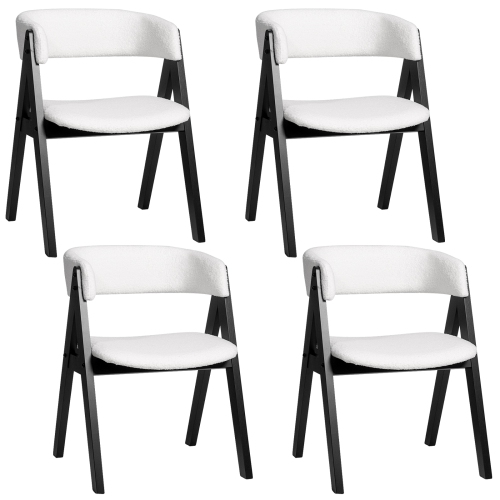
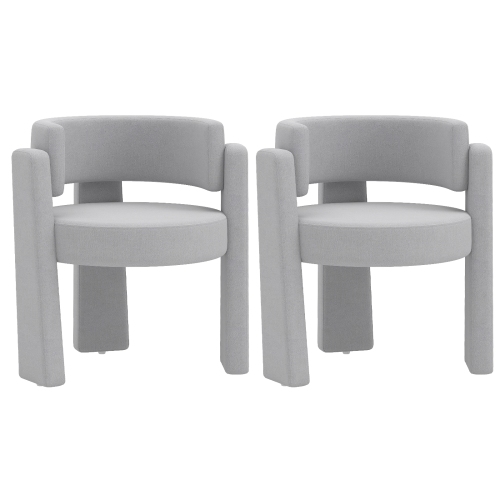
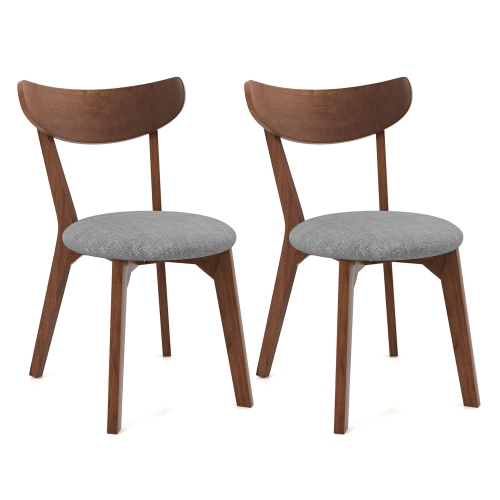
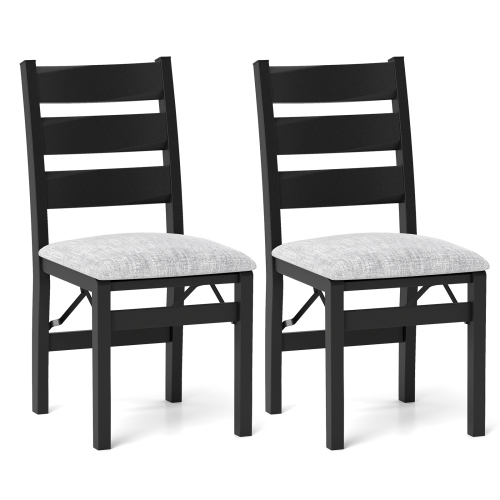
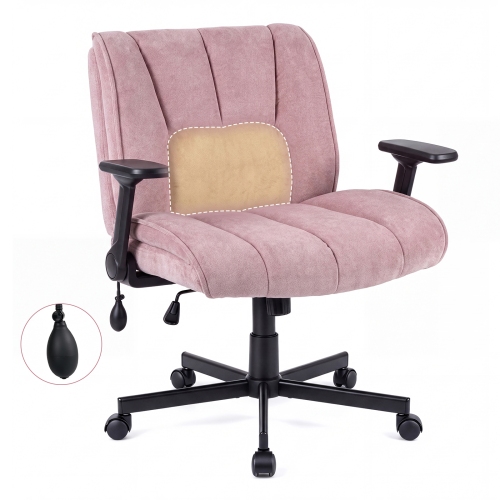
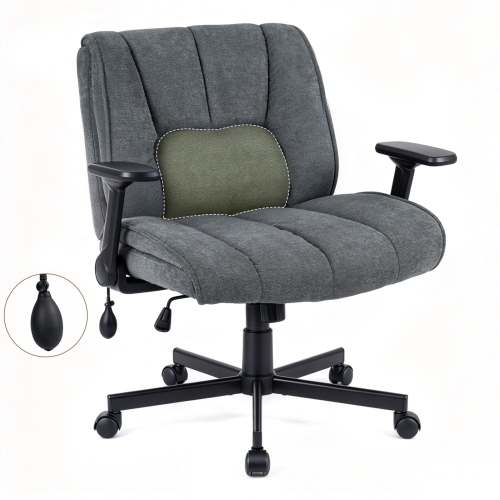
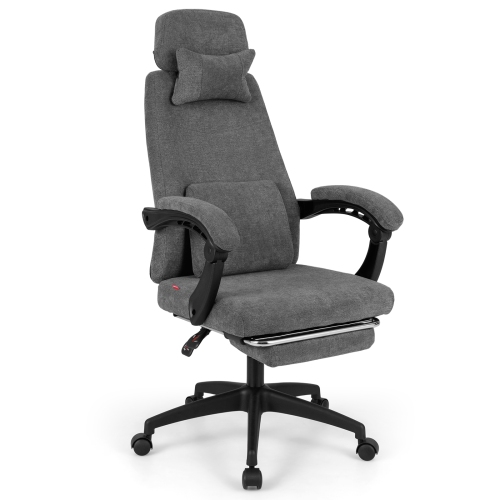
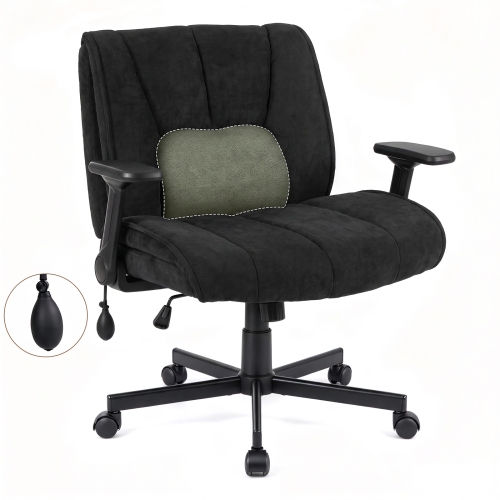
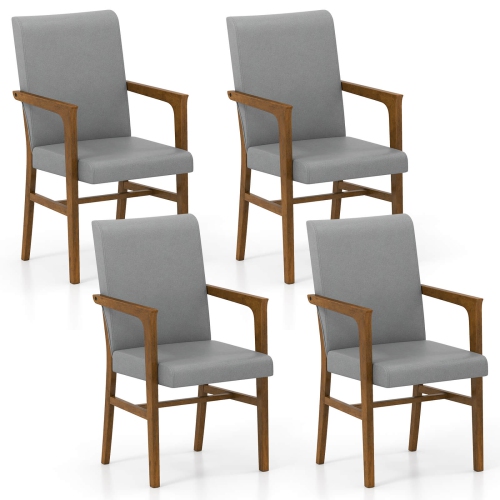
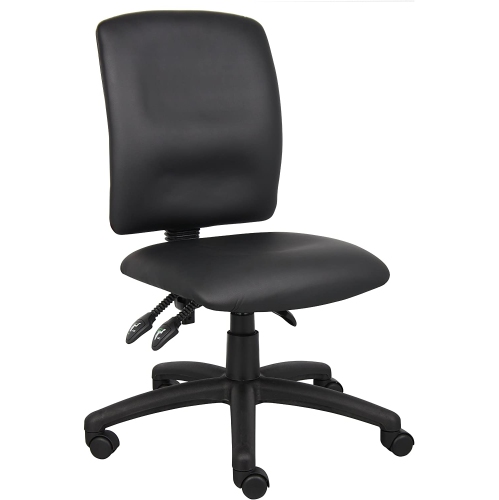
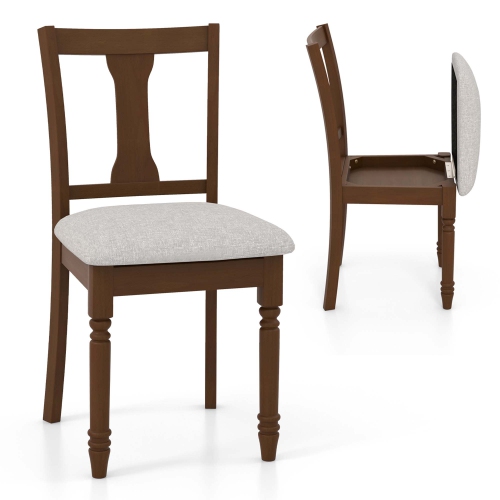
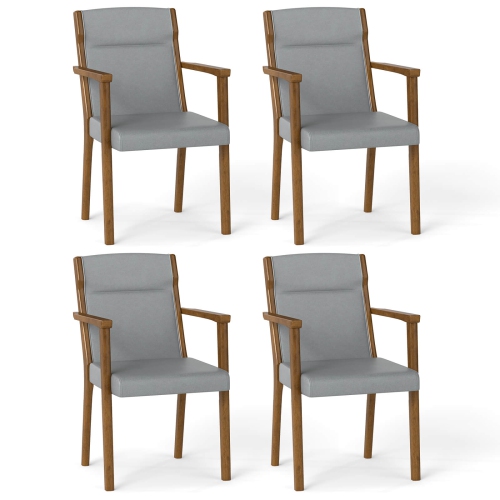
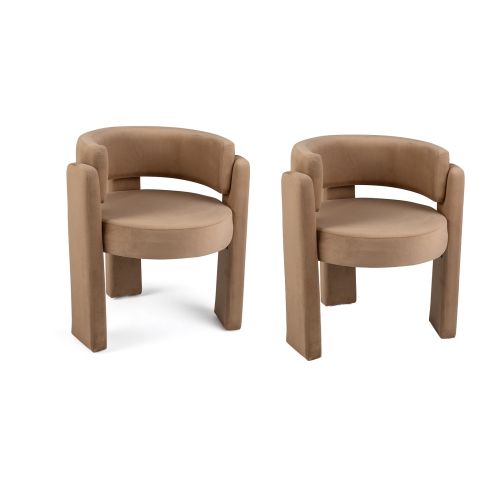
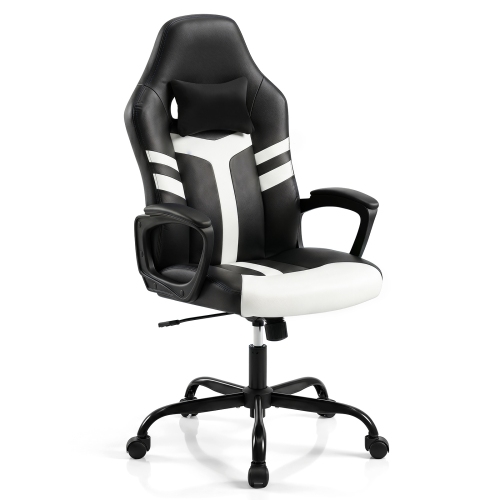
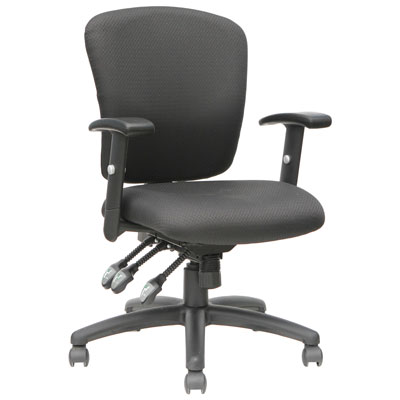
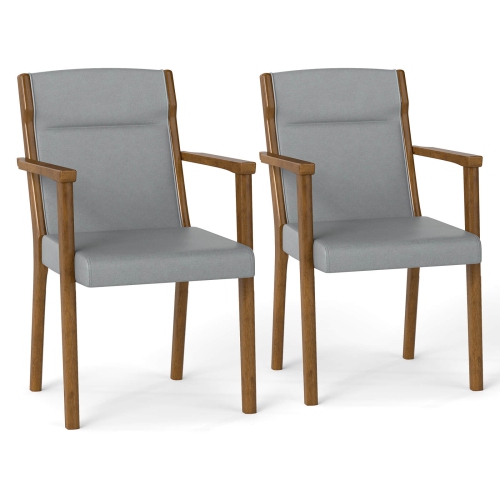
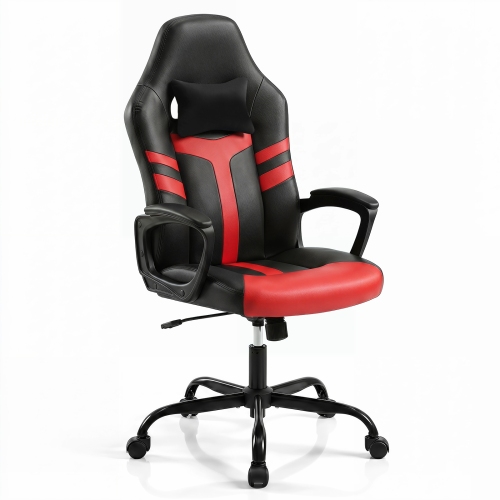
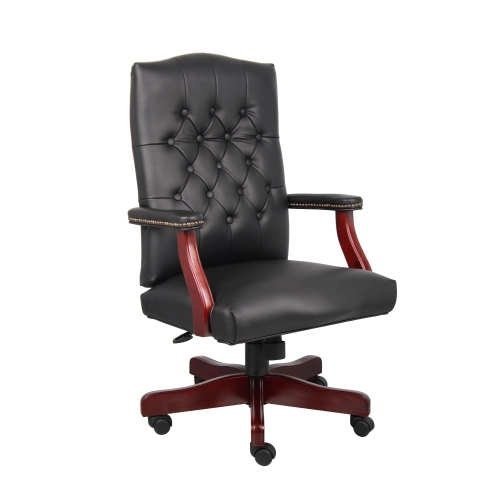
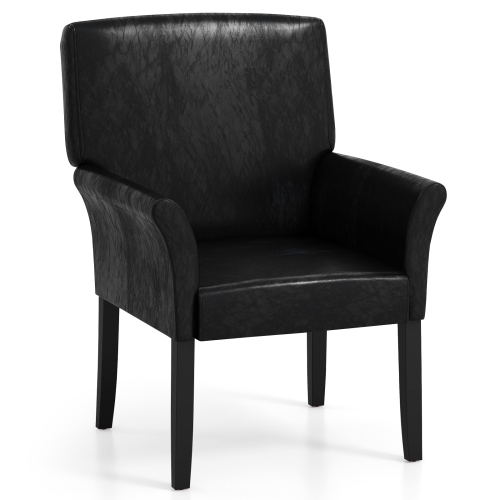

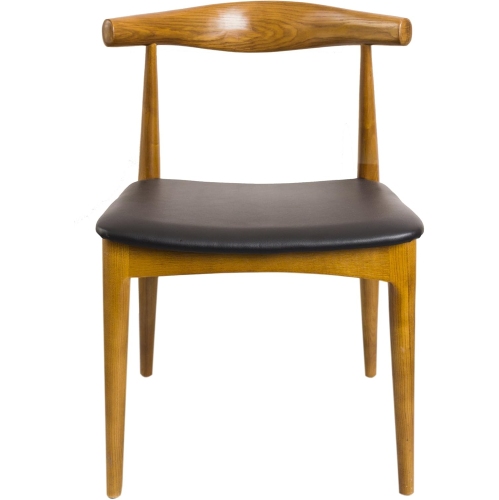
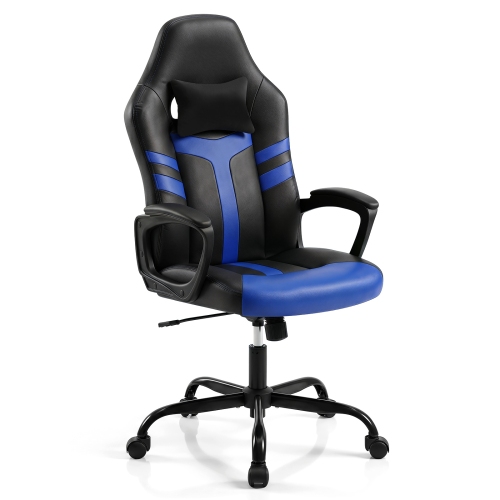
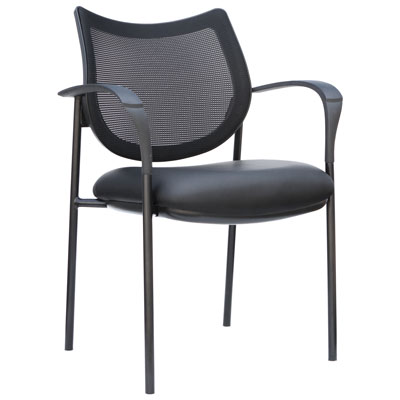
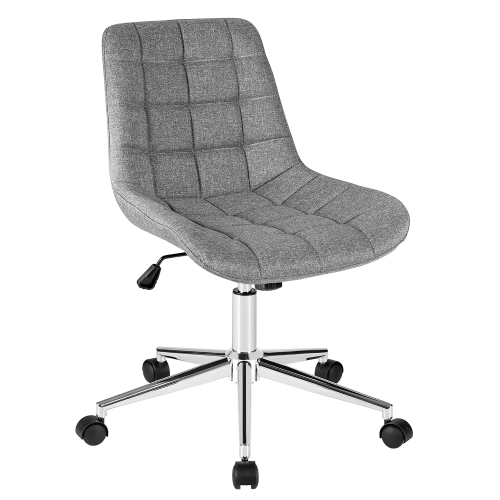
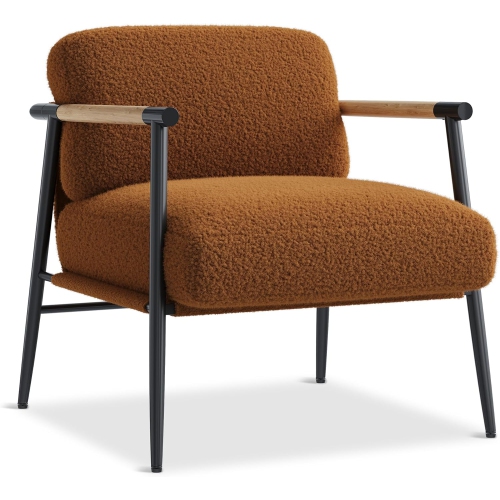
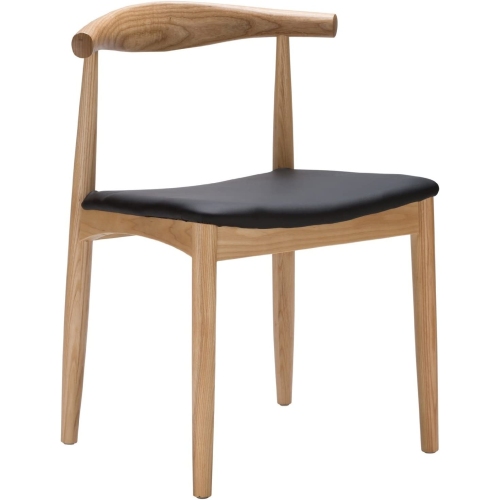
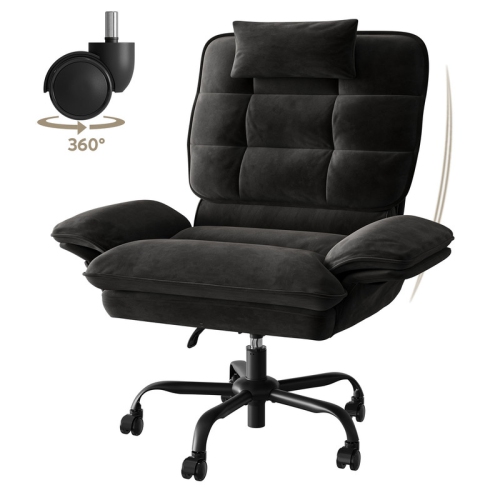
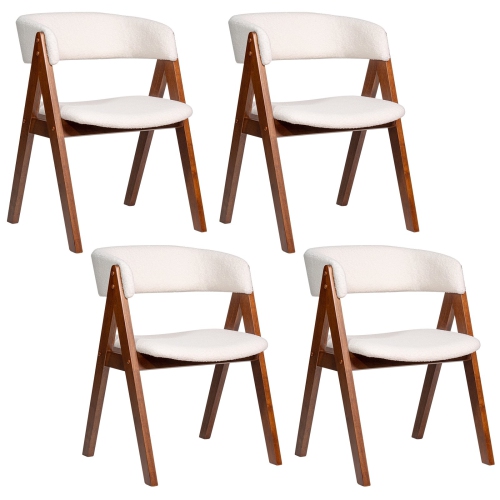
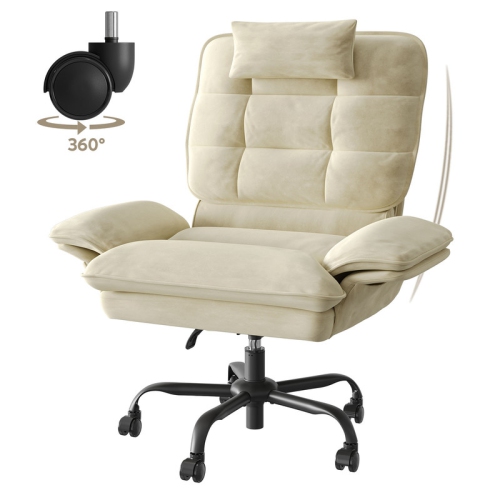



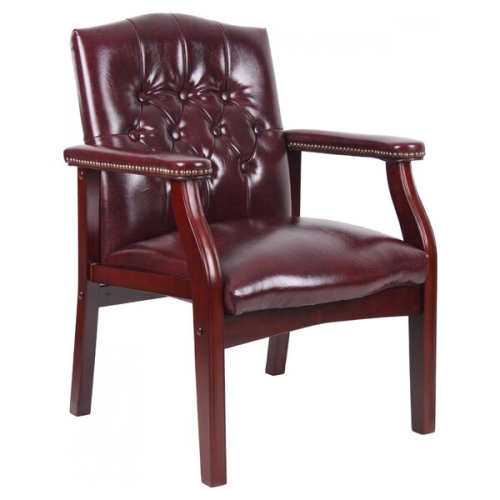
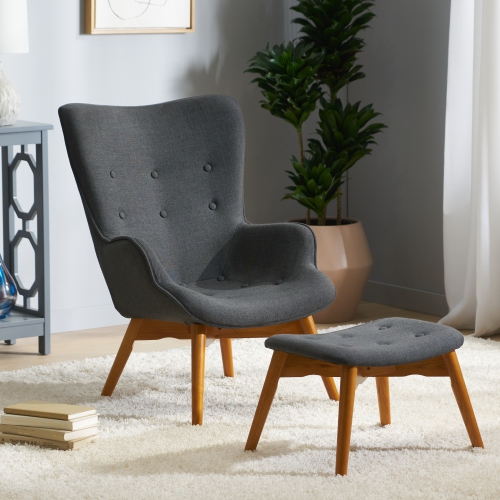
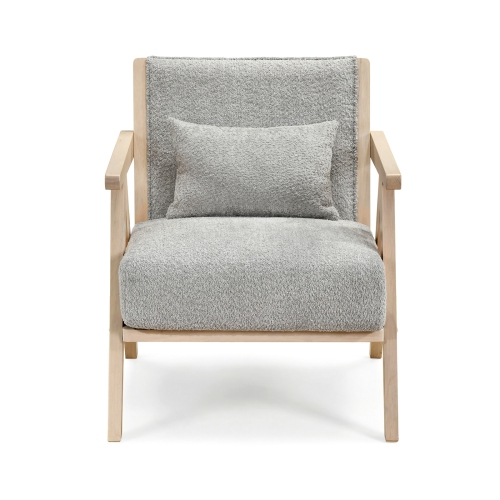
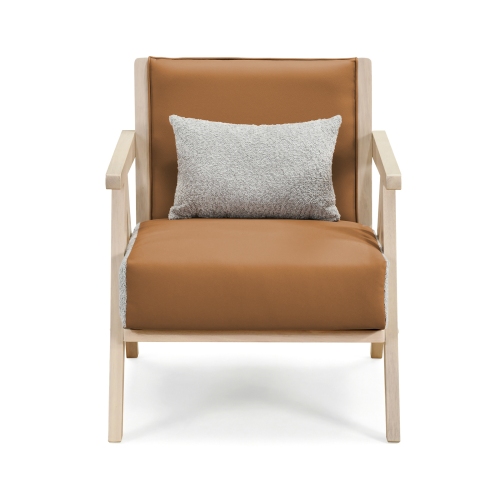

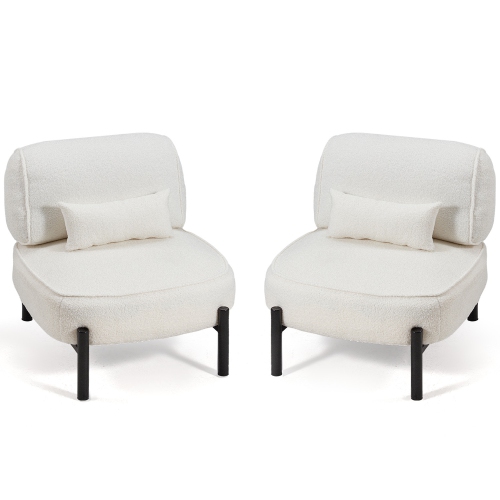
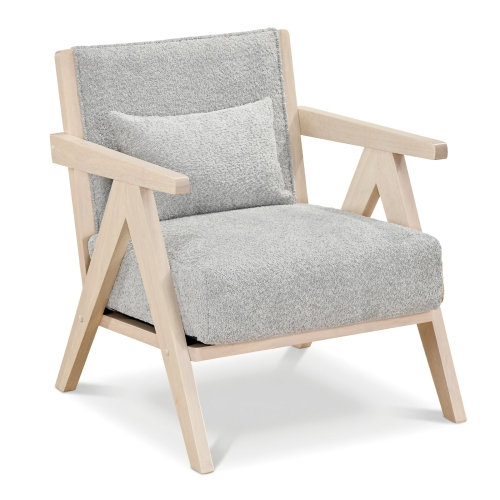
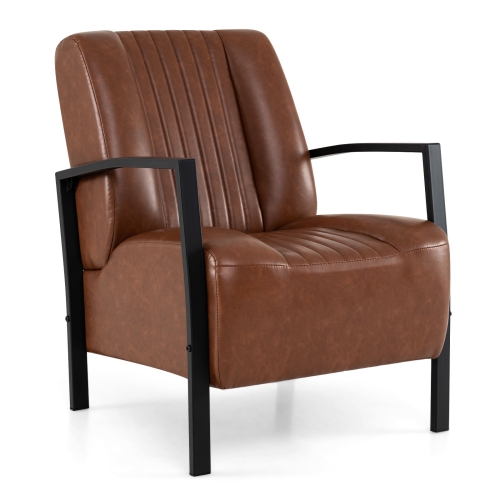
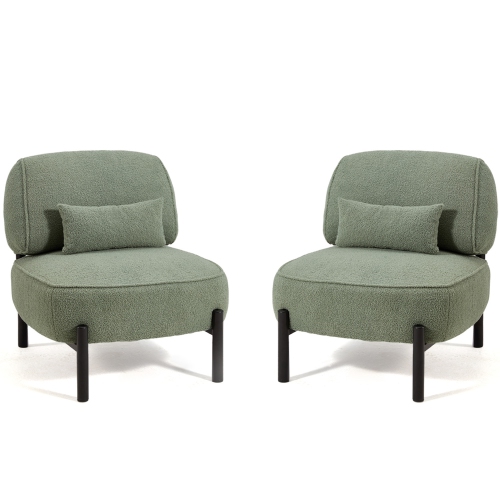
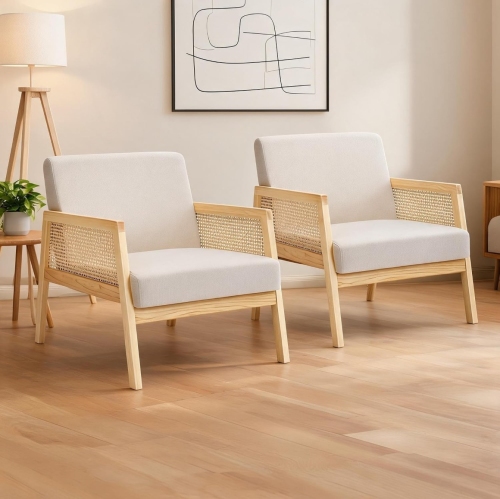
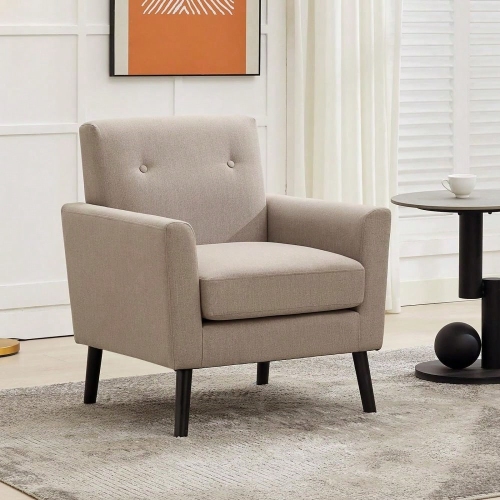
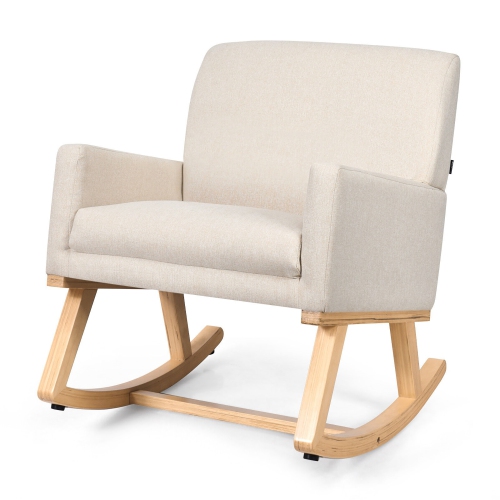
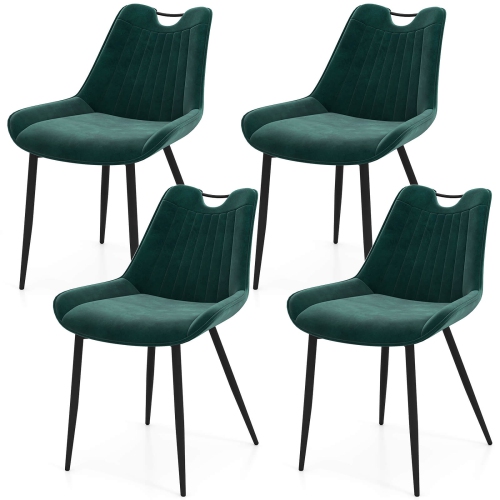
How chair proportions shape comfort at work and home
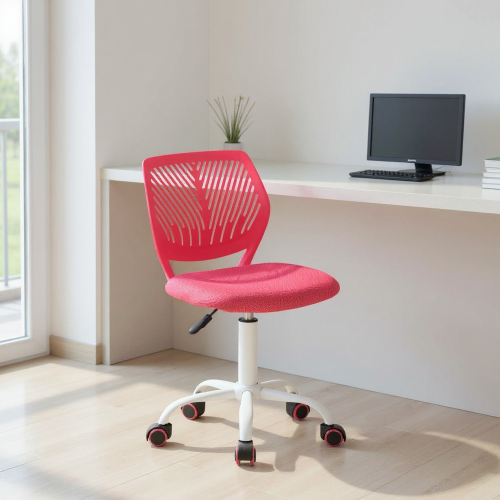
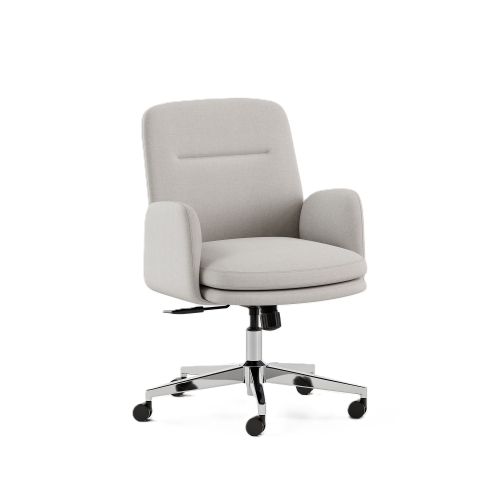
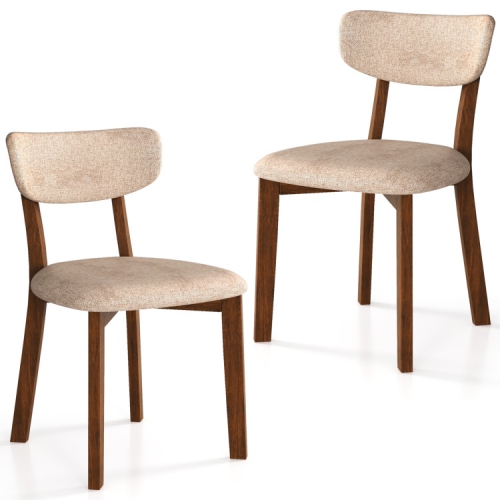
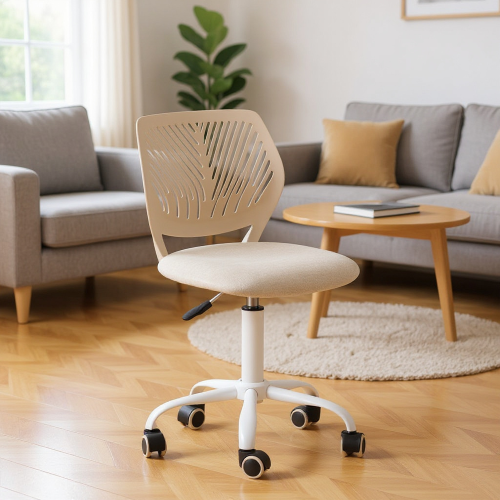
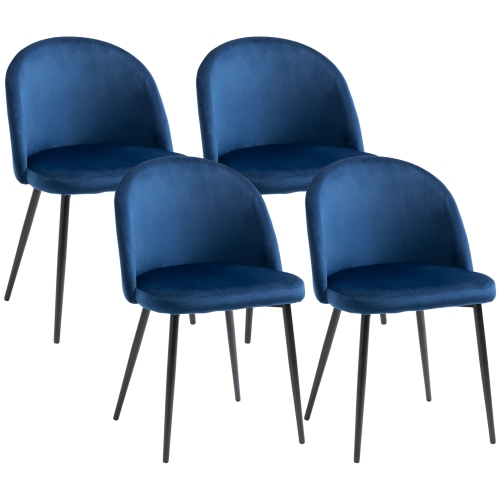
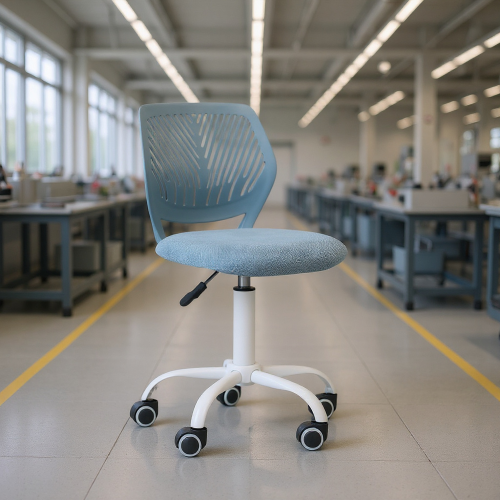
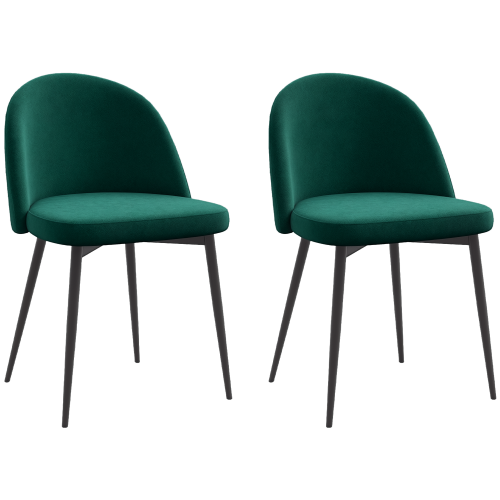
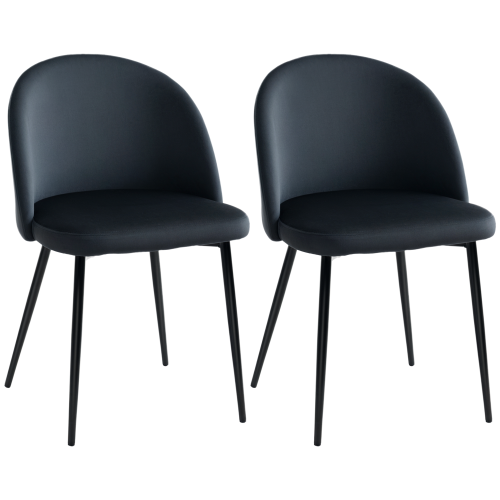
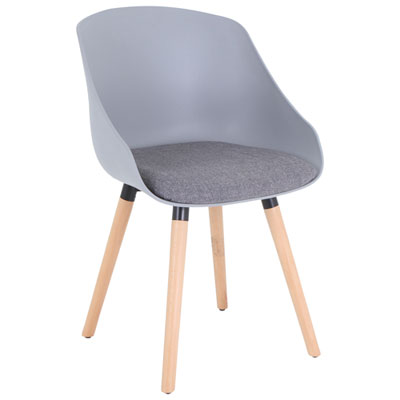
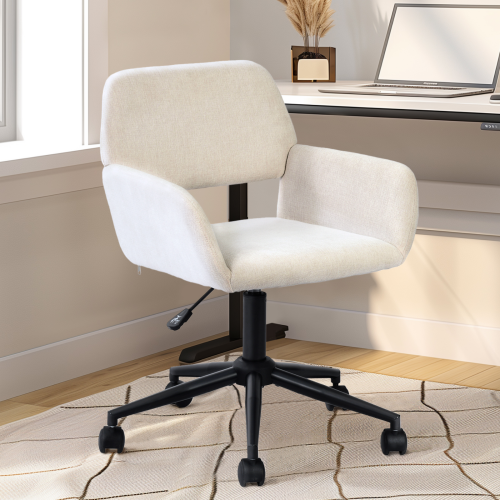
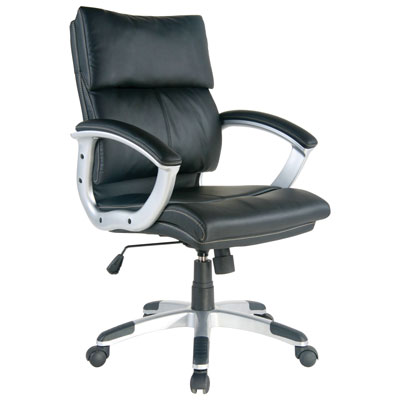
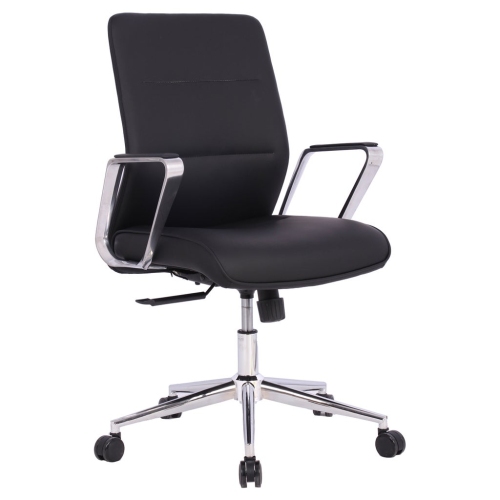
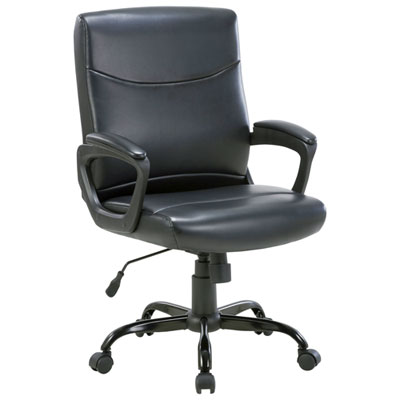
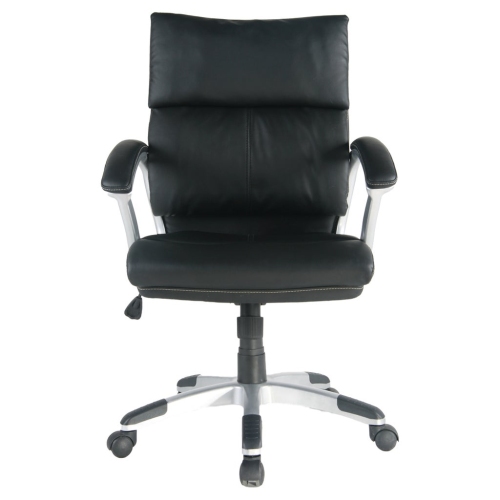
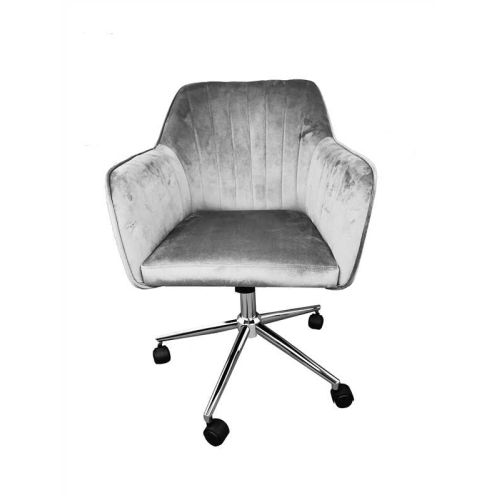
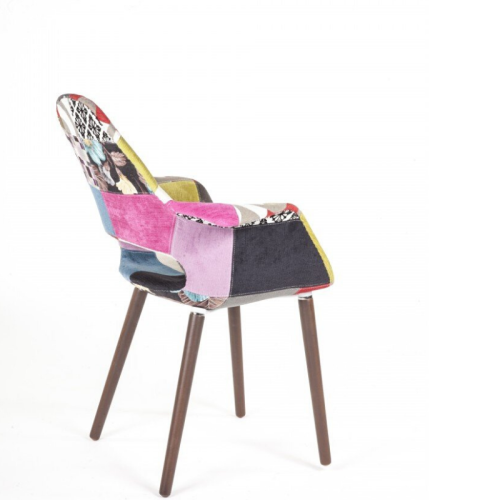
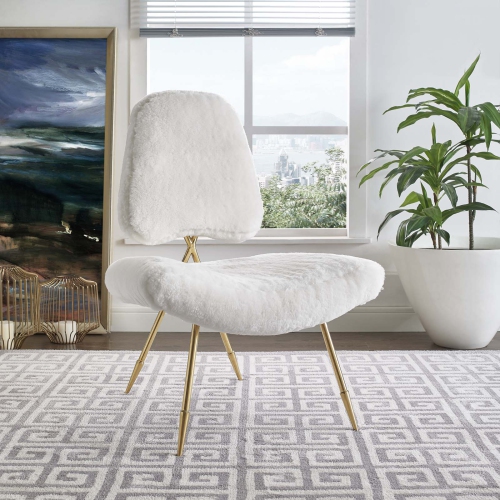
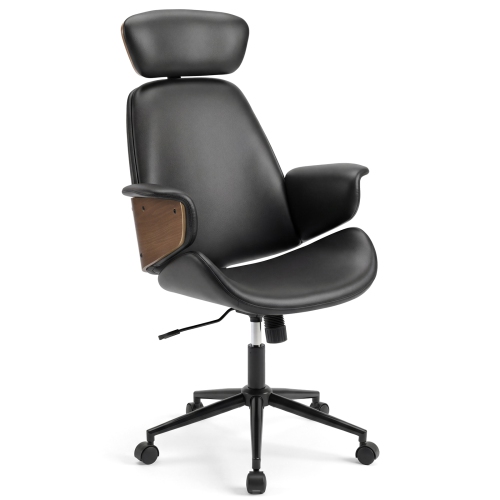
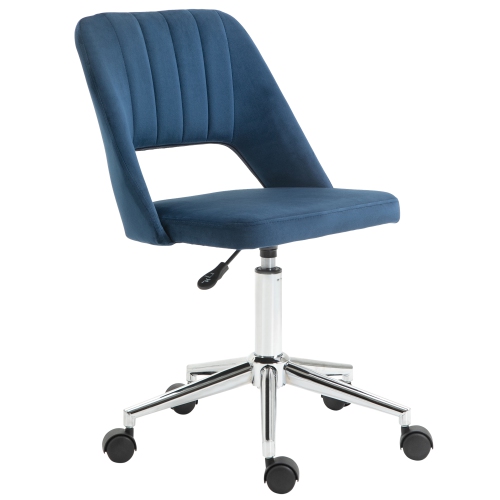
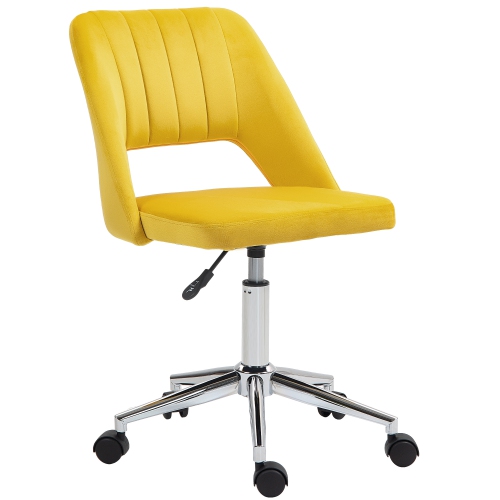
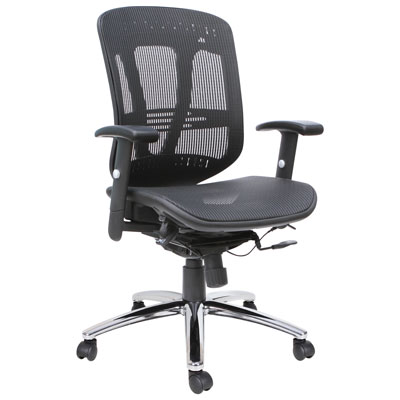
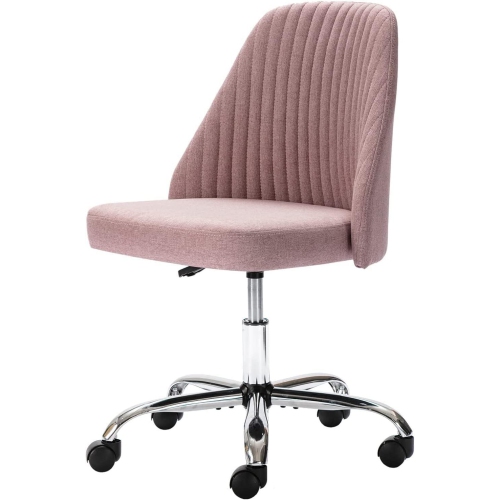
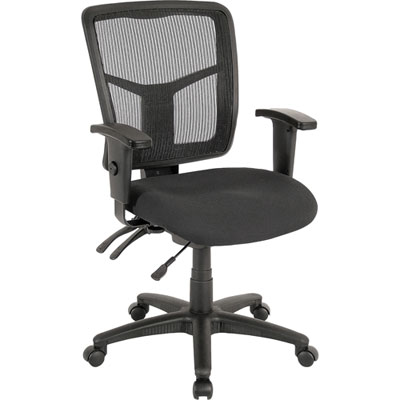
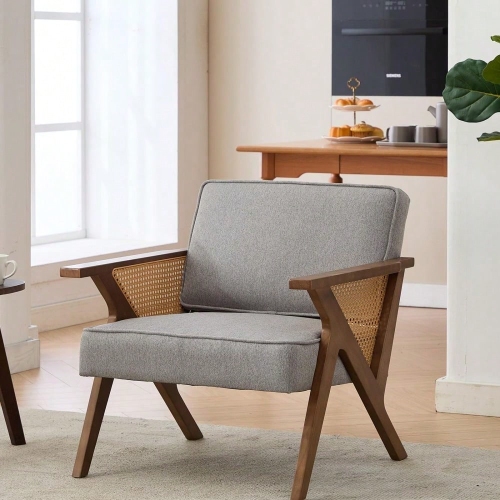
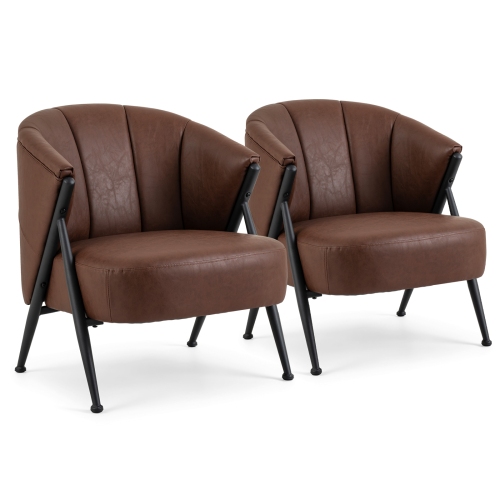
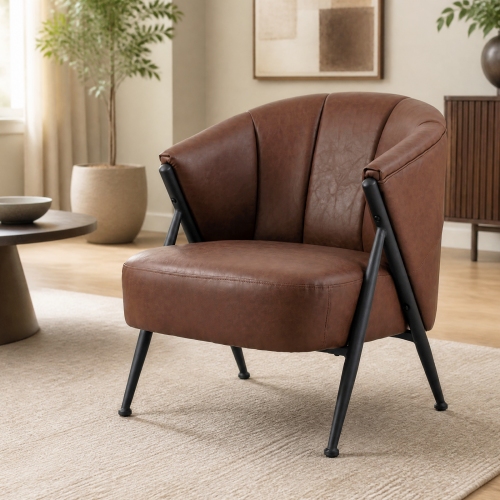
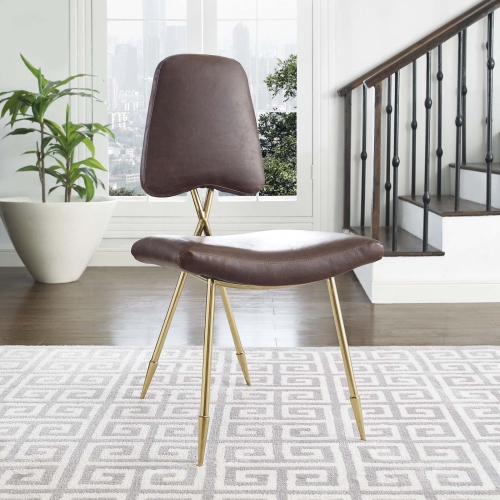
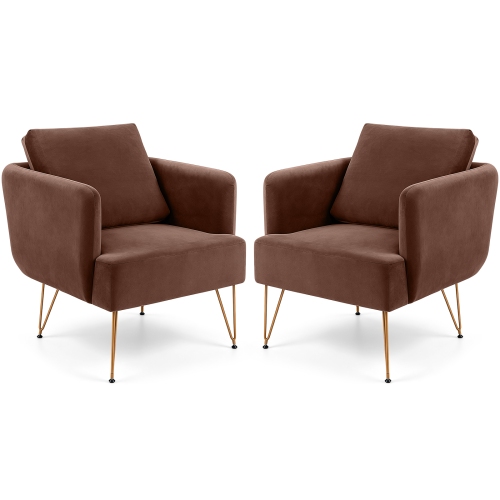
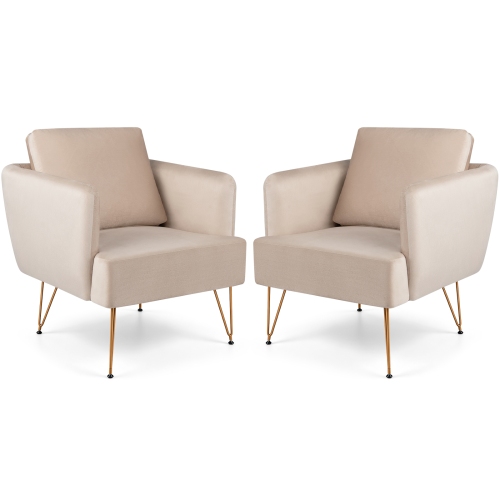
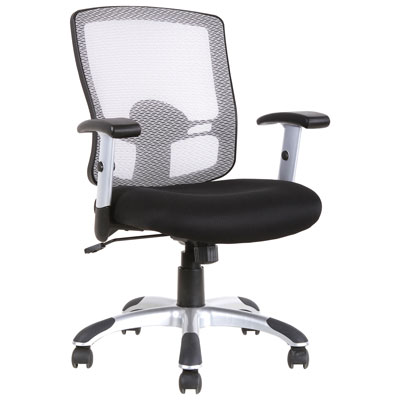
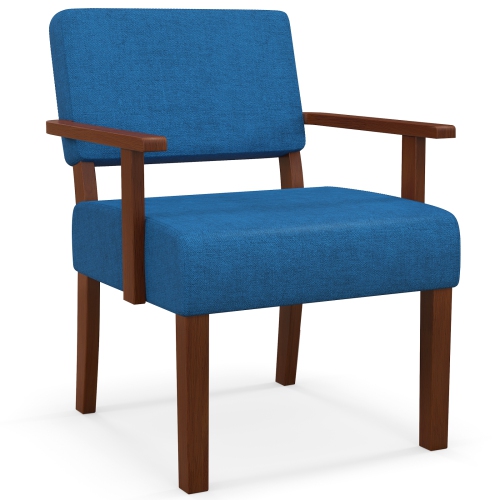
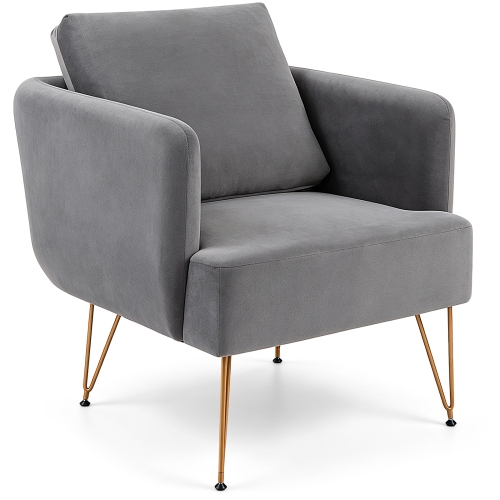
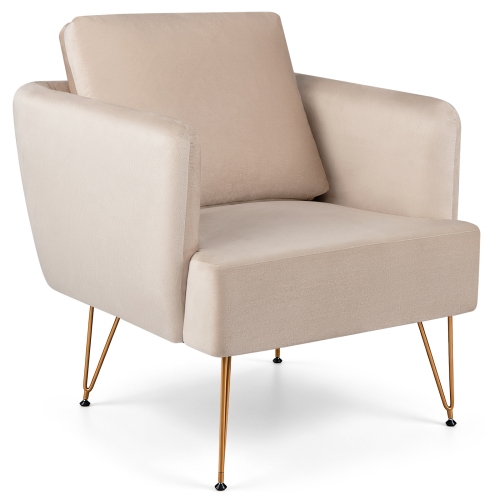
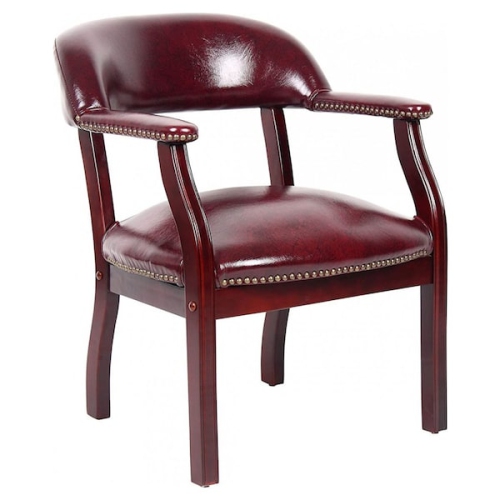
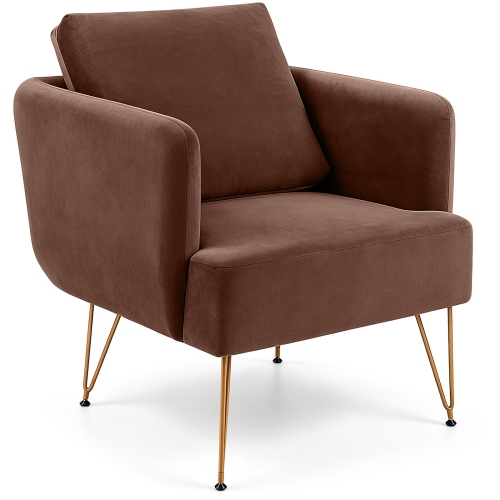
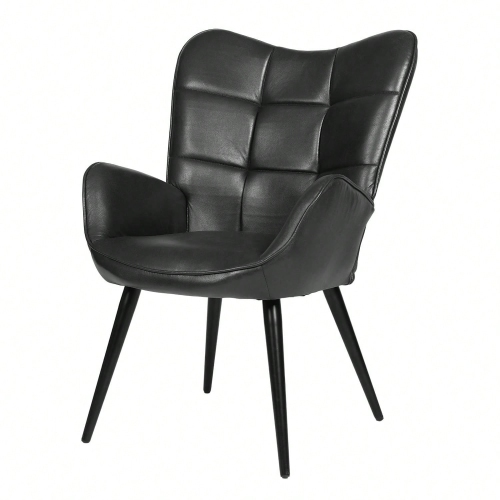
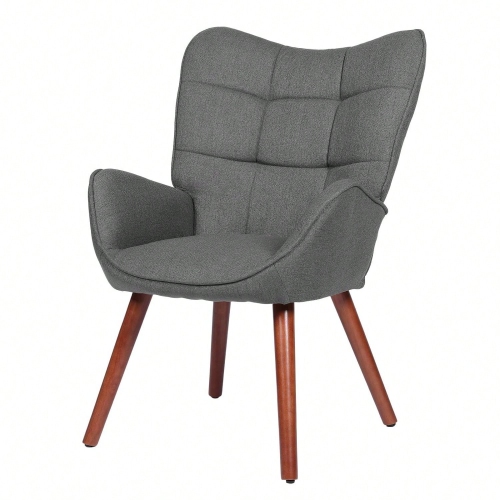
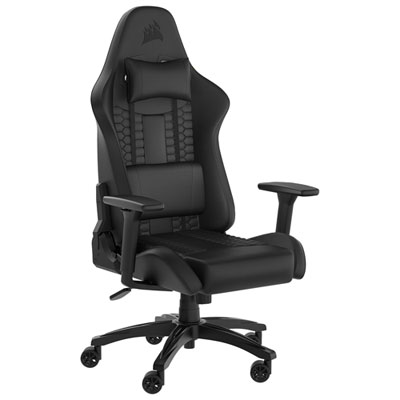
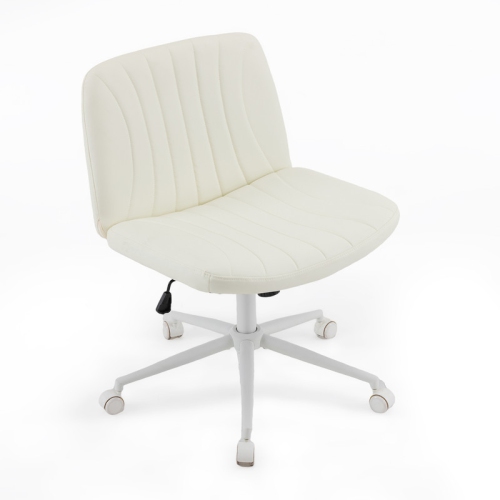
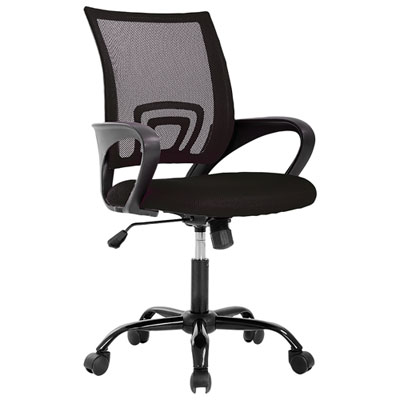
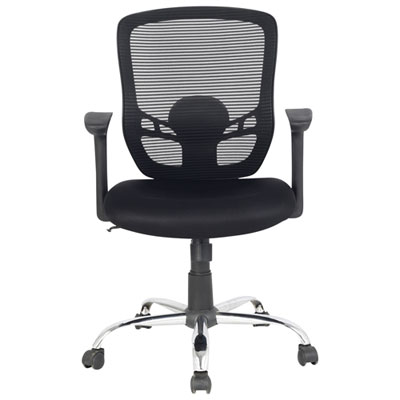
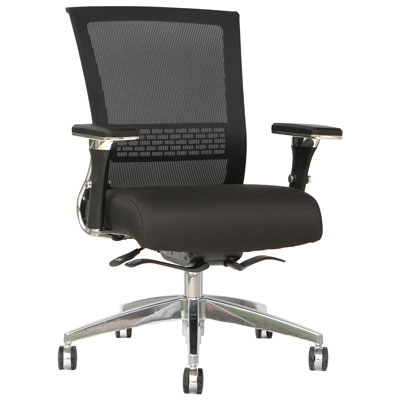
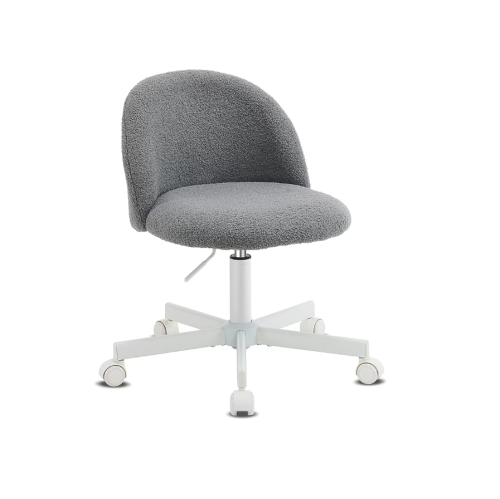
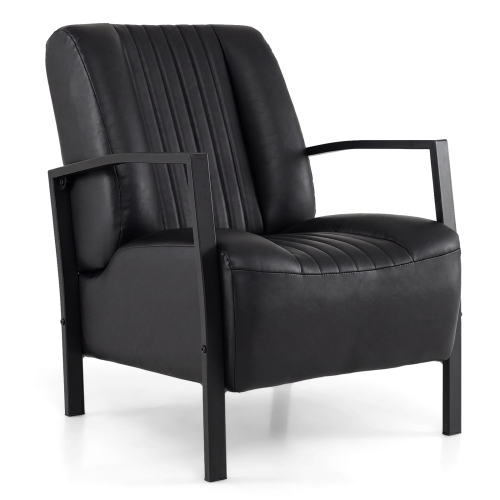
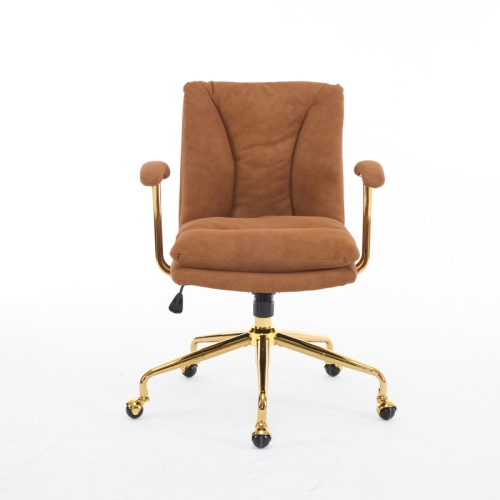
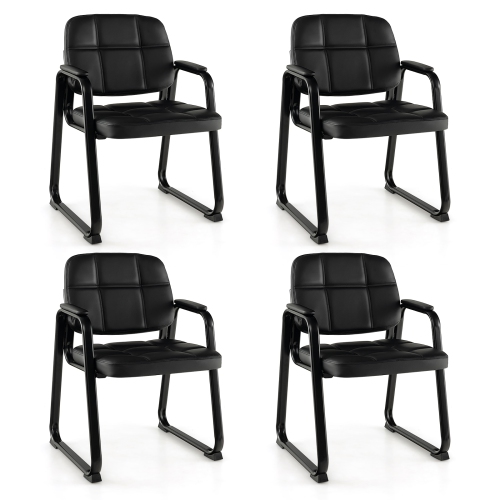
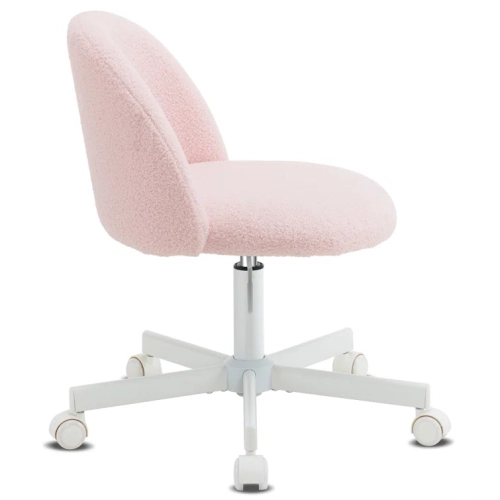
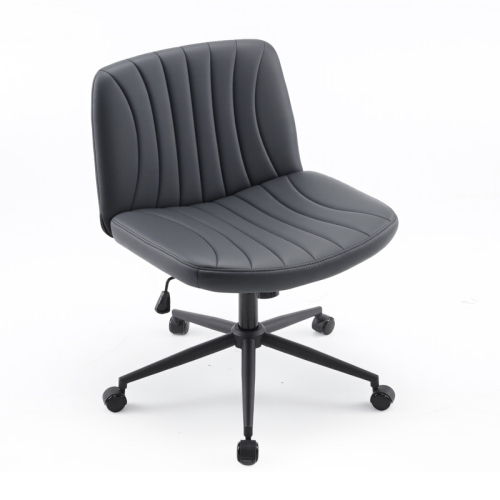
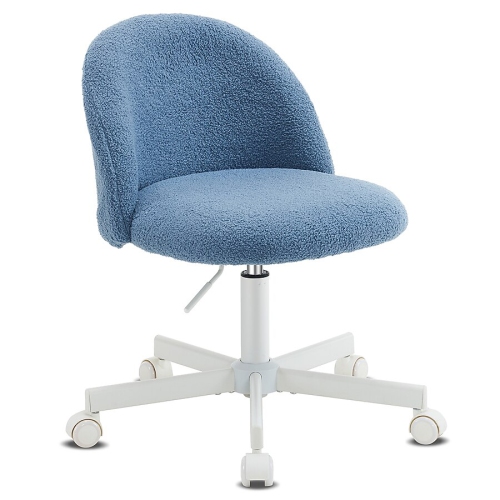
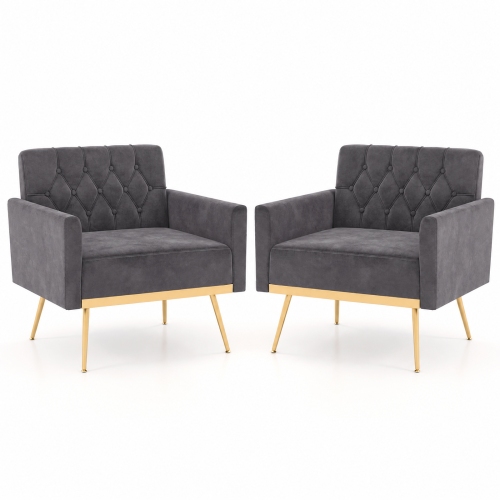
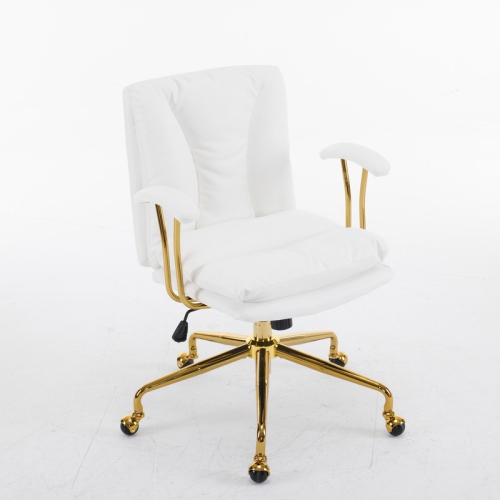
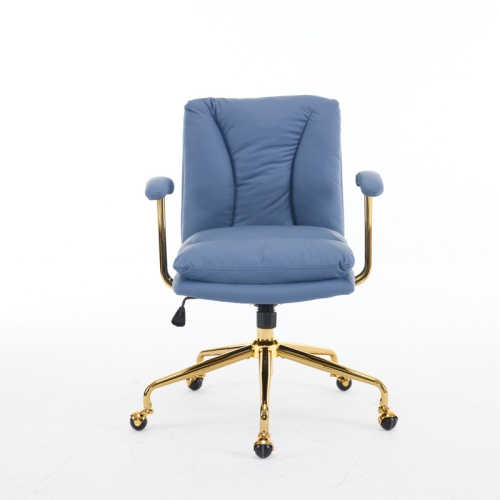
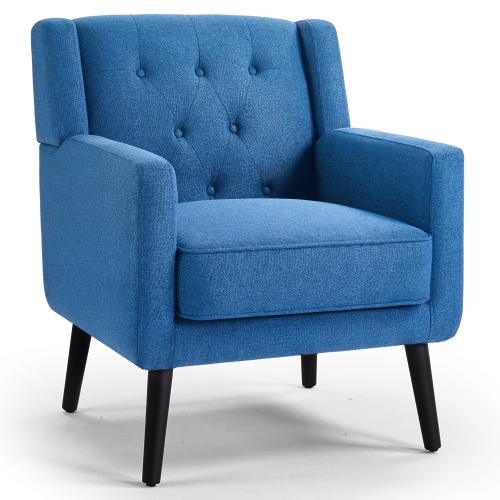
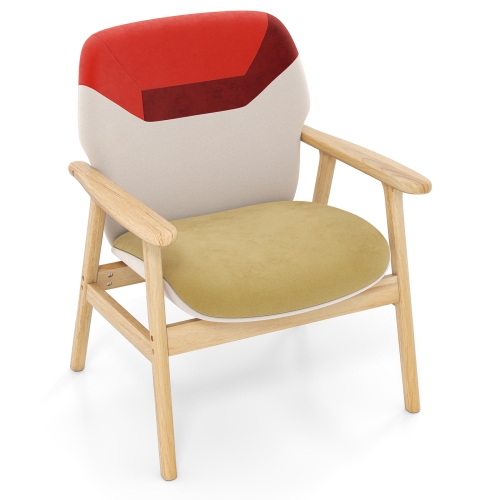
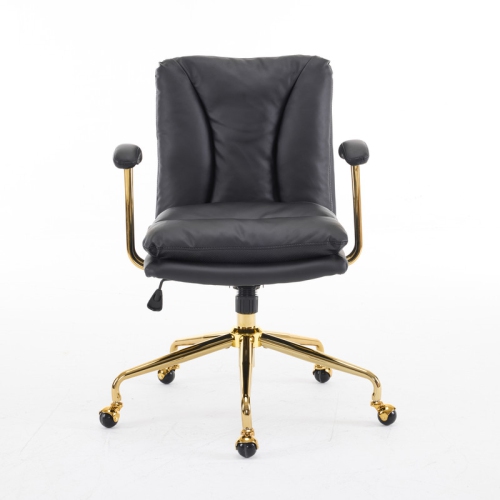
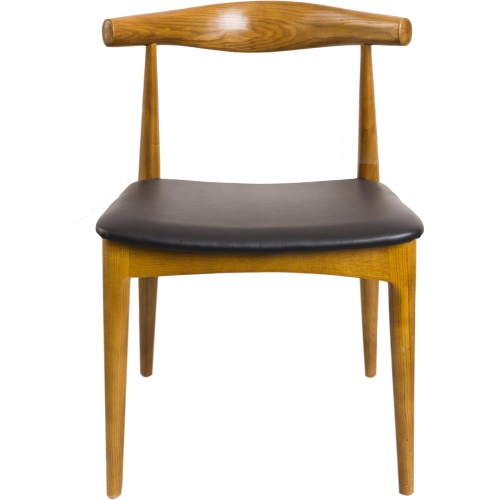
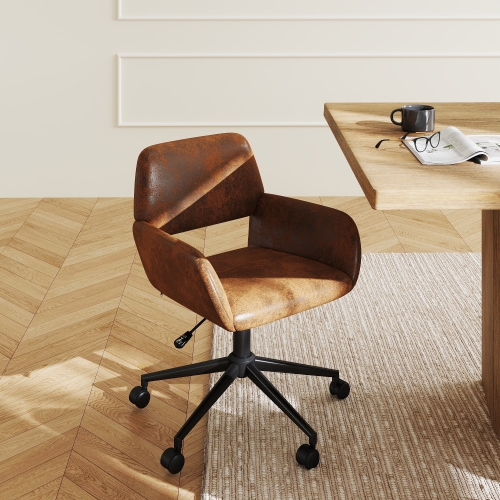
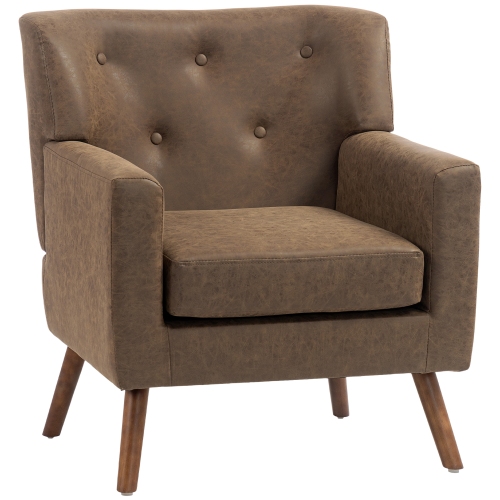
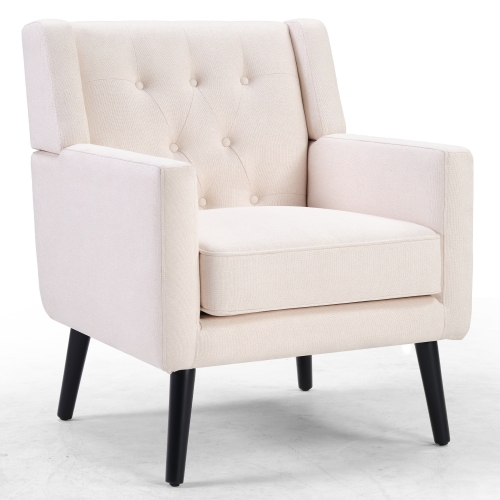
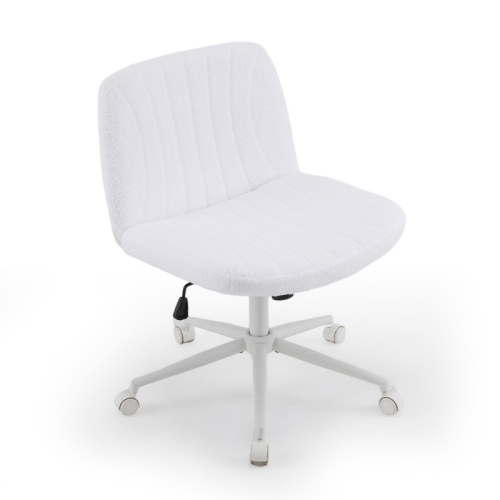
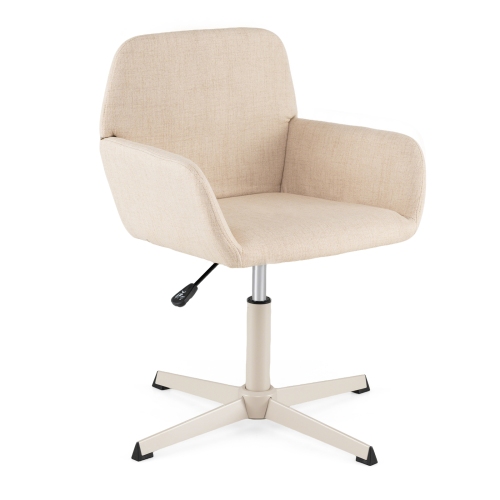
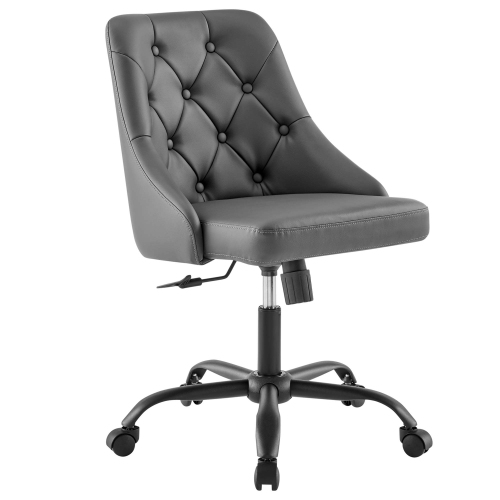
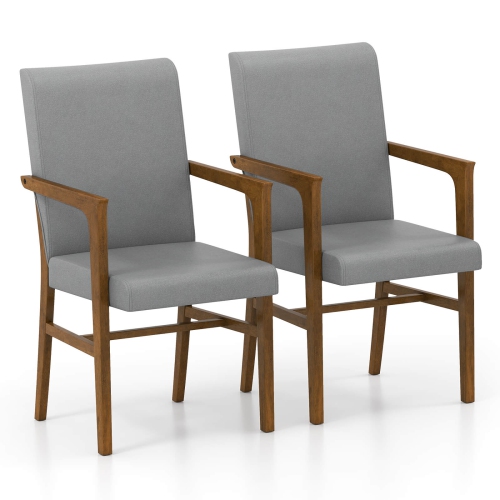
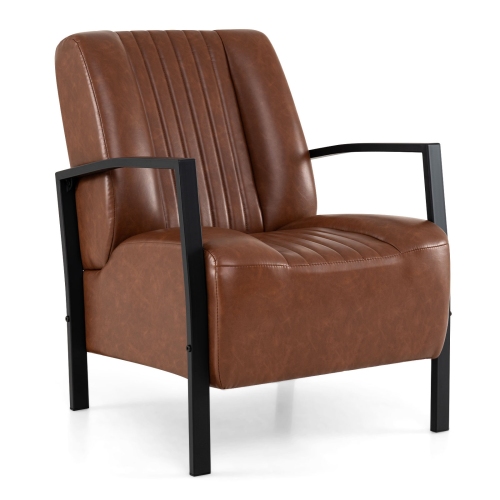
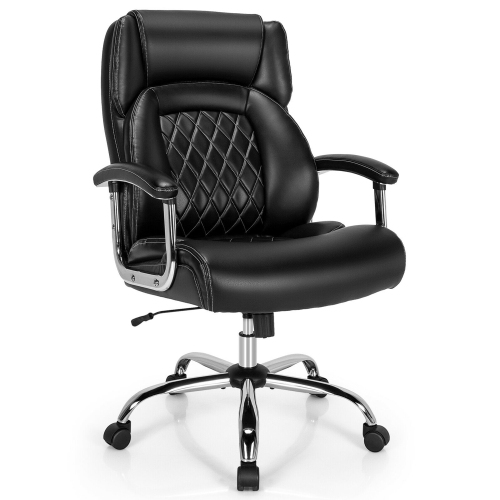
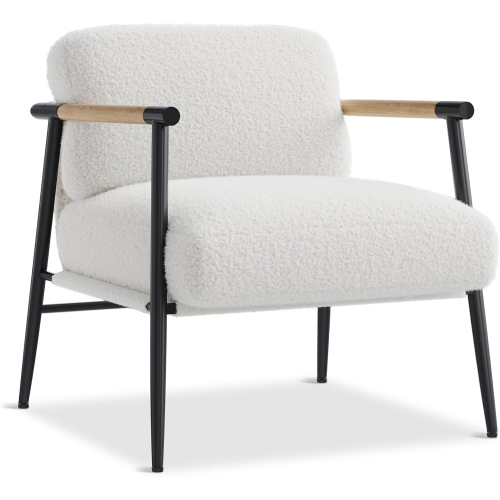
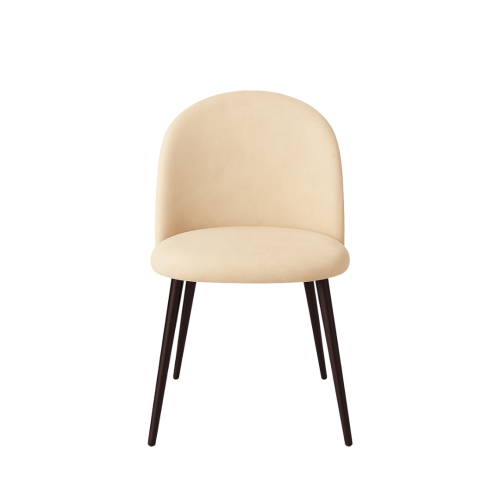
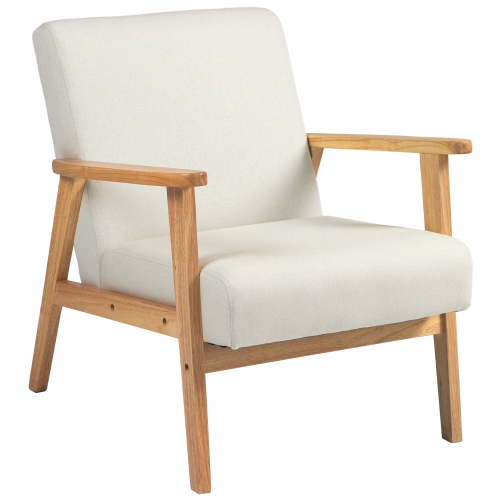
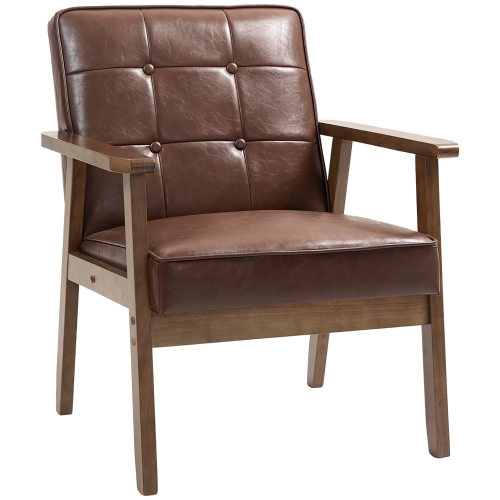
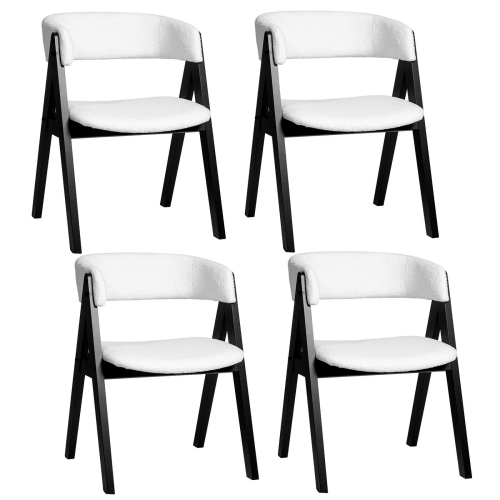
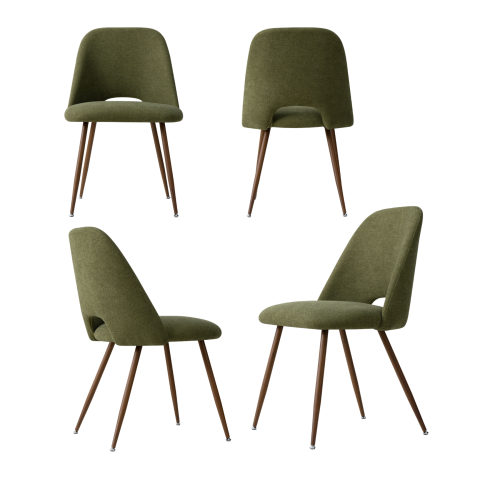
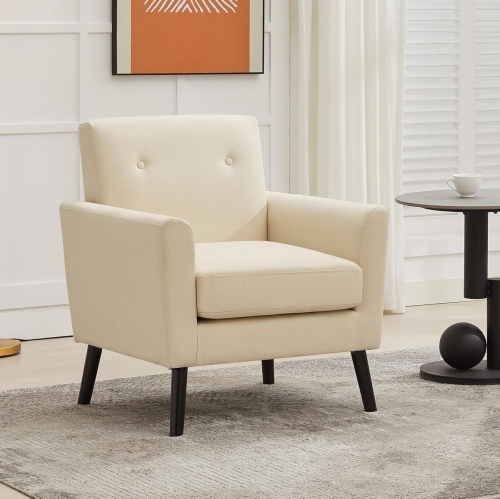
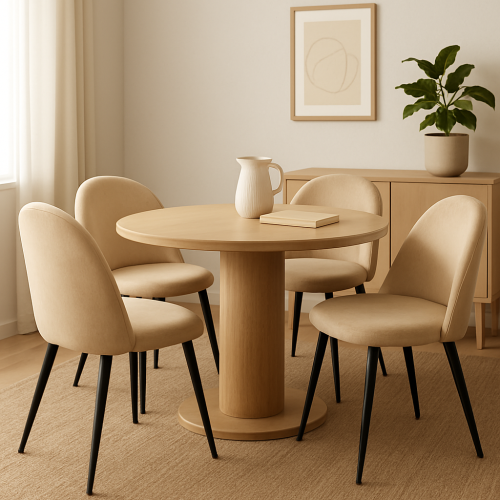
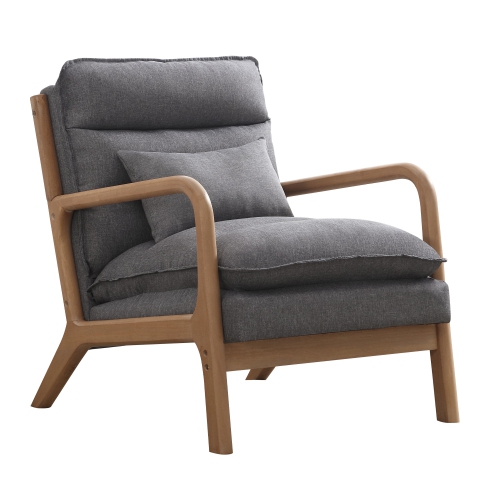
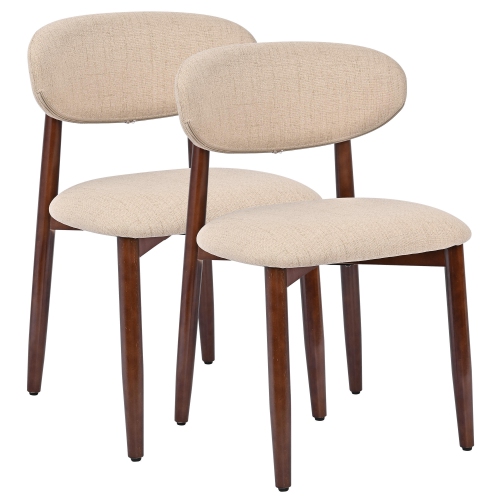
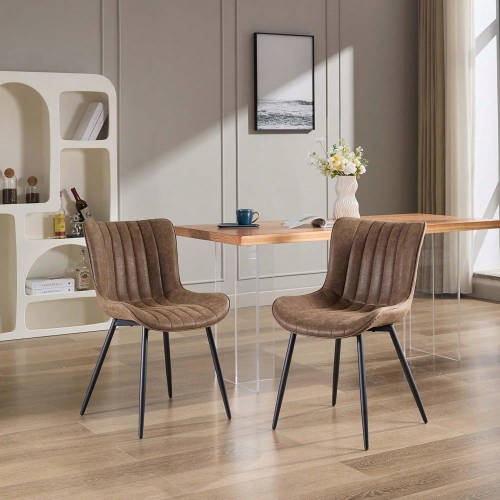
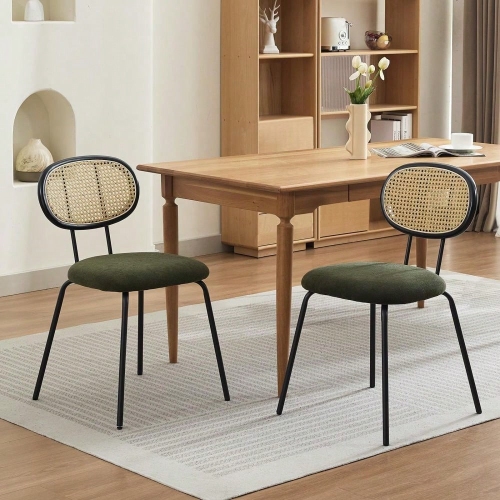
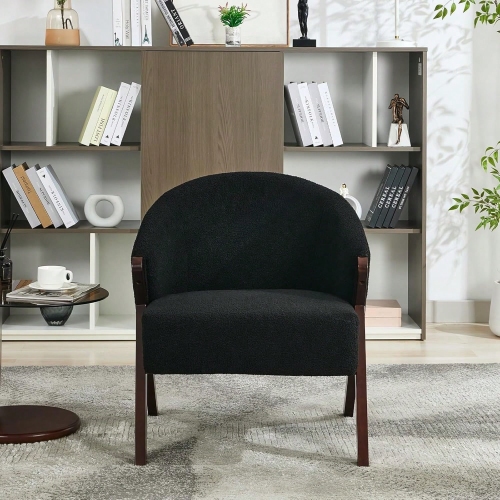
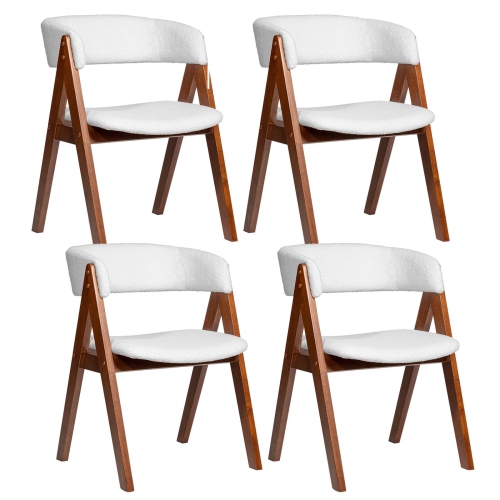
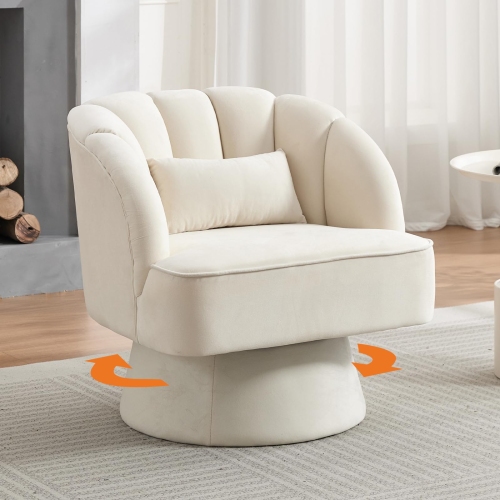
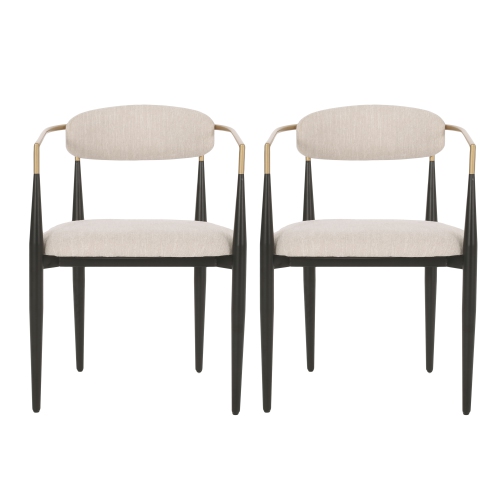
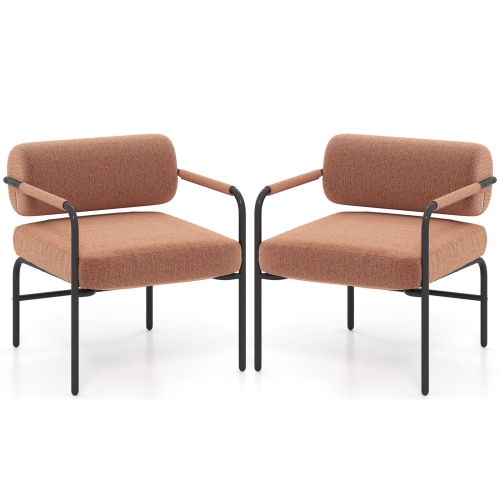
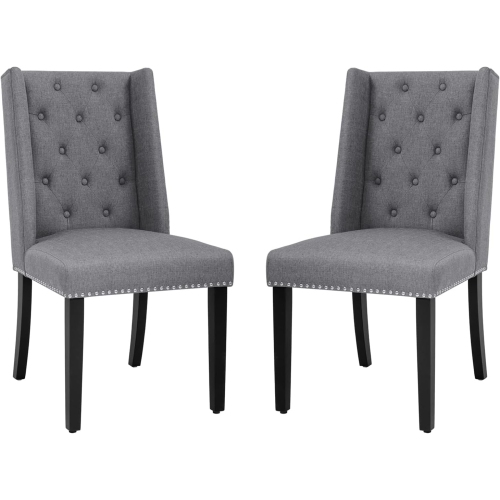
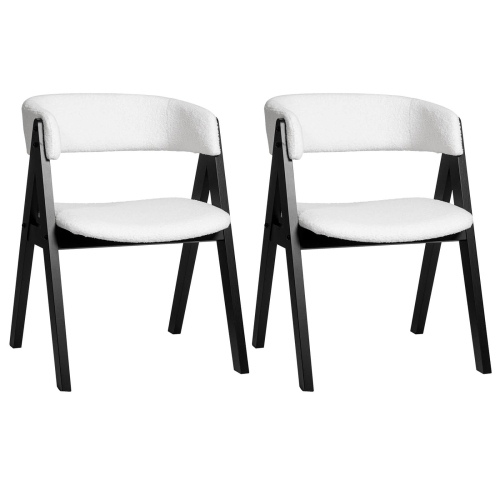
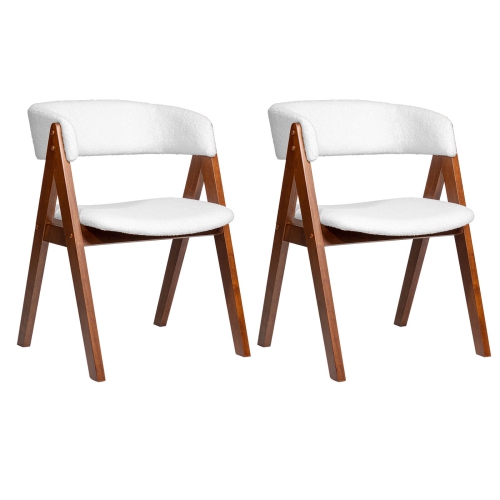
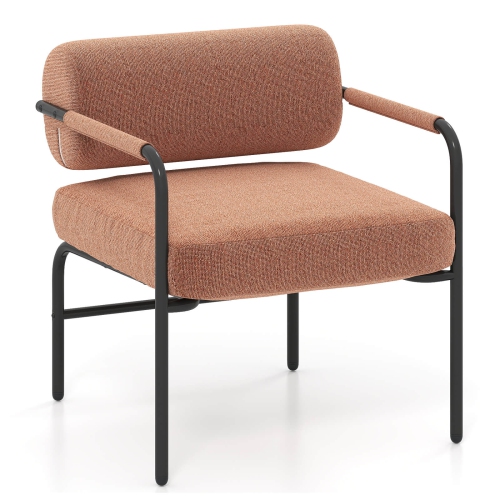
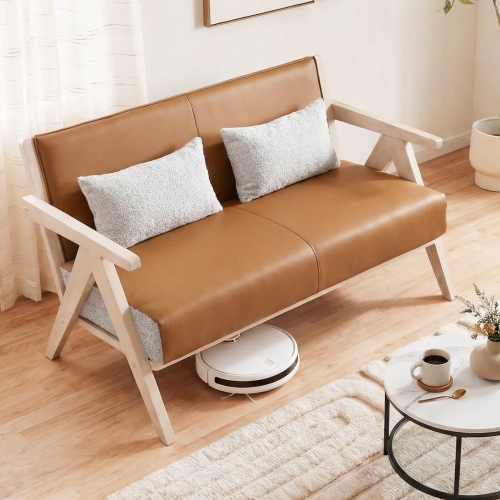
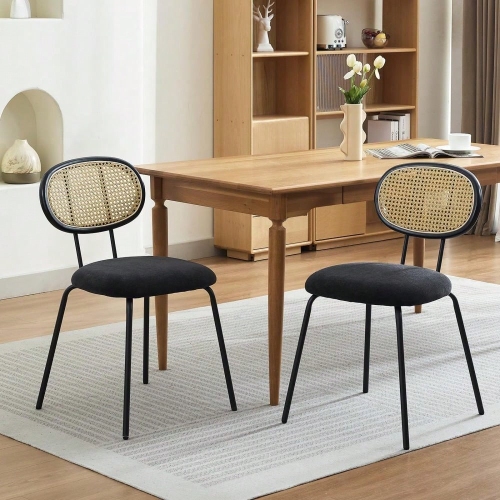
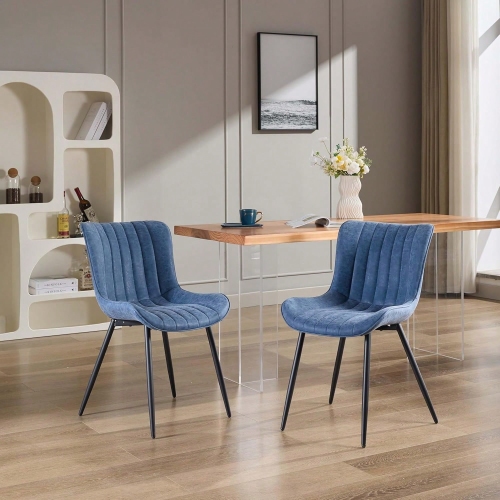
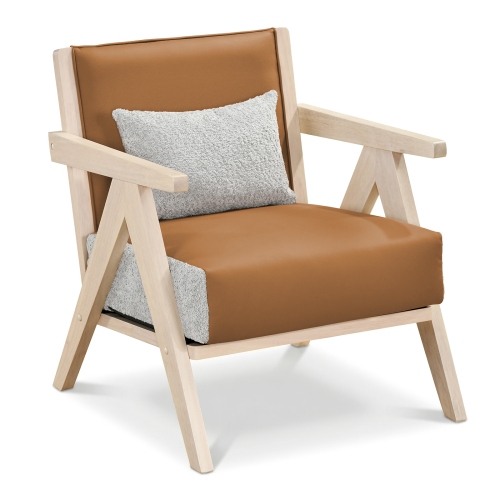
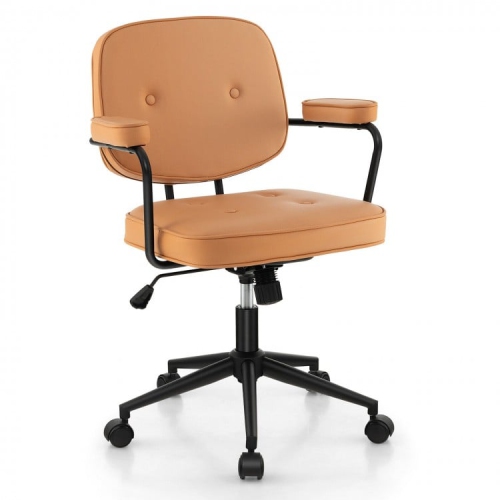
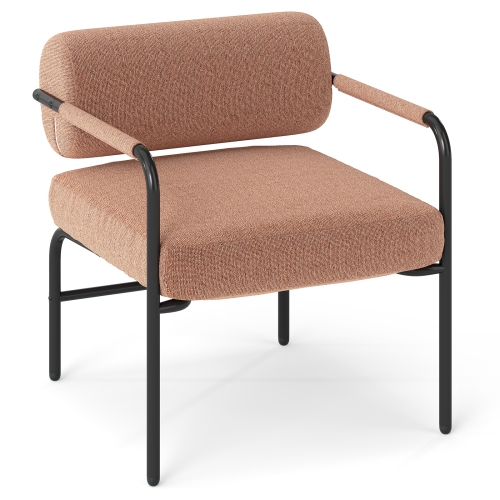
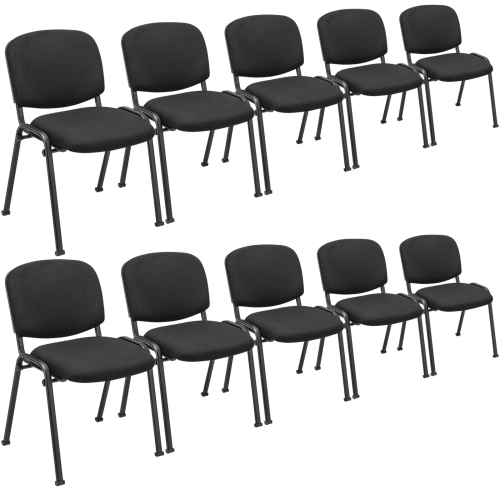
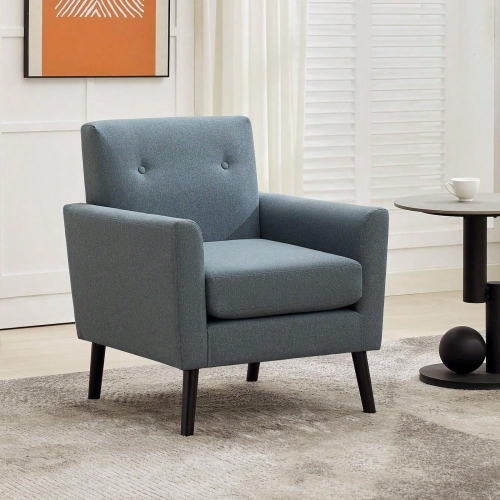
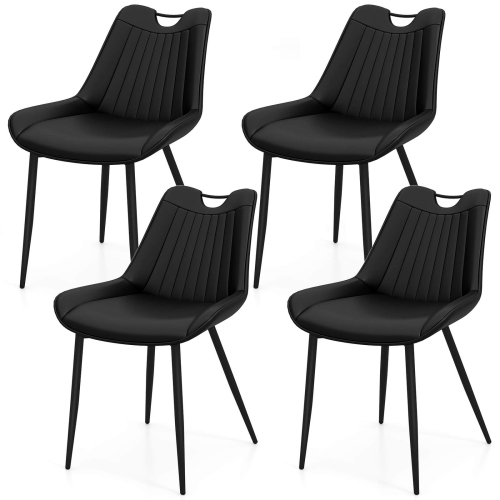
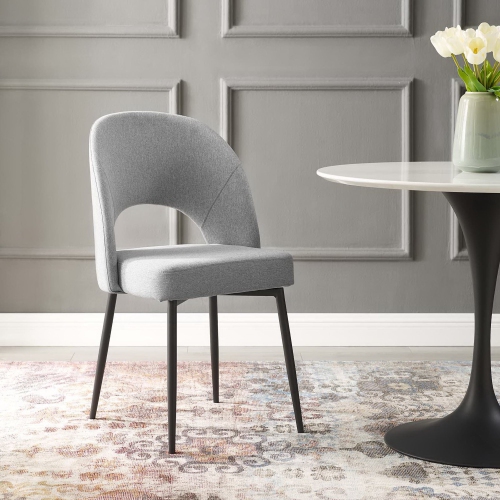
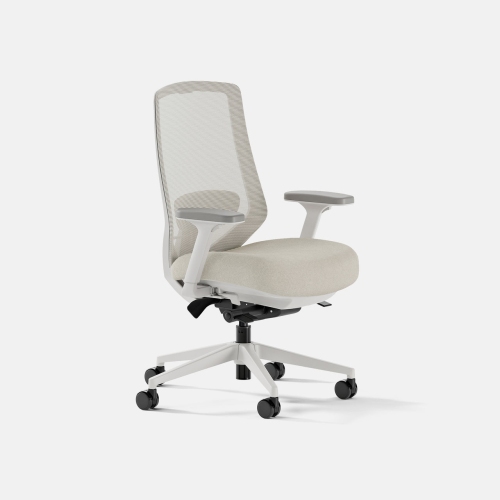
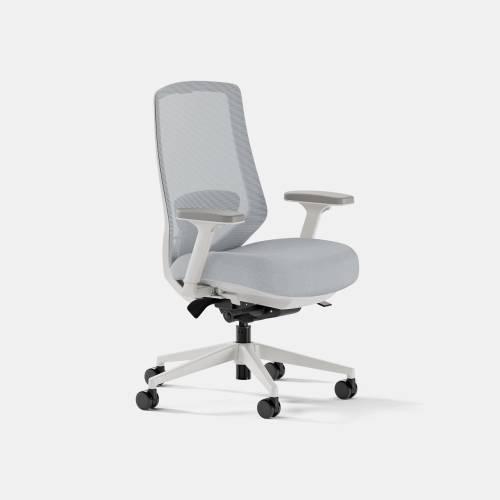
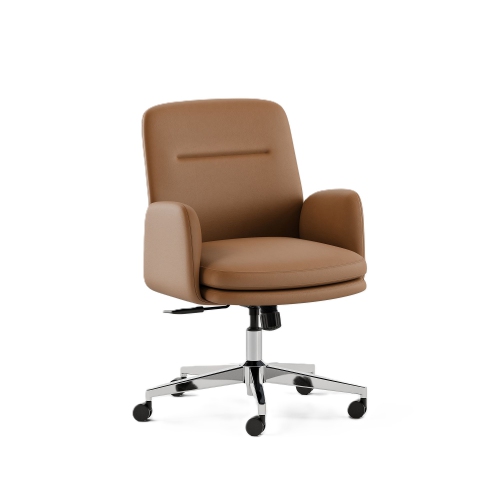
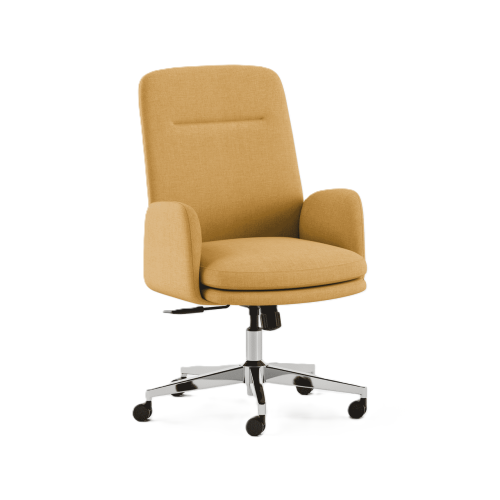
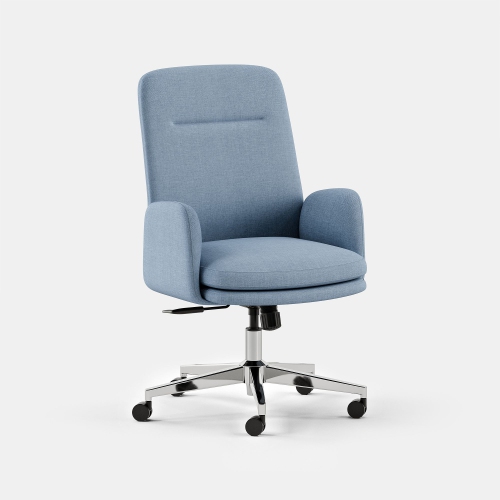
Upholstered mid-back chairs combine a padded seat and covered backrest with a profile that generally supports the lower and middle back without extending behind the head. The precise height varies by design and by the person sitting in it, so “mid-back” describes a general shape rather than a fixed measurement. These chairs include task seating for desks as well as stationary accent and lounge seating for living rooms, bedrooms, and reading corners. The distinction matters: an upholstered desk chair may have seat-height adjustment and a swivel base, while an accent chair may sit lower, lean farther back, and rest on fixed legs. Both can offer a cushioned place to sit, but they serve different routines. A chair used for writing or working at a computer needs to fit the desk and allow easy movement towards the work surface. A chair beside a bookcase or sofa can have a deeper seat and a more relaxed back angle. Mid-height backs also leave more of the room visible above the chair, which can help seating feel less imposing in a compact den or an open-plan living area. Curved backs, slim arms, and exposed wooden legs create a different impression from square cushions, broad armrests, and an upholstered base. A rounded chair can soften the straight lines of a desk or shelving unit, while a tailored silhouette can sit comfortably alongside more structured furniture. Neutral upholstery makes it easier to coordinate with an existing sofa, rug, or desk; a richer colour or textured weave can give a reading corner its own identity. For a chair that sits away from the wall, the appearance of the back is worth considering too. Upholstery seams, exposed frame details, and the shape of the rear legs become part of the room rather than details hidden from view.
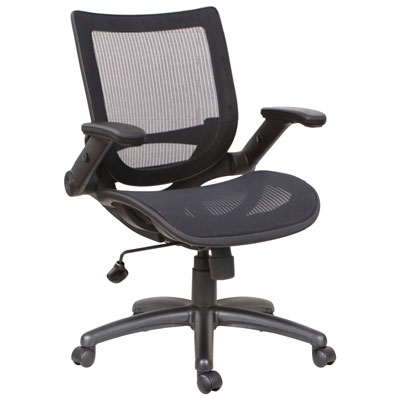
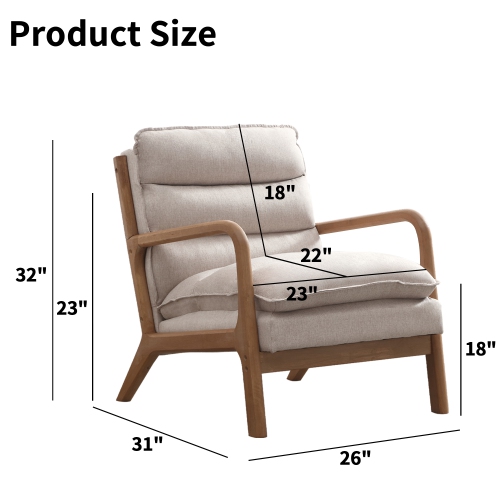
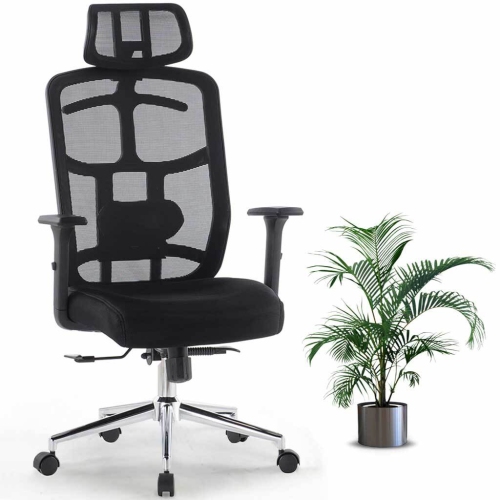
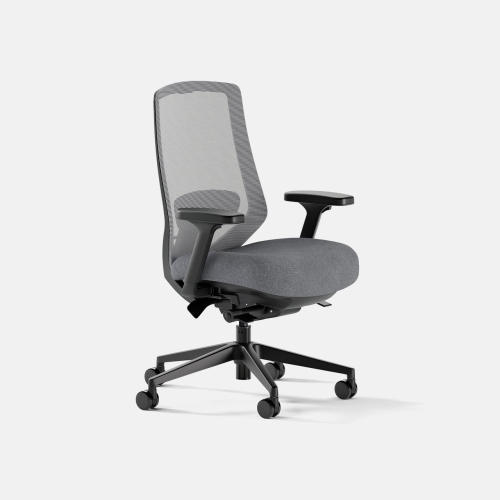
Comfort depends on how the chair’s proportions match the person using it, not simply on how thick the cushions look. Seat height, usable seat depth, width between the arms, and backrest angle all influence the fit. In an upright working position, feet should rest comfortably on the floor or a suitable footrest, with room between the front edge of the seat and the backs of the knees. A deep seat that feels inviting for lounging may leave a shorter person sitting too far forward to use the backrest. Conversely, a shallow seat can feel restrictive for someone with longer legs. Armrests should allow the shoulders to stay relaxed, and their height needs to work with the desk if the chair will tuck underneath it. Overall width is different from sitting width: generous outer dimensions do not always mean a spacious seat. For shared workspaces, adjustable height and armrests can make it easier for different people to find a workable position. Some upholstered mid-back task chairs also offer tilt controls, adjustable back support, or a tension setting, but these features vary and are not implied by the chair’s appearance. A shaped backrest may provide useful contact through the lower back, though a chair described as ergonomic still needs to suit the user’s build and activities. Mid-back seating generally leaves the shoulders and head less supported than taller seating. Where a taller backrest is preferred, Upholstered High Back Chairs provide another seating style to consider, with dimensions and support features that still need to be checked. Floor space matters as much as seated fit. A swivel chair needs clearance to turn without striking nearby furniture, and a rolling base needs space to move away from the desk. Fixed-leg chairs need enough room behind and beside them for someone to sit down and stand up comfortably. Castors or protective glides should also suit the flooring so that movement is controlled and surfaces are protected.
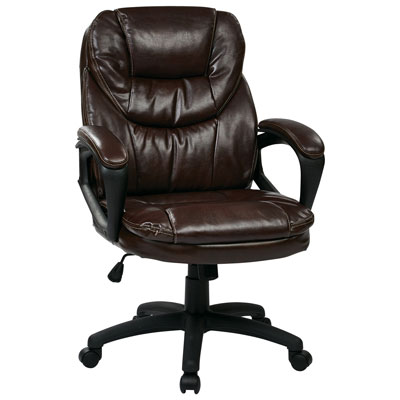
Upholstery affects the chair’s feel, appearance, and care requirements over time. Woven fabric can range from smooth and tightly constructed to nubby and heavily textured, with each surface bringing a different character to the room. Raised loops and loose weaves may catch on pet claws or jewellery more readily than a close weave, while pale fabrics can make marks more noticeable. Velvet and other pile fabrics may show shading where the fibres change direction; that variation can be part of their appearance rather than a stain. Genuine leather develops creases and may change in character with use, while faux leather has its own cleaning requirements and wear characteristics. Neither should be treated as automatically spill-proof or maintenance-free. Care labels and the manufacturer’s instructions are the best starting point, particularly before applying water, solvent-based cleaners, or conditioning treatments. Beneath the covering, foam, springs, webbing, and the supporting frame influence how the seat responds. A firm cushion may feel more suitable for desk work, while a softer cushion can suit relaxed sitting, but softness alone does not indicate lasting comfort. Foam density and thickness, the support underneath, and the quality of assembly all contribute to how well a chair holds its shape. Secure joints, stable legs or bases, and neatly finished seams are useful details to assess alongside the stated weight capacity and intended use. A chair used throughout the workday faces different demands from occasional seating in a guest room. In busy households, removable covers or cushions can simplify care when the design allows it, although removable does not necessarily mean machine-washable. Regular vacuuming with an appropriate attachment helps lift dust and crumbs from seams, and spills are best addressed promptly according to the care instructions rather than rubbed into the fabric. Protecting upholstery from prolonged direct sunlight and checking accessible fasteners as directed can also help maintain its appearance and stability. Together, suitable proportions, practical materials, and sound construction make upholstered mid-back chairs useful for everyday work, conversation, and quiet breaks.
Top selling and popular products
-
 Your price for this item is $129.99
-
 Your price for this item is $539.1
-
 Your price for this item is $539.1
-
 Your price for this item is $539.1
-
 Your price for this item is $459.99
-
 Your price for this item is $343.2
-
 Your price for this item is $343.2
-
 Your price for this item is $343.2
Discover more categories related to Upholstered Mid Back Chairs

Top Collections:
Best Black Friday Deals This Year, Best Black Friday Deals On Electronics, Kindle Devices, Dyson Airwrap, Best Cameras for Sports Photography, Best Budget Office Chairs, Canon G7X Cameras, PS5 Pro Consoles, Best Black Friday Deals On Apple Products, XBOX One S Consoles
Some products may be subject to Environmental Handling Fees
(EHF) depending on your province.
Learn more about EHFs.