Velvet Modern Accent Chairs
Velvet modern accent chairs are a great way to add style and comfort to your home. They come in a variety of styles and colors, so you can match them with your existing decor. They're also incredibly comfortable and can be used for both formal and informal occasions. Here are some of our favorite options for modern velvet accent chairs.
Sort
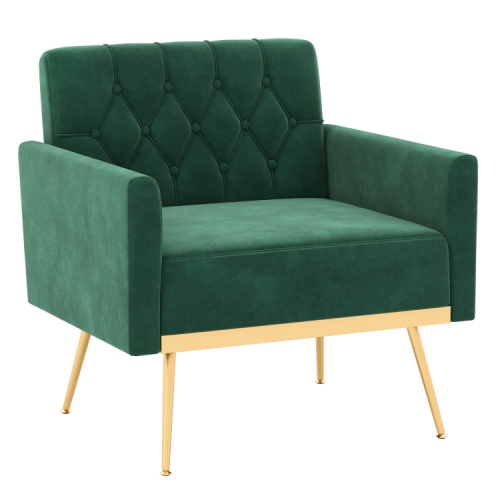
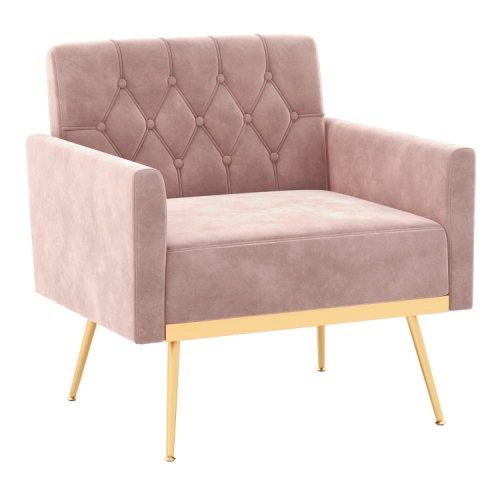
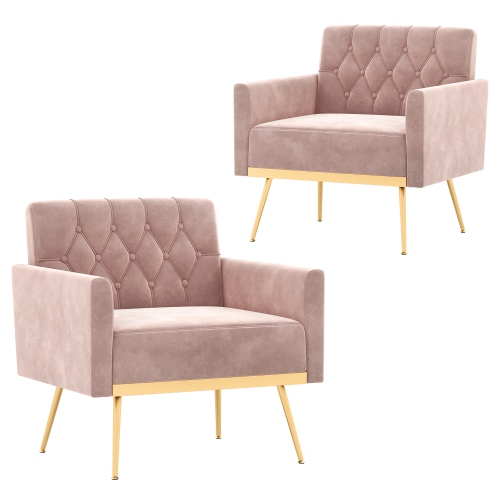
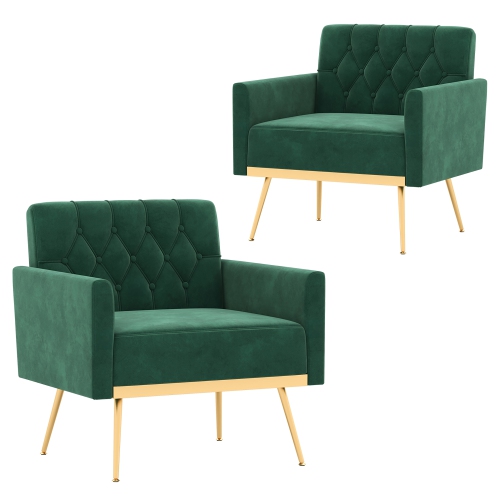
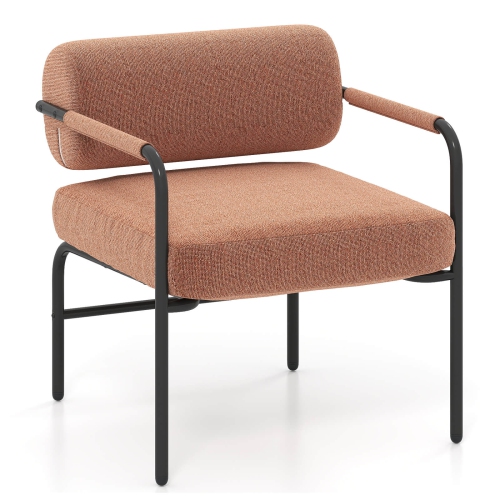
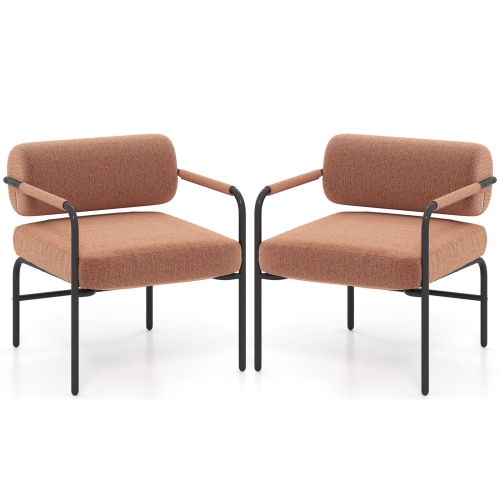
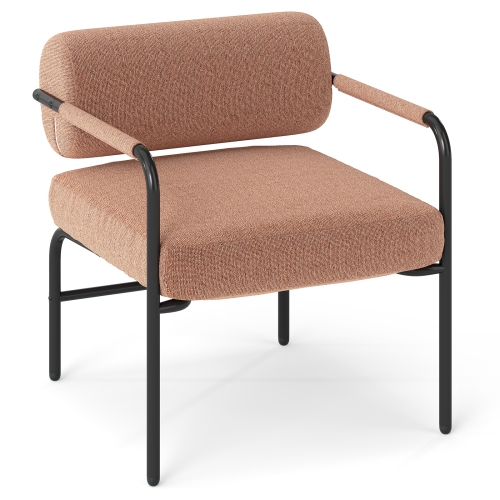
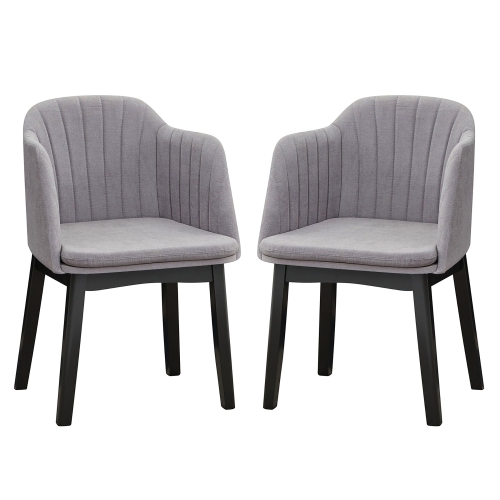
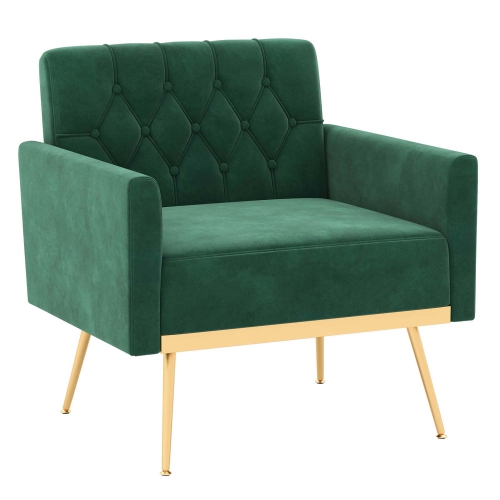

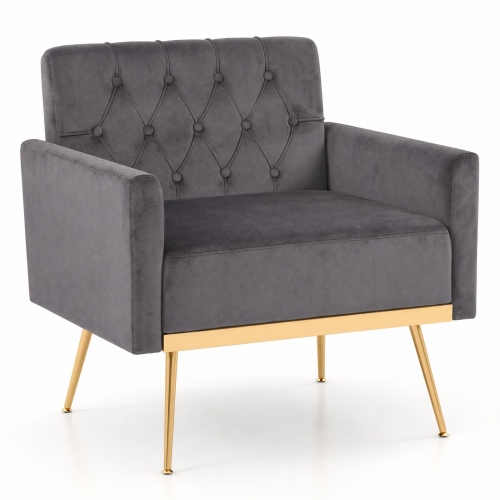
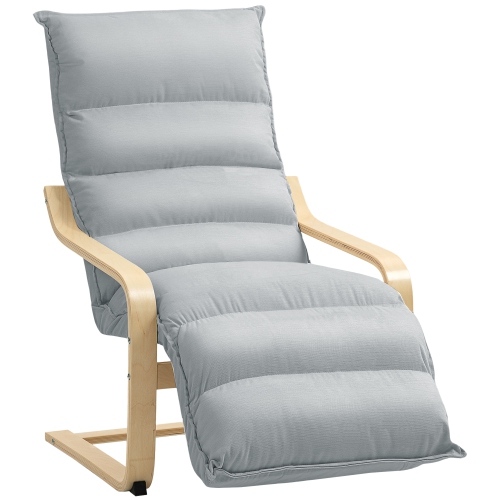
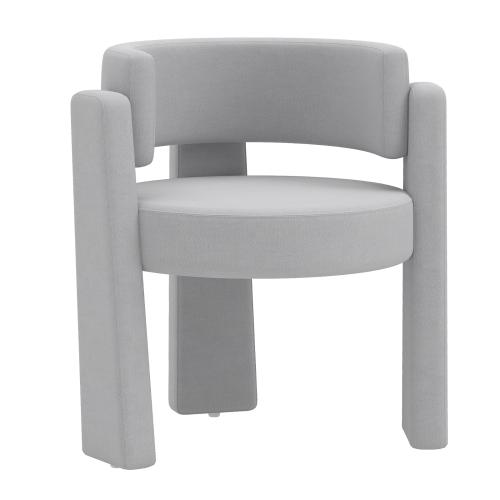
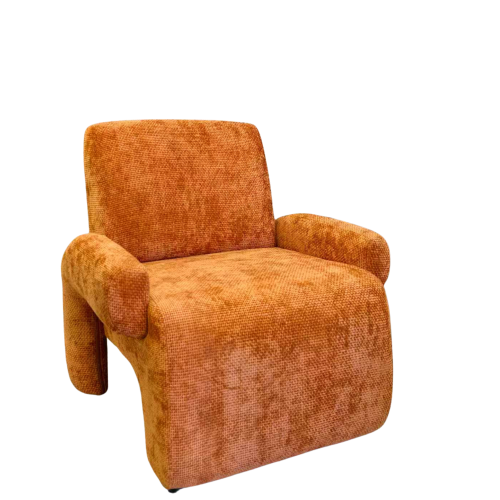
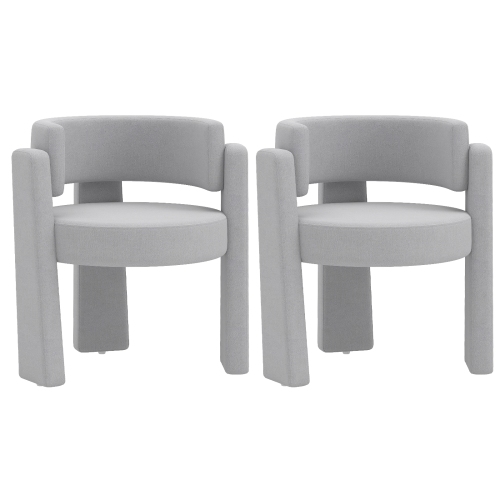
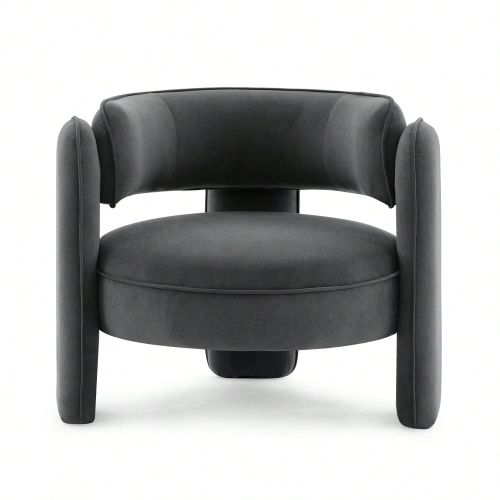
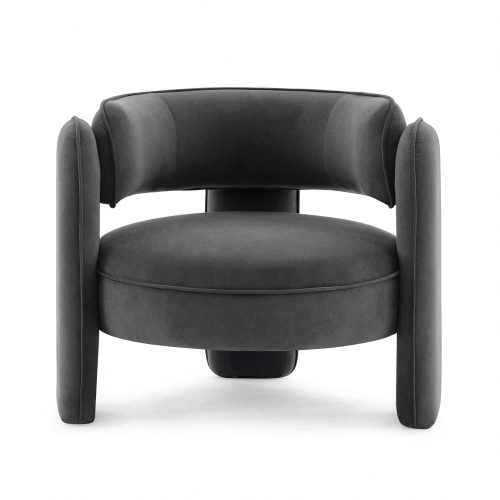
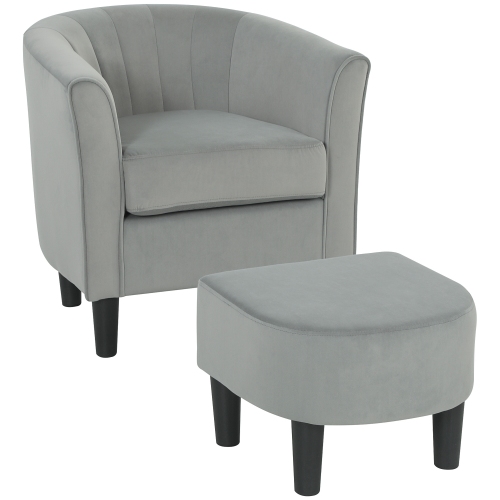
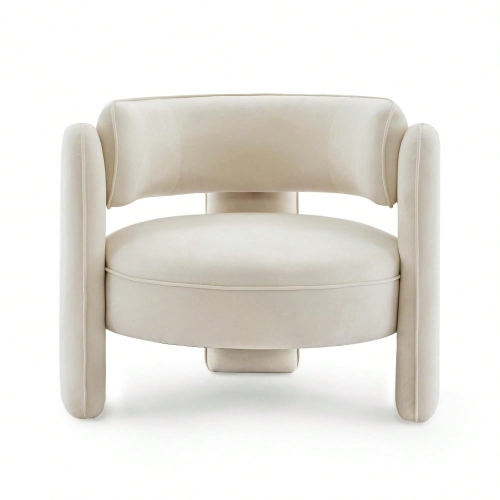
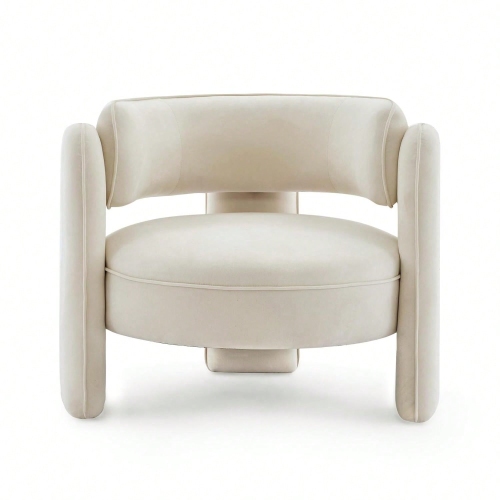
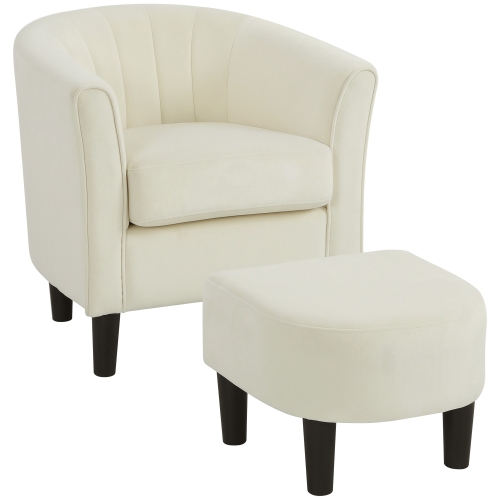
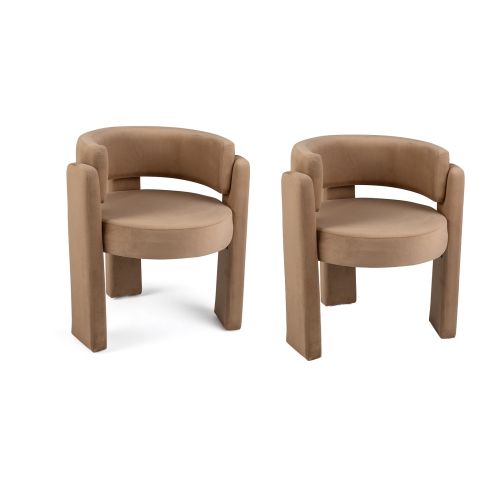
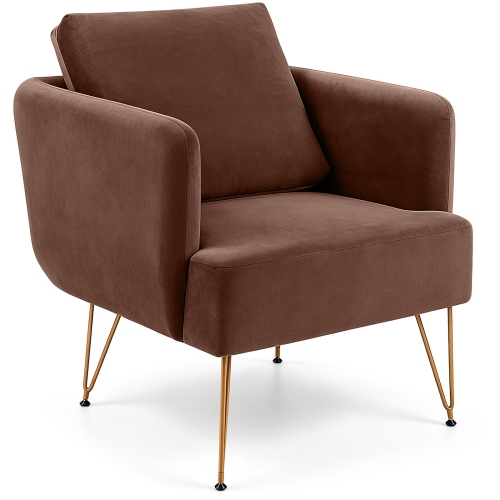
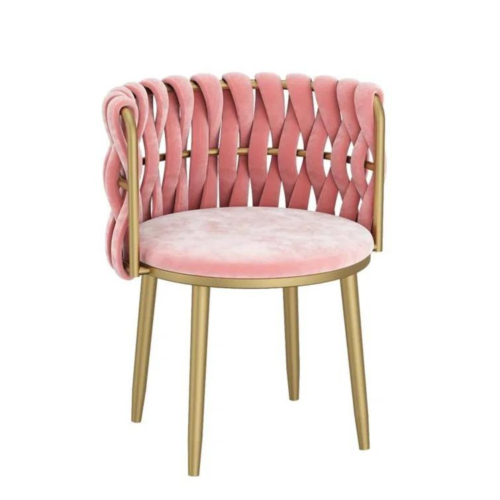
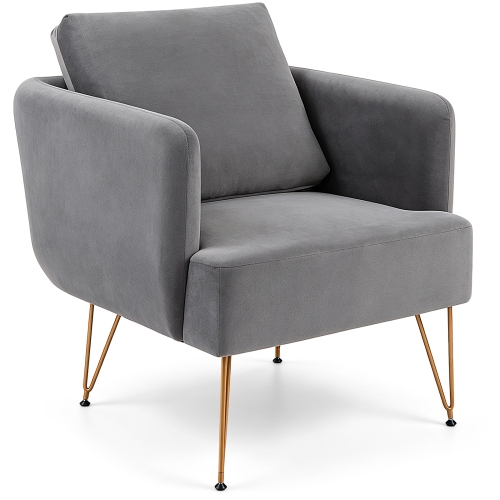
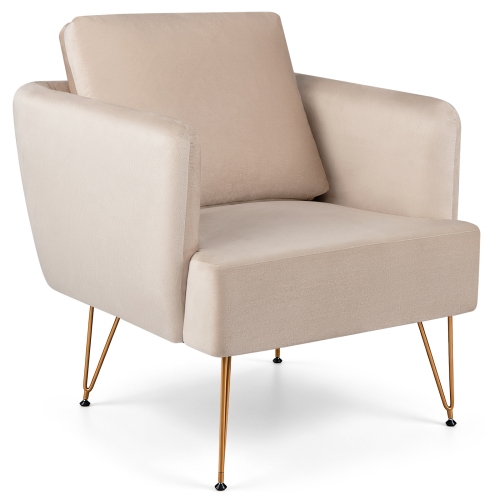
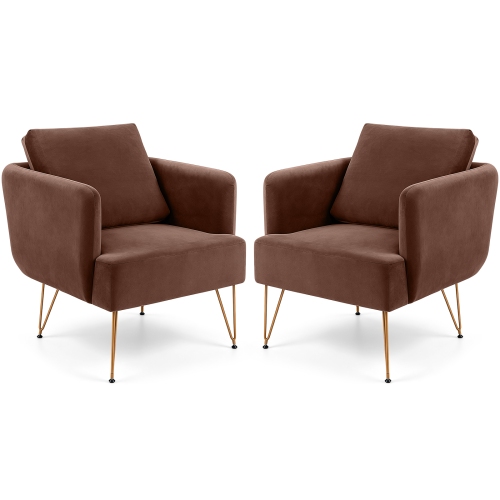
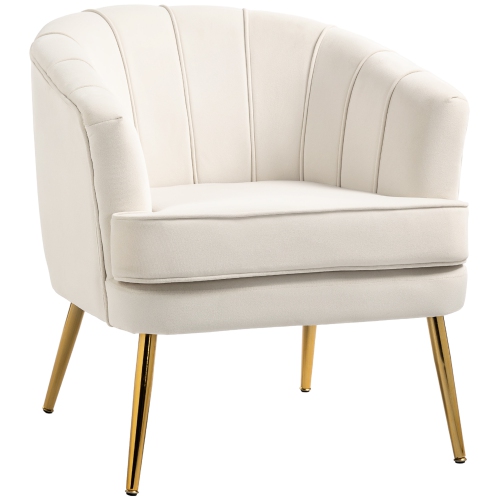
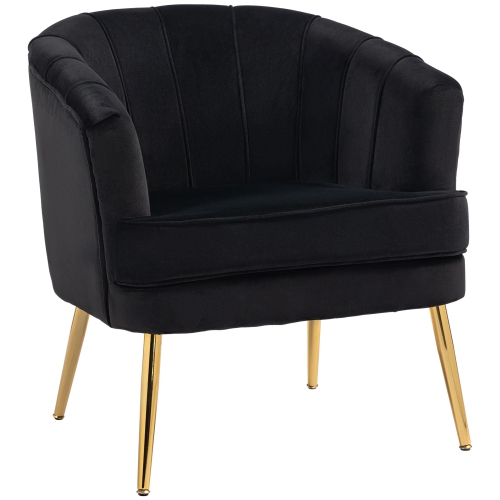
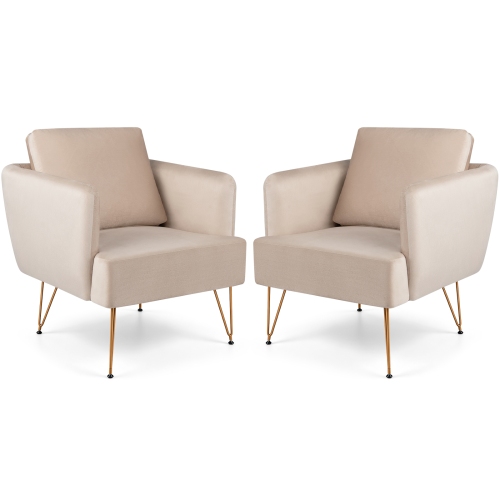
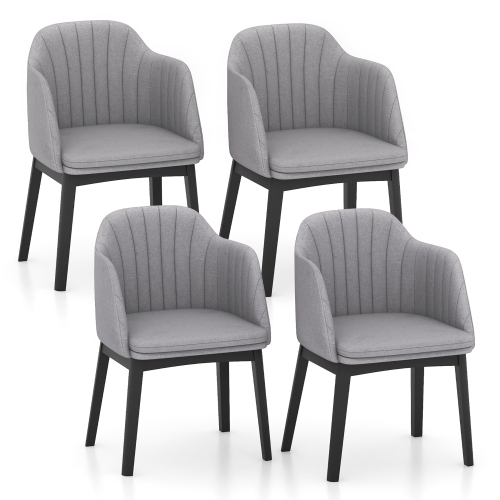


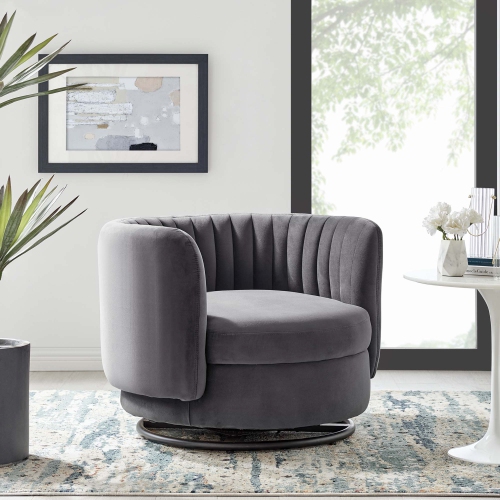
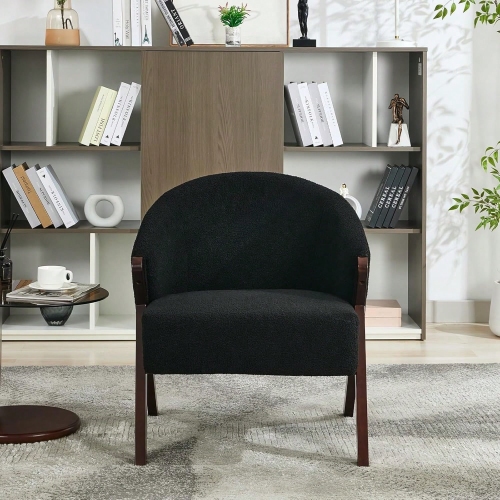




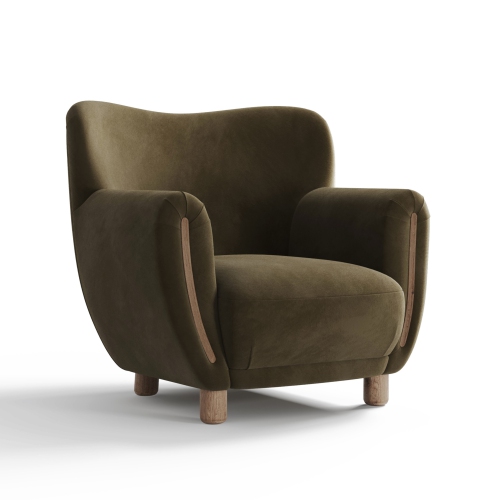
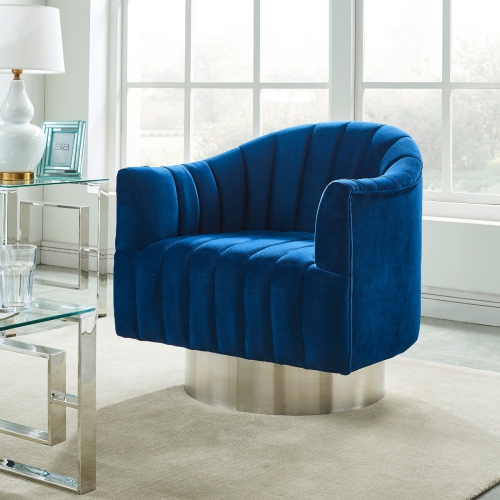
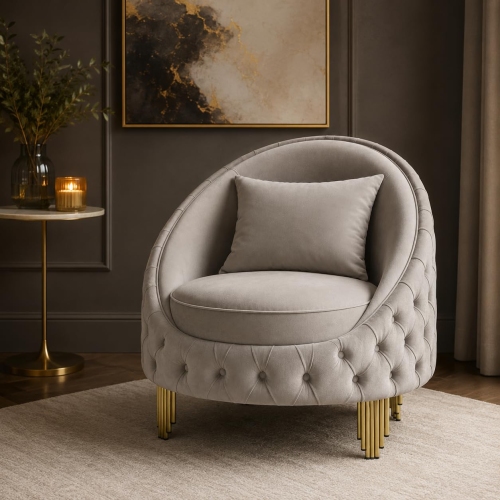
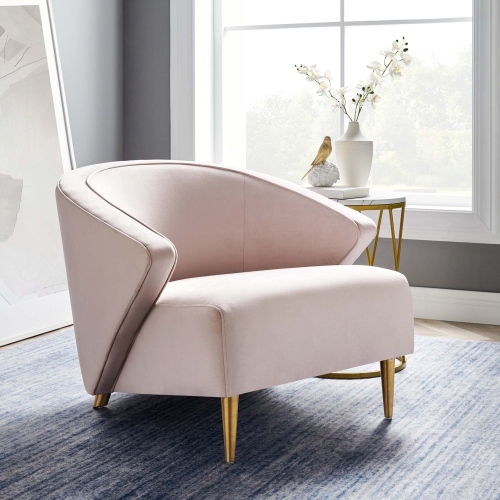
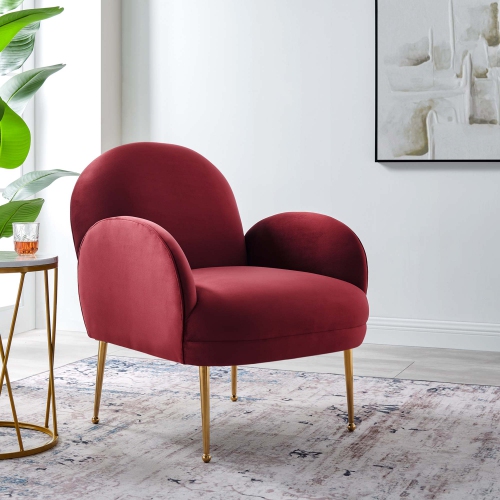
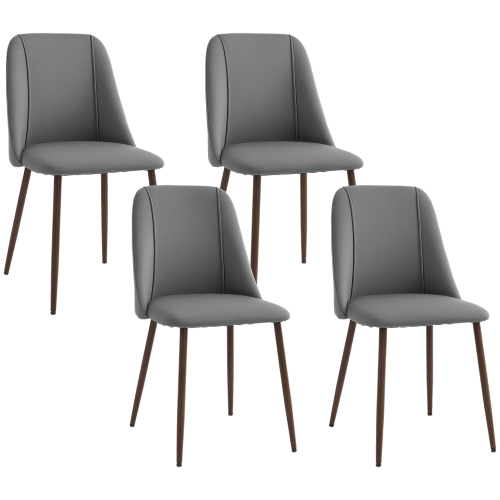

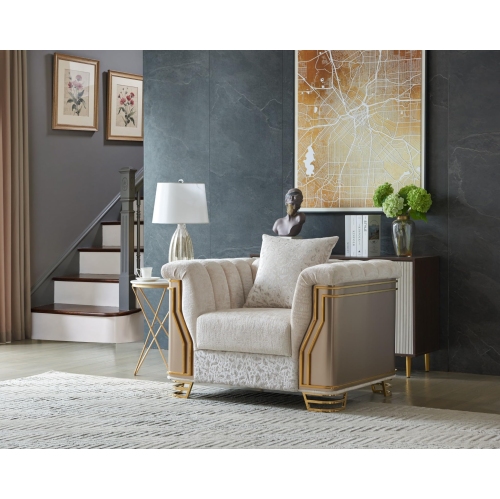
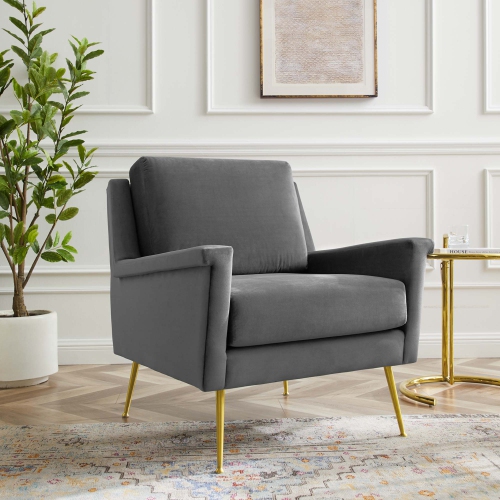
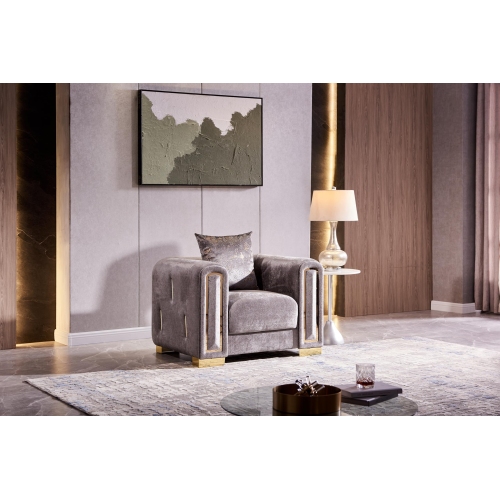
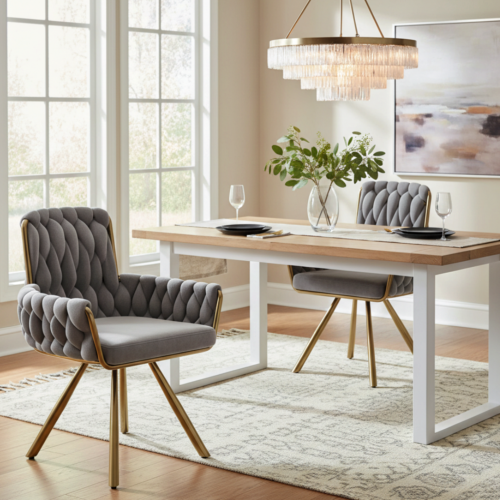
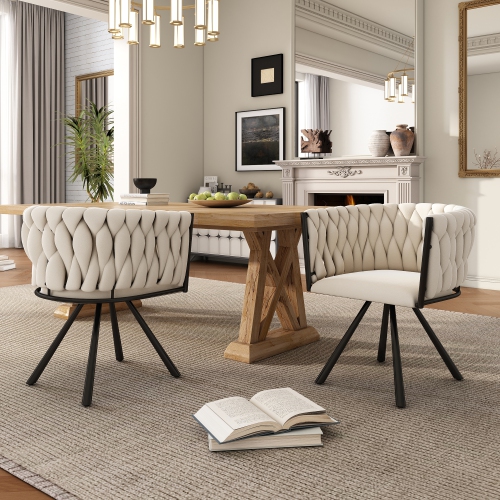
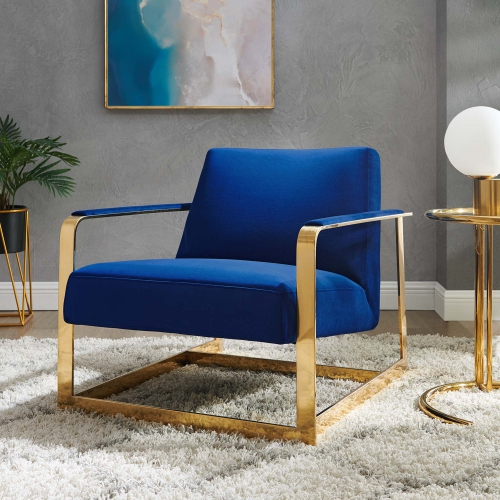
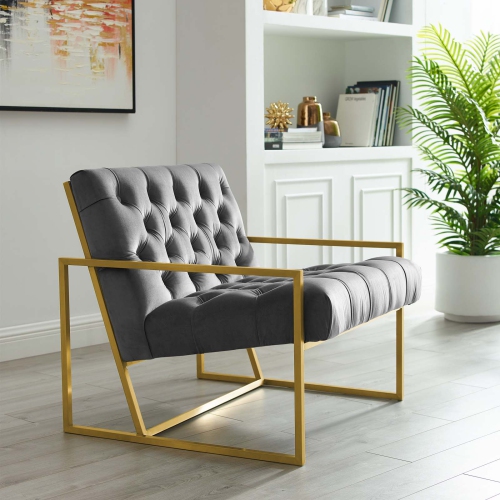
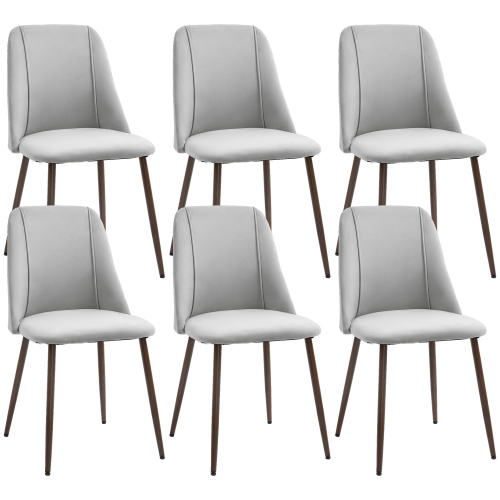
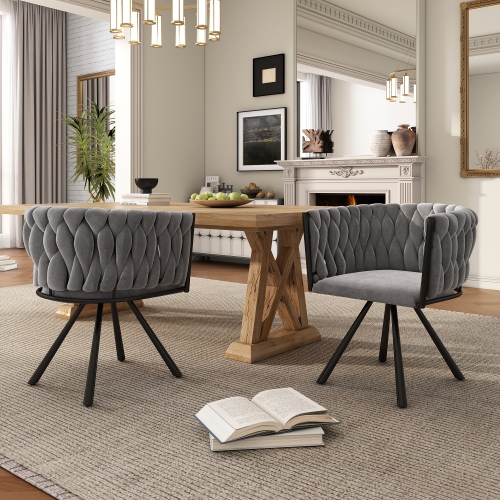
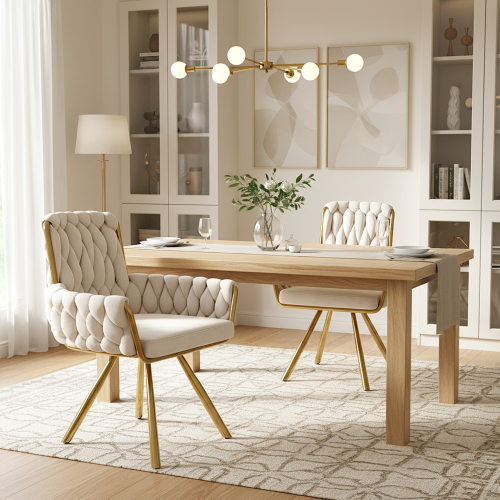
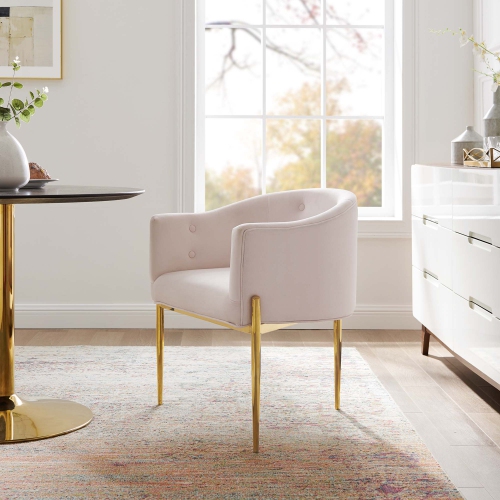
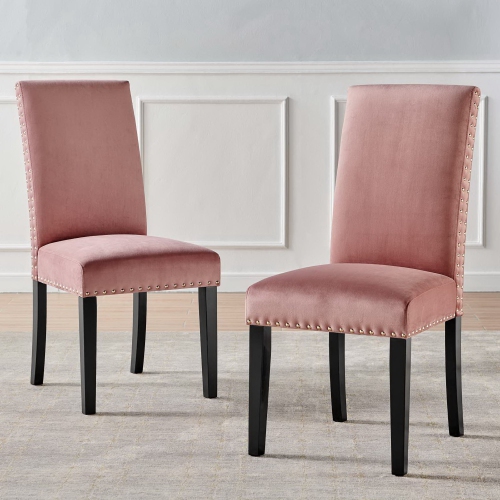
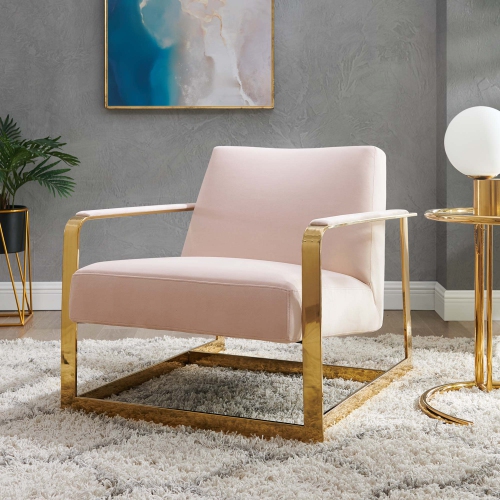
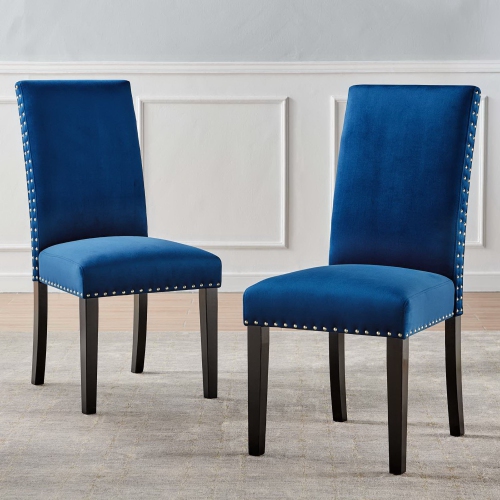
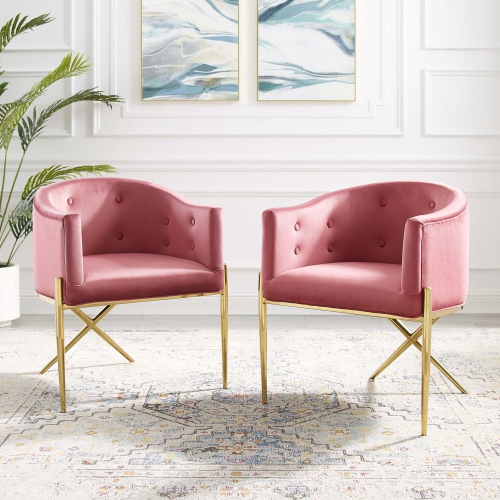
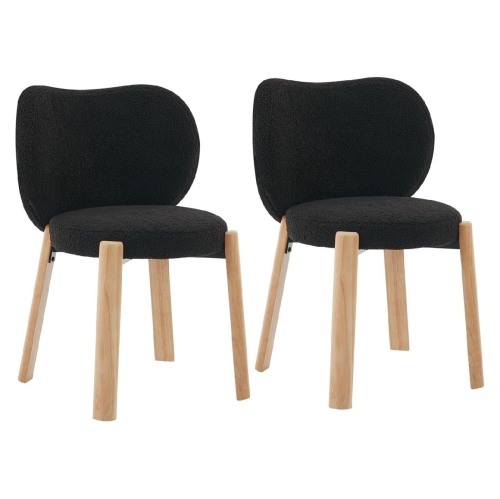
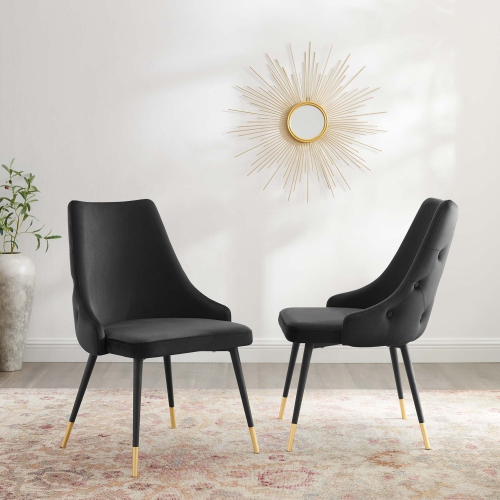
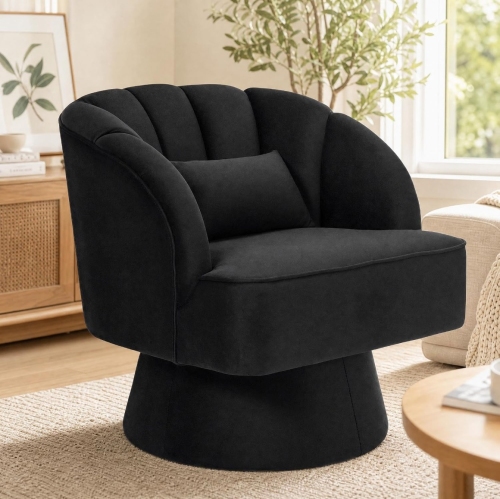
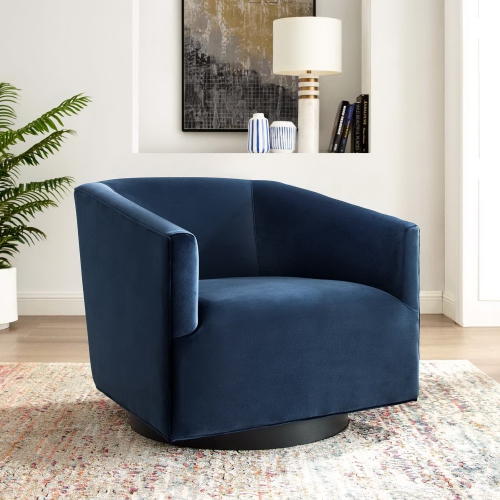
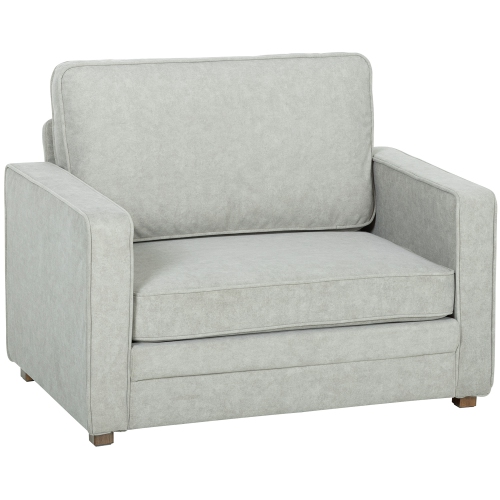

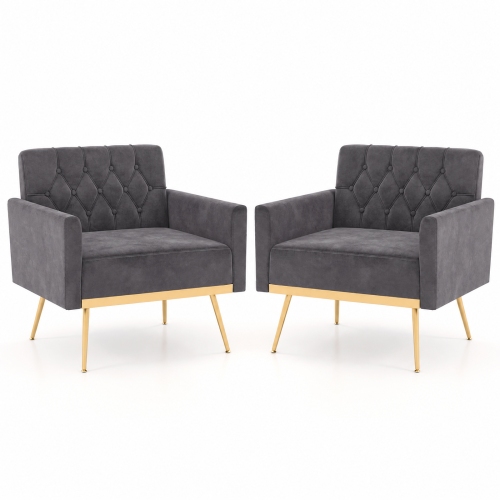
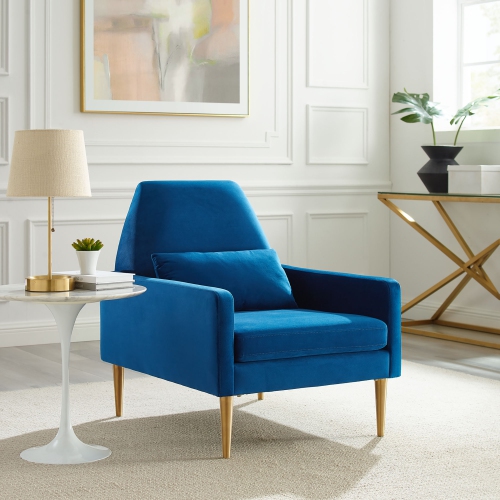
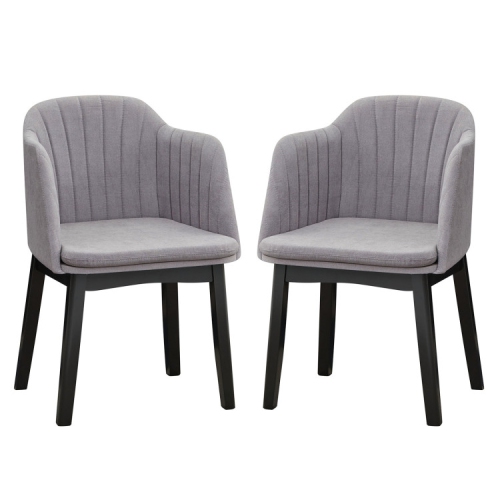
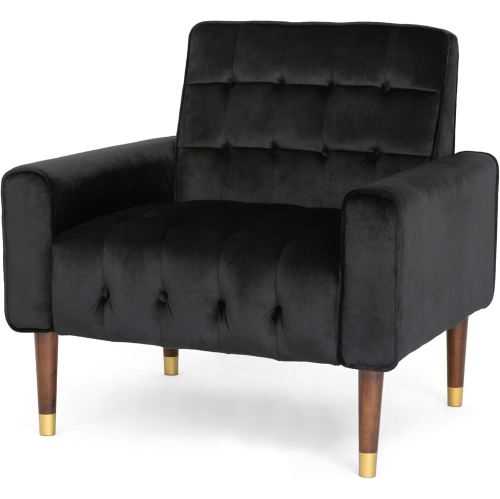
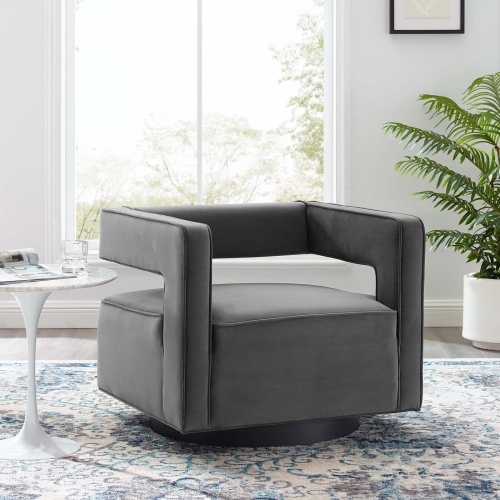
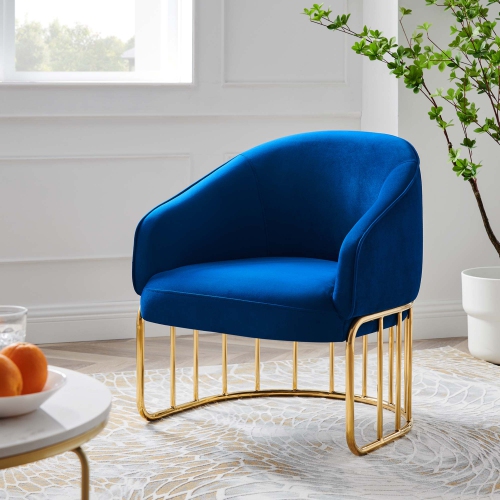
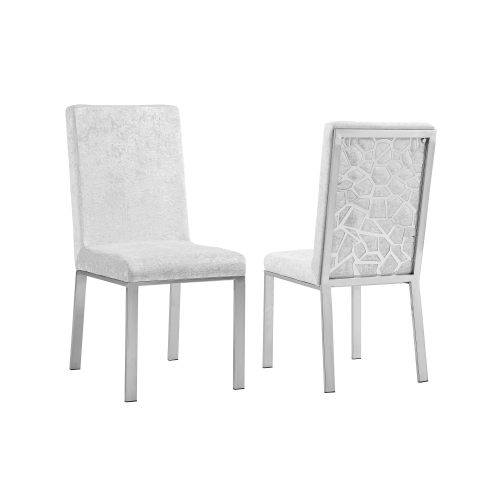
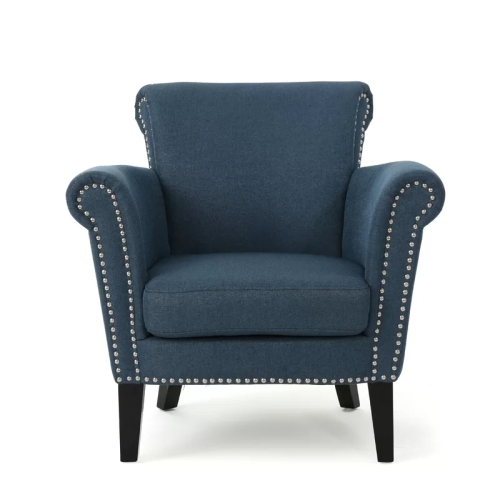
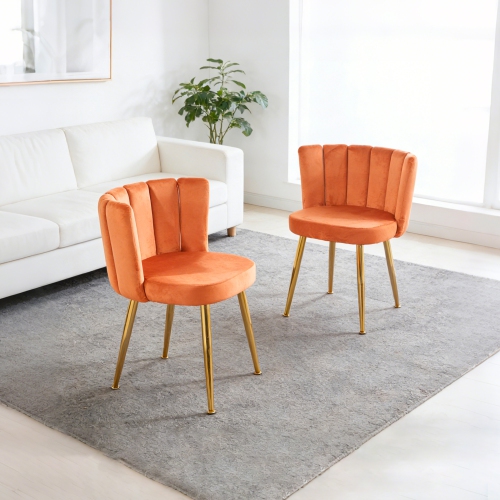
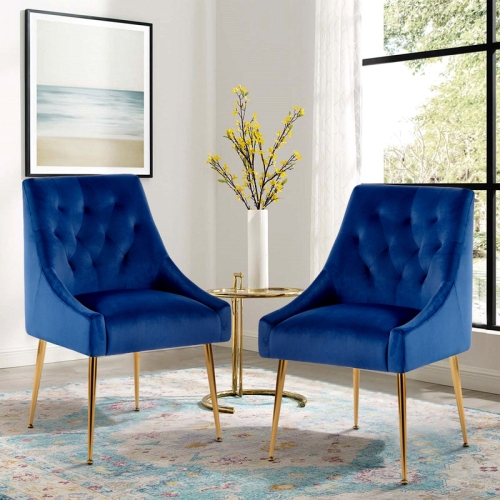
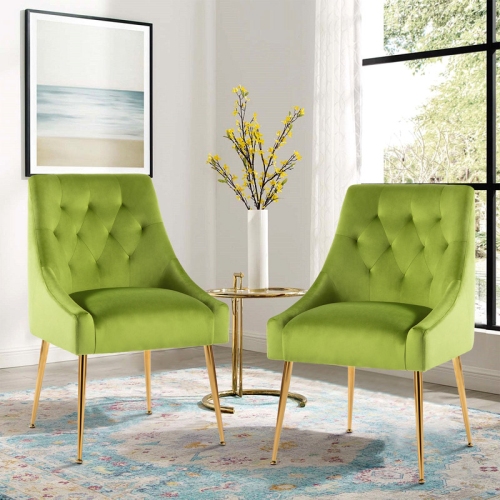
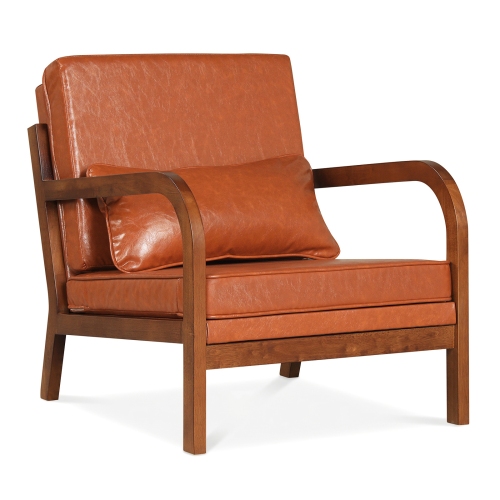
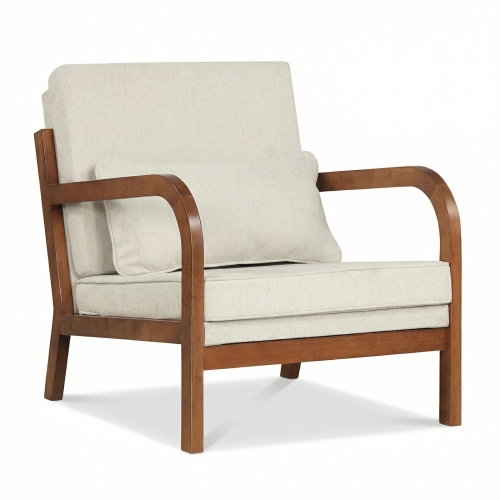
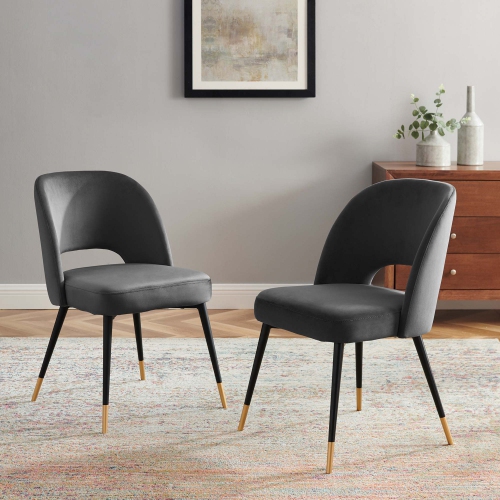
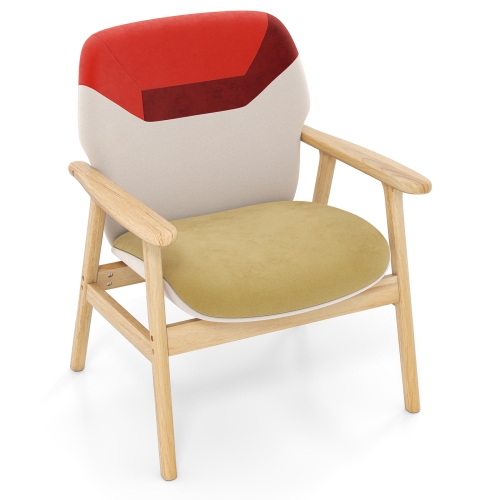
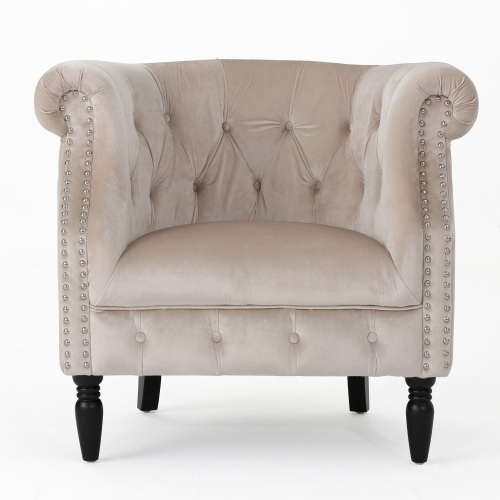
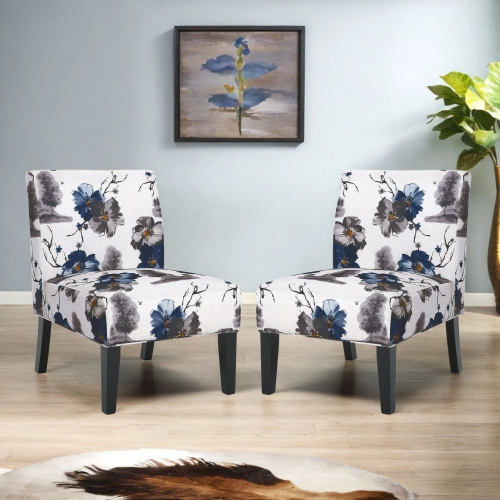
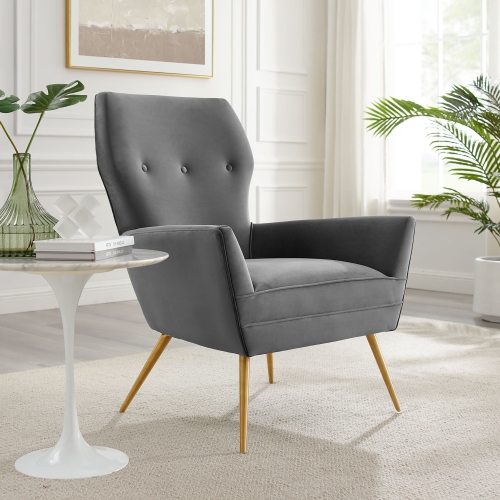
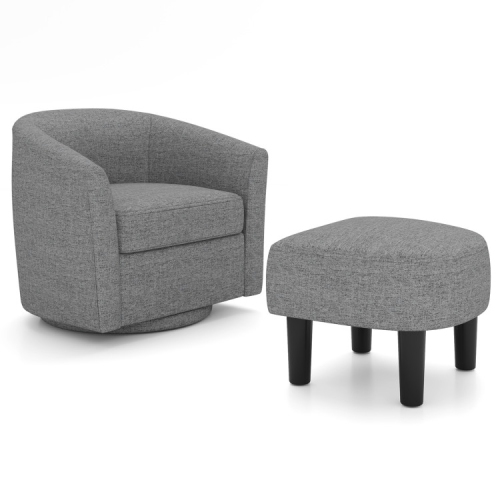
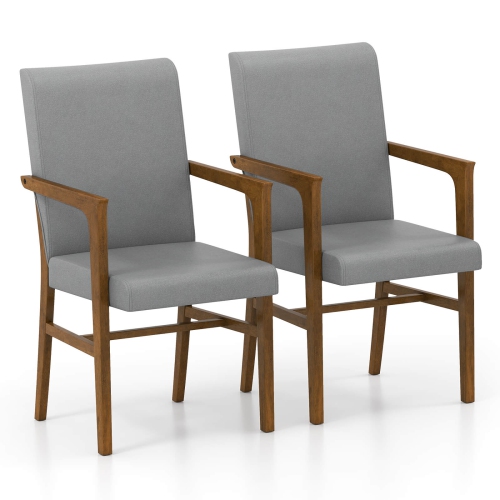
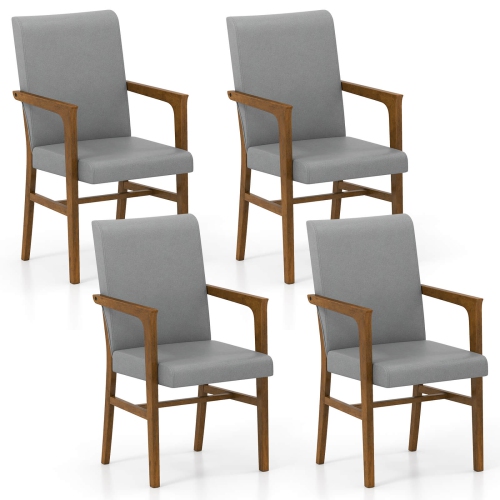
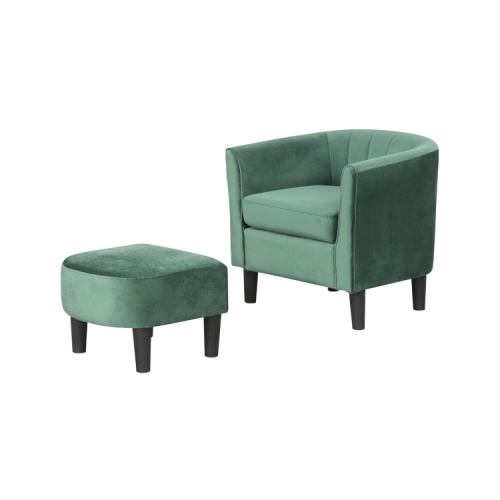
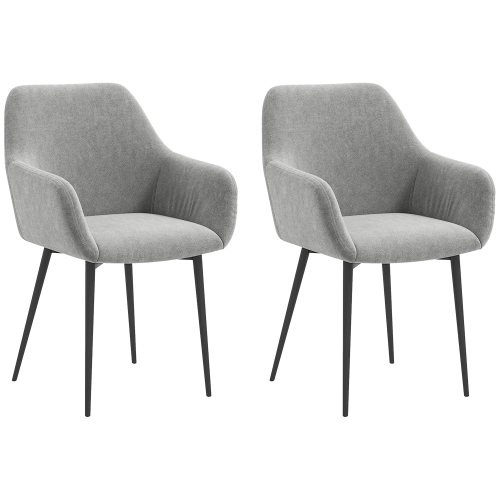
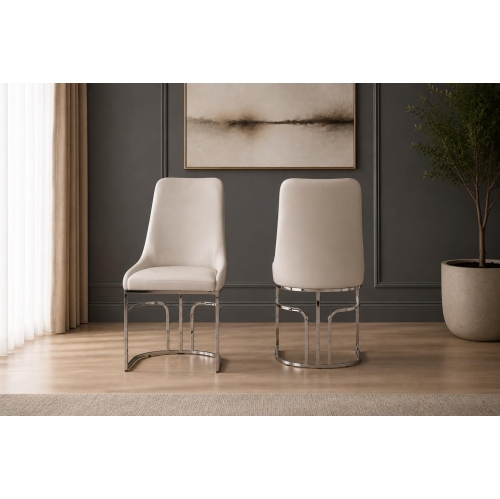
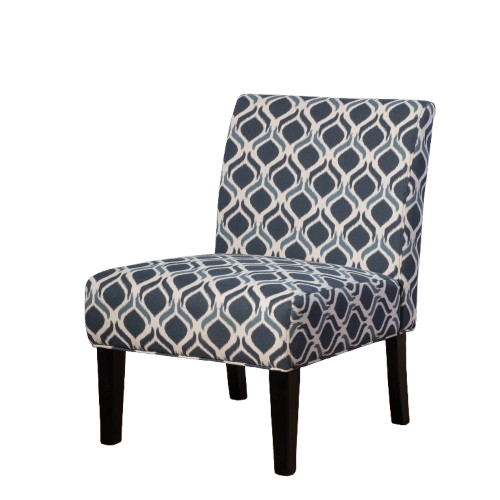
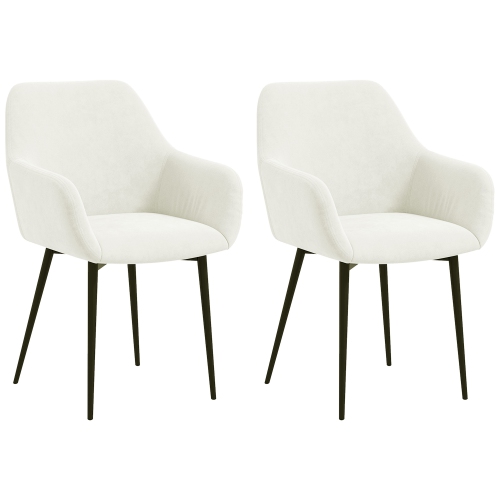
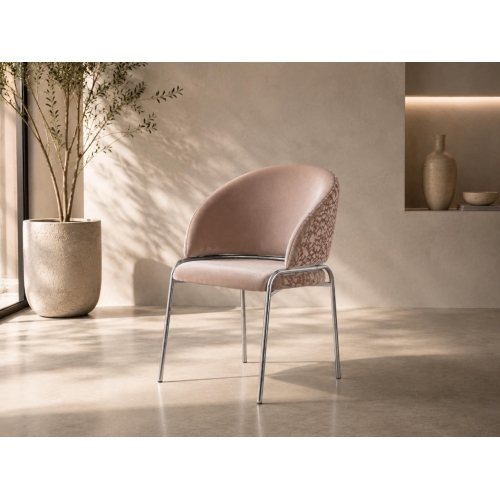
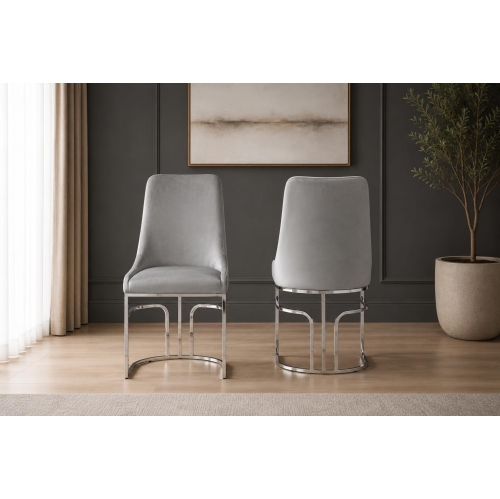
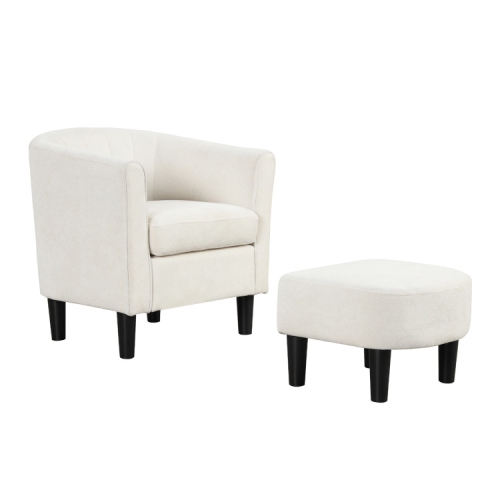
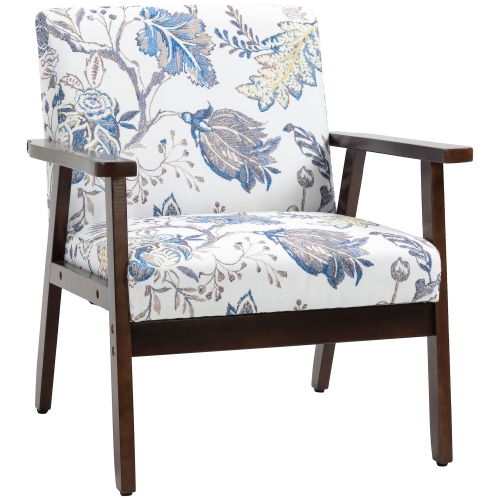
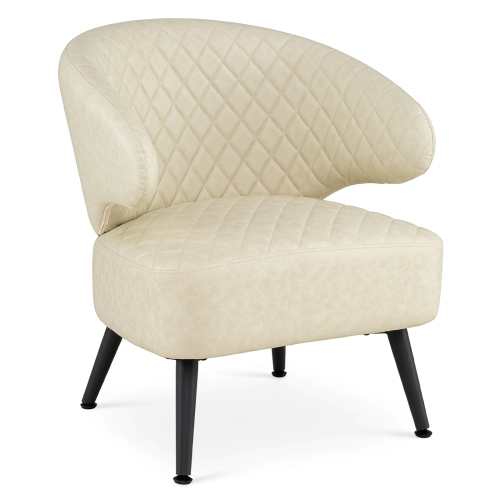
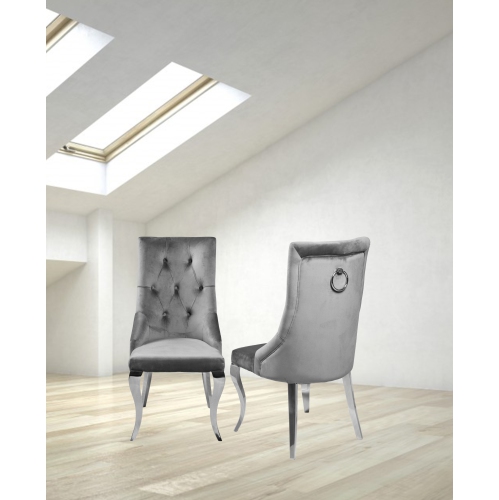


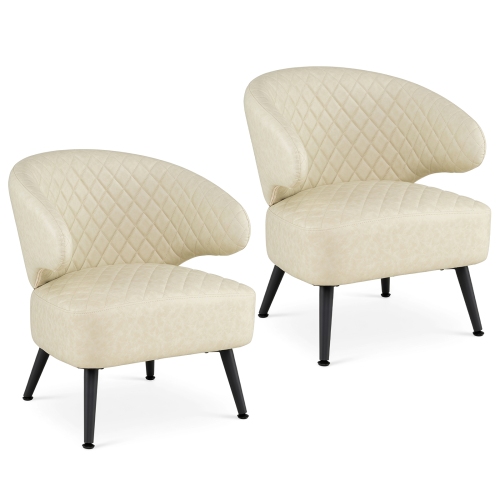
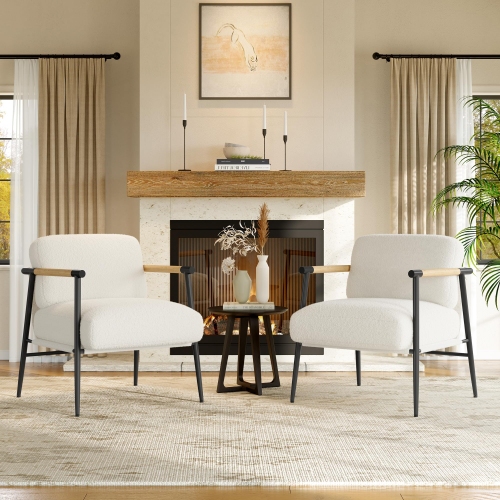
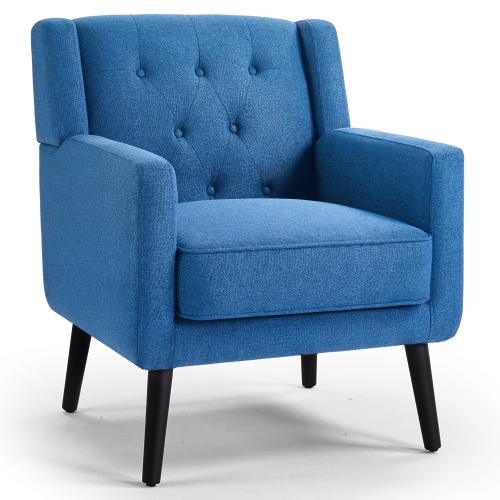
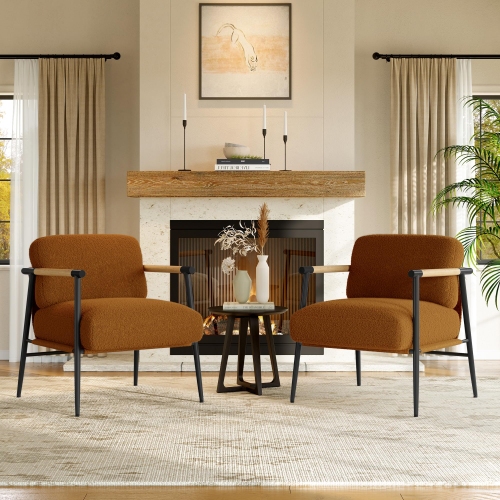
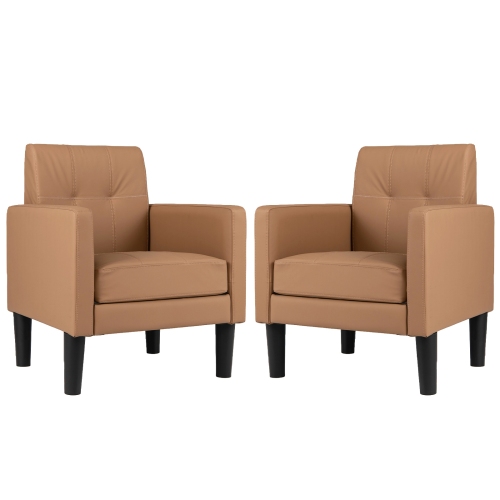
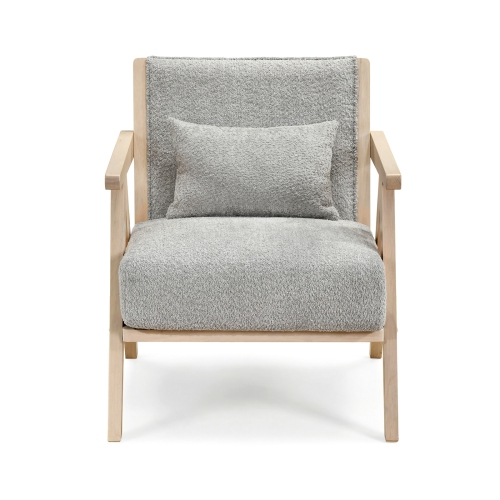
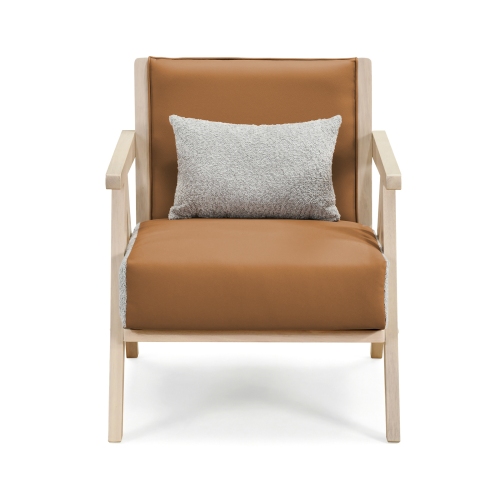
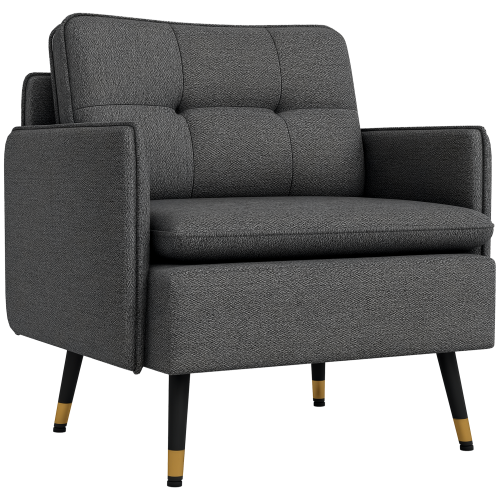
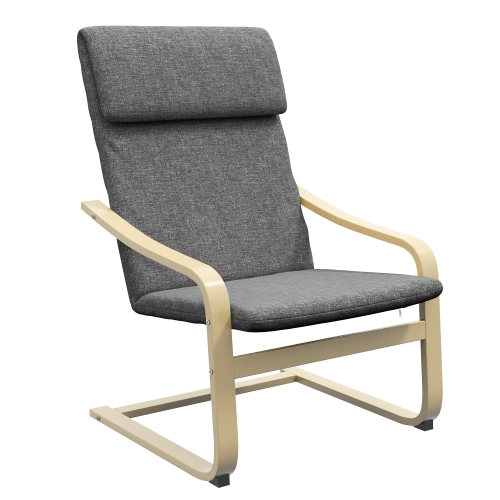
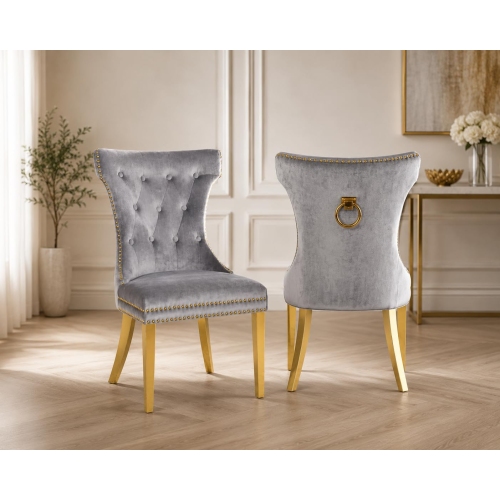
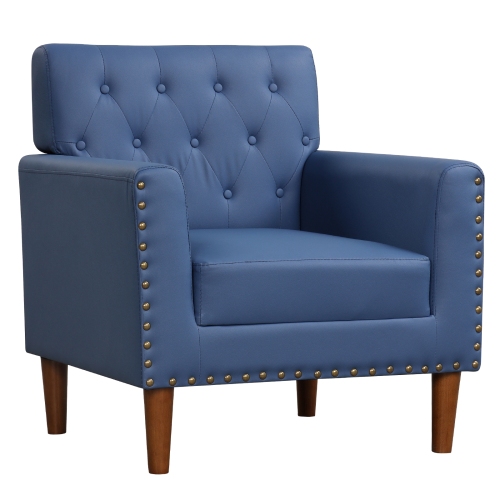
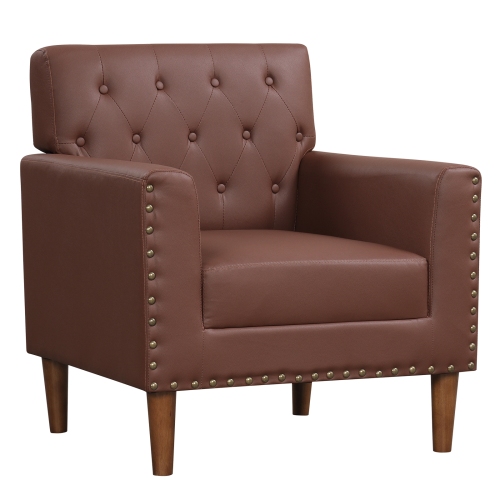
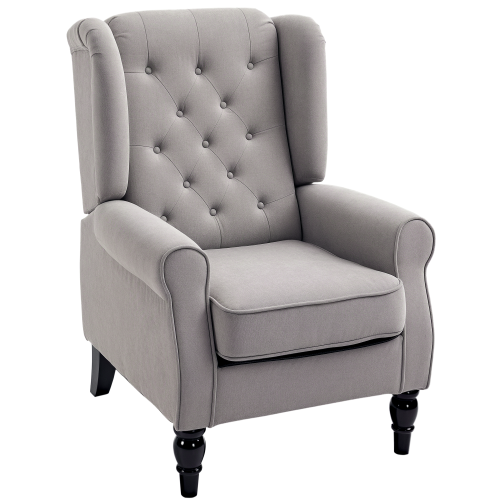
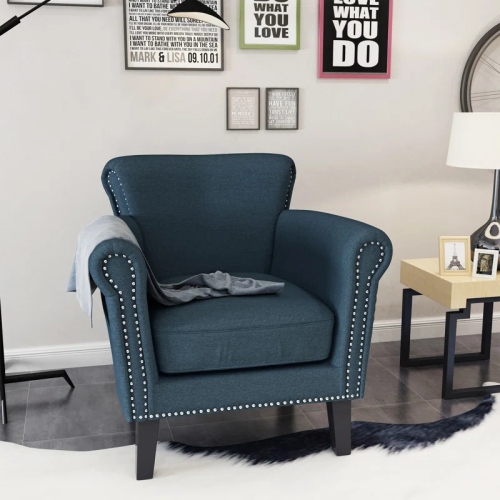
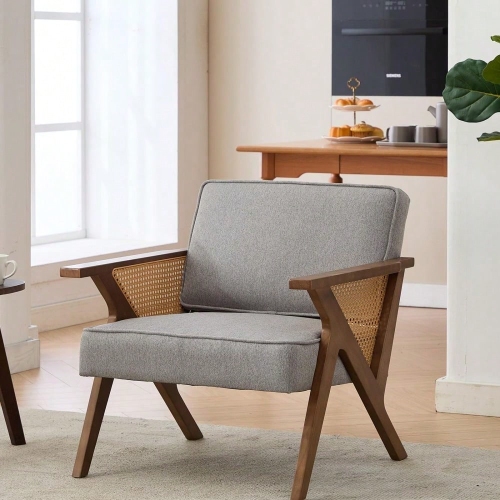
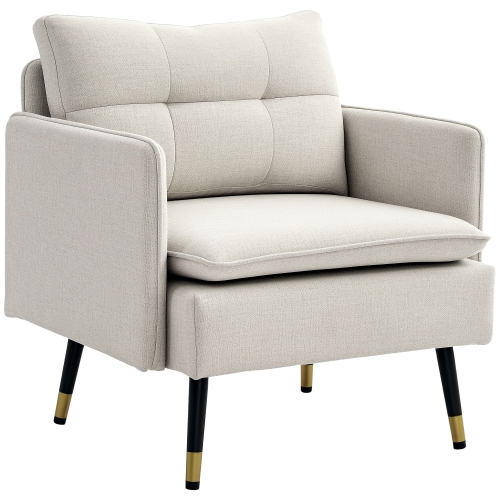

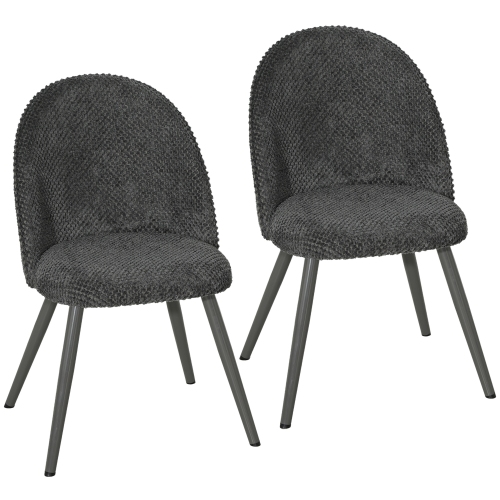
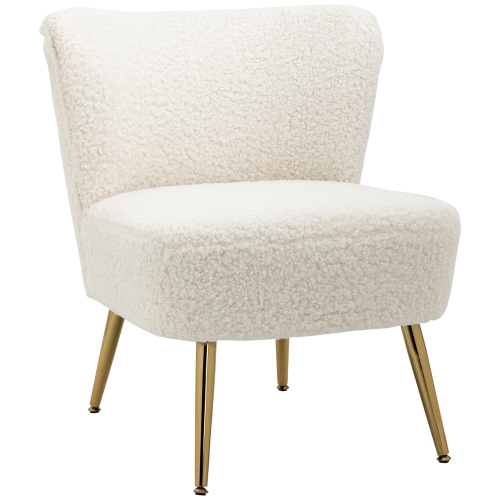
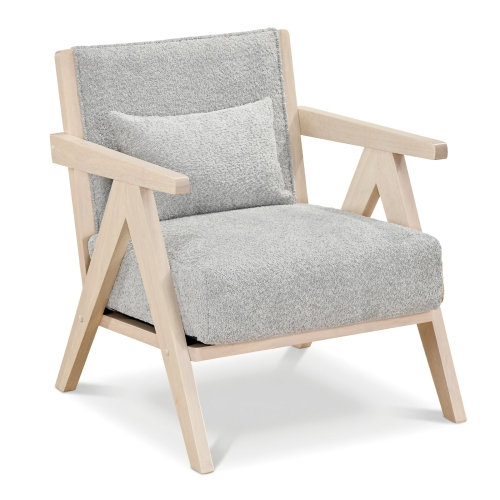
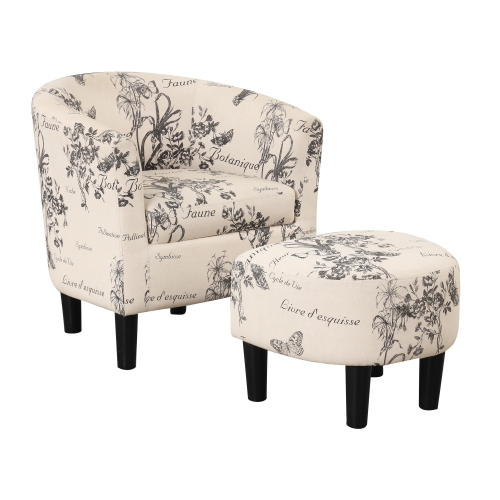

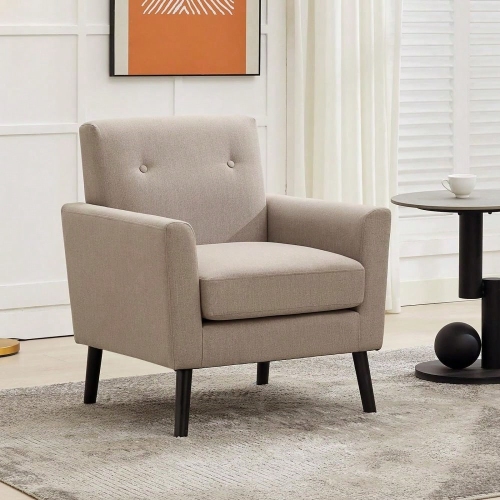
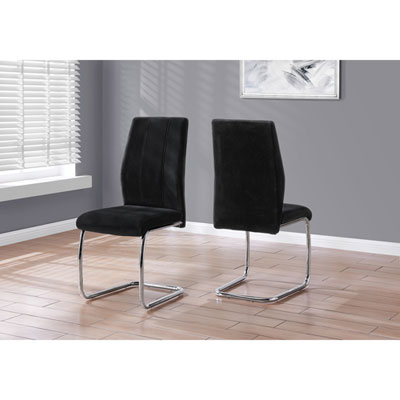
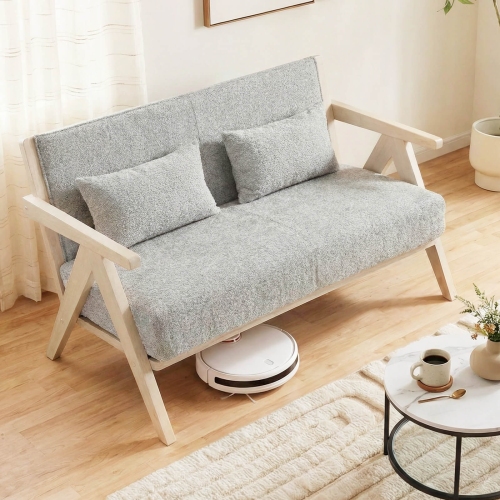
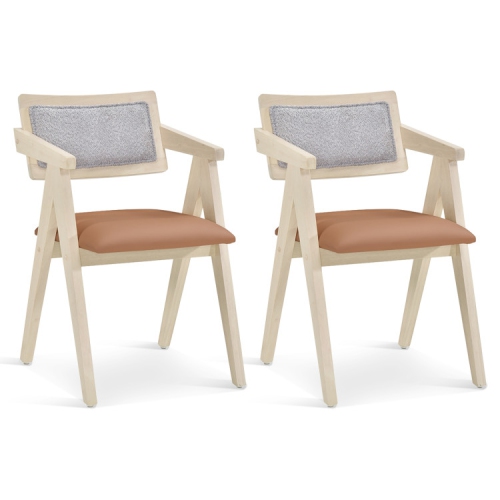
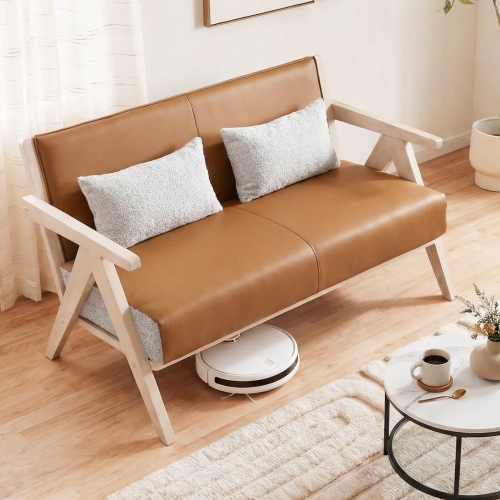
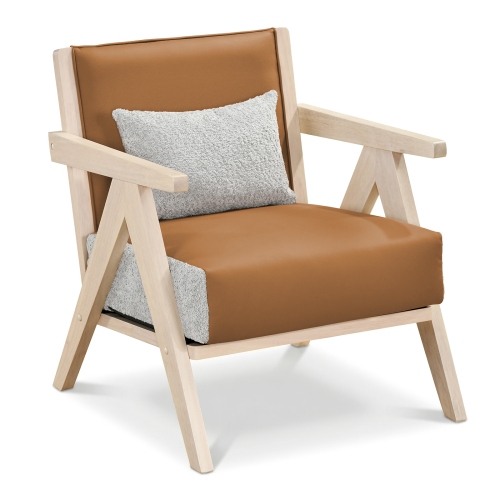
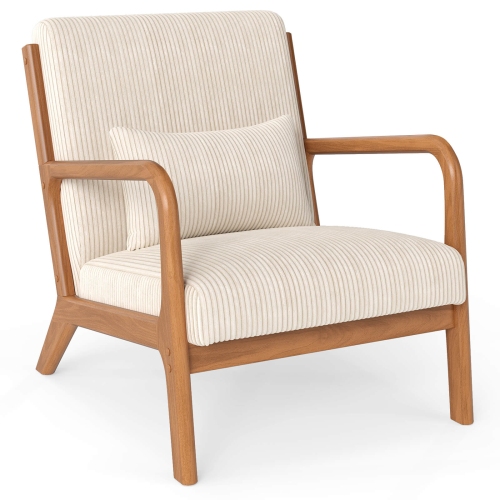
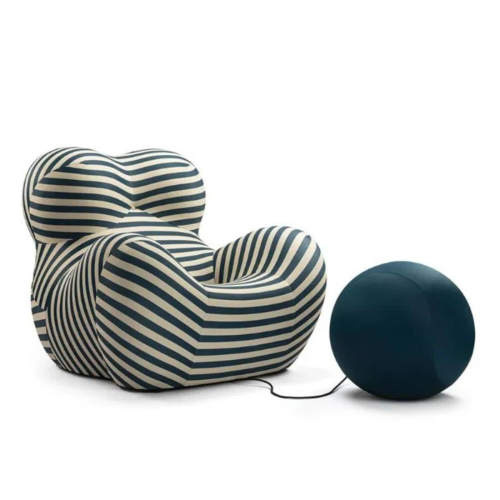
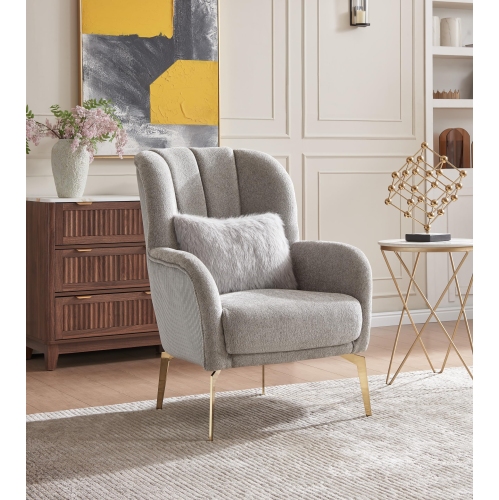
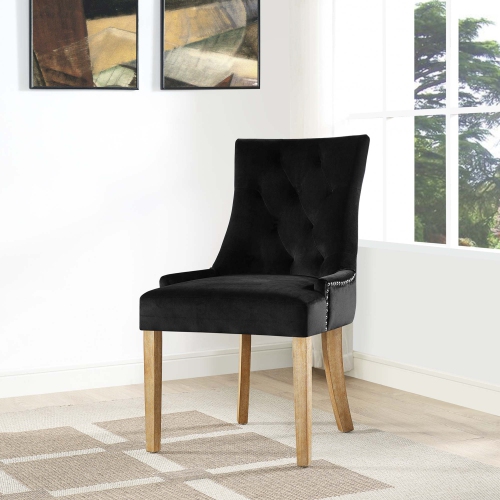
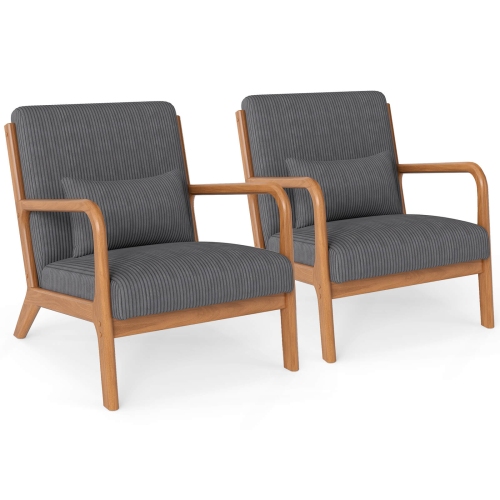
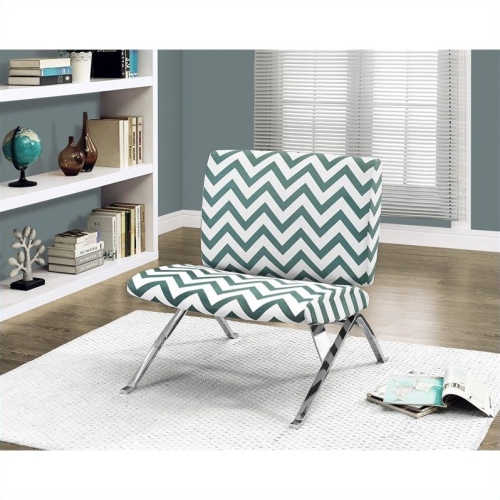
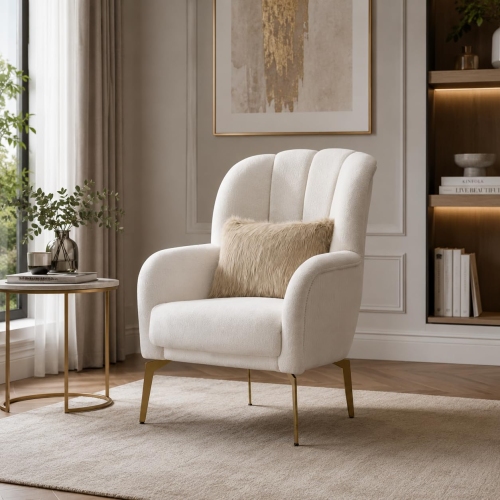
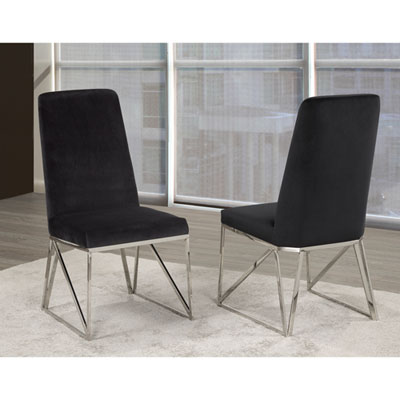
Velvet’s changing sheen is only part of its appeal
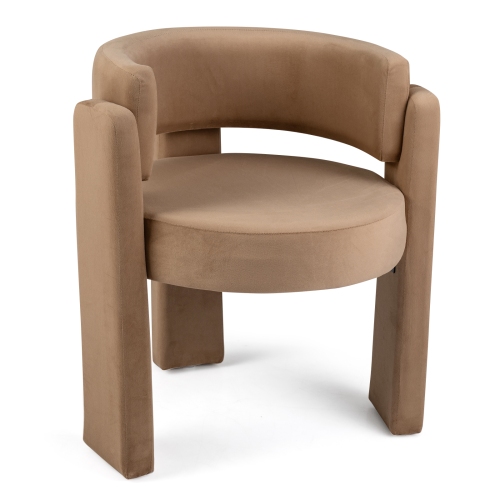
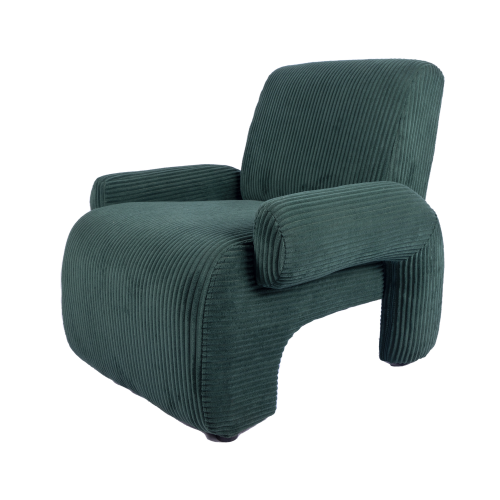
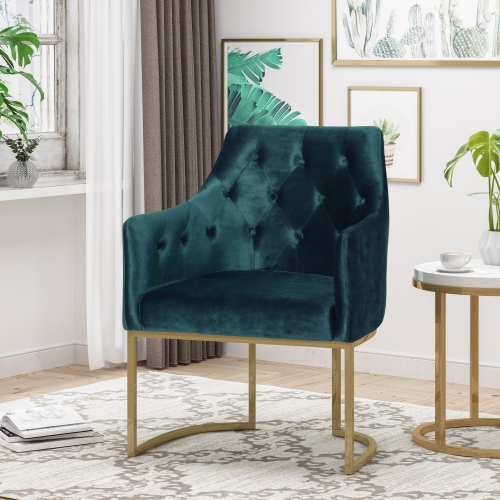
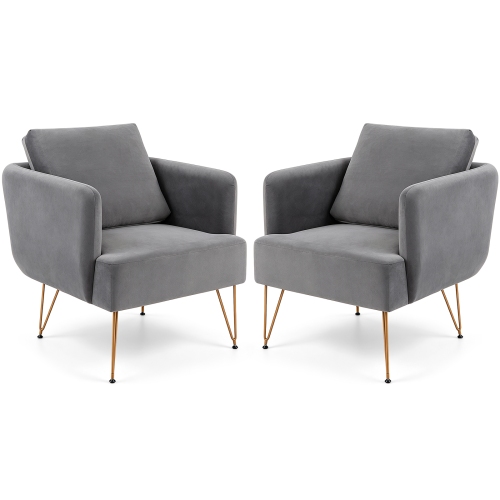
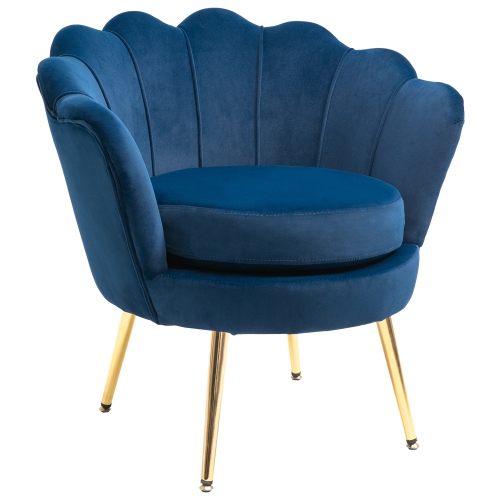
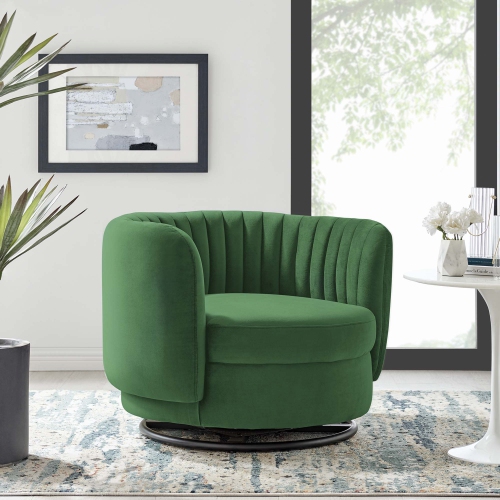
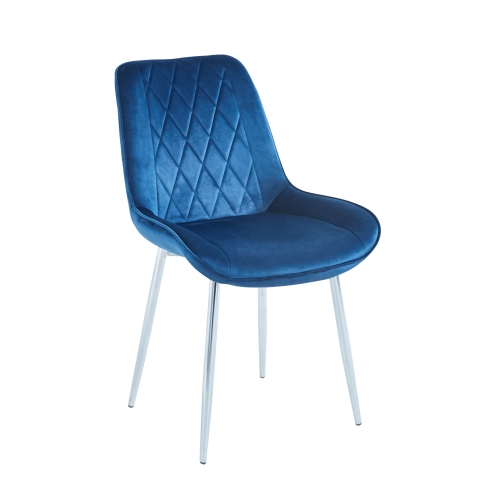
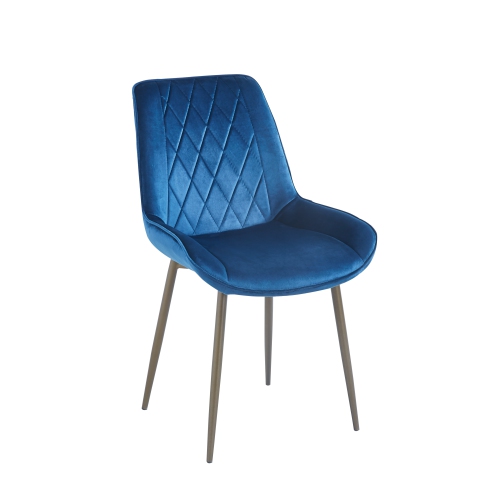
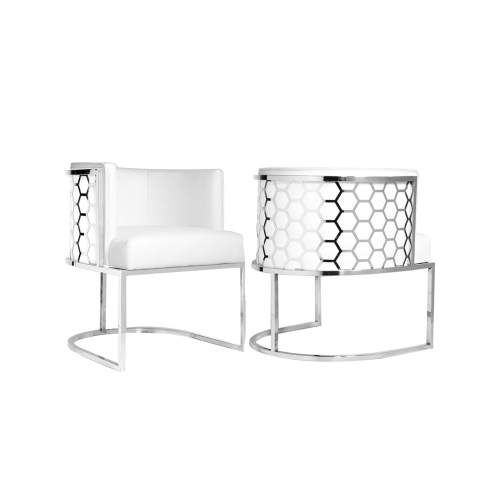
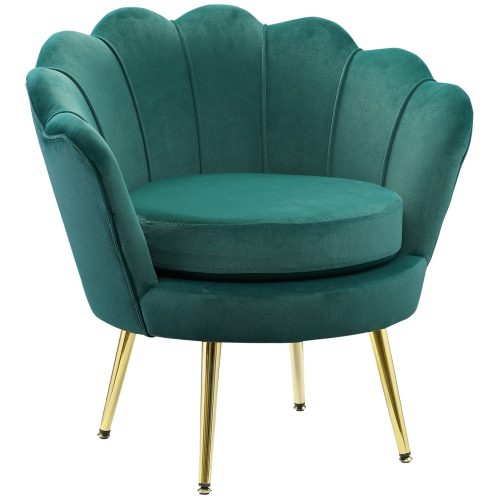
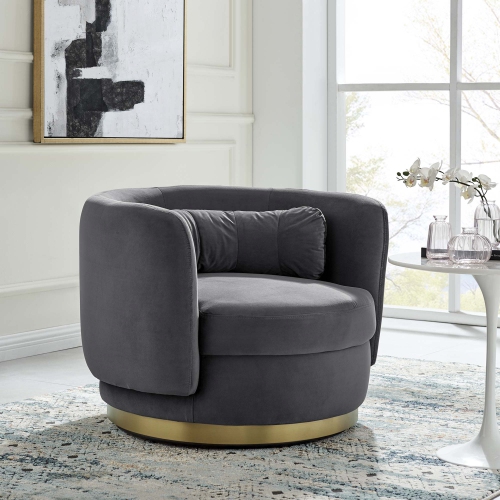
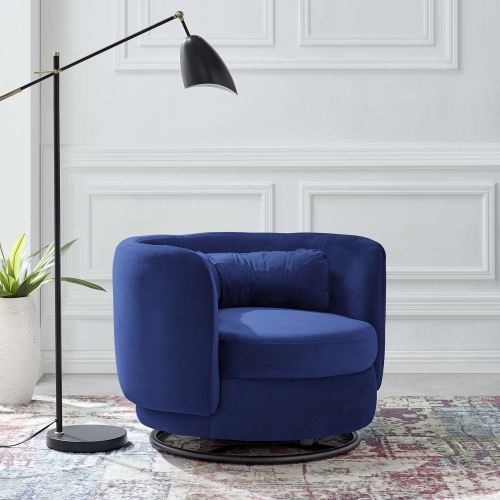
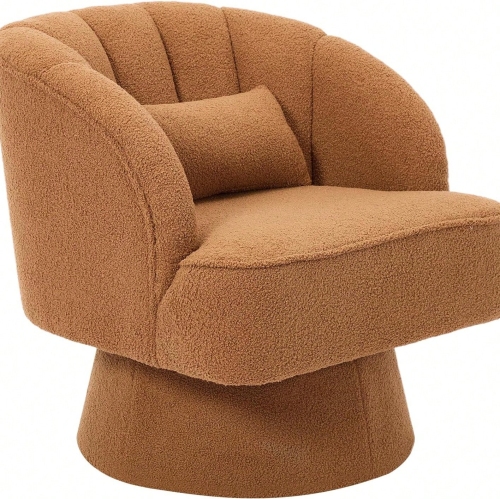
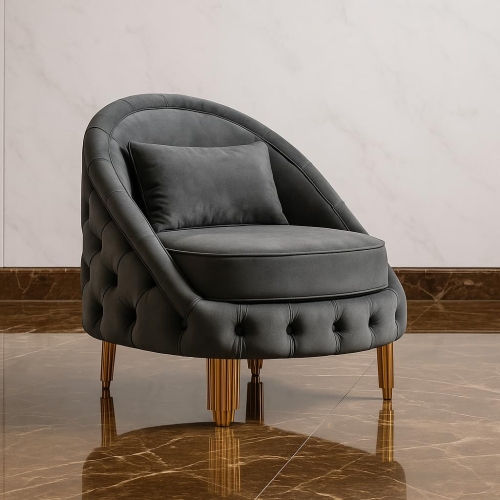
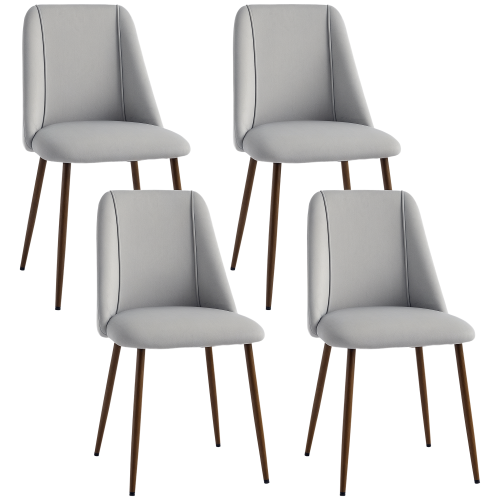
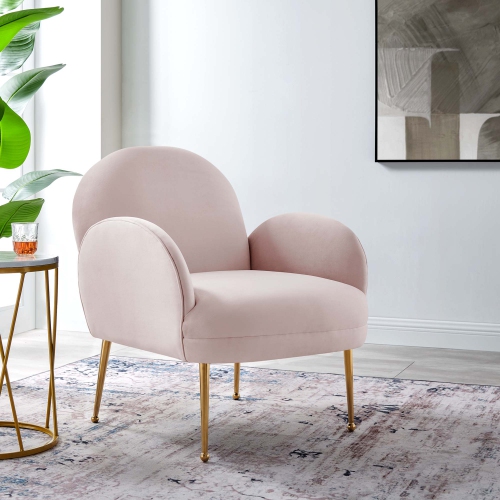
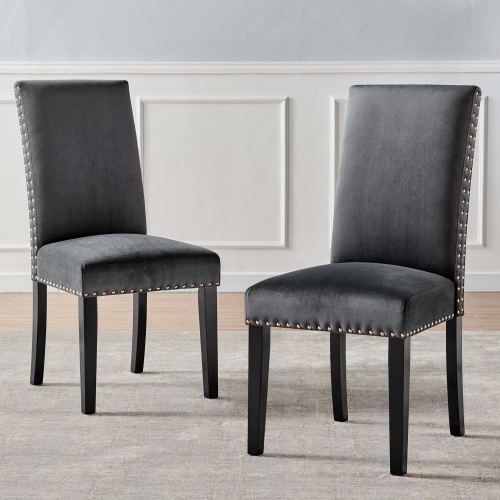
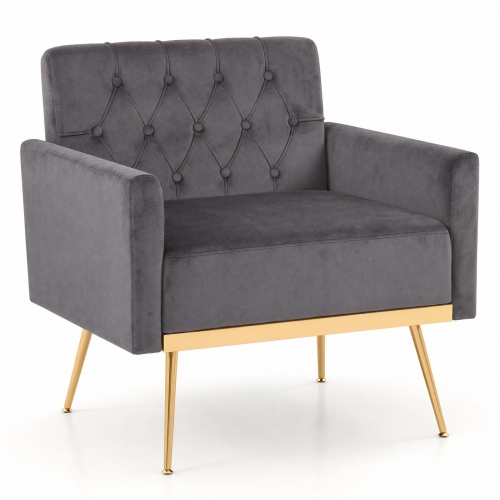
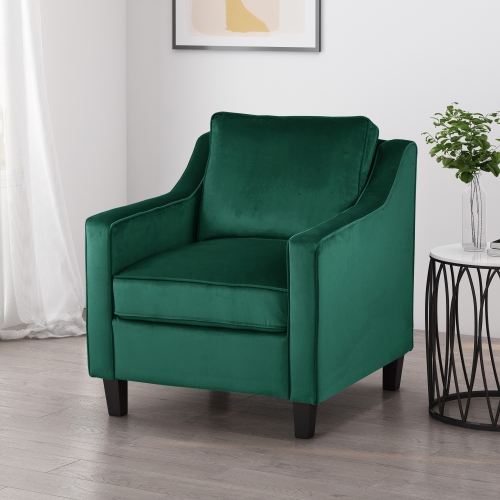
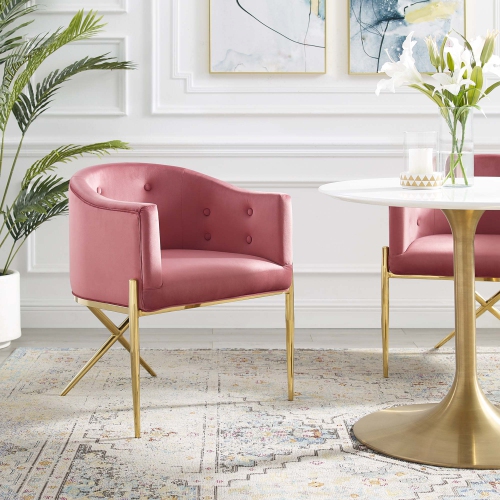
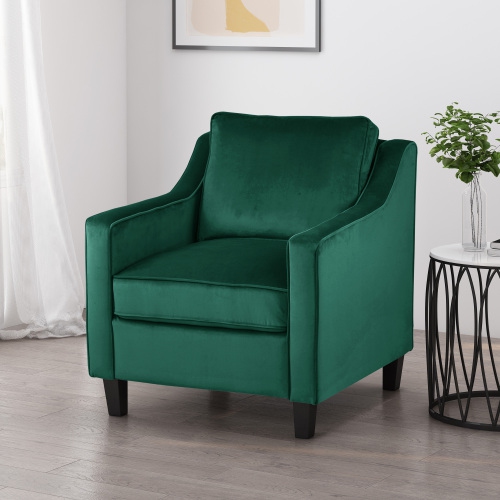
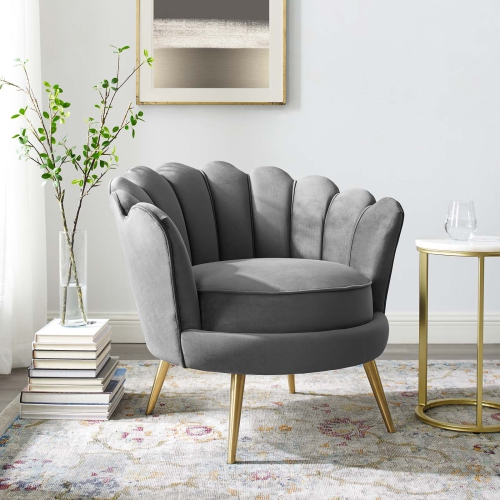
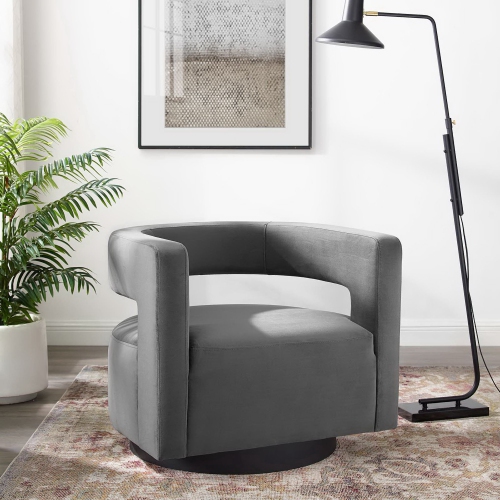
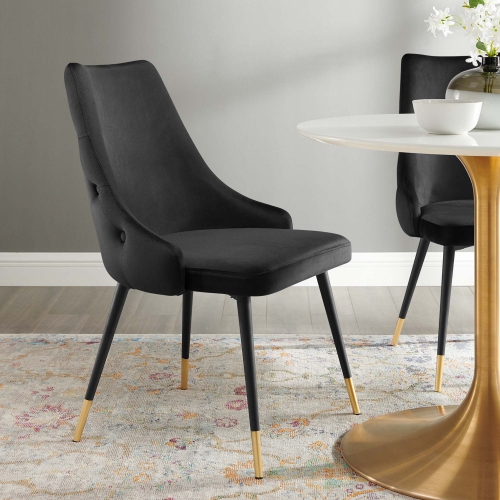
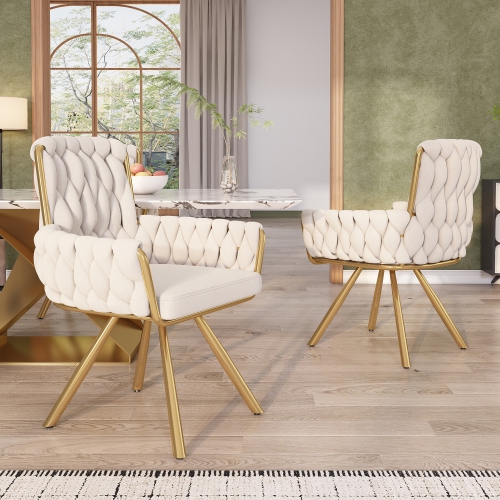
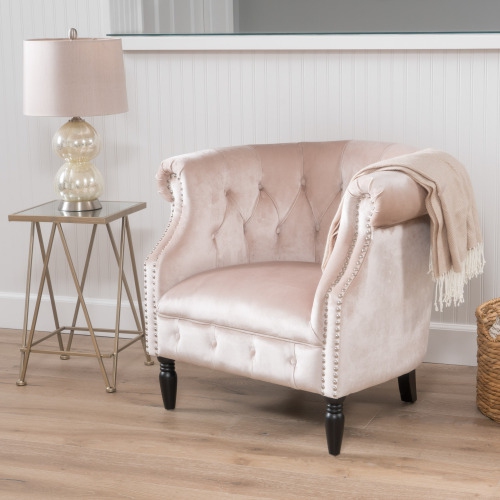
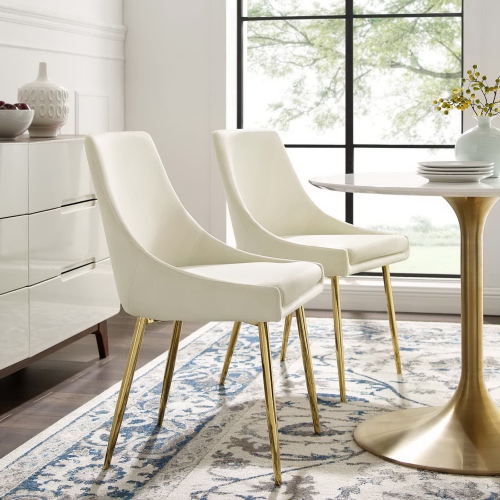
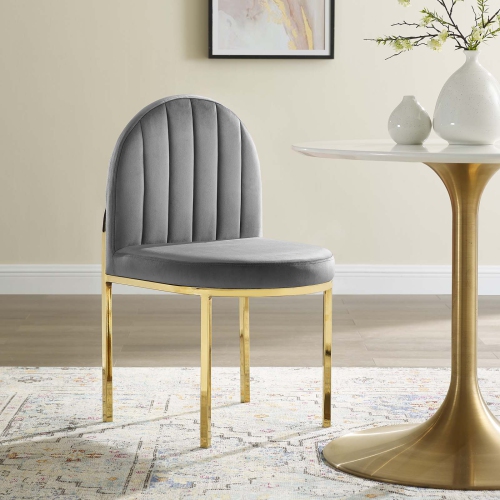
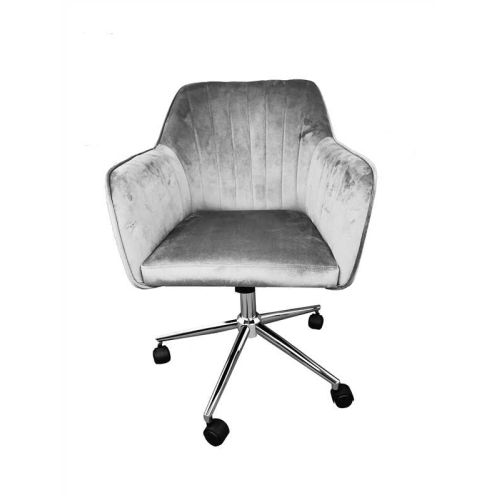
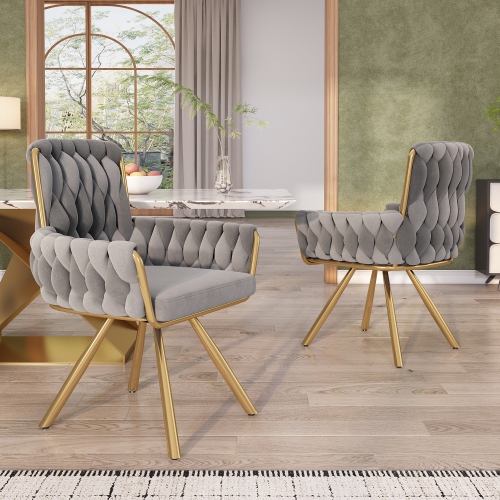
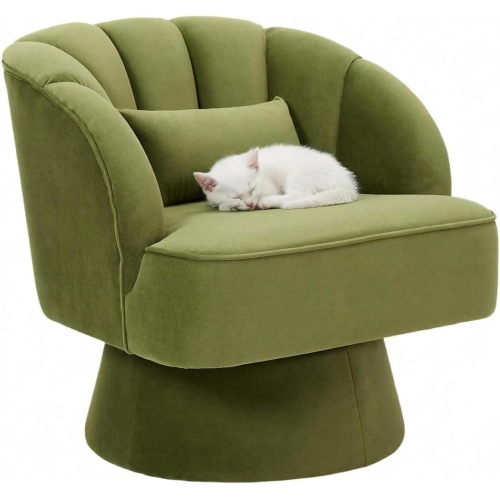
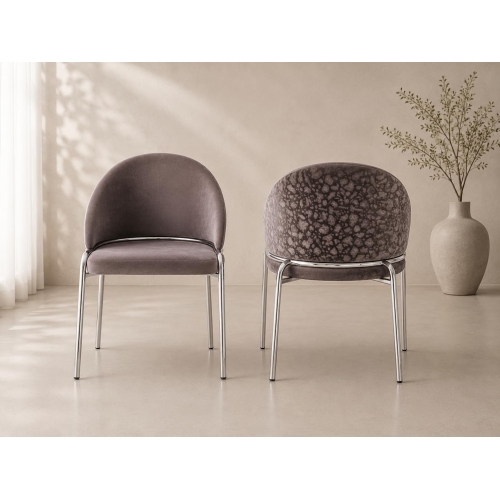
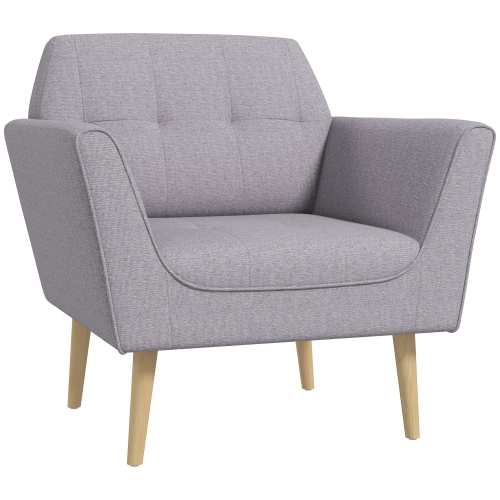
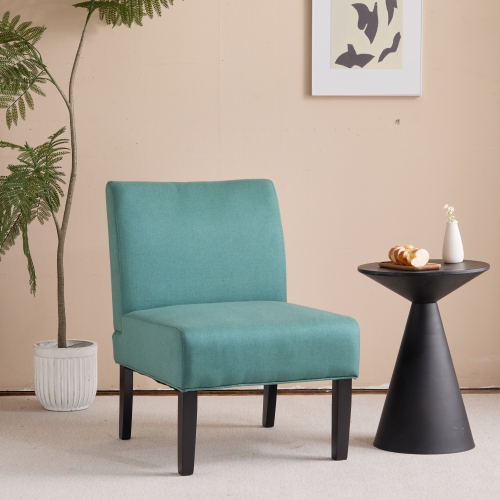
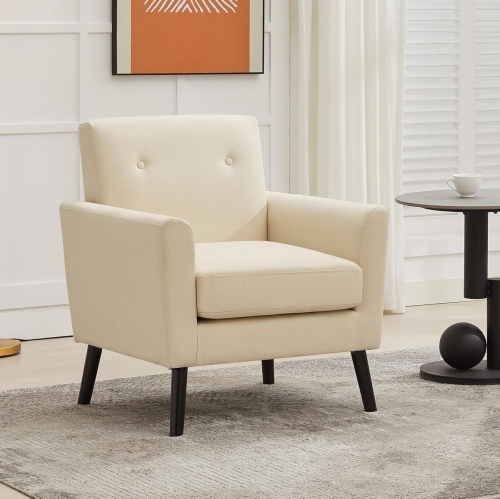
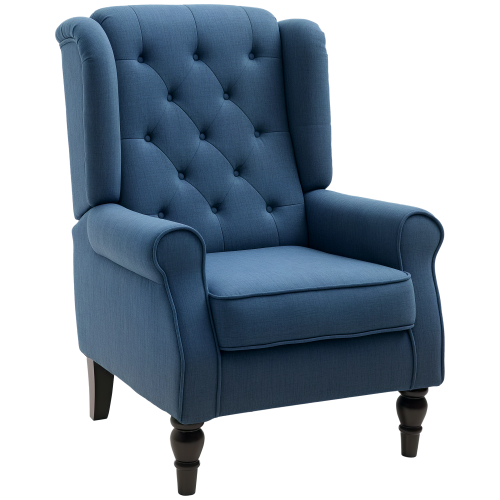
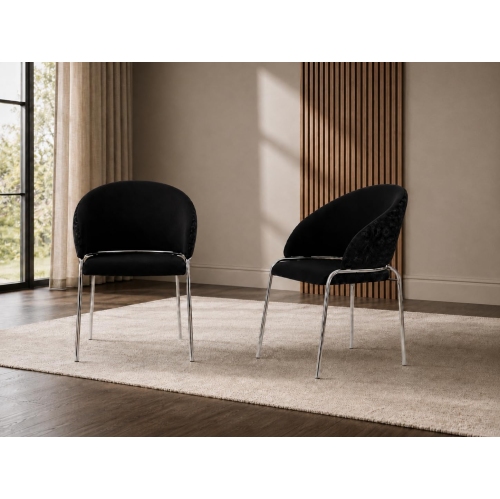
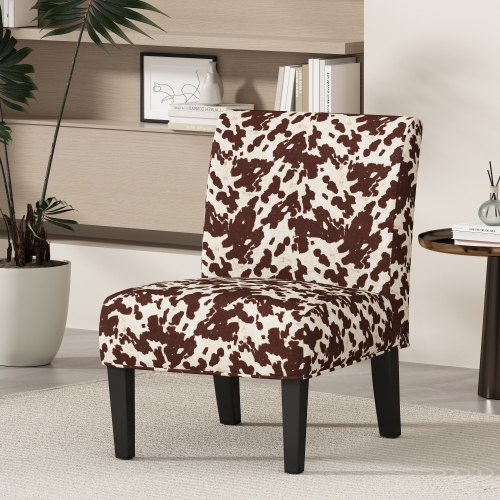
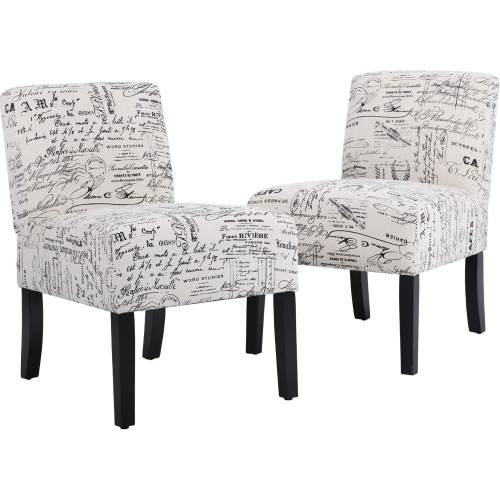
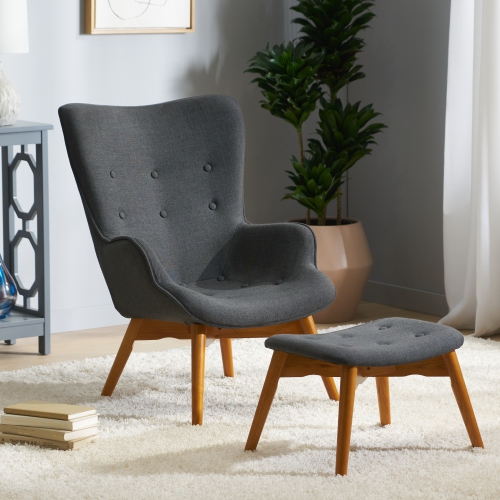
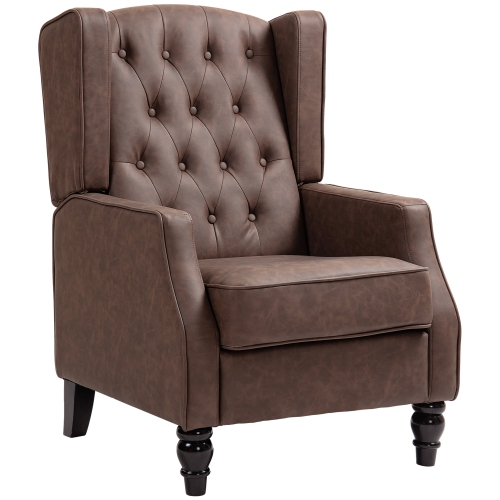
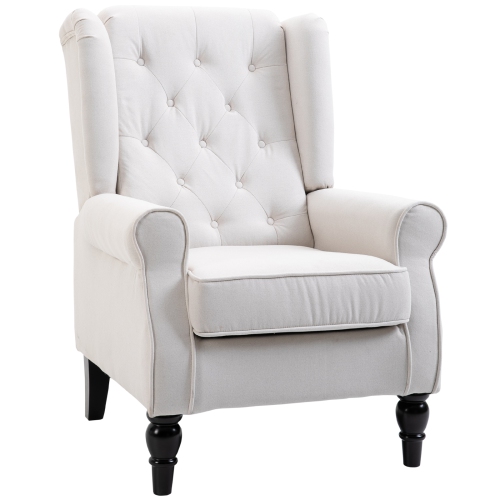
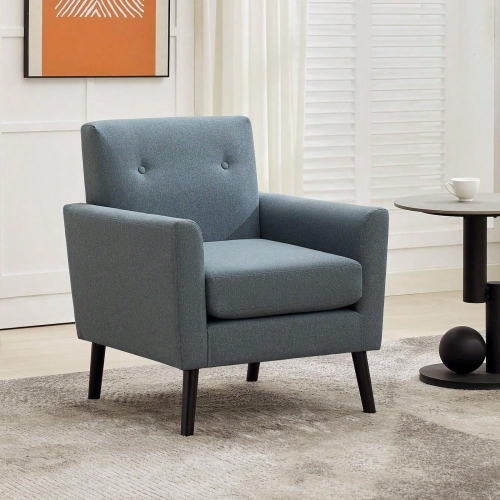
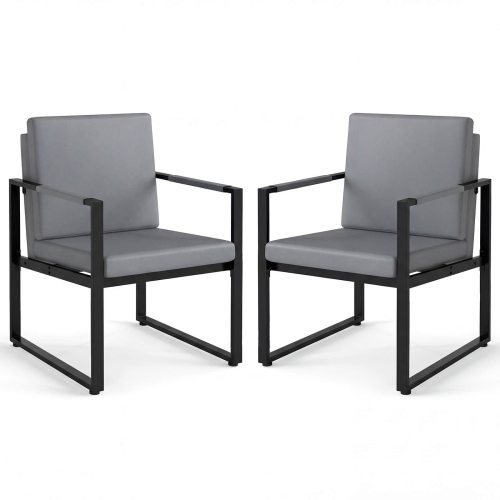
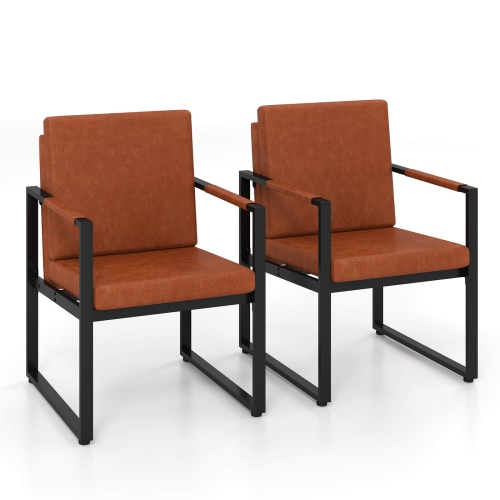
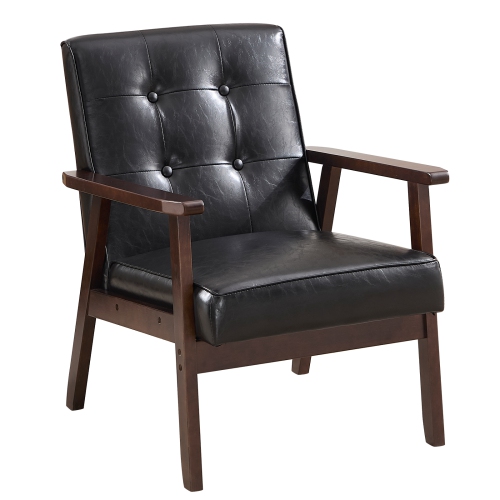
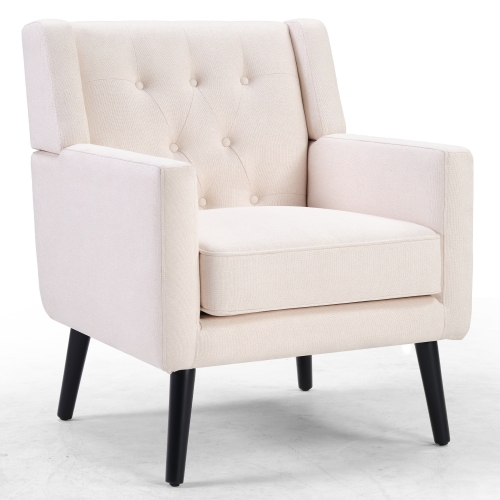
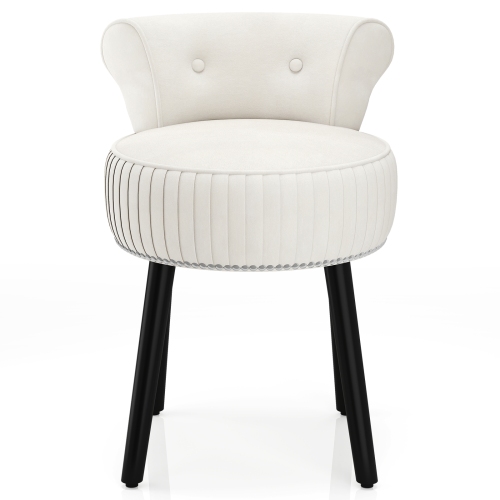
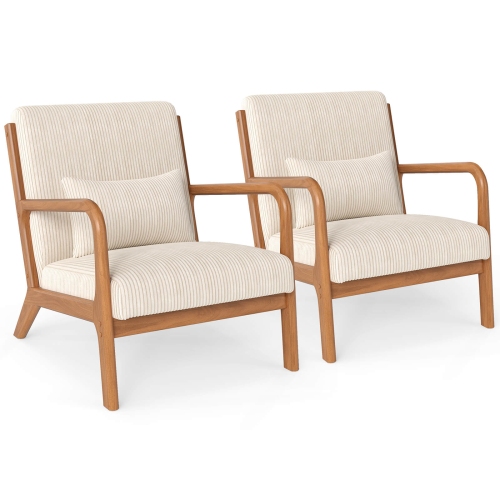
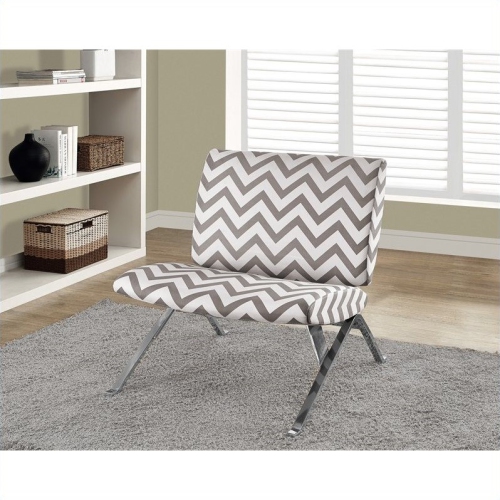
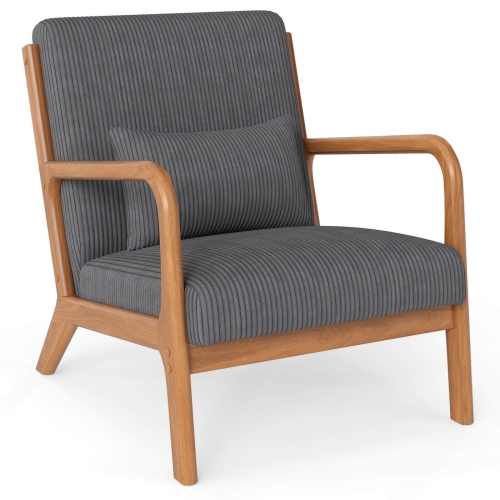
Modern velvet accent chairs combine the soft, light-catching texture of velvet with silhouettes that range from compact and tailored to rounded and sculptural. Their role is both practical and visual: they add a place to sit while introducing a different shape, colour, or finish beside a sofa, bed, or console. Velvet has a raised pile that reflects light differently depending on its direction, giving the same upholstery a deeper tone from one angle and a softer sheen from another. This variation gives even a simple chair dimension without requiring a bold print. Barrel chairs wrap a curved back around the seat, creating an enclosed feel that suits a conversation corner or bedroom reading space. Slender arms and exposed legs offer a lighter profile, while broad seats and rounded bases have a more substantial presence. Channel stitching, restrained tufting, and curved backs can provide visual interest while keeping the overall look modern. A smooth, unbuttoned back tends to feel quieter, especially in a room that already includes patterned rugs or detailed cabinetry. Colour makes a noticeable difference to how the chair sits within the room. Navy, forest green, and burgundy bring depth to pale walls and light wood, while cream, blush, and muted neutrals create a softer contrast against darker furniture. Grey Velvet Accent Chairs offer a versatile starting point for spaces with mixed finishes, allowing cushions, artwork, and other textiles to introduce stronger accents. Undertones matter as much as the colour name: a warm grey can sit comfortably beside oak and beige, while a cooler grey may complement black metal and crisp white surfaces. Leg finishes also shape the effect. Wood adds warmth, polished metal provides contrast, and dark legs can visually connect a chair to nearby shelving or lighting. A matching pair can frame a small conversation area, whereas a single chair can give an otherwise unused corner a clear purpose.
Comfort and fit depend on more than the chair’s overall appearance. The outer width determines how much floor space it occupies, but the usable seat width can be considerably narrower when arms are thick or deeply curved. Seat depth affects posture just as directly. A deeper seat may suit someone who likes to curl up with a book, while a shallower seat can make it easier to sit upright with feet resting on the floor. A low, relaxed chair creates a different experience from a higher seat with firmer cushioning, particularly for someone who finds rising from low furniture uncomfortable. Back height, arm position, and the angle between the seat and back all influence whether a chair feels suited to a short conversation or a longer stretch of reading. For a reading corner, an arm that comfortably supports an elbow can be more useful than an especially dramatic silhouette. For a living room arranged around conversation, a swivel base can let the sitter turn towards another person without shifting the chair itself, provided there is enough clearance for the full movement. Room proportions matter too. A broad chair may fit within a floor plan yet leave too little space to pass between the seat and a coffee table. Doorways, hallways, stair turns, and lift dimensions can also affect whether assembled furniture reaches its intended room. Construction contributes to the sitting experience over time. Frames may use solid wood, engineered wood, metal, or a combination, while cushioning can include foam and fibre in different densities and arrangements. A firm seat is not automatically more durable, and a plush surface does not necessarily mean limited support; the frame, suspension, cushion construction, and intended use work together. Published weight limits and assembly details help clarify suitability, especially when a chair will be used daily rather than kept mainly for visiting guests. In a compact home, a modest footprint and useful back support may matter more than oversized proportions.
Velvet upholstery can be made from different fibres, including polyester, cotton, and blends, so its feel and care requirements are not identical across every chair. The dense pile provides its characteristic softness, but the fibre content, backing, and upholstery construction influence how it responds to regular contact and cleaning. Descriptions such as performance velvet should be read alongside the stated care information rather than treated as a promise that every spill will wipe away. Where a chair will be used matters: a seat beside a frequently used sofa encounters different wear from one in a guest bedroom. Homes with pets may also need to account for visible hair, snagging from claws, and access to the upholstery for cleaning. Velvet’s shading can make pressure marks noticeable, particularly on the seat and arms, although a change in the pile’s direction is not necessarily damage. Gentle maintenance appropriate to the fabric can help keep the surface looking even. A soft upholstery attachment may be suitable for lifting dust and crumbs, while spills generally need prompt blotting rather than rubbing, which can spread moisture and disturb the pile. Water-based cleaners, solvents, brushing, and steam are not interchangeable treatments; the manufacturer’s care label determines which methods are appropriate. Any permitted cleaner is best tested on a concealed area before use on a visible surface. Position also affects long-term appearance, since prolonged direct sunlight can fade upholstery and nearby heat sources may affect fabric and other components. Removable cushions can make some maintenance tasks easier, but a removable cover is not necessarily machine washable. For everyday use, a velvet accent chair works best when its texture and shape suit the household’s habits as well as its furnishings. It can become a comfortable place to put on shoes in a bedroom, an extra seat for conversation, or a dedicated spot beside a reading lamp. As a housewarming or shared-household gift, seating is most practical when dimensions, colour preferences, and comfort needs are already known, leaving the chair to feel like a considered part of the room rather than an awkward addition.
Top selling and popular products
-
 Your price for this item is $13.3
-
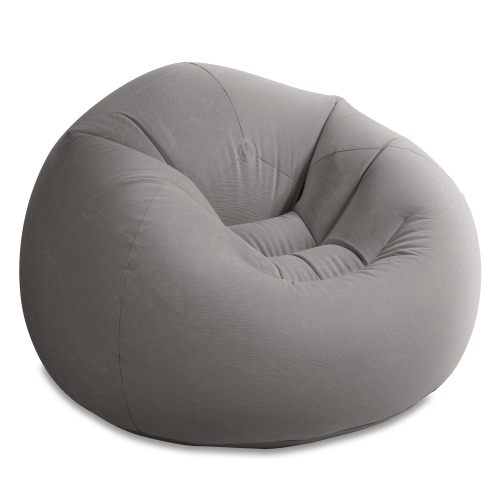 Your price for this item is $108.99
-
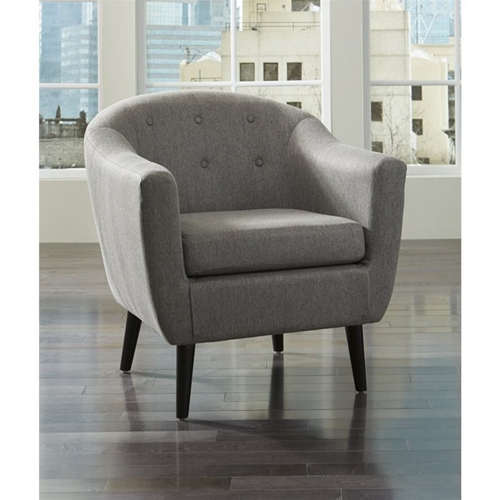 Your price for this item is $544.85
-
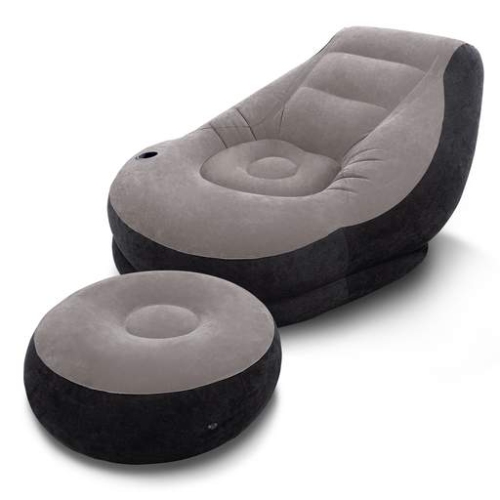 Your price for this item is $289.99
-
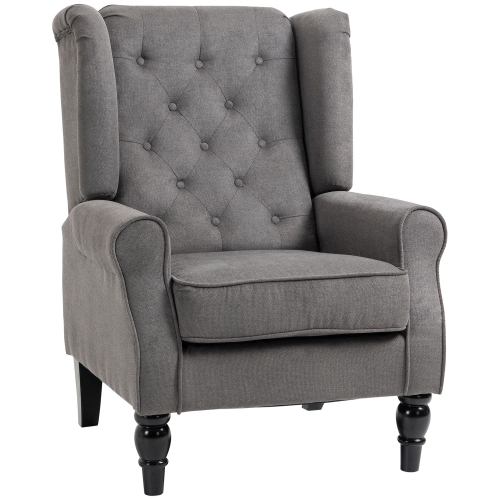 Your price for this item is $249.99
-
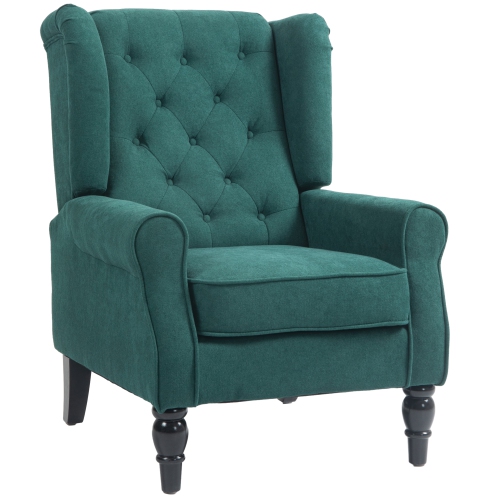 Your price for this item is $244.99
-
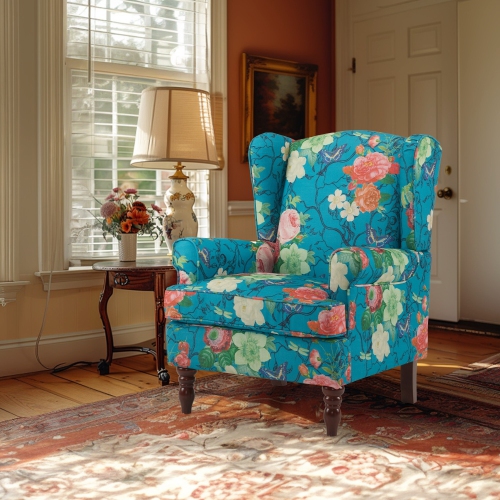 Your price for this item is $249.99
-
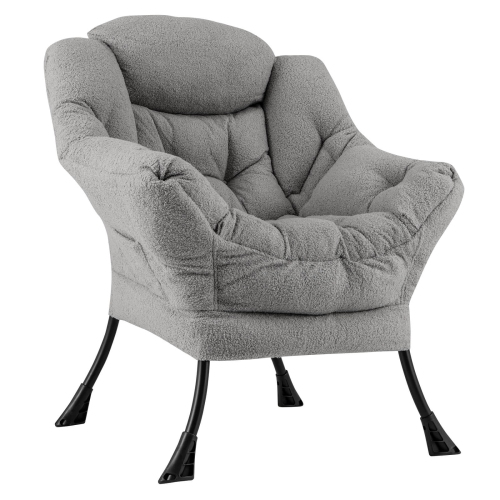 Your price for this item is $157.99
Discover more categories related to Velvet Modern Accent Chairs
Top Collections:
Best Black Friday Deals This Year, Best Black Friday Deals On Electronics, Kindle Devices, Best Black Friday Deals On Apple Products, Best Budget Office Chairs, Best Cameras for Sports Photography, Dyson Airwrap, Canon G7X Cameras, Best Laptops for Writers, Samsung Galaxy Phones
Some products may be subject to Environmental Handling Fees
(EHF) depending on your province.
Learn more about EHFs.