Velvet Sectional
Velvet sectional sofas are a classic choice for living rooms. Not only do they offer a comfortable seating option, but they also bring a touch of sophistication to almost any space. With their unique texture and luxurious feel, velvet sectionals can be a beautiful addition to almost any home. Here are some of the great options.
Sort



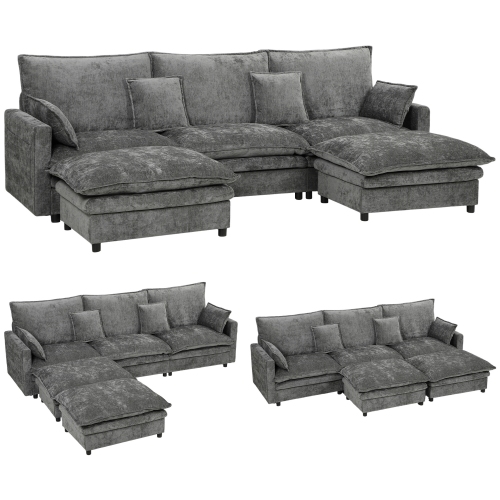


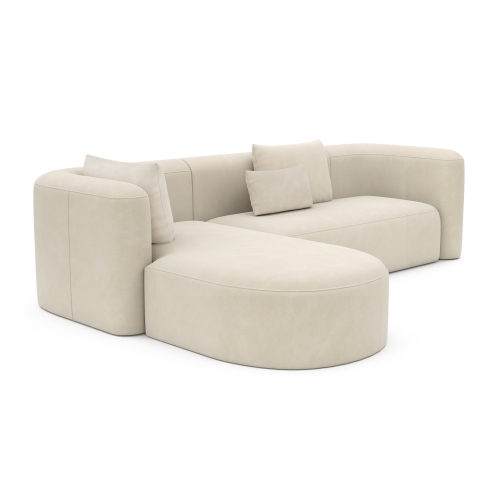
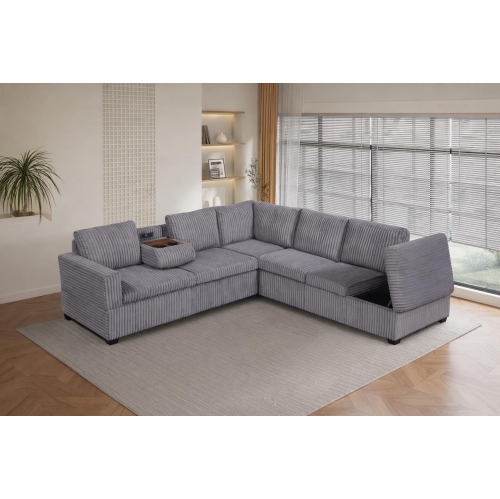

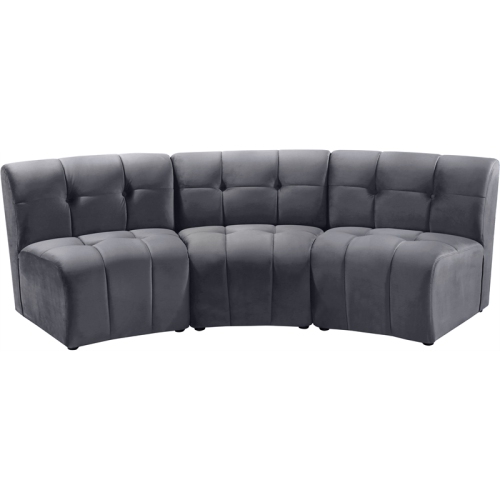


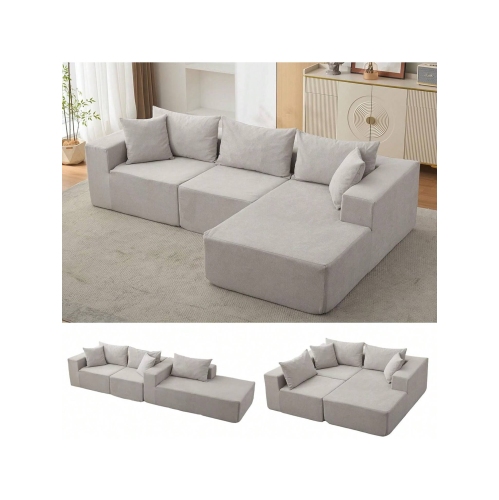
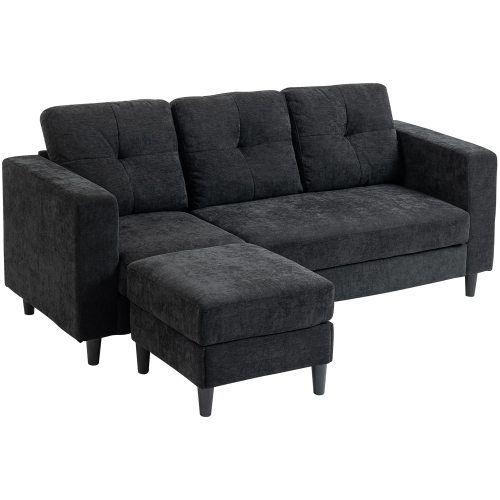
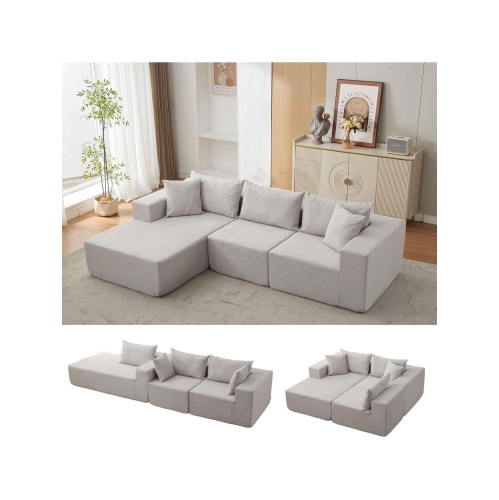


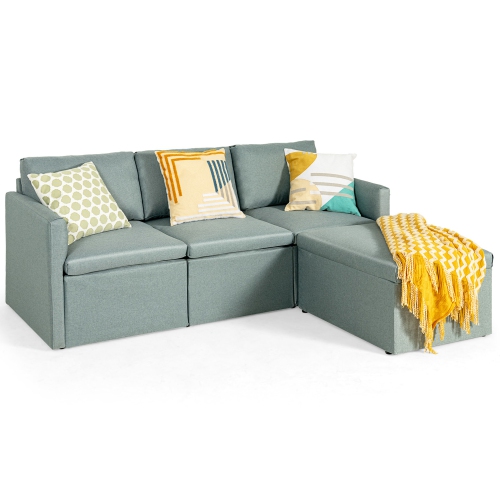
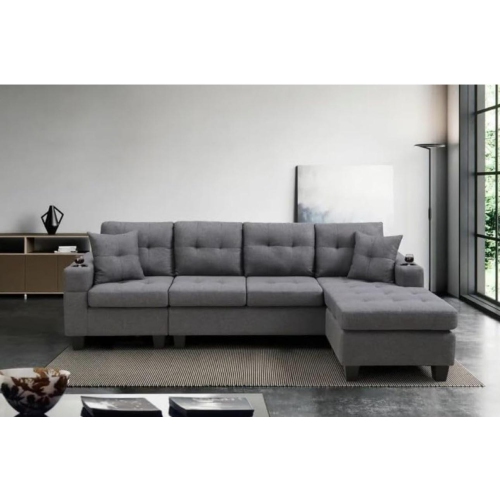


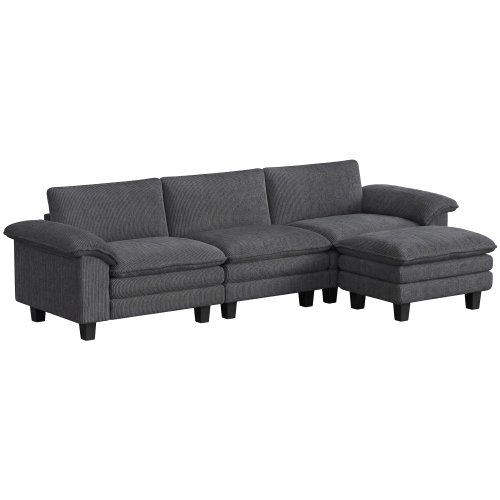

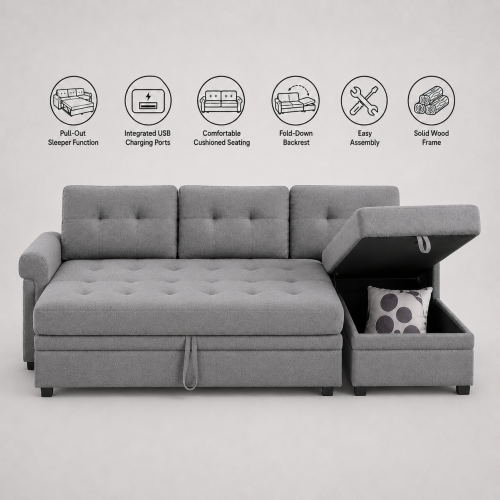

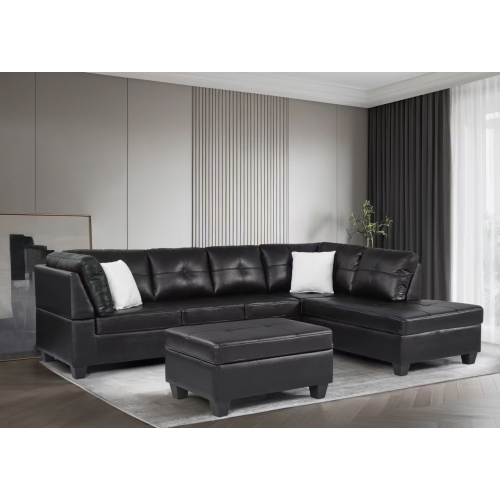
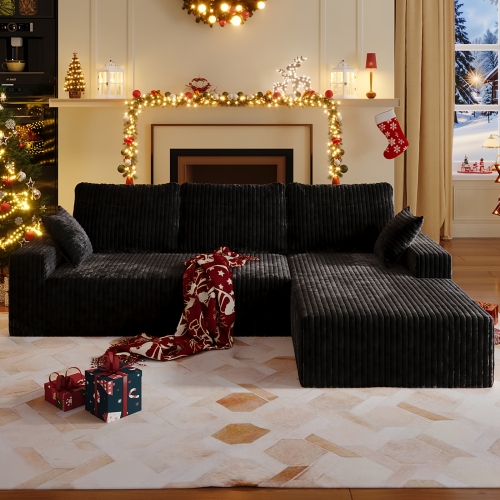

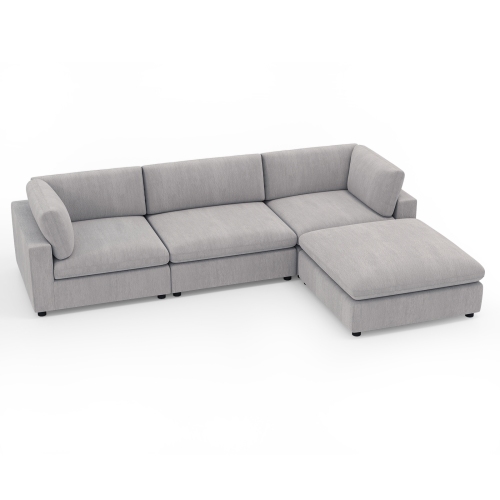
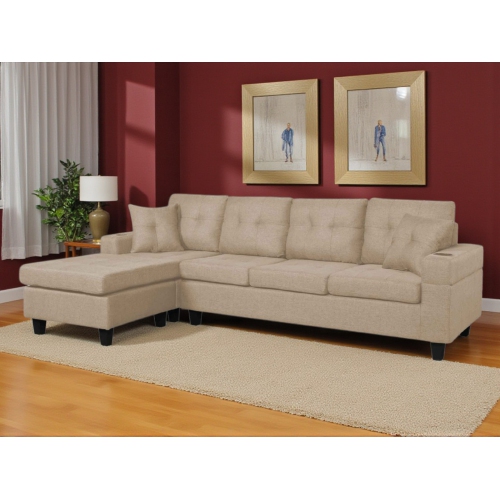


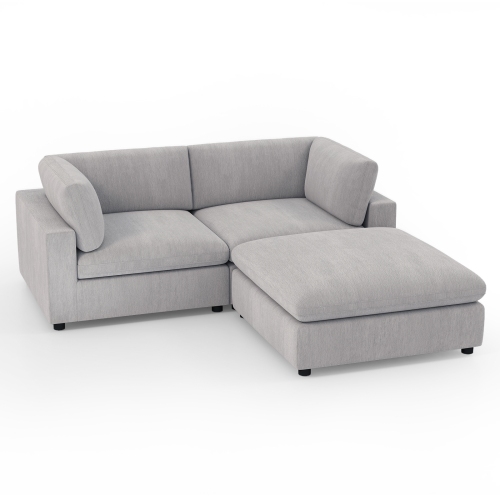


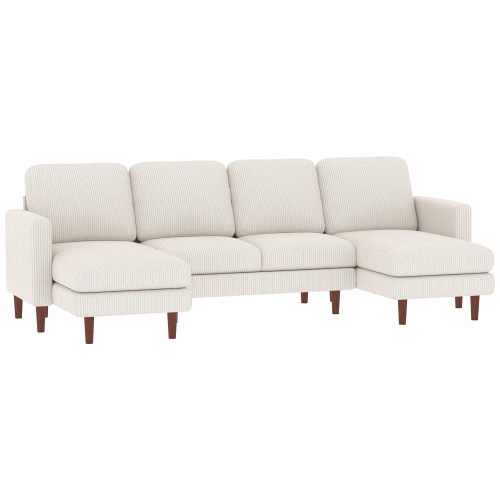
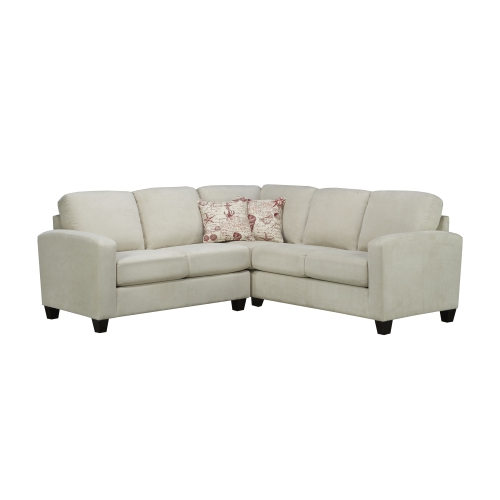
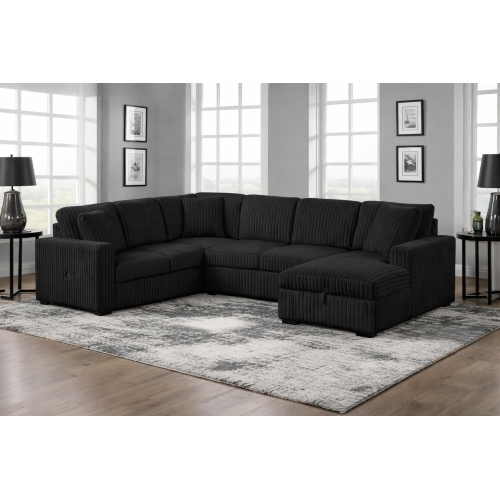
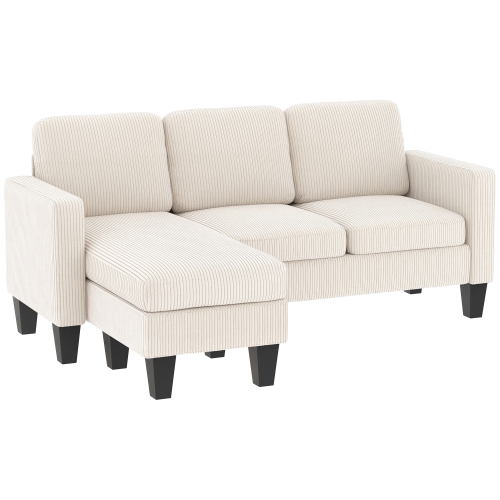

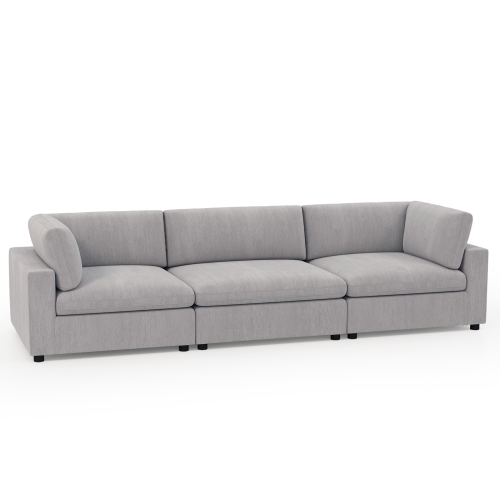


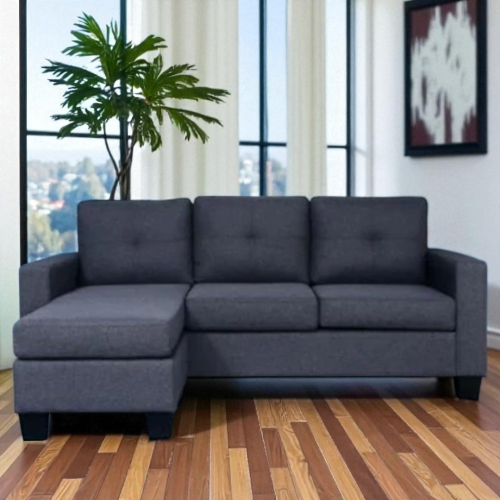
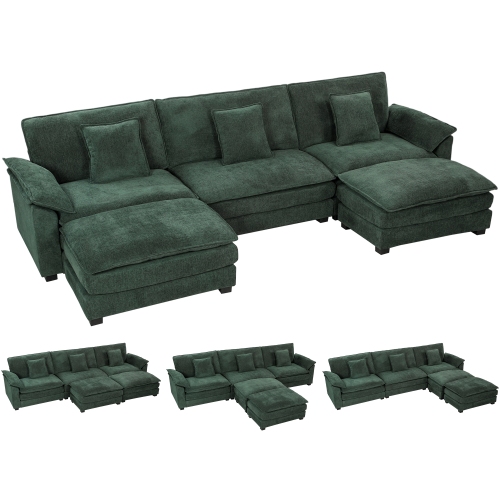

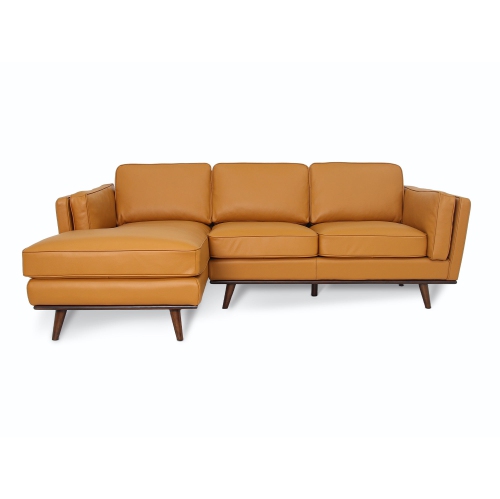


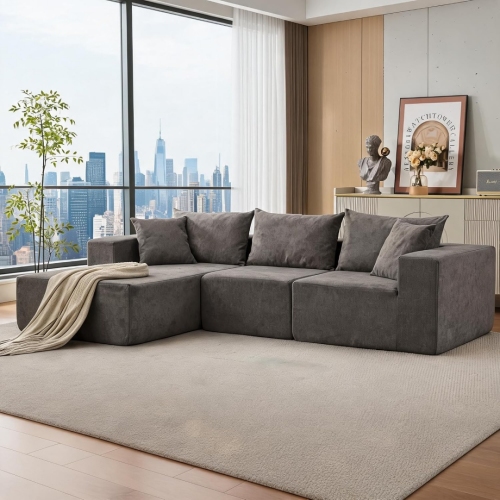


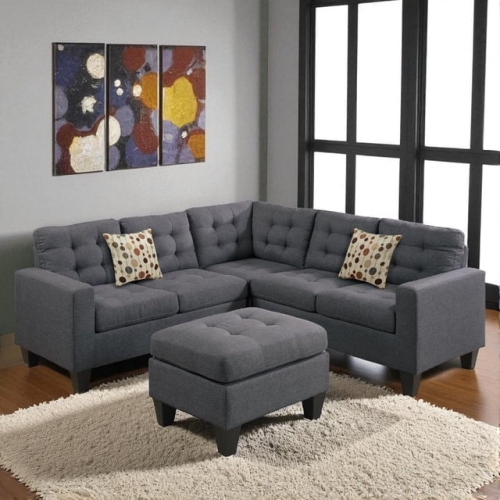


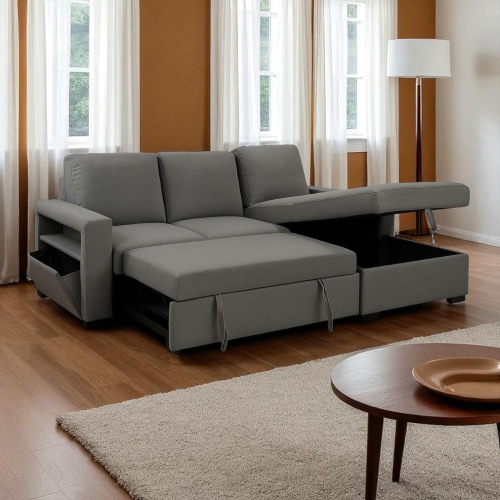

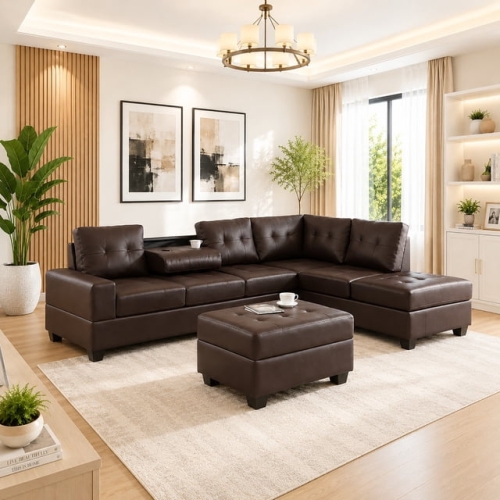
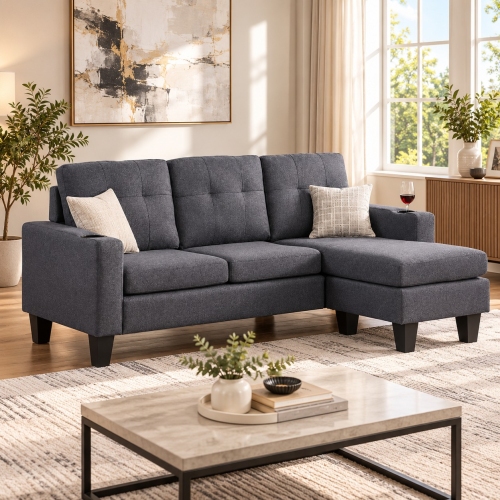
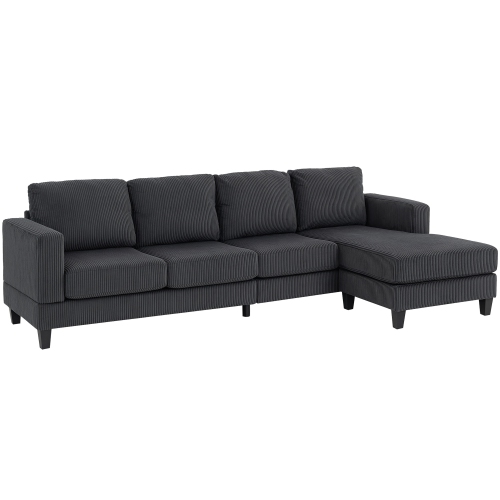

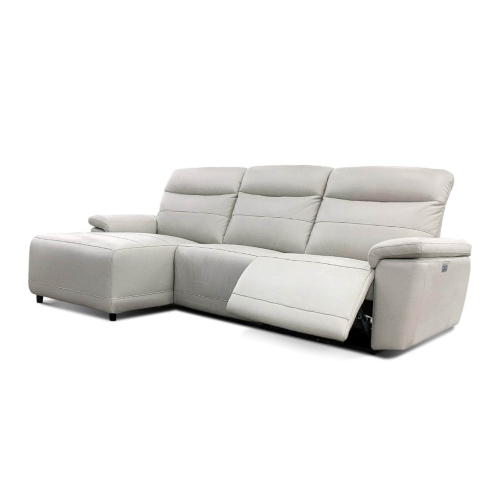

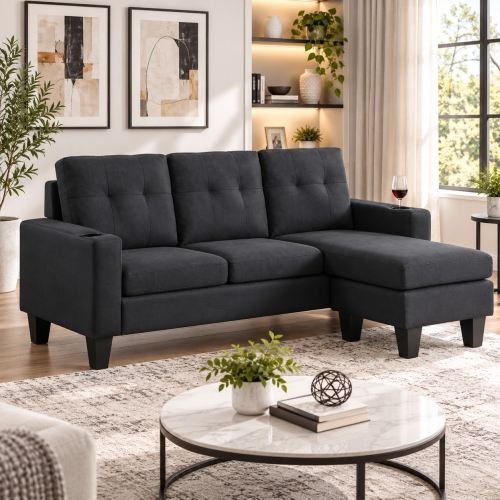
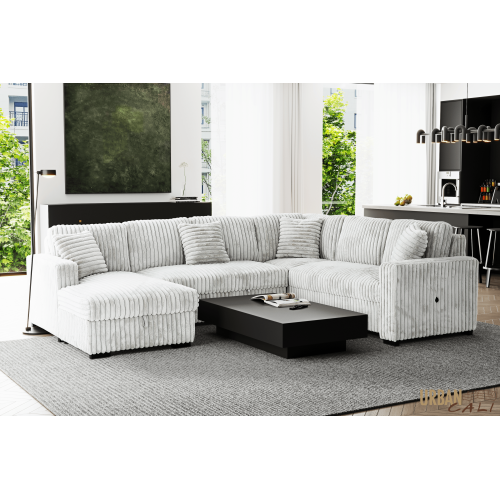
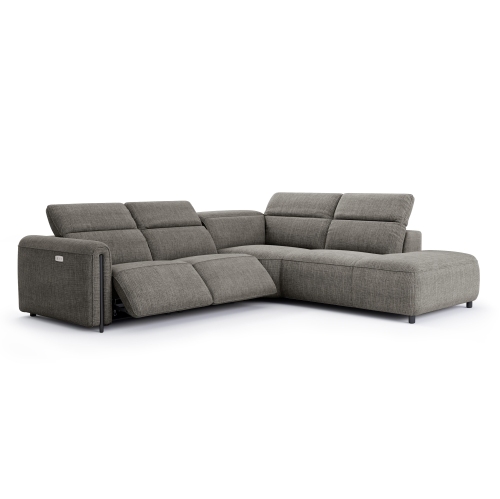
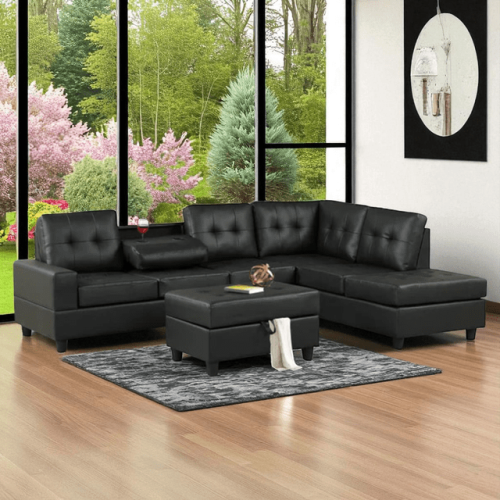
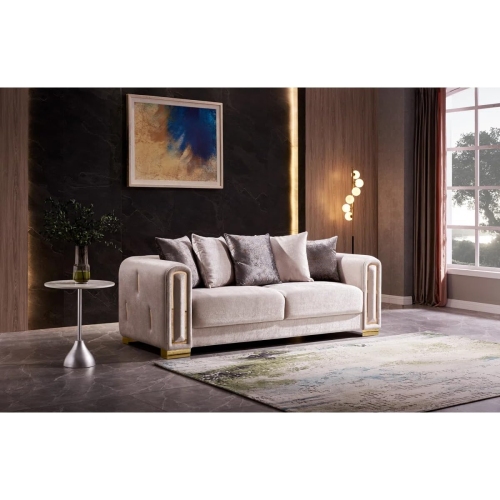
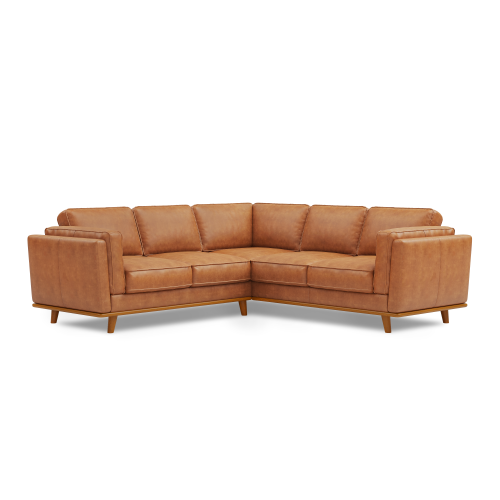


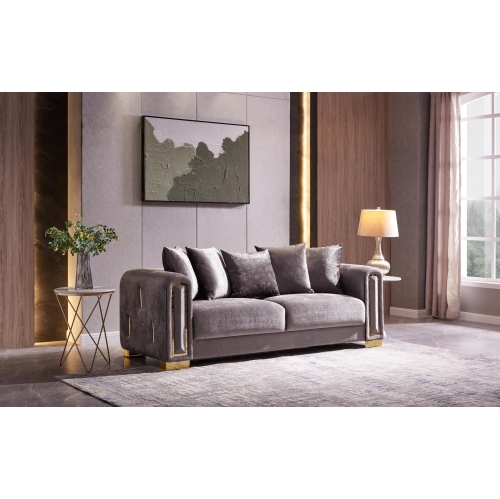
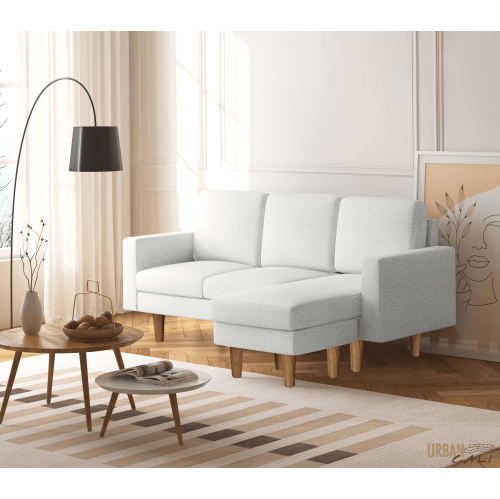

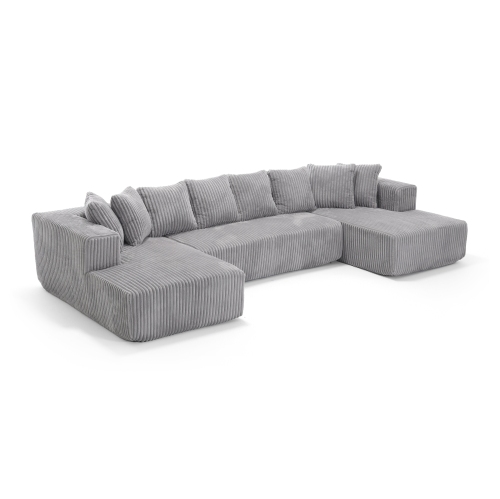
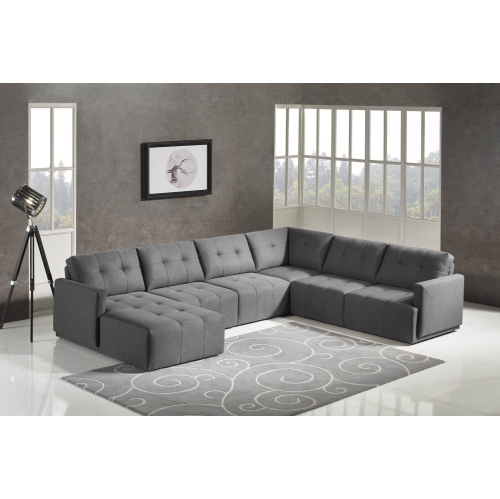
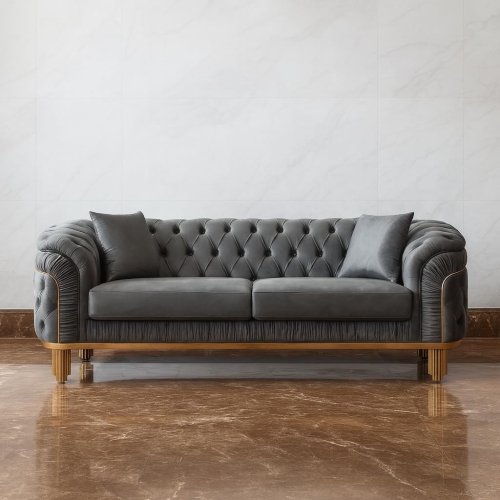
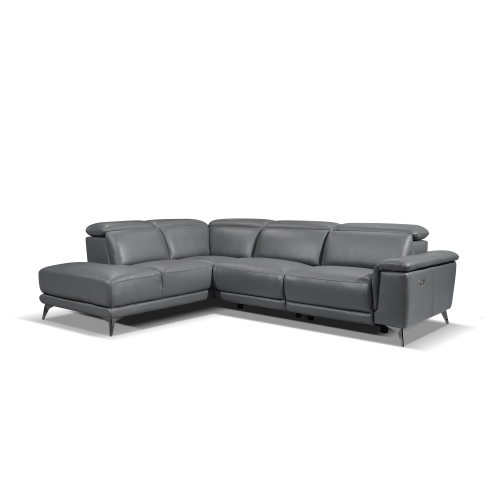
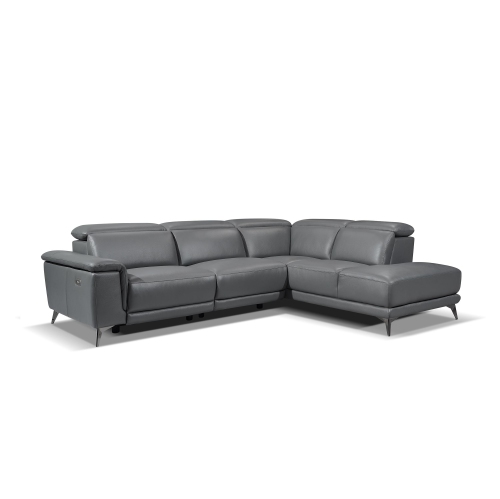
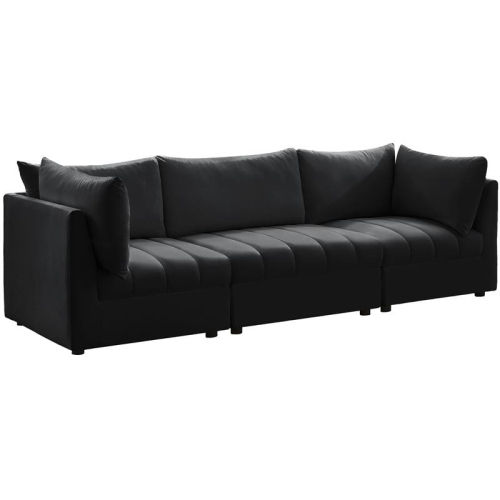


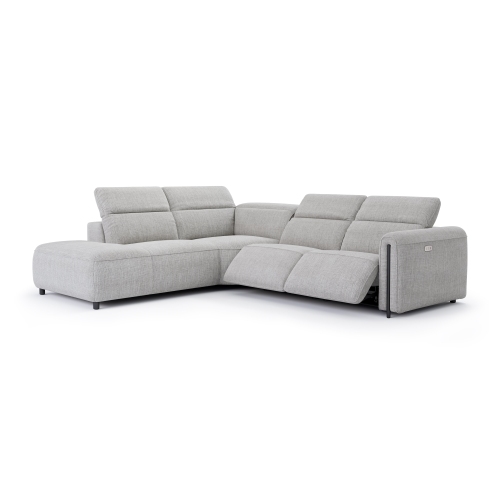
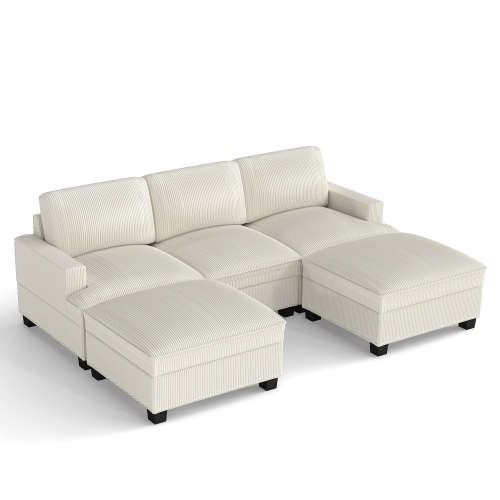

How velvet’s pile gives colour depth and dimension
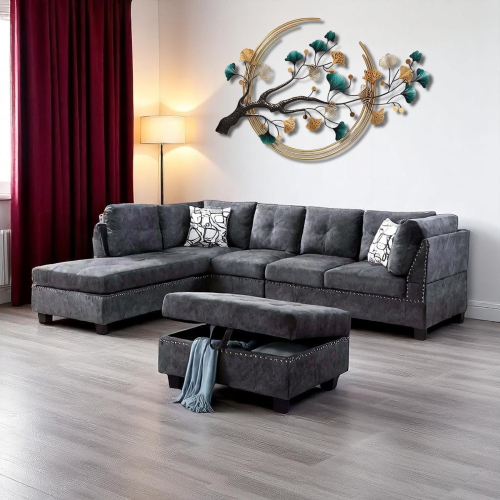
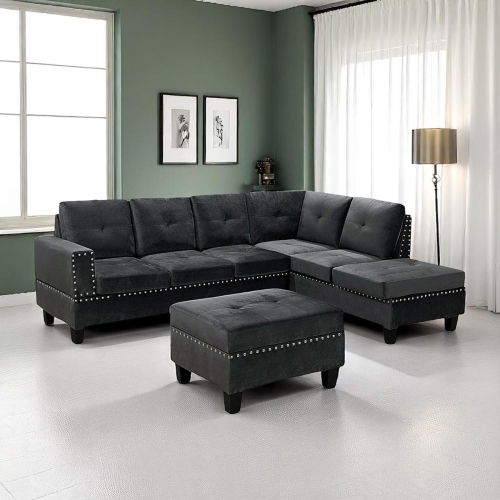
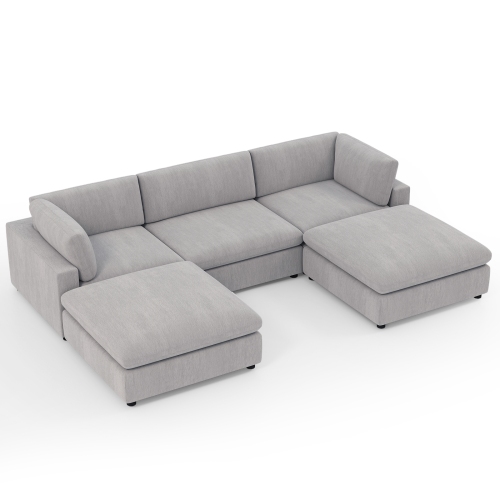
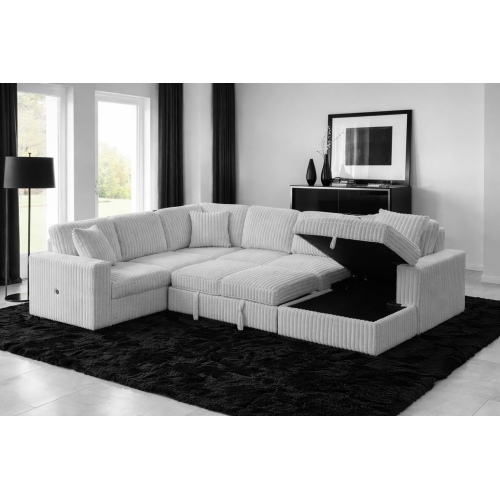
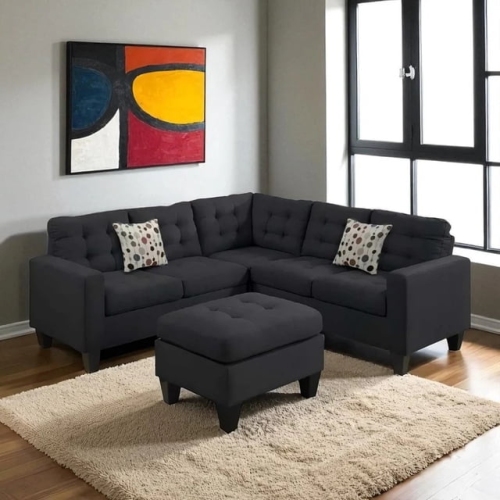
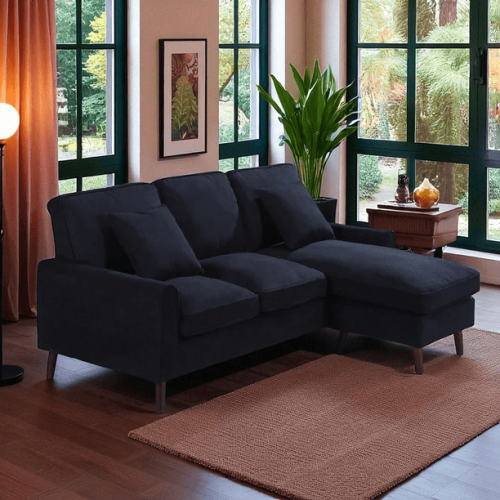
Velvet sectionals bring generous seating and a distinctive, soft texture to living rooms, family rooms, and open-plan spaces. Their appeal comes partly from the fabric’s pile: the short, closely packed fibres catch light differently depending on their direction, giving a single colour subtle variations across the seats, arms, and back cushions. A deep blue sectional can look richly saturated from one side of the room and softer from another, while pale grey or cream velvet creates a quieter effect without losing that sense of depth. The silhouette matters just as much as the upholstery. Slim arms and raised legs leave more floor visible, which can help a substantial sectional feel less imposing. Broad arms, low profiles, and deep cushions create a more relaxed place to stretch out, while upright backs and tailored seams suit rooms used for conversation as well as lounging. Tufting adds definition, although a smooth seat may be preferable for anyone who likes an uninterrupted surface or wants fewer crevices to vacuum. Velvet describes the fabric’s construction rather than a single fibre, so upholstery composition deserves attention. Polyester velvet, cotton velvet, and blended fabrics can differ in softness, sheen, cleaning requirements, and resistance to everyday wear. Performance-labelled upholstery may offer useful stain-resistance or cleaning features, but the stated properties should be checked rather than assumed. Colour also shapes how a sectional settles into a room. Green, rust, and navy can make the seating a focal point, while neutral shades work easily with patterned rugs, wood furniture, and changing cushion covers. For a more understated palette, Grey Velvet Couches offer a related direction, with tones that can complement both warm wood finishes and cooler metal accents. Fabric swatches, when provided, help reveal the pile, undertone, and feel more accurately than a screen alone, especially when viewed beside the flooring and curtains the sectional will share.
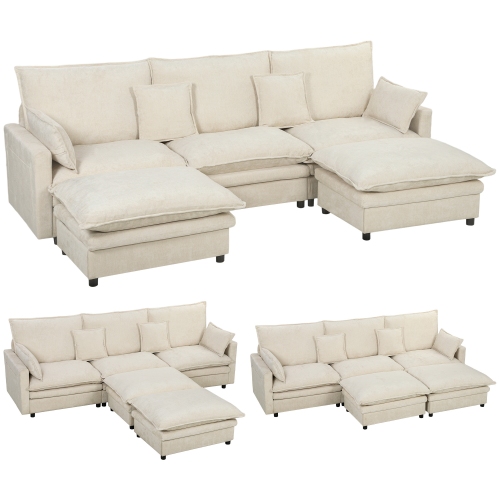
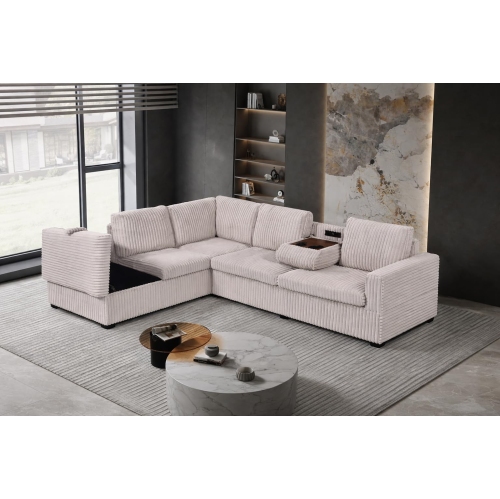
A velvet sectional needs to fit both the floor plan and the way people actually sit. Overall width and depth are only the starting point; the chaise projection, arm thickness, back height, and usable seat dimensions all affect the result. In a compact condo, a wide arm can take up space that might otherwise become seating, while an oversized chaise can interrupt the route between the living area and kitchen. Marking the footprint on the floor with painter’s tape makes those trade-offs easier to picture. Leave comfortable passage around the seating, allow access to nearby drawers and doors, and consider whether a coffee table will remain within reach without crowding anyone’s knees. Orientation is particularly important with L-shaped designs. Left-facing and right-facing terminology should be confirmed against the layout diagram, since the chaise needs to land on the intended side of the room. Reversible designs can offer flexibility, though the method of switching sides varies. Modular sectionals offer another approach, using separate seating components that may be arranged to suit a move or a different room layout, subject to their connection system and finished sides. For a shared household, a corner configuration can give several people a comfortable place to settle without lining everyone up in a straight row. A chaise suits someone who likes to read with their legs extended, but that same space may not function as multiple separate seats when guests visit. Seat depth is equally personal: deeper cushions support curled-up lounging, whereas a shallower seat can make it easier to sit upright with feet on the floor. Firmer cushions and supportive arms may also make sitting down and standing up more comfortable. Before delivery, compare the packaged dimensions with doorways, stair turns, lift interiors, and hallways. Removable legs or separately packed sections can help with access, but those details need confirmation; a sectional that fits the room still has to reach it.
Long-term comfort depends on what sits beneath the velvet as much as on the fabric itself. Frame construction, joint reinforcement, suspension, and cushion filling work together to determine how a sectional feels after repeated use. Solid wood and plywood components can provide dependable structure when well constructed, while the quality of the joints and support system matters more than a material name alone. Foam cushions tend to offer a more defined shape, with firmness and resilience varying by formulation and density. Fibre or feather-blend layers can create a softer surface but may need regular fluffing to maintain an even appearance. Removable cushions can make routine care easier, although a removable cover is not necessarily machine washable. Always follow the upholstery care label and any specific cleaning directions. Velvet’s pile can show pressure marks or changes in shading where people sit most often; these are not automatically signs of damage. Gentle brushing with an appropriate upholstery brush may help restore the pile when permitted by the fabric’s care instructions. Routine vacuuming with a suitable upholstery attachment removes crumbs, dust, and grit before they settle into seams or rub against the fibres. Spills are best addressed promptly by blotting with a clean, absorbent cloth rather than scrubbing, which can spread moisture or disturb the surface. Any permitted cleaner should first be tested on a concealed area, and steam should only be used if the manufacturer allows it. In homes with pets, a close, smooth pile may make loose hair easier to lift, but no velvet should be assumed to resist claws or snagging. Children’s snacks, frequent visitors, and daily lounging all place different demands on upholstery, making clear care information and documented abrasion testing useful details to compare. Avoid prolonged direct sunlight where possible to help limit uneven fading, and rotate or swap cushions only when the design allows. A well-proportioned velvet sectional with suitable support and manageable care requirements can serve as a comfortable anchor for everyday conversation, reading, watching television, and spending time together.
Top selling and popular products
-
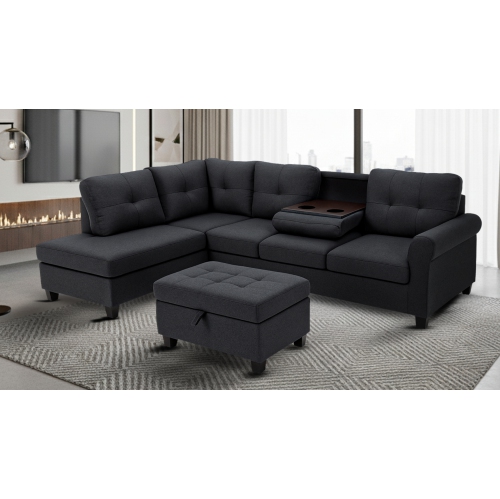 Your price for this item is $1399
-
 Your price for this item is $1099
-
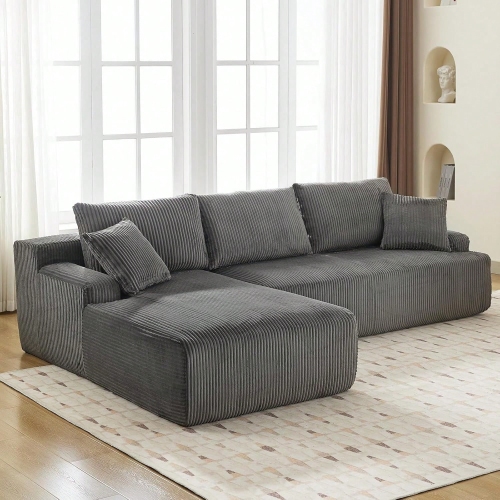 Your price for this item is $568.99
-
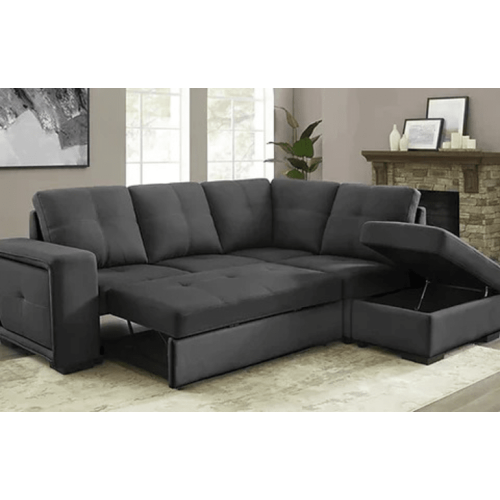 Your price for this item is $1699
-
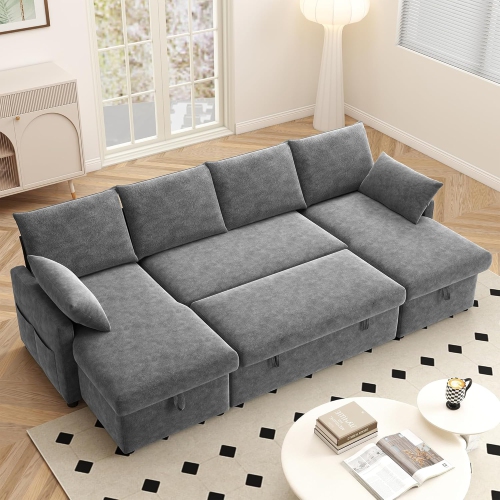 Your price for this item is $829.99
-
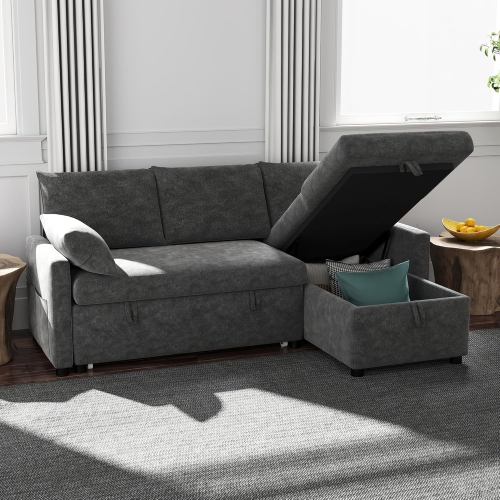 Your price for this item is $649.99
-
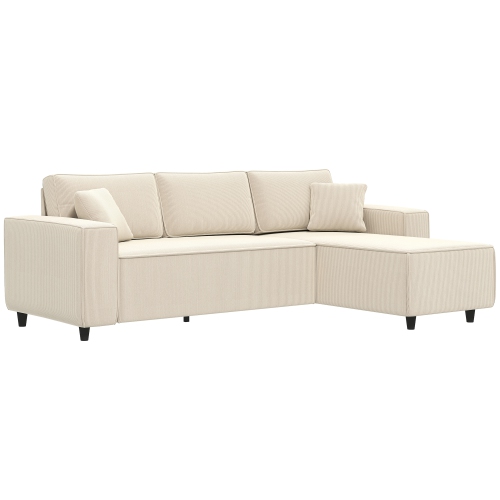 Your price for this item is $569.99
-
 Your price for this item is $569.9
Discover more categories related to Velvet Sectional
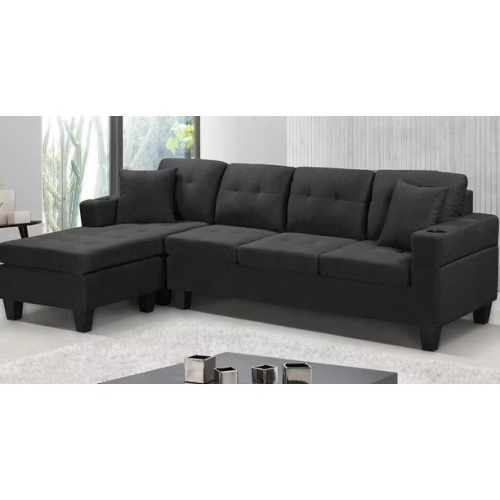
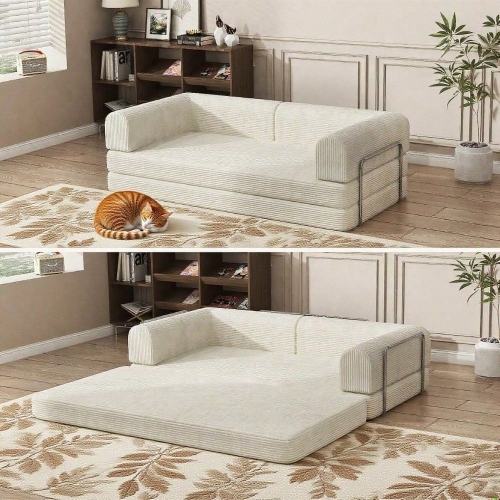
Top Collections:
Best Black Friday Deals This Year, Best Black Friday Deals On Electronics, Kindle Devices, Pokemon Centers, Best Black Friday Deals On Apple Products, Best Cameras for Sports Photography, Dyson Airwrap, Pokémon 30th Celebration Cards, Apple iPhone 17 Pro, Canon G7X Cameras
Some products may be subject to Environmental Handling Fees
(EHF) depending on your province.
Learn more about EHFs.