Vintage Industrial Wall Sconces
Vintage Industrial Wall Sconces bring timeless character and a touch of urban flair to any room. Perfect for enhancing living spaces, hallways, or entryways, these fixtures blend classic design with modern appeal. Whether you're updating your home décor or creating a unique ambiance in your office, Vintage Industrial Wall Sconces offer versatile options to complement various interior styles. Explore a wide selection to find the ideal lighting solution that elevates your space with distinctive charm.
Sort
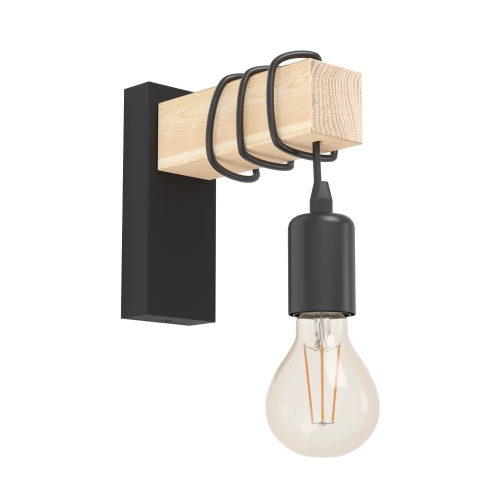
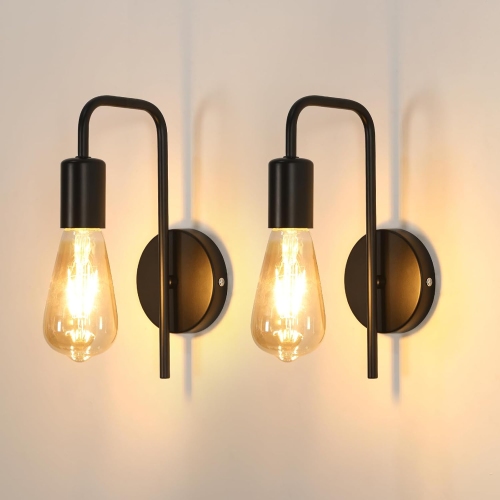
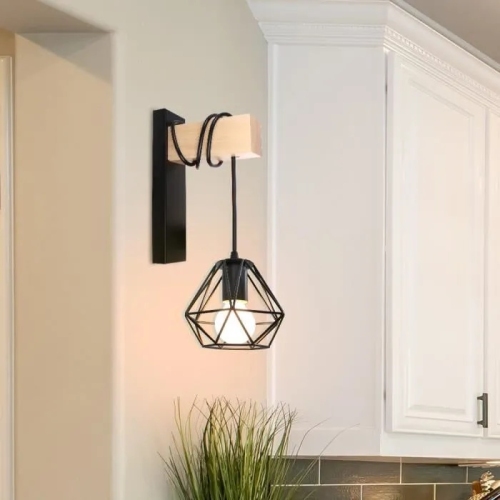
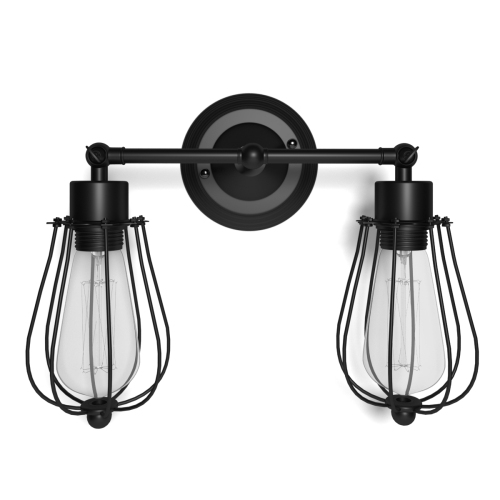
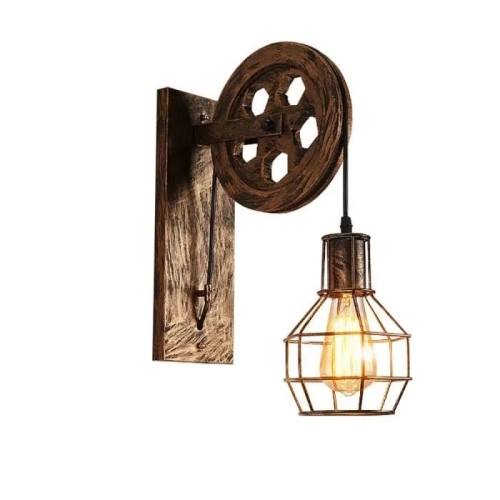


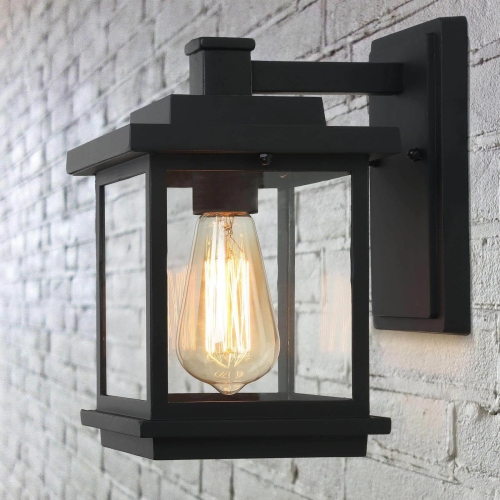
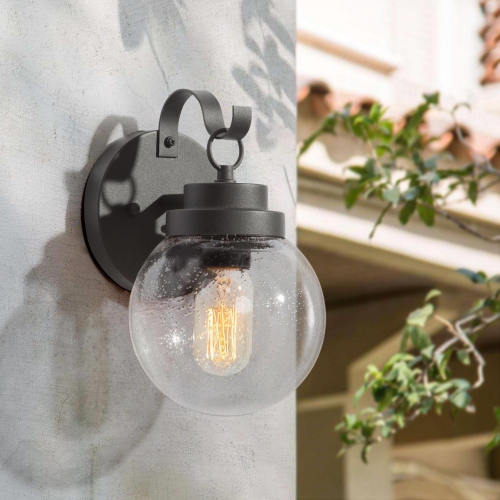
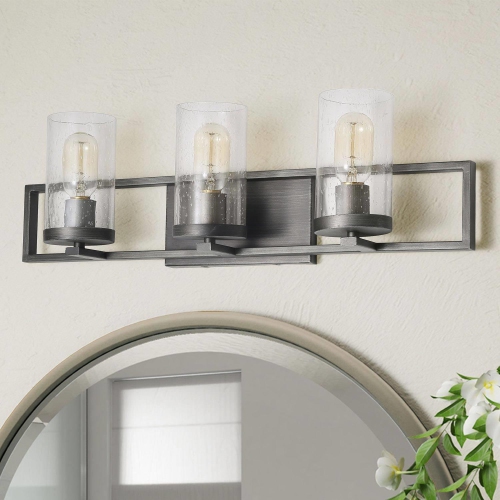
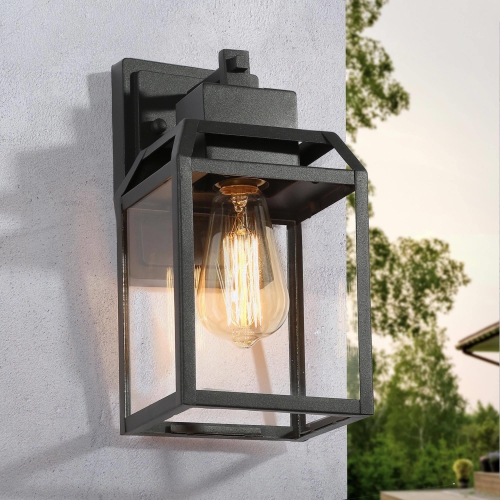


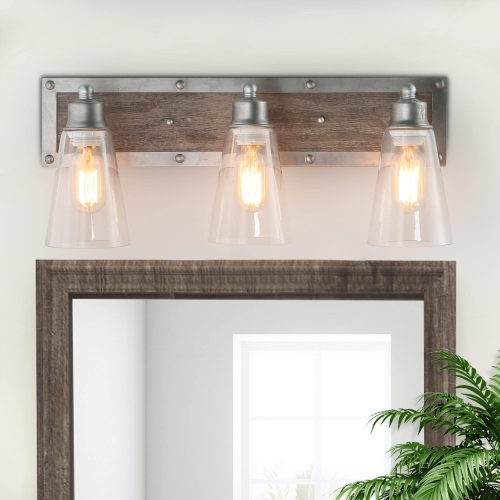
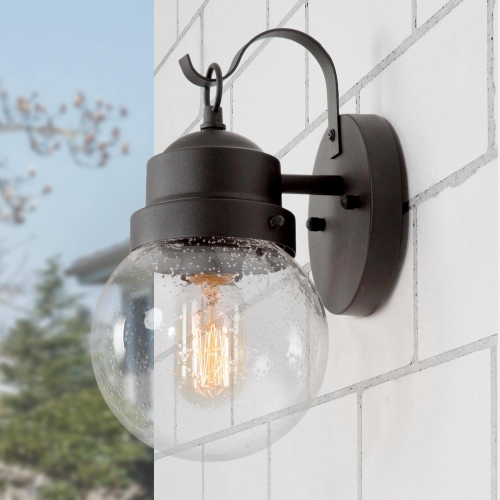


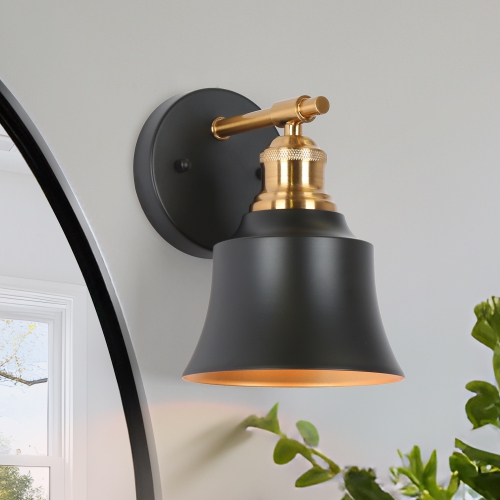
Workshop-inspired details that shape both style and light
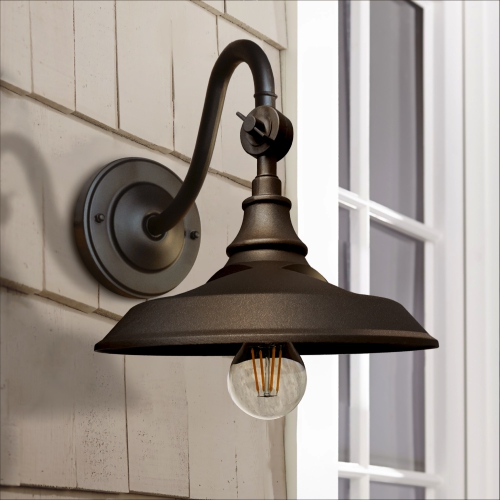
Vintage industrial wall sconces are wall-mounted light fixtures that draw on the practical shapes of factory lamps, workshop lighting, and early electrical fittings. Their character comes from visible hardware, sturdy metalwork, exposed bulbs, and shades designed to direct light where it is needed. Blackened steel, iron, aged brass finishes, and clear or ribbed glass give the style its familiar mix of utility and warmth. A curved gooseneck arm with a broad metal shade recalls a workshop task light, while a wire cage around a filament-style bulb brings a more mechanical look. Pipe-inspired arms, knurled fittings, and prominent joints add detail without requiring a room full of industrial furnishings. Here, vintage often describes the design rather than the age: a newly manufactured fixture can have the appearance of older lighting while using contemporary electrical components. This makes the style adaptable to lofts, traditional houses, compact condos, and rooms where a little contrast is welcome. Against exposed brick, a dark metal sconce can reinforce the texture of the wall; beside a painted headboard or pale upholstered chair, the same finish becomes a clear visual accent. Glass shades tend to keep the fixture feeling lighter, while solid metal shades create a more substantial outline. Finish variations also affect the mood. A smooth black surface looks crisp, brushed metal feels understated, and deliberately distressed finishes introduce an aged appearance. For spaces with timber furniture, woven fabrics, or textured plaster, Rustic Industrial Wall Sconces offer a closely related direction with a stronger emphasis on weathered character. Matching every metal in a room is not essential, but repeating one finish in a mirror frame, cabinet handle, or curtain rod can make the lighting feel connected to the space. These fixtures suit anyone who appreciates practical design with visible construction, whether the goal is a coordinated pair beside a bed or a single accent above a favourite reading spot.
The shape of a vintage industrial sconce influences its light as much as its appearance. A downward-facing metal shade concentrates illumination on a bedside table, desk, or section of countertop, while an open cage allows more light to spill into the surrounding space. Clear glass leaves the bulb visible and can create bright highlights; frosted or textured glass softens its appearance, although the effect depends on the shade and bulb together. Adjustable arms and swivelling heads are useful beside a reading chair because the light can follow the page rather than shine directly towards the face. The arm’s reach matters, especially when the backplate sits behind a headboard or beside a deep shelf. In a narrow hallway, a shallow fixture is less likely to intrude into the walking space than a long projecting arm. Around a bathroom mirror, balanced placement can reduce strong shadows, but the fixture must also carry the appropriate location rating for its position. Bulb choice adds another layer of control. Many vintage-inspired designs use an E26 medium-base socket, though the specified base, maximum wattage, bulb dimensions, and permitted bulb types must match the fixture. A warm-white LED bulb around 2700K to 3000K can complement aged metal and wood, while its lumen rating indicates brightness more usefully than wattage alone. Filament-style LED bulbs provide the visible lines associated with older lamps without requiring an incandescent bulb. Exposed bulbs can still feel harsh at eye level, so brightness and positioning deserve attention in bedrooms and seating areas. Dimming can make one fixture suitable for both reading and softer background lighting, provided the bulb, fixture, and dimmer are compatible. Integrated LED sconces have the light source built into the fixture instead of using a conventional replaceable bulb; their stated colour temperature, dimming support, and service options therefore matter from the outset. For any design, the relationship between shade size, wall space, and nearby furniture helps determine whether the fixture looks comfortably proportioned rather than crowded or lost.
Installation type, construction, and everyday care help distinguish a decorative choice from a fixture that works comfortably in its intended setting. Hardwired wall sconces connect to the home’s electrical wiring and usually leave a clean outline without a visible cord. Their placement depends on the electrical box and surrounding wall, with installation or wiring changes handled by a qualified electrician in accordance with local requirements. Plug-in sconces connect to a wall outlet and can be practical where adding wiring is not suitable, although the cord remains part of the arrangement. Outlet position, cord length, and the location of an in-line switch can affect daily use as much as the fixture’s appearance. A bedside light is more convenient when its switch is reachable without stretching behind furniture, and a swing arm needs enough clearance to move without striking a shelf or mirror. Fixtures should bear electrical approval markings recognized in Canada and have a rating appropriate to the installation location. An indoor dry-location sconce is not automatically suitable for a damp bathroom area, an uncovered porch, or another location exposed to moisture. Materials also respond differently to use. Coated steel and iron depend on an intact finish to help resist corrosion, glass benefits from secure mounting and careful handling, and adjustable joints need a firm hold to keep the shade in position. Deliberate distressing is a surface treatment, not a sign that loose fittings or damaged wiring are acceptable. Routine care is generally straightforward: with the power off and the fixture cool, a soft cloth removes dust from shades, cages, and backplates, following the manufacturer’s cleaning directions. Abrasive cleaners can scratch glass or alter painted and plated finishes. Genuine older fixtures require particular attention to wiring and condition rather than an assumption that age alone makes them ready to install. For a home office, reading corner, entryway, or bedroom, a well-proportioned vintage industrial wall sconce adds useful light while freeing tabletop space. It can also make a thoughtful housewarming gift when the recipient’s installation needs, room dimensions, and preferred finish are already known.
Top selling and popular products
-
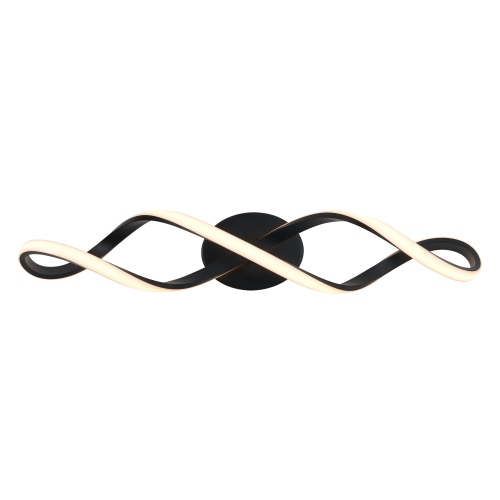 Your price for this item is $99.99
-
 Your price for this item is $223.99
-
 Your price for this item is $159
-
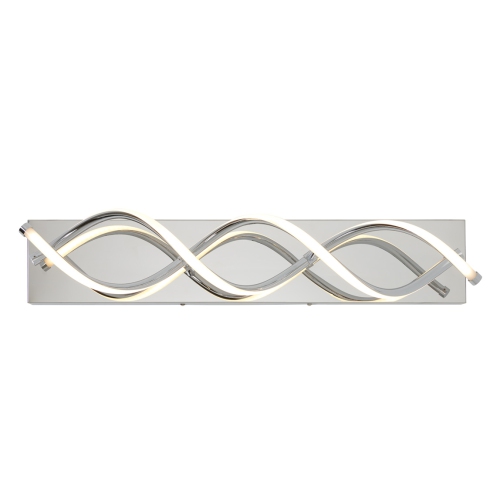 Your price for this item is $169.99
-
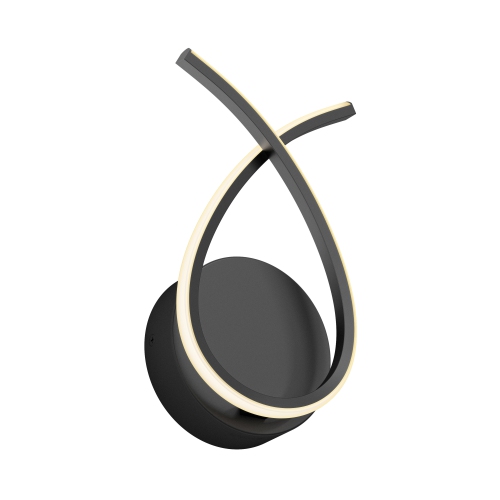 Your price for this item is $49.99
-
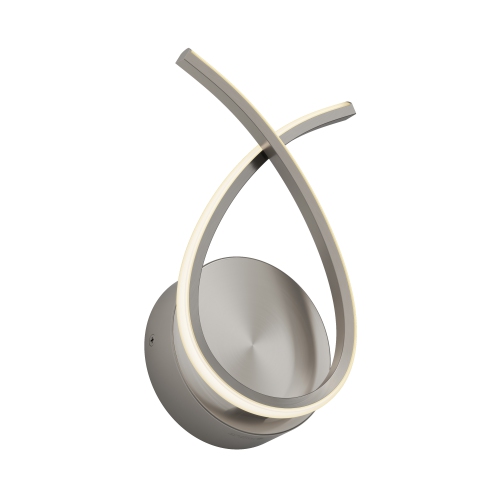 Your price for this item is $59.99
-
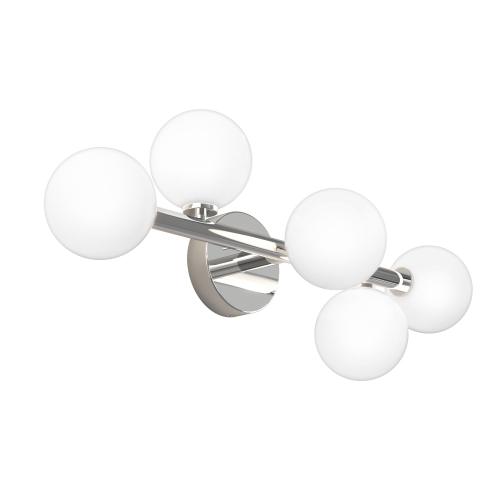 Your price for this item is $139
-
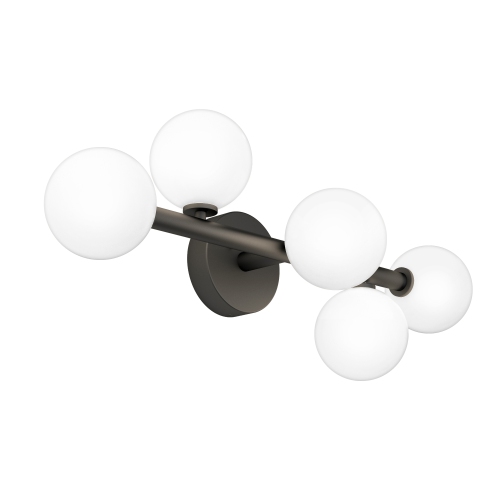 Your price for this item is $139
Discover more categories related to Vintage Industrial Wall Sconces
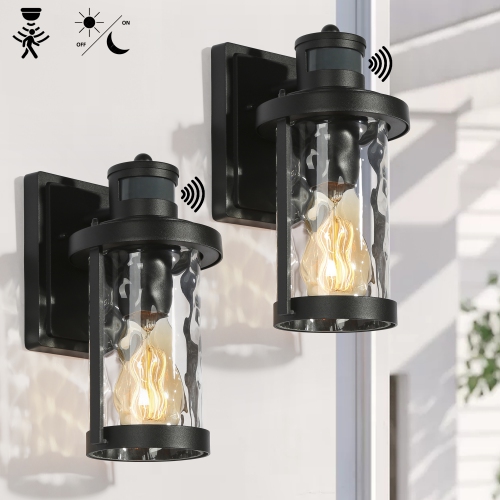
Top Collections:
Pokemon Centers, Best Cameras for Sports Photography, Kindle Devices, Samsung Galaxy Phones, Canon G7X Cameras, Pokémon 30th Celebration Cards, Refurbished Apple Laptops, iPhone 15 Apple, Laptops for Students, Budget Smartphones
Some products may be subject to Environmental Handling Fees
(EHF) depending on your province.
Learn more about EHFs.