Vintage Table Lamps
Illuminate your space with the timeless charm of vintage table lamps, where classic design meets modern functionality. These elegant lighting solutions offer a perfect blend of nostalgia and style, making them an ideal addition to any room in your home. Whether you're looking to create a cozy reading nook or add a touch of sophistication to your living area, vintage table lamps provide versatile options that cater to various aesthetic preferences. Discover the beauty and warmth these lamps bring, transforming ordinary spaces into extraordinary havens of light and elegance.
Sort
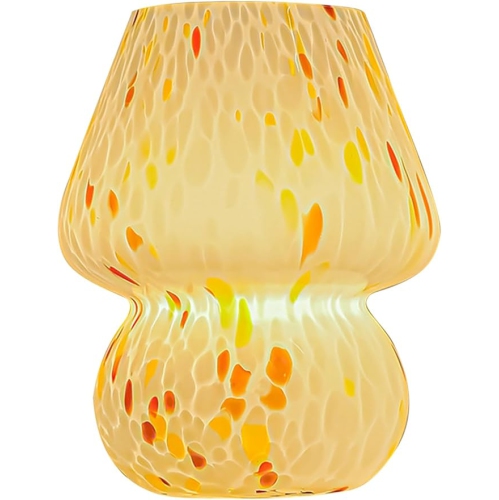
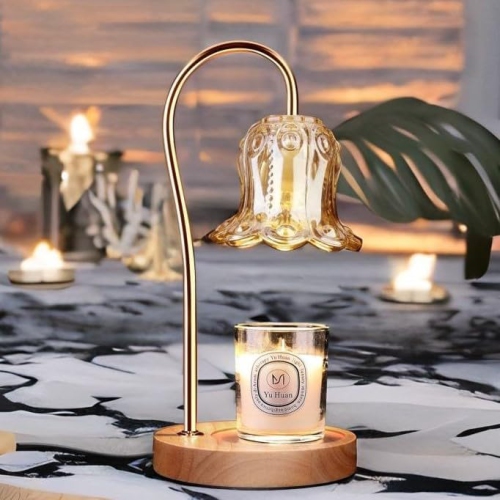
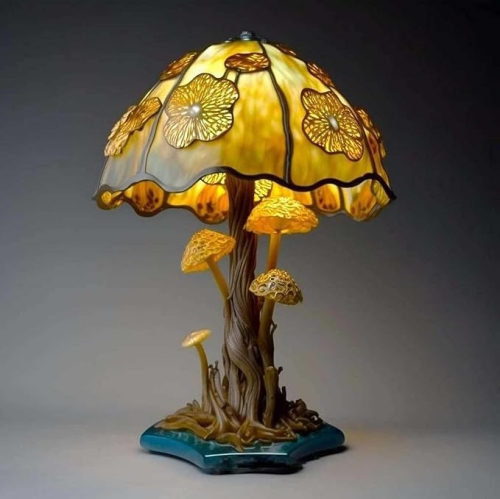


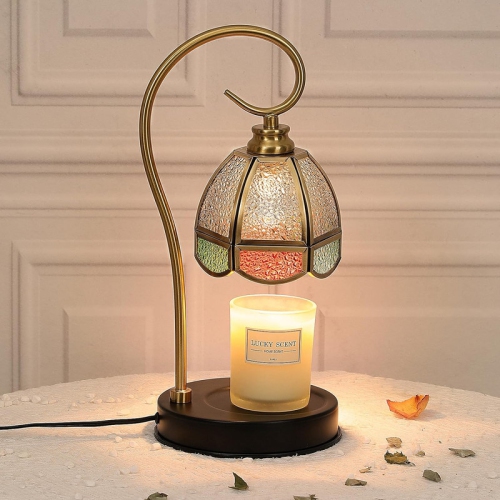


Period details that feel at home beside modern furniture
Vintage table lamps bring character to a room through their proportions, materials, and the quality of light they cast. A rounded ceramic base beneath a pleated shade can soften the straight lines of a sofa and side table, while an angular metal lamp can give a writing desk a more structured look. The appeal is not limited to rooms furnished entirely with older pieces. A lamp with an aged brass finish can sit comfortably beside a contemporary upholstered bed, and coloured glass can add a focal point to a simple console. The term vintage may describe a lamp’s age or its design influence, so the distinction between an older lamp and a newly made vintage-inspired design matters. Details such as stepped bases, fluted glass, turned wood, and tapered shades suggest different periods without requiring every furnishing to match. Art Deco influences tend towards geometric forms and strong symmetry, while mid-century styles often favour clean silhouettes, warm wood tones, and restrained ornament. More traditional designs may feature curved profiles, patterned ceramics, or fabric shades with a softly gathered texture. These differences affect how a lamp feels in a space as much as its colour does. A substantial urn-shaped base has a different presence from a slender stem, even when both lamps stand at the same height. For a living room that already contains patterned cushions, framed artwork, and books, a simpler lamp can provide a visual pause. In a quieter room, a textured base or stained-glass shade can carry more of the room’s personality. Matching bedside lamps create balance, but an intentionally mixed pair can also feel settled when they share a similar height, shade colour, or finish. The most convincing combinations usually repeat one or two details rather than every feature. Vintage table lamps can therefore suit established interiors, first apartments, reading corners, and guest rooms, adding useful light while allowing personal taste to show through familiar everyday furnishings.
Size and light direction determine whether a table lamp works as well as it looks. On a narrow bedside table, the shade needs enough clearance from the wall, headboard, and anything kept within reach, such as a glass of water or a book. A broad base may look balanced on a deep console but leave little usable space on a small end table. Overall height deserves attention too: when someone is seated beside the lamp, a shade that screens the bulb from direct view generally makes the light more comfortable. For reading, the lamp should place light where the pages rest without forcing the reader to lean towards it. A shaded lamp can create a gentle pool of light beside an armchair, while a design with an adjustable head may provide more focused illumination for handwriting or detailed hobbies. Shade material changes the result considerably. Pale fabric diffuses light through its sides, darker or more opaque shades direct more light through their openings, and coloured glass can tint nearby surfaces. These effects help explain why two lamps using similar bulbs may feel quite different in the same room. Bulb compatibility, the fixture’s maximum wattage, and any dimming requirements should all be checked in the lamp’s specifications. An LED bulb must have the correct base and be suitable for the fixture; dimming also requires compatible components. A warm-white bulb often complements wood, brass tones, and cream fabric, though brightness should still suit the task rather than appearance alone. Switch placement is another small detail with daily consequences. A switch beneath the shade may be easy to reach on a desk but awkward from bed, while an inline cord switch needs to remain accessible behind furniture. Cord length and outlet position affect placement, and cords should stay clear of walking routes and never run beneath rugs. Where a room needs light beside seating without another tabletop, vintage floor lamps can complement the same design language while leaving side tables free for everyday essentials.
Materials and construction influence both the look of vintage table lamps and the care they need over time. Ceramic offers a wide range of glazes, from smooth, glossy surfaces to subtle crackle effects, but the base can chip if knocked against a hard edge. Glass may appear light and delicate or thick and sculptural; either way, it benefits from a secure position away from busy corners. Metal bases can feel substantial, though a brass-coloured finish is not necessarily solid brass, and plated or painted surfaces need different treatment from unfinished metal. Wood brings visible grain and warmth, with finishes that may change in appearance through handling and exposure to direct sunlight. A stable base, secure shade fittings, and a cord that does not pull the lamp towards the table edge are practical considerations in homes with children or pets. Care is usually straightforward when it follows the maker’s directions. Unplugging the lamp and letting the bulb cool before cleaning makes it easier to handle safely. A soft, dry cloth is often suitable for routine dusting of the base, while fabric shades may need a gentle brush or an appropriate low-suction vacuum attachment. Abrasive cleaners, excessive moisture, and vigorous polishing can damage finishes or remove an intentionally aged appearance. Lifting the lamp by its base rather than its shade or socket helps protect its fittings when rearranging furniture. For genuinely older lamps, visible wear should be considered separately from electrical condition: a pleasing patina does not establish that wiring, plugs, or sockets are safe. Older electrical components warrant assessment by a qualified professional before use. Newly made vintage-inspired designs can offer period character without the same age-related concerns, although specifications and care instructions still matter. As gifts, table lamps can be thoughtful choices for a housewarming, a newly furnished study, or someone who enjoys distinctive interiors. A recipient’s table dimensions, preferred light level, and existing finishes are useful reference points. Beyond its appearance when switched off, a well-chosen lamp earns its place through comfortable reading light, convenient operation, and a reassuringly familiar glow beside the places people use every day.
Top selling and popular products
-
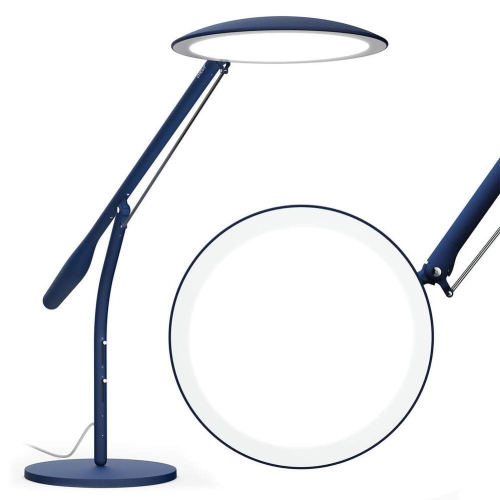 Your price for this item is $198.55
-
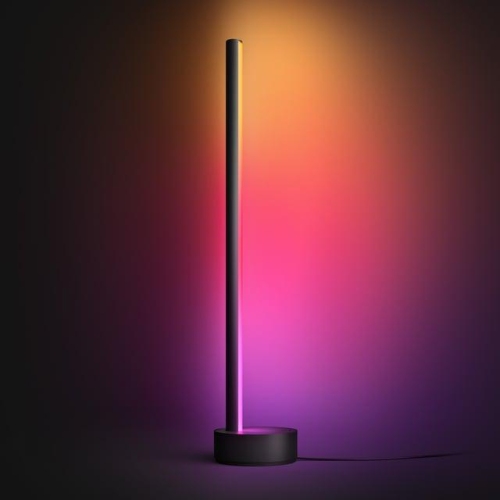 Your price for this item is $199.99
-
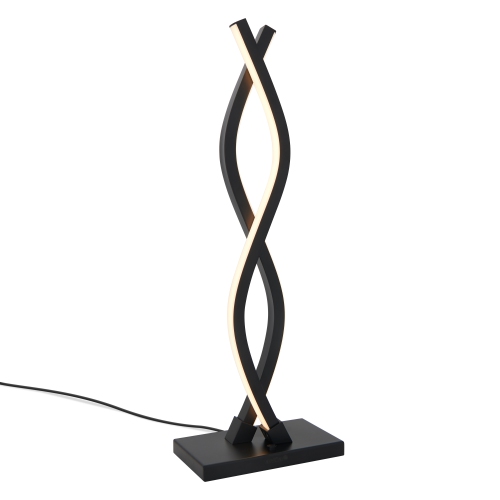 Your price for this item is $79.99
-
 Your price for this item is $119.99
-
 Your price for this item is $119.18
-
 Your price for this item is $141.68
-
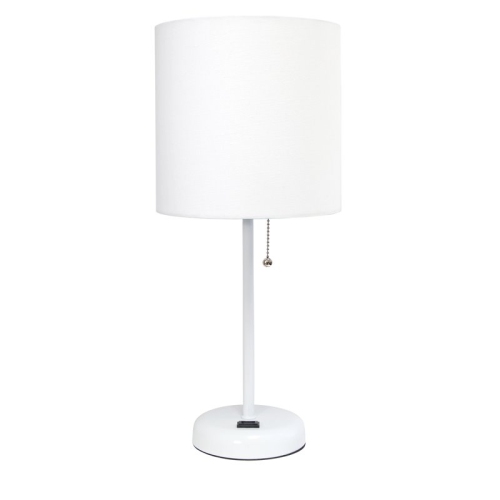 Your price for this item is $108.6
-
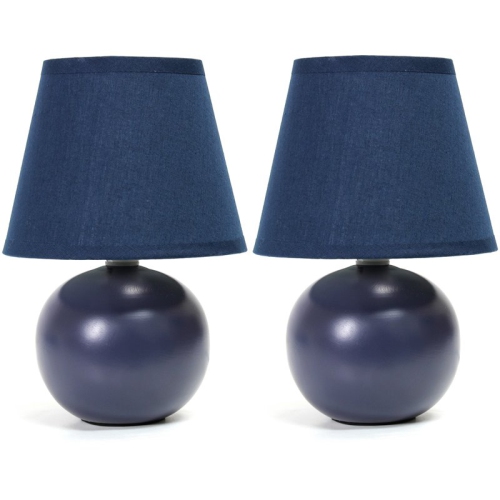 Your price for this item is $117.56
Discover more categories related to Vintage Table Lamps

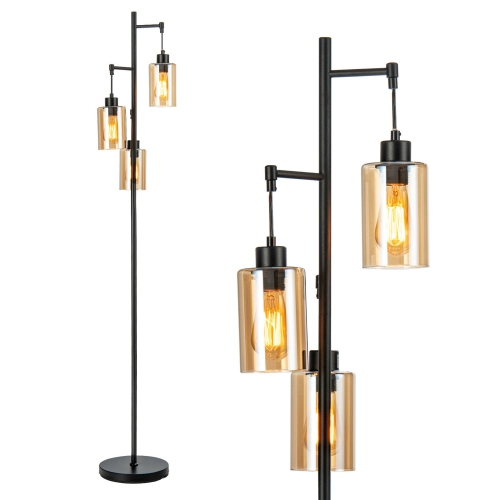


Top Collections:
Pokemon Centers, Best Cameras for Sports Photography, Kindle Devices, Samsung Galaxy Phones, Canon G7X Cameras, Pokémon 30th Celebration Cards, Refurbished Apple Laptops, iPhone 15 Apple, Laptops for Students, Budget Smartphones
Some products may be subject to Environmental Handling Fees
(EHF) depending on your province.
Learn more about EHFs.