Vintage Wooden Desks
Add a touch of charm and character to your home office or workspace with our collection of vintage wooden desks. Whether you're searching for a spacious executive desk or a compact writing desk, our selection offers a variety of options to suit your needs and elevate your space. Explore our range of vintage wooden desks to find the perfect piece for your home or office.
Sort
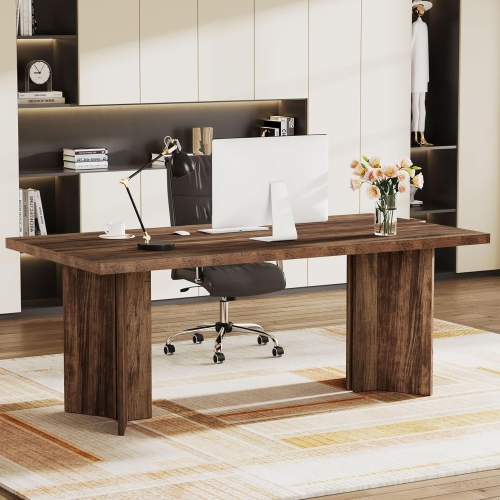
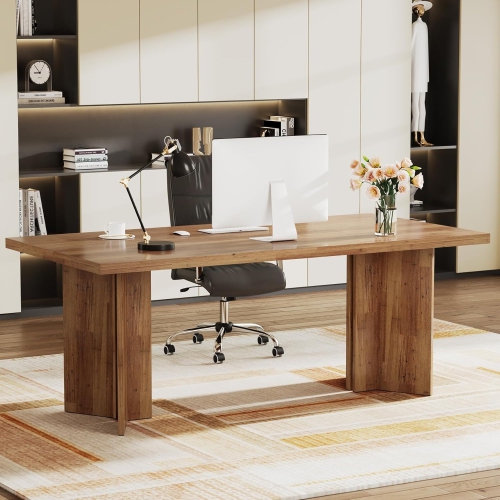
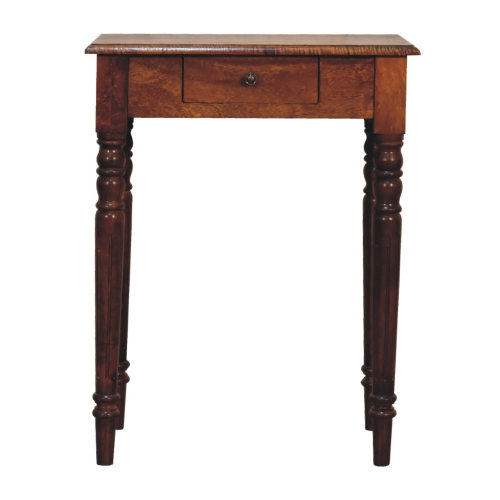
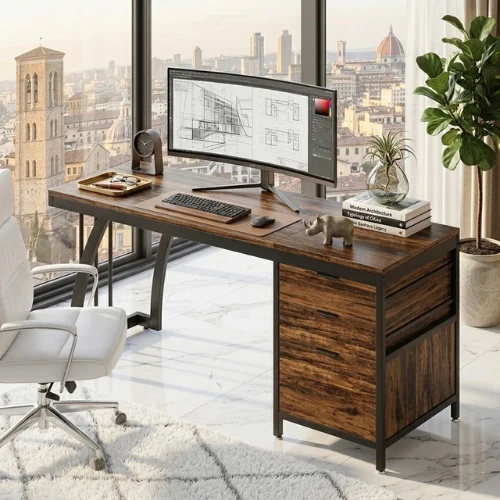
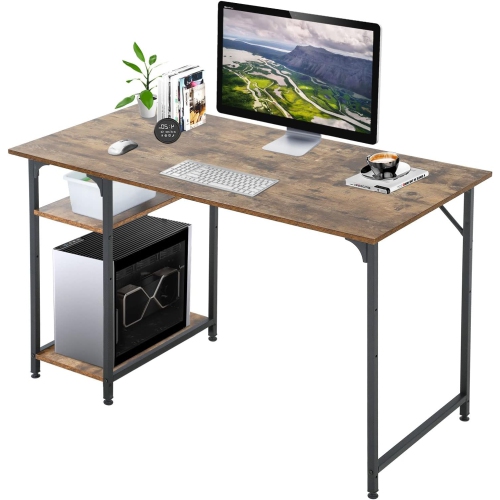
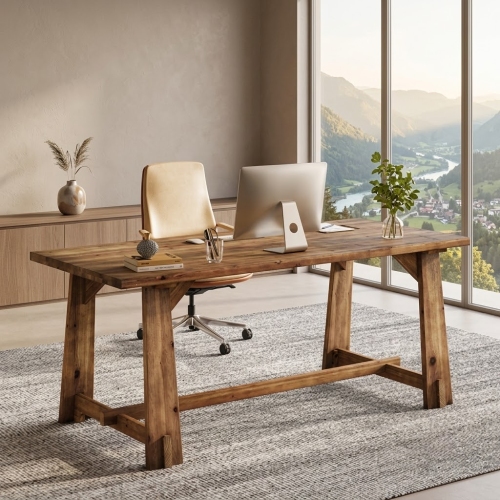
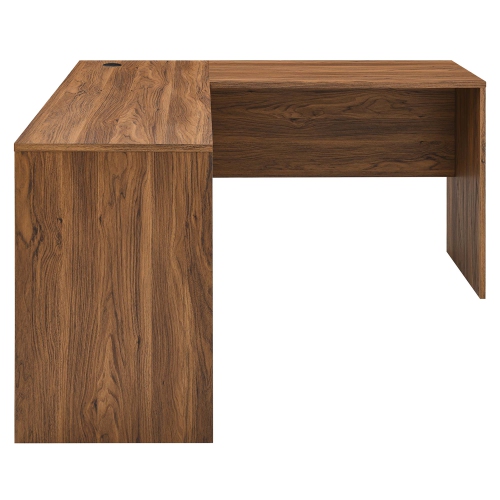

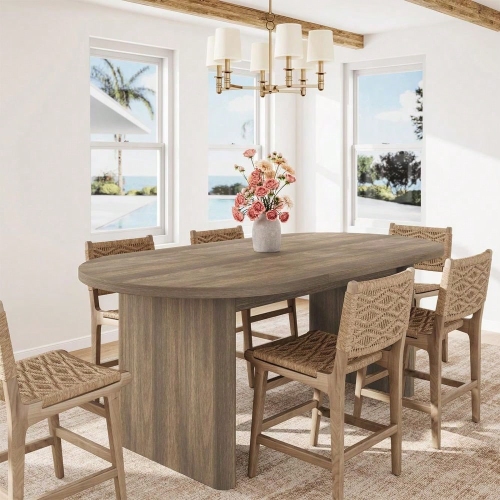
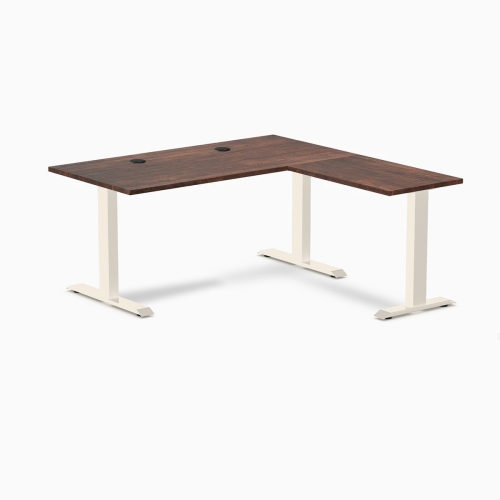
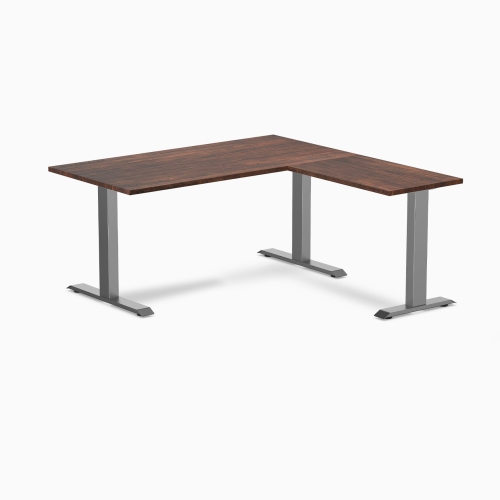
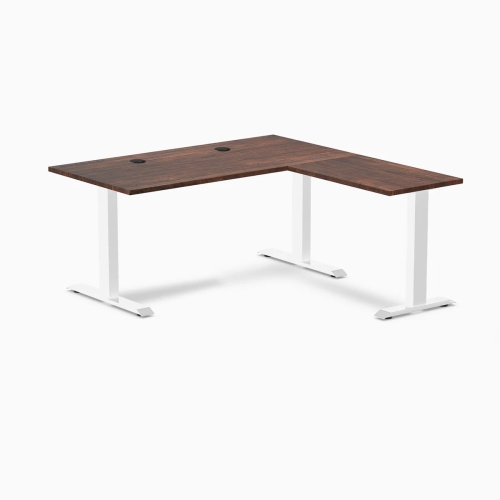
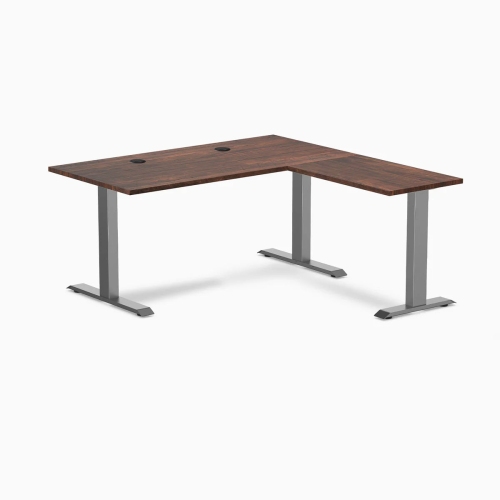
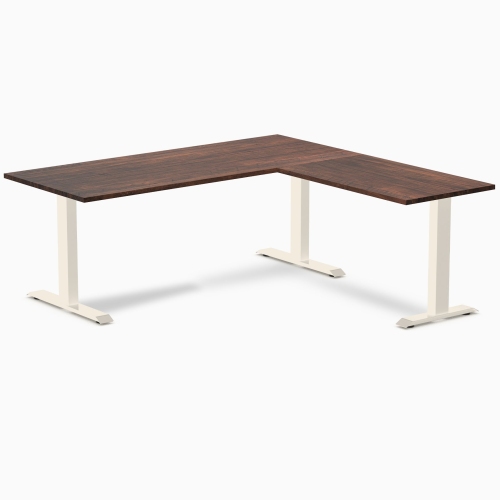
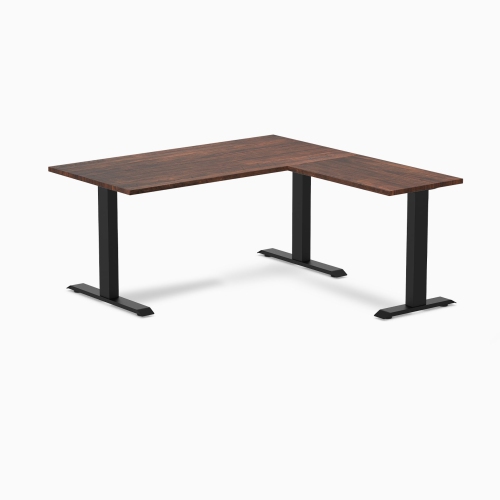
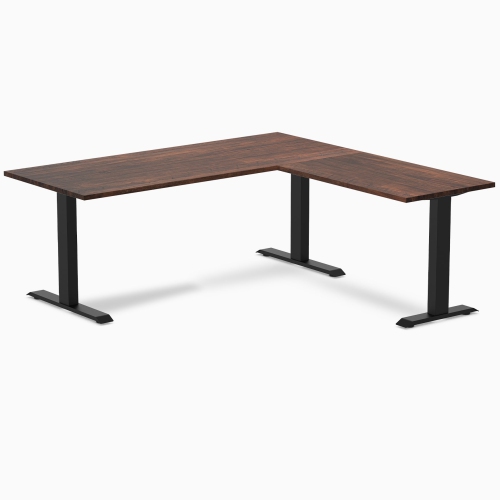
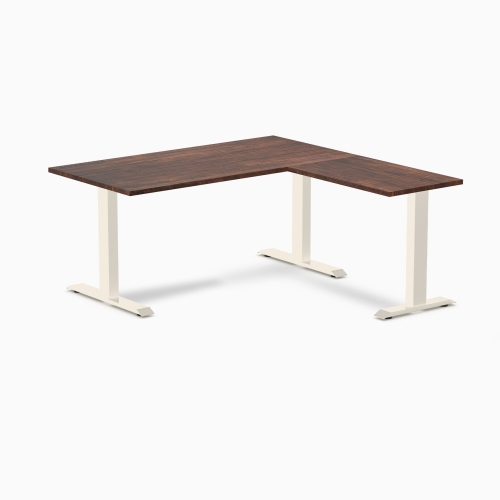
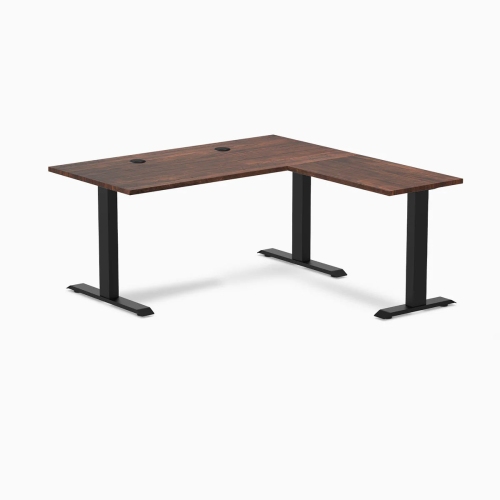
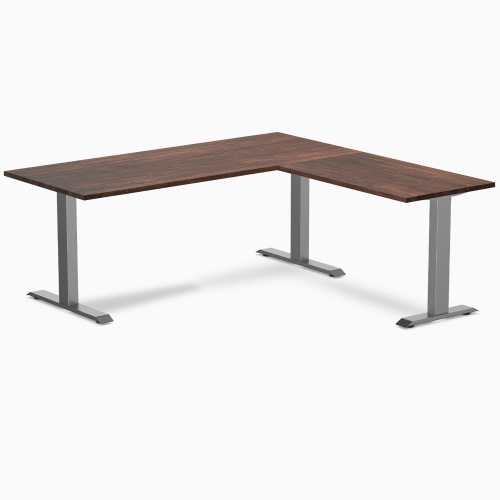
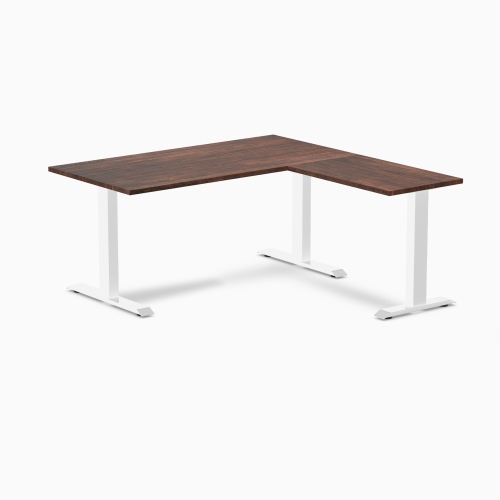
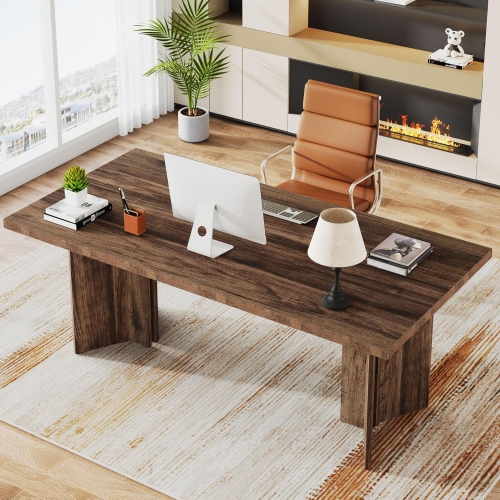
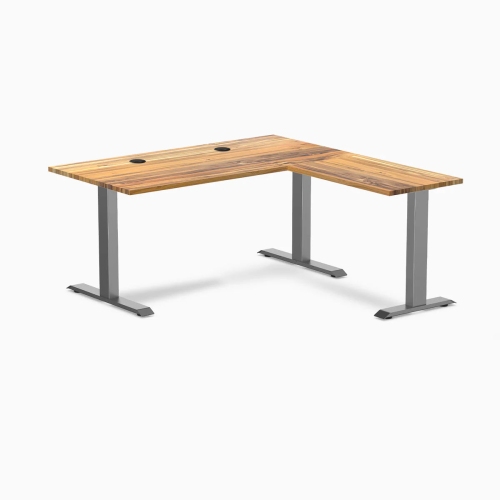
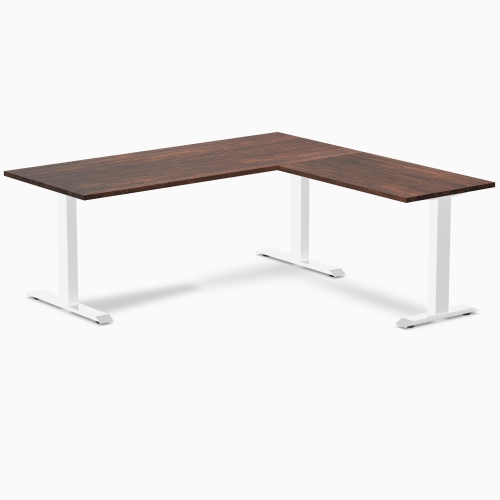
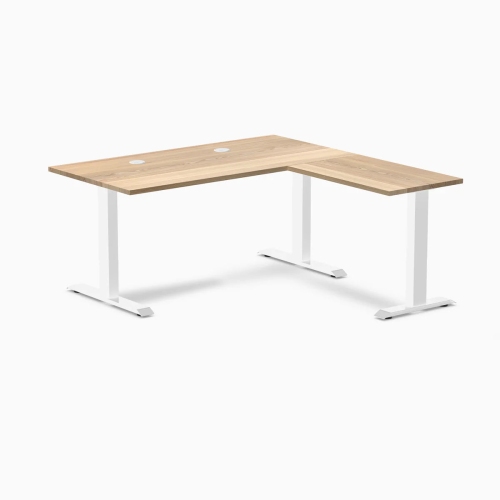
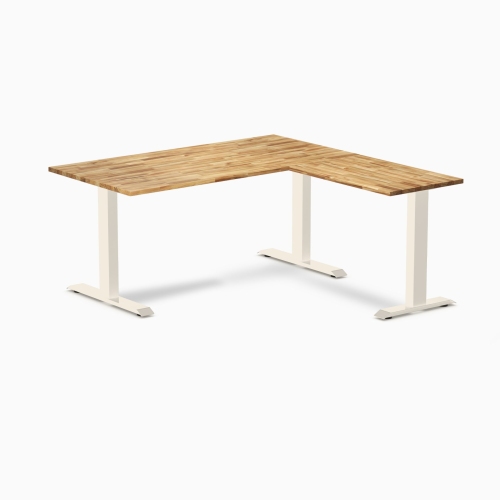
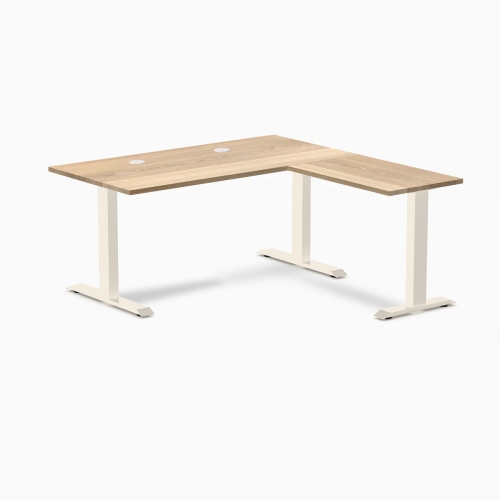
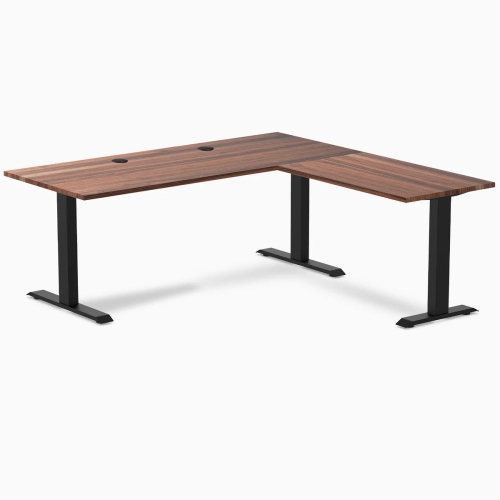
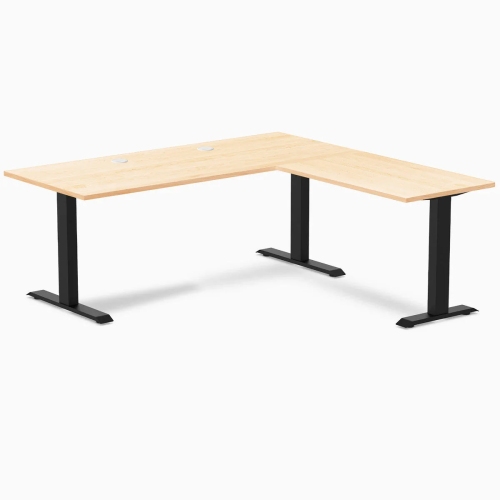
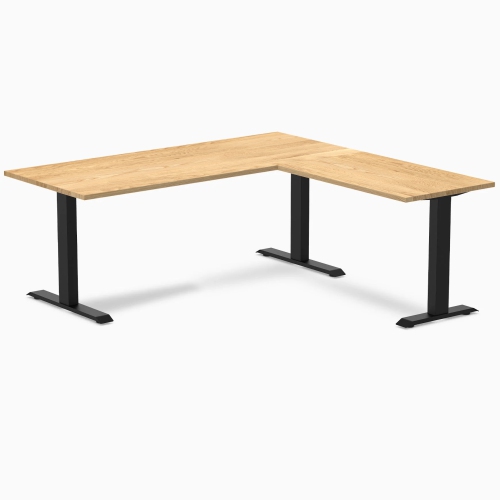
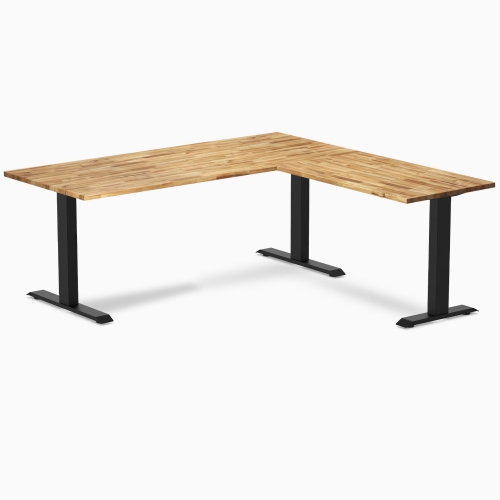
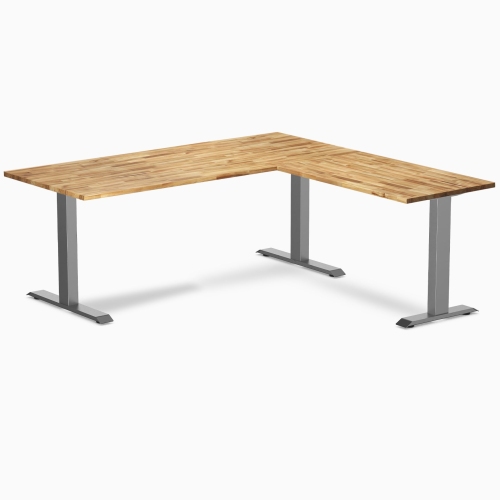
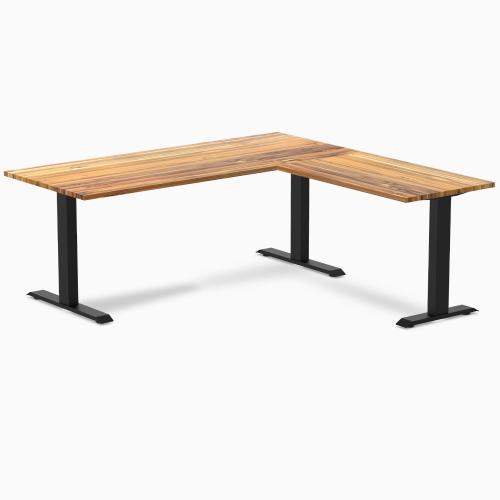
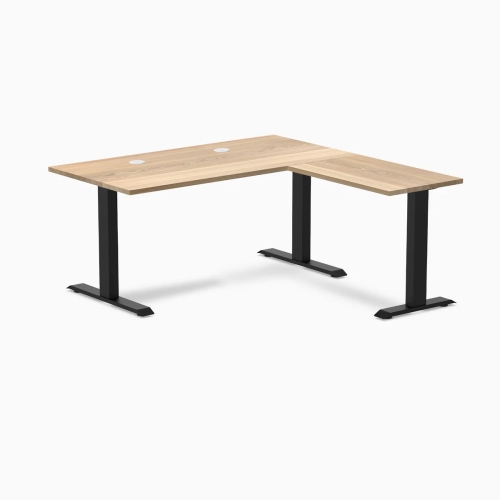
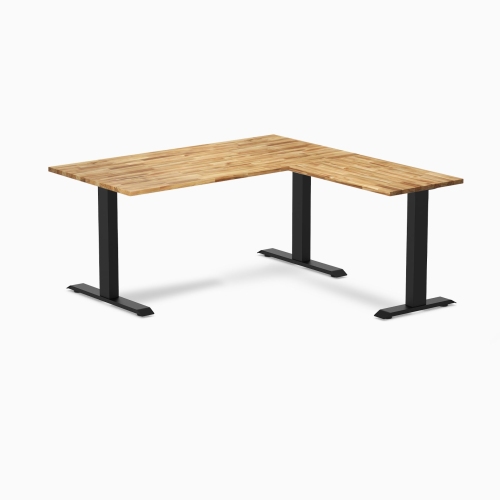
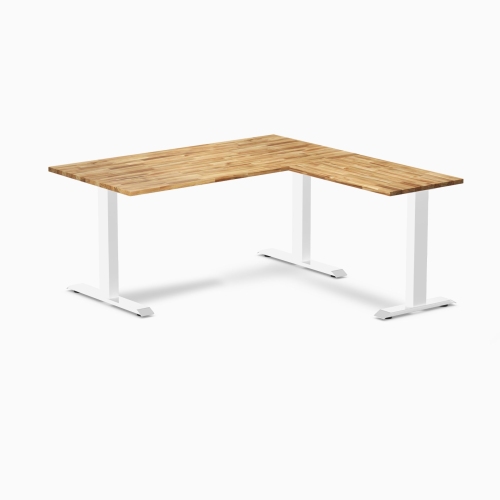
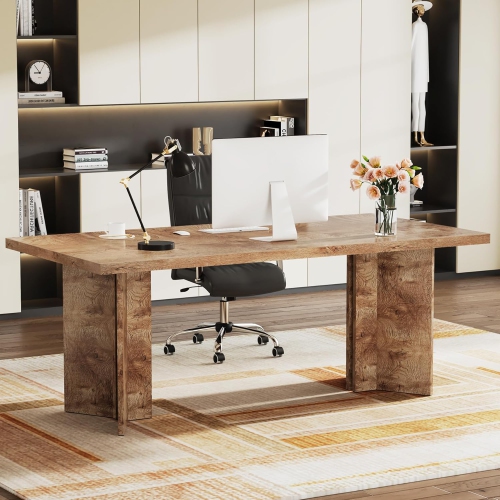
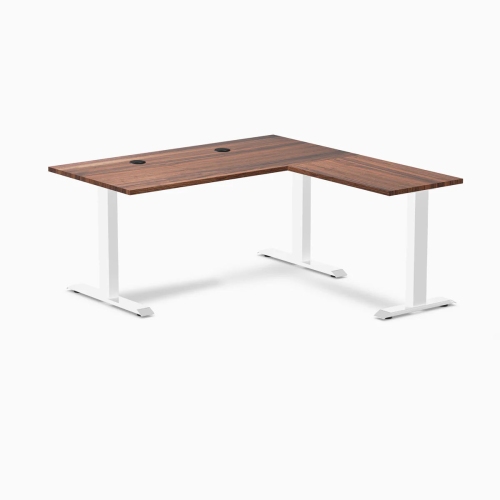
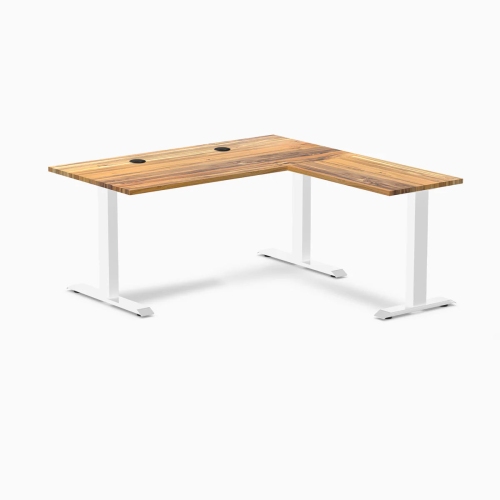
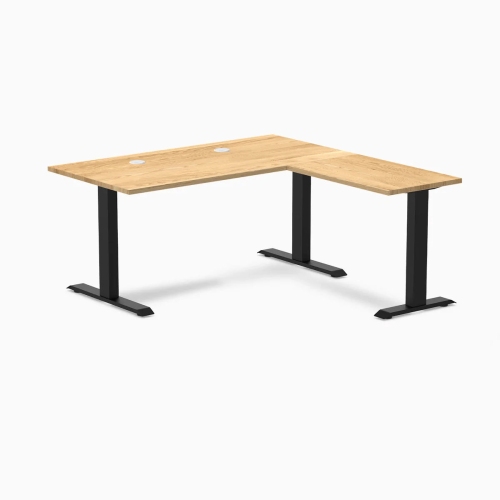
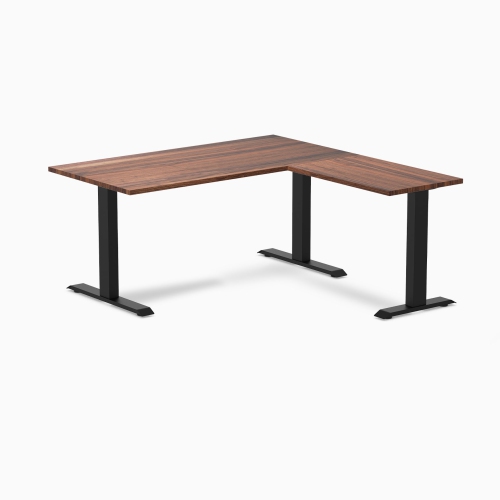
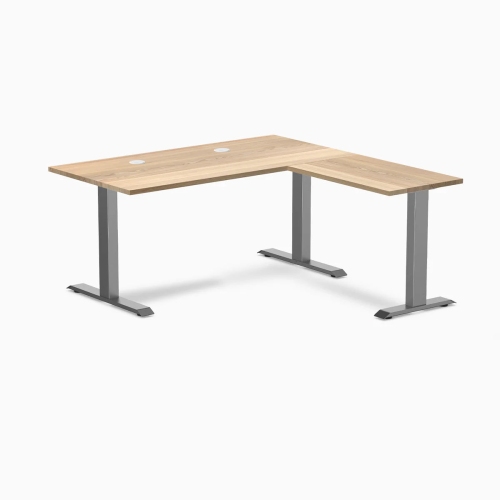
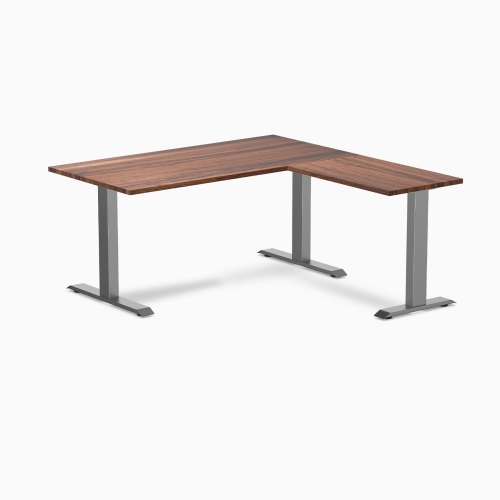
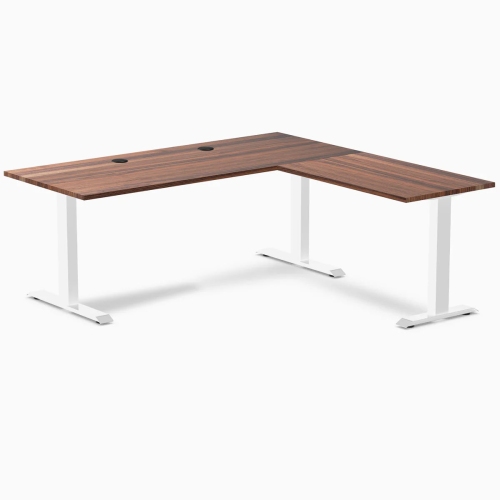
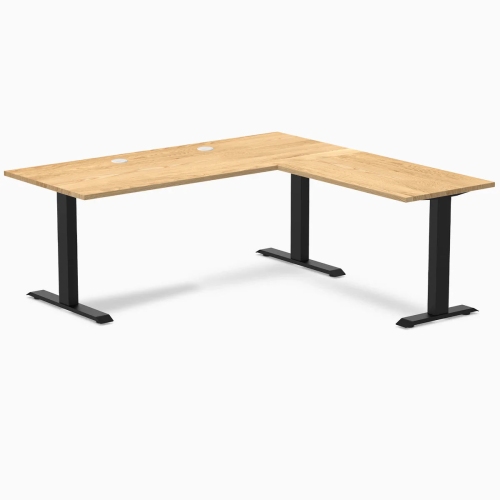
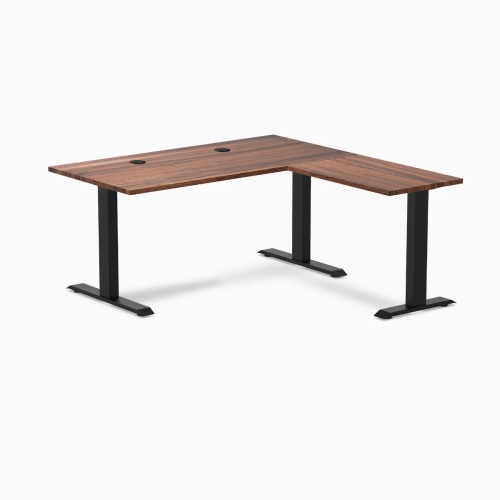
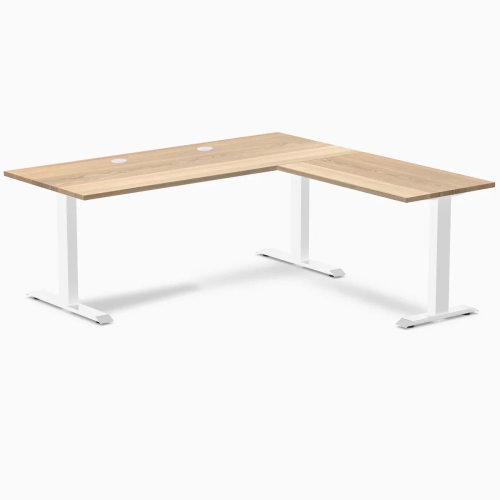
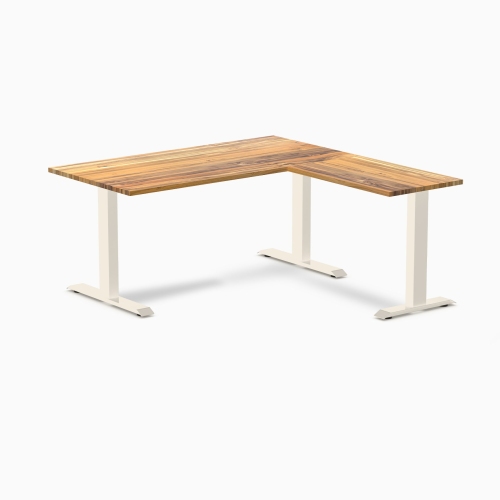
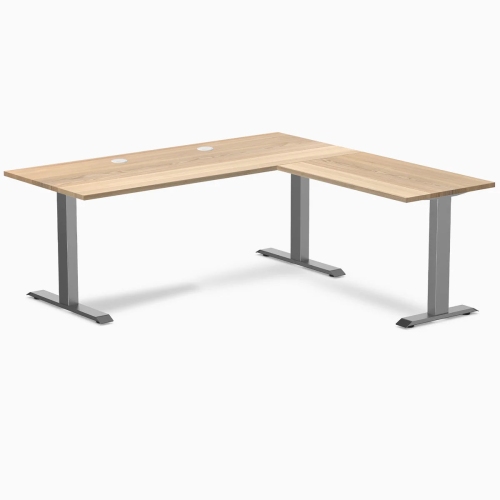
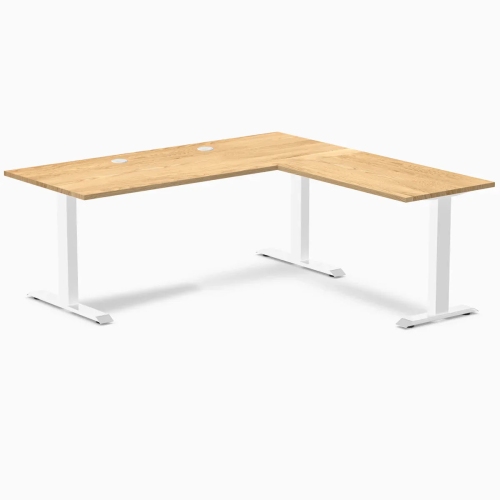
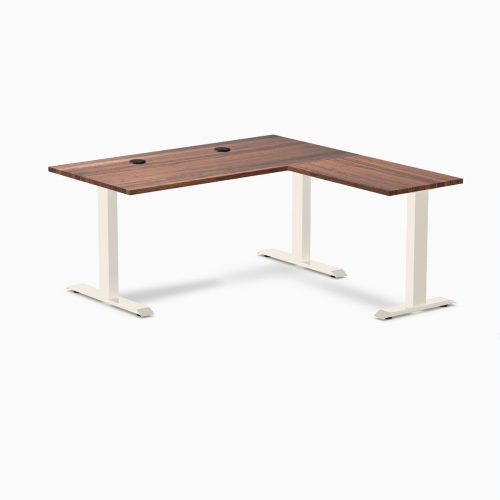
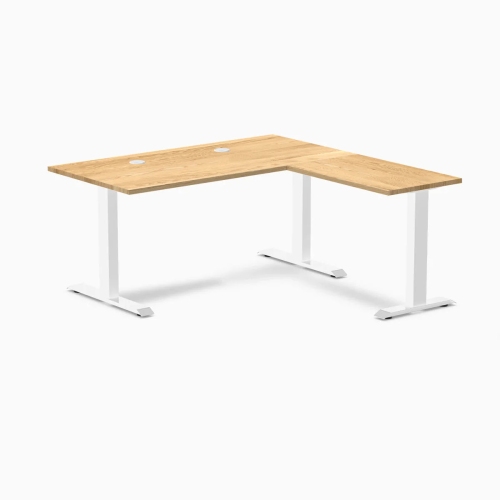
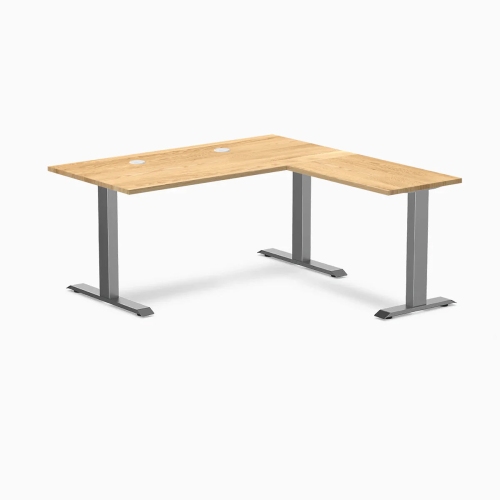
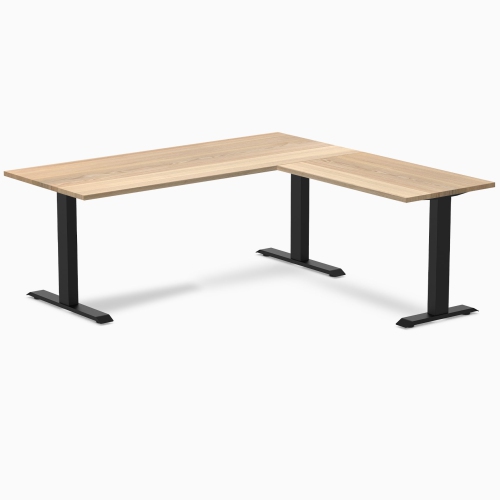
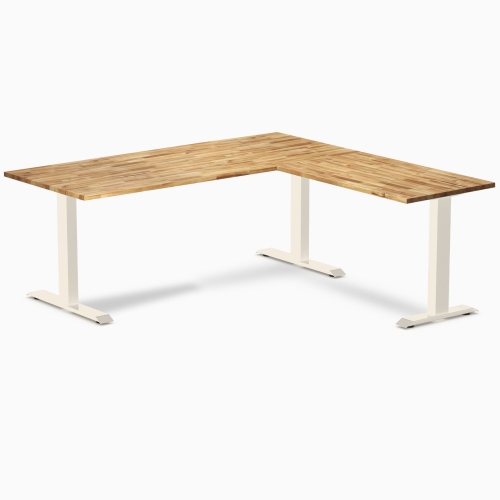
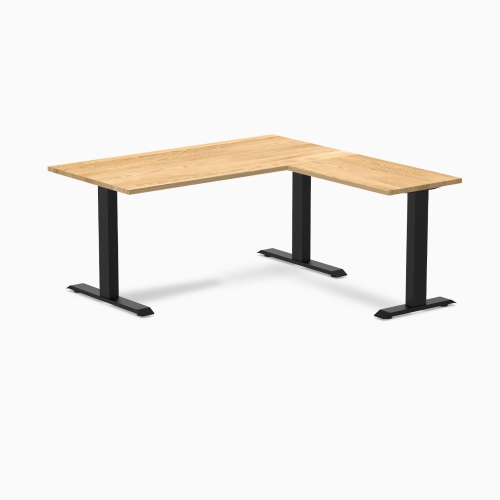
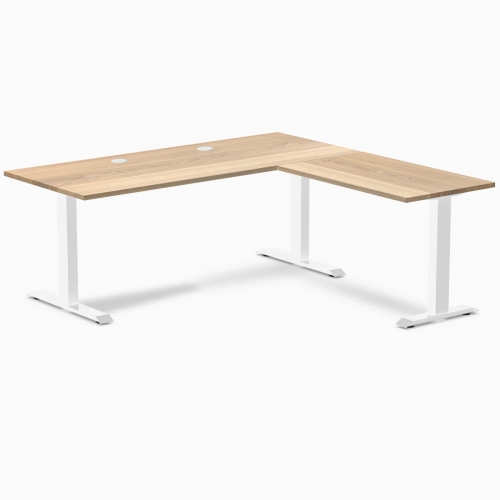
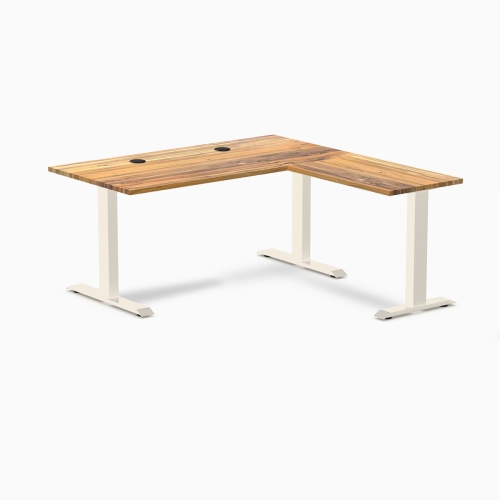
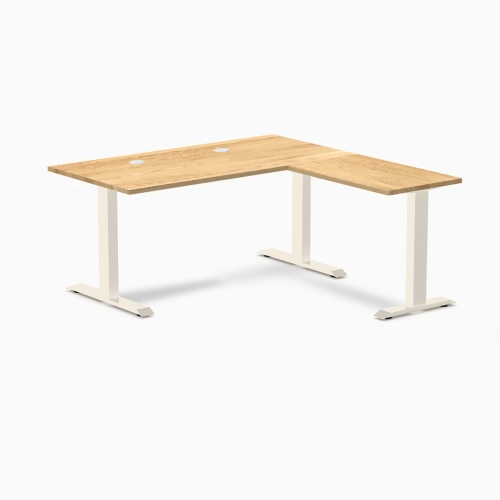
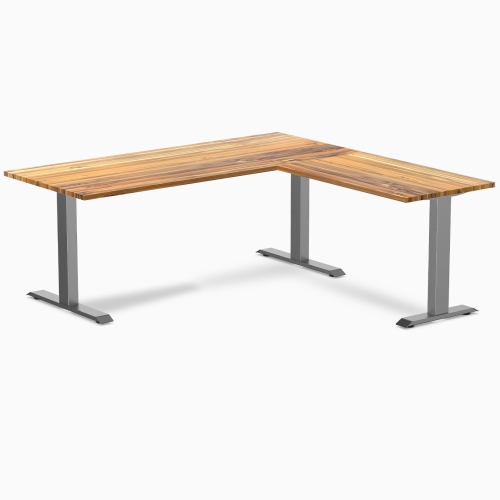
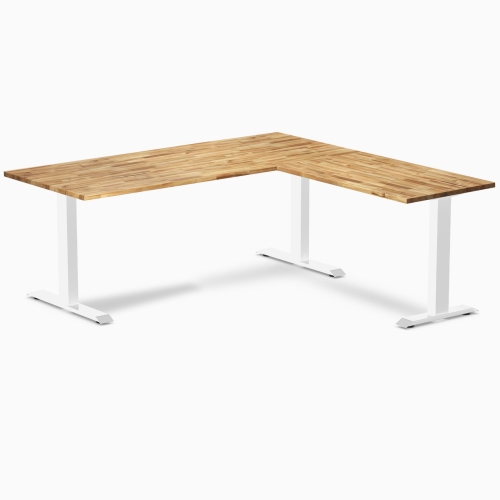
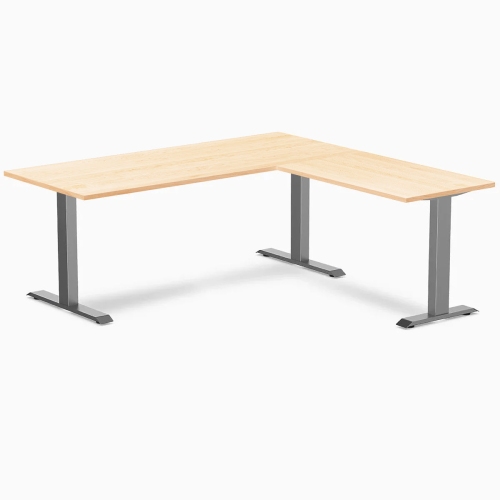
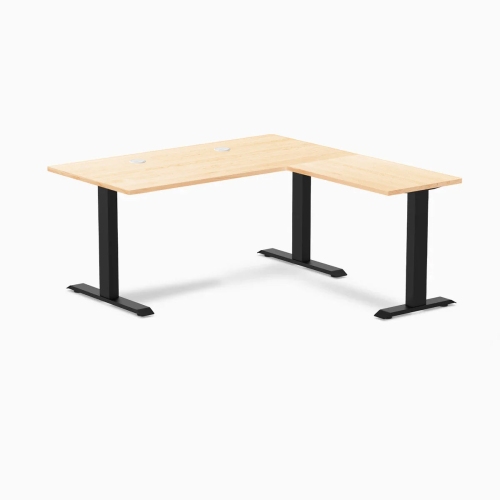
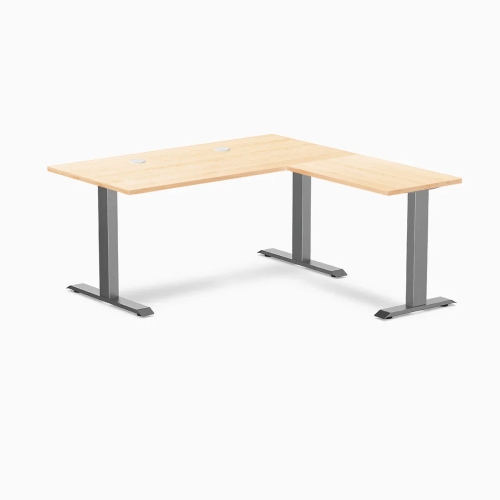
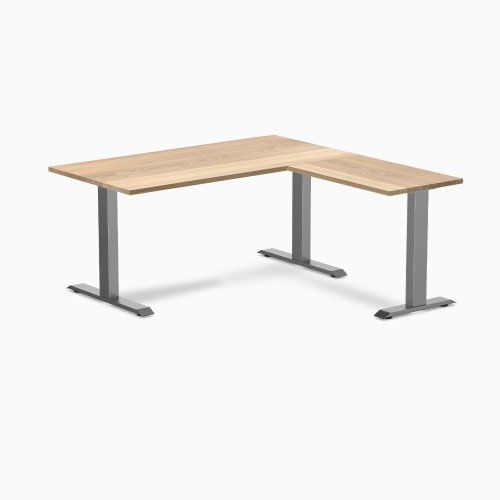
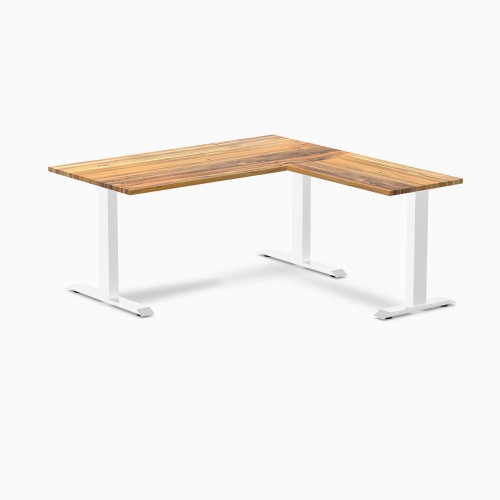
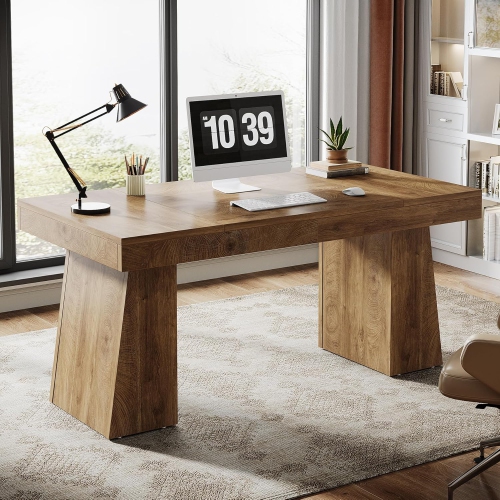
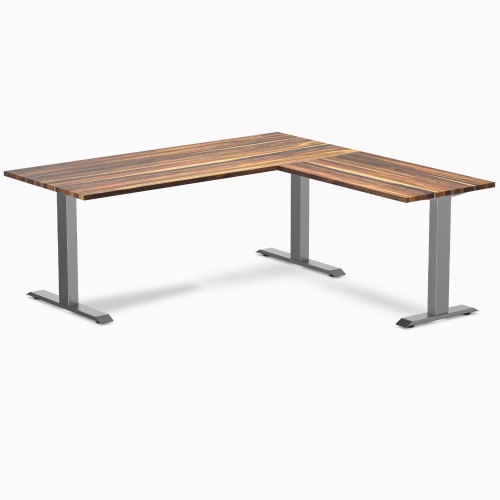
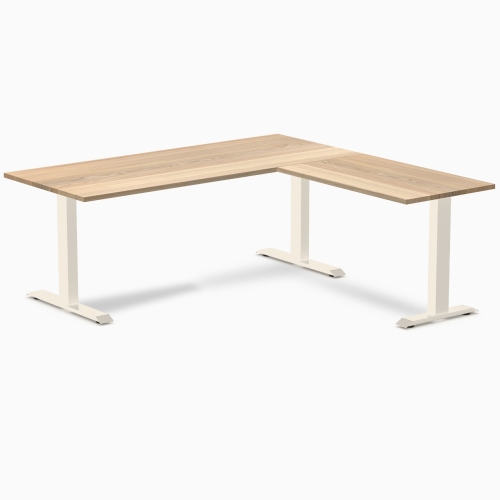
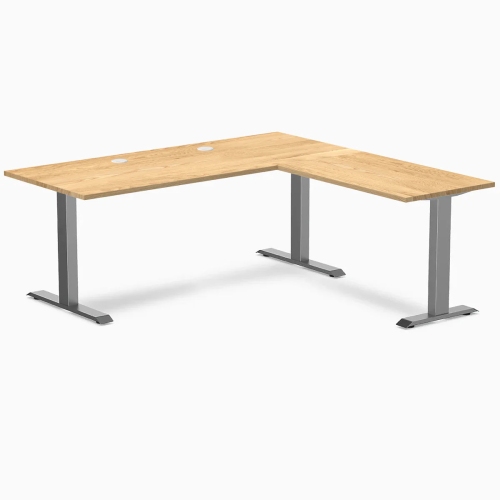
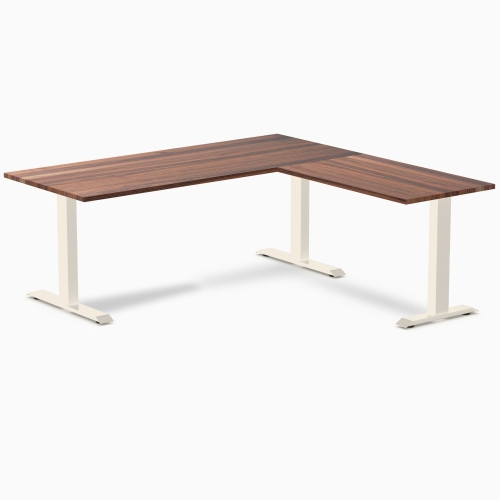
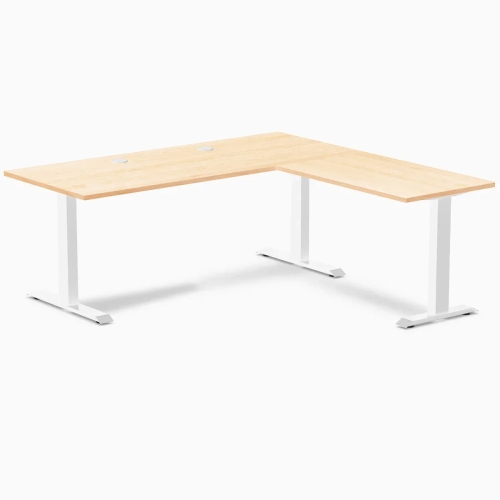
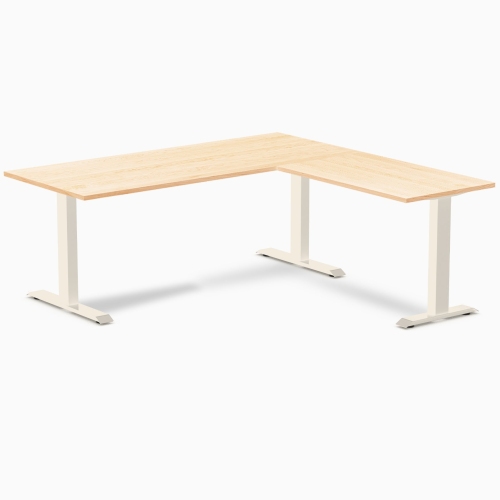
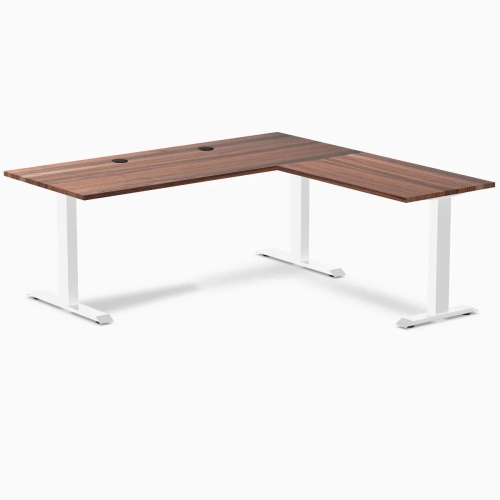
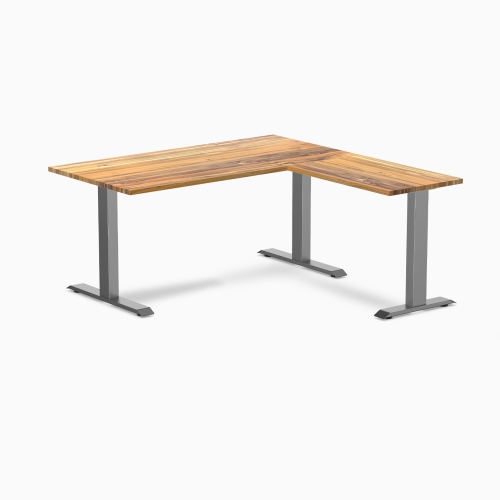
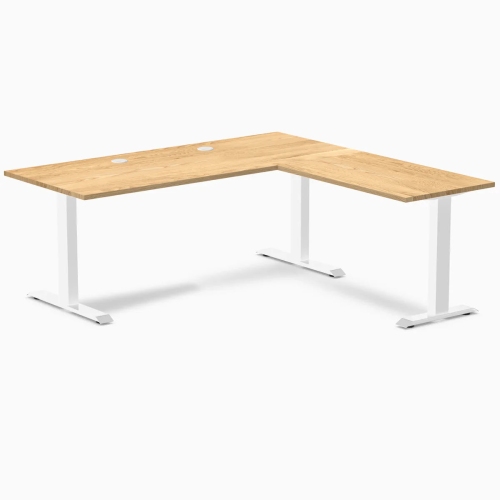
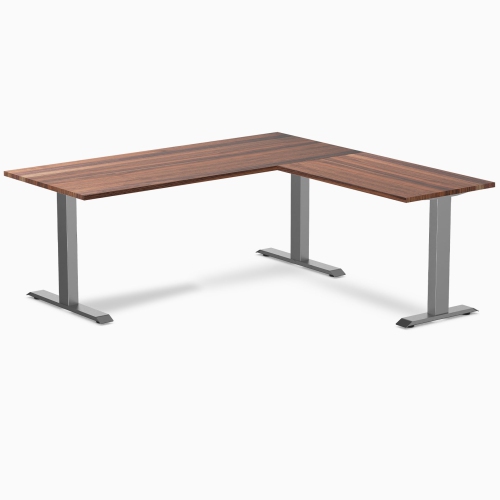
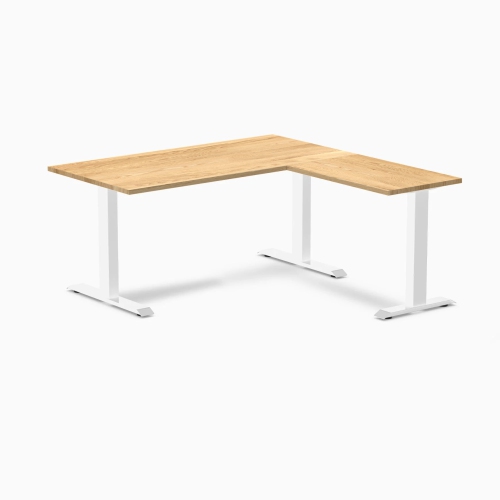
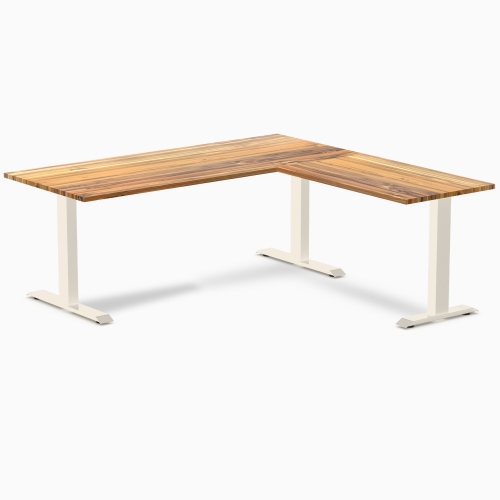
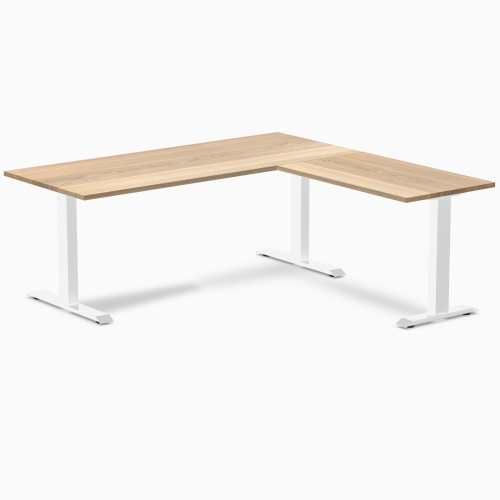
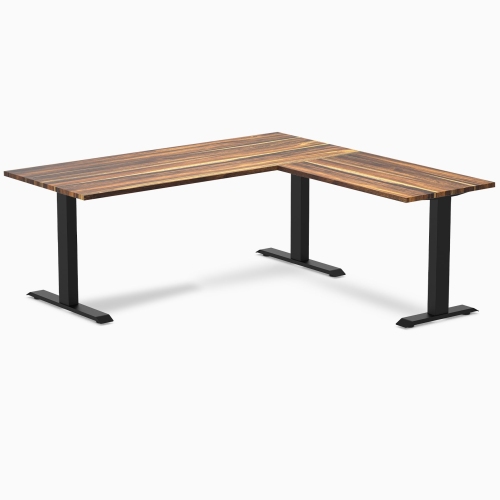
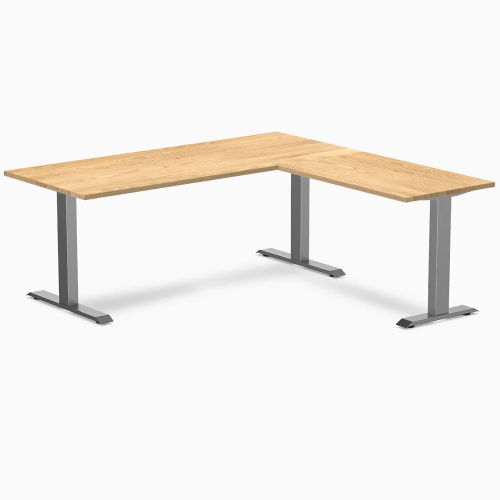
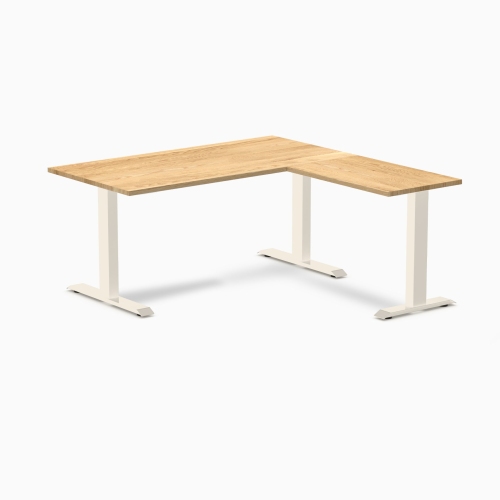
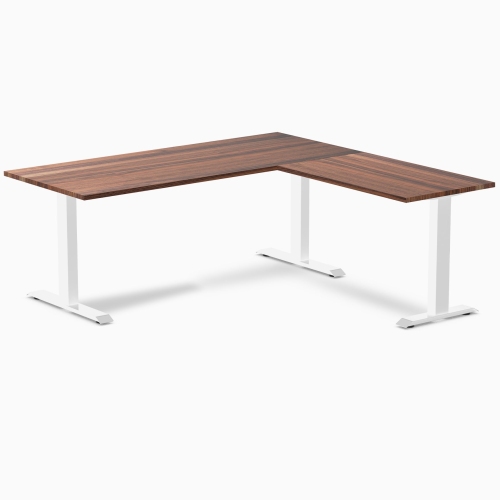
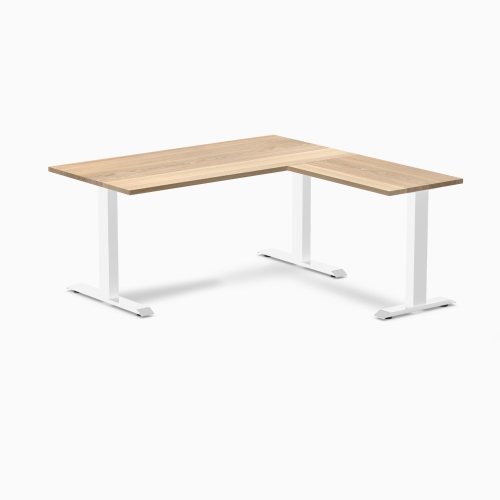
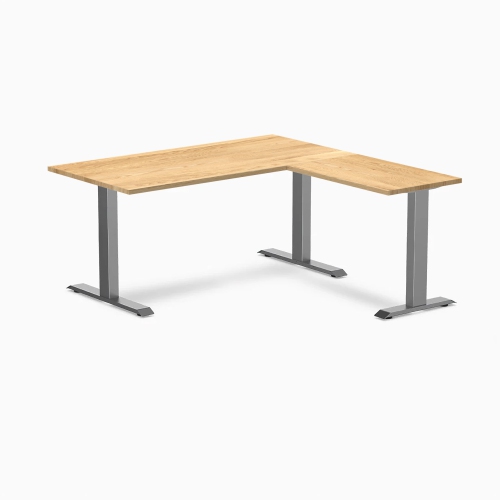
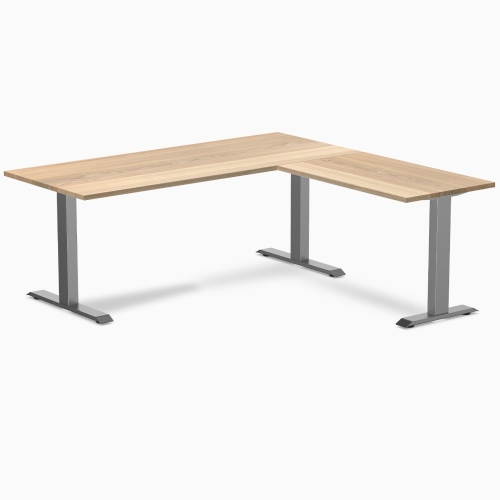
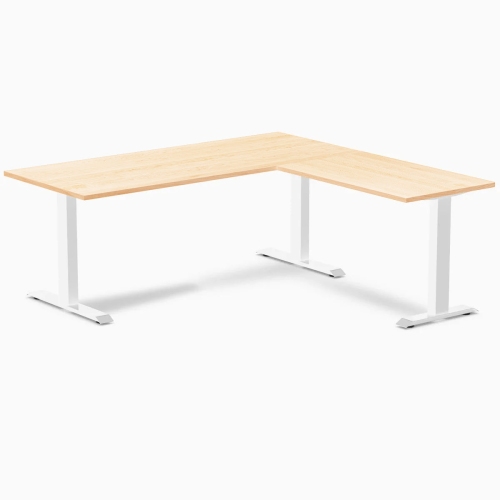
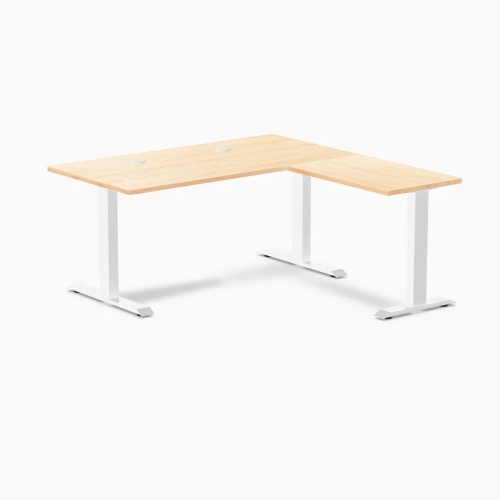
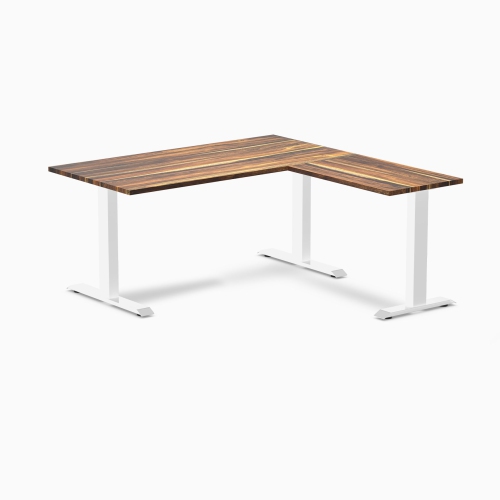
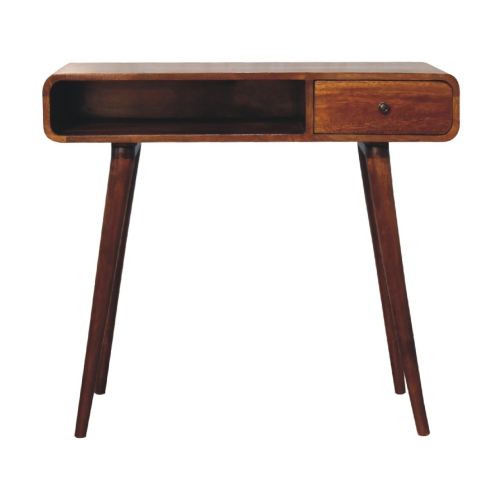
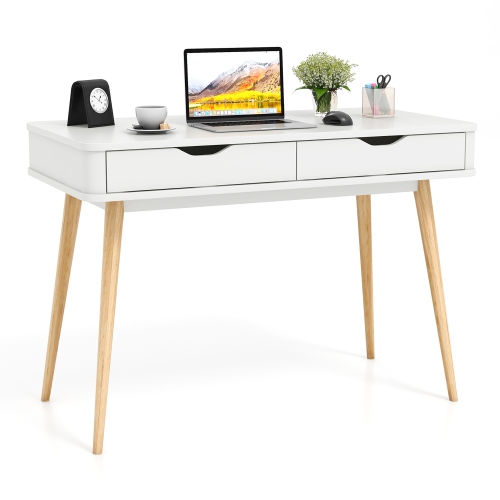
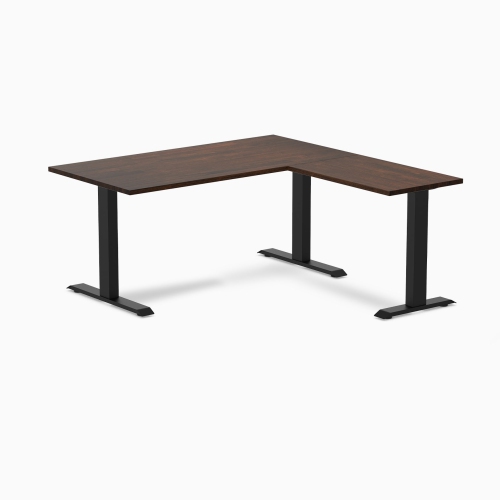
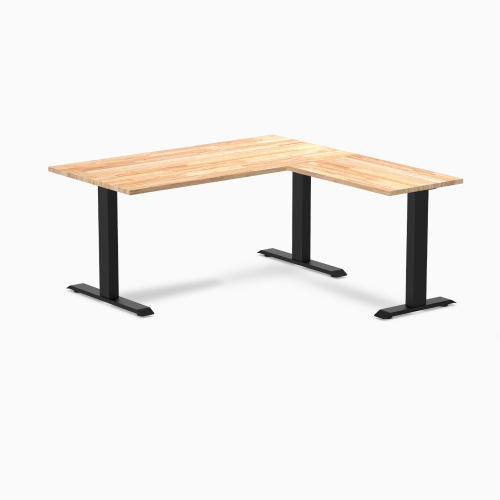
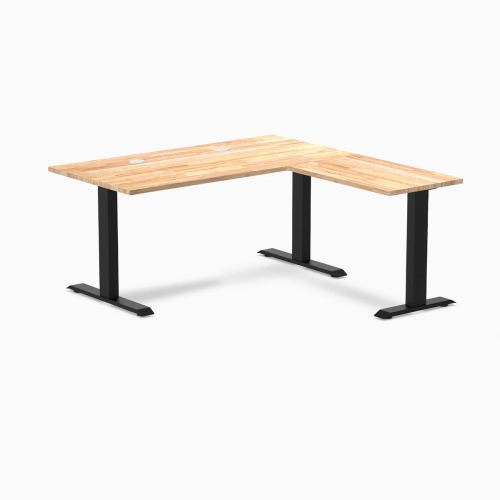
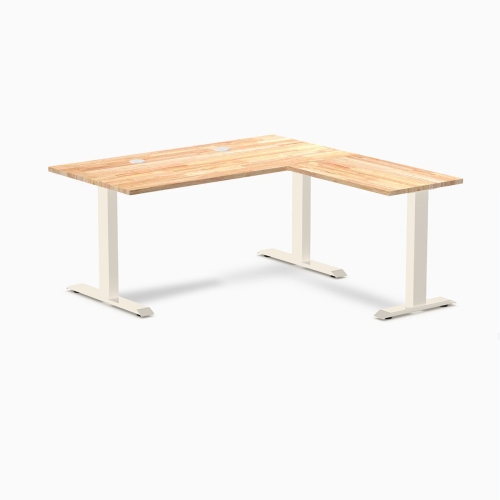
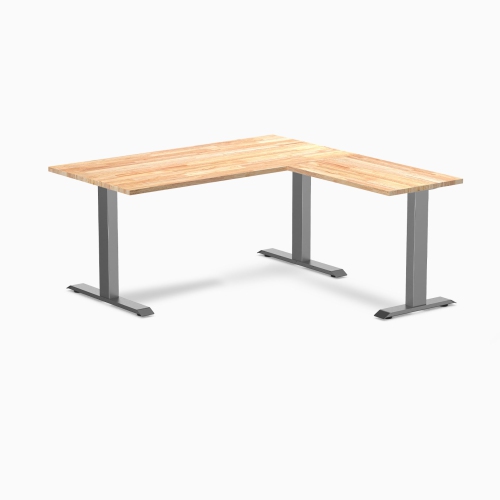
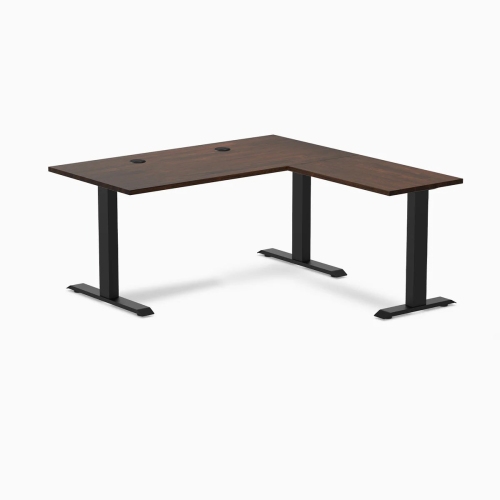
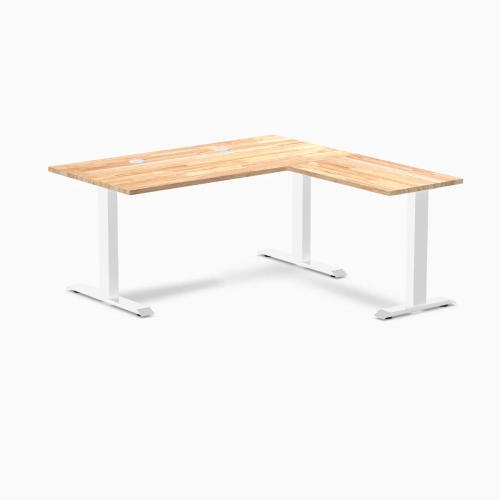
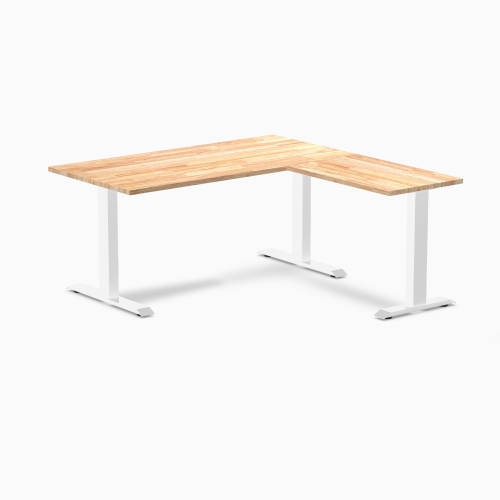
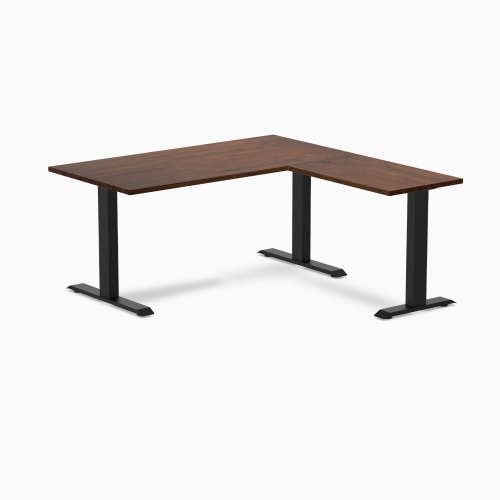
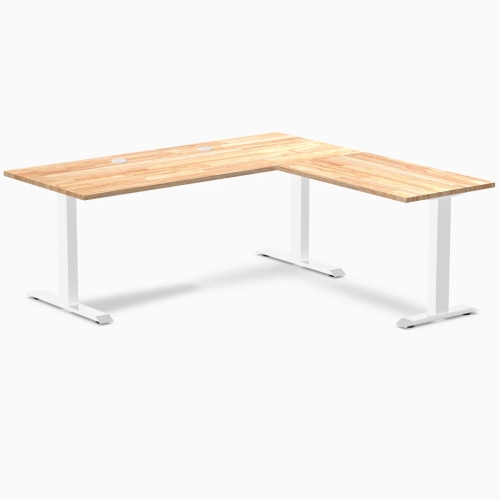
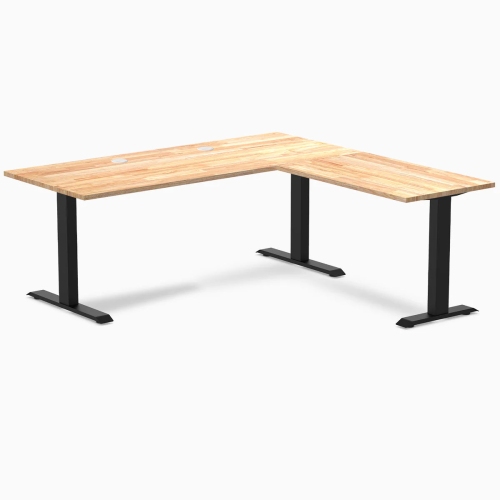
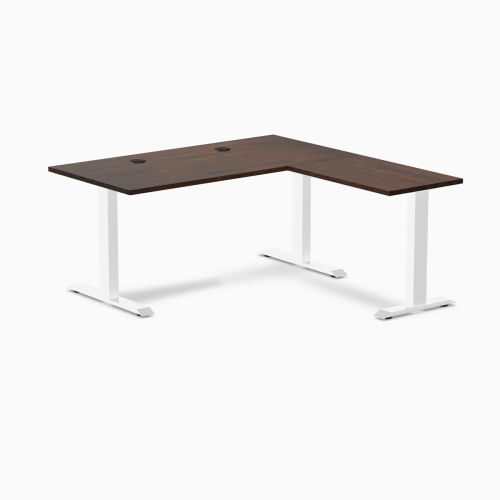

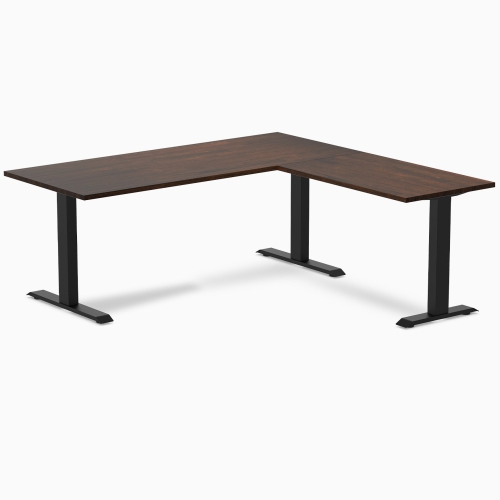
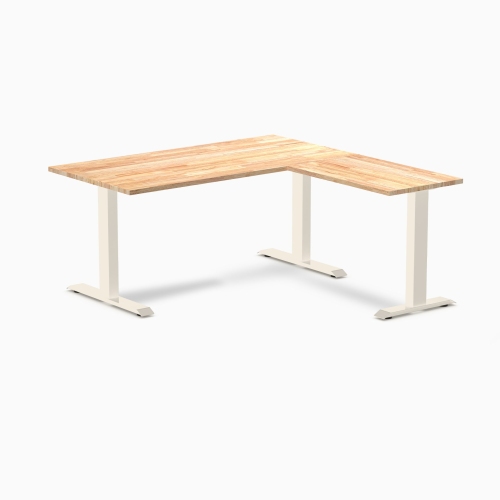
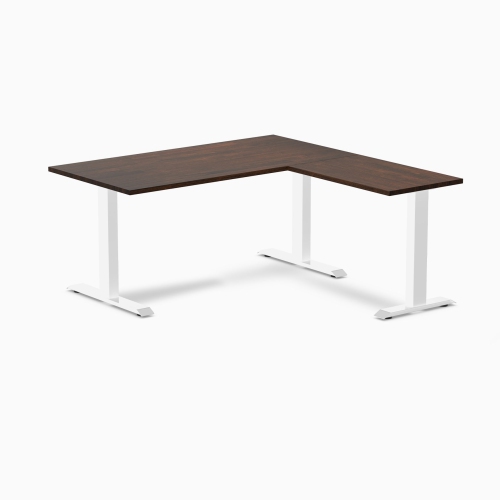
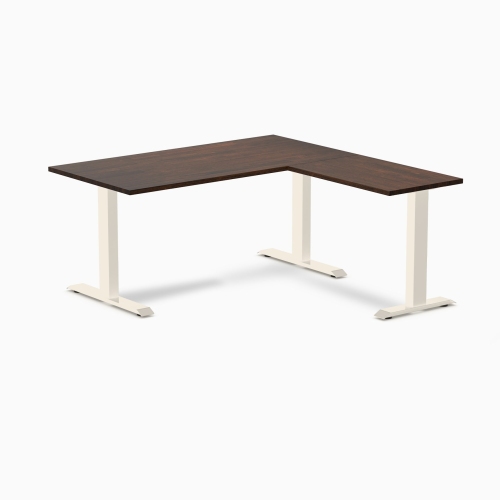
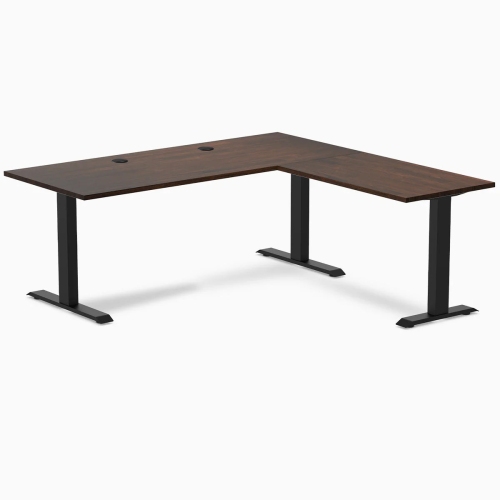
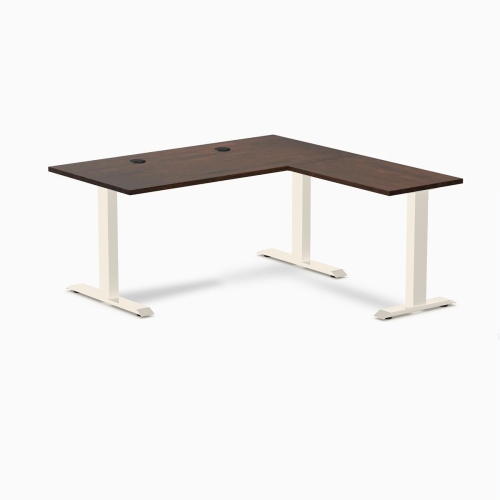
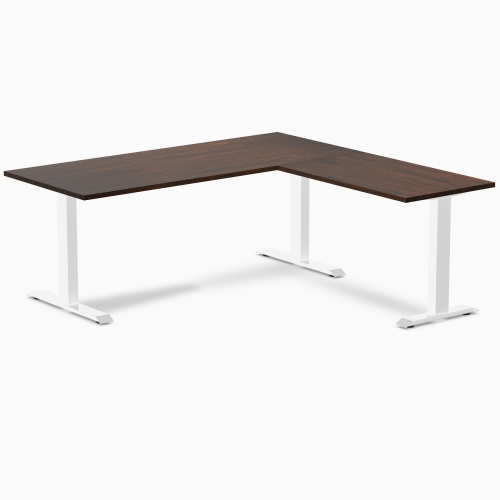
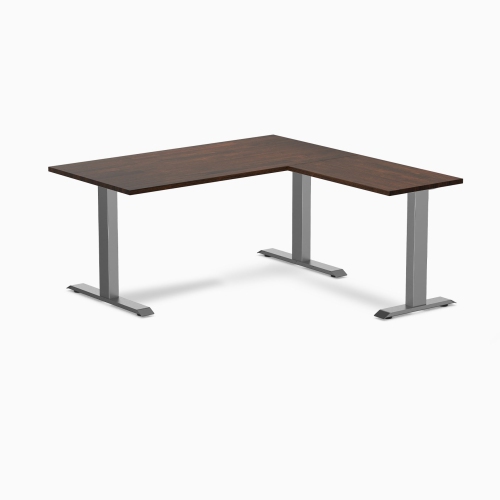
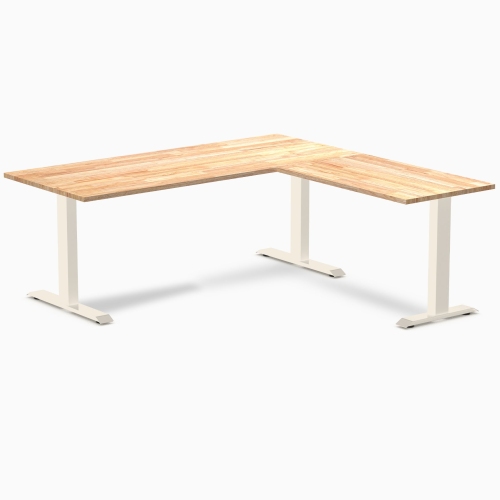
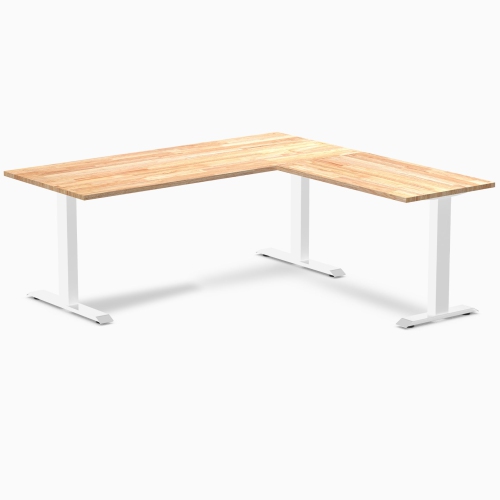
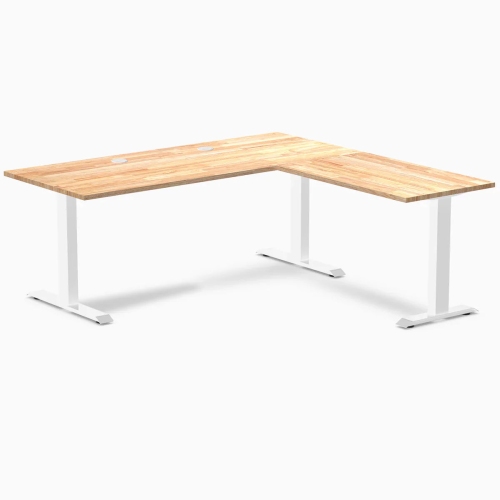
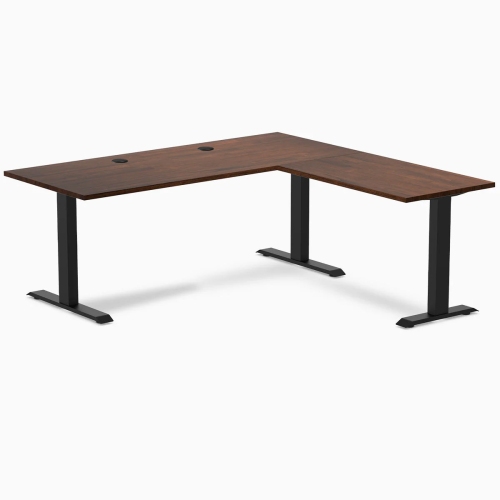
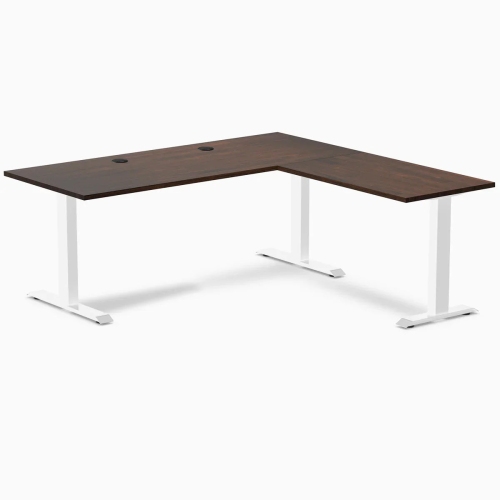
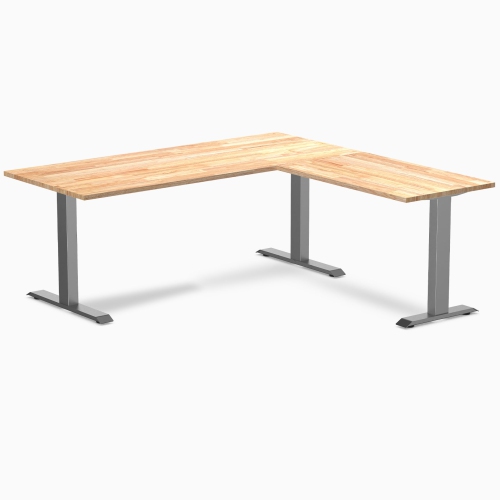
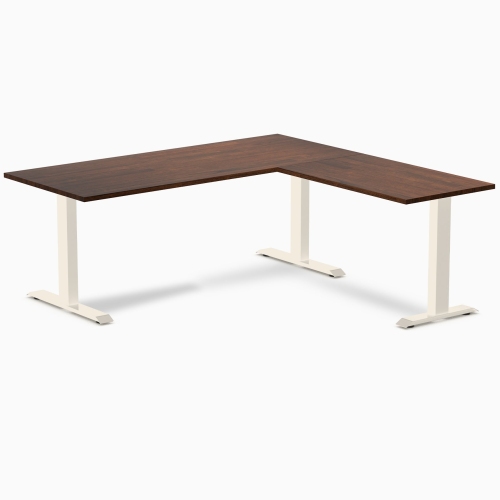
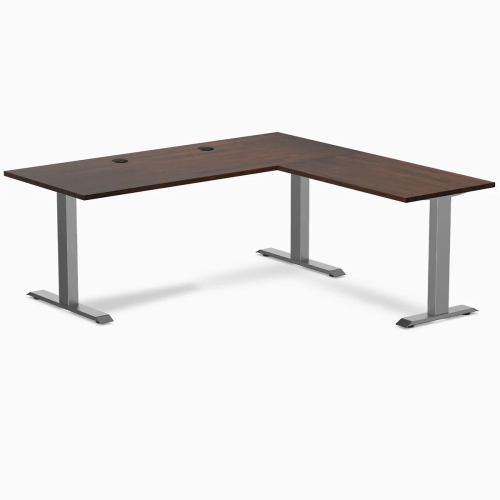
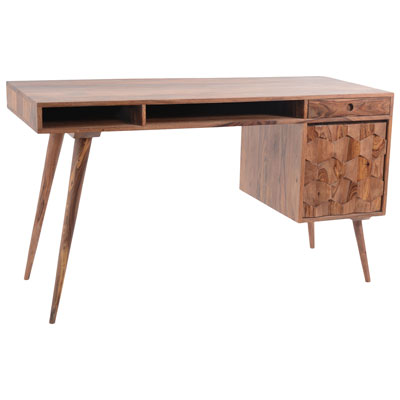
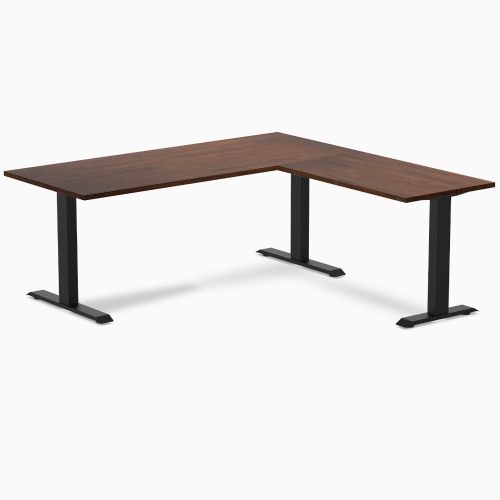
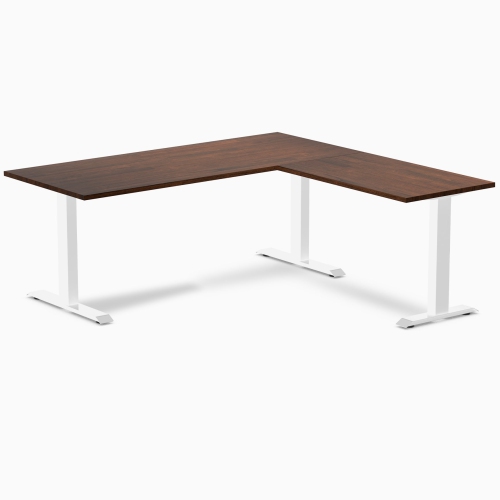
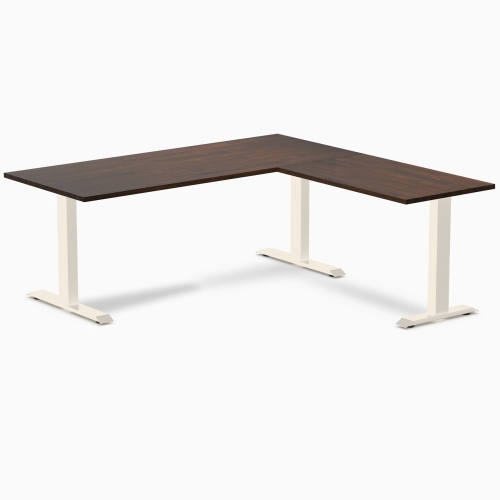
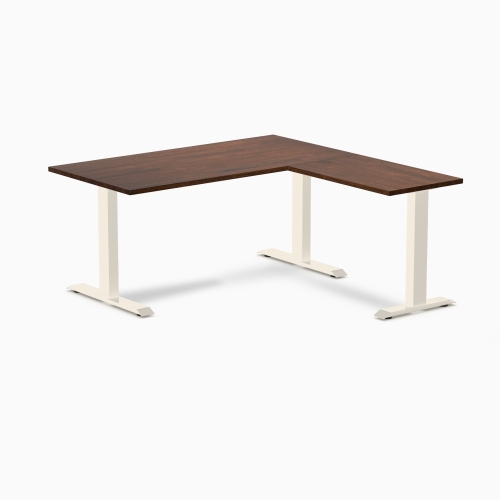
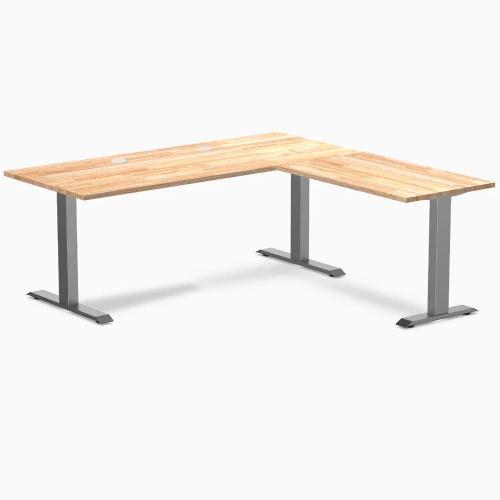
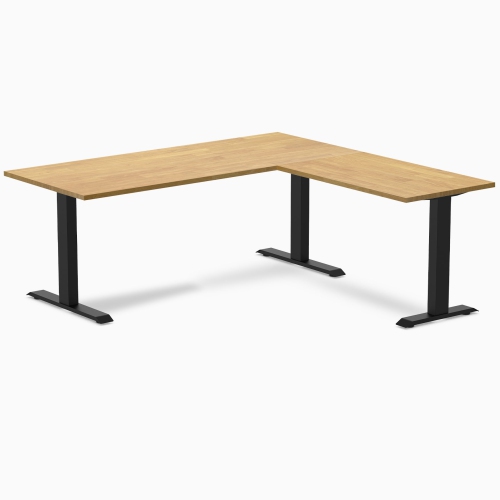
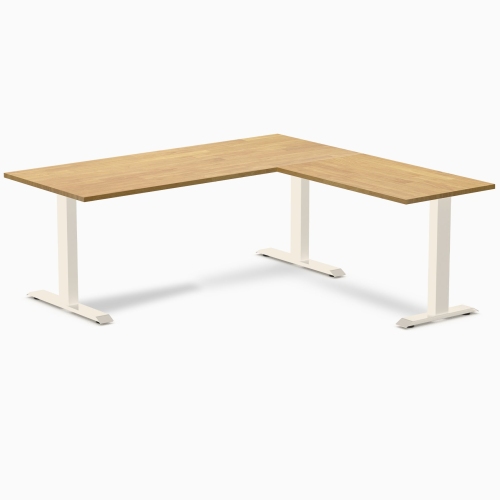
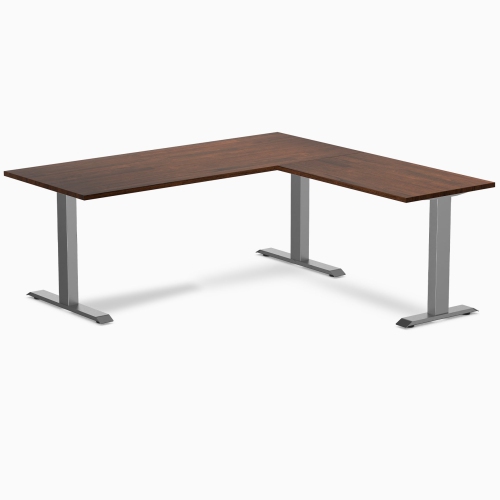
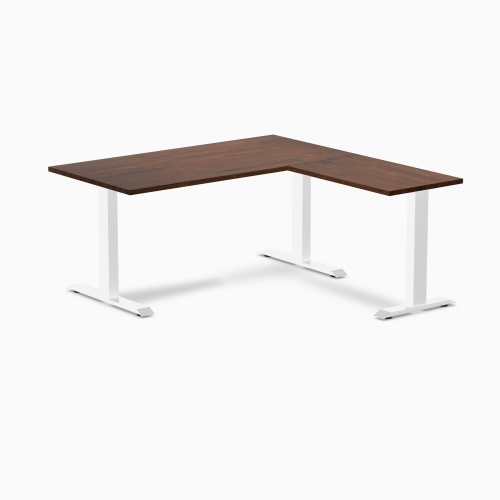
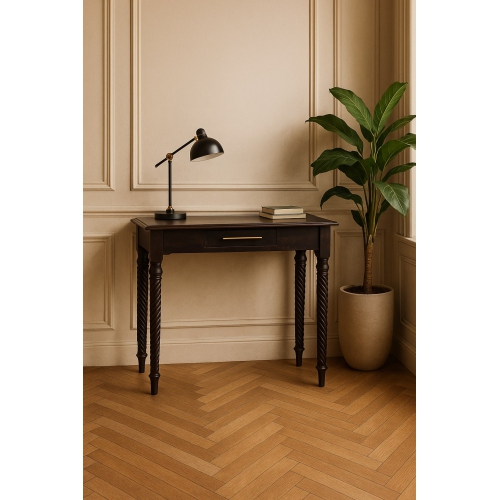
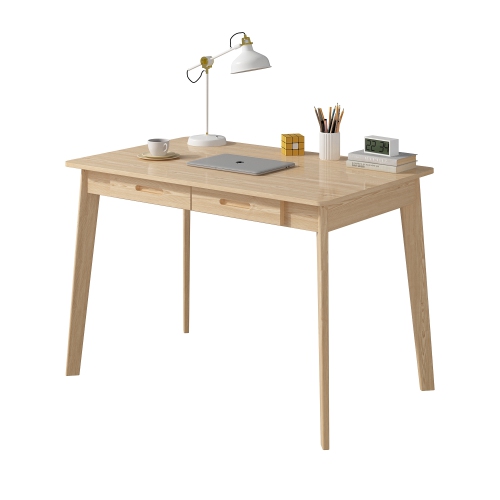
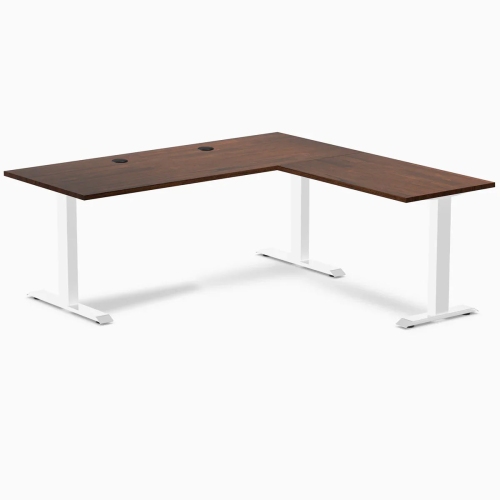
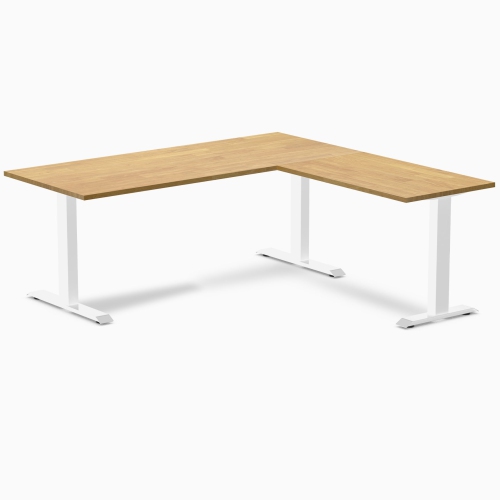
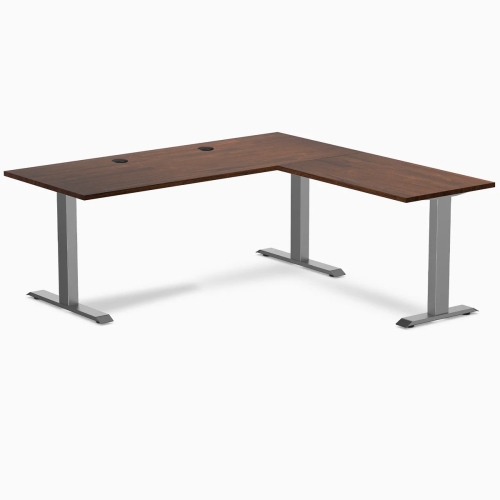
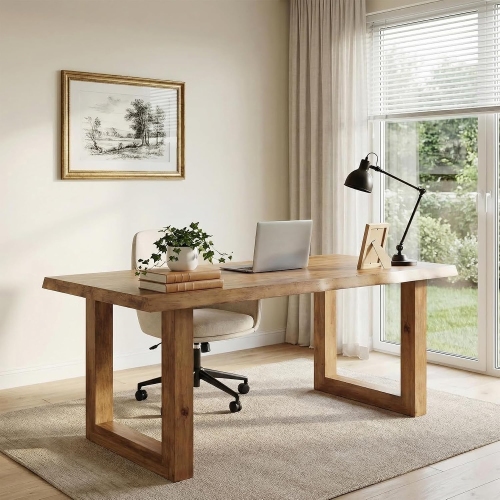
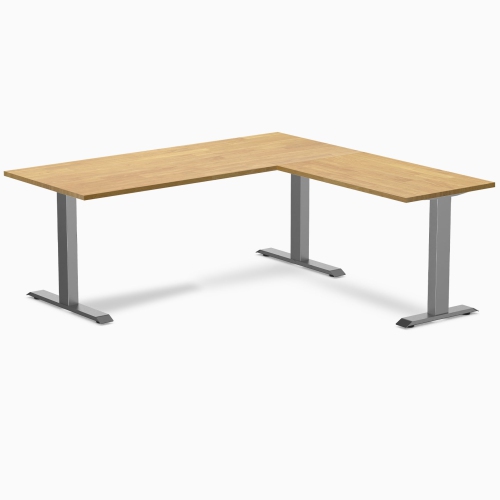
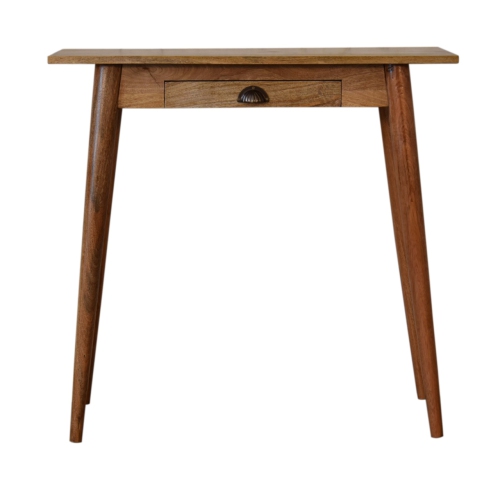
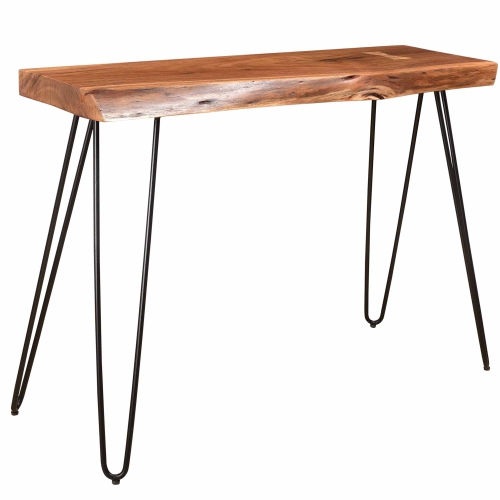
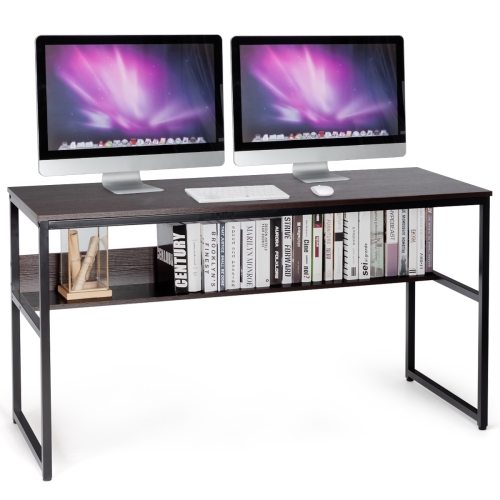
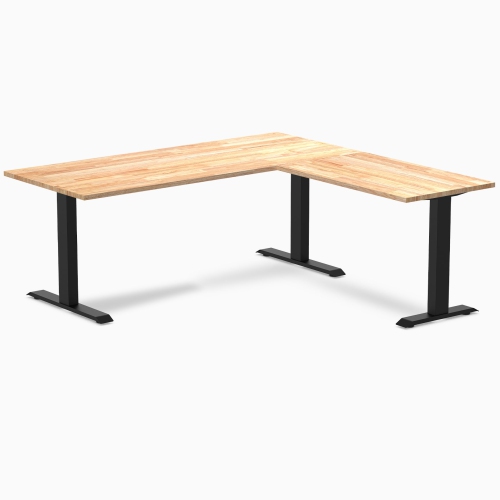

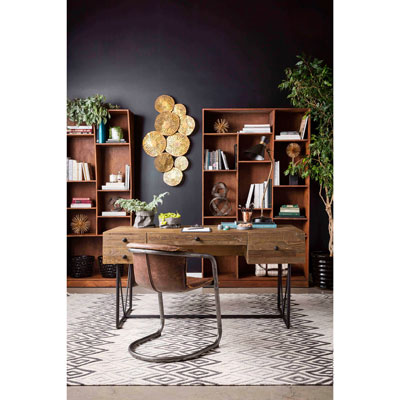
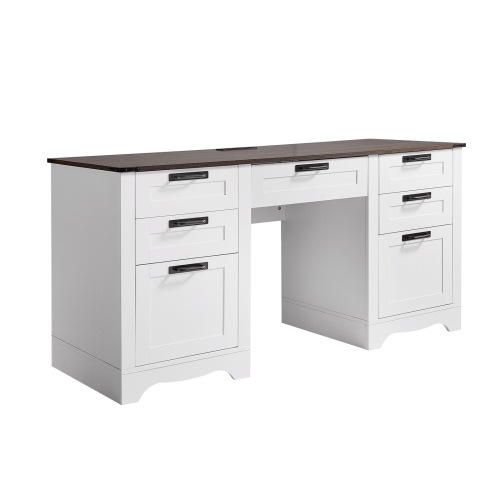
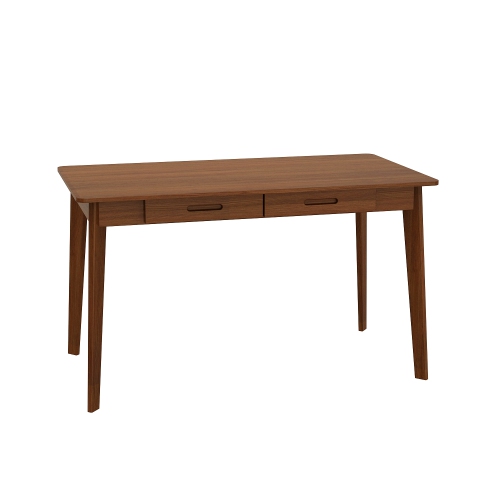

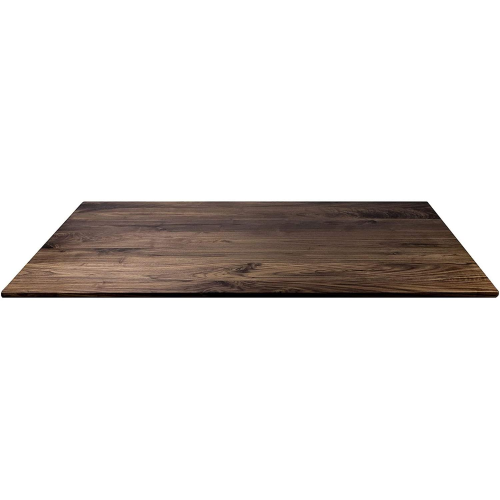
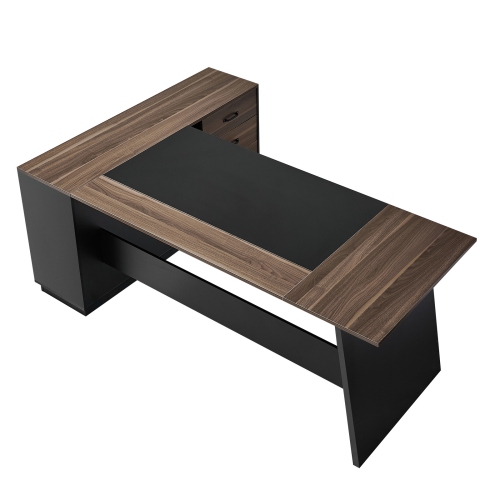

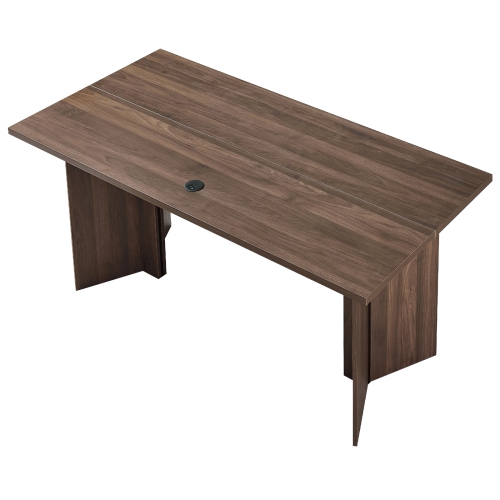
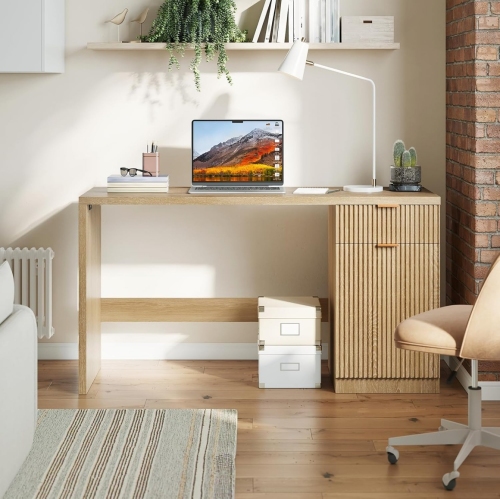
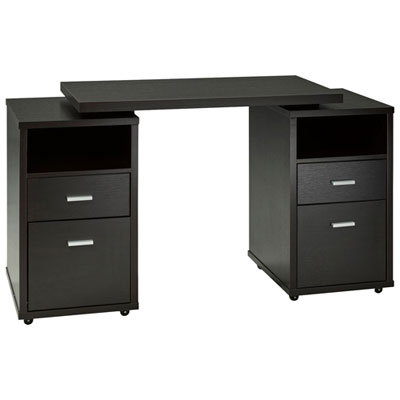
Vintage character that works for modern routines
Vintage wooden desks bring the warmth of wood and the character of traditional furniture into spaces used for everyday work. Their appeal often lies in details that feel considered rather than purely functional: a gently shaped drawer front, a turned leg, a softly rounded edge, or a deep finish that makes the grain stand out. The term vintage can describe an older desk or a newer design inspired by an earlier period, so the distinction matters when comparing construction, condition, and finish. Genuine age may bring small marks and variations, while a vintage-inspired piece may use deliberate distressing to create a similar appearance. Neither look needs to dominate a room. A simple writing desk with tapered legs can sit comfortably beside contemporary furniture, while a substantial pedestal design gives a dedicated office a more traditional centrepiece. Wood species and surface treatments also shape the effect. Vintage Oak Desks often feature prominent grain that adds texture to a room, while walnut typically brings deeper brown tones and pine tends to show more visible knots. Stain changes the colour, so a dark surface alone does not identify the wood underneath. Construction deserves equal attention: solid wood, wood veneer, and wood-based panels behave differently, and a desk may combine several materials. A wood veneer is a thin layer of real wood over a supporting core, not simply a printed wood pattern. Well-made veneered surfaces can provide an attractive, consistent finish, while solid wood allows for different repair and refinishing possibilities depending on its condition and coating. The useful details are often less visible than the finish. Secure joints, drawers that move smoothly, a level writing surface, and legs that sit firmly on the floor all contribute to a desk that feels dependable in daily use. Drawer interiors and undersides can also reveal how a desk is assembled, beyond the decorative details visible from across the room.
The right fit depends as much on the work taking place at the desk as on the size of the room. A compact writing surface may suit correspondence, journalling, or a laptop used for short sessions, whereas regular computer work benefits from enough depth for a screen, keyboard, and comfortable hand placement. A desk that looks generous in a photograph can feel crowded once a monitor stand, task lamp, and open notebook are in place. Measure the usable desktop rather than relying only on the overall width, especially when a raised back, small upper drawers, or curved edges reduce the flat area. Knee clearance is equally important. A wide drawer apron beneath the top can limit legroom, and drawer pedestals may leave less space for a chair than the outer dimensions suggest. Checking the chair’s seat height and armrests helps prevent an awkward fit. In a shared living area, a slim desk against a wall can create a defined place for household paperwork without taking over the room; in a dedicated office, a larger surface may support several tasks at once. Placement also affects how easily the space works. Leave room to pull out the chair, open drawers fully, and move past the desk without squeezing through a narrow gap. Traditional designs do not always include cable openings or built-in power features, so nearby outlets and a tidy route for charging leads deserve consideration. Removable cable clips can help keep cords away from feet without drilling into the wood, provided their adhesive is suitable for the finish. Storage should match the contents: shallow drawers suit stationery and small supplies, but documents, folders, and larger accessories need appropriate internal dimensions. For a desk supporting heavier equipment, the stated weight capacity matters more than a substantial appearance. These practical checks help a vintage look serve modern routines rather than leaving the user to work around it. A desktop intended for handwritten work should also feel smooth enough for paper, or have space for a protective writing pad.
Care is largely about protecting the finish and avoiding preventable wear. Dusting with a soft cloth helps remove particles that can leave fine scratches, while spills are best blotted promptly rather than left to settle around drawer edges or seams. Cleaning methods should follow the desk’s care instructions, since waxed, oiled, painted, and lacquered surfaces do not all respond well to the same treatments. A slightly damp cloth may be appropriate for some sealed finishes, but excess water and strong cleaners can cause damage. Coasters beneath drinks, a desk pad under writing materials, and felt pads beneath hard accessories help protect the top without hiding its character. Direct sunlight may gradually change wood colour, and placement beside a heat vent or radiator can contribute to drying and movement. Wood naturally responds to changes in indoor humidity, so modest movement is not necessarily a sign of poor construction; persistent sticking, splitting, or loose joints needs closer attention. When moving a desk, lifting it with suitable help is safer for the frame than dragging it by a leg or pulling on the top. An older finish also deserves caution before sanding or applying a new coating, particularly when its composition is unknown. For students, remote workers, writers, and anyone who enjoys a dedicated place to organize daily tasks, a wooden desk can become a familiar part of the home rather than a purely practical purchase. It may also make a thoughtful gift for someone setting up a study or personal workspace, provided there is a clear understanding of their room dimensions, storage needs, and preferred style. The most satisfying choice balances visual character with everyday comfort: enough room for the task, reliable construction, accessible storage, and a finish that suits the way the desk will be used. With those elements in place, vintage styling feels purposeful, whether the desk holds a computer and notebook or simply a lamp, a pen, and a clear space to think.
Top selling and popular products
-
 Your price for this item is $133.96
-
 Your price for this item is $122.92
-
 Your price for this item is $132.99
-
 Your price for this item is $149.99
-
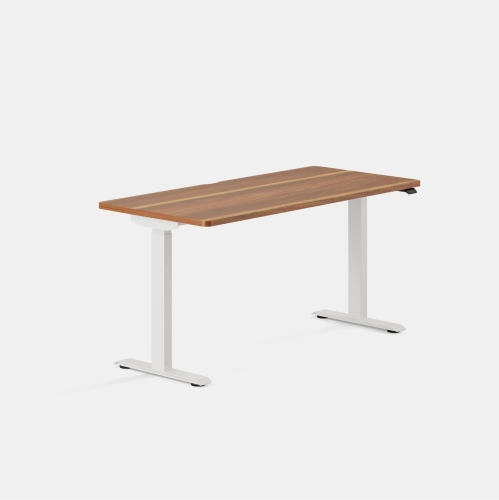 Your price for this item is $679.2
-
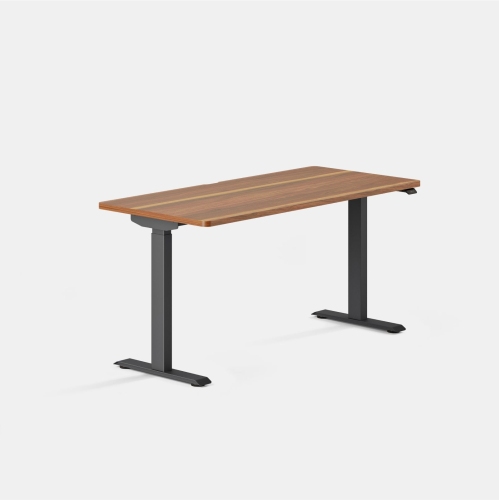 Your price for this item is $679.2
-
 Your price for this item is $519.2
-
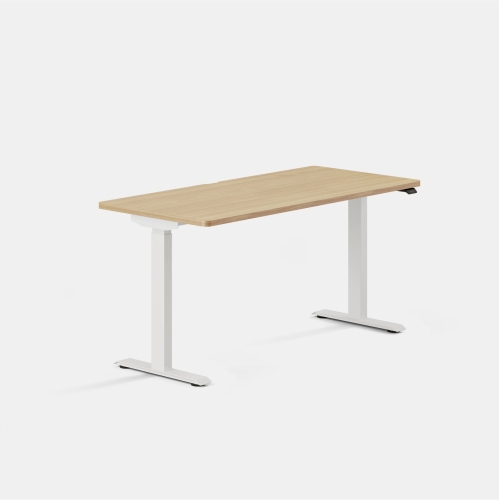 Your price for this item is $679.2
Discover more categories related to Vintage Wooden Desks
Top Collections:
Best Black Friday Deals This Year, Best Black Friday Deals On Electronics, Kindle Devices, Dyson Airwrap, Best Cameras for Sports Photography, Best Budget Office Chairs, Canon G7X Cameras, PS5 Pro Consoles, Best Black Friday Deals On Apple Products, XBOX One S Consoles
Some products may be subject to Environmental Handling Fees
(EHF) depending on your province.
Learn more about EHFs.