Vinyl Shelves
Transform your living space with the timeless charm and functionality of vinyl shelves. Perfect for any room in your home, these versatile storage solutions offer a stylish way to organize and display your belongings. Whether you're looking to showcase your favorite books, keep kitchen essentials within reach, or add a decorative touch to your office, vinyl shelves provide a durable and aesthetically pleasing option. Explore our wide selection of designs and sizes to find the perfect fit for your needs and enhance the look of any room effortlessly.
Sort
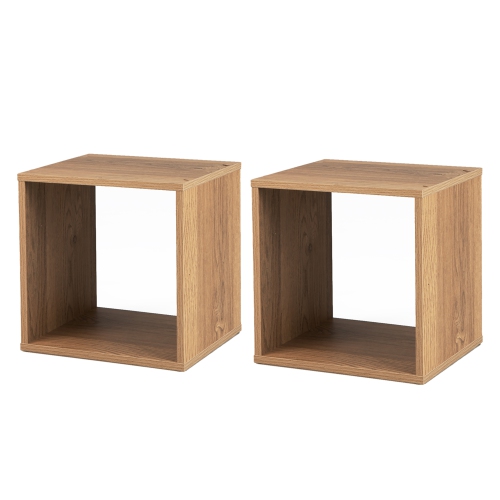
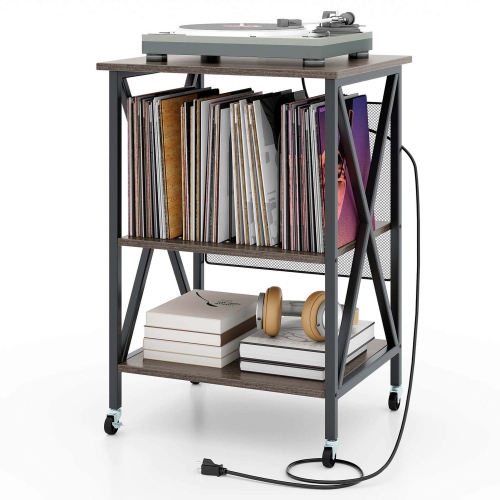
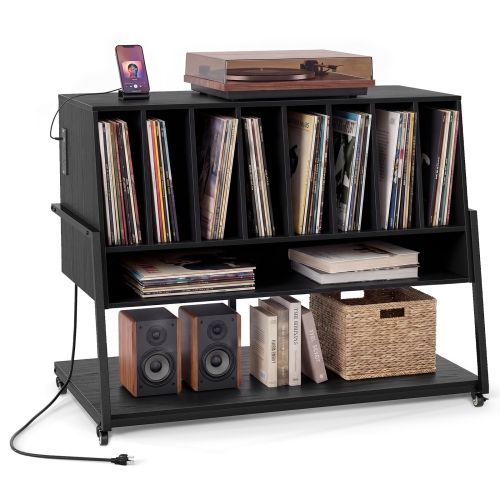

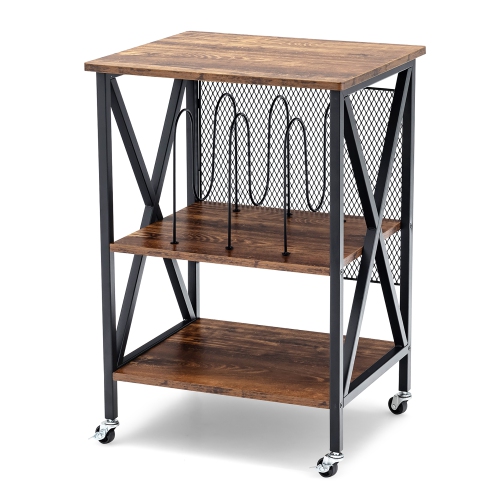
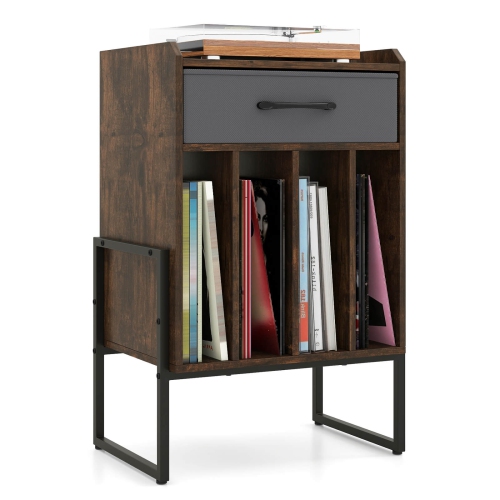
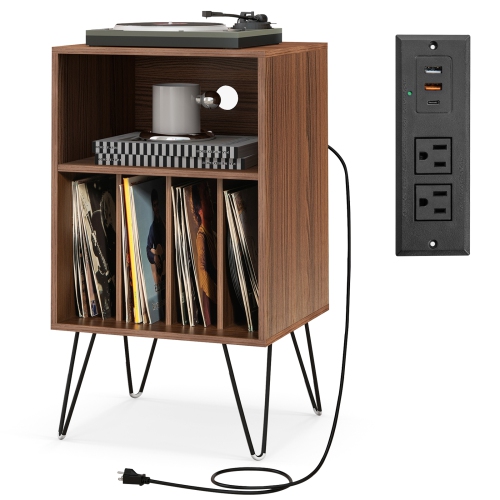
Room for favourite album covers and growing collections
Vinyl shelves give records a dedicated place to live, whether the aim is to display a few favourite album covers or organize a collection beside a turntable. The main styles serve different purposes: wall-mounted ledges showcase artwork face-forward, deeper storage shelves hold records upright with their spines visible, and freestanding shelving provides room for a larger library without making every album part of a wall display. A narrow ledge above a listening chair can hold an album being played, while a set of square compartments can keep jazz, rock, classical, and other genres within easy reach. Display shelves usually have a raised front lip that helps keep jackets in position, but their usable depth determines whether they suit a single album or several layered covers. Storage shelves need enough internal height and depth for the entire jacket, including an outer protective sleeve. A 12 inch record sleeve extends beyond the disc itself, and boxed sets or gatefold jackets may need additional clearance. That extra space also makes it easier to lift an album out without rubbing its corners against the shelf above. For frequently played records, accessible compartments at a comfortable height can make browsing feel as natural as flipping through a record shop bin. Less frequently played albums can sit elsewhere in the same unit, provided each section offers suitable support. In a living room, a low shelf can keep sightlines open beneath framed artwork; in a compact apartment, wall shelving can make use of space above furniture. The distinction between display and storage matters most as a collection grows. A shelf that beautifully presents three covers may not suit dozens of tightly packed LPs, while a deeper unit can hold a substantial collection without showing much of the artwork. Combining the two creates space for both everyday browsing and a rotating display of favourite sleeves.
Materials and construction affect how vinyl shelves look, how they feel in daily use, and how well they handle the weight of a collection. Solid wood offers natural grain and variation, while wood veneer brings a real wood surface to a constructed core. Engineered wood with a laminate finish can provide a consistent colour and a smooth surface that is straightforward to wipe clean. Metal shelving often has a slimmer profile, with an open appearance that suits a listening corner alongside other furniture. None of these materials alone determines strength: shelf thickness, span, joints, brackets, and the overall design all contribute to load capacity. Records become heavy surprisingly quickly, so the stated weight limit for each shelf or compartment matters more than the size of the unit suggests. Long, unsupported shelves may flex under a dense row of albums, whereas shorter sections and vertical dividers can help distribute the load. Clear internal measurements are equally important. Outside dimensions show whether a unit fits a room, but they do not reveal how much usable space remains after allowing for side panels, back panels, and shelf supports. Skirting boards, nearby outlets, and furniture placement can also affect how neatly a freestanding unit sits against a wall. For wall-mounted vinyl shelves, secure installation depends on the wall material, appropriate fixings, and the manufacturer's mounting requirements. A decorative ledge should not be treated as heavy-duty record storage unless its specifications support that use. Tall freestanding shelving may also require wall anchoring as directed by its manufacturer, particularly in homes shared with children or pets. Surface details deserve attention, too: smooth edges help protect jacket corners, while a stable base reduces movement when albums are removed. A finish that coordinates with a turntable cabinet, desk, or bookcase can make the storage feel like part of the room rather than an afterthought, whether the preferred look is pale wood, a darker grain, clean white, or matte black.
Good vinyl storage supports both the records and the habit of listening to them. Albums are generally best stored upright, with enough neighbouring support to prevent pronounced leaning, rather than in heavy horizontal piles. Compartments that are packed too tightly can make sleeves difficult to remove, while large gaps may allow a small collection to slump sideways. Dividers or suitable bookends can help keep a growing collection supported without filling every section immediately. A little breathing room also accommodates thicker releases, protective sleeves, and new additions. Shelving away from direct sunlight, damp areas, and heat sources helps protect records and packaging, especially when artwork is displayed for extended periods. Rotating the covers on a wall ledge lets different albums take a turn in view without leaving one jacket exposed indefinitely. Routine shelf care is usually simple: dust with a soft cloth and use only cleaning methods suitable for the finish, keeping moisture away from album sleeves. Covered storage can reduce dust settling on jackets, while open shelving keeps browsing easy and makes spine labels visible. In a listening setup, equipment placement deserves its own space. A shelf intended to support a turntable needs a stable, level surface, sufficient depth, and clearance for the dust cover to open; speakers on the same surface may also transmit vibration during playback. For arrangements that bring playback equipment and record storage together, Vinyl Stands offer another furniture format to consider alongside wall shelves. Vinyl shelving can suit a first-time collector building a small selection, a long-time listener organizing years of purchases, or a music enthusiast who enjoys seeing album artwork around the home. As a gift, the most useful fit depends on the recipient's room, collection size, and willingness to install wall-mounted storage. A modest display ledge can give a cherished album a place beside a listening chair, while larger storage shelves make room for the pleasure of browsing, rediscovering an overlooked release, and choosing what to play next.
Top selling and popular products
-
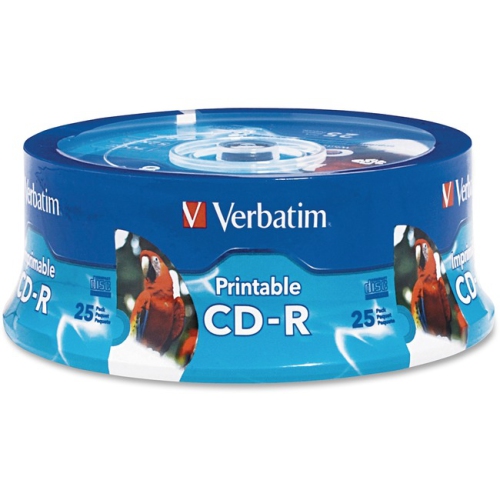 Your price for this item is $46.37
-
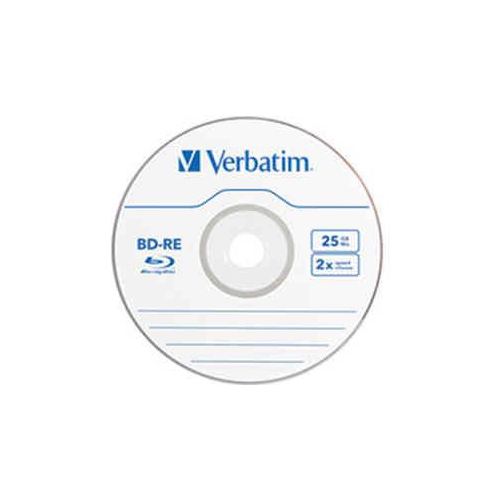 Your price for this item is $39.99
-
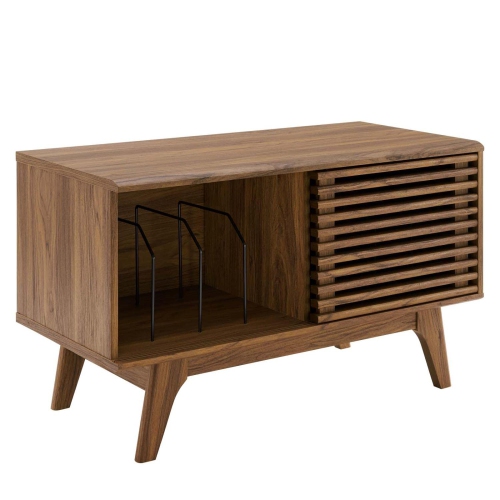 Your price for this item is $338.52
-
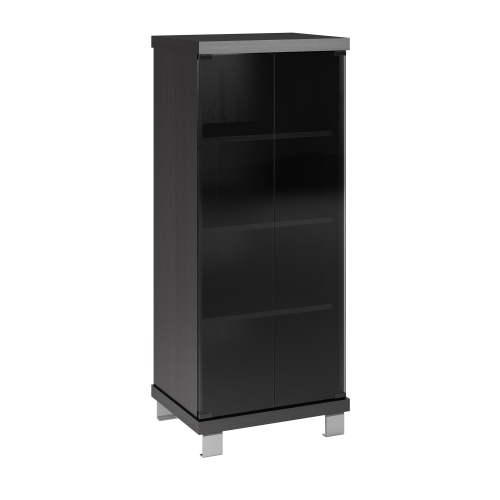 Your price for this item is $149.95
-
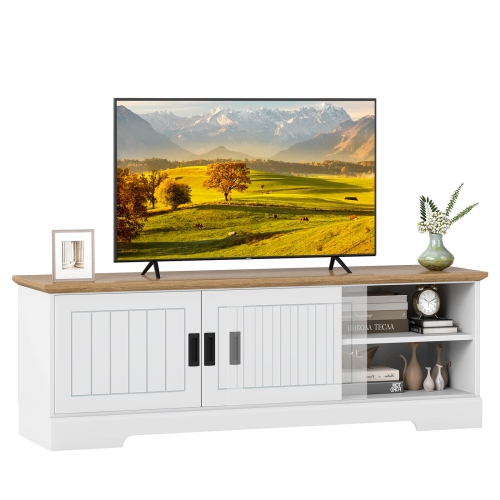 Your price for this item is $219.99
-
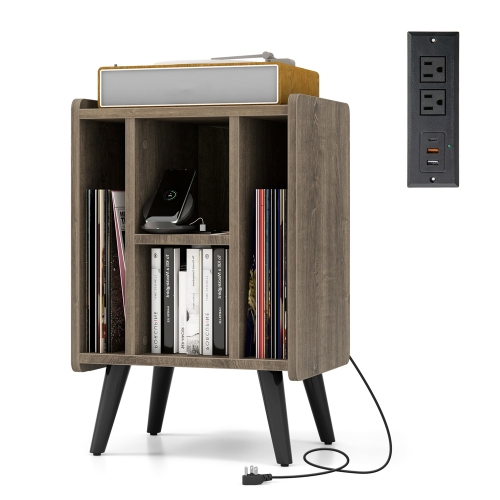 Your price for this item is $94.99
-
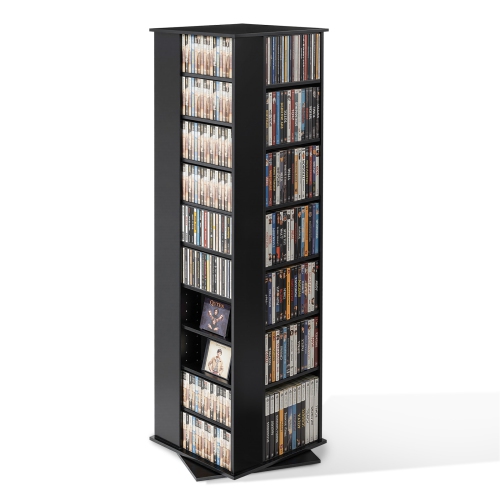 Your price for this item is $236.9
-
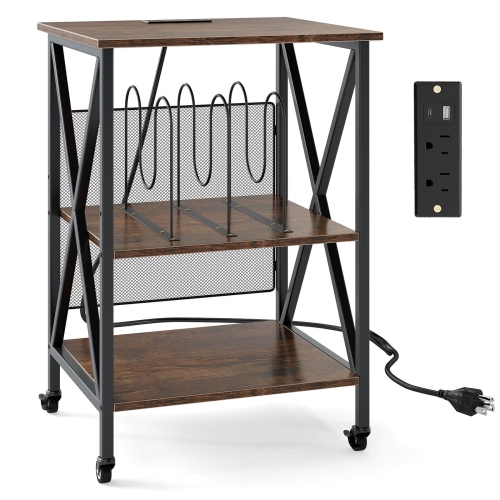 Your price for this item is $123.99
Discover more categories related to Vinyl Shelves
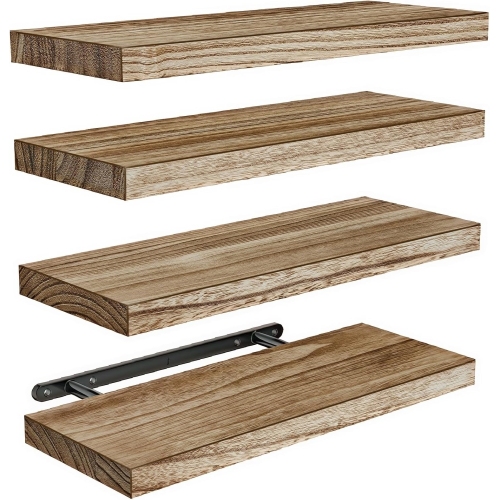
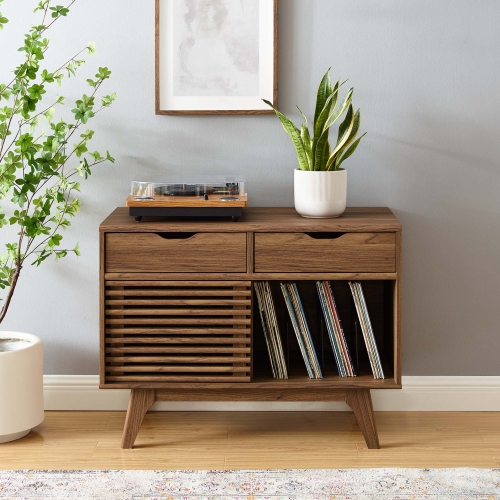
Top Collections:
Best Black Friday Deals This Year, Best Black Friday Deals On Electronics, Kindle Devices, Pokemon Centers, Best Black Friday Deals On Apple Products, Best Cameras for Sports Photography, Dyson Airwrap, Pokémon 30th Celebration Cards, Apple iPhone 17 Pro, Canon G7X Cameras
Some products may be subject to Environmental Handling Fees
(EHF) depending on your province.
Learn more about EHFs.