Wagon Planters
Create a charming and whimsical garden display with our collection of wagon planters. These versatile outdoor accents add a touch of rustic elegance to any space, whether it's a sprawling backyard or a cozy balcony. Crafted with durable materials and designed to withstand the elements, our wagon planters are not only decorative but also functional. Fill them with your favorite flowers, herbs, or succulents to create a stunning focal point that will surely impress your guests. With various styles and sizes available, you'll find the perfect wagon planter to complement your unique gardening style. Transform your outdoor oasis into a picturesque retreat with our delightful wagon planters.
Sort


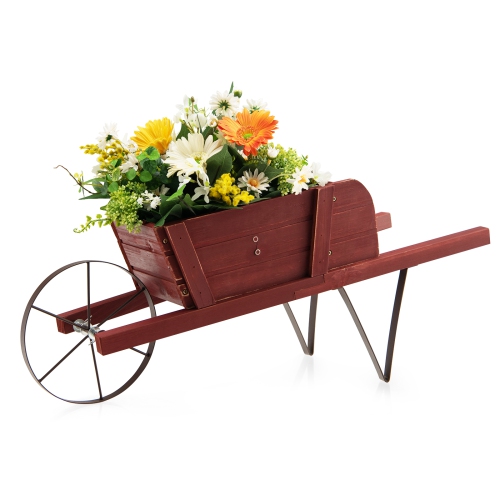
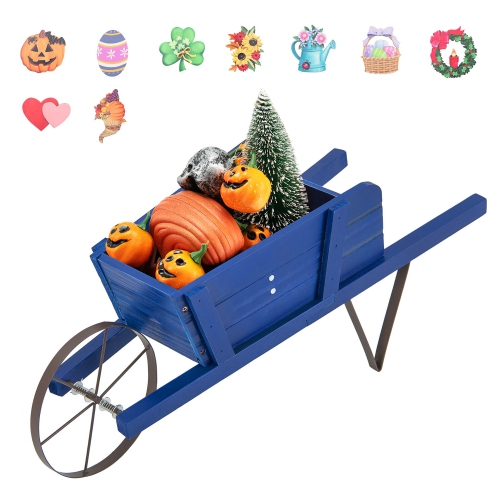
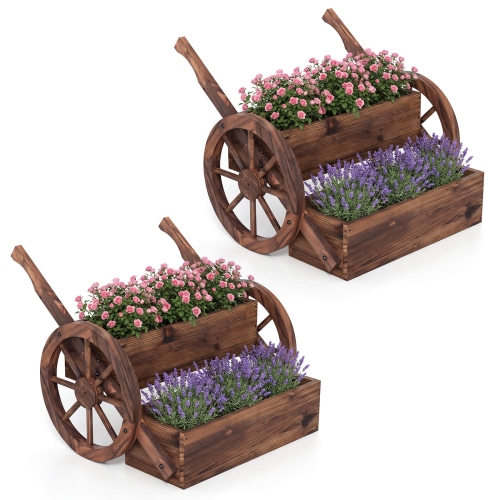
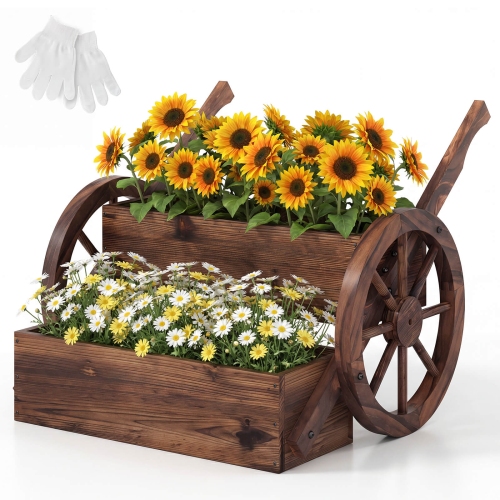
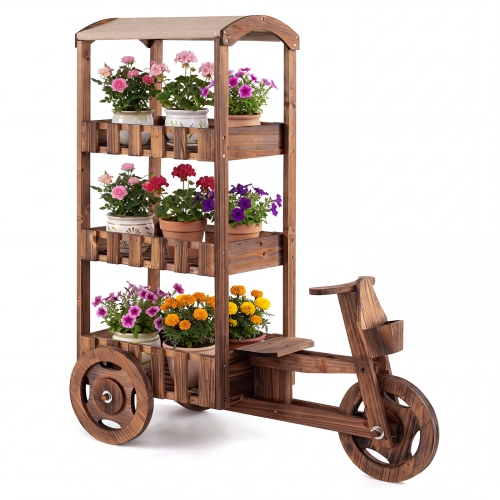
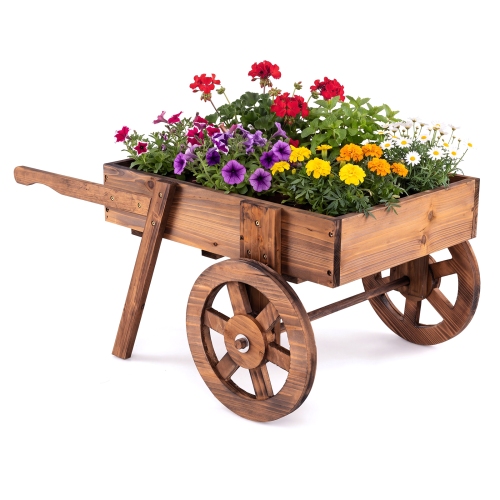
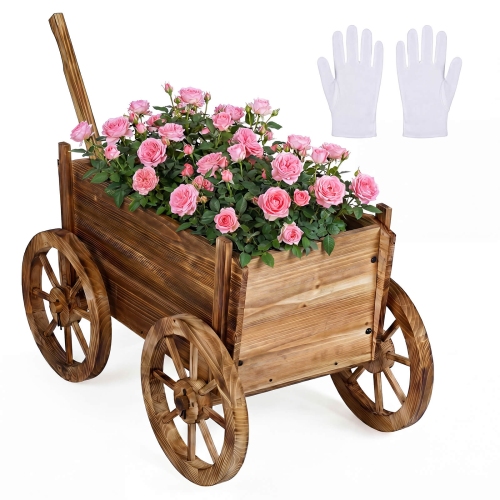
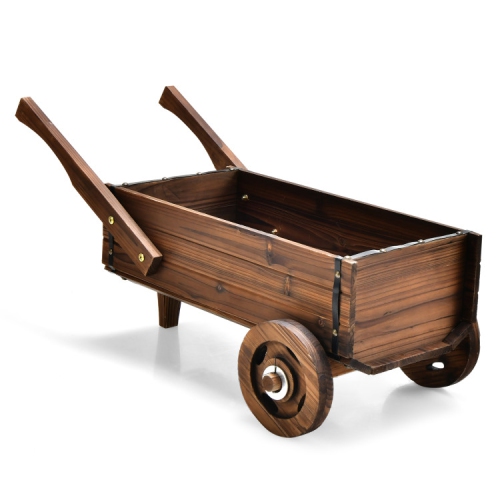
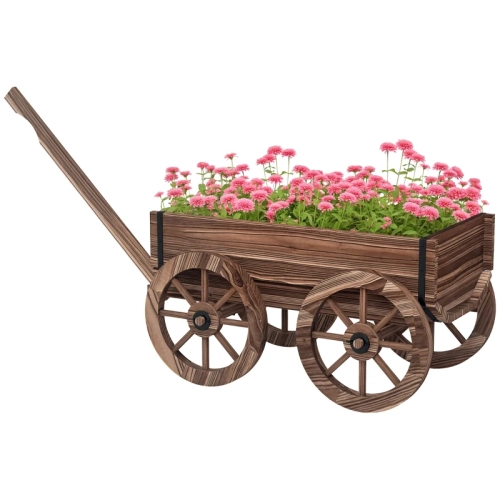
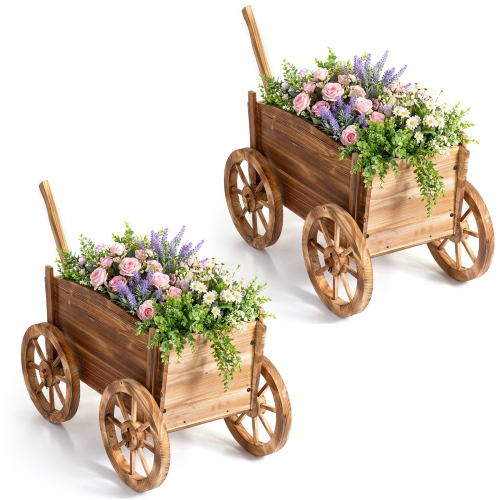
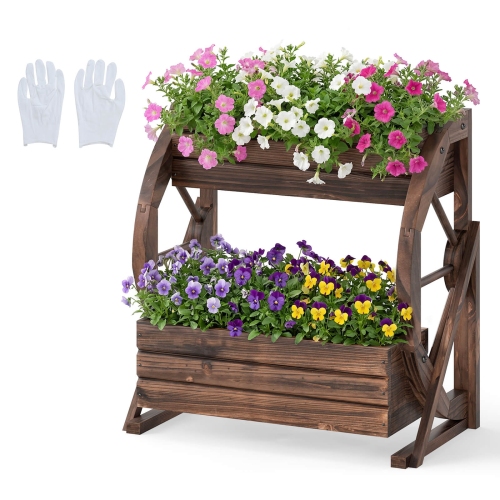
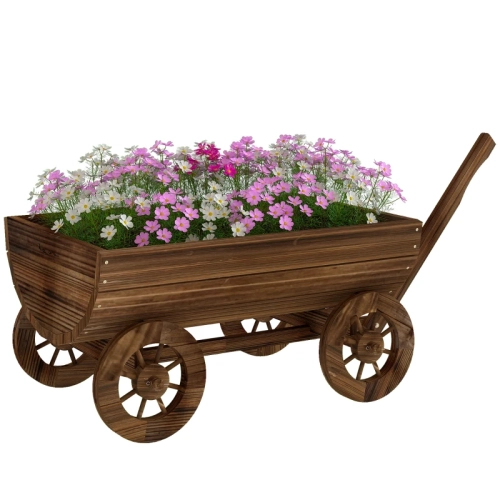
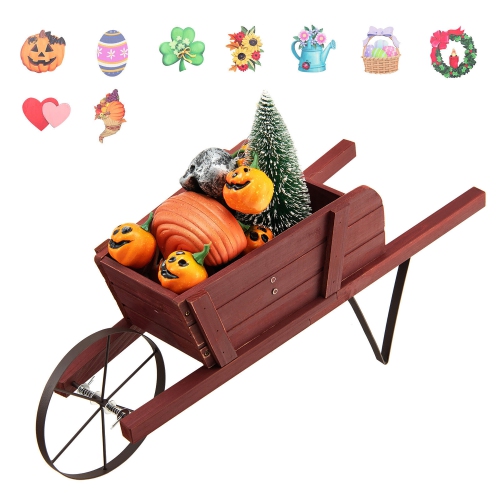
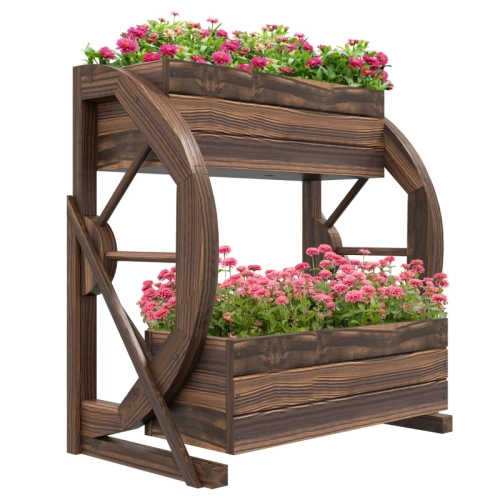
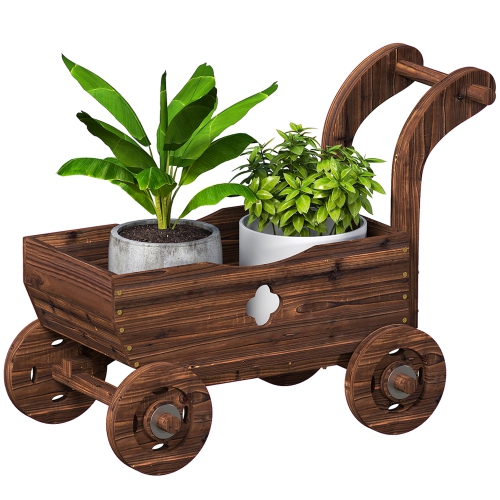
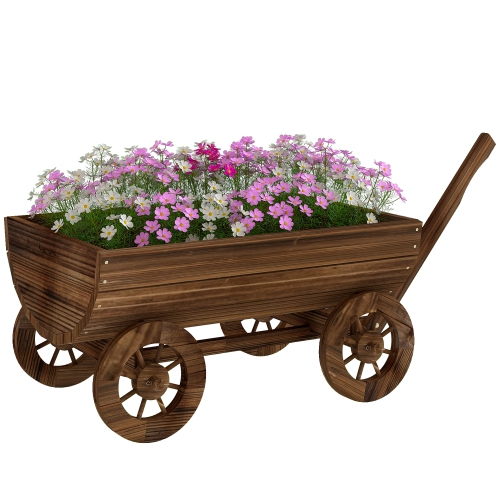
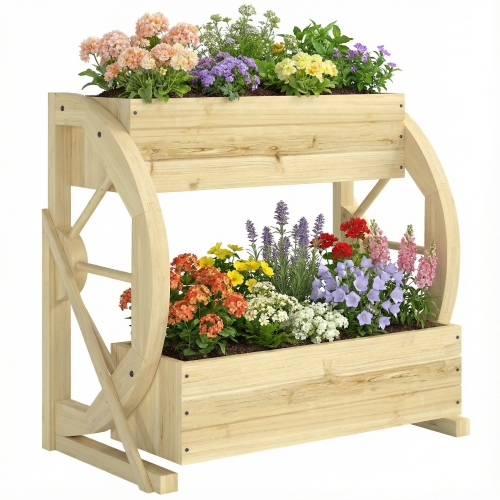
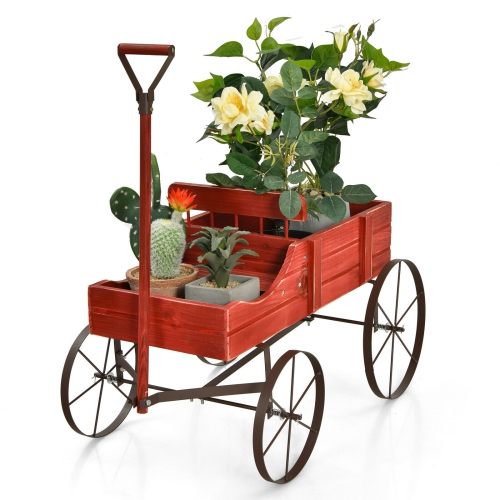
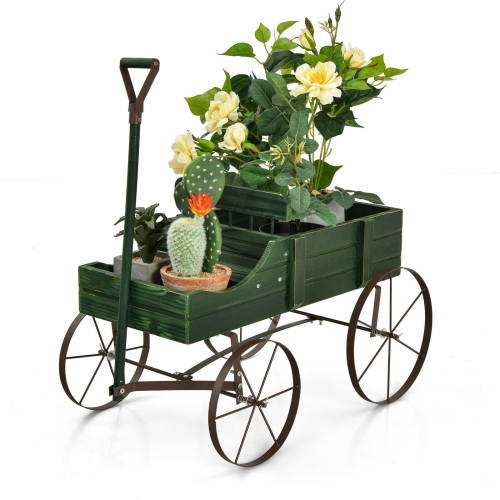
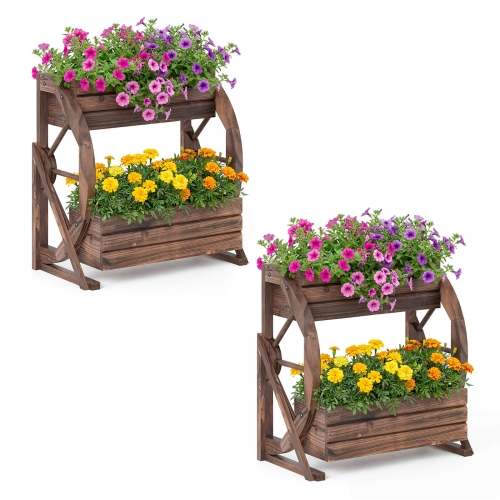
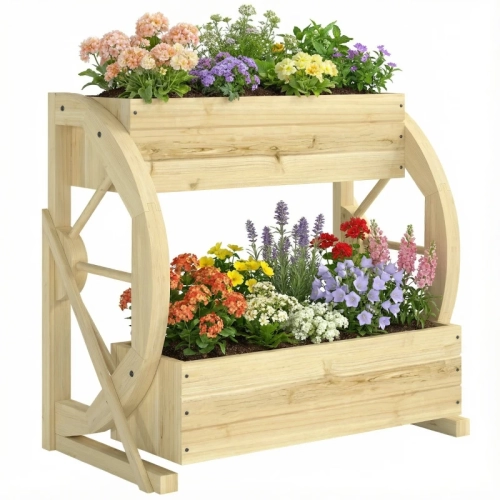

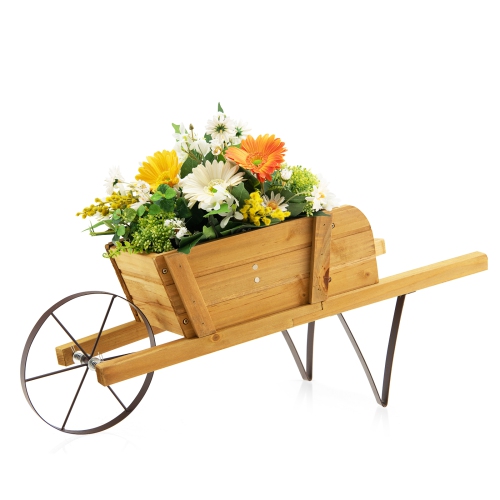
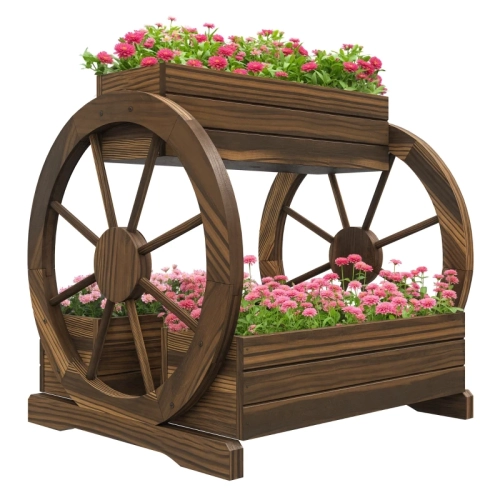
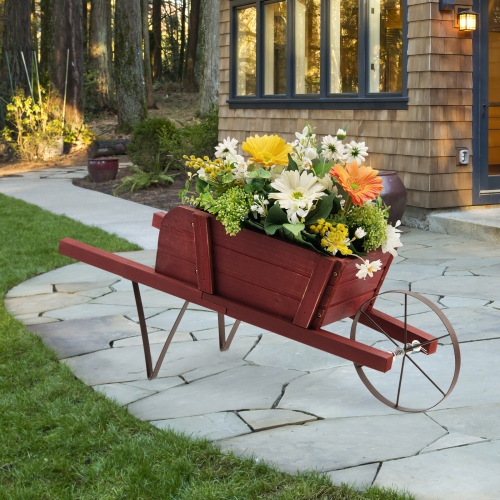
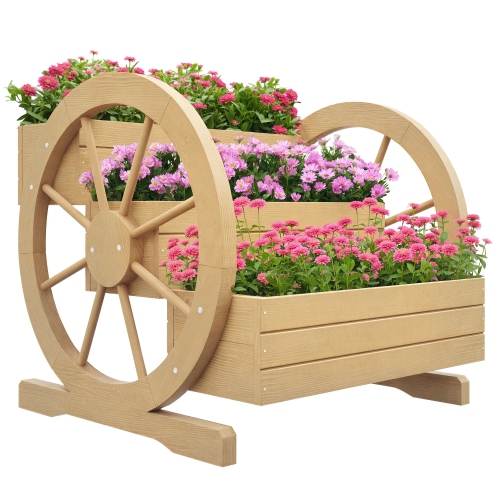
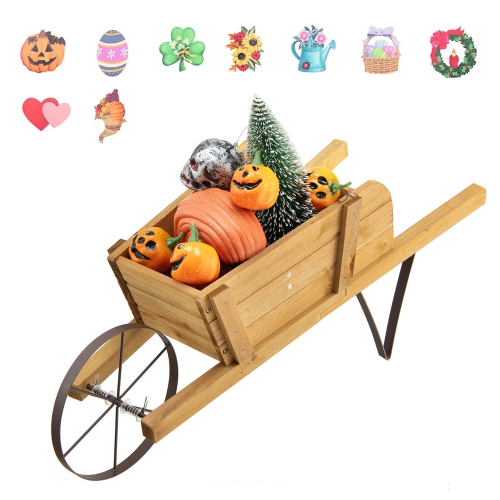

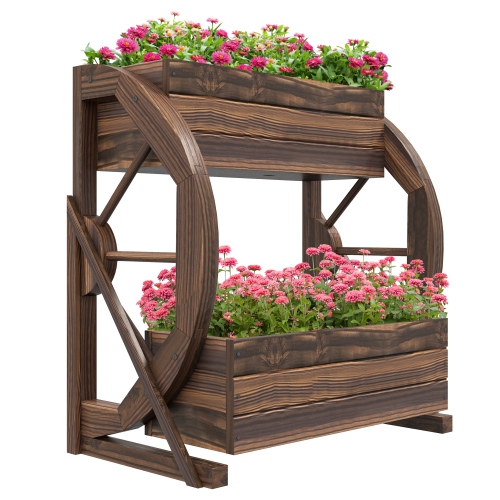
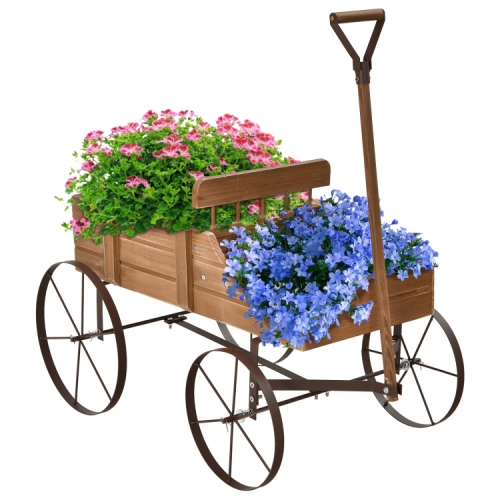
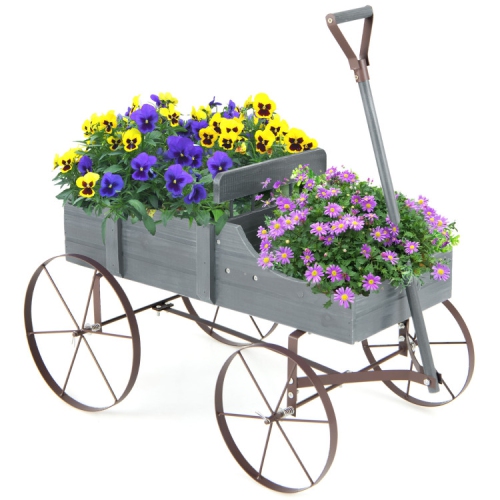
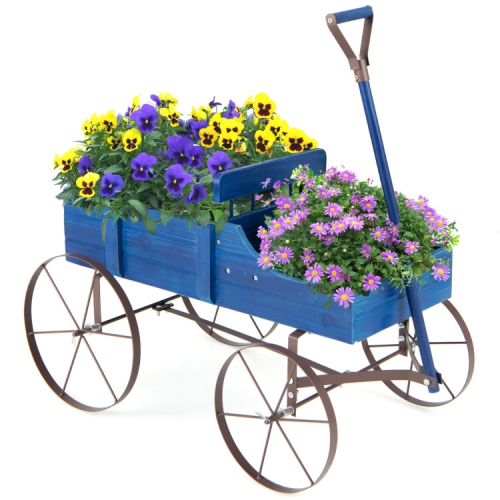
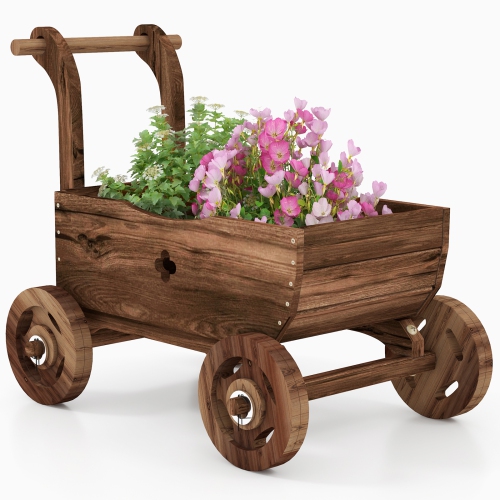

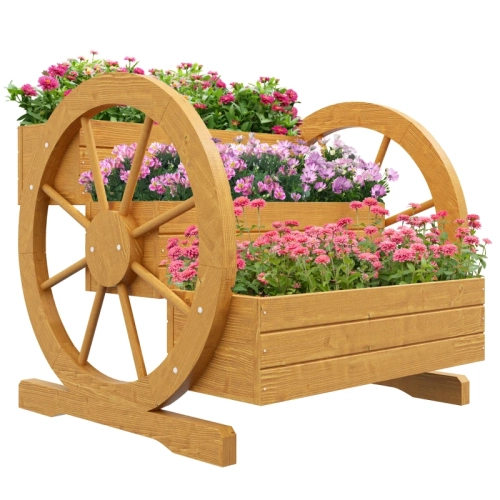
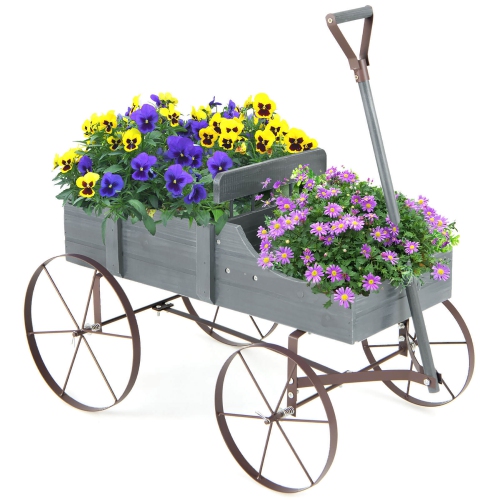
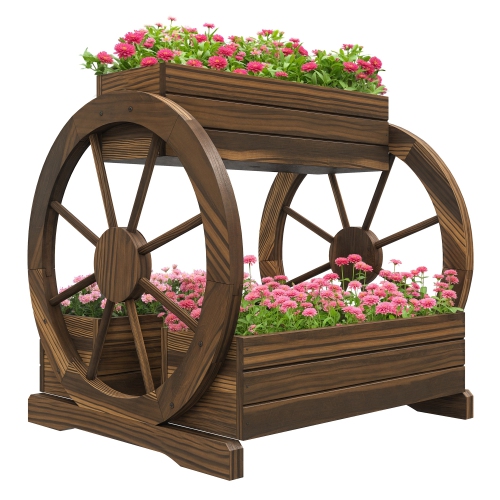
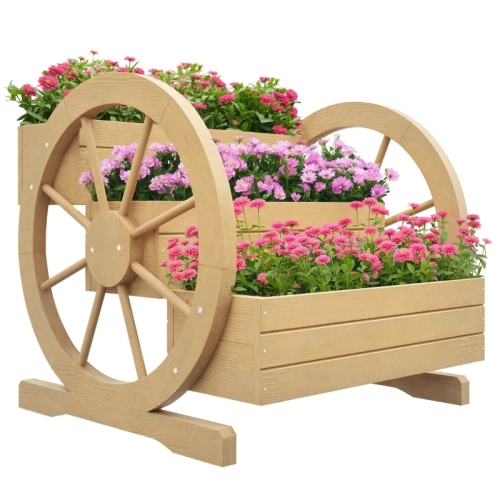
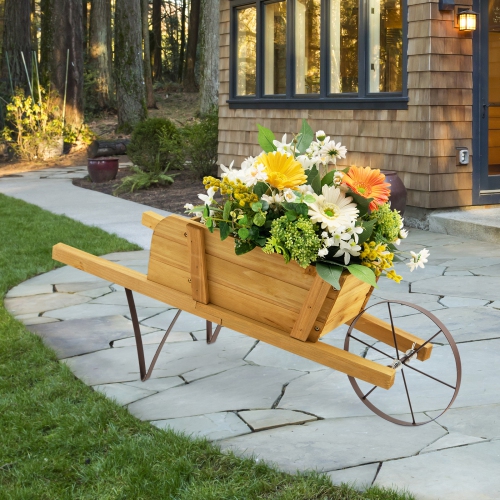
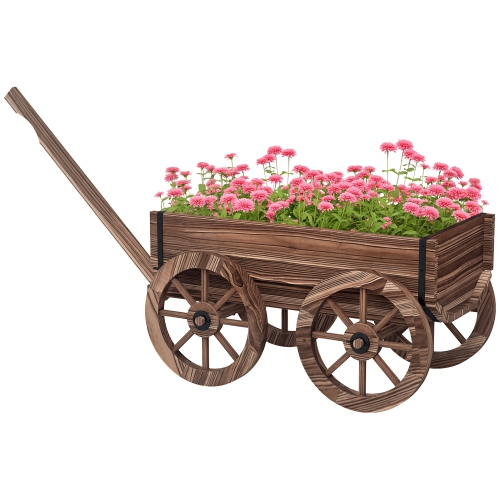
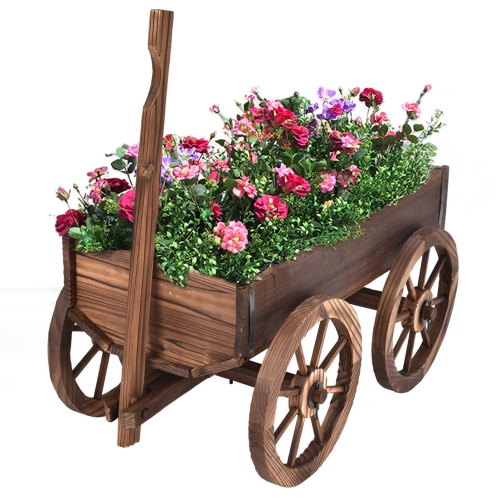
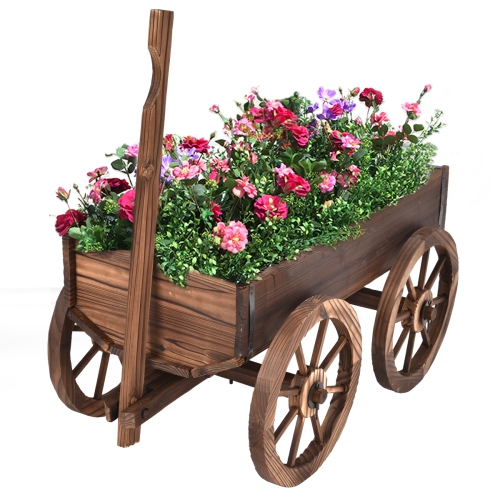
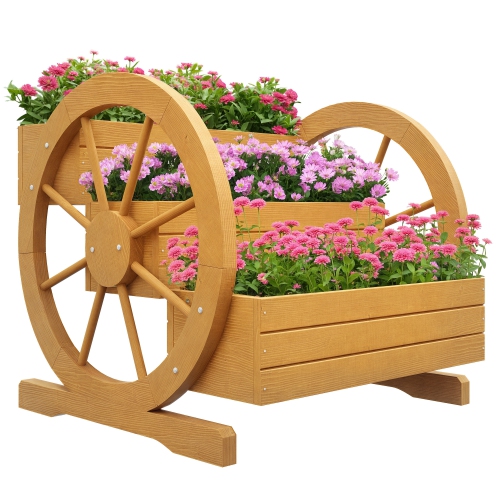
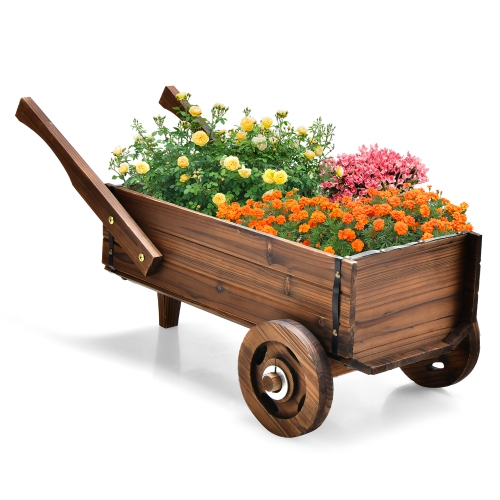
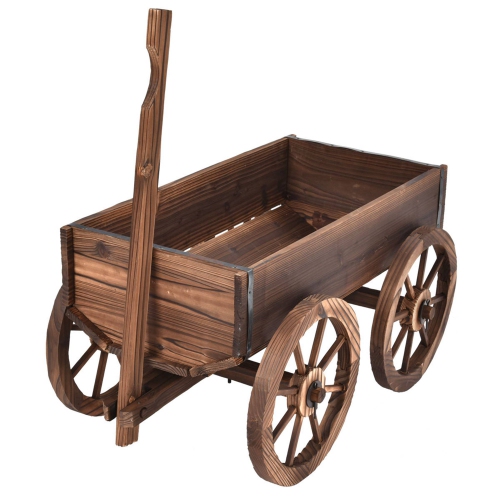
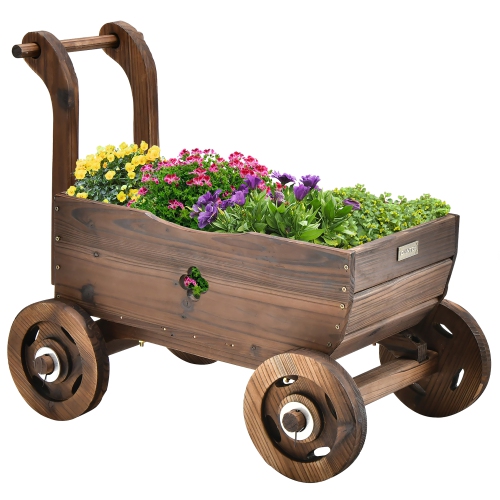
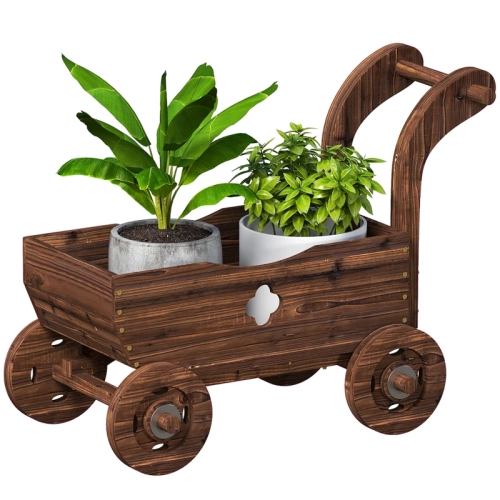
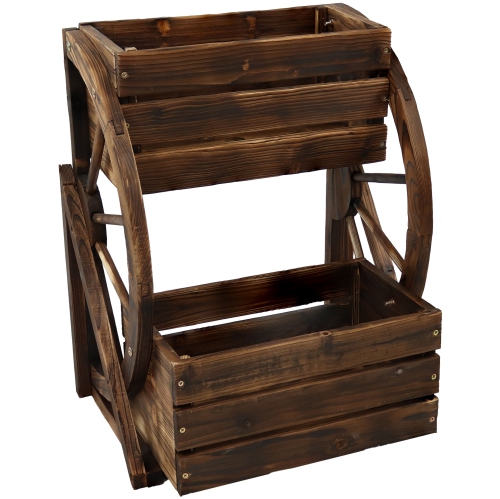

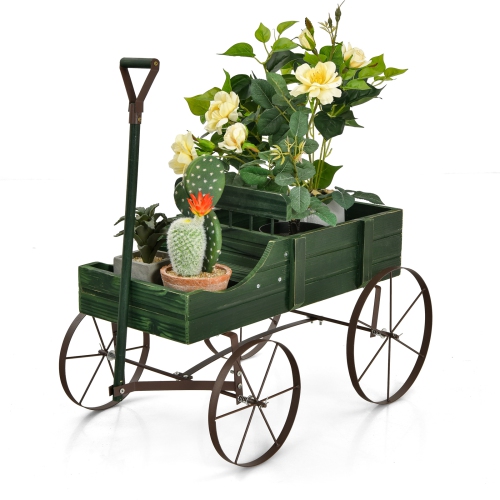
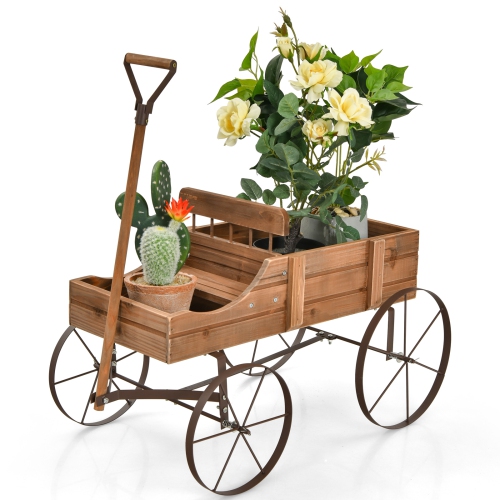
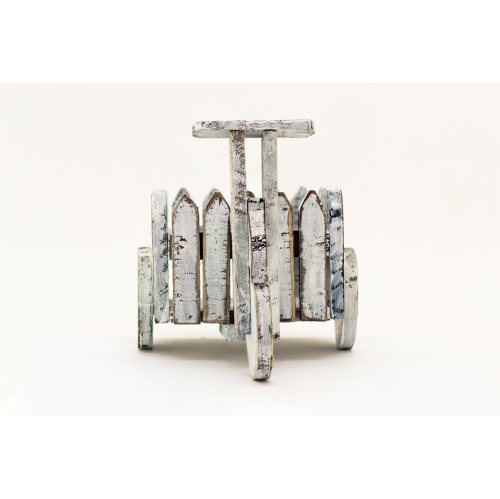
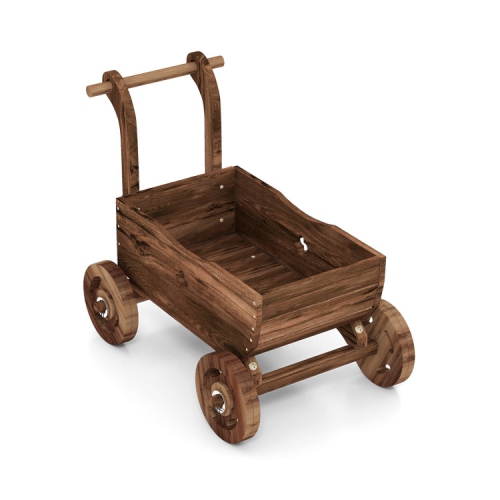
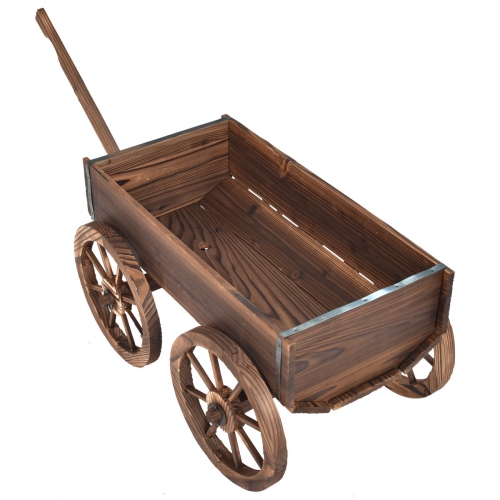
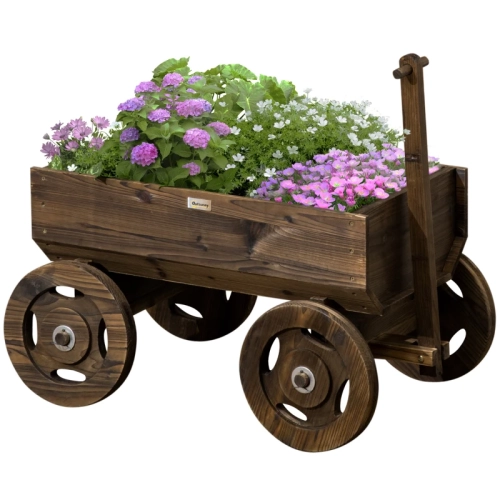
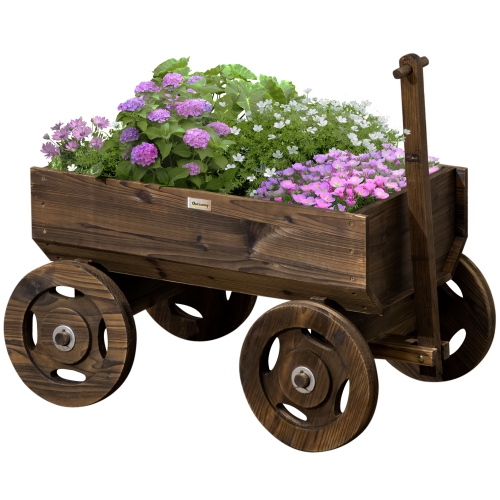
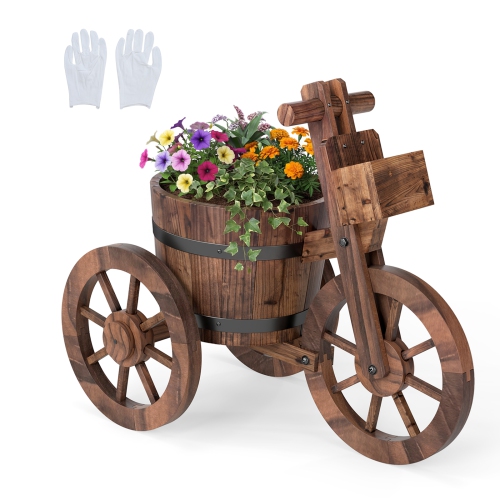
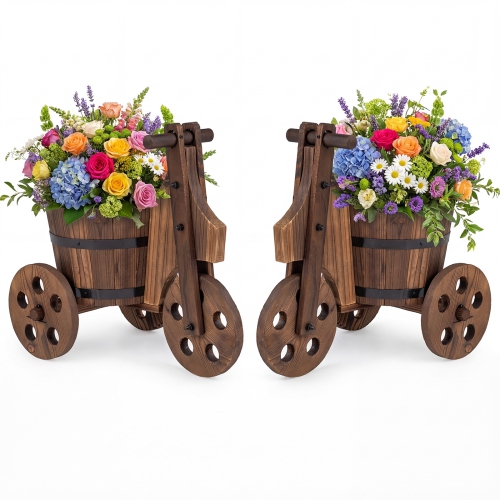
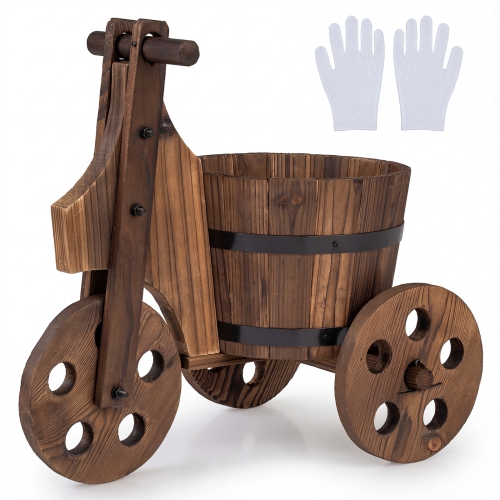
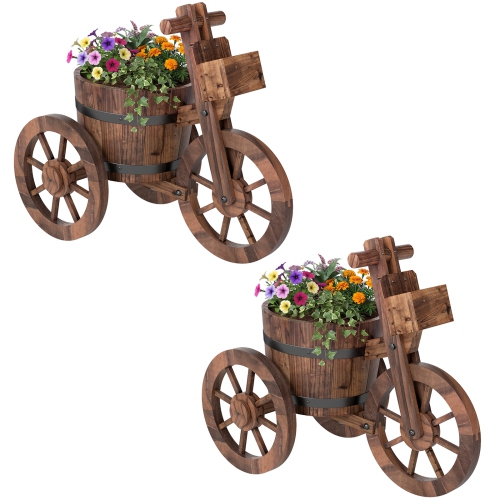
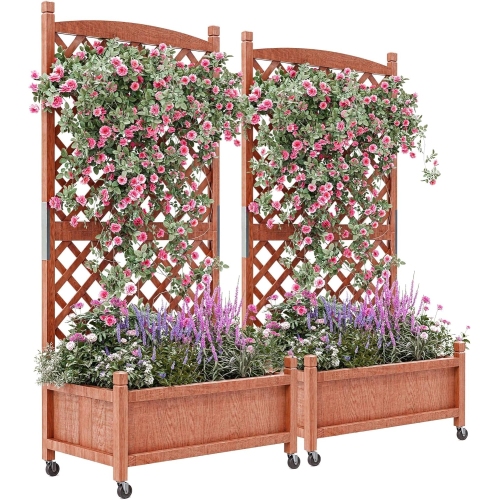
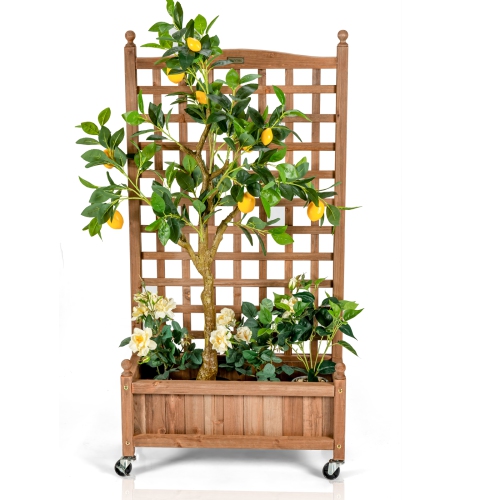
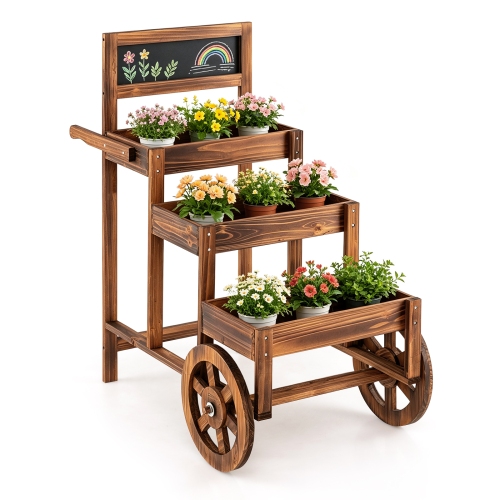
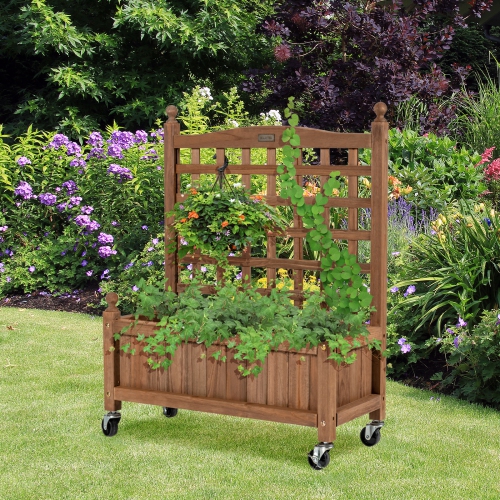
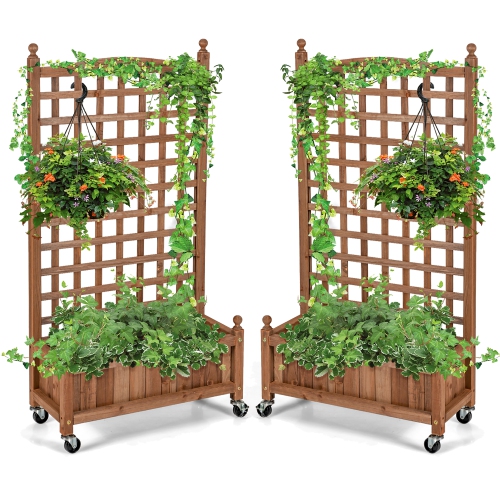
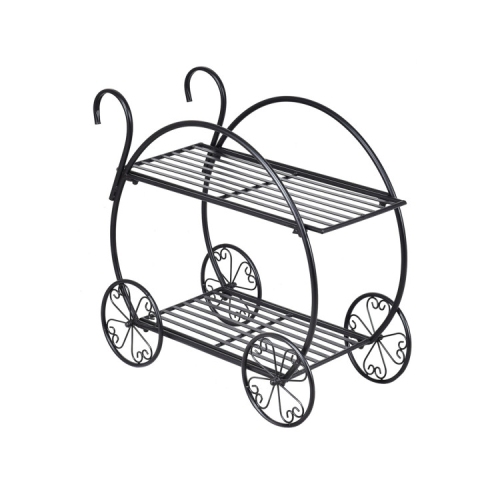
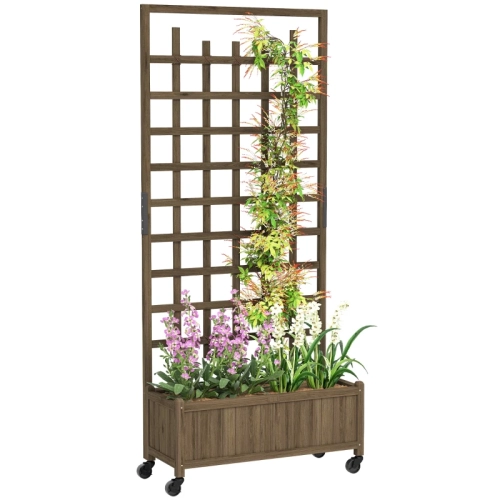
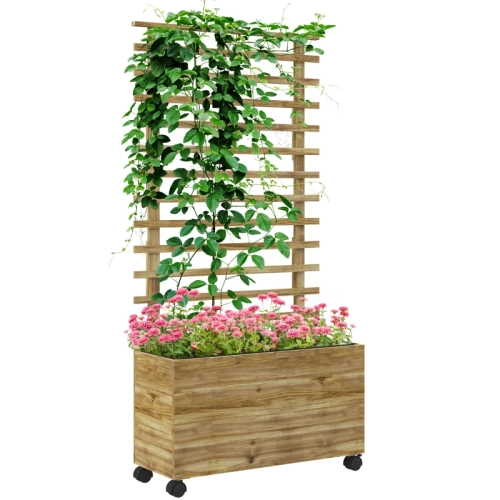
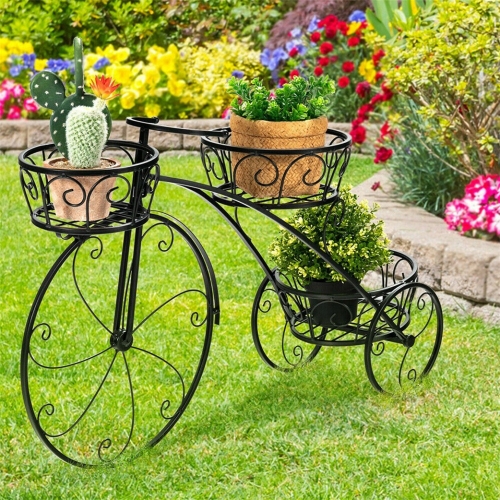
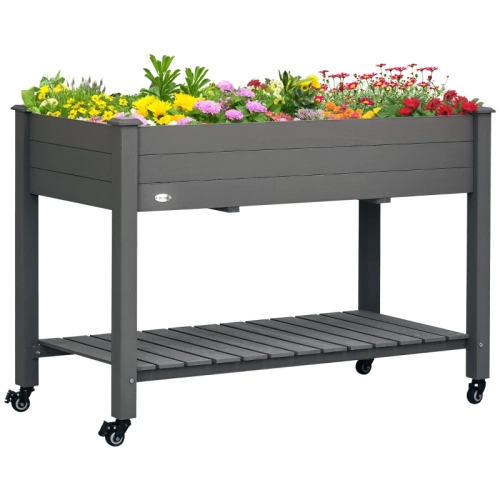
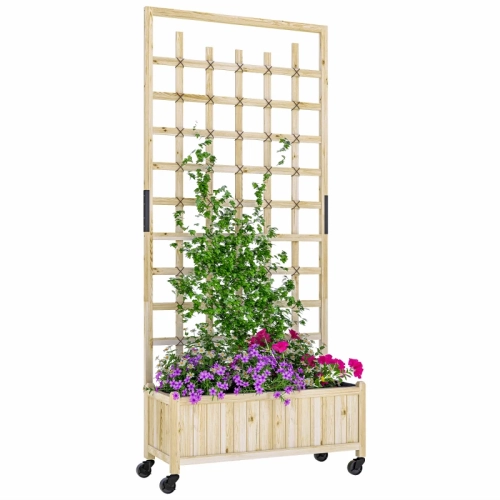
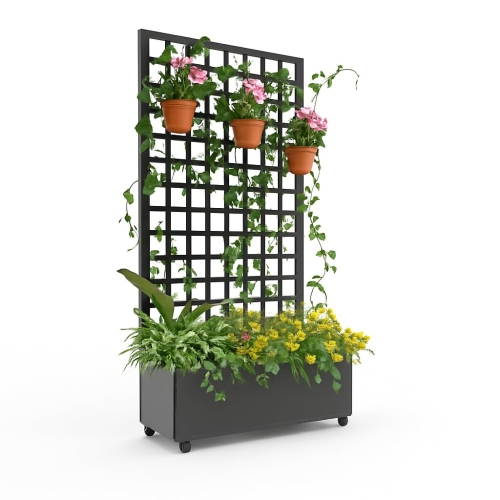
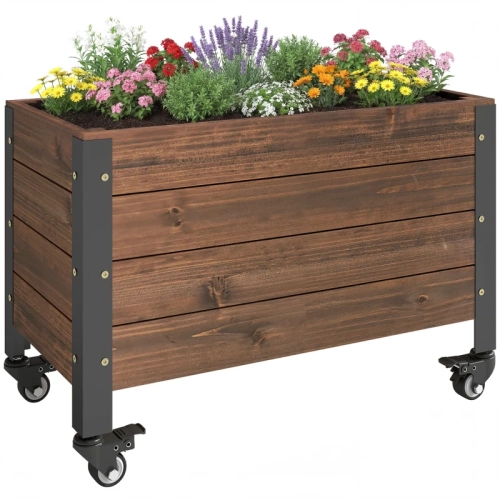
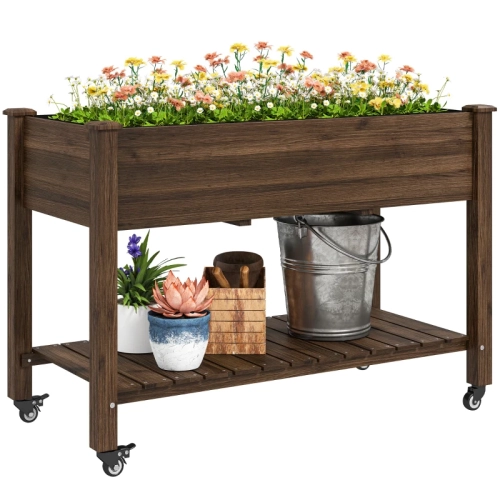
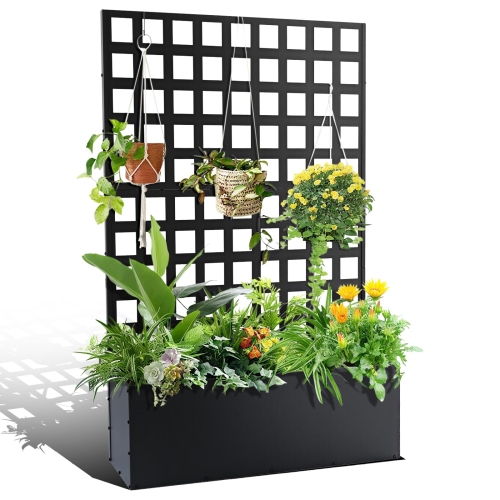
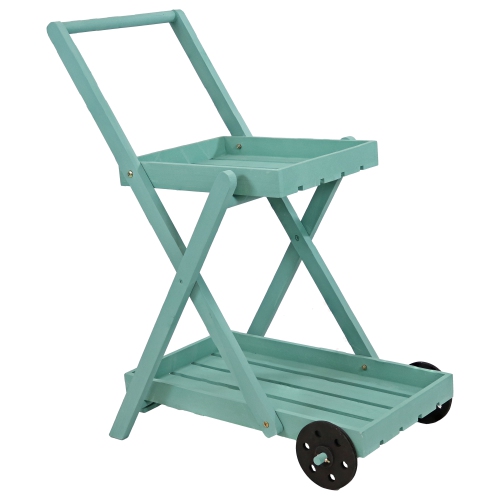
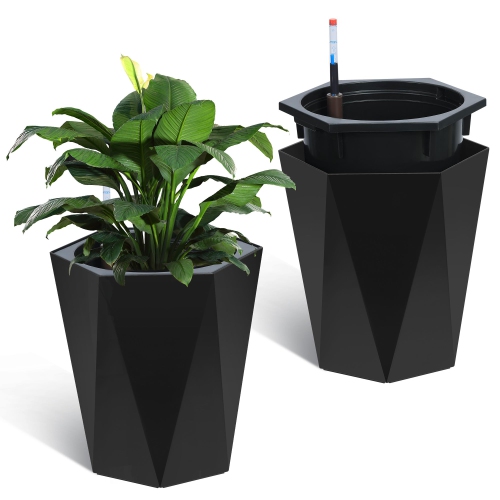
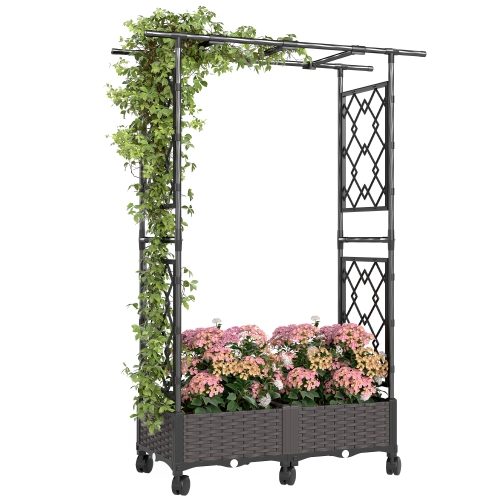
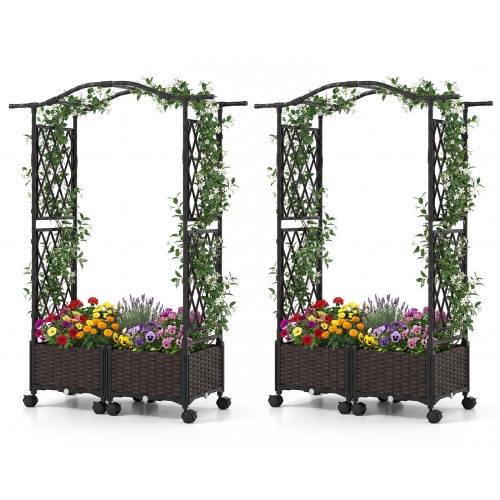
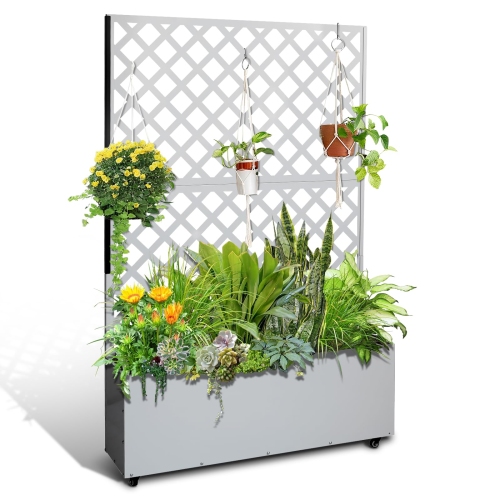
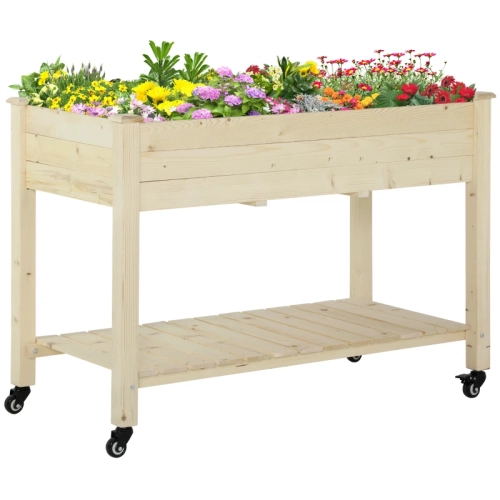
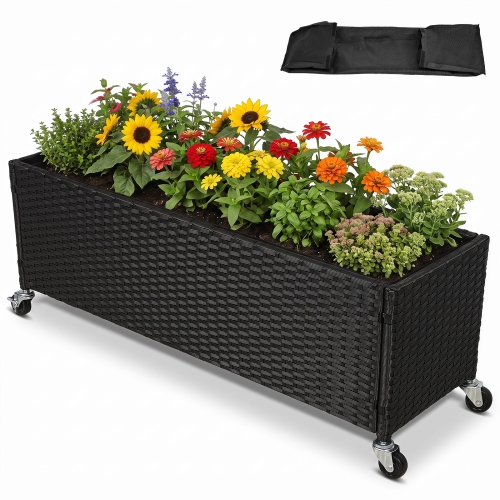
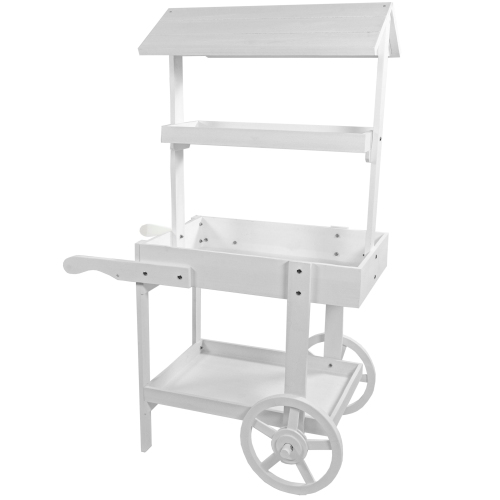
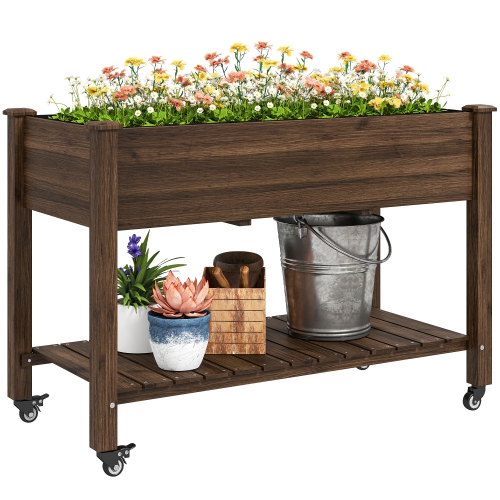
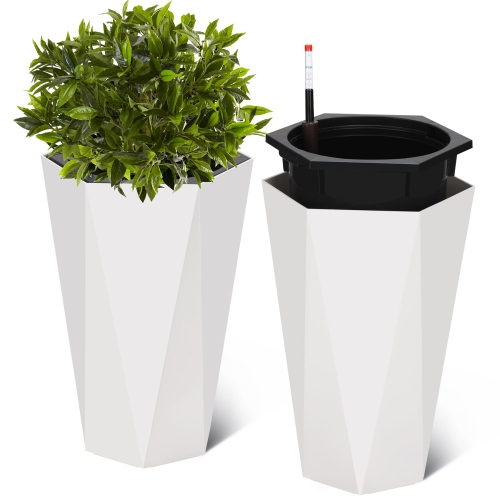
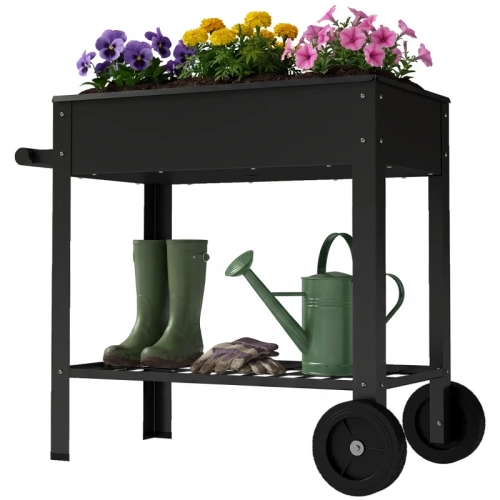
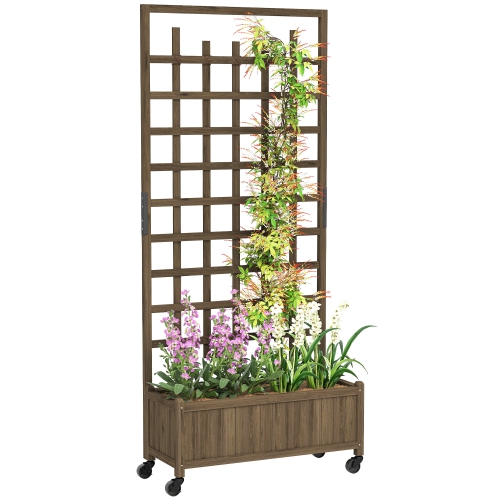
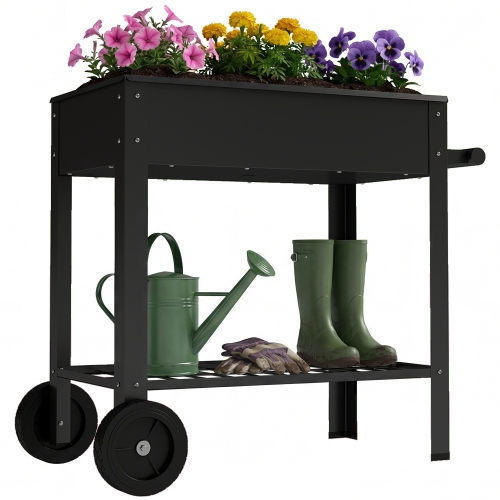
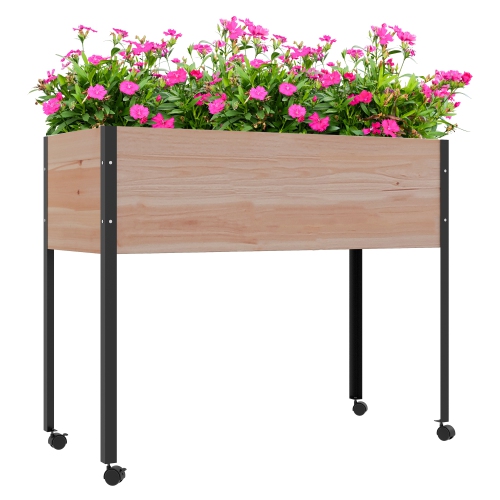
Rustic charm meets flexible planting for outdoor spaces
Wagon planters bring the familiar shape of a small country wagon into outdoor decorating, combining a rustic display piece with practical space for flowers, herbs, and compact vegetables. Their cart-like bodies are often made from wood, with a stained, painted, or burnt finish that adds warmth to patios, porches, balconies, decks, and garden paths. Wheels and a long handle complete the traditional wagon look, while also making it easier to reposition the planter when you want to refresh your outdoor arrangement. A wagon planter can frame an entryway with trailing flowers, add height and texture beside a seating area, or create a charming focal point among shrubs and garden beds. Picture a sunny corner near the back door filled with overflowing blooms, a few culinary herbs within easy reach, and the rich grain of the wood softening the look of a paved space. During the warmer part of the season, it can hold colourful annuals and leafy greens; as the weather cools, it can be rearranged with hardy plants, decorative branches, gourds, or seasonal accents. Some people use these planters primarily as garden containers, while others treat them as flexible outdoor décor that can be changed throughout the year. They can also make thoughtful gifts for new homeowners, balcony gardeners, cottage hosts, or anyone who enjoys adding character to a patio without taking on a major landscaping project. For shoppers comparing styles, Planter Boxes With Wheels may also be useful when looking for a movable container with a different shape or layout. The most suitable choice depends on available space, the type of display you have in mind, and how often you expect to move the planter.
Size is one of the first details to consider because wagon planters can range from compact decorative containers to larger designs with generous room for a layered planting arrangement. Measure the intended location, including the clearance needed to walk around it and turn the handle, rather than relying only on the overall product dimensions. A narrow planter may suit a balcony or front step, while a wider wagon can anchor a backyard display or provide enough space for a mix of upright, trailing, and spreading plants. Pay attention to the planting depth as well as the length and width of the container. Flowers with shallow roots and small herb varieties can thrive in a more compact space, whereas vegetables and larger plants may need additional soil depth to establish comfortably. Drainage is equally important. Look for drainage holes or another method that allows excess water to escape, helping prevent waterlogged soil after heavy rain or frequent watering. If a model does not include a liner, consider how you will protect the interior and keep soil contained without blocking drainage. A liner can also make seasonal changes easier, especially if you like to switch between live plants and decorative arrangements. Materials and construction deserve close attention as well. Wood gives wagon planters their classic appearance, while a sturdy metal frame, reinforced base, or well-secured axle can help support the weight of soil and water. Once filled, even a modest planter becomes considerably heavier, so wheels should be securely attached and positioned to support the load. Wheels may be decorative on some designs and functional on others; check how they are constructed if moving the planter is an important part of your plans. A handle can make repositioning more convenient, but the planter should still remain stable when parked. If children or pets share the space, a balanced design with a solid base may be preferable to a lightweight option that could shift easily.
Assembly is another practical consideration when choosing a wagon planter. Many arrive with components such as wheels, handles, supports, and hardware that need to be fitted together. Review the listed dimensions, assembly requirements, and included instructions before purchase so you know whether the finished piece will suit your space and available tools. After assembly, check that the wheels turn as intended, the handle is firmly attached, and the planter sits level before adding soil. It is usually easier to place the empty wagon exactly where you want it, then add a suitable potting mix and plants once the position has been confirmed. Keep in mind that moving a filled planter over grass, gravel, uneven paving, or thresholds may be more difficult than moving it across a smooth deck. A sunny location may be ideal for many flowers and vegetables, but the best placement still depends on the light requirements of the plants you select. Herbs can be arranged near a kitchen door for convenient snipping while cooking, and a small collection of flowering plants can brighten a sitting area without taking up the entire floor. In cooler months, wagon planters can be brought into a sheltered spot, used as a holder for decorative arrangements, or kept outdoors with suitable seasonal care according to the materials and finish. Avoid leaving standing water in the container, and follow the care recommendations for the wood, metal, wheels, and any protective coating. Whether used as a practical container garden, a rustic centrepiece, or a movable display for seasonal decorating, wagon planters offer a distinctive way to add colour, texture, and personality to an outdoor setting.
Top selling and popular products
-
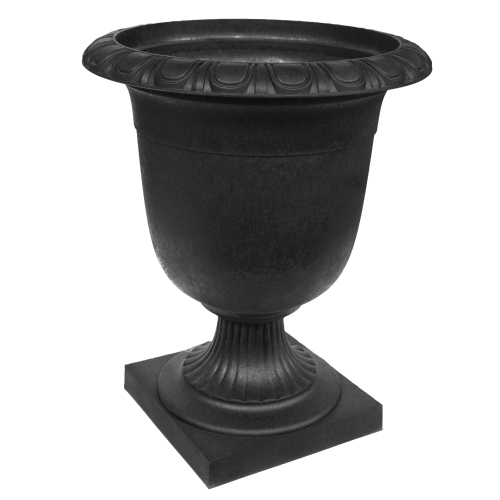 Your price for this item is $69.99
-
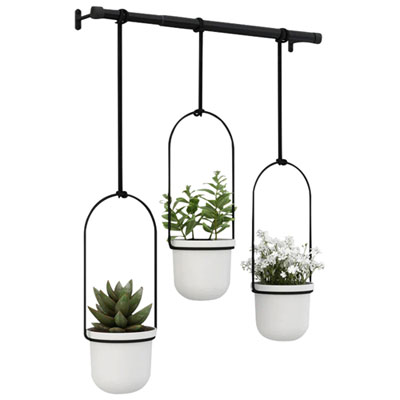 Your price for this item is $65.98
-
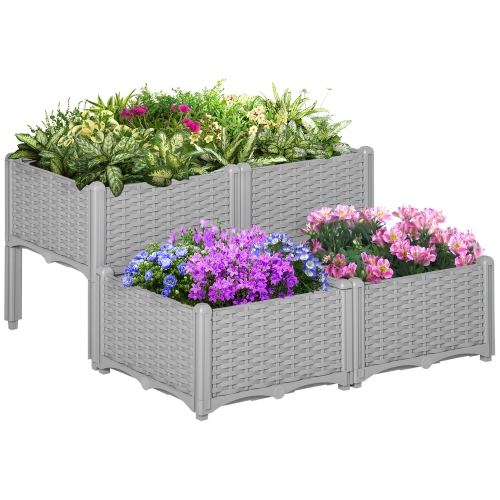 Your price for this item is $94.99
-
 Your price for this item is $79.99
-
 Your price for this item is $196.99
-
 Your price for this item is $117.75
-
 Your price for this item is $117.75
-
 Your price for this item is $134.25
Discover more categories related to Wagon Planters
Top Collections:
Best Black Friday Deals This Year, Best Black Friday Deals On Electronics, Kindle Devices, Dyson Airwrap, Best Cameras for Sports Photography, Best Budget Office Chairs, Canon G7X Cameras, PS5 Pro Consoles, Best Black Friday Deals On Apple Products, XBOX One S Consoles
Some products may be subject to Environmental Handling Fees
(EHF) depending on your province.
Learn more about EHFs.