Wall Display Units
Looking to enhance your home decor while maximizing storage space? Look no further than our selection of wall display units. These versatile and stylish pieces are the perfect solution for showcasing your favorite books, collectibles, and decorative items. With a range of sizes, styles, and finishes available, you'll be able to find the perfect wall display unit to complement almost any room in your home. Whether you're looking for a sleek and modern design or a more rustic and traditional look, our collection has something to suit almost every taste and style. Transform your walls into functional works of art with our wide variety of wall display units.
Sort
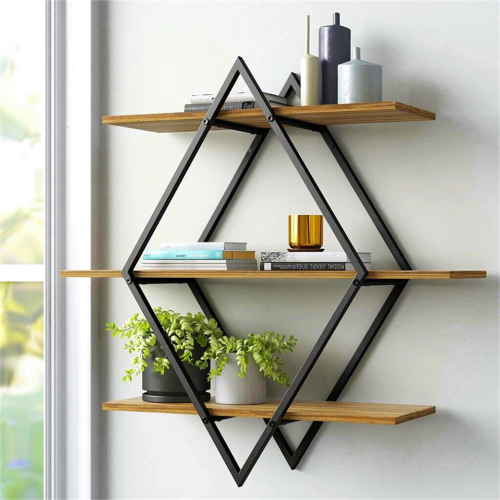
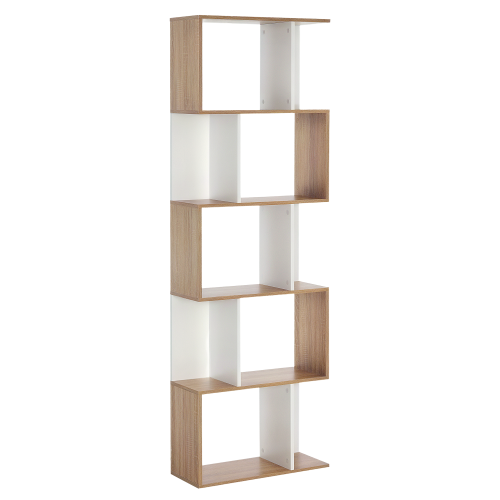
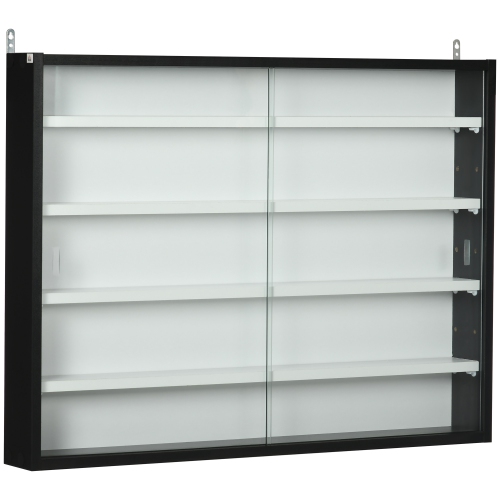
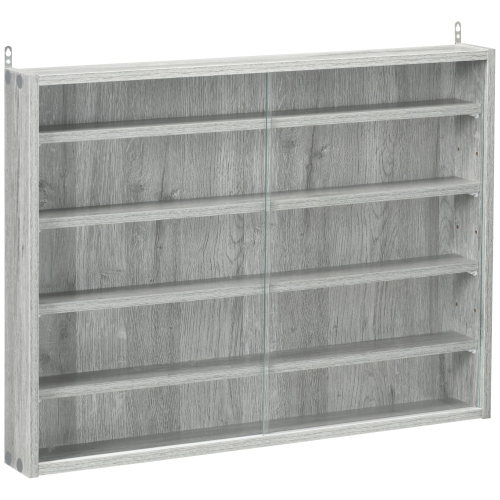
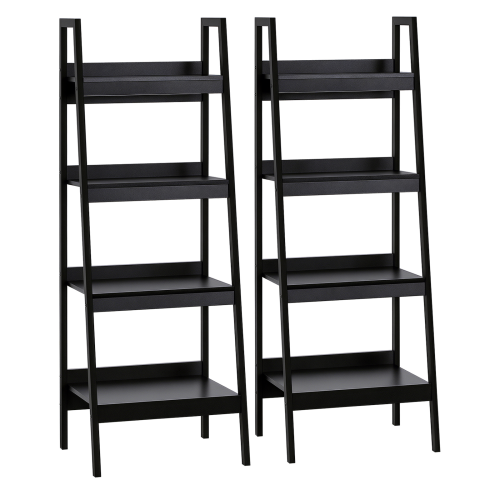
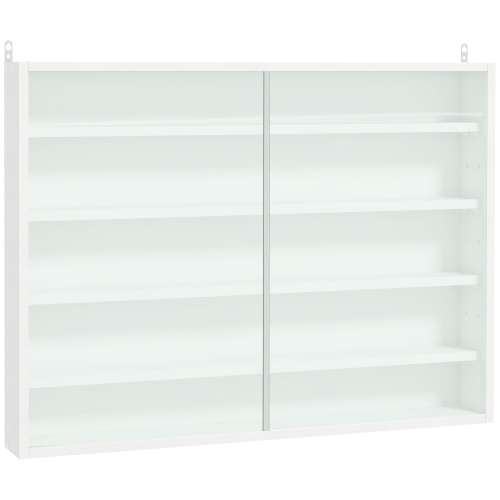
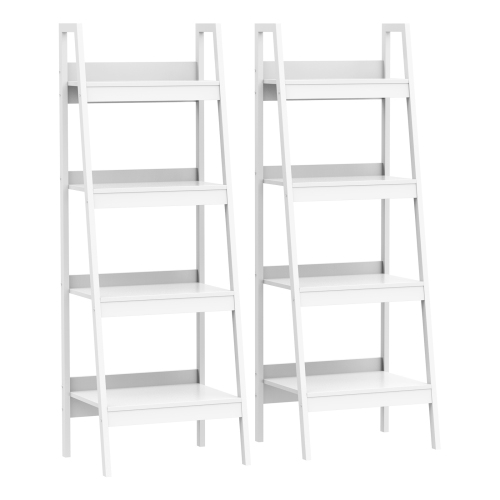
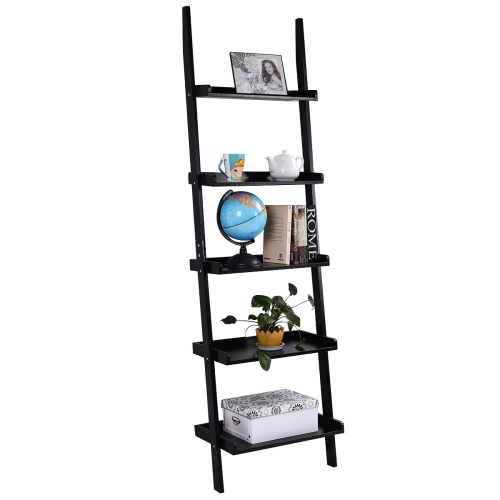
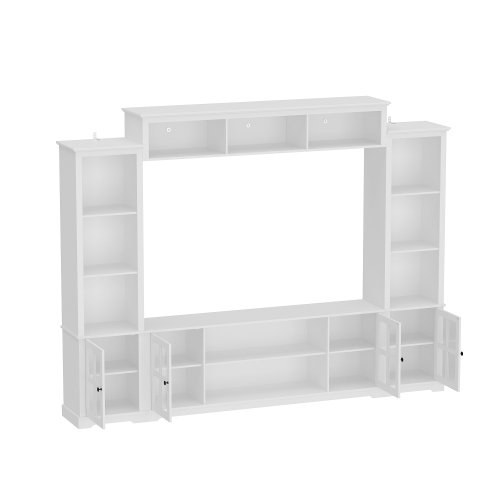
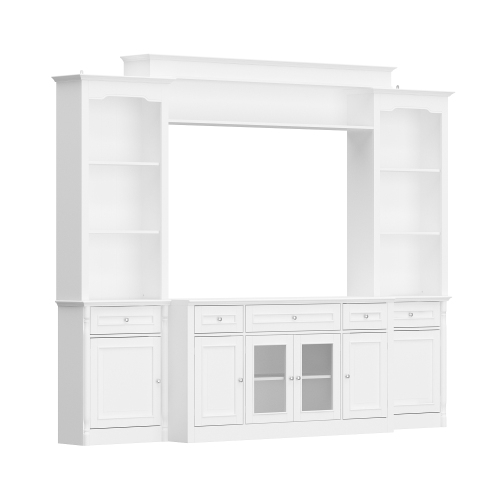
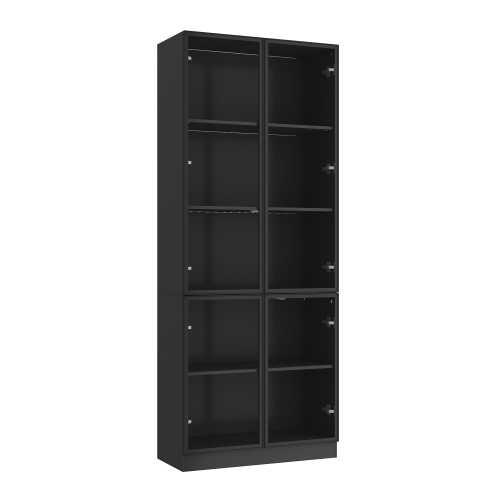
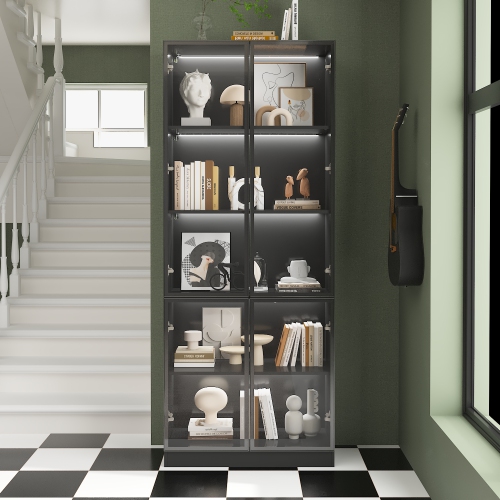
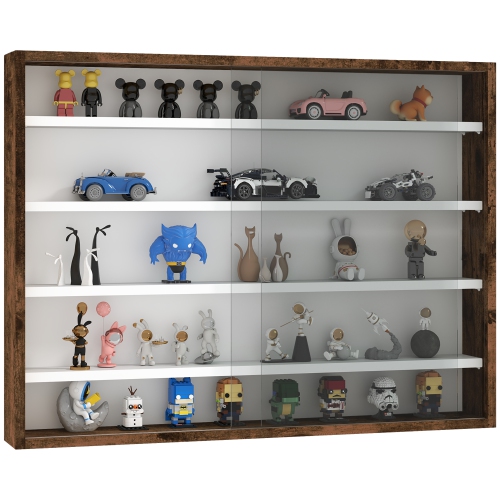
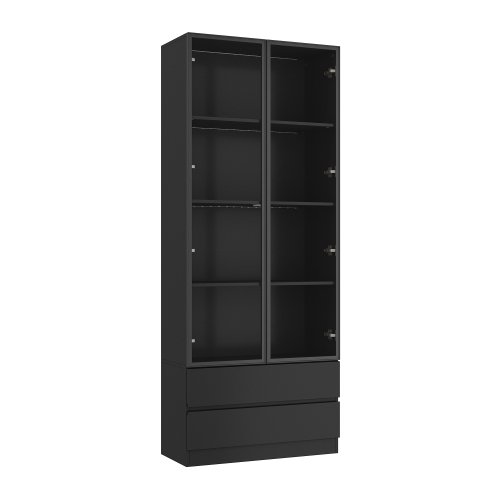
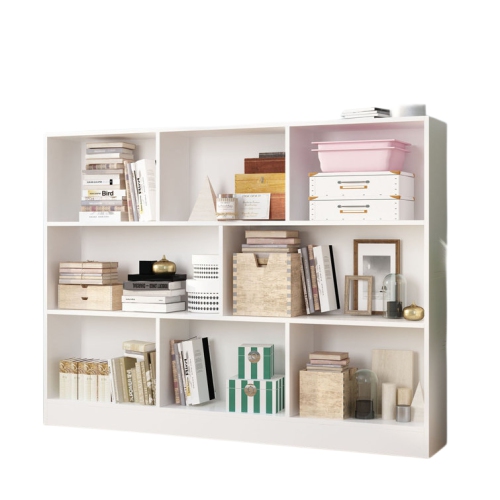
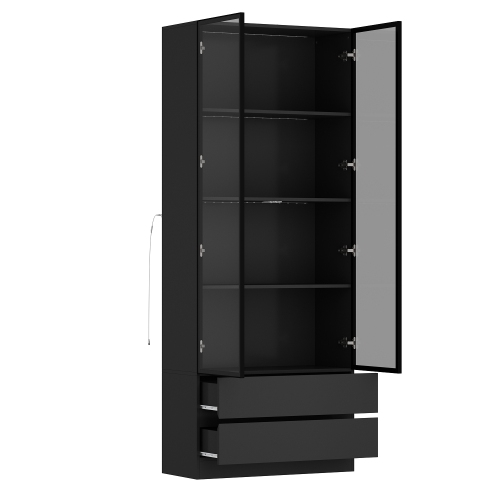
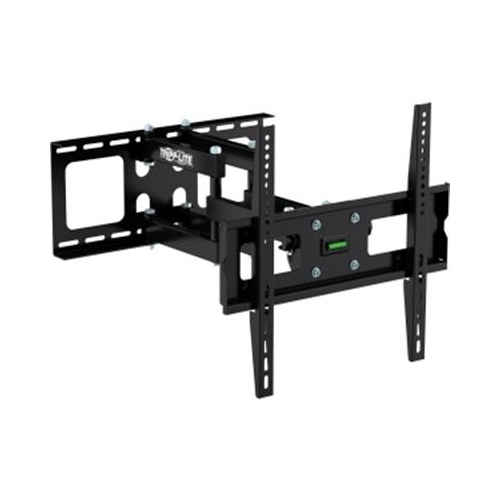
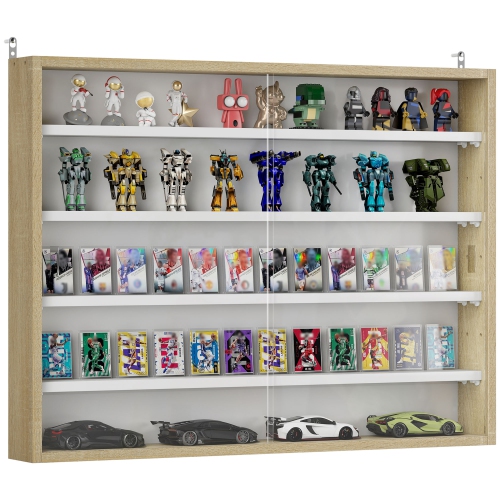
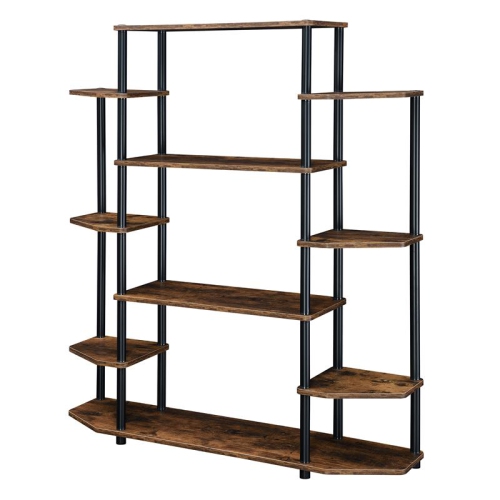
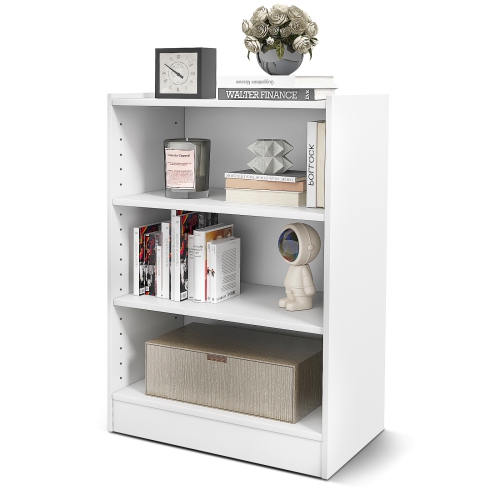
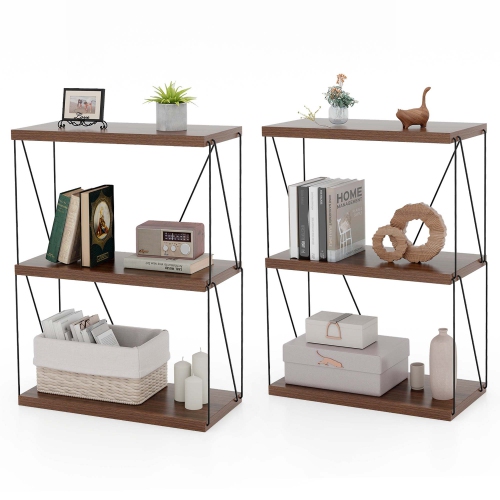
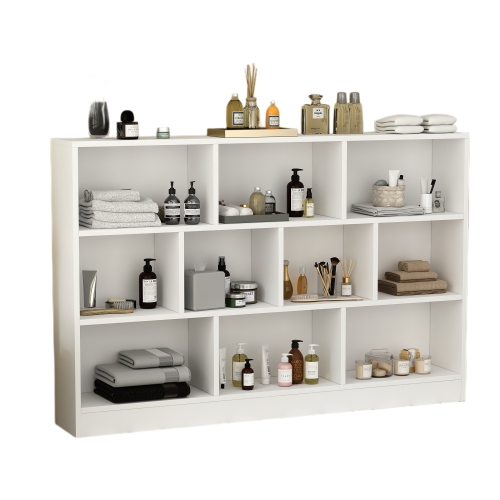
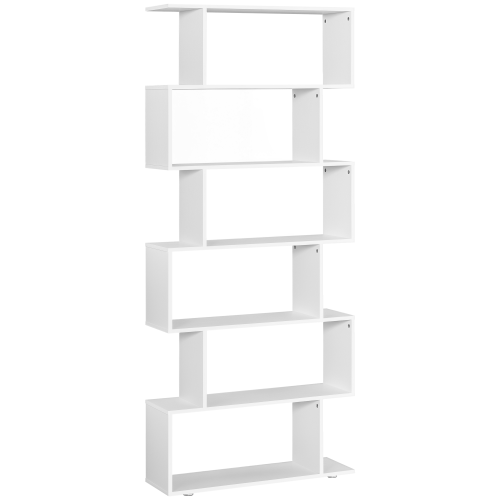
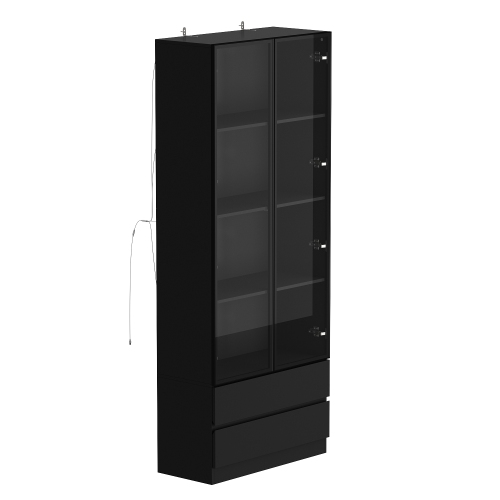
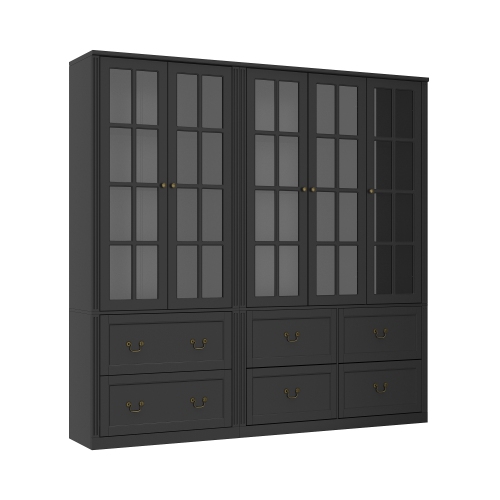
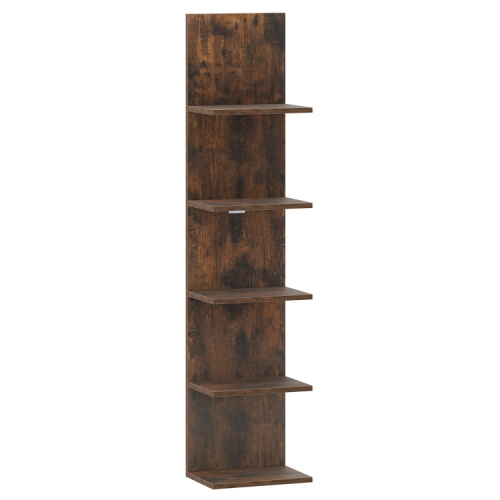
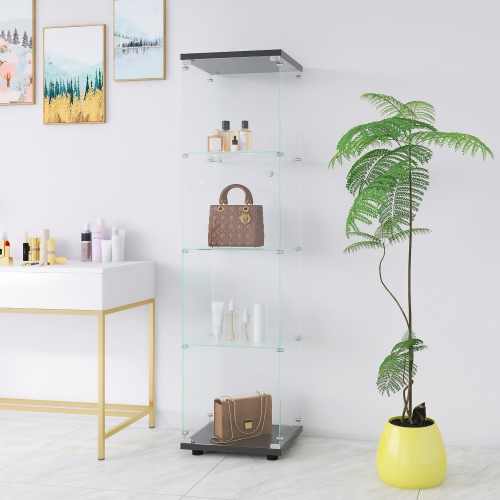

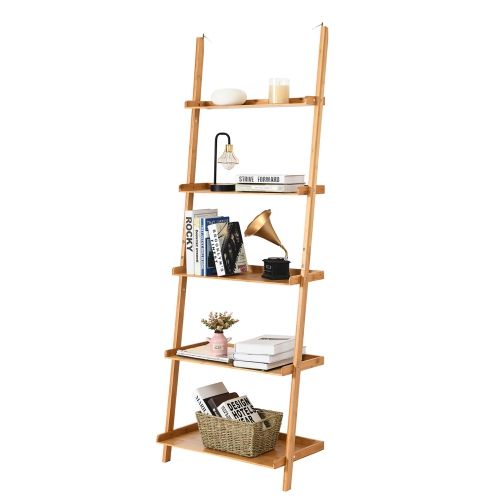
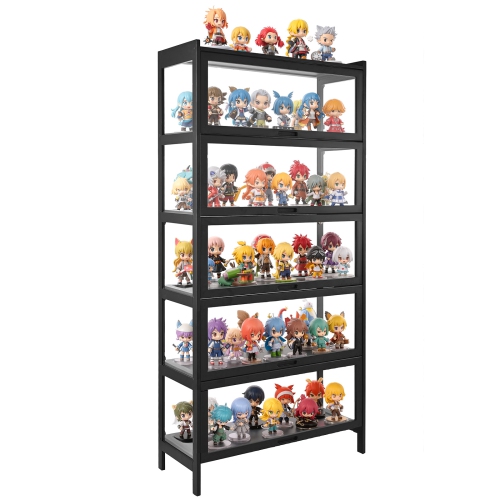
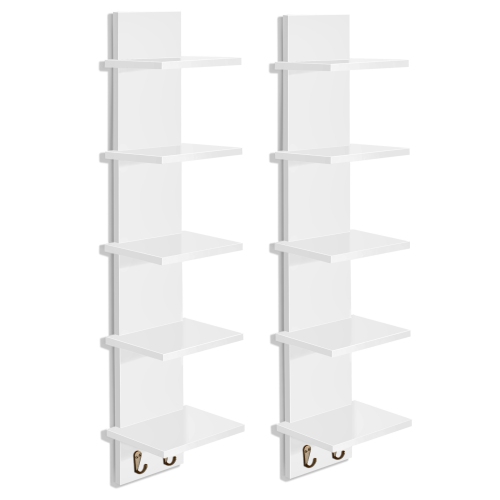
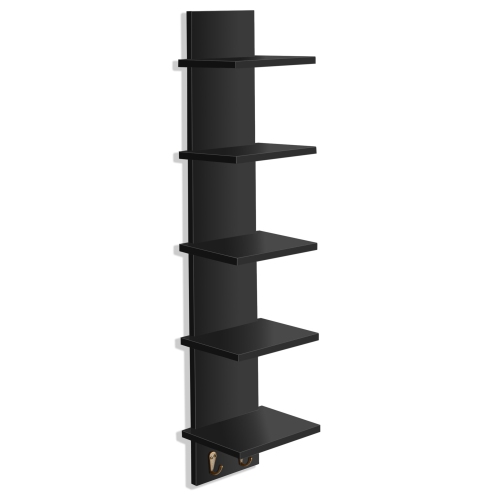
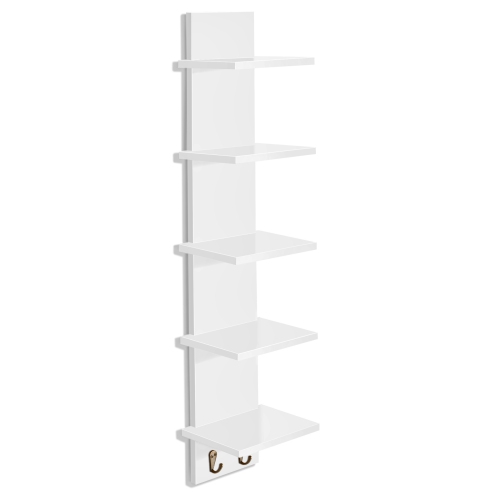
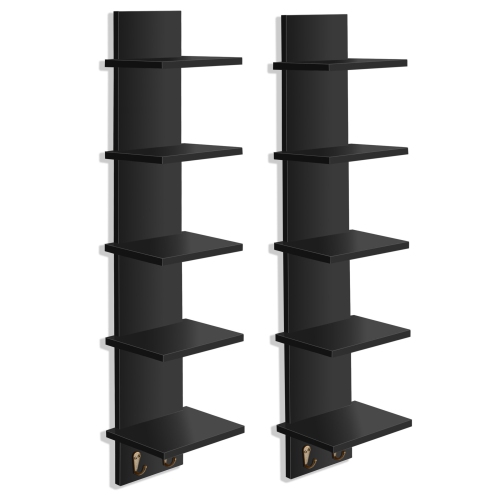
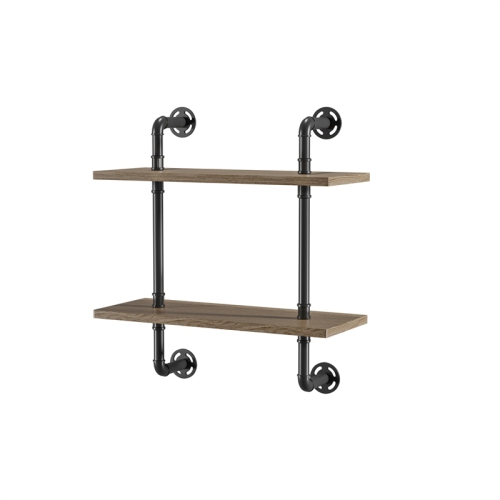
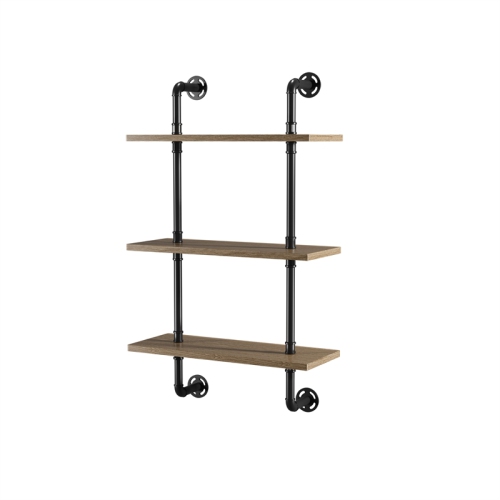
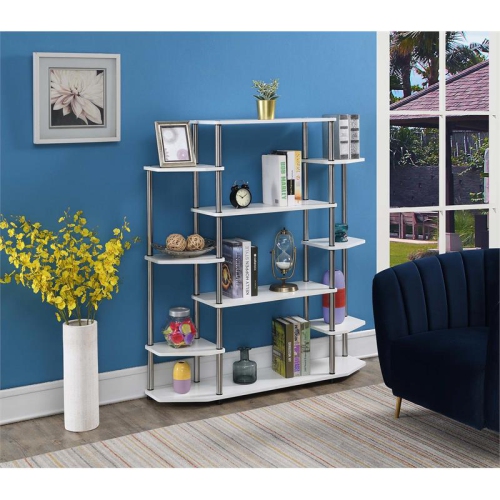
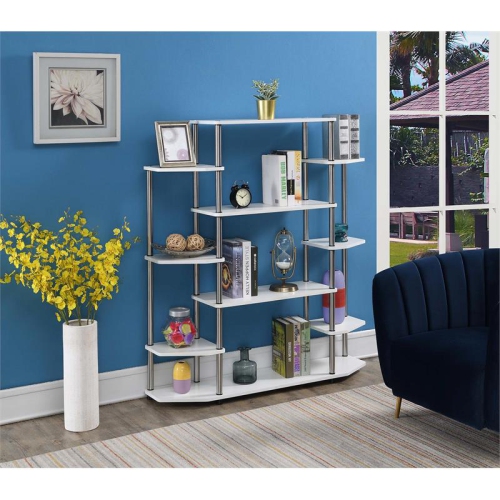
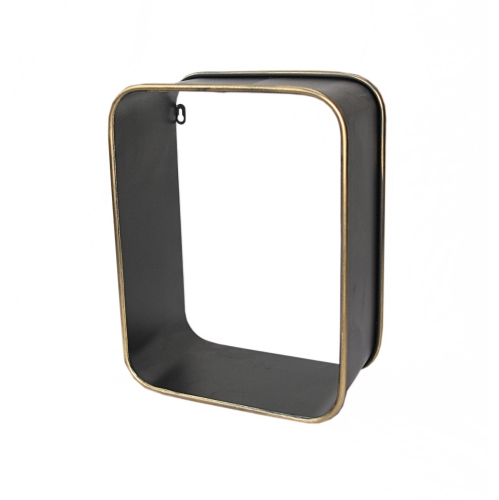
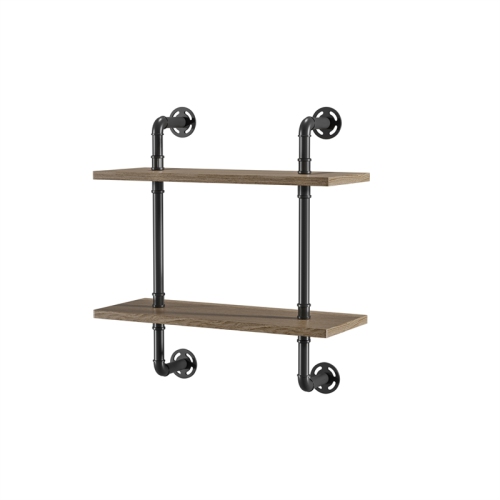
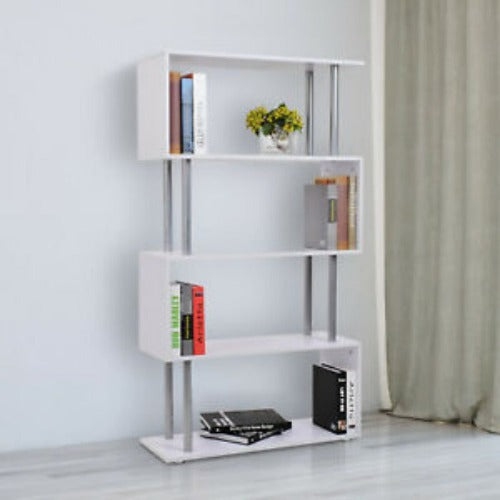
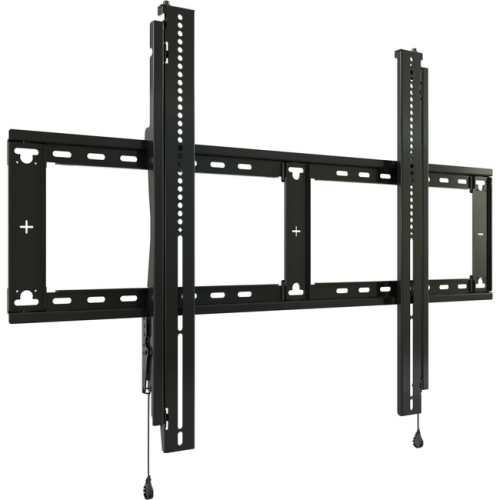
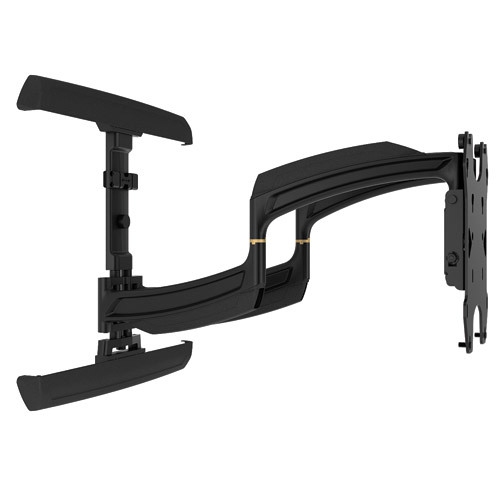
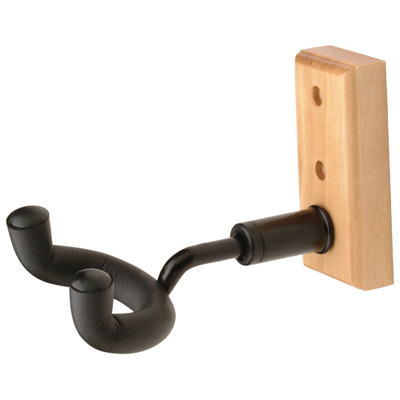
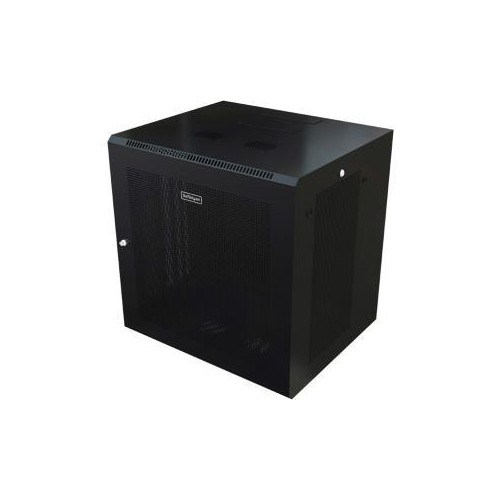
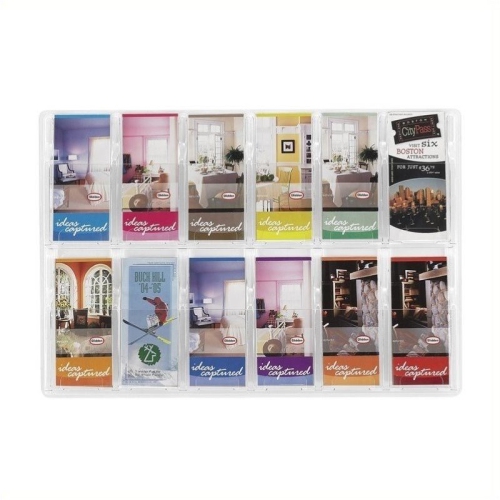
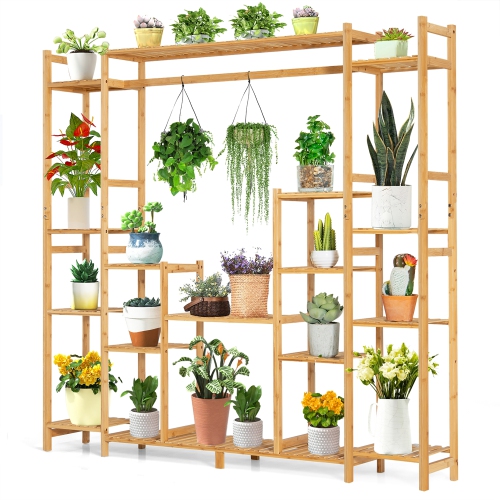
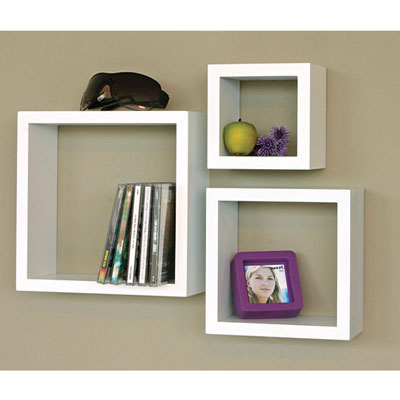
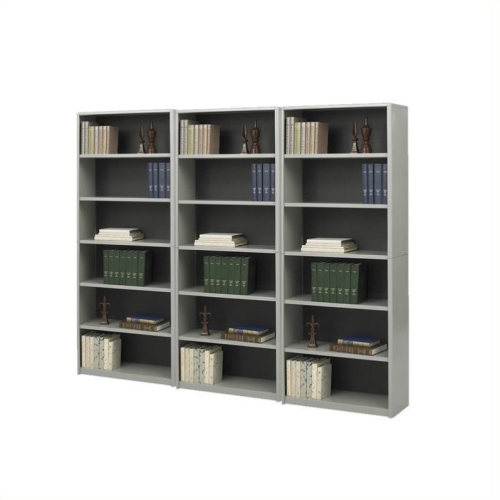
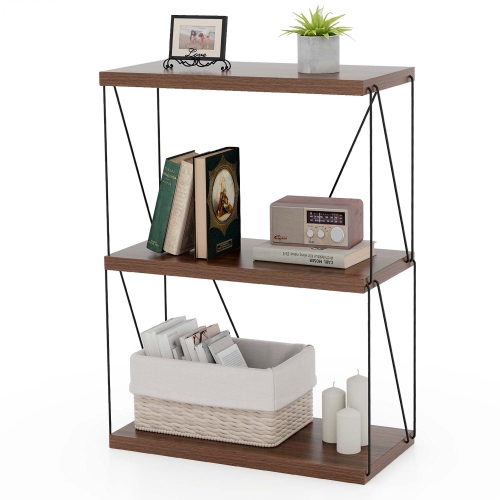
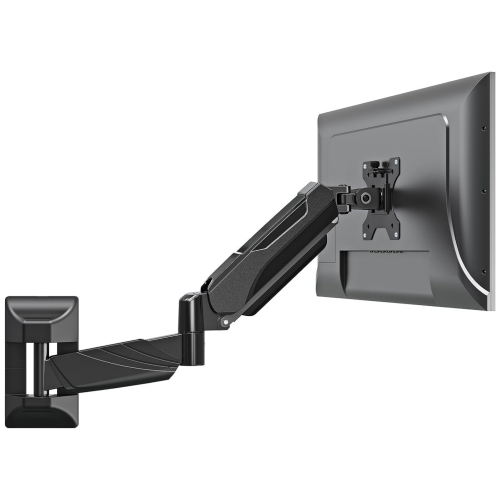
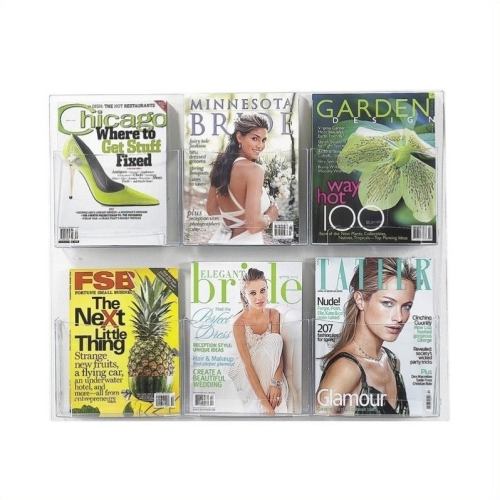
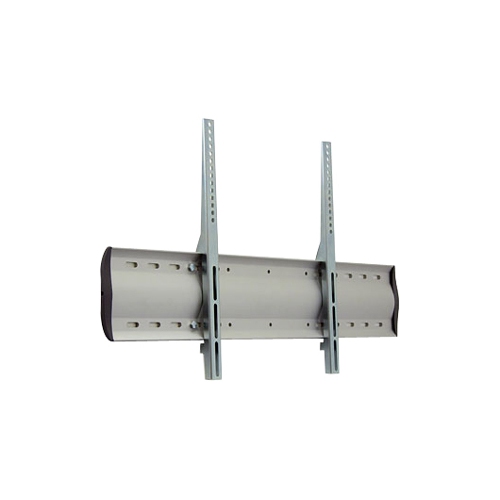
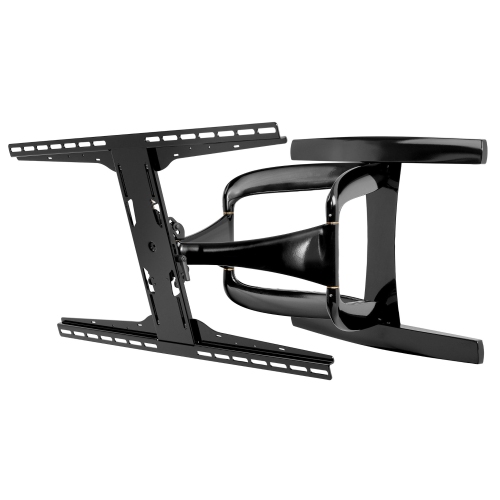
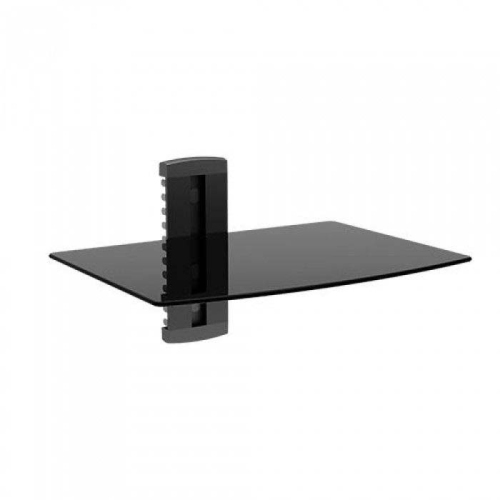
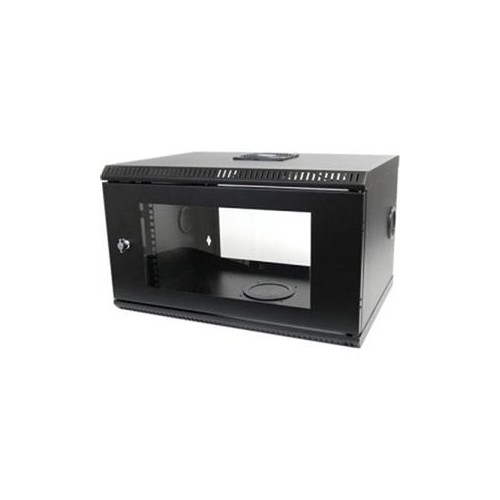
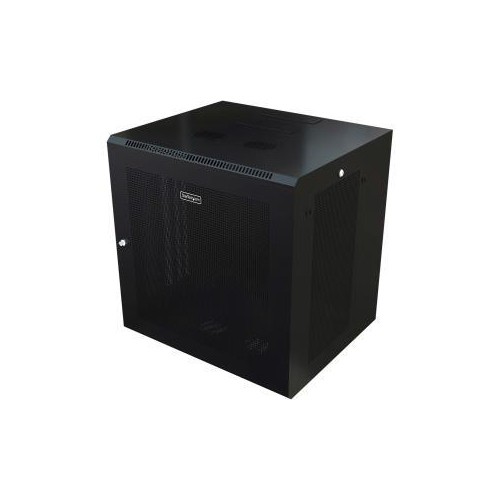
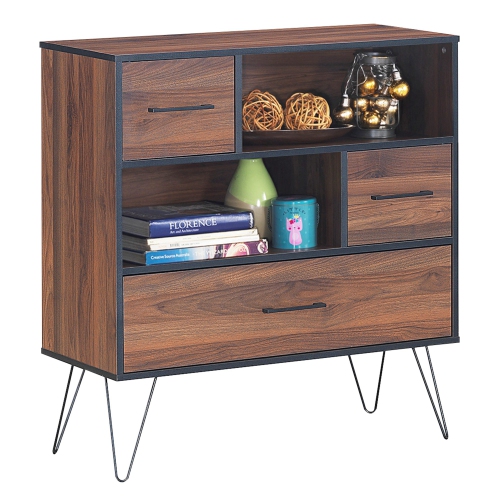
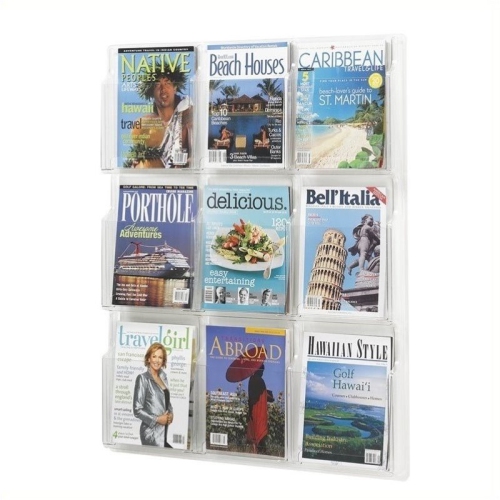
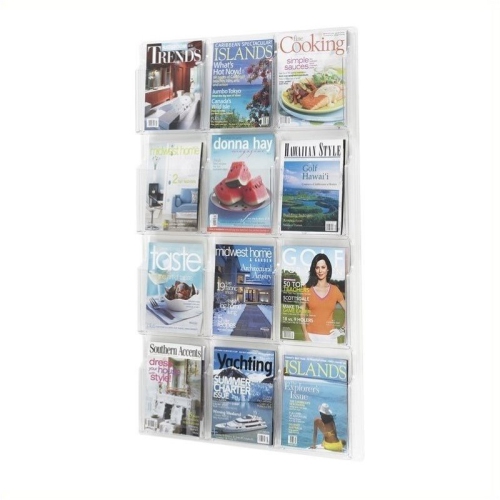
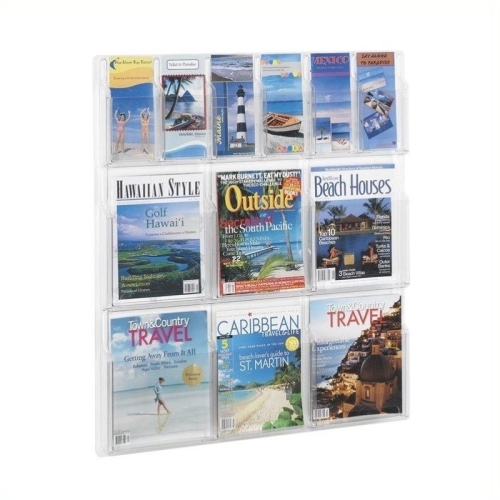
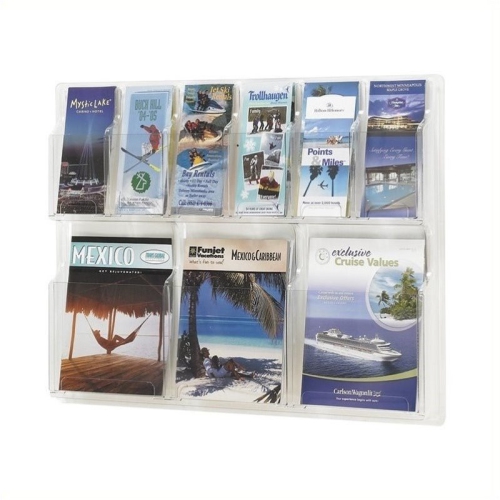
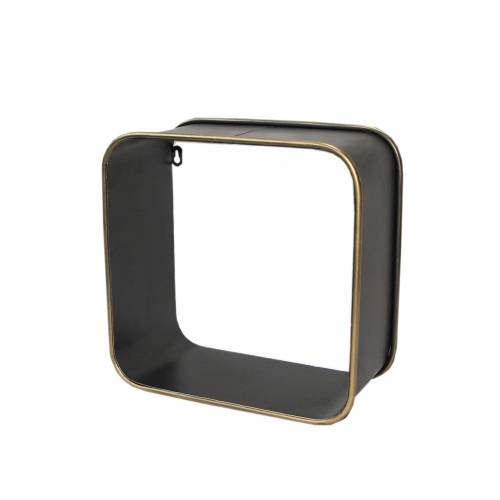
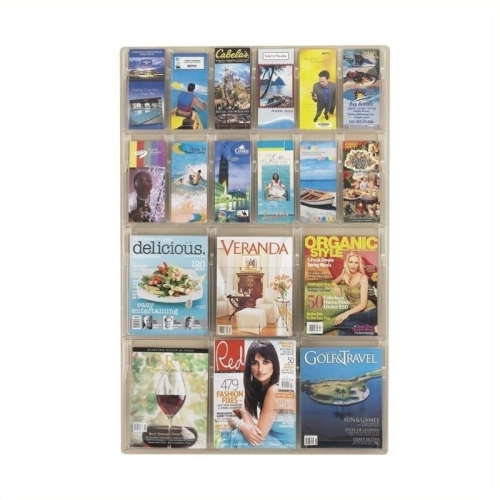
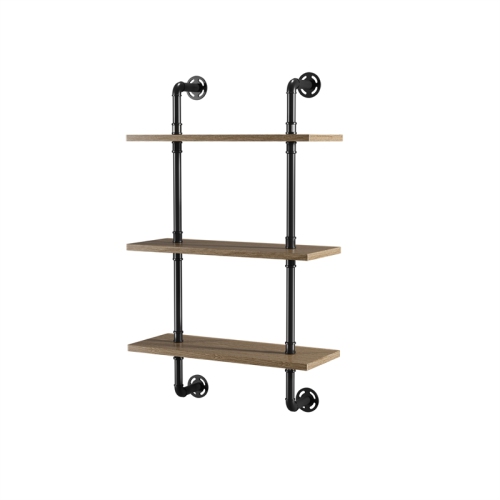
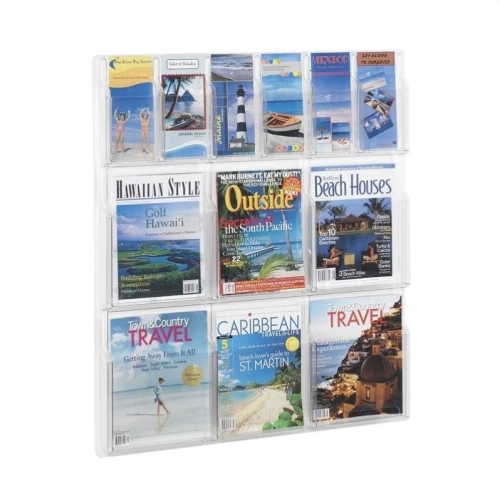
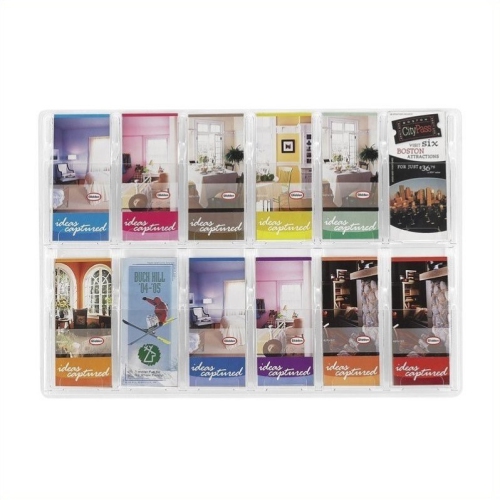
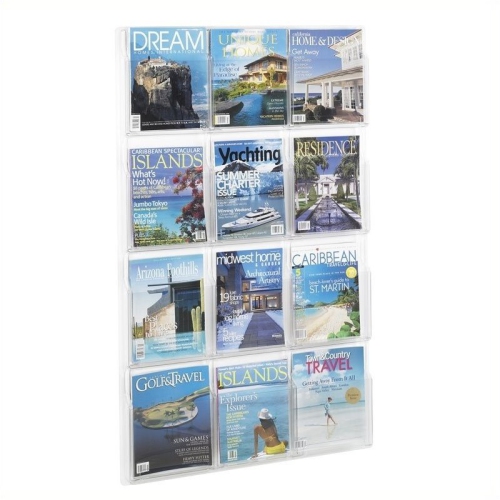
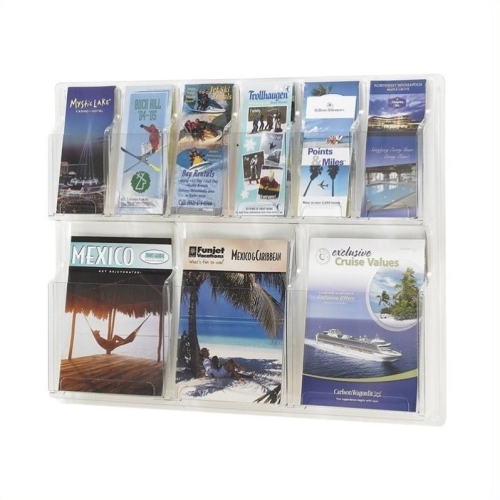
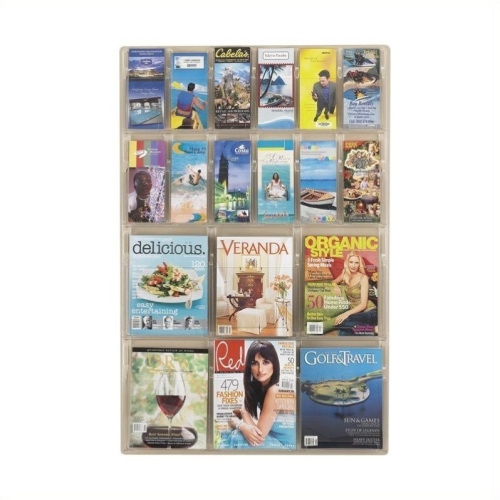
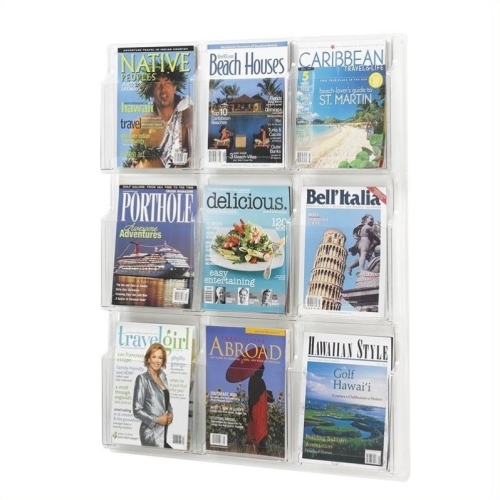
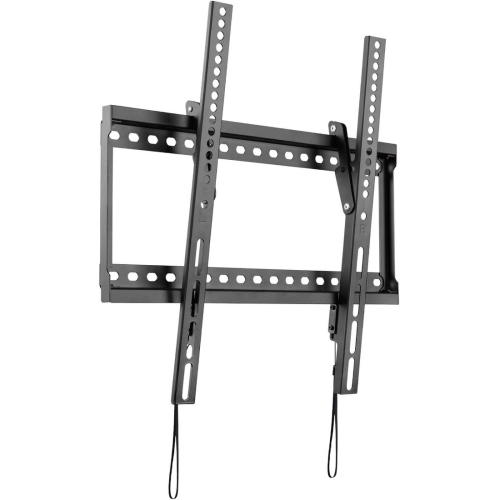
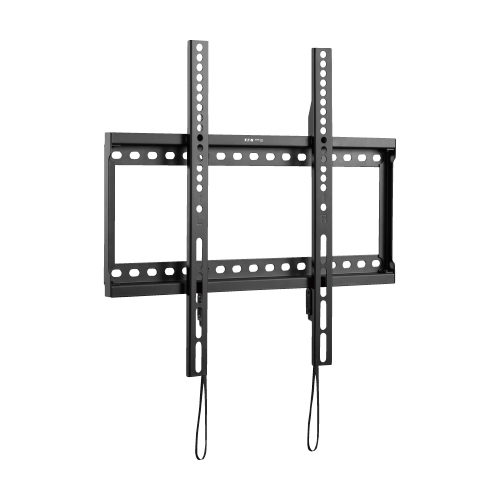
Thoughtful displays make use of vertical space while keeping floors clear
Wall display units are practical fixtures designed to attach directly to a wall, helping you present favourite items while making better use of vertical space. Rather than taking up valuable floor area, they turn an otherwise empty wall into a focused display for books, framed photos, artwork, awards, small plants, ceramics, collectibles, or everyday accessories. The term covers a broad range of styles, from simple floating ledges and open geometric shelves to enclosed curio cabinets, acrylic shadow boxes, and commercial display cases. Some have a streamlined profile that suits a hallway or compact apartment, while others offer multiple shelves, doors, lighting, and a deeper interior for larger collections. When planning a room, consider how the unit will relate to nearby furniture, windows, doorways, and lighting. A low-profile shelf can add visual interest above a desk, sofa, bed, or console without making the room feel crowded. In an entryway, it can hold a carefully arranged collection of photographs or decorative objects while keeping the floor clear for coats and footwear. In a home office, open shelving can keep reference books and supplies within easy reach, whereas a glass-front cabinet can give a collection a more finished appearance. Wall display units can also be thoughtful gifts for someone moving into a new home, setting up a nursery or office, building a hobby collection, or refreshing a room during the cooler months. For a coordinated entertainment area, explore Wall Media Units, which are designed around television and media equipment rather than display items alone.
The material, format, and enclosure should reflect both the objects being displayed and the amount of access they need. Open shelves are convenient for books, lightweight decor, framed memories, and frequently handled items, and their uncluttered construction can make a smaller room appear more open. Floating ledges are particularly useful when you want a narrow display surface in a hallway or above a work area. Cube-style and intersecting shelves create separate compartments, allowing you to group items by colour, size, or theme. Enclosed wall display units are a better fit for delicate, valuable, or dust-sensitive pieces. Glass doors let you see the contents while helping protect them from dust, accidental bumps, and curious hands. Acrylic display boxes provide a lightweight alternative for smaller figurines, medals, model pieces, and keepsakes, while shadow-box designs can give flat items such as jerseys, certificates, badges, and memorabilia a framed presentation. For retail, reception areas, classrooms, offices, and community spaces, commercial display cases may provide a more robust solution, with durable frames, lockable doors, adjustable shelves, and interior lighting. Integrated LED lighting can draw attention to a specific object and add a soft focal point in the evening, but it is worth checking how the lighting is powered, where the cable exits, and whether the colour and brightness suit the surrounding room. Adjustable shelving is helpful when a collection changes over time, since it can accommodate both a row of smaller objects and a taller centrepiece without requiring a new cabinet.
Measurements and installation details deserve careful attention before choosing a wall display unit. Start by measuring the available wall area, including the width, height, and depth that the room can comfortably accommodate. Shallow units measuring approximately 4 to 6 inches deep work well in corridors, narrow rooms, and spaces where people pass close to the wall. Deeper units measuring about 10 to 12 inches can hold larger books, framed objects, trophies, and decorative pieces, but they may project farther into the room. Compare the interior dimensions with the items you plan to display, allowing extra space for removing objects from a shelf or opening a door. Weight capacity is equally important. Add the approximate weight of the unit to the weight of everything it will hold, then confirm that the mounting hardware and wall structure are rated for the combined load. Drywall alone may not provide enough support for a heavy cabinet or a fully loaded shelf, so installation may require locating wall studs or using suitable anchors designed for the wall type. Follow the supplied mounting instructions and consider professional installation for large, glass-fronted, or commercial-grade units. Arrange heavier pieces on lower shelves, keep fragile objects away from edges, and avoid overloading a ledge simply because there is room remaining. A balanced display usually combines varying heights and textures, with a little breathing room around each item so the wall does not look crowded. Before final installation, use painter’s tape to outline the unit’s footprint and check its position from different parts of the room. This simple step can reveal whether it sits too high, interferes with a door, or competes with nearby artwork. With the right dimensions, mounting support, enclosure, and layout, a wall display unit can bring order and personality to a living space while giving treasured objects a clear, intentional place to be seen.
The material, format, and enclosure should reflect both the objects being displayed and the amount of access they need. Open shelves are convenient for books, lightweight decor, framed memories, and frequently handled items, and their uncluttered construction can make a smaller room appear more open. Floating ledges are particularly useful when you want a narrow display surface in a hallway or above a work area. Cube-style and intersecting shelves create separate compartments, allowing you to group items by colour, size, or theme. Enclosed wall display units are a better fit for delicate, valuable, or dust-sensitive pieces. Glass doors let you see the contents while helping protect them from dust, accidental bumps, and curious hands. Acrylic display boxes provide a lightweight alternative for smaller figurines, medals, model pieces, and keepsakes, while shadow-box designs can give flat items such as jerseys, certificates, badges, and memorabilia a framed presentation. For retail, reception areas, classrooms, offices, and community spaces, commercial display cases may provide a more robust solution, with durable frames, lockable doors, adjustable shelves, and interior lighting. Integrated LED lighting can draw attention to a specific object and add a soft focal point in the evening, but it is worth checking how the lighting is powered, where the cable exits, and whether the colour and brightness suit the surrounding room. Adjustable shelving is helpful when a collection changes over time, since it can accommodate both a row of smaller objects and a taller centrepiece without requiring a new cabinet.
Measurements and installation details deserve careful attention before choosing a wall display unit. Start by measuring the available wall area, including the width, height, and depth that the room can comfortably accommodate. Shallow units measuring approximately 4 to 6 inches deep work well in corridors, narrow rooms, and spaces where people pass close to the wall. Deeper units measuring about 10 to 12 inches can hold larger books, framed objects, trophies, and decorative pieces, but they may project farther into the room. Compare the interior dimensions with the items you plan to display, allowing extra space for removing objects from a shelf or opening a door. Weight capacity is equally important. Add the approximate weight of the unit to the weight of everything it will hold, then confirm that the mounting hardware and wall structure are rated for the combined load. Drywall alone may not provide enough support for a heavy cabinet or a fully loaded shelf, so installation may require locating wall studs or using suitable anchors designed for the wall type. Follow the supplied mounting instructions and consider professional installation for large, glass-fronted, or commercial-grade units. Arrange heavier pieces on lower shelves, keep fragile objects away from edges, and avoid overloading a ledge simply because there is room remaining. A balanced display usually combines varying heights and textures, with a little breathing room around each item so the wall does not look crowded. Before final installation, use painter’s tape to outline the unit’s footprint and check its position from different parts of the room. This simple step can reveal whether it sits too high, interferes with a door, or competes with nearby artwork. With the right dimensions, mounting support, enclosure, and layout, a wall display unit can bring order and personality to a living space while giving treasured objects a clear, intentional place to be seen.
Top selling and popular products
-
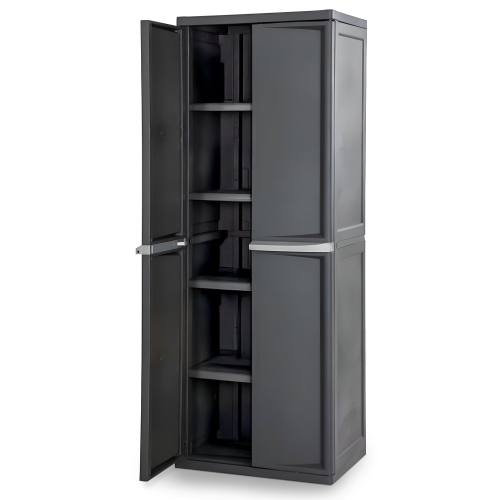 Your price for this item is $772.99
 -
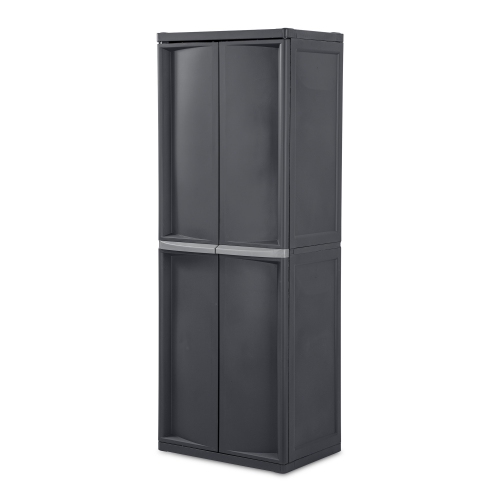 Your price for this item is $1522.99
 -
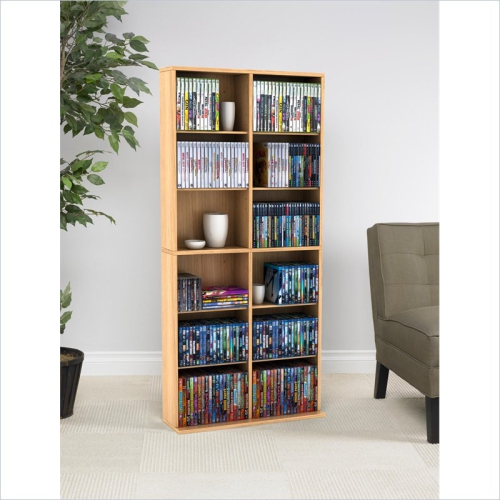 Your price for this item is $234.68
 -
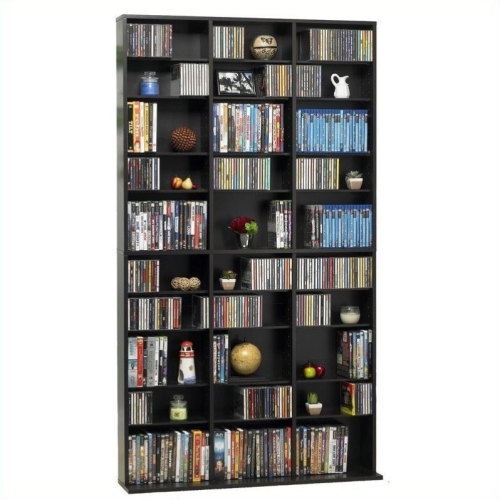 Your price for this item is $365.38
 -
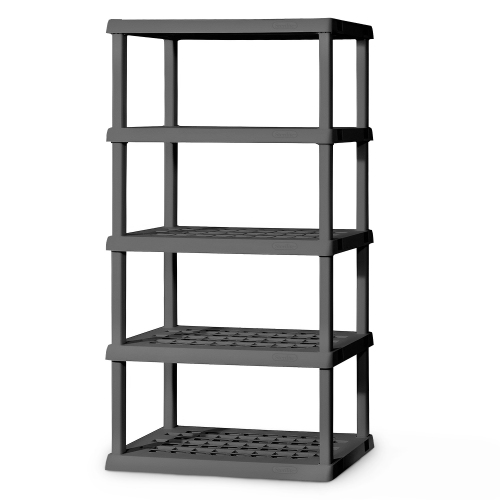 Your price for this item is $468.99
 -
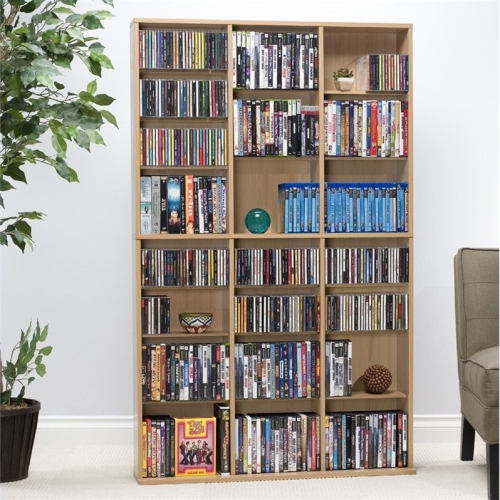 Your price for this item is $295.84
 -
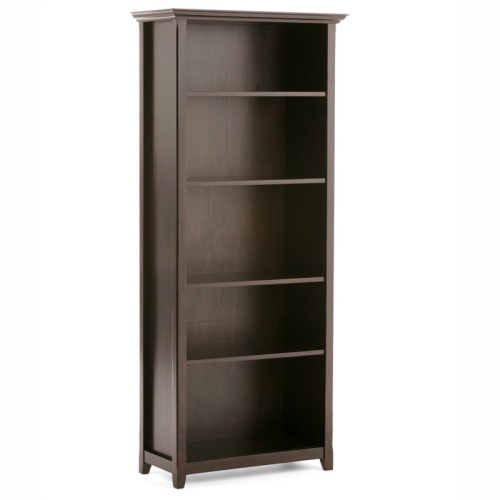 Your price for this item is $999.77
 -
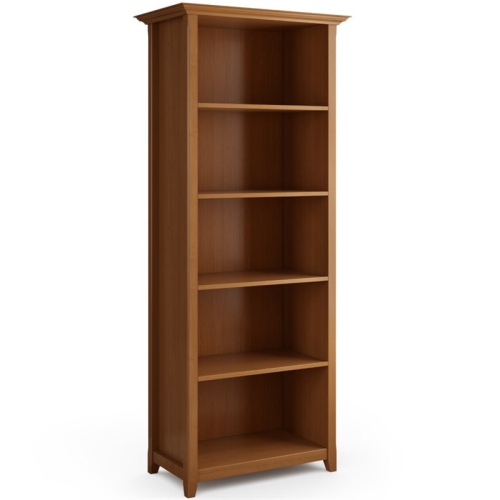 Your price for this item is $998.43
Discover more categories related to Wall Display Units

Top Collections:
Pokemon Centers, Kindle Devices, Best Budget Office Chairs, Apple iPhones 16, Best Laptops for Writers, iPhone 15 Apple, Canon G7X Cameras, Refurbished Apple Laptops, Alarm Clock, Motorola Razr Phones
Some products may be subject to Environmental Handling Fees
(EHF) depending on your province.
Learn more about EHFs.