Wall Hanging Frames
Transform your empty walls into stunning displays of memories with our collection of wall hanging frames. Whether you're looking to showcase your family photos, favorite artwork, or special moments captured on camera, our wide range of frames offers the perfect solution. With various sizes, styles, and materials available, you'll find the ideal frame to complement any interior decor. Elevate your space and add a personal touch to your walls with our selection of wall hanging frames.
Sort
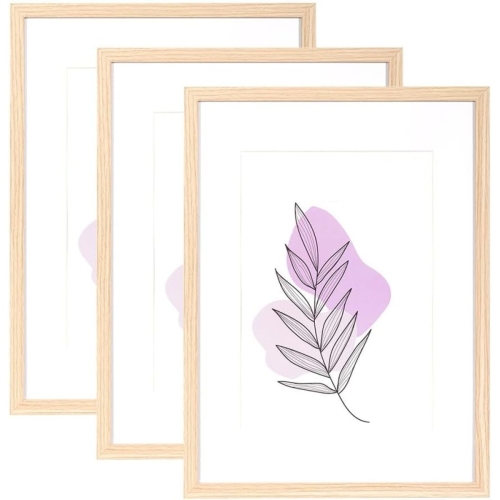
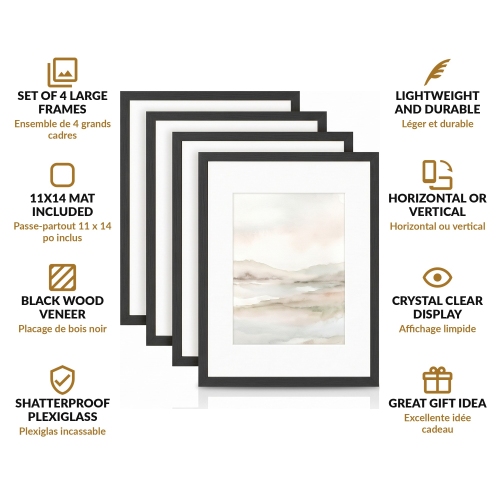
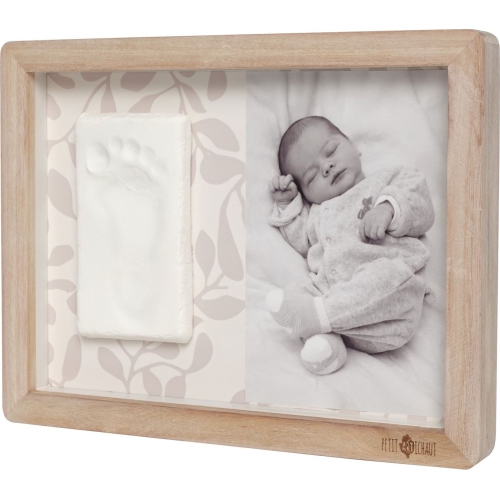
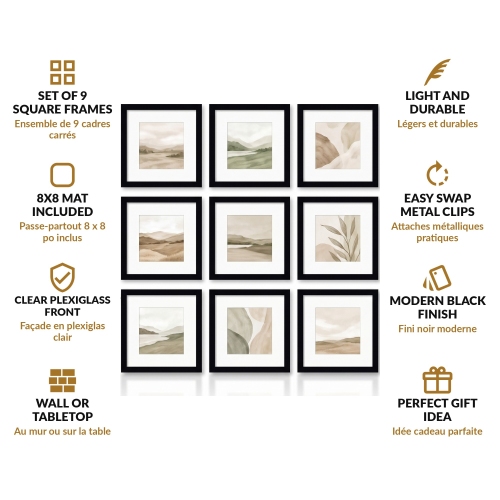
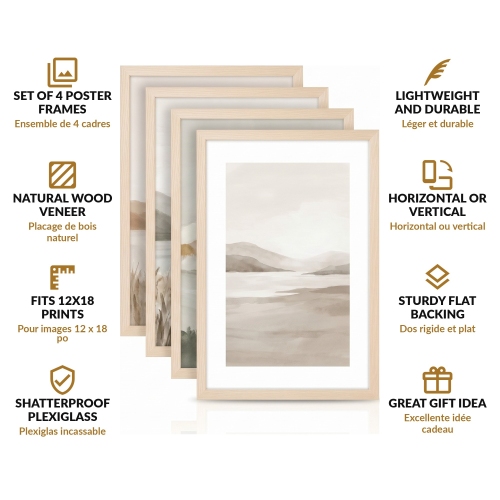

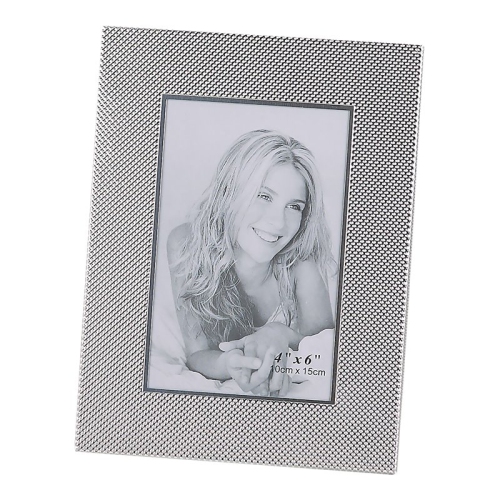
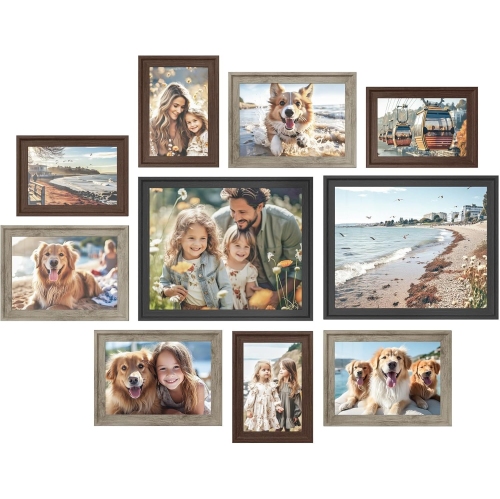
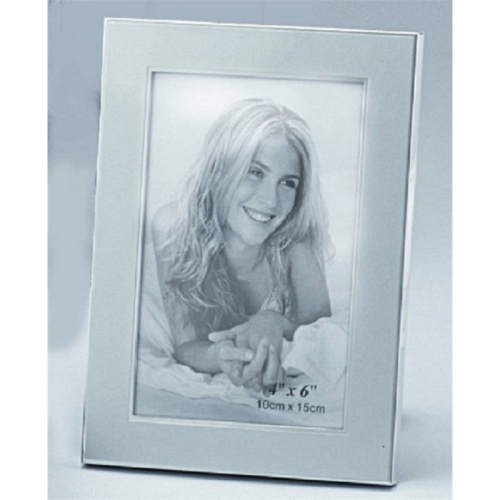






















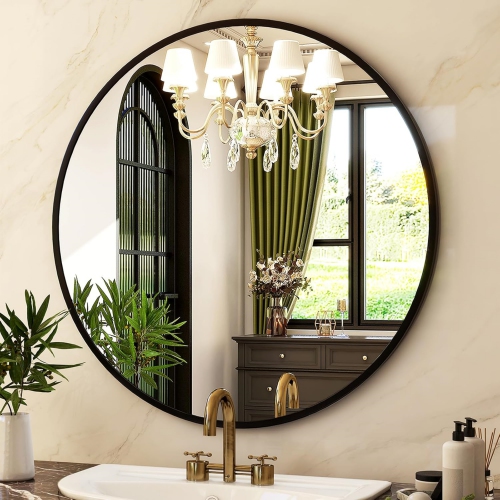
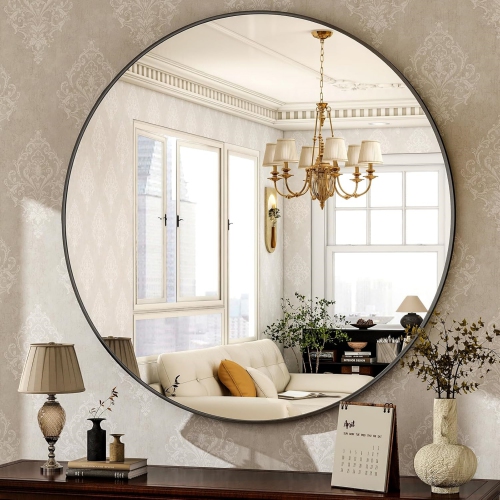

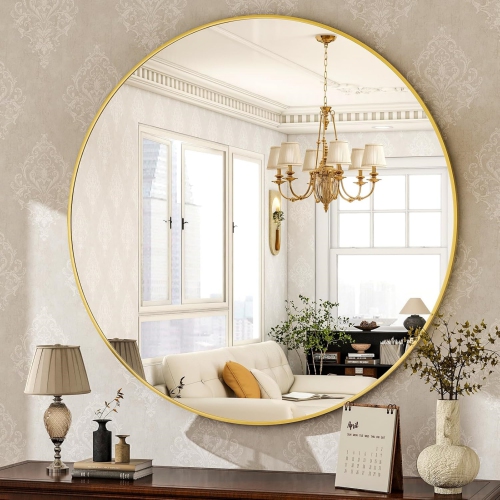
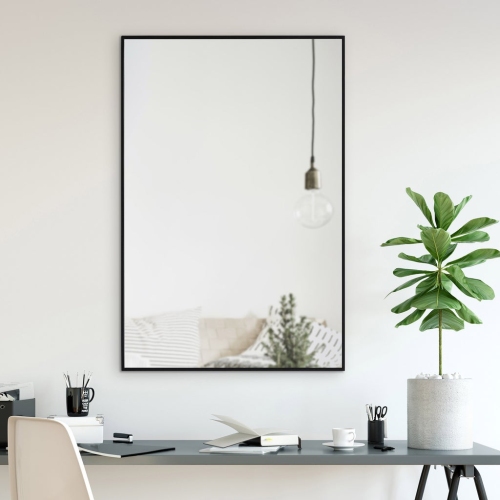
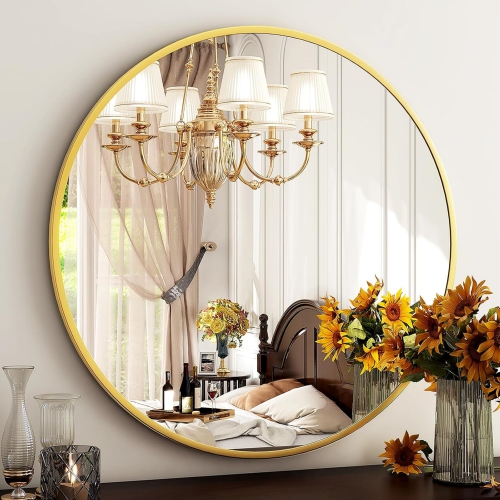
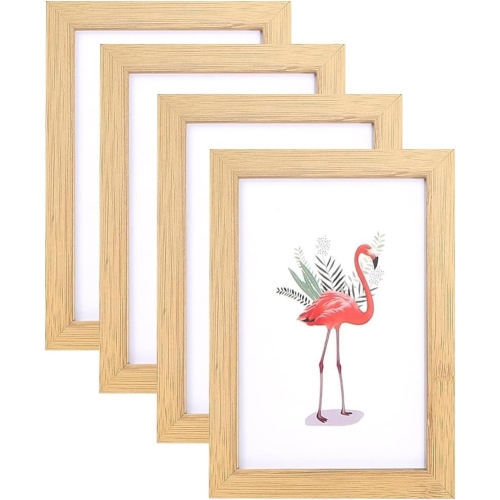
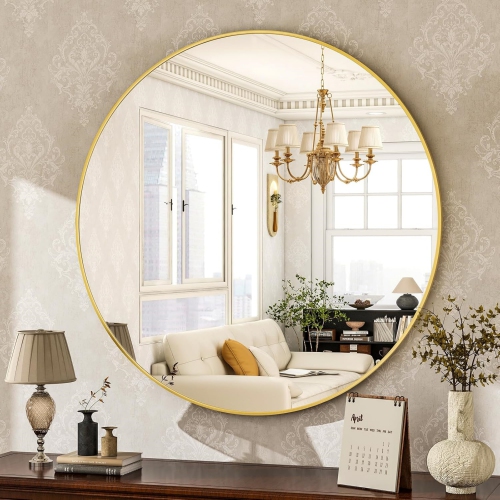
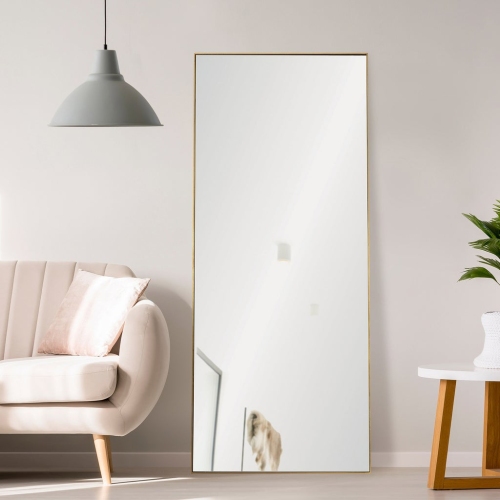
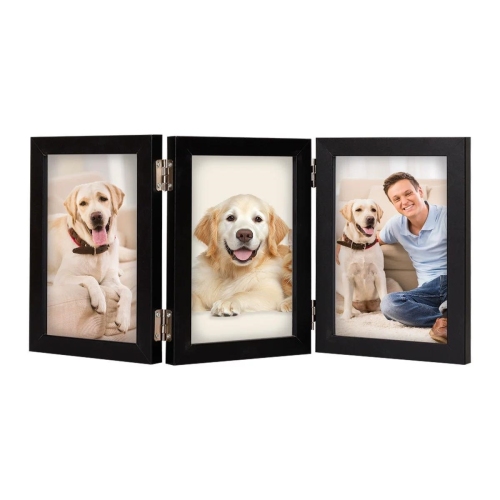

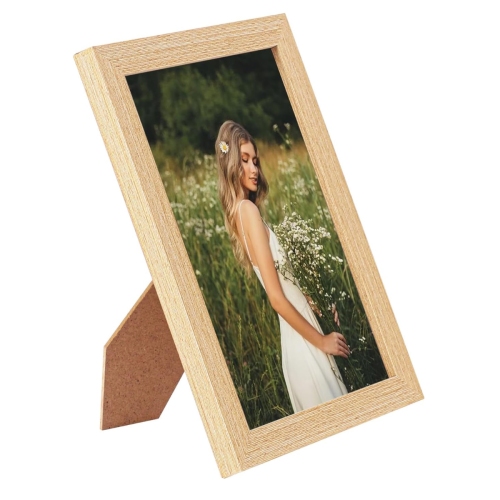
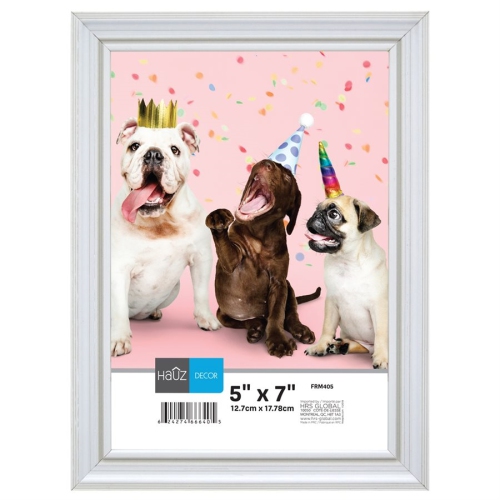
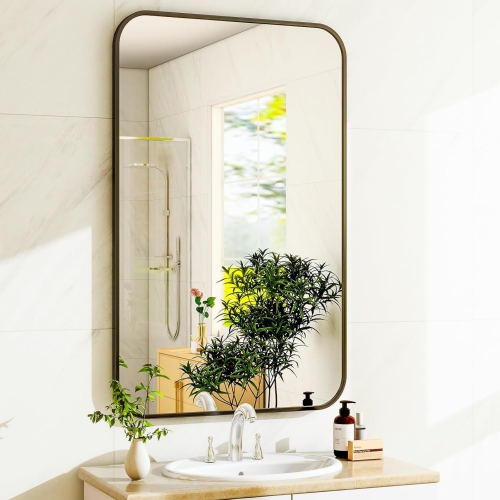
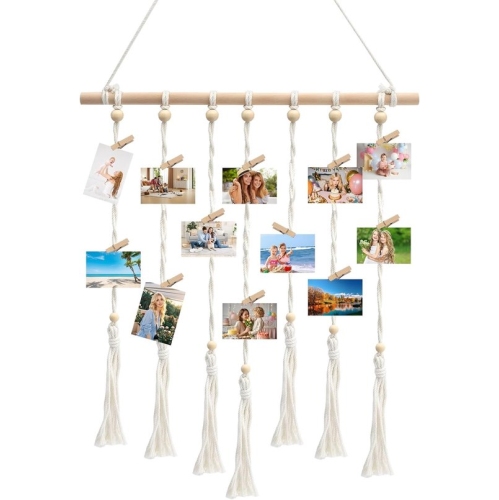
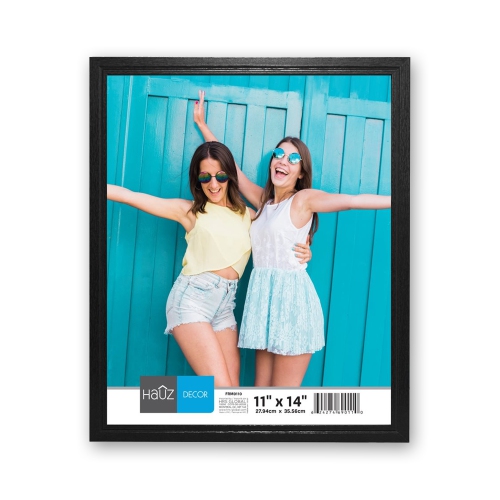
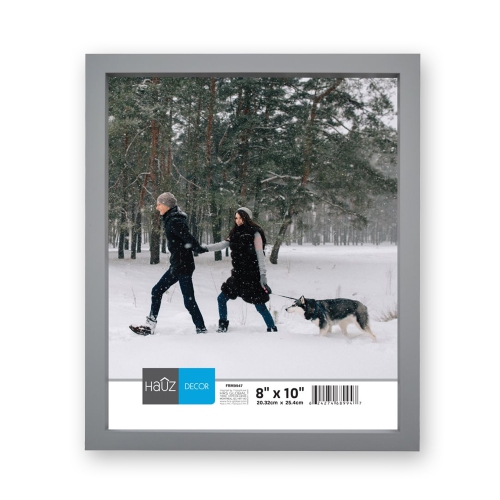
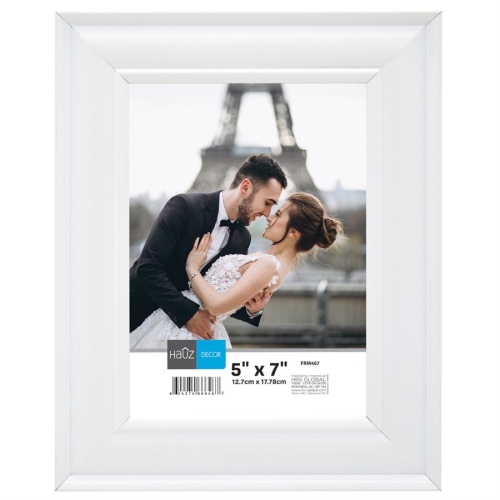
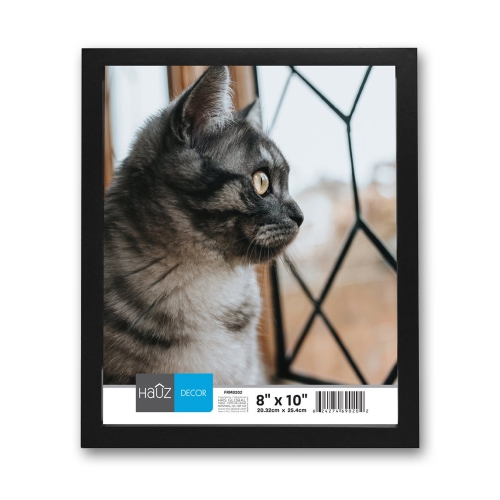
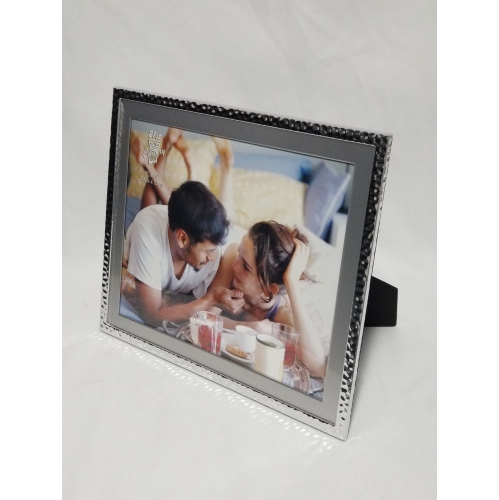
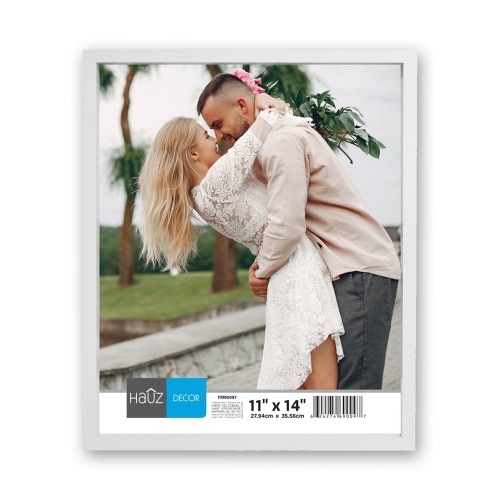
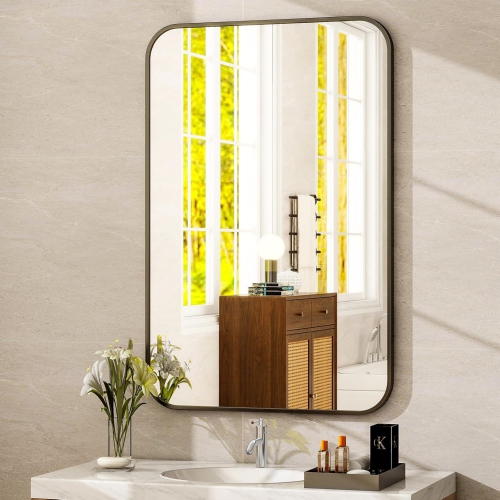
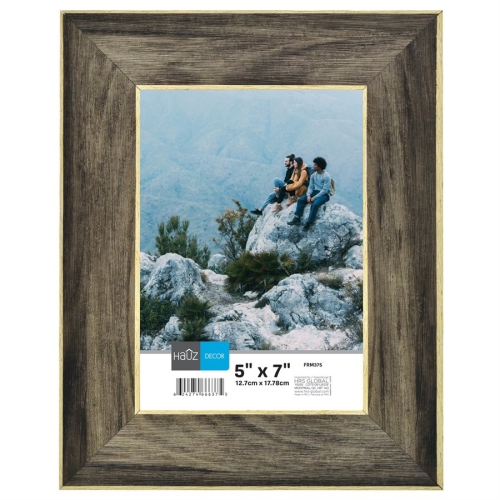
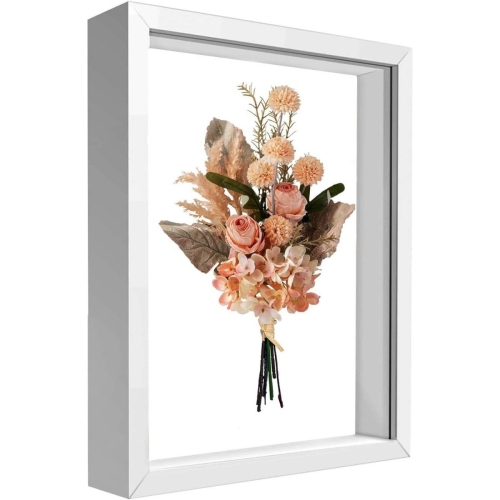
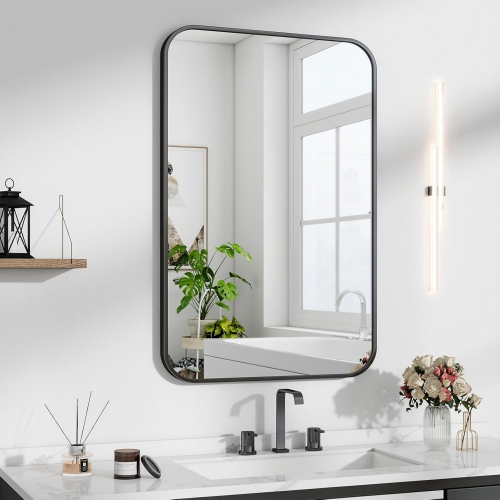

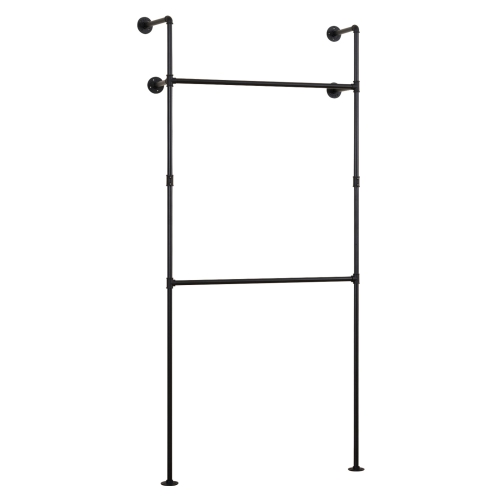
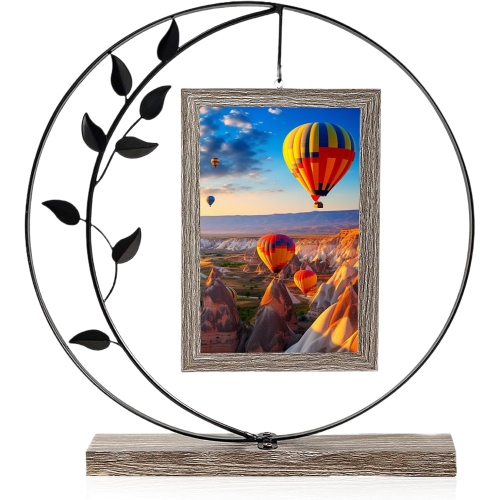

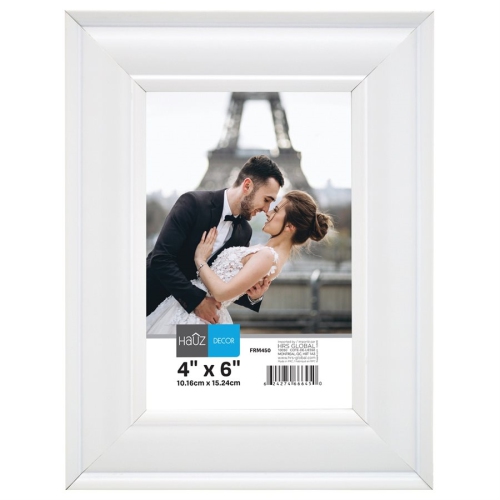
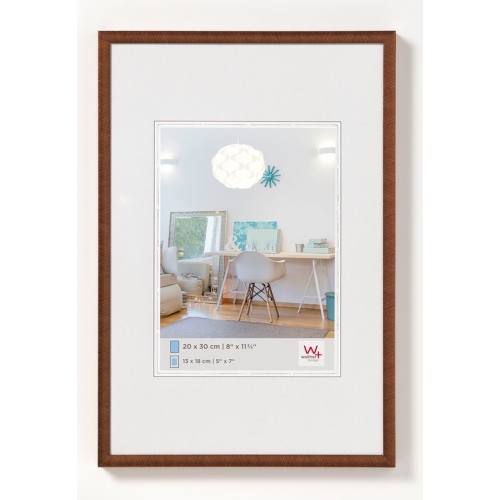
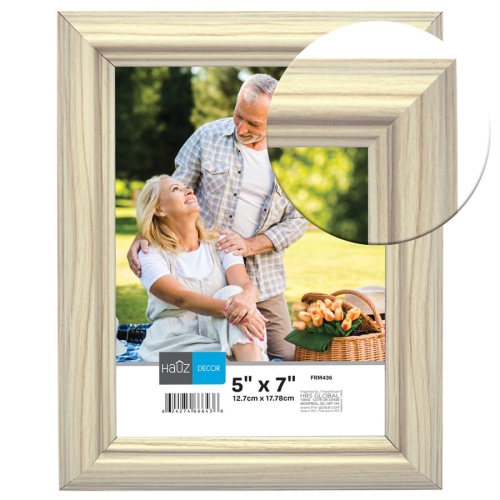
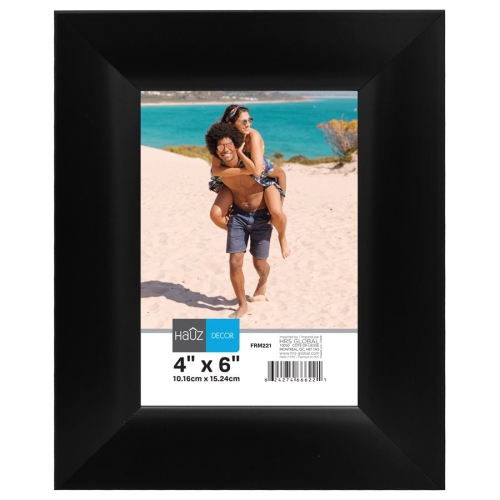
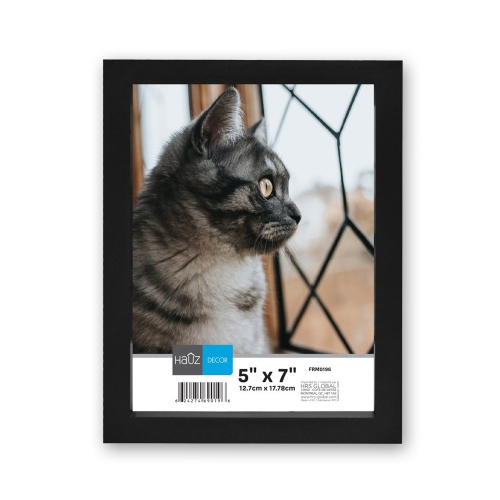
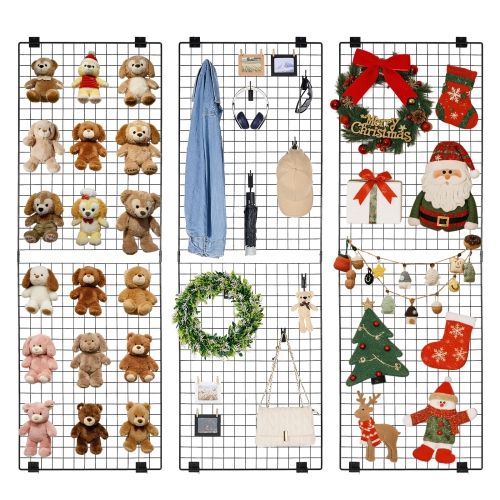
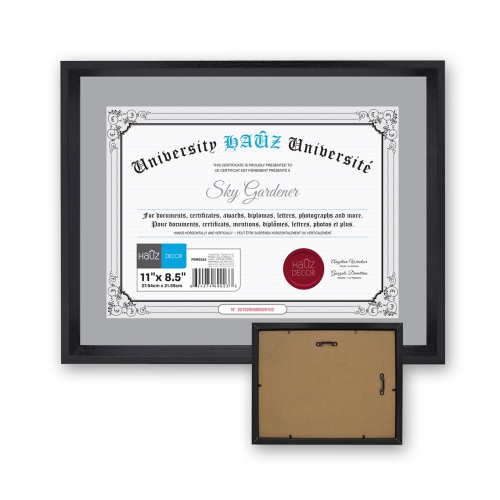
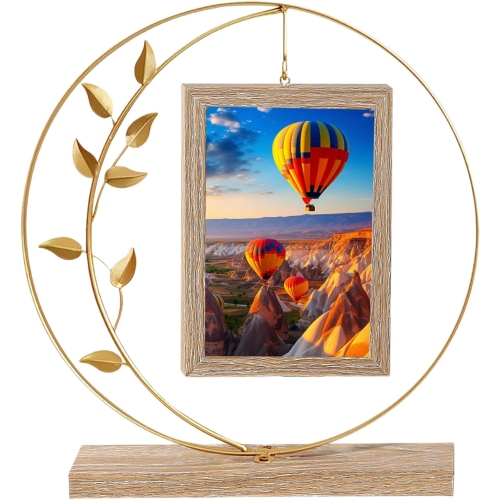

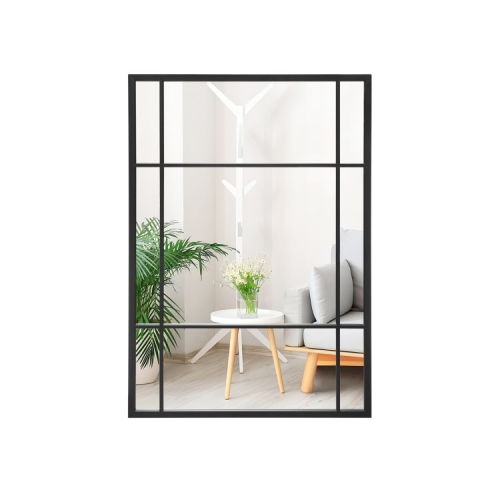
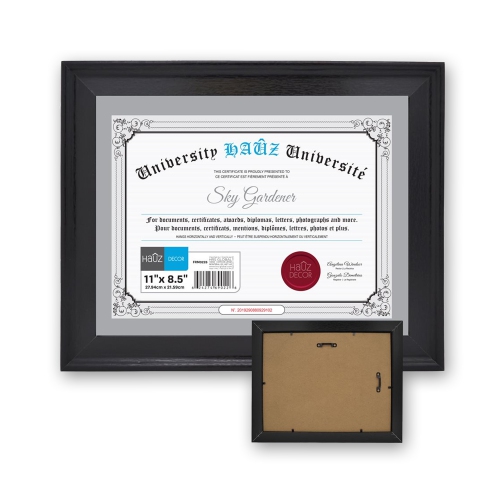

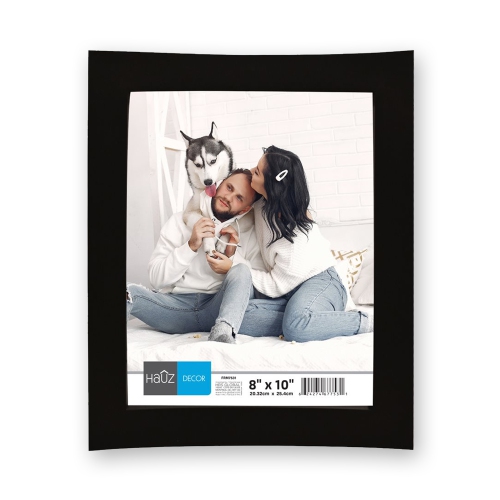

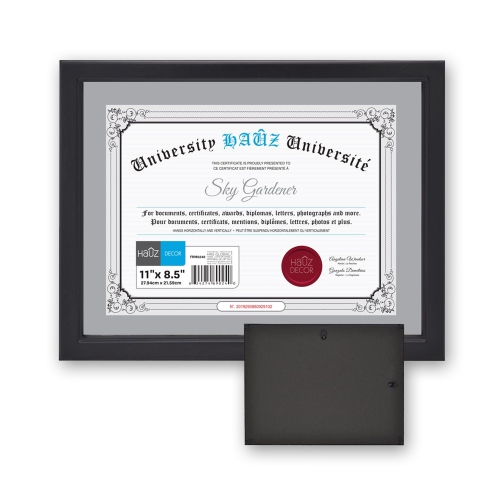
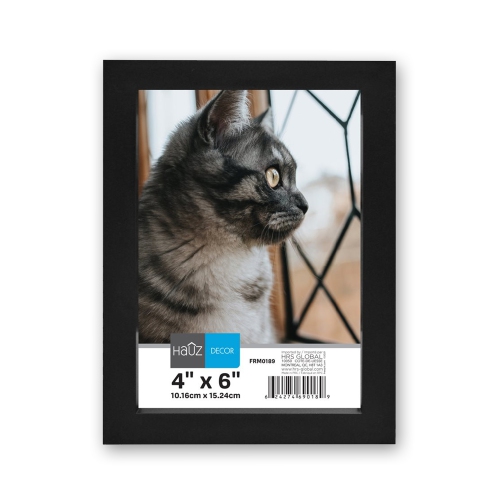
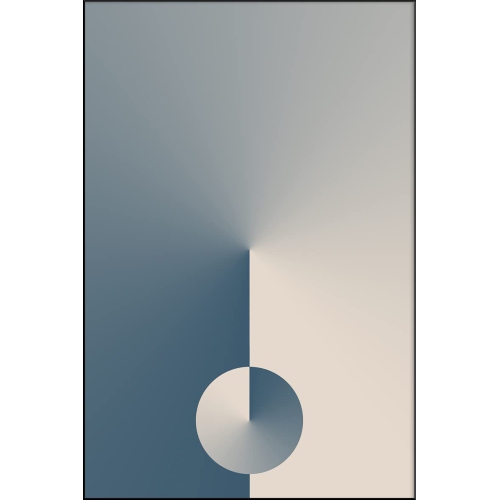
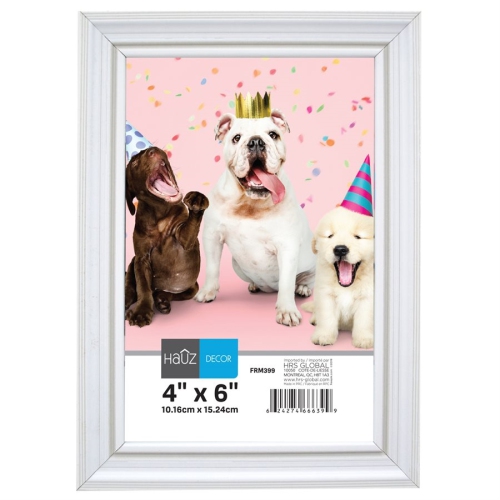
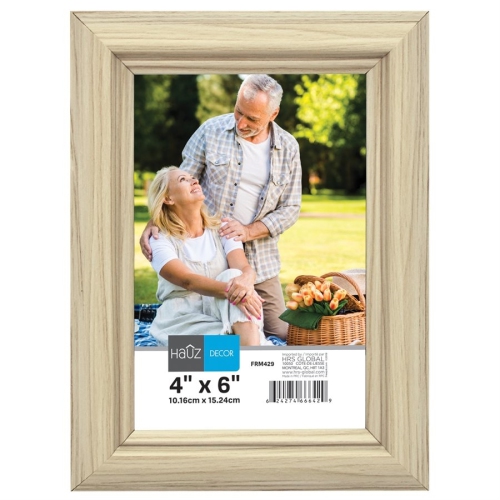
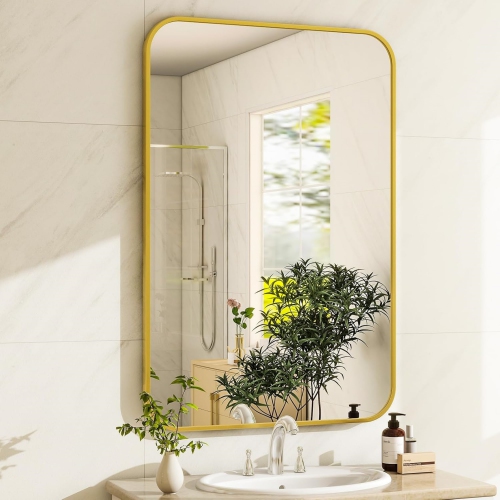



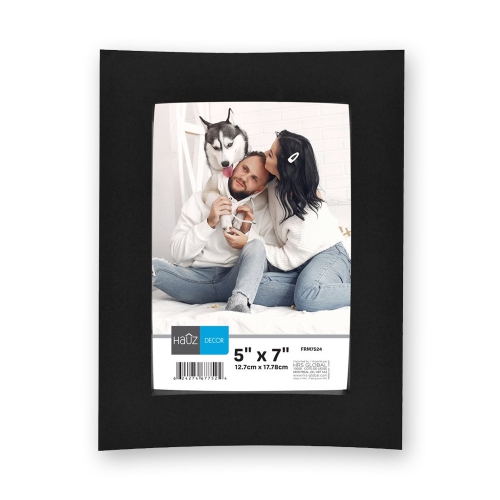
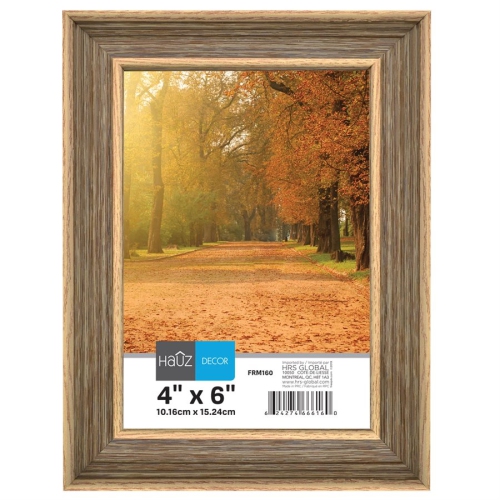
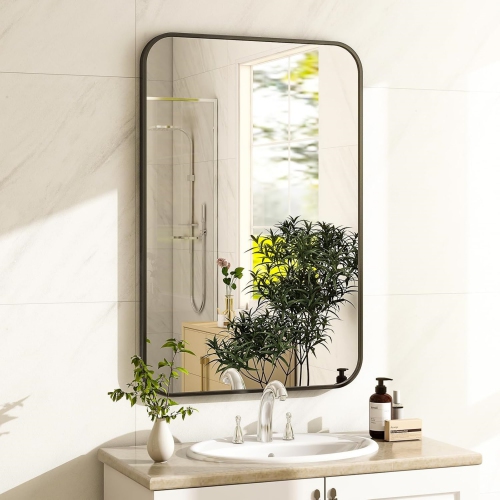
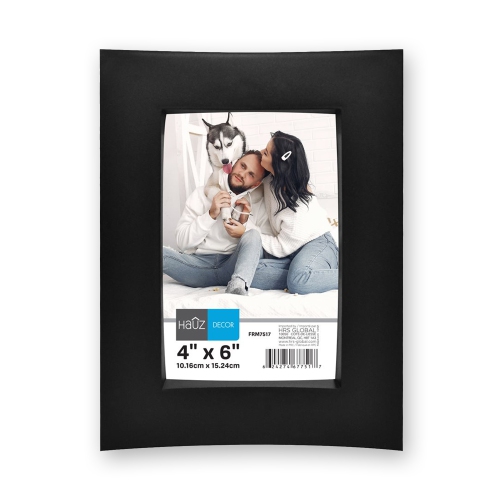
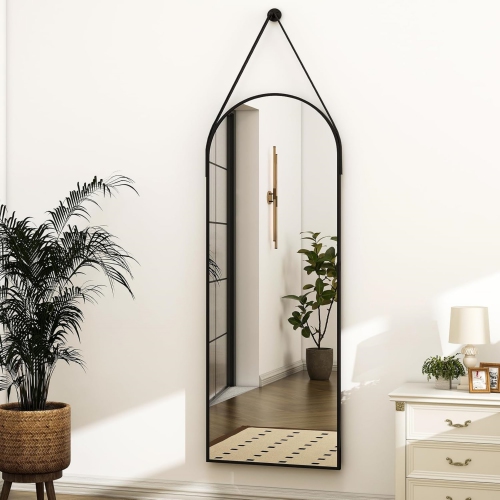

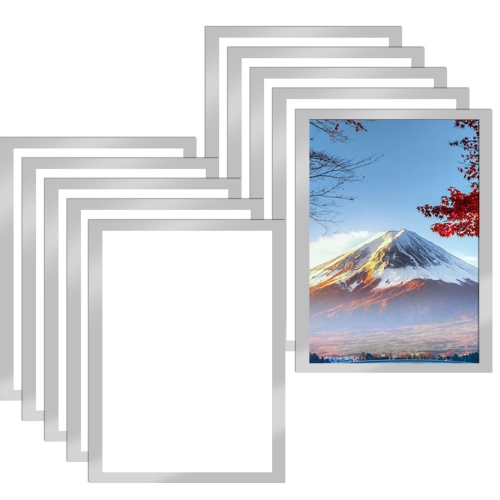
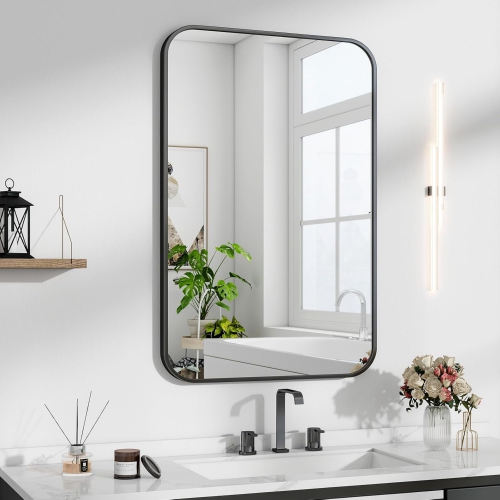
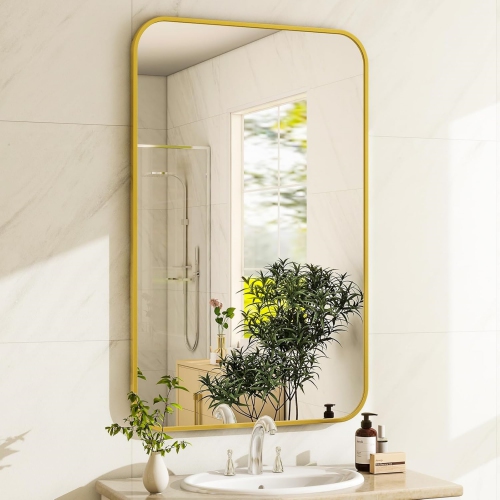
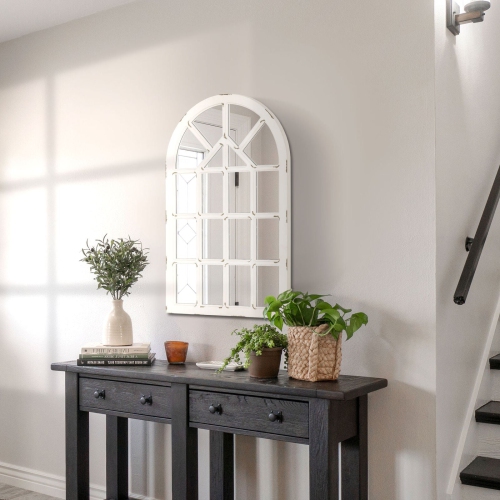
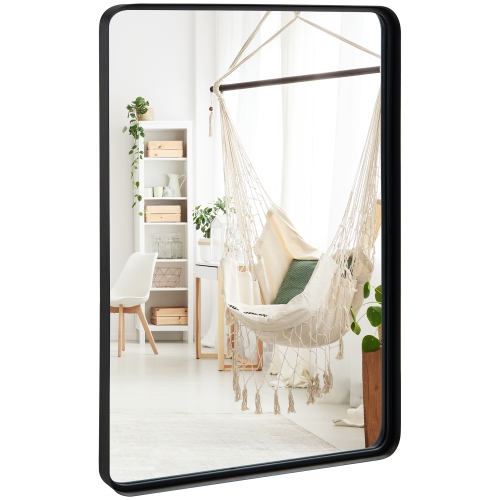
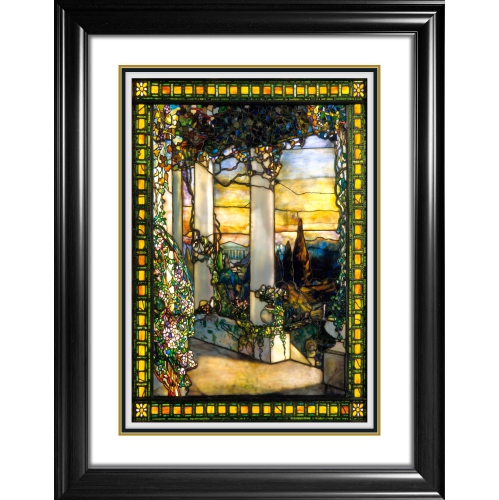
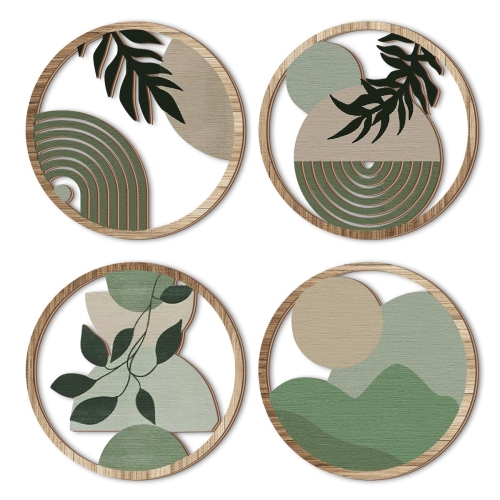
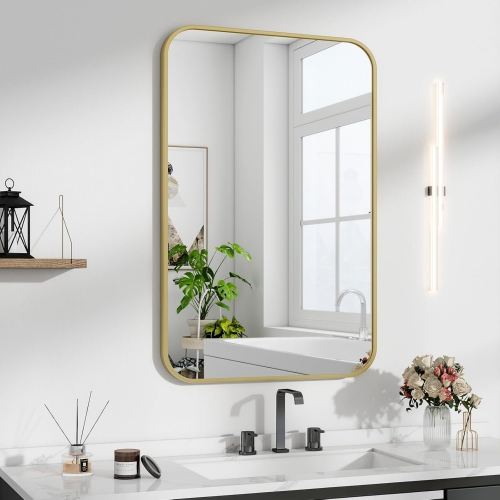
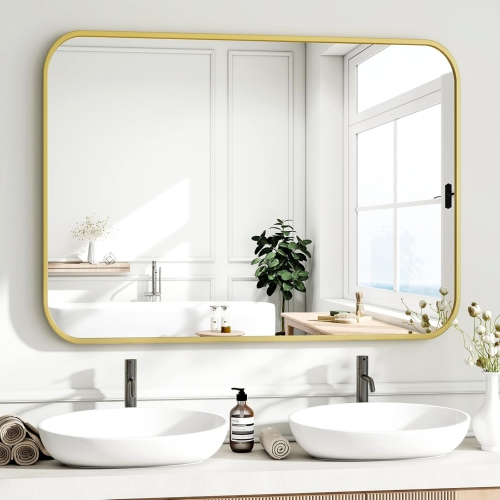
How frame finishes and proportions shape your display
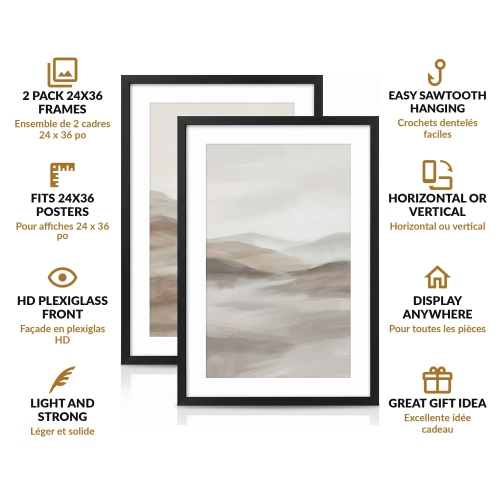
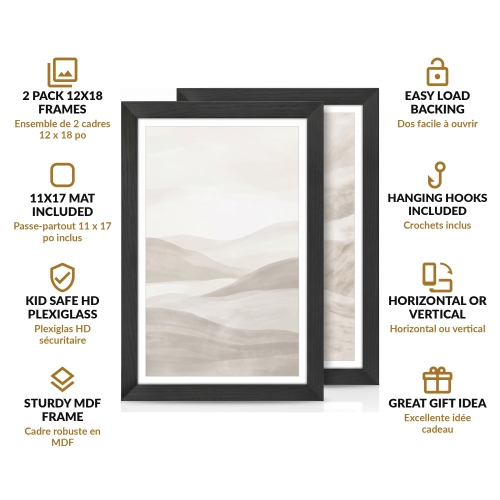
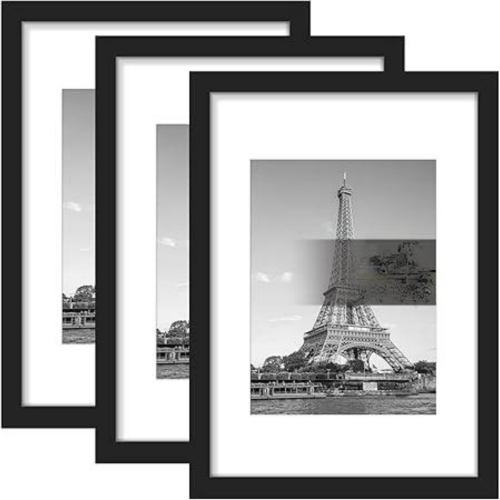
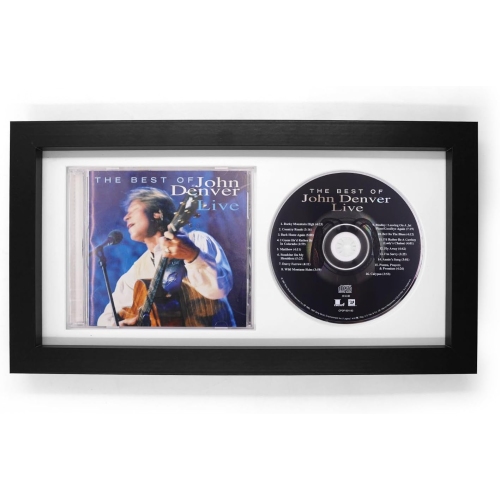
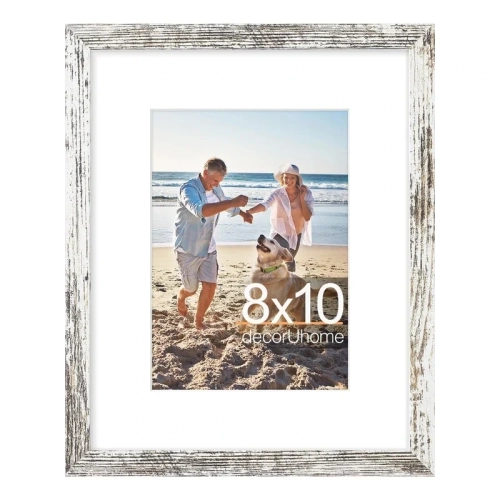
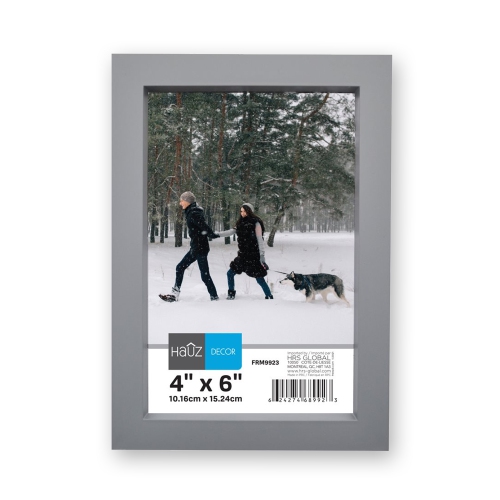
Wall hanging frames give photographs, prints, illustrations, and personal keepsakes a defined place in a room, turning a favourite image into part of the space rather than something tucked away in a drawer. A single frame can bring focus to a portrait above a bedside table, while a coordinated group can connect family photographs along a hallway or across a living room wall. The frame’s material, profile, and finish all affect how the image feels. Wood frames introduce visible grain and warmth, with lighter finishes often sitting comfortably beside pale furniture and darker finishes giving strong contrast to light walls. Metal frames can offer a slim outline that suits architectural photography, graphic prints, and clean-lined furnishings. Composite frames provide another option for different profiles and finishes; their construction and weight vary, so the backing and corner joints deserve attention alongside the front surface. A narrow border keeps the image prominent, while a wider or more detailed frame becomes a stronger part of the display. Black, white, and natural wood finishes are versatile starting points, but matching every frame is not essential. A shared colour, similar border width, or repeated mat tone can make a mixed arrangement feel connected without making every photograph look identical. Mats, sometimes called mounts, add space between an image and its frame and can help a small photograph hold its own on a larger wall. A pale mat gives a busy image breathing room, while a darker mat can draw attention to lighter details. For a home office, framed certificates and travel photographs can share a wall without competing when their proportions and finishes have something in common. In a child’s room, changing drawings and school portraits call for frames with accessible backing and secure closures. The most useful choice balances the character of the image with the setting, whether the intention is a quiet corner for one meaningful photograph or a larger display that grows with a household.
Size and fit matter as much as appearance, especially when framing an existing print. A frame’s stated size commonly refers to the image it accepts, not its outside dimensions, and a mat can reduce the visible opening further. Checking the image size, mat opening, overall frame dimensions, and depth helps avoid a border that covers important details or a frame that overwhelms a narrow stretch of wall. A portrait with faces close to the edge needs particular care because both the mat and the frame lip may conceal a small portion of the photograph. Landscape and portrait orientation also affect suitability: some frames support both, while others have hanging attachments designed for only one direction. For textured artwork or dimensional keepsakes, sufficient interior depth is important so the contents are not pressed against the glazing. Glass offers a clear viewing surface but adds weight and can break; acrylic is generally lighter and more resistant to shattering, though its surface can scratch more easily. Reflections depend on the glazing and the lighting in the room, so placement opposite a bright window or lamp may make an image harder to see. Any ultraviolet-filtering or reduced-reflection features should be confirmed in the frame’s specifications rather than assumed. Placement also influences how comfortable a display feels. For a standalone frame, a centre height of approximately 57 to 60 inches above the floor is a common eye-level reference, adjusted for the people using the room and nearby furniture. Above a sofa or console, the relationship to the furniture matters more than applying that measurement rigidly. In a grouping, the overall arrangement acts as one visual unit, with spacing that lets each image remain distinct. Paper templates can make the footprint easier to assess before hanging. A collection of personal photographs can also sit alongside artwork from Wall Hanging Pictures, with repeated colours or related subjects helping the display feel intentional.
A well-chosen wall hanging frame needs a secure attachment as well as an appealing finish. The frame’s total weight includes the glazing, backing, mat, and contents, and the wall attachment needs to suit both that load and the wall material. Drywall, plaster, masonry, and timber supports can require different fasteners; a hook suitable for one surface is not automatically suitable for another. Sawtooth hangers, D-rings, picture wire, and other fittings have different installation requirements, so the frame’s instructions and the hardware’s rated capacity are important considerations. Adhesive hanging systems also have limits involving weight, surface texture, paint condition, and removal, making compatibility more useful than a general promise of damage-free hanging. In spaces where children or pets may brush against a wall, lighter glazing and a fixing that limits movement can be worth considering. Secure placement is particularly important above beds, seating, and other frequently occupied areas. Day-to-day care is usually straightforward, but materials respond differently to cleaning. A soft, dry cloth helps remove dust from the frame, while glazing should be cleaned with a method suited to its material; spraying cleaner directly onto an assembled frame can allow moisture to reach the image or backing. Acrylic needs a gentle approach to avoid fine scratches, and textured or unfinished wood may need different care from a sealed surface. Keeping framed photographs away from persistent dampness and prolonged direct sunlight can help protect both the frame and its contents, although no glazing should be assumed to prevent all fading. For irreplaceable photographs, displaying a copy leaves the original safely stored. Frames also make thoughtful gifts for housewarmings, weddings, graduations, and family milestones, especially when sized for a photograph the recipient already treasures. Neutral finishes are often easy to place, while a familiar wood tone or a colour drawn from the recipient’s room can make the choice feel personal. Whether holding a child’s drawing, a graduation portrait, or a photograph from a memorable trip, a frame works best when its proportions, construction, and hanging fittings suit the image and the place it will occupy.
Top selling and popular products
-
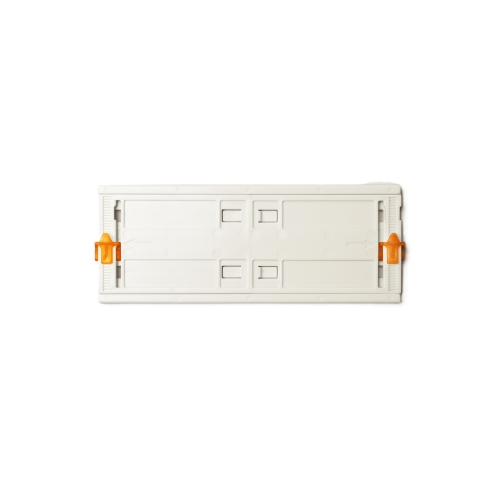 Your price for this item is $37.75
-
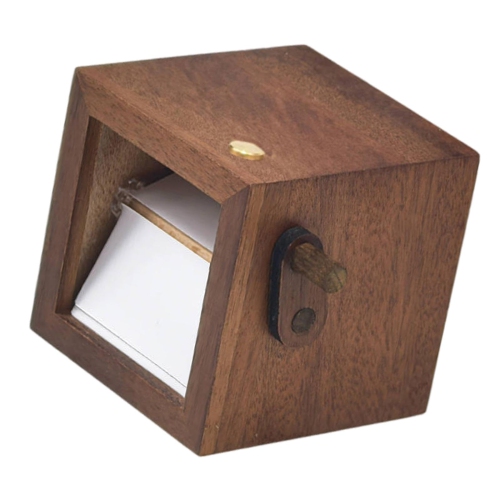 Your price for this item is $46.99
-
 Your price for this item is $11.97
-
 Your price for this item is $11.97
-
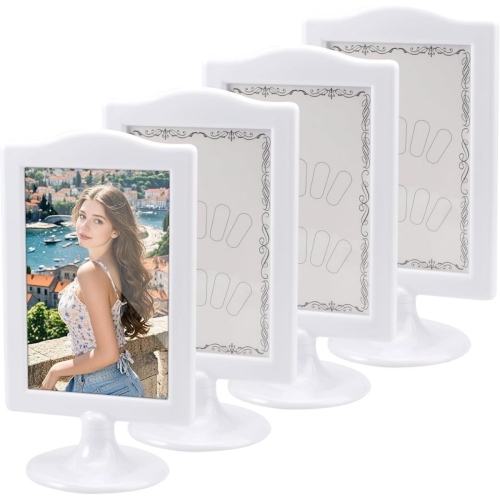 Your price for this item is $31.13
-
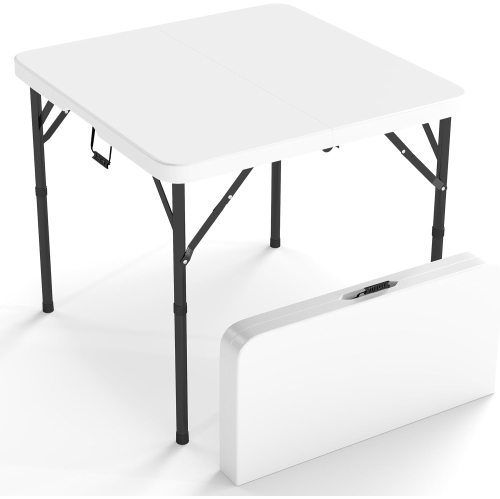 Your price for this item is $86.62
-
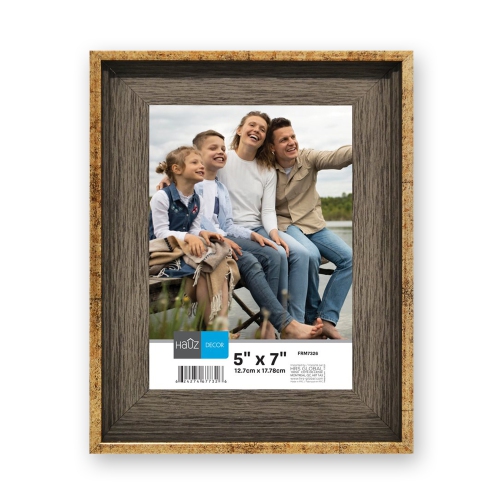 Your price for this item is $11.97
-
 Your price for this item is $85.54
Discover more categories related to Wall Hanging Frames
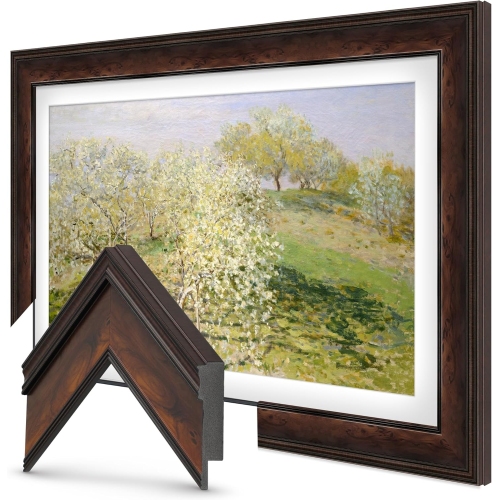

Top Collections:
Best Black Friday Deals This Year, Best Black Friday Deals On Electronics, Kindle Devices, Pokemon Centers, Best Black Friday Deals On Apple Products, Best Cameras for Sports Photography, Dyson Airwrap, Pokémon 30th Celebration Cards, Apple iPhone 17 Pro, Canon G7X Cameras
Some products may be subject to Environmental Handling Fees
(EHF) depending on your province.
Learn more about EHFs.