Wall Solar Lights
Illuminate your outdoor space with our selection of wall solar lights. These energy-efficient and eco-friendly lighting solutions harness the power of the sun to brighten up your patio, garden, or pathway with ease. Whether you're looking to enhance your home's exterior aesthetics, increase security, or simply create a cozy ambiance for outdoor gatherings, our range of wall solar lights offers a variety of styles and features to suit your needs. Say goodbye to traditional wiring and hello to hassle-free installation and operation with these stylish and practical solar-powered lighting options.
Sort


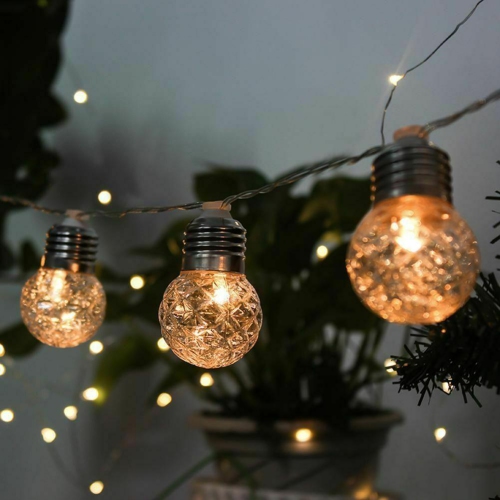
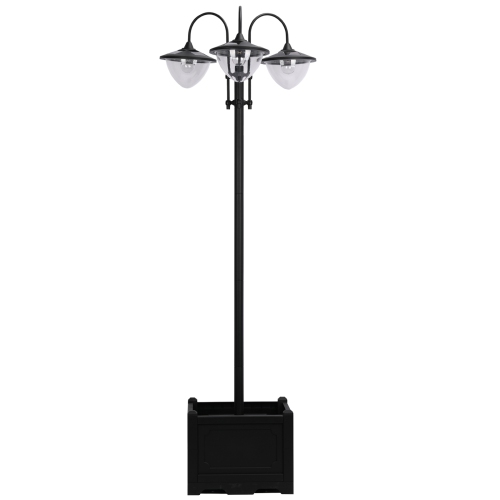
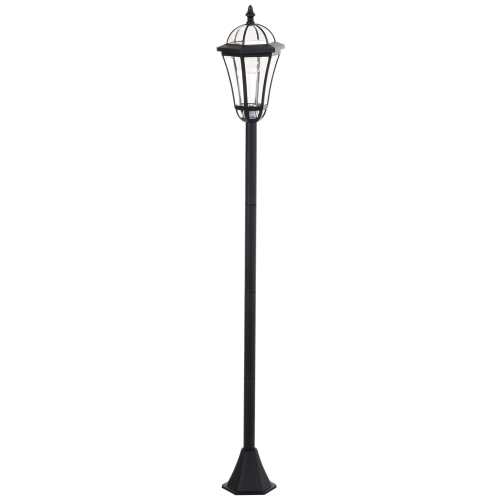
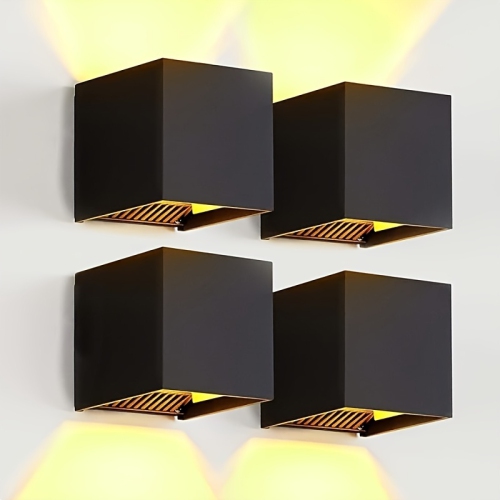



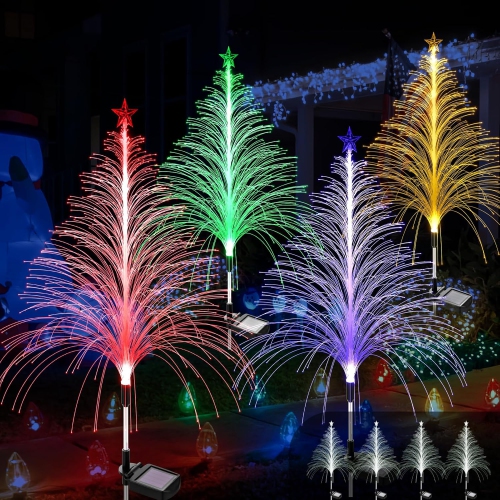
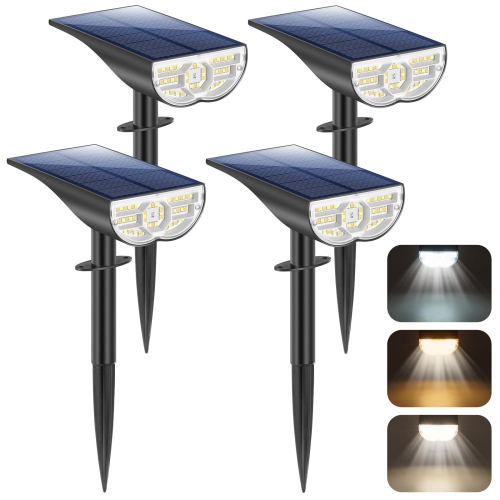
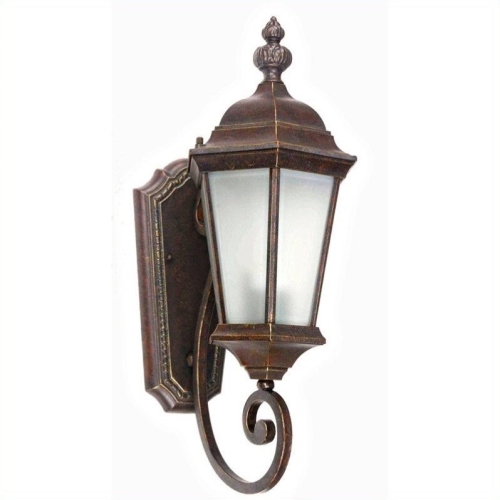
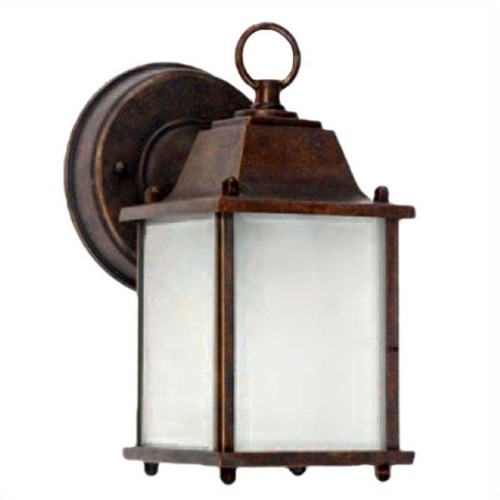
![GREEN SCENIC Solar Garden Light, Safety Stair Light, Waterproof Decorative Garden Light - Shell [Warm Light] (4-Pack) In White](https://multimedia.bbycastatic.ca/multimedia/products/500x500/194/19439/19439718.jpeg)
Practical guidance for brighter and better-placed outdoor lighting
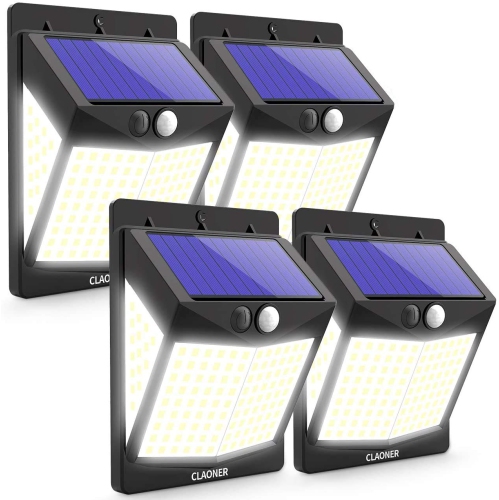
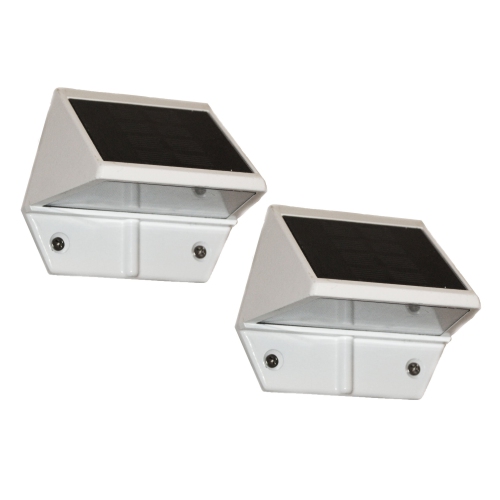
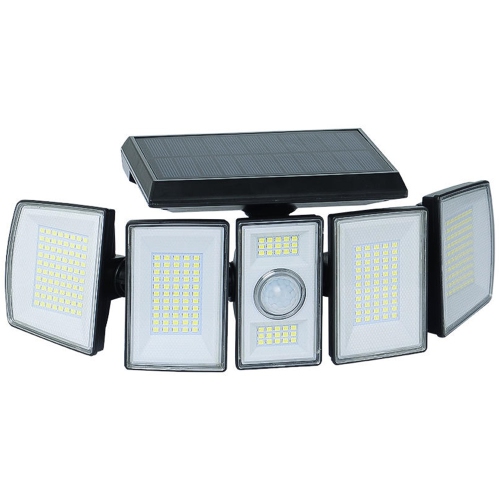
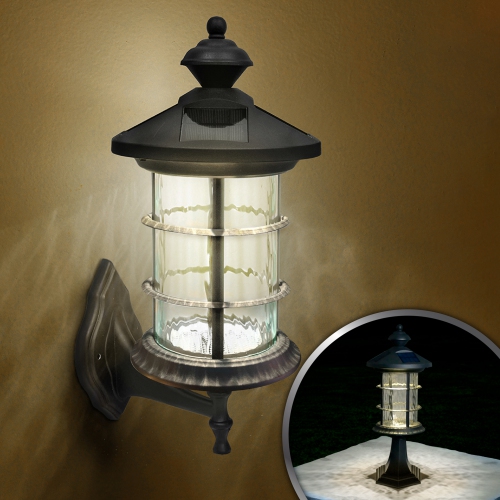
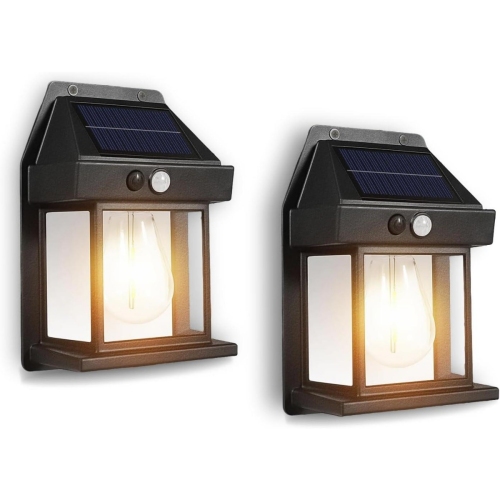
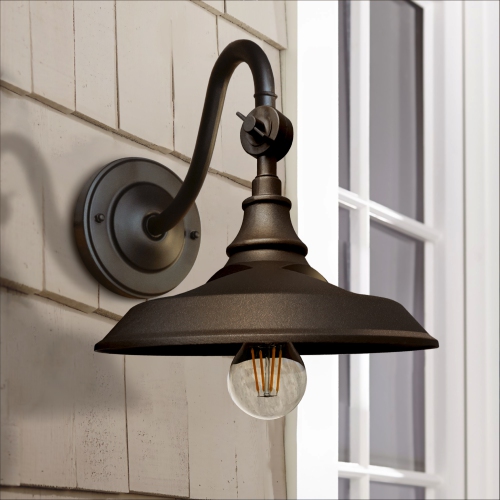
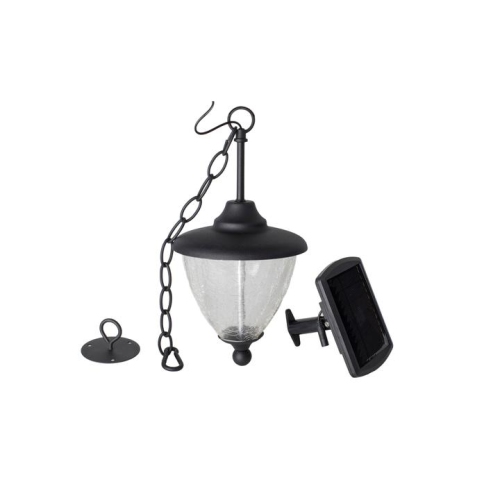
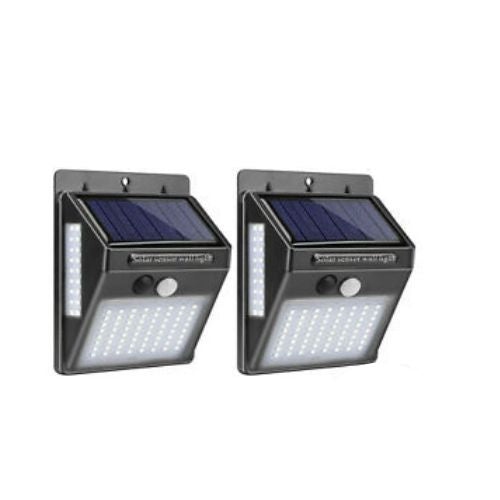
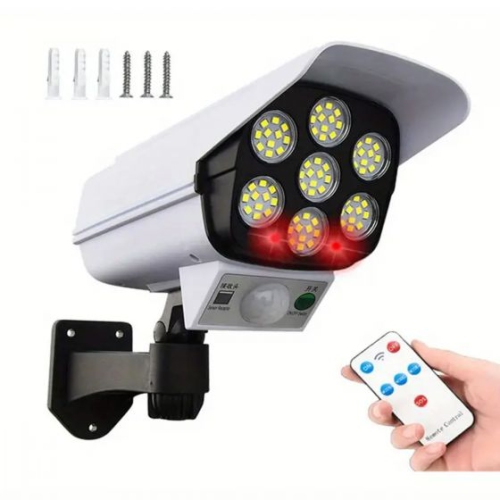
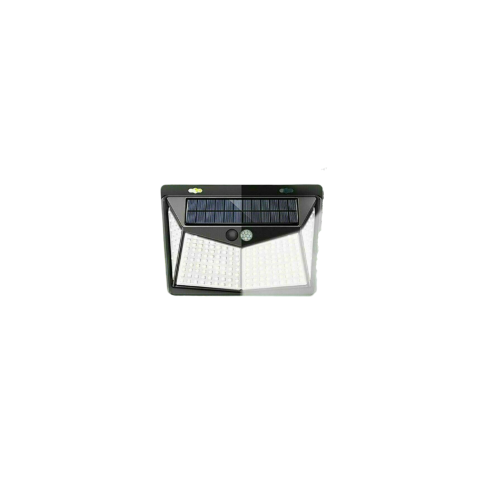
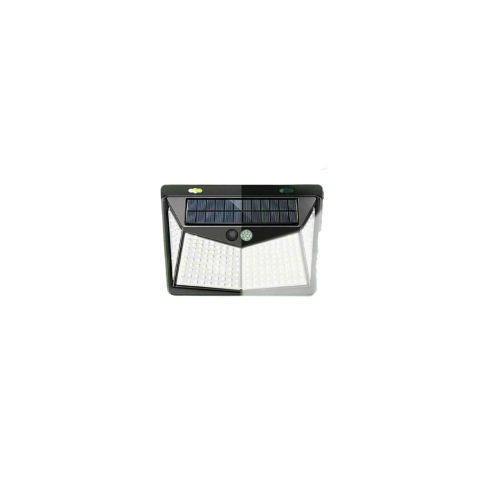
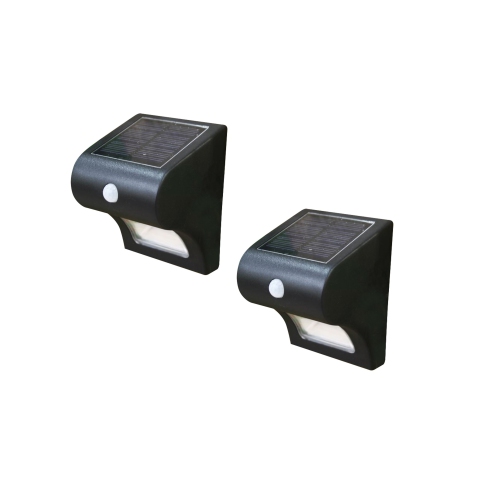
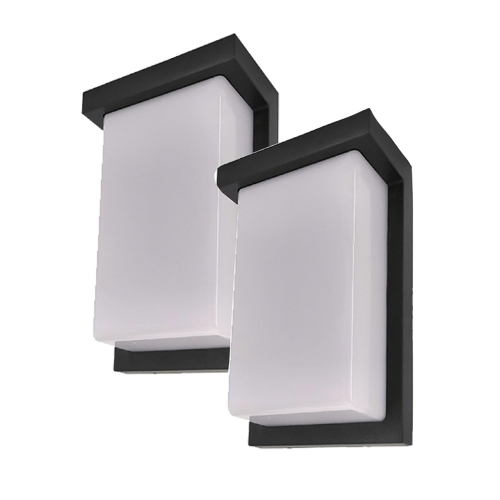
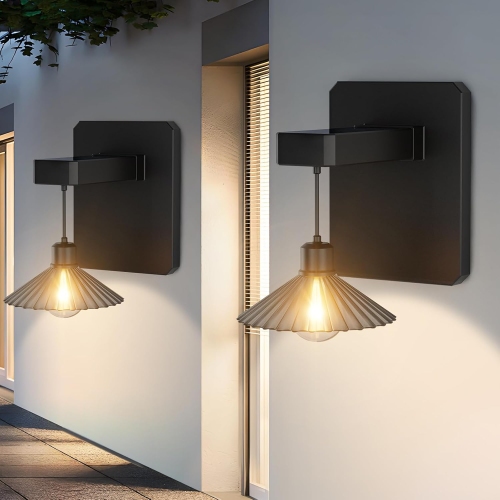
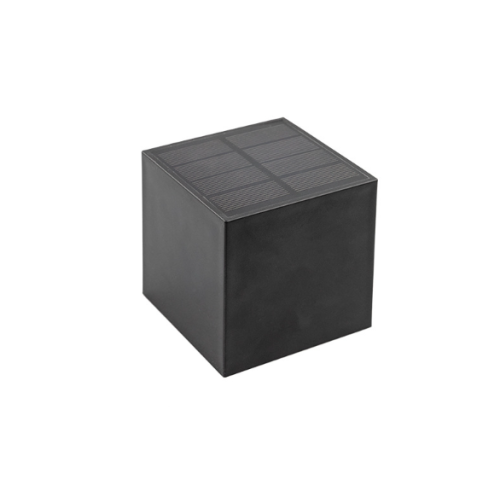
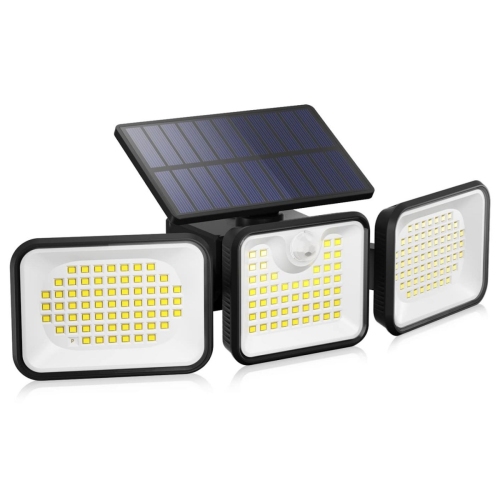
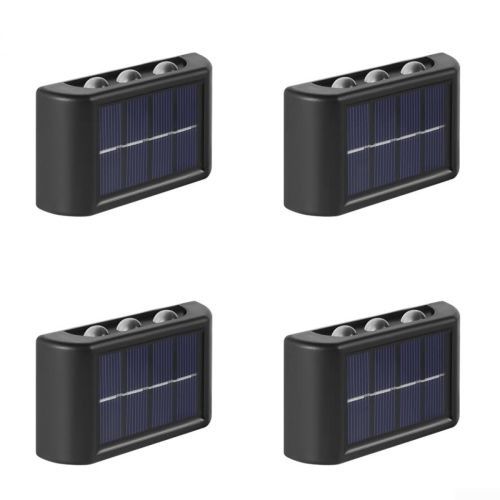
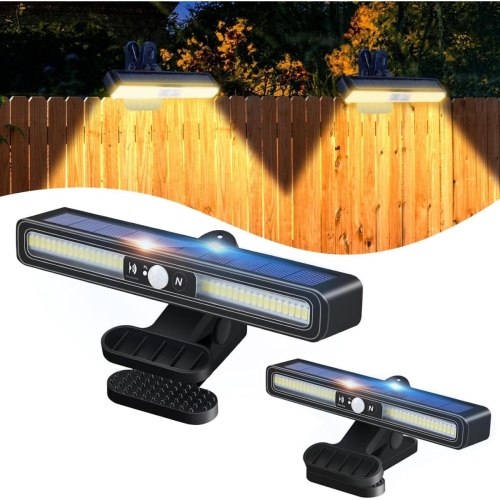
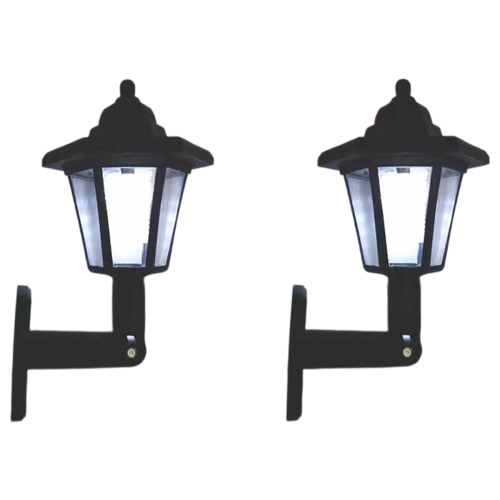
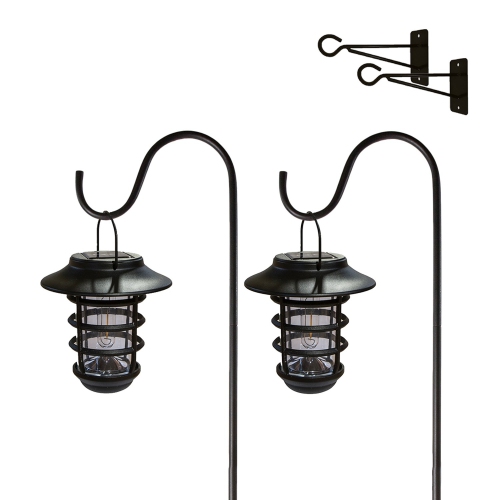
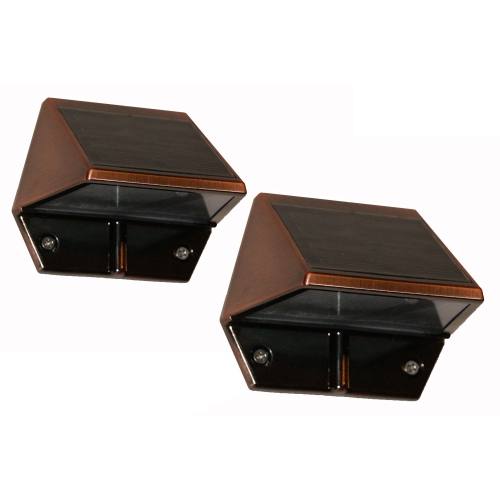
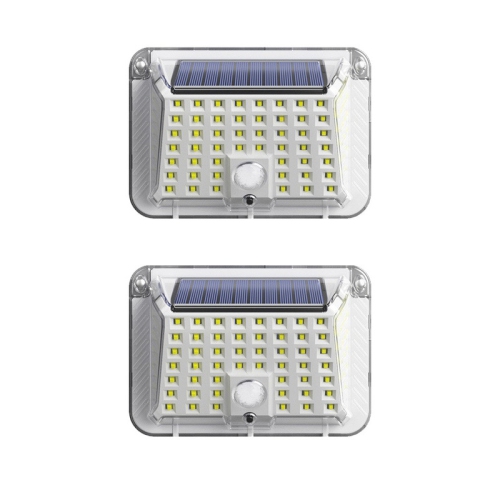
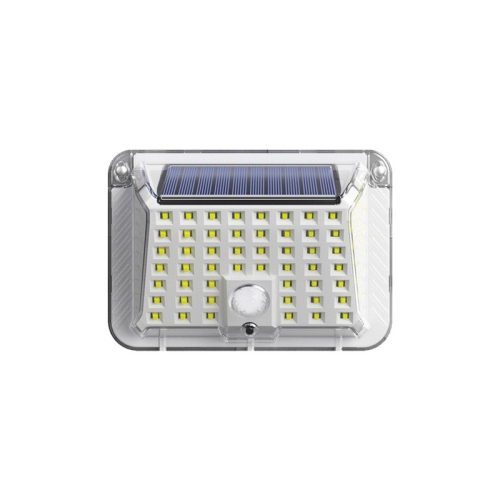
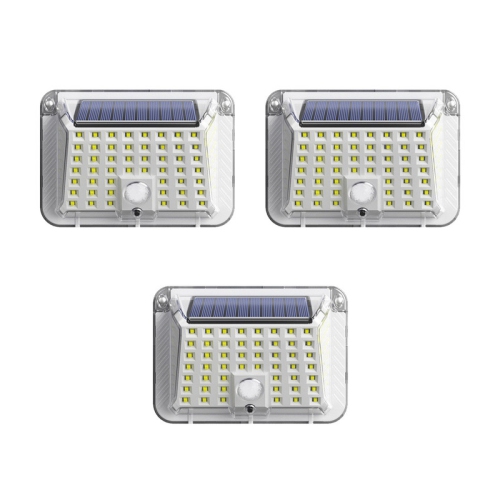
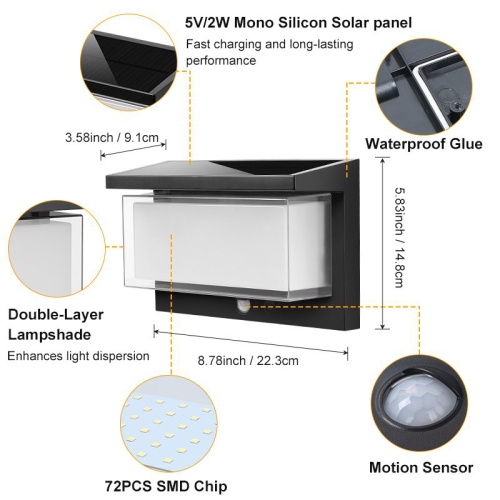
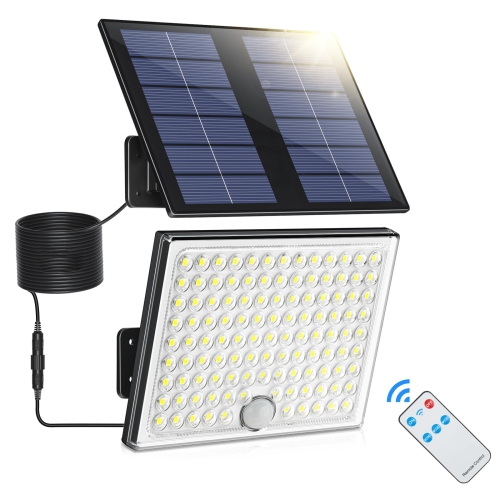
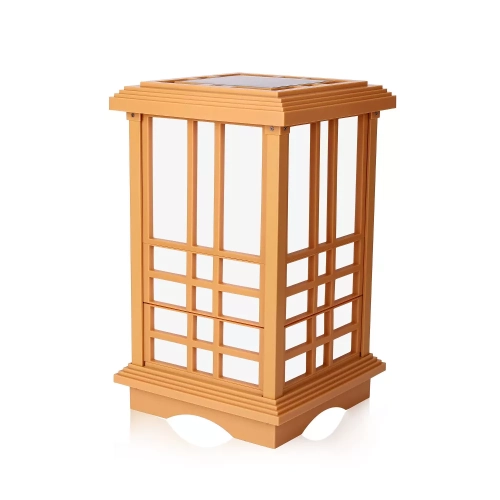
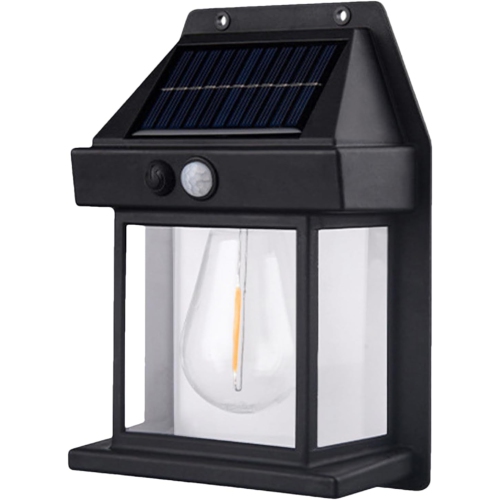
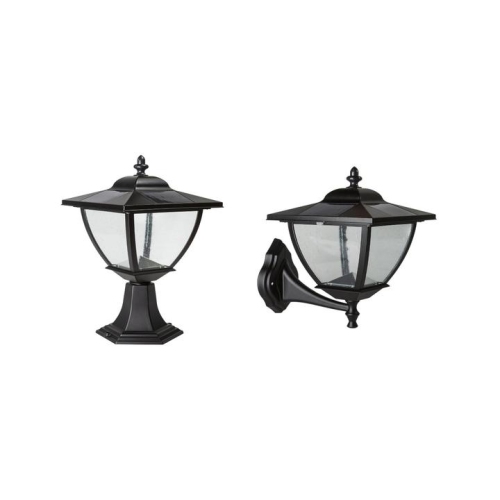
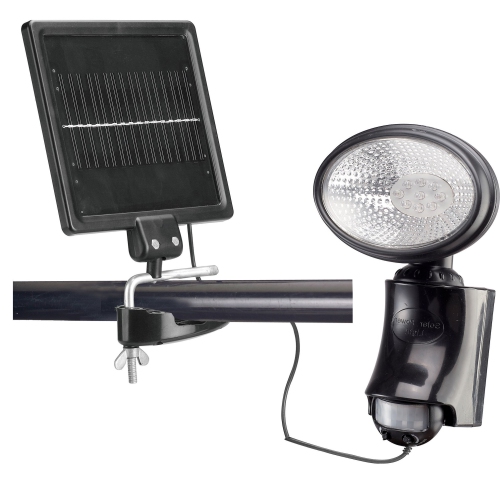
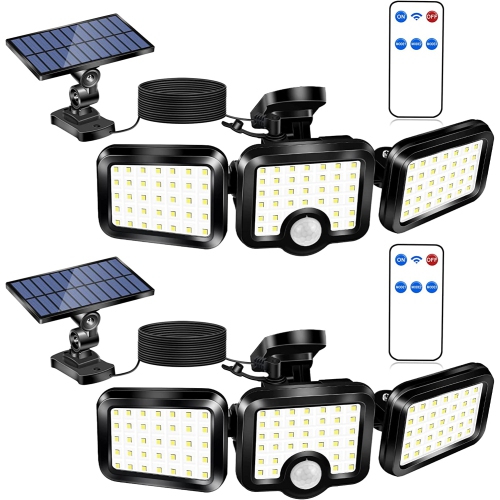
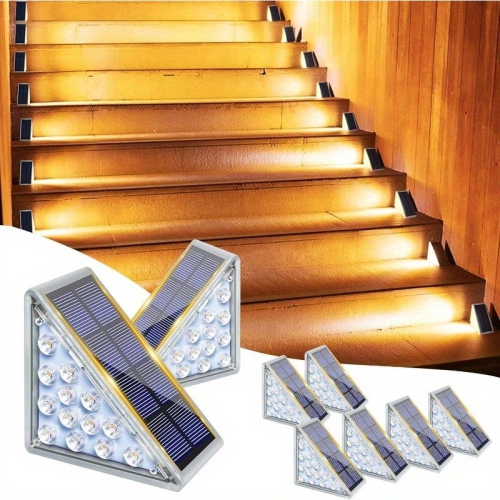
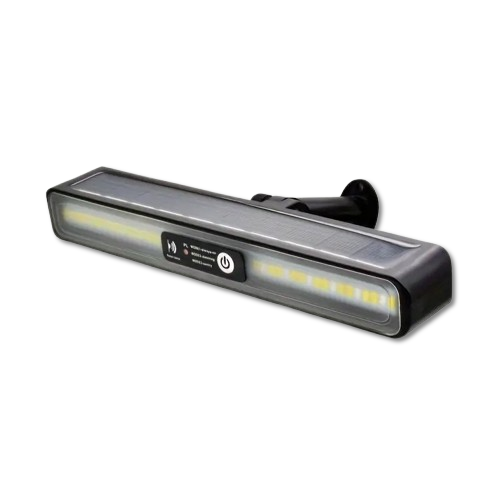
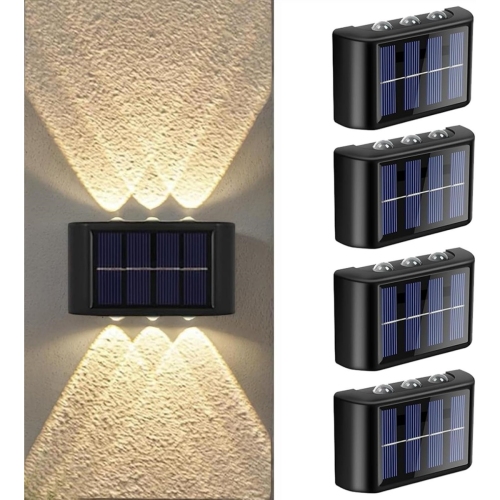
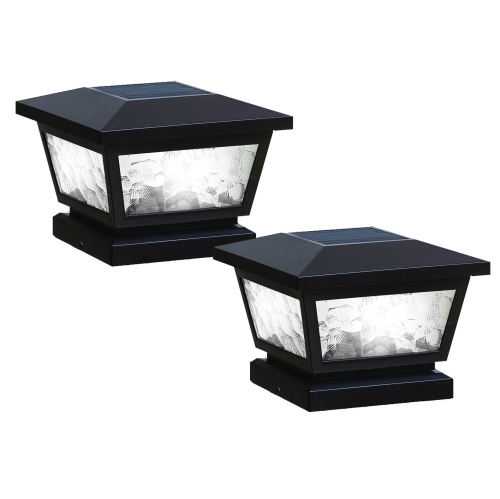
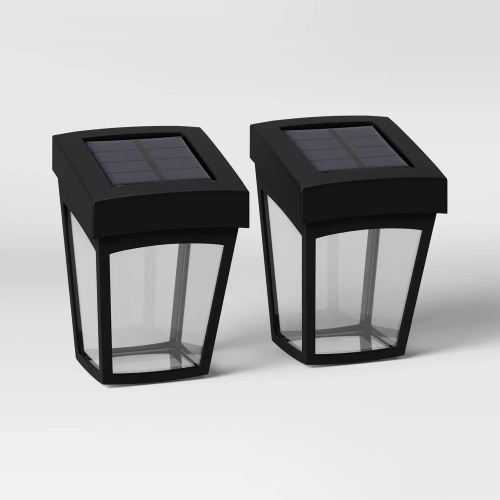
Wall solar lights add practical illumination and decorative character to exterior walls, fences, garage pillars, balconies and other vertical surfaces without requiring a nearby electrical outlet. Each fixture uses a built-in solar panel to collect daylight, stores energy in an internal battery and switches on automatically when its dusk-to-dawn sensor detects low light. That wireless design can make installation especially convenient around a front entrance, side door, deck, shed or driveway where running cable would be difficult. Styles range from compact accent sconces that cast a gentle pool of warm light to modern up-and-down fixtures that project defined beams across siding, brick or stone. There are also brighter wall-mounted options with motion sensors, which can illuminate a pathway, steps or parking area when movement is detected. When browsing wall solar lights, consider the kind of light you want rather than relying on appearance alone. Measured in lumens, brightness gives a useful indication of how much illumination a fixture can provide: lower-lumen lights are generally well suited to creating a welcoming glow near an entrance or patio, while higher-lumen models are better for visibility around a driveway, gate or dark passage. Colour temperature also affects the atmosphere. Warm white light can complement wood, brick and traditional exterior décor, while cooler white light may suit contemporary architecture and provide a sharper view around functional areas. A motion sensor can help conserve stored power by keeping a brighter light off until activity is detected, and adjustable detection range or lighting duration can make it easier to tailor the fixture to the space. For a broader selection of styles for patios, pathways and other areas, browse Outdoor Solar Lights.
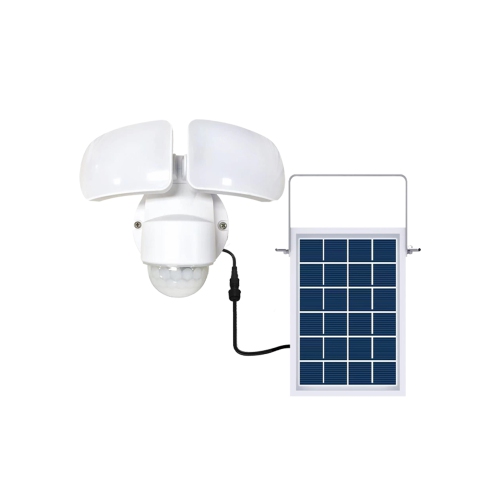
Placement has a noticeable effect on how well wall solar lights perform. Choose a location where the solar panel receives several hours of unobstructed daylight, taking nearby trees, roof overhangs, railings and neighbouring buildings into account. A south-facing position can often receive strong sunlight in Canada, although the best orientation depends on the layout of the property and the way shadows move throughout the day. A fixture that looks bright in the afternoon may receive very little useful light if a tall fence shades its panel by evening, so it is worth observing the intended mounting area before installation. Think about the height as well: lights near a door should be positioned where their illumination reaches the lock and threshold, whereas motion-sensor security lights may work best when mounted high enough to cover a wider approach without shining directly into nearby windows. Check the product’s weather-resistance rating before choosing a location exposed to rain, wind or blowing snow. An IP65 rating or higher is commonly associated with protection against dust and water jets, but the mounting instructions should still be followed carefully, particularly where freezing temperatures and repeated thawing are part of the season. Secure screws and anchors to the appropriate surface, whether that is siding, masonry, wood or a fence post, and leave enough clearance for the panel to receive light. Some wall solar lights have integrated panels, while others use a separate panel connected by a cable, giving more flexibility when the wall itself remains shaded. During the cooler months, gently clearing accumulated snow, leaves and dust from the panel can help maintain charging performance. A soft, dry or slightly damp cloth is usually preferable to abrasive tools, and the light should be switched off or handled according to the manufacturer’s instructions while it is being cleaned.
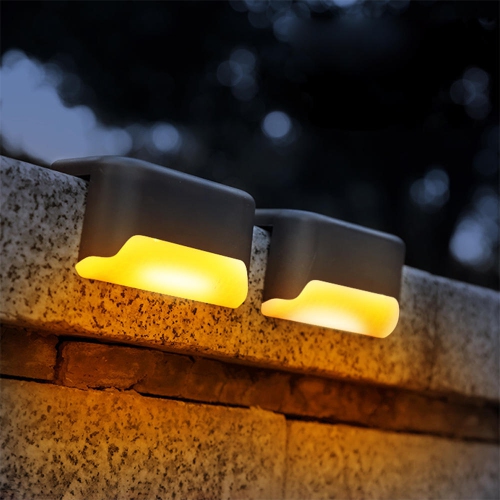
Wall solar lights can serve different needs throughout a home’s outdoor spaces. A pair mounted on either side of an entry door can frame the entrance and make the approach easier to see when arriving after dark. Along a deck or covered porch, softer fixtures can define the edge of the space without overpowering conversation or outdoor dining. On a garage or side wall, a motion-activated light can provide a useful burst of brightness when a vehicle pulls in or someone walks towards the door. Decorative models also work well on garden sheds, privacy fences and courtyard walls, where the light can highlight texture and create a more finished appearance after sunset. They may be a thoughtful housewarming gift for someone settling into a new home, a practical present for a homeowner improving a walkway or a simple addition for a relative who enjoys spending time on a balcony or patio. Before buying, compare the expected run time, charging requirements, battery type and whether the battery is replaceable or designed for extended service. Cloudy days and shaded placements may reduce the hours of illumination, while a clear day in an unobstructed location can provide a longer evening run. Look for controls that are easy to reach, such as brightness, mode or sensor adjustments, and confirm whether the light is intended to remain on continuously or activate only when movement is detected. It is also useful to consider the fixture’s size, beam direction and finish so it fits the wall without obstructing a door, walkway or exterior fitting. With the right combination of brightness, placement, weather resistance and style, wall solar lights can make outdoor areas feel more inviting, improve visibility around everyday routes and add dependable illumination from dusk into the evening.
Placement has a noticeable effect on how well wall solar lights perform. Choose a location where the solar panel receives several hours of unobstructed daylight, taking nearby trees, roof overhangs, railings and neighbouring buildings into account. A south-facing position can often receive strong sunlight in Canada, although the best orientation depends on the layout of the property and the way shadows move throughout the day. A fixture that looks bright in the afternoon may receive very little useful light if a tall fence shades its panel by evening, so it is worth observing the intended mounting area before installation. Think about the height as well: lights near a door should be positioned where their illumination reaches the lock and threshold, whereas motion-sensor security lights may work best when mounted high enough to cover a wider approach without shining directly into nearby windows. Check the product’s weather-resistance rating before choosing a location exposed to rain, wind or blowing snow. An IP65 rating or higher is commonly associated with protection against dust and water jets, but the mounting instructions should still be followed carefully, particularly where freezing temperatures and repeated thawing are part of the season. Secure screws and anchors to the appropriate surface, whether that is siding, masonry, wood or a fence post, and leave enough clearance for the panel to receive light. Some wall solar lights have integrated panels, while others use a separate panel connected by a cable, giving more flexibility when the wall itself remains shaded. During the cooler months, gently clearing accumulated snow, leaves and dust from the panel can help maintain charging performance. A soft, dry or slightly damp cloth is usually preferable to abrasive tools, and the light should be switched off or handled according to the manufacturer’s instructions while it is being cleaned.
Wall solar lights can serve different needs throughout a home’s outdoor spaces. A pair mounted on either side of an entry door can frame the entrance and make the approach easier to see when arriving after dark. Along a deck or covered porch, softer fixtures can define the edge of the space without overpowering conversation or outdoor dining. On a garage or side wall, a motion-activated light can provide a useful burst of brightness when a vehicle pulls in or someone walks towards the door. Decorative models also work well on garden sheds, privacy fences and courtyard walls, where the light can highlight texture and create a more finished appearance after sunset. They may be a thoughtful housewarming gift for someone settling into a new home, a practical present for a homeowner improving a walkway or a simple addition for a relative who enjoys spending time on a balcony or patio. Before buying, compare the expected run time, charging requirements, battery type and whether the battery is replaceable or designed for extended service. Cloudy days and shaded placements may reduce the hours of illumination, while a clear day in an unobstructed location can provide a longer evening run. Look for controls that are easy to reach, such as brightness, mode or sensor adjustments, and confirm whether the light is intended to remain on continuously or activate only when movement is detected. It is also useful to consider the fixture’s size, beam direction and finish so it fits the wall without obstructing a door, walkway or exterior fitting. With the right combination of brightness, placement, weather resistance and style, wall solar lights can make outdoor areas feel more inviting, improve visibility around everyday routes and add dependable illumination from dusk into the evening.
Top selling and popular products
-
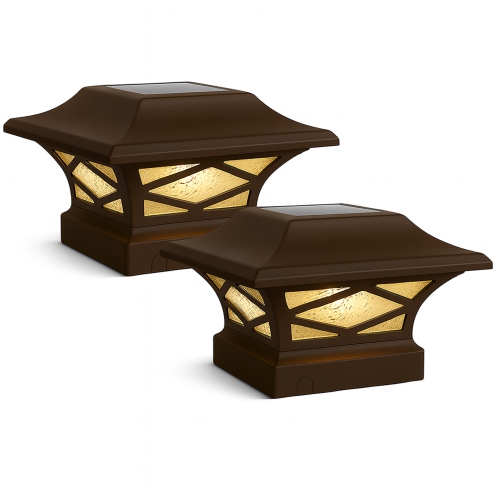 Your price for this item is $99.99
 -
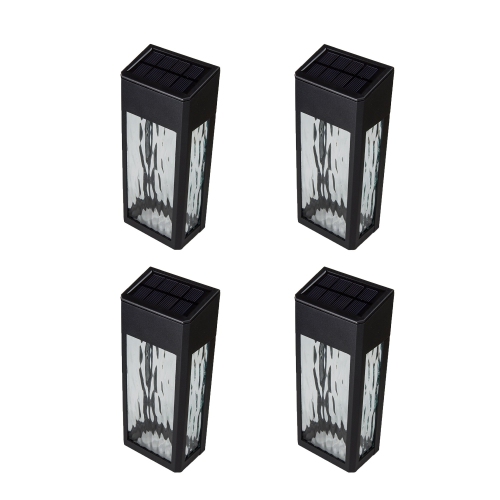 Your price for this item is $73.99
 -
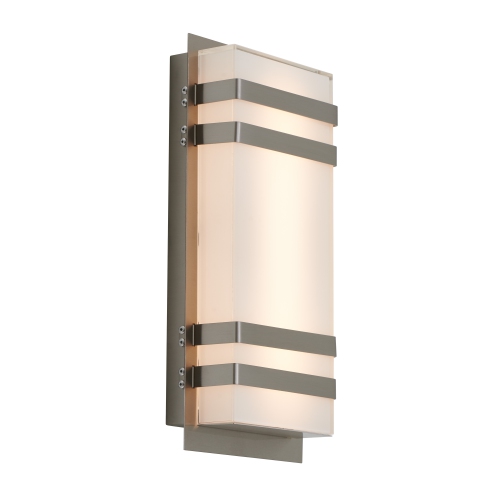 Your price for this item is $69.99
 -
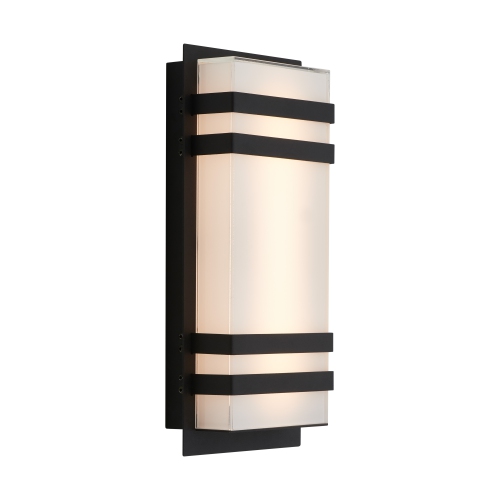 Your price for this item is $59.99
 -
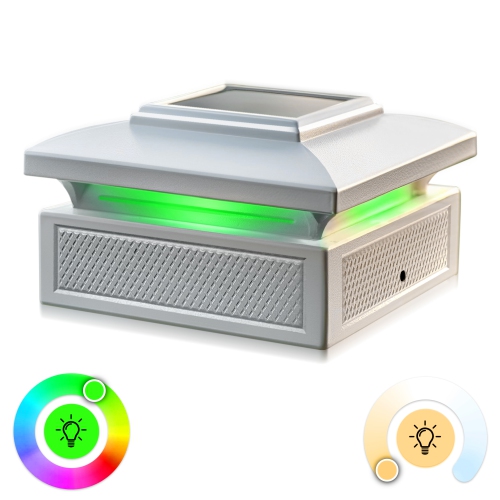 Your price for this item is $99.99
 -
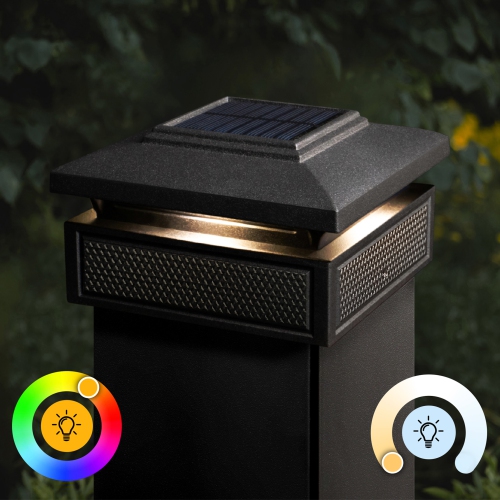 Your price for this item is $99.99
 -
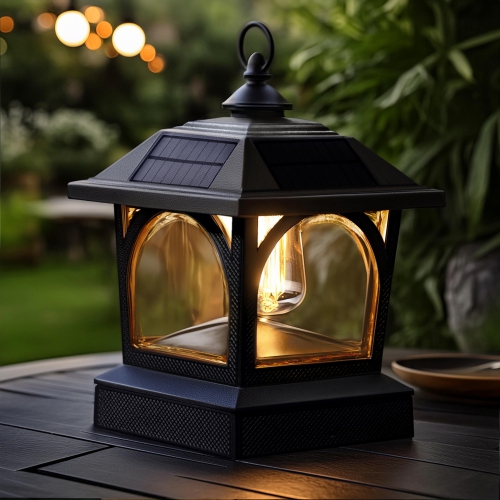 Your price for this item is $99.99
 -
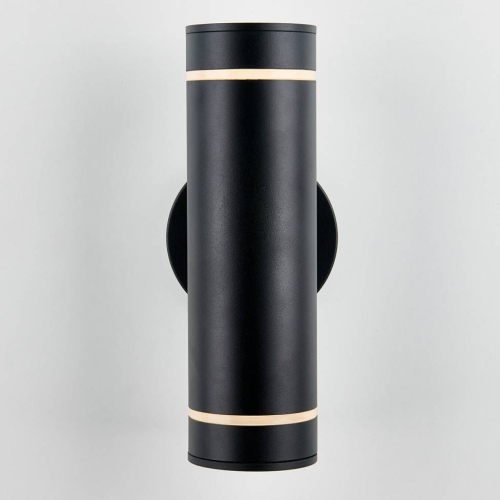 Your price for this item is $99
Discover more categories related to Wall Solar Lights
Top Collections:
Pokemon Centers, Kindle Devices, Best Budget Office Chairs, Apple iPhones 16, Best Laptops for Writers, iPhone 15 Apple, Canon G7X Cameras, Refurbished Apple Laptops, Alarm Clock, Motorola Razr Phones
Some products may be subject to Environmental Handling Fees
(EHF) depending on your province.
Learn more about EHFs.