Walnut Bedroom Furniture
Upgrade your bedroom with the timeless elegance of walnut bedroom furniture. Embrace the warmth and sophistication that walnut wood brings to your space, creating a cozy and inviting atmosphere. From sleek modern designs to classic traditional styles, our collection offers a variety of pieces to suit your personal taste and elevate the look of your bedroom. Discover the beauty and versatility of walnut furniture as you browse through our selection of beds, dressers, nightstands, and more, designed to enhance both the aesthetic appeal and functionality of your sleeping sanctuary.
Sort




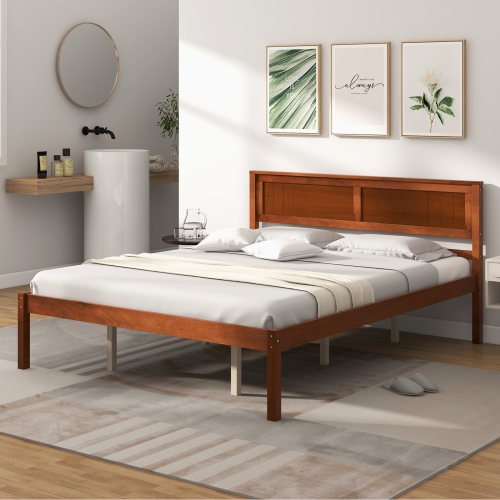

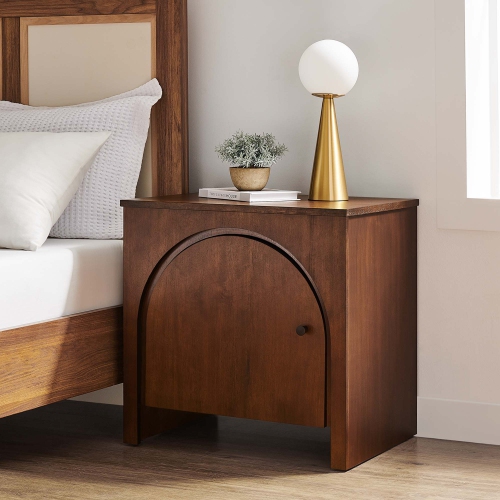
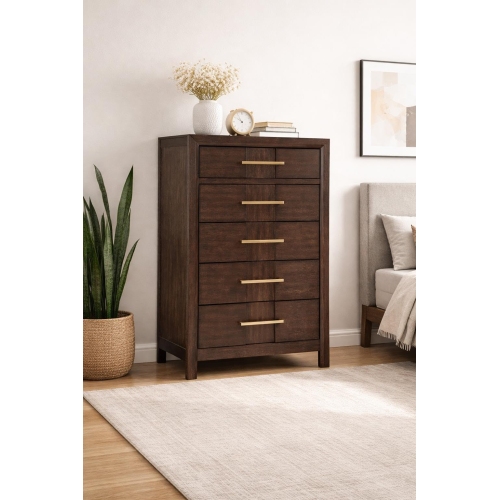
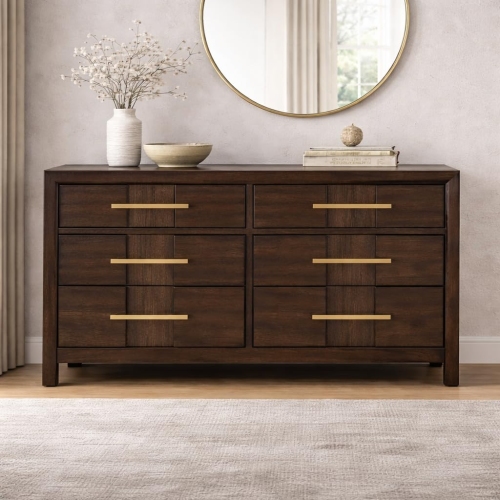








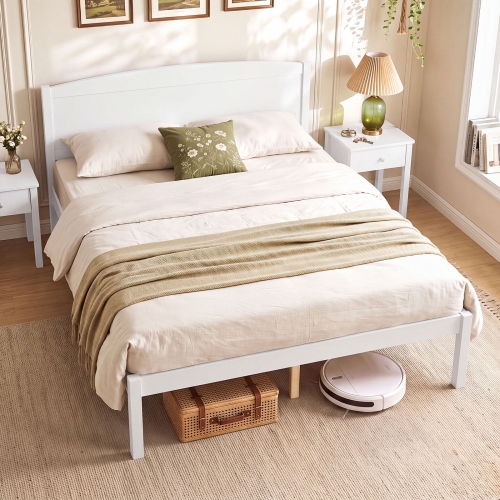


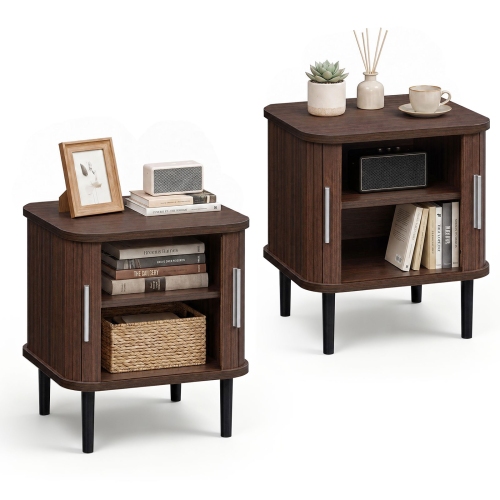

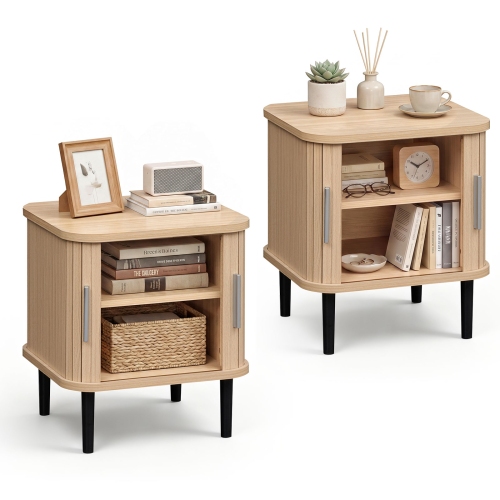
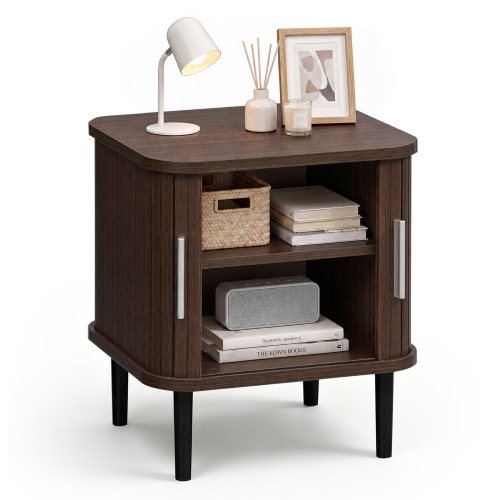




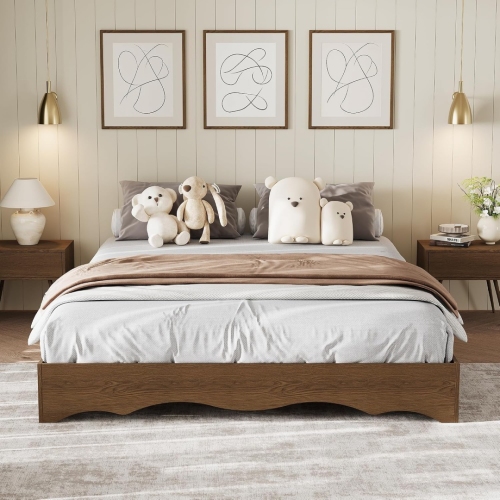
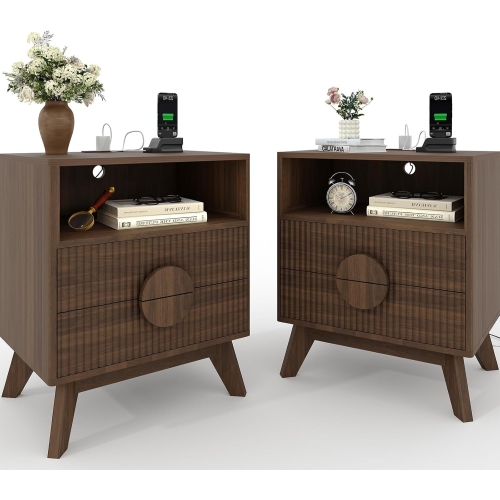
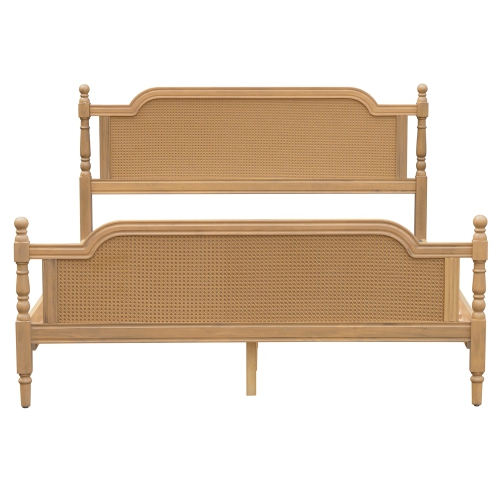
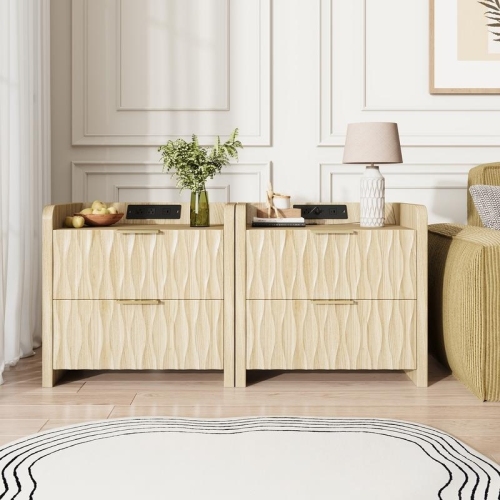


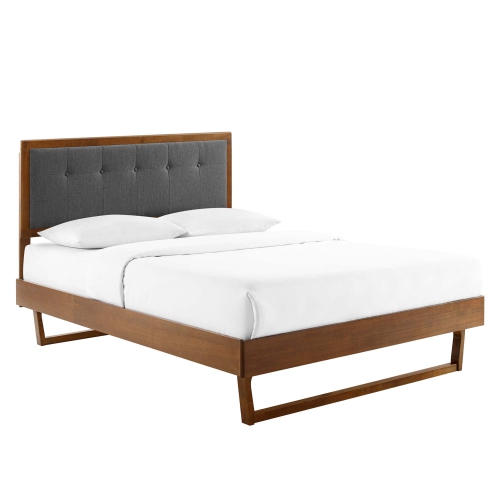


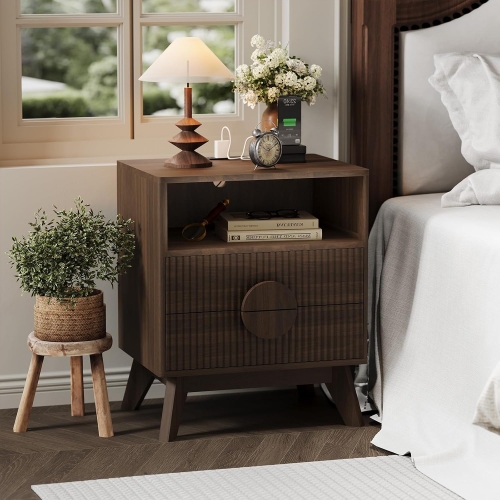


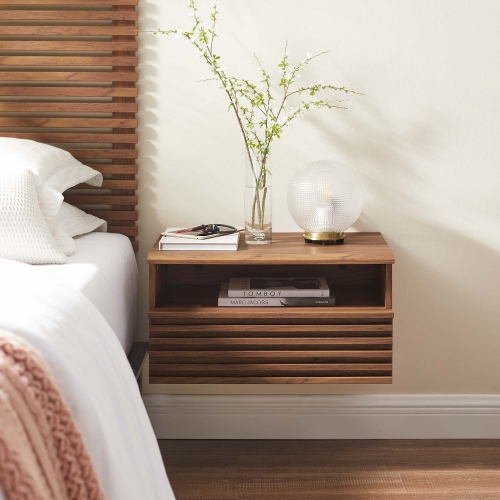
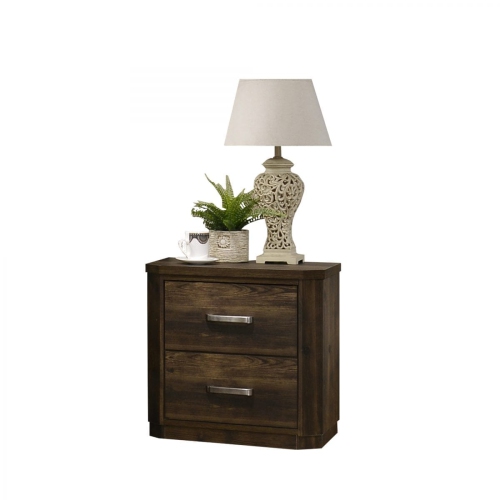


































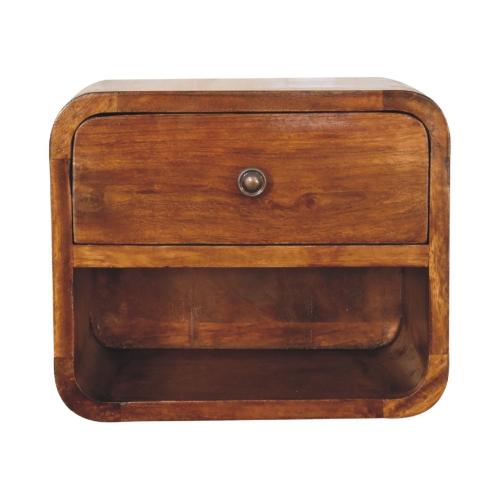


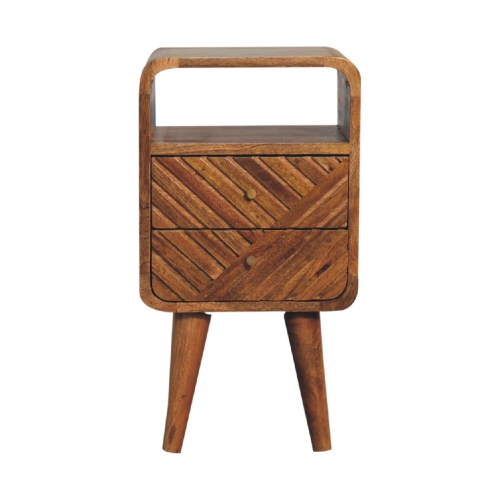

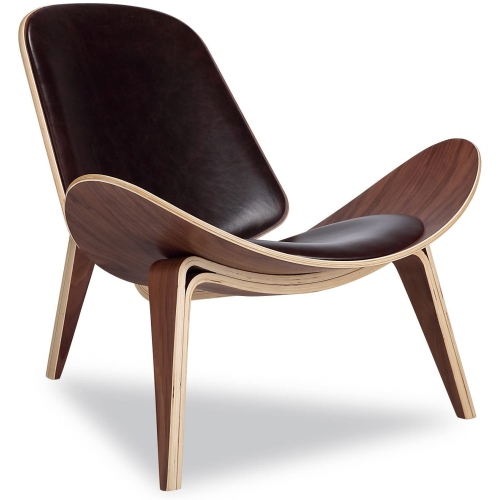
Walnut’s rich colour is only part of the story
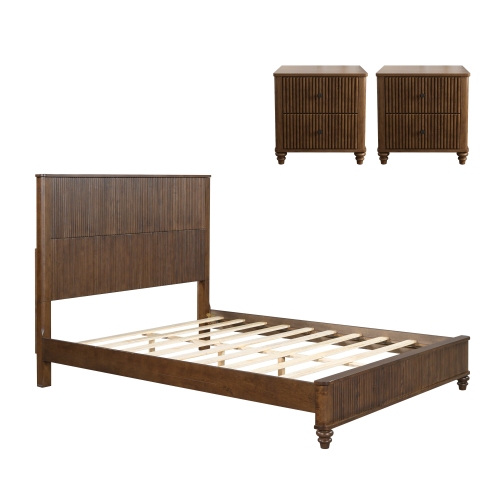
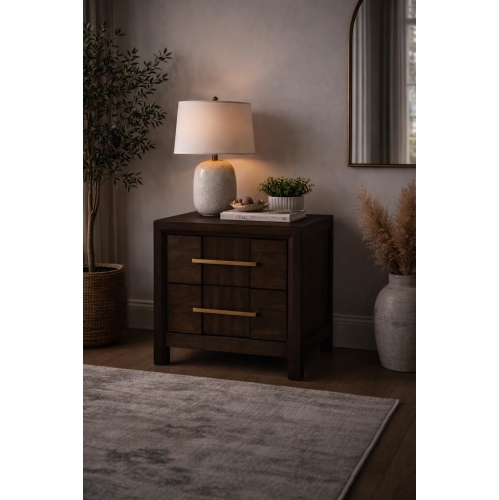
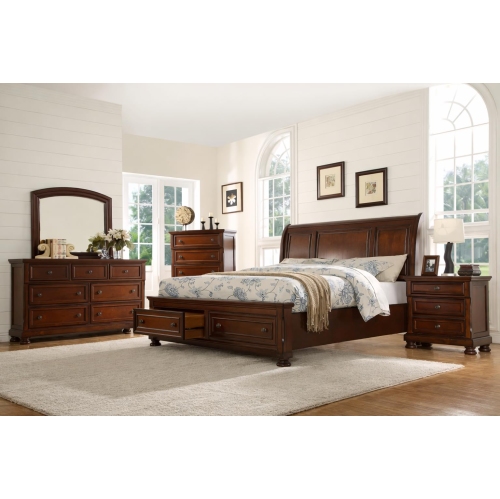
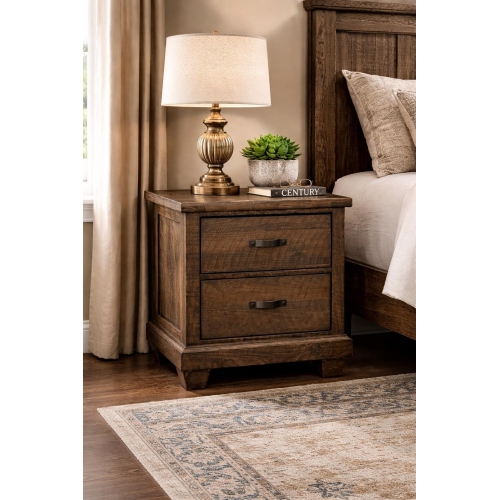
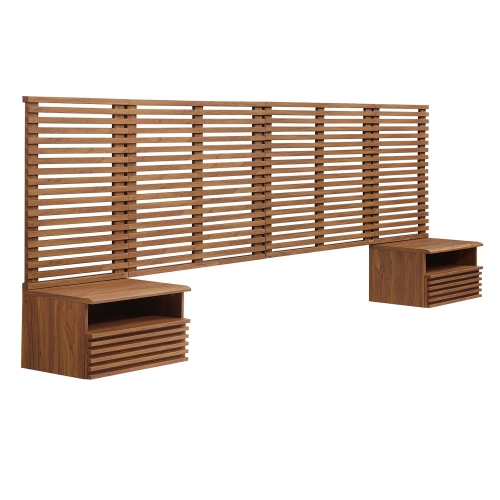
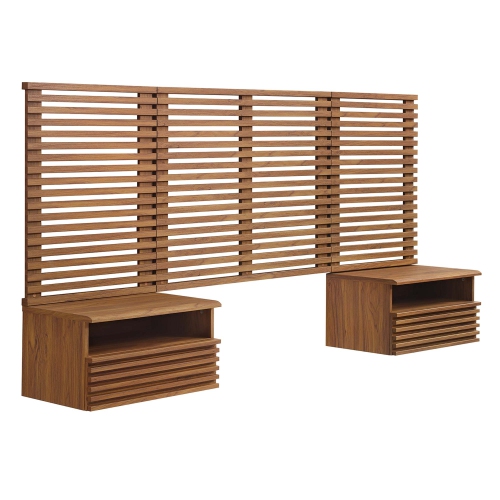
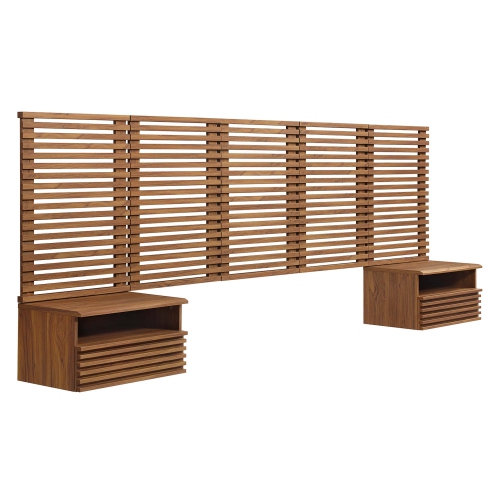
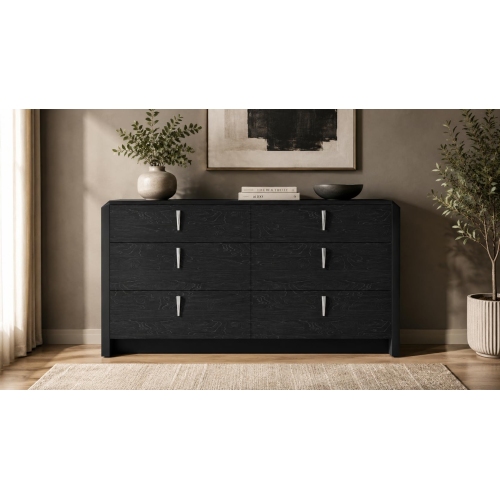
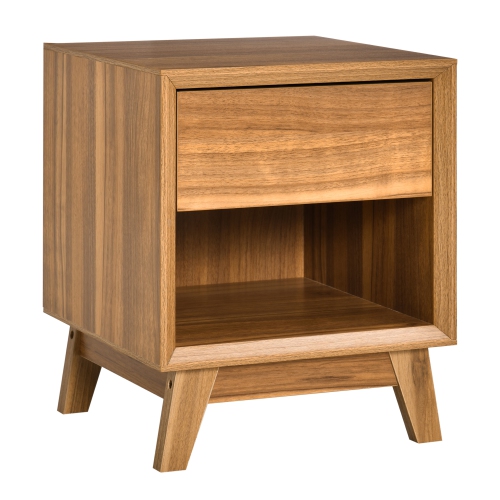
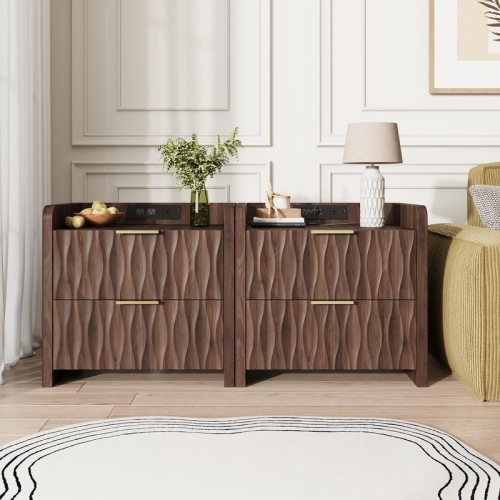
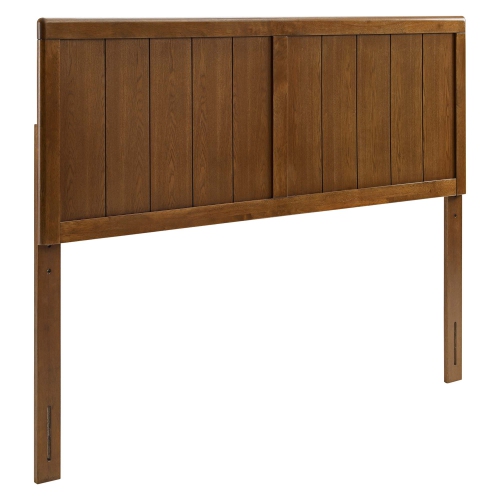
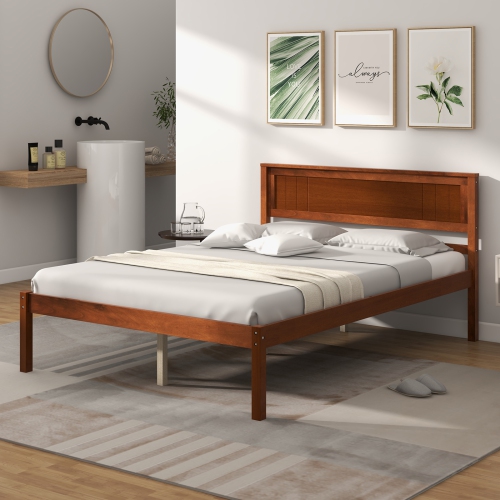
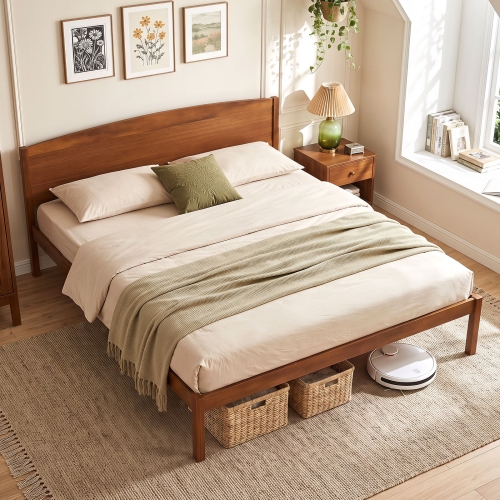
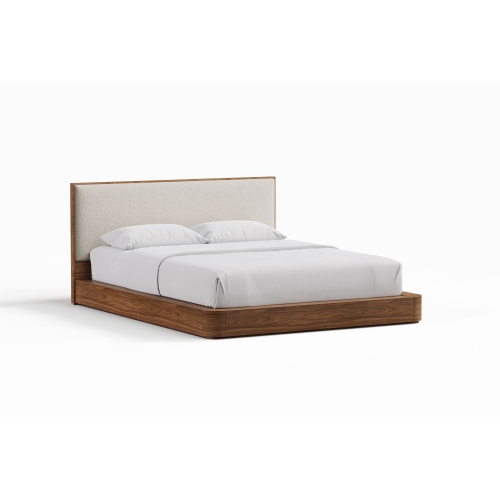
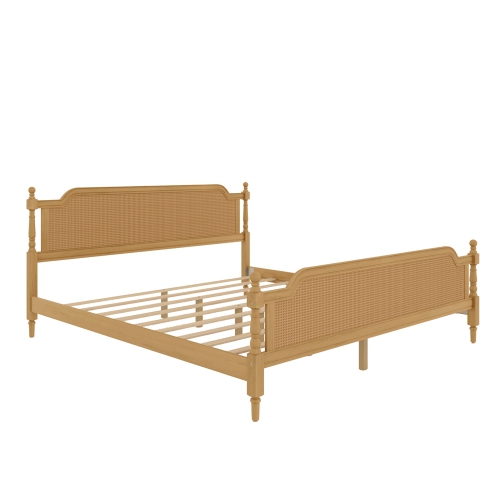
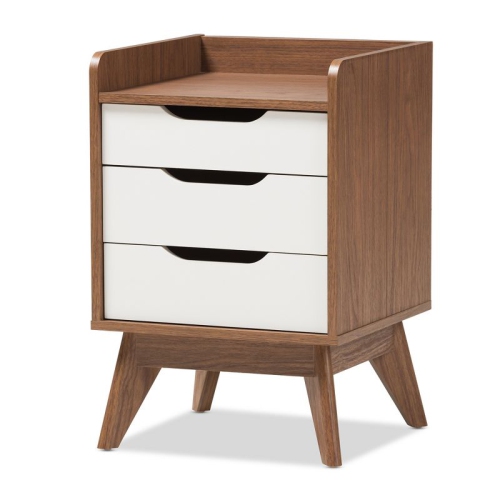
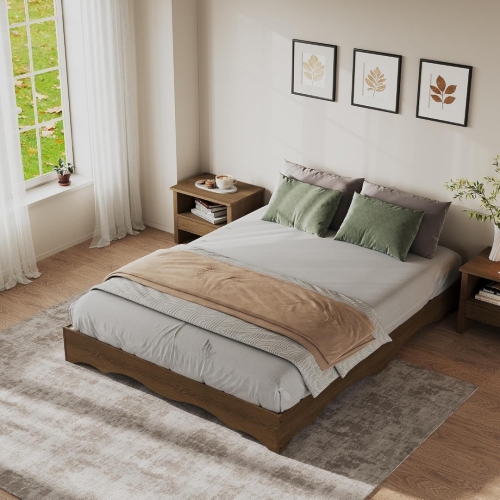
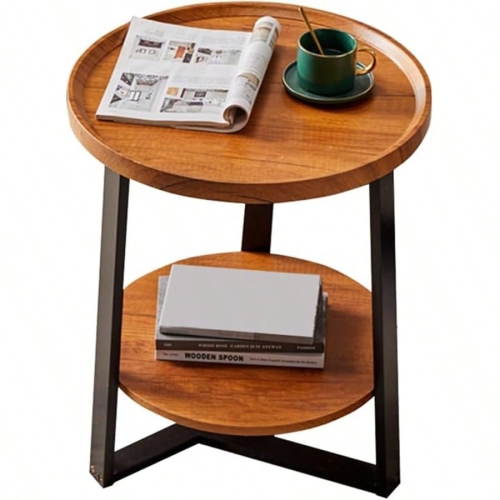
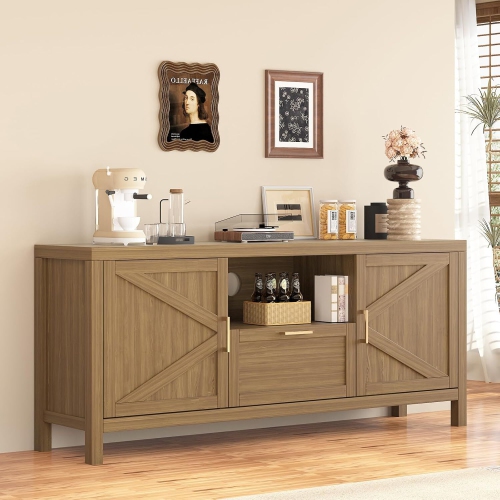
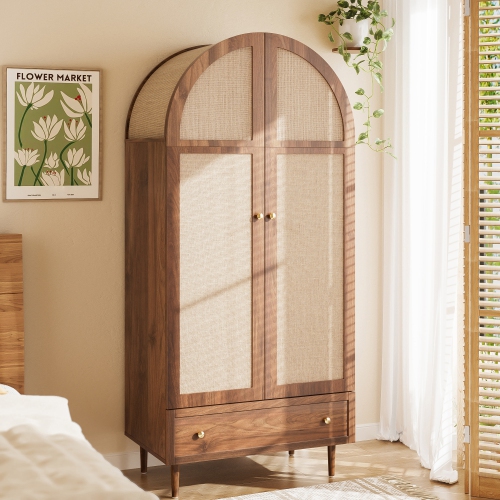
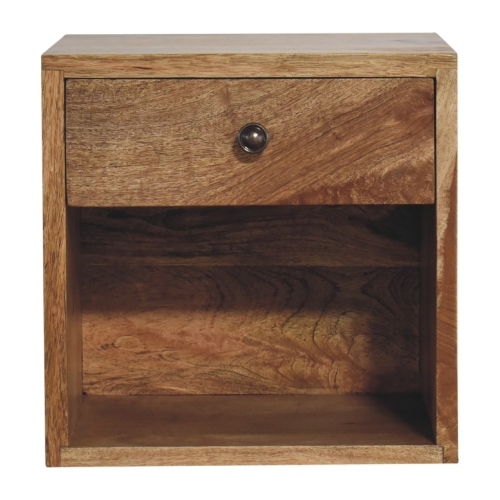
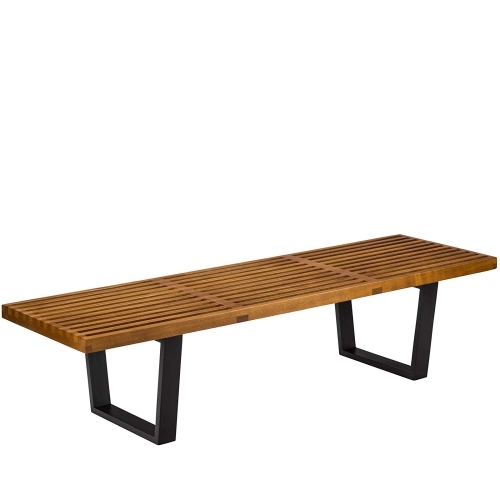
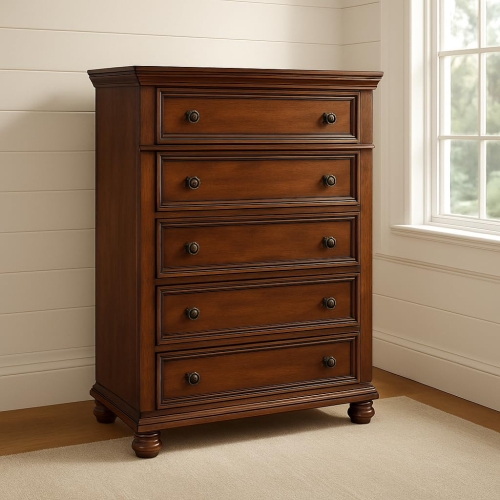
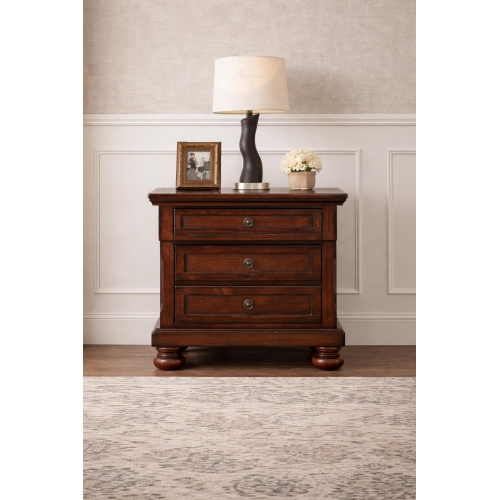
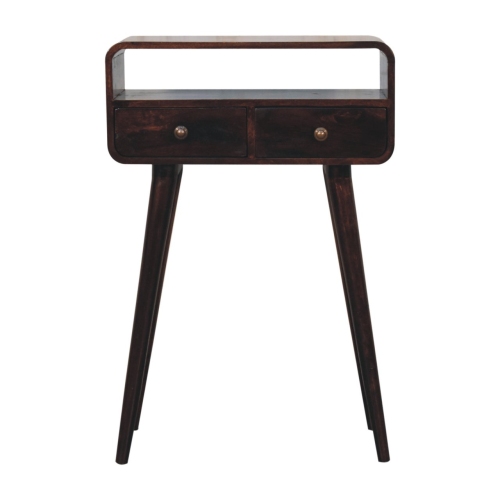
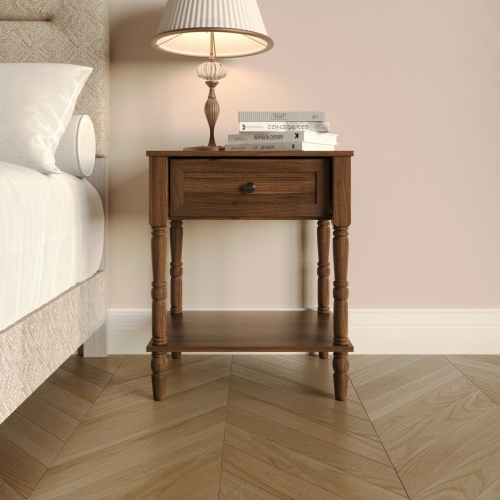
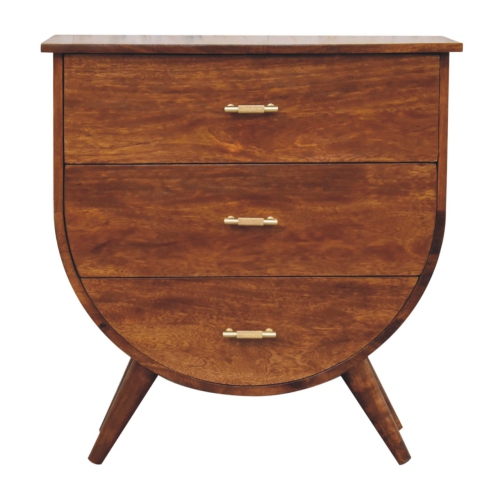
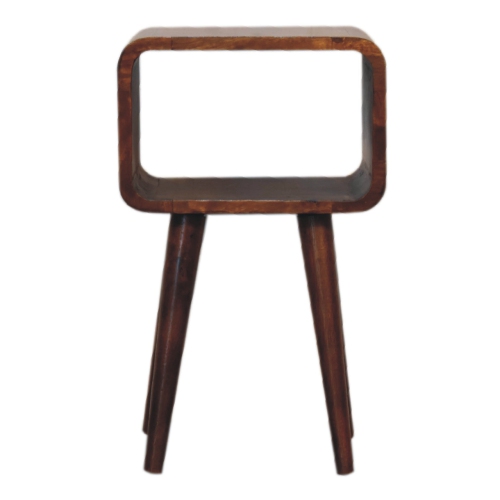
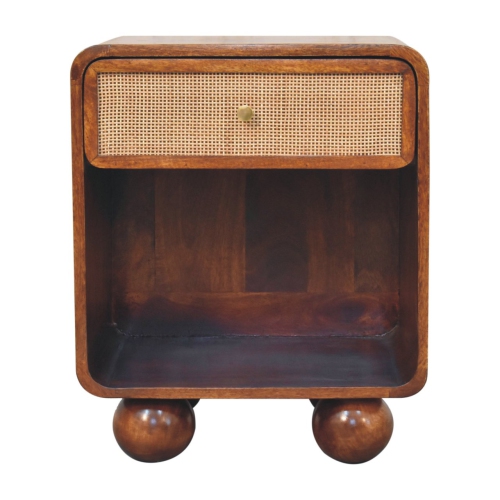
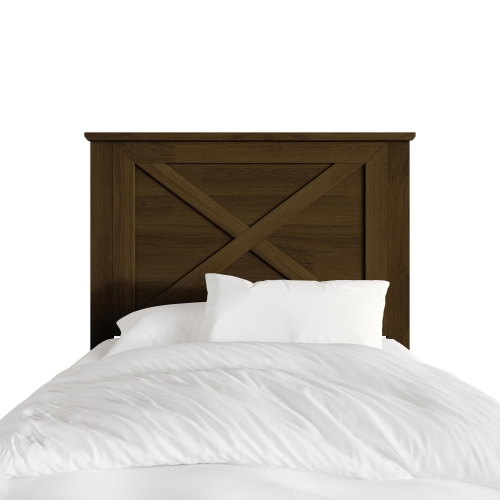
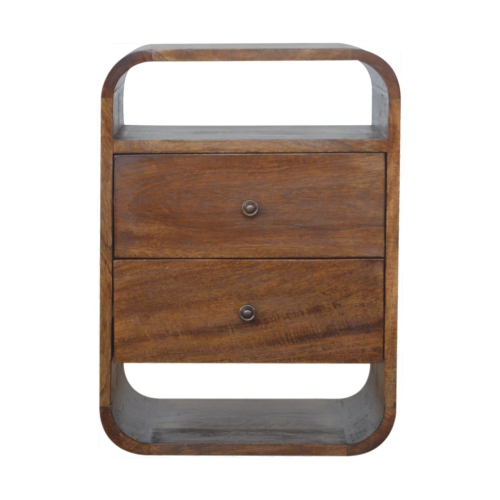
Walnut bedroom furniture combines rich brown colouring with wood-grain patterns that give beds, nightstands, dressers, and chests a distinctive presence. The look can range from lighter brown with golden undertones to deep chocolate shades, sometimes with darker streaks or contrasting areas of lighter wood. These variations help explain why two walnut pieces may complement each other without looking identical. Material descriptions matter: solid walnut furniture uses walnut wood for the components identified in its specifications, while walnut veneer places a thin layer of real walnut over another material. A walnut finish describes an appearance and does not, on its own, establish that a piece contains walnut wood. Furniture with a walnut-look surface may instead use a printed or textured finish over an engineered wood core. Each construction has different characteristics, so the surface, internal structure, drawer components, and hardware all contribute to how a piece feels and performs. Solid walnut can develop character through everyday use, while real-wood veneer offers natural grain over a supporting core. Neither description alone determines the quality of an entire piece. In terms of style, walnut is closely associated with mid-century modern bedrooms, where tapered legs, low profiles, and simple drawer fronts allow the grain to stand out. It also suits contemporary spaces with flat panels and restrained detailing, as well as more traditional rooms with substantial bed frames and shaped edges. A coordinated bedroom set can establish a consistent visual foundation, but matching every piece is not essential. Similar undertones, compatible proportions, and repeated details can connect furniture with slightly different finishes. For a main bedroom, walnut can create a settled, inviting feel; in a guest room, a simple bed and useful bedside storage can make the space comfortable without overcrowding it. Its appeal lies as much in this flexibility as in its colour, making it suitable for a first apartment, an established home, or a bedroom shared by people with different decorating preferences.
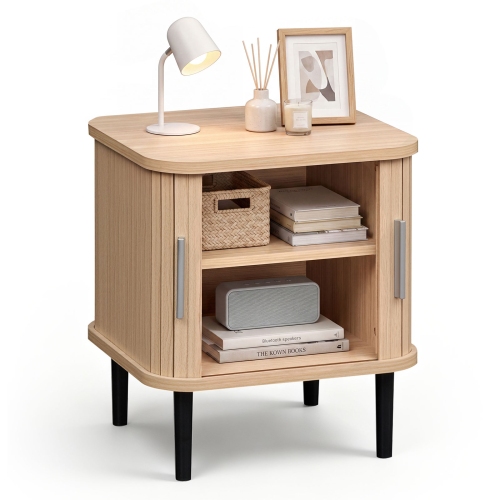
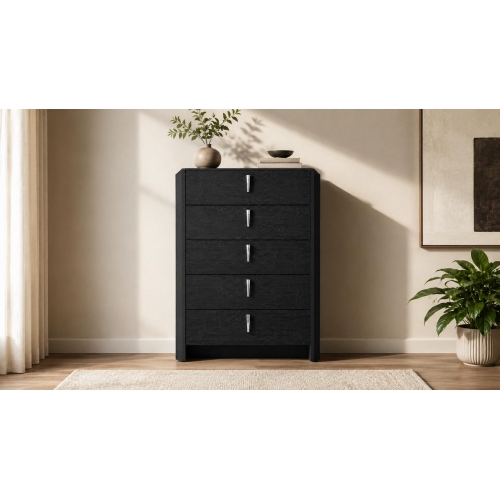
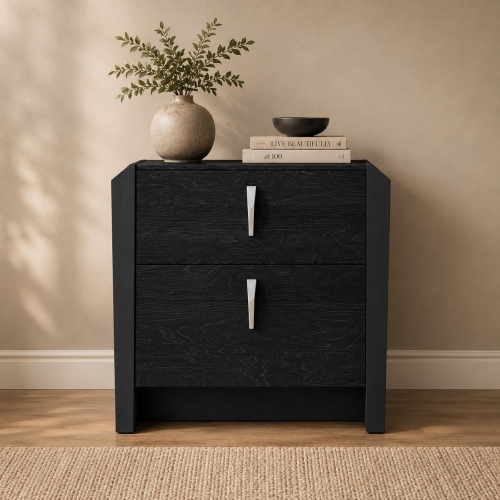
The most useful walnut bedroom furniture fits both the room and the routines that happen there. A bed frame needs enough space around it for comfortable movement, access to storage, and everyday tasks such as changing the sheets. The frame’s outside dimensions are especially important because a wide headboard, upholstered border, or projecting footboard can extend well beyond the mattress. Bed size labels alone do not account for those differences. Mattress compatibility also depends on the support system: slat spacing, centre supports, weight limits, and any requirement for a foundation should follow the manufacturer’s specifications. Storage beds can make good use of a compact bedroom, though drawers need clear floor space to open, and lift-up designs require access to the lifting mechanism. A low-profile frame may make a room feel more open, while a taller bed can be easier for some people to get into and out of; the combined height of the frame, foundation, and mattress determines the final sleeping surface. Nightstands work best when their tops are easy to reach from the mattress and large enough for the things kept close at hand. A reading lamp, glasses, and a glass of water need a practical surface, while a drawer can keep charging cables and small personal belongings tucked away. Dressers and chests offer different ways to organize clothing. Wider dressers spread storage across a longer wall and provide a useful top surface, while tall chests concentrate storage within a smaller footprint. Drawer interiors deserve attention because exterior dimensions do not reveal how much folded clothing will fit. Deeper drawers can accommodate bulky garments, while shallower compartments may be more convenient for smaller belongings. Smooth drawer movement, accessible handles, and clear opening space all affect daily use. Wall anchoring, where directed by the manufacturer, is an important part of installation, particularly in homes with children. Measuring doorways, stair turns, and the route into the bedroom also helps establish whether larger furniture can reach its intended position.
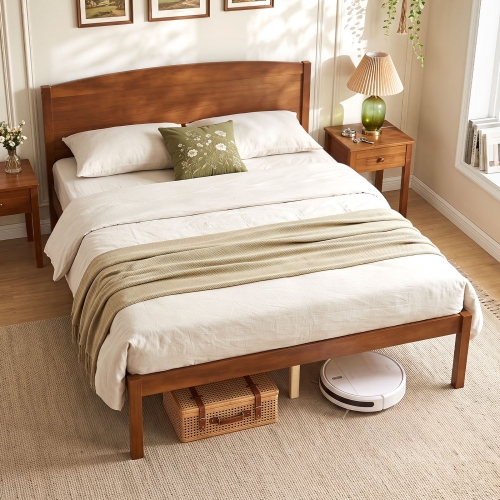
Walnut’s strong visual character works well with a range of bedroom finishes, provided the surrounding colours and textures give it room to stand out. Cream bedding, pale walls, and a softly textured rug create contrast around darker furniture, while muted blue, sage, or clay accents can introduce colour without competing with the grain. Black metal details sharpen the look, and brushed brass tones add a softer contrast. In a smaller room, raised legs and visible floor space can make substantial furniture appear less imposing. In a larger room, a broad headboard or a balanced pair of bedside tables can give the arrangement a clear centre. Mixing wood finishes is also possible: a walnut bed can sit comfortably beside lighter wood when the difference looks deliberate and another element, such as repeated hardware or coordinated textiles, connects the room. The broader selection of Wooden Bedroom Furniture provides context for comparing walnut’s darker grain with other wood appearances. Care depends on the actual material and finish rather than colour alone. Routine dusting with a soft cloth helps prevent grit from collecting on surfaces, and spills should be wiped promptly before moisture reaches joints or edges. Coasters beneath drinks and protective pads beneath lamps can reduce marks on bedside tables and dresser tops. Harsh cleaners, abrasive cloths, and unapproved polishes may damage a finish, so the manufacturer’s care directions take priority. Direct sunlight can alter wood colour over time, while nearby heat sources can affect wood and finishes. Solid wood may sometimes be repairable or refinishable, depending on its construction and coating; veneer requires particular care because its real-wood surface is thin. Durable everyday performance also depends on sound joints, suitable supports, and hardware that remains secure with use. With proportions suited to the room and storage suited to daily habits, walnut furniture can provide a consistent foundation even as bedding, lighting, and decorative accents change.
Top selling and popular products
-
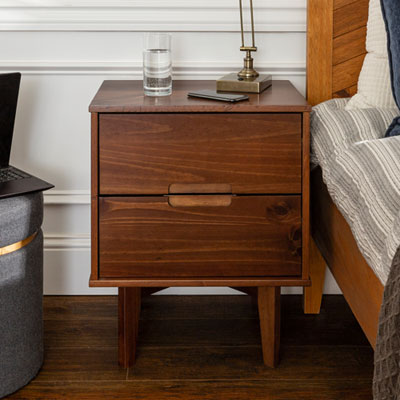 Your price for this item is $188.99
-
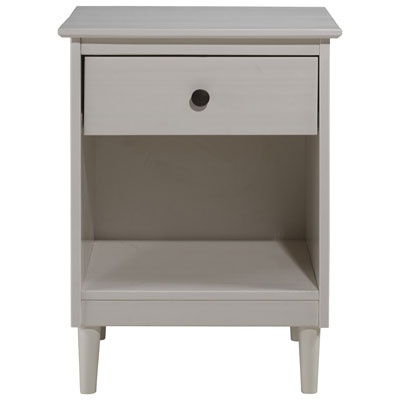 Your price for this item is $179.99
-
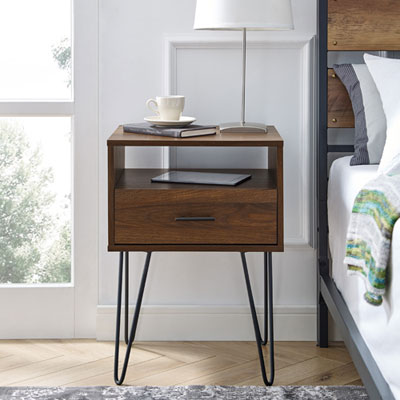 Your price for this item is $266.99
-
 Your price for this item is $266.99
-
 Your price for this item is $630.26
-
 Your price for this item is $352.58
-
 Your price for this item is $251.99
-
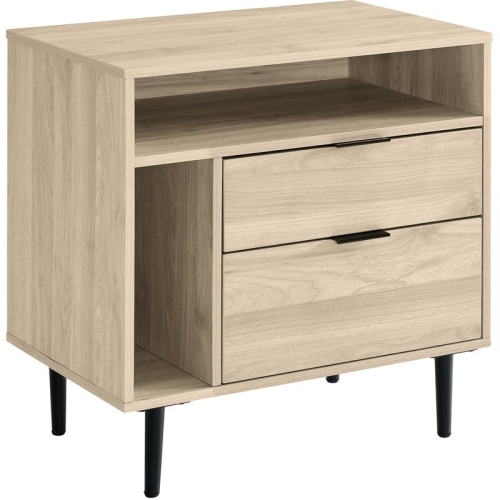 Your price for this item is $349
Discover more categories related to Walnut Bedroom Furniture

Top Collections:
Pokemon Centers, Best Budget Office Chairs, Kindle Devices, Best Cameras for Sports Photography, Pokémon 30th Celebration Cards, Best Laptops for Writers, Canon G7X Cameras, iPhone 15 Apple, Best Cell Phones Under $300, Apple iPhones 16
Some products may be subject to Environmental Handling Fees
(EHF) depending on your province.
Learn more about EHFs.