Water Absorbent Mats
Keep your floors dry and safe with this selection of water-absorbing mats. Whether you're looking for a solution to prevent slips and falls in high-traffic areas or simply need a reliable way to soak up moisture near entryways, our range of absorbent mats has you covered. From sleek designs that complement your home decor to heavy-duty options perfect for commercial spaces, these mats are designed to efficiently trap water and dirt, keeping your floors clean and dry.
Sort
Practical guidance for managing moisture throughout your home
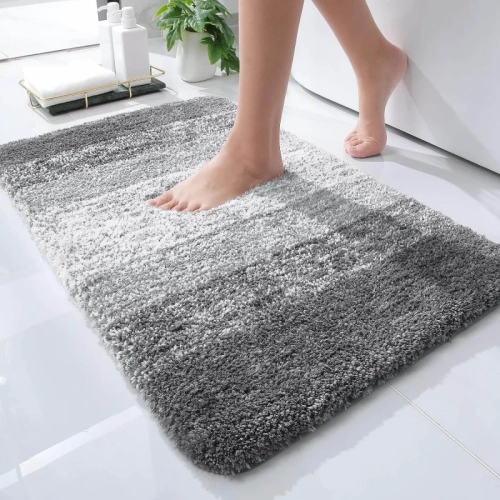
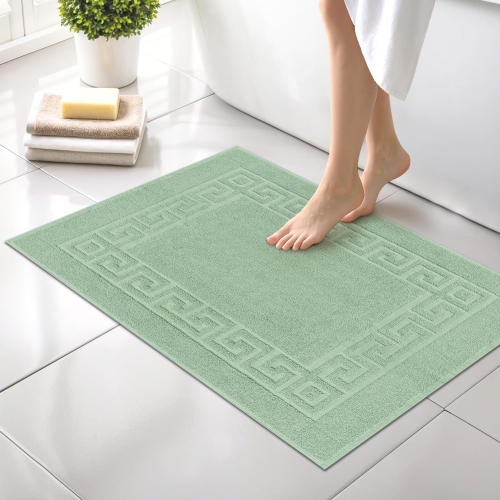
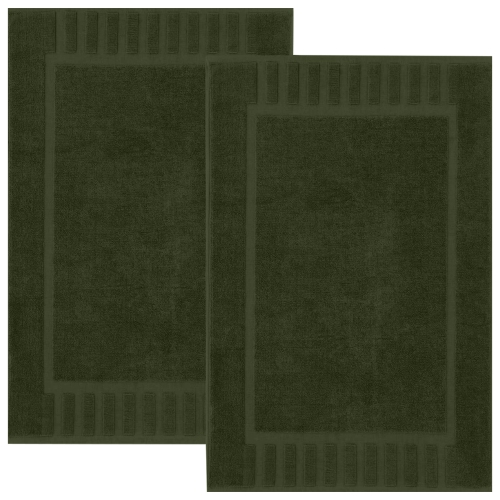
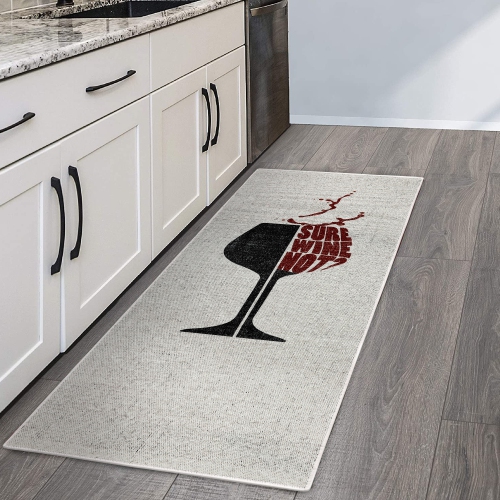
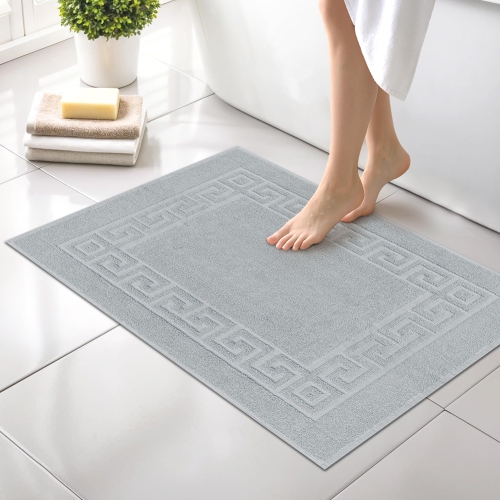
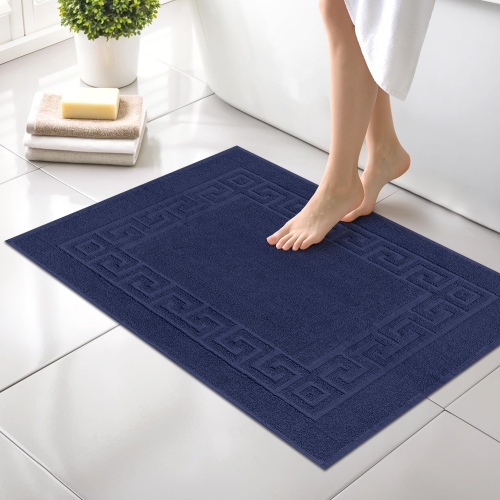
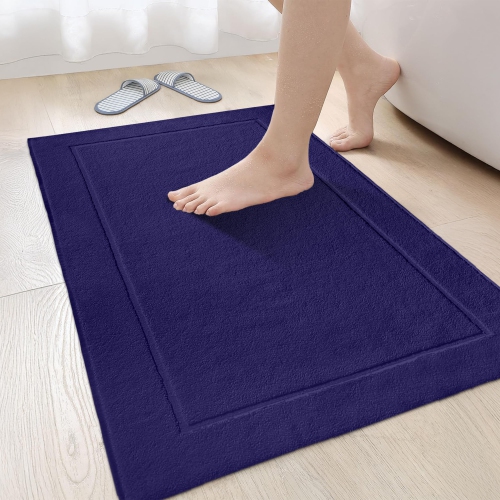
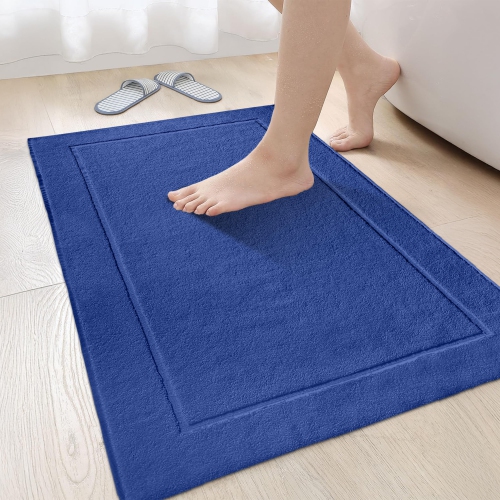
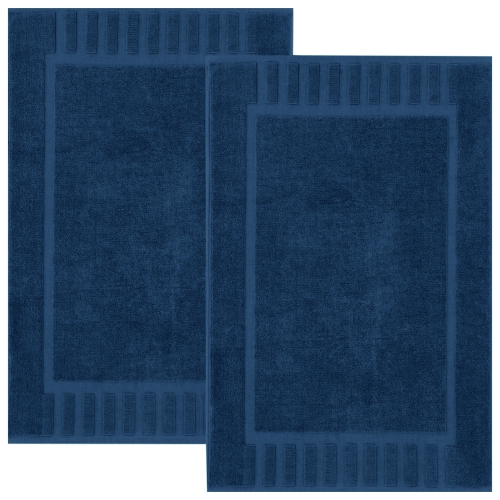
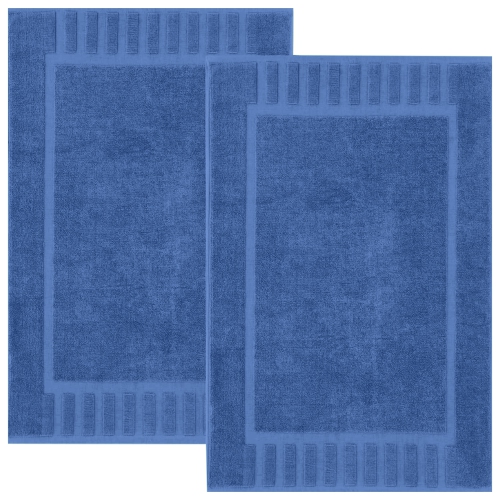
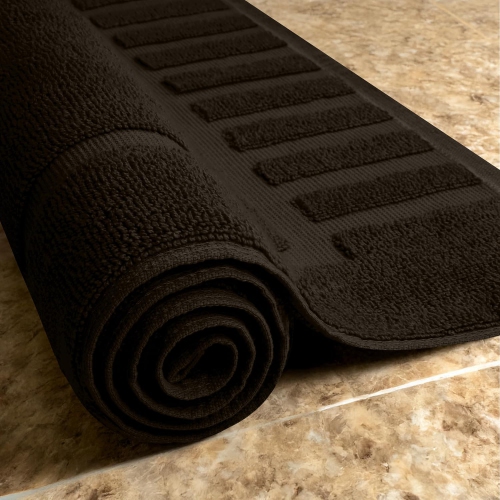
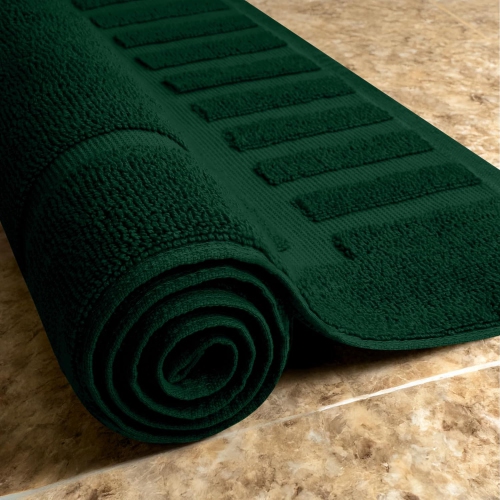
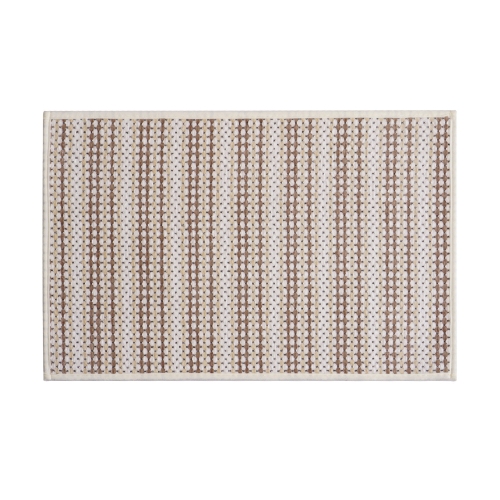
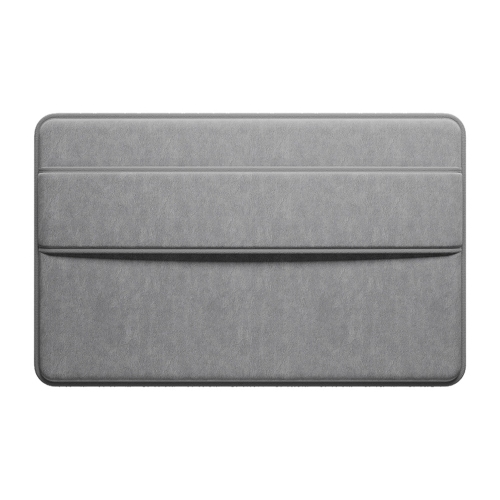
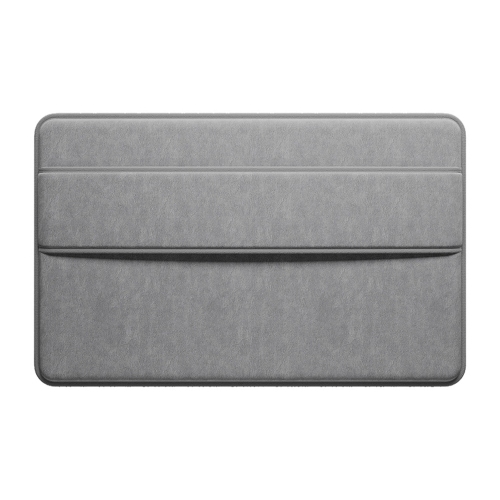
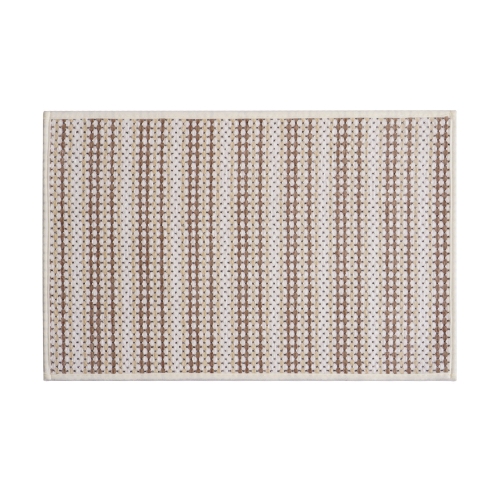
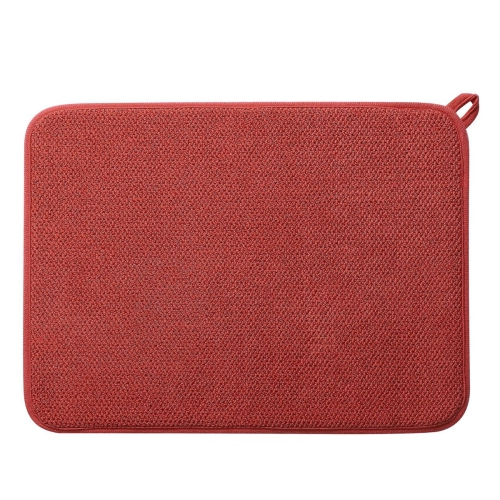
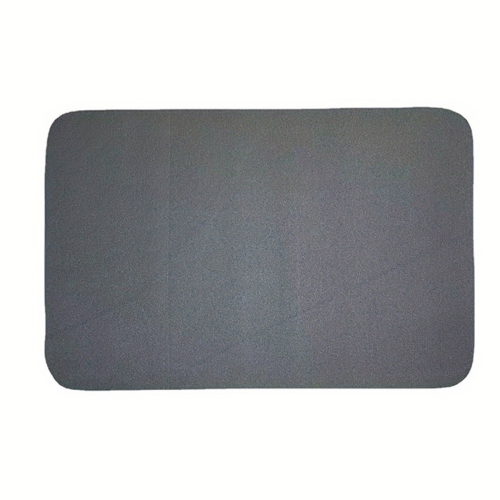
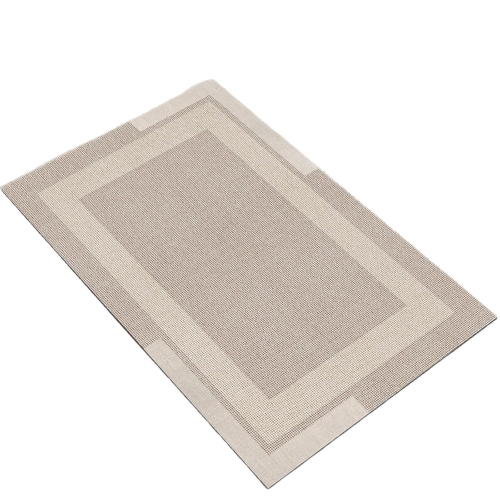
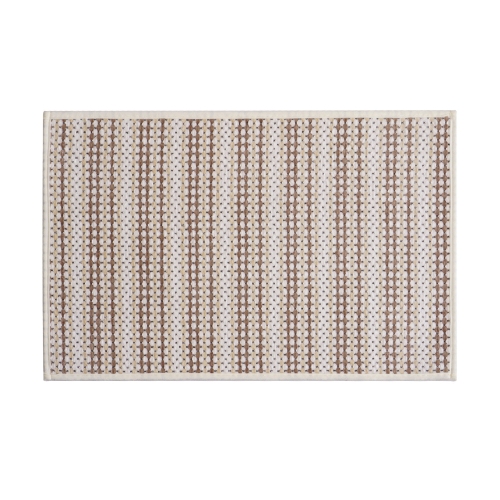
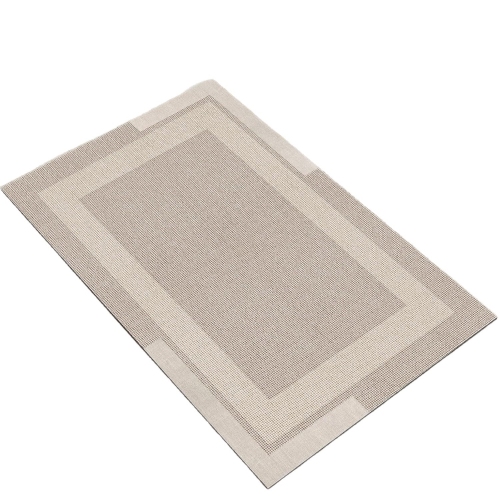
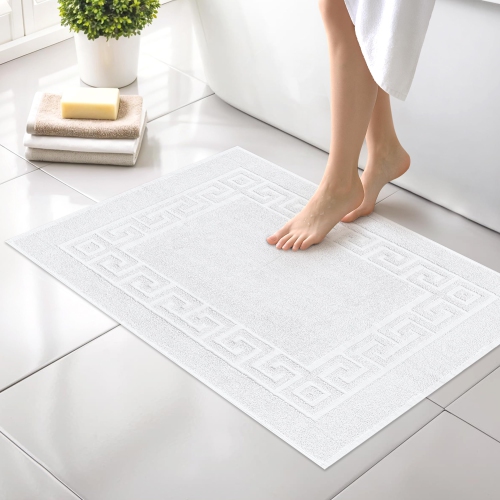
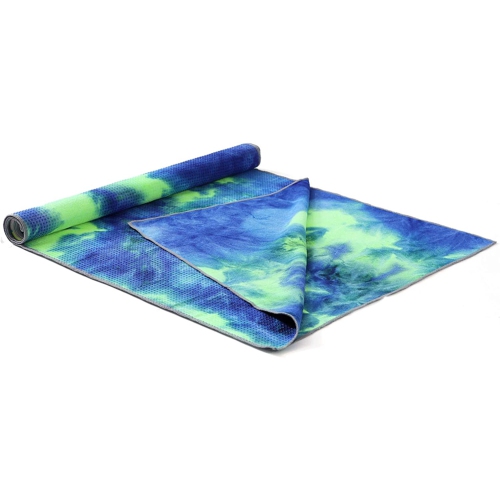
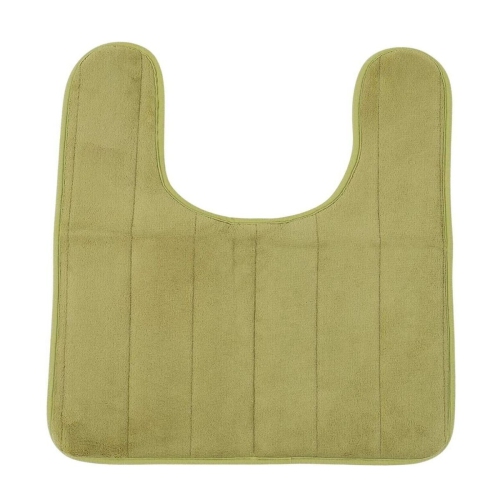
Water absorbent mats help manage moisture in the places where water tends to collect, from bathroom floors and shower exits to entryways, laundry areas, kitchens, garages, and spaces beneath plumbing fixtures. They are available in several materials and formats, so the right choice depends on the type of moisture involved and how the mat will be used. Soft fabric mats made with microfiber, chenille, cotton, or other absorbent fibres are well suited to everyday splashes, damp feet, and wet footwear. Their textured surfaces can draw water away from skin and shoe soles while adding a comfortable layer of cushioning underfoot. A chenille-style surface with raised, noodle-like fibres can hold moisture between the strands, while a flatter woven mat may be easier to place beneath a door or in a narrow hallway. Shoppers comparing Fabric Mats can also consider how the material, dimensions, and construction will work with the rest of the room. A bathroom mat should fit securely outside the tub or shower without extending into a walkway, and an entryway mat should be large enough to provide a few steps for wiping shoes. Look for a backing that helps limit movement on smooth floors, while still following the manufacturer’s guidance for use on tile, vinyl, laminate, hardwood, or other surfaces. Colour and pattern can be practical considerations as well: darker tones may make everyday marks less noticeable, while lighter shades can complement a bright bathroom or laundry space. For households with children, pets, older adults, or anyone who benefits from extra footing at the doorway, a well-positioned absorbent mat can make wet areas feel more manageable. These mats can also be thoughtful housewarming gifts, especially for someone moving into a new apartment, setting up a first home, or refreshing a guest bathroom. A useful size, comfortable texture, and easy-care fabric can make the gift feel personal without requiring knowledge of a recipient’s exact décor.
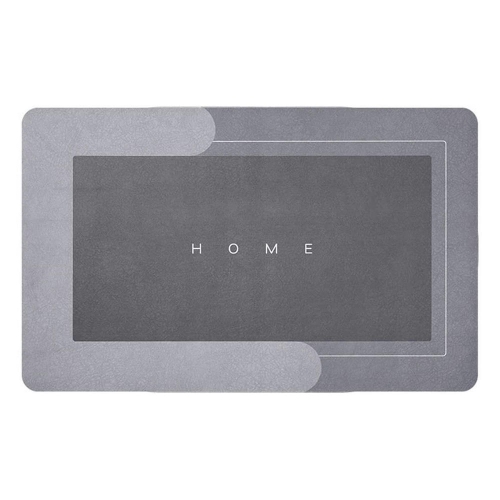
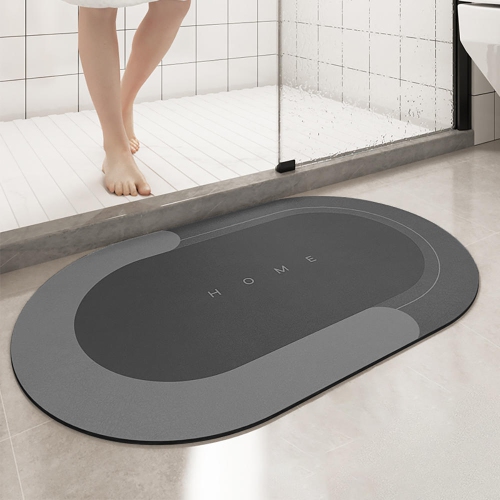
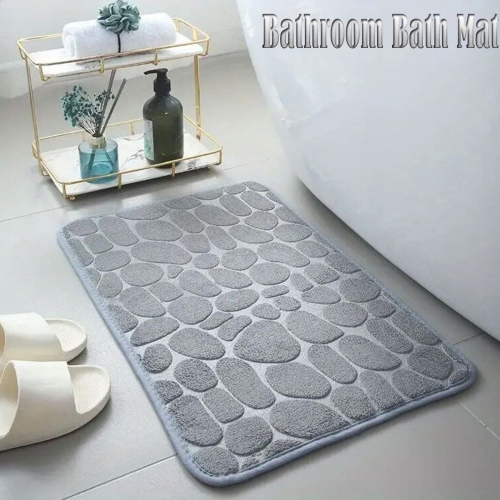
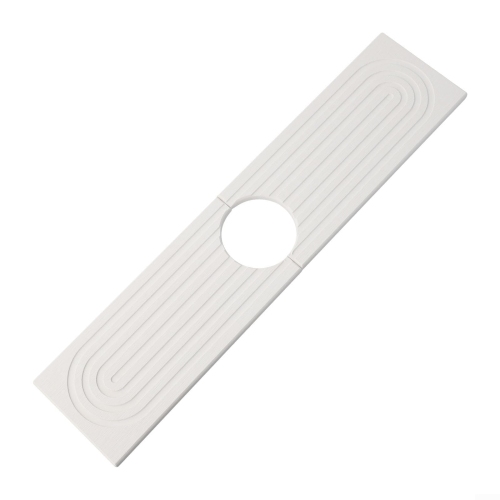
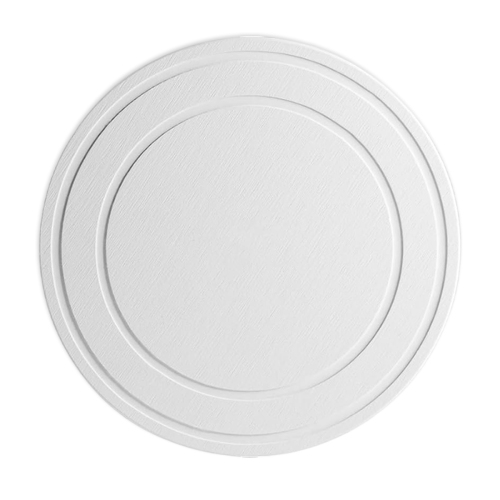
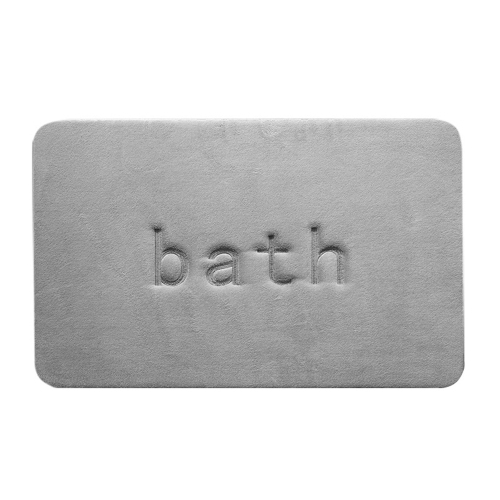
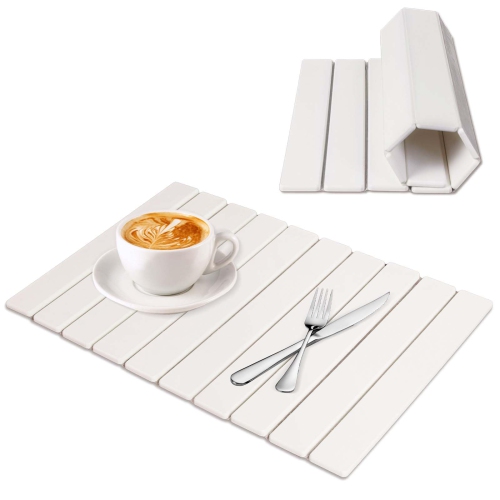
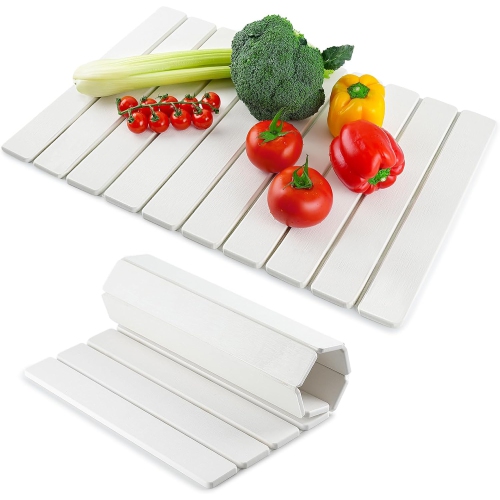
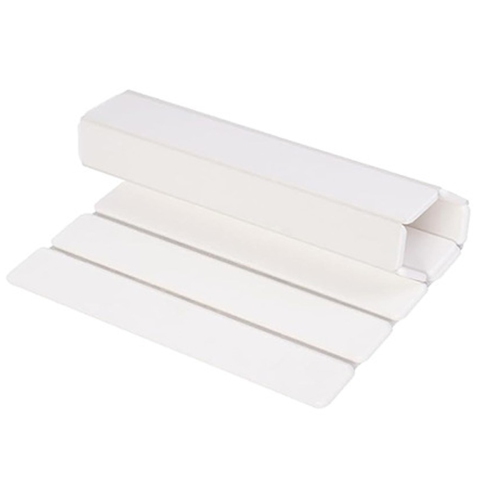
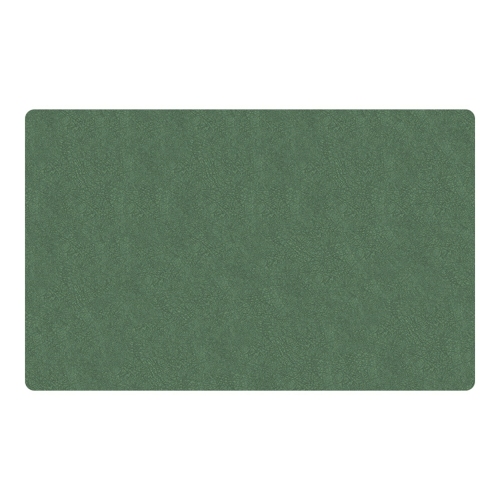
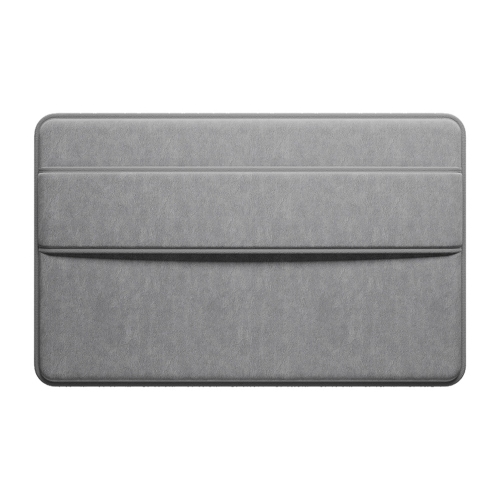
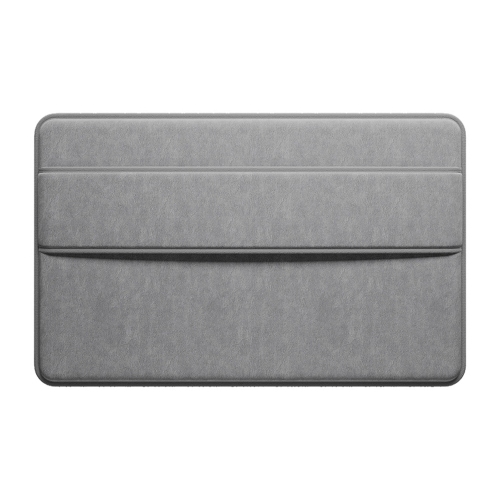
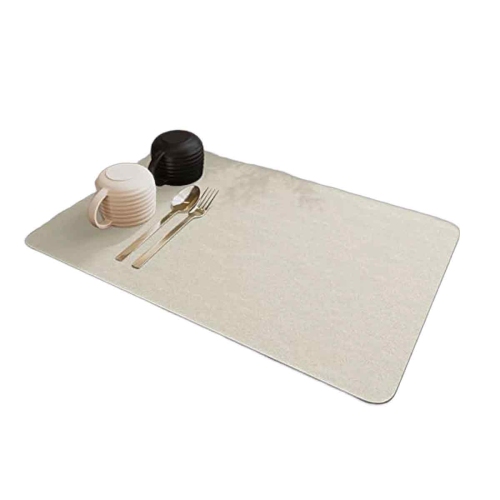
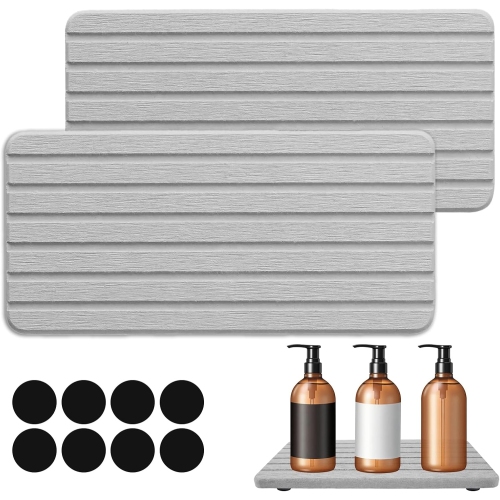
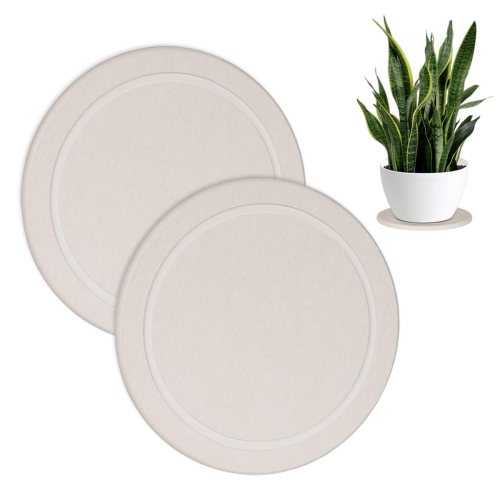
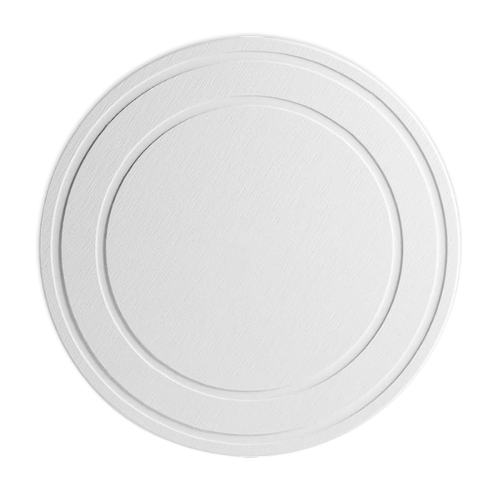
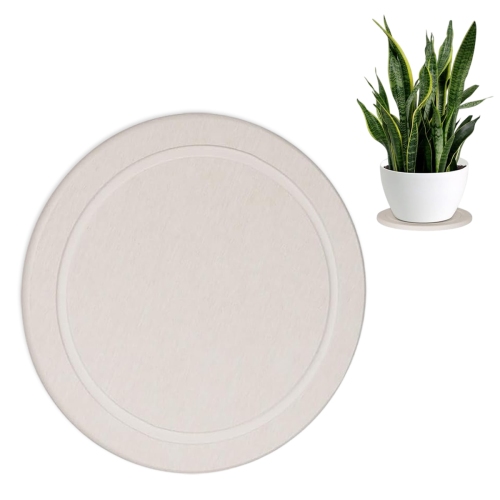
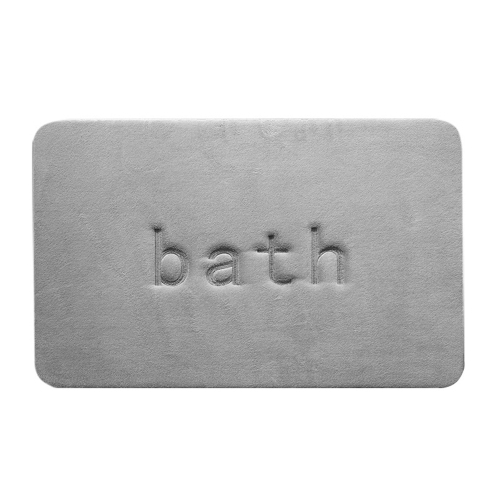
Hard-surface water absorbent mats offer a different experience from plush fabric styles. Diatomaceous earth mats, sometimes called stone mats, have a firm, mineral-based surface designed to draw moisture away from wet feet and allow it to evaporate across the mat. Their slim profile can suit bathrooms where a low edge is preferred, and their solid construction may appeal to shoppers who want a simple surface that does not feel like a traditional rug. Because these mats are rigid, it is important to place them on a level, stable floor and check the care instructions before cleaning or moving them. They are generally intended for light moisture from feet rather than large spills, standing water, or use as a substitute for a bath or shower floor. In contrast, absorbent leak-control pads are made for utility situations such as small plumbing drips, condensation beneath equipment, garage puddles, or an appliance overflow. Depending on the design, a pad may soak up liquid into an absorbent core, contain it within a barrier, or swell and form a gel-like material as it takes in water. Reusable pads can be suitable for recurring areas where moisture needs to be monitored and managed, while disposable styles may be convenient for a one-time incident or for keeping in a maintenance kit. Check the stated absorption capacity, dimensions, and recommended liquid types before choosing a leak pad, since a compact mat intended for a minor drip will not replace a drain pan, shut-off valve, or professional repair. For use beneath a sink or appliance, leave enough room to inspect the area and avoid covering warning signs that could indicate an ongoing leak. In a garage or mudroom, consider a mat with enough surface area to catch water and slush from footwear without creating a raised edge that could become a tripping hazard. During the cooler months, wet shoes and tracked-in precipitation can make entryways especially busy, so placing an absorbent mat just inside the main door and keeping a second one near a side entrance can help divide moisture-control duties throughout the home.
When choosing among water absorbent mats, start with the location, the volume of water, and the amount of maintenance you are prepared to handle. Measure the available floor space, including door clearance, and compare those measurements with the mat’s length and width. A mat that is too small may leave wet patches around its edges, while one that is too large can bunch, interfere with doors, or crowd a narrow walkway. Consider whether the mat will be washed, shaken out, wiped clean, air-dried, or replaced after use. Fabric mats may benefit from regular laundering and thorough drying to keep them fresh between uses; follow the label for water temperature, detergent, drying method, and any restrictions on bleach or fabric softener. A waterproof or slip-resistant backing can improve placement, but backing materials should not be assumed safe for every floor type. Check for moisture underneath the mat from time to time, particularly on wood, laminate, or other surfaces that should not remain damp. Stone-style mats may need occasional gentle surface care and a dry, level storage area when not in use. Leak pads should be checked after absorbing liquid and disposed of or dried according to their instructions rather than left unnoticed beneath a cabinet or machine. For any style, keep the mat lying flat, avoid folding rigid materials, and replace a mat if its surface, backing, or edges become damaged. Water absorbent mats are useful in homes, apartments, cottages, dorm rooms, offices, workshops, and pet-care areas because they address different everyday moisture challenges without taking up much space. A soft mat by the shower can provide a comfortable landing spot, a durable mat at the entrance can catch moisture from footwear, and a utility pad can offer an extra layer of protection while a minor leak is being addressed. Selecting the material and size for the actual task helps the mat perform as intended and keeps high-traffic areas more comfortable through changing weather.
Hard-surface water absorbent mats offer a different experience from plush fabric styles. Diatomaceous earth mats, sometimes called stone mats, have a firm, mineral-based surface designed to draw moisture away from wet feet and allow it to evaporate across the mat. Their slim profile can suit bathrooms where a low edge is preferred, and their solid construction may appeal to shoppers who want a simple surface that does not feel like a traditional rug. Because these mats are rigid, it is important to place them on a level, stable floor and check the care instructions before cleaning or moving them. They are generally intended for light moisture from feet rather than large spills, standing water, or use as a substitute for a bath or shower floor. In contrast, absorbent leak-control pads are made for utility situations such as small plumbing drips, condensation beneath equipment, garage puddles, or an appliance overflow. Depending on the design, a pad may soak up liquid into an absorbent core, contain it within a barrier, or swell and form a gel-like material as it takes in water. Reusable pads can be suitable for recurring areas where moisture needs to be monitored and managed, while disposable styles may be convenient for a one-time incident or for keeping in a maintenance kit. Check the stated absorption capacity, dimensions, and recommended liquid types before choosing a leak pad, since a compact mat intended for a minor drip will not replace a drain pan, shut-off valve, or professional repair. For use beneath a sink or appliance, leave enough room to inspect the area and avoid covering warning signs that could indicate an ongoing leak. In a garage or mudroom, consider a mat with enough surface area to catch water and slush from footwear without creating a raised edge that could become a tripping hazard. During the cooler months, wet shoes and tracked-in precipitation can make entryways especially busy, so placing an absorbent mat just inside the main door and keeping a second one near a side entrance can help divide moisture-control duties throughout the home.
When choosing among water absorbent mats, start with the location, the volume of water, and the amount of maintenance you are prepared to handle. Measure the available floor space, including door clearance, and compare those measurements with the mat’s length and width. A mat that is too small may leave wet patches around its edges, while one that is too large can bunch, interfere with doors, or crowd a narrow walkway. Consider whether the mat will be washed, shaken out, wiped clean, air-dried, or replaced after use. Fabric mats may benefit from regular laundering and thorough drying to keep them fresh between uses; follow the label for water temperature, detergent, drying method, and any restrictions on bleach or fabric softener. A waterproof or slip-resistant backing can improve placement, but backing materials should not be assumed safe for every floor type. Check for moisture underneath the mat from time to time, particularly on wood, laminate, or other surfaces that should not remain damp. Stone-style mats may need occasional gentle surface care and a dry, level storage area when not in use. Leak pads should be checked after absorbing liquid and disposed of or dried according to their instructions rather than left unnoticed beneath a cabinet or machine. For any style, keep the mat lying flat, avoid folding rigid materials, and replace a mat if its surface, backing, or edges become damaged. Water absorbent mats are useful in homes, apartments, cottages, dorm rooms, offices, workshops, and pet-care areas because they address different everyday moisture challenges without taking up much space. A soft mat by the shower can provide a comfortable landing spot, a durable mat at the entrance can catch moisture from footwear, and a utility pad can offer an extra layer of protection while a minor leak is being addressed. Selecting the material and size for the actual task helps the mat perform as intended and keeps high-traffic areas more comfortable through changing weather.
Top selling and popular products
-
 Your price for this item is $109.31
 -
 Your price for this item is $200.83
 -
 Your price for this item is $90
 -
 Your price for this item is $100
 -
 Your price for this item is $100
 -
 Your price for this item is $426.55
 -
 Your price for this item is $300
 -
 Your price for this item is $120
Discover more categories related to Water Absorbent Mats

Top Collections:
Pokemon Centers, Kindle Devices, Best Budget Office Chairs, Apple iPhones 16, Best Laptops for Writers, iPhone 15 Apple, Canon G7X Cameras, Refurbished Apple Laptops, Alarm Clock, Motorola Razr Phones
Some products may be subject to Environmental Handling Fees
(EHF) depending on your province.
Learn more about EHFs.