Water Fountains for Front Yards
Water Fountains for Front Yards bring a touch of elegance and tranquility to any outdoor space, creating a captivating focal point that enhances curb appeal. Whether you’re looking to add a soothing ambiance or elevate your home’s exterior design, these decorative features offer a variety of styles to complement every taste. Explore options that transform your front yard into an inviting retreat, making a lasting impression on guests and passersby alike.
Sort


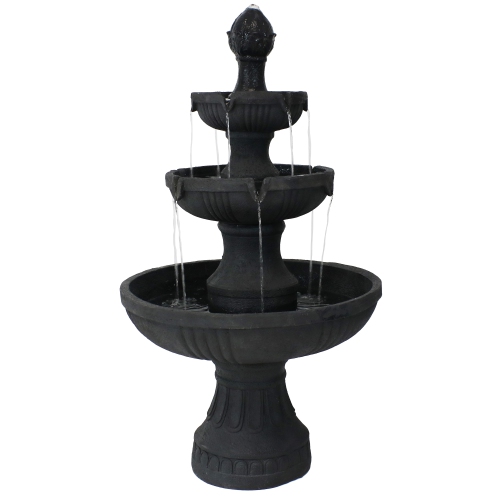
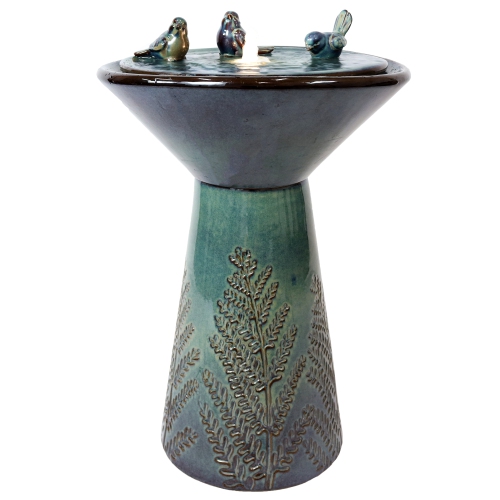
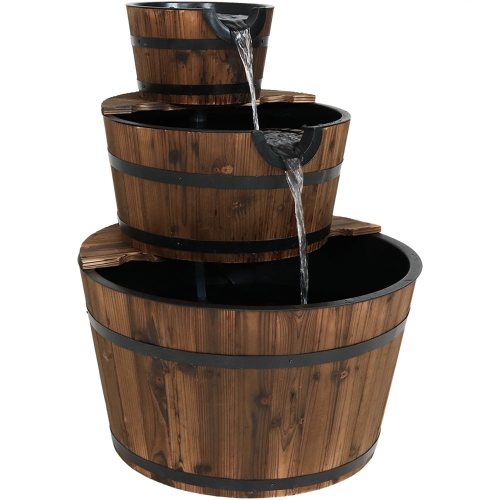
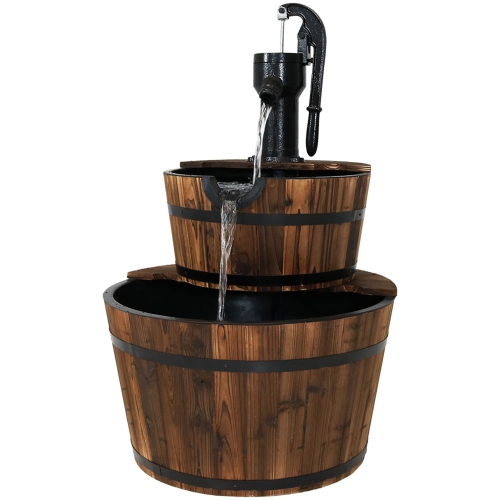
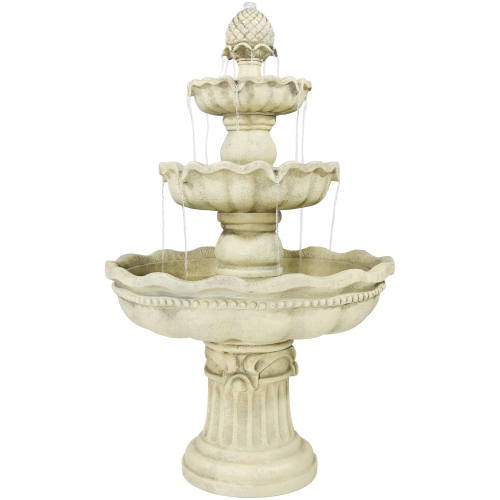
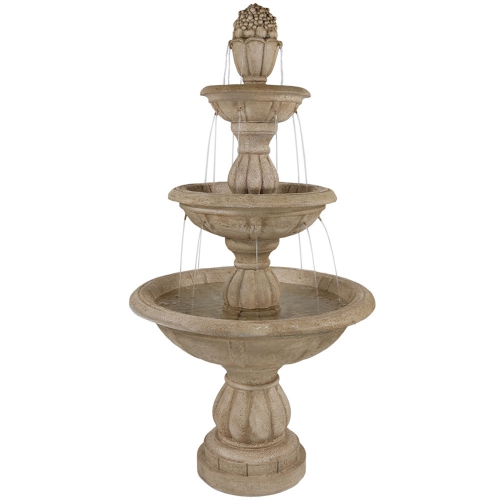
A fountain’s fit matters as much as its style
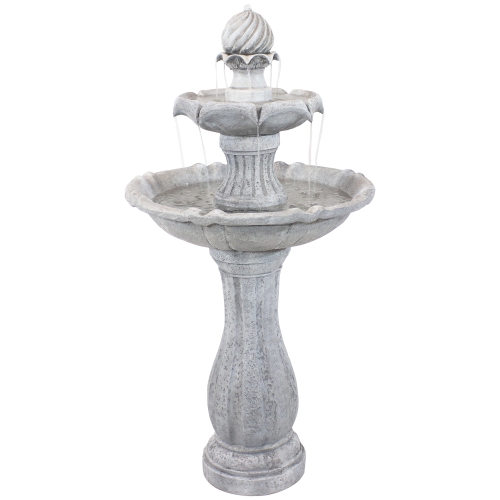
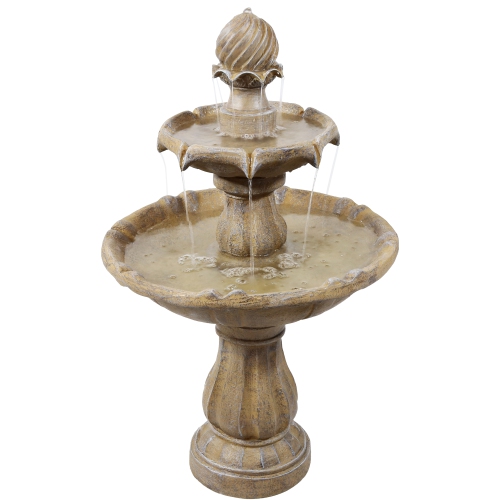
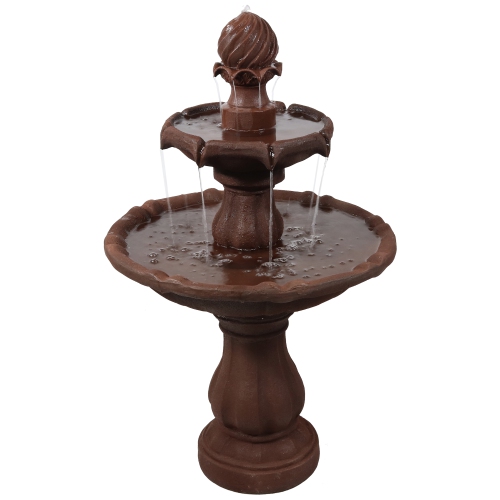
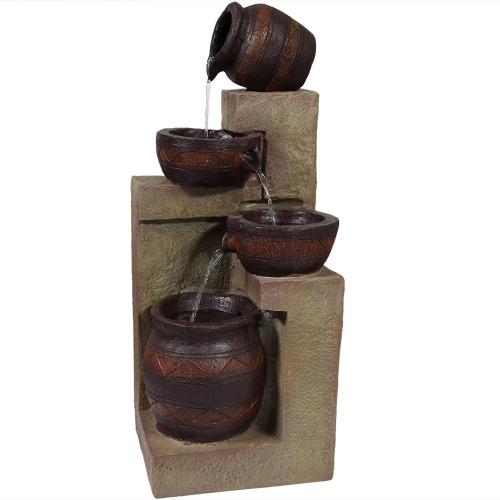
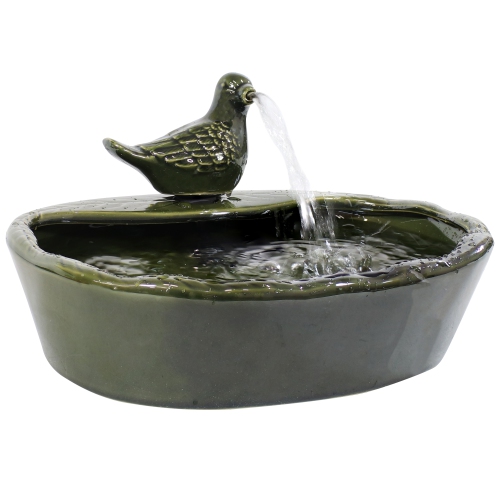
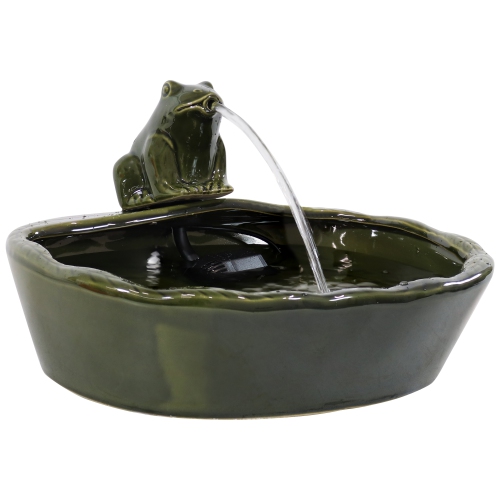
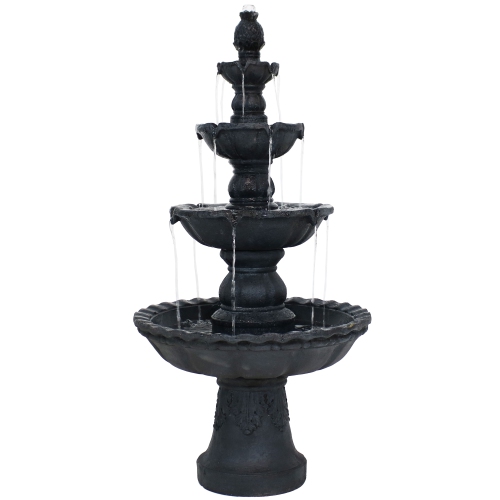
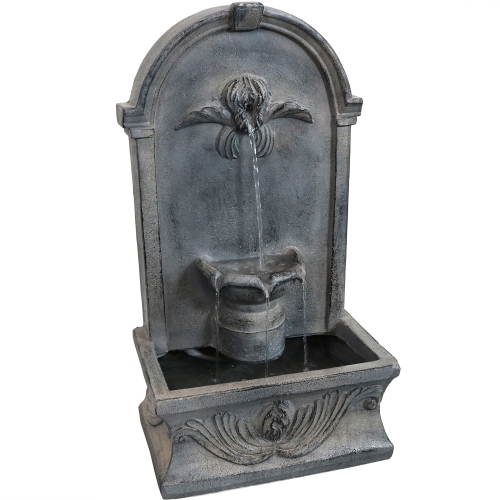
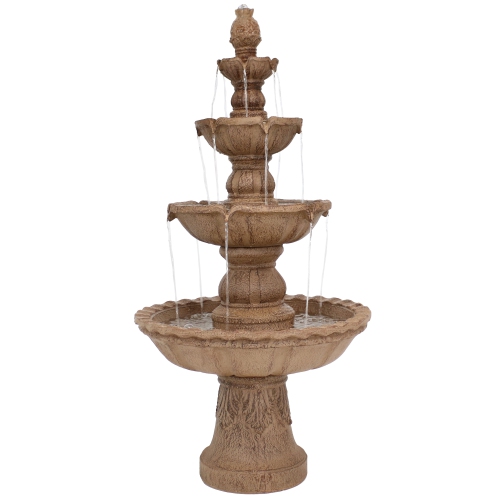
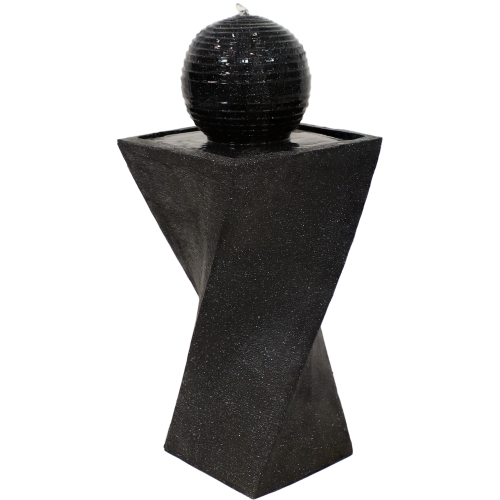
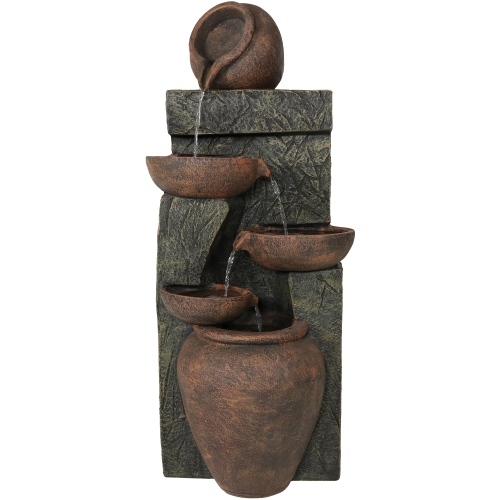
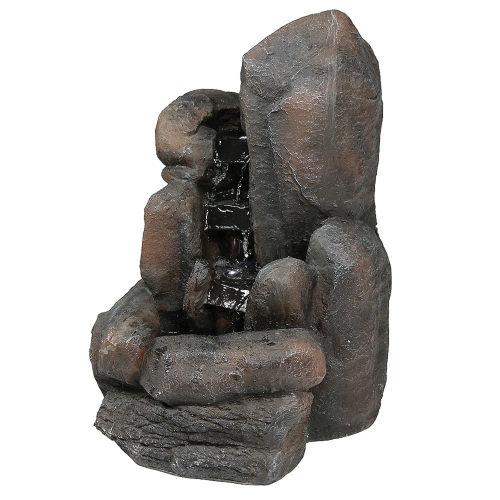
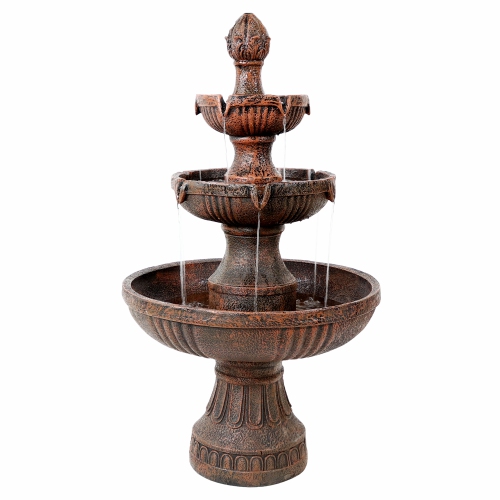
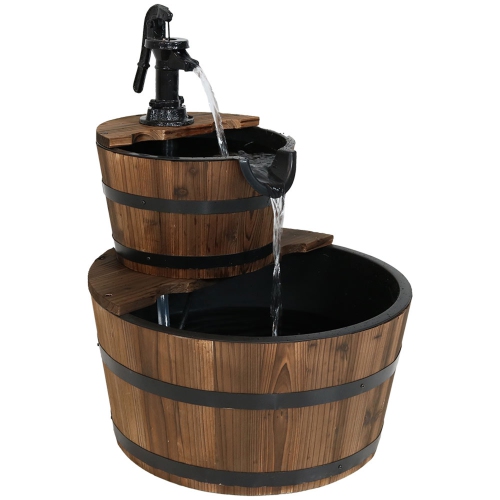
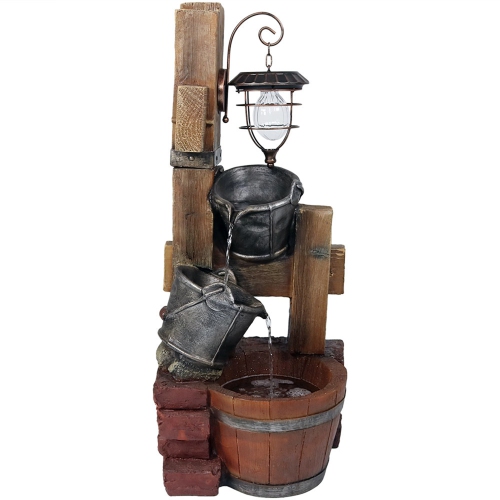
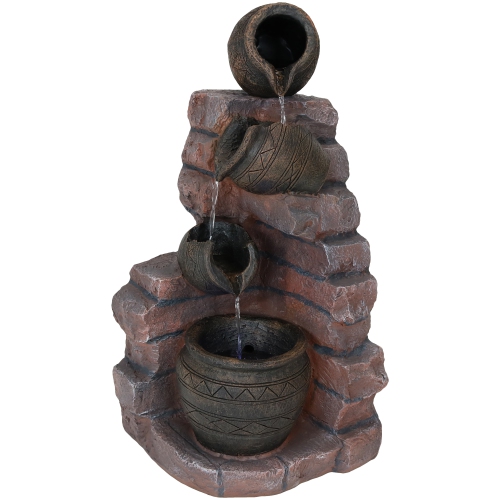
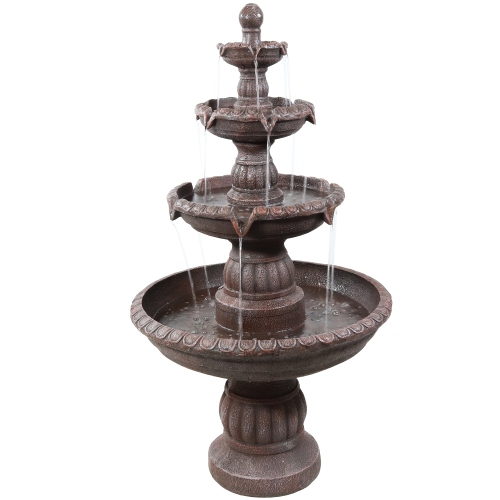
Water fountains for front yards add movement, sound, and a distinct focal point to the space between the street and the front door. Their role can be as simple as bringing a quiet trickle to a planted corner or as prominent as anchoring a broad entry courtyard. Tiered pedestal fountains have a traditional profile, with water passing from one bowl to the next, while rock-style and waterfall fountains create a less formal effect beside shrubs, gravel, and winding paths. Modern designs often use columns, spheres, or clean rectangular forms that complement straight walkways and contemporary architecture. Wall fountains suit narrow spaces where a freestanding basin would interrupt the route to the door, although their mounting requirements need to match the supporting surface. A disappearing or pondless fountain directs water into a concealed reservoir beneath a grate or stone covering, leaving little or no exposed pool at ground level. These designs still require secure installation and access to the pump for maintenance. The best fit depends as much on the layout of the entrance as on the fountain’s appearance. A tall, narrow feature may sit comfortably beside a wide porch, while a lower, broader shape can suit an open planting bed without obscuring the house number or views along the driveway. Dimensions should account for the full basin, any projecting bowls, and space around the feature for splashes and cleaning. A fountain beside the front steps should leave enough room for visitors, deliveries, mobility aids, and everyday foot traffic. Its sound matters, too: a gentle spill over a smooth surface produces a different effect from water dropping between several open bowls. Flow rate, drop height, basin shape, and nearby walls all influence what carries towards the door or neighbouring homes. For a seating nook near the entrance, a soft trickle can provide a pleasant backdrop without competing with conversation.
Materials influence a front yard fountain’s appearance, weight, and care requirements. Cast stone and concrete can provide substantial weight and textured detail, making them well suited to a permanent focal point where the base can support the load. Natural stone brings variation in colour and pattern, so its character is often part of the appeal rather than something to match perfectly across every surface. Resin and fibreglass designs can reproduce the look of carved stone, stacked rock, or pottery at a lower weight, which may simplify positioning and handling. Their durability depends on the construction, finish, and intended outdoor use, not simply the material name. Metal fountains range from crisp, polished forms to finishes designed to develop a patina; coatings, joints, and the particular metal all affect how the surface ages. Ceramic designs introduce glazed colour and a handcrafted look, but require careful handling to avoid chips or cracks. Across materials, a level, stable base helps prevent rocking and keeps water flowing where it should. Larger or heavier fountains may need a prepared pad rather than loose soil, and the stated filled weight is more useful for planning than the empty weight alone. Self-contained fountains typically recirculate water from a basin through a pump, so many do not need a permanent water-supply connection. They still need refilling to replace water lost through evaporation and splashing. Plug-in electric pumps need a suitable outdoor power source, with cords routed away from walkways and connected according to the manufacturer’s directions and applicable electrical requirements. Solar-powered pumps offer another option, but performance depends on light exposure, panel placement, and whether the system includes battery storage. Adjustable flow can help tailor the sound and reduce overspray, provided the pump remains within its recommended operating range. Built-in lighting can highlight the moving water and the fountain’s shape, although it should complement rather than replace lighting that makes steps and pathways easy to see.
Day-to-day enjoyment often comes down to how easy the fountain is to reach and maintain. A pump tucked behind a removable panel is generally easier to inspect than one buried beneath an arrangement that must be dismantled, and a reachable basin makes routine wiping and refilling less awkward. Leaves, flower petals, and fine debris can collect around intake screens, particularly when a fountain sits directly beneath a tree or beside dense planting. Keeping that material clear helps maintain circulation, while checking the water level protects a pump that needs to remain submerged. Mineral deposits may develop around spillways and basin edges, especially where the water has a high mineral content. Cleaning methods should suit the fountain’s finish: abrasive tools or unsuitable cleaners can damage coatings, glazes, and stone surfaces. Any water treatment should be specifically appropriate for the fountain, with additional care wherever pets or wildlife might drink from it. Decorative fountain water is not intended as drinking water, and an open basin should not be treated as a play feature for children or animals. A concealed reservoir can reduce access to standing water, but does not remove the need for a secure cover, stable components, and supervision. For households that use the front porch regularly, keeping splashes away from seating and walking surfaces can make the feature easier to live with. For someone who enjoys arranging planters or refreshing an entryway, a manageable self-contained fountain can also make a thoughtful housewarming gift, provided its size, power needs, and upkeep suit the recipient’s home. More expansive outdoor layouts may call for a different scale; large backyard water fountains offer a related direction for spaces beyond the entrance. In a front yard, however, bigger is not automatically better. A well-proportioned fountain that leaves the doorway visible, fits the surrounding planting, and remains accessible for care can feel like a natural part of the property rather than an obstacle added to it. Matching the form and maintenance needs to the way the entrance is used gives the feature lasting practical value alongside its visual appeal.
Materials influence a front yard fountain’s appearance, weight, and care requirements. Cast stone and concrete can provide substantial weight and textured detail, making them well suited to a permanent focal point where the base can support the load. Natural stone brings variation in colour and pattern, so its character is often part of the appeal rather than something to match perfectly across every surface. Resin and fibreglass designs can reproduce the look of carved stone, stacked rock, or pottery at a lower weight, which may simplify positioning and handling. Their durability depends on the construction, finish, and intended outdoor use, not simply the material name. Metal fountains range from crisp, polished forms to finishes designed to develop a patina; coatings, joints, and the particular metal all affect how the surface ages. Ceramic designs introduce glazed colour and a handcrafted look, but require careful handling to avoid chips or cracks. Across materials, a level, stable base helps prevent rocking and keeps water flowing where it should. Larger or heavier fountains may need a prepared pad rather than loose soil, and the stated filled weight is more useful for planning than the empty weight alone. Self-contained fountains typically recirculate water from a basin through a pump, so many do not need a permanent water-supply connection. They still need refilling to replace water lost through evaporation and splashing. Plug-in electric pumps need a suitable outdoor power source, with cords routed away from walkways and connected according to the manufacturer’s directions and applicable electrical requirements. Solar-powered pumps offer another option, but performance depends on light exposure, panel placement, and whether the system includes battery storage. Adjustable flow can help tailor the sound and reduce overspray, provided the pump remains within its recommended operating range. Built-in lighting can highlight the moving water and the fountain’s shape, although it should complement rather than replace lighting that makes steps and pathways easy to see.
Day-to-day enjoyment often comes down to how easy the fountain is to reach and maintain. A pump tucked behind a removable panel is generally easier to inspect than one buried beneath an arrangement that must be dismantled, and a reachable basin makes routine wiping and refilling less awkward. Leaves, flower petals, and fine debris can collect around intake screens, particularly when a fountain sits directly beneath a tree or beside dense planting. Keeping that material clear helps maintain circulation, while checking the water level protects a pump that needs to remain submerged. Mineral deposits may develop around spillways and basin edges, especially where the water has a high mineral content. Cleaning methods should suit the fountain’s finish: abrasive tools or unsuitable cleaners can damage coatings, glazes, and stone surfaces. Any water treatment should be specifically appropriate for the fountain, with additional care wherever pets or wildlife might drink from it. Decorative fountain water is not intended as drinking water, and an open basin should not be treated as a play feature for children or animals. A concealed reservoir can reduce access to standing water, but does not remove the need for a secure cover, stable components, and supervision. For households that use the front porch regularly, keeping splashes away from seating and walking surfaces can make the feature easier to live with. For someone who enjoys arranging planters or refreshing an entryway, a manageable self-contained fountain can also make a thoughtful housewarming gift, provided its size, power needs, and upkeep suit the recipient’s home. More expansive outdoor layouts may call for a different scale; large backyard water fountains offer a related direction for spaces beyond the entrance. In a front yard, however, bigger is not automatically better. A well-proportioned fountain that leaves the doorway visible, fits the surrounding planting, and remains accessible for care can feel like a natural part of the property rather than an obstacle added to it. Matching the form and maintenance needs to the way the entrance is used gives the feature lasting practical value alongside its visual appeal.
Top selling and popular products
-
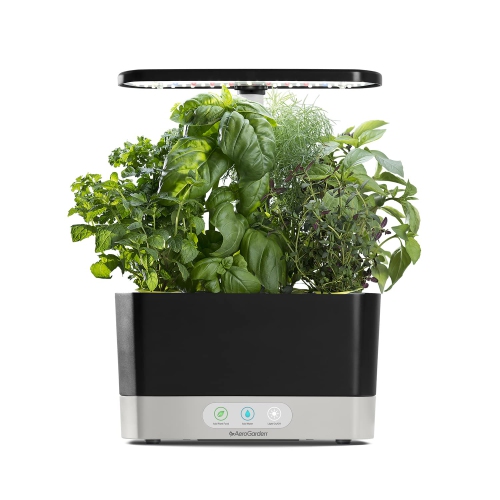 Your price for this item is $199
 -
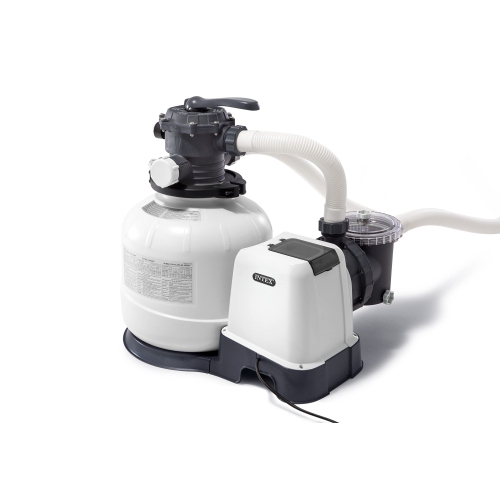 Your price for this item is $418.99
 -
 Your price for this item is $481.99
 -
 Your price for this item is $226.99
 -
 Your price for this item is $133.99
 -
 Your price for this item is $69.45
 -
 Your price for this item is $562.99
 -
 Your price for this item is $26.99
Discover more categories related to Water Fountains for Front Yards
Top Collections:
Pokemon Centers, Kindle Devices, Best Budget Office Chairs, Apple iPhones 16, Best Laptops for Writers, iPhone 15 Apple, Canon G7X Cameras, Refurbished Apple Laptops, Alarm Clock, Motorola Razr Phones
Some products may be subject to Environmental Handling Fees
(EHF) depending on your province.
Learn more about EHFs.