Water Purifiers
Discover the benefits of clean, fresh water with our selection of water purifiers designed to enhance your home’s water quality. Whether you're looking to improve the taste, remove impurities, or ensure your family's health and safety, a reliable water purifier is an essential addition to any household. Our range includes options suitable for various needs and preferences, ensuring you find the perfect fit for your lifestyle. Enjoy peace of mind knowing that every glass of water is as pure as nature intended.
Sort

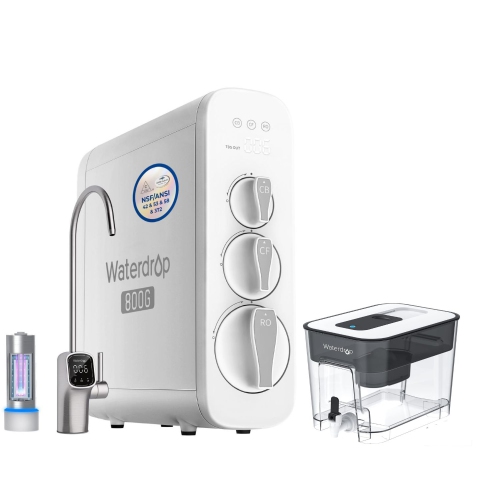
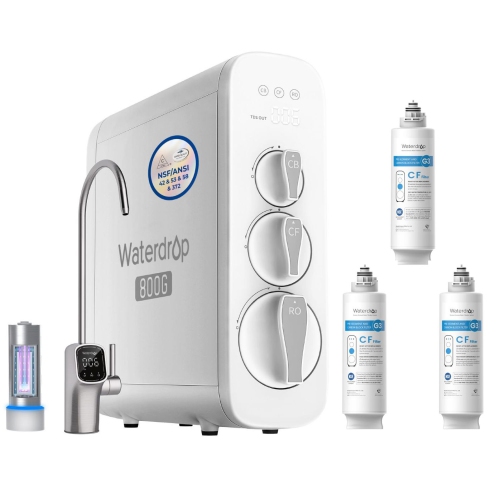
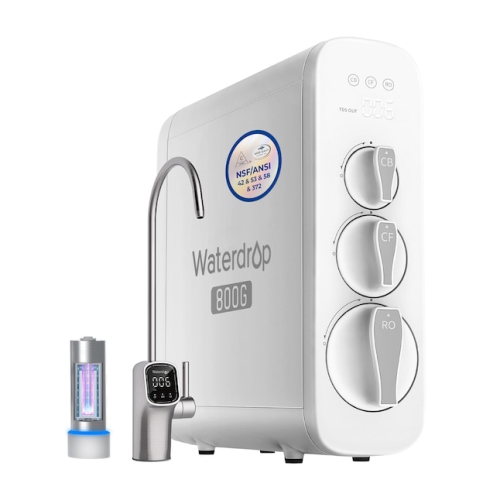
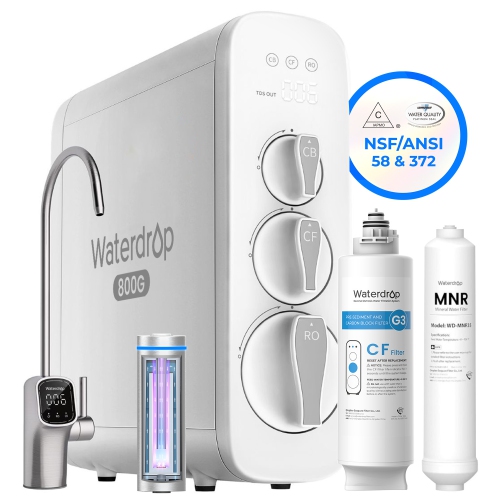
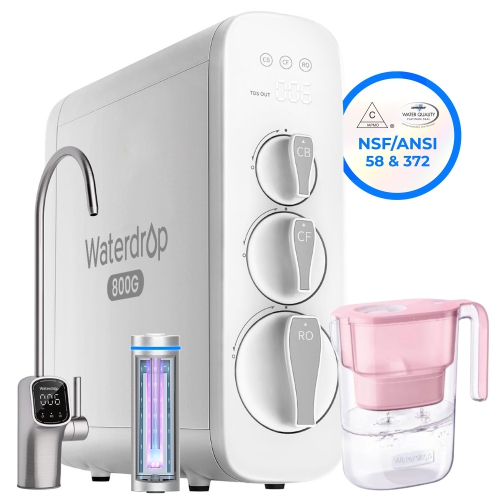
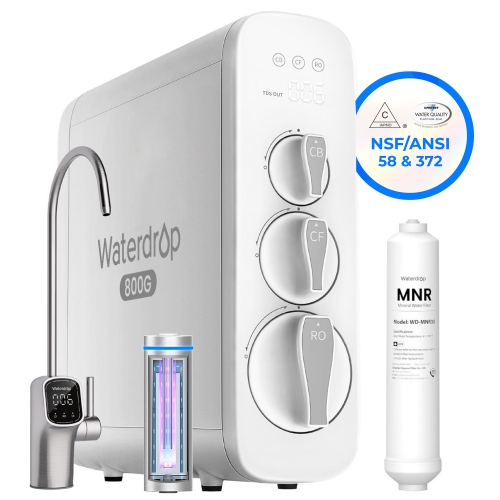
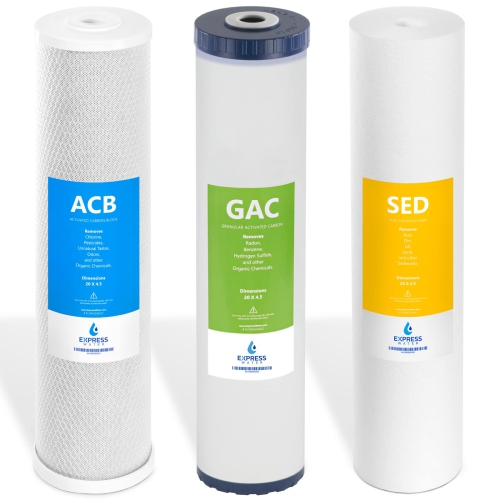
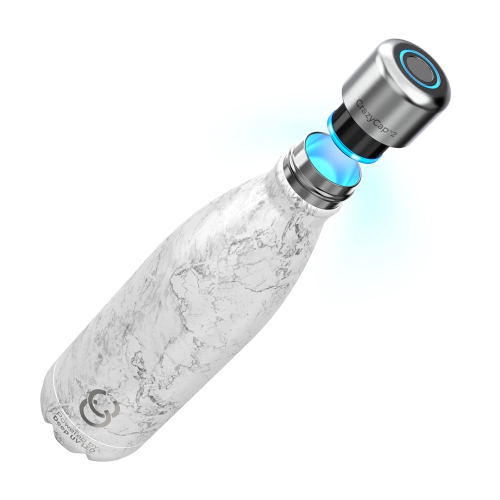
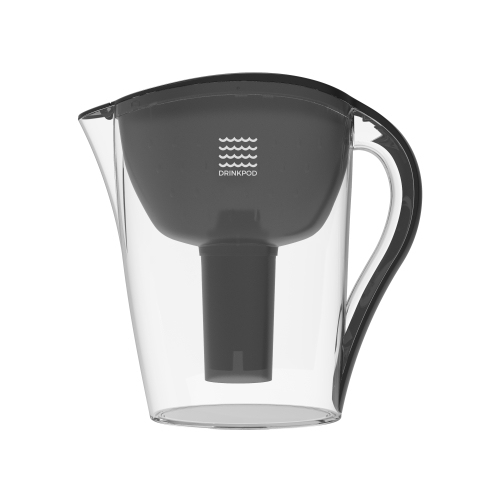
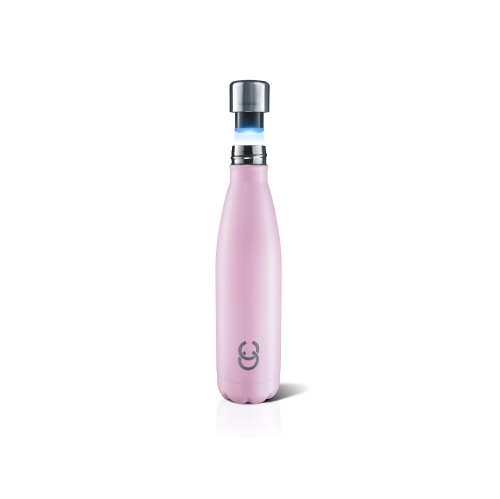
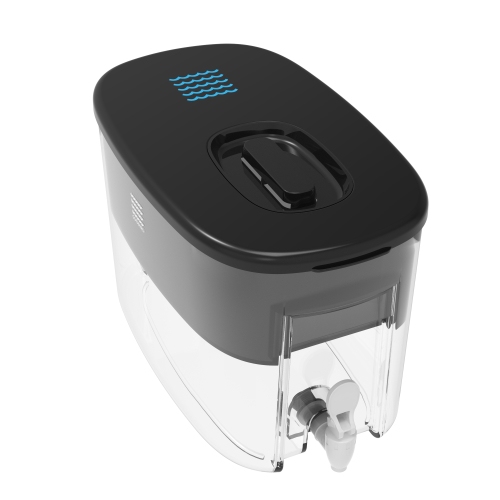
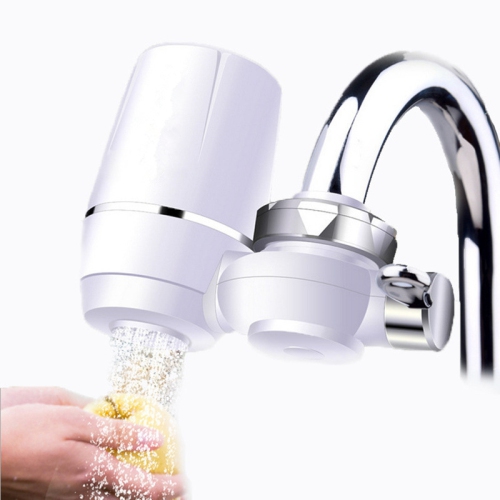
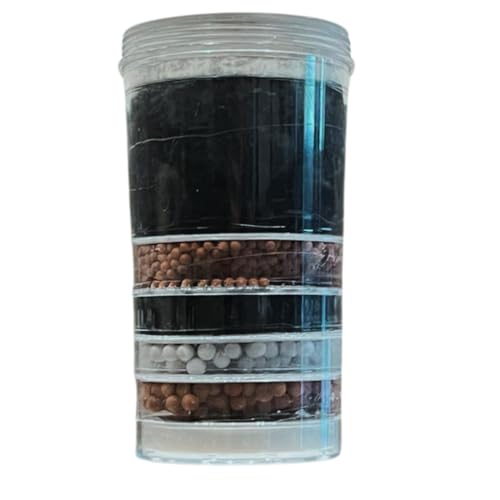
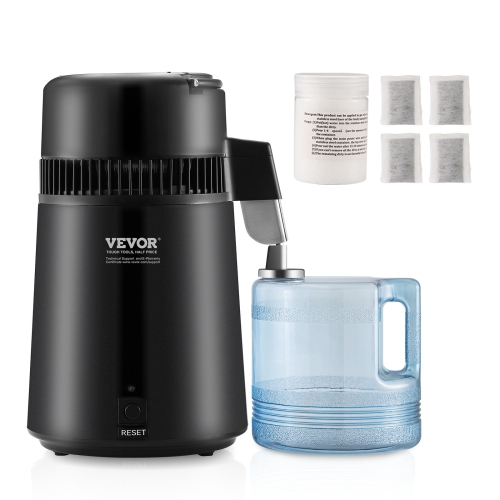
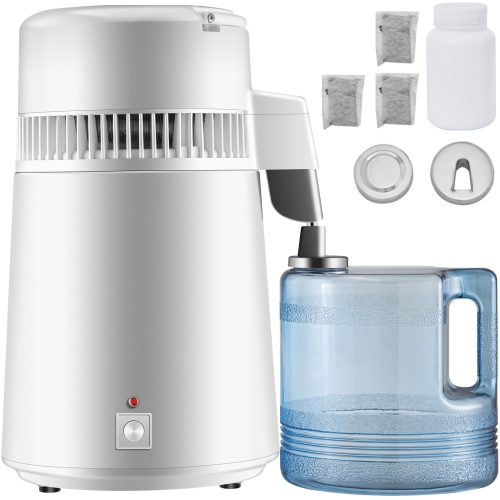
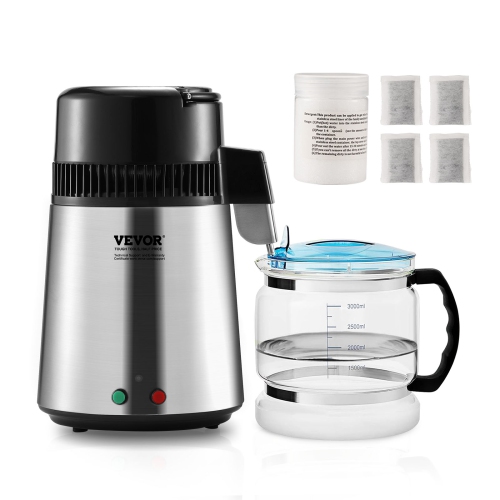
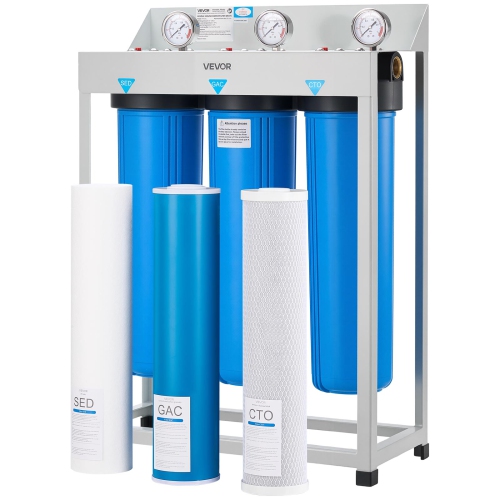
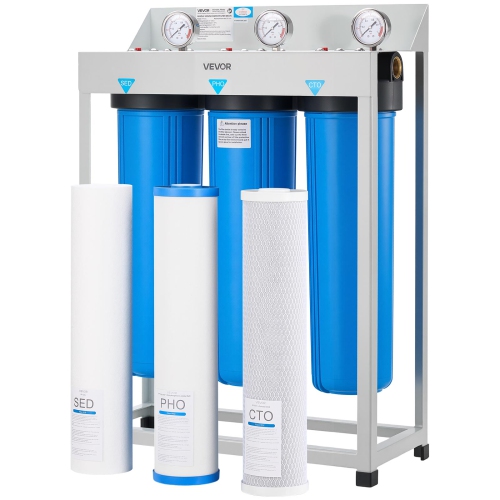
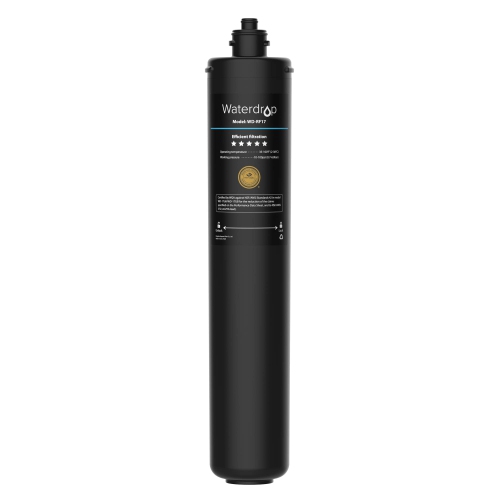

How purification technologies fit different homes and routines
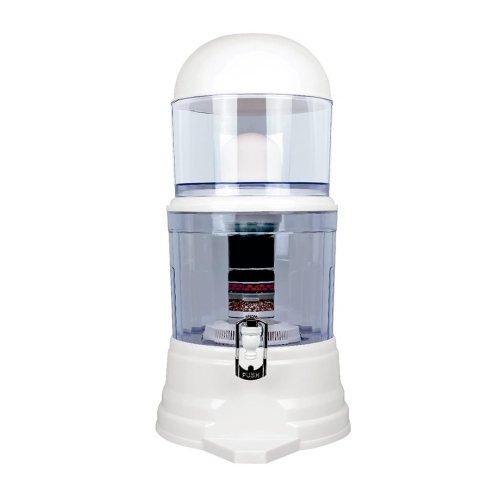
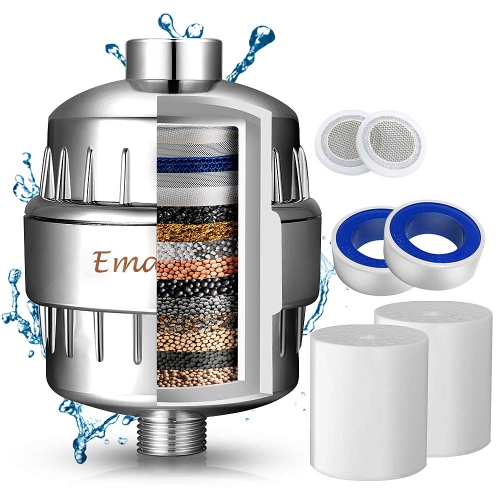
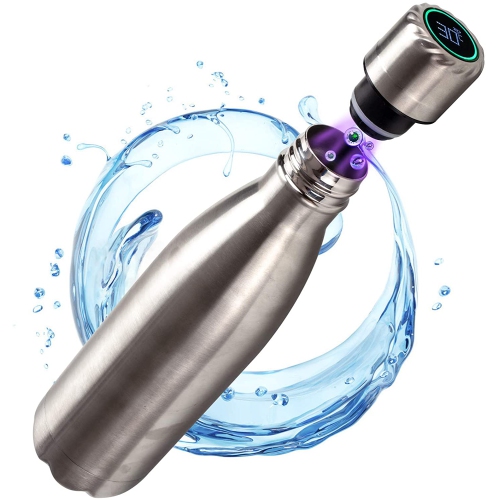
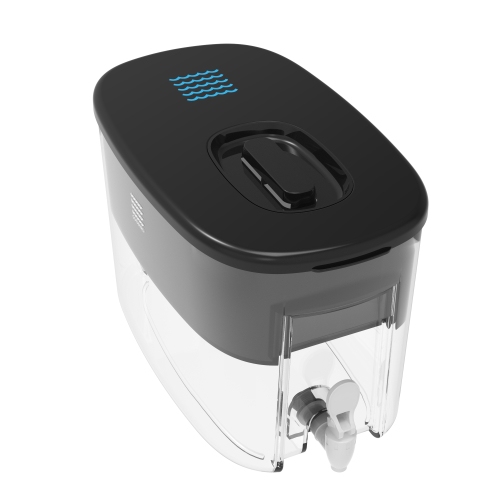
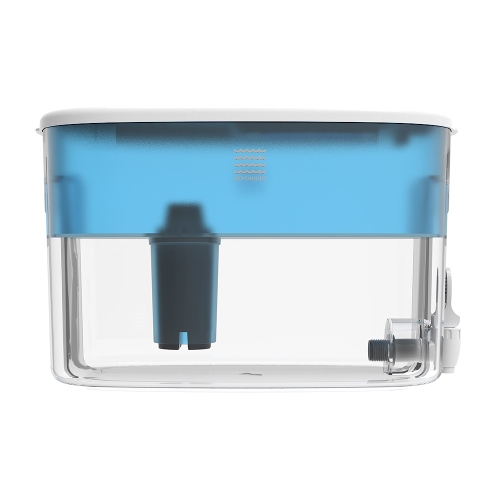
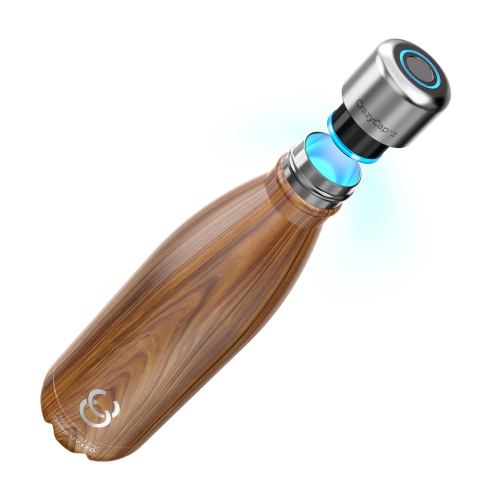
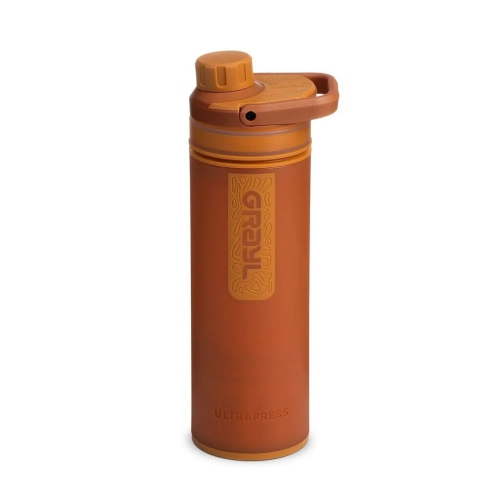
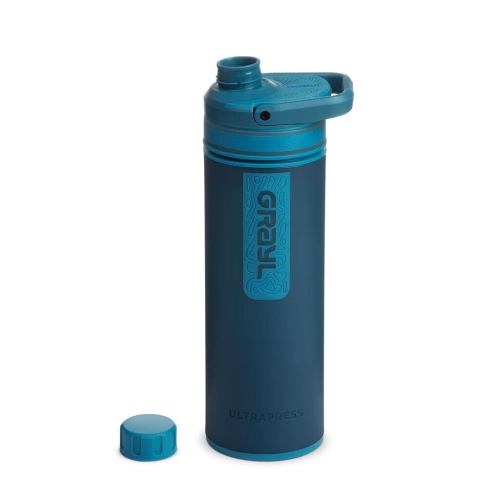
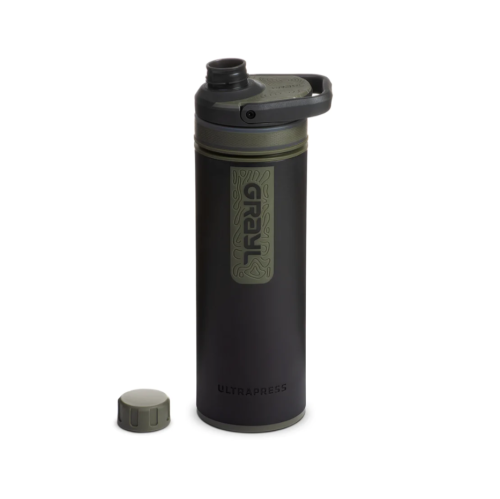
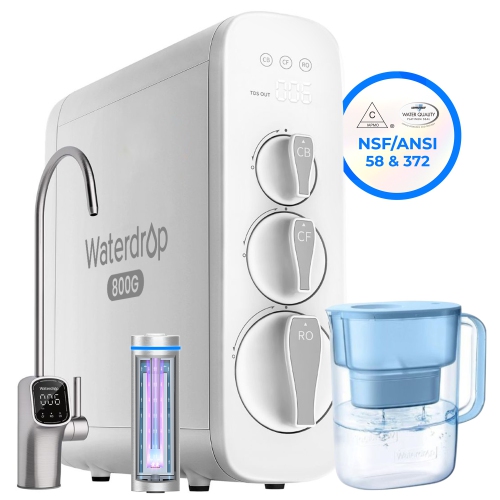
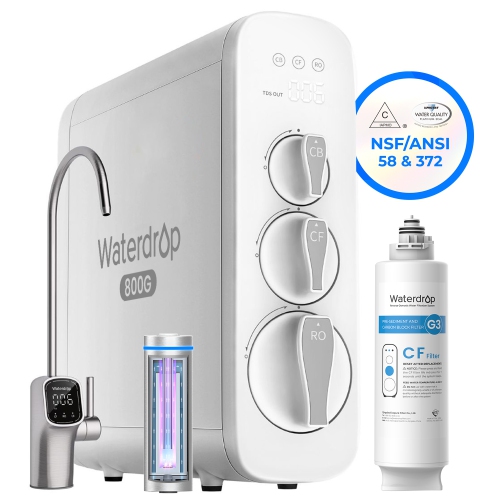
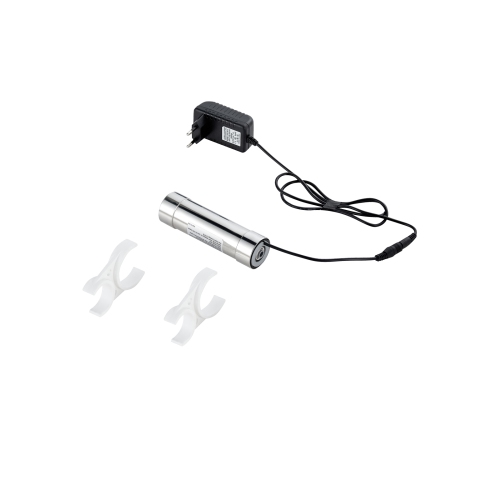
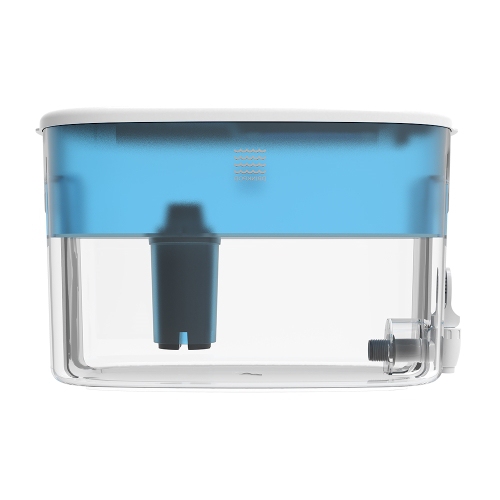
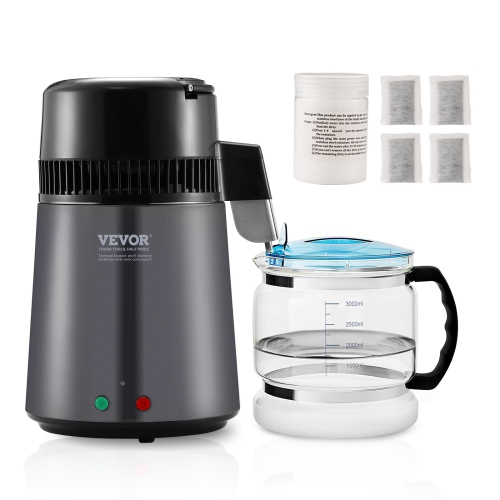
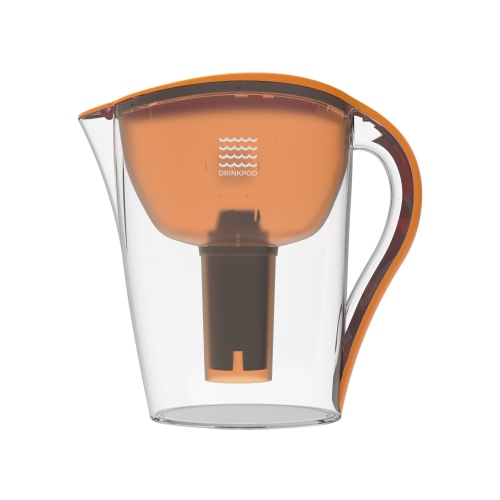
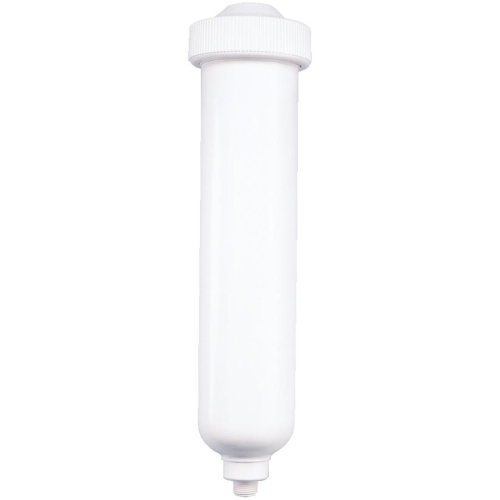
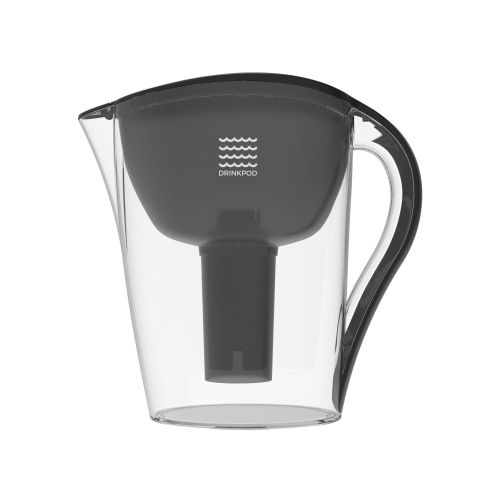
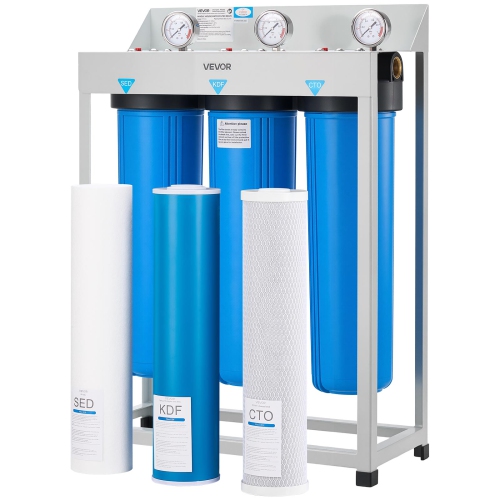
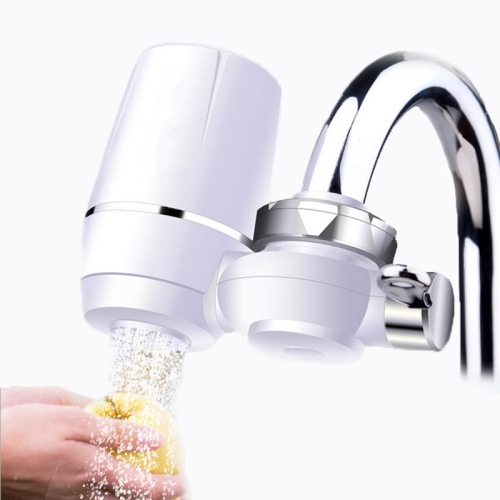
Water purifiers are designed to improve the safety, taste, and overall quality of drinking water at home, in an apartment, at the cottage, or while travelling. Depending on the technology, a purifier may reduce dissolved solids, heavy metals, fluoride, chlorine, unpleasant odours, bacteria, viruses, and other contaminants. Reverse osmosis (RO) systems use a fine membrane to reduce many dissolved substances, including certain heavy metals, fluoride, and total dissolved solids (TDS), while ultraviolet (UV) systems use UV light to inactivate living bacteria and viruses. Standard carbon and sediment filters are generally intended to trap larger particles and reduce chlorine, odours, and off-tastes. The terms filter and purifier are sometimes used interchangeably, but they do not always describe the same level or type of treatment, so it is important to review the stated filtration method and contaminant-reduction capabilities before choosing a system. A purifier can be especially useful for households that notice a metallic, earthy, or chlorinated taste, people who rely on private well water, renters who want an installation-free option, or families looking for an added layer of treatment for everyday drinking and cooking water. It can also be a thoughtful practical gift for someone moving into a new home, setting up a first apartment, outfitting a cottage, or preparing a kitchen for a growing family. During the warmer months, a purifier makes it easier to fill bottles, pitchers, and cooking pots with water that tastes clean and fresh; during the cooler months, it can remain a convenient source for hot drinks, soups, baking, and daily hydration.
The right water purifier depends on the water source, the space available, and how much installation is appropriate for the household. City water is treated before it reaches the home, but it may still carry chlorine taste, sediment from plumbing, or trace contaminants that a suitable purifier can reduce. Private well water varies from property to property and may require testing before a treatment system is selected, particularly when concerns involve bacteria, minerals, iron, sulphur, or other dissolved substances. Countertop systems are a practical choice for renters, smaller kitchens, offices, dorm rooms, and anyone who prefers a plug-in setup without modifying cabinetry or connecting directly to a water line. They typically sit near the sink and can provide treated water when needed, although counter space, reservoir capacity, refill frequency, and access to an electrical outlet should be considered. Under-sink systems keep the main unit out of sight and connect to the cold-water line, often through a dedicated faucet, making them well suited to busy kitchens where a streamlined counter is important. They may offer multiple filtration stages, including sediment filtration, carbon filtration, RO treatment, and UV purification, but installation requirements can vary. Check the available cabinet space, faucet configuration, drainage needs, replacement-filter access, and compatibility with the existing plumbing. Households with high daily water use may prefer a larger capacity or faster flow rate, while one or two people may value a compact design that produces less water at a time but takes up less room. Noise, dispensing speed, storage-tank size, filter life, replacement costs, and maintenance instructions are also useful details to compare rather than focusing only on the number of stages.
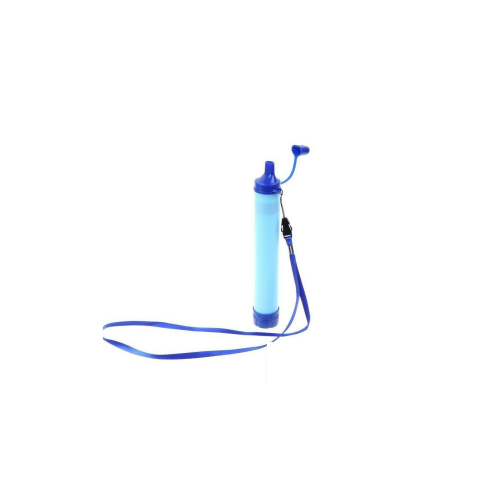
A water purifier becomes most useful when it fits naturally into everyday routines. Place treated water in the refrigerator for a cold glass after a walk, keep a filled bottle ready for a commute or school day, or use purified water for coffee, tea, ice, rice, and other foods where taste is noticeable. Families may appreciate a system that reduces the need to carry large containers from the store, while frequent travellers, campers, and outdoor enthusiasts may prefer compact Portable Water Filters intended for use away from a standard kitchen setup. For a purifier at home, remember that performance depends on following the care instructions: replace cartridges or membranes at the recommended intervals, clean reservoirs and dispensing areas regularly, and avoid assuming that a filter rated for taste and odour will also address bacteria, viruses, or dissolved contaminants. Look for clear information about the testing standard, certified contaminant reduction, filter-change indicators, water production rate, and warranty support. If the water has an unusual colour, smell, or taste, or if it comes from a private well, professional water testing can help identify the treatment approach that makes sense. With the right combination of purification technology, capacity, placement, and maintenance, a water purifier can provide a dependable source of better-tasting water that works quietly into the rhythm of the kitchen, from a quick morning drink to a generously filled pot for dinner.
The right water purifier depends on the water source, the space available, and how much installation is appropriate for the household. City water is treated before it reaches the home, but it may still carry chlorine taste, sediment from plumbing, or trace contaminants that a suitable purifier can reduce. Private well water varies from property to property and may require testing before a treatment system is selected, particularly when concerns involve bacteria, minerals, iron, sulphur, or other dissolved substances. Countertop systems are a practical choice for renters, smaller kitchens, offices, dorm rooms, and anyone who prefers a plug-in setup without modifying cabinetry or connecting directly to a water line. They typically sit near the sink and can provide treated water when needed, although counter space, reservoir capacity, refill frequency, and access to an electrical outlet should be considered. Under-sink systems keep the main unit out of sight and connect to the cold-water line, often through a dedicated faucet, making them well suited to busy kitchens where a streamlined counter is important. They may offer multiple filtration stages, including sediment filtration, carbon filtration, RO treatment, and UV purification, but installation requirements can vary. Check the available cabinet space, faucet configuration, drainage needs, replacement-filter access, and compatibility with the existing plumbing. Households with high daily water use may prefer a larger capacity or faster flow rate, while one or two people may value a compact design that produces less water at a time but takes up less room. Noise, dispensing speed, storage-tank size, filter life, replacement costs, and maintenance instructions are also useful details to compare rather than focusing only on the number of stages.
A water purifier becomes most useful when it fits naturally into everyday routines. Place treated water in the refrigerator for a cold glass after a walk, keep a filled bottle ready for a commute or school day, or use purified water for coffee, tea, ice, rice, and other foods where taste is noticeable. Families may appreciate a system that reduces the need to carry large containers from the store, while frequent travellers, campers, and outdoor enthusiasts may prefer compact Portable Water Filters intended for use away from a standard kitchen setup. For a purifier at home, remember that performance depends on following the care instructions: replace cartridges or membranes at the recommended intervals, clean reservoirs and dispensing areas regularly, and avoid assuming that a filter rated for taste and odour will also address bacteria, viruses, or dissolved contaminants. Look for clear information about the testing standard, certified contaminant reduction, filter-change indicators, water production rate, and warranty support. If the water has an unusual colour, smell, or taste, or if it comes from a private well, professional water testing can help identify the treatment approach that makes sense. With the right combination of purification technology, capacity, placement, and maintenance, a water purifier can provide a dependable source of better-tasting water that works quietly into the rhythm of the kitchen, from a quick morning drink to a generously filled pot for dinner.
Top selling and popular products
-
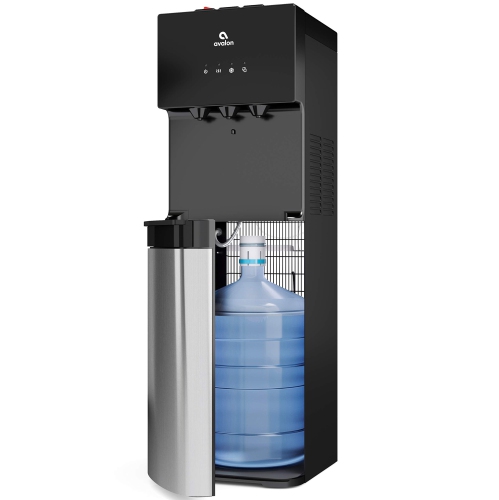 Your price for this item is $430.7
 -
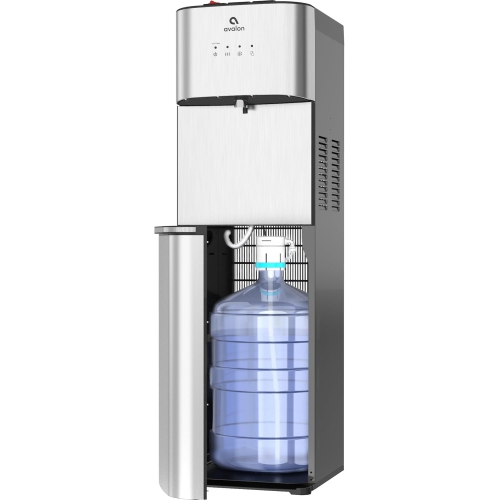 Your price for this item is $523.76
 -
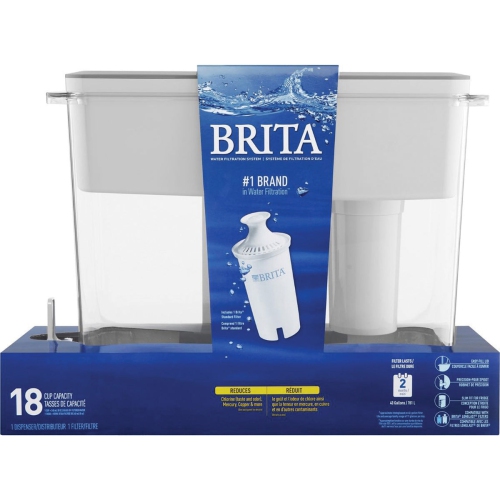 Your price for this item is $44.99
 -
 Your price for this item is $32.99
 -
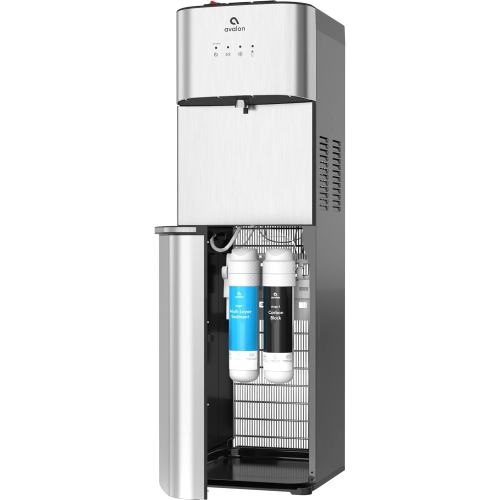 Your price for this item is $523.76
 -
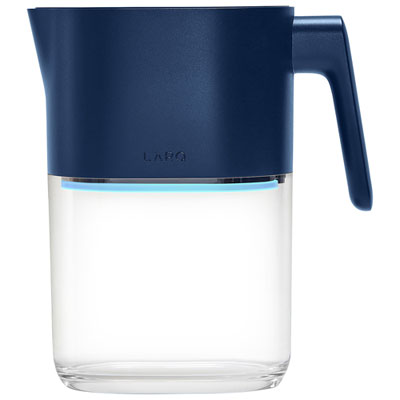 Your price for this item is $149.99
 -
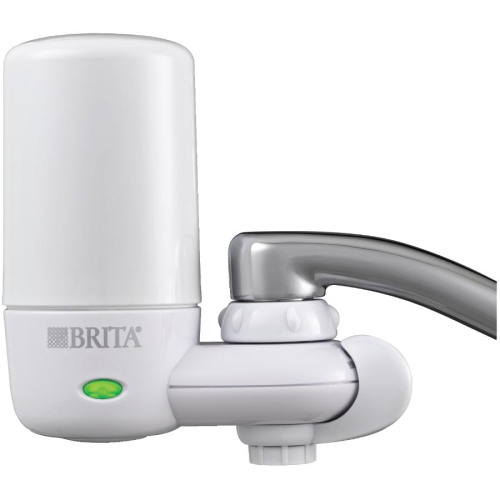 Your price for this item is $159
 -
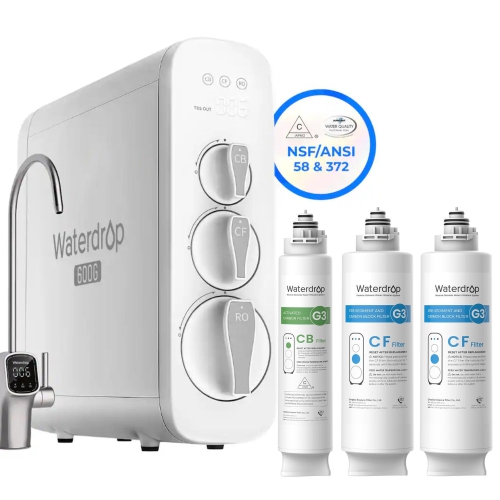 Your price for this item is $746.97
Discover more categories related to Water Purifiers
Top Collections:
Pokemon Centers, Kindle Devices, Best Budget Office Chairs, Apple iPhones 16, Canon G7X Cameras, iPhone 15 Apple, Alarm Clock, Refurbished Apple Laptops, Flip Phones, Best Laptops for Writers
Some products may be subject to Environmental Handling Fees
(EHF) depending on your province.
Learn more about EHFs.