Waterproof RGB LED Strip Lights
Waterproof RGB LED Strip Lights bring vibrant color and versatile lighting to any indoor or outdoor space. Perfect for accenting rooms, highlighting architectural features, or creating an inviting atmosphere for special occasions, these lights offer a dynamic way to personalize your environment. With easy installation and flexible placement options, Waterproof RGB LED Strip Lights are ideal for transforming patios, living rooms, kitchens, and more with a splash of customizable illumination. Discover a wide selection designed to enhance your home or workspace with eye-catching style and convenience.
Sort

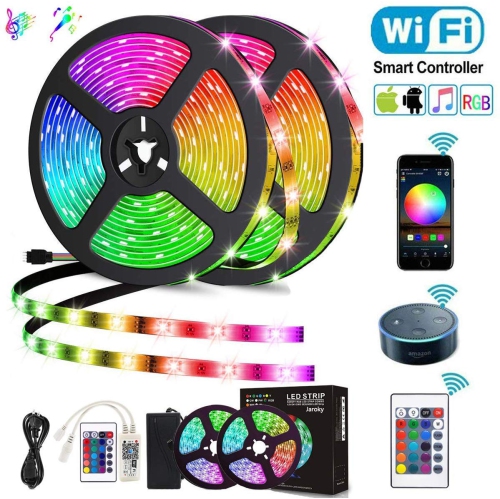
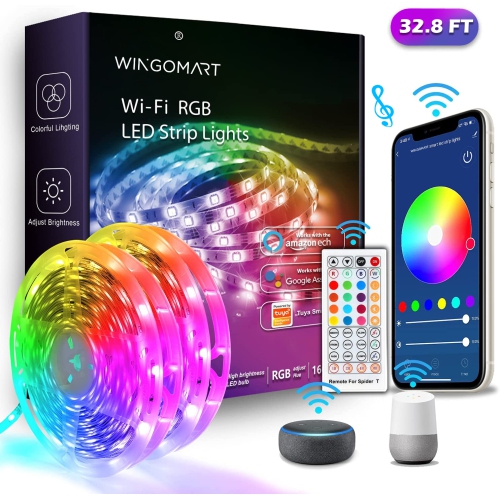


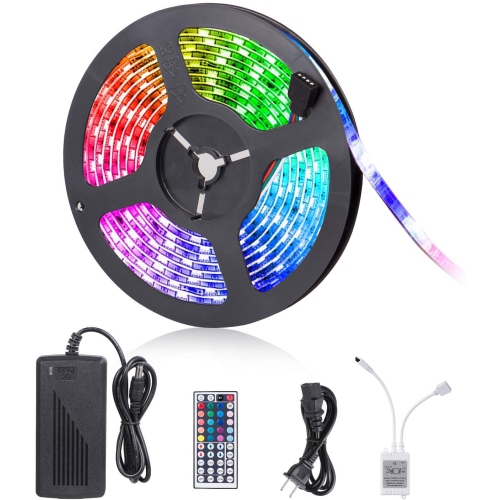
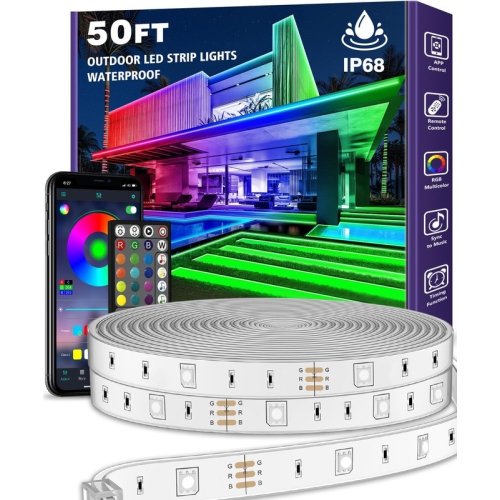
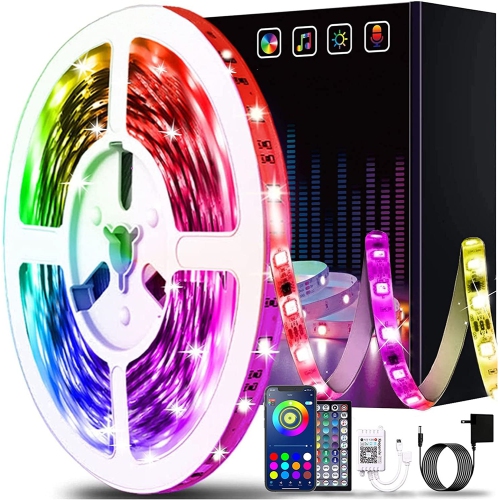
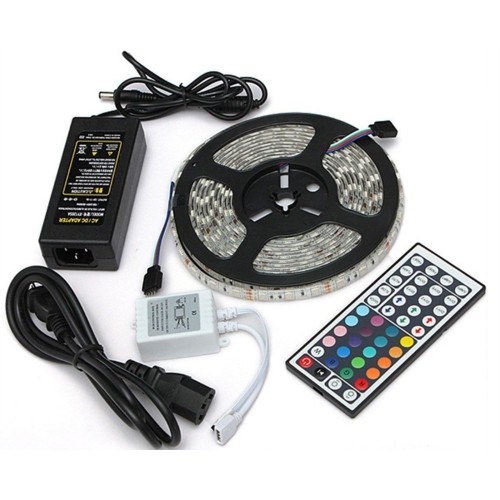
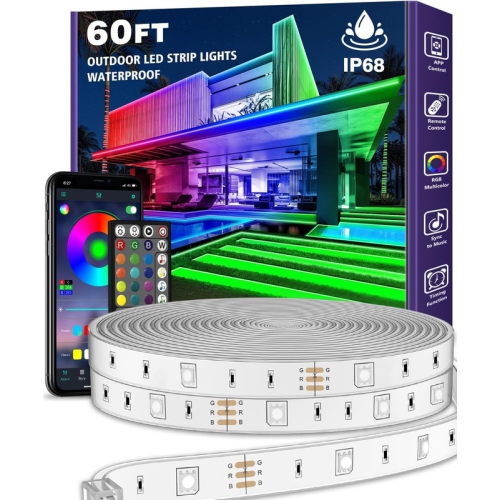


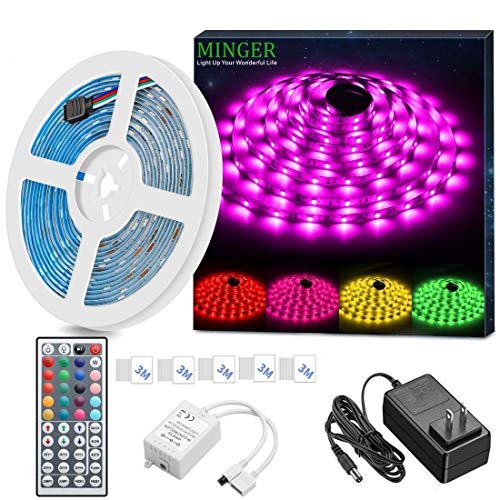
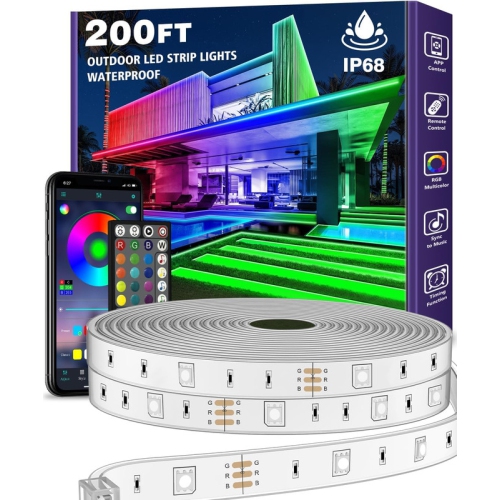

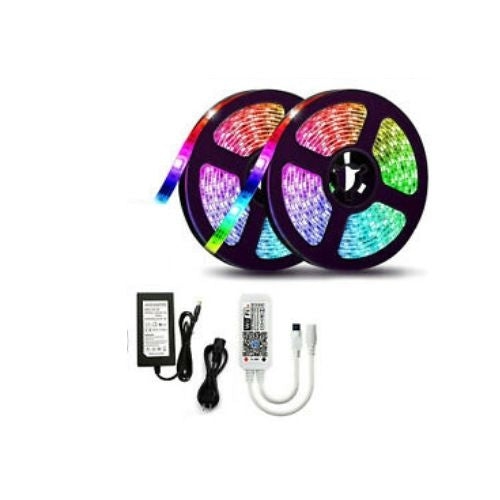
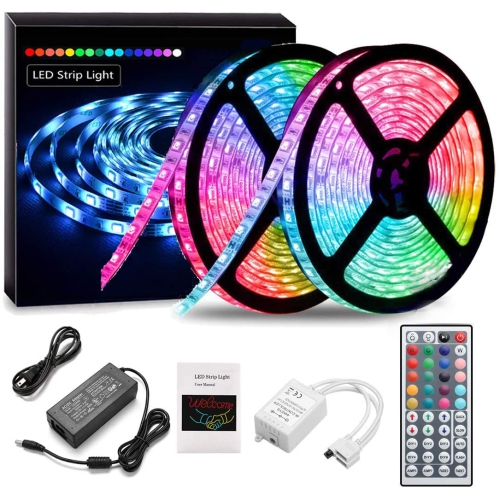
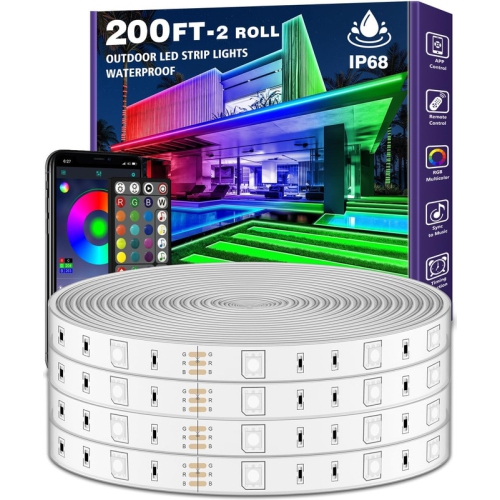
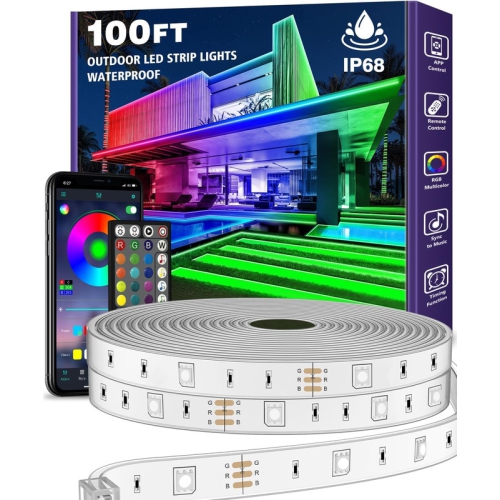
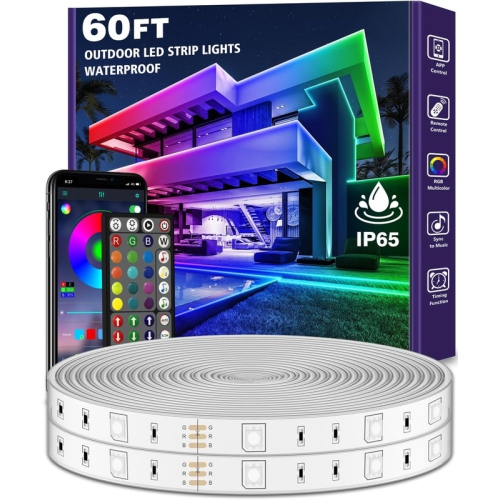
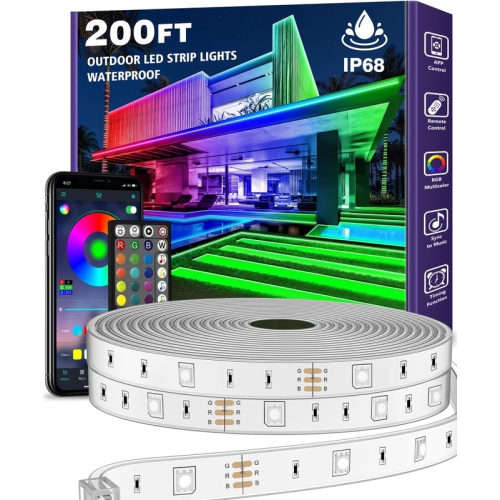
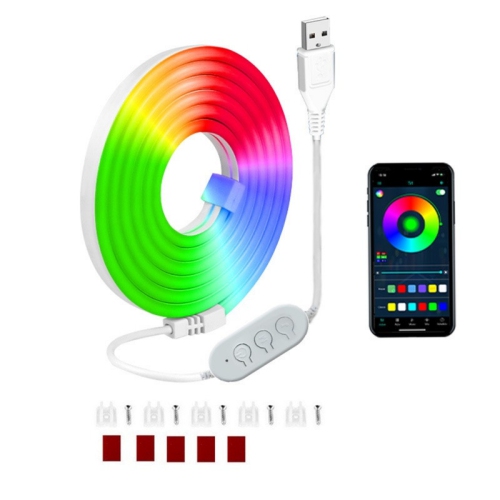
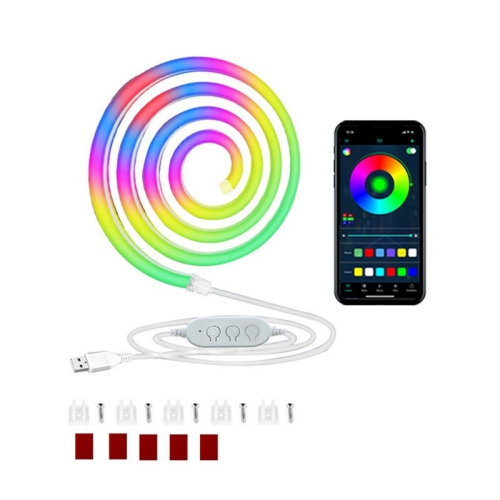
Colourful accents for splash-prone spaces need the right protection
Waterproof RGB LED strip lights bring adjustable colour to spaces where ordinary accent lighting may not be suitable, from a splash-prone kitchen alcove to a covered patio seating area. These flexible strips contain red, green, and blue LEDs that blend their output to create a broad range of colours, with brightness and lighting effects controlled through compatible accessories or built-in smart features. A concealed strip beneath a counter can cast a soft glow across cabinet fronts, while lighting tucked under a deck rail can define the edge of an entertaining space without placing a fixture on every post. Their water resistance comes from protective construction, often a silicone coating, sealed sleeve, or outer jacket that shields the lighting components from moisture. The word “waterproof” does not mean every strip can be submerged, however: the ingress protection, or IP, rating describes the level of protection tested for that particular component. IP65 indicates dust-tight construction and resistance to water jets under specified test conditions; it does not permit immersion. IP67 indicates protection against temporary immersion under defined conditions, commonly up to one metre for 30 minutes. IP68 indicates protection against immersion under conditions specified by the manufacturer, which must be checked for the intended installation. Neither rating alone establishes suitability for swimming pools, salt water, hot tubs, or pressure washing. Outdoor suitability also depends on factors beyond the IP rating, including resistance to sunlight and the durability of the jacket. The strip, connectors, controller, and power supply may have different ratings, so the protection of the complete setup matters as much as the strip itself. For spaces that need moisture-resistant accent lighting without a particular colour-control requirement, Waterproof Led Strips offer a broader category to explore. RGB lighting is particularly suited to decorative applications where changing the mood is more important than providing the main source of illumination.
The physical fit of waterproof RGB LED strip lights affects both their appearance and their long-term reliability. Flexible circuit boards follow gentle curves and straight edges, but they are not designed for sharp folds, repeated twisting, or tight bends around corners unless their construction specifically allows it. A thicker protective sleeve can improve resistance to incidental contact while making the strip less discreet in a narrow recess. Width, overall thickness, connector size, and the space needed for end caps all matter when lighting is fitted beneath shelving, inside a channel, or along a railing. Total length is only part of the measurement: the route back to power, gaps between illuminated sections, and access to the controller also influence the layout. Some strips can be shortened at marked cut points, while others must remain intact. Cutting a sealed strip can expose its internal conductors and compromise its water resistance unless the manufacturer permits the cut and specifies a compatible sealing method. Extension pieces and corner connectors likewise need to match the strip’s width, electrical design, and protection requirements. Adhesive backing generally works best on clean, dry, smooth surfaces; rough masonry, unfinished wood, and textured finishes may call for approved mounting clips or channels instead. A diffuser can soften the appearance of individual LED points, especially when the strip is reflected in glossy tiles or visible from a seated position. LED spacing and the distance between the strip and the illuminated surface also affect whether the result looks like a continuous wash or a row of bright dots. Many strips operate on low-voltage DC power, commonly 12 V or 24 V, while some shorter versions use 5 V USB power. The supply must match the required voltage and support the total connected load. Longer runs may need a manufacturer-approved power arrangement to limit dimming or colour changes towards the far end. Low voltage does not eliminate electrical hazards, and outdoor installations need appropriately rated components and ground-fault protection where required.
Control features determine how waterproof RGB LED strip lights fit into daily routines. Conventional RGB strips usually display the same selected colour across the connected strip at one time, making them well suited to a steady blue accent behind patio furniture or a muted amber glow beneath a serving counter. Addressable designs, often described as RGBIC, can display different colours across independently controlled segments, allowing moving gradients, chasing patterns, and other animated effects. The number of controllable segments and the supported effects vary, and not every addressable strip can be cut or extended. Standard RGB LEDs create white by mixing red, green, and blue light; strips with dedicated white LEDs, such as RGBW designs, can provide a more useful white-light option when decorative colour is not wanted. A separate task light remains important for food preparation, reading, and other activities that require clear, dependable illumination. Simple remote controls offer convenient colour and brightness adjustments without relying on a phone. Infrared remotes generally need a clear path to the receiver, whereas radio-frequency remotes may work without direct line of sight, subject to their range and surrounding obstacles. Bluetooth control typically requires a nearby compatible device, while Wi-Fi features depend on the specified network requirements. App scheduling, voice control, music-responsive modes, and integration with other smart-home devices are features to confirm rather than assume. For shared spaces, straightforward controls and a gentle default brightness can be more useful than a large selection of dramatic effects. These lights can appeal to home-entertainment enthusiasts, people personalizing a balcony or covered outdoor lounge, and gift recipients who enjoy adjustable room lighting, provided the mounting space and power requirements suit their home. Routine care is usually modest: disconnect power before cleaning, follow the specified cleaning method, and avoid abrasive tools or solvents that could damage the protective covering. Periodic checks of seals, mounting clips, cable connections, and adhesive edges help reveal wear before it affects the installation. A neatly supported strip with accessible controls and protected connections delivers the most convincing finish: colour that appears to belong to the space, rather than a visible tangle of lighting hardware.
Top selling and popular products
-
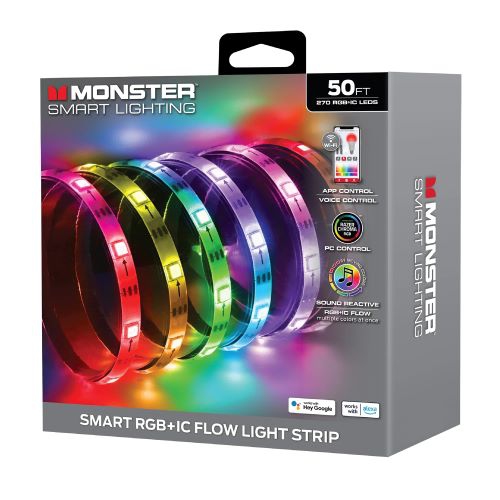 Your price for this item is $39.99
-
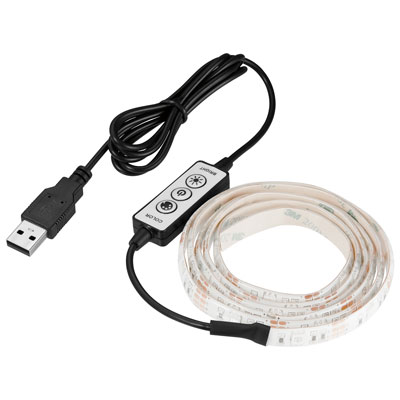 Your price for this item is $34.95
-
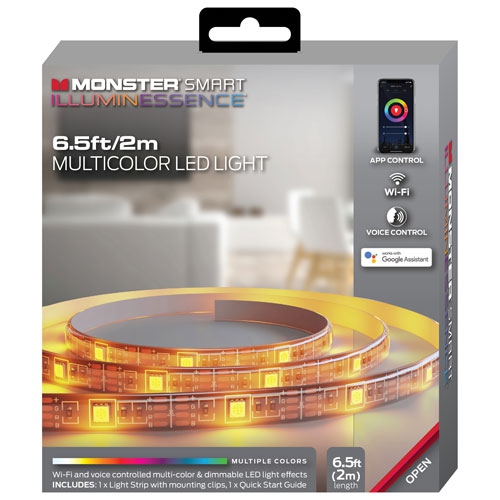 Your price for this item is $57.99
-
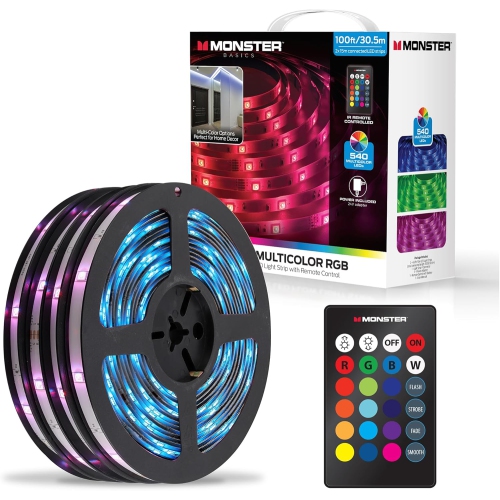 Your price for this item is $49.99
-
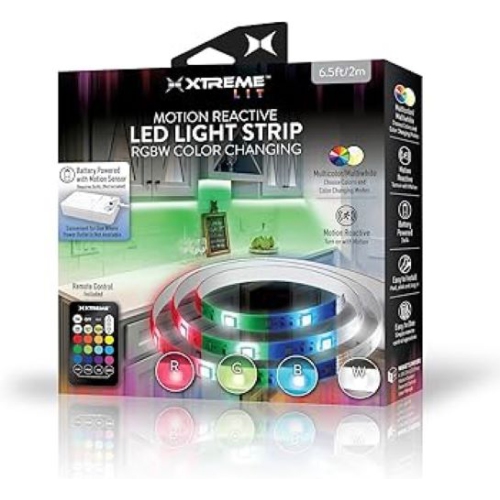 Your price for this item is $19.99
-
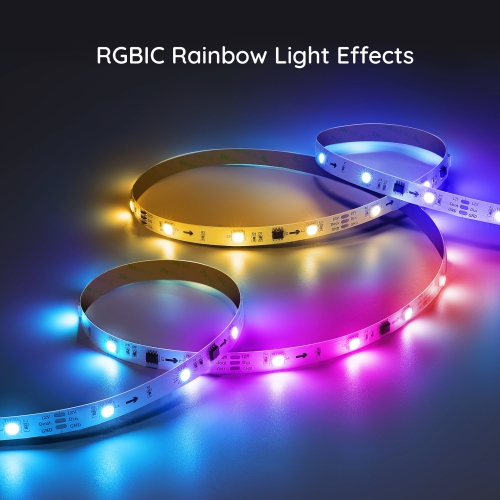 Your price for this item is $46.99
-
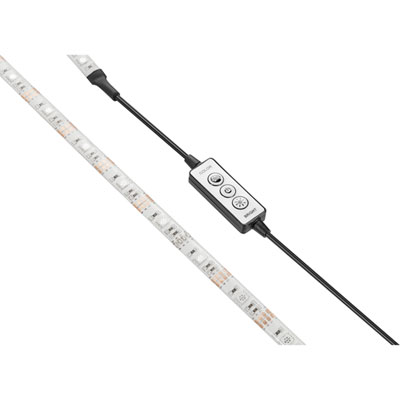 Your price for this item is $15.97
-
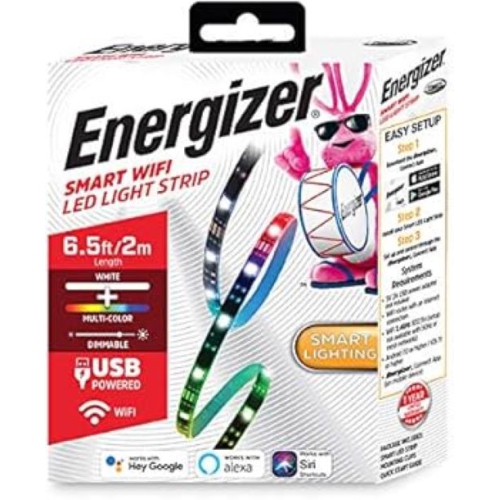 Your price for this item is $25.99
Discover more categories related to Waterproof RGB LED Strip Lights
Top Collections:
Pokemon Centers, Best Cameras for Sports Photography, Kindle Devices, Samsung Galaxy Phones, Canon G7X Cameras, Pokémon 30th Celebration Cards, Refurbished Apple Laptops, iPhone 15 Apple, Laptops for Students, Budget Smartphones
Some products may be subject to Environmental Handling Fees
(EHF) depending on your province.
Learn more about EHFs.