Wax Melts for Wax Warmers
Discover a wide selection of Wax Melts for Wax Warmers, perfect for creating a cozy and inviting atmosphere in any room. Explore various scents and styles designed to enhance your home with delightful fragrances. Whether you’re looking to refresh your living space or set the mood for a relaxing evening, Wax Melts for Wax Warmers offer an easy way to enjoy long-lasting aroma throughout your home. Find options to suit every preference and occasion, making it simple to personalize your environment with your favorite fragrances.
Sort
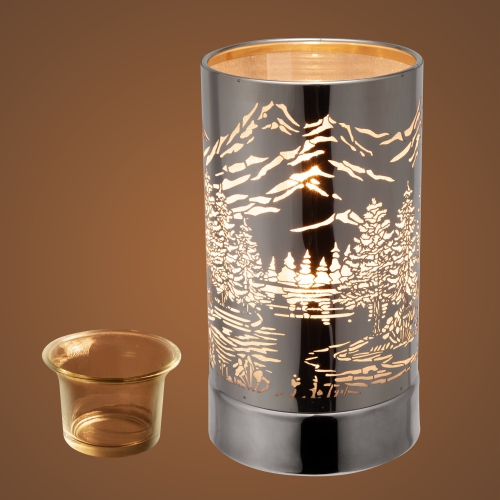
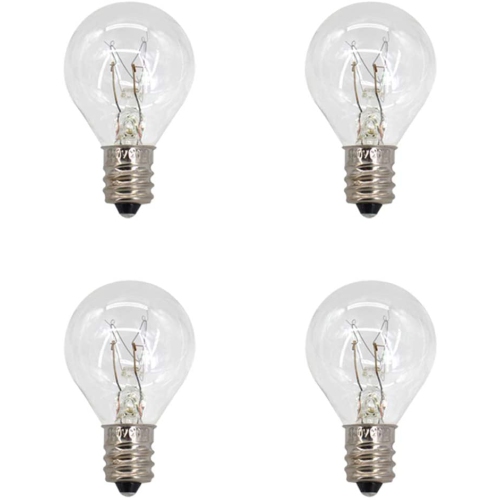
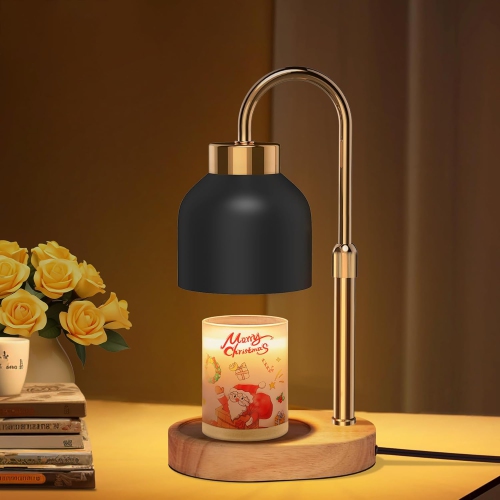
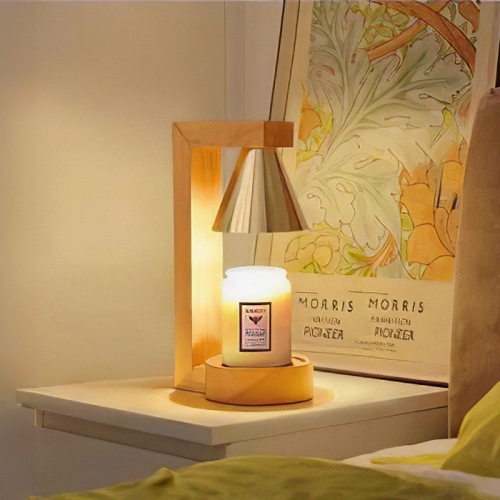

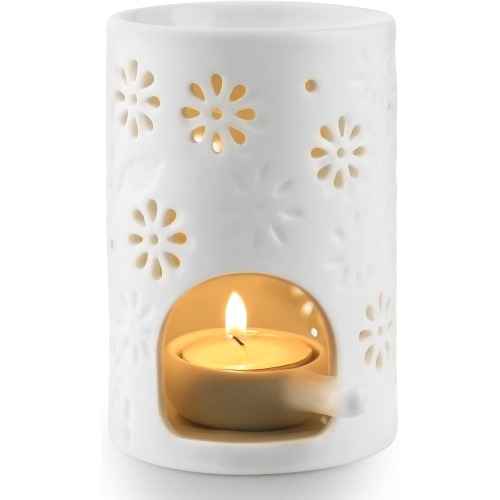
Why warmer fit matters as much as fragrance
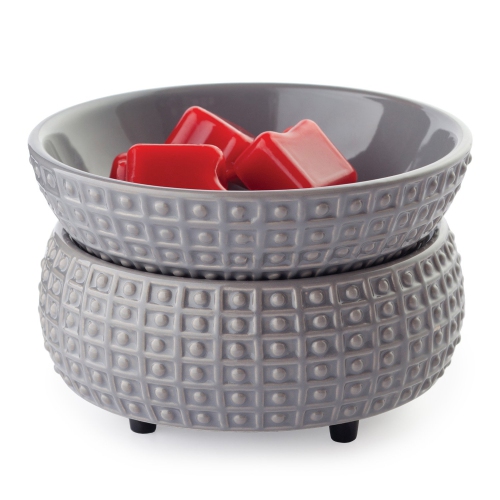
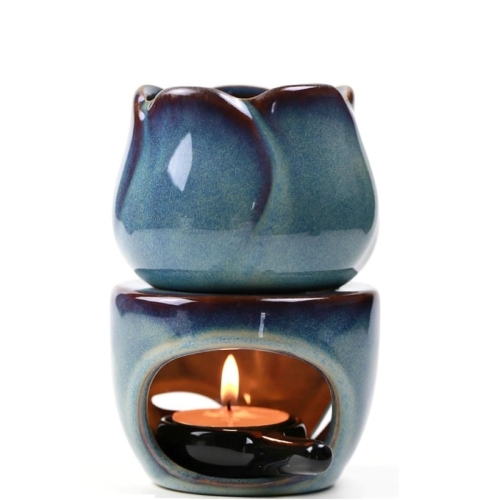
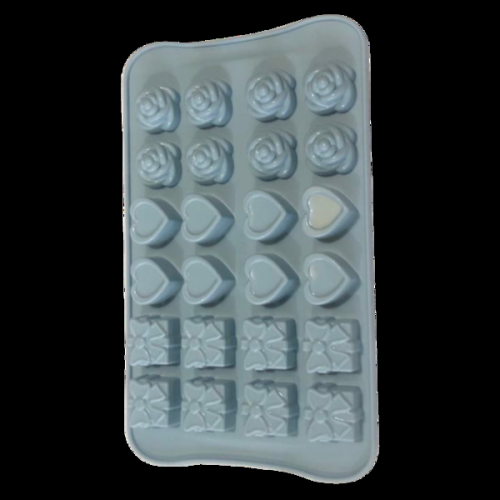
Wax melts for wax warmers are scented, wickless pieces of wax that release fragrance when heated in a compatible warmer. Unlike a candle, the melt itself does not have a flame: an electric element, warming bulb, or tea light beneath the dish supplies the heat. The wax softens into a pool, allowing its fragrance to disperse through the room, then becomes solid again after the warmer is switched off or extinguished and allowed to cool. This makes wax melts a flexible choice for adding scent to a living room, home office, or another suitable space without lighting a scented candle. Common formats include break-apart bars, individual cubes, small tarts, and shaped pieces. Their size and shape affect how easily they can be portioned, while the warmer’s dish capacity determines how much wax it can safely hold. A large piece is not necessarily a better fit than a small cube, particularly in a shallow dish. Materials also vary: paraffin, soy wax, beeswax, and blends can each be used as a base, with fragrance oils added to create different scent profiles. The formulation influences texture, melting behaviour, and fragrance release, so the wax type alone does not establish how strong or long-lasting a melt will be. Colour and decorative shape can add visual appeal before use, but compatibility and scent preference matter more once the wax is in the dish. For someone who enjoys changing the character of a room, melts offer a way to move between a soft floral fragrance and a deeper woody blend without committing to a large scented candle. They can also make a thoughtful housewarming or birthday gift for someone who already uses a wax warmer, especially when the fragrance matches a familiar preference rather than an unfamiliar, intensely perfumed blend.
Fragrance is often the most personal part of choosing wax warmer melts. Floral blends may suggest rose petals, jasmine, or lavender, while fruit-led scents can range from bright citrus peel to ripe berries. Vanilla, caramel, and bakery-inspired blends tend to smell sweet and rounded; cedar, sandalwood, and amber-style notes often feel deeper and less sugary. Labels such as fresh or clean describe a fragrance style, not a cleaning function, and scented wax does not remove the source of household odours or replace ventilation. A laundry-style blend might suit someone who likes crisp, soapy notes, whereas another person may find the same fragrance too assertive beside a desk. In a shared living room, a subtle scent can be easier to live with than one that dominates the space. Beside a dining area, a heavily sweet or spicy fragrance may compete with the aroma of food. These everyday differences are worth considering alongside the scent name. Room size, airflow, the warmer’s heat output, and the amount of wax all affect how noticeable the fragrance becomes. An open-plan space may disperse scent differently from a small enclosed room, and adding more wax does not guarantee a proportionately stronger result. Starting with a modest amount within the manufacturer’s directions allows room to judge the fragrance without overfilling the dish. Descriptions of top, middle, and base notes can help distinguish blends that sound similar: a citrus fragrance with herbal notes may smell quite different from citrus paired with vanilla. The aroma of unheated wax can also differ from the scent released during warming. People who are sensitive to fragrance may prefer to avoid scented melts altogether, and shared spaces call for consideration of other occupants. In homes with pets, scented products and warmers need careful placement, and suitability should be checked with a veterinarian when there are concerns about a particular animal or ingredient. Fragrance preferences are individual, so a gift is most likely to be appreciated when it reflects scents the recipient already enjoys.
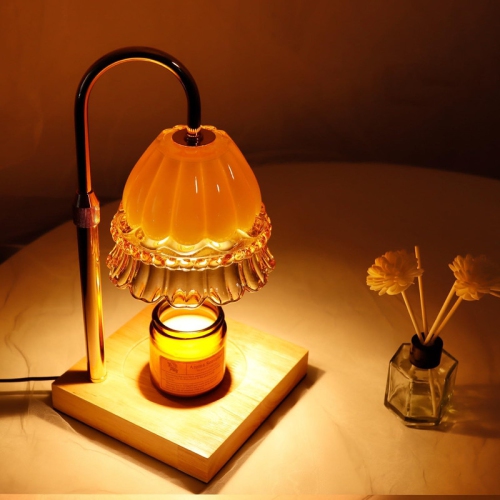
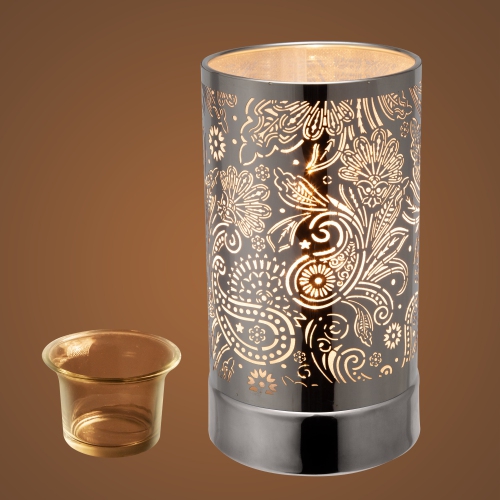
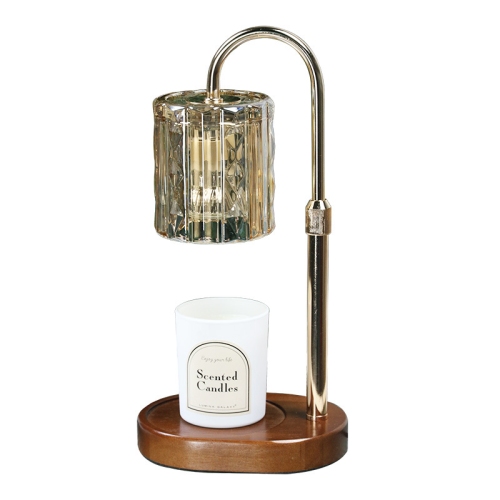
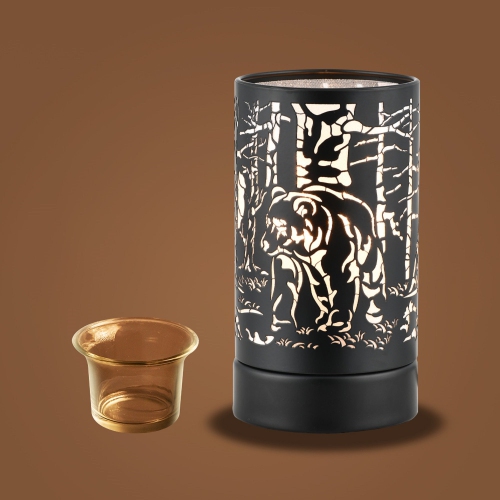
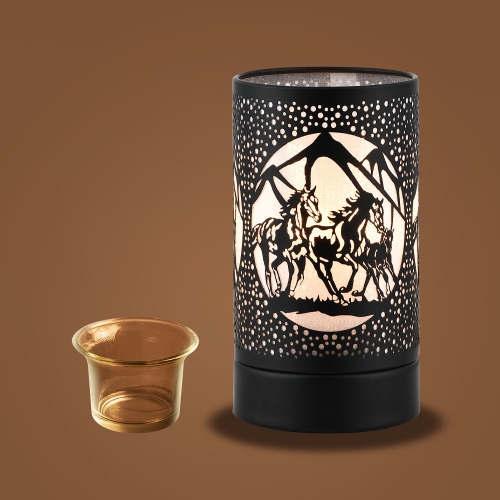
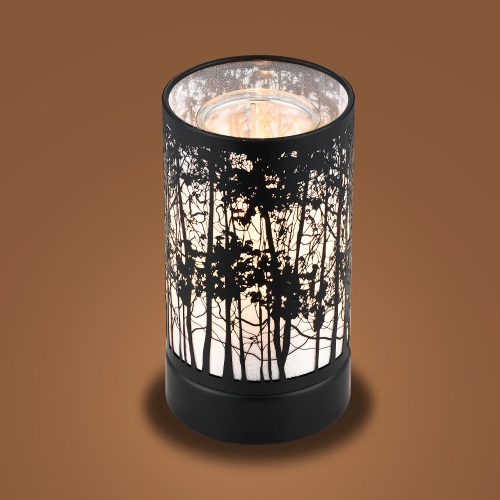
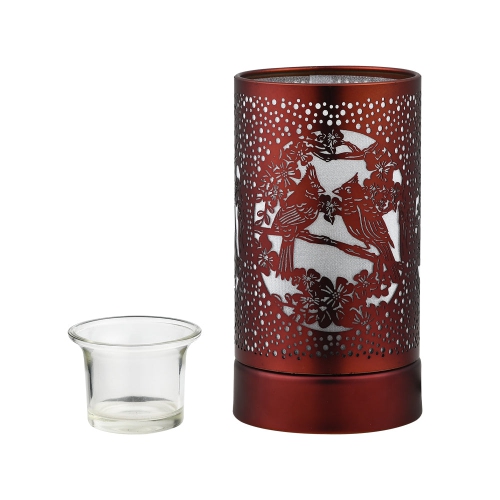
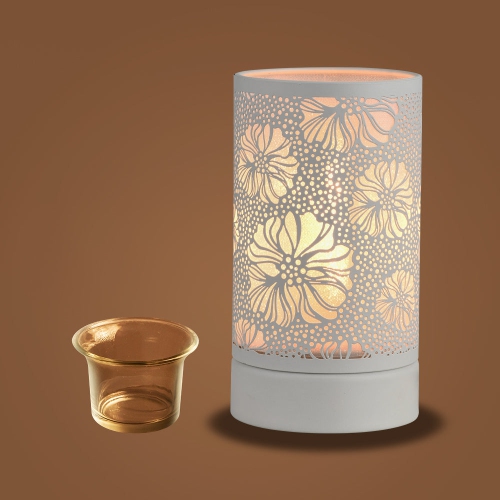
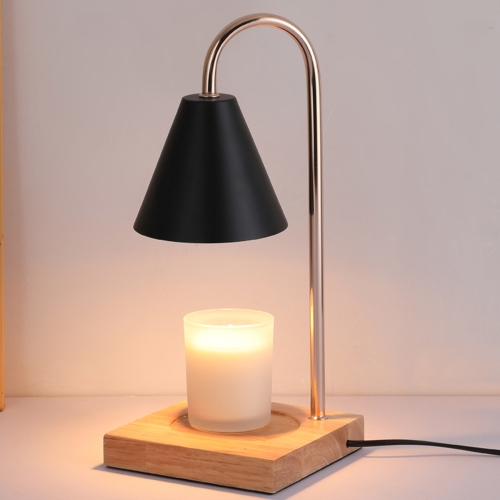
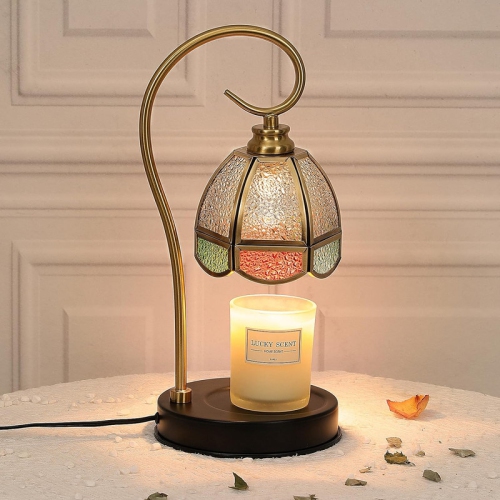
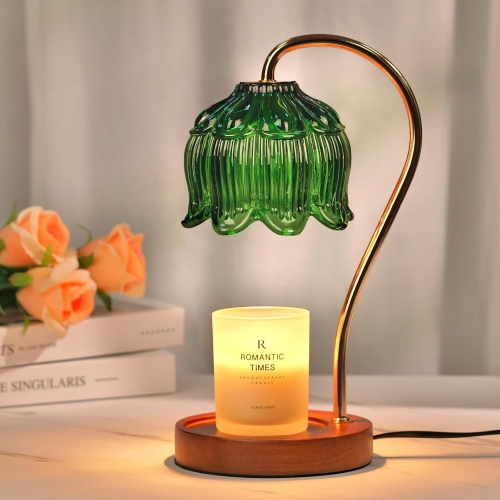
A suitable warmer is just as important as the melt itself. Wax melts belong in a dish designed for melting scented wax, rather than directly on a warming plate intended only for jar candles. Some appliances support more than one use, but that should be confirmed in the manufacturer’s instructions. When pairing melts with Candle Warmers for Wax Melts, the dish size, approved heat source, and operating directions help establish a suitable match. Electric models avoid the need for a tea-light flame, although their dishes and melted contents can still become hot enough to cause burns. Tea-light models require the precautions associated with an open flame as well as safe handling of hot wax. Either type needs a stable, heat-resistant surface away from edges, cords that could be pulled, children, and pets, and neither should be left operating unattended. Fragrance longevity depends on the blend, warmer, and length of each use; there is no single number of hours that applies to every melt. The same wax can generally be reheated while it continues to give off a pleasant scent, following its directions. Unlike candle wax drawn through a burning wick, wax in a warmer largely remains in the dish even after its fragrance has faded. A remaining pool therefore does not necessarily mean there is useful scent left. Care is usually straightforward, but the removal method should suit the warmer: allow the appliance and wax to cool before handling, then follow the manufacturer’s cleaning instructions rather than forcing hardened wax out with a sharp tool. Used wax belongs in household waste, not down a sink, where it can harden and contribute to blockages. Water, perfume, and additional fragrance oils should not be added unless the appliance and wax instructions expressly permit them. Between uses, keeping unused melts in their original packaging or a suitable closed container helps preserve their fragrance and keeps dust away. Storage away from direct sunlight and heat also helps prevent pieces from softening or losing their shape. Clear labelling is particularly useful for sweet-smelling or food-shaped melts, which should always be kept separate from edible treats and out of children’s reach.
Fragrance is often the most personal part of choosing wax warmer melts. Floral blends may suggest rose petals, jasmine, or lavender, while fruit-led scents can range from bright citrus peel to ripe berries. Vanilla, caramel, and bakery-inspired blends tend to smell sweet and rounded; cedar, sandalwood, and amber-style notes often feel deeper and less sugary. Labels such as fresh or clean describe a fragrance style, not a cleaning function, and scented wax does not remove the source of household odours or replace ventilation. A laundry-style blend might suit someone who likes crisp, soapy notes, whereas another person may find the same fragrance too assertive beside a desk. In a shared living room, a subtle scent can be easier to live with than one that dominates the space. Beside a dining area, a heavily sweet or spicy fragrance may compete with the aroma of food. These everyday differences are worth considering alongside the scent name. Room size, airflow, the warmer’s heat output, and the amount of wax all affect how noticeable the fragrance becomes. An open-plan space may disperse scent differently from a small enclosed room, and adding more wax does not guarantee a proportionately stronger result. Starting with a modest amount within the manufacturer’s directions allows room to judge the fragrance without overfilling the dish. Descriptions of top, middle, and base notes can help distinguish blends that sound similar: a citrus fragrance with herbal notes may smell quite different from citrus paired with vanilla. The aroma of unheated wax can also differ from the scent released during warming. People who are sensitive to fragrance may prefer to avoid scented melts altogether, and shared spaces call for consideration of other occupants. In homes with pets, scented products and warmers need careful placement, and suitability should be checked with a veterinarian when there are concerns about a particular animal or ingredient. Fragrance preferences are individual, so a gift is most likely to be appreciated when it reflects scents the recipient already enjoys.
A suitable warmer is just as important as the melt itself. Wax melts belong in a dish designed for melting scented wax, rather than directly on a warming plate intended only for jar candles. Some appliances support more than one use, but that should be confirmed in the manufacturer’s instructions. When pairing melts with Candle Warmers for Wax Melts, the dish size, approved heat source, and operating directions help establish a suitable match. Electric models avoid the need for a tea-light flame, although their dishes and melted contents can still become hot enough to cause burns. Tea-light models require the precautions associated with an open flame as well as safe handling of hot wax. Either type needs a stable, heat-resistant surface away from edges, cords that could be pulled, children, and pets, and neither should be left operating unattended. Fragrance longevity depends on the blend, warmer, and length of each use; there is no single number of hours that applies to every melt. The same wax can generally be reheated while it continues to give off a pleasant scent, following its directions. Unlike candle wax drawn through a burning wick, wax in a warmer largely remains in the dish even after its fragrance has faded. A remaining pool therefore does not necessarily mean there is useful scent left. Care is usually straightforward, but the removal method should suit the warmer: allow the appliance and wax to cool before handling, then follow the manufacturer’s cleaning instructions rather than forcing hardened wax out with a sharp tool. Used wax belongs in household waste, not down a sink, where it can harden and contribute to blockages. Water, perfume, and additional fragrance oils should not be added unless the appliance and wax instructions expressly permit them. Between uses, keeping unused melts in their original packaging or a suitable closed container helps preserve their fragrance and keeps dust away. Storage away from direct sunlight and heat also helps prevent pieces from softening or losing their shape. Clear labelling is particularly useful for sweet-smelling or food-shaped melts, which should always be kept separate from edible treats and out of children’s reach.
Top selling and popular products
-
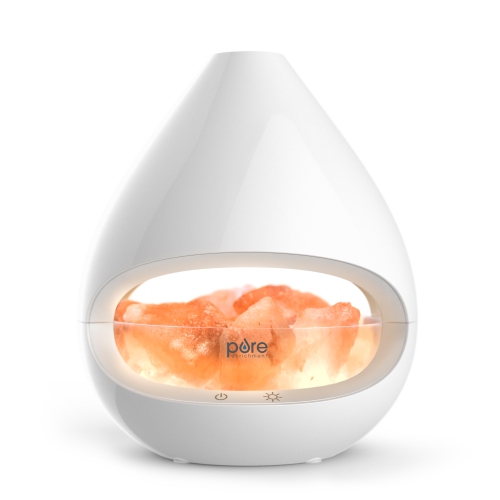 Your price for this item is $69.99
 -
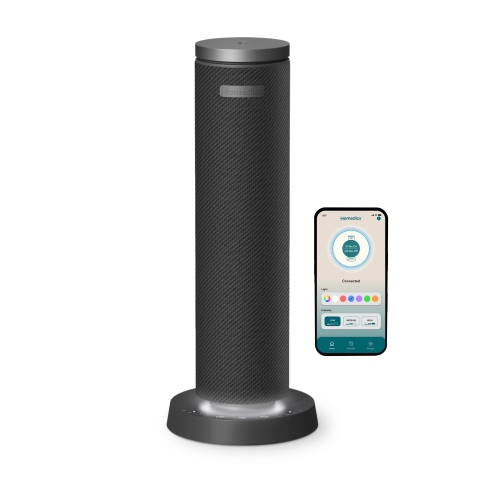 Your price for this item is $179.99
 -
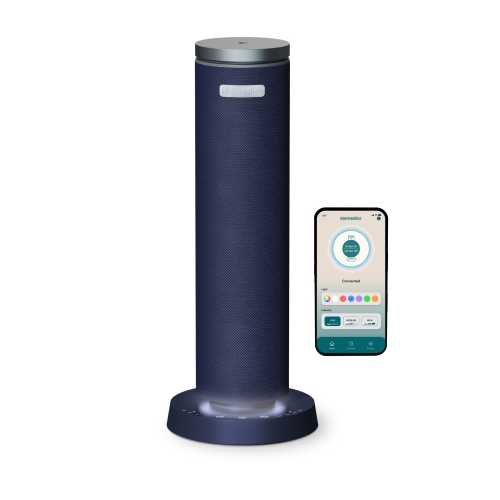 Your price for this item is $179.99
 -
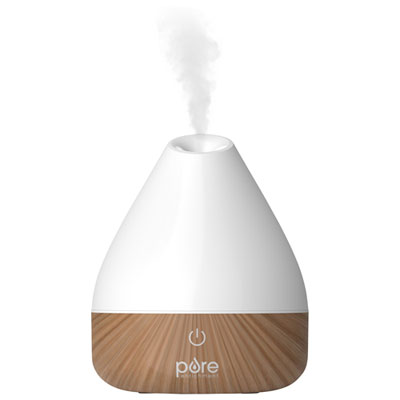 Your price for this item is $64.99
 -
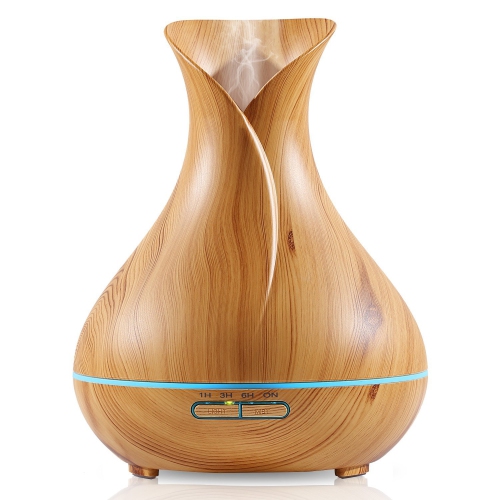 Your price for this item is $79.99
 -
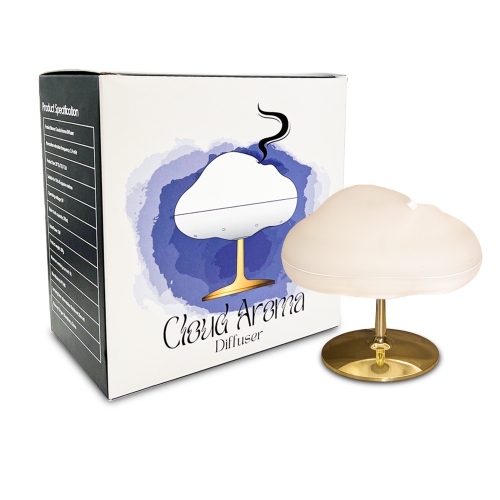 Your price for this item is $47.95
 -
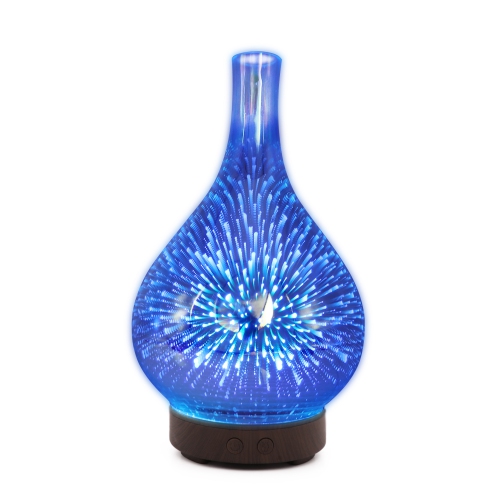 Your price for this item is $129.99
 -
 Your price for this item is $35.46
Discover more categories related to Wax Melts for Wax Warmers
Top Collections:
Pokemon Centers, Kindle Devices, Best Budget Office Chairs, Apple iPhones 16, Canon G7X Cameras, iPhone 15 Apple, Alarm Clock, Refurbished Apple Laptops, Flip Phones, Best Laptops for Writers
Some products may be subject to Environmental Handling Fees
(EHF) depending on your province.
Learn more about EHFs.