Weatherproof Garden Chairs
Transform your outdoor space with Weatherproof Garden Chairs designed to enhance comfort and style in any setting. Perfect for patios, decks, gardens, and balconies, these chairs offer reliable seating options that stand up to the elements. Whether you’re hosting family gatherings or enjoying a quiet afternoon outside, Weatherproof Garden Chairs provide a practical and attractive solution for all your outdoor seating needs. Explore a variety of designs and finishes to find the perfect match for your backyard oasis.
Sort





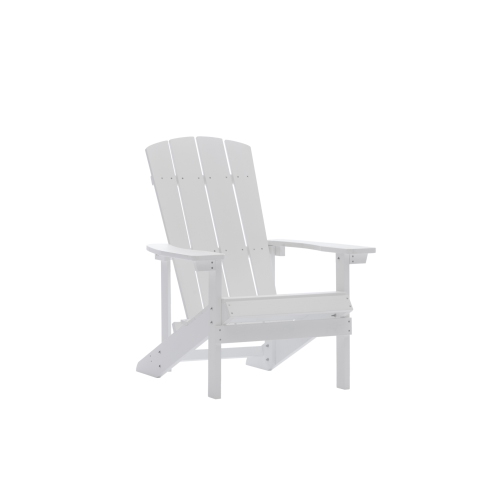
Garden comfort depends on more than weather resistance
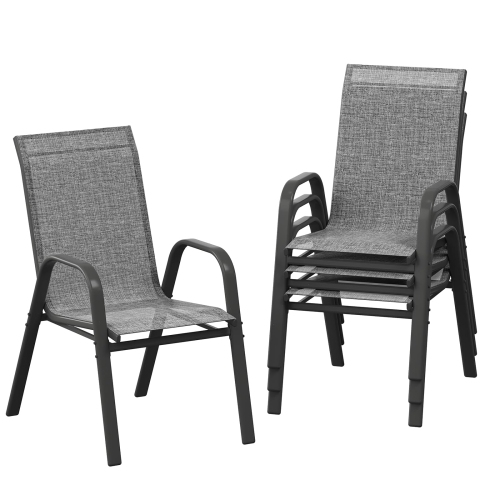
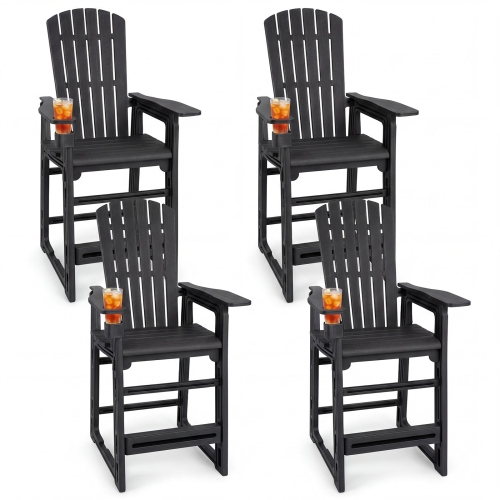
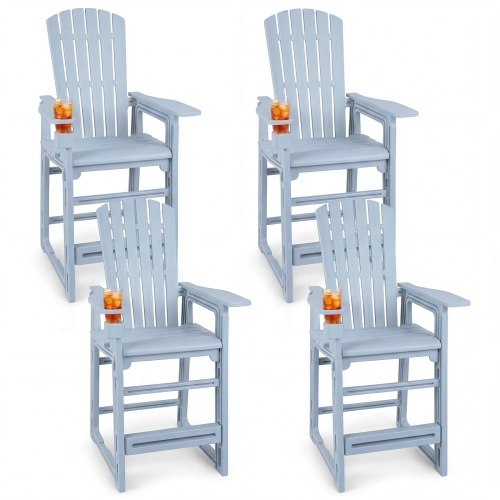
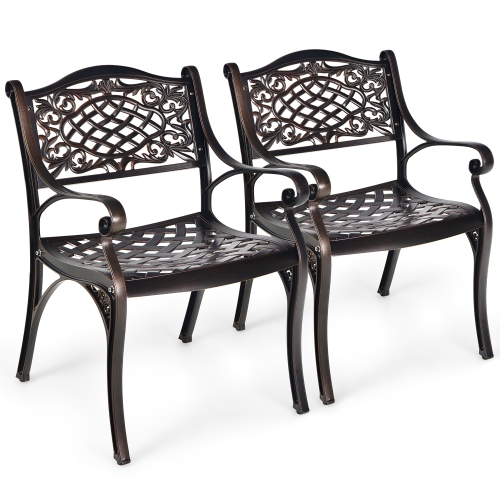
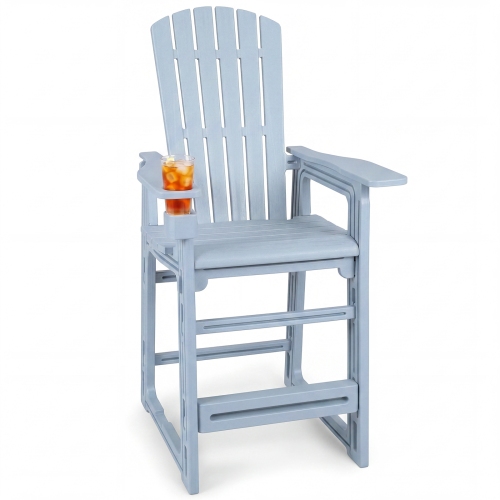
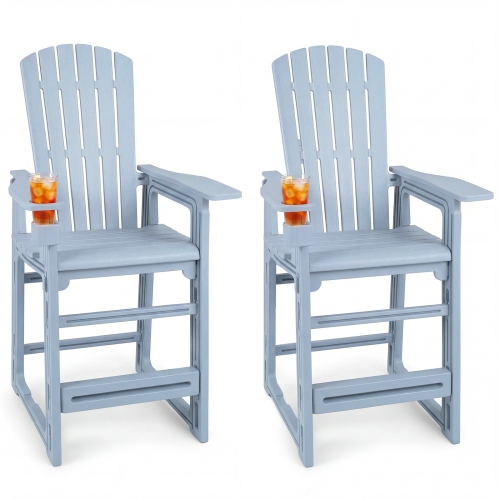
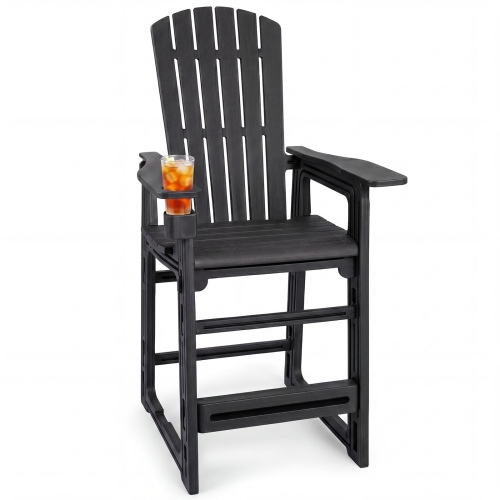
Weatherproof garden chairs make outdoor seating more practical in spaces where rain, damp ground, and direct sunlight are part of everyday use. A chair beside a flower bed offers a place to pause after gardening, while a pair on a paved terrace can turn a quiet corner into somewhere to share a coffee or read. The right shape depends as much on the setting as on personal taste. Upright chairs suit meals and conversation around a table, while deeper seats and angled backs invite a more relaxed position. Adirondack-style seating has a distinctive low profile and broad armrests, though its reclined shape requires more room than a compact dining chair. Folding and stackable designs can make sense for smaller gardens, balconies, or seating that needs to move between a shed and an outdoor gathering. For paved terraces and outdoor dining areas, Weather Resistant Patio Chairs are another useful seating category to explore. Wherever chairs are placed, their footprint matters beyond the space occupied by the seat itself. There needs to be room to pull a chair away from a table, walk behind it, and move comfortably around planters or a garden path. Seat height, usable width, back support, and armrest position all influence how comfortable a chair feels over a longer stretch of time. Someone who prefers an easy, upright posture may find a higher seat more comfortable than a low lounge design, particularly when sitting down or standing up. Armrests should also fit beneath a table if chairs need to tuck away neatly. On grass or gravel, narrow legs can sink or sit unevenly; broader feet and a firm, level surface provide a steadier base. A sheltered nook can accommodate seating with cushions, while a more exposed spot may be better suited to a chair that sheds water readily and feels comfortable without extra padding. These practical differences help garden seating fit naturally into the way an outdoor space is used, rather than simply matching its appearance.
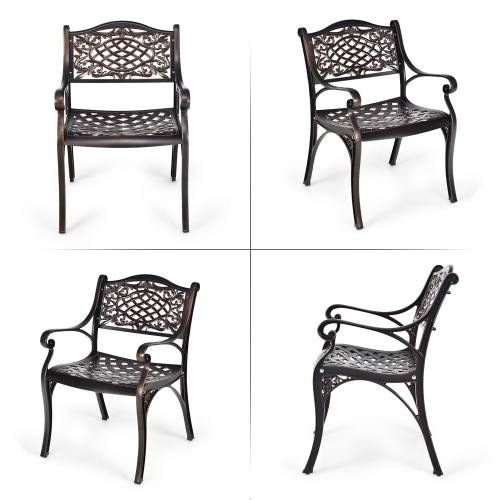
Materials play a large part in how weatherproof garden chairs look, feel, and stand up to repeated outdoor use. Aluminium frames are generally light enough to reposition easily and do not develop the red rust associated with iron, although their finishes and fittings still benefit from routine care. Powder-coated steel can provide a substantial, sturdy feel, but scratches or worn areas in the coating may leave the metal beneath vulnerable to corrosion. Frame weight is worth considering in both directions: a lightweight chair is convenient to carry into storage, while a heavier design may feel more settled in an exposed garden. No chair should be assumed to stay secure in strong winds simply because it feels heavy. Moulded resin and outdoor-grade plastic seating can be straightforward to wipe clean, with performance depending on the material’s construction and resistance to sunlight. Some designs use slats or drainage openings to reduce pooling after rain. Synthetic woven seating offers a textured finish, but its outdoor durability depends on the weave, the supporting frame, and the quality of its connections. Natural wood brings visible grain and a warmer feel to garden settings. Woods such as teak and cedar are often used outdoors, though maintenance requirements vary, and exposure can gradually change their colour. A weathered finish may be part of the appeal, while preserving a particular tone can require care suited to the wood. The term weatherproof should not be taken to mean that every component is unaffected by every condition. Fasteners, joints, feet, finishes, and cushions can each respond differently to moisture, sunlight, and freezing temperatures. Construction details matter alongside the main material: smooth edges, secure joints, stable legs, and clearly stated weight limits contribute to everyday confidence. For cushioned chairs, outdoor-rated fabric and filling are important, but water-resistant upholstery is not necessarily waterproof. Comfort and durability depend on the whole chair, including the parts that are less visible.
Care is usually simplest when it matches both the chair’s material and the amount of exposure it receives. Fallen leaves, pollen, soil, and bird droppings are easier to remove before they settle into crevices or stain a finish. A soft cloth or brush and a mild cleaning solution may be suitable for many surfaces, with the manufacturer’s instructions taking priority over a general cleaning routine. Abrasive pads, strong cleaners, and forceful pressure washing can damage coatings, wood fibres, or woven surfaces. Chairs with slatted seats still need occasional attention around joints and beneath the seat, where debris can collect. Cushions benefit from being allowed to dry thoroughly, and removable covers should only be washed as directed. After persistent rain, standing a suitable loose cushion on its edge in a sheltered, ventilated spot can help water drain rather than remain trapped against the seat. Dry storage protects upholstery from prolonged dampness and keeps it ready for the next use. Protective covers can reduce direct exposure, provided they fit securely and allow moisture to escape; covering wet furniture tightly may leave it damp for longer. Before extended storage, chairs should be clean and dry, with folding mechanisms closed carefully and stacked surfaces protected from rubbing where appropriate. Snow, ice, and freeze-thaw conditions can place additional strain on finishes and joints, so storage recommendations are especially relevant for outdoor seating used in Canada. Periodic checks for loose hardware, cracks, sharp edges, or damaged feet help catch wear before it affects stability. Garden chairs can serve many households: keen gardeners who want a resting spot near their beds, hosts arranging seating for outdoor meals, or readers who favour a quiet corner away from the house. They can also be thoughtful housewarming gifts when the recipient’s space, preferred seating height, and storage options are known. A coordinated group creates a consistent look around a table, while a single comfortable chair can make an overlooked corner useful. The most suitable choice balances appearance with a comfortable fit, manageable upkeep, and construction appropriate to its intended setting.
Top selling and popular products
-
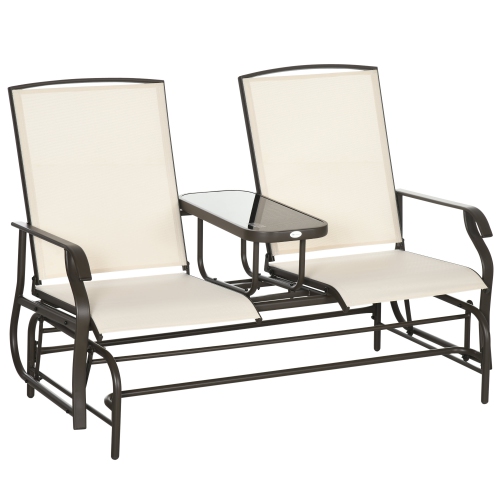 Your price for this item is $209.99
-
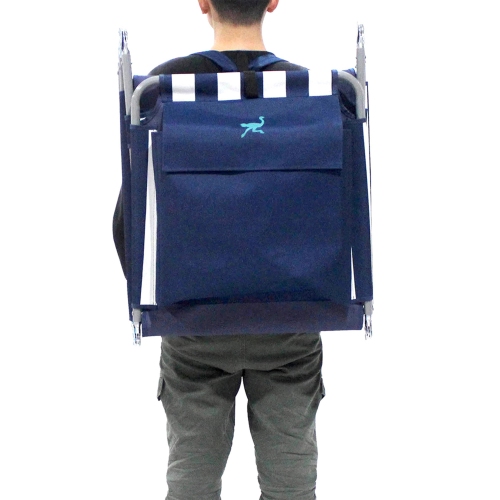 Your price for this item is $223.99
-
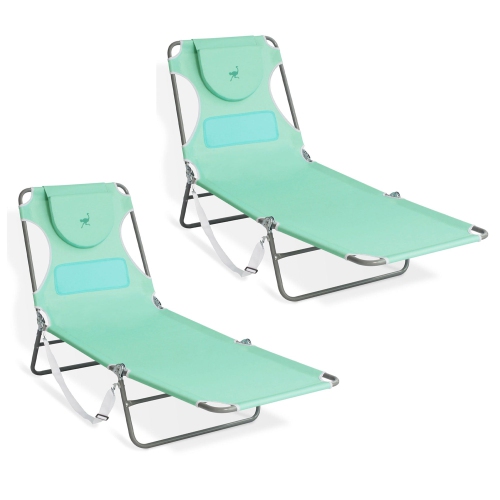 Your price for this item is $409.99
-
 Your price for this item is $188.99
-
 Your price for this item is $262.99
-
 Your price for this item is $178.99
-
 Your price for this item is $714.99
-
 Your price for this item is $479.99
Discover more categories related to Weatherproof Garden Chairs


Top Collections:
Pokemon Centers, Kindle Devices, Best Black Friday Deals This Year, Pokémon 30th Celebration Cards, Best Black Friday Deals On Electronics, Best Cameras for Sports Photography, Best Black Friday Deals On Apple Products, Canon G7X Cameras, iPhone 15 Apple, Candle Warmer Lights
Some products may be subject to Environmental Handling Fees
(EHF) depending on your province.
Learn more about EHFs.