Wedge Pillows for Leg Elevation
Wedge Pillows for Leg Elevation offer a simple way to enhance your comfort and relaxation at home. Designed to support your legs at an optimal angle, these pillows can make it easier to unwind after a long day or enjoy a restful night’s sleep. Explore a wide selection of wedge pillows for leg elevation to find the right fit for your needs, whether you’re lounging on the sofa or settling into bed. Shop options that complement your lifestyle and help you create a cozy, supportive space wherever you rest.
Sort
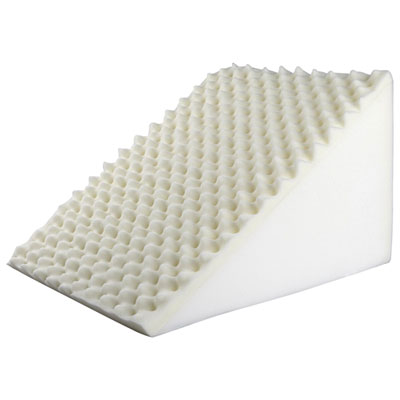
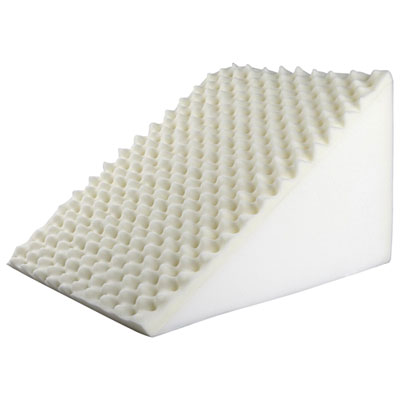
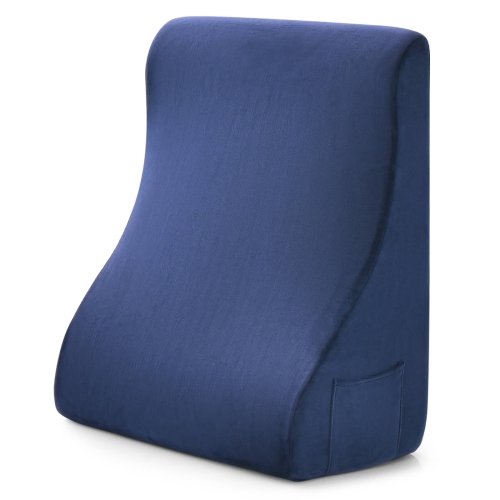
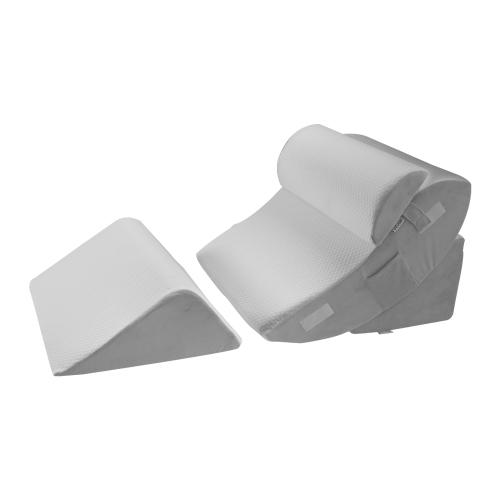
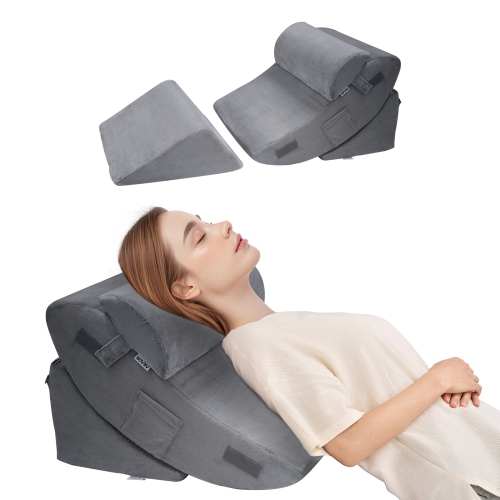
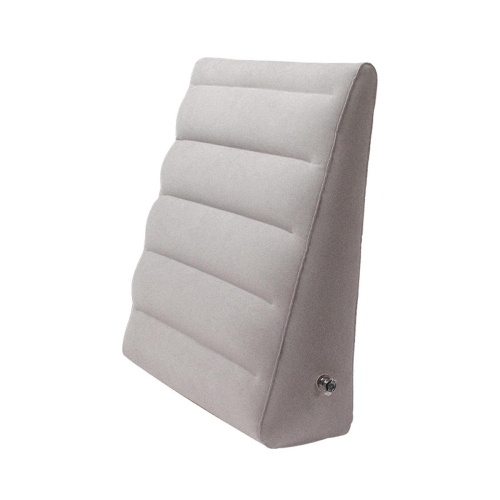
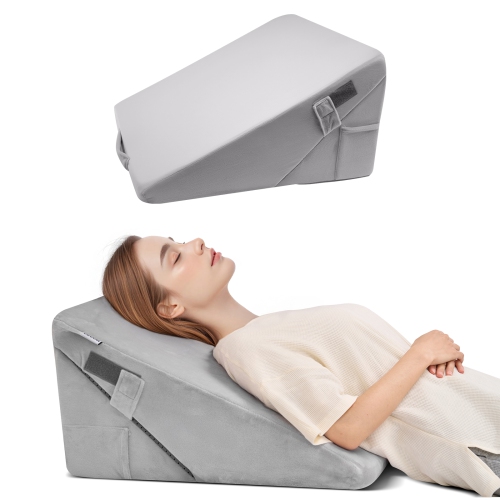
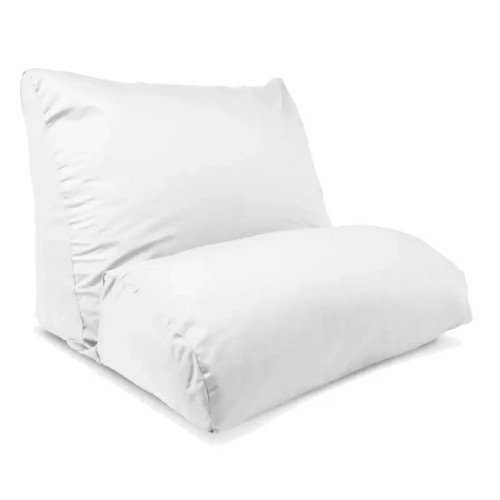
Steady leg support without a stack of pillows
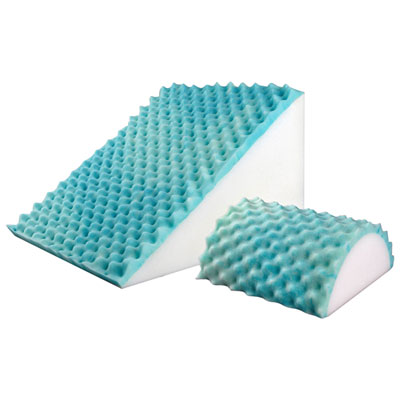
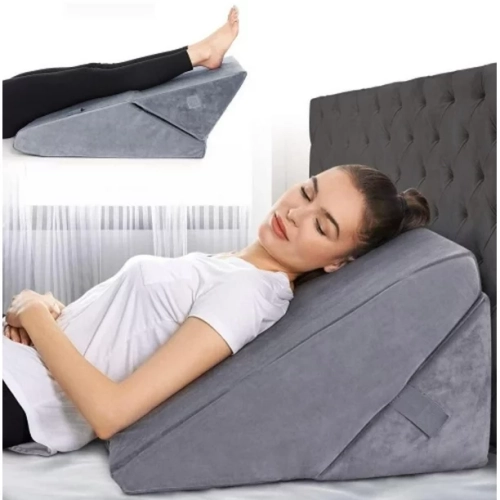
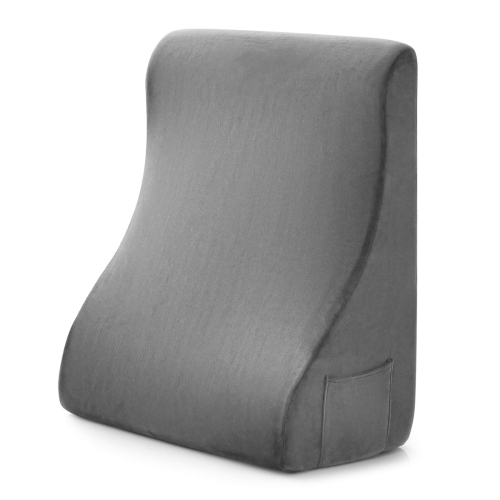
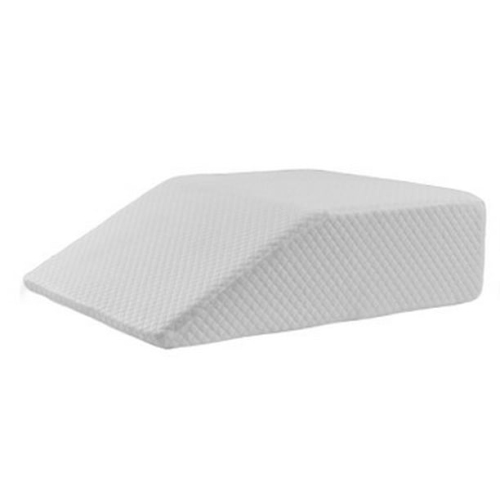
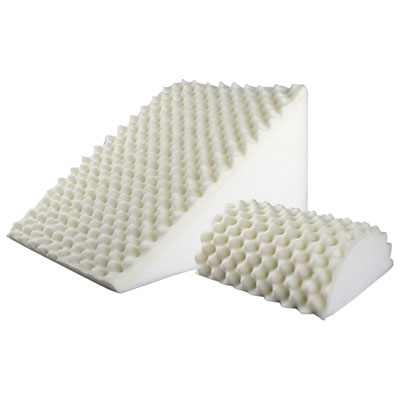
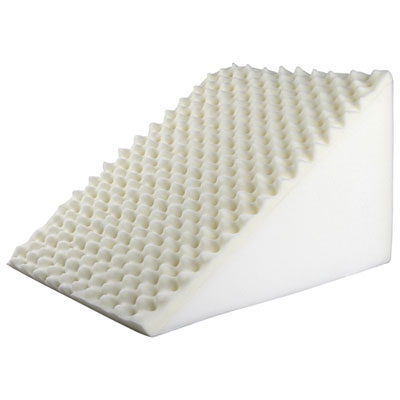
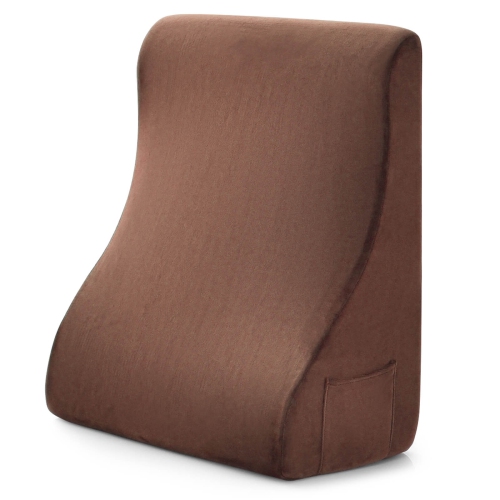
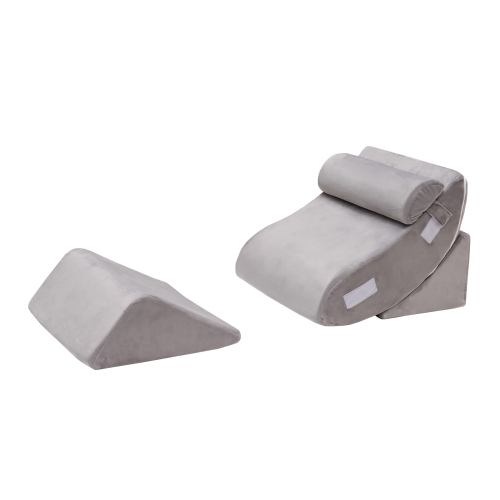
Wedge pillows for leg elevation are shaped support cushions that raise the lower legs while you rest on a bed or another suitable flat surface. Their sloped profile supports the legs at an incline, while a raised platform or contoured top gives the calves a place to settle. Unlike a stack of ordinary pillows, a purpose-built leg wedge provides a more consistent shape, helping you maintain a comfortable position without repeatedly rearranging loose cushions. Leg elevation may help reduce temporary swelling associated with prolonged sitting or standing by supporting the return of blood from the legs towards the heart. However, whether a pillow raises your feet above heart level depends on its height, your body proportions, and the position of your upper body; a wedge does not achieve this simply because it is labelled for elevation. These cushions can be useful for someone who spends much of the day at a desk, works on their feet, or wants supported leg positioning while reading or resting. They may also be used after certain procedures or injuries when a healthcare professional has advised elevation, though the required position and duration will vary. For everyday comfort, the aim is broad, steady support rather than the greatest possible height. A position that feels relaxing for one person may place too much bend behind another person’s knees or leave their heels unsupported. Leg wedges also serve a different purpose from cushions designed primarily to lift the shoulders and torso. For upper-body positioning, wedge pillows for sleeping offer a related category to explore, but their shape and intended use should not be assumed to match those of a leg elevation cushion. Distinguishing between these designs helps keep the focus on where support is needed and how the cushion will be used, whether for a short rest on the sofa or a clinician-approved position in bed.
The most useful dimensions to compare are the wedge’s height, length, and width, because each affects fit in a different way. Height determines how far the lower legs are raised, while the length of the incline influences how gradually they reach that position. A shorter, steeper slope can feel quite different from a longer, gentler one, even when both cushions have the same maximum height. Width matters especially when both legs will rest on the pillow: there should be enough room to settle naturally without balancing along the edges or holding the knees tightly together. Consider the space the wedge occupies on the mattress as well as the space it leaves for another sleeper. A broad flat top allows some freedom to reposition the legs, whereas a contoured surface or separate leg channels can help maintain a more defined resting position. Neither shape is automatically better; the right fit depends on comfort, mobility, and any positioning advice you have received. Adjustable designs with removable layers can offer flexibility, although their sections need to remain securely aligned during use. Materials contribute just as much to the feel. A high-density foam base can provide structure, while a softer memory foam surface may mould around the calves and distribute contact more evenly. Foam density and firmness describe different properties, so a dense cushion is not necessarily a hard one. A pillow that compresses too deeply may lose useful elevation, while an overly firm surface can create uncomfortable pressure. Check how the cushion supports the calves, where its edges meet the legs, and whether the heels need support or pressure relief for your intended use. Carry handles can make a bulky wedge easier to move between rooms, and a grippy underside may help limit sliding, though neither feature replaces a stable resting surface. If lifting or bending is difficult, the cushion’s weight and the effort needed to position it are practical details worth considering alongside its shape.
Care and construction affect how pleasant a leg elevation pillow remains through repeated use. A removable, washable cover is particularly useful for a cushion that regularly touches bare skin or is shared within a household. Look at the care instructions for the cover and foam separately: a cover may tolerate machine washing even when the inner cushion must only be spot-cleaned. Let all cleaned components dry fully before putting the pillow back together, and avoid soaking foam unless the manufacturer specifically permits it. A soft, breathable cover can make prolonged contact more comfortable, while neat seams and a well-positioned zip help keep rough edges away from the legs. Stretch in the fabric should allow the foam to respond without pulling the cover excessively tight. If an extra protective layer is needed, it should fit without flattening contours or making the surface slippery. Durability shows up in the cushion’s ability to regain its shape, keep its layers aligned, and maintain an even support surface. Persistent dents, a crumbling core, or a cover that bunches under the calves can change how the pillow feels and functions. Store it according to its care directions rather than leaving heavy objects on top of it. In daily use, place the wedge where getting into and out of the resting position remains manageable; it should not obstruct a transfer from the bed or become something to step over on the floor. A leg elevation cushion can be a thoughtful practical gift for someone who has expressed a need for this kind of support, but personal fit and medical positioning requirements make it worth checking their preferences first. For use after surgery, or with a circulation condition, reduced sensation, or persistent swelling, follow a healthcare professional’s advice about height, placement, and duration rather than treating the pillow as a treatment on its own. New or unexplained swelling, particularly in one leg, calls for medical assessment rather than simply more elevation. For ordinary rest, a well-fitted wedge should make supported positioning feel straightforward, without forcing the legs into an uncomfortable angle.
The most useful dimensions to compare are the wedge’s height, length, and width, because each affects fit in a different way. Height determines how far the lower legs are raised, while the length of the incline influences how gradually they reach that position. A shorter, steeper slope can feel quite different from a longer, gentler one, even when both cushions have the same maximum height. Width matters especially when both legs will rest on the pillow: there should be enough room to settle naturally without balancing along the edges or holding the knees tightly together. Consider the space the wedge occupies on the mattress as well as the space it leaves for another sleeper. A broad flat top allows some freedom to reposition the legs, whereas a contoured surface or separate leg channels can help maintain a more defined resting position. Neither shape is automatically better; the right fit depends on comfort, mobility, and any positioning advice you have received. Adjustable designs with removable layers can offer flexibility, although their sections need to remain securely aligned during use. Materials contribute just as much to the feel. A high-density foam base can provide structure, while a softer memory foam surface may mould around the calves and distribute contact more evenly. Foam density and firmness describe different properties, so a dense cushion is not necessarily a hard one. A pillow that compresses too deeply may lose useful elevation, while an overly firm surface can create uncomfortable pressure. Check how the cushion supports the calves, where its edges meet the legs, and whether the heels need support or pressure relief for your intended use. Carry handles can make a bulky wedge easier to move between rooms, and a grippy underside may help limit sliding, though neither feature replaces a stable resting surface. If lifting or bending is difficult, the cushion’s weight and the effort needed to position it are practical details worth considering alongside its shape.
Care and construction affect how pleasant a leg elevation pillow remains through repeated use. A removable, washable cover is particularly useful for a cushion that regularly touches bare skin or is shared within a household. Look at the care instructions for the cover and foam separately: a cover may tolerate machine washing even when the inner cushion must only be spot-cleaned. Let all cleaned components dry fully before putting the pillow back together, and avoid soaking foam unless the manufacturer specifically permits it. A soft, breathable cover can make prolonged contact more comfortable, while neat seams and a well-positioned zip help keep rough edges away from the legs. Stretch in the fabric should allow the foam to respond without pulling the cover excessively tight. If an extra protective layer is needed, it should fit without flattening contours or making the surface slippery. Durability shows up in the cushion’s ability to regain its shape, keep its layers aligned, and maintain an even support surface. Persistent dents, a crumbling core, or a cover that bunches under the calves can change how the pillow feels and functions. Store it according to its care directions rather than leaving heavy objects on top of it. In daily use, place the wedge where getting into and out of the resting position remains manageable; it should not obstruct a transfer from the bed or become something to step over on the floor. A leg elevation cushion can be a thoughtful practical gift for someone who has expressed a need for this kind of support, but personal fit and medical positioning requirements make it worth checking their preferences first. For use after surgery, or with a circulation condition, reduced sensation, or persistent swelling, follow a healthcare professional’s advice about height, placement, and duration rather than treating the pillow as a treatment on its own. New or unexplained swelling, particularly in one leg, calls for medical assessment rather than simply more elevation. For ordinary rest, a well-fitted wedge should make supported positioning feel straightforward, without forcing the legs into an uncomfortable angle.
Top selling and popular products
-
 Your price for this item is $300
 -
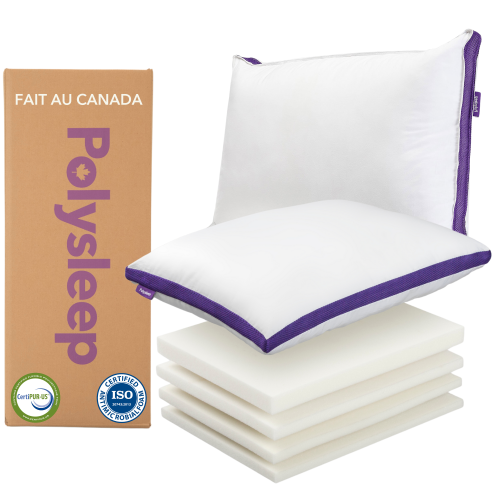 Your price for this item is $350
 -
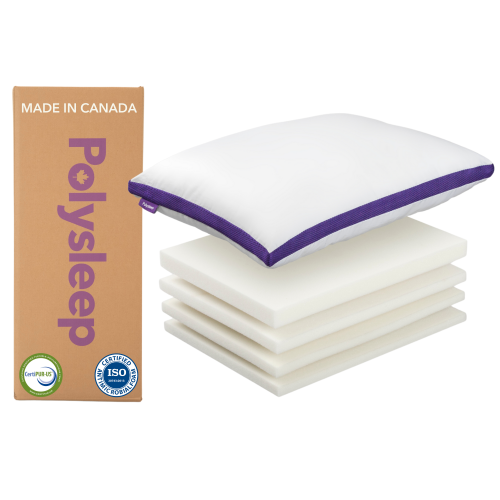 Your price for this item is $175
 -
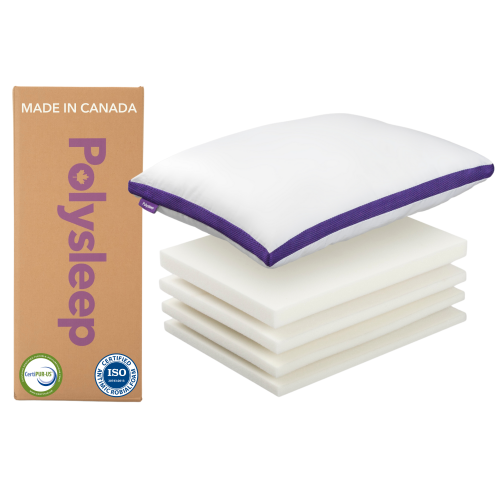 Your price for this item is $150
 -
 Your price for this item is $295
 -
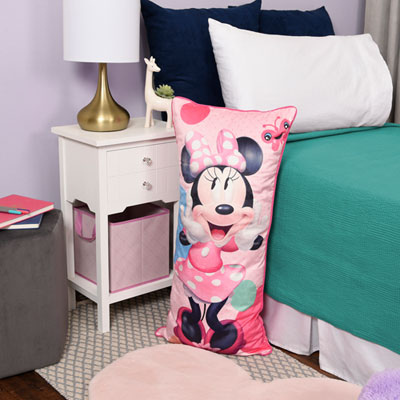 Your price for this item is $24.99
 -
 Your price for this item is $19.99
 -
 Your price for this item is $24.98
Discover more categories related to Wedge Pillows for Leg Elevation
Top Collections:
Pokemon Centers, Kindle Devices, Best Budget Office Chairs, Apple iPhones 16, Canon G7X Cameras, iPhone 15 Apple, Alarm Clock, Refurbished Apple Laptops, Flip Phones, Best Laptops for Writers
Some products may be subject to Environmental Handling Fees
(EHF) depending on your province.
Learn more about EHFs.