4-Seater White Dining Tables
Transform your dining area into a stylish and inviting space with a 4-seater white dining table. Perfectly blending elegance and functionality, these tables offer the ideal setting for intimate dinners or casual gatherings with friends and family. The clean, white finish adds a touch of modern sophistication to any decor, while the compact size ensures they fit seamlessly into both small and larger spaces. Whether you're enjoying a quiet breakfast or hosting a dinner party, a 4-seater white dining table is the perfect centerpiece for creating memorable dining experiences. Explore our selection to find the perfect match for your home today.
Sort
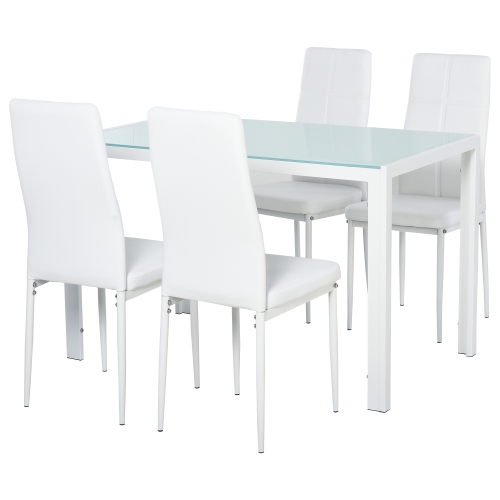
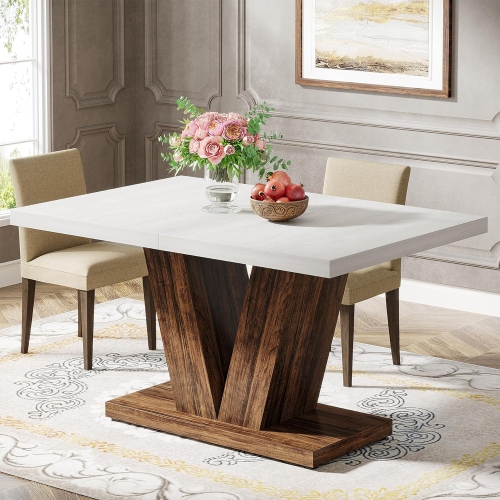
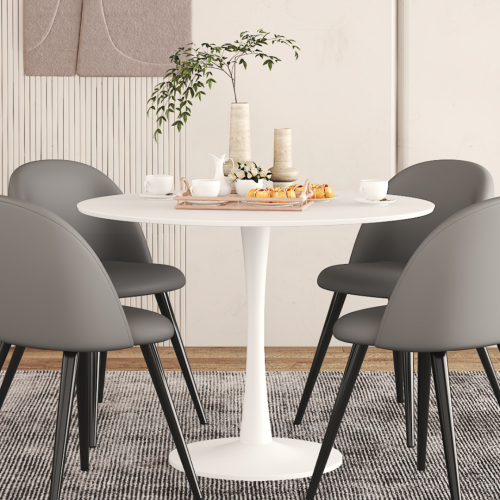
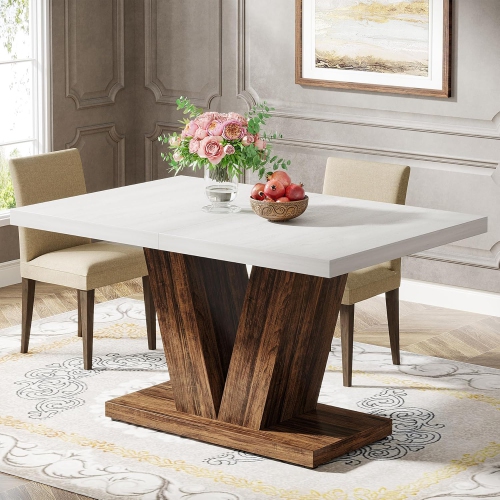
Room for four without crowding your dining space
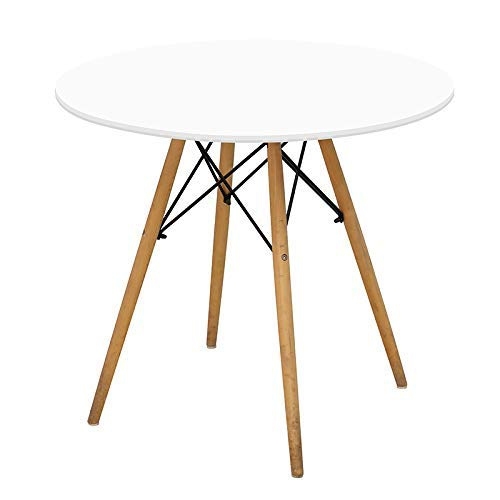
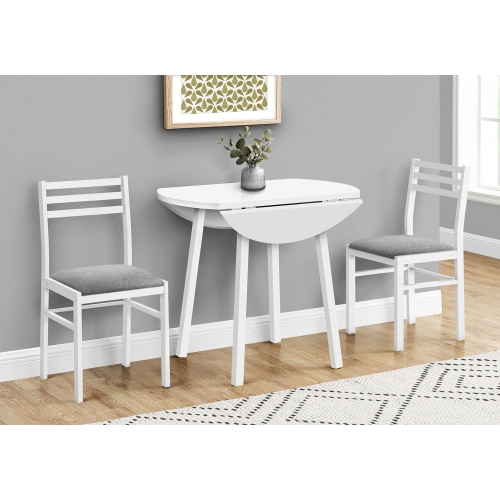
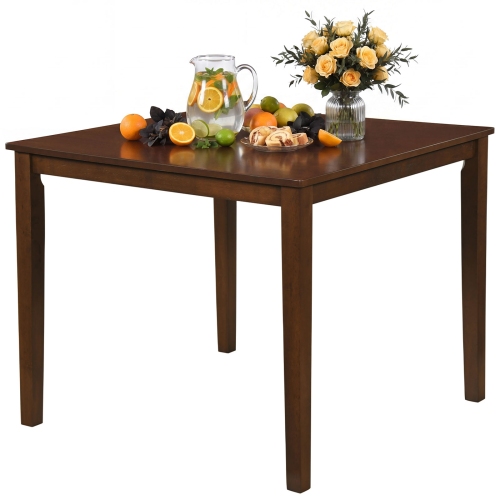
4-seater white dining tables provide a dedicated place for everyday meals without requiring the footprint of a larger dining arrangement. Designed to seat four people, they suit apartment dining areas, kitchen breakfast spaces, and smaller rooms where the table needs to leave enough space for comfortable movement. A white finish creates a light visual presence and pairs easily with natural wood, grey upholstery, black metal, or colourful chairs. The finish may cover the whole table or appear only on the tabletop, with contrasting legs adding warmth or definition. Shape makes a practical difference to how the space feels and functions. Round tables bring everyone within easy conversation distance, while their curved edges can make it easier to move around a compact dining area. Rectangular tables often work well in narrow rooms, although placing one against a wall can limit access to a seat. Square tables create a balanced arrangement with one person on each side; 4 Seating Square Dining Tables offer another way to explore that layout. As a general reference, round and square tabletops measuring approximately 36 to 44 inches across are common for four-person dining, while rectangular designs often measure about 48 to 60 inches long and 30 to 36 inches wide. Actual comfort depends on the base, chair size, and place settings, not just the tabletop dimensions. Around 24 inches of table edge per person is a useful starting point for elbow room. Leaving roughly 36 inches between the table edge and a wall helps with pulling chairs out, while a route used for walking behind seated diners generally needs more room. In an open-plan apartment, that clearance also keeps the dining area from interrupting the path between the kitchen and living space. Door swings, nearby drawers, and radiators can affect placement just as much as the room’s overall measurements.
Materials and construction determine how a white dining table feels in daily use and how much attention its surface needs. Painted solid wood offers a familiar furniture feel, with joints and grain that may remain subtly visible beneath the finish. Wood can respond to changes in indoor humidity, so consistent indoor conditions and prompt spill cleanup help protect it. Engineered wood, including MDF and particleboard, is often used beneath painted, laminated, or melamine surfaces. These finishes can provide a smooth, uniform white appearance, but their performance depends on the quality of the coating, edge treatment, and construction. A well-sealed tabletop is easier to wipe clean than one with exposed seams where moisture can collect. Melamine and laminate surfaces are practical for everyday dining, although neither should be treated as a cutting board or a resting place for cookware straight from the stove. White glass tabletops have a different character, reflecting light and giving the room a crisp appearance; fingerprints and streaks may be more noticeable, especially on glossy finishes. Stone and stone-look surfaces vary considerably in weight, porosity, and care requirements, so the material description matters more than appearance alone. Natural marble, for example, may need sealing and can be marked by acidic spills, while other surfaces have different maintenance needs. Across materials, a soft cloth and a cleaner approved for the finish are sensible choices, with abrasive pads best avoided unless specifically permitted by the manufacturer. Tomato sauce, coffee, and strongly coloured food spills deserve prompt attention on a white surface. Placemats, coasters, and trivets help reduce contact with scratches, moisture, and heat, but protective accessories should also have backings suitable for the finish. Durability extends below the tabletop: secure joints, appropriate hardware, and a stable base matter when chairs are moved in and out several times a day. Adjustable feet can help a table sit evenly on a slightly uneven floor, while well-fitted floor protectors help prevent marks on wood or tile.
The relationship between the table and its chairs often determines whether a four-person arrangement feels comfortable or cramped. Many standard dining tables stand around 28 to 30 inches high, but the useful measurement is the space between the seat and the underside of the table, including any apron or support rail. Roughly 10 to 12 inches between the seat and tabletop is a common starting point, with the final fit depending on the sitter and chair design. Armchairs need enough clearance to slide underneath, and wide upholstered seats can take up more room than slim armless chairs. A central pedestal may offer flexible chair placement, but its footprint can still affect where feet rest. Corner legs define individual seating positions clearly, although thick legs or low crossbars can reduce knee room. These details matter for a couple who use the table daily and seat guests occasionally, as well as for a household of four sharing every meal. The tabletop also needs to accommodate more than four plates: serving dishes, drinking glasses, and a small centrepiece all draw on the usable space. A modest vase or fruit bowl can leave room for breakfast, while a laptop or homework folder may need to be cleared before dinner. For a table that doubles as a work surface, an easy-clean finish and comfortable chair pairing are particularly useful. White offers plenty of styling flexibility without requiring every piece to match. Warm white can sit comfortably beside oak tones and woven textures, while a cooler white may suit grey seating, chrome details, or a more sharply defined black-and-white room. Matte finishes tend to give a softer impression, whereas glossy surfaces reflect more of the surrounding light. Existing flooring, cabinetry, and lighting can change how the same shade appears, making finish descriptions and close-up images useful alongside overall room photographs. With a suitable footprint, accessible seating, and care matched to its materials, a four-seater white dining table can serve as a practical gathering place for meals, conversation, and the small tasks that fill an ordinary day.
Top selling and popular products
-
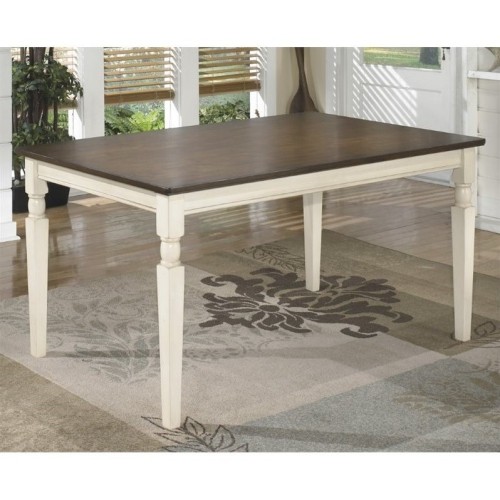 Your price for this item is $399
-
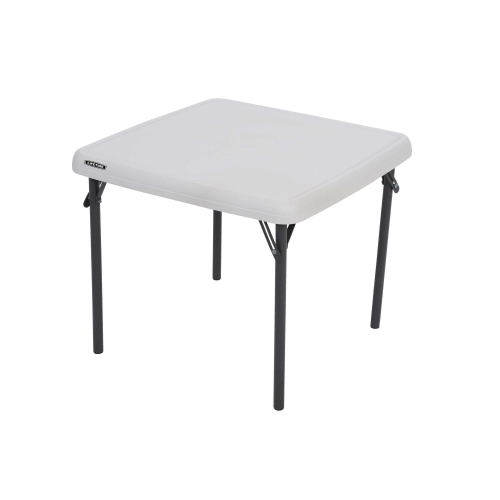 Your price for this item is $74.99
-
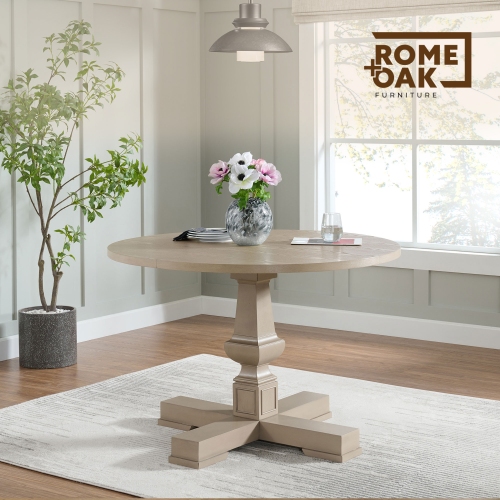 Your price for this item is $971.99
-
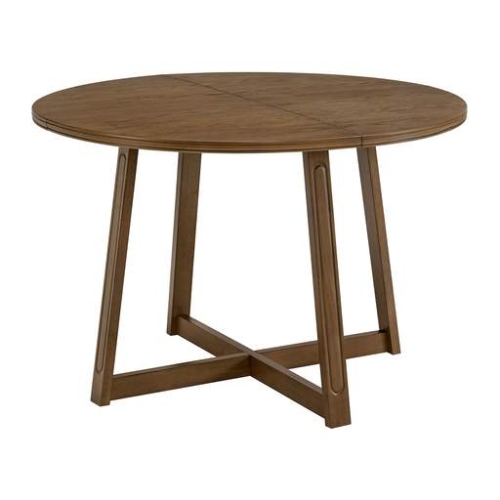 Your price for this item is $796.99
-
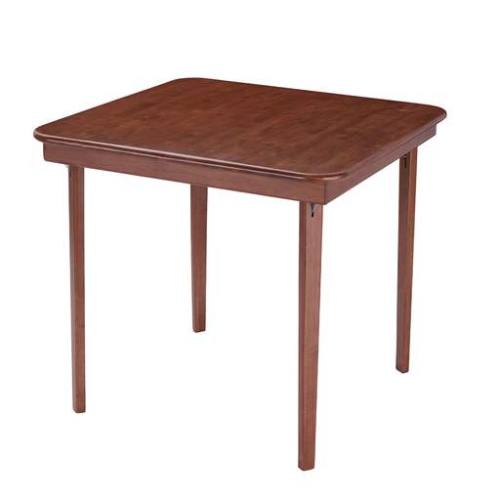 Your price for this item is $413.99
-
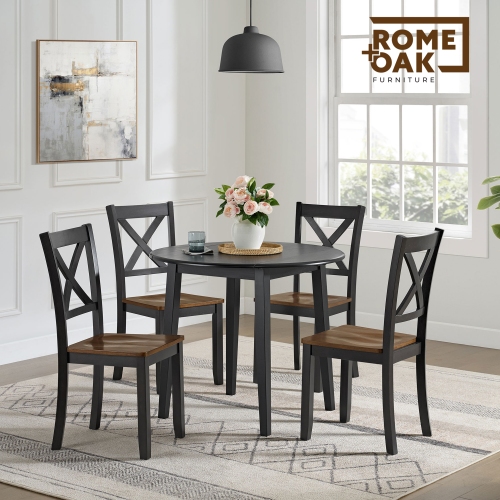 Your price for this item is $392.99
-
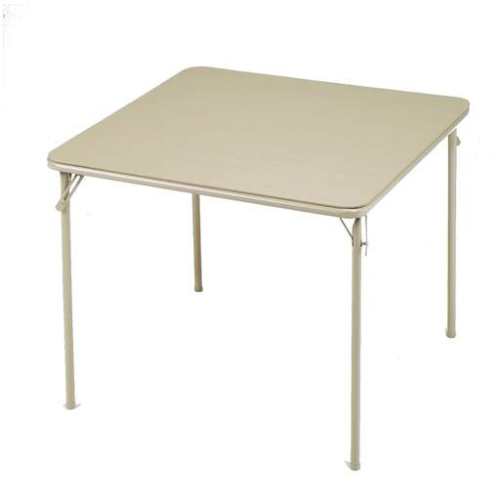 Your price for this item is $243.99
-
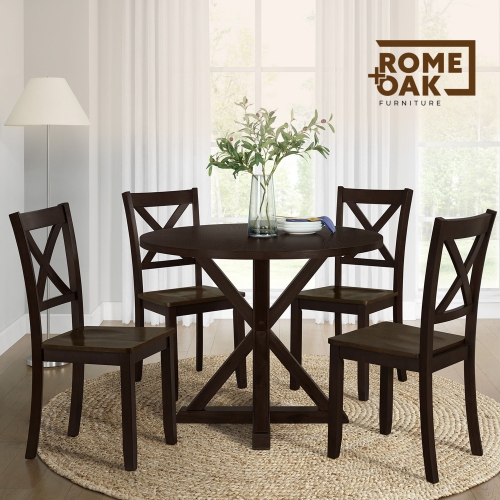 Your price for this item is $827.99
Discover more categories related to 4-Seater White Dining Tables
Top Collections:
Best Black Friday Deals This Year, Best Black Friday Deals On Electronics, Kindle Devices, Pokemon Centers, Best Black Friday Deals On Apple Products, Best Cameras for Sports Photography, Dyson Airwrap, Pokémon 30th Celebration Cards, Apple iPhone 17 Pro, Canon G7X Cameras
Some products may be subject to Environmental Handling Fees
(EHF) depending on your province.
Learn more about EHFs.