White And Grey Desks
Create a stylish and functional workspace with our selection of white and grey desks. Whether you're working from home or need a dedicated area for studying, these desks offer a sleek and modern design that seamlessly blends into any room decor. Explore our collection now and find the perfect white and grey desk to enhance your productivity and elevate your workspace.
Sort
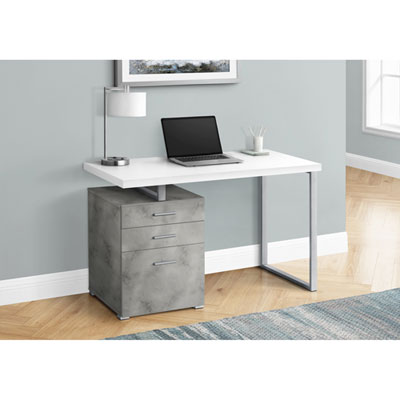
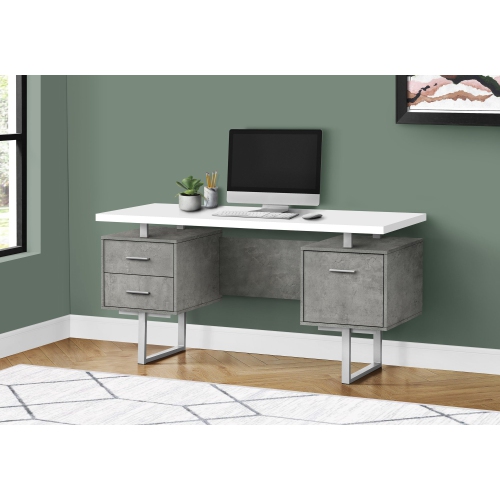
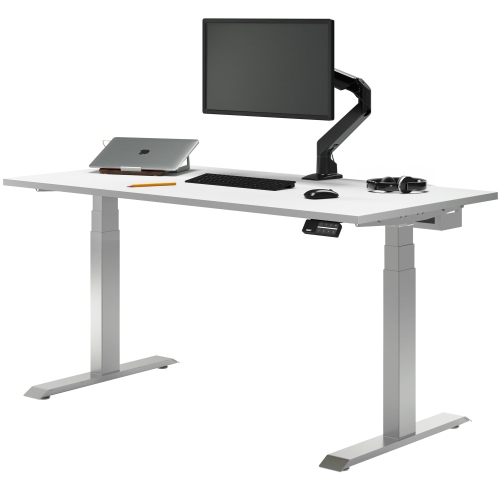
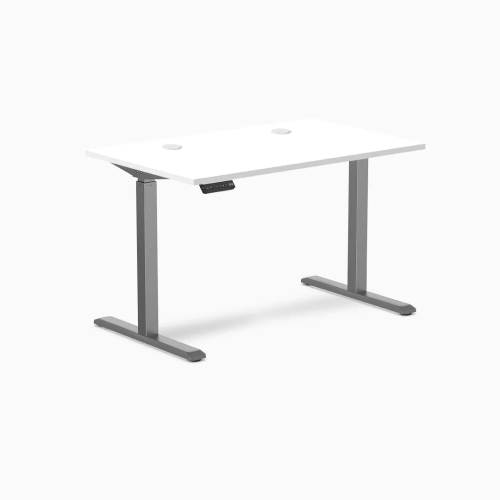
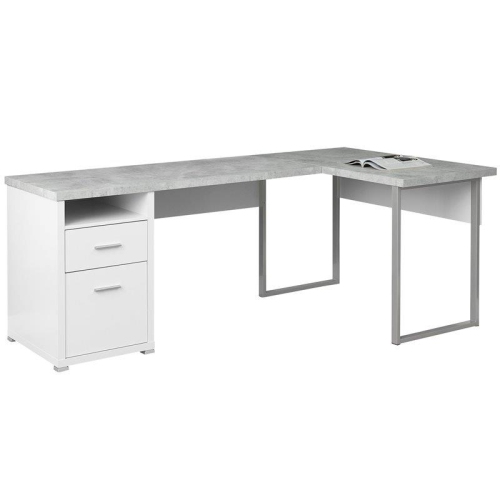
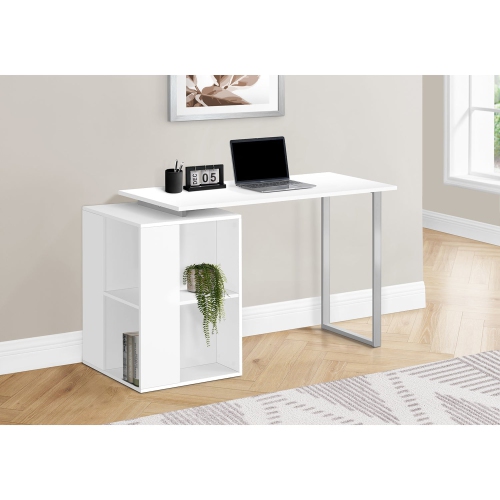
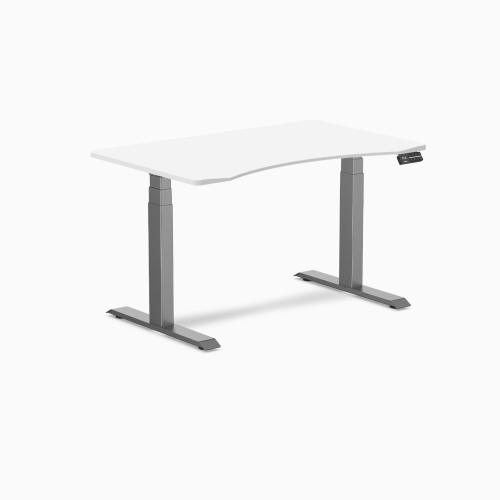
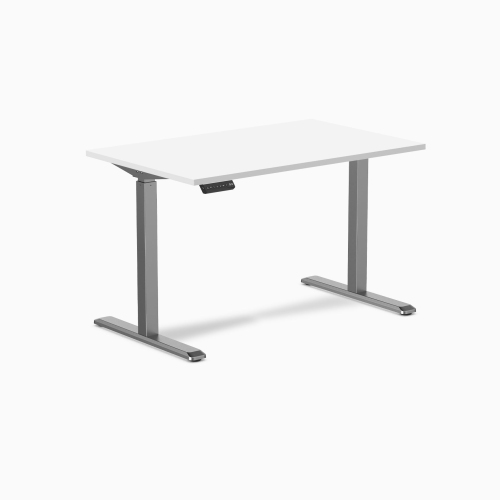

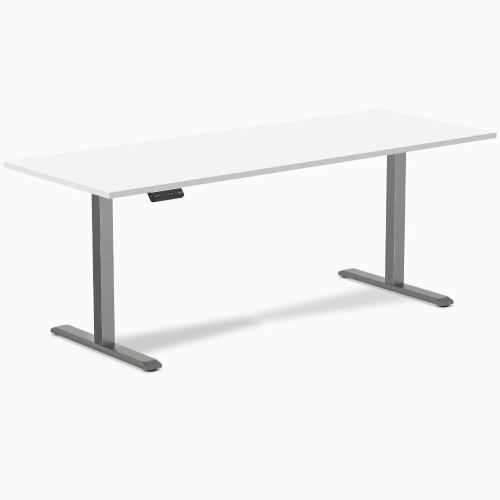
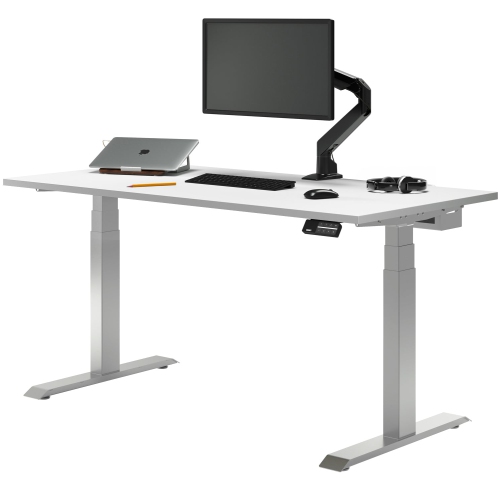
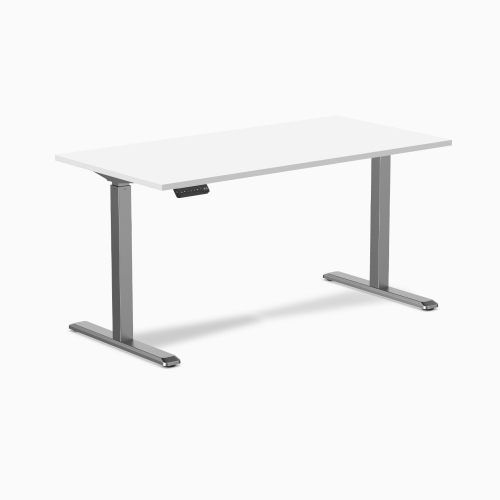

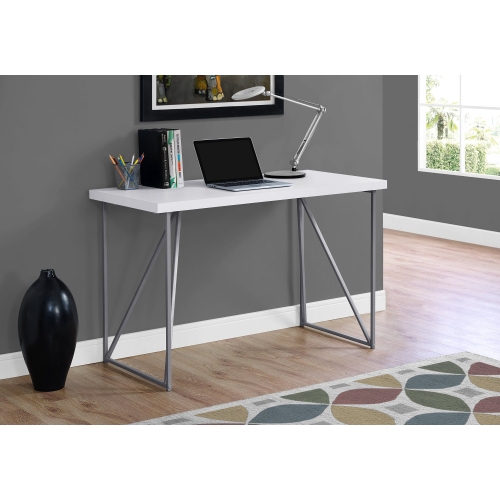
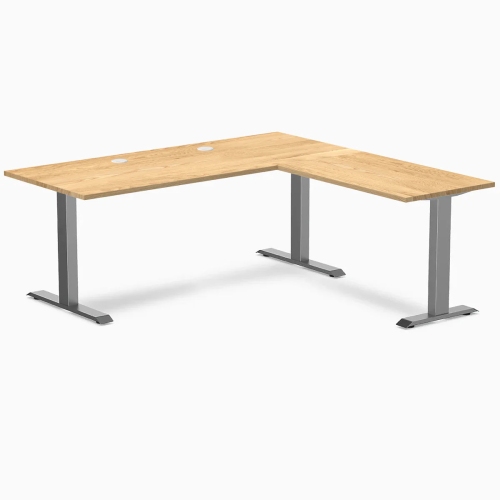
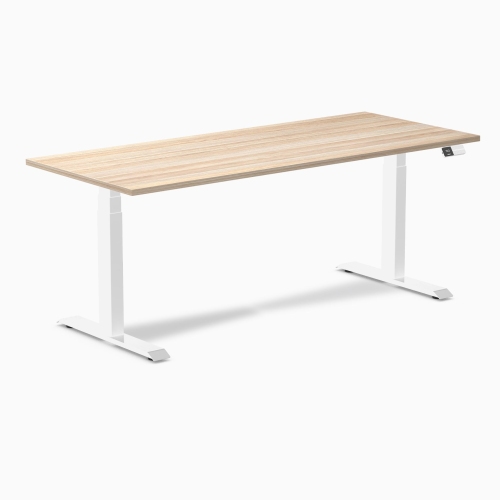
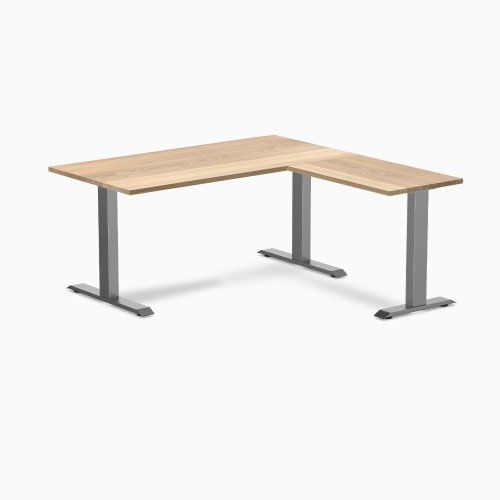
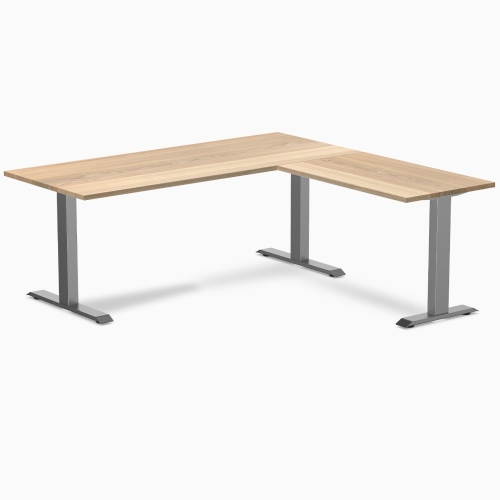
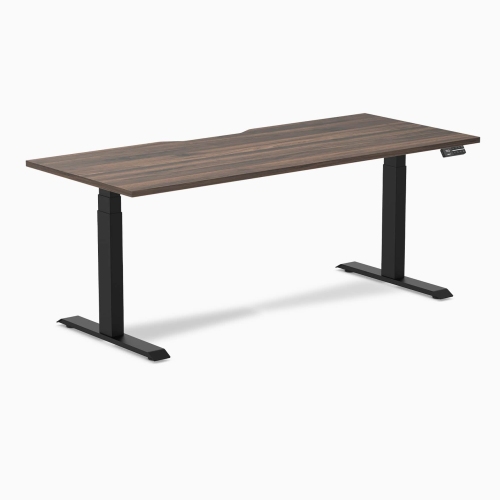
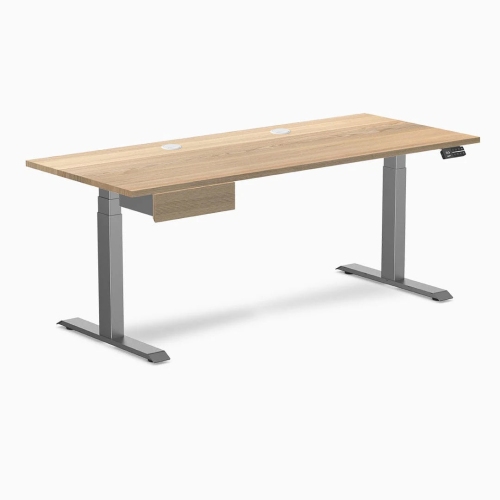
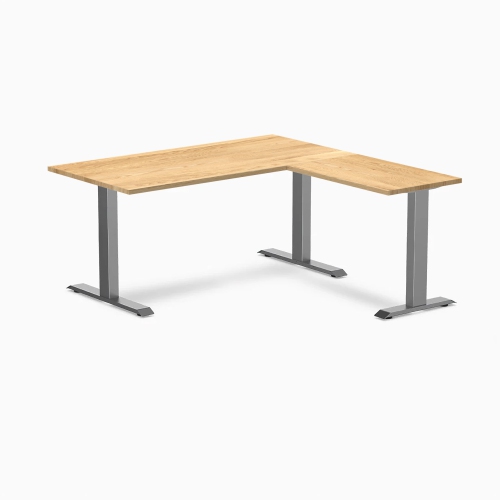
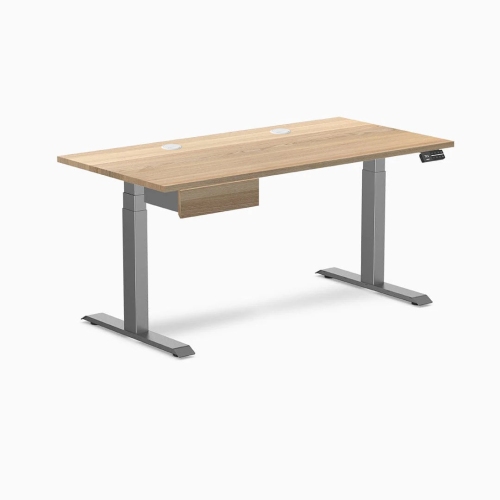
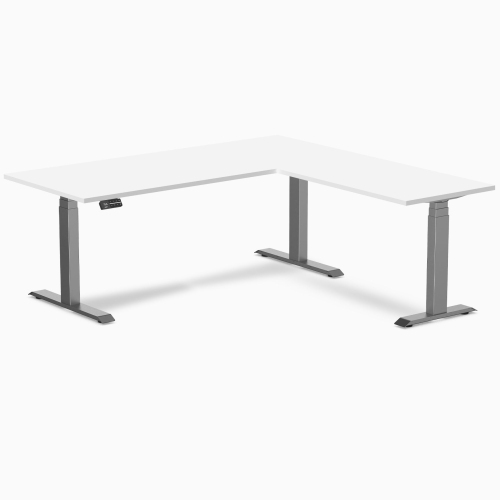
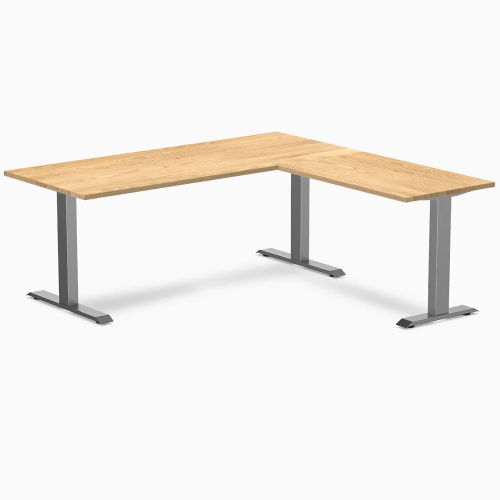
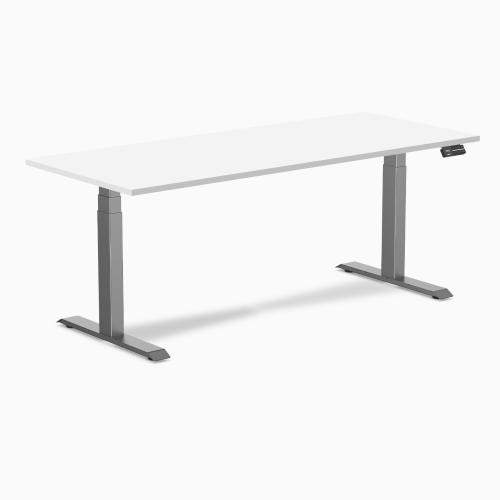
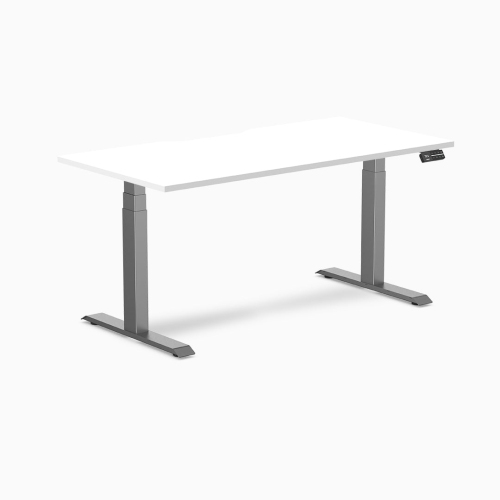
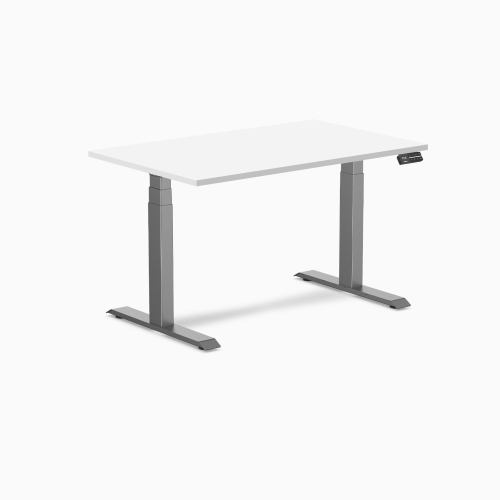
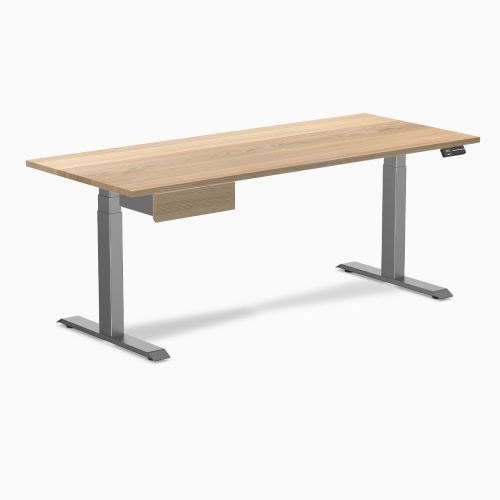
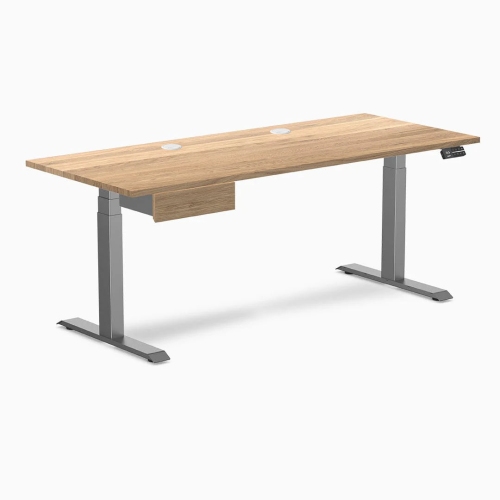
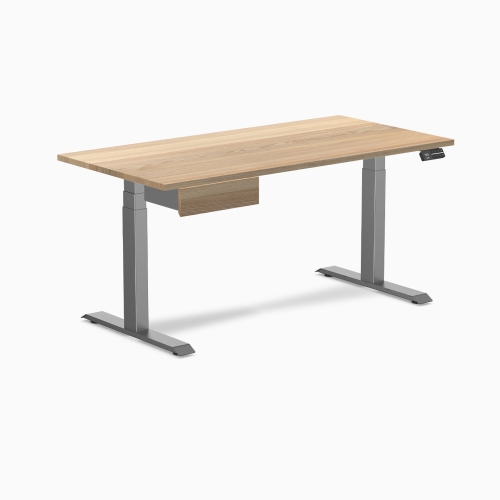
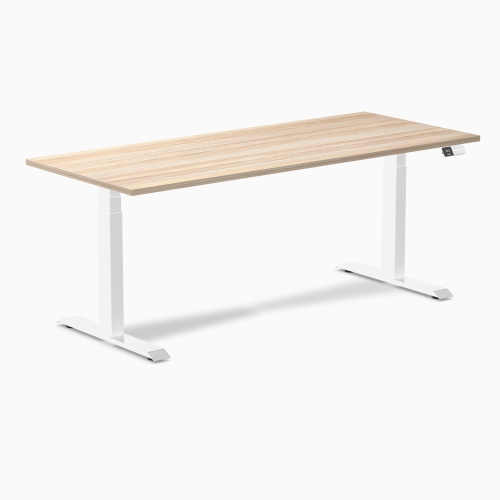
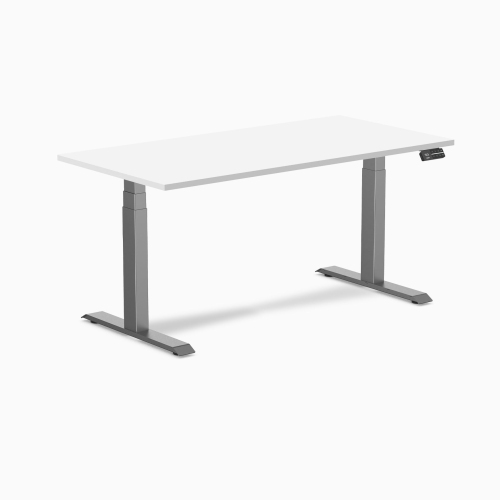
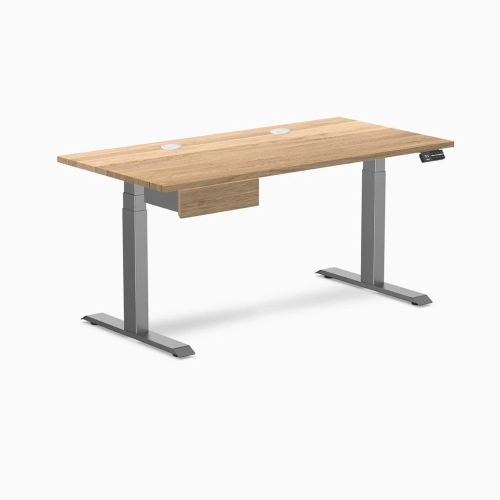
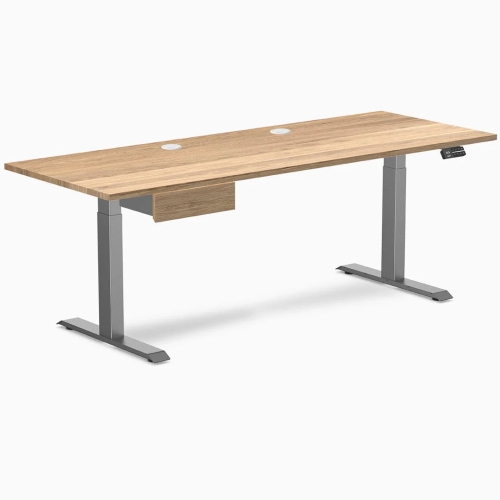
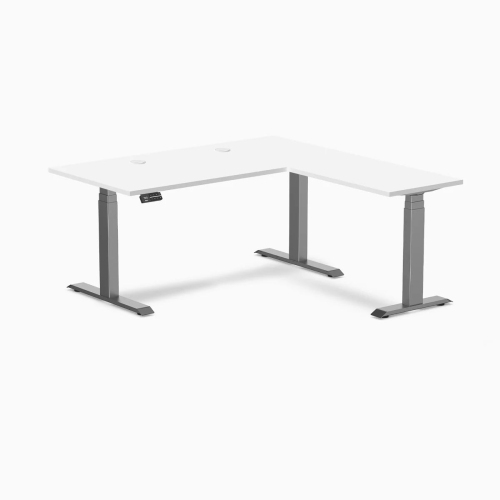
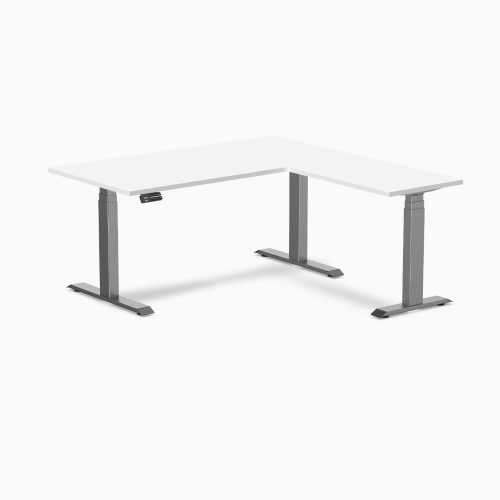
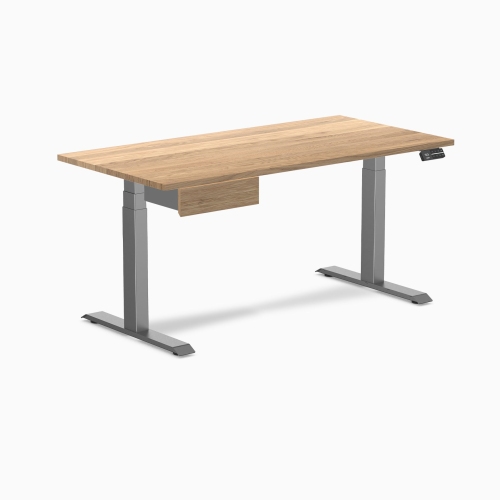
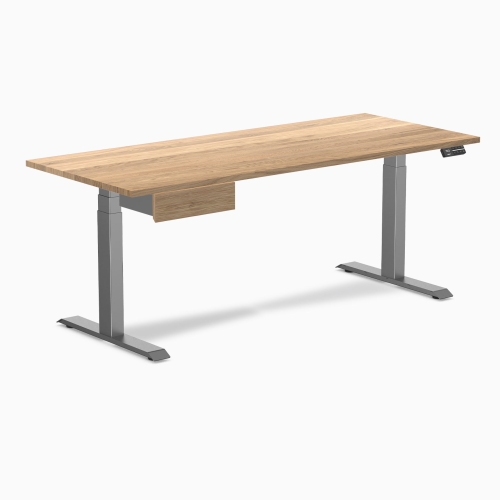
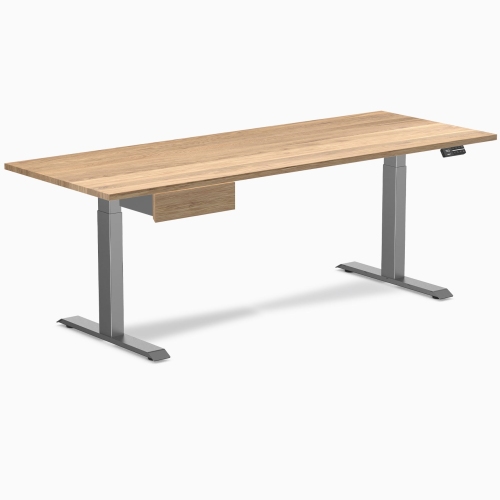
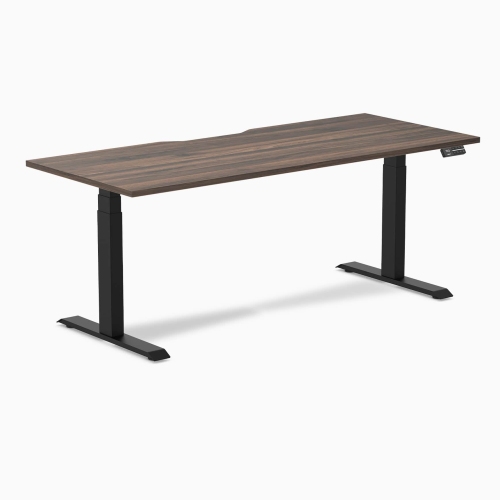
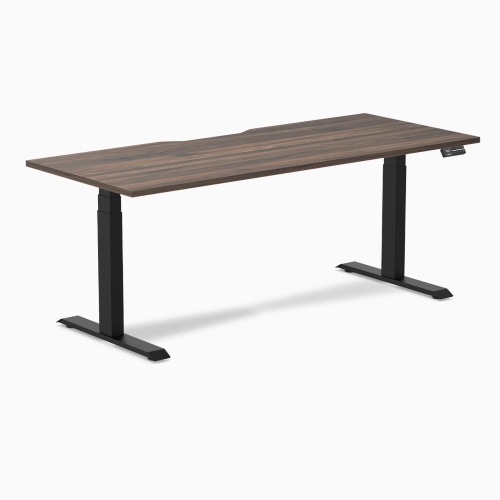
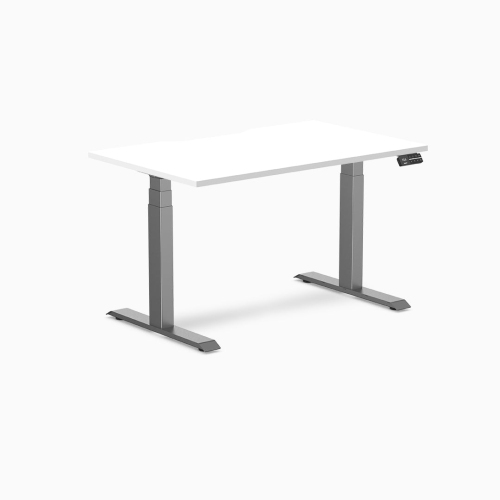
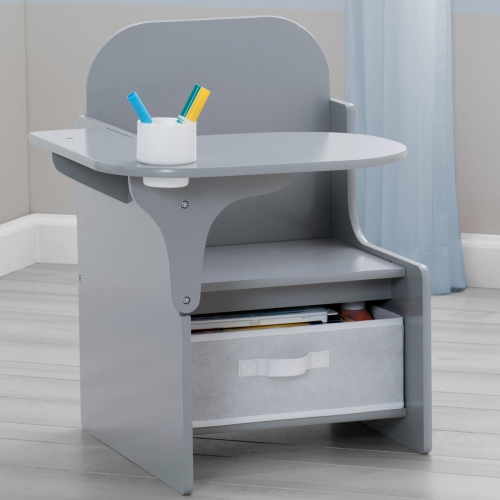
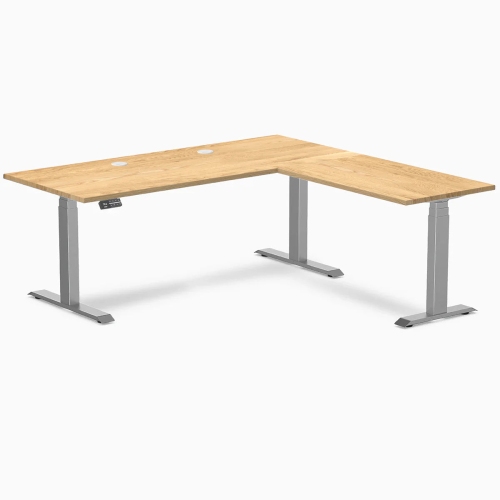
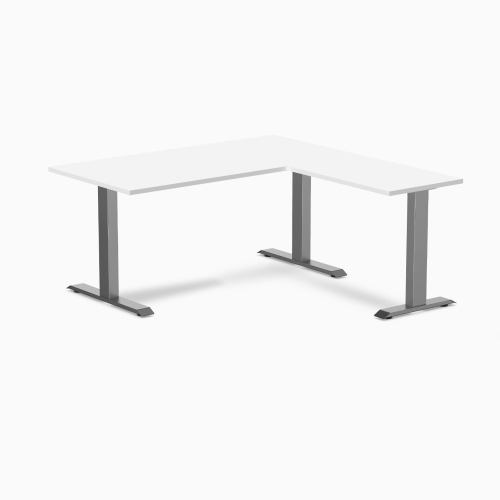
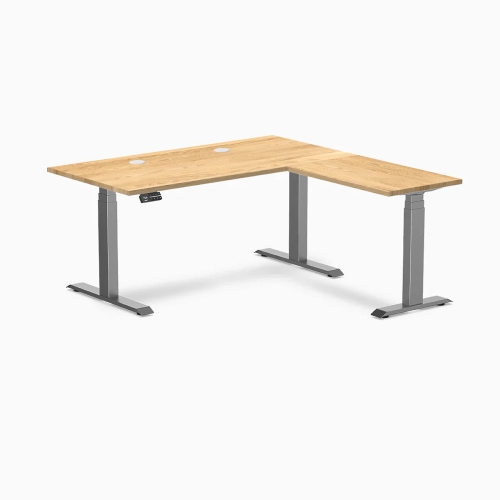
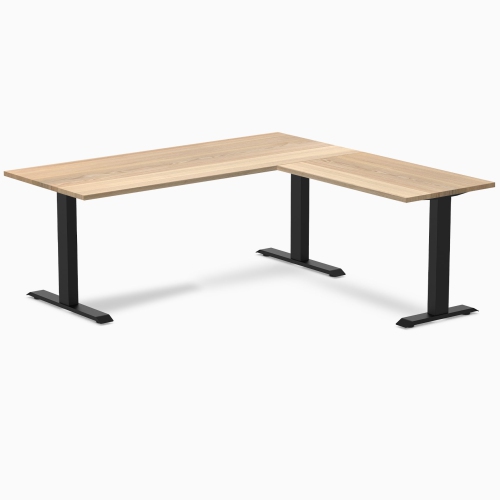
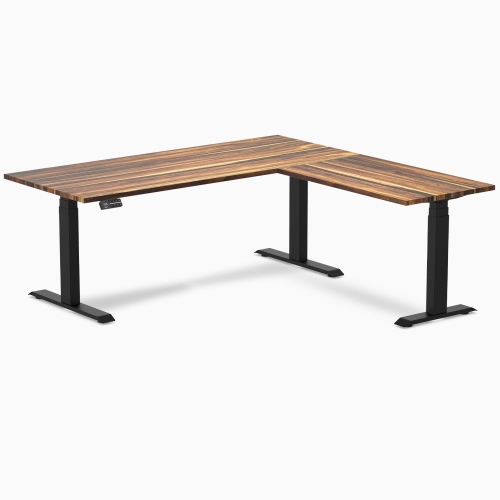
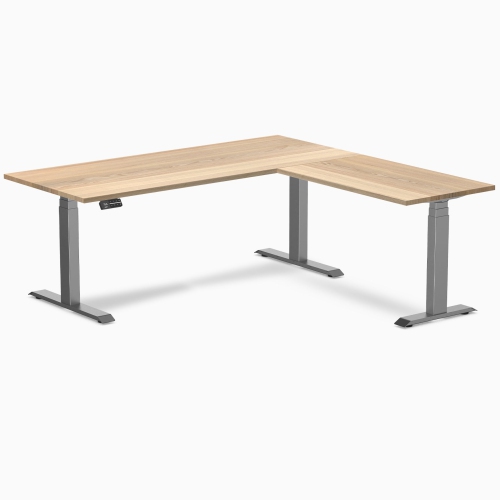
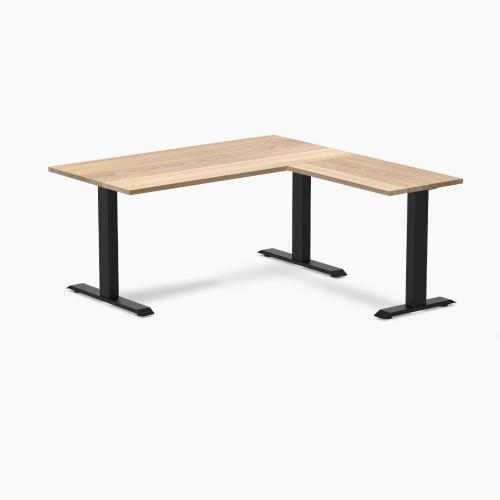
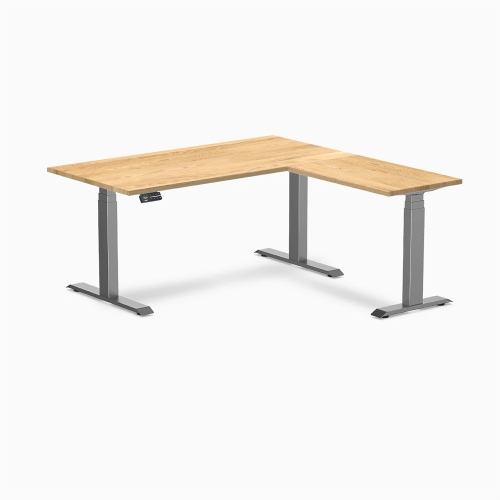
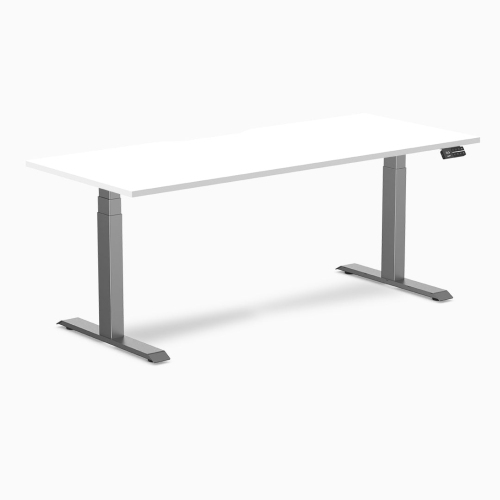
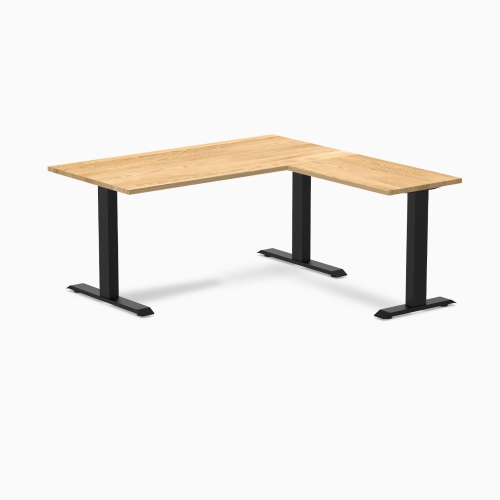
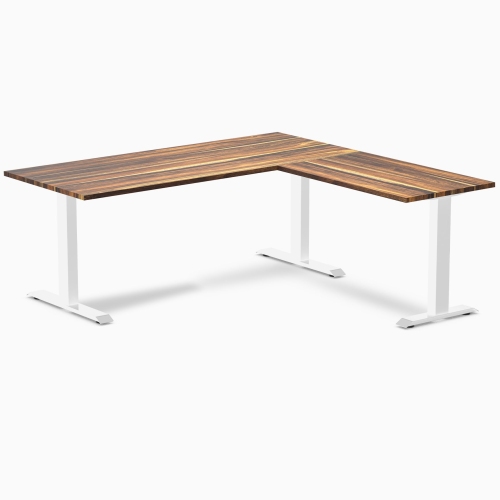
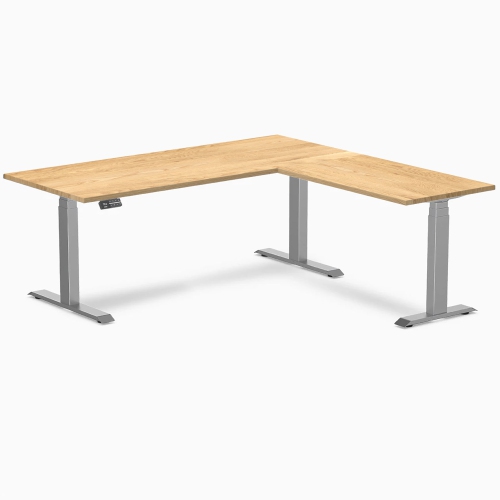
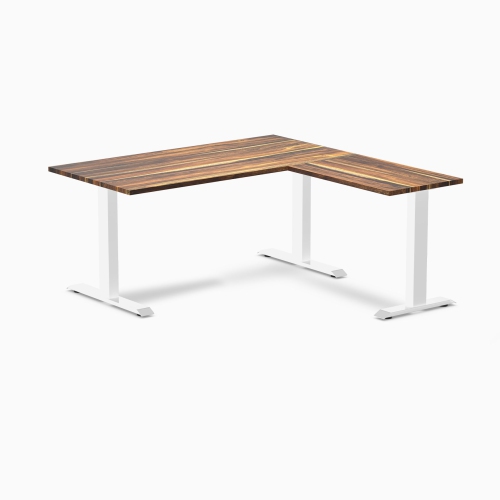
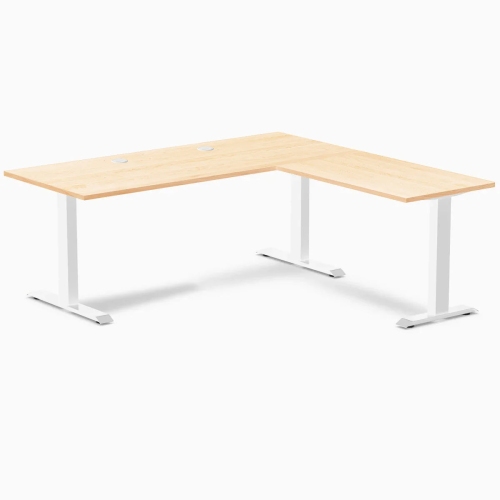
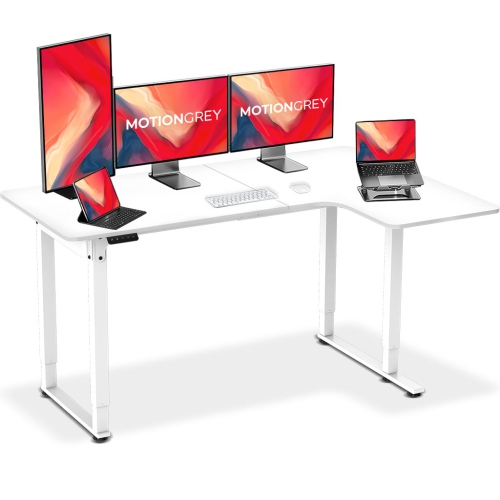
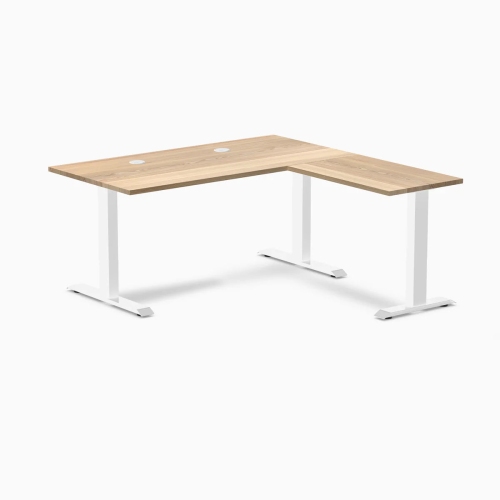
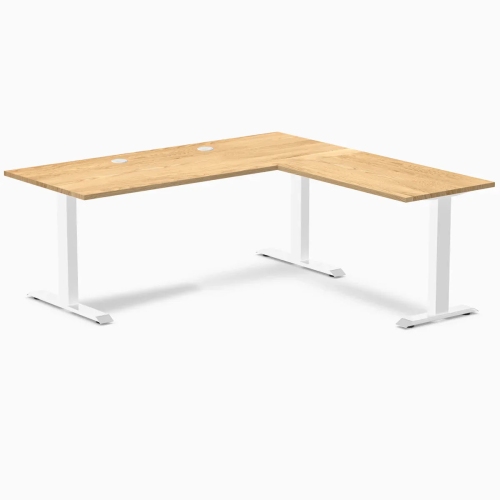
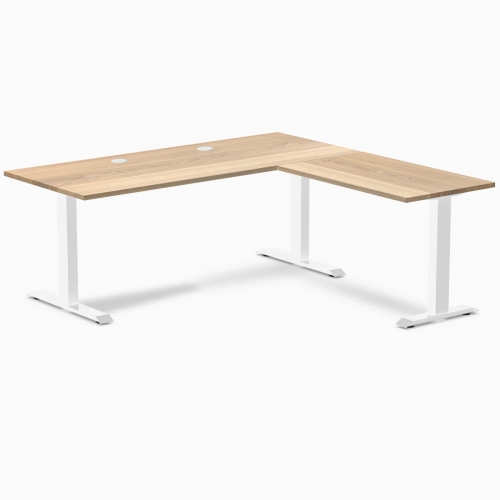
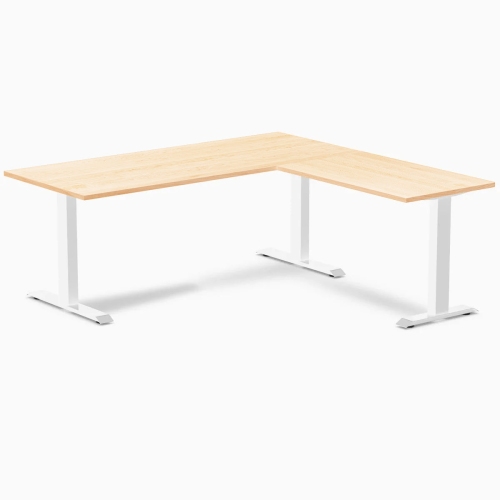
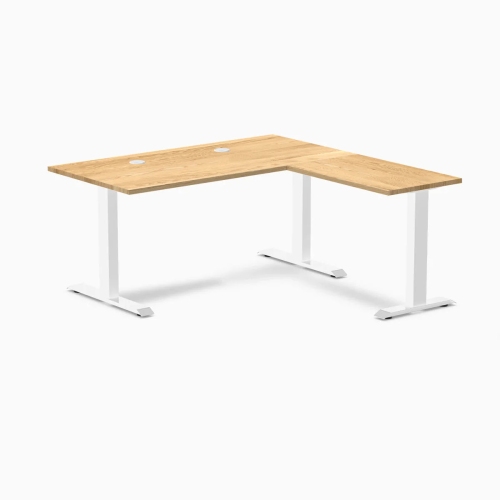
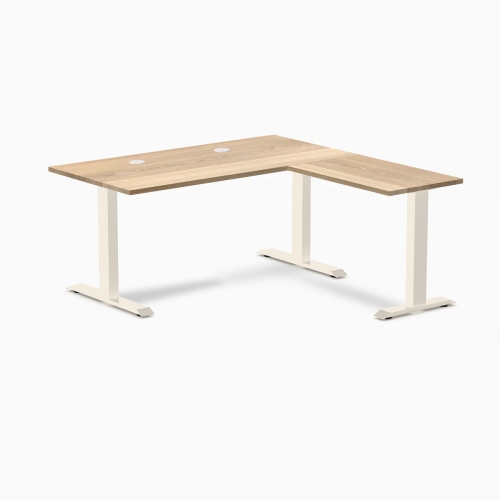
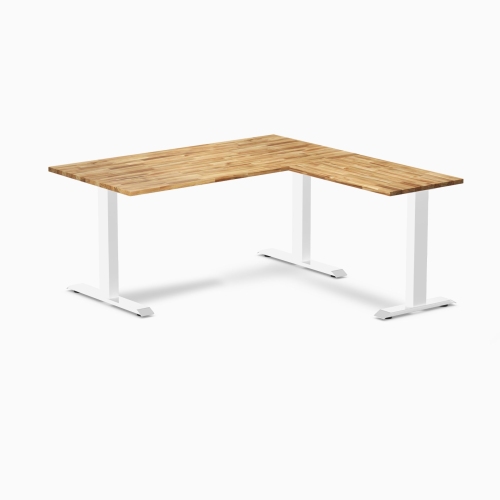
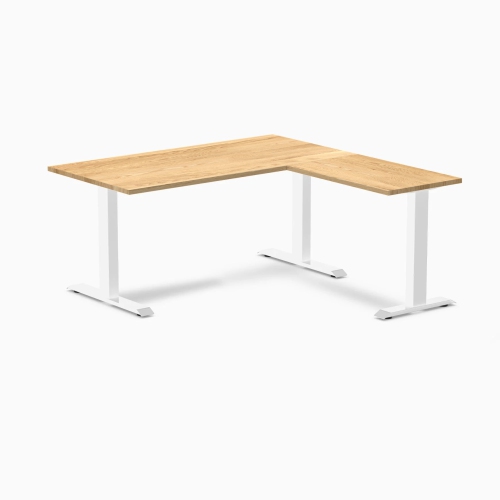
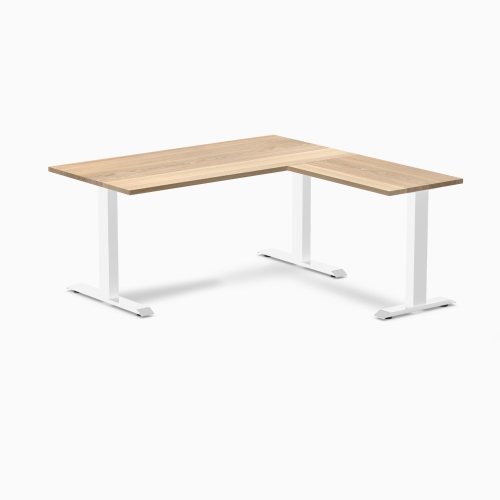
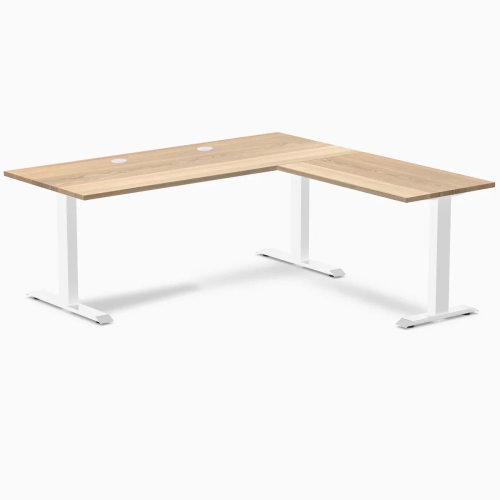
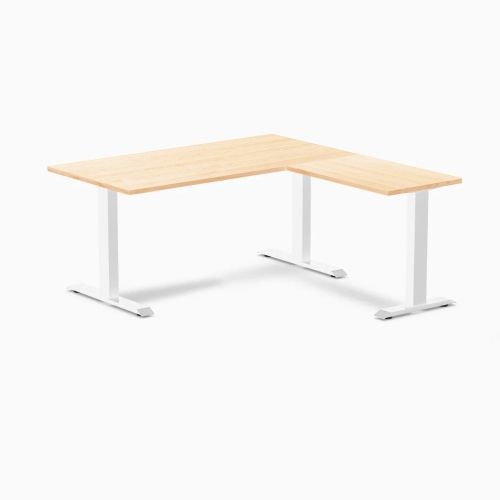
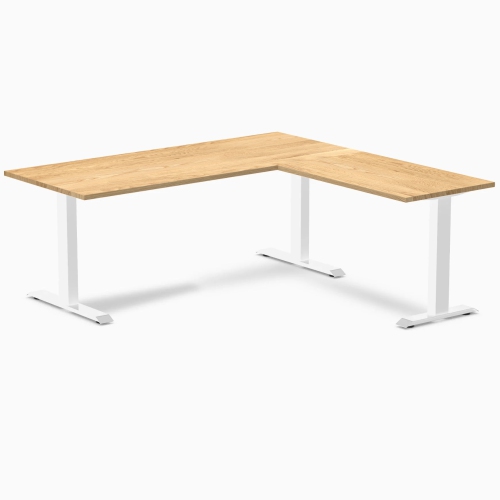
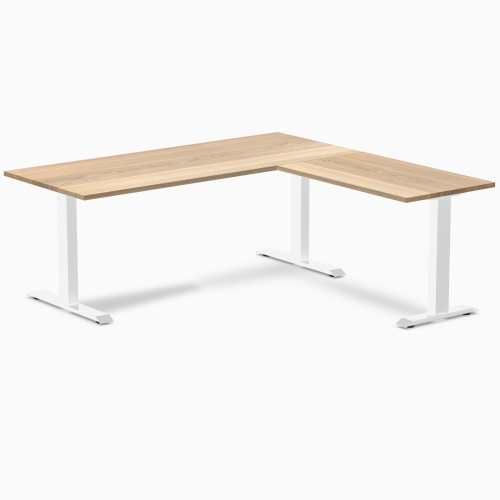
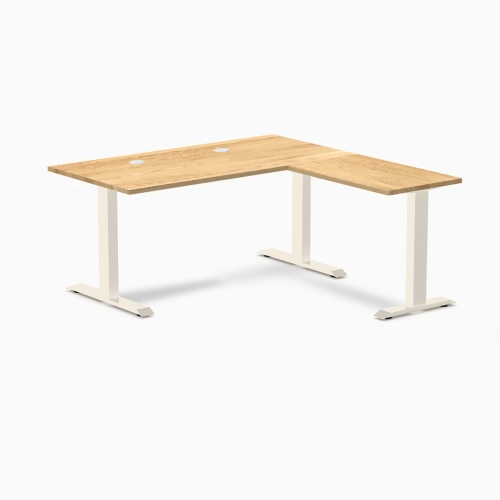
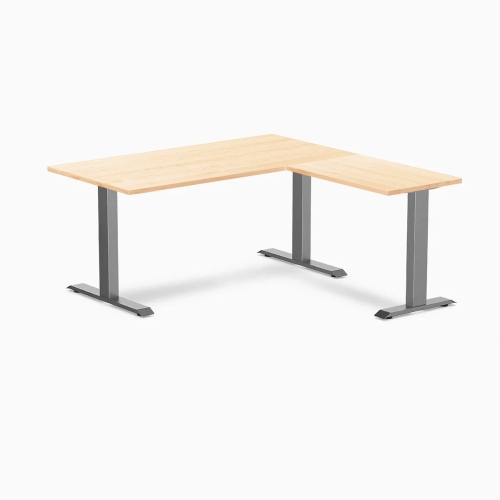
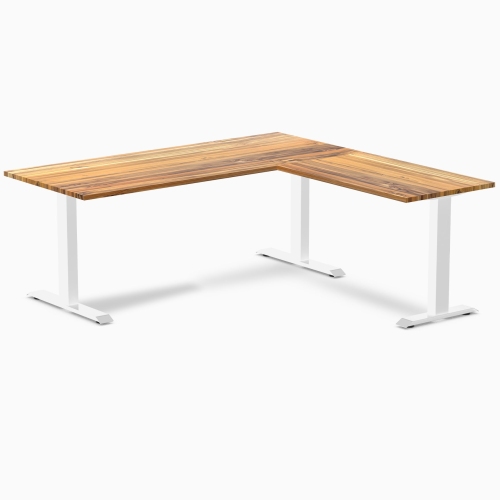
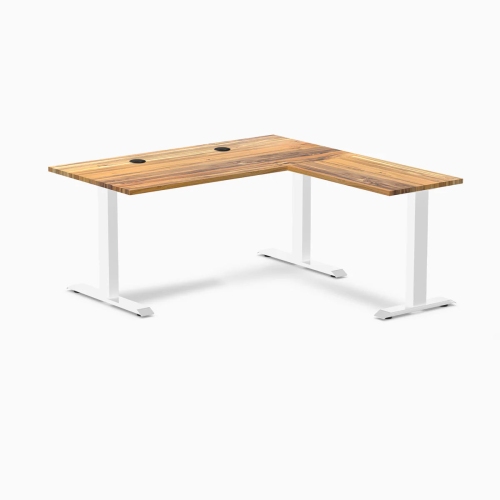
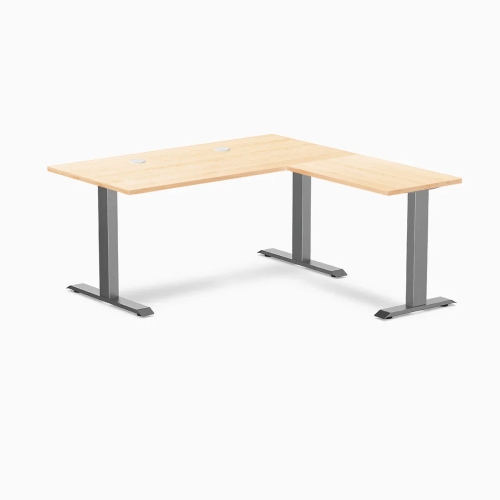
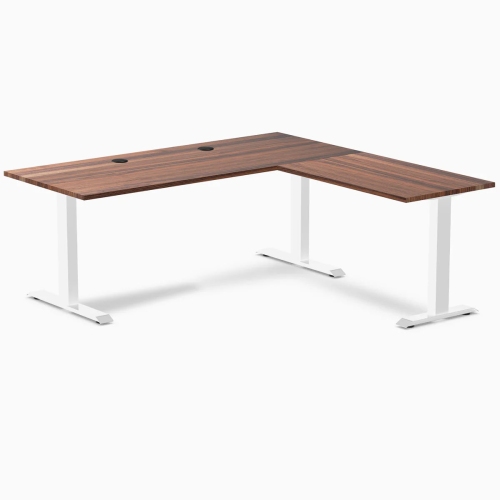
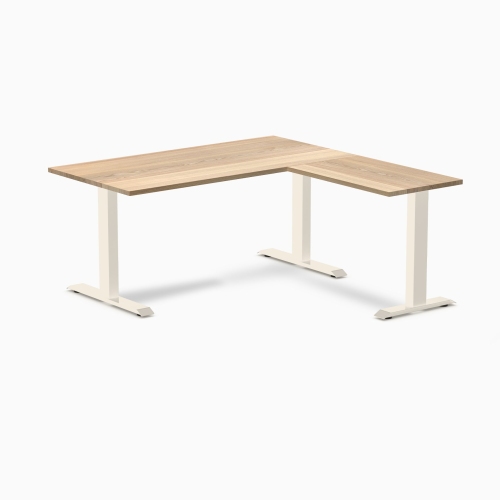
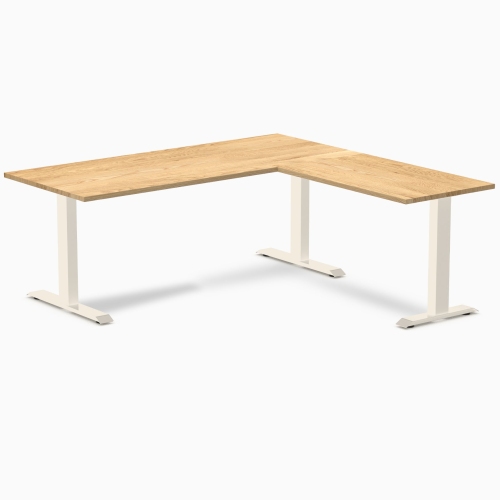
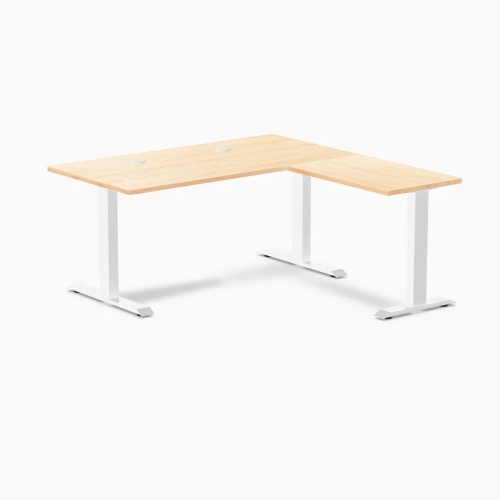
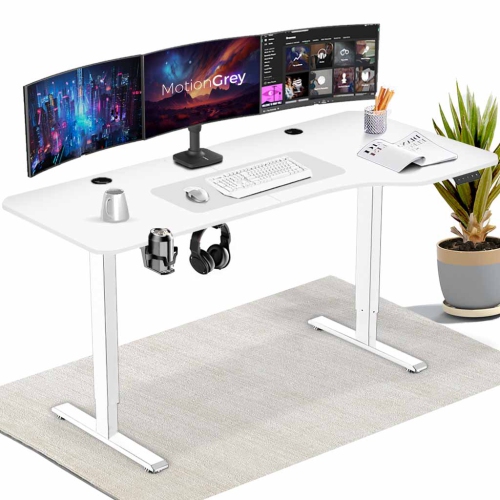
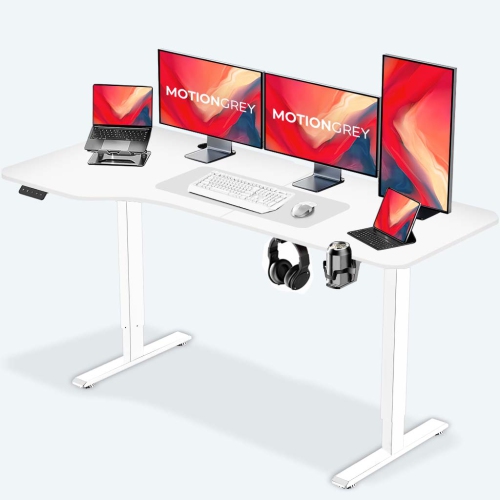
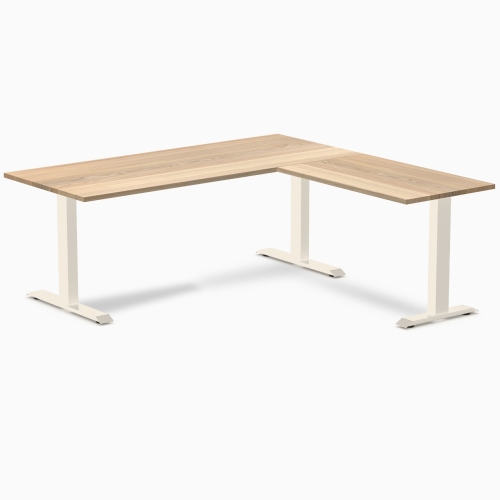
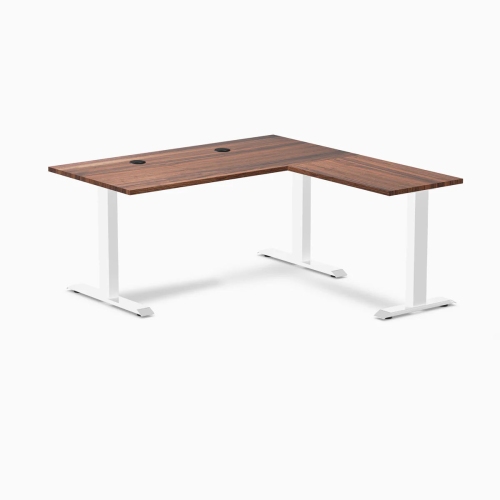
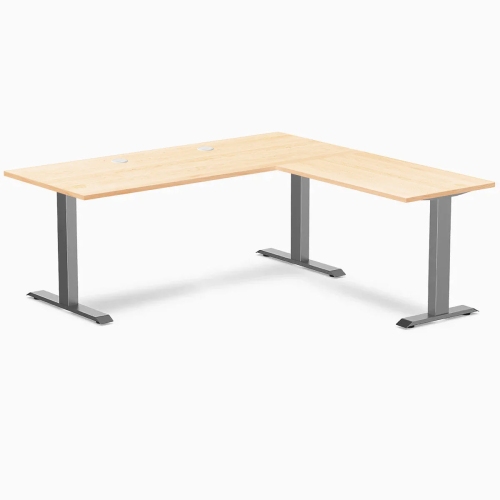
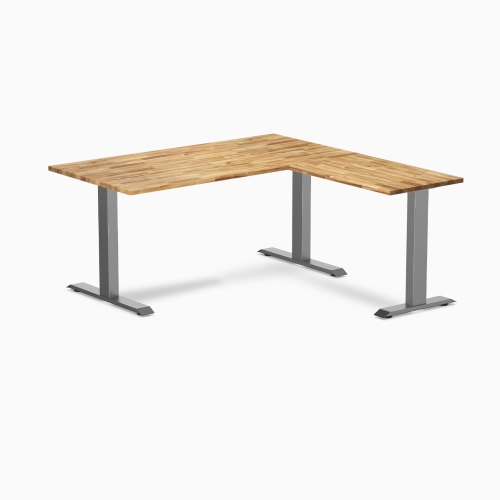
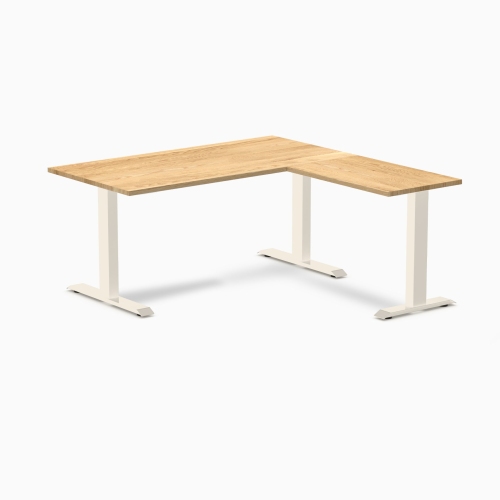
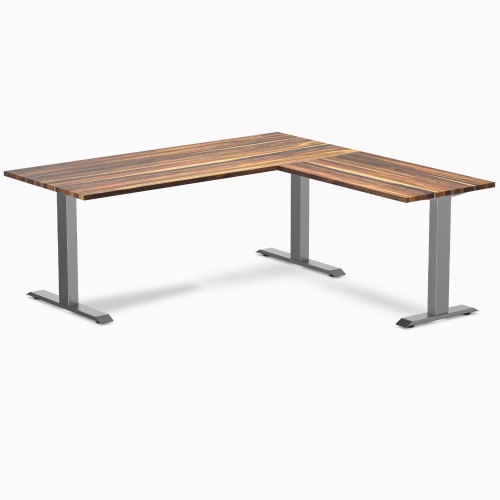
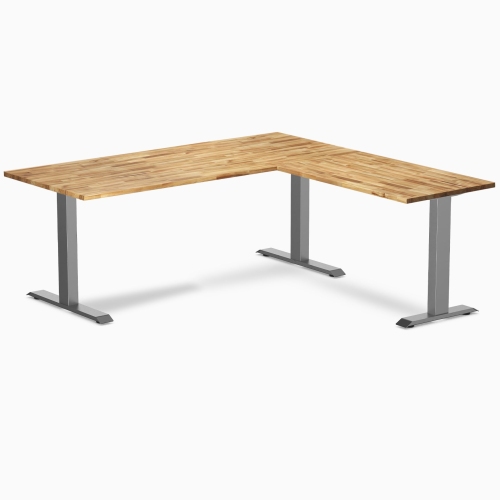
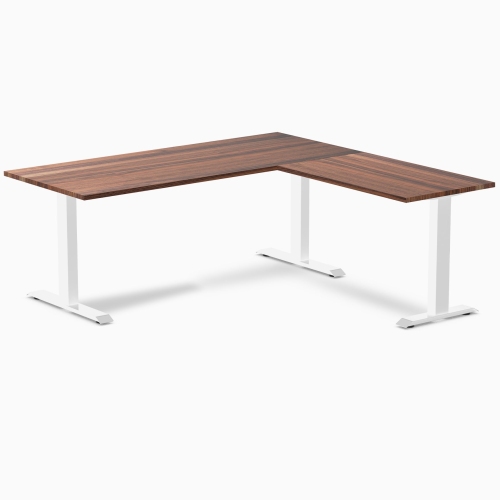
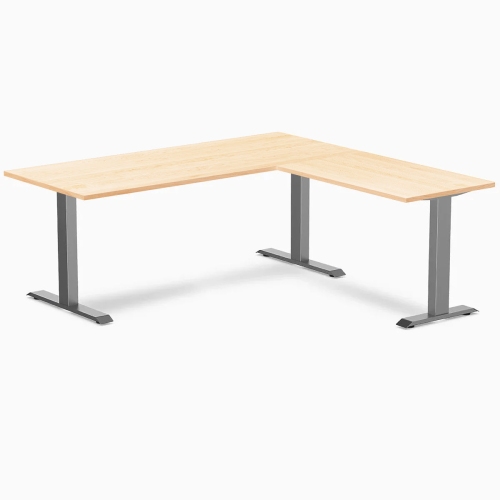
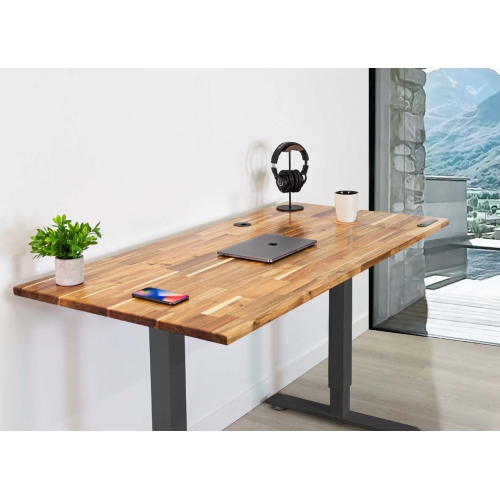
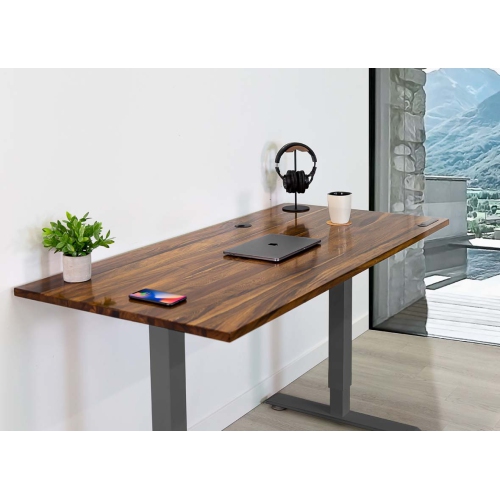
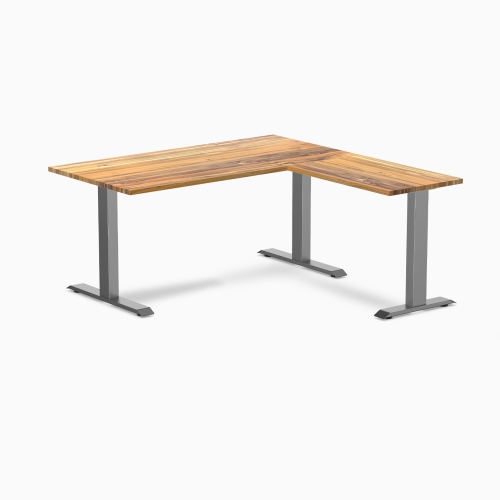
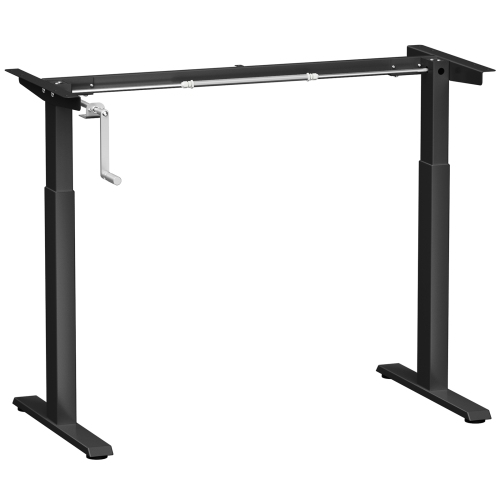

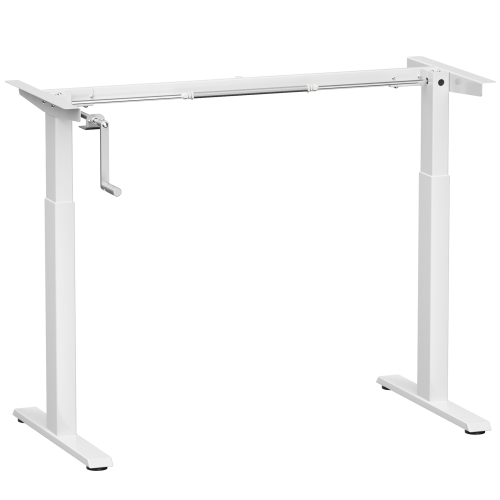
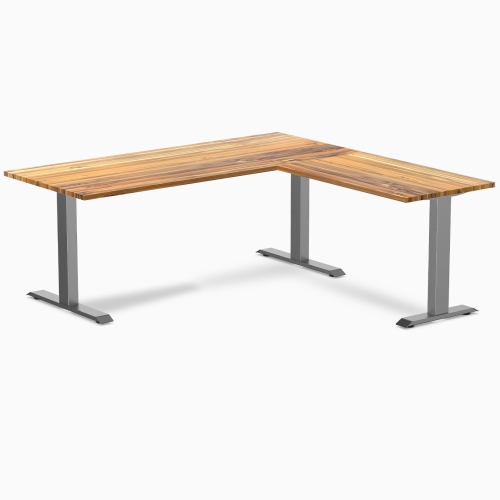
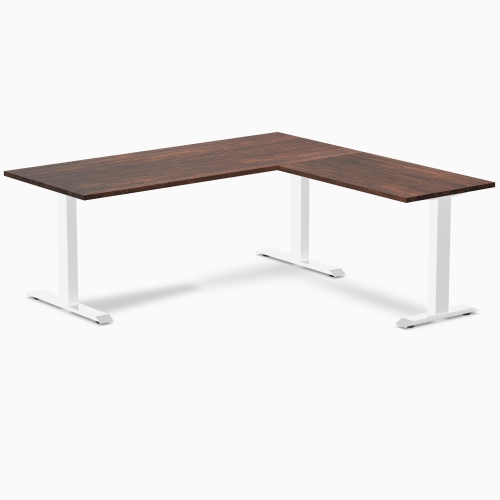
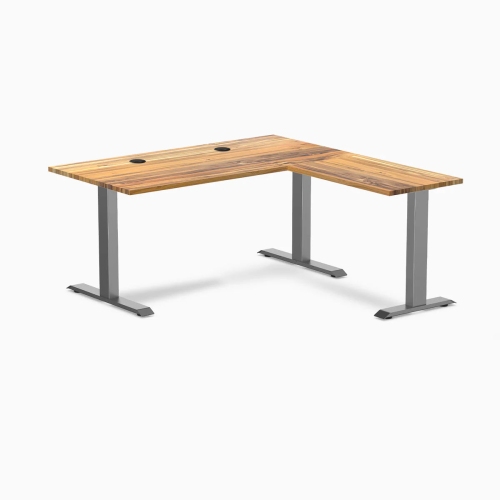
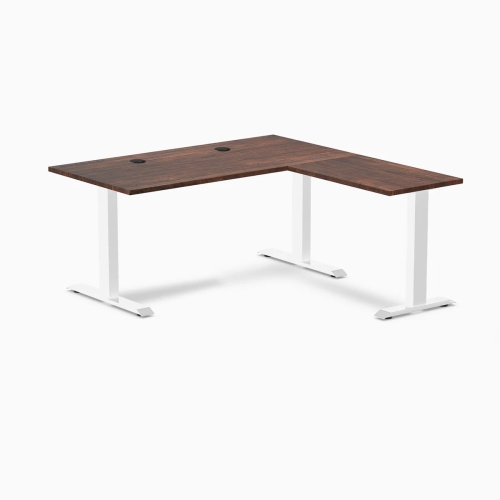
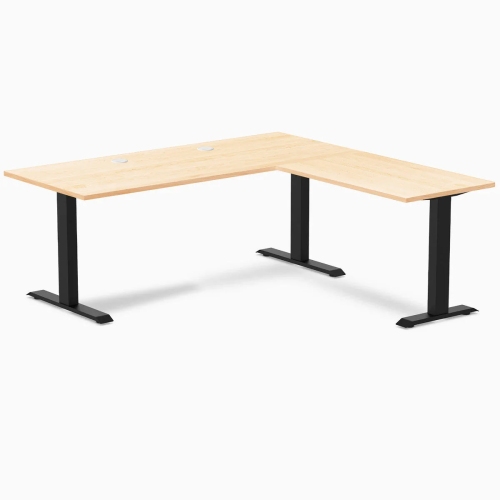
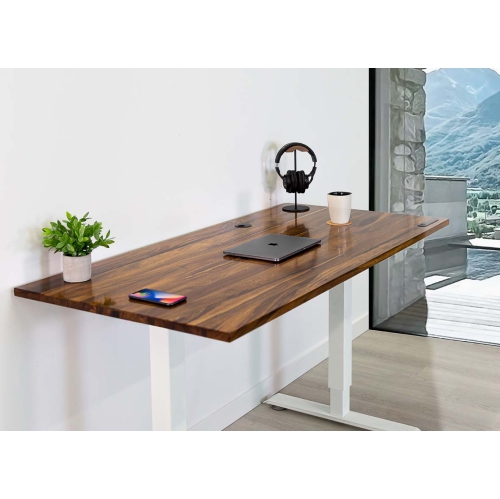
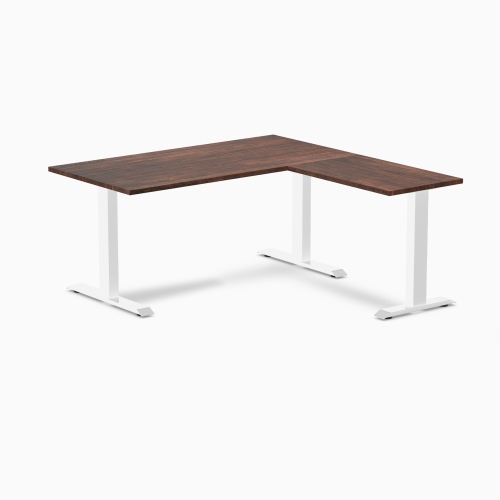
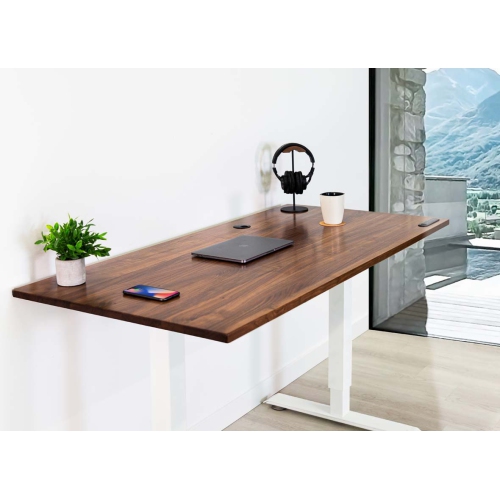
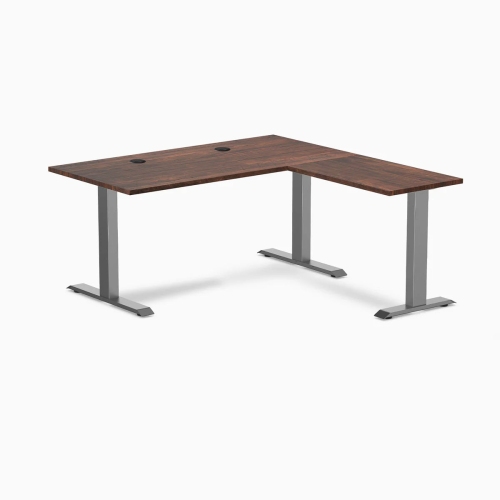
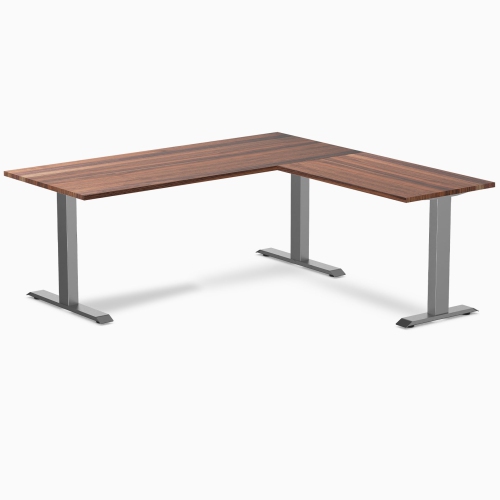
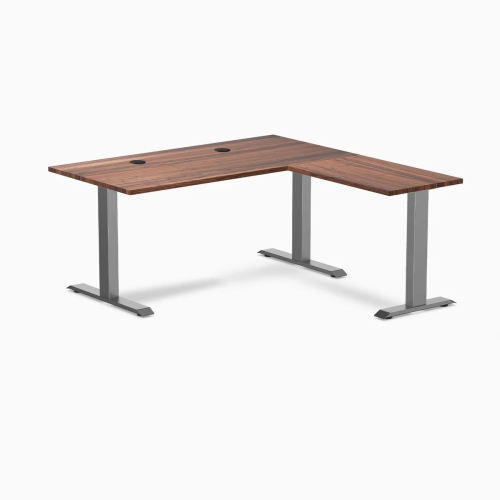
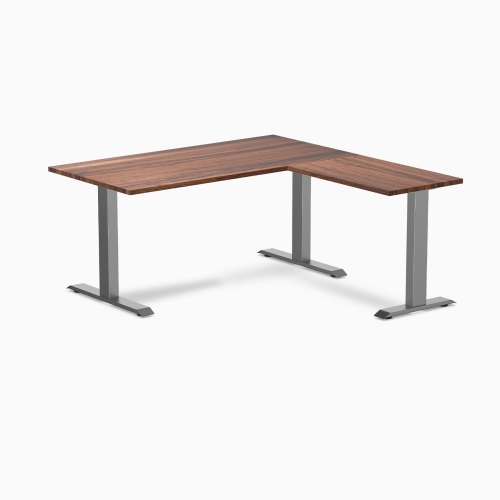
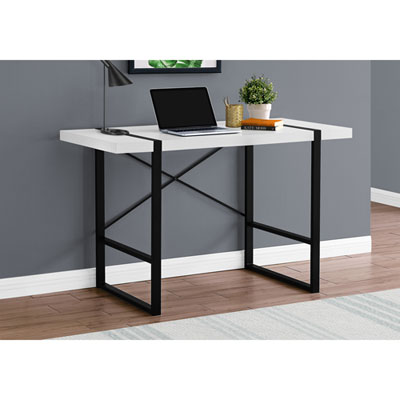
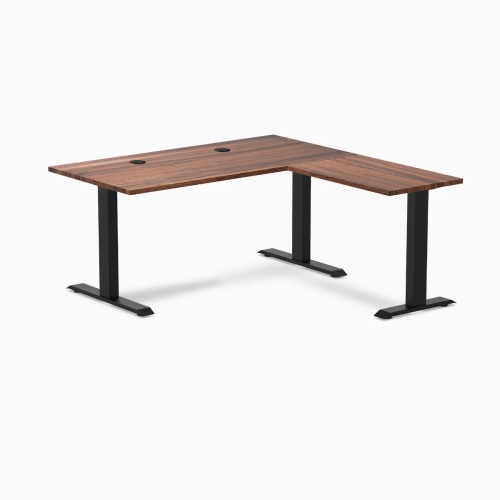
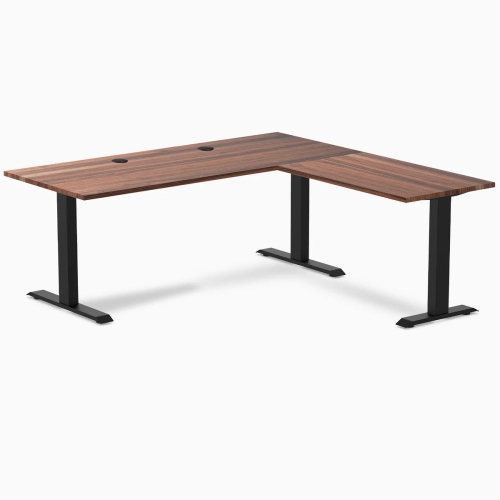
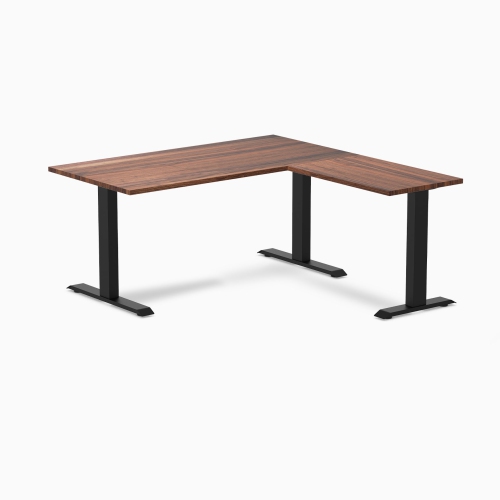
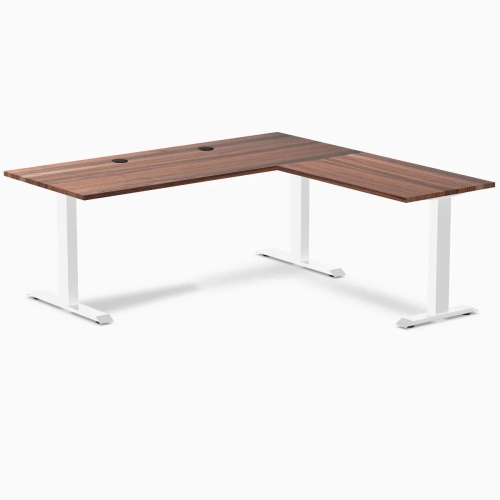
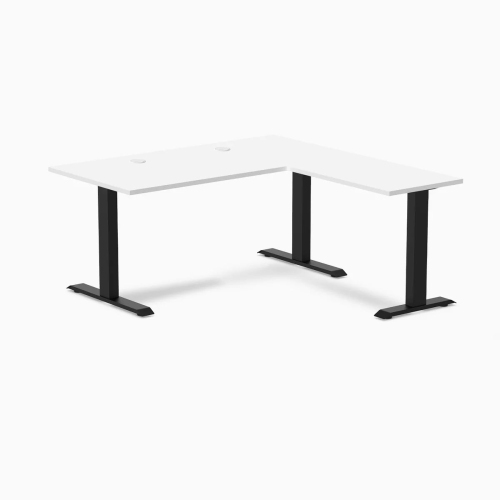
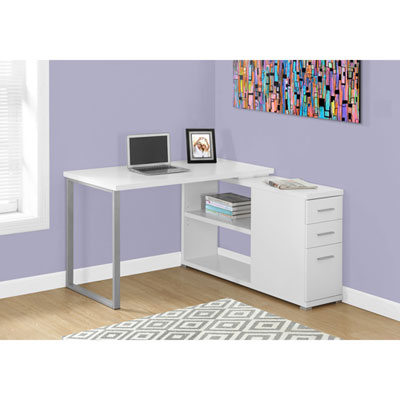
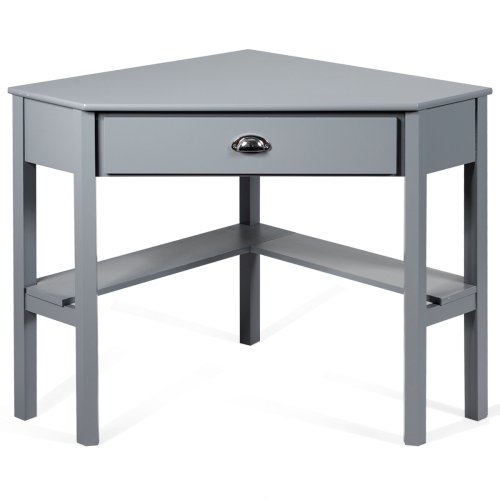
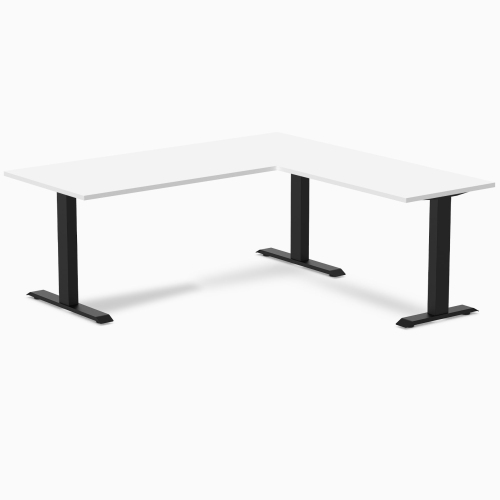
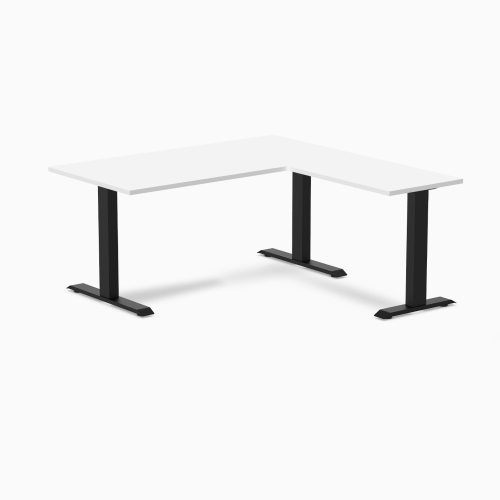
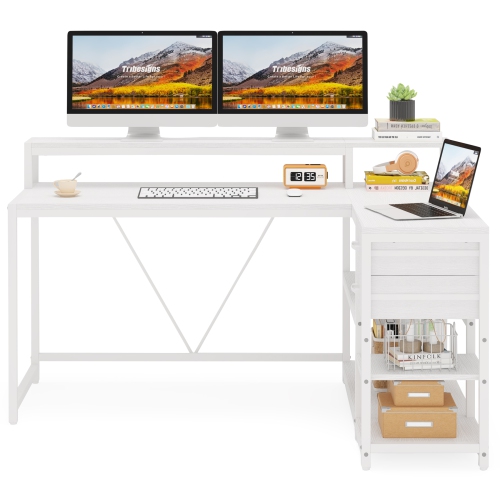
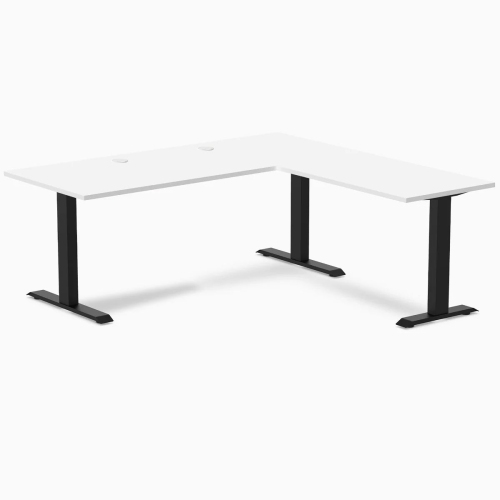
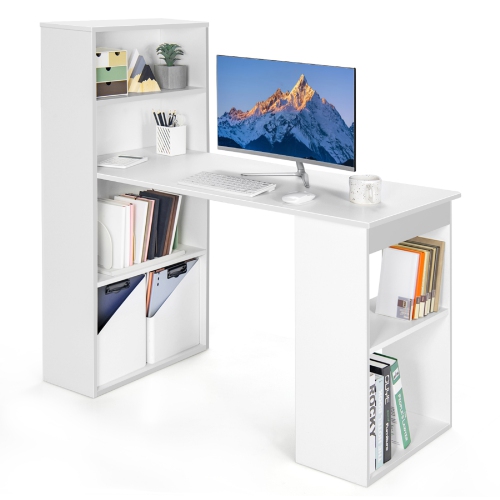
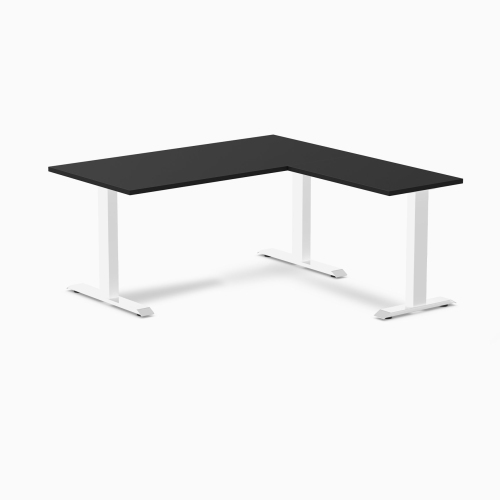
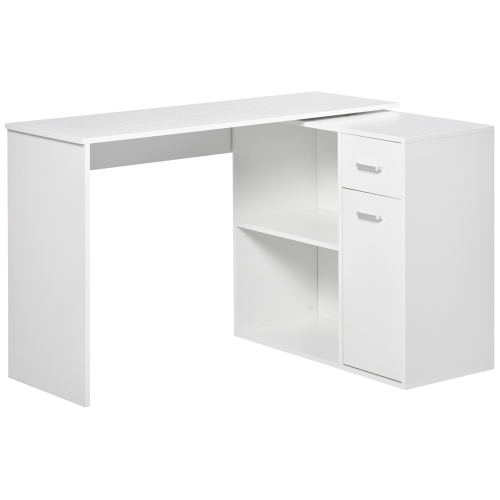
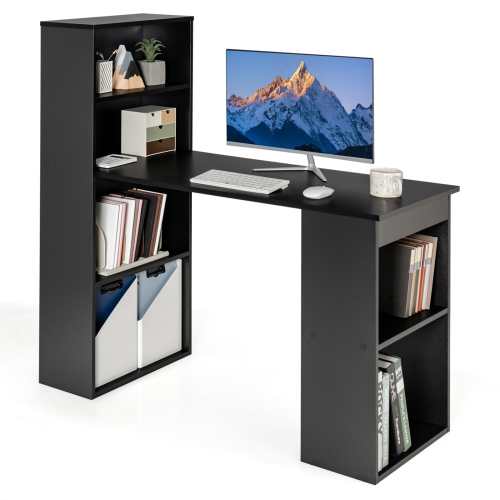
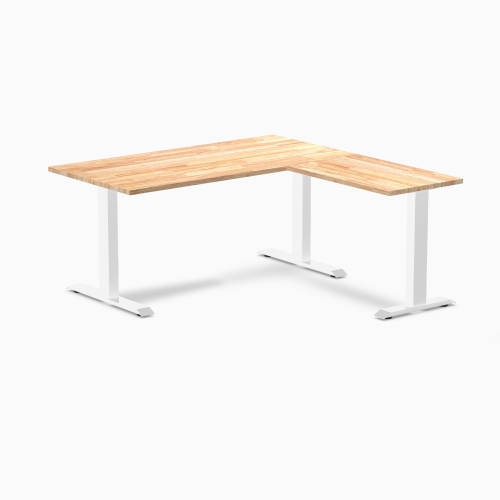
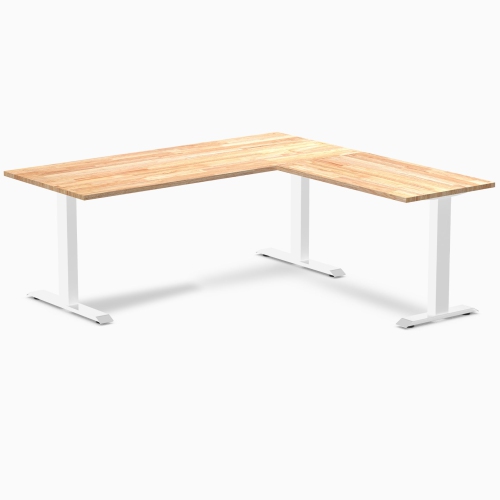
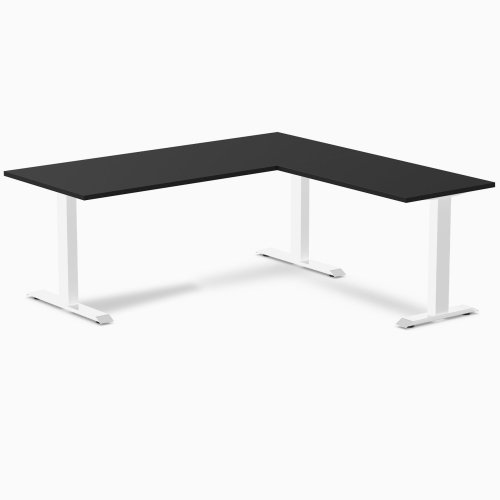
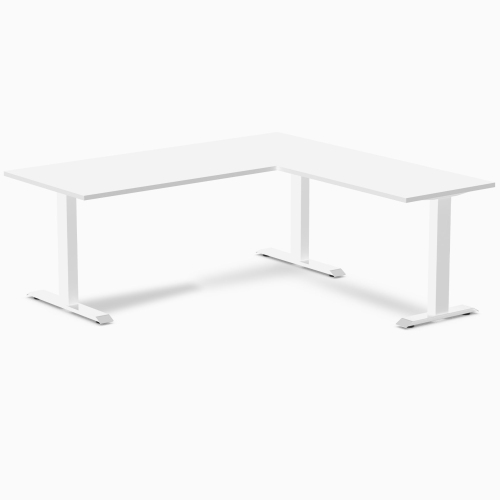
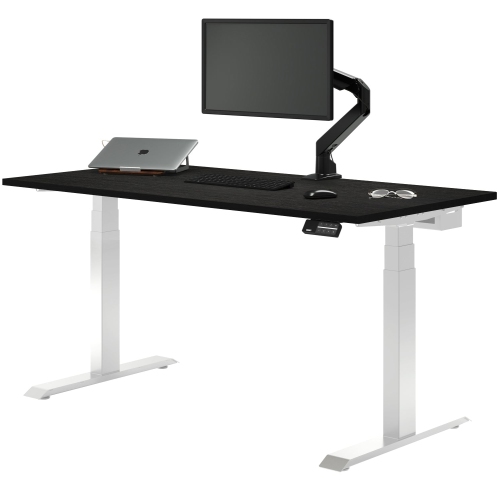
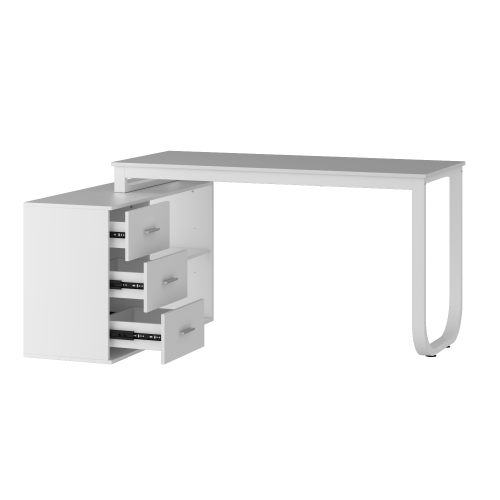
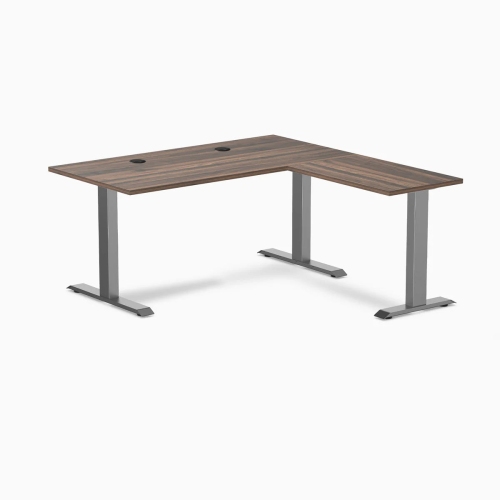
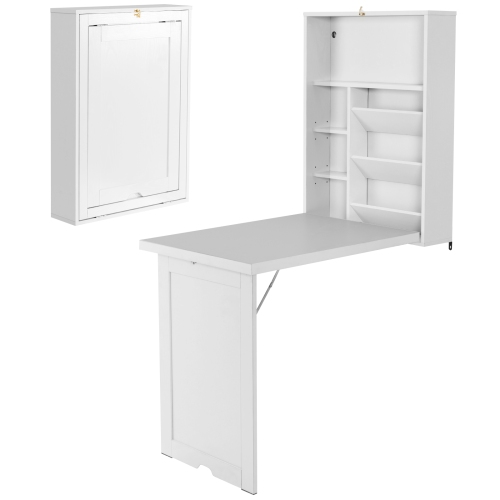
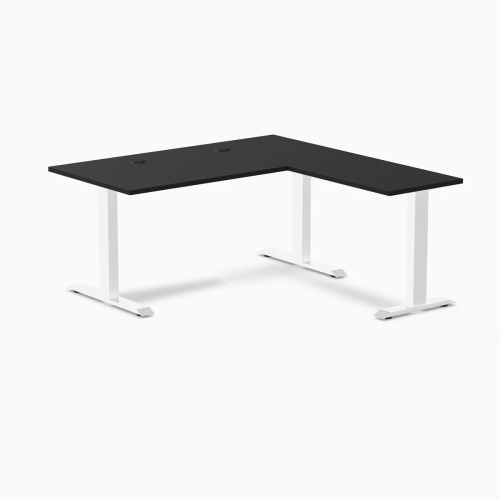
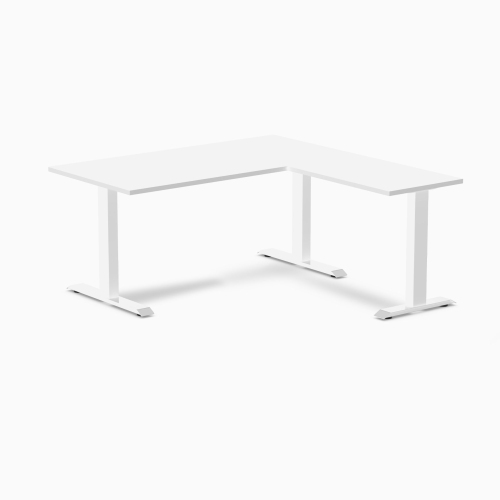
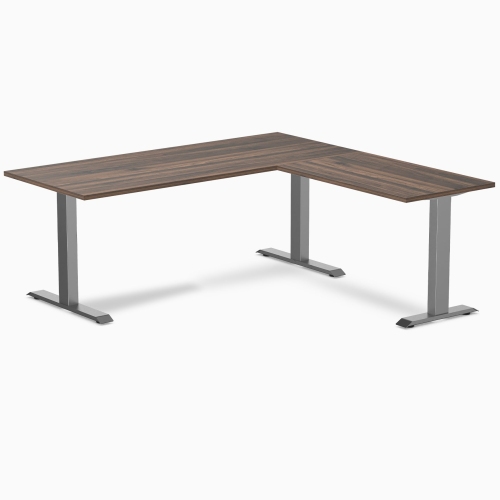
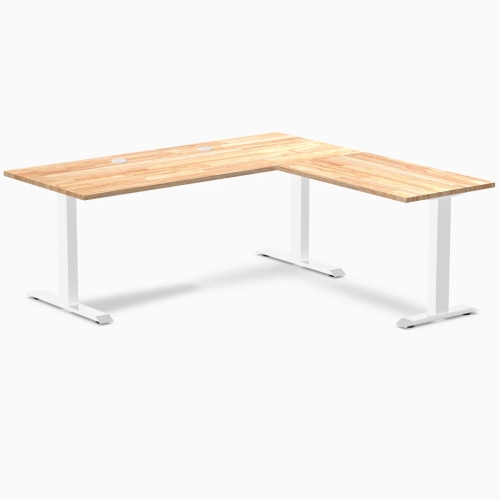
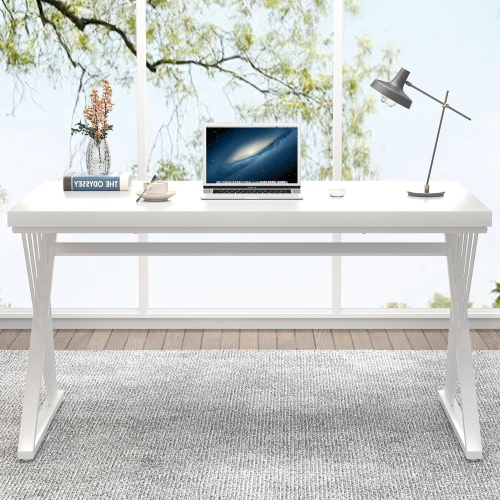
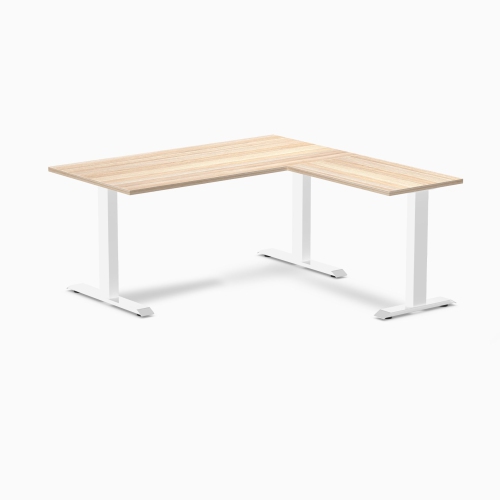
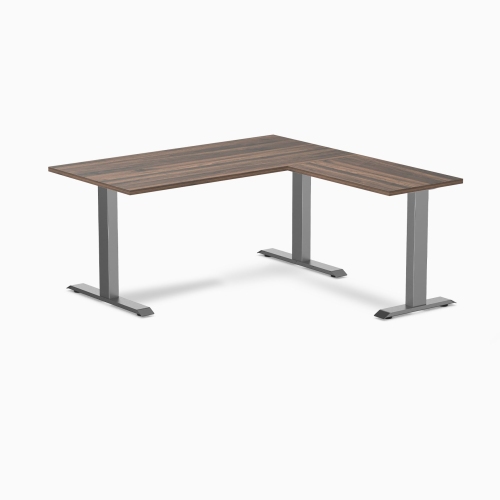
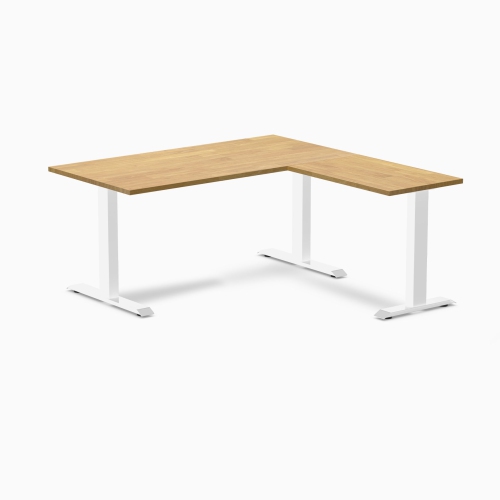
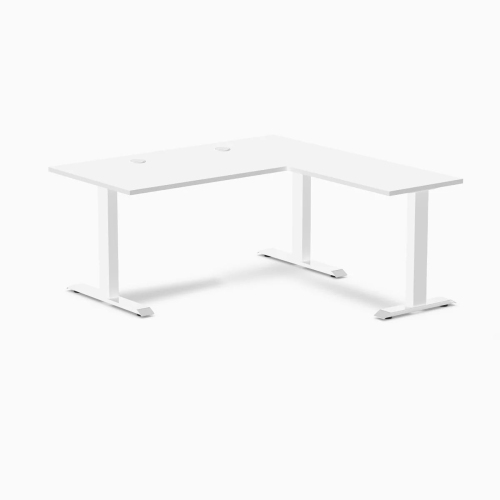
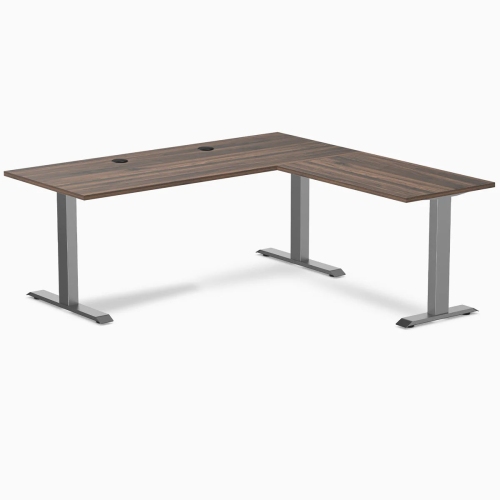
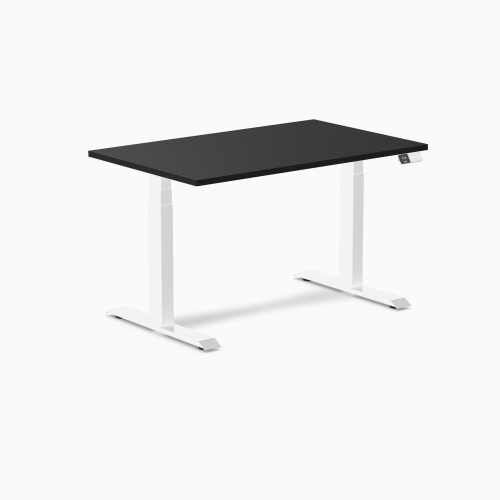
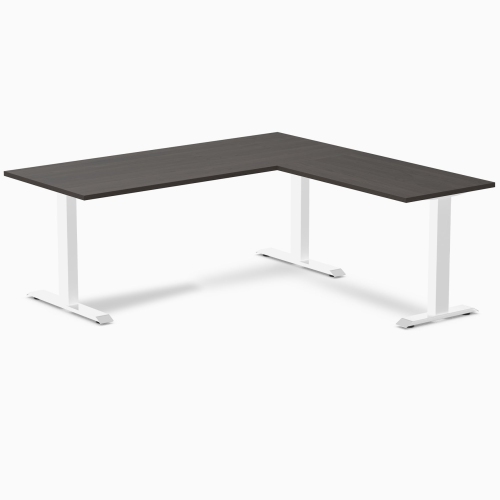
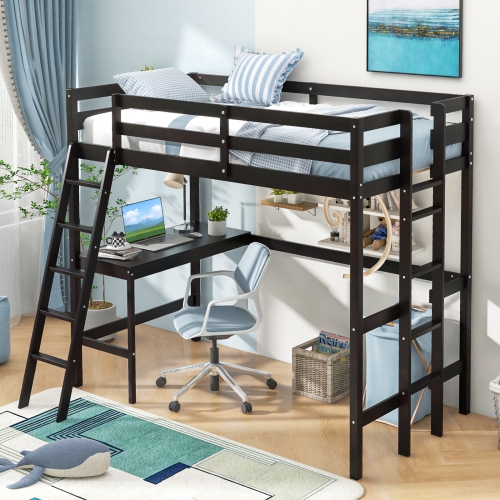
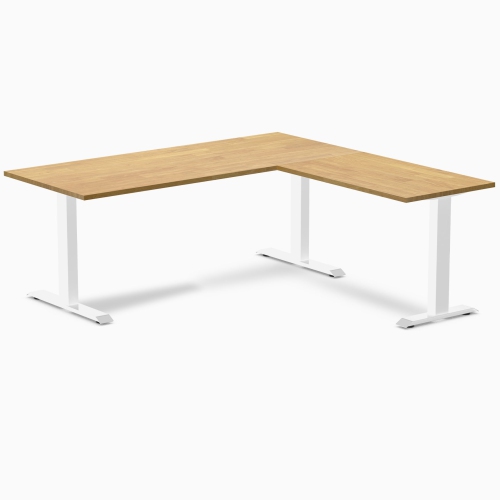
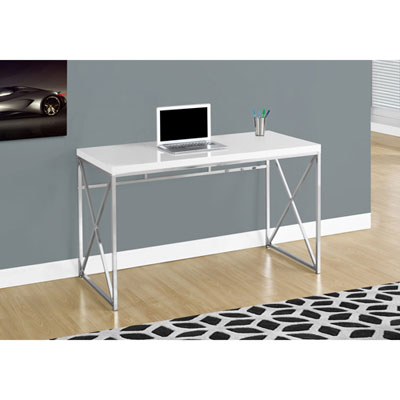
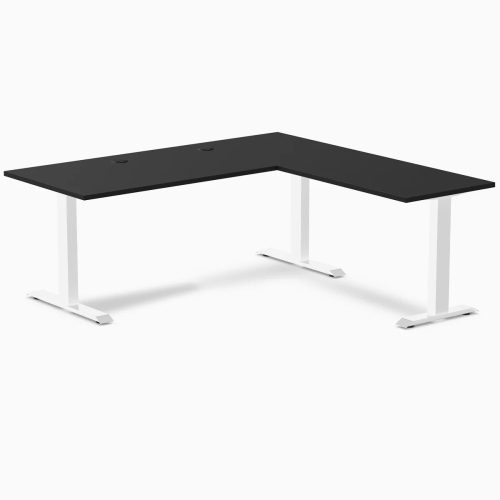
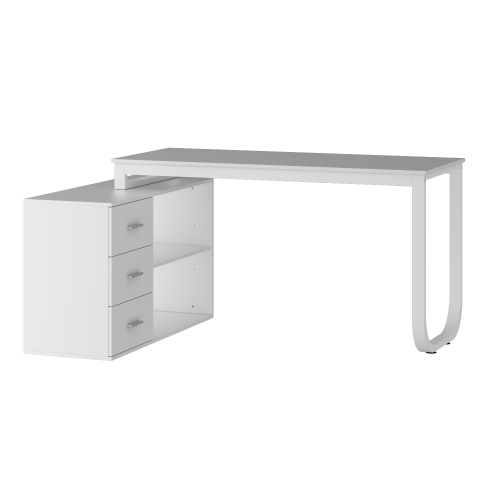
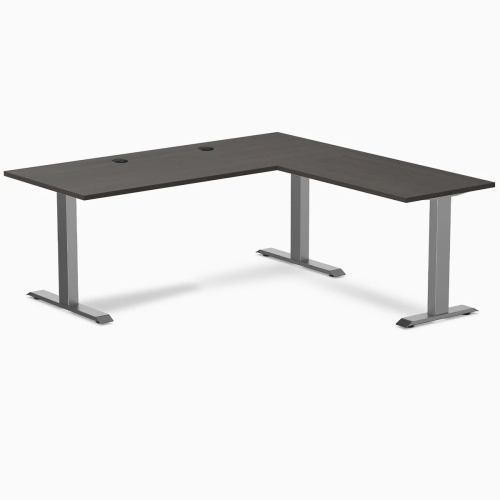
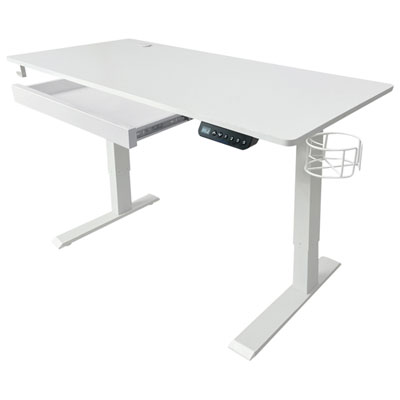
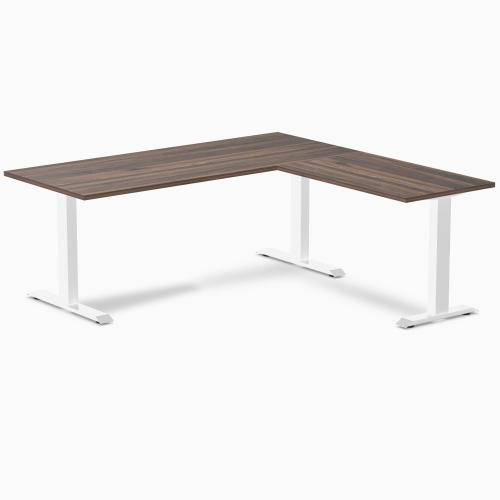
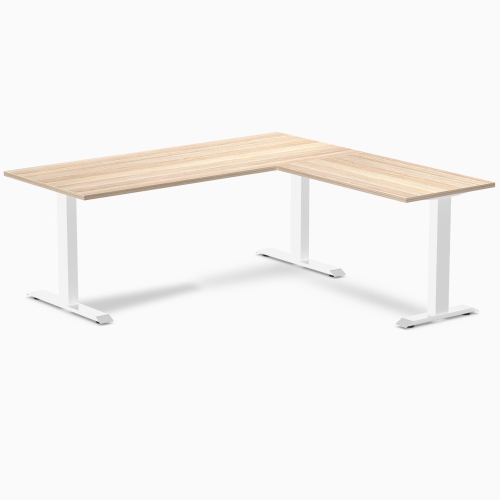
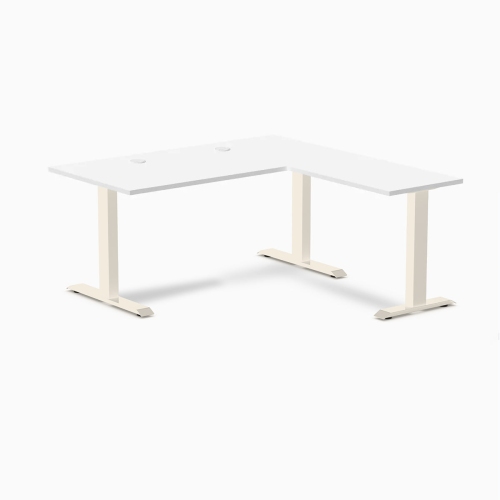
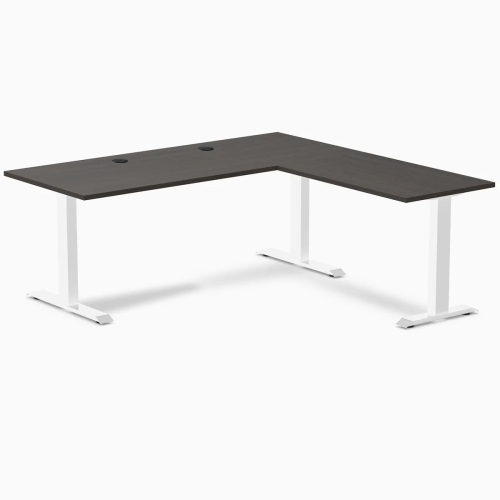
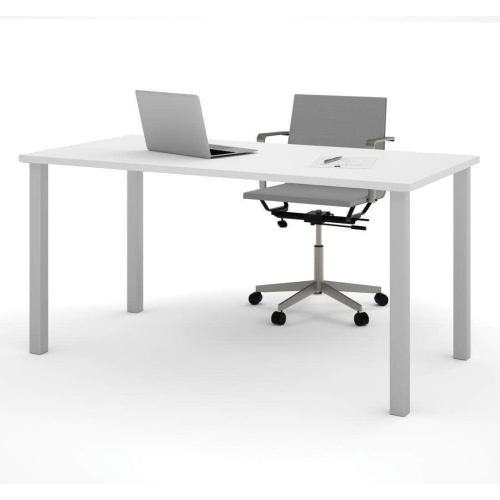
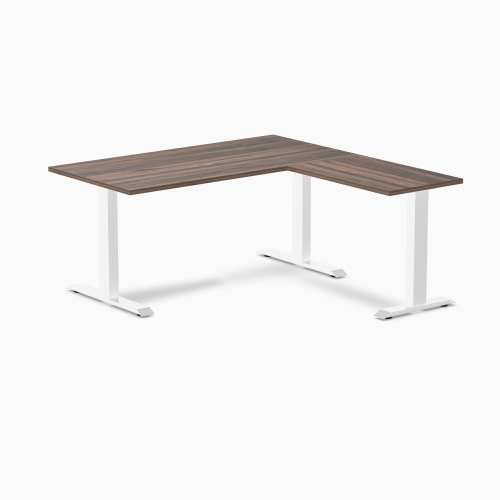

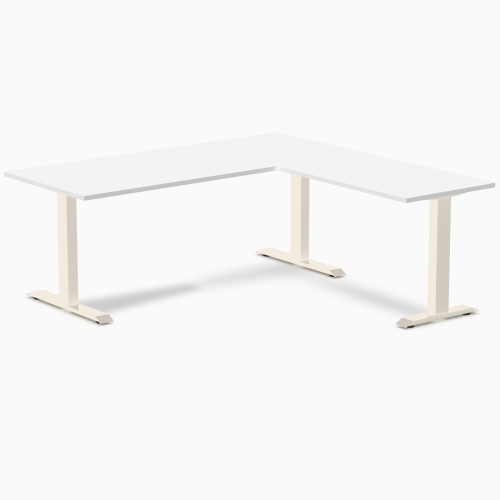
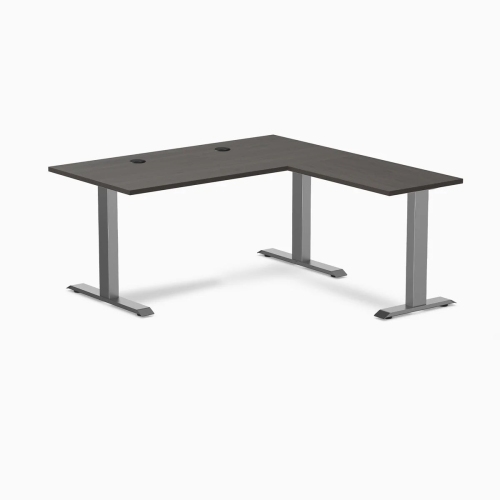
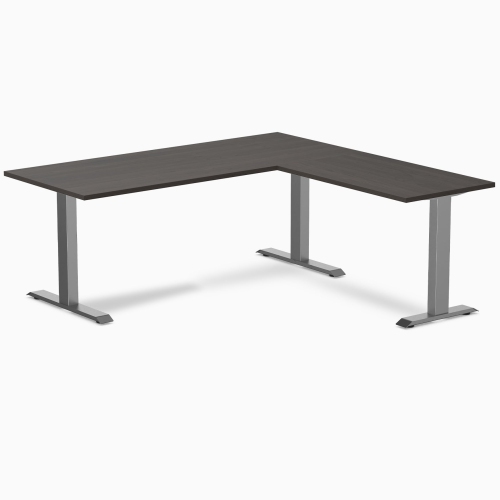
Neutral desk designs that fit your space and routine
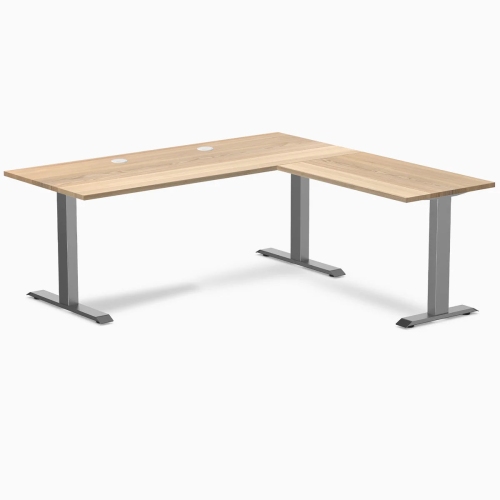
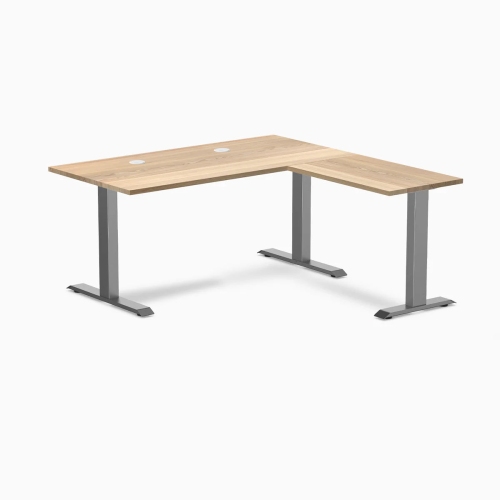
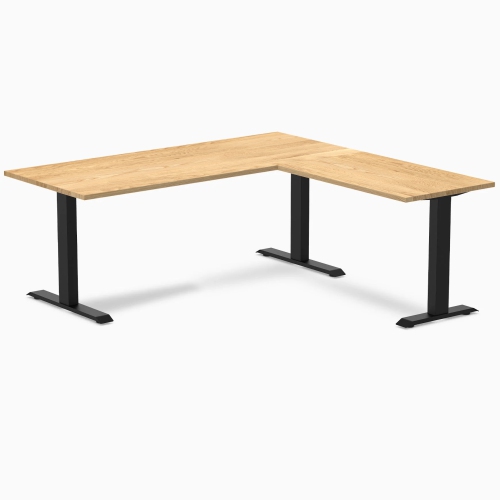
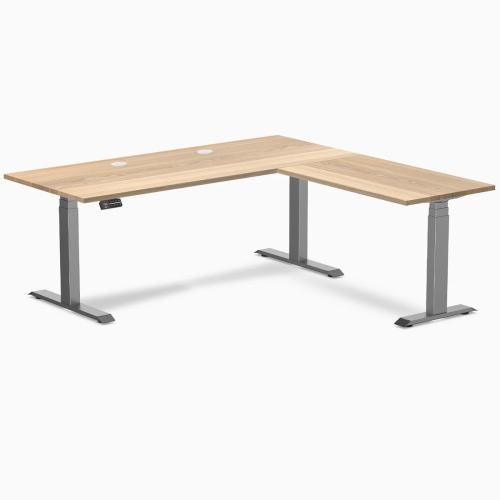
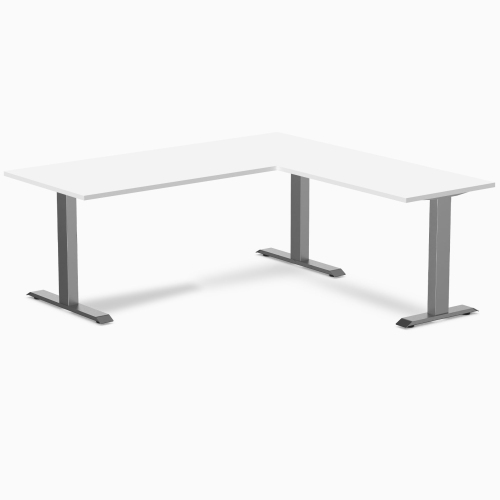
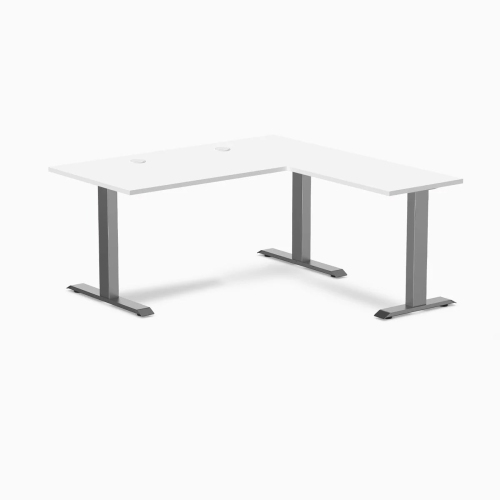
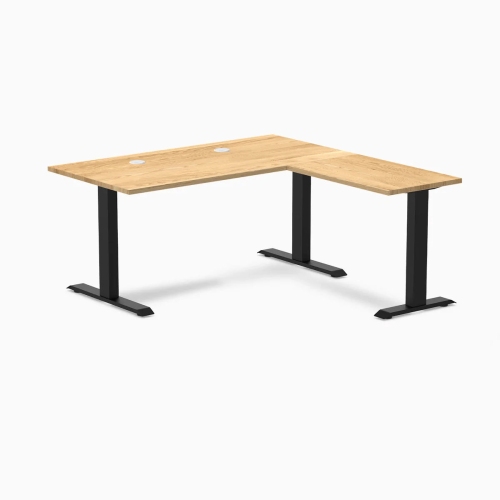
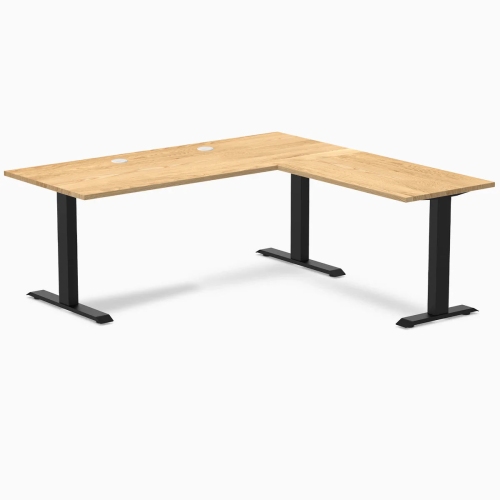
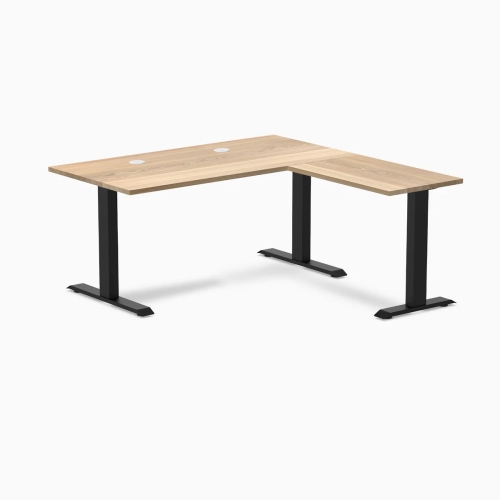
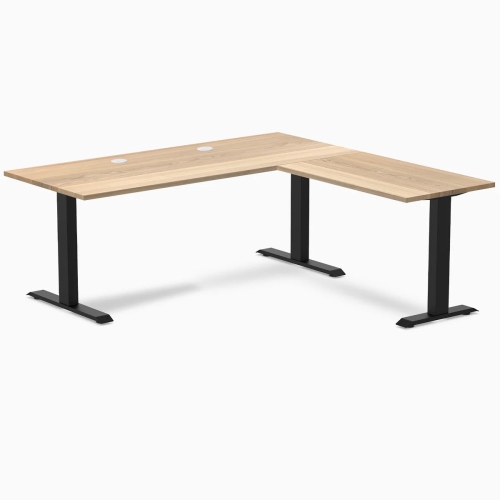
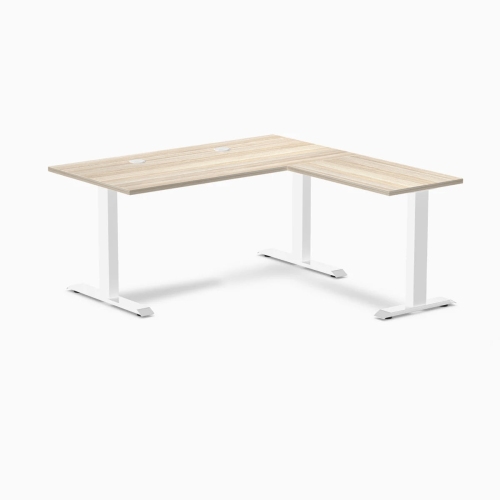
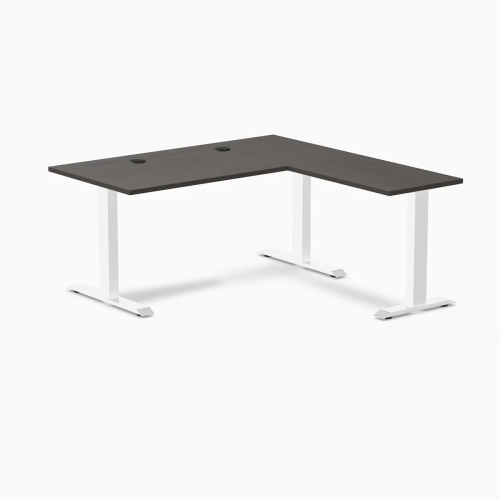
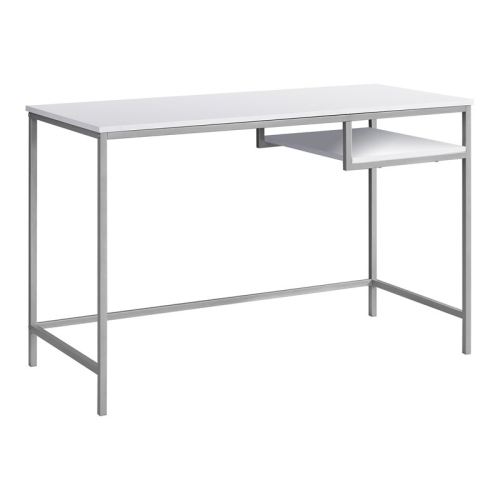
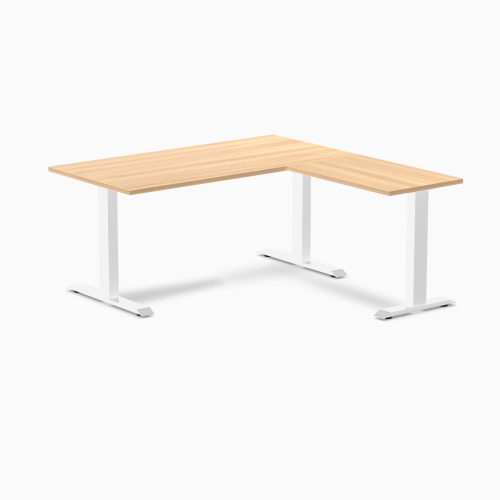
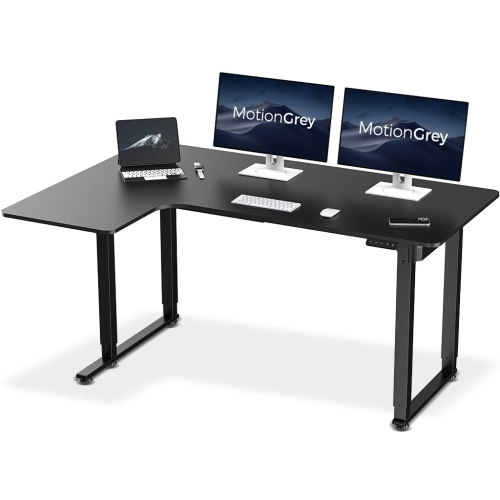
White and grey desks combine a light, neutral palette with a practical work surface for home offices, study areas, bedrooms, and shared living spaces. A white desktop with grey drawers creates a different effect from a grey wood-look surface on a white frame: the first keeps the main work area visually bright, while the second introduces texture and makes the desktop a more distinct feature. Pale grey can sit quietly alongside white shelving and light flooring, whereas charcoal accents add stronger definition around drawer fronts, legs, or storage compartments. These colours also coordinate easily with natural wood, black monitor stands, upholstered chairs, and metal accessories, making them useful when a workspace needs to fit into an existing room rather than match an entirely new furniture set. Beyond appearance, the layout should suit the activities that happen there. Writing desks offer an open surface for a laptop, notebook, and reading lamp; computer desks may provide more room for monitors, peripherals, and cable routing. An L-shaped layout can separate screen work from paperwork, while a compact rectangular desk can create a dedicated study spot along a bedroom wall. For a student, enough space to keep a textbook open beside a computer can matter more than extra drawers. For someone working from home, desktop depth becomes especially important when a monitor, keyboard, and documents need to remain comfortably arranged. Measure the intended location along with the chair’s pullback space, nearby doorways, and the travel of any drawers. A desk that fits neatly against a wall still needs enough room for someone to sit down, turn, and stand without bumping surrounding furniture. Baseboards, floor vents, and wall outlets can also affect placement. With corner and L-shaped designs, check which side holds the return and whether the configuration is reversible; a layout that works in one room may block a walkway in another. In a shared room, consider whether the desk’s back will be visible, since a finished rear panel can make placement away from a wall look more intentional.
Materials influence how white and grey desks look, feel, and hold up to daily use. Laminate and melamine surfaces over engineered wood can provide a consistent colour or a printed wood-grain or concrete-look finish, with routine care that generally involves gentle cleaning rather than polishing. Their resistance to scratches, moisture, and heat depends on the construction and finish, so a protective desk mat, coaster, and prompt attention to spills remain worthwhile. MDF can provide a smooth base for painted or laminated finishes, while wood veneer adds natural grain variation that a printed surface does not replicate in the same way. Metal legs or frames can create an open appearance beneath the desktop, but stability depends on the complete design, including bracing, joints, fasteners, and levelling feet where supplied. A substantial-looking top is not, by itself, a measure of strength. Check the stated weight capacity for the desktop and any shelves, particularly when planning to use multiple monitors, a desktop computer tower, or heavier office equipment. Storage deserves the same attention as the main surface. Shallow drawers keep pens, charging cables, and small stationery organized, while deeper compartments can hold bulkier supplies. A file drawer should match the document format being stored, and open shelves need enough height and depth for their intended contents. Drawer placement also affects legroom: a wide desktop can still feel cramped if storage takes up much of the space underneath. For long sessions, leave room to bring the chair close enough that the keyboard and mouse can sit within easy reach. A laptop used as the main screen may benefit from a separate keyboard and suitable stand, while a monitor arm requires a compatible attachment point and a desktop that can support its mounting method. Cable openings, trays, and accessible outlets help keep cords from crossing the writing area or catching beneath chair wheels. Adjustable-height designs require particular attention to cable slack, overhead clearance, and the manufacturer’s stated limits throughout their range of movement.
Careful setup and a few everyday habits help preserve both the finish and the usefulness of a white and grey desk. Before assembly, confirm that the packaged components can pass through the home’s entrances and that there is enough clear floor space to work without dragging finished panels across a rough surface. Follow the supplied assembly sequence, use the specified hardware, and avoid overtightening fasteners in engineered wood. Once the desk is positioned, check that it sits level and that drawers open without rubbing or shifting the frame. When moving it later, clear the desktop and get appropriate help rather than pulling it by the top or an attached return. For routine cleaning, a soft cloth used according to the manufacturer’s directions is generally preferable to abrasive pads or strong cleaners, which may dull or damage a finish. Wipe up spills promptly, especially around seams, drawer edges, and cable openings, where liquid can reach the material beneath a protective surface. A writing pad helps protect the desktop from pen pressure, and a mouse mat can reduce concentrated wear in the same spot. White surfaces can make ink marks and scuffs more noticeable, while darker grey finishes may show dust or fingerprints more clearly; neither colour eliminates the need for regular care. The best visual balance depends on the room as well as the desk itself. A grey chair can connect contrasting panels, a wood accessory can add warmth, and a small number of coordinated storage pieces can keep a shared living area from feeling crowded. For a more uniform look without contrasting grey sections, Plain White Desks offer another direction. Whether the workspace supports homework, household paperwork, creative projects, or a full working day, the most useful choice brings together suitable dimensions, comfortable clearance, accessible storage, and a finish that fits naturally with the surrounding furniture. Those practical details make the desk easier to live with long after the initial room arrangement is complete.
Top selling and popular products
-
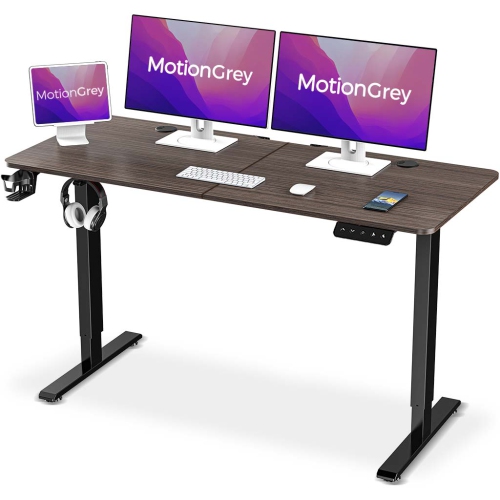 Your price for this item is $97.99
-
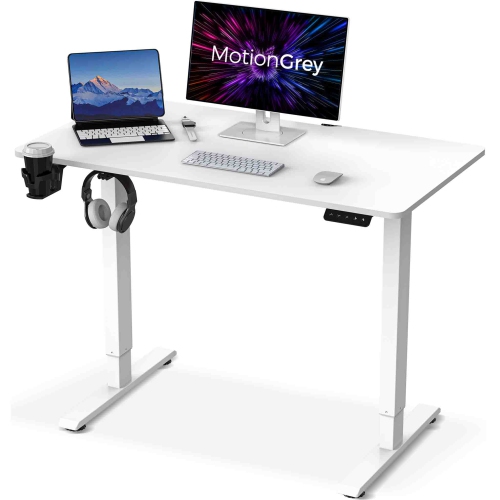 Your price for this item is $89.99
-
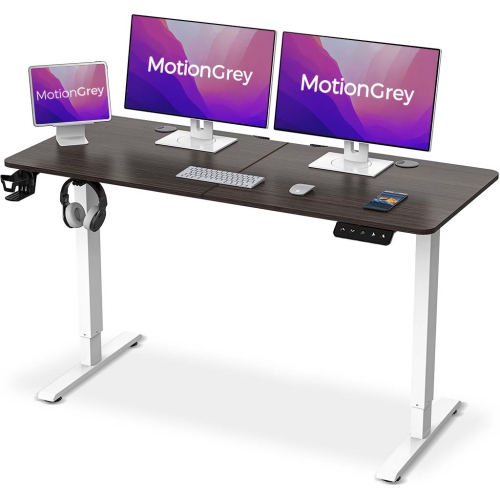 Your price for this item is $84.99
-
 Your price for this item is $97.99
-
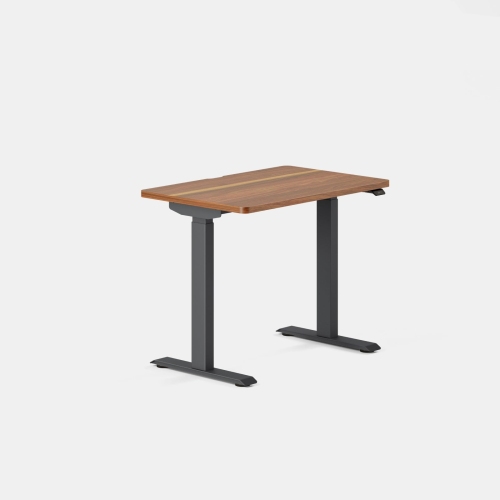 Your price for this item is $649
-
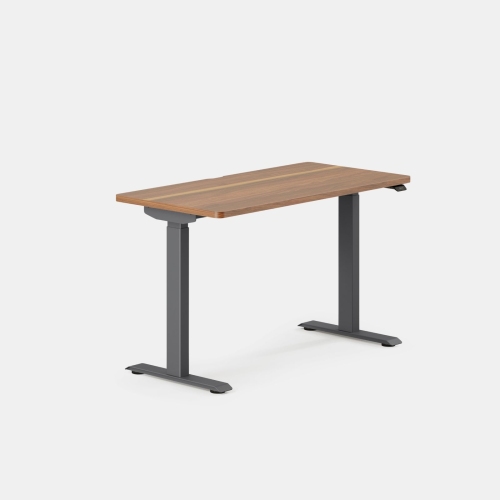 Your price for this item is $749
-
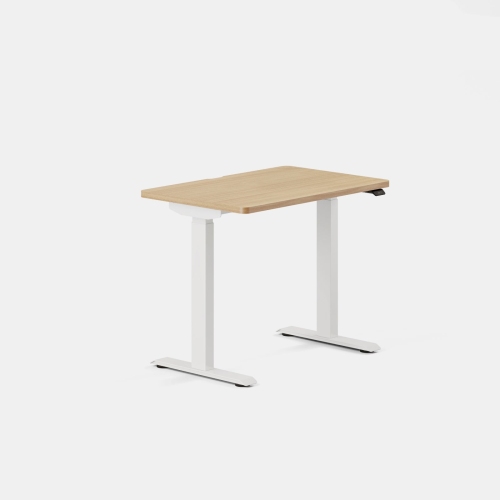 Your price for this item is $649
-
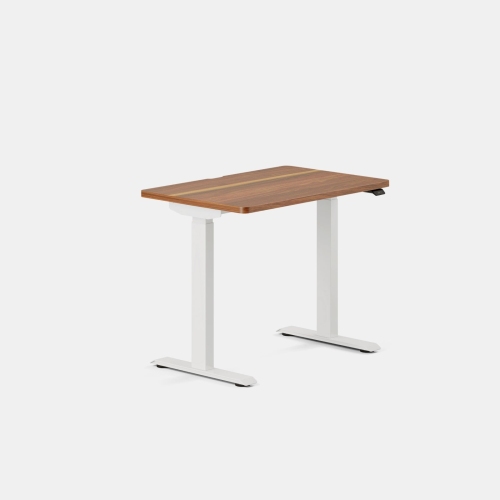 Your price for this item is $649
Discover more categories related to White And Grey Desks

Top Collections:
Best Black Friday Deals This Year, Best Black Friday Deals On Electronics, Kindle Devices, Pokemon Centers, Best Black Friday Deals On Apple Products, Best Cameras for Sports Photography, Dyson Airwrap, Pokémon 30th Celebration Cards, Apple iPhone 17 Pro, Canon G7X Cameras
Some products may be subject to Environmental Handling Fees
(EHF) depending on your province.
Learn more about EHFs.