White Bookshelf With Doors
Looking for a stylish and functional storage solution for your home or office? White bookshelves with doors are sure to meet your needs. Whether you're looking to display your favorite books, store important documents, or showcase decorative items, these versatile bookshelves offer a clean and contemporary look that will complement almost any space. Here are some great options available.
Sort
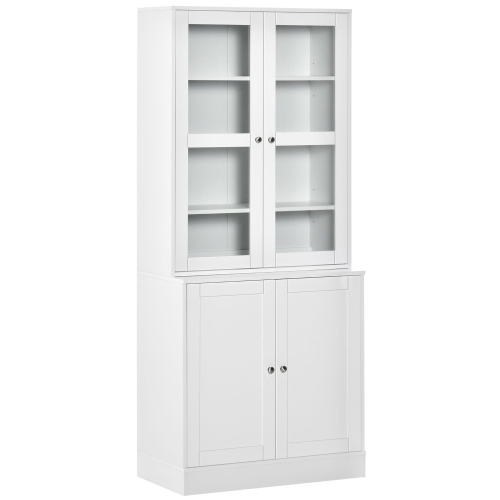
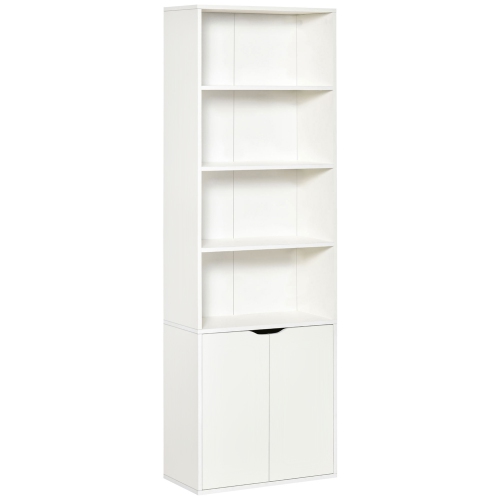
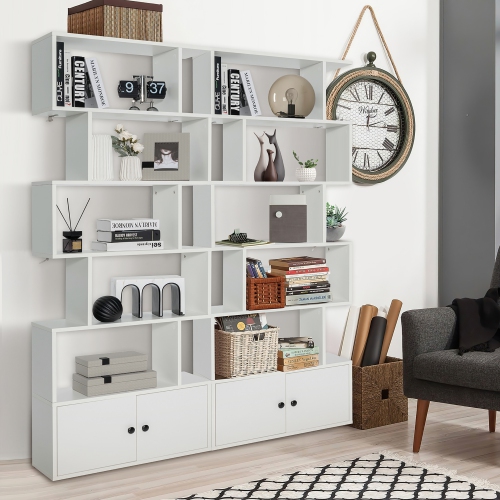
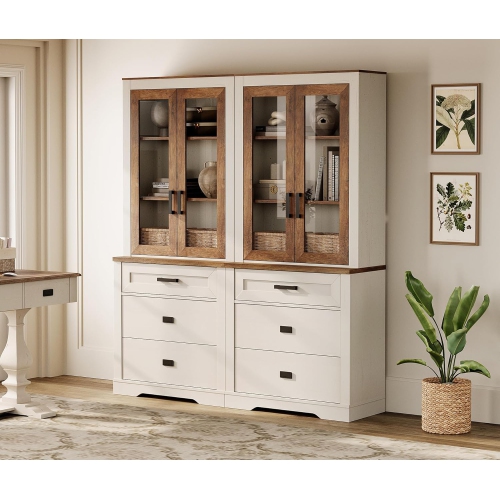
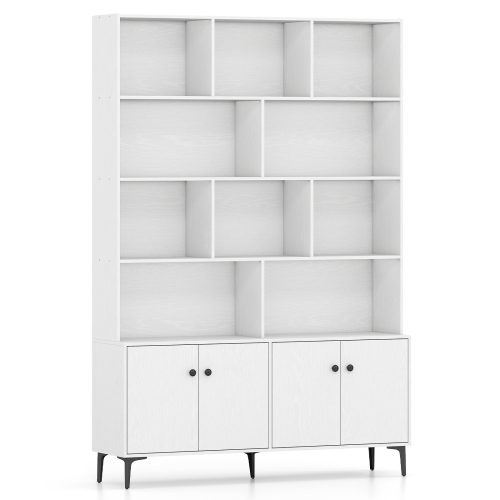
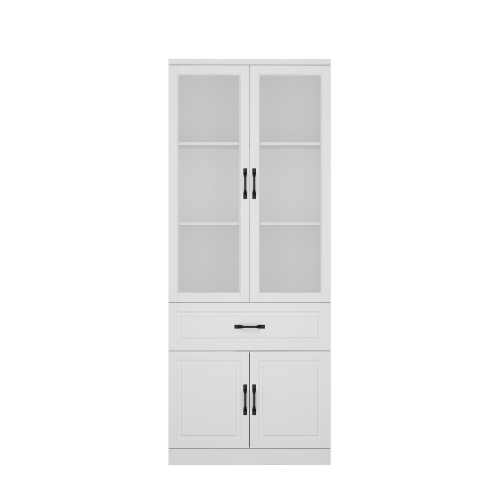
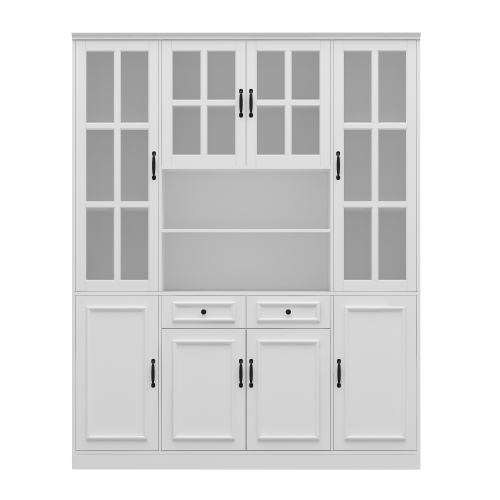
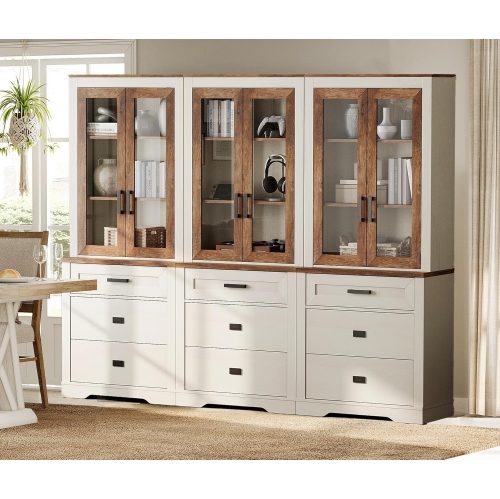
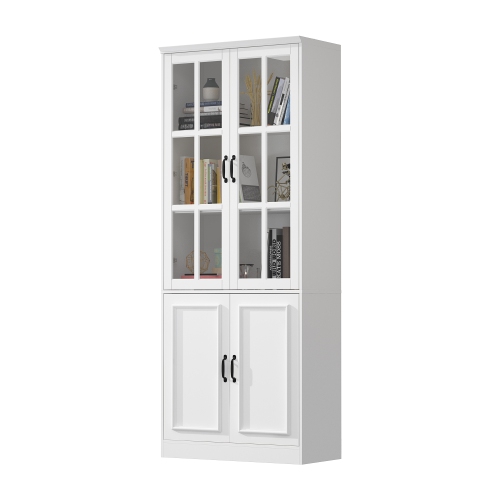
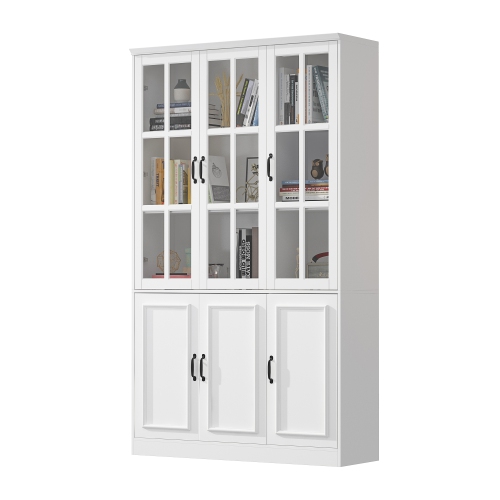
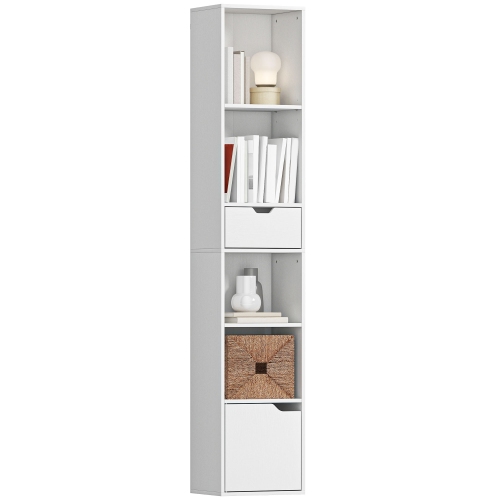
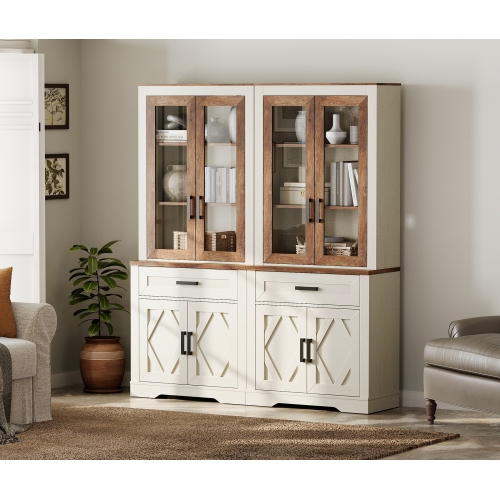
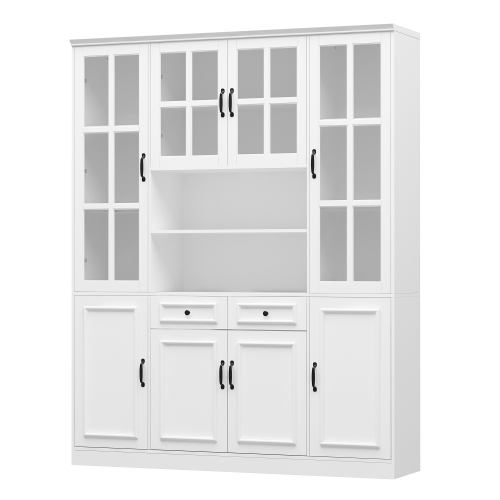
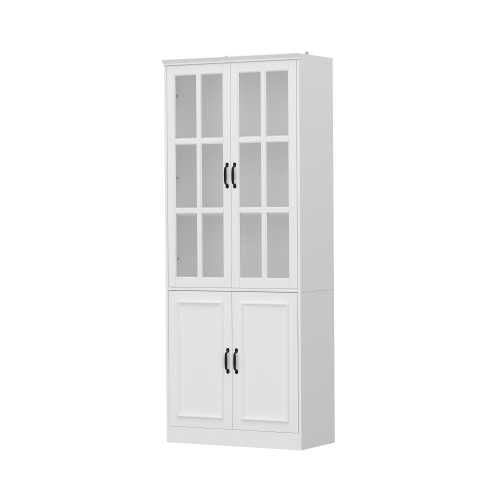
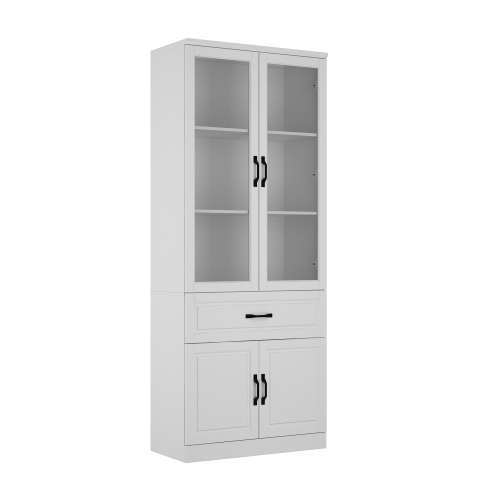
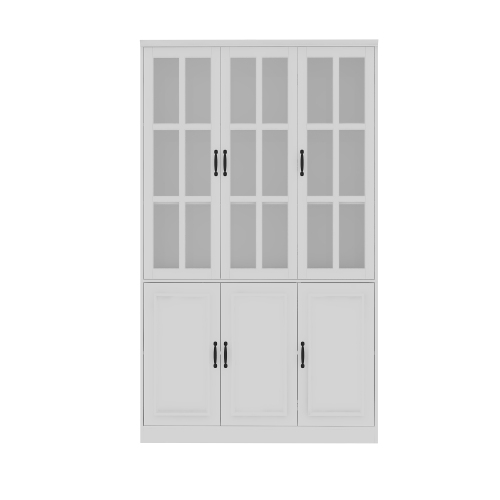
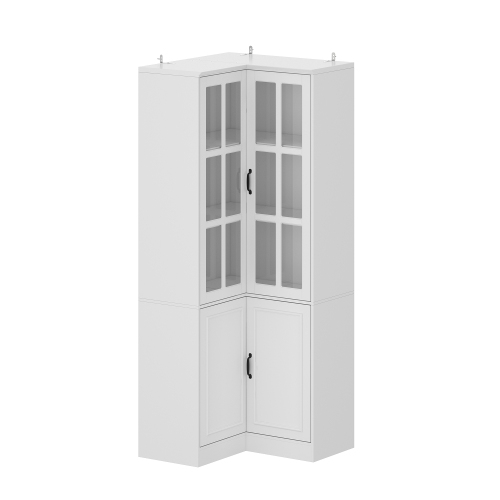
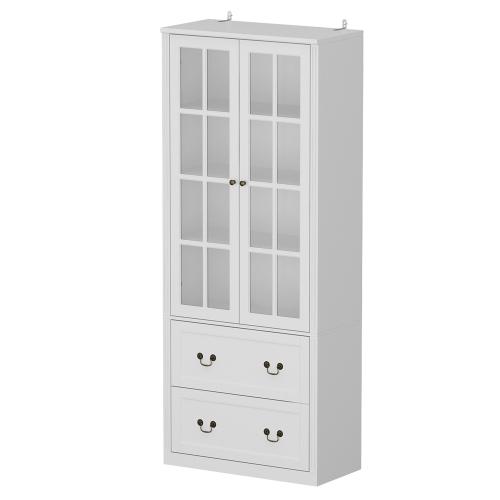
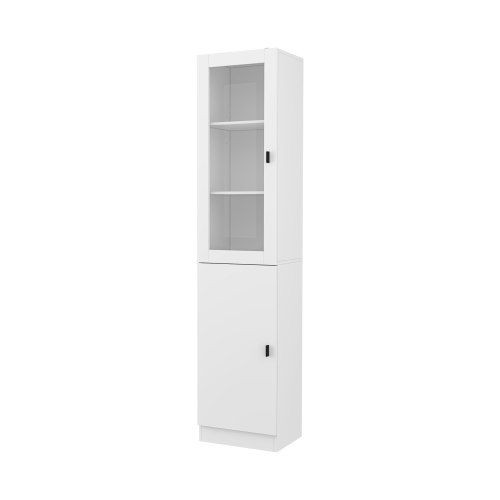
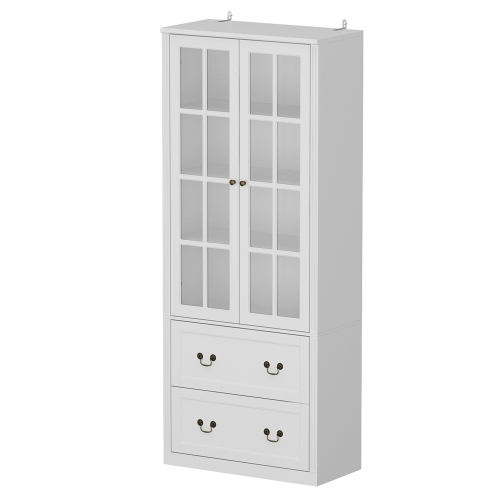
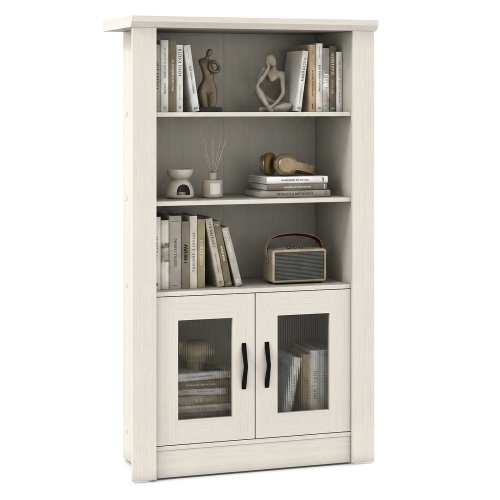
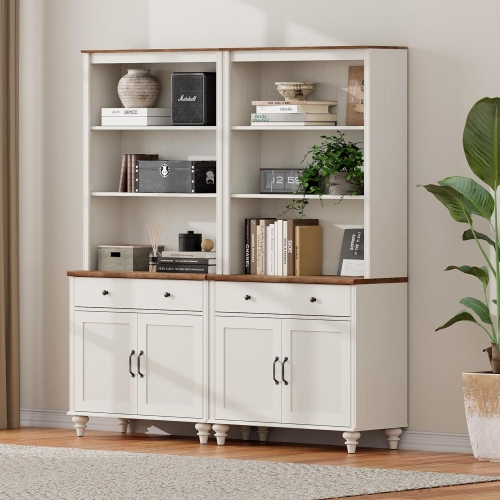
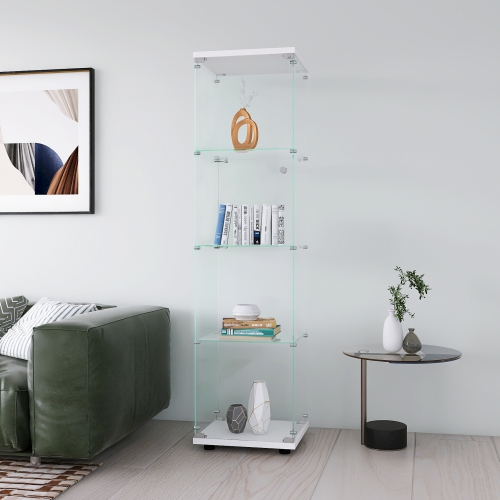
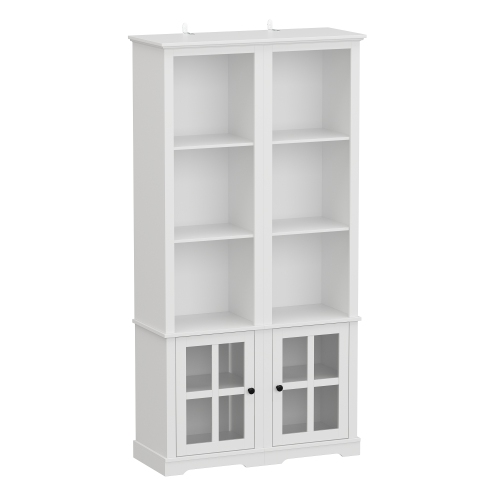
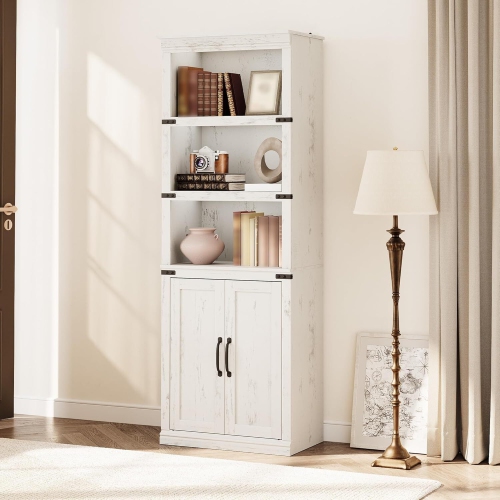
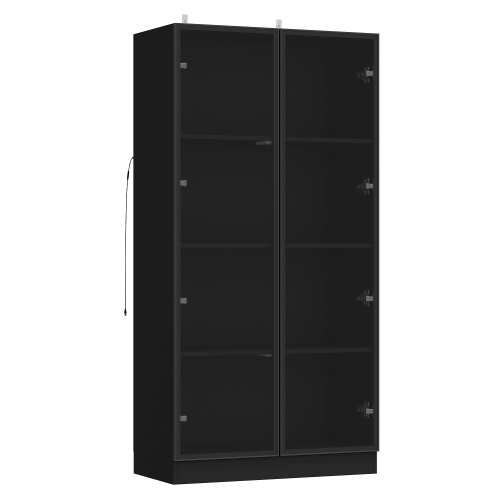
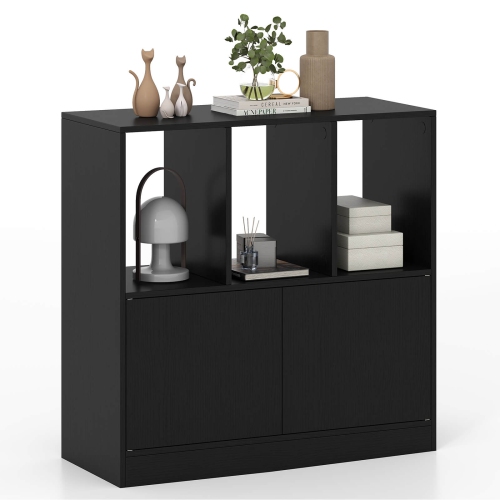
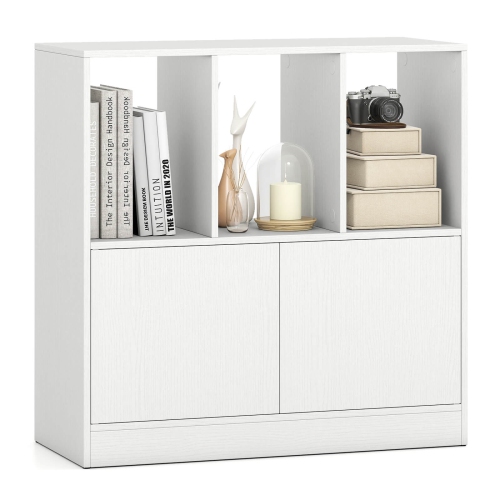
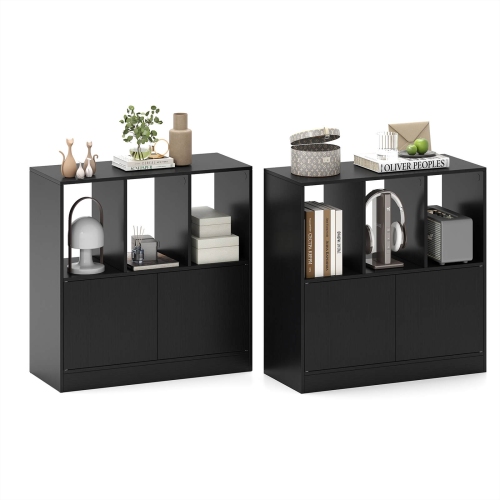
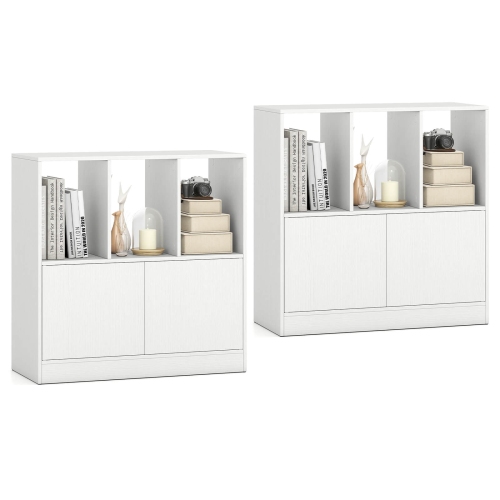
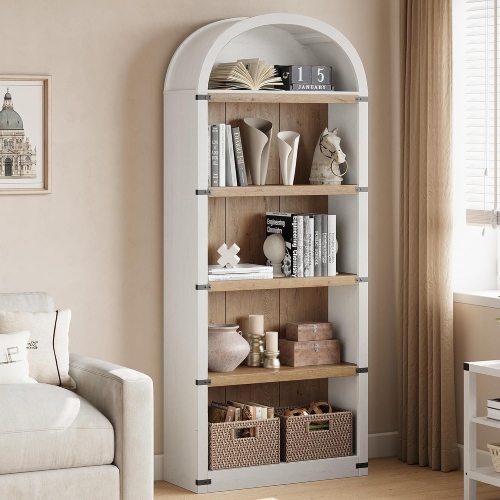
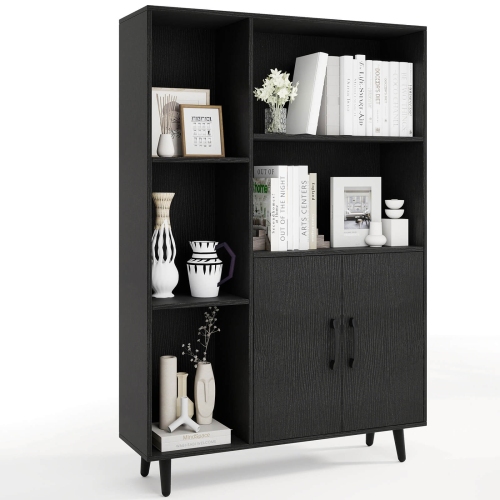
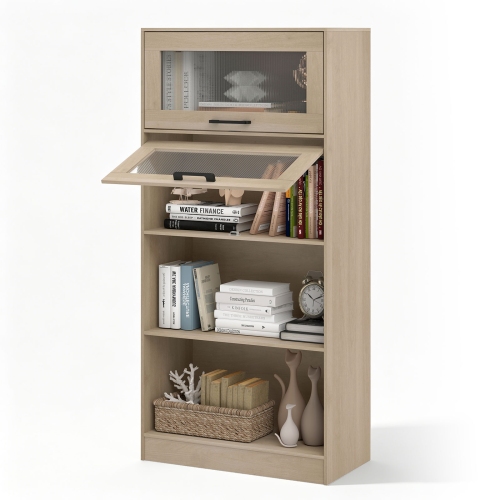
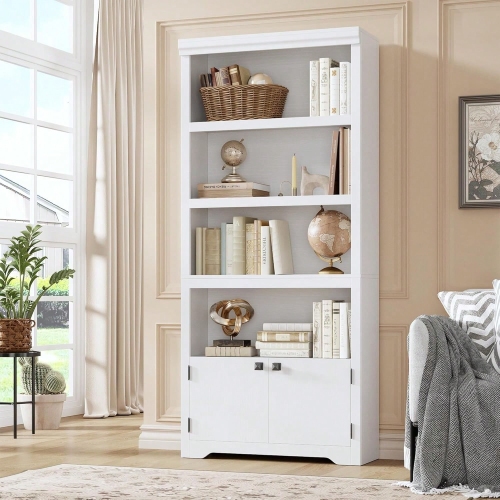
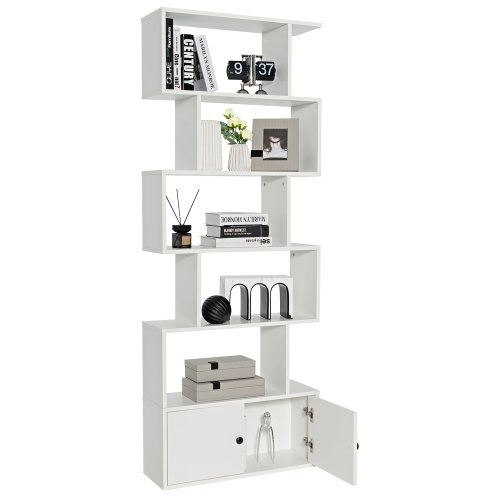
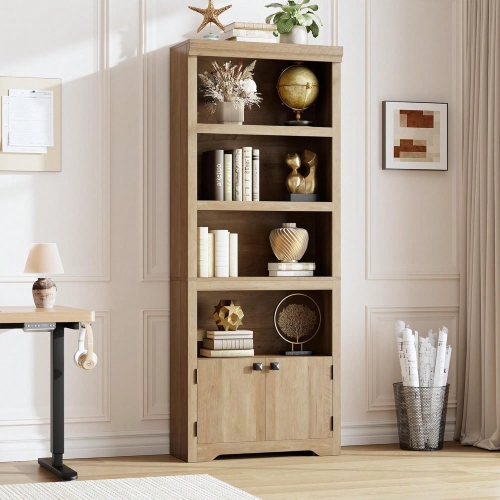
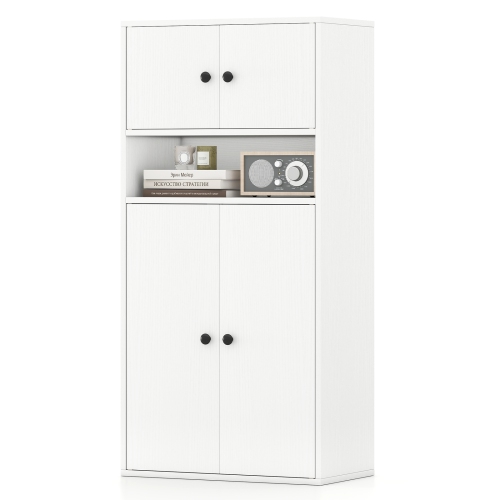
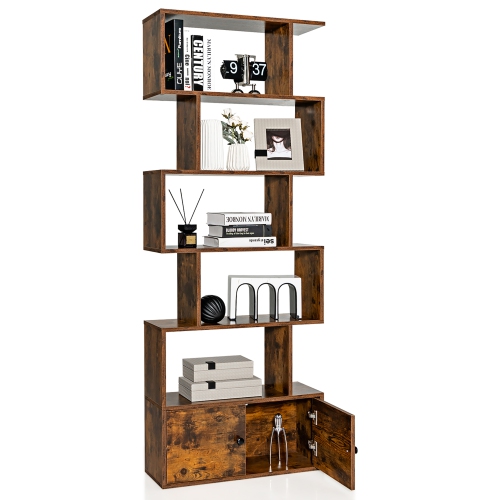
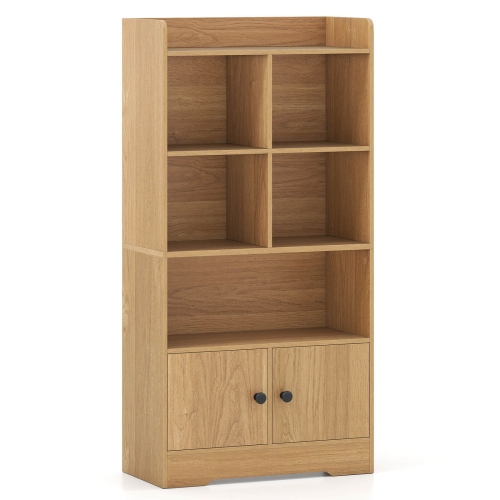
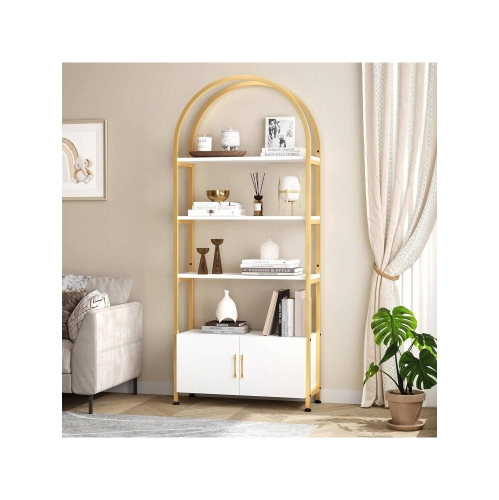
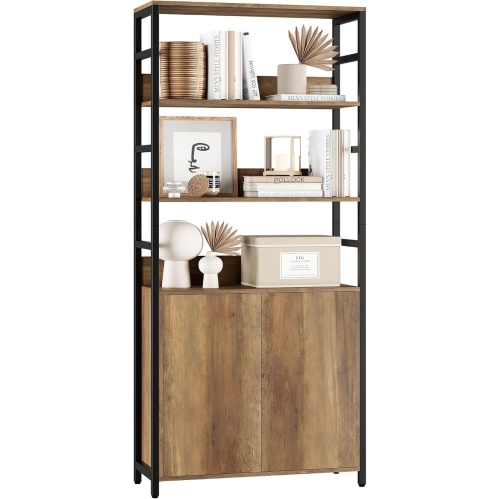
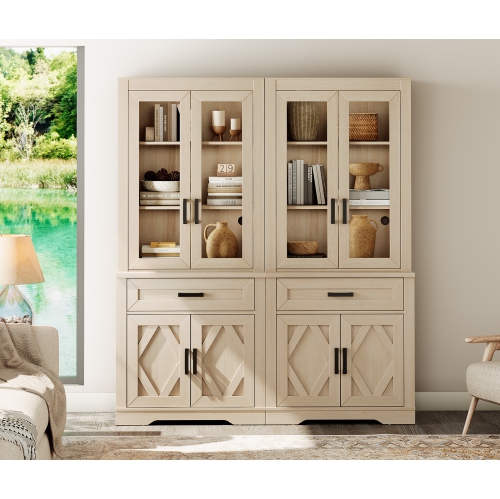
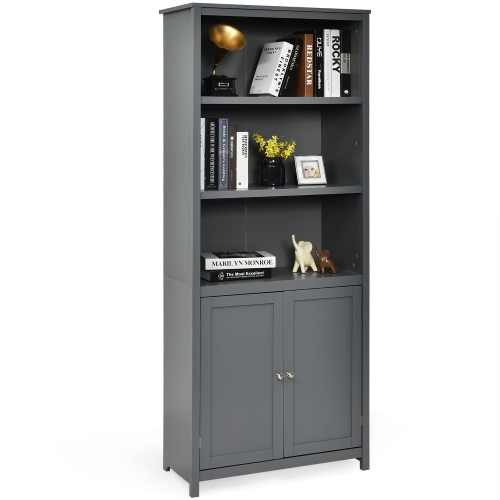
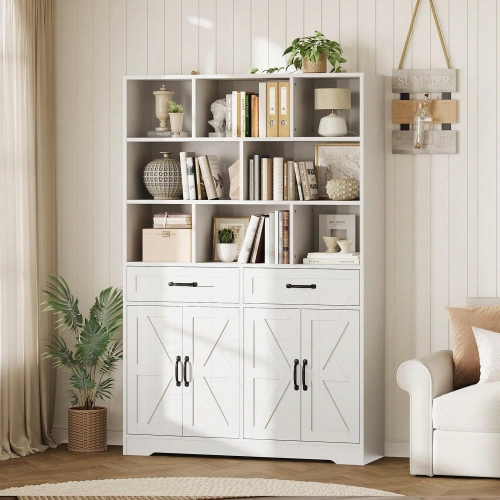
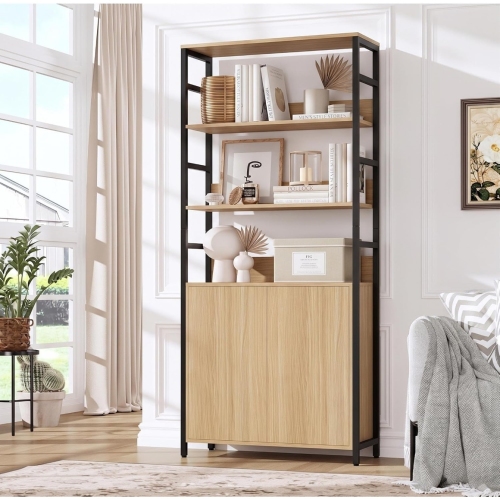
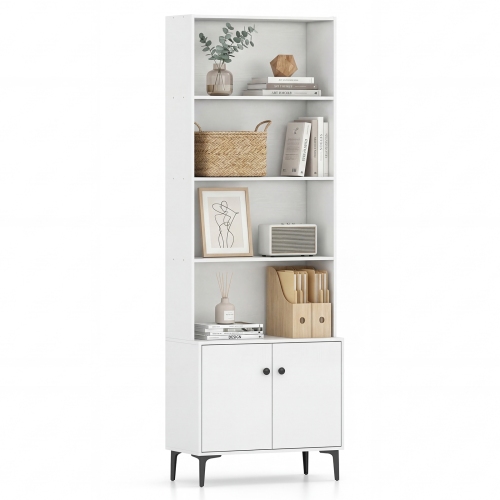
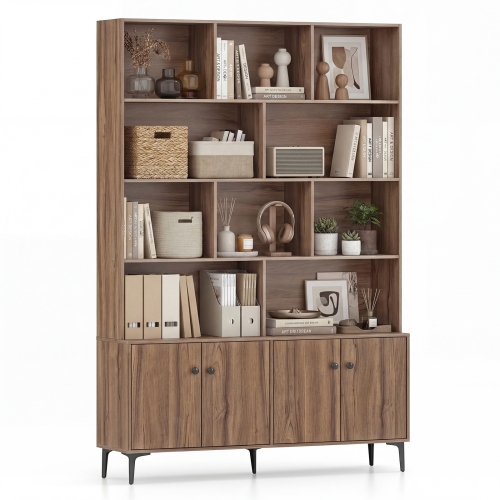
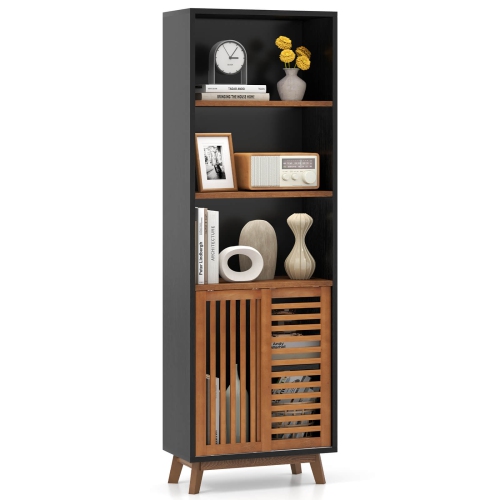
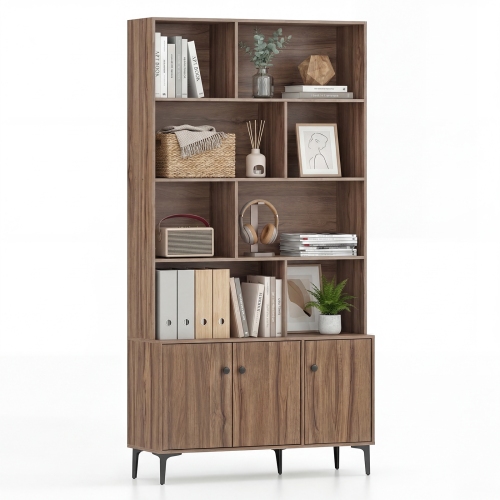
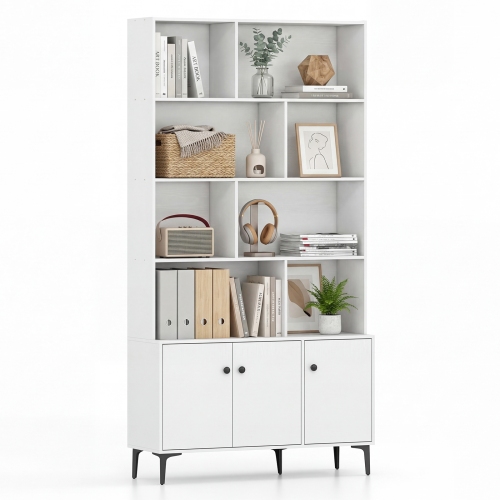
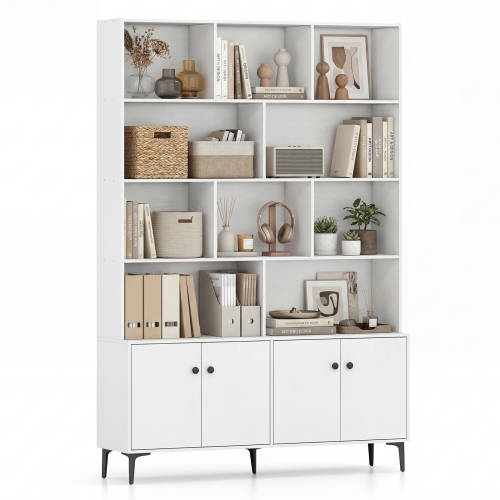
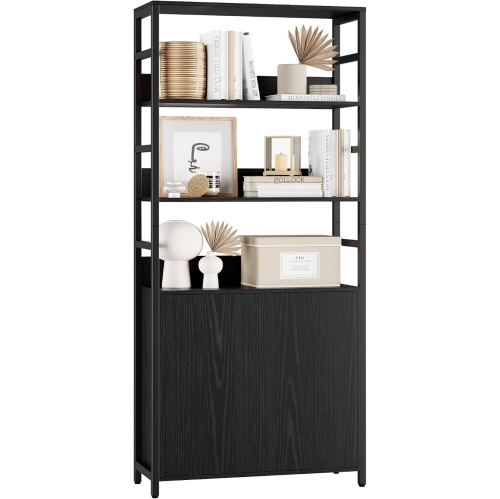
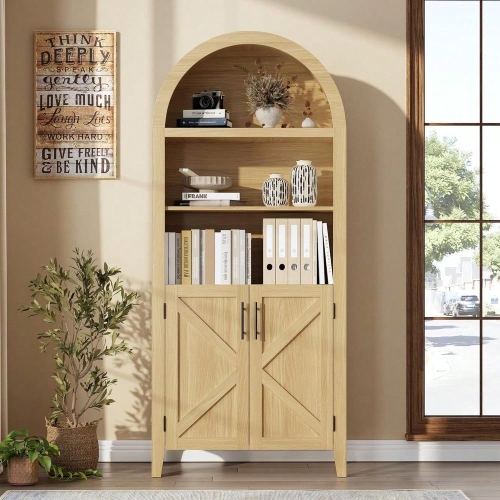
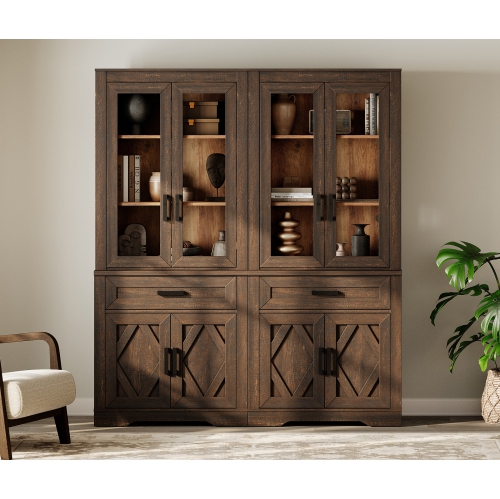
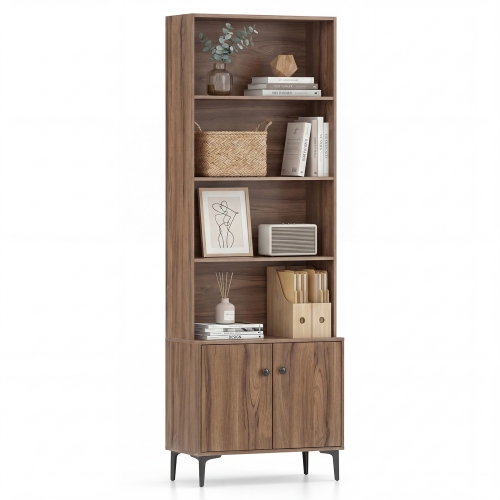
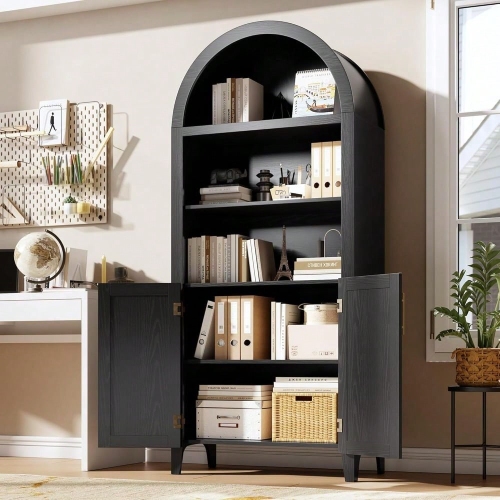
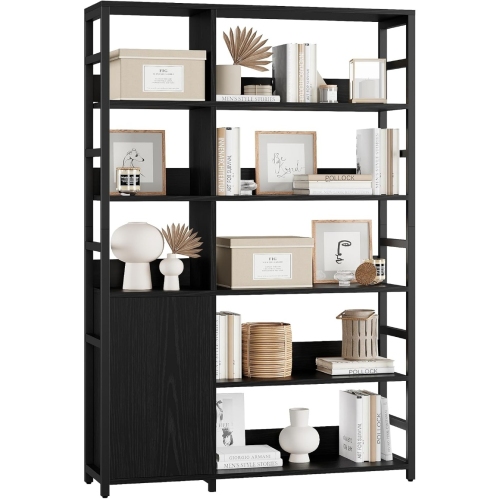
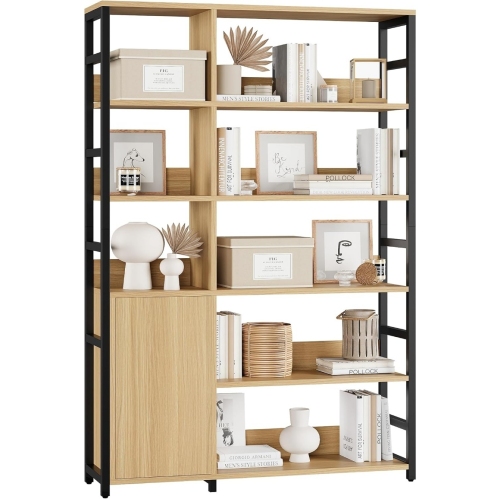
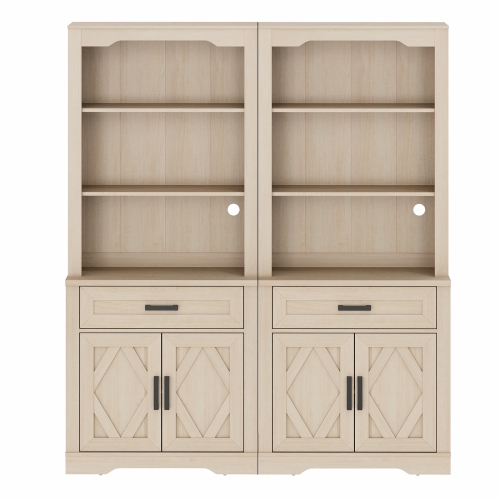
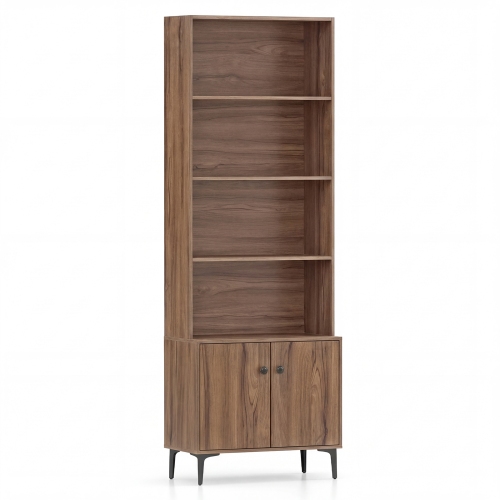
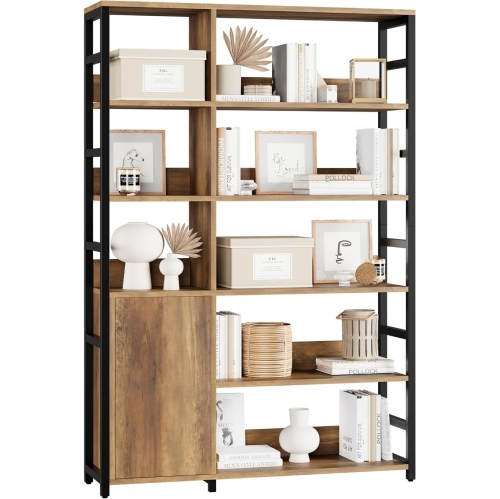
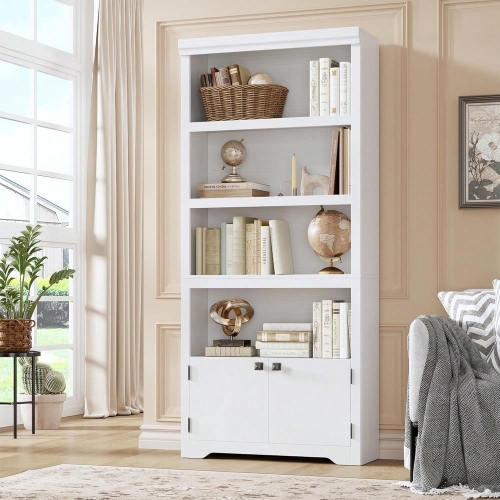
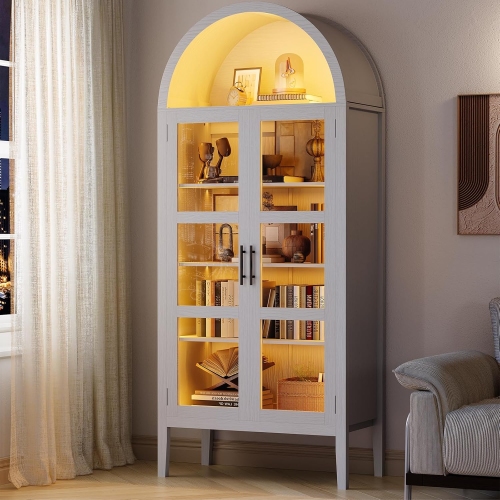
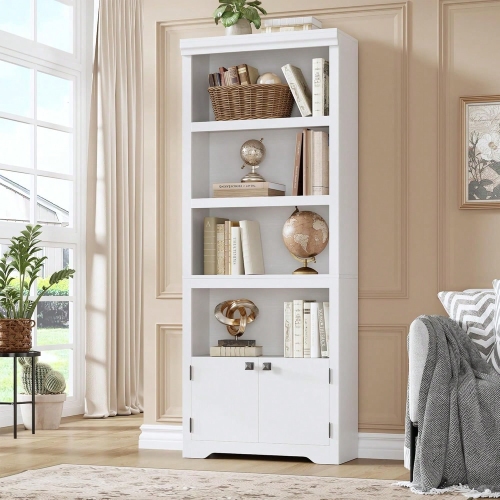
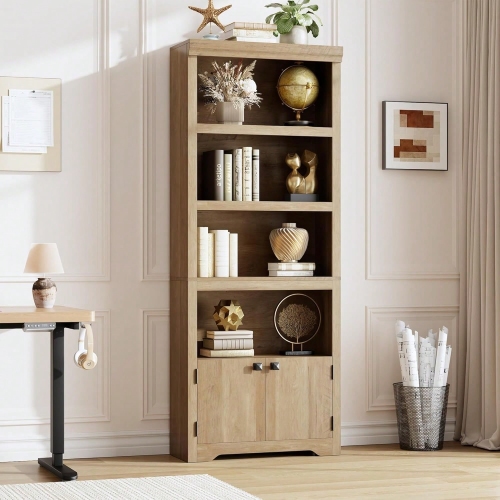
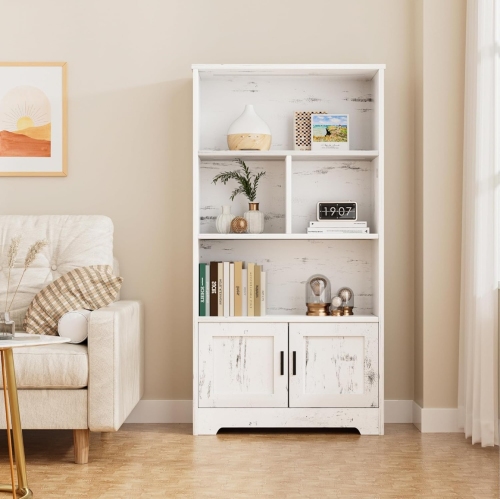
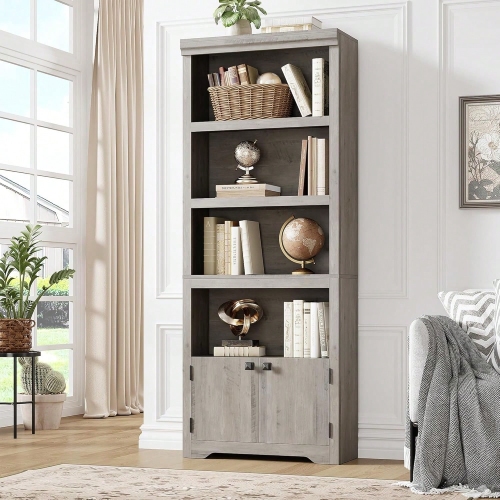
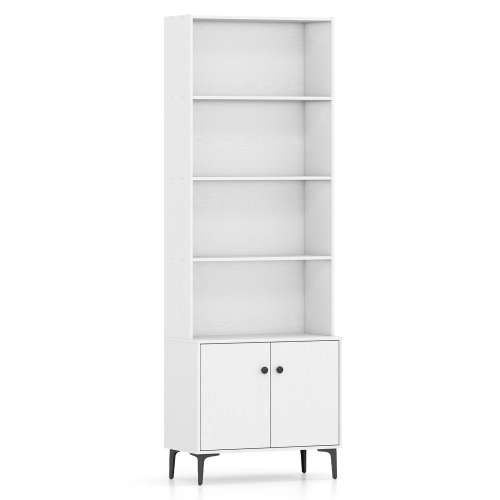
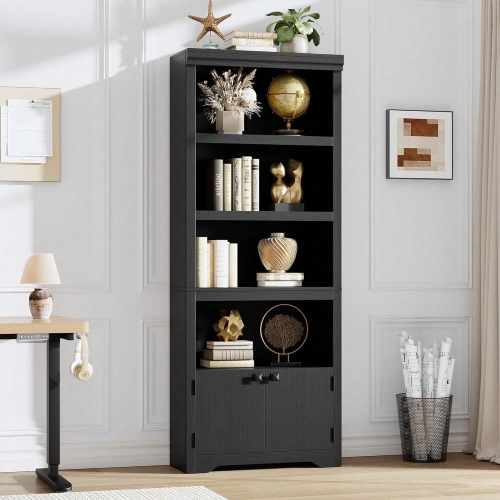
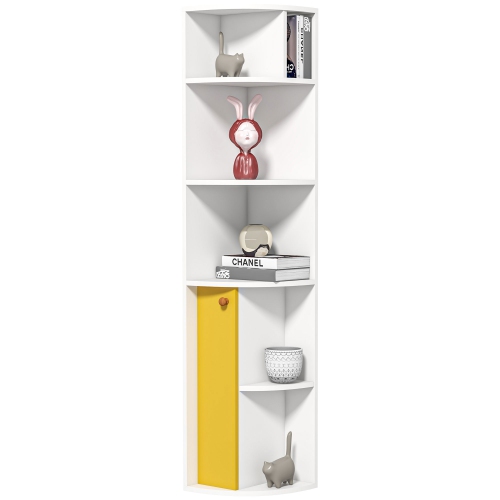
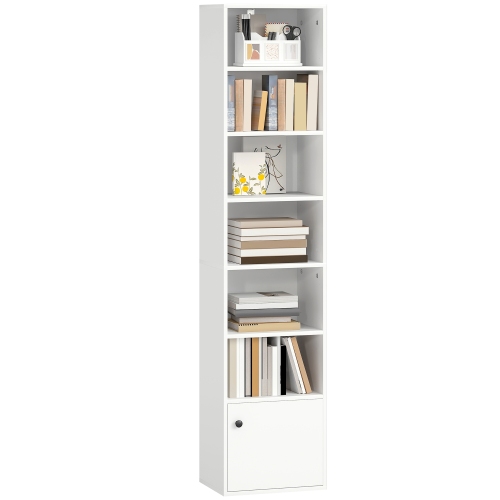
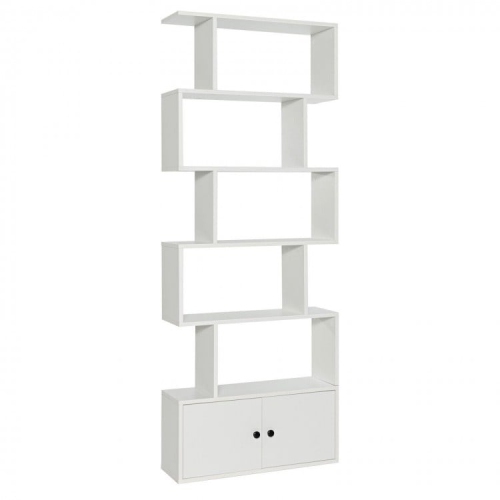
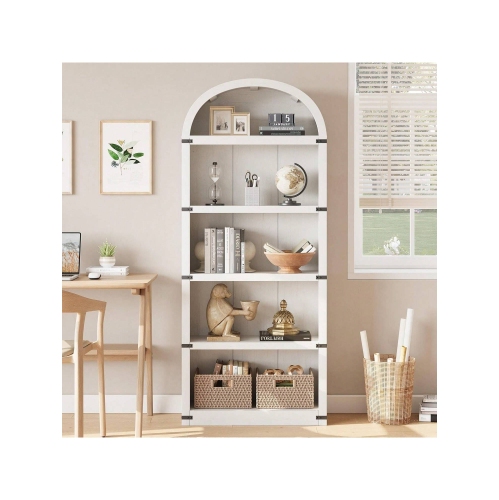
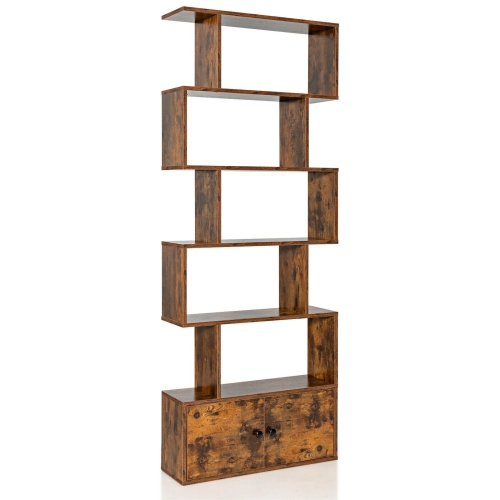
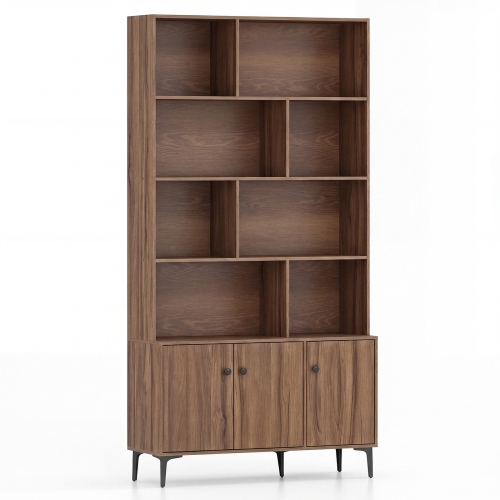
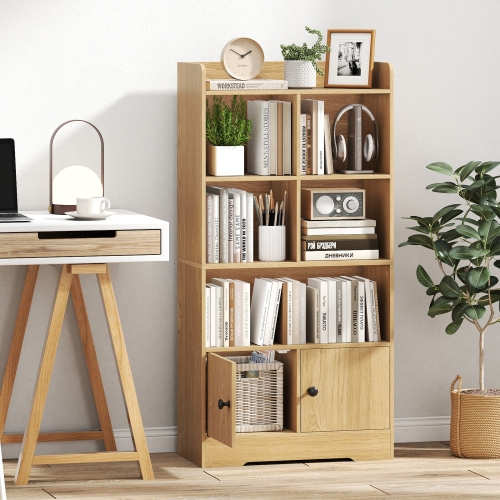
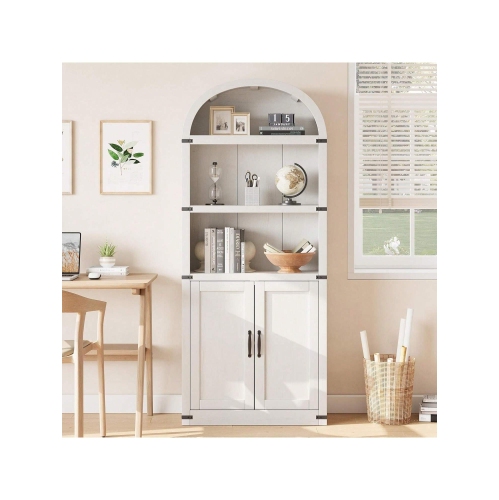
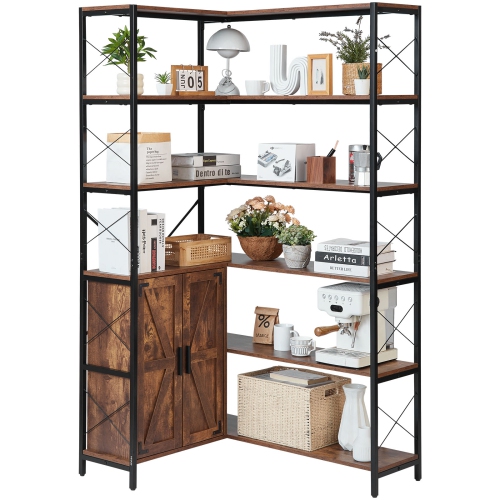
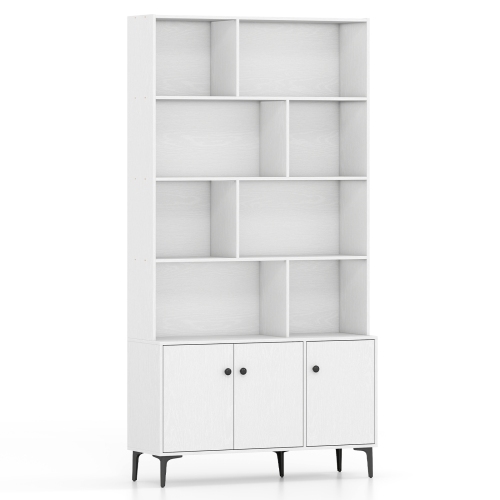
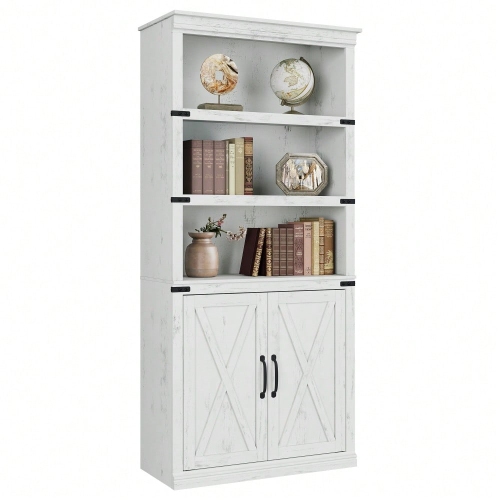
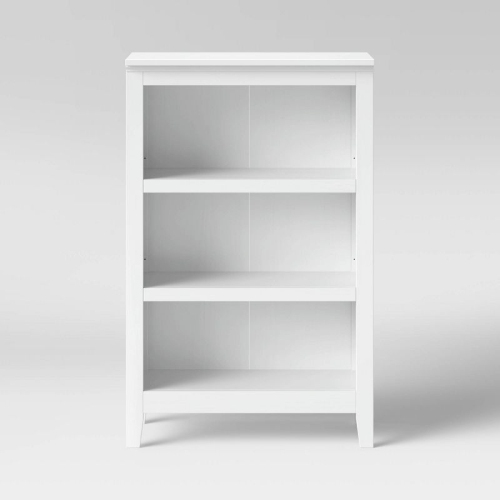
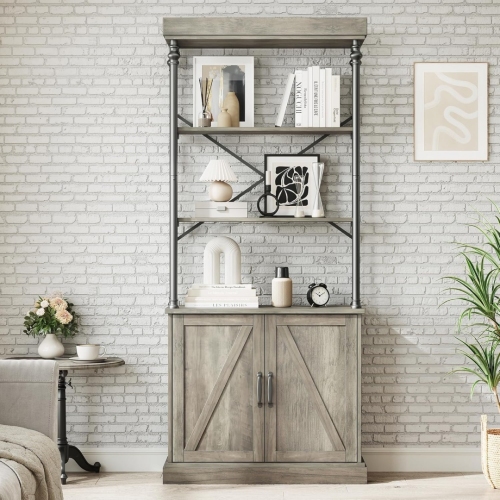
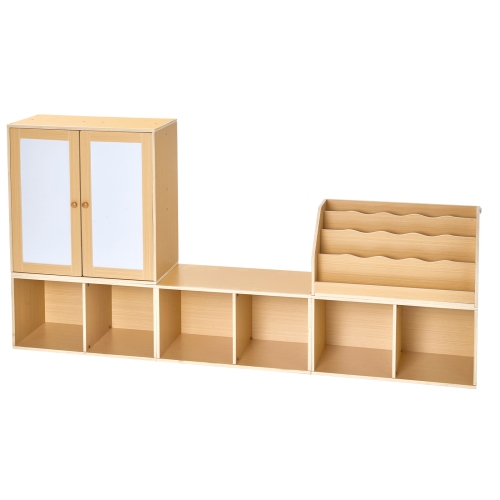
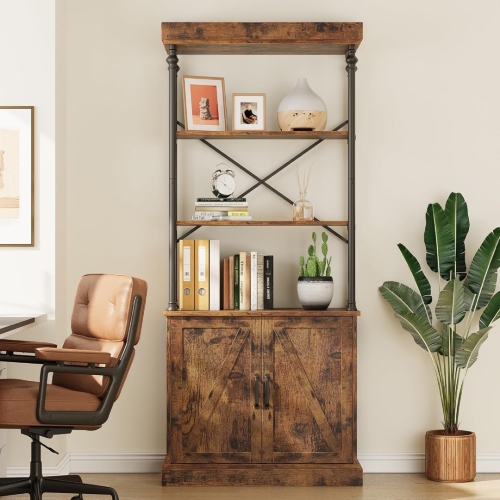
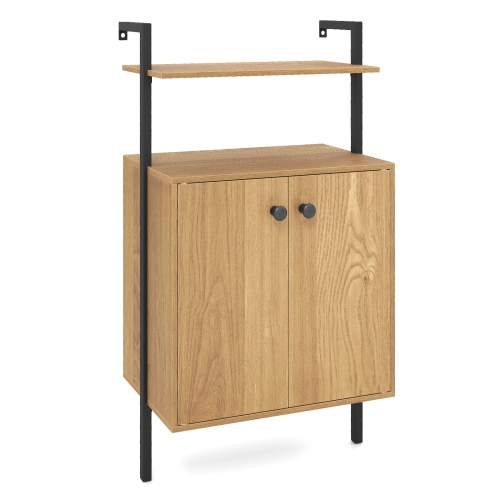
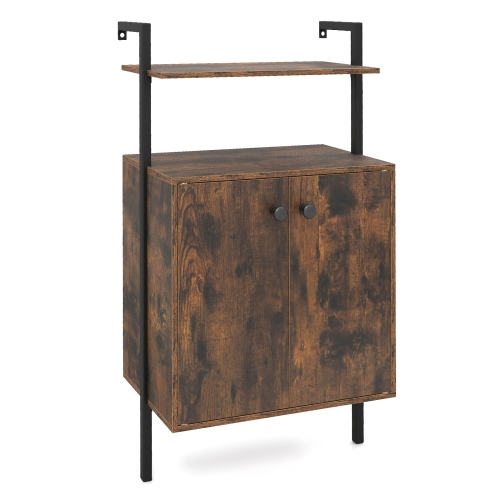
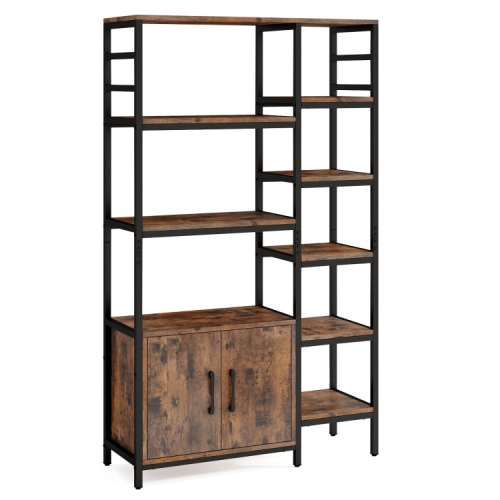
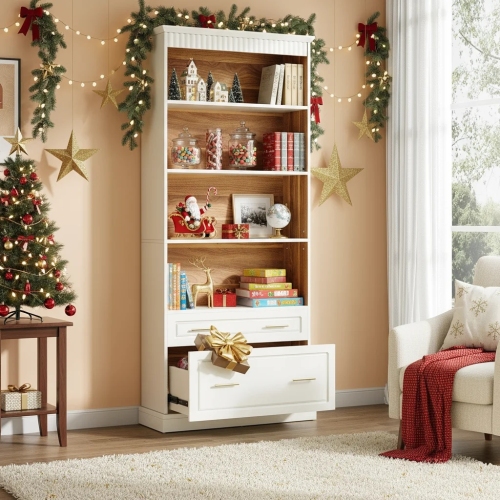
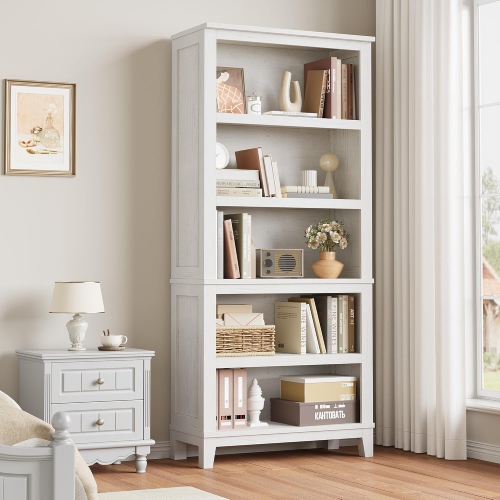
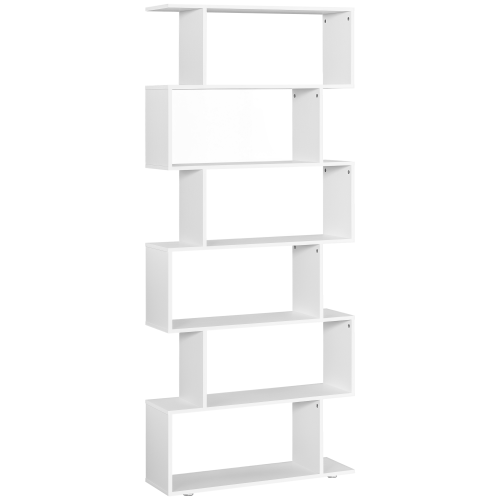
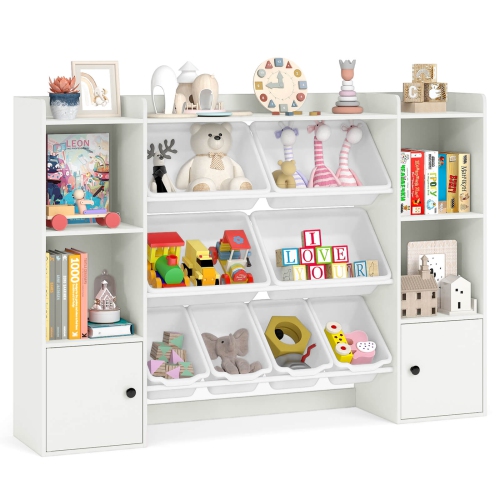
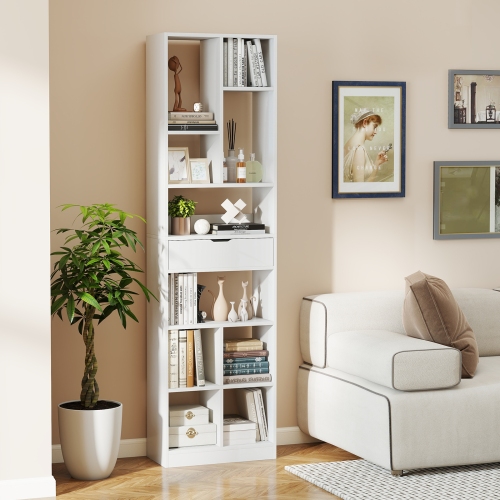
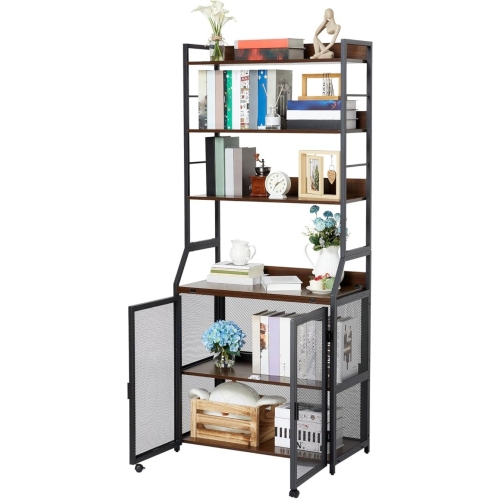
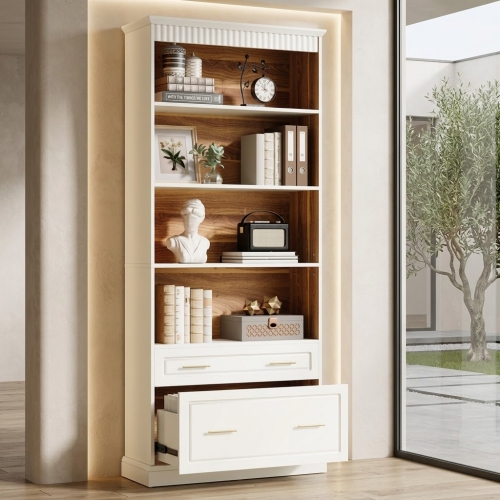
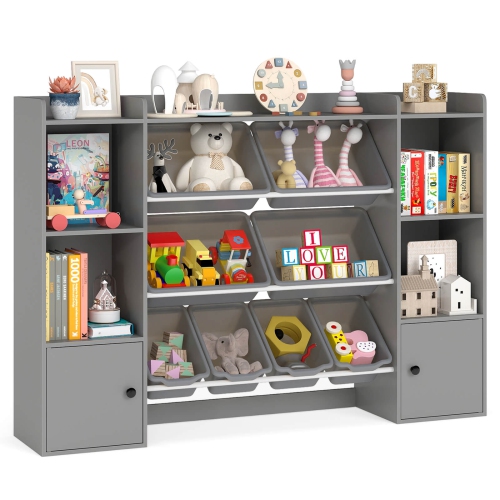
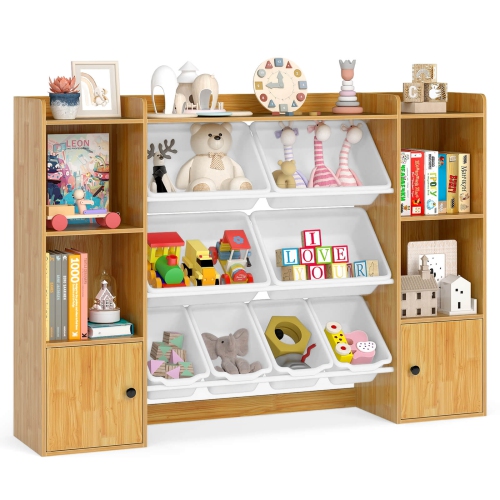
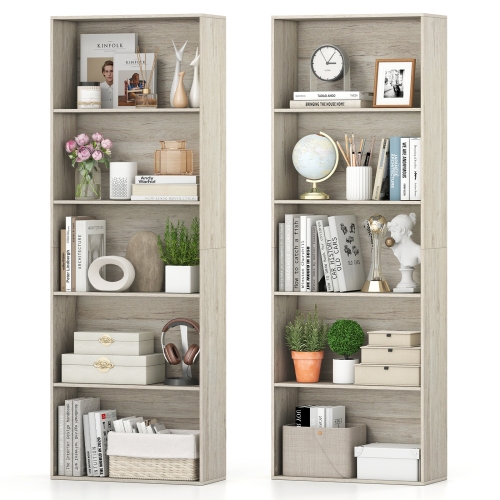
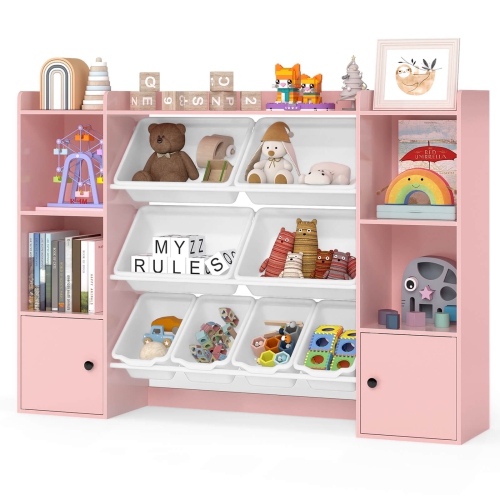
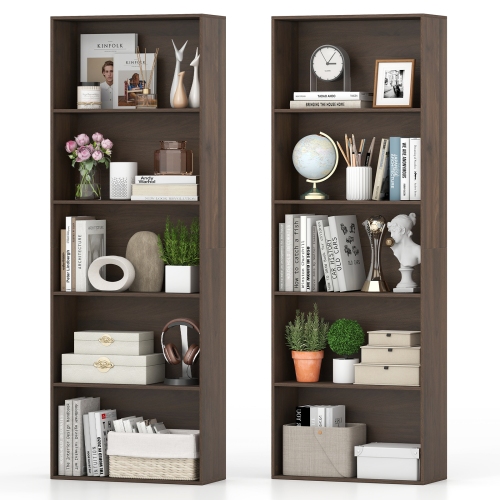
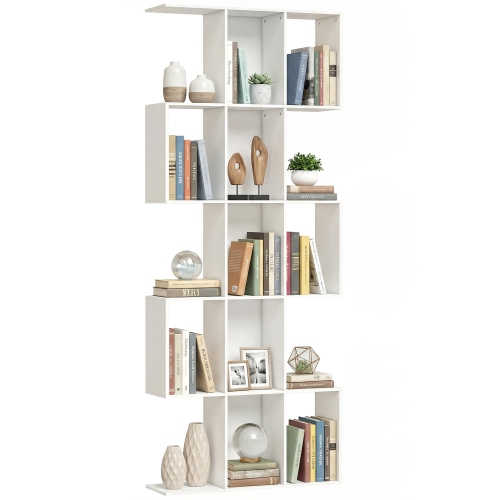
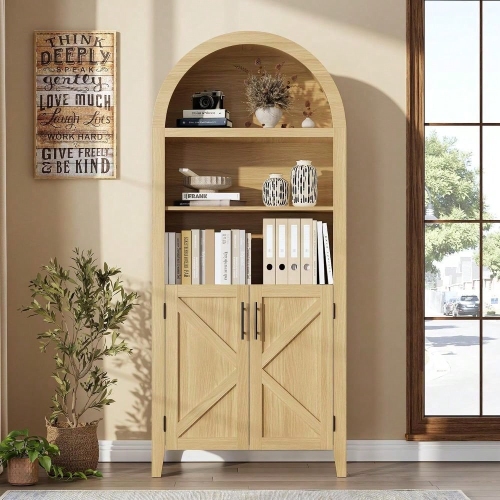
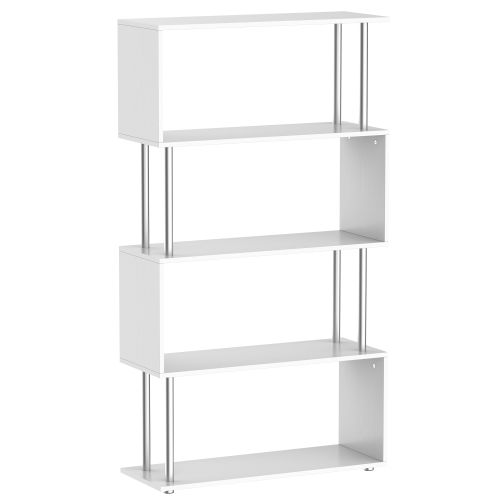

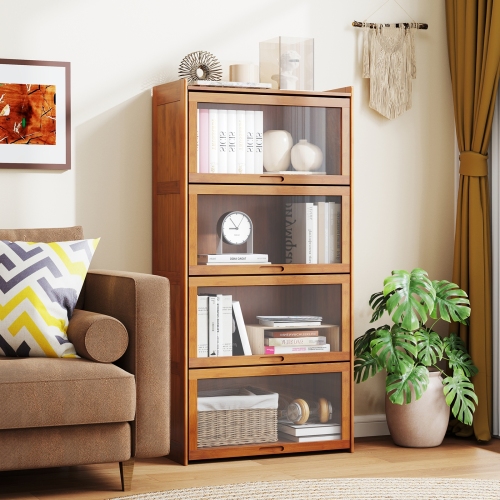
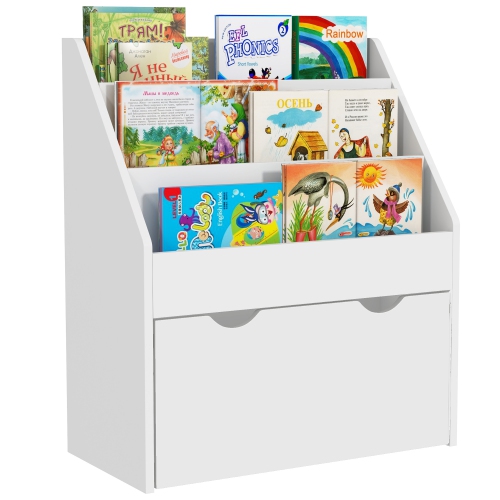
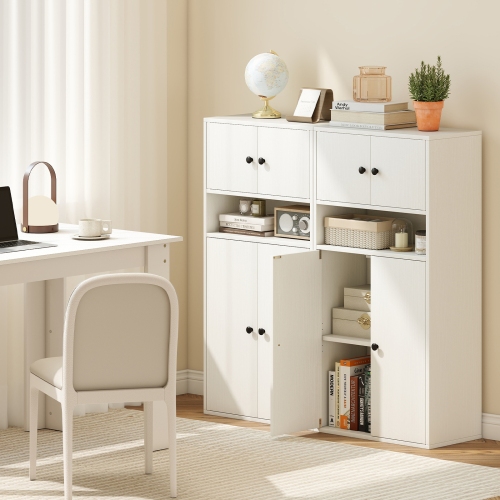
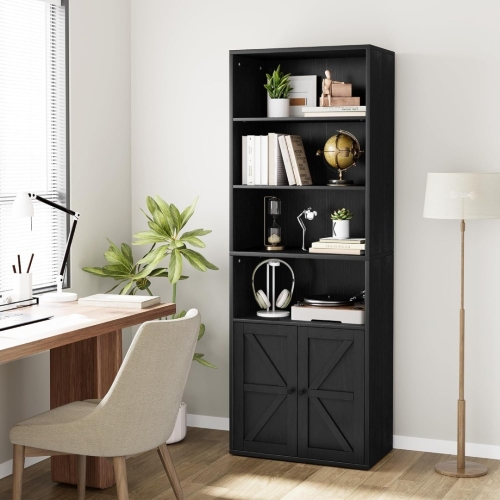
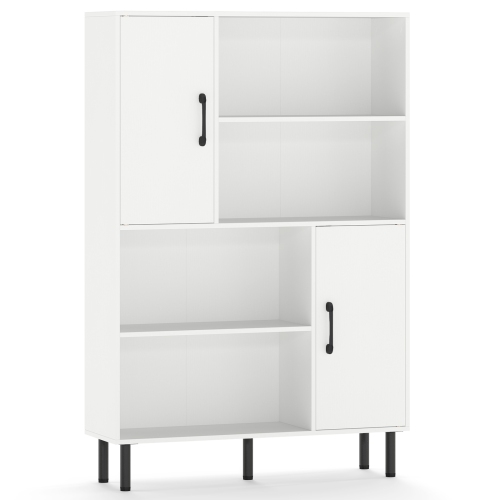
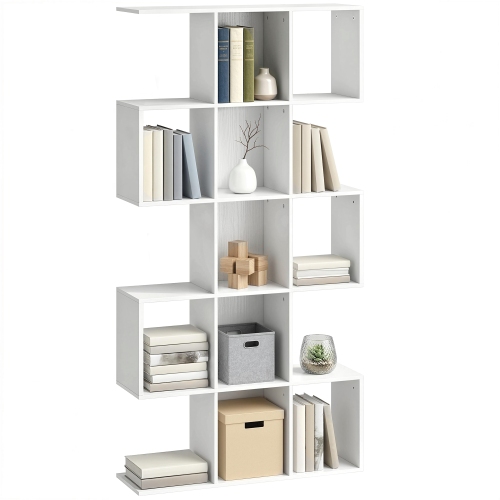
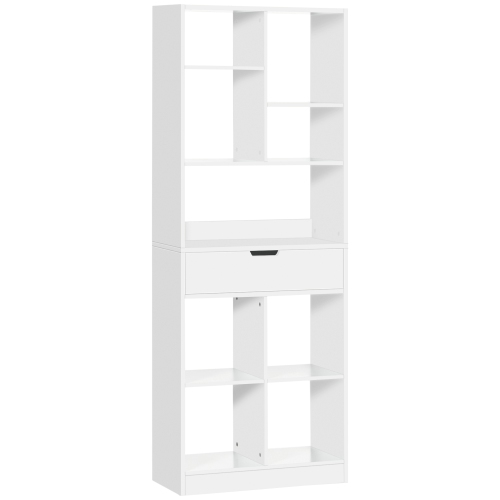
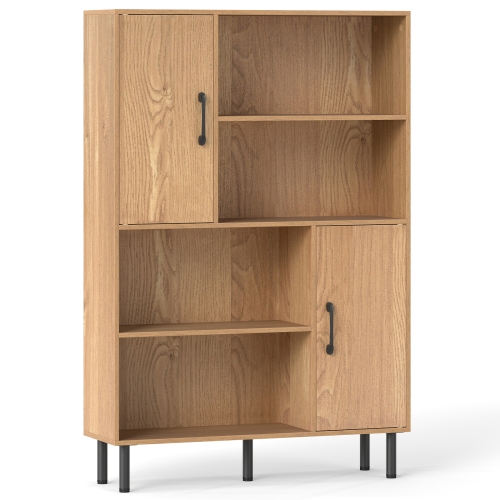
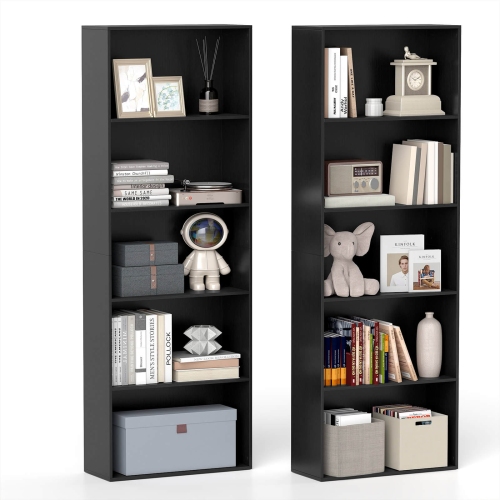
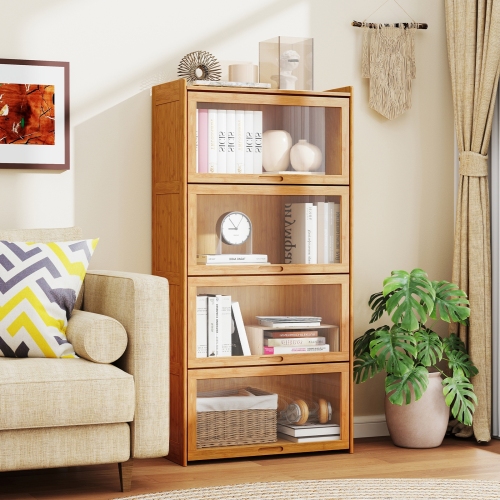
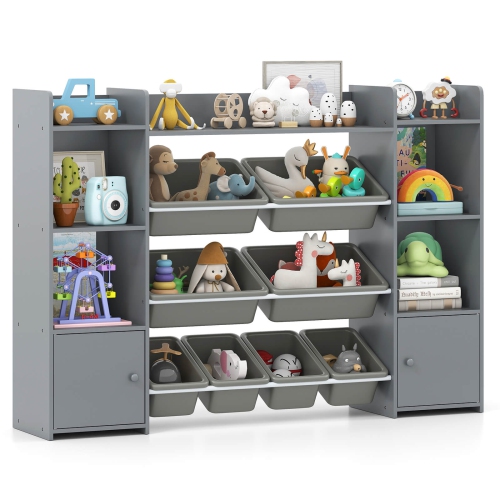
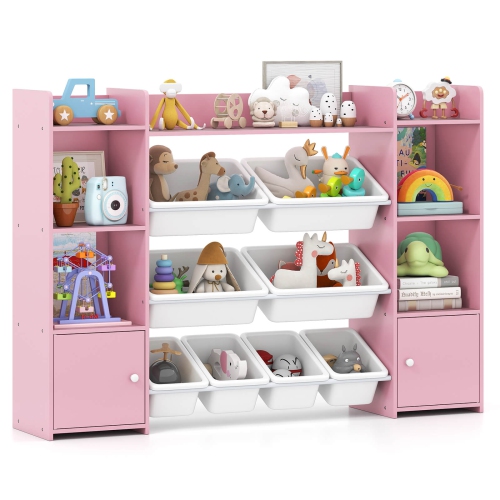
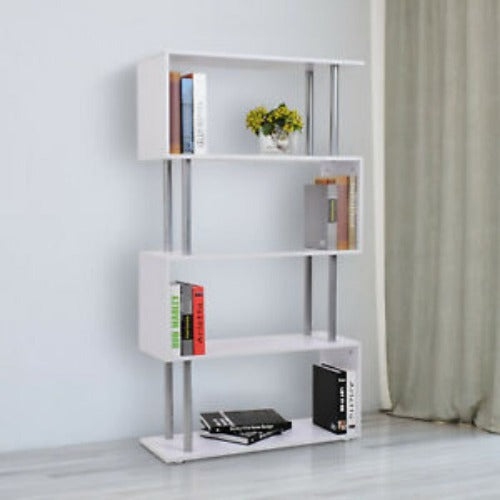
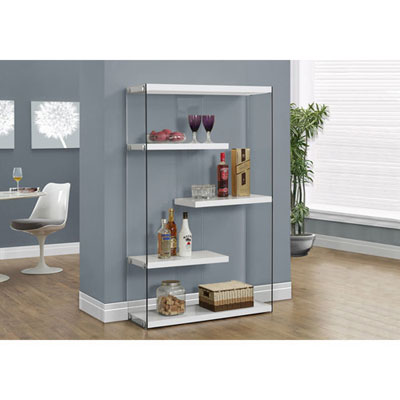
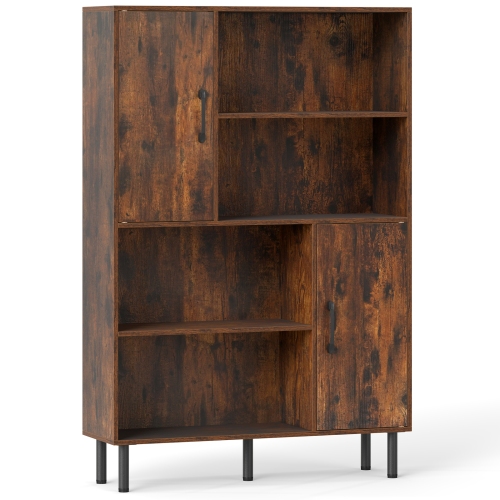
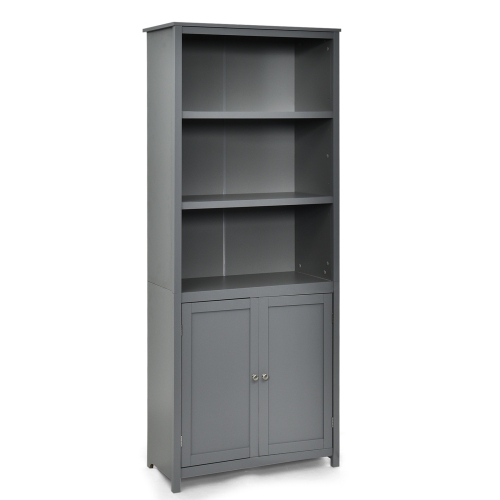
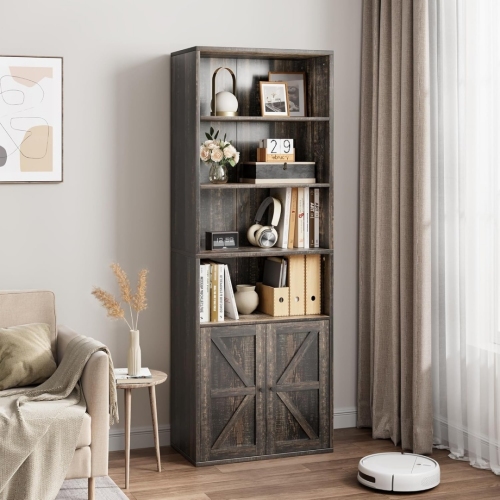
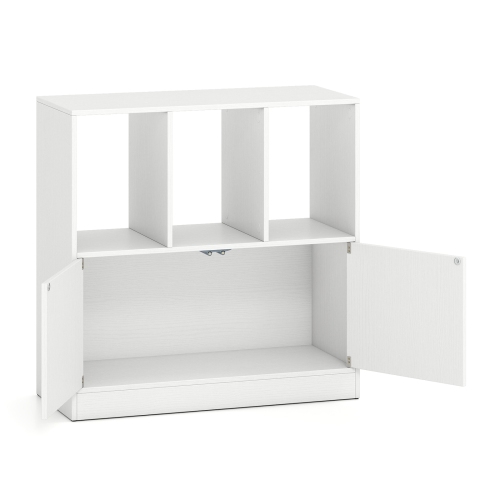
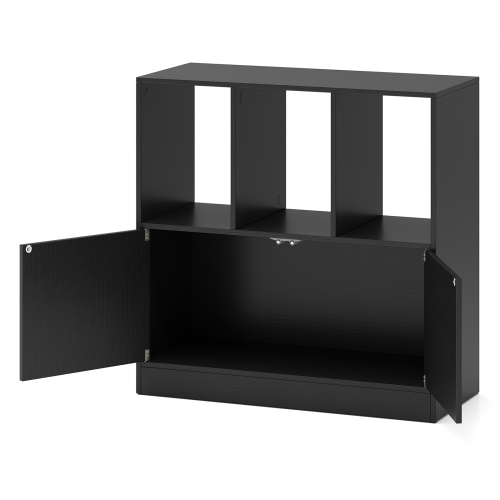
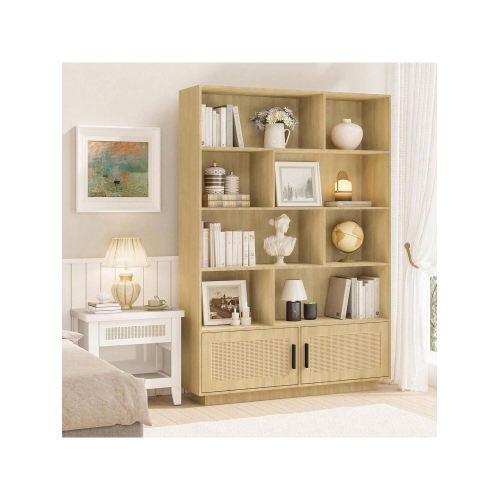
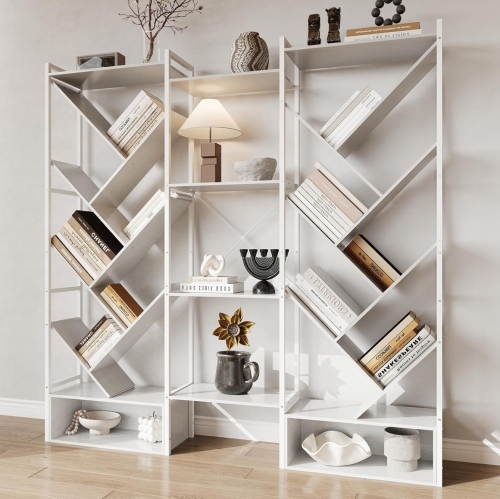
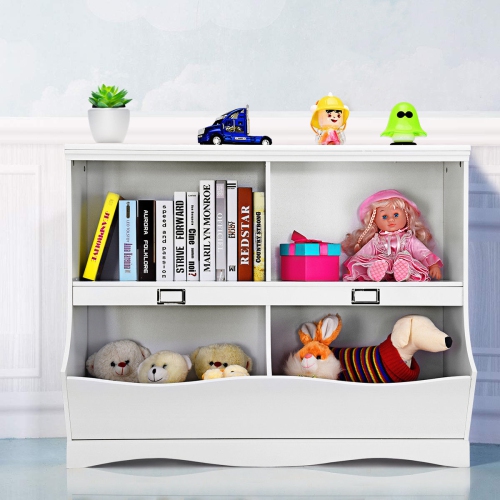
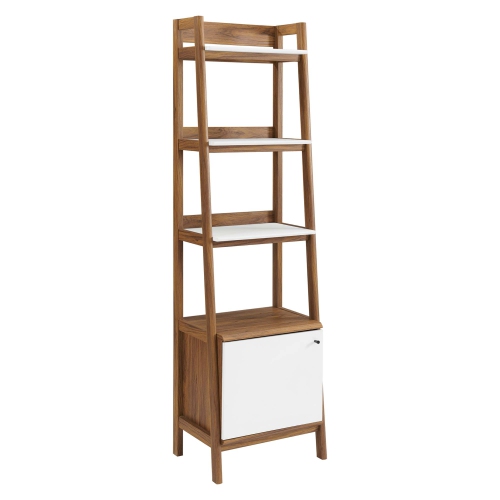
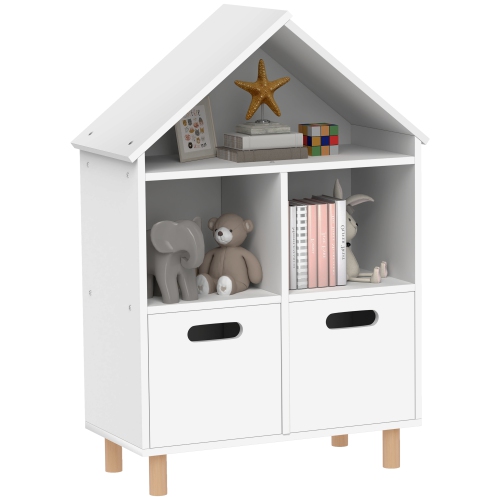
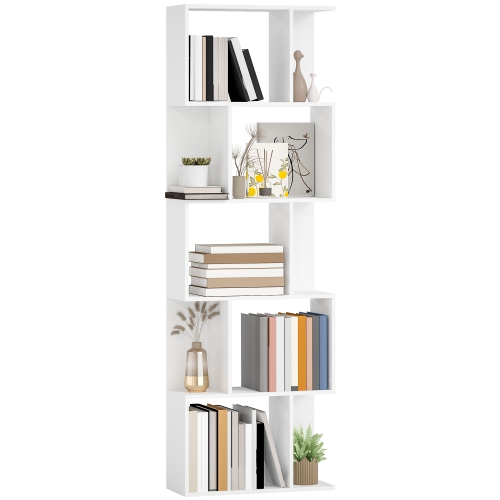
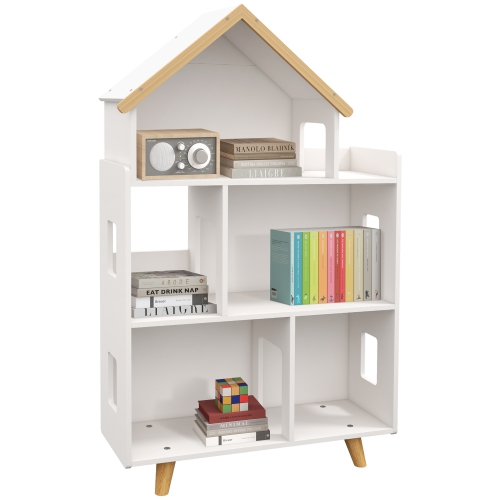
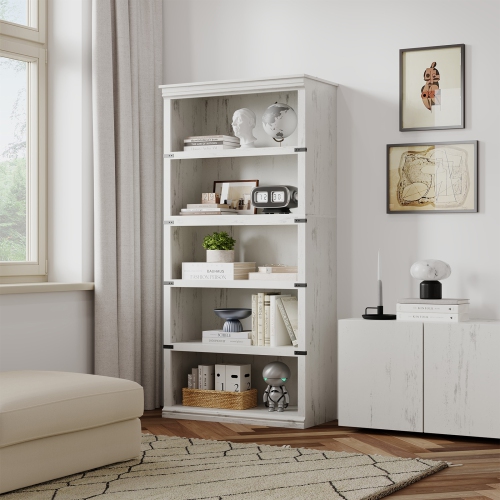
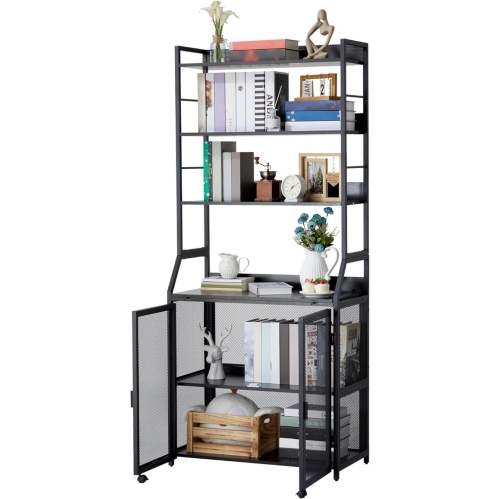
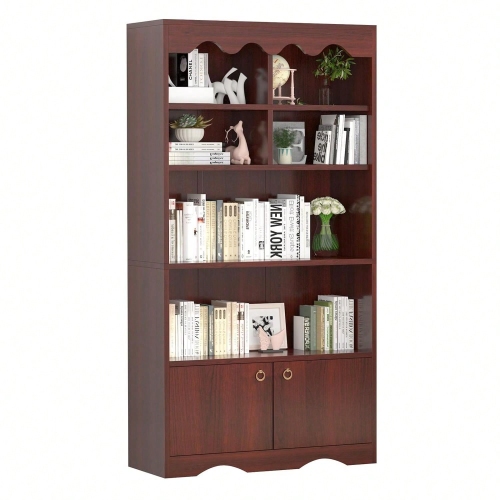
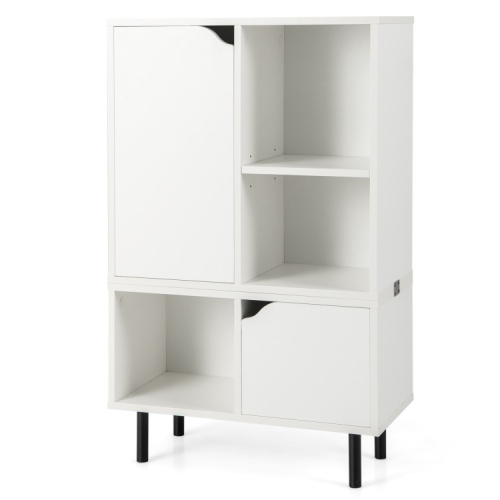
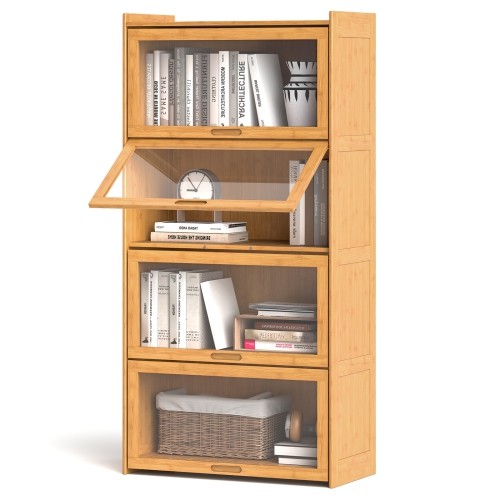
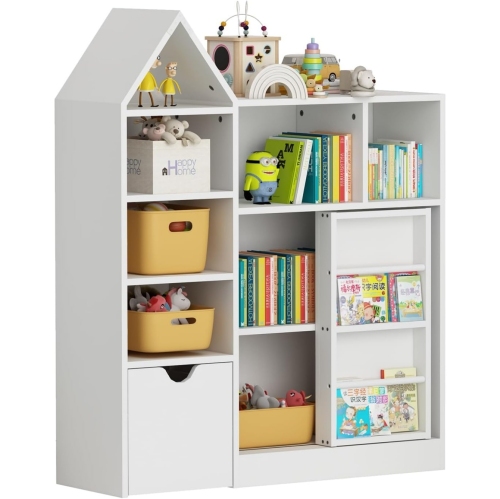
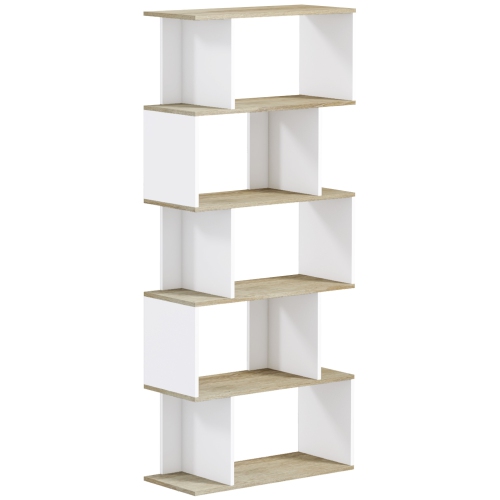
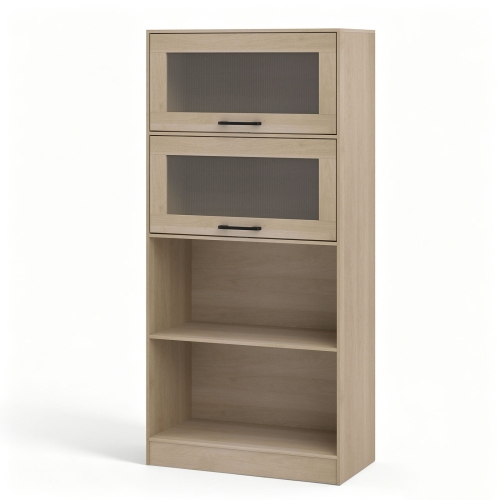
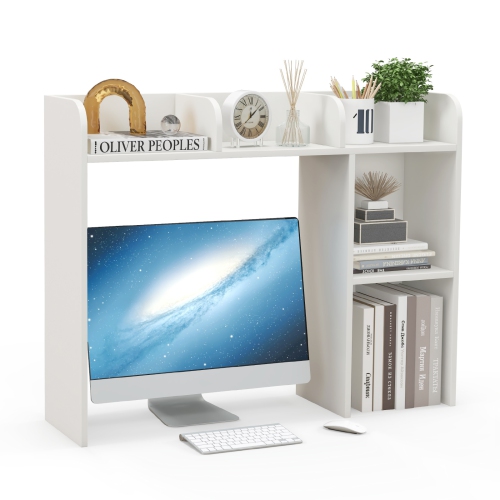
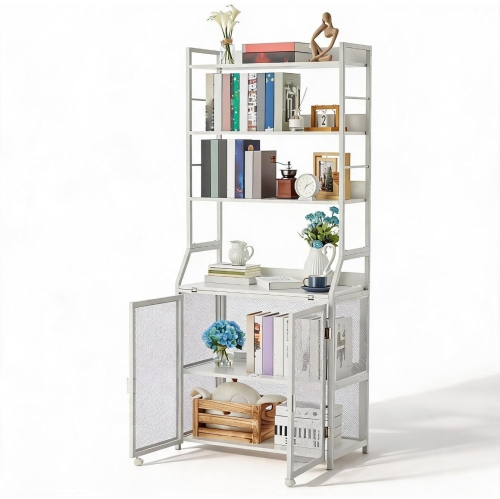
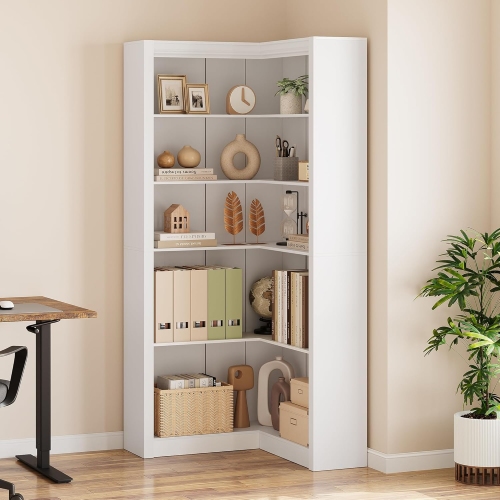
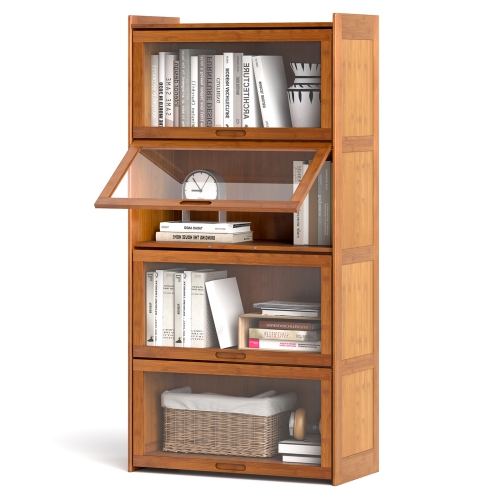
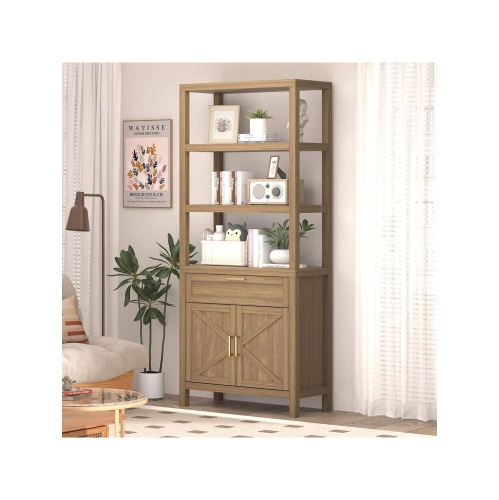
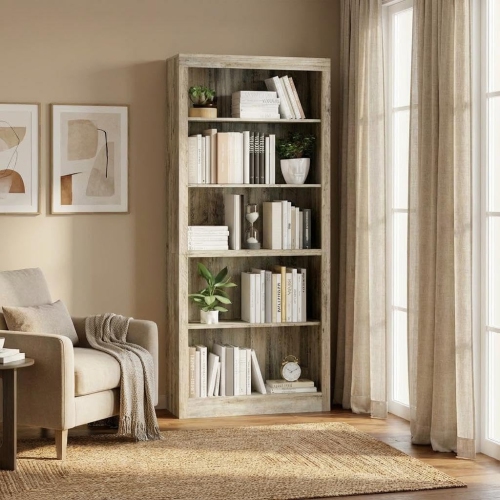
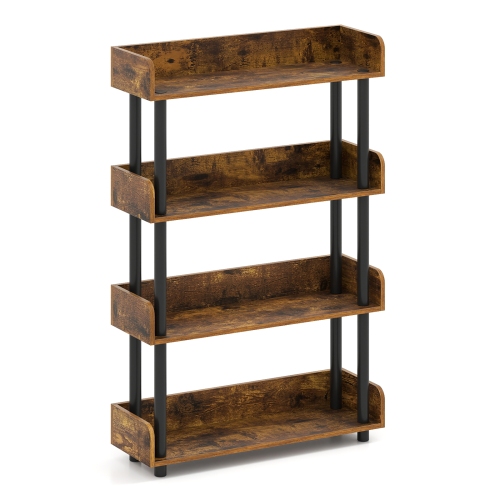
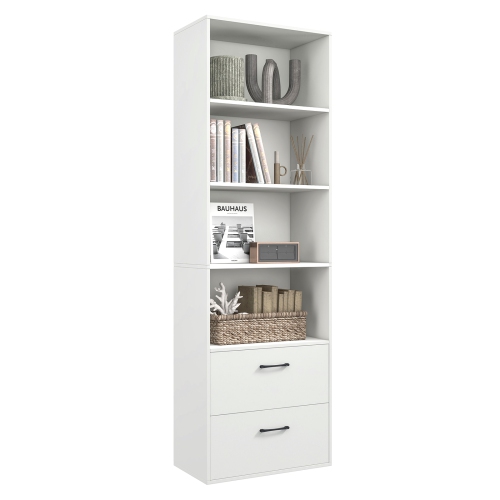
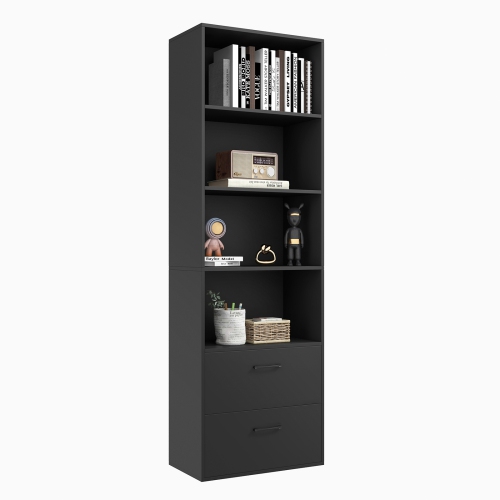
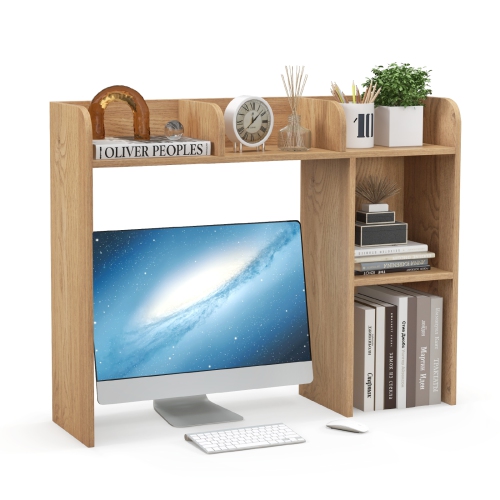
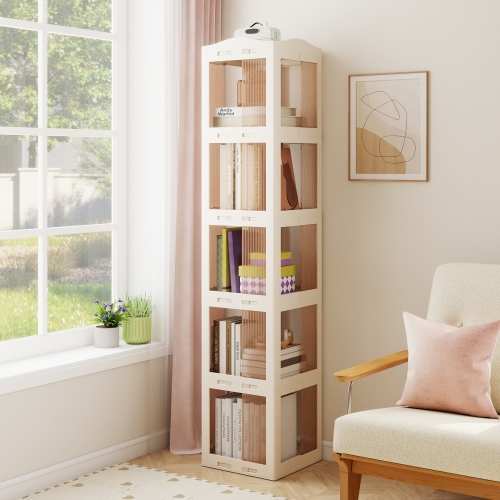
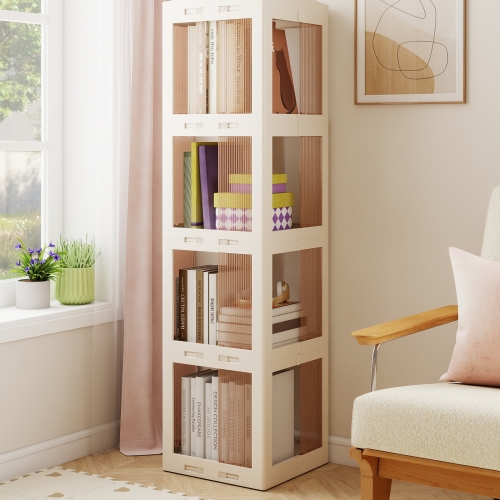
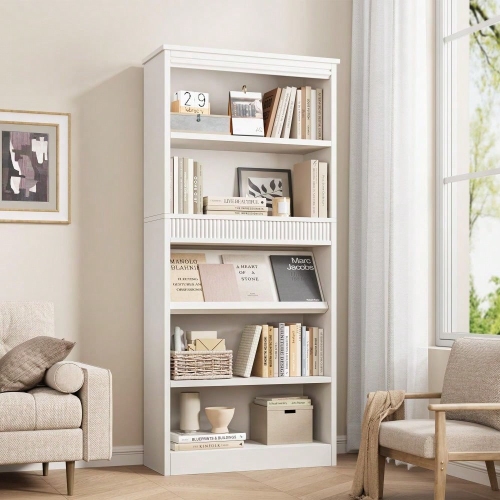
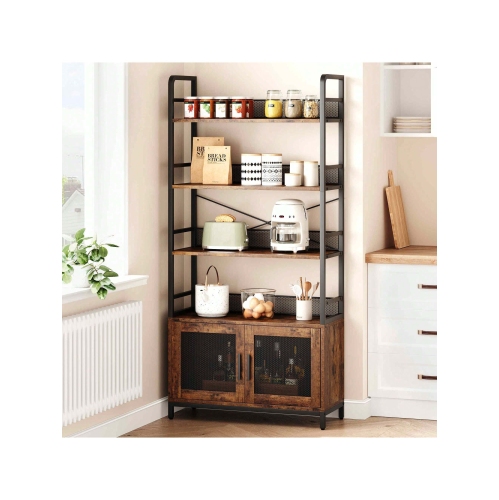
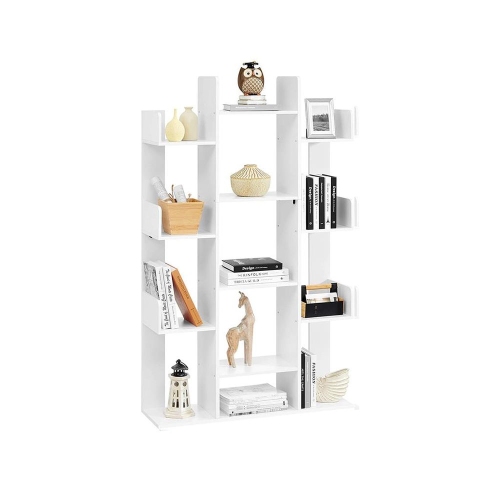
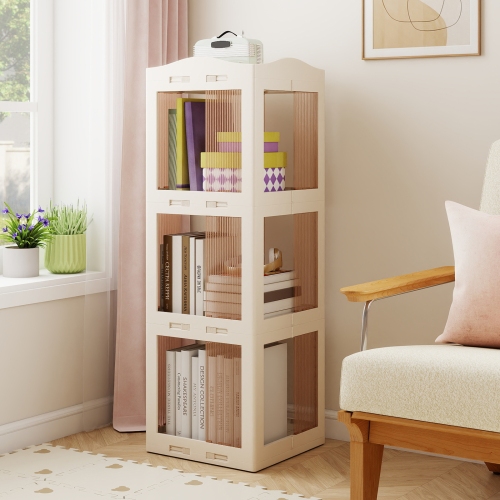
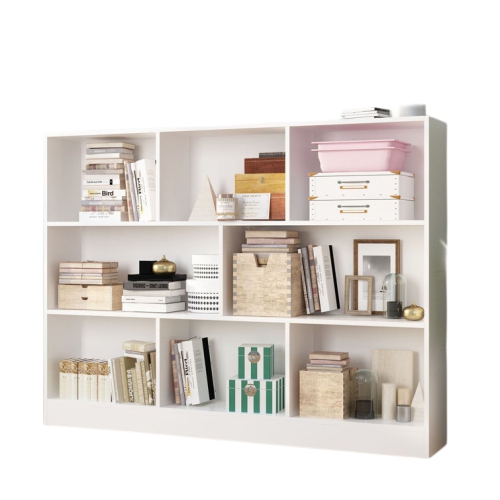
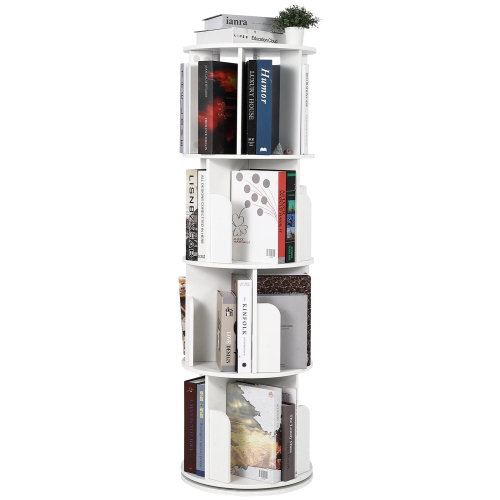
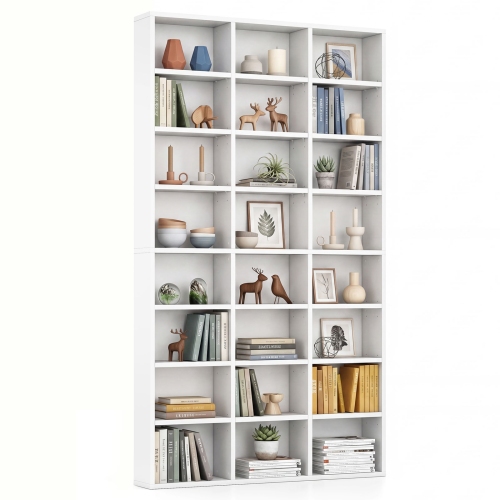
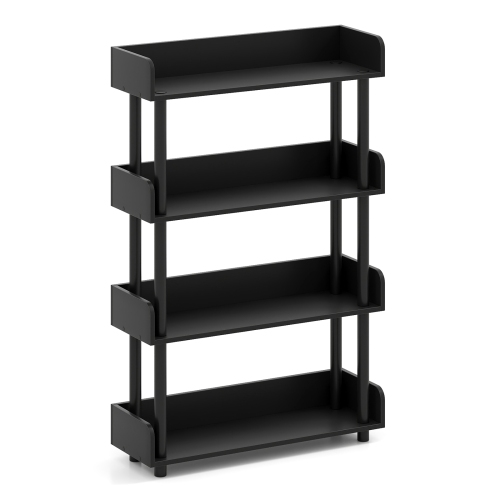
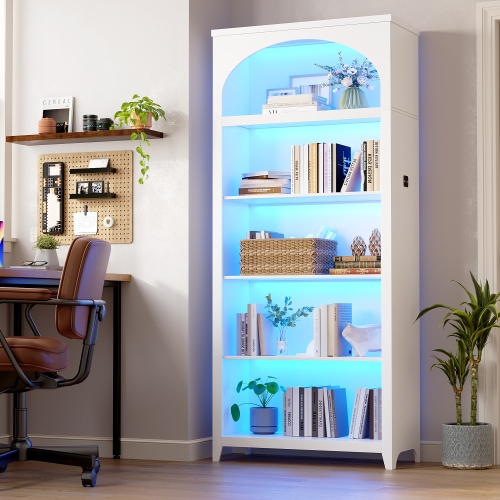
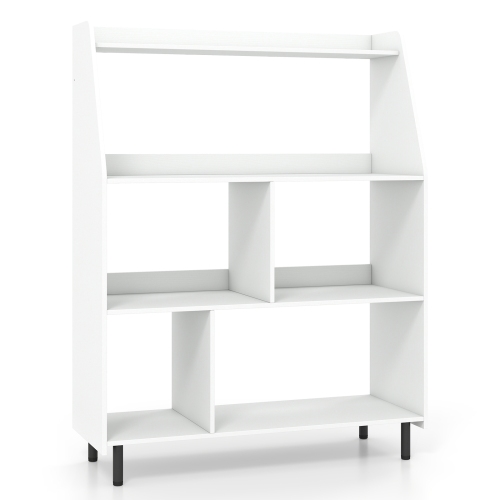
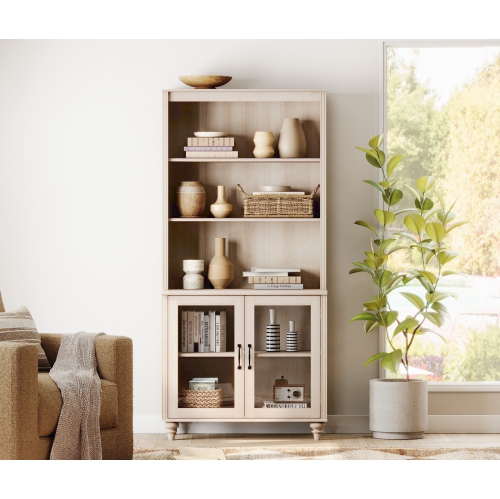
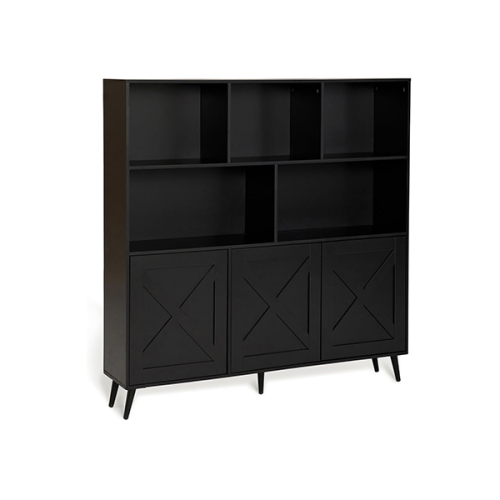
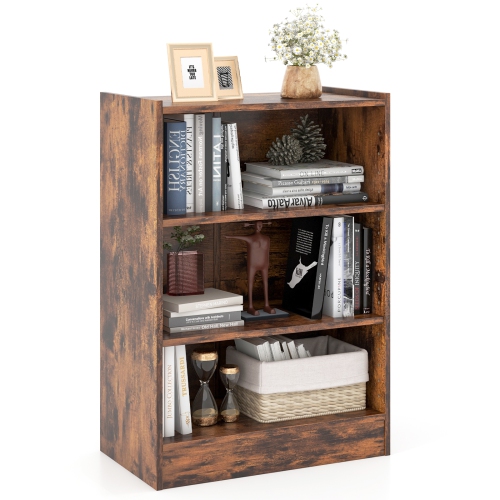
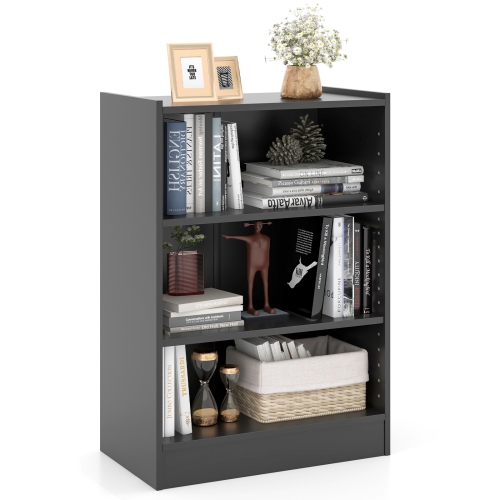
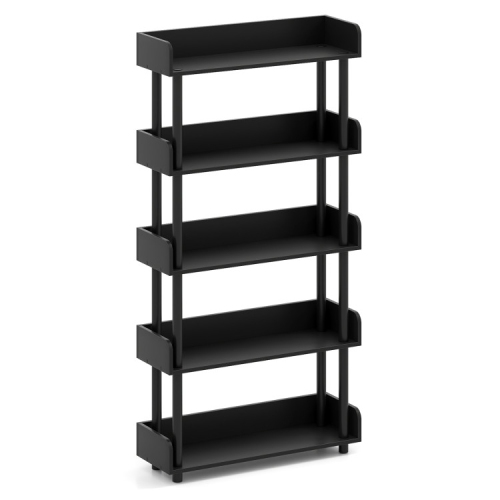

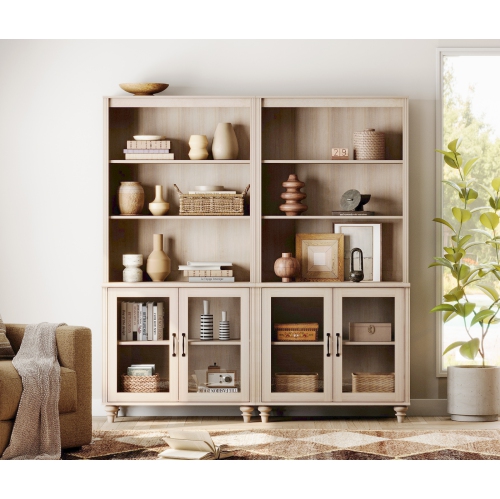
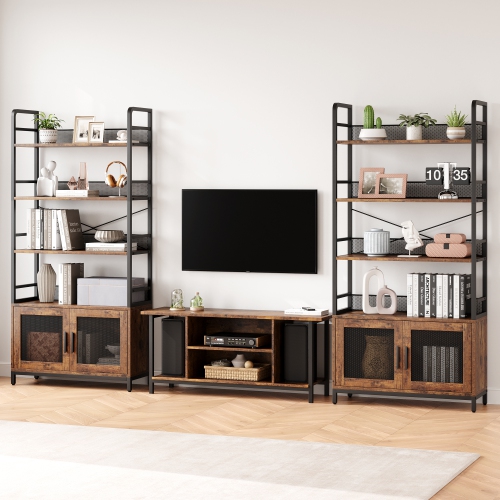
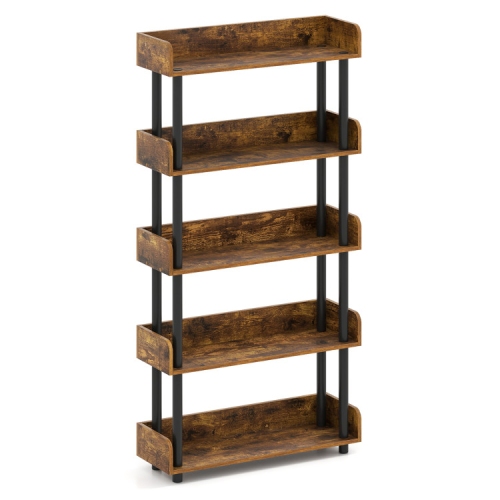
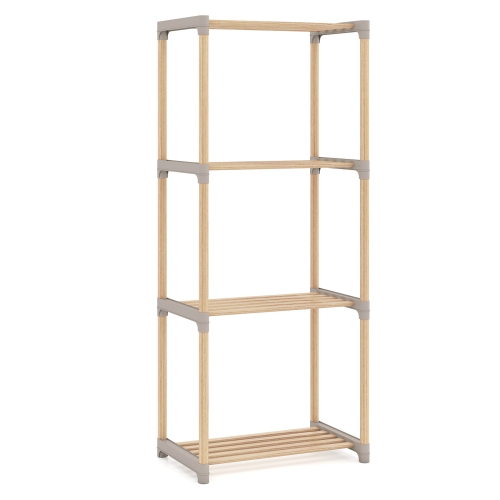
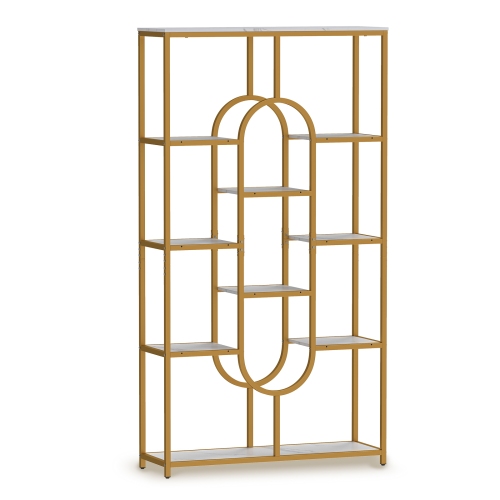
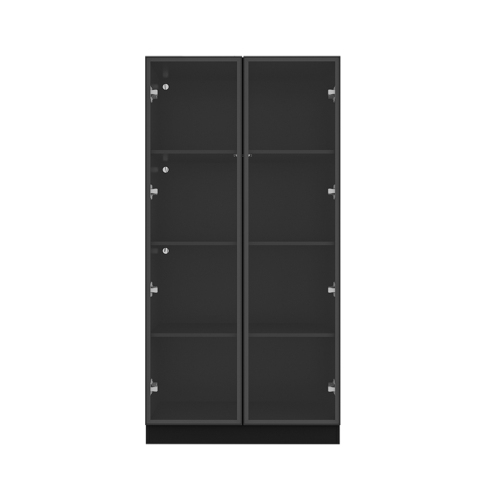
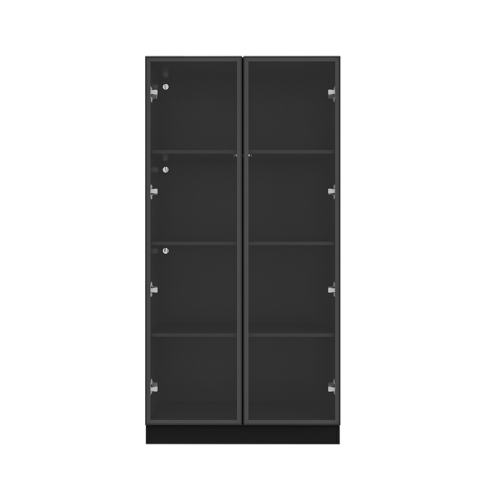
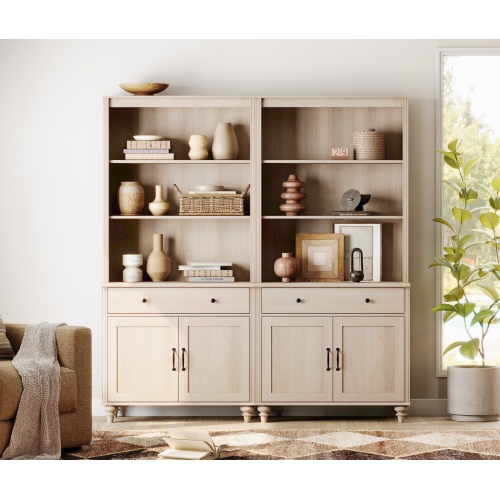
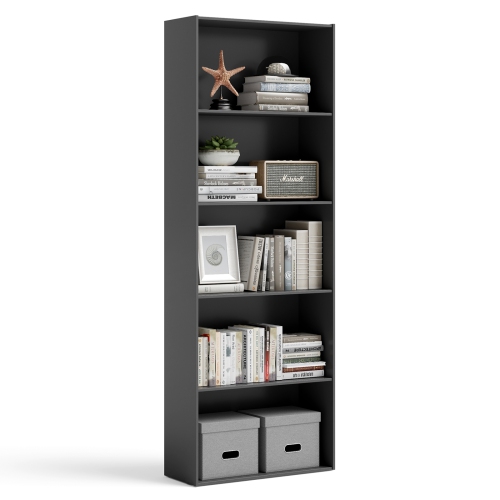
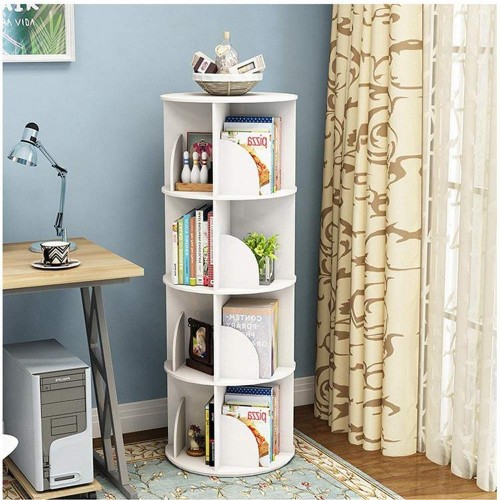
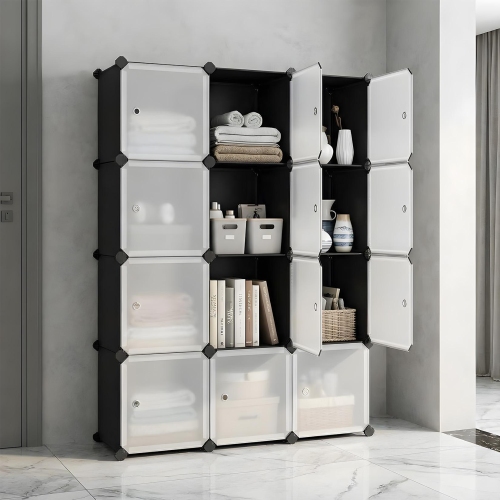
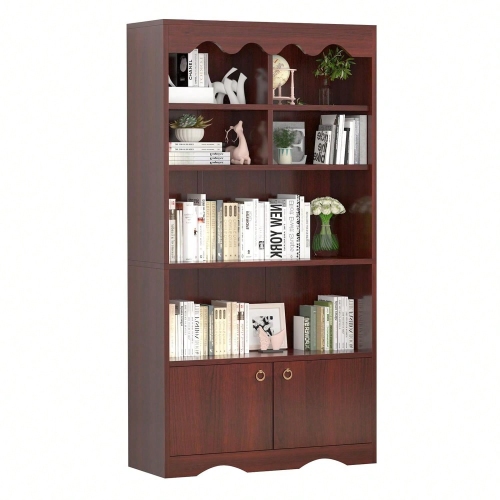
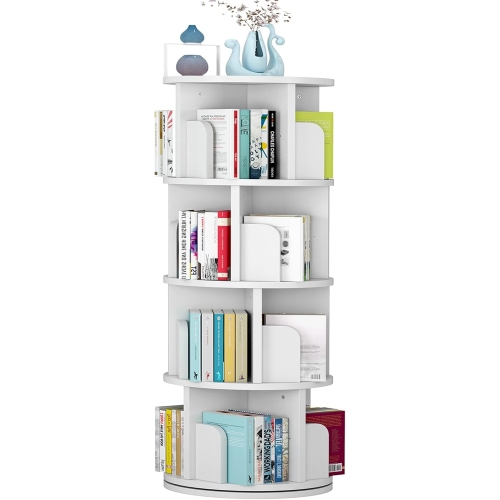
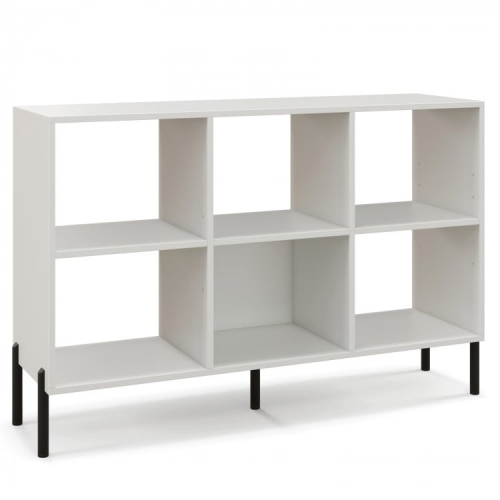
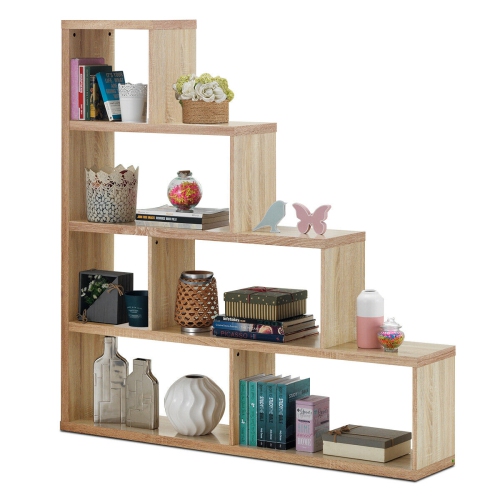
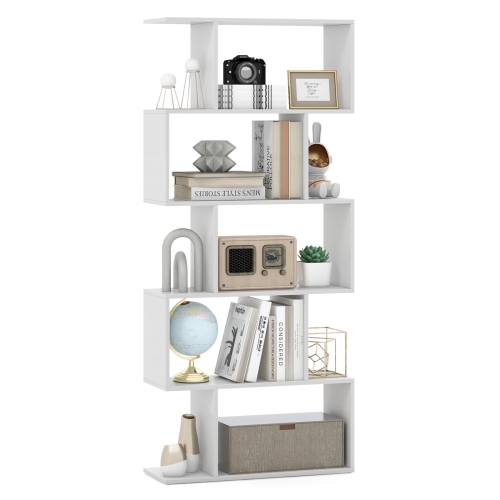
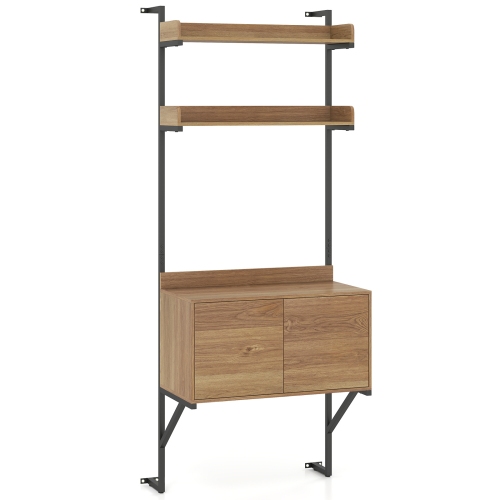
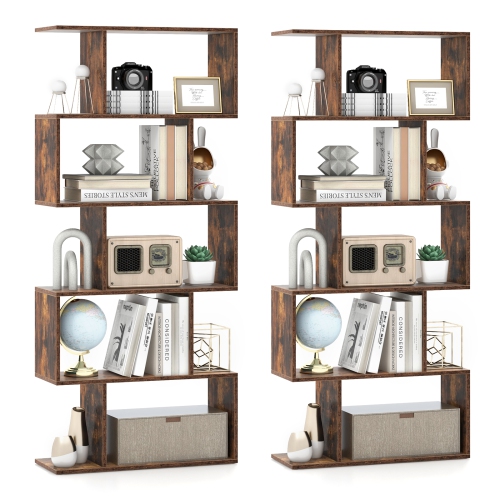
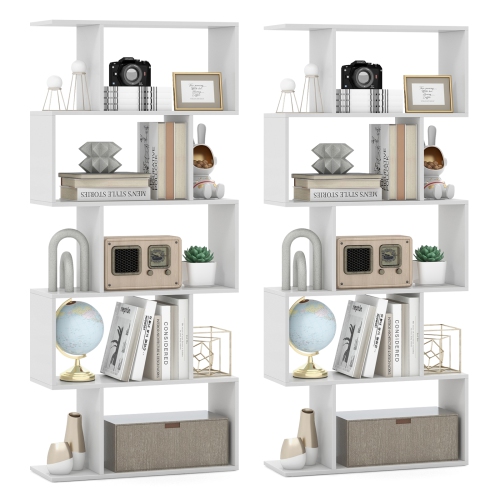
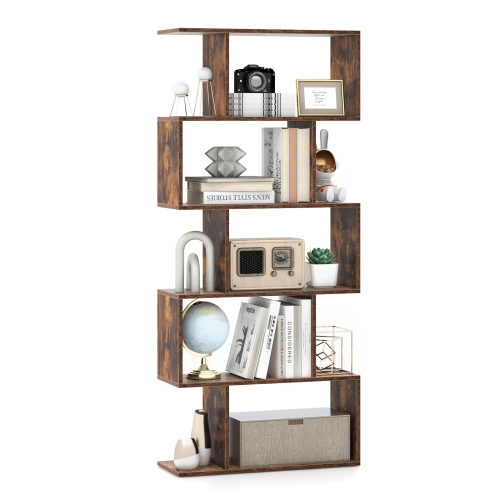
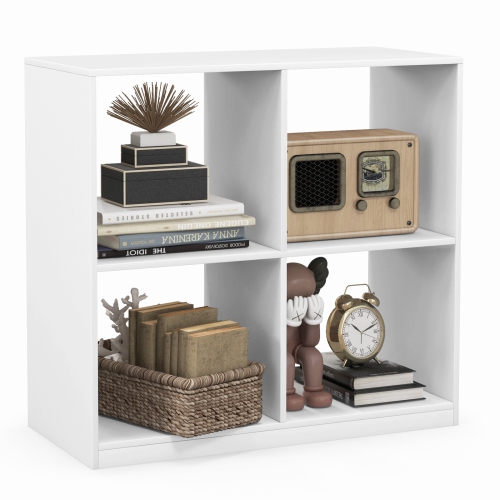
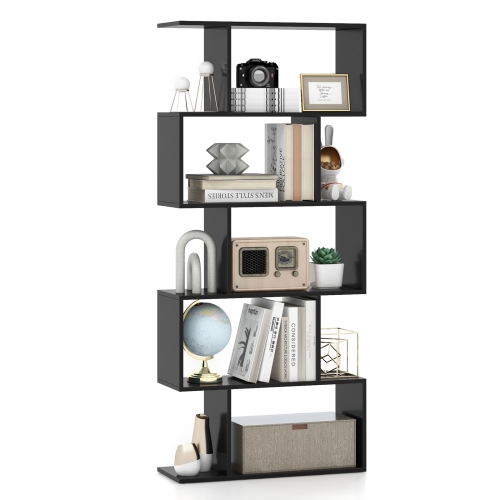
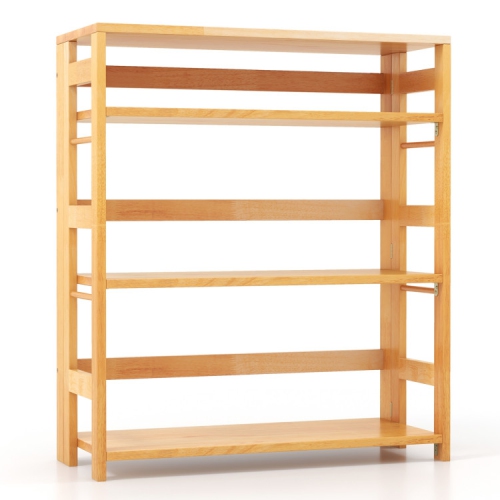
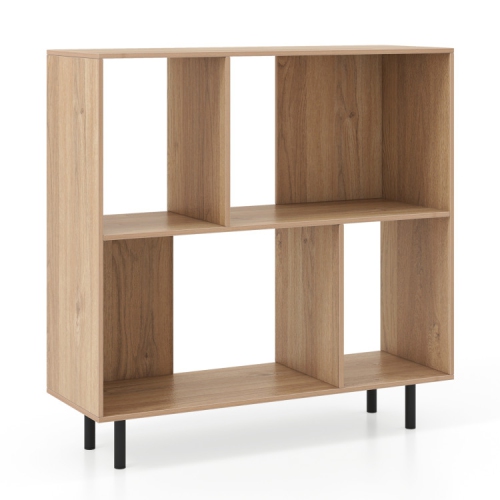
Favourite reads on display and everyday clutter tucked away
A white bookshelf with doors brings book storage and concealed organization into one piece of furniture, making it useful well beyond a dedicated reading room. In a living room, it can hold novels, photo albums, and board games while giving everyday clutter a place behind closed doors. In a home office, the same format can keep reference books close at hand and tuck away notebooks, paper, and charging accessories when the workday ends. The balance between open and enclosed storage shapes how the piece feels in a room. Designs with exposed upper shelves and a closed lower cabinet leave space for favourite reads and a few display pieces without putting every belonging on show. Fully enclosed styles create a more uniform appearance, while glass doors keep book spines visible and help limit dust settling directly on their surfaces. Solid doors offer more privacy for paperwork and mismatched storage boxes; framed glass doors suit collections that are part of the room’s character. White finishes also vary more than they might appear to in a photograph. A warm white can sit comfortably alongside oak furniture and cream upholstery, while a cooler white may look more at home beside grey fabrics, chrome details, and crisp painted trim. Matte finishes tend to have a softer appearance, whereas a glossy surface reflects more light and may show fingerprints more readily. Simple flat doors, panelled fronts, visible handles, and discreet pulls each give a bookshelf a different personality. Considering those details alongside nearby furniture helps the cabinet feel like part of the room rather than an unrelated addition. A white finish can create a quieter backdrop for colourful book covers, but the overall effect still depends on the proportions, door style, and amount of open shelving.
The right fit involves more than finding an empty stretch of wall. Overall height, width, and depth determine how a bookshelf sits in the room, while usable shelf dimensions determine what it can actually hold. Large art books, upright binders, and boxed games need different clearances from paperbacks, and the interior depth may be less than the outside measurement suggests. Adjustable shelves provide flexibility as a collection changes, although fixed shelves can contribute to the structure and create useful divisions between storage areas. A low, wide cabinet may work beneath wall art or beside a sofa, while a taller design uses vertical space and leaves more floor area open. For layouts where height matters more than width, Tall Bookshelves With Doors offer another way to balance capacity with the room’s footprint. Door clearance deserves particular attention in a narrow office, bedroom, or hallway. Hinged doors need enough space to open without hitting a desk chair, bed frame, or adjacent cabinet, and handles can project beyond the stated cabinet depth. Baseboards may also prevent the back of the unit from sitting flush against the wall. Nearby outlets, light switches, vents, and curtain panels should remain accessible rather than disappearing behind a tall piece of furniture. Weight capacity matters just as much as dimensions because a full row of hardcovers can place a substantial load on a shelf. The stated limits for individual shelves and the cabinet as a whole help establish whether a design suits a substantial book collection or lighter mixed storage. Heavier belongings generally belong on lower shelves, with weight distributed rather than concentrated in one spot. Tall furniture should be secured using the manufacturer’s recommended anti-tip method and fixings appropriate for the wall. This is especially important in homes with children or pets, though anchoring is relevant in any household. A level installation and correctly aligned hinges also help doors close evenly and reduce unnecessary strain on the fittings.
Materials and construction influence how a white bookshelf with doors looks, feels, and stands up to regular use. Solid wood, wood veneer, engineered wood, and metal each appear in bookcase designs, sometimes in combination. Painted wood can offer subtle texture beneath the finish, while engineered wood often provides a smooth, consistent surface. A veneer adds a thin layer of real wood over a supporting core; laminate and other applied finishes offer different textures and care requirements. None of these descriptions alone establishes durability. Shelf thickness, support spacing, edge finishing, back-panel construction, and the quality of hinges and fasteners all contribute to how the cabinet performs. Wide shelves carrying heavy books may need more support than shorter spans, and doors opened several times a day benefit from sturdy, well-fitted hardware. Where glass is used, the product specifications should identify its type and any handling requirements. Care is usually straightforward, but it should suit the finish: a soft cloth for dusting, a lightly dampened cloth where permitted, and prompt drying can help keep white surfaces looking clean. Abrasive pads and unsuitable cleaners may dull or damage coatings, while excess moisture can affect joints and exposed edges. Following the manufacturer’s care directions is particularly useful around door pulls and lower shelves, where marks tend to accumulate. Inside, a practical arrangement leaves frequently used books within comfortable reach and gives smaller belongings a defined place in trays or baskets that fit the shelf depth. A student might use enclosed shelves for course materials, while a household sharing a workspace may prefer separate sections for each person’s supplies. In a bedroom, closed storage can keep journals and reading accessories out of sight without losing their place near a favourite chair. Leaving a little room between groups of books makes them easier to remove and return. The result is storage that supports daily routines while keeping the room’s appearance calm and cohesive.
Top selling and popular products
-
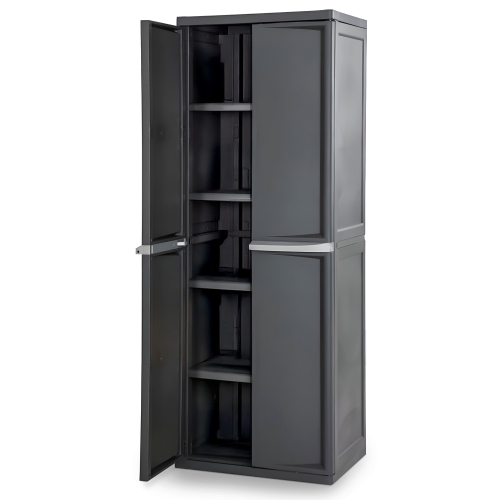 Your price for this item is $577.99
-
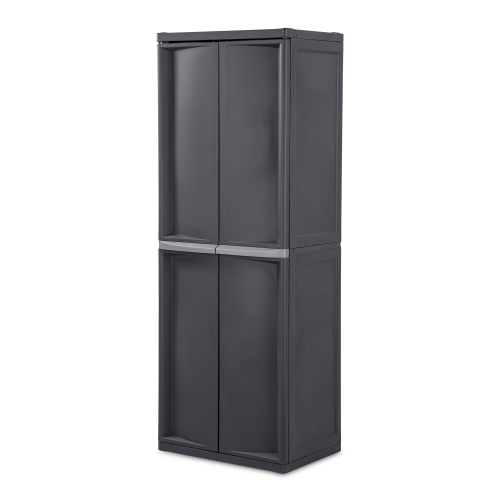 Your price for this item is $1167.99
-
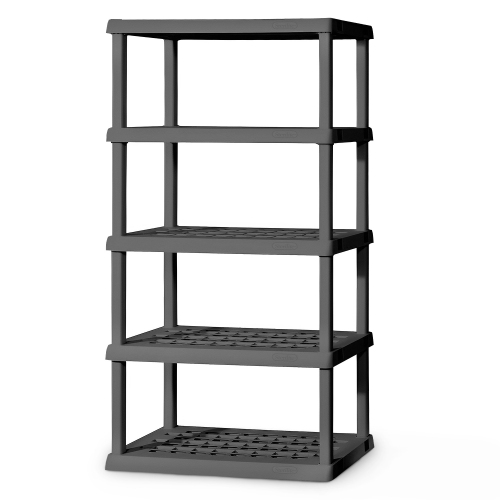 Your price for this item is $331.99
-
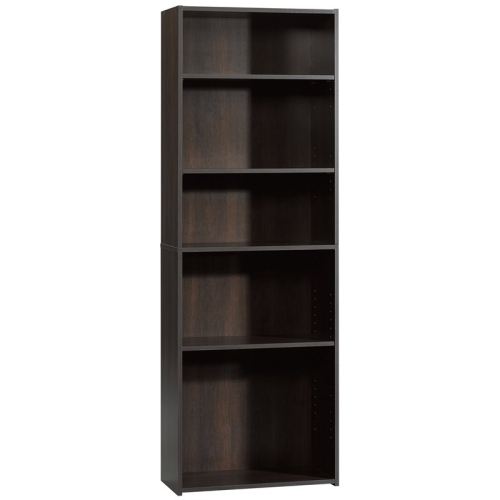 Your price for this item is $208.99
-
 Your price for this item is $171.99
-
 Your price for this item is $592.99
-
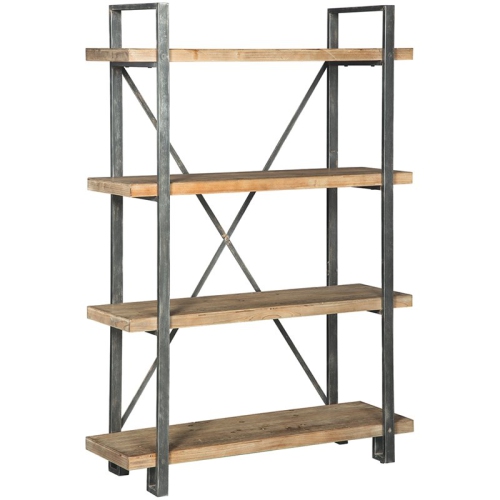 Your price for this item is $599
-
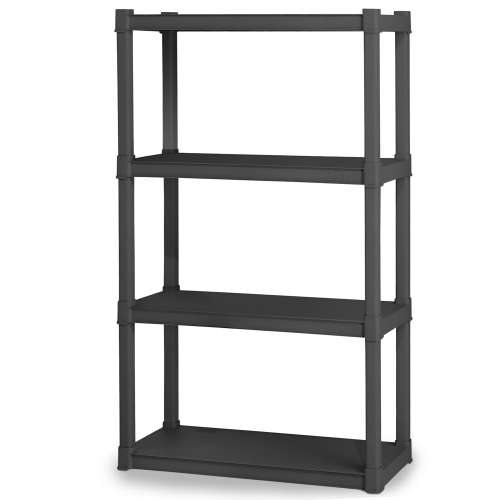 Your price for this item is $229.99
Discover more categories related to White Bookshelf With Doors
Top Collections:
Best Black Friday Deals This Year, Best Black Friday Deals On Electronics, Kindle Devices, Dyson Airwrap, Best Cameras for Sports Photography, Best Budget Office Chairs, Canon G7X Cameras, PS5 Pro Consoles, Best Black Friday Deals On Apple Products, XBOX One S Consoles
Some products may be subject to Environmental Handling Fees
(EHF) depending on your province.
Learn more about EHFs.