White Cat Furniture
Looking to add a touch of elegance and style to your home decor? Our white cat furniture collection offers a range of sleek and modern pieces that are perfect for any room in your house. Whether you're looking for a cozy cat bed, a sturdy scratching post, or a chic litter box enclosure, we have everything you need to create a comfortable and stylish space for your feline friend. With clean lines, durable materials, and a timeless white finish, our white cat furniture will not only enhance your pet's comfort but also elevate the aesthetic of your living space.
Sort

![PAWHUT Modern Real Wood Cat Tree, [40"=102Cm] Cat Tree for Indoor Large Adult Kittens, Cat Tower w Sisal Scratching Posts, Condo, Perch, Plush](https://multimedia.bbycastatic.ca/multimedia/products/500x500/194/19449/19449081.jpeg)
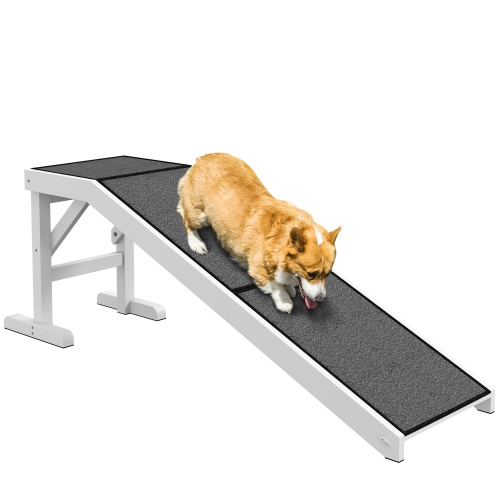
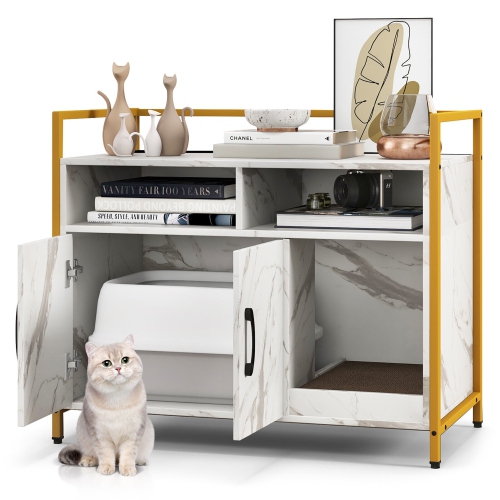
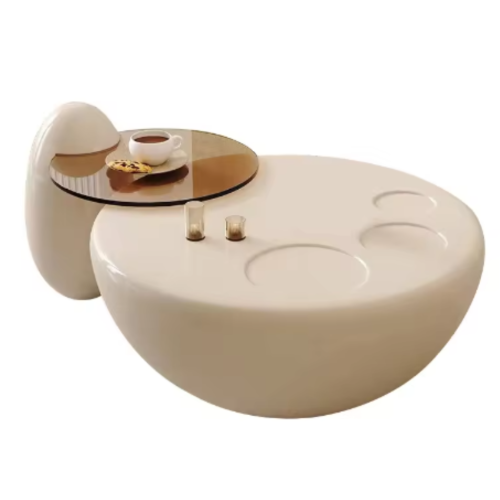
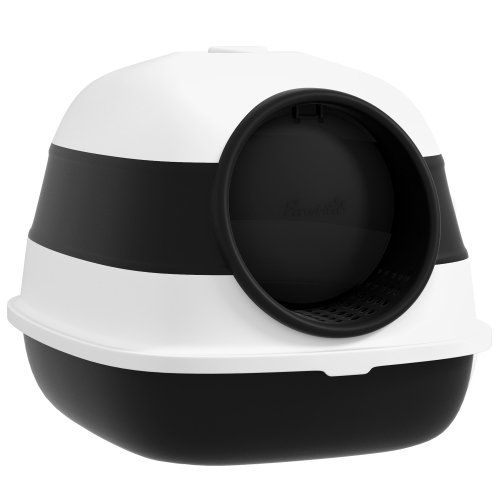
White finishes with room for your cat’s routines
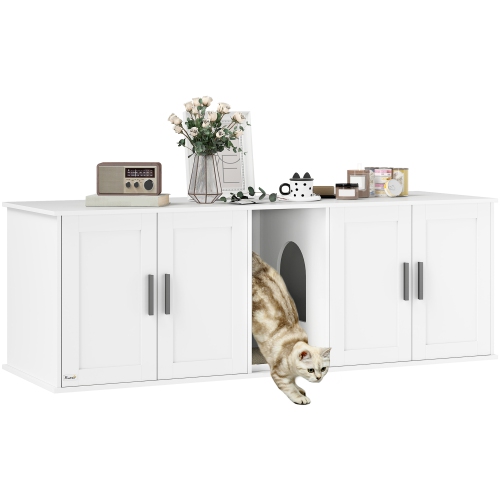
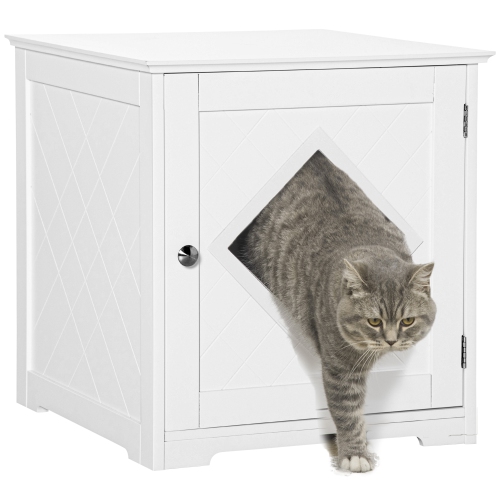
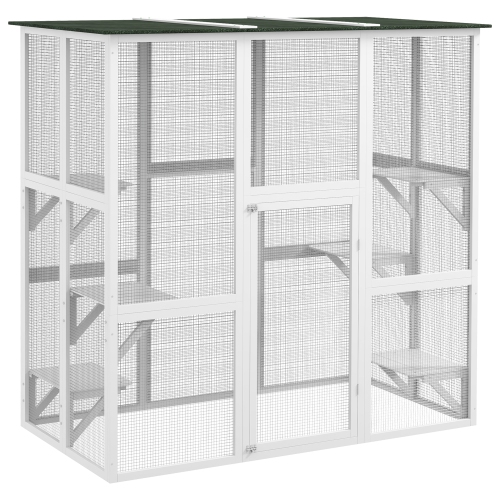
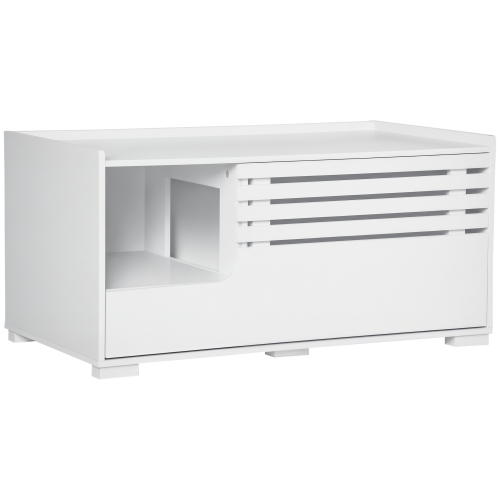
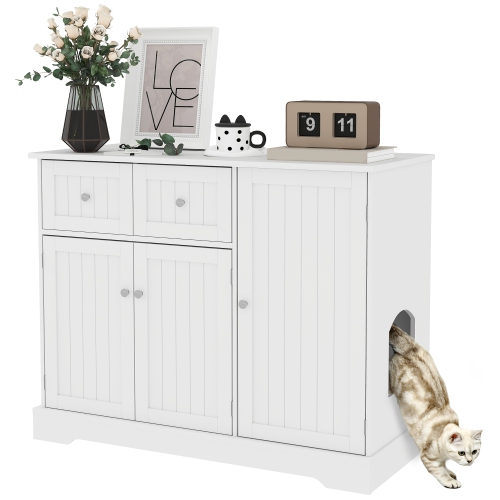
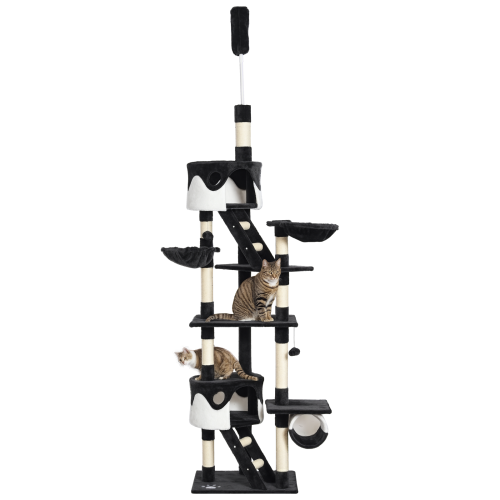
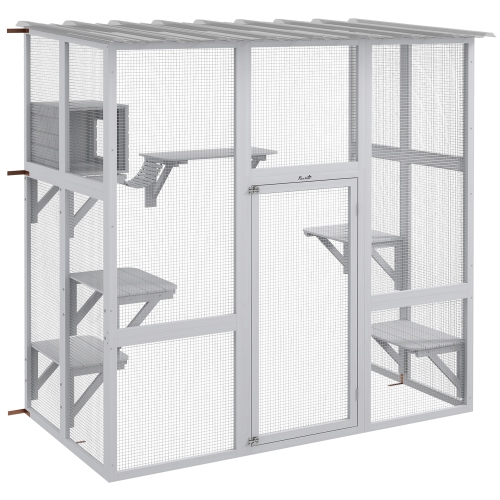
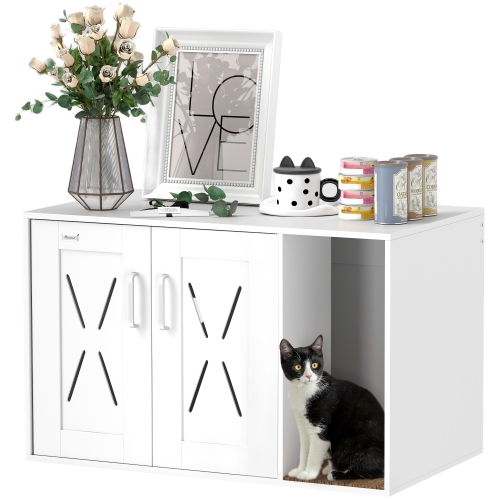
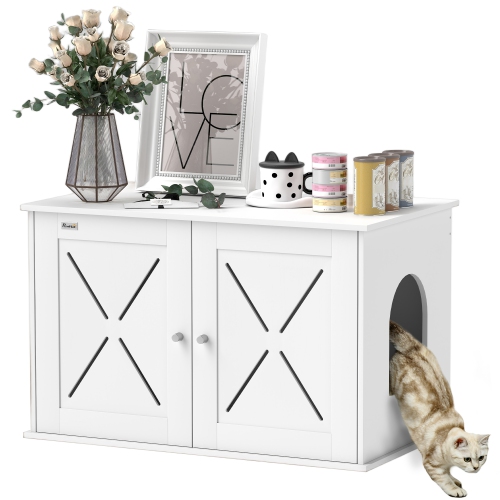
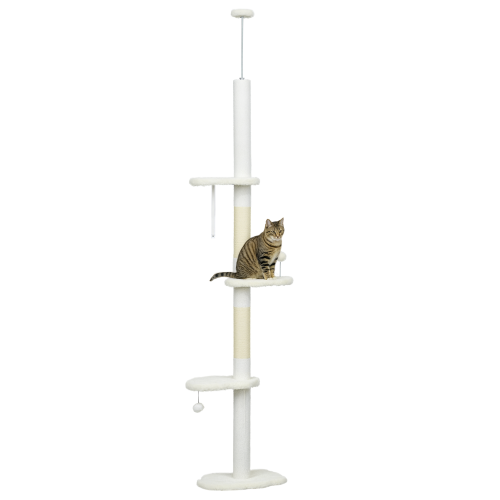
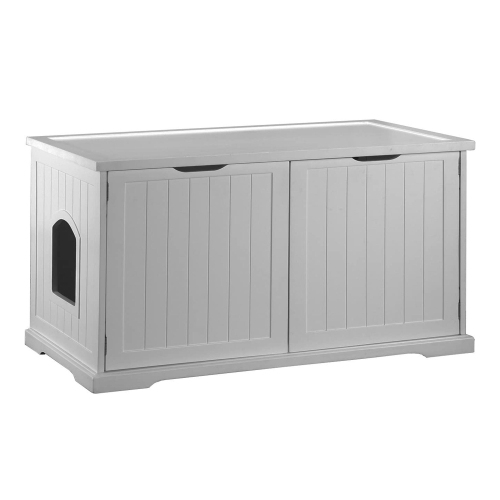
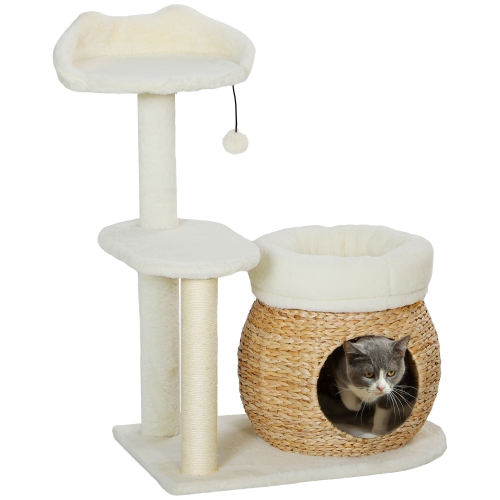
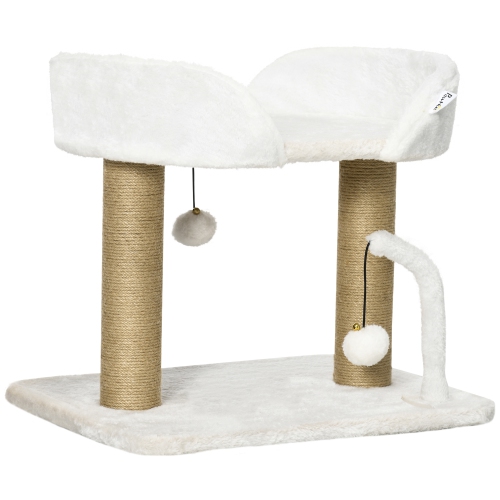
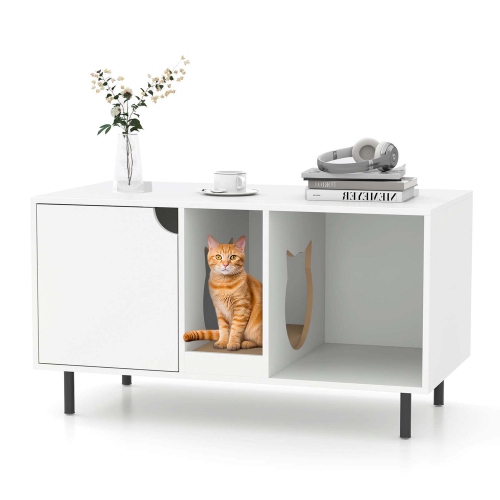
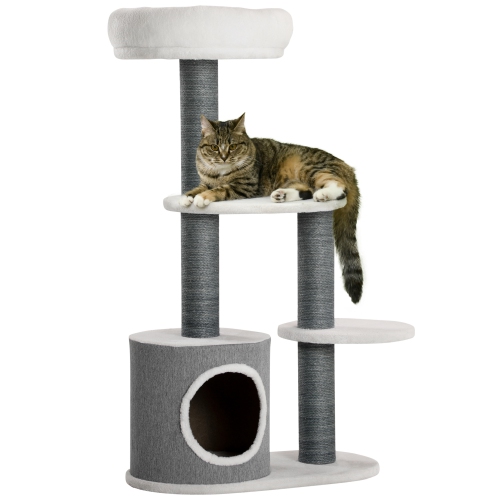
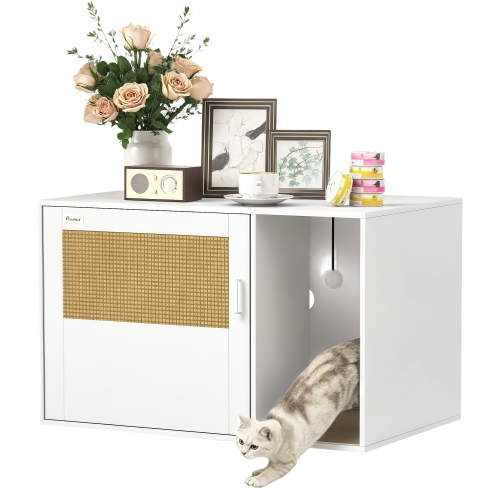
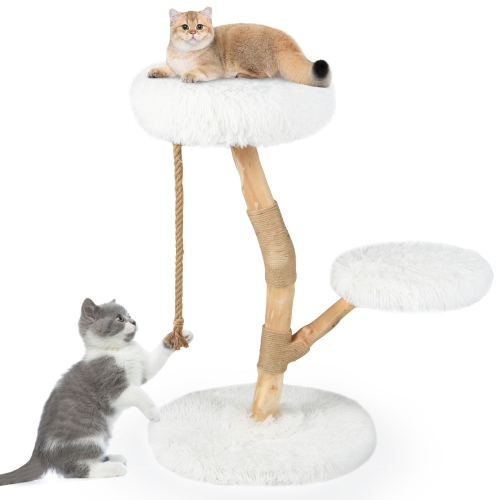
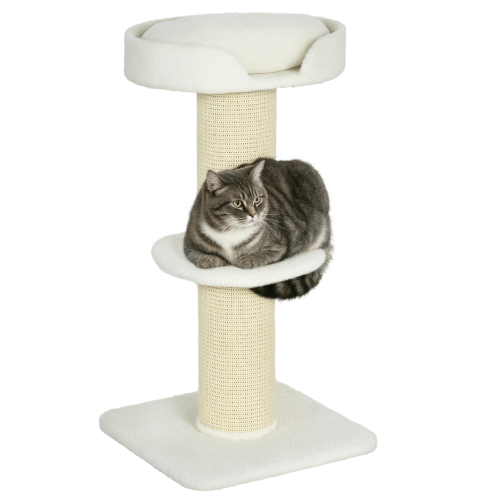
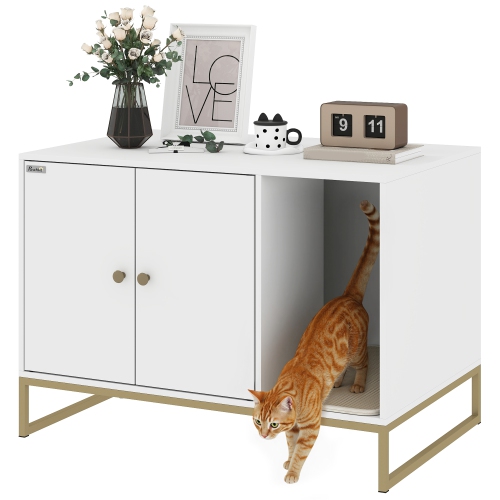
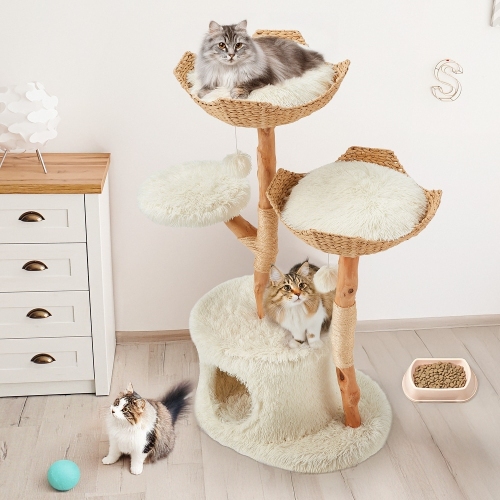
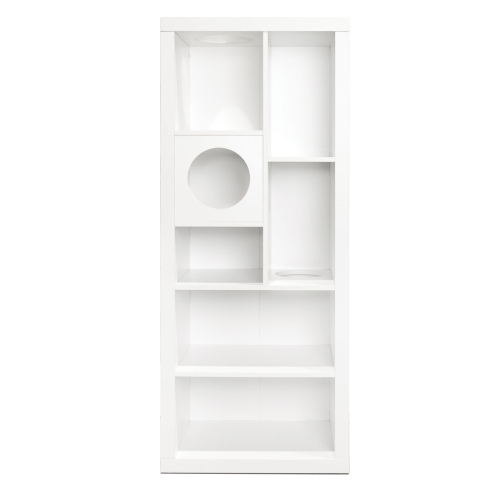
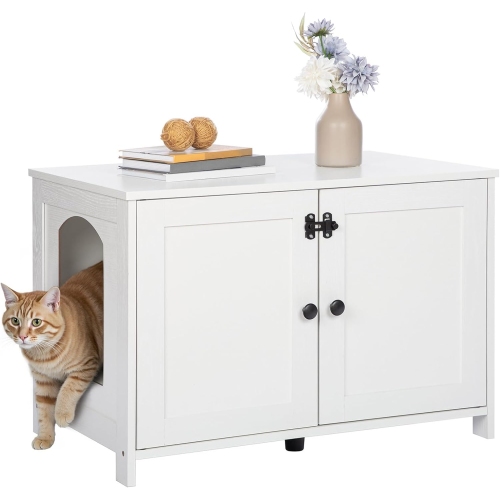
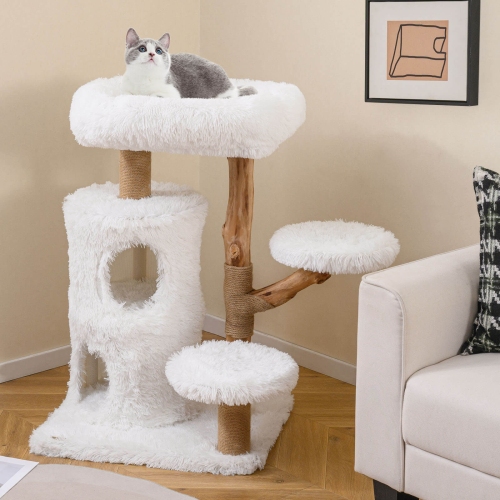
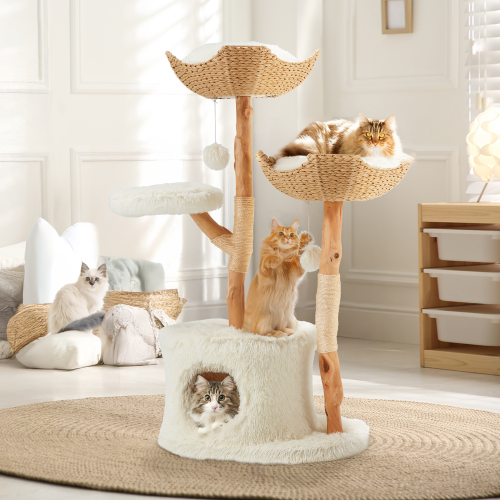
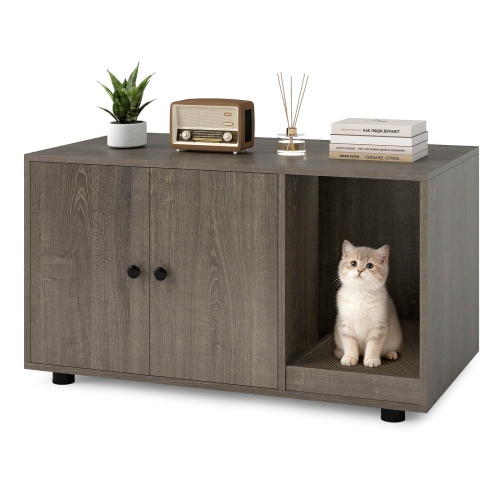
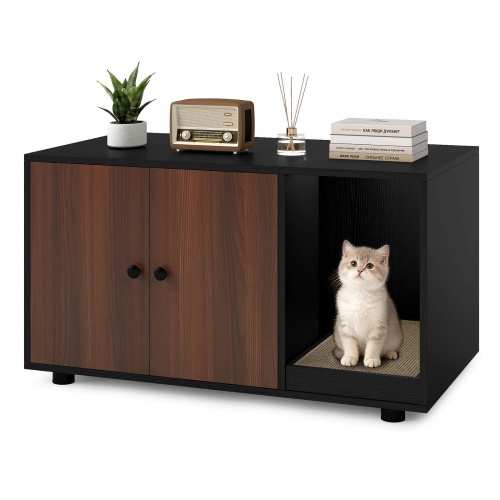
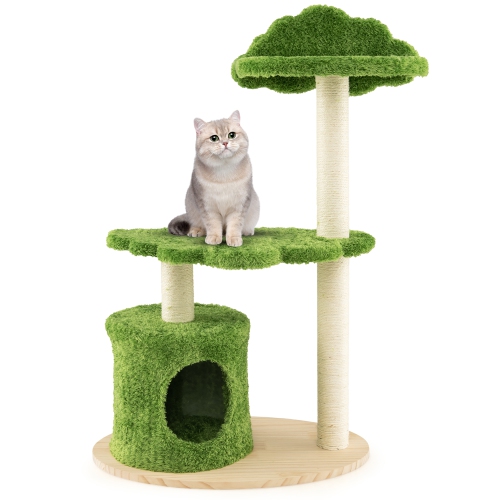
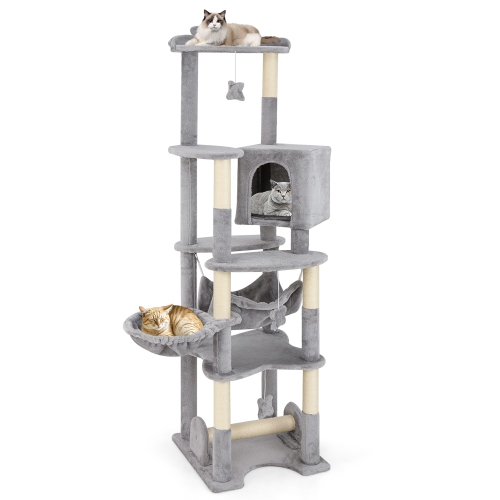
White cat furniture gives cats dedicated places to climb, scratch, hide, and rest while keeping shared rooms visually coordinated. The category includes cat trees, scratching towers, cushioned lounges, wall-mounted perches, and cabinets designed to conceal litter boxes, with white finishes that can sit comfortably beside shelving, sofas, and bedroom furniture. For a cat that likes to watch household activity from above, a raised platform offers a lookout; for one that retreats when visitors arrive, a covered cubby provides a more sheltered resting place. These different uses matter as much as appearance, since a tall climbing structure and a low sleeping bench serve very different habits. White can make a substantial piece look less visually heavy against a pale wall, while contrasting sisal, woven baskets, or wood accents add texture. Bright white, ivory, and cream are not identical finishes, so their undertones can affect how well a piece blends with nearby furnishings. Smooth panels tend to give furniture a streamlined appearance, whereas plush coverings create a softer, more padded surface. Homes with clean-lined seating or light wood furniture may also find complementary shapes within Modern Cat Furniture, where the overall form can be as important as the colour. In a living room, a white cat tree beside a securely screened window can give a cat a place to observe outdoor activity without taking over the sofa back. In a bedroom or home office, a lower lounge can keep a resting cat nearby without occupying a work surface. Furniture that combines more than one function can be useful in smaller homes, provided each part remains practical for the cat. A side-table-style enclosure, for example, needs enough usable interior room for its intended purpose rather than simply looking compact from the outside. The most useful match balances the household’s layout with the cat’s established routines, whether that means an afternoon on an open perch or a nap tucked inside a quiet nook.
Materials and construction influence how white cat furniture feels, wears, and stands up to daily activity. Solid wood, plywood, and engineered wood are common structural materials, often paired with painted, laminated, or coated surfaces. Their performance depends on the thickness of the panels, the quality of the joints, and the finish, not just the material name. Sealed edges and accessible surfaces are especially useful around litter areas, where scattered granules and small spills require prompt attention. Sisal rope and woven scratching panels provide textured surfaces for clawing, while fabric-covered platforms offer grip when a cat climbs or lands. A long scratching section allows a cat to stretch more fully than a short section interrupted by shelves; horizontal scratching areas suit cats that prefer to reach forward rather than upward. Plush cushions can make resting platforms inviting, though removable covers are generally easier to maintain than padding fixed permanently to the frame. For larger cats, platform dimensions deserve as much attention as the stated weight capacity. A perch may support a cat’s weight yet still be too narrow for a comfortable side stretch, and a rounded basket needs sufficient interior space for the way the cat curls up. Kittens, older cats, and cats with limited mobility may be better suited to closely spaced levels, broad steps, or low resting surfaces rather than a sequence of high jumps. In homes with several cats, separate resting spots and more than one route between levels can help prevent a single narrow passage from becoming a point of tension. Stability is essential wherever climbing is involved: a broad base, secure connections, and correctly installed anchoring help limit movement during energetic landings. Wall-mounted furniture also requires fixings suited to the wall construction and installation according to the manufacturer’s directions. Measurements should account for the entire footprint, including baskets or platforms that extend beyond the base, as well as clearance from doors, walkways, and nearby furniture.
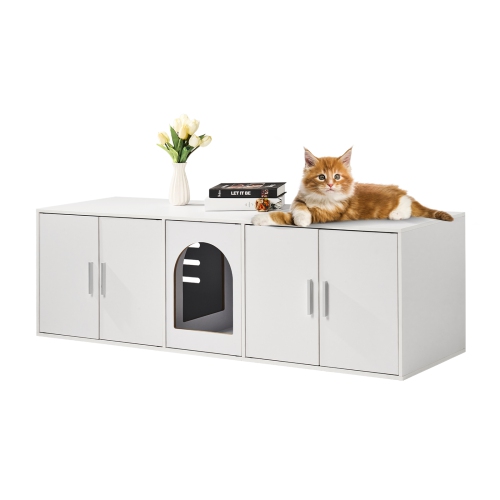
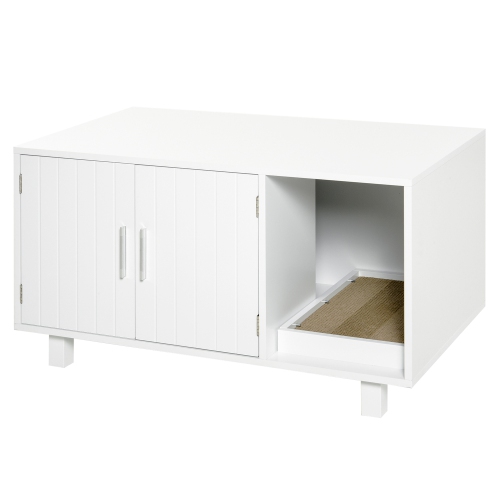
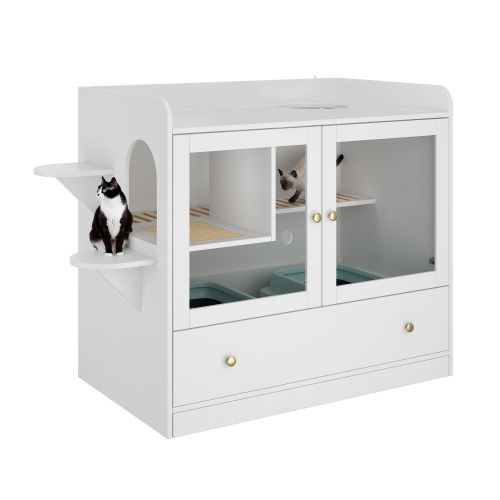
Everyday care is particularly noticeable with white finishes, which can show paw marks, litter dust, and darker shed fur. Smooth surfaces are usually easier to wipe than deeply textured ones, but the correct cleaning method depends on the coating and the manufacturer’s care directions. Excess moisture can damage some wood-based panels, especially at exposed edges, so a lightly dampened cloth and prompt drying may be more appropriate than soaking. Upholstered sections benefit from regular removal of loose hair, while washable cushions should be cleaned only as their labels allow and dried fully before being returned to use. Removable pads and replaceable scratching sections, where supported by the design, make it easier to refresh the areas that receive the most wear. Durability also involves routine checks for loose fasteners, frayed rope, damaged fabric, and movement at platform joints. Litter box furniture has additional practical requirements beyond its white exterior. The interior needs to accommodate the litter tray and leave space for the cat to enter, turn around, and use it comfortably; the cabinet’s outer dimensions alone do not establish that fit. A suitably sized opening, adequate ventilation, and doors that allow straightforward scooping and tray removal make daily use less awkward. An enclosure does not replace regular litter cleaning, and some cats prefer an open tray rather than an enclosed space. Placement matters across the category: a sleeping nook beside a frequently slammed door may go unused, while a scratching surface close to a favourite resting spot fits naturally into a cat’s stretch after waking. Tall structures should remain clear of dangling blind cords and unsecured windows, and furniture should not obstruct access to food, water, or litter facilities. White cat furniture can also be a thoughtful gift for someone welcoming a cat or furnishing a new home, particularly when the recipient’s space, style, and cat’s size are known. A piece that respects those everyday details can become part of the room’s furnishings and the cat’s routine, providing a familiar place to settle without asking the household to choose between practical pet care and a coordinated interior.
Materials and construction influence how white cat furniture feels, wears, and stands up to daily activity. Solid wood, plywood, and engineered wood are common structural materials, often paired with painted, laminated, or coated surfaces. Their performance depends on the thickness of the panels, the quality of the joints, and the finish, not just the material name. Sealed edges and accessible surfaces are especially useful around litter areas, where scattered granules and small spills require prompt attention. Sisal rope and woven scratching panels provide textured surfaces for clawing, while fabric-covered platforms offer grip when a cat climbs or lands. A long scratching section allows a cat to stretch more fully than a short section interrupted by shelves; horizontal scratching areas suit cats that prefer to reach forward rather than upward. Plush cushions can make resting platforms inviting, though removable covers are generally easier to maintain than padding fixed permanently to the frame. For larger cats, platform dimensions deserve as much attention as the stated weight capacity. A perch may support a cat’s weight yet still be too narrow for a comfortable side stretch, and a rounded basket needs sufficient interior space for the way the cat curls up. Kittens, older cats, and cats with limited mobility may be better suited to closely spaced levels, broad steps, or low resting surfaces rather than a sequence of high jumps. In homes with several cats, separate resting spots and more than one route between levels can help prevent a single narrow passage from becoming a point of tension. Stability is essential wherever climbing is involved: a broad base, secure connections, and correctly installed anchoring help limit movement during energetic landings. Wall-mounted furniture also requires fixings suited to the wall construction and installation according to the manufacturer’s directions. Measurements should account for the entire footprint, including baskets or platforms that extend beyond the base, as well as clearance from doors, walkways, and nearby furniture.
Everyday care is particularly noticeable with white finishes, which can show paw marks, litter dust, and darker shed fur. Smooth surfaces are usually easier to wipe than deeply textured ones, but the correct cleaning method depends on the coating and the manufacturer’s care directions. Excess moisture can damage some wood-based panels, especially at exposed edges, so a lightly dampened cloth and prompt drying may be more appropriate than soaking. Upholstered sections benefit from regular removal of loose hair, while washable cushions should be cleaned only as their labels allow and dried fully before being returned to use. Removable pads and replaceable scratching sections, where supported by the design, make it easier to refresh the areas that receive the most wear. Durability also involves routine checks for loose fasteners, frayed rope, damaged fabric, and movement at platform joints. Litter box furniture has additional practical requirements beyond its white exterior. The interior needs to accommodate the litter tray and leave space for the cat to enter, turn around, and use it comfortably; the cabinet’s outer dimensions alone do not establish that fit. A suitably sized opening, adequate ventilation, and doors that allow straightforward scooping and tray removal make daily use less awkward. An enclosure does not replace regular litter cleaning, and some cats prefer an open tray rather than an enclosed space. Placement matters across the category: a sleeping nook beside a frequently slammed door may go unused, while a scratching surface close to a favourite resting spot fits naturally into a cat’s stretch after waking. Tall structures should remain clear of dangling blind cords and unsecured windows, and furniture should not obstruct access to food, water, or litter facilities. White cat furniture can also be a thoughtful gift for someone welcoming a cat or furnishing a new home, particularly when the recipient’s space, style, and cat’s size are known. A piece that respects those everyday details can become part of the room’s furnishings and the cat’s routine, providing a familiar place to settle without asking the household to choose between practical pet care and a coordinated interior.
Top selling and popular products
-
 Your price for this item is $999
 -
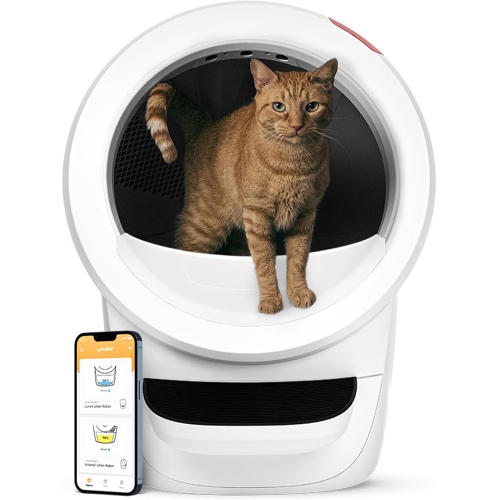 Your price for this item is $999
 -
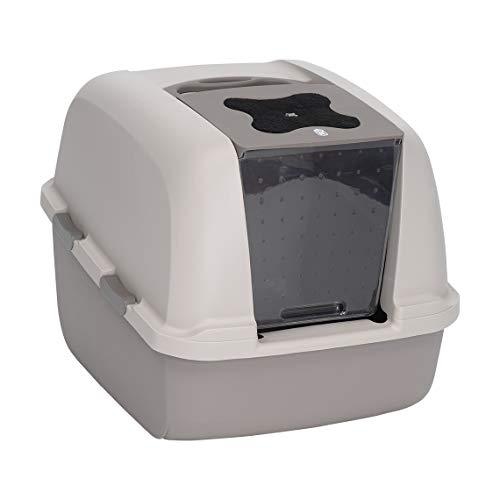 Your price for this item is $56.7
 -
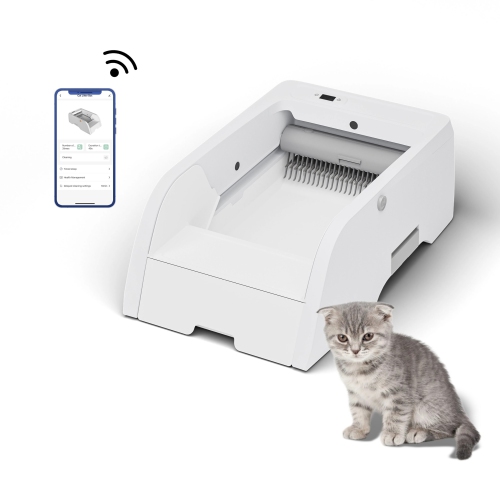 Your price for this item is $449
 -
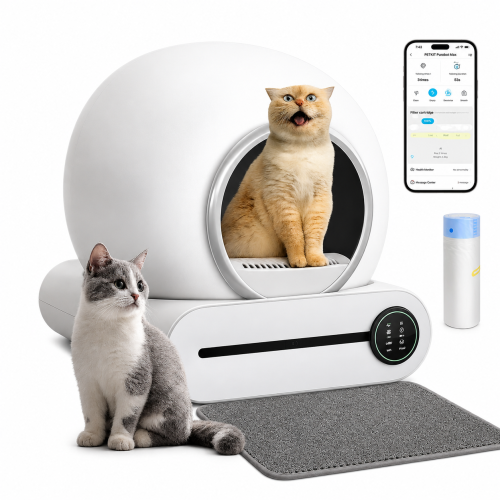 Your price for this item is $279.97
 -
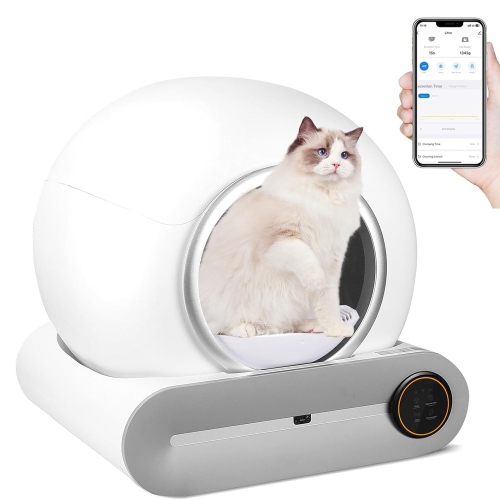 Your price for this item is $300.99
 -
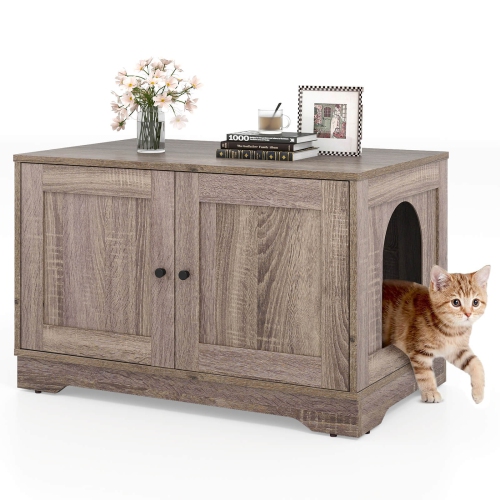 Your price for this item is $99.99
 -
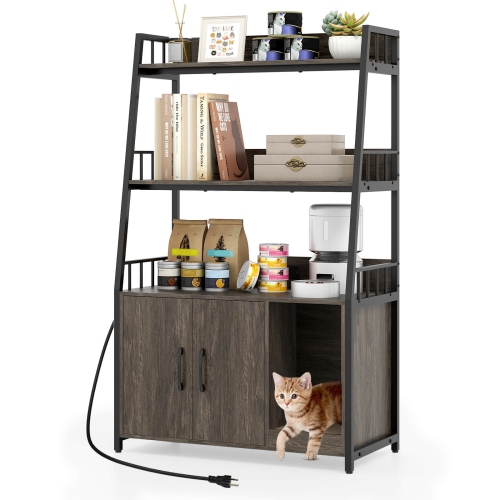 Your price for this item is $173.99
Discover more categories related to White Cat Furniture
Top Collections:
Pokemon Centers, Kindle Devices, Best Budget Office Chairs, Apple iPhones 16, Best Laptops for Writers, iPhone 15 Apple, Canon G7X Cameras, Refurbished Apple Laptops, Alarm Clock, Motorola Razr Phones
Some products may be subject to Environmental Handling Fees
(EHF) depending on your province.
Learn more about EHFs.