White Cube Shelves
A white cube shelf is a stylish and functional piece of furniture that can be used to organize your home. These can be used to store books, DVDs, CDs, and other small items. They are available in a variety of sizes and materials, making it easy to find one that fits your space and needs. Here are some of the best options available today.
Sort
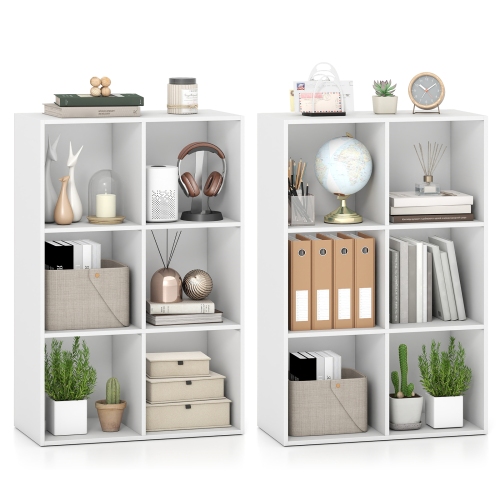
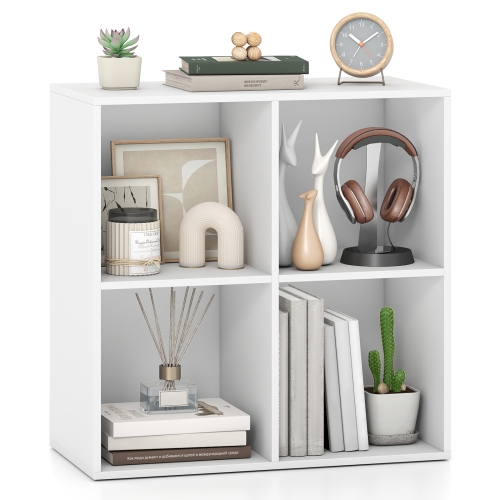
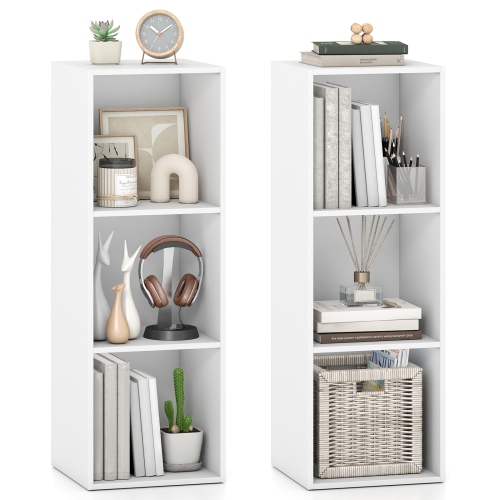
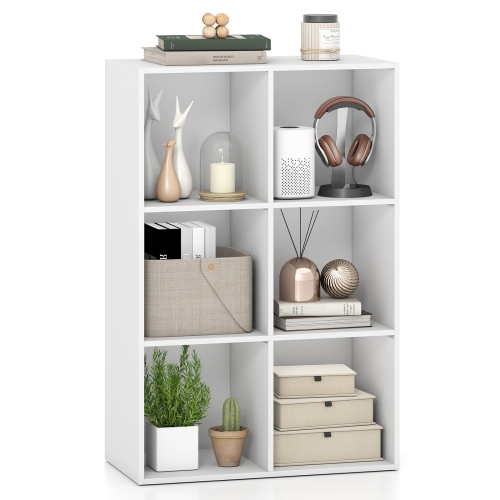
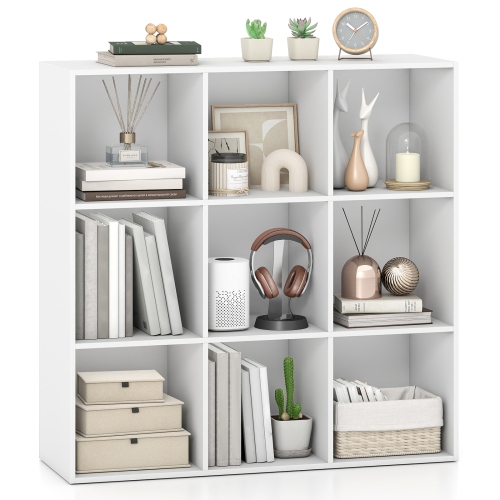
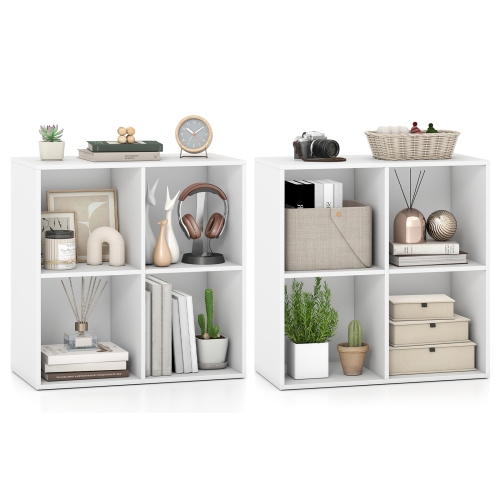
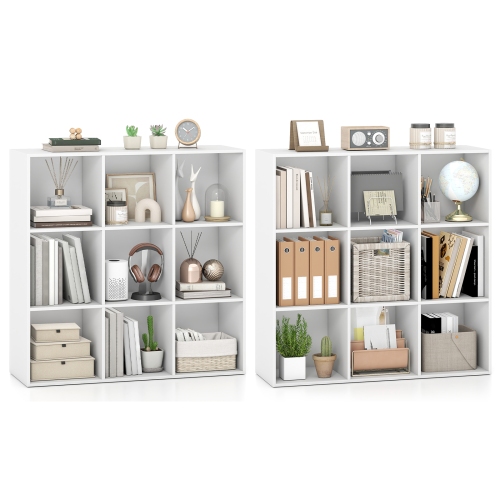
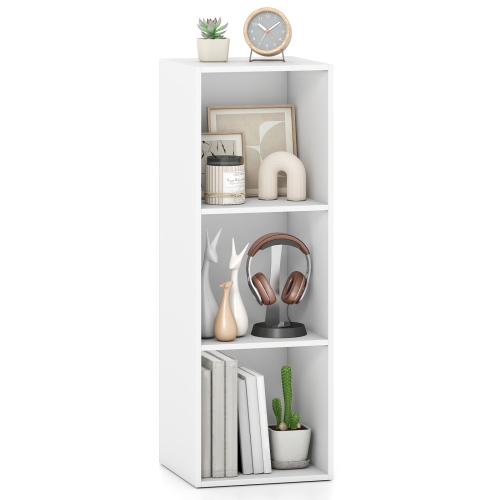
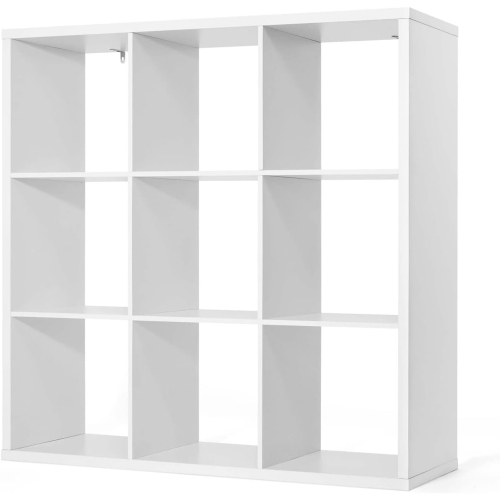
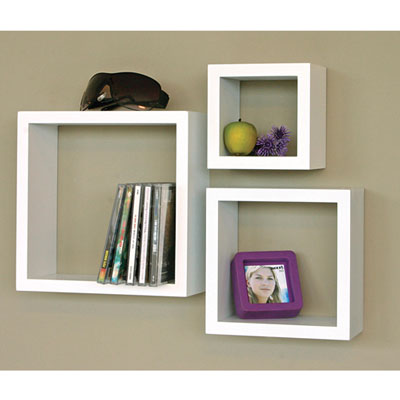
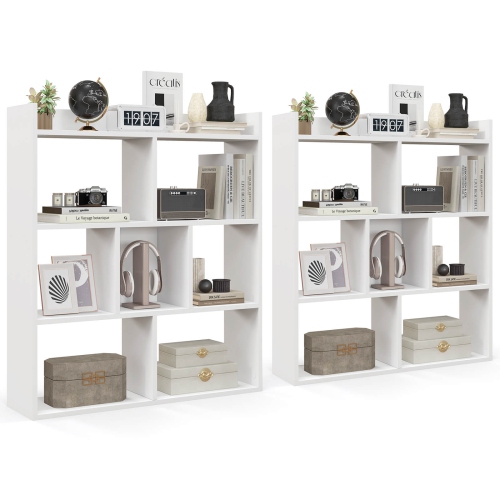
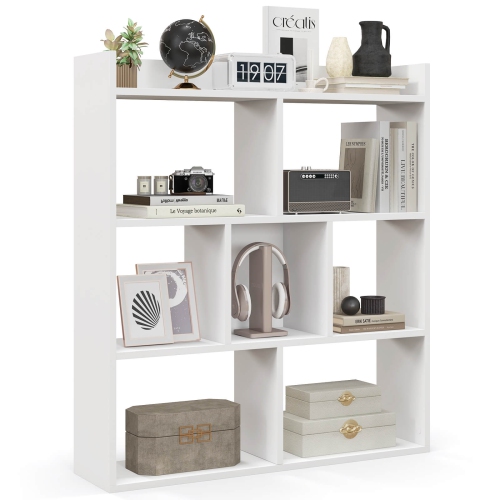
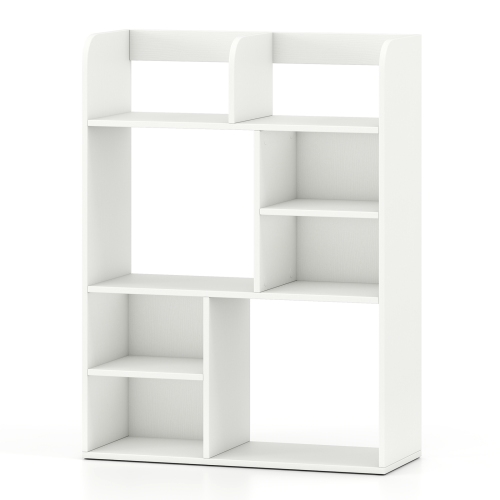
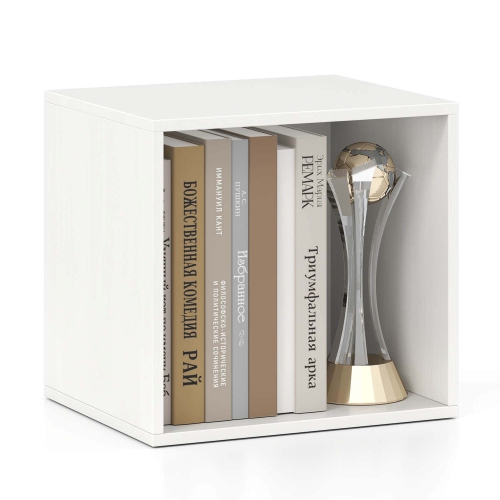
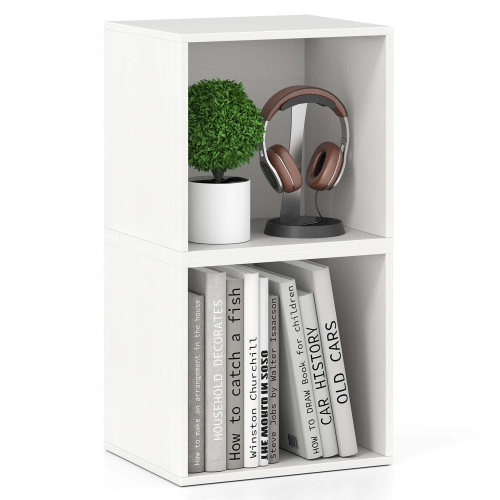
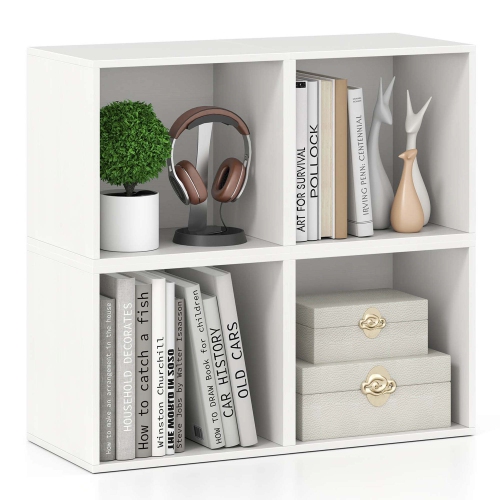
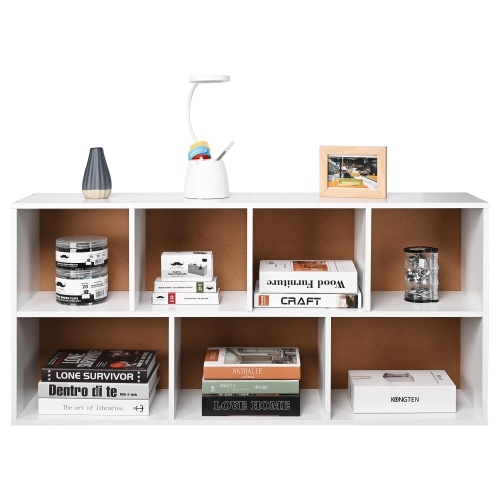
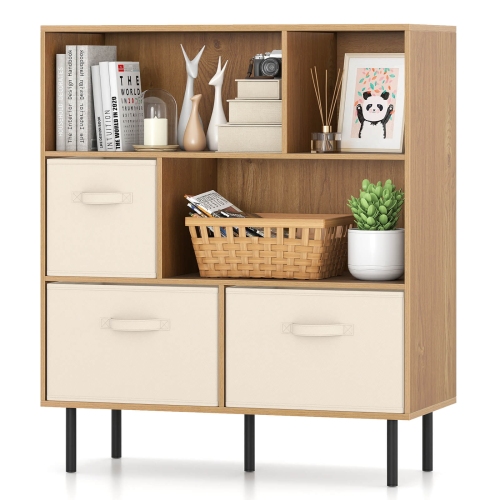
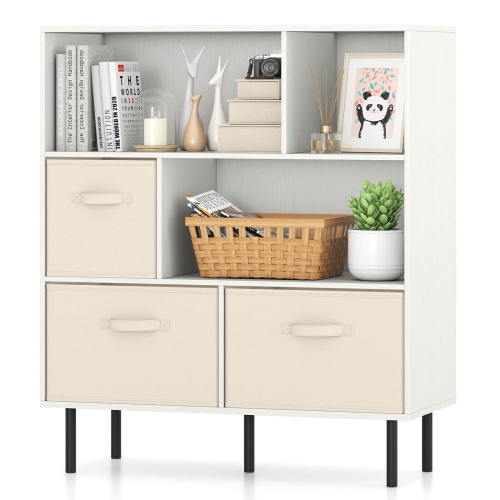
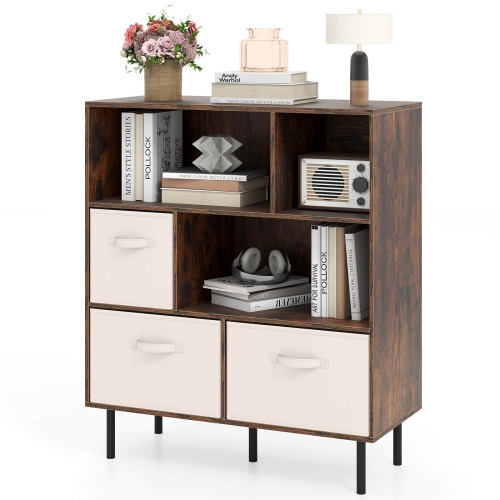
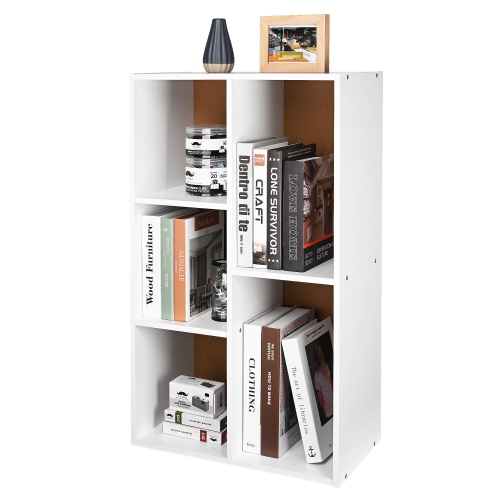
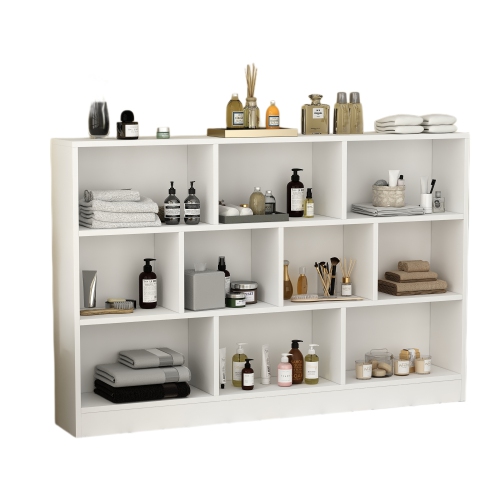
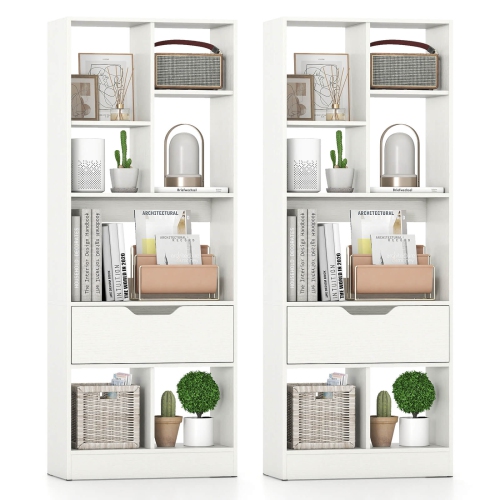
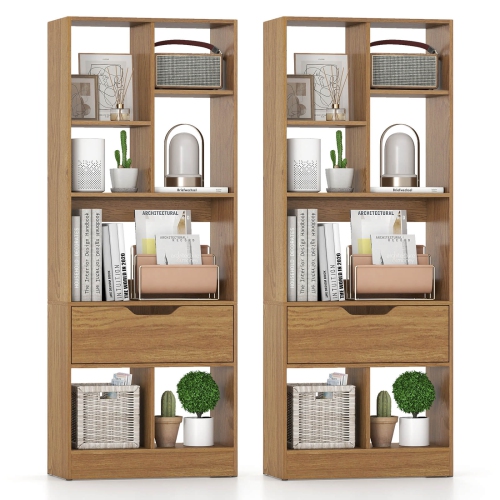
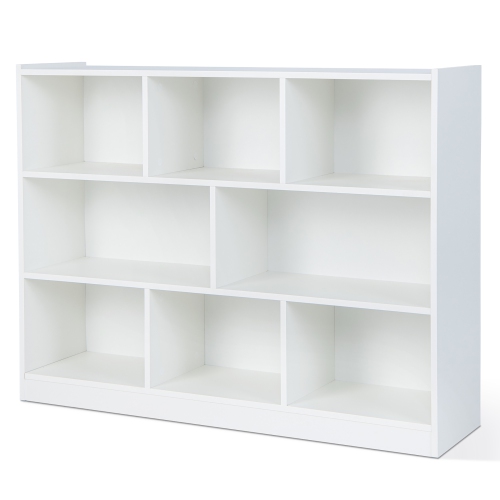
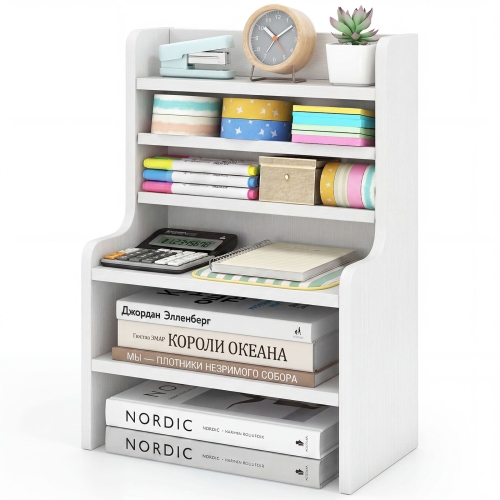
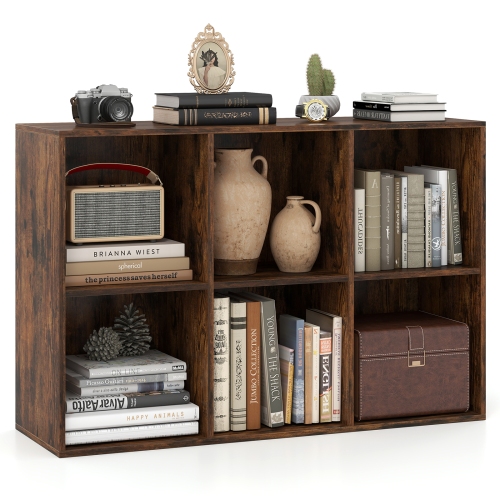
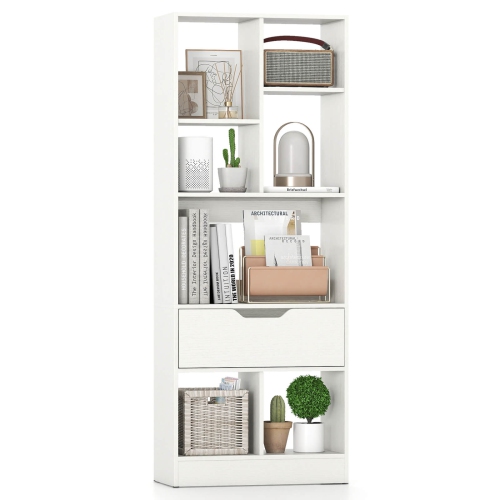
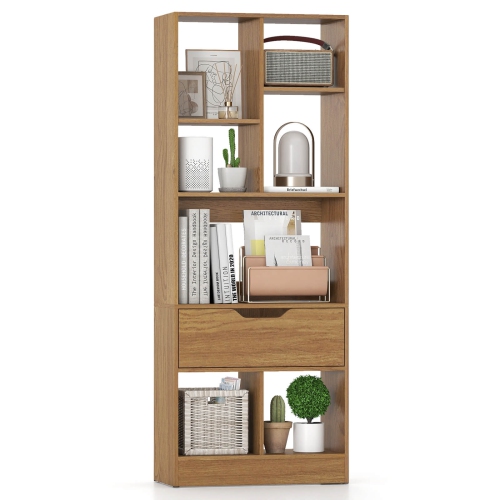
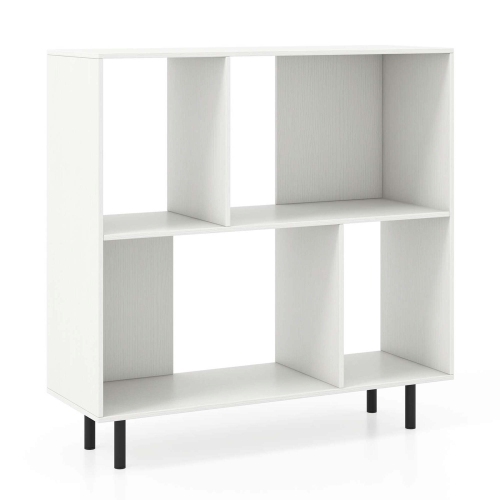
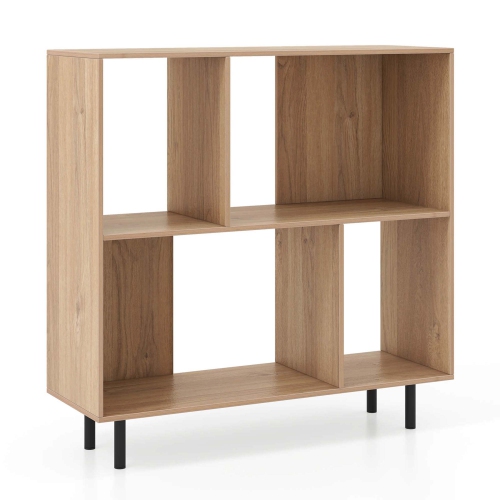
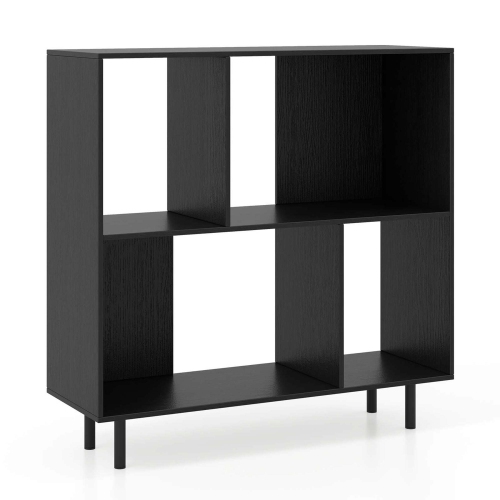
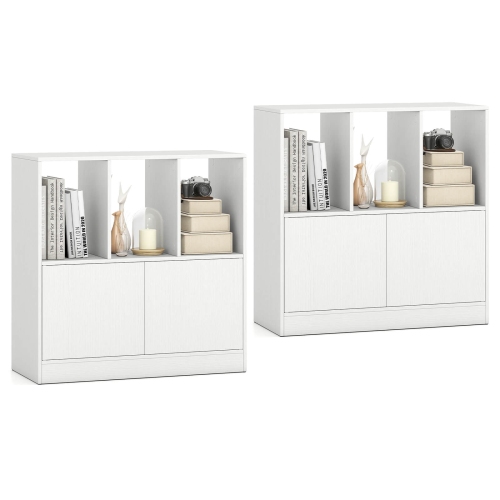
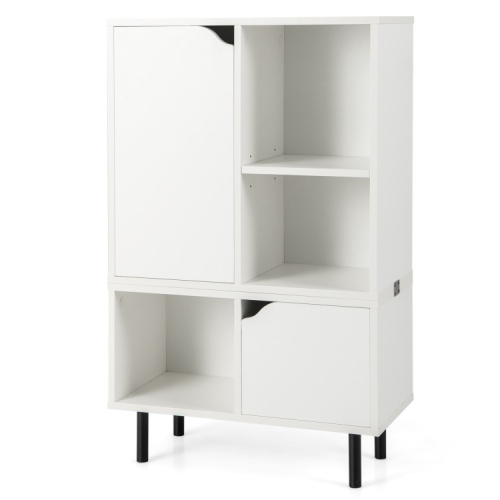
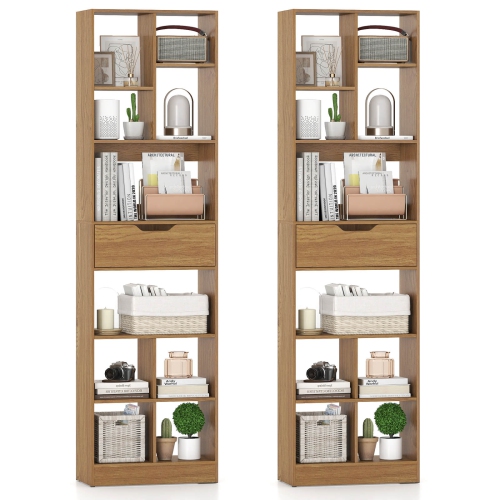
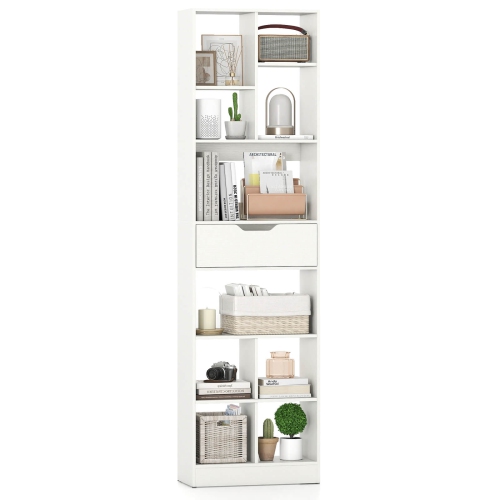
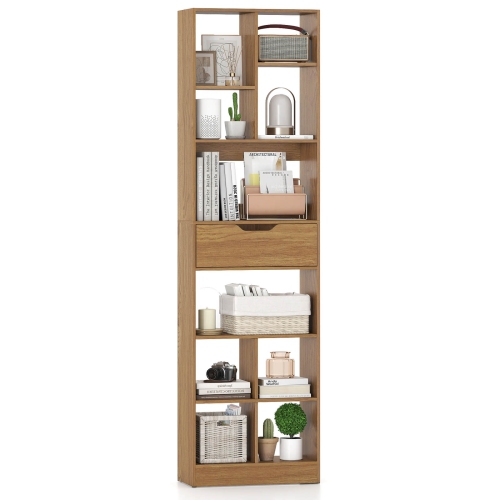
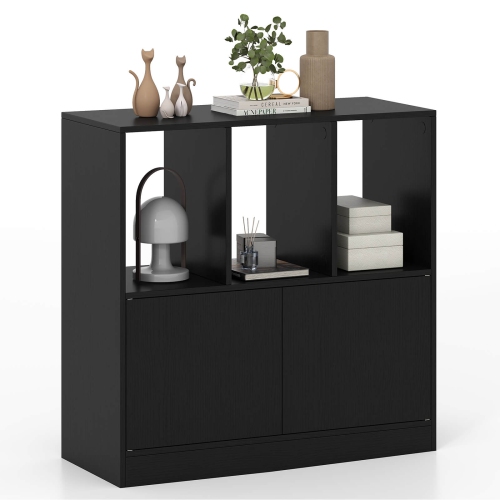
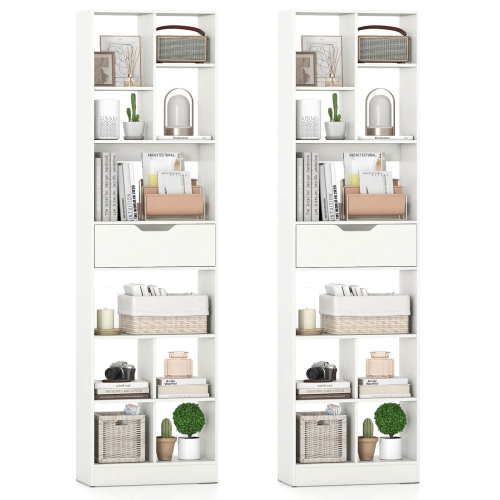
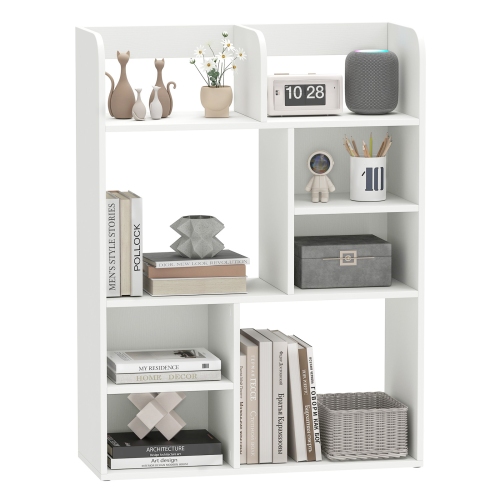
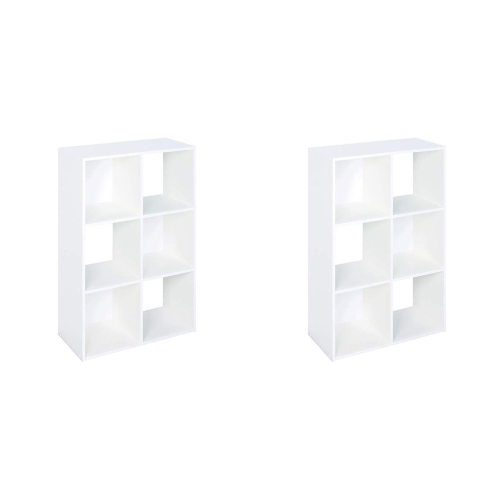
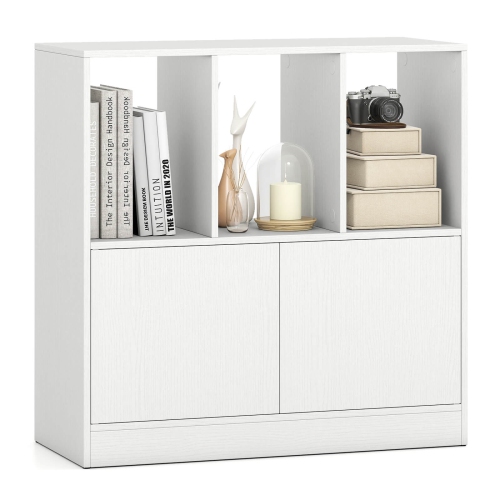
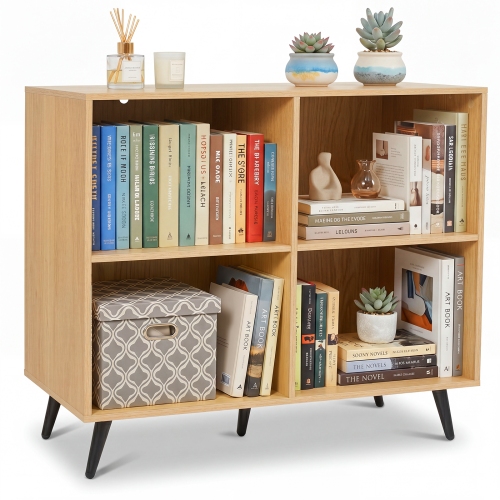
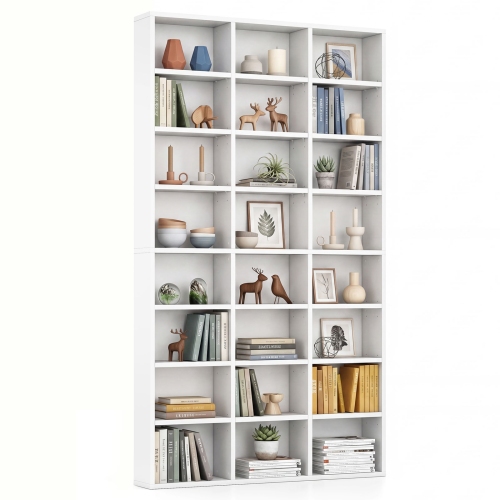
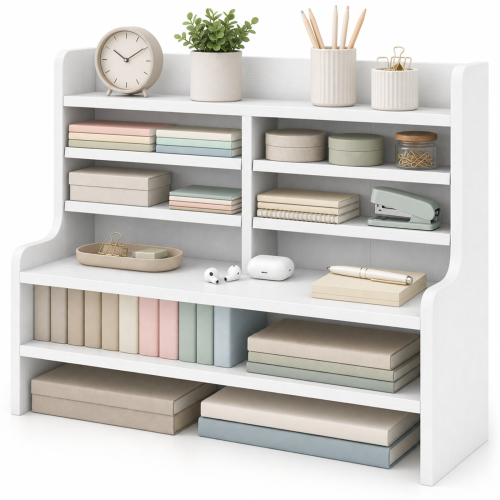
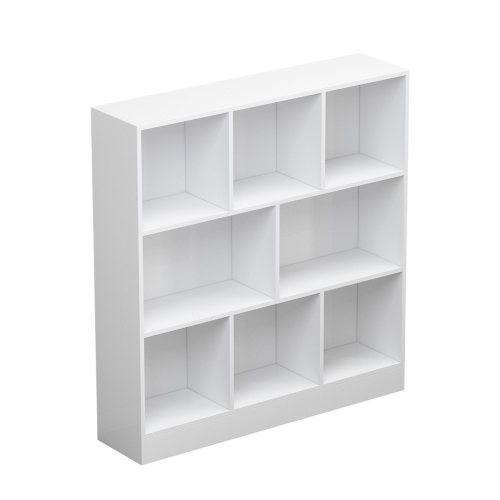
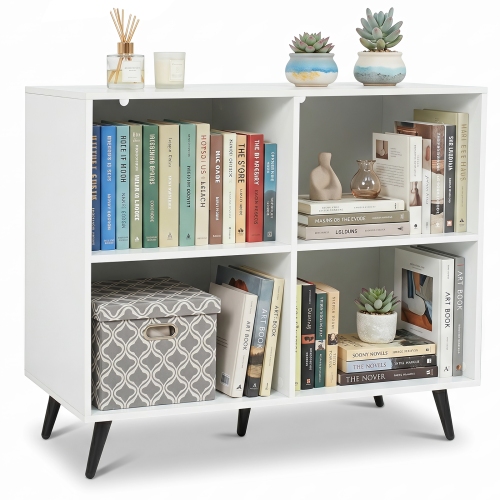
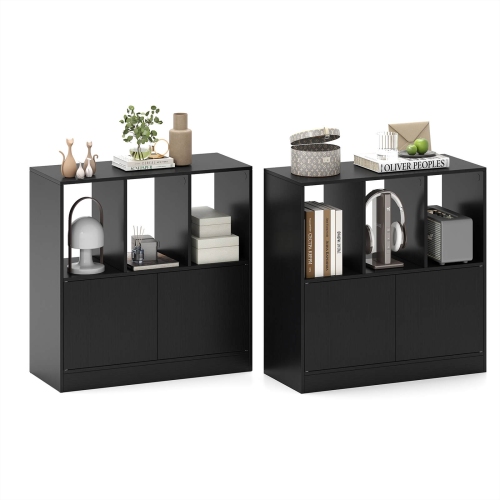
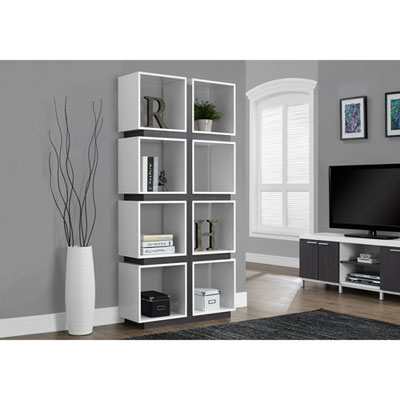
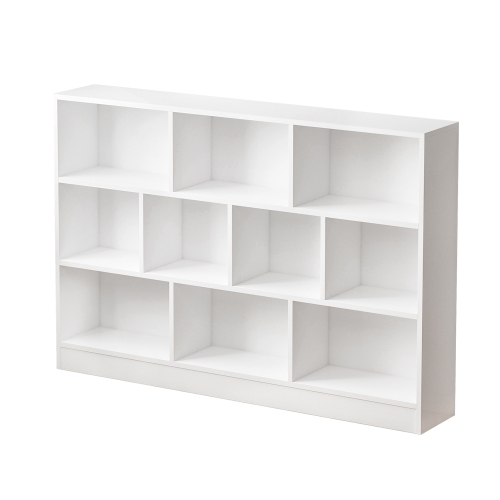
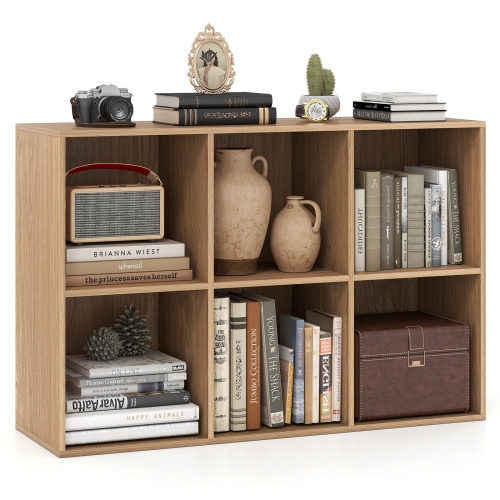
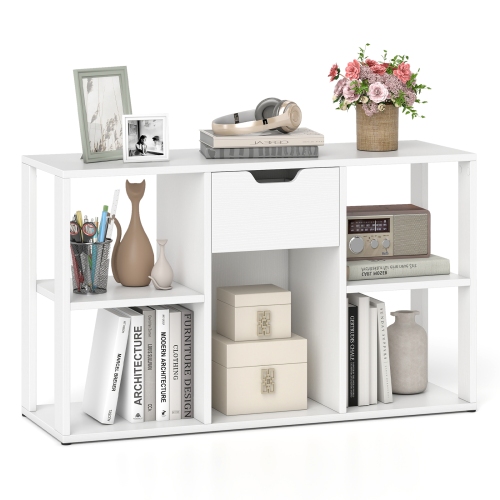
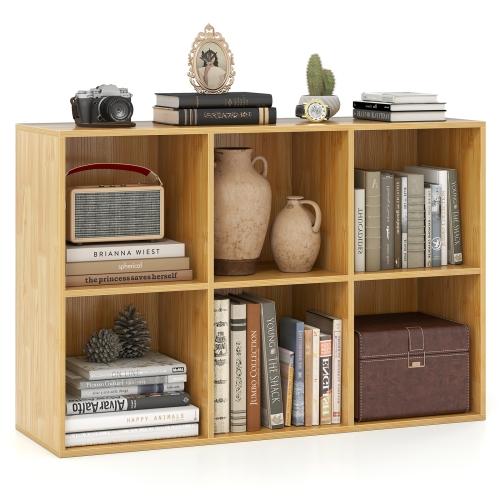
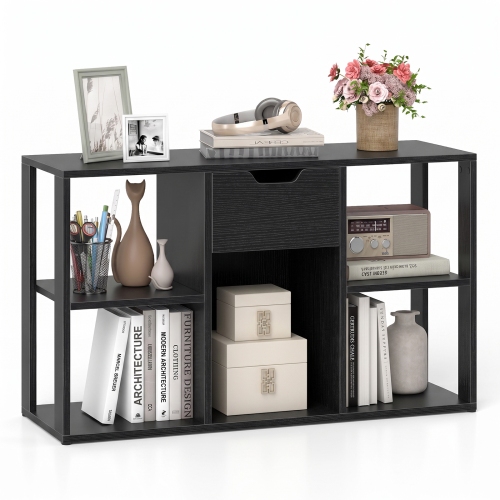
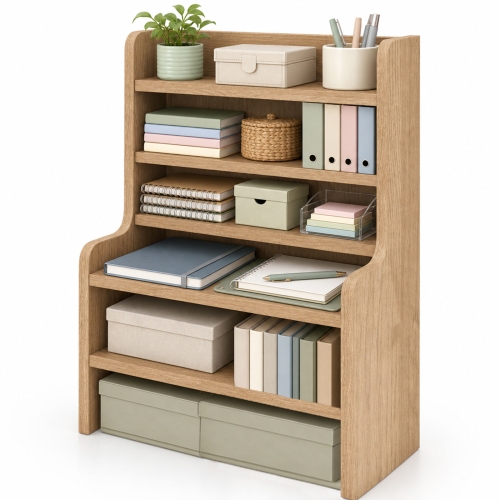
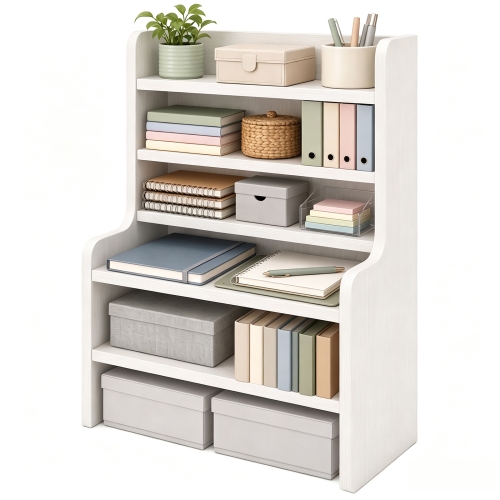
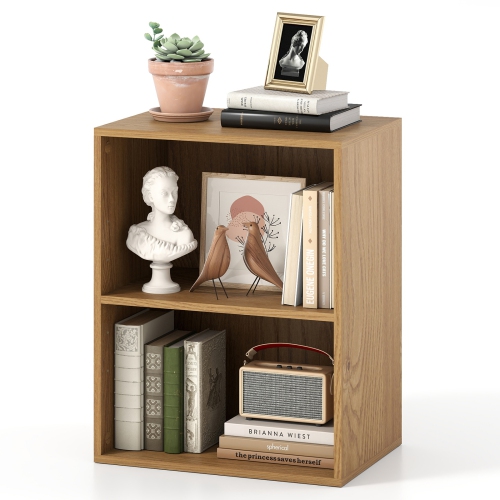
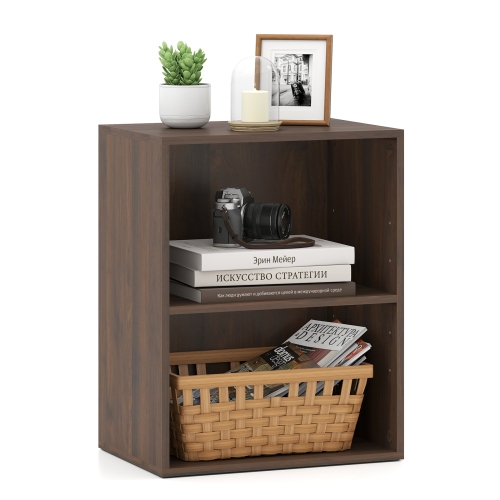
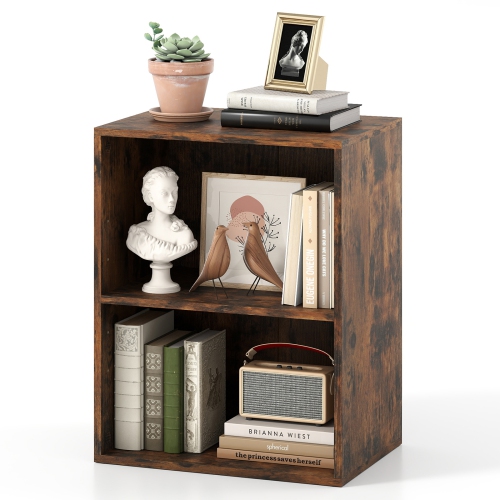
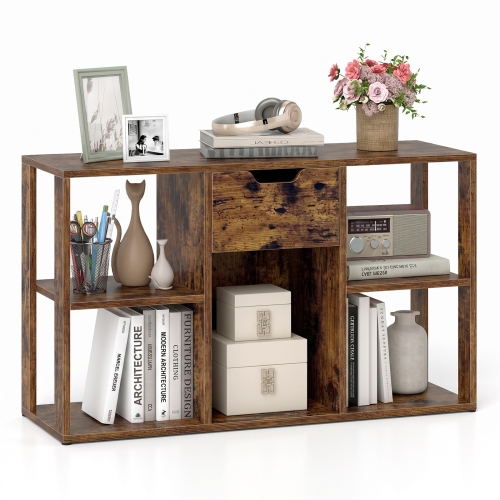
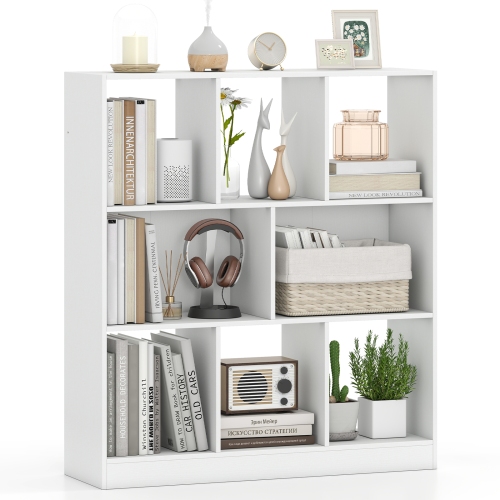
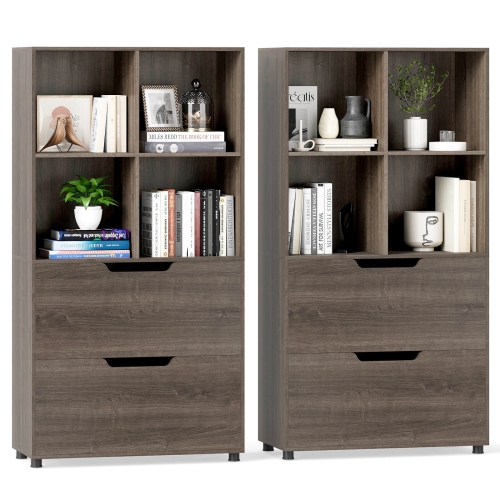
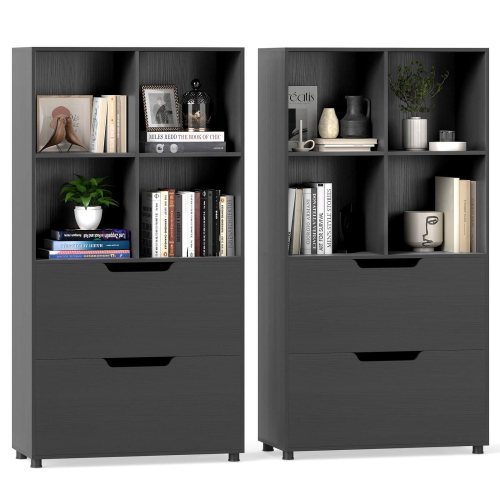
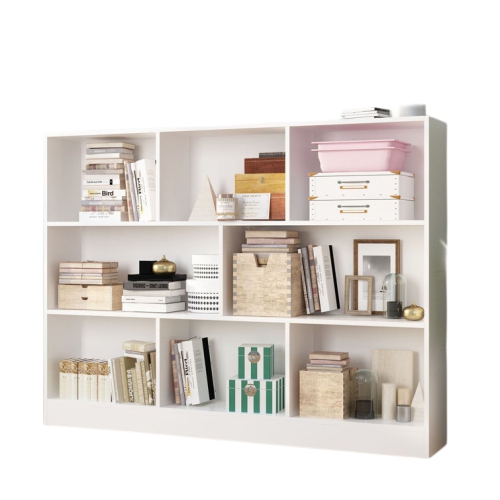
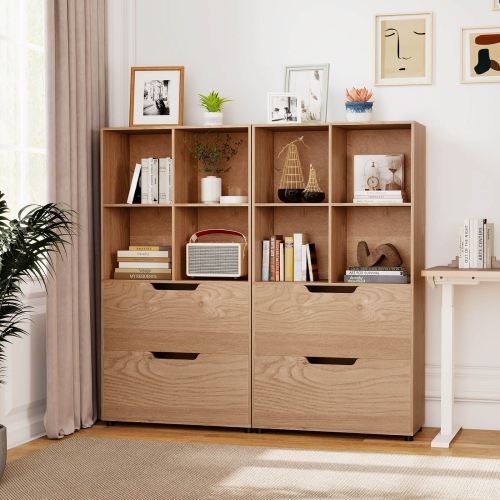
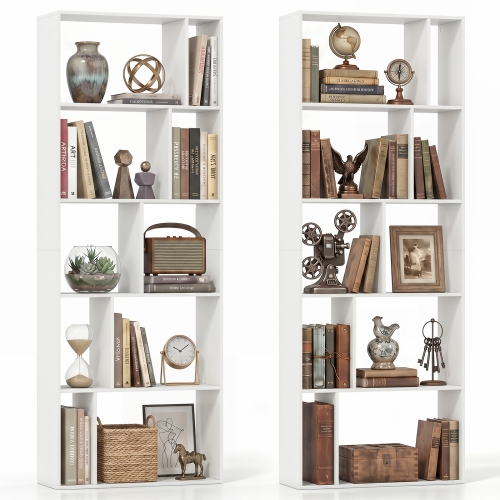
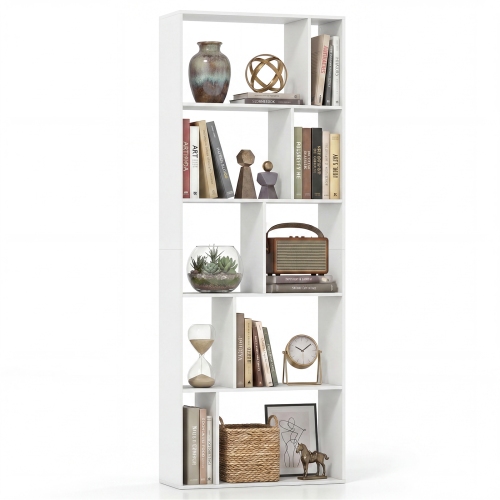
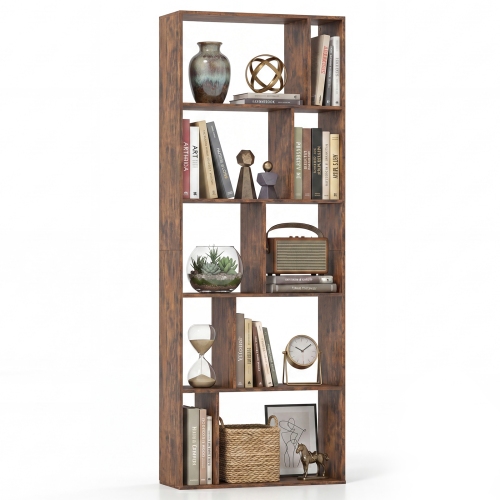
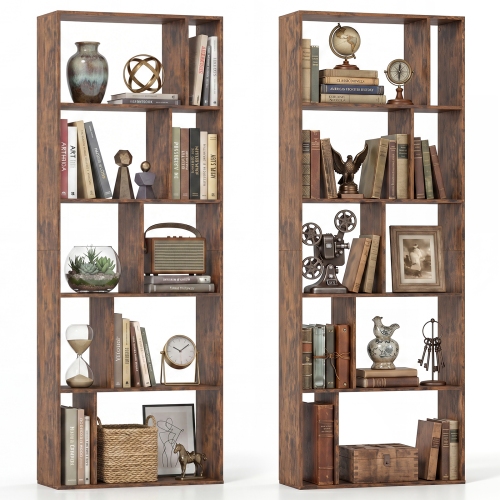
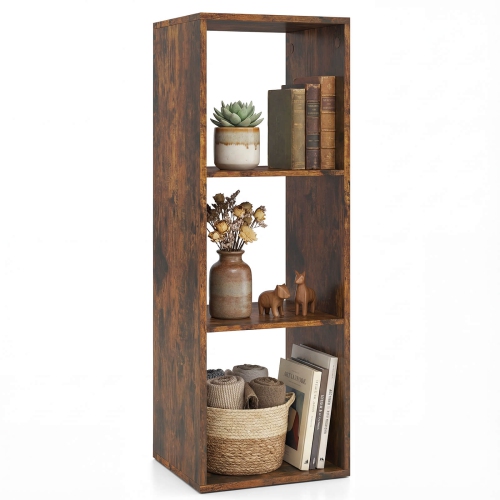
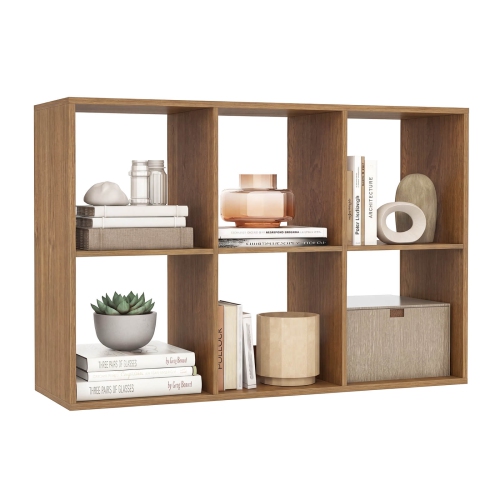
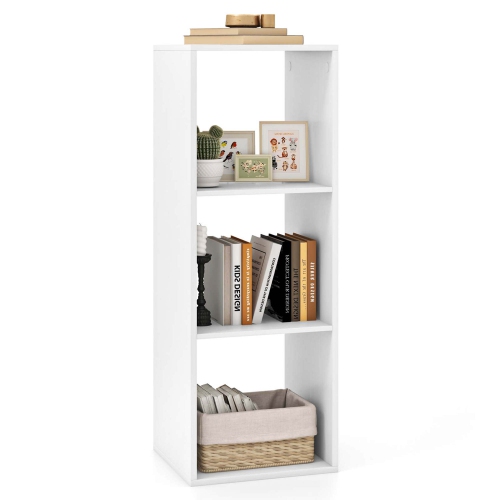
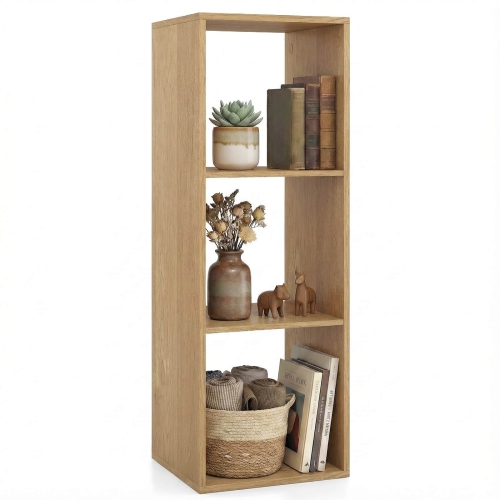
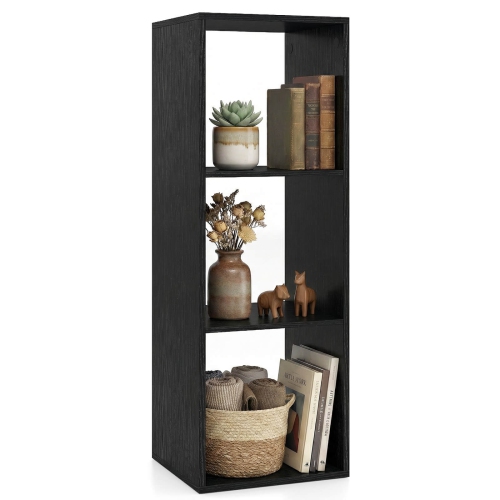
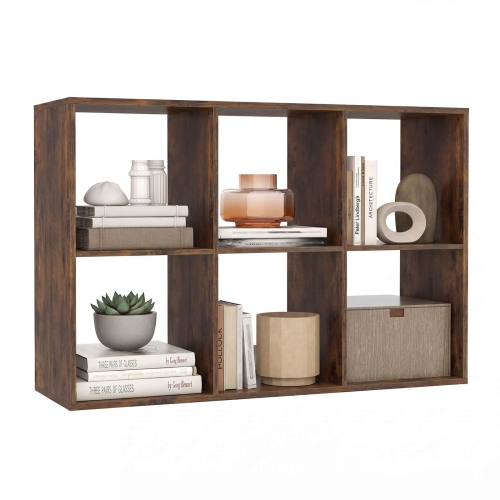
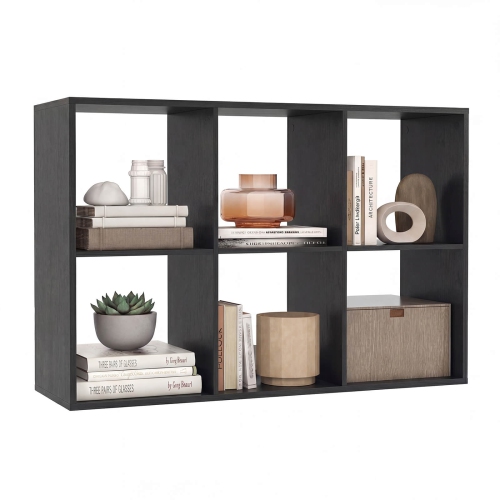
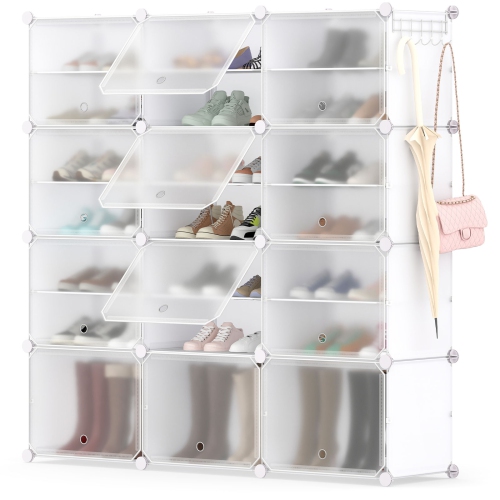
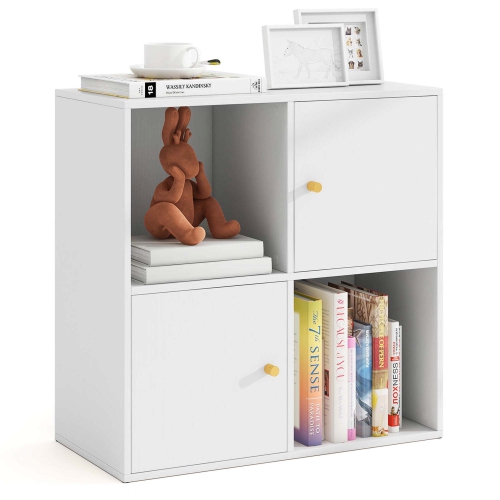
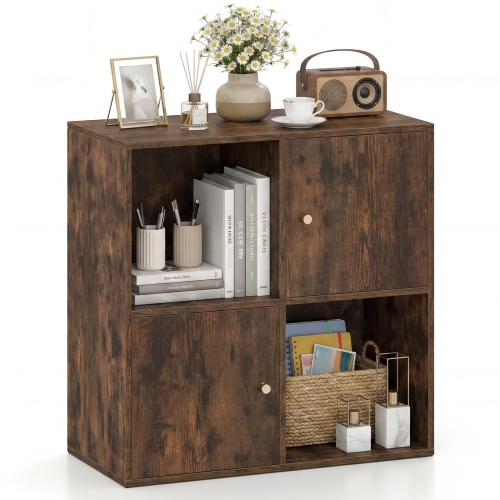
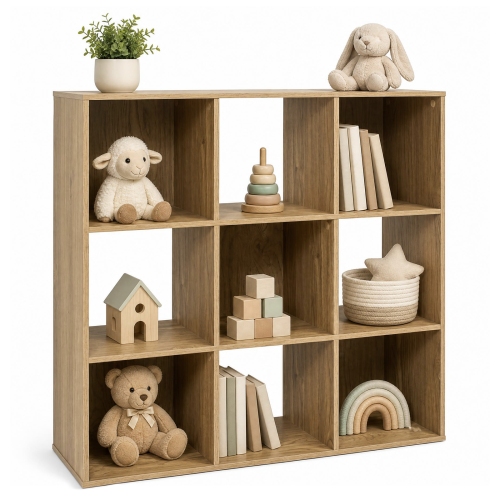
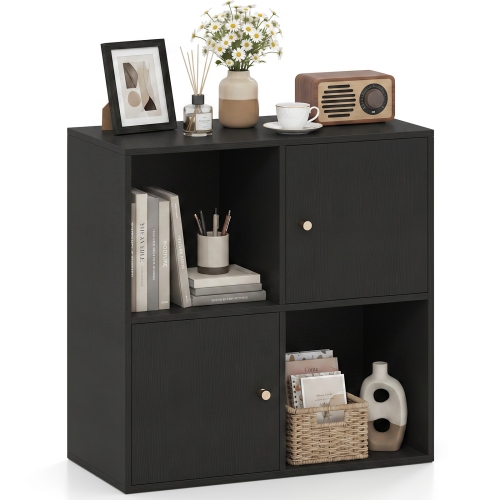
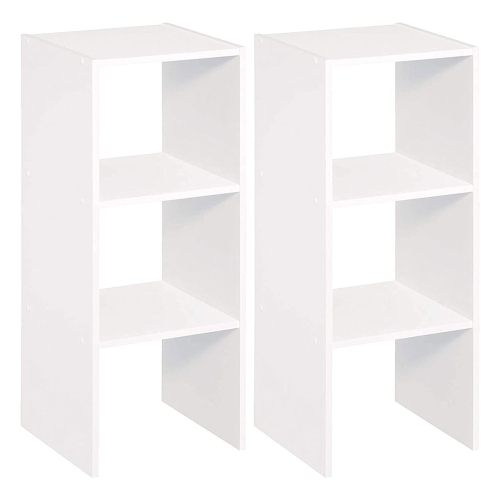
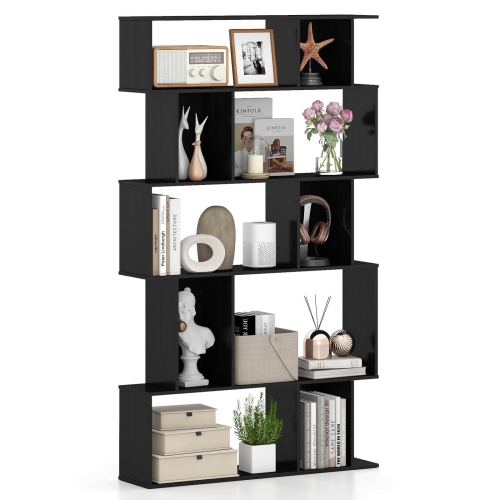
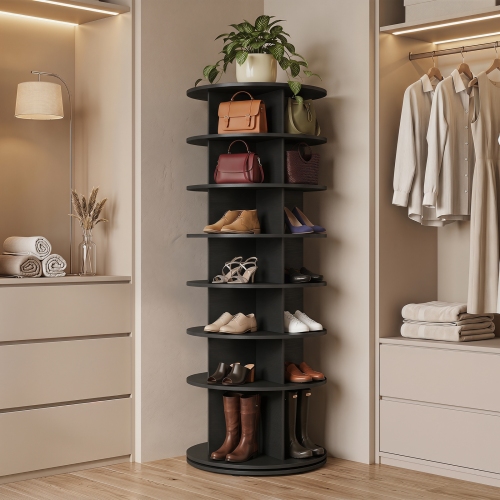
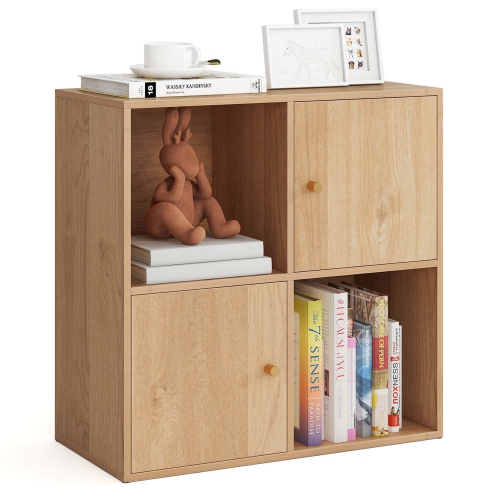
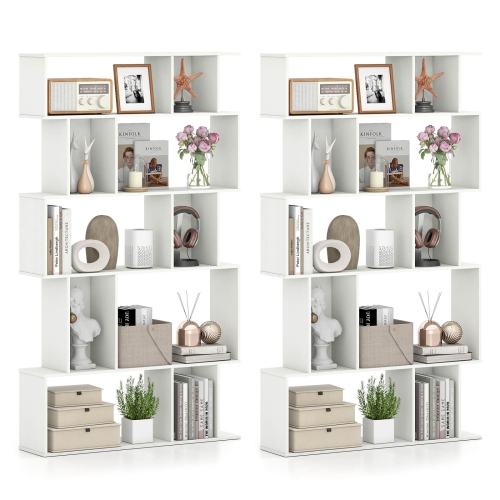
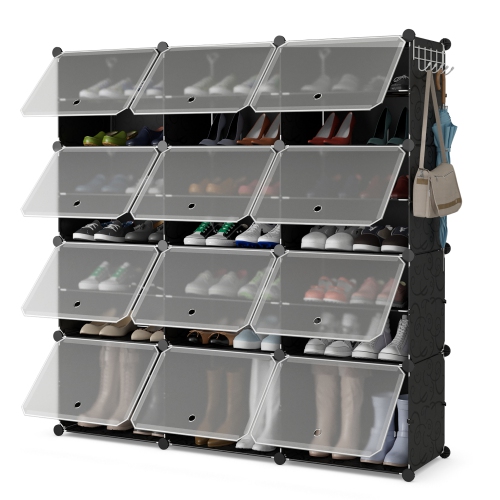
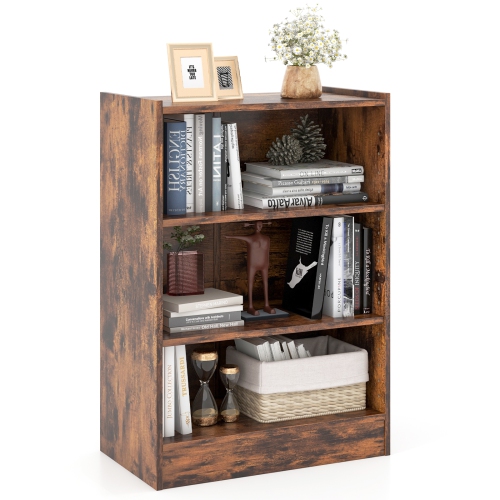
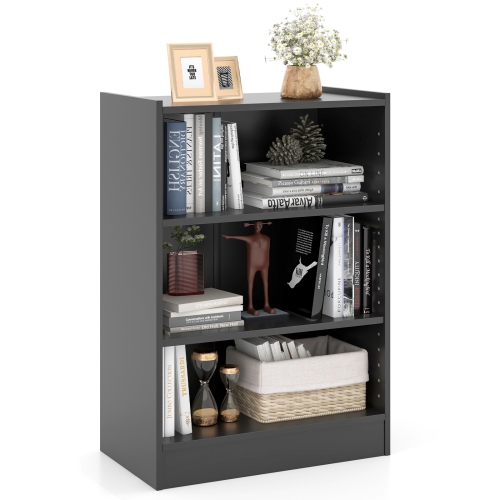
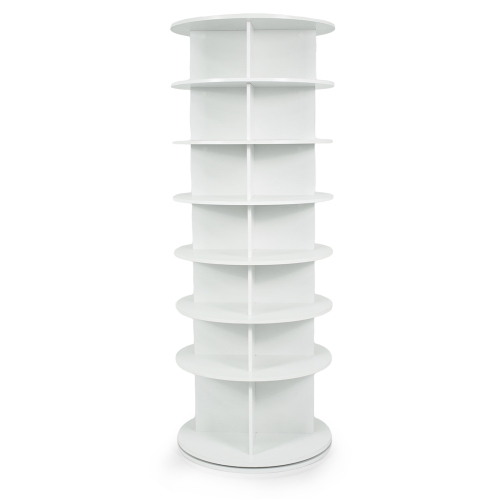
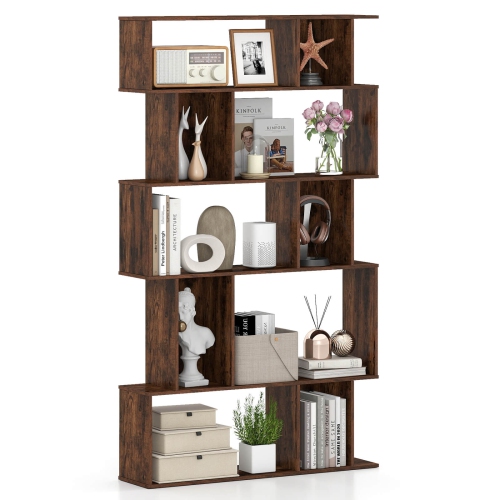
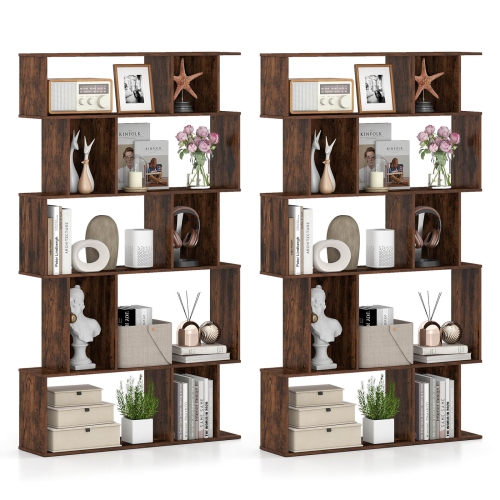
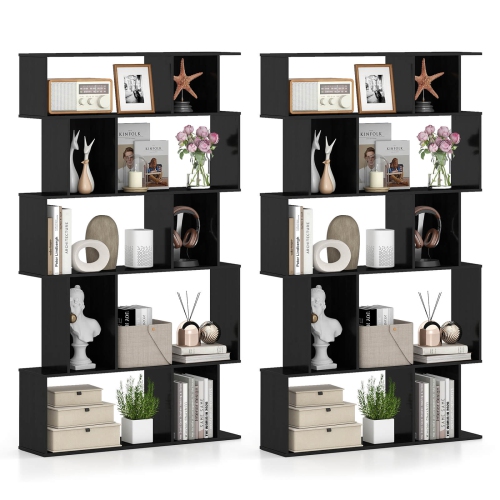
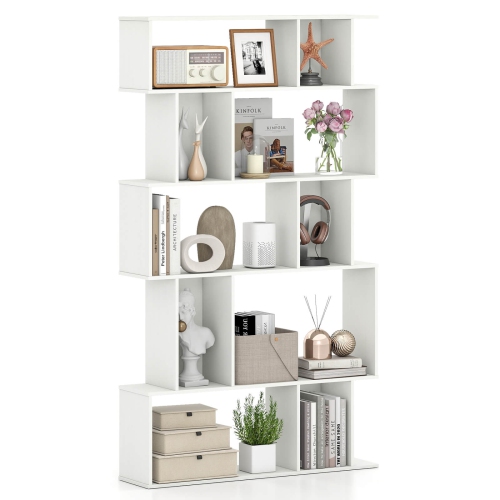
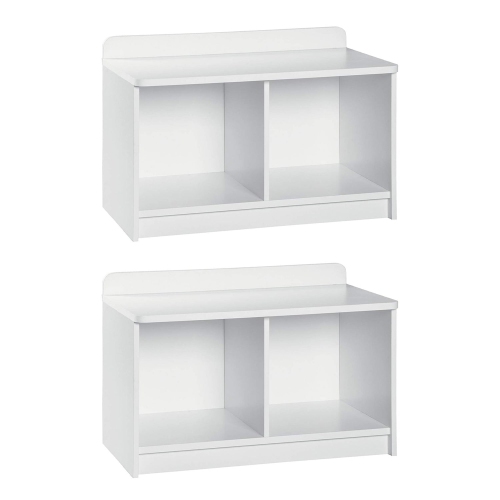
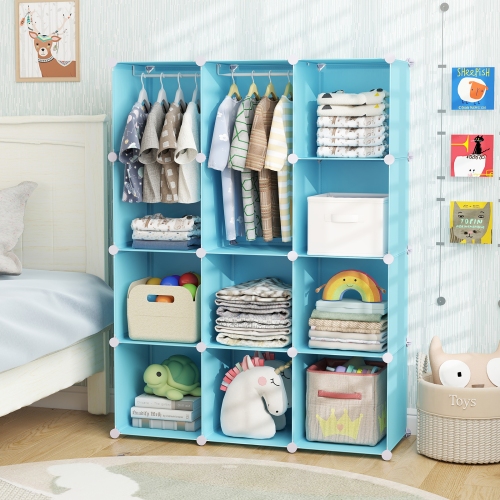
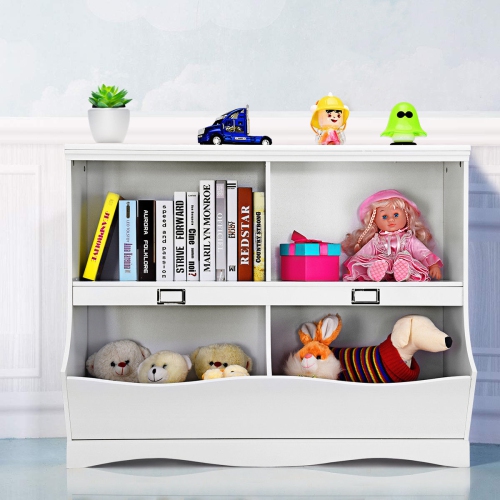
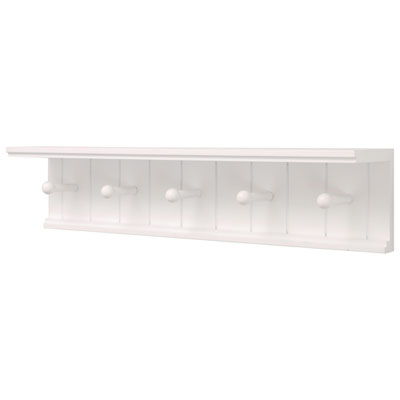
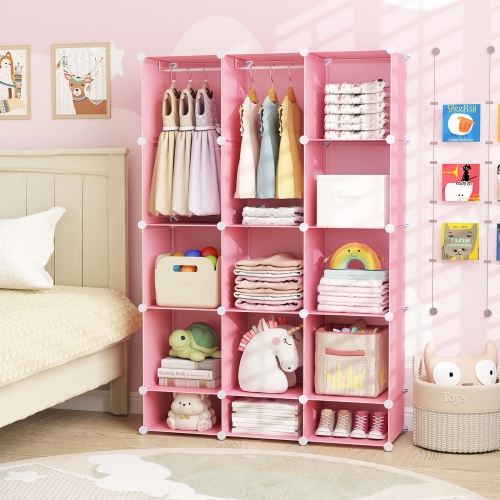
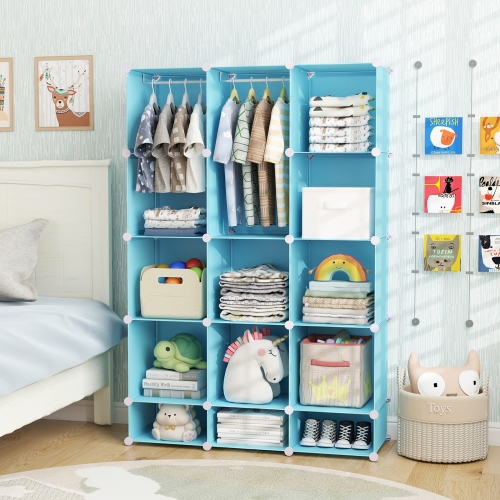
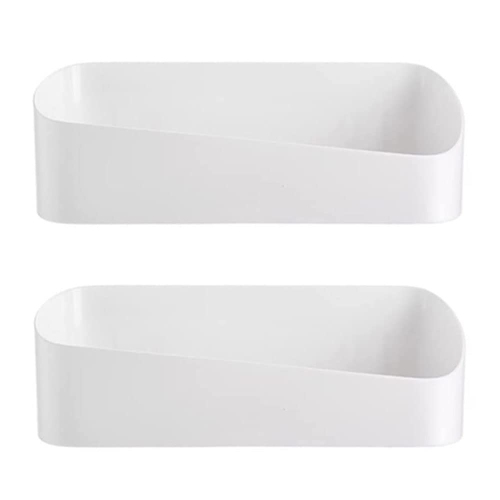
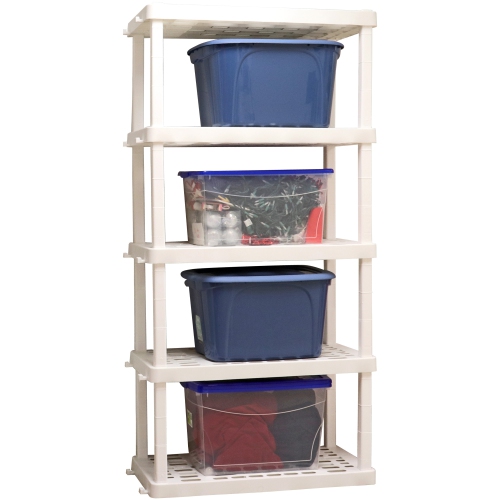
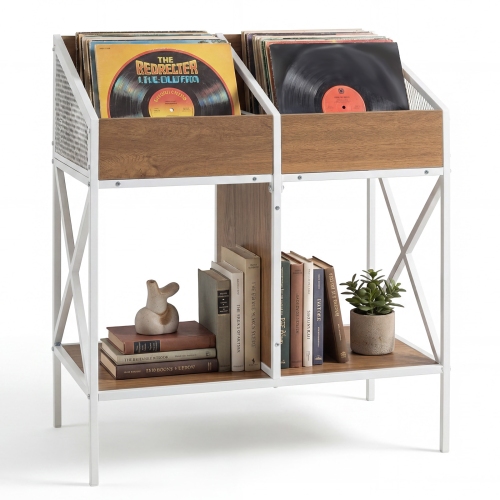
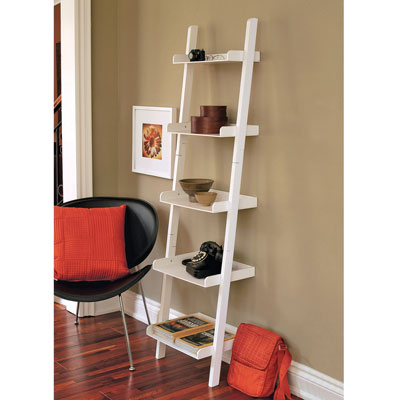
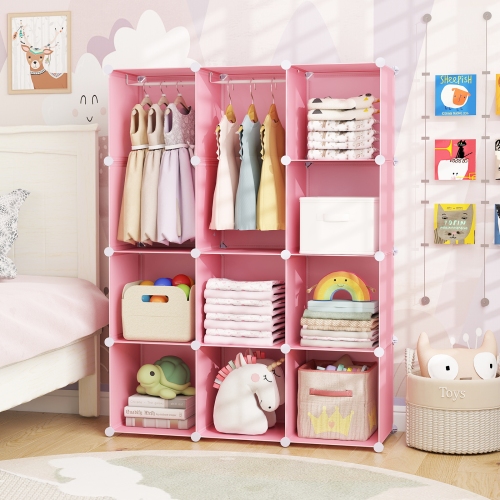
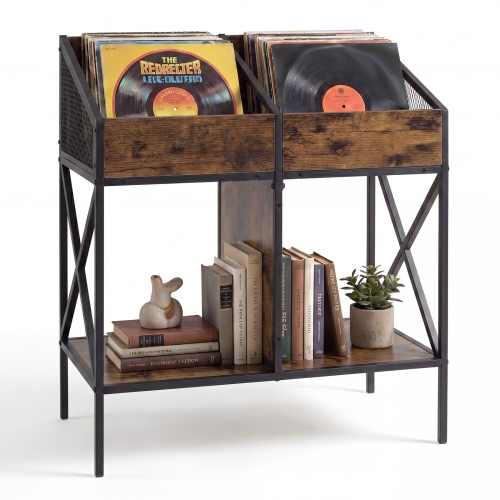
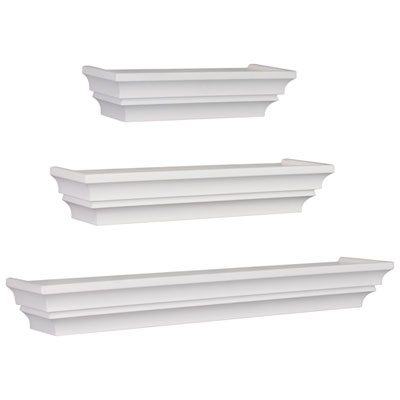
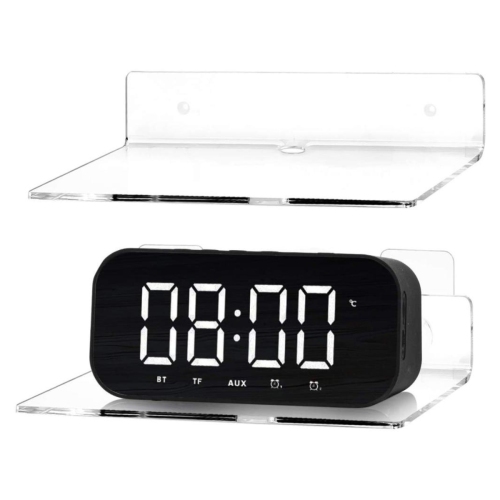
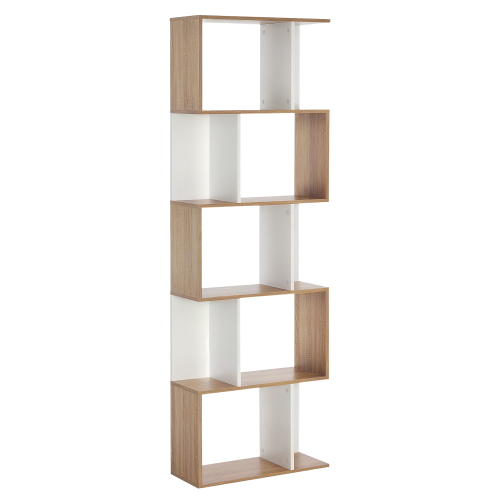
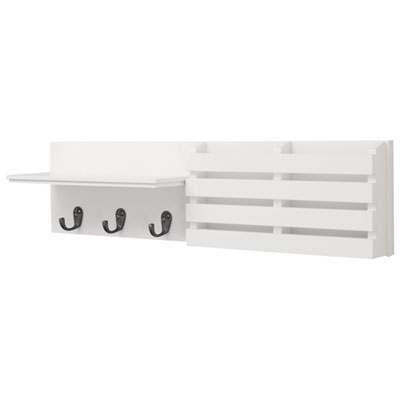
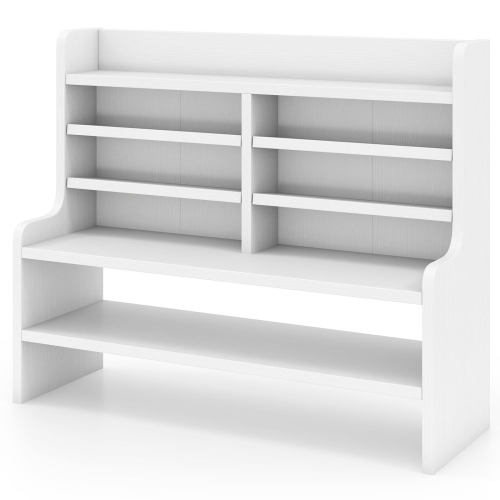
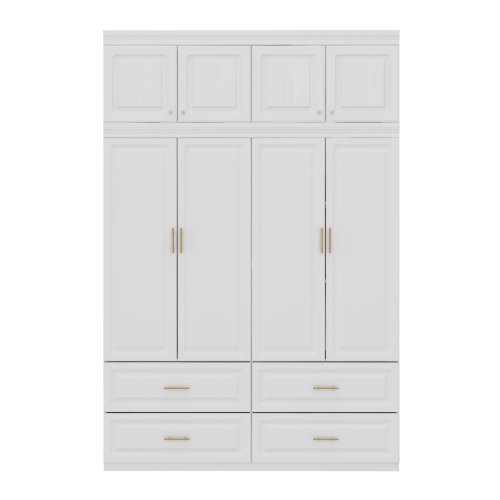
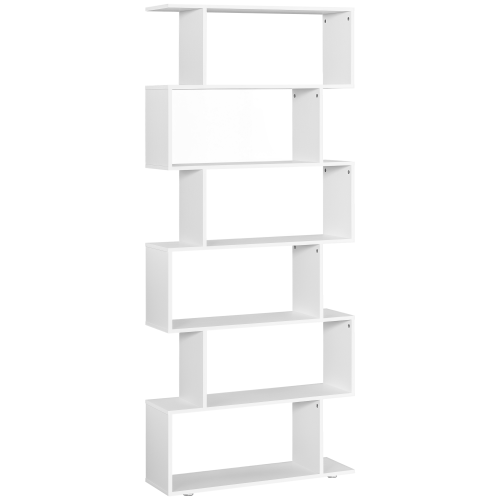
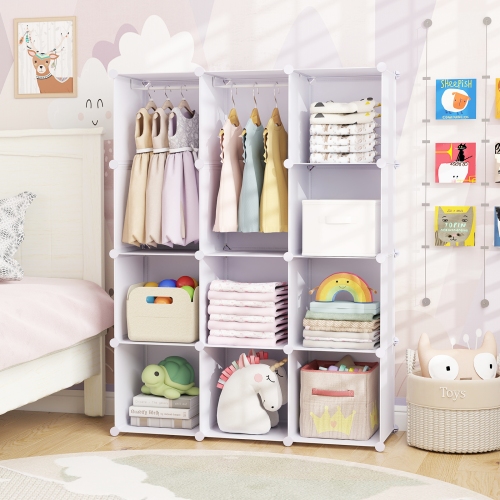
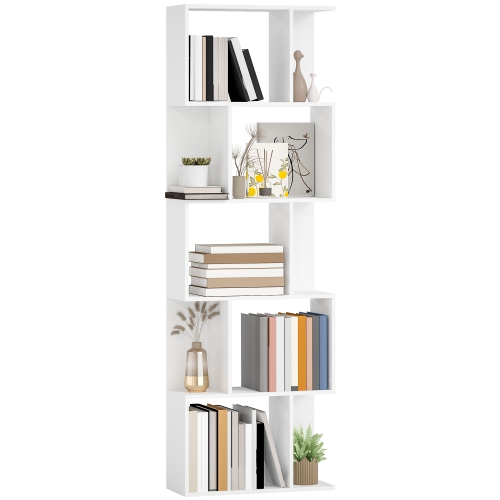
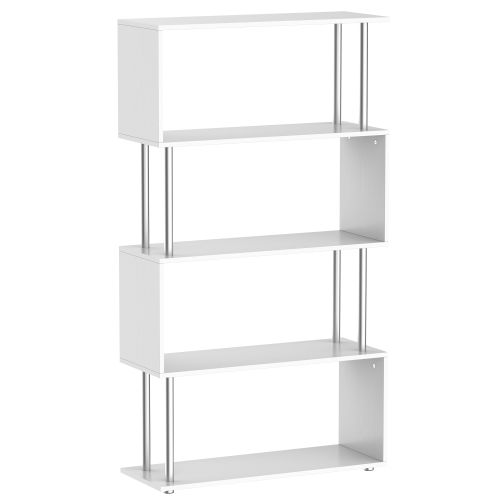
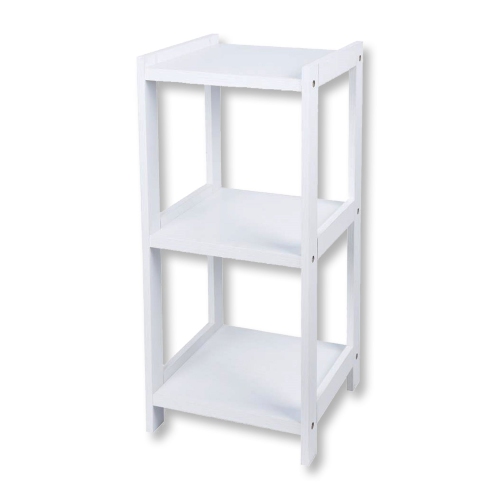

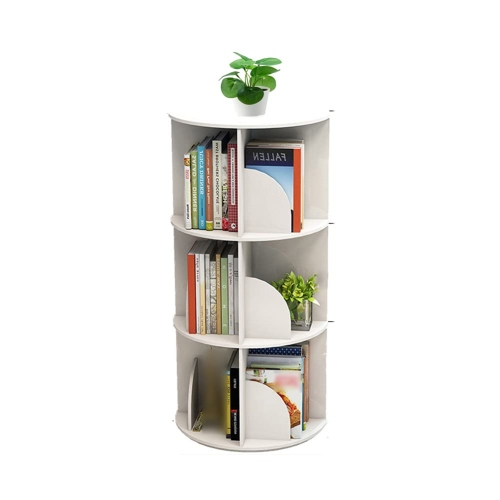
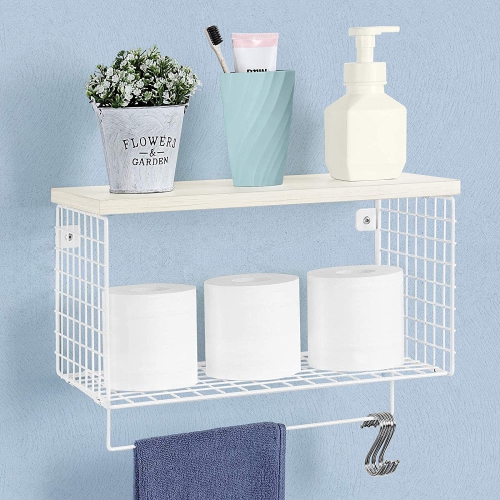
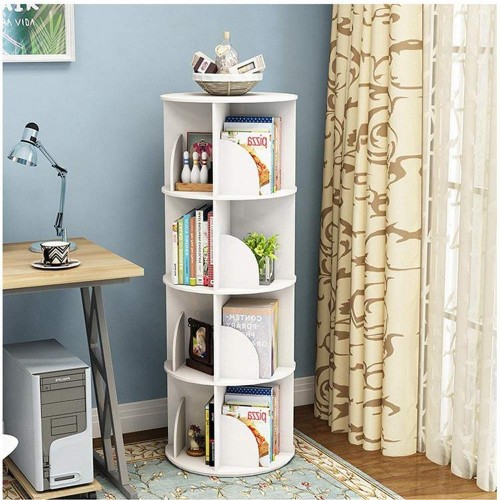

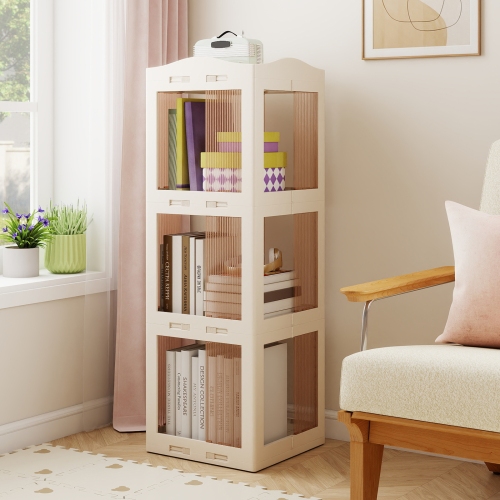
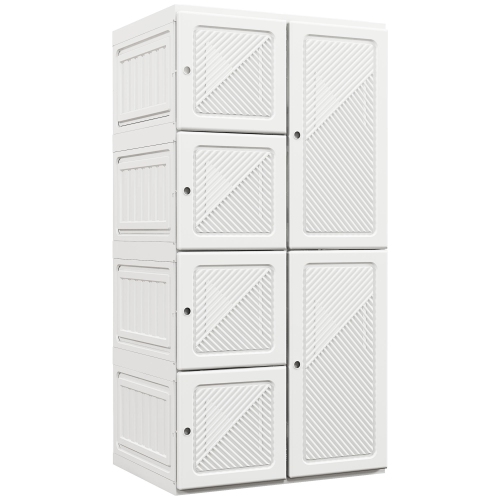
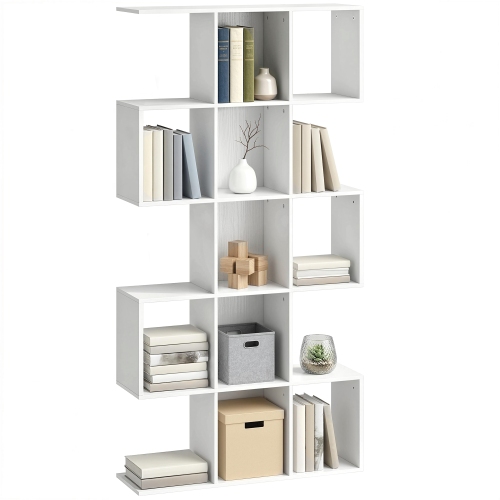
Everyday storage with room for your favourite pieces
White cube shelves bring a clear, structured look to storage, with individual compartments that make books, baskets, and everyday belongings easier to arrange. Their appeal is partly practical: a row of cubes can separate board games from reading material, while a taller arrangement can hold several categories of belongings without requiring a wide stretch of floor. The white finish also gives the shelving a quiet presence against pale walls and a crisp outline against deeper colours. In a living room, open cubes can frame a small collection of ceramics or keep favourite books close to a reading chair. In a home office, they can give notebooks, paper supplies, and charging accessories separate places rather than letting everything gather on the desk. Bedrooms, playrooms, and entryways each bring different requirements, so the most useful configuration depends on what needs a home and how often it is reached for. Lower compartments are convenient for frequently used belongings, while higher spaces can suit lighter display pieces. Overall dimensions tell only part of the story: the usable width, height, and depth inside each cube determine whether a basket fits neatly, a record sleeve stands upright, or a photo album extends beyond the edge. Skirting boards, nearby door swings, heating vents, and walking space also affect how comfortably a unit fits into a room. A compact square arrangement may work beside a desk, while a wider, lower unit can sit comfortably beneath wall art. Some shelving is designed for more than one orientation, but a horizontal or vertical setup should only be used when the manufacturer allows it. In shared spaces, cube shelving can also help define a reading corner or work area without introducing a solid wall, provided the unit is designed and secured for that placement. For this kind of use, a finished back and suitable stability matter just as much as the view from the front. The result is furniture that can support a room’s daily routines while leaving room for personal touches.
Materials and construction influence how white cube shelves feel, how much weight they can support, and how well their surfaces stand up to regular use. Depending on the design, shelving may use solid wood, engineered wood, metal components, or a combination of materials. Engineered wood with a laminated or painted surface can provide a consistent appearance, while painted solid wood may retain subtle signs of its grain and construction. Neither appearance alone nor the thickness of a visible edge establishes strength; stated load limits, joinery, shelf spans, and the way the back is attached all matter. Books are particularly demanding because a fully packed compartment can carry considerably more weight than a few folded throws or lightweight display pieces. Weight limits may apply to each shelf, each cube, the top surface, or the complete unit, so those distinctions are worth checking against the intended use. A back panel can provide a visual boundary and may contribute to rigidity when it is part of the structure, whereas an open-backed design leaves the wall visible and allows easier access from either side. Assembly quality matters as well. Correctly aligned panels, fully seated fittings, and fasteners tightened as directed help keep the unit square; overtightening can damage some materials rather than improve the connection. Freestanding shelving should be placed on a stable, level surface and secured using the anti-tip hardware and installation method specified by the manufacturer. Wall fixings need to suit the wall construction, and supplied fittings may not suit every surface. Heavy belongings generally belong in lower compartments, without exceeding the relevant load limits, and shelves should never serve as steps or climbing furniture. In children’s spaces, reachable baskets can make tidying more manageable, but accessible storage does not replace proper anchoring. Any fabric bins, doors, or drawer inserts also need to be compatible with the compartment dimensions and the shelving design, with enough clearance to move smoothly rather than catching on the surrounding frame.
The character of white cube shelves changes with the way the compartments are filled. Matching baskets create a quieter, more uniform arrangement, especially where the contents include cables, craft supplies, or small toys that are useful but visually busy. Open compartments offer a different benefit: book spines, framed photographs, and a favourite bowl remain easy to see and enjoy. A combination of open and concealed storage often feels more natural than treating every cube identically. Leaving a little space around a display piece keeps it from looking wedged into place, while grouping related belongings makes daily use simpler. In a shared household, separate baskets can give each person a clear place for headphones, notebooks, or other frequently misplaced belongings. A guest room may benefit from a few uncluttered compartments for visitors’ possessions rather than shelving filled entirely with permanent displays. White finishes work easily with pale timber, woven textures, and soft neutral fabrics, yet they can also provide a calm backdrop for colourful book covers and artwork. For rooms where a darker outline better suits existing furniture, Black Cube Shelves offer another way to achieve the same compartment-based organization. With white shelving, finish details deserve attention: matte surfaces, glossy coatings, and visible wood texture each catch light differently, and white tones can vary between furniture pieces. Everyday care is usually straightforward when it follows the manufacturer’s directions. A soft cloth removes dust from shelf edges and corners, while spills should be dealt with promptly to limit the chance of staining or moisture reaching joints. Abrasive pads, excess water, and unsuitable cleaners can damage a finish, particularly along exposed edges. Protective pads beneath rough-bottomed objects can help reduce scratches, and lifting baskets rather than dragging them limits wear on frequently used surfaces. As household needs change, rearranging the contents can give the same shelving a different role, from study supplies to hobby materials or family games. That flexibility is what makes a well-fitted cube arrangement useful beyond its first place in the home.
Top selling and popular products
-
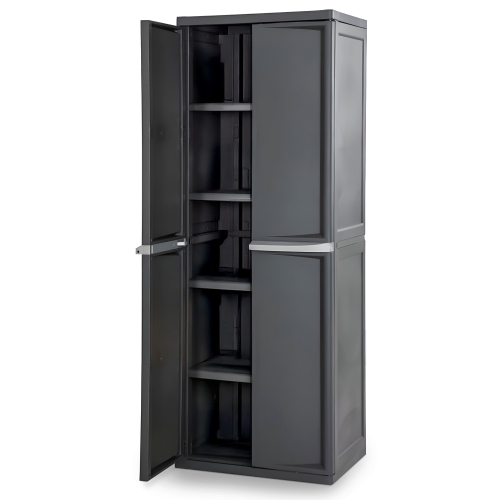 Your price for this item is $576.99
-
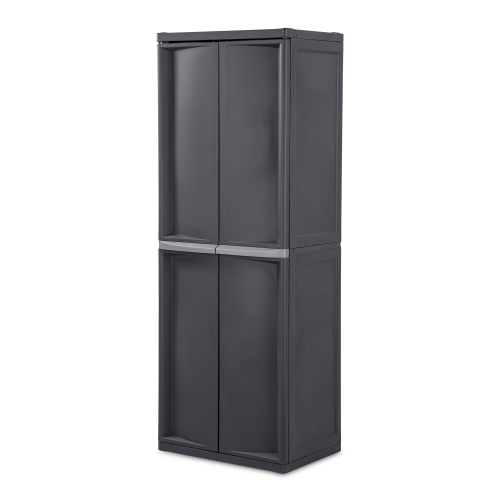 Your price for this item is $1166.99
-
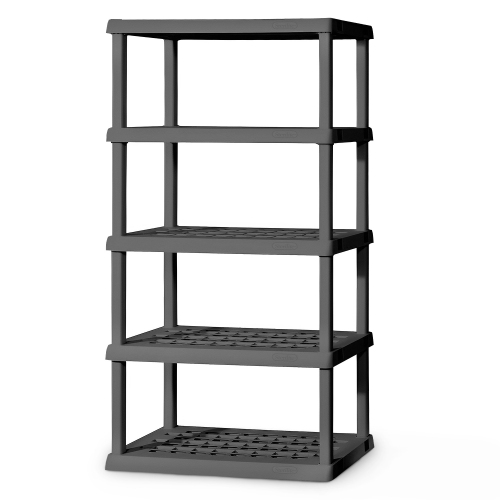 Your price for this item is $347.99
-
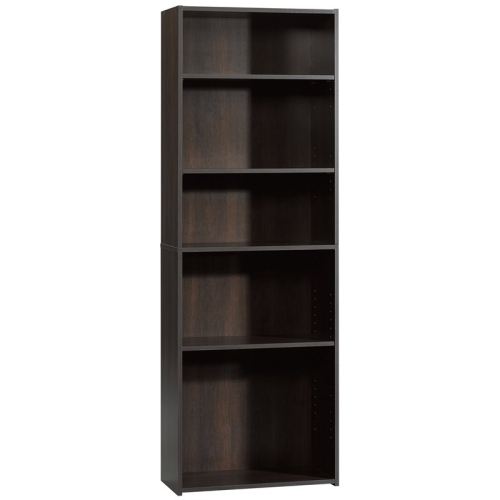 Your price for this item is $208.99
-
 Your price for this item is $137.99
-
 Your price for this item is $592.99
-
 Your price for this item is $599
-
 Your price for this item is $186.99
Discover more categories related to White Cube Shelves
Top Collections:
Best Black Friday Deals This Year, Best Black Friday Deals On Electronics, Kindle Devices, Best Black Friday Deals On Apple Products, Best Budget Office Chairs, Best Cameras for Sports Photography, Dyson Airwrap, Canon G7X Cameras, Best Laptops for Writers, Samsung Galaxy Phones
Some products may be subject to Environmental Handling Fees
(EHF) depending on your province.
Learn more about EHFs.