White Faux Leather Dining Chairs
A dining chair is one of the most important pieces of furniture in your home. Not only do they provide comfort and style, but these dining chairs also help to create a sense of ambiance in your dining room. Here are some of our favorite white faux leather dining chairs.
Sort
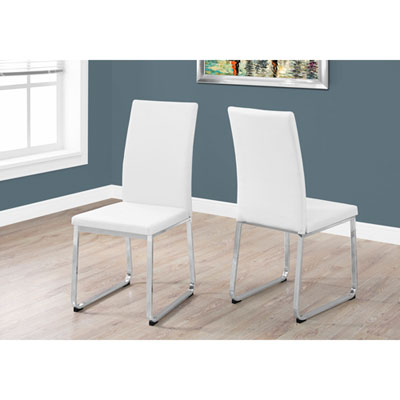
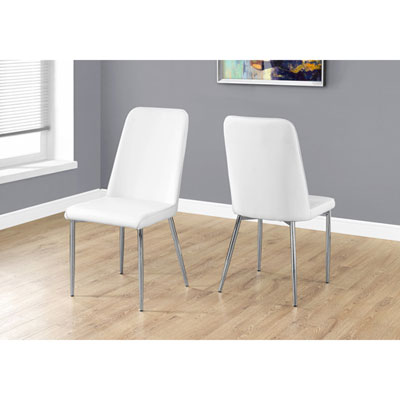
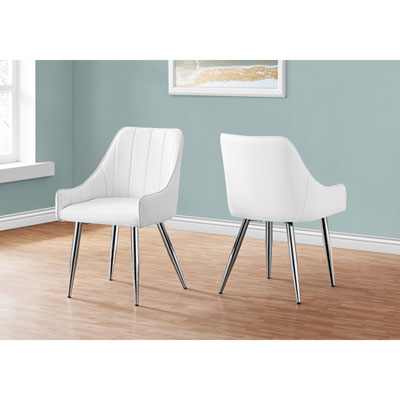
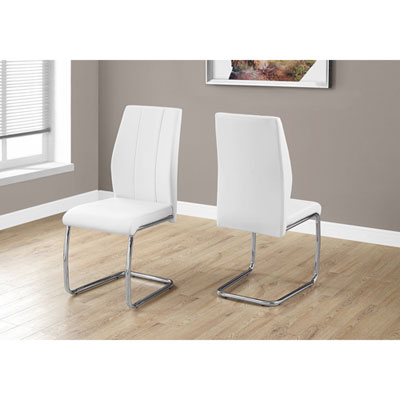
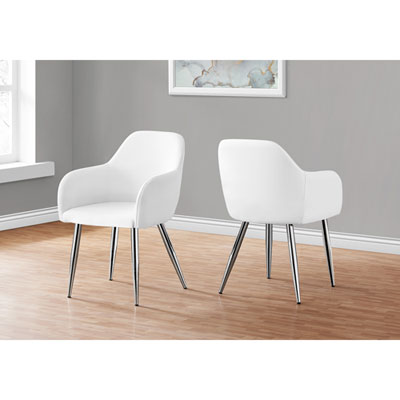
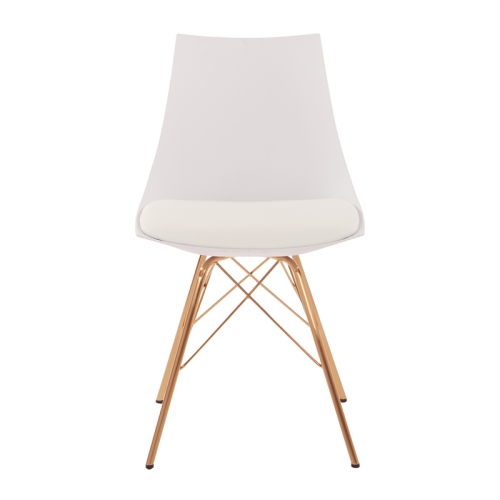
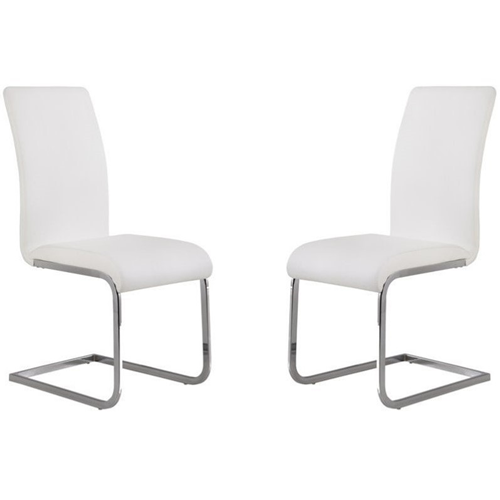
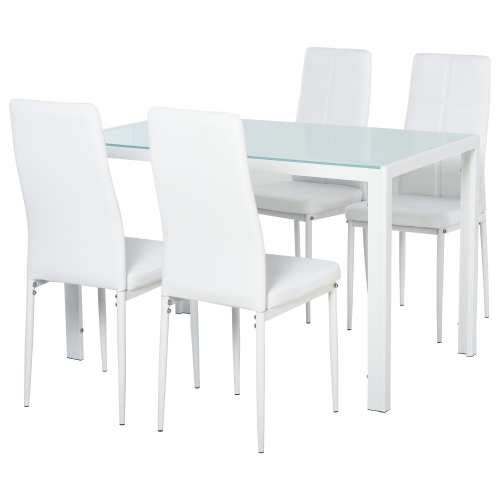
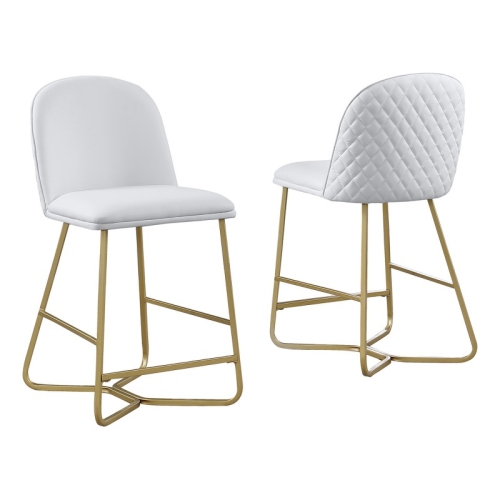
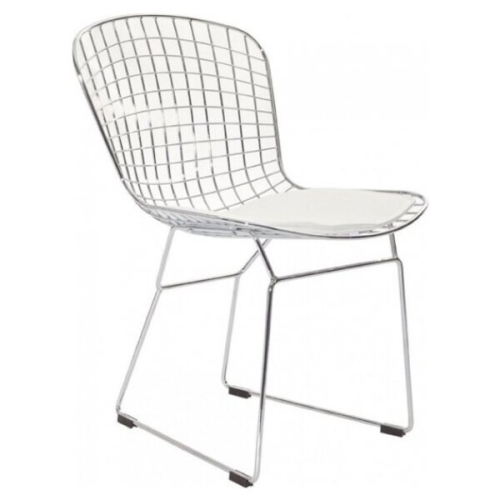
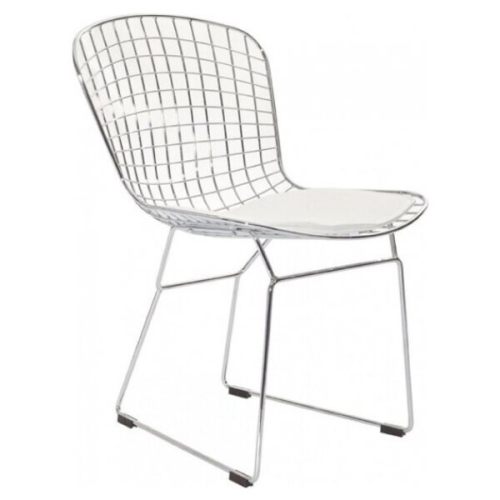
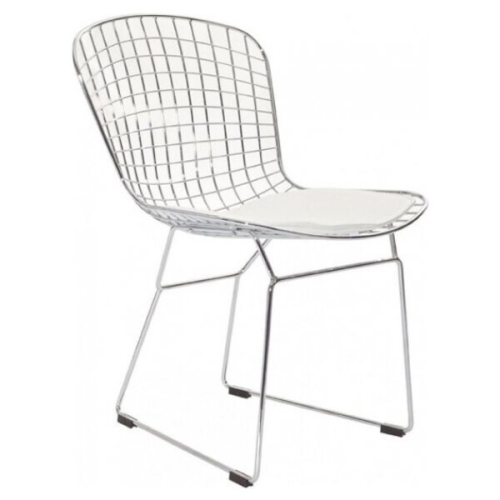
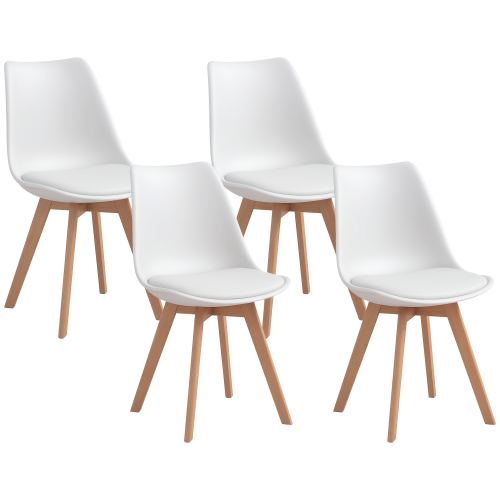
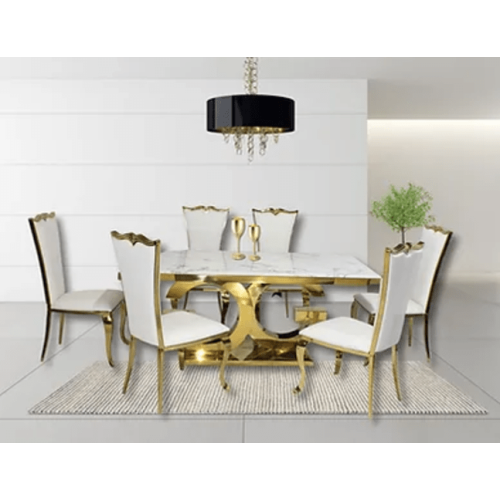
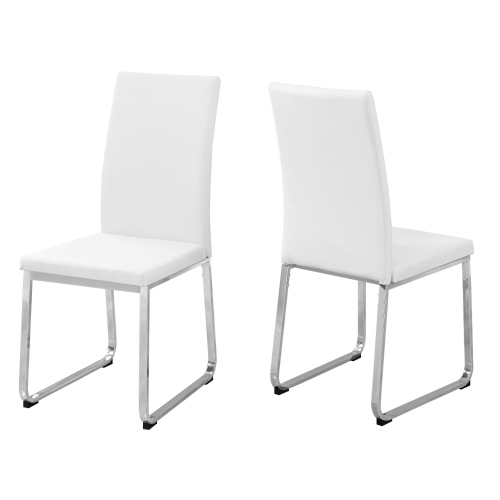
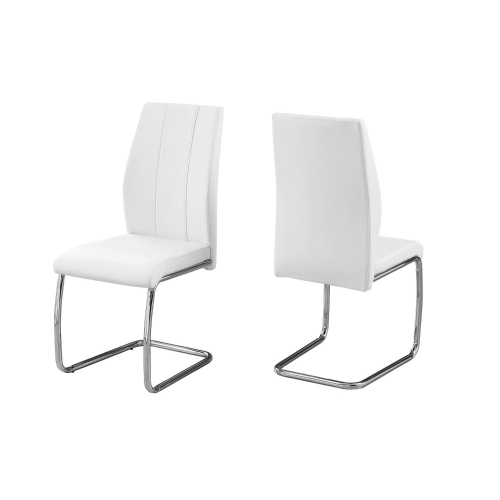
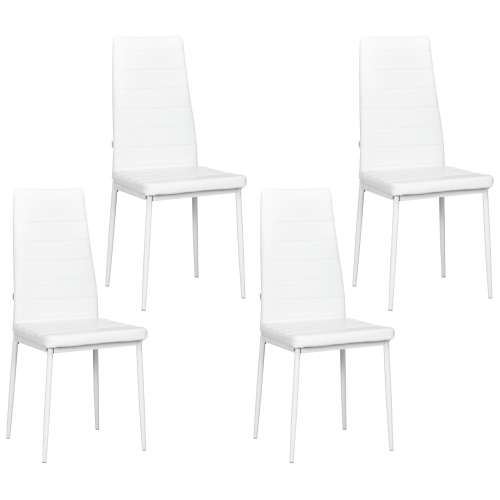
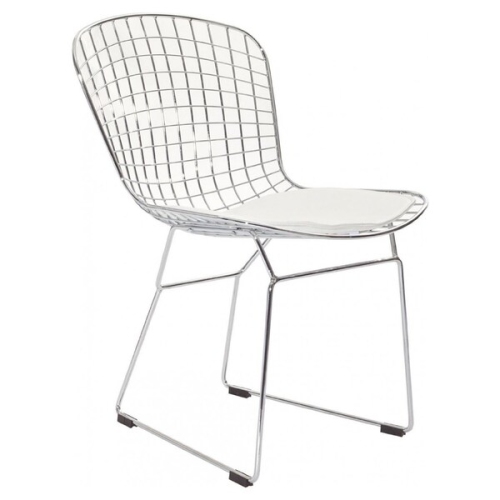
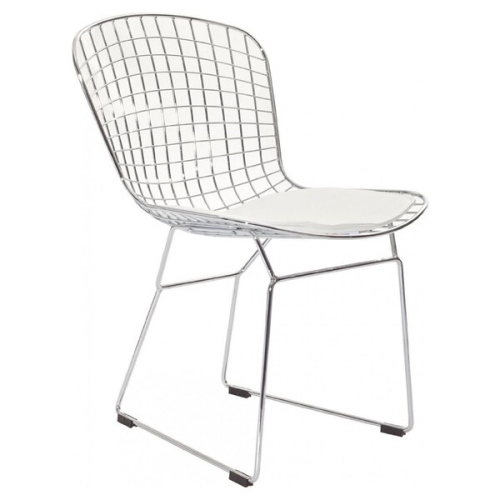
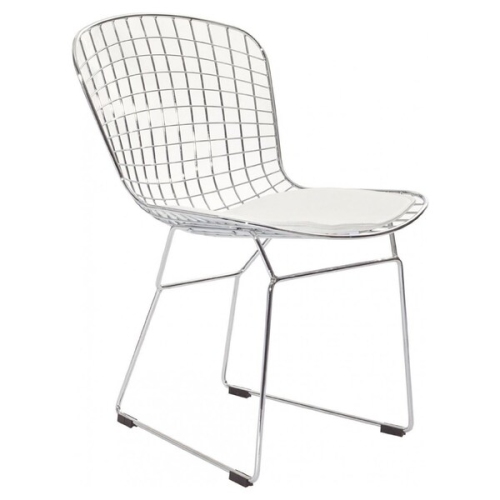
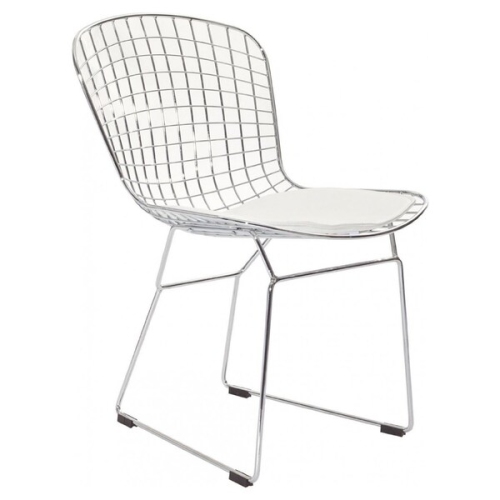
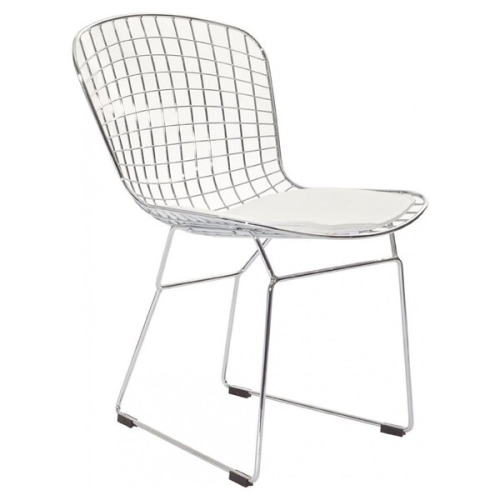
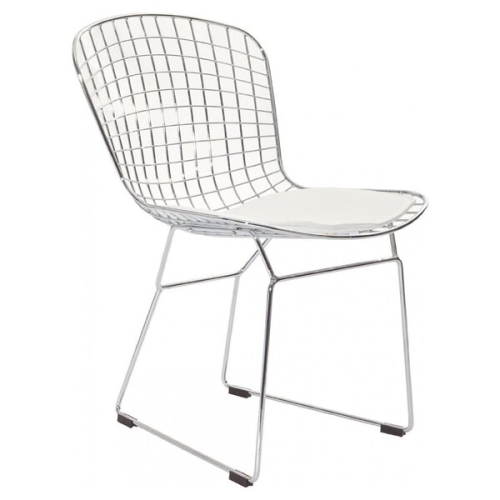
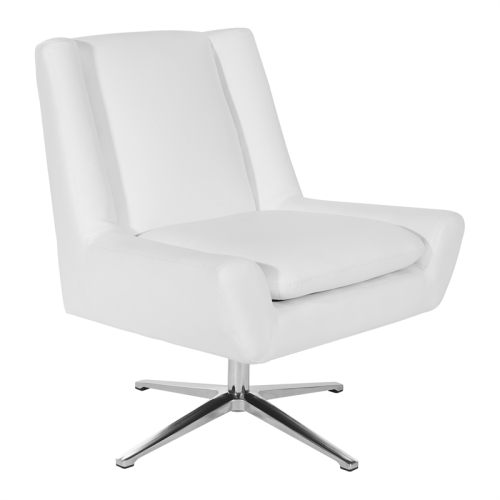
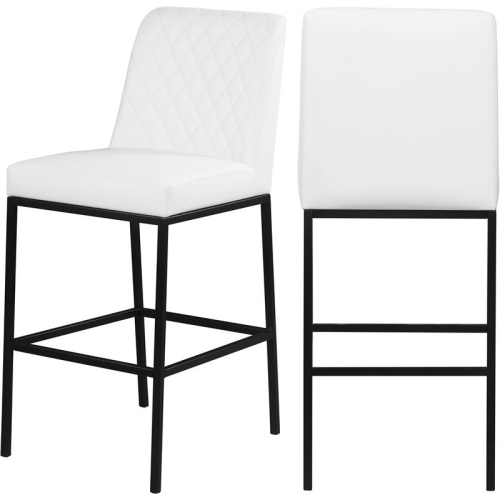
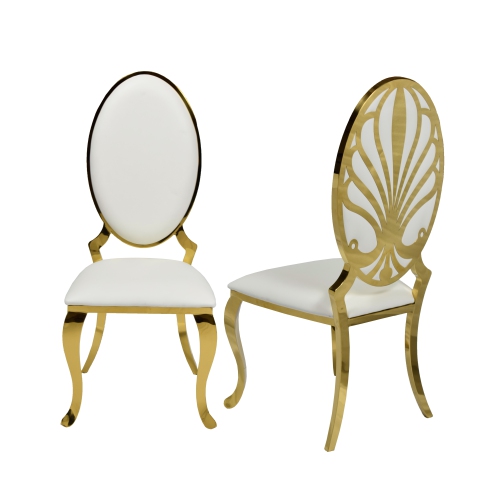
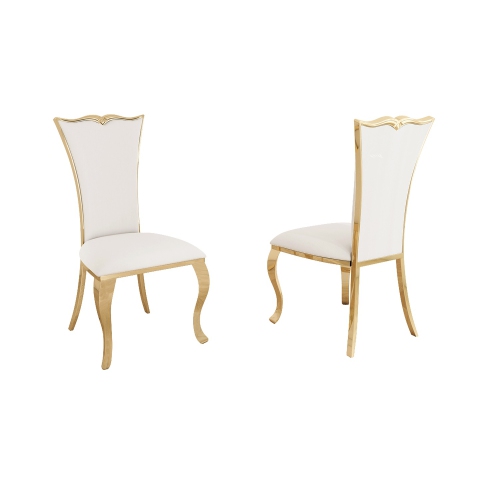
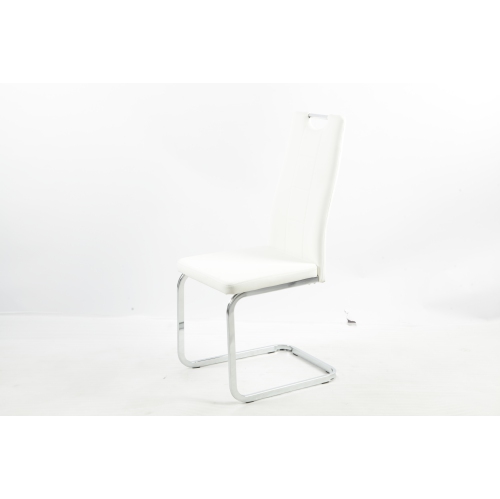
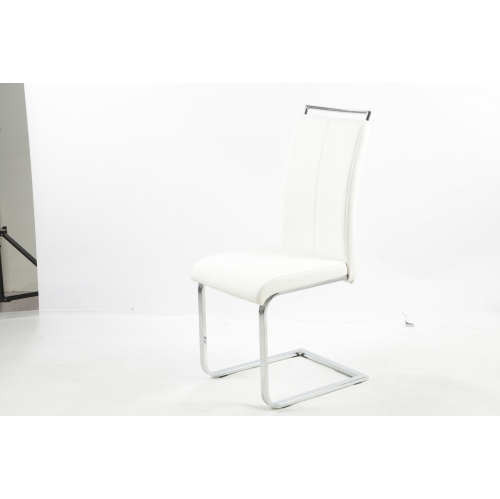
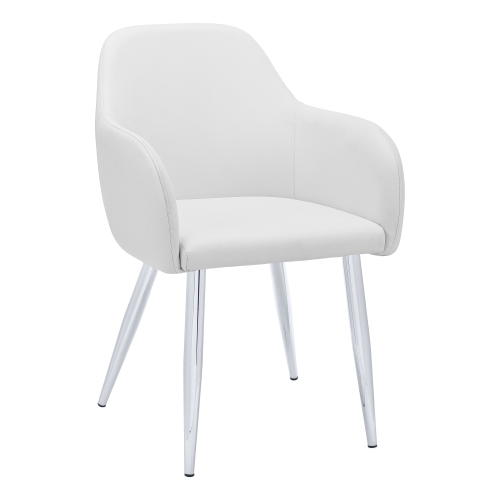
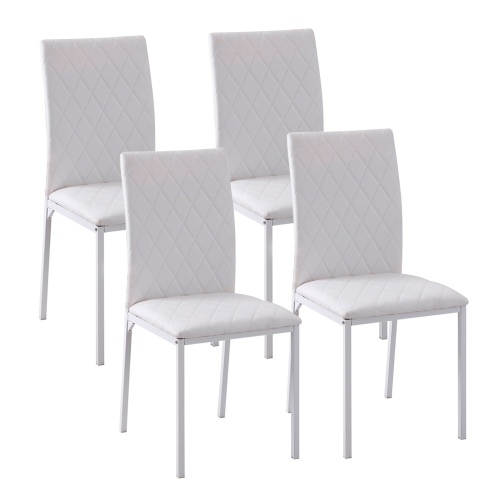
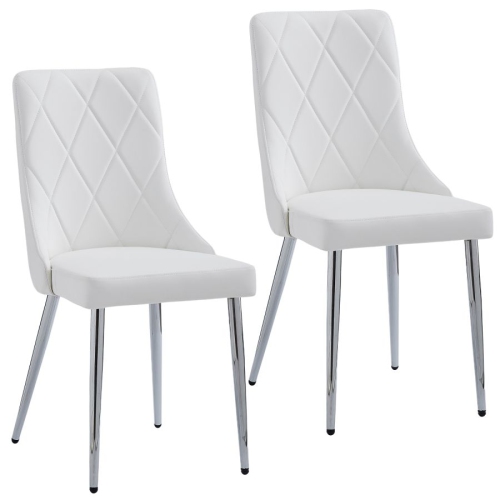
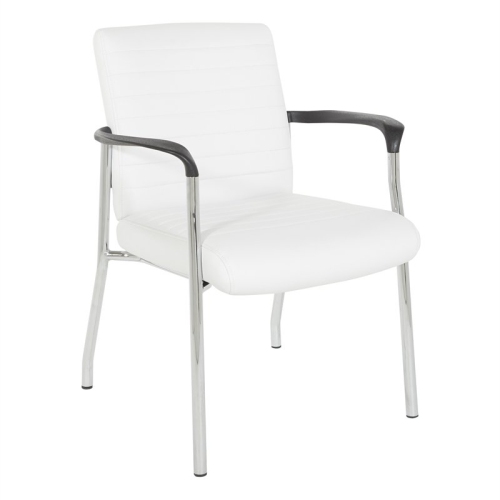
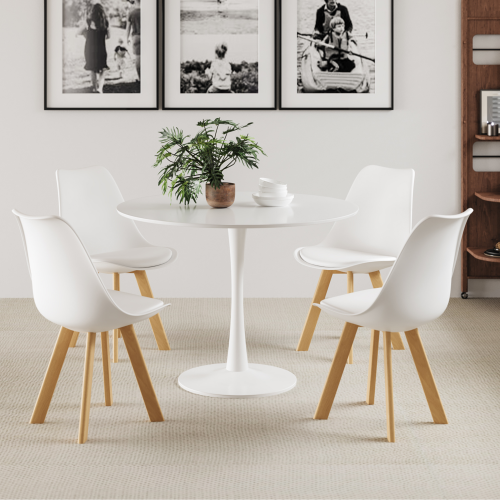
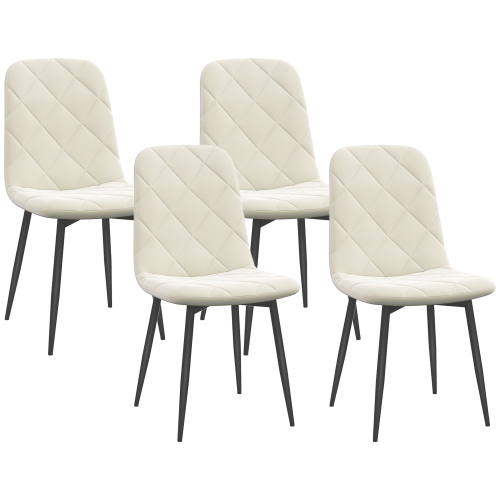
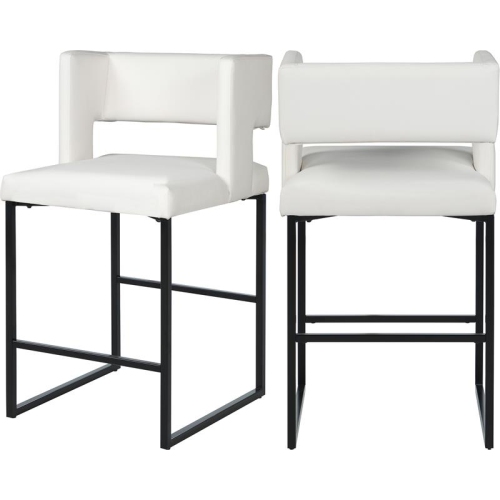
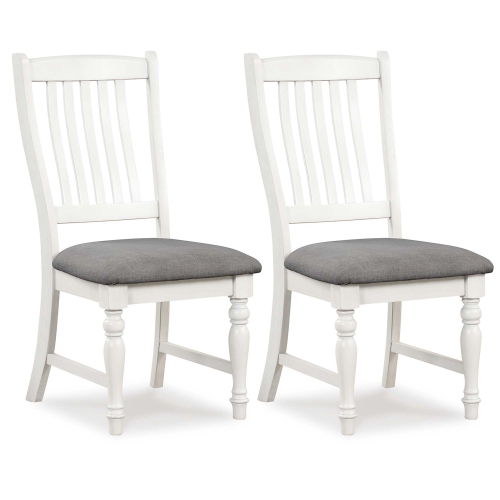
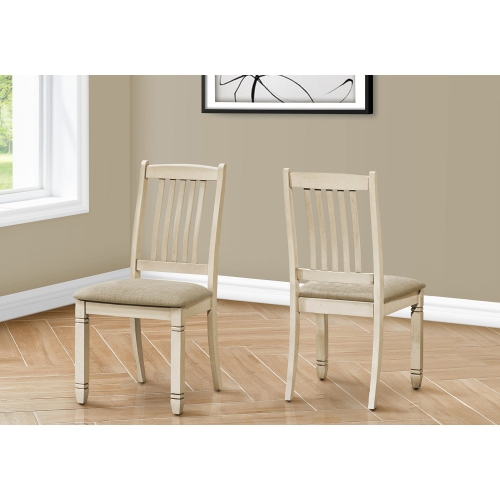
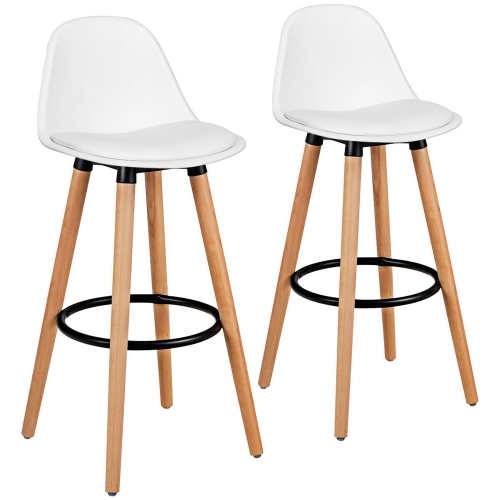
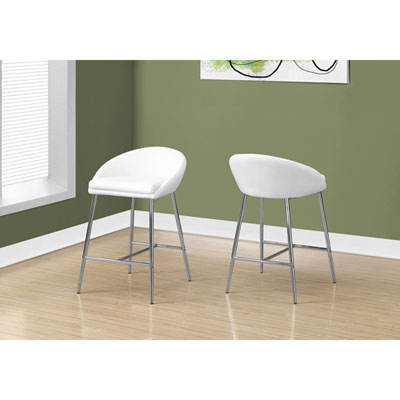
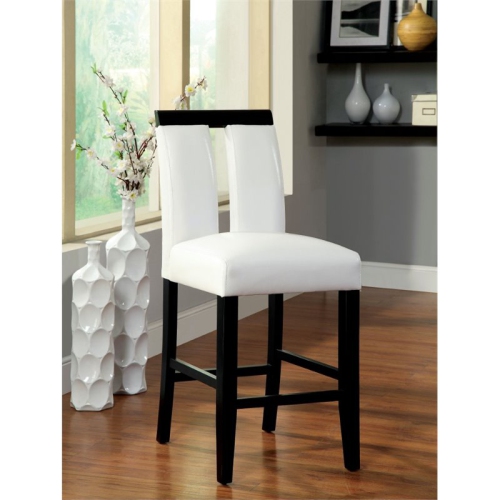
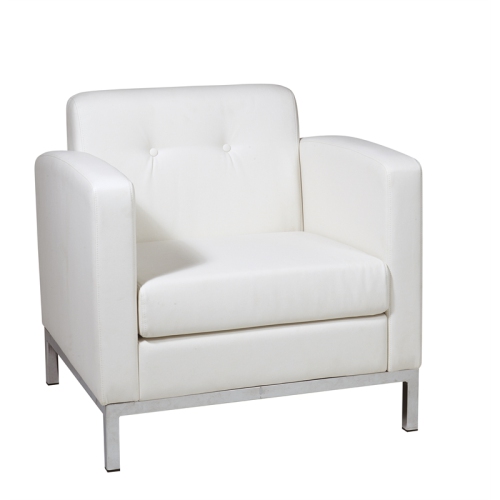
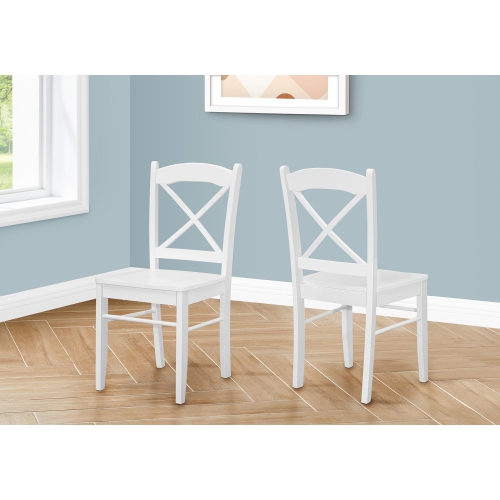
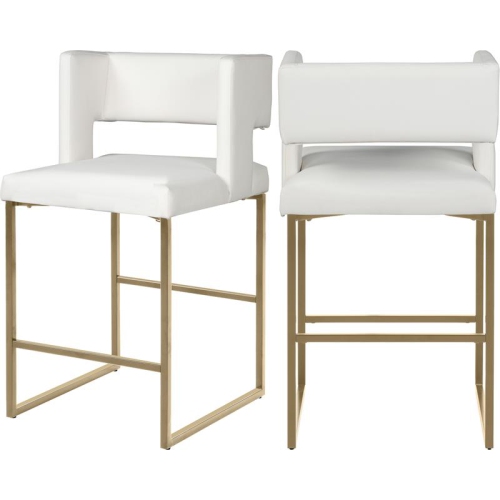
How white upholstery pairs with your dining table
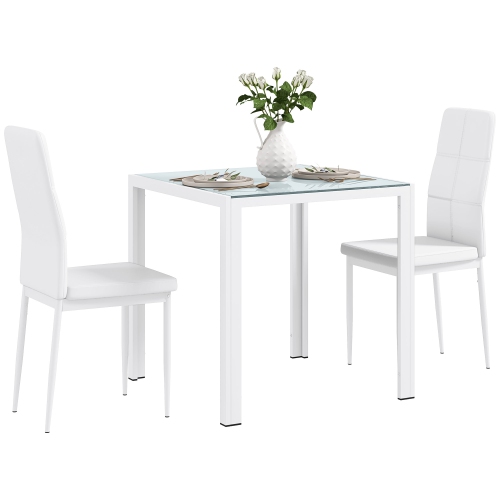
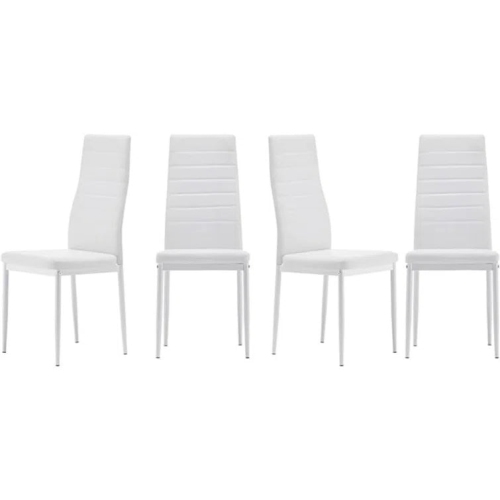
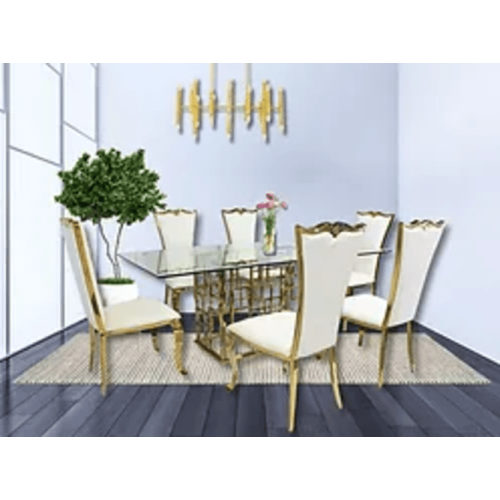
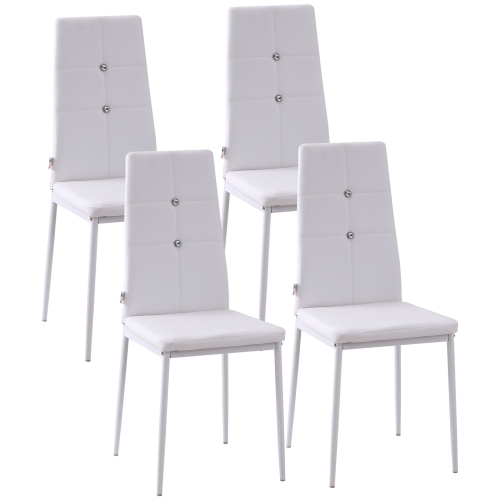
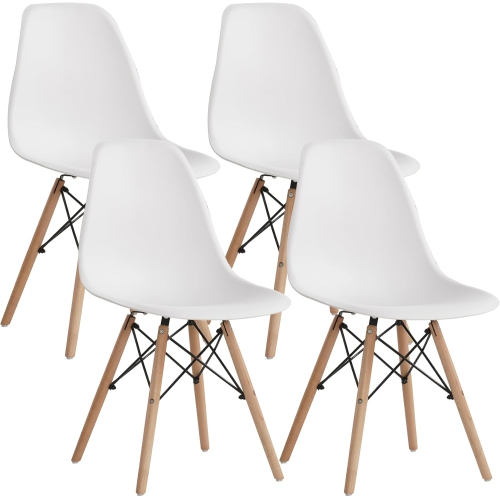
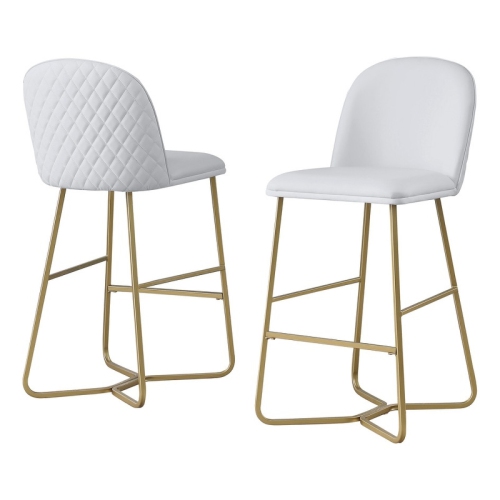
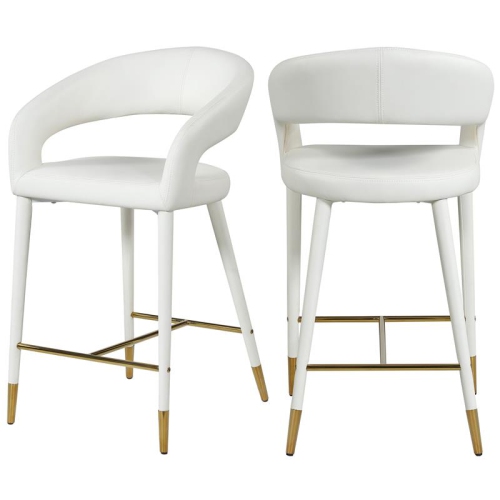
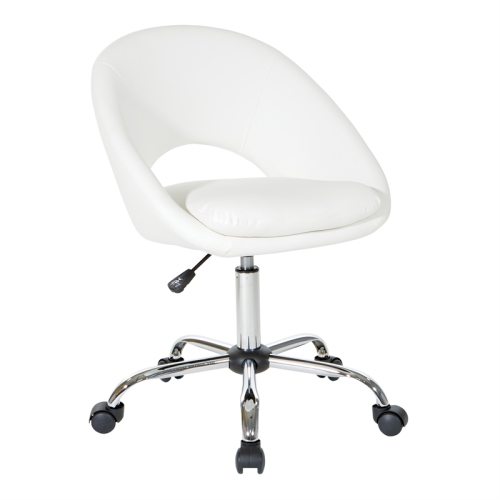
White faux leather dining chairs bring a light, tailored look to the dining area, with smooth upholstery that contrasts with the grain of a wooden table or the dark edge of a metal frame. Their appeal lies partly in that balance: the colour feels crisp, while a padded seat can make an everyday dining space more inviting. Around a pale oak table, white upholstery creates a gentle, tonal arrangement; beside walnut or black finishes, it adds a stronger contrast. Glass tabletops leave more of the chair visible, making the shape of the legs and the finish on the back especially important. White also varies more than it might first appear. Some upholstery has a bright, cool cast, while other finishes lean towards ivory or cream, so the relationship between the chairs, nearby cabinetry, and flooring affects the overall result. Smooth backs and slim legs suit a pared-back room, while stitched panels, curved silhouettes, or upholstered arms add detail without introducing another colour. Faux leather is a manufactured upholstery material designed to resemble leather, commonly made with a polyurethane or polyvinyl chloride surface over a backing. Its texture may be nearly smooth or have a visible grain, and its sheen can range from matte to noticeably glossy. Those differences influence both the appearance of a chair and how it feels against clothing. For a dining area that opens into the living room, repeating a chair’s leg finish in a lamp base or side table can help the spaces feel connected. A contrasting arrangement with Black Faux Leather Dining Chairs can also work, particularly when the silhouettes or frame finishes share a common detail. Whether arranged around a compact kitchen table or a larger dining table, white faux leather chairs offer a neutral starting point for colourful dishes, patterned table linens, and the everyday objects that make a room feel lived in.
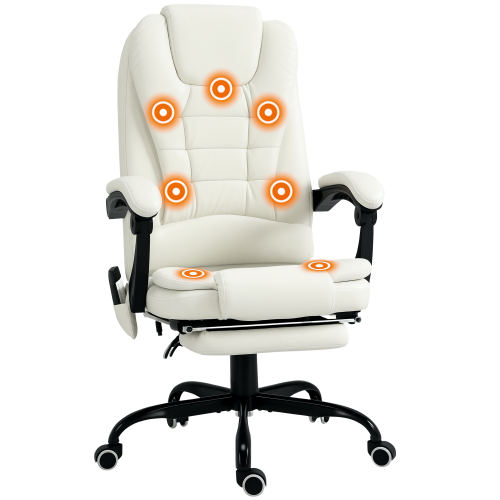
Fit matters as much as appearance, especially when several chairs need to sit comfortably around one table. Overall chair width, seat height, seat depth, and back height each tell a different part of the story. A generously padded chair may look compact from the front yet extend well beyond the table when pulled out. Checking the distance between the table legs is more useful than relying on tabletop length alone, since corner legs, stretchers, and pedestal bases can limit where chairs sit. As a general starting point, approximately 10 to 12 inches between the top of the seat and the underside of the tabletop gives many adults comfortable legroom, though an apron beneath the table can reduce that space. Armchairs need an additional clearance check so their arms can tuck underneath rather than stop against the edge. Allow enough room behind each chair for someone to pull it out and stand up, with extra space where people regularly walk past. In a smaller condo dining nook, armless chairs often tuck in more neatly, while a pair of wider chairs at the ends of a rectangular table can provide a more relaxed place to linger. Comfort depends on more than the amount of padding. A supportive back angle, a seat depth that lets the user sit back without pressure behind the knees, and feet resting securely on the floor all contribute to a better fit. Firmer cushioning can feel supportive through a full meal, whereas very soft padding may compress more than expected. Taller backs offer a different sitting experience from low, curved backs and remain more visible above the table. For a dining table that also hosts homework, board games, or occasional laptop use, these details deserve particular attention. Dining chairs are designed primarily for meals and shared activities, however, and may not offer the adjustability needed for a full workday at a desk.
Care and construction help determine how well white faux leather dining chairs suit daily life. A wipeable surface can be practical where breakfast crumbs and small spills are common, but faux leather is not automatically stainproof, scratchproof, or suitable for every cleaning product. White upholstery can show food marks, ink, and dye transferred from dark clothing, making prompt attention useful. For routine care, a soft cloth lightly dampened with water may be sufficient; any soap or specialist cleaner should match the manufacturer’s directions and be tested on a concealed area first. Removing a spill gently rather than scrubbing hard helps protect the surface, and drying it afterwards prevents moisture from lingering around seams. Abrasive pads, solvents, and products intended for genuine leather may damage some faux leather finishes. Crumbs can collect along stitching or where the seat meets the back, so those areas benefit from careful cleaning with a soft brush or an appropriate vacuum attachment. Placement matters too: prolonged direct sunlight and nearby heat sources can affect some upholstery finishes, while sharp objects and pet claws may puncture or scratch the surface. Beneath the upholstery, frame materials, joint construction, and cushioning all contribute to durability. Solid wood, metal, and mixed-material frames can each provide reliable support when well constructed; material alone does not establish how sturdy a chair will feel. Weight-capacity information, assembly requirements, and instructions for checking fasteners are useful details when assessing suitability for regular use. Floor protectors should suit the flooring and be kept free of grit, particularly on hardwood where chairs move back and forth every day. In homes with children, a stable base and straightforward cleaning routine are valuable, although a dining chair does not replace an age-appropriate high chair or booster. For frequent hosts, manageable chair weight makes rearranging seats easier, while finished backs keep the dining area looking considered from adjoining rooms. The most practical choice brings these details together: proportions that fit the table, a seat that feels supportive, and upholstery whose care needs work with the household’s routine.
Fit matters as much as appearance, especially when several chairs need to sit comfortably around one table. Overall chair width, seat height, seat depth, and back height each tell a different part of the story. A generously padded chair may look compact from the front yet extend well beyond the table when pulled out. Checking the distance between the table legs is more useful than relying on tabletop length alone, since corner legs, stretchers, and pedestal bases can limit where chairs sit. As a general starting point, approximately 10 to 12 inches between the top of the seat and the underside of the tabletop gives many adults comfortable legroom, though an apron beneath the table can reduce that space. Armchairs need an additional clearance check so their arms can tuck underneath rather than stop against the edge. Allow enough room behind each chair for someone to pull it out and stand up, with extra space where people regularly walk past. In a smaller condo dining nook, armless chairs often tuck in more neatly, while a pair of wider chairs at the ends of a rectangular table can provide a more relaxed place to linger. Comfort depends on more than the amount of padding. A supportive back angle, a seat depth that lets the user sit back without pressure behind the knees, and feet resting securely on the floor all contribute to a better fit. Firmer cushioning can feel supportive through a full meal, whereas very soft padding may compress more than expected. Taller backs offer a different sitting experience from low, curved backs and remain more visible above the table. For a dining table that also hosts homework, board games, or occasional laptop use, these details deserve particular attention. Dining chairs are designed primarily for meals and shared activities, however, and may not offer the adjustability needed for a full workday at a desk.
Care and construction help determine how well white faux leather dining chairs suit daily life. A wipeable surface can be practical where breakfast crumbs and small spills are common, but faux leather is not automatically stainproof, scratchproof, or suitable for every cleaning product. White upholstery can show food marks, ink, and dye transferred from dark clothing, making prompt attention useful. For routine care, a soft cloth lightly dampened with water may be sufficient; any soap or specialist cleaner should match the manufacturer’s directions and be tested on a concealed area first. Removing a spill gently rather than scrubbing hard helps protect the surface, and drying it afterwards prevents moisture from lingering around seams. Abrasive pads, solvents, and products intended for genuine leather may damage some faux leather finishes. Crumbs can collect along stitching or where the seat meets the back, so those areas benefit from careful cleaning with a soft brush or an appropriate vacuum attachment. Placement matters too: prolonged direct sunlight and nearby heat sources can affect some upholstery finishes, while sharp objects and pet claws may puncture or scratch the surface. Beneath the upholstery, frame materials, joint construction, and cushioning all contribute to durability. Solid wood, metal, and mixed-material frames can each provide reliable support when well constructed; material alone does not establish how sturdy a chair will feel. Weight-capacity information, assembly requirements, and instructions for checking fasteners are useful details when assessing suitability for regular use. Floor protectors should suit the flooring and be kept free of grit, particularly on hardwood where chairs move back and forth every day. In homes with children, a stable base and straightforward cleaning routine are valuable, although a dining chair does not replace an age-appropriate high chair or booster. For frequent hosts, manageable chair weight makes rearranging seats easier, while finished backs keep the dining area looking considered from adjoining rooms. The most practical choice brings these details together: proportions that fit the table, a seat that feels supportive, and upholstery whose care needs work with the household’s routine.
Top selling and popular products
-
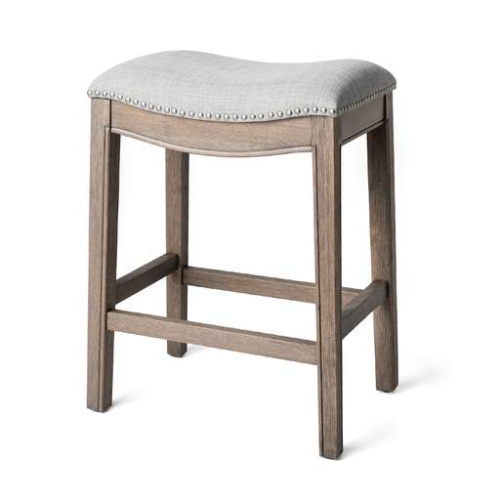 Your price for this item is $210.99
 -
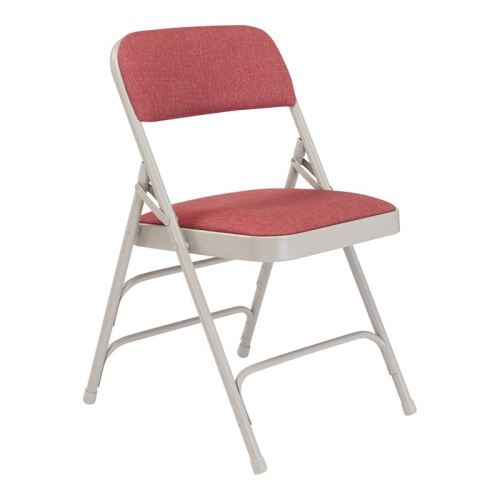 Your price for this item is $399.16
 -
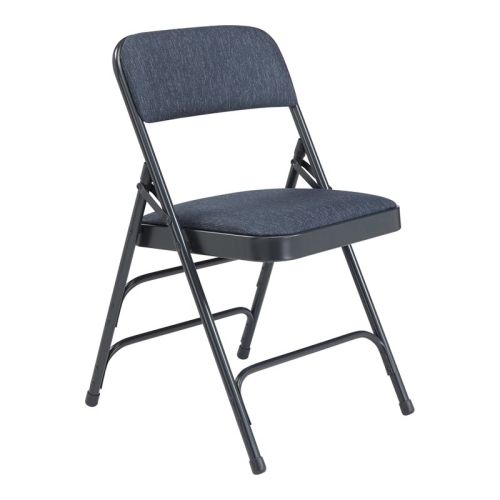 Your price for this item is $413.92
 -
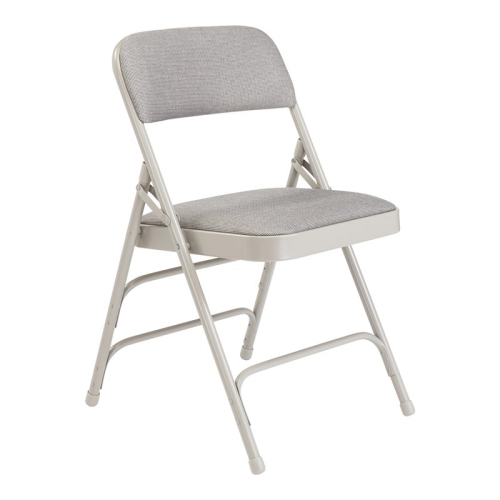 Your price for this item is $395.27
 -
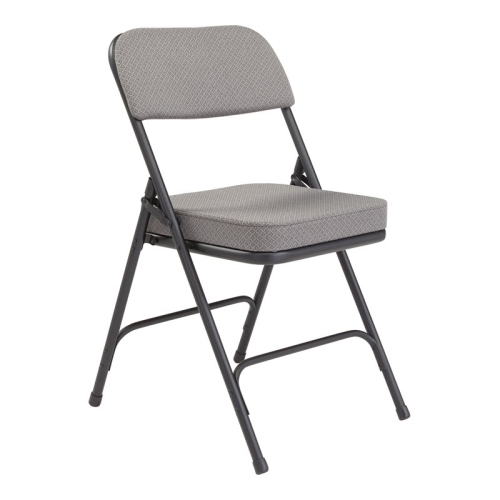 Your price for this item is $282.44
 -
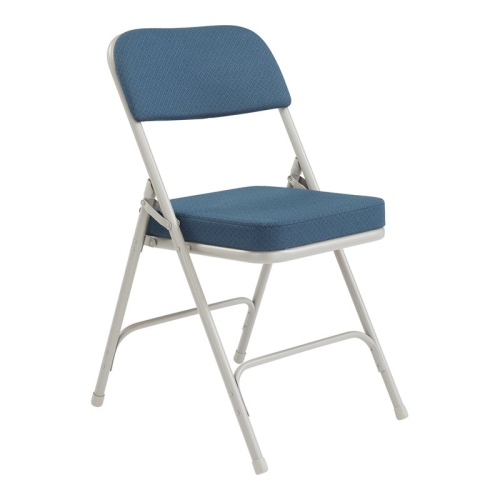 Your price for this item is $279.98
 -
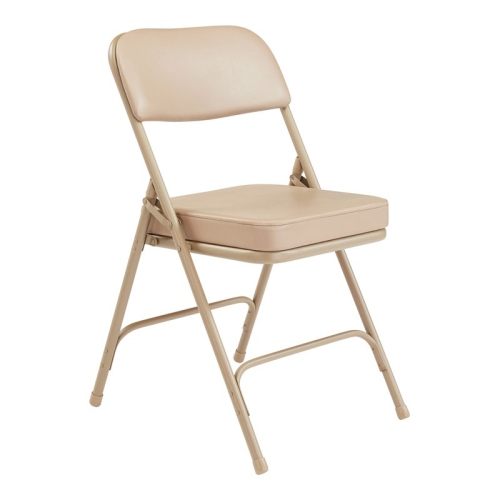 Your price for this item is $278.44
 -
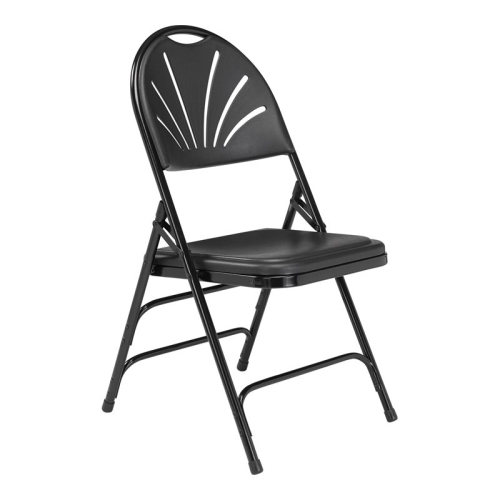 Your price for this item is $409.5
Discover more categories related to White Faux Leather Dining Chairs
Top Collections:
Pokemon Centers, Kindle Devices, Best Budget Office Chairs, Apple iPhones 16, Best Laptops for Writers, iPhone 15 Apple, Canon G7X Cameras, Refurbished Apple Laptops, Alarm Clock, Motorola Razr Phones
Some products may be subject to Environmental Handling Fees
(EHF) depending on your province.
Learn more about EHFs.