White Freestanding Shelves
Add a touch of elegance and functionality to your living space with our collection of white freestanding shelves. Whether you're looking to declutter your home office, showcase your favorite books, or create a stunning focal point in your living room, our versatile white freestanding shelves are designed to meet all your storage needs. Check out these great options for you.
Sort
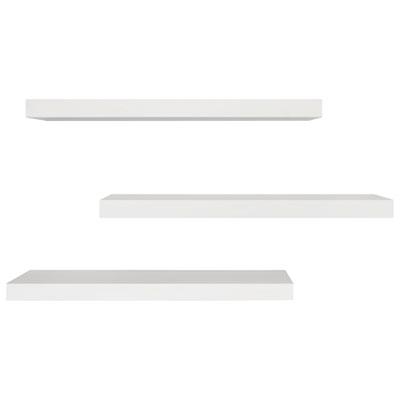
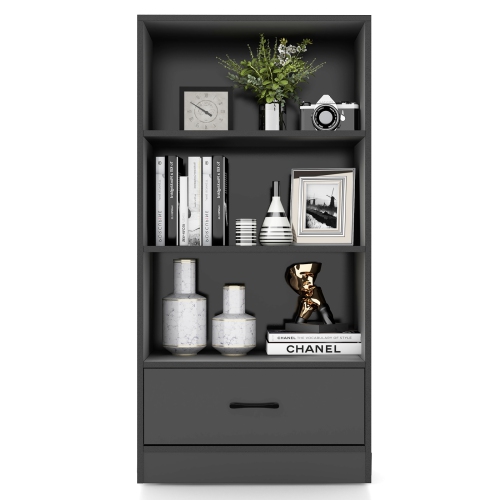
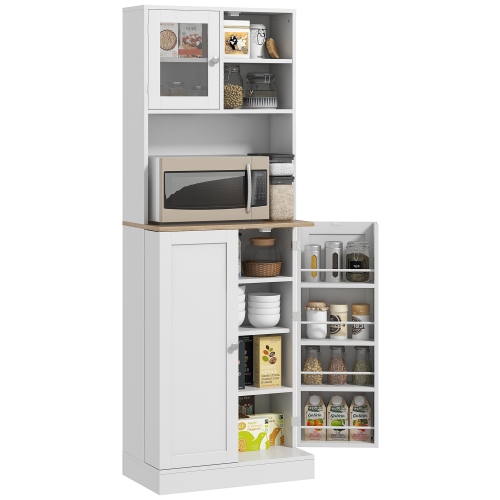
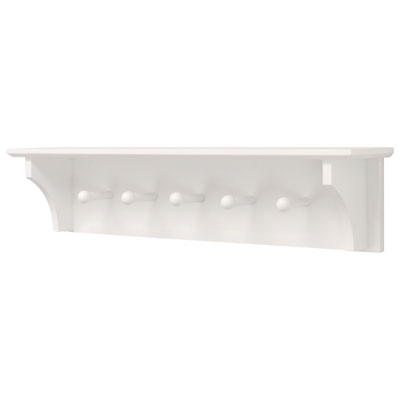
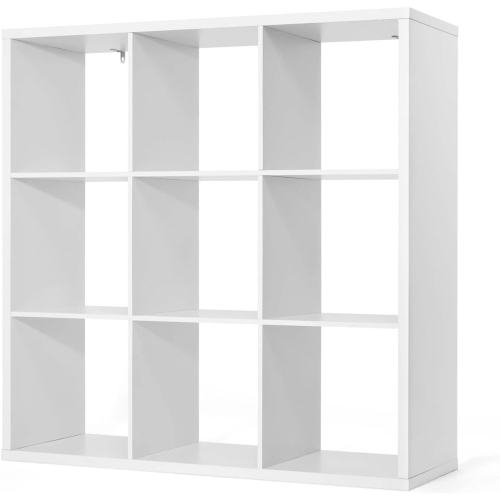
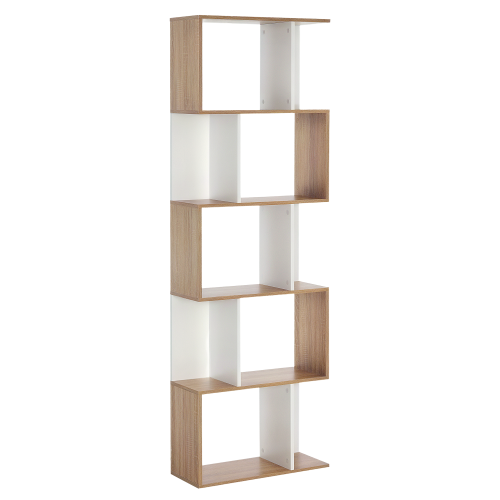
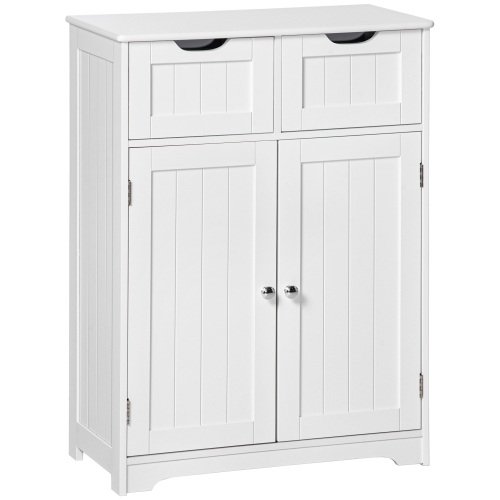
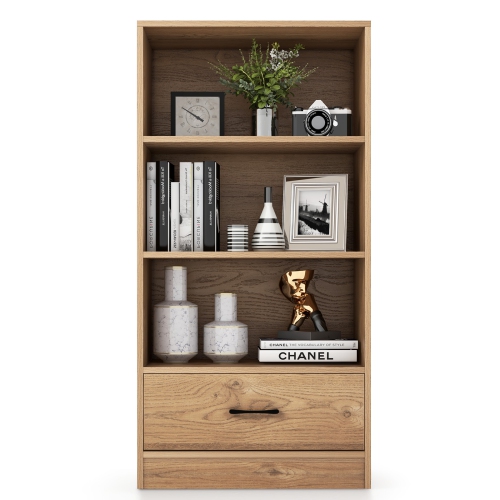
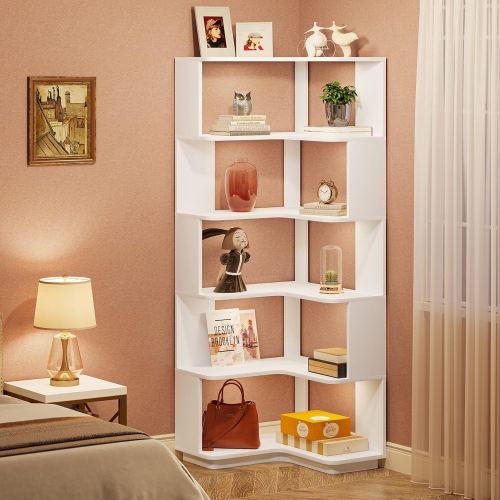
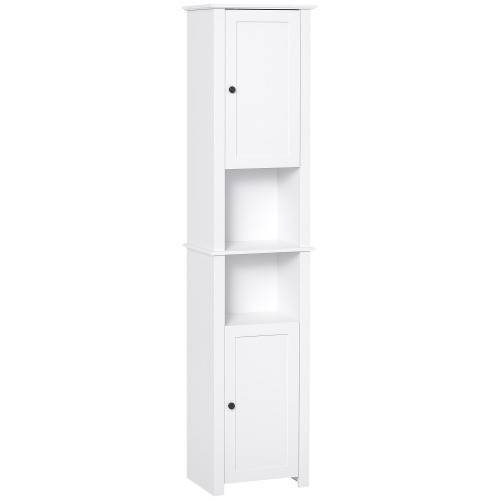
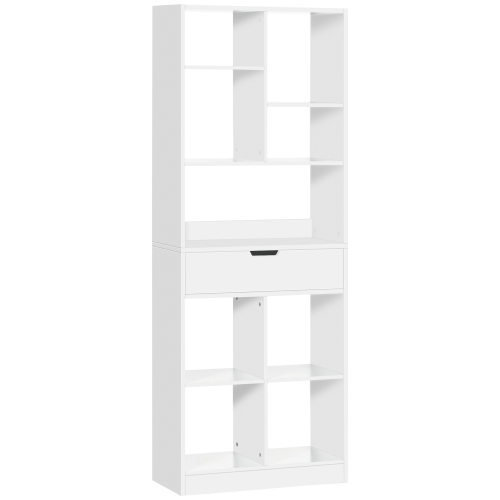

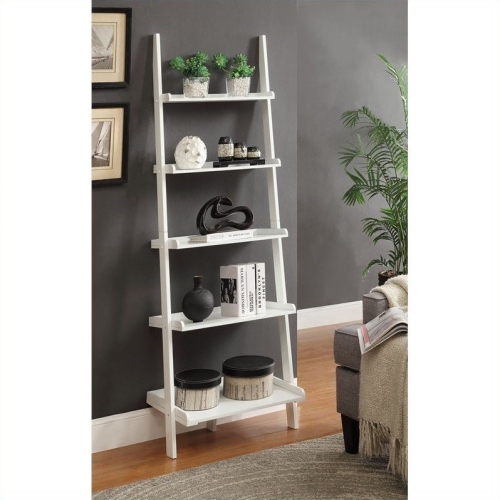
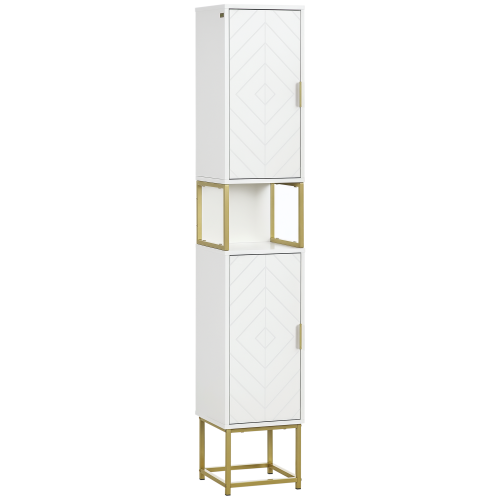
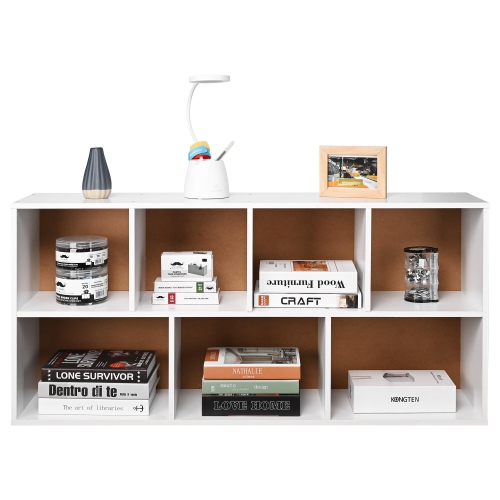
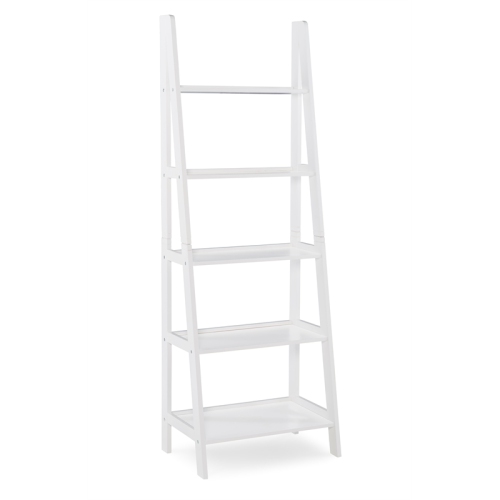
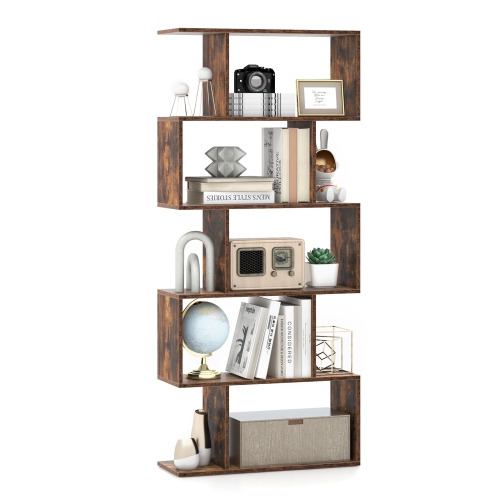


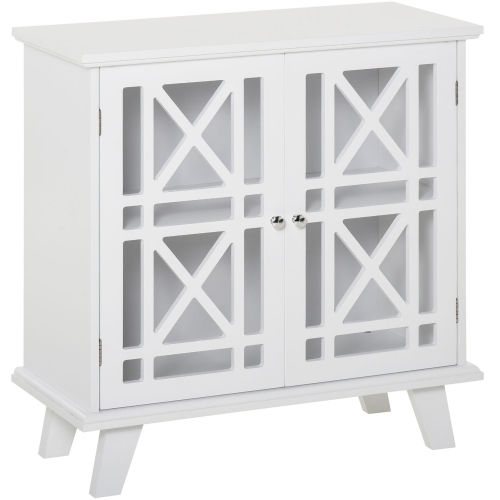
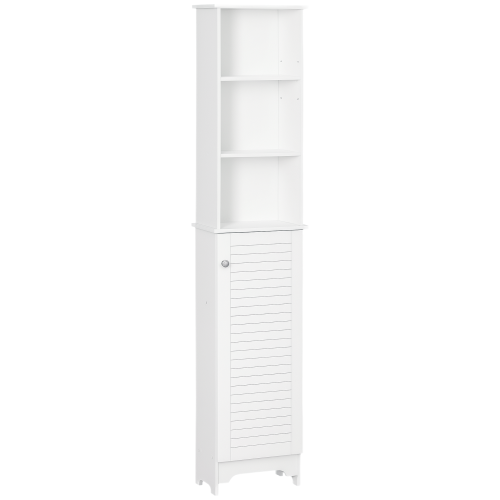

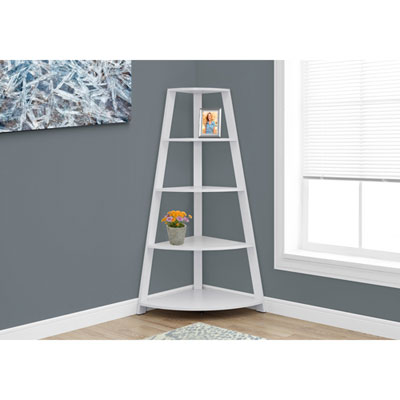
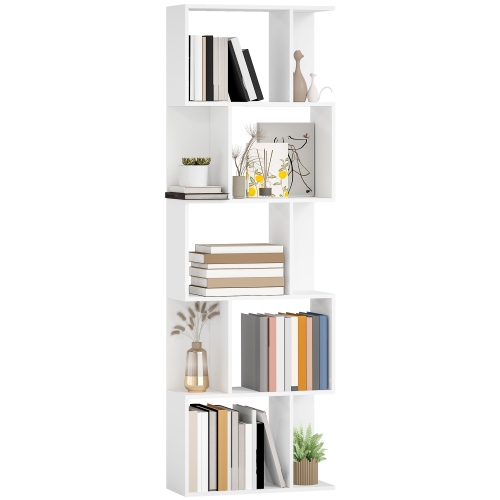
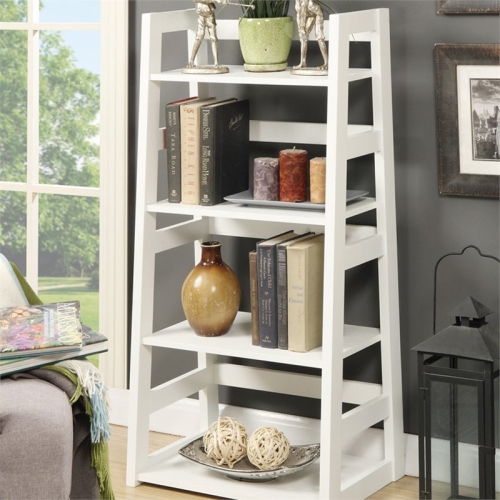
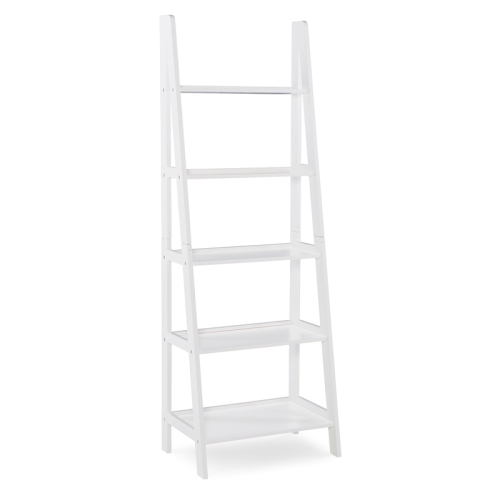
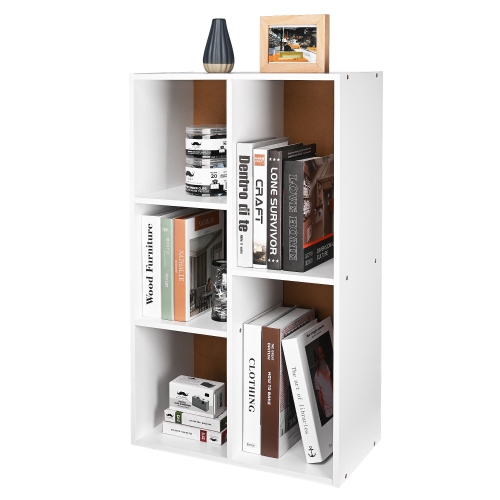
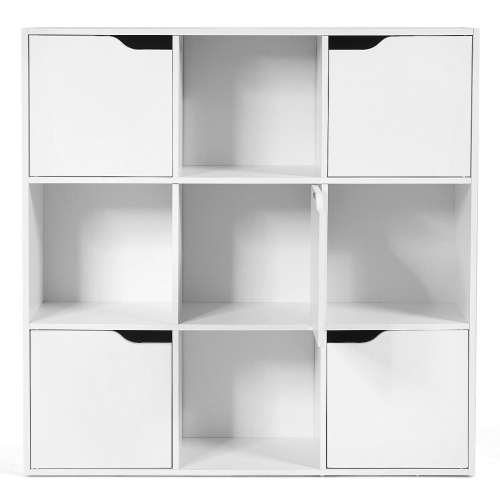
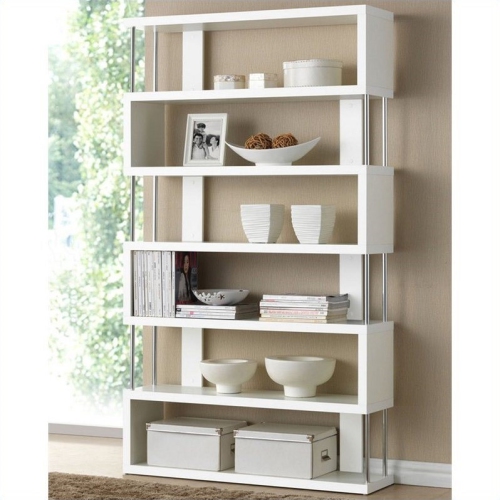

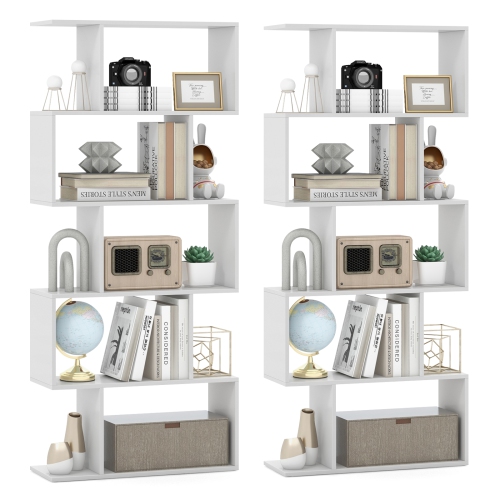
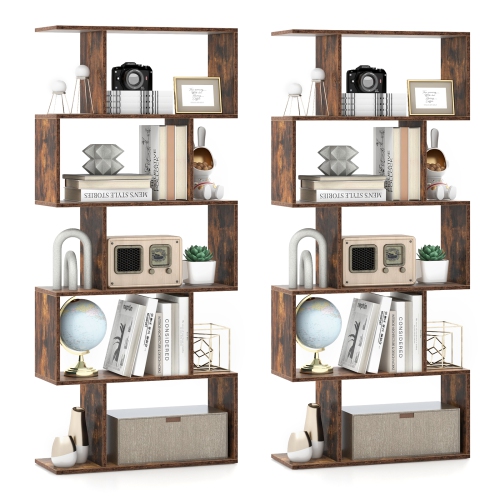
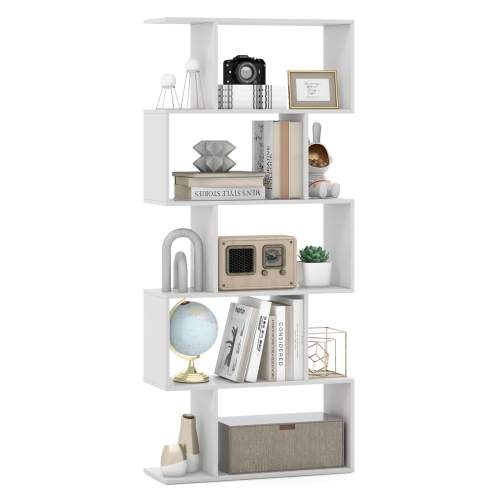
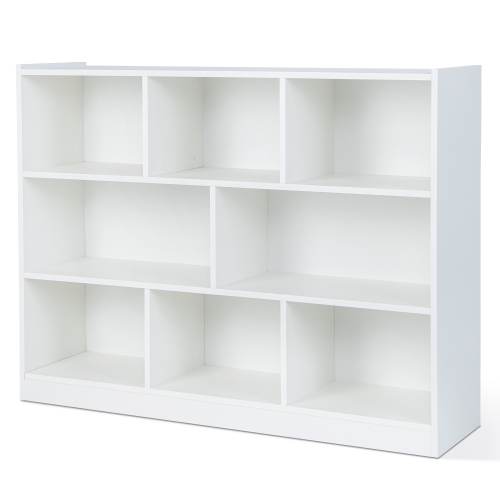
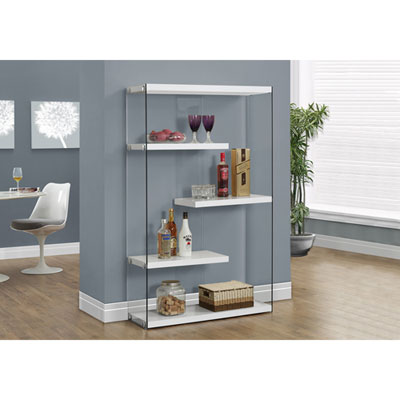
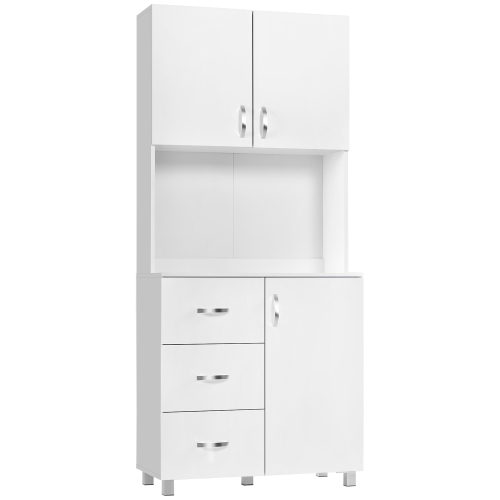
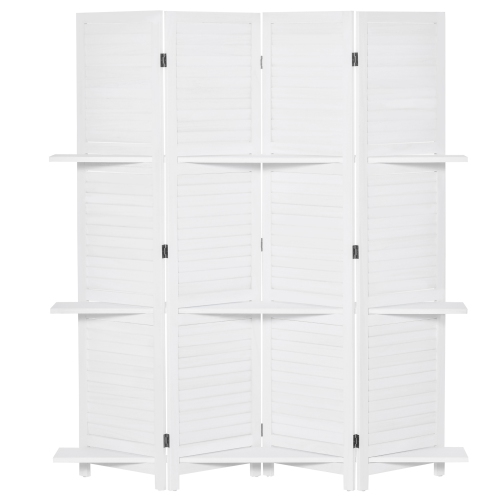
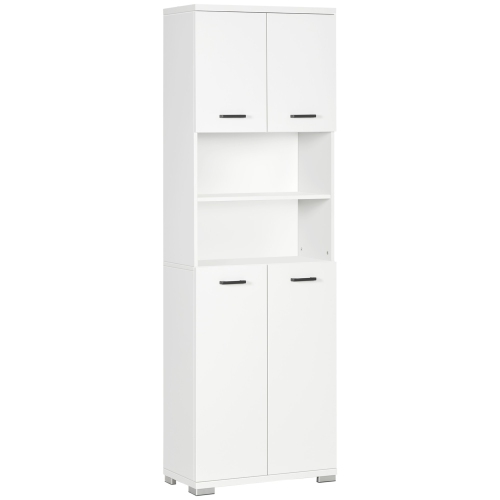
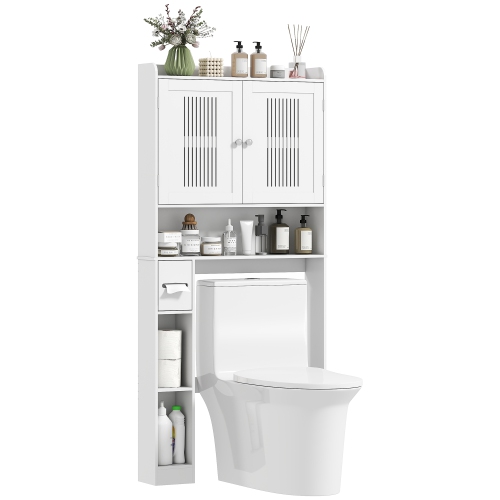

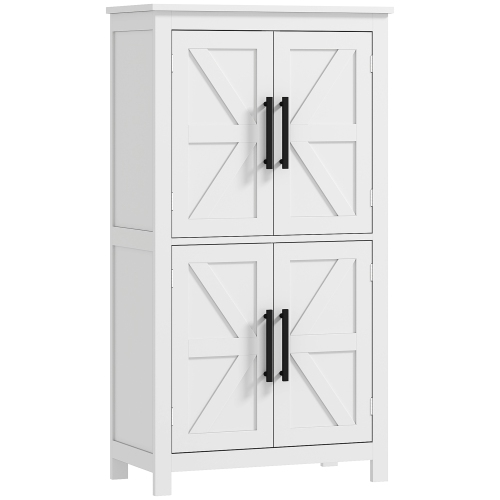
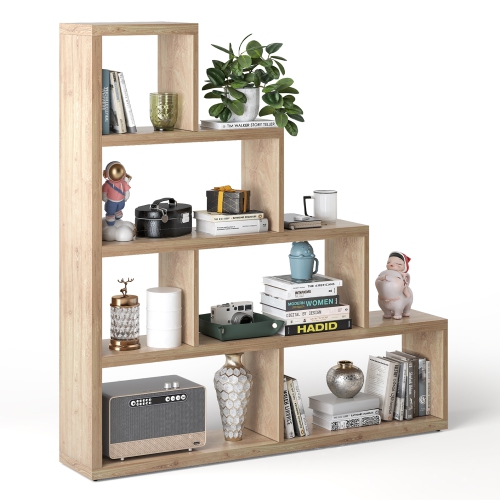

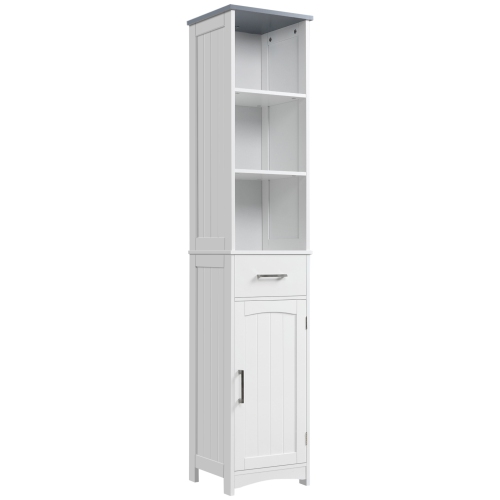
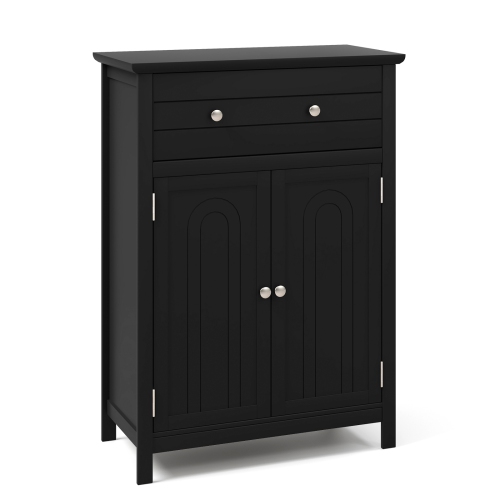
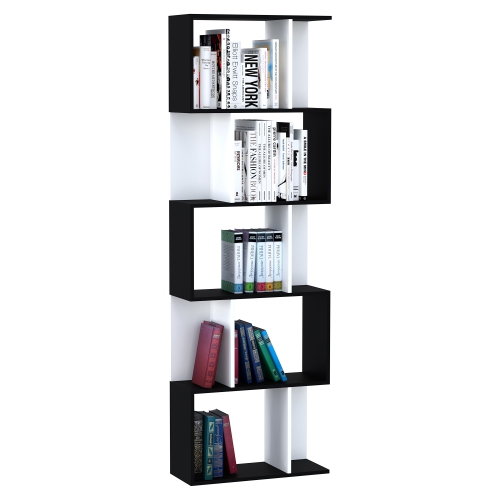
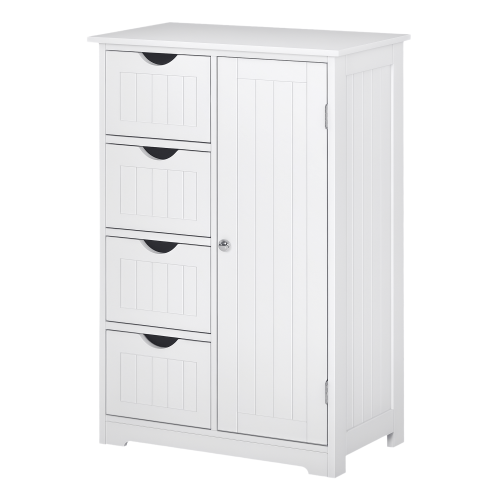
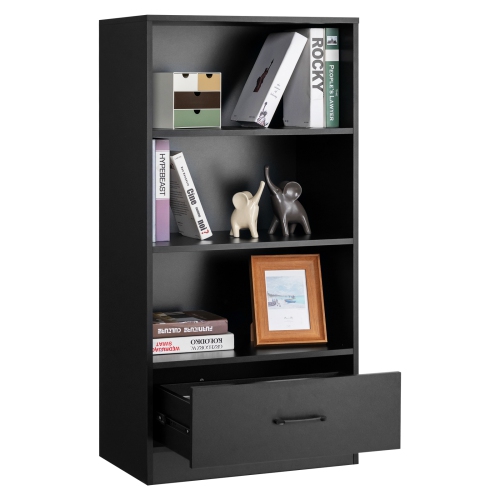
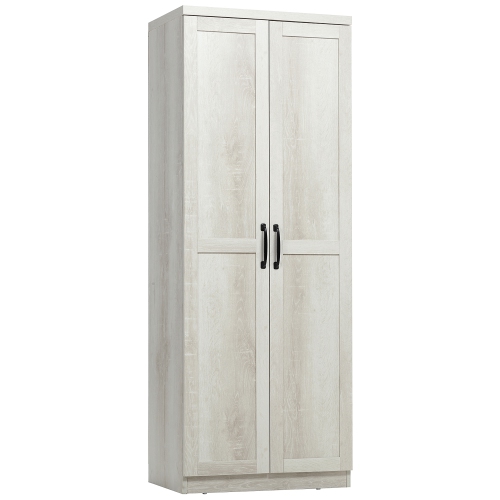
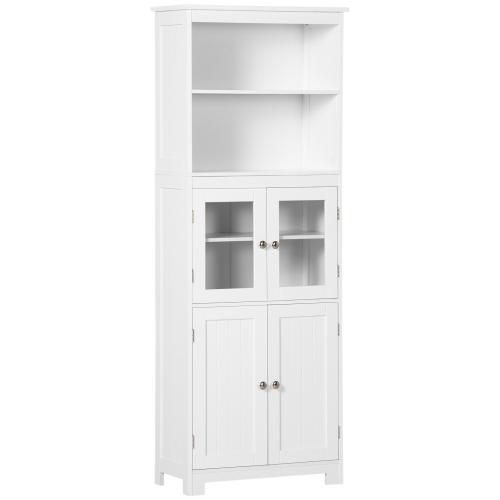
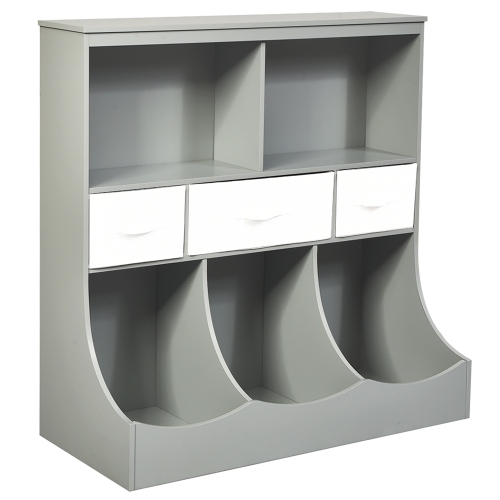
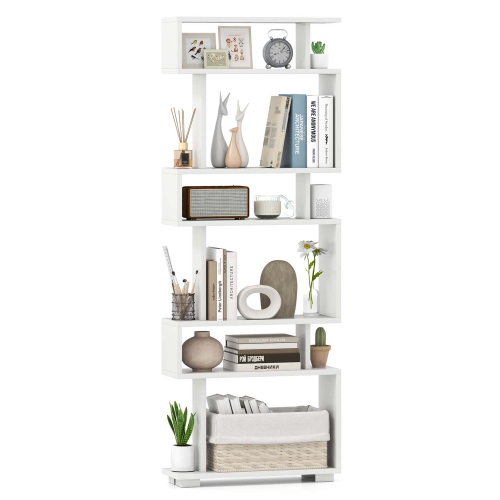
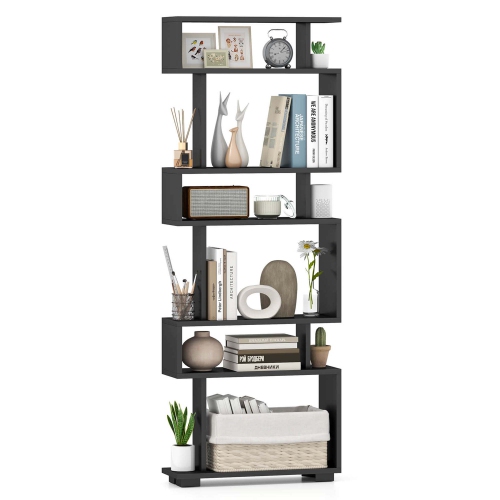
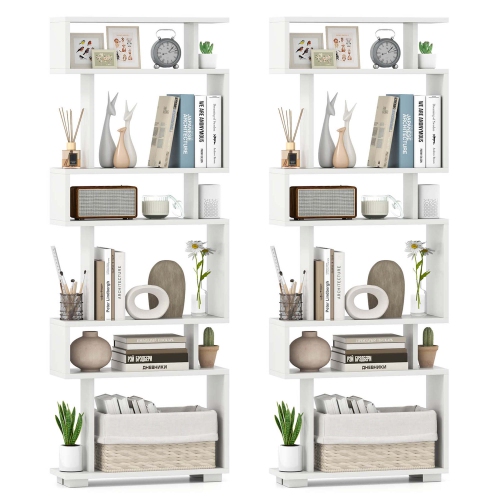
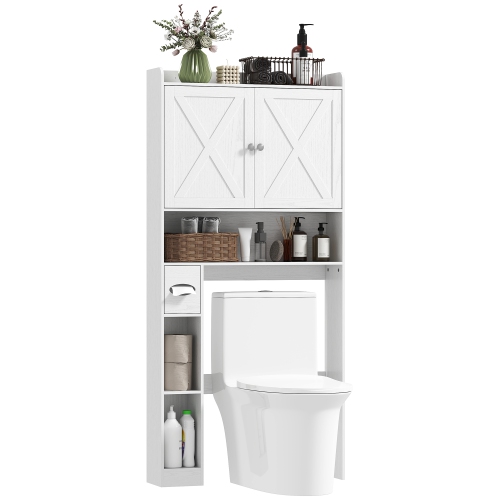
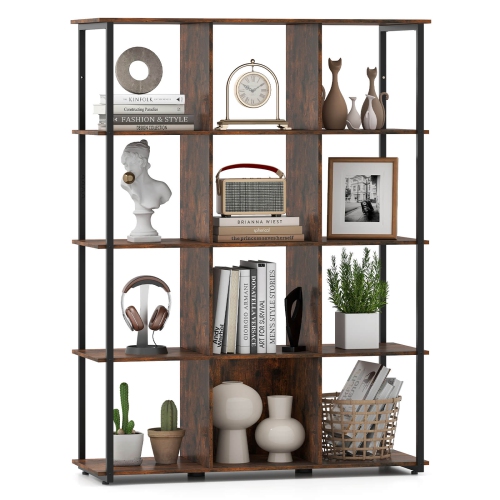
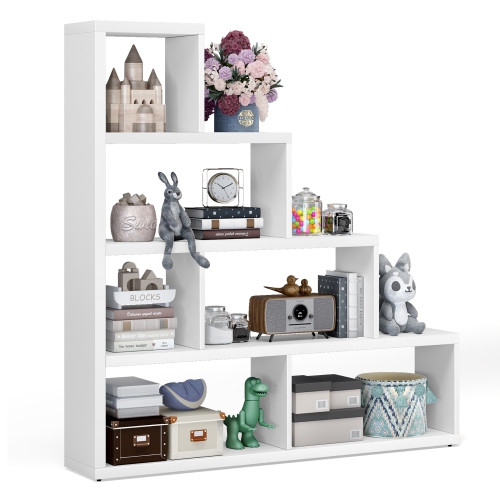
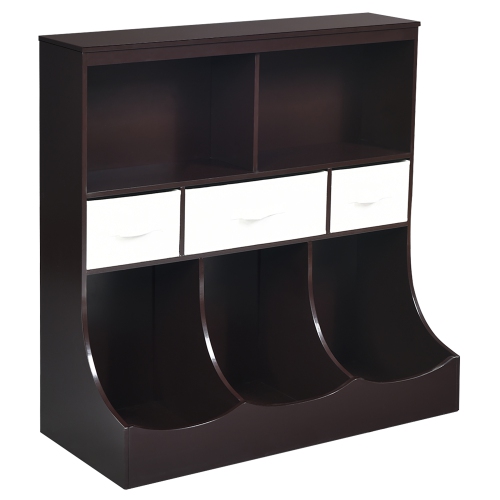
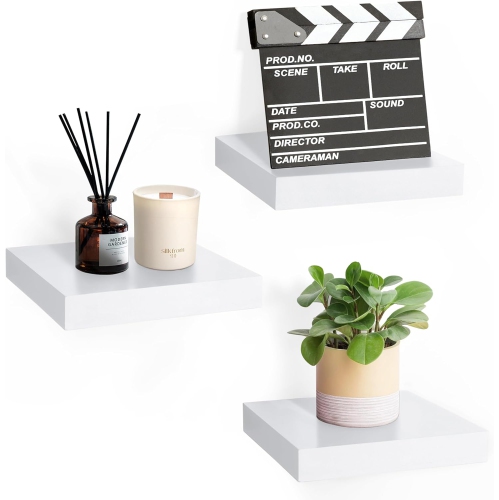
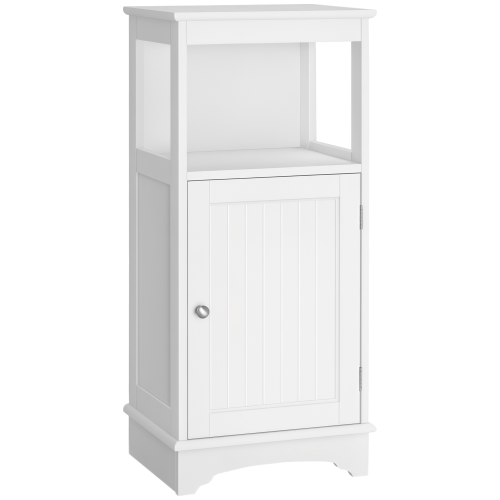
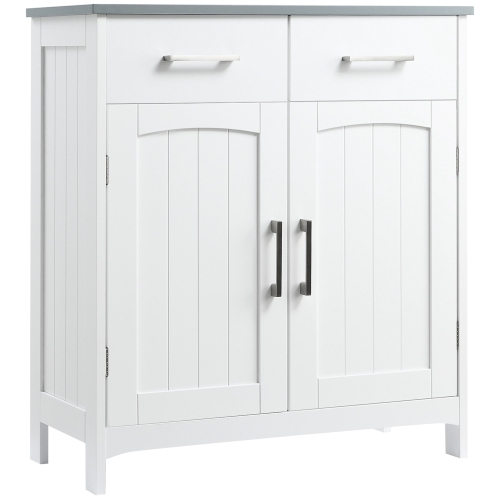
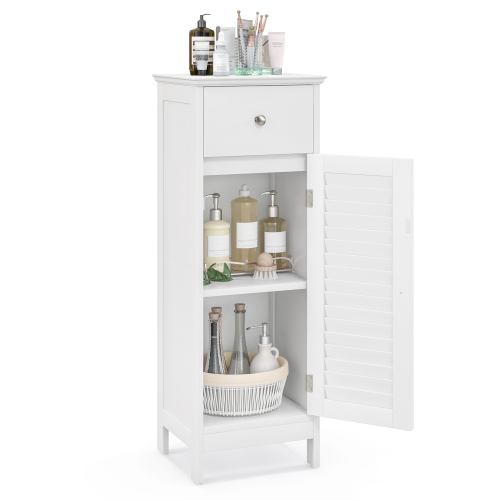
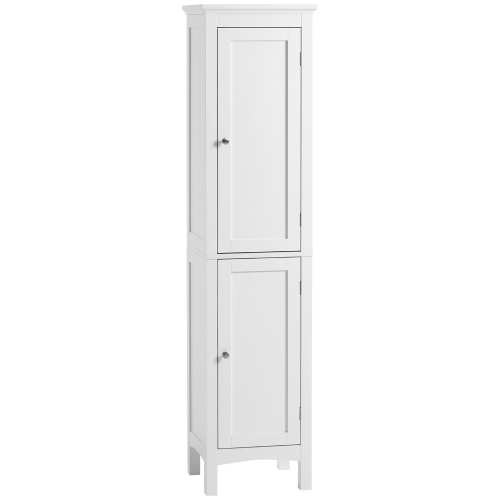
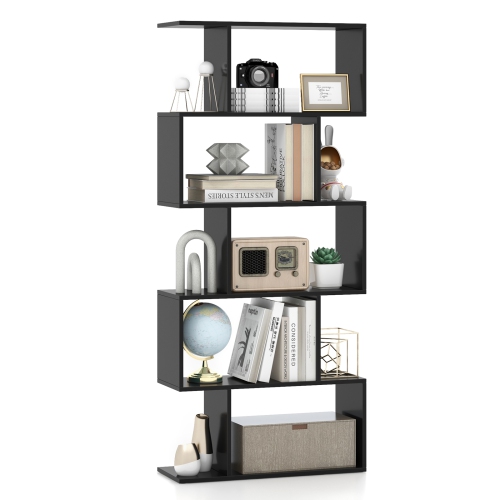
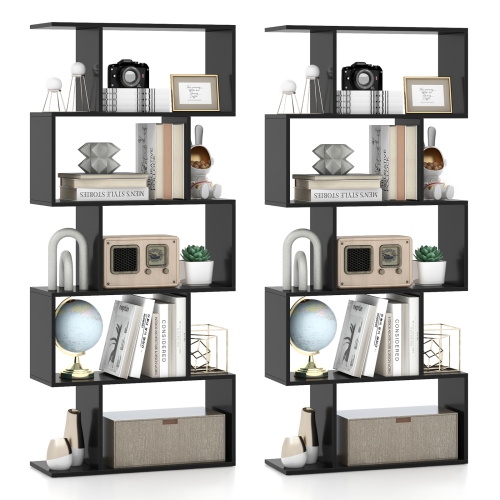
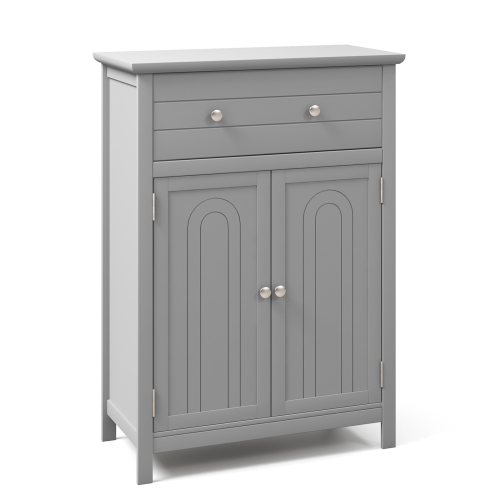
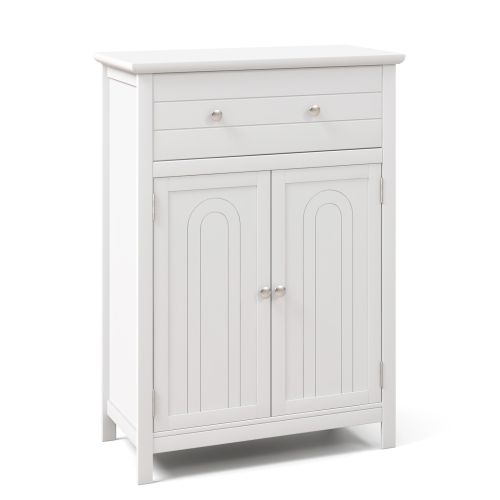
Practical storage with a lighter look for smaller rooms
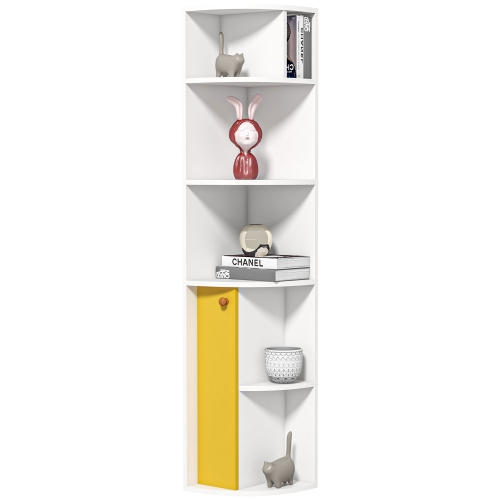
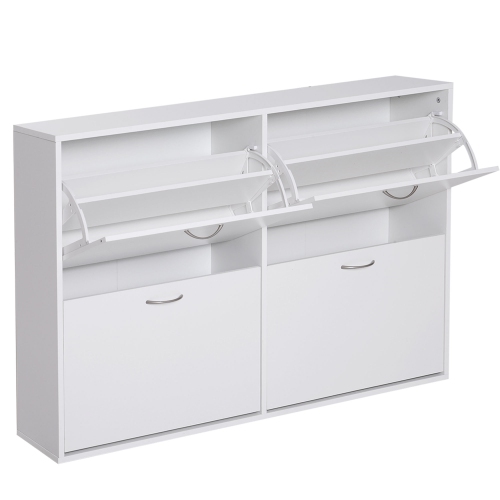
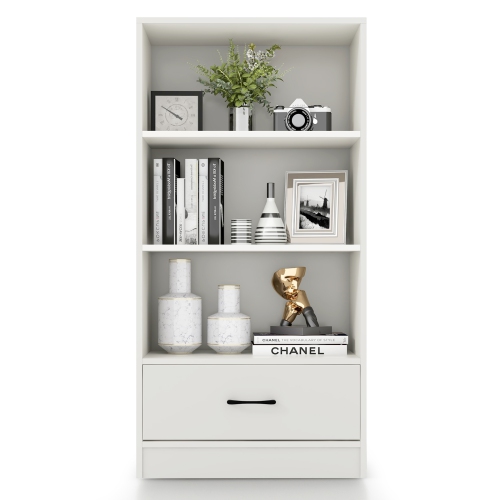
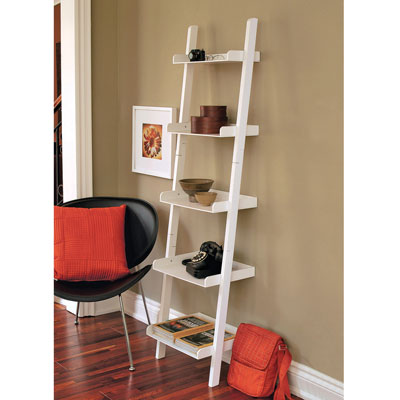
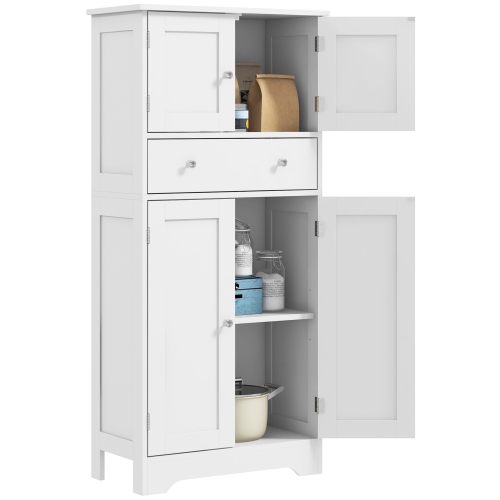
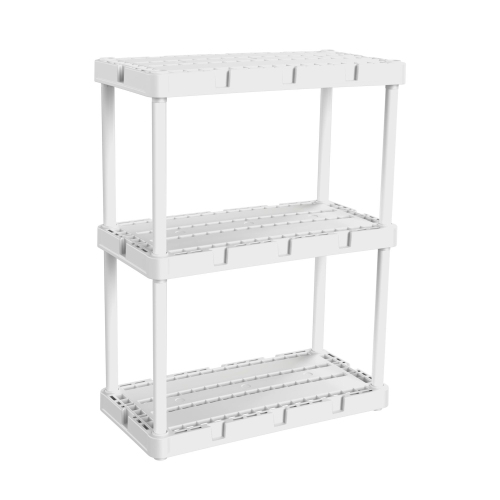
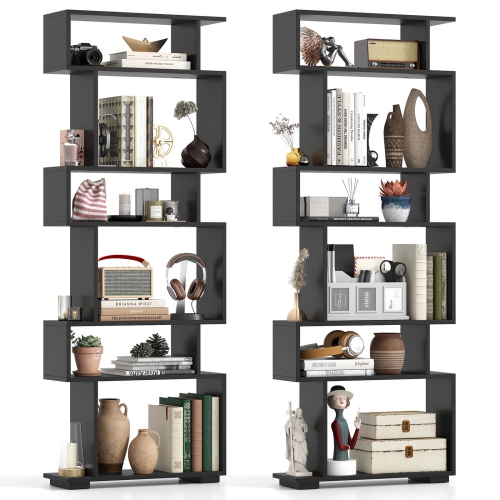
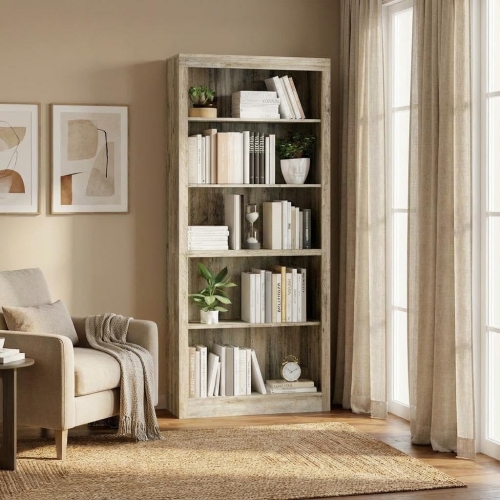
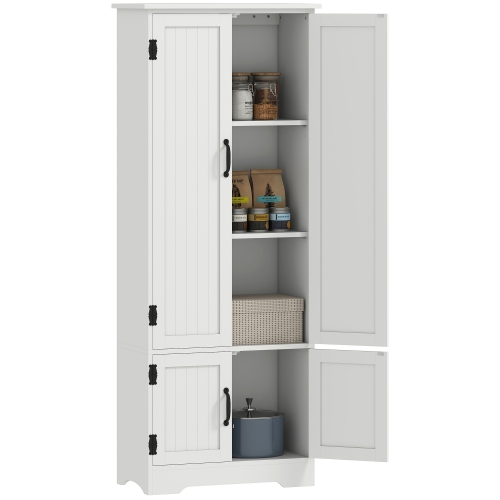
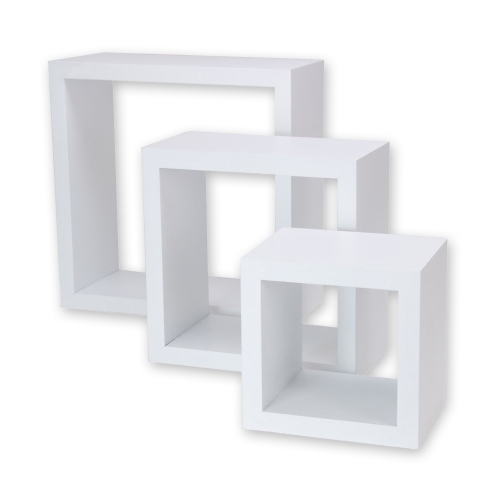
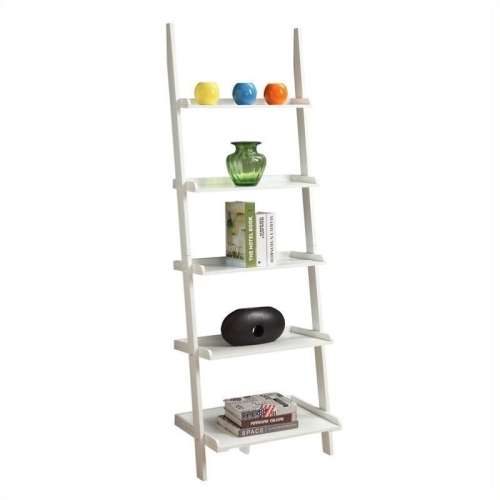
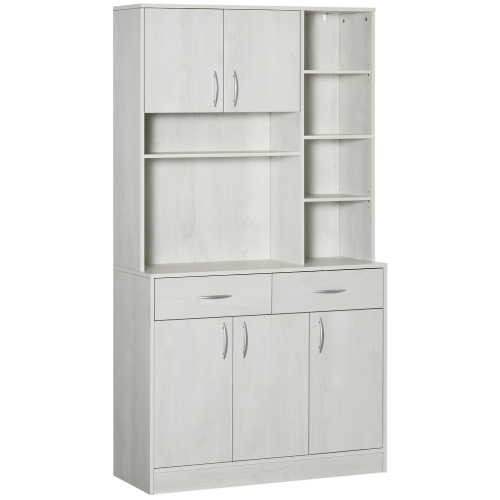
White freestanding shelves bring useful storage into a room without the visual weight of a large, dark cabinet. Their light finish works comfortably with pale walls, warm wood floors, patterned rugs, and stronger accent colours, making them easy to carry from one room arrangement to the next. In a living room, they can hold the books that never quite make it back to the coffee table, a few framed photographs, and baskets for the small things that gather around a sofa. In a home office, they give binders, paper supplies, and reference materials a place within reach of the desk. A bedroom shelf might keep favourite novels and folded throws close at hand, while a unit in a dining area can provide space for serving pieces and everyday table linens. The appeal is partly practical and partly visual: open shelves keep familiar belongings visible, and a white frame can help a modest room feel less crowded than a solid-front storage piece of similar size. That effect still depends on the unit’s proportions and how much is placed on it. Slender uprights and open sides tend to look lighter, while thicker panels and enclosed backs give a more substantial appearance. White finishes also vary, from crisp, bright tones to softer shades that sit naturally beside cream upholstery or light timber. Matching every white surface exactly is not always necessary, but comparing undertones can help when a shelf will stand directly beside existing furniture. For rooms that already mix white with cooler neutrals, White And Gray Shelves offer another way to connect the storage piece with the surrounding palette. Whether the aim is a quiet backdrop for a book collection or a more visible display area, the most useful arrangement leaves enough space for everyday access rather than filling every shelf from edge to edge.
Size and construction deserve as much attention as appearance when choosing white freestanding shelves. Measure the available floor area, then check the full height, width, and depth of the unit, allowing room for baseboards, nearby outlets, door swings, and walking space. A shelf that fits neatly into an empty corner may feel very different once a dining chair is pulled out beside it. Depth is especially important: shallow shelving can suit smaller books and framed pictures, while deeper compartments may be needed for baskets, large albums, or office files. Check the interior dimensions as well as the overall measurements, since thick side panels and fixed dividers reduce usable space. Adjustable shelves make it easier to accommodate belongings of different heights, although the number of positions and the adjustment range vary by design. Fixed shelves offer a consistent layout, and cube-style compartments can make sorting by person or activity straightforward. Materials influence both the look and the upkeep. Painted wood, finished composite panels, and powder-coated metal each have different care requirements, so the listed materials and cleaning directions are worth reviewing. A smooth white surface can make dust, marks, and spills easy to spot, which is helpful for cleaning but worth bearing in mind in busy shared spaces. For heavier contents, read the stated weight capacity for each shelf and for the complete unit, and follow any directions about distributing the load. Books become heavy surprisingly quickly; a row of large hardcovers calls for different support than a handful of small keepsakes. Freestanding describes how the furniture is supported, not an exemption from wall anchoring. Follow the manufacturer’s assembly and anchoring instructions, particularly in homes with children or pets, and use hardware suitable for the wall type. Keep heavier belongings on lower shelves, avoid placing tempting objects where a child might climb to reach them, and ensure the unit sits level. These details help turn a good-looking piece into storage that suits daily use.
The best layout usually starts with the belongings that need a home, rather than with an image of a perfectly styled room. For a reader, that may mean generous runs of shelf space with enough clearance to slide books out easily. For someone working or studying at home, it might mean a mixture of upright files, labelled boxes, and an open section for supplies used throughout the day. Shared households often benefit from giving each person a basket or compartment; the shelf near the entrance can then hold gloves, scarves, and small bags without everything ending up in one tangled pile. During the cooler months, an open unit in a living area can keep puzzles, board games, and folded blankets handy for evenings indoors. In a compact apartment, a taller, narrower design may make better use of limited floor space, provided it can be safely positioned and anchored as directed. A low, wide unit can work beneath artwork or along an otherwise unused wall, while a stepped arrangement gives objects of different heights their own space. Open-backed shelving may also help define separate areas within a larger room, but it should only be used away from a wall if the design and installation instructions allow it. For display, alternating groups of books with a basket or a favourite object creates variety without sacrificing much storage. Leave a little breathing room around frequently handled pieces, and place fragile objects away from busy edges. Baskets can soften the overall look and conceal loose cables or craft supplies, but check their dimensions against the shelf openings before buying. White freestanding shelves can also be a thoughtful, practical gift for someone furnishing a first apartment or setting up a study area, though size, style, and assembly preferences are best confirmed together. Consider whether the recipient has room for the finished unit and help available if assembly requires two people. With the right proportions and a layout shaped around real routines, shelving earns its place quietly: books are easier to find, surfaces stay clearer, and the things that make a room feel lived in have somewhere to belong.
Size and construction deserve as much attention as appearance when choosing white freestanding shelves. Measure the available floor area, then check the full height, width, and depth of the unit, allowing room for baseboards, nearby outlets, door swings, and walking space. A shelf that fits neatly into an empty corner may feel very different once a dining chair is pulled out beside it. Depth is especially important: shallow shelving can suit smaller books and framed pictures, while deeper compartments may be needed for baskets, large albums, or office files. Check the interior dimensions as well as the overall measurements, since thick side panels and fixed dividers reduce usable space. Adjustable shelves make it easier to accommodate belongings of different heights, although the number of positions and the adjustment range vary by design. Fixed shelves offer a consistent layout, and cube-style compartments can make sorting by person or activity straightforward. Materials influence both the look and the upkeep. Painted wood, finished composite panels, and powder-coated metal each have different care requirements, so the listed materials and cleaning directions are worth reviewing. A smooth white surface can make dust, marks, and spills easy to spot, which is helpful for cleaning but worth bearing in mind in busy shared spaces. For heavier contents, read the stated weight capacity for each shelf and for the complete unit, and follow any directions about distributing the load. Books become heavy surprisingly quickly; a row of large hardcovers calls for different support than a handful of small keepsakes. Freestanding describes how the furniture is supported, not an exemption from wall anchoring. Follow the manufacturer’s assembly and anchoring instructions, particularly in homes with children or pets, and use hardware suitable for the wall type. Keep heavier belongings on lower shelves, avoid placing tempting objects where a child might climb to reach them, and ensure the unit sits level. These details help turn a good-looking piece into storage that suits daily use.
The best layout usually starts with the belongings that need a home, rather than with an image of a perfectly styled room. For a reader, that may mean generous runs of shelf space with enough clearance to slide books out easily. For someone working or studying at home, it might mean a mixture of upright files, labelled boxes, and an open section for supplies used throughout the day. Shared households often benefit from giving each person a basket or compartment; the shelf near the entrance can then hold gloves, scarves, and small bags without everything ending up in one tangled pile. During the cooler months, an open unit in a living area can keep puzzles, board games, and folded blankets handy for evenings indoors. In a compact apartment, a taller, narrower design may make better use of limited floor space, provided it can be safely positioned and anchored as directed. A low, wide unit can work beneath artwork or along an otherwise unused wall, while a stepped arrangement gives objects of different heights their own space. Open-backed shelving may also help define separate areas within a larger room, but it should only be used away from a wall if the design and installation instructions allow it. For display, alternating groups of books with a basket or a favourite object creates variety without sacrificing much storage. Leave a little breathing room around frequently handled pieces, and place fragile objects away from busy edges. Baskets can soften the overall look and conceal loose cables or craft supplies, but check their dimensions against the shelf openings before buying. White freestanding shelves can also be a thoughtful, practical gift for someone furnishing a first apartment or setting up a study area, though size, style, and assembly preferences are best confirmed together. Consider whether the recipient has room for the finished unit and help available if assembly requires two people. With the right proportions and a layout shaped around real routines, shelving earns its place quietly: books are easier to find, surfaces stay clearer, and the things that make a room feel lived in have somewhere to belong.
Top selling and popular products
-
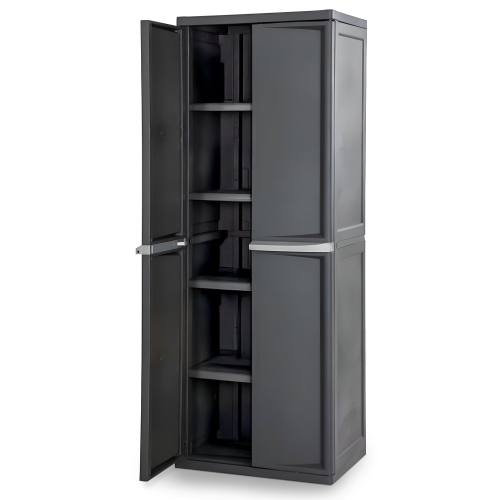 Your price for this item is $772.99
 -
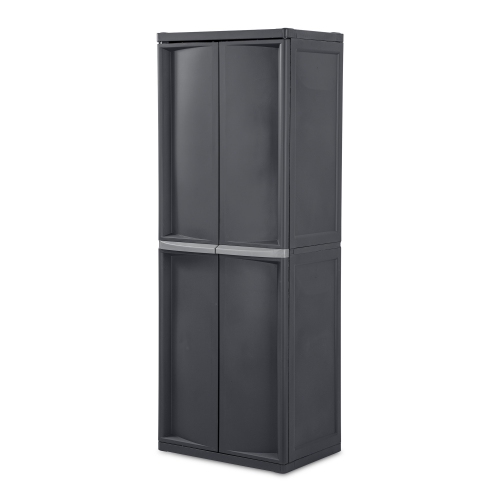 Your price for this item is $1522.99
 -
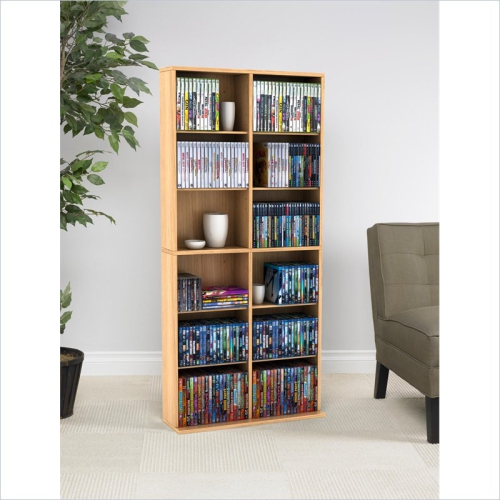 Your price for this item is $234.68
 -
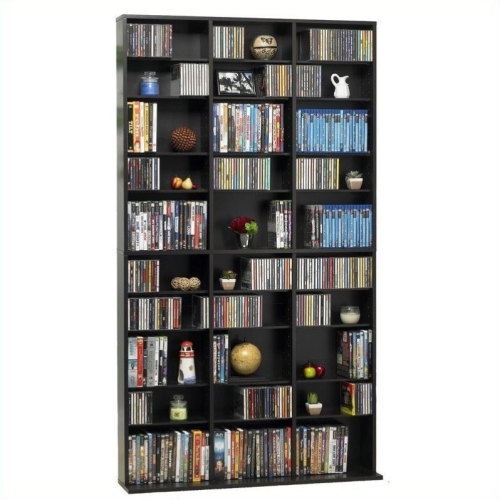 Your price for this item is $365.38
 -
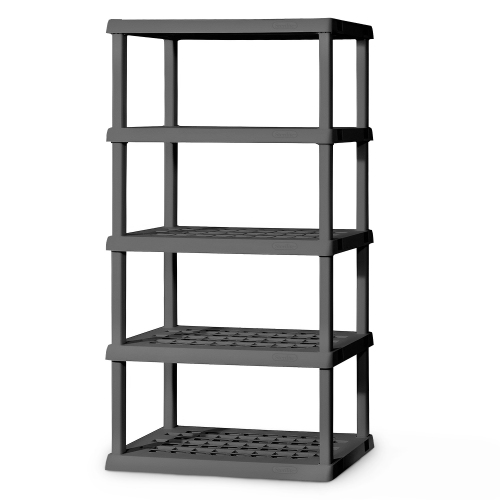 Your price for this item is $468.99
 -
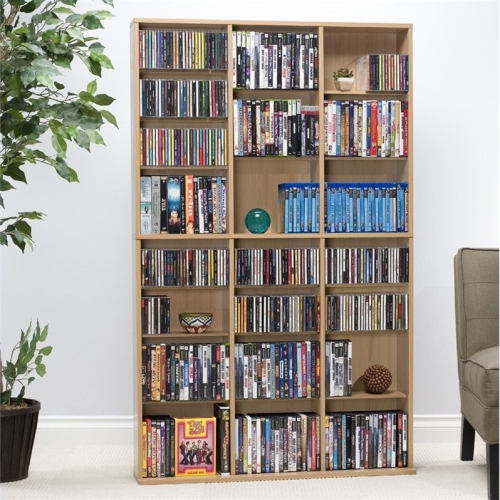 Your price for this item is $295.84
 -
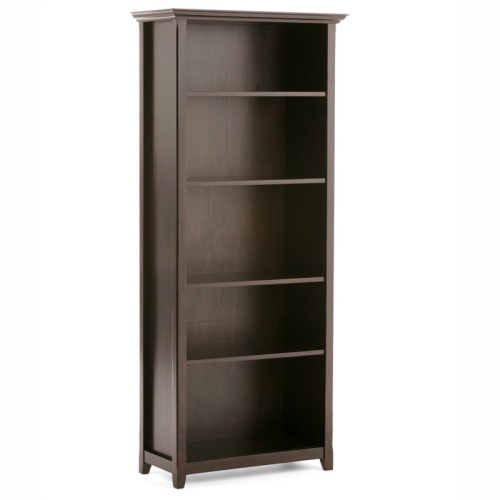 Your price for this item is $999.77
 -
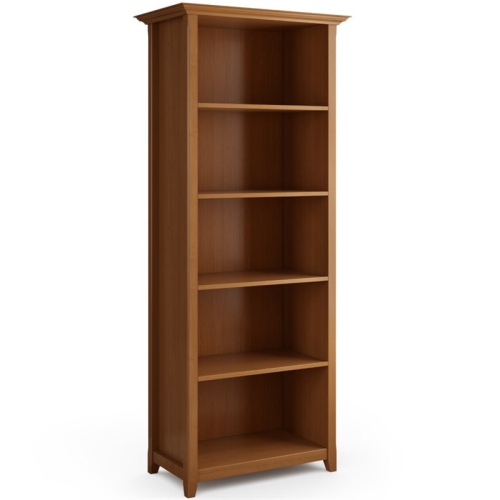 Your price for this item is $998.43
Discover more categories related to White Freestanding Shelves

Top Collections:
Pokemon Centers, Kindle Devices, Best Budget Office Chairs, Apple iPhones 16, Best Laptops for Writers, iPhone 15 Apple, Canon G7X Cameras, Refurbished Apple Laptops, Alarm Clock, Motorola Razr Phones
Some products may be subject to Environmental Handling Fees
(EHF) depending on your province.
Learn more about EHFs.