White Marble Top Tables
Add a touch of elegance and sophistication to your home decor with our white marble-topped tables. Whether you're looking for a coffee table to anchor your seating area or a stylish console table to greet guests in your foyer, our selection of white marble-topped tables offers a range of options to suit your taste and style. Explore our collection today and elevate your space with the beauty of white marble.
Sort

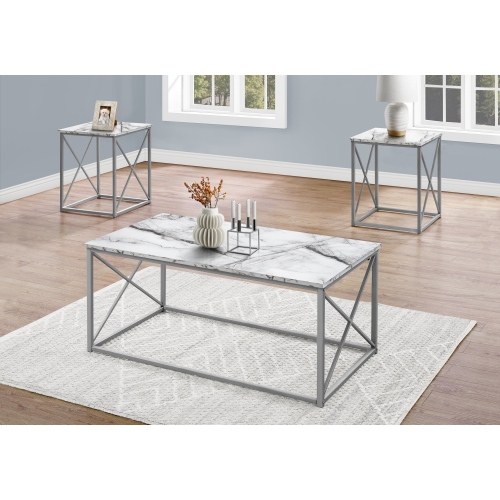
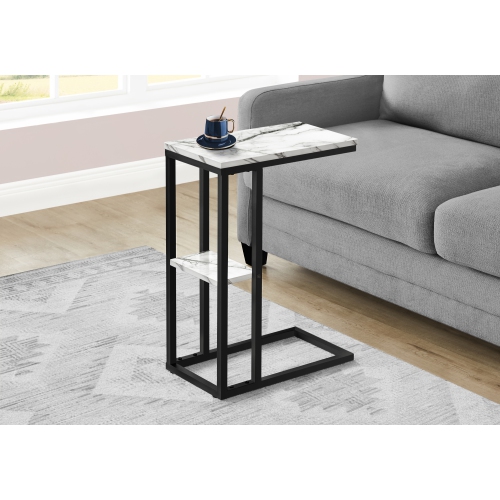
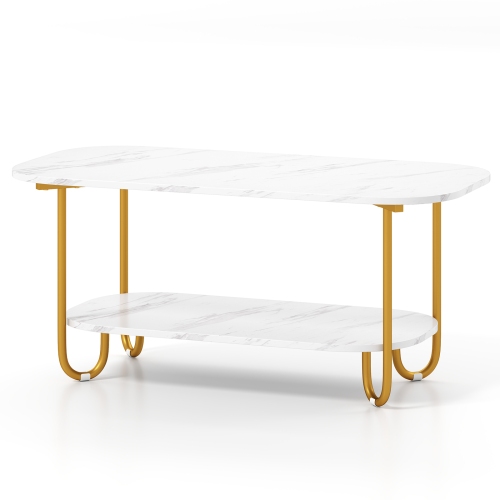
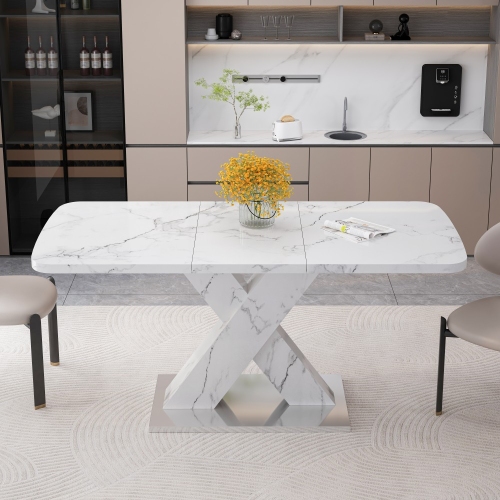
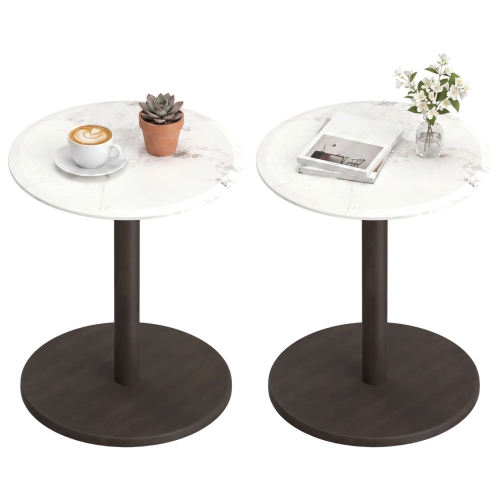
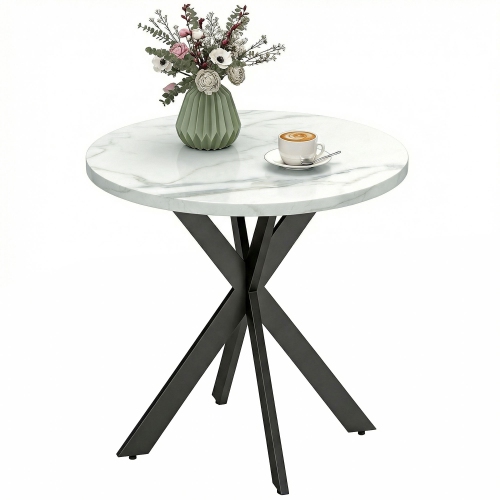

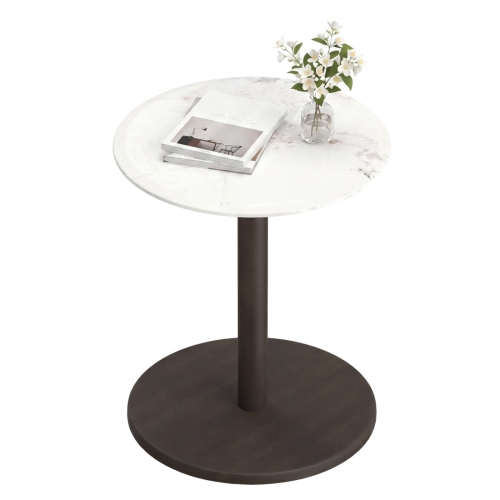
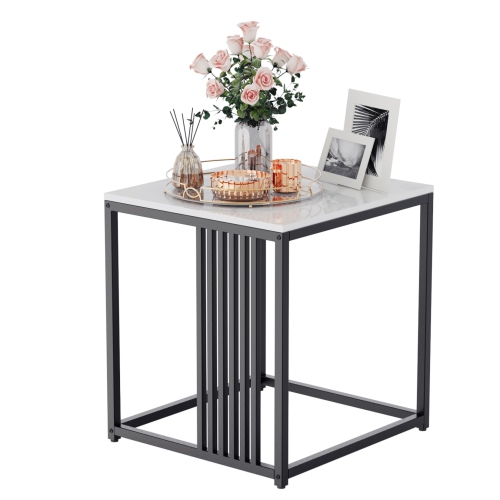
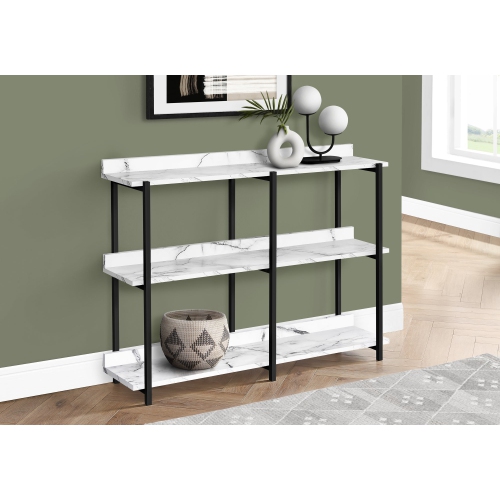
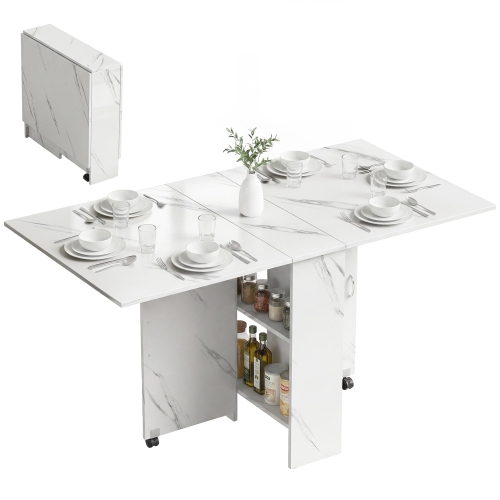
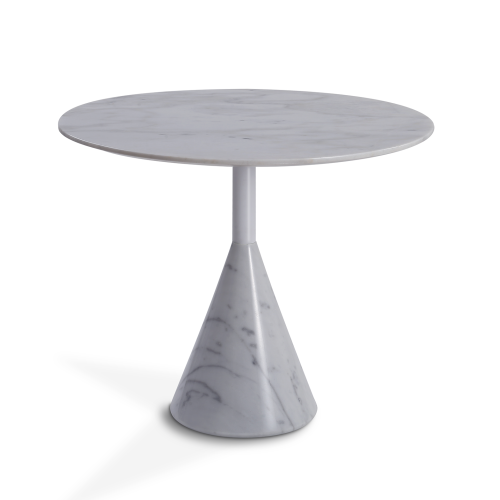

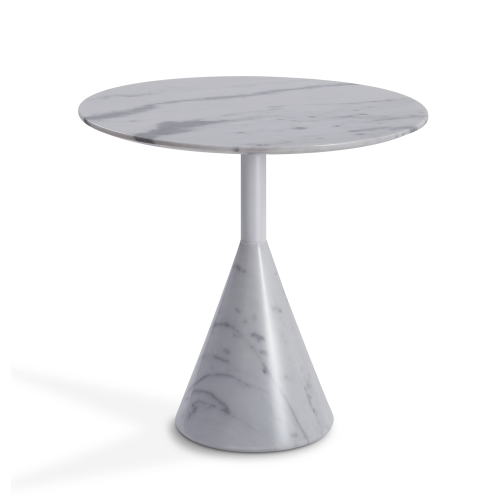
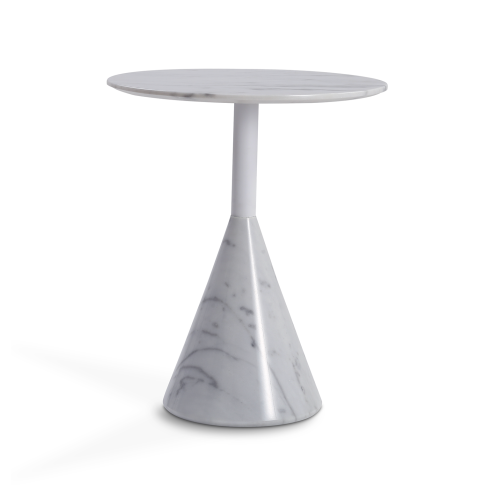
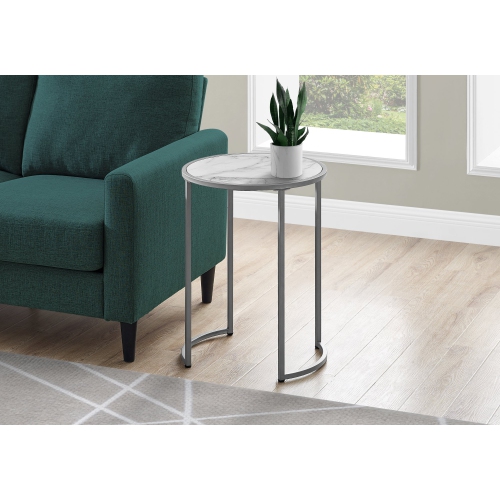
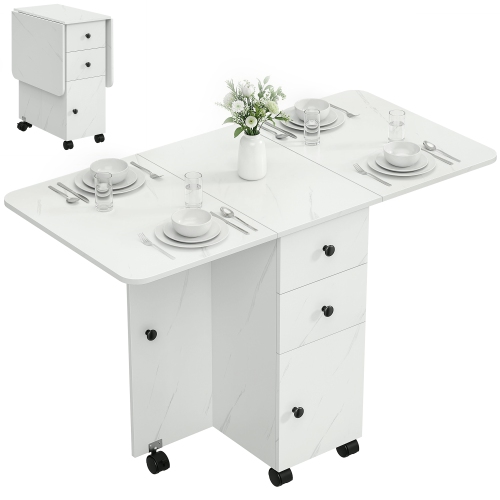

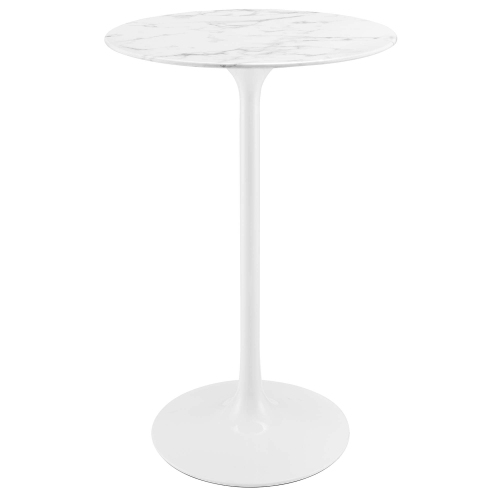
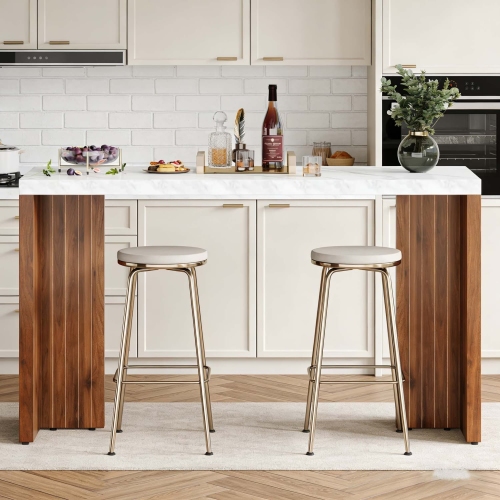
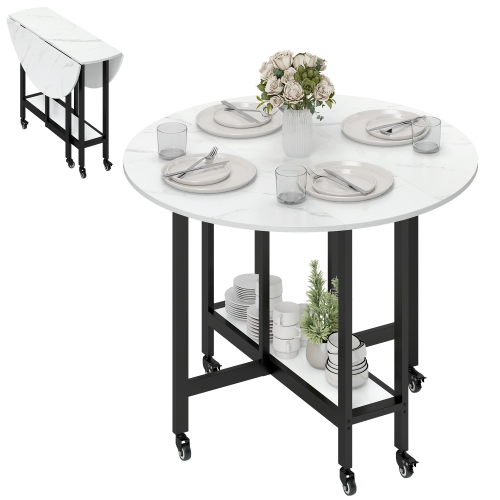
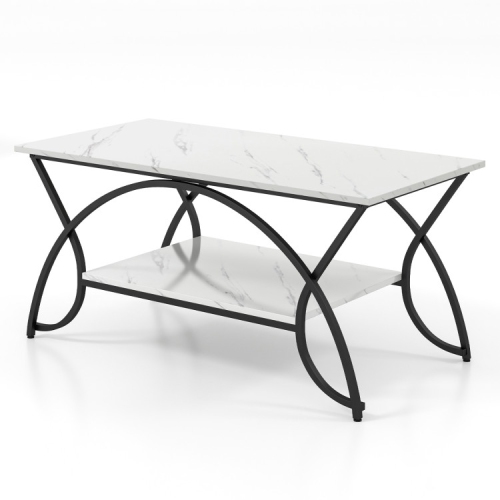

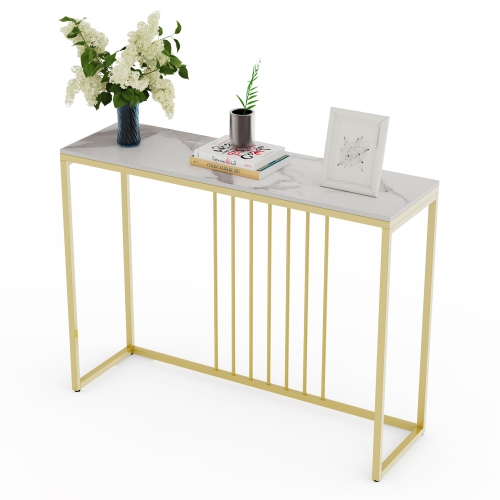

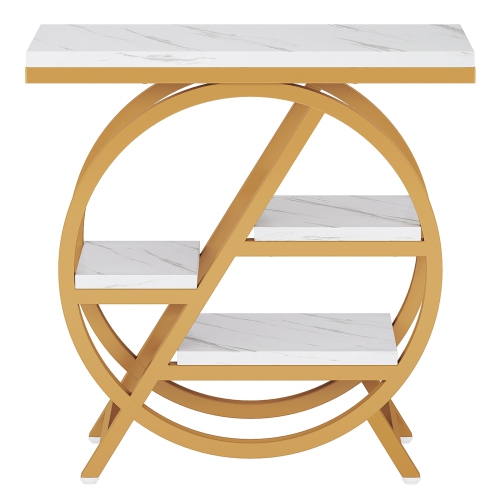
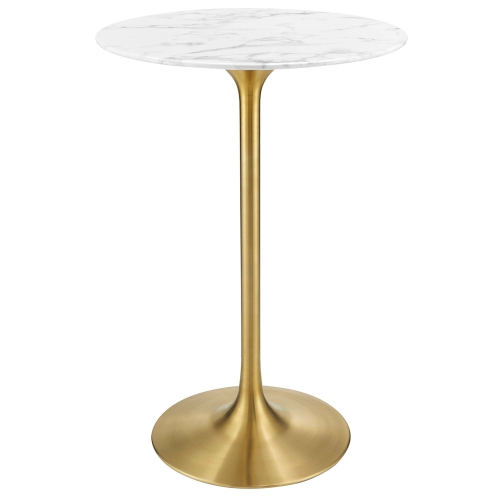
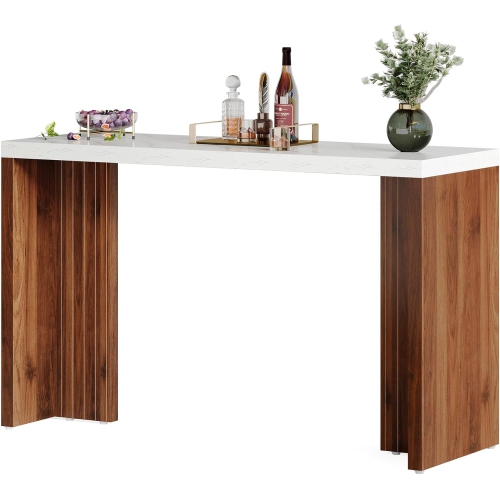
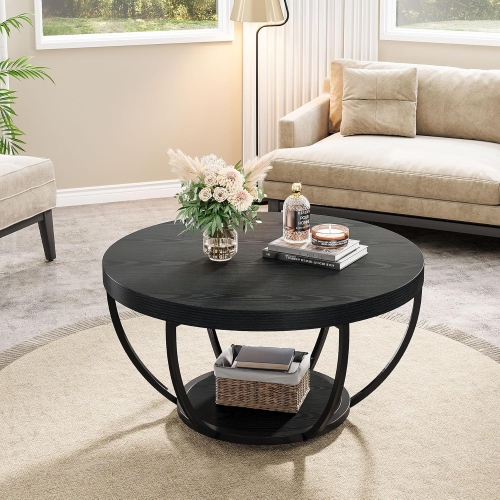
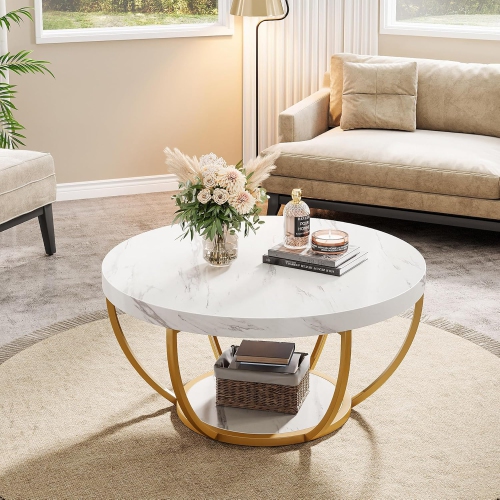
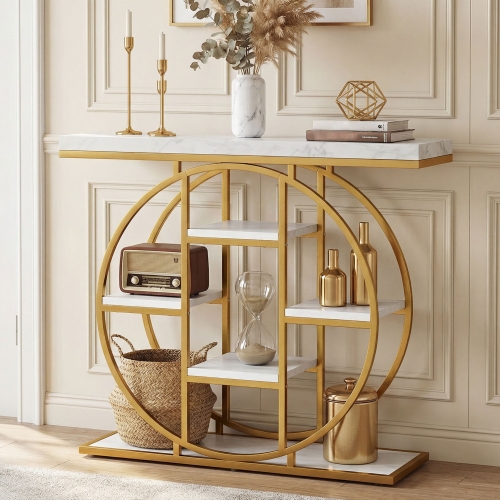
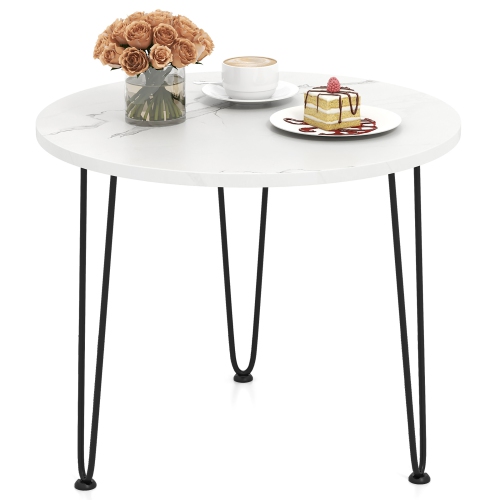
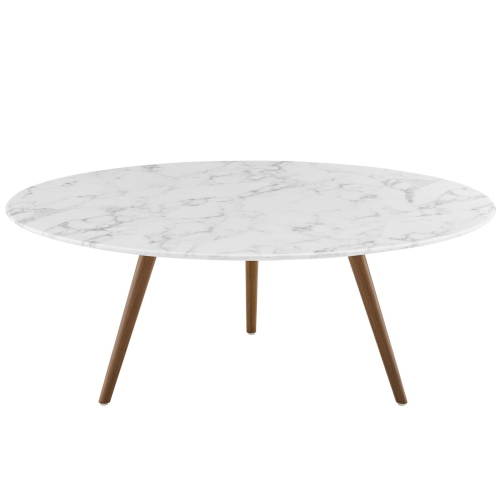
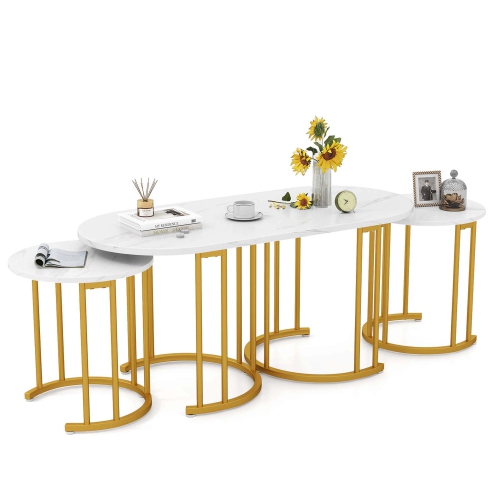

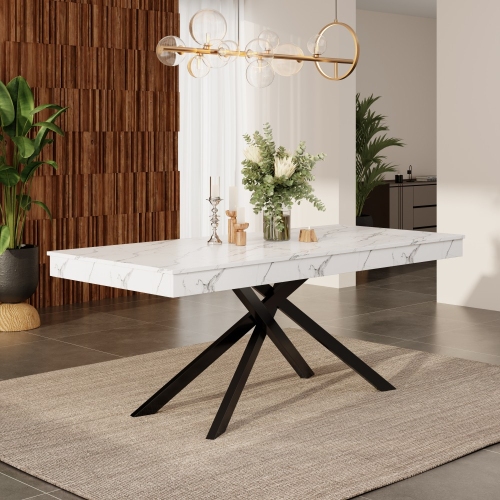
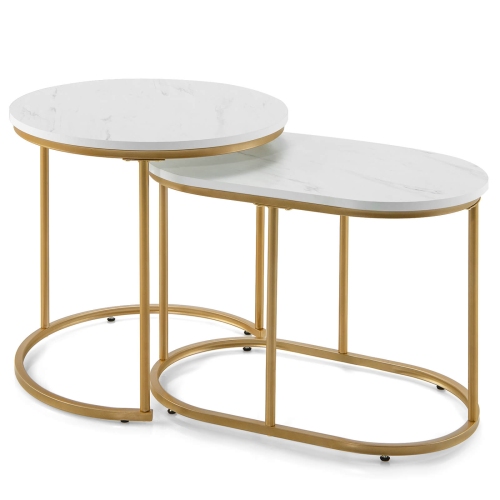
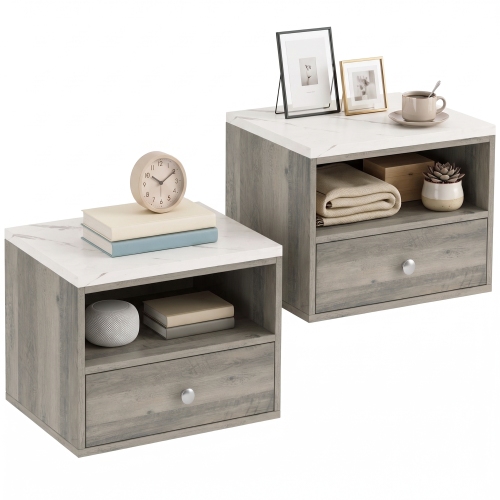
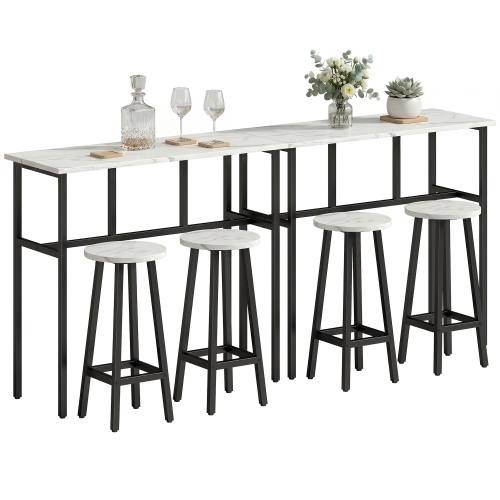
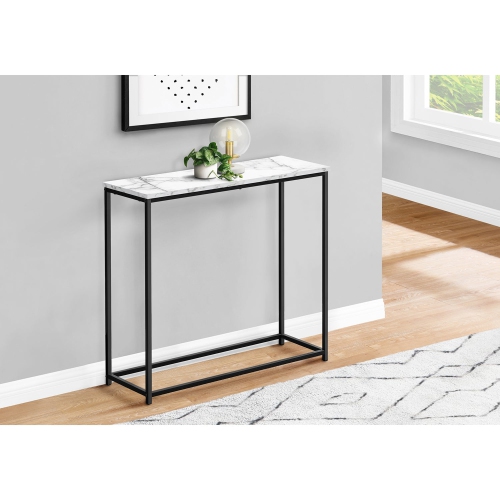
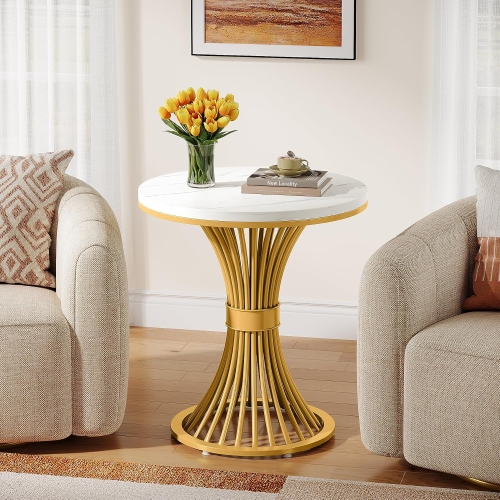
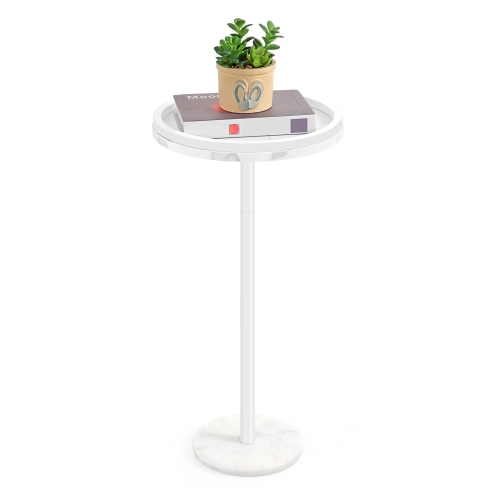

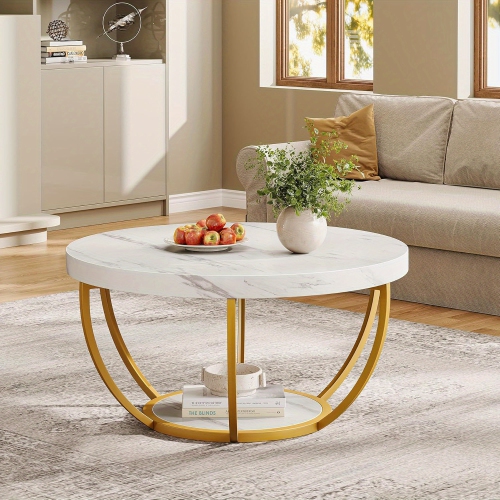
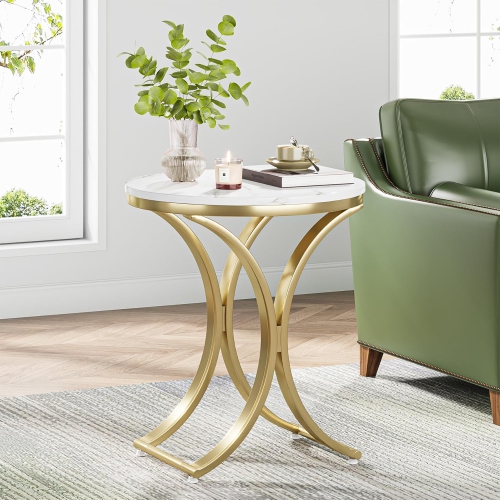
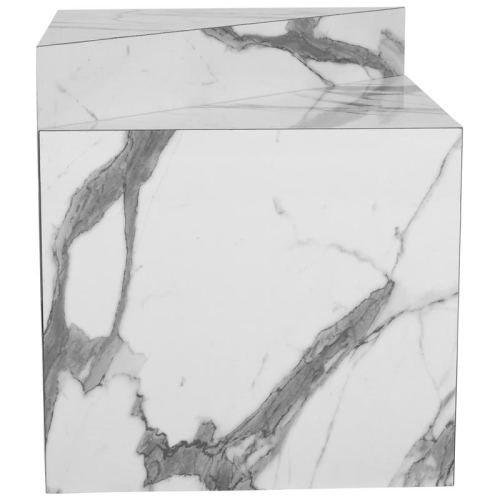
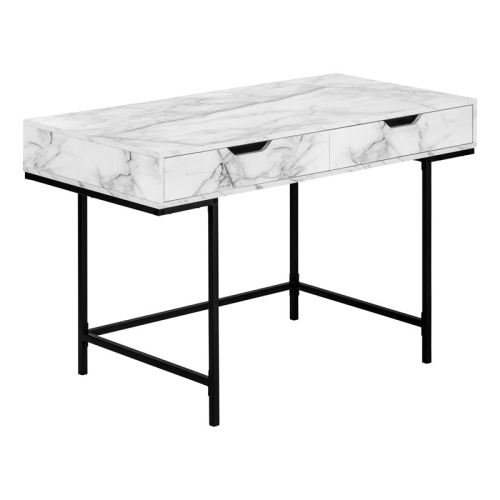
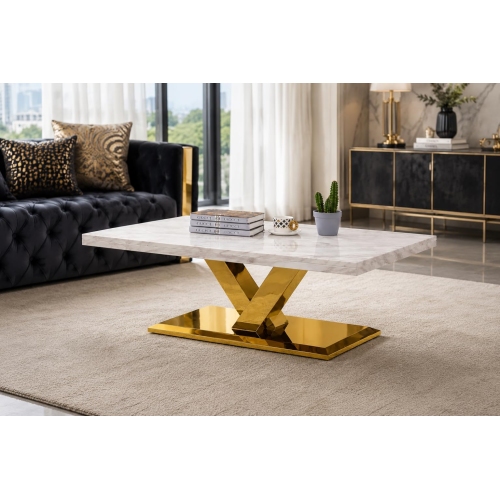
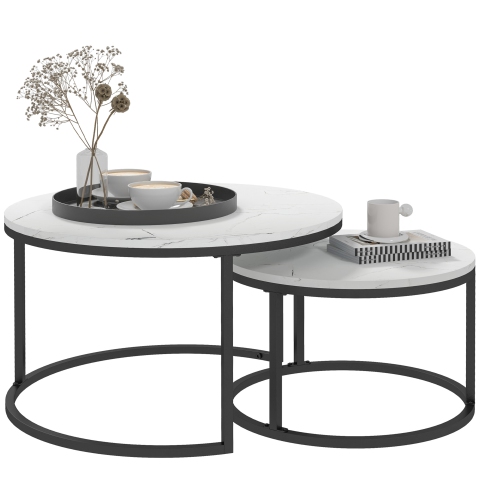

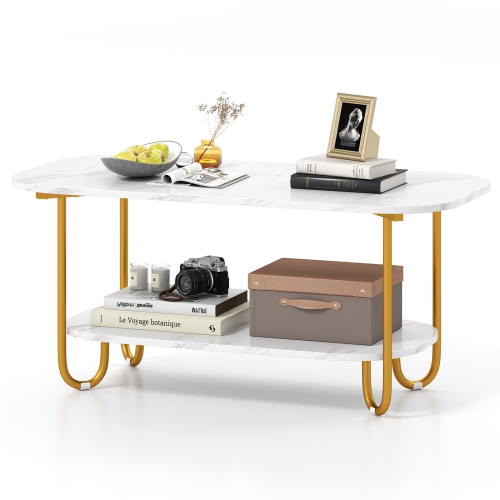
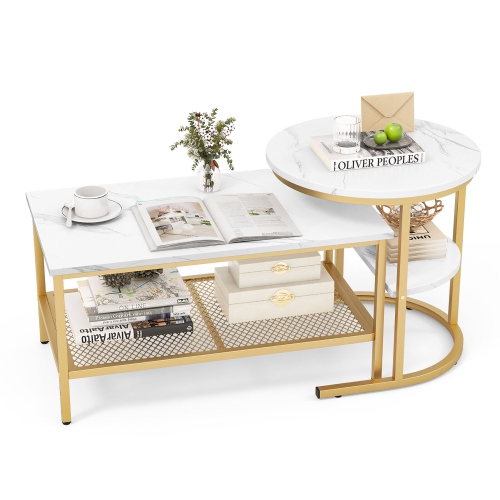


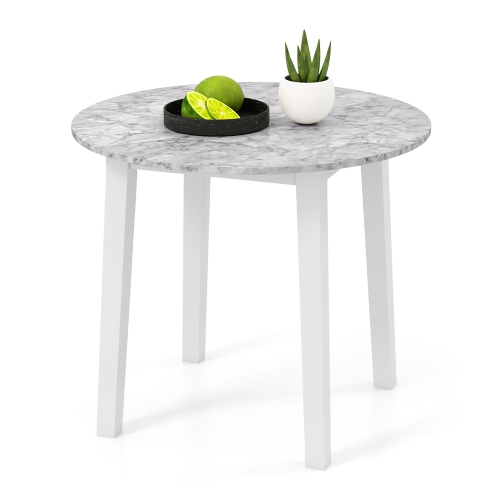
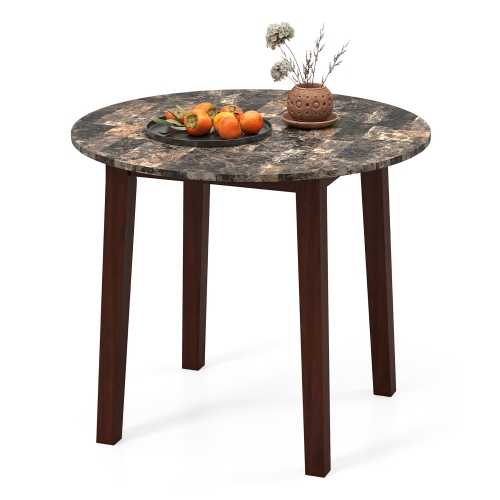
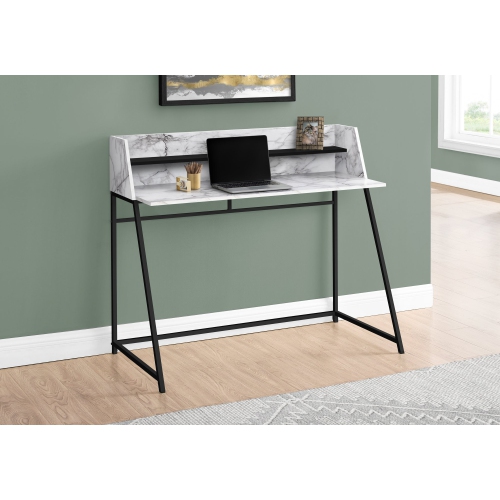
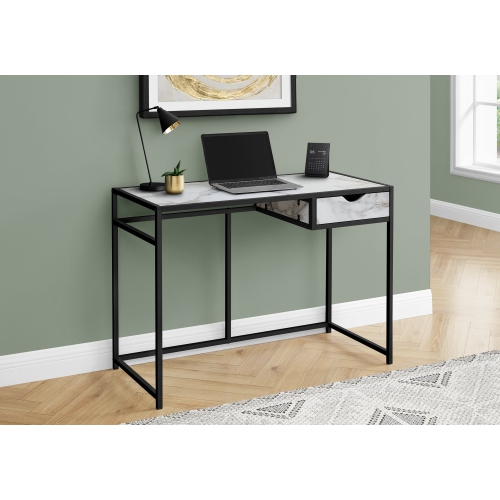
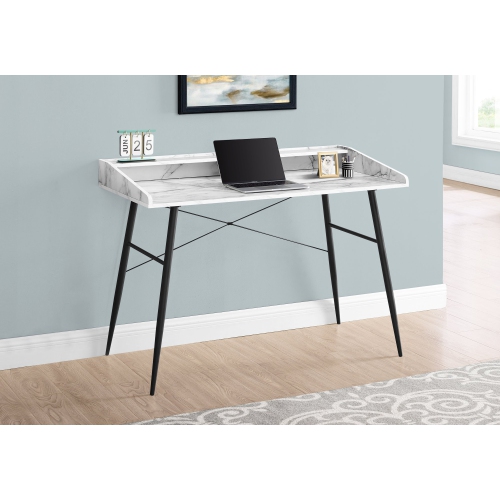
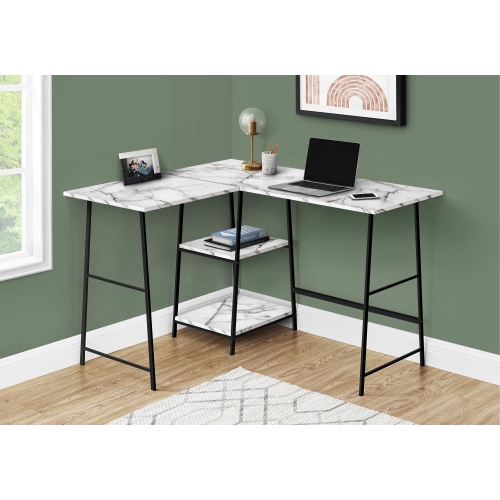
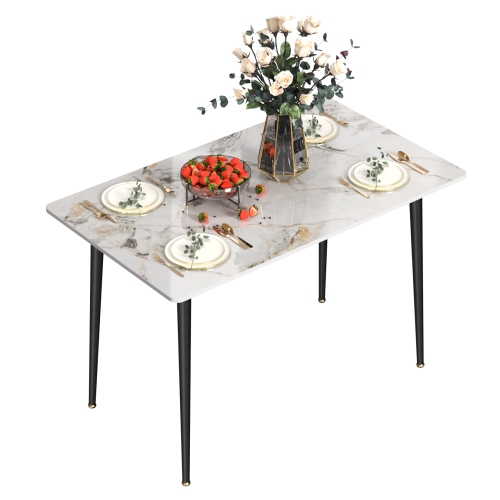
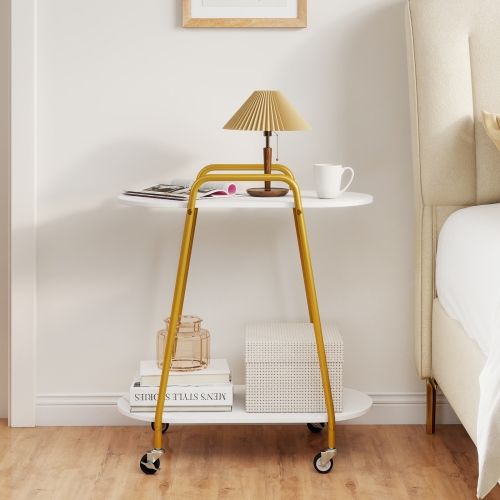

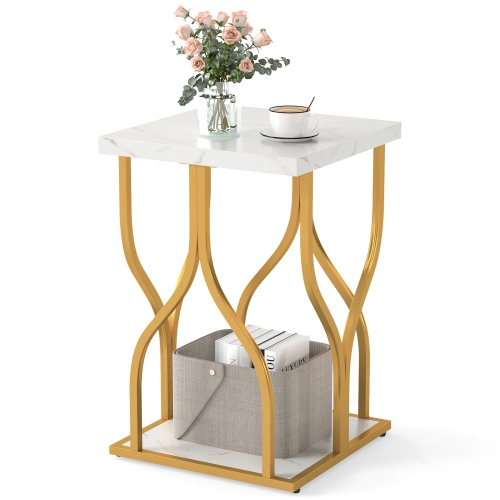
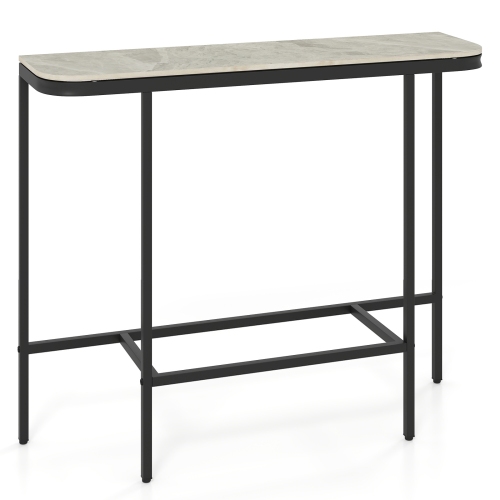
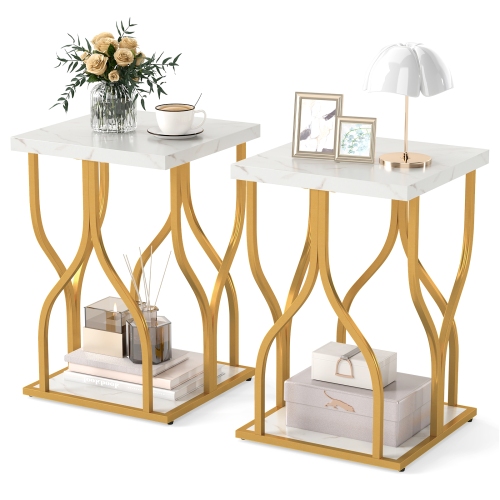
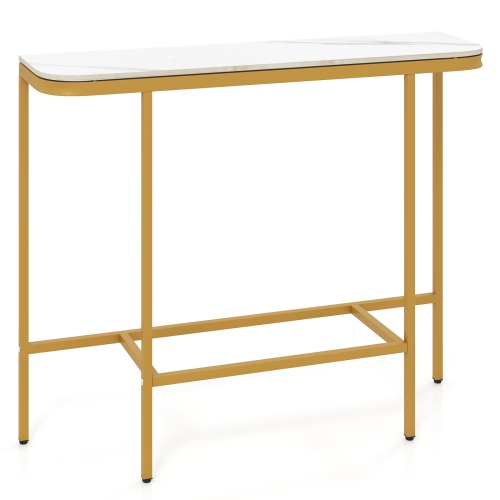
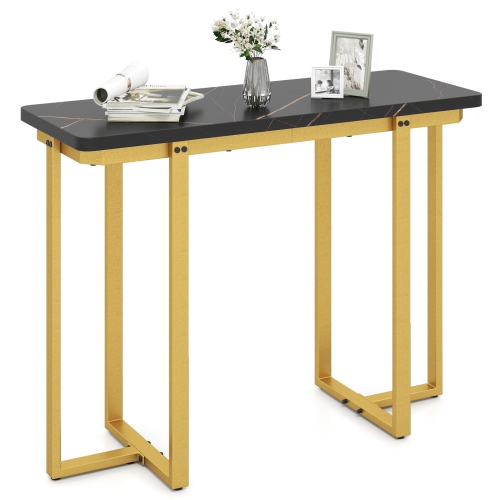
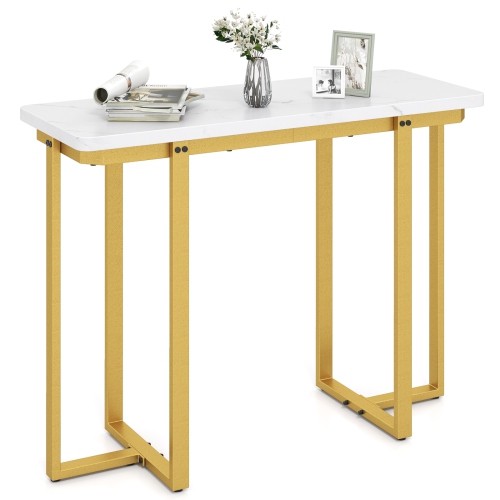
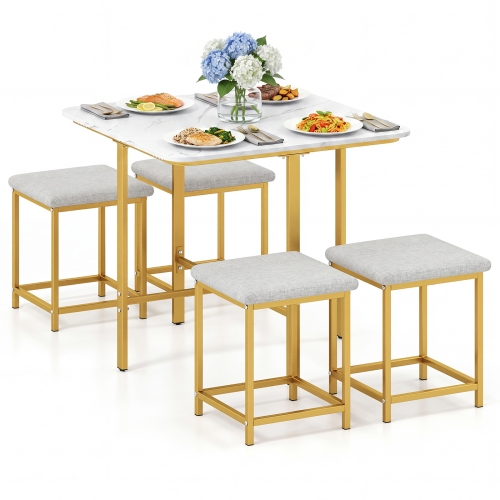
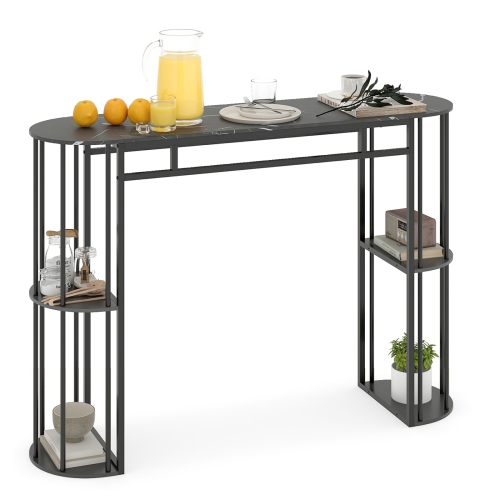
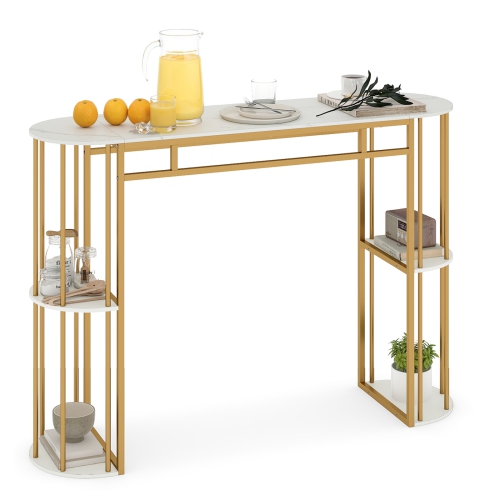
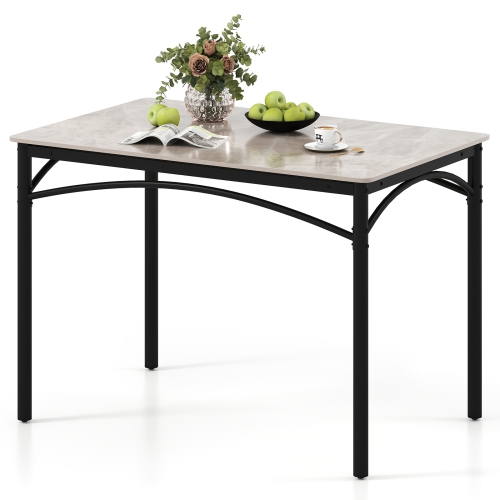
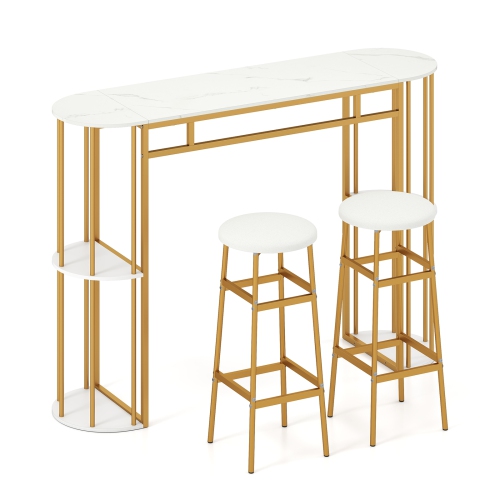
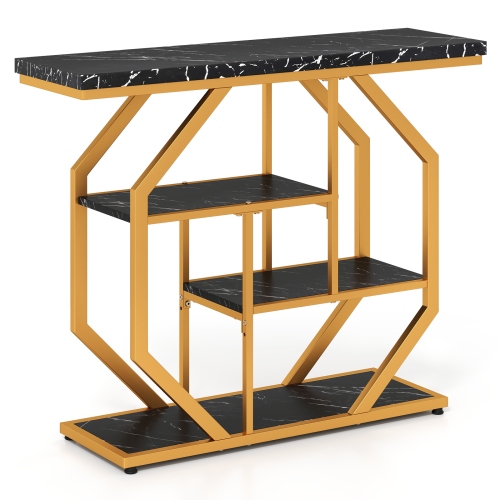
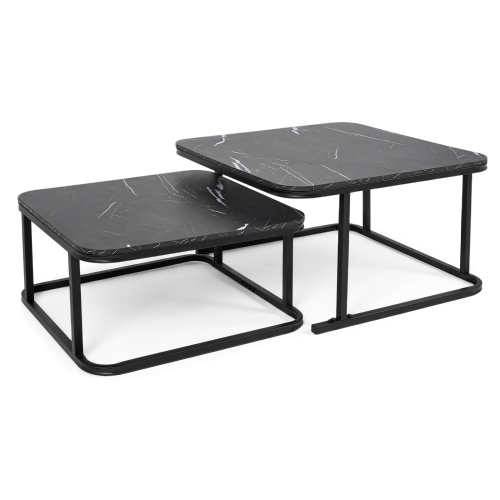
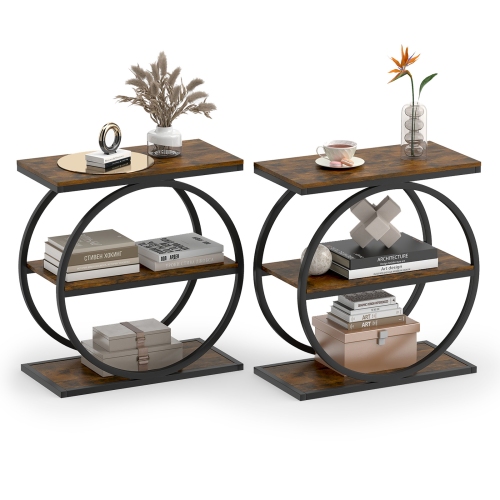
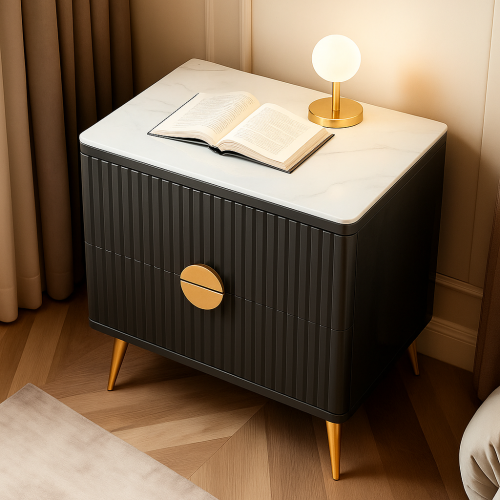
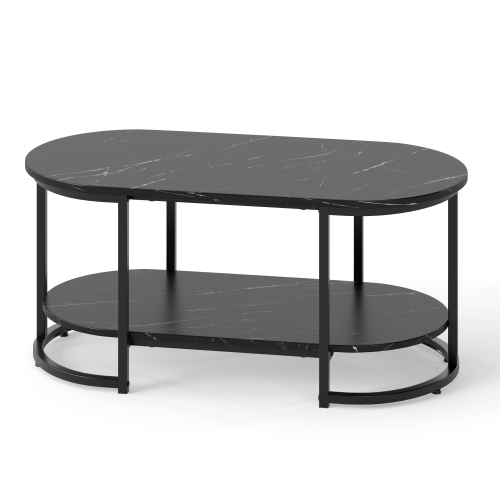
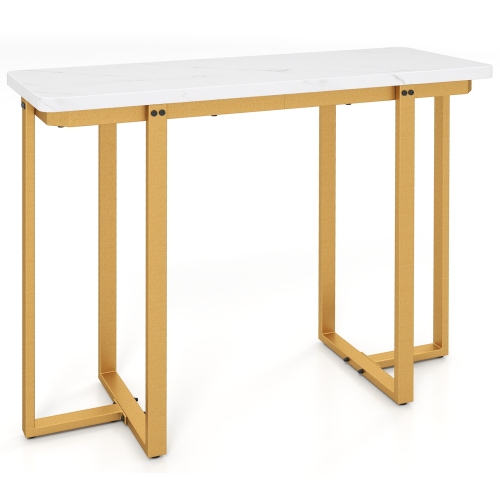
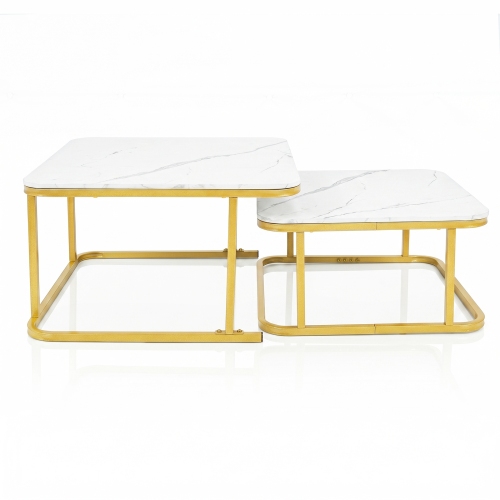
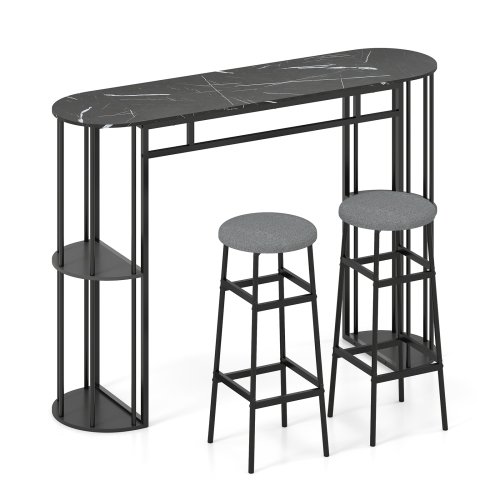
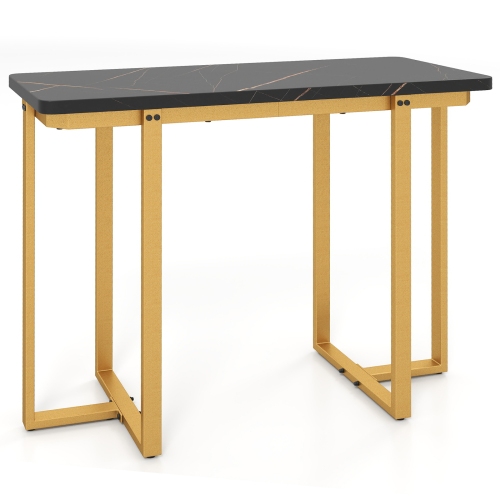
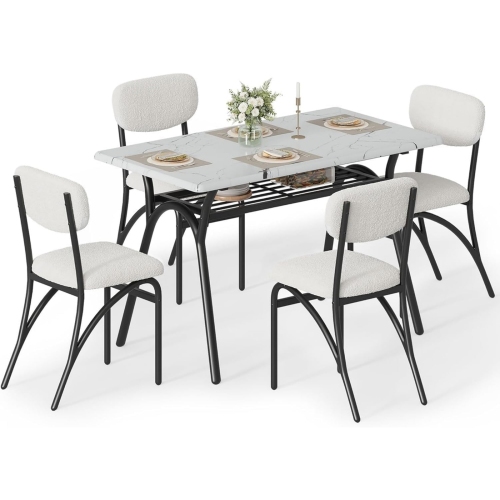
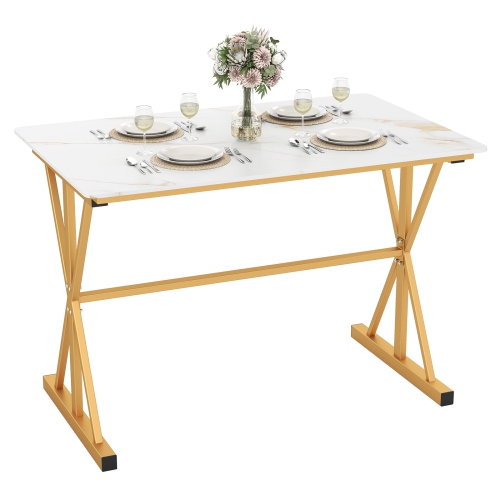
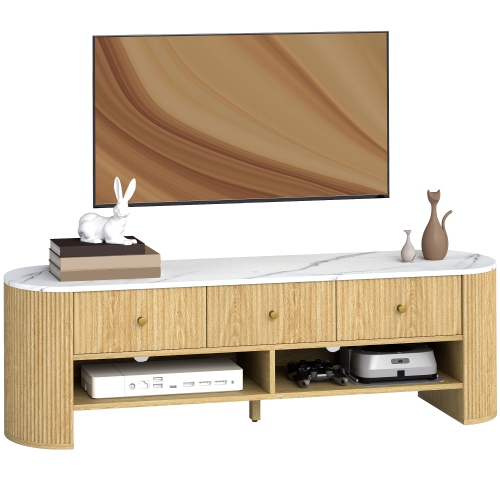
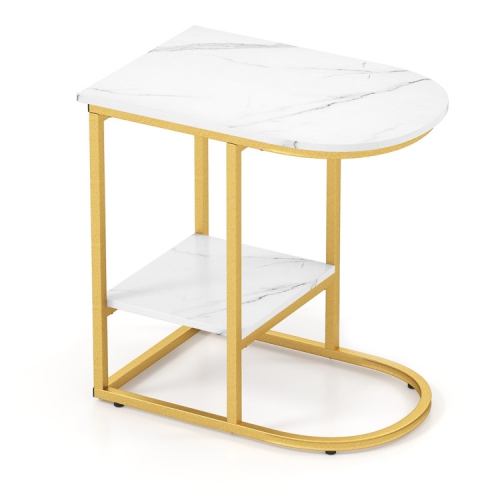
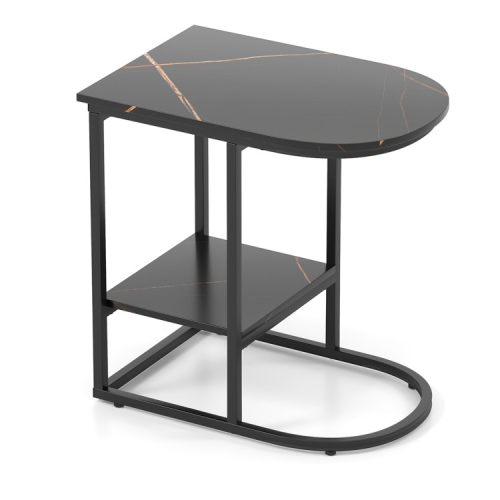

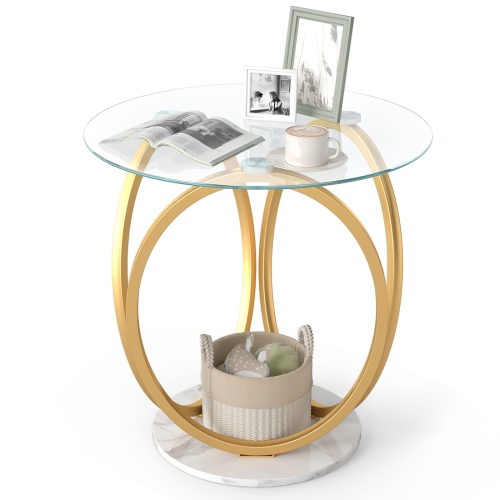
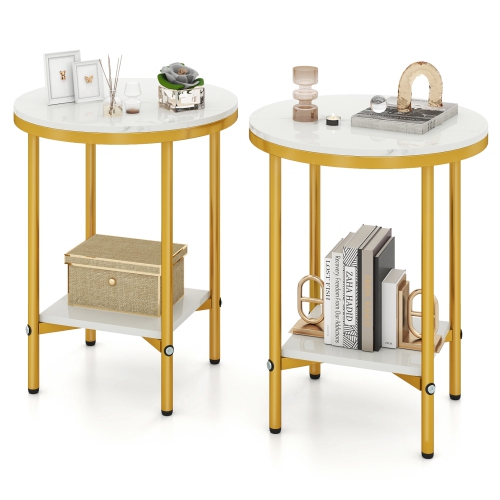
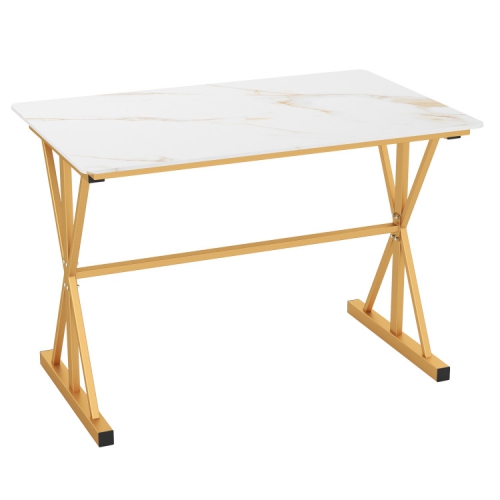
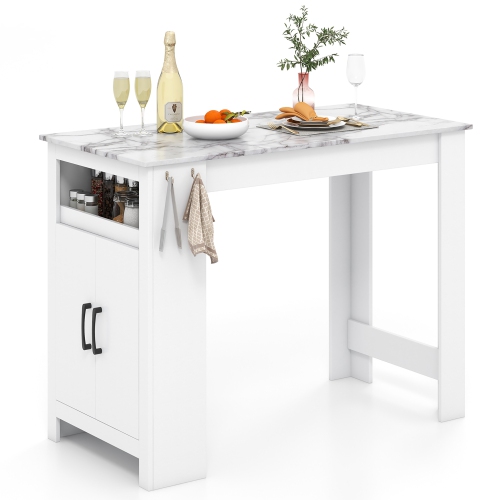
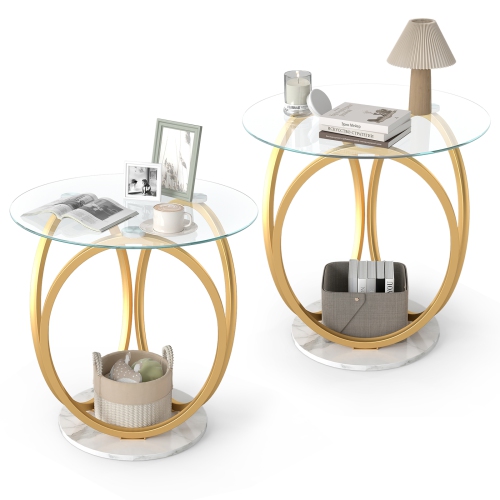
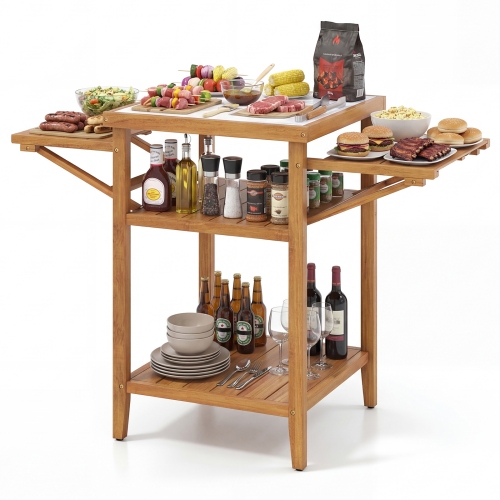

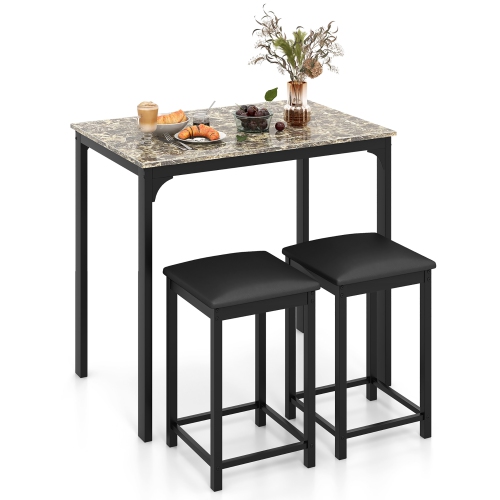
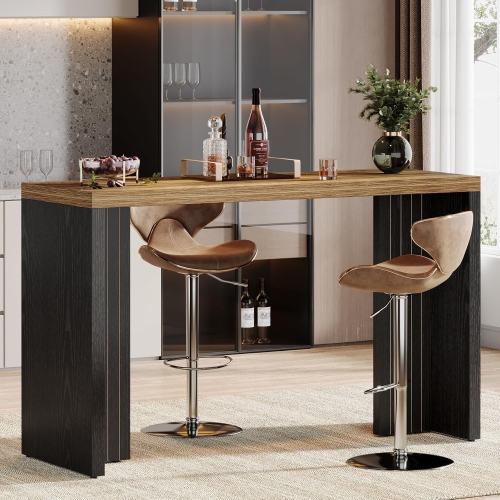
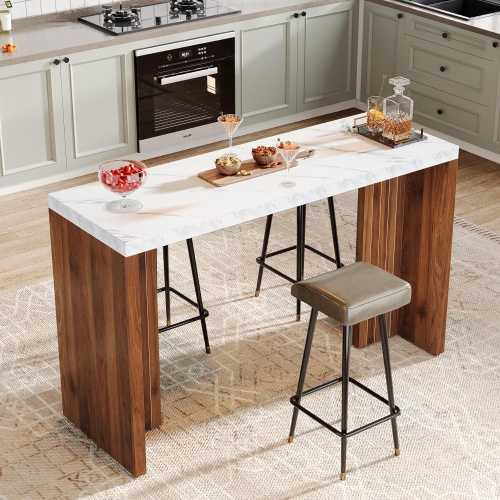
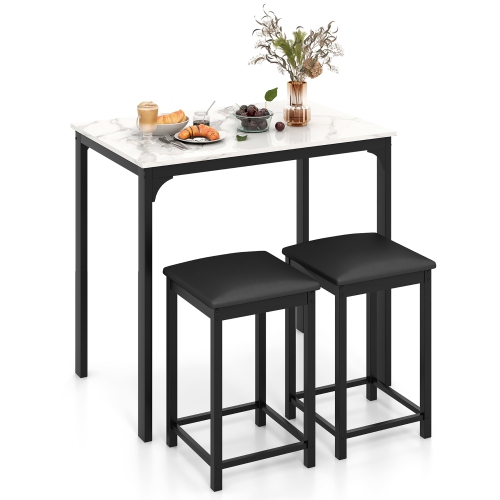
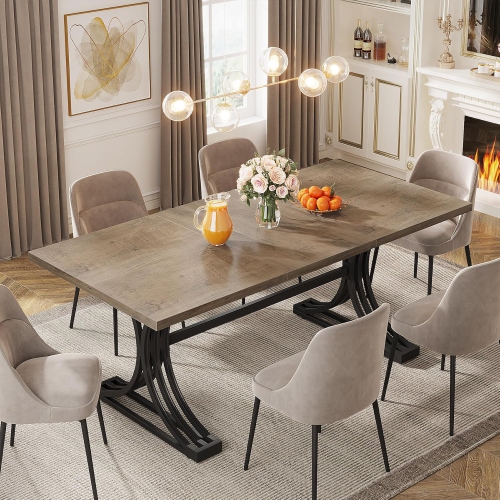
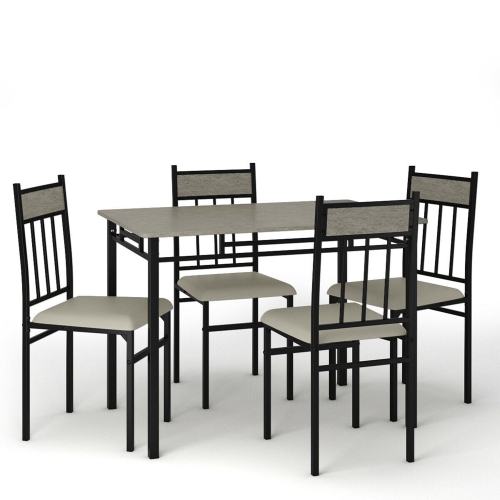
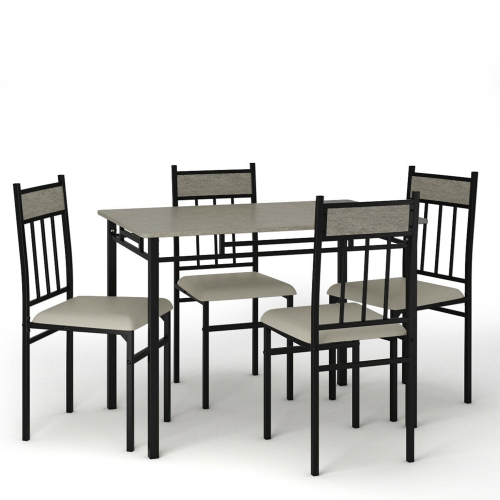
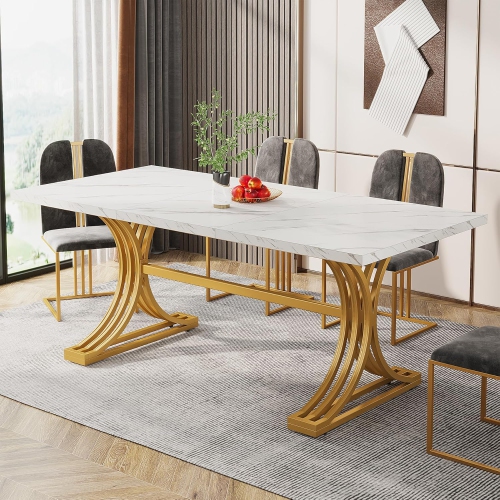
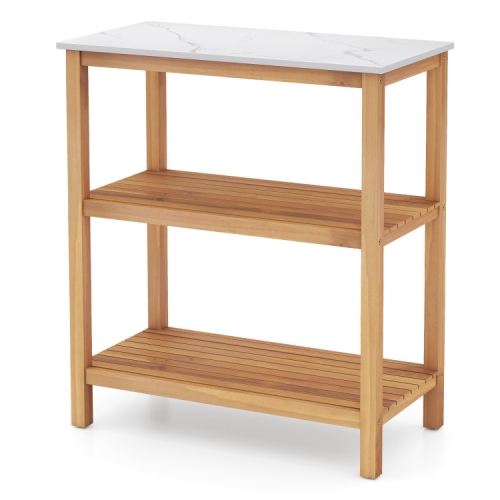
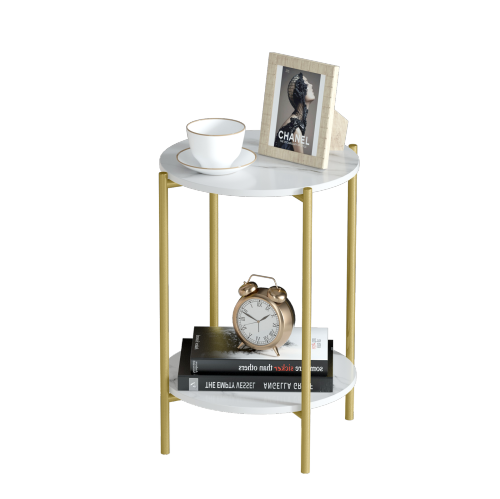
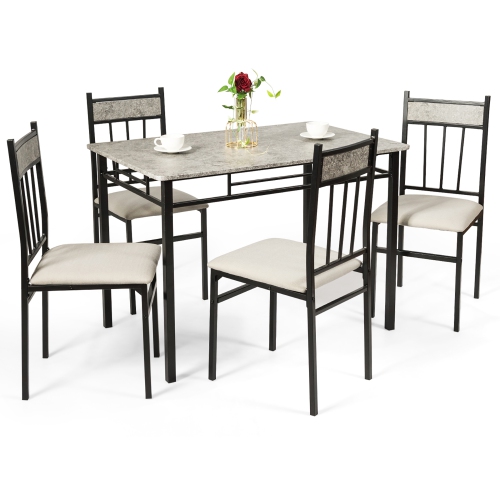
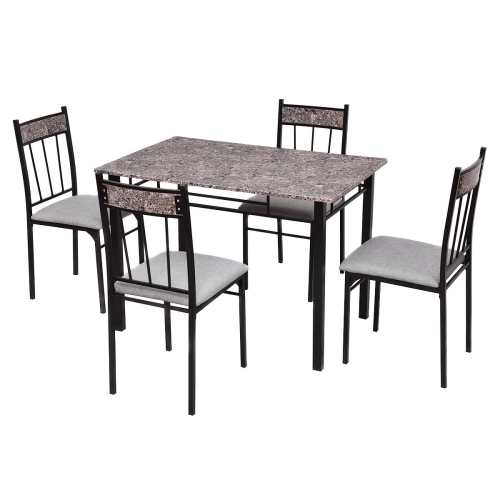
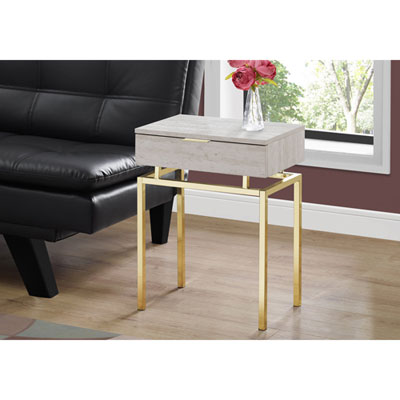
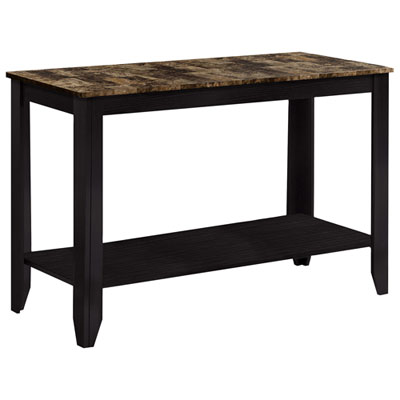
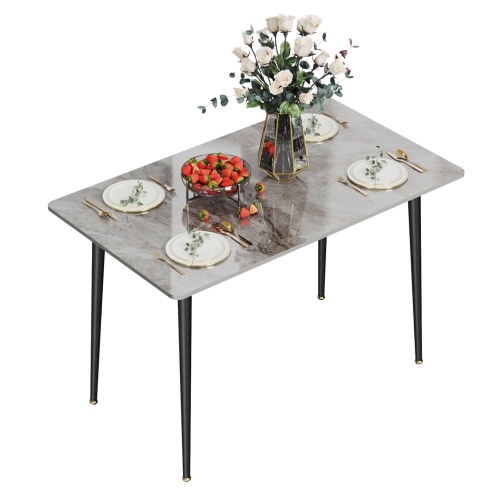
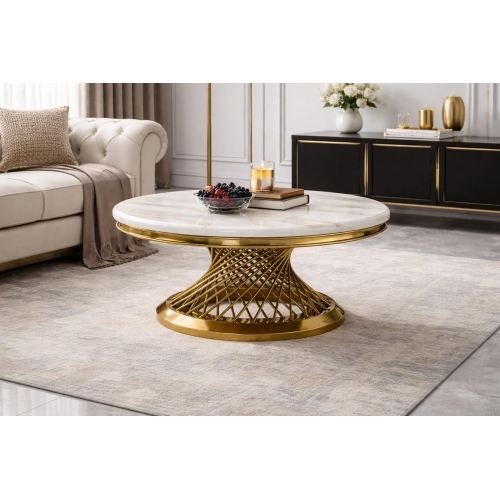
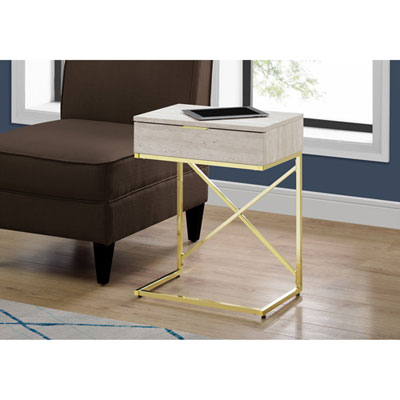
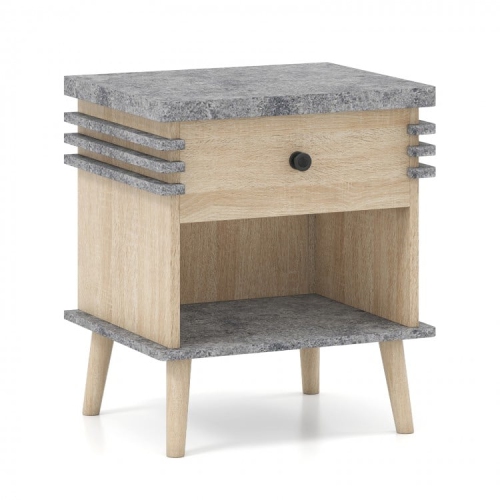
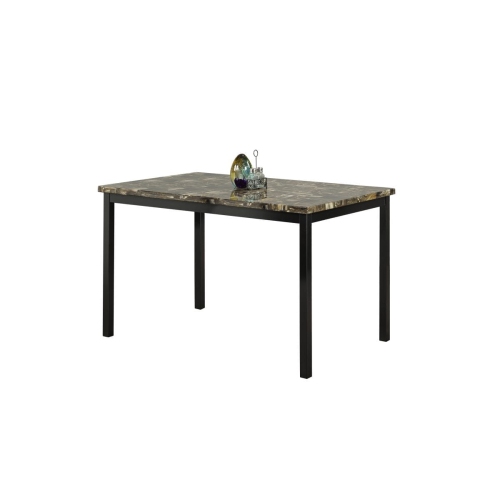
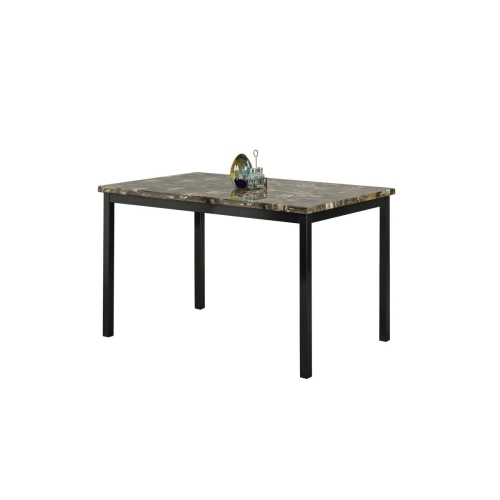
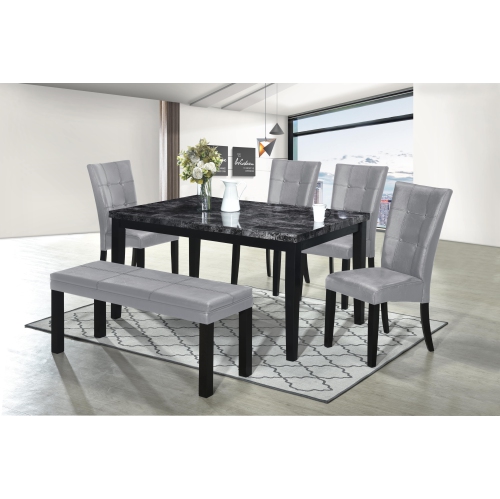

There’s more to marble tables than their veining
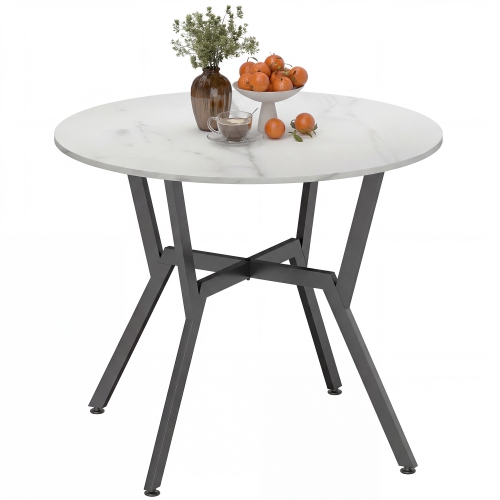
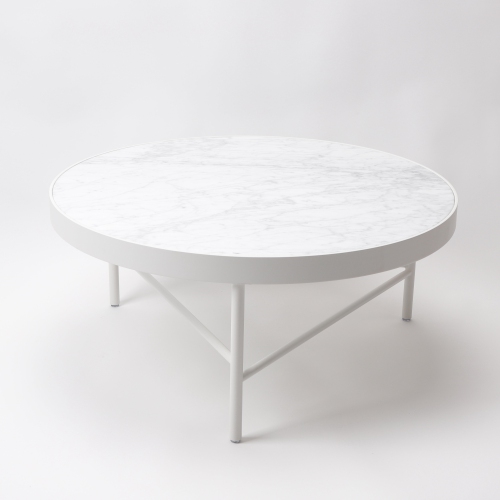
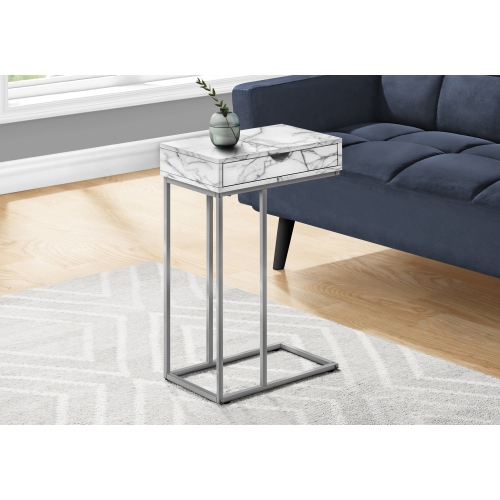
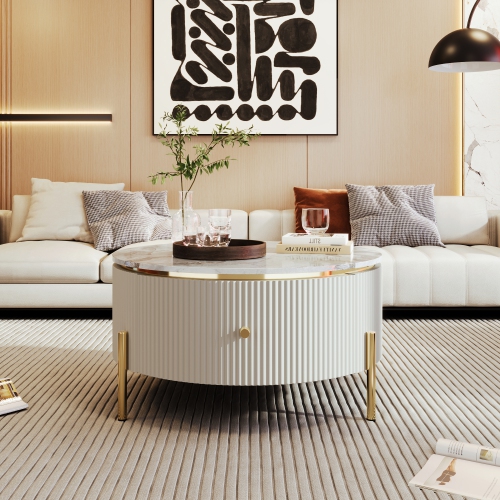
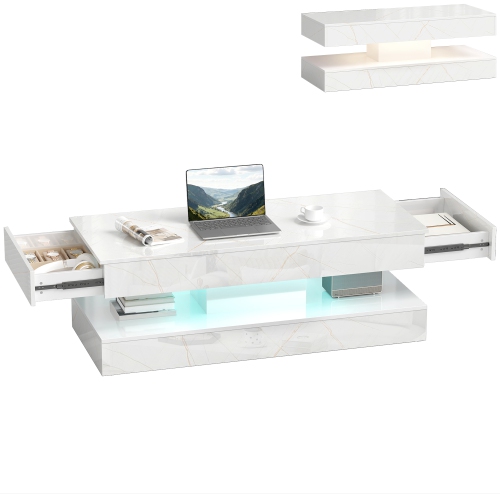
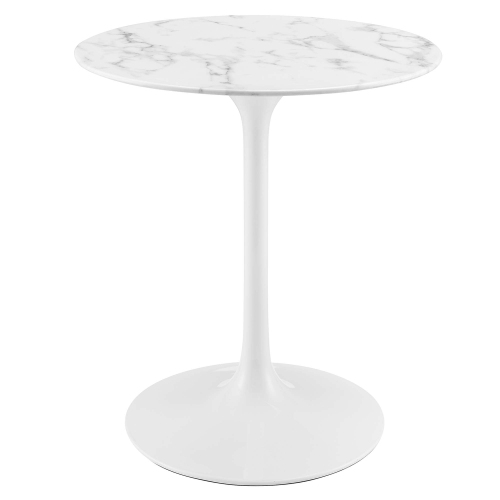
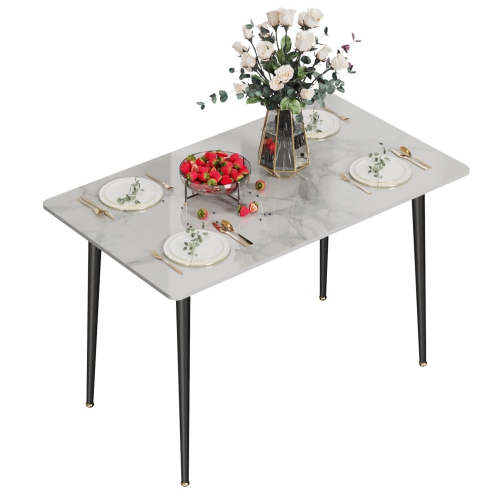
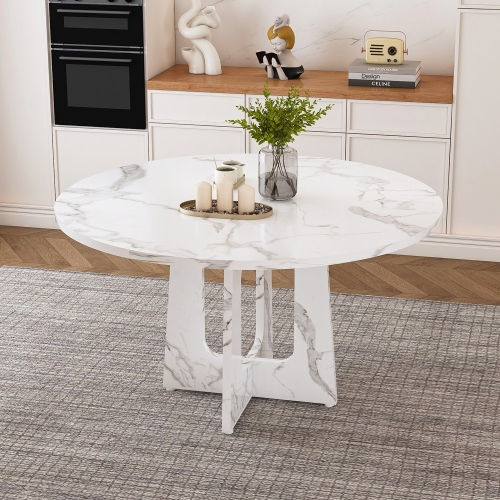
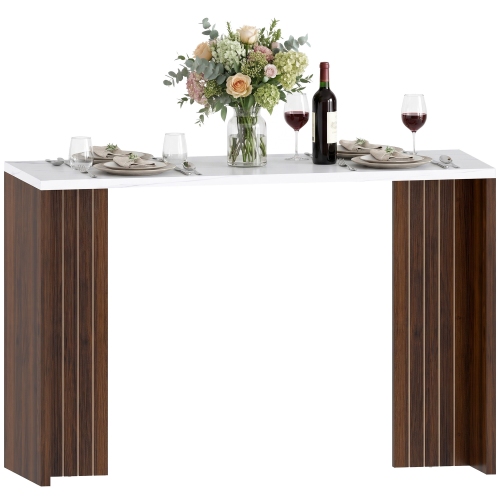
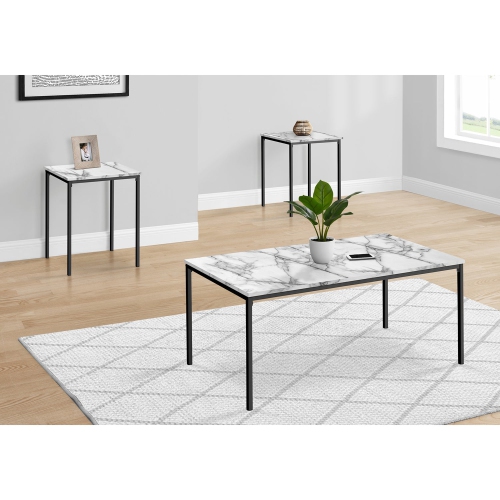
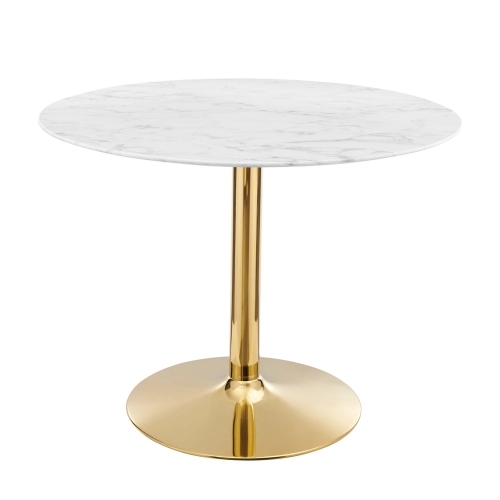
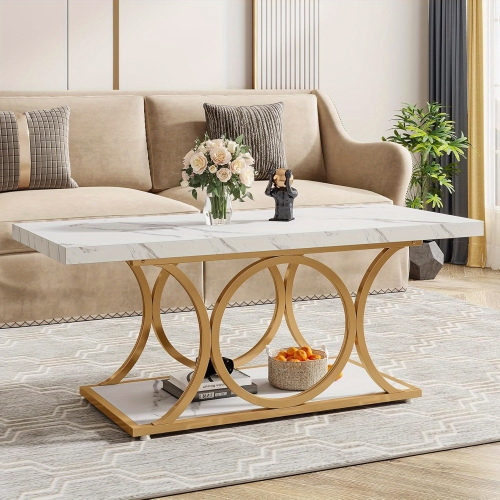
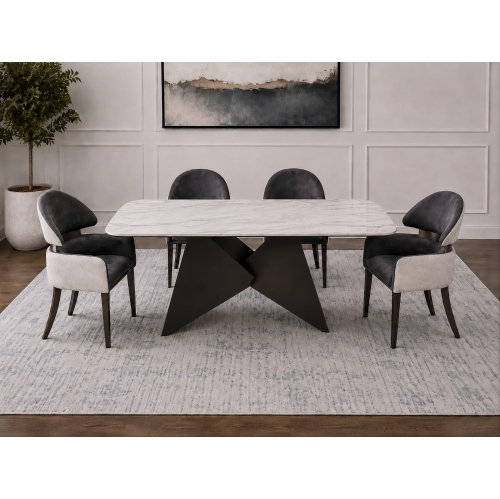
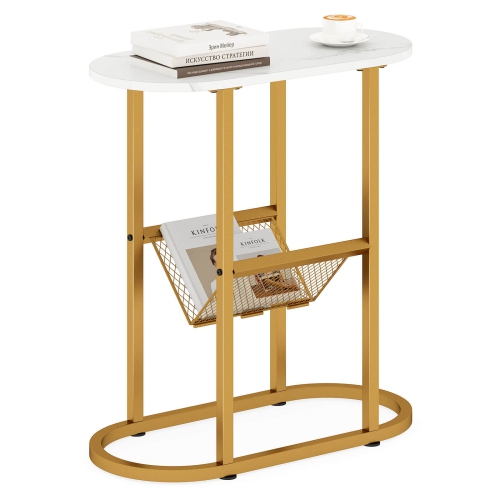
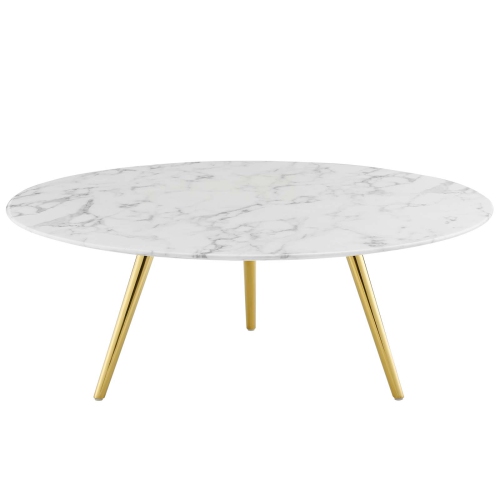
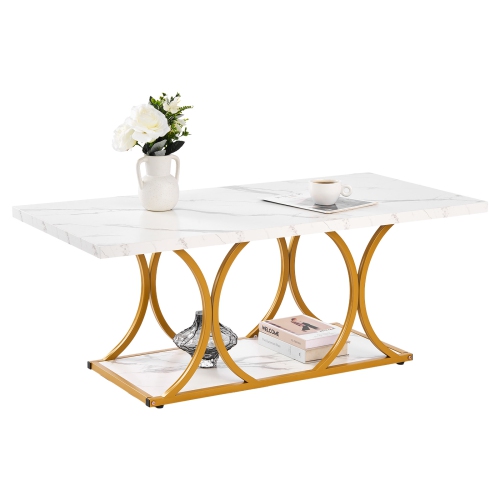
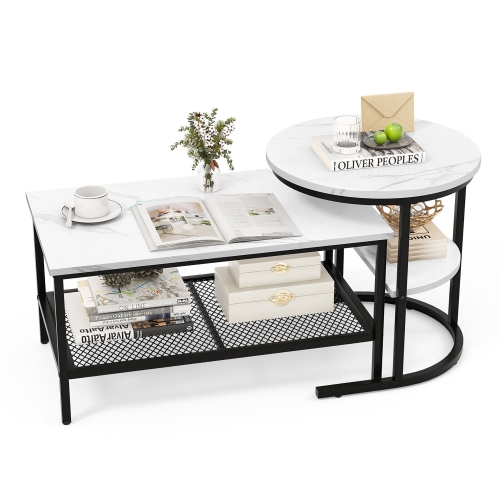
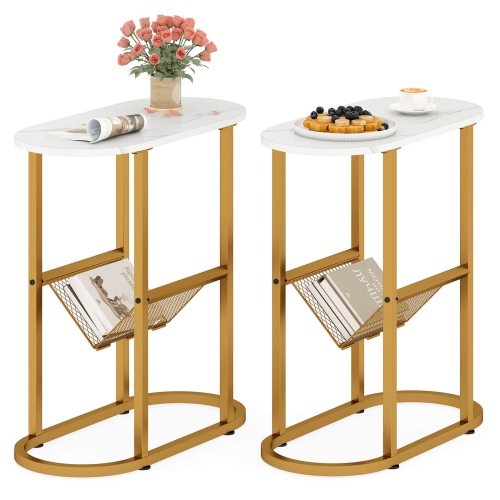
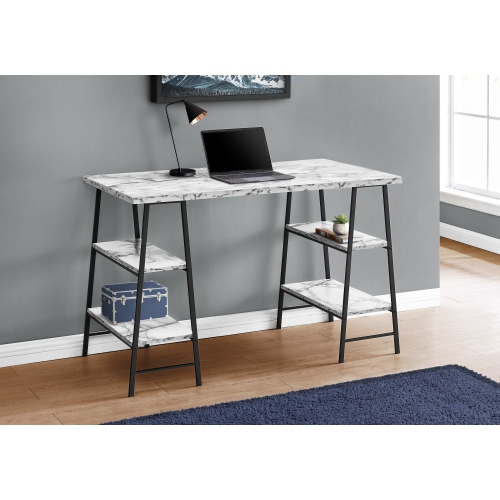
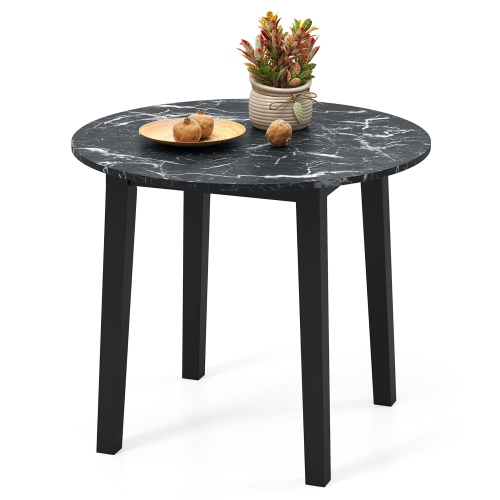
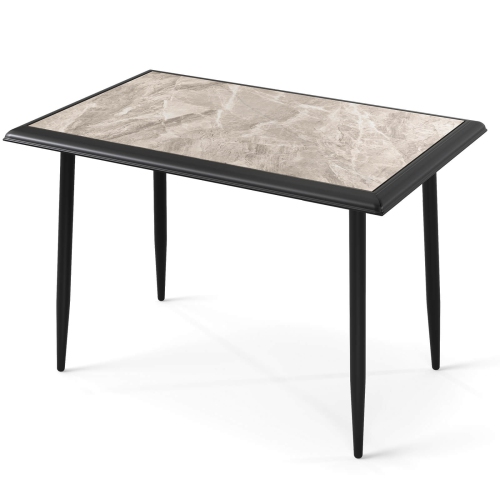
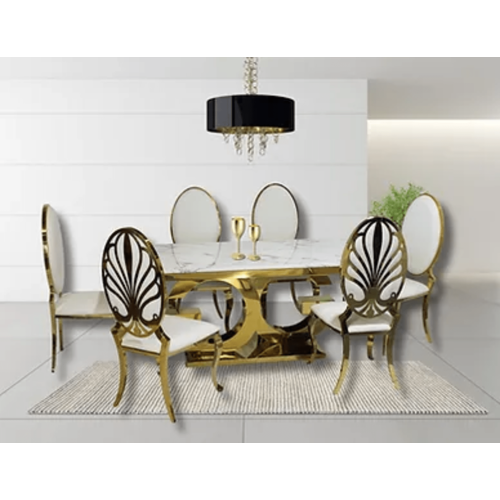
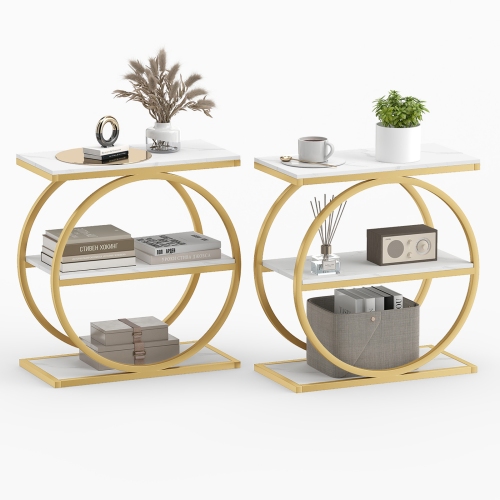
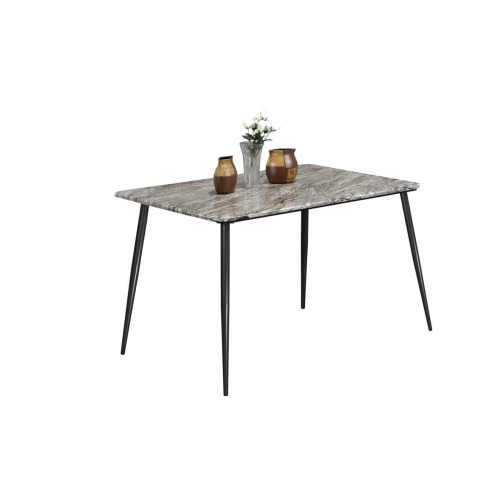
White marble top tables pair a light-coloured stone surface with bases that can range from slender metal frames to substantial wood legs and sculptural pedestals. The category includes dining tables, coffee tables, side tables, console tables, and compact accent tables, each serving a different purpose within a room. A dining table creates a shared space for meals and conversation, while a low coffee table gives a seating area a central surface for books, a tray, or an evening snack. A narrow console can bring the same material into an entryway without taking up as much floor space. Natural white marble is rarely a uniform, paper-white colour: its background may lean towards ivory or soft grey, with veins that appear as fine threads, broad ribbons, or cloud-like patches. These variations are part of the stone, so the pattern on one tabletop may differ from another even when the tables share the same design. A polished finish reflects light and gives the veining a crisp appearance, while a honed finish has a softer, matte look. Neither finish makes marble stain-proof or resistant to acids. Construction matters as much as appearance, since a solid marble slab, a thin layer of marble over a supporting core, and a marble-look surface are not interchangeable. Marble-look tops may use materials such as ceramic, laminate, or engineered composites, with care requirements that differ from those of natural stone. The material description is therefore more useful than the surface pattern alone when assessing a table. Wood bases can soften the contrast of white and grey veining, black metal can give the top a defined outline, and warm metallic finishes can add contrast to a pale surface. In a room with a patterned rug or textured upholstery, restrained veining can help the table sit comfortably among existing furnishings. More pronounced veining can make the tabletop the room’s main visual feature without requiring additional ornament.
The best fit depends on how a white marble top table will be used and how much space surrounds it. For dining areas, both tabletop dimensions and the position of the base affect seating comfort. A pedestal can leave more space around the perimeter for chairs, but a wide foot may interfere with where diners place their feet. Corner legs can provide a straightforward seating layout, although the distance between them determines whether wider chairs or chairs with arms will tuck underneath. Allowing roughly 60 cm of table edge per diner is a useful starting point, with more room needed for generous place settings or broad seats. Around 90 cm between the table edge and a wall or cabinet generally leaves room to pull out a chair; a passage behind seated diners needs additional clearance. Round shapes suit conversation and remove projecting corners from the layout, but they still need adequate space on every side. For circular dining and accent shapes, Round Marble Tables bring the proportions of the top and base into particular focus. Rectangular tables often work well in longer rooms, while oval tops offer a similar orientation with curved ends. In a living room, a coffee table approximately level with the sofa seat, or slightly lower, usually feels comfortable to reach. Leaving about 40 to 45 cm between the sofa and table provides a practical starting point for legroom without putting a drink too far away. A side table beside a reading chair works best when its surface is close to the arm height, particularly if it will hold a lamp or a mug. These measurements are starting points rather than fixed rules; mobility needs, reclining furniture, and busy routes through the room may call for more space. Marking the footprint on the floor helps reveal whether a table will crowd a doorway or make an everyday route awkward. For heavy stone furniture, delivery access, stairs, and tight hallway turns also deserve attention before deciding on dimensions.
Natural marble offers a substantial surface that can remain useful for many years, but it rewards a little care during ordinary use. Its porosity makes it susceptible to staining, and its calcium-based composition reacts with acidic substances such as lemon juice, vinegar, wine, and some cleaning products. That reaction can leave an etched, dull mark even when a spill has not caused a stain. Blot spills promptly rather than spreading them across the surface, then clean according to the table’s care instructions using a soft cloth and a cleaner suitable for natural marble. Acidic cleaners, abrasive powders, and rough scrubbing pads can damage the finish. Coasters under drinks, placemats beneath dishes, and trivets designed to protect the surface from hot serving pieces help reduce direct contact with moisture, food, and heat. Clean beneath these accessories regularly so trapped grit does not scratch the top. Sealing may help slow the absorption of liquids, but it does not prevent acid etching or make the surface maintenance-free; whether sealing is needed, and how often, depends on the finish, use, and manufacturer’s directions. For a family dining table that doubles as a craft surface, a suitable protective covering can keep paints, glue, and messy projects away from the stone. Households that prefer a consistently pristine finish may find these habits especially important, while others are comfortable with signs of use developing over time. Marble’s weight also calls for a stable, well-supported base and careful handling. Avoid sitting or standing on the tabletop, and follow assembly and moving instructions rather than lifting a heavy table by its stone edge. In homes with children, consider rounded edges, secure construction, and placement outside active play routes, while remembering that any stone edge remains hard. With the right proportions and realistic care expectations, a white marble top table can serve as a practical dining surface, a place beside a favourite chair, or a distinctive centrepiece that feels connected to the rest of the room.
Top selling and popular products
-
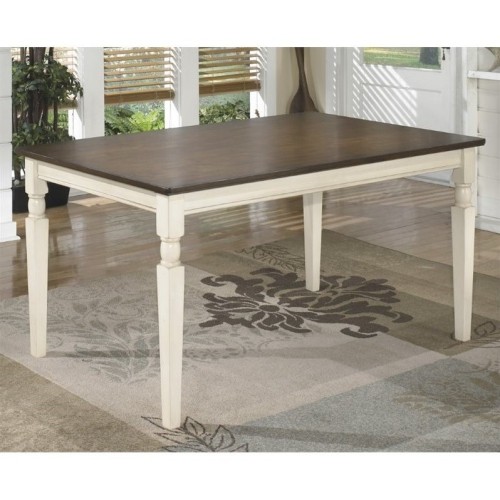 Your price for this item is $399
-
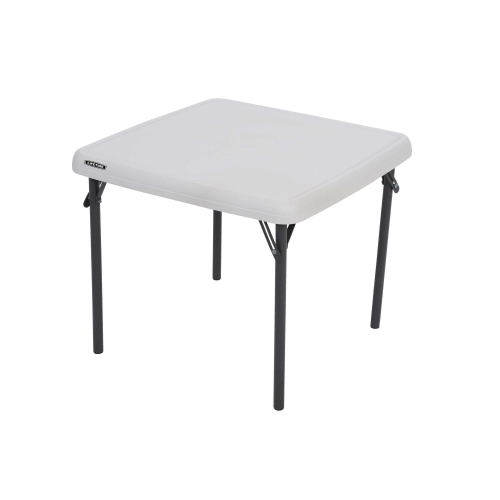 Your price for this item is $74.99
-
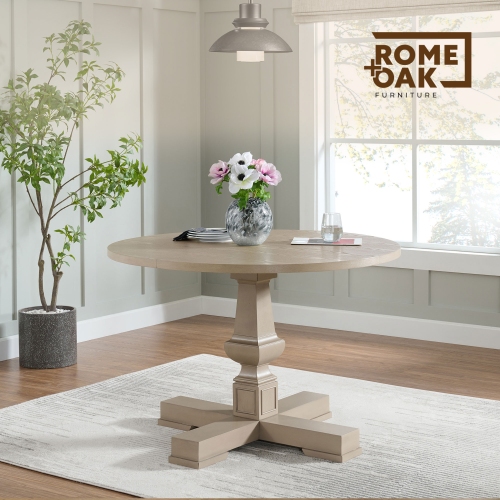 Your price for this item is $971.99
-
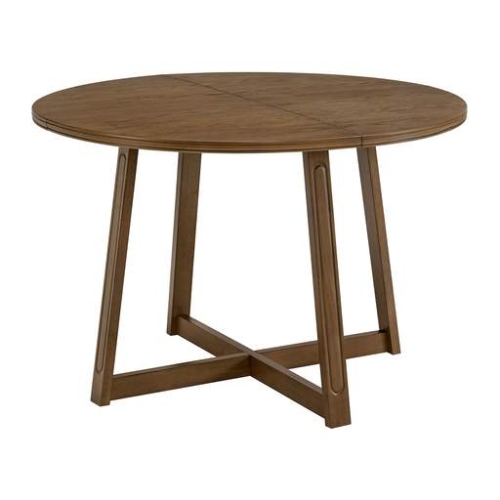 Your price for this item is $796.99
-
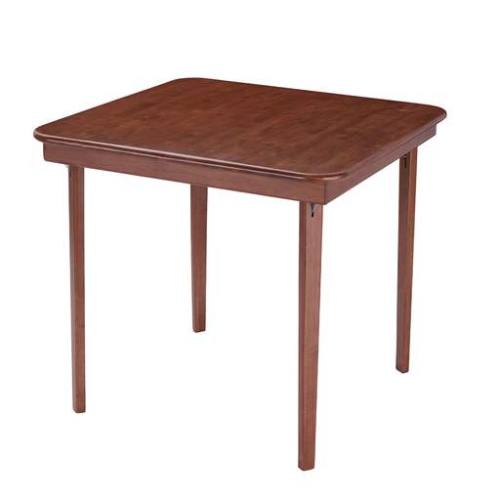 Your price for this item is $413.99
-
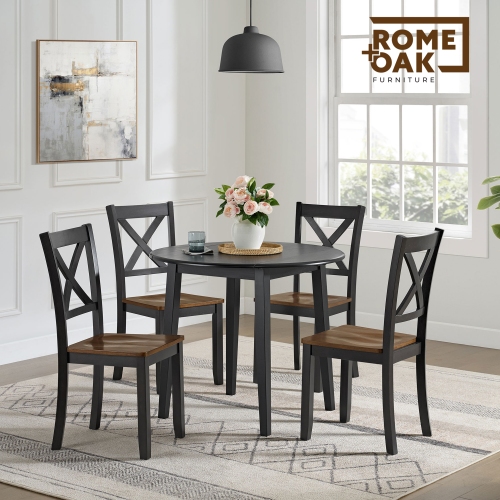 Your price for this item is $392.99
-
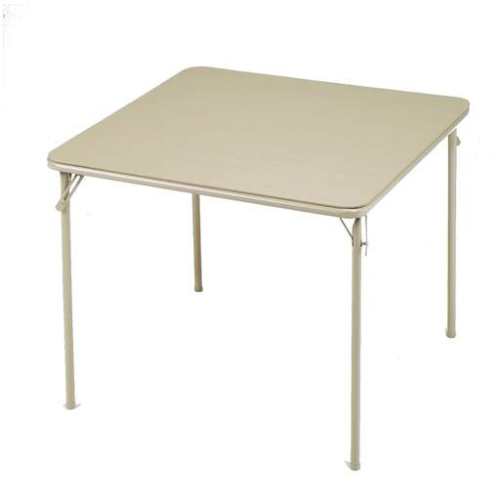 Your price for this item is $243.99
-
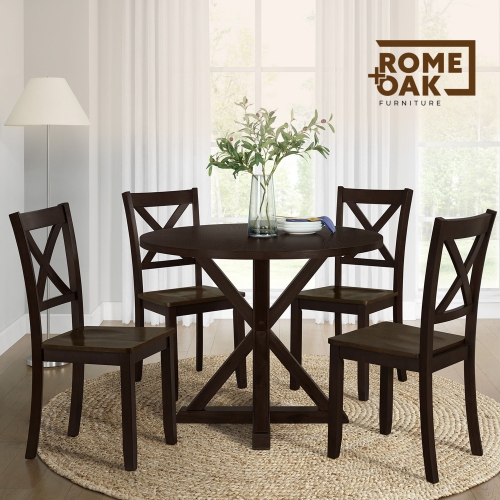 Your price for this item is $827.99
Discover more categories related to White Marble Top Tables
Top Collections:
Best Black Friday Deals This Year, Best Black Friday Deals On Electronics, Kindle Devices, Pokemon Centers, Best Black Friday Deals On Apple Products, Best Cameras for Sports Photography, Dyson Airwrap, Pokémon 30th Celebration Cards, Apple iPhone 17 Pro, Canon G7X Cameras
Some products may be subject to Environmental Handling Fees
(EHF) depending on your province.
Learn more about EHFs.