White Office Tables
Looking to create a sleek and modern workspace? Our white office tables offer the perfect blend of style and functionality. Whether you're furnishing a home office or upgrading your corporate workspace, these versatile tables are designed to elevate your productivity and enhance the overall aesthetic. With their clean lines and crisp white finish, our white office tables effortlessly complement any decor while providing ample space for all your work essentials.
Sort
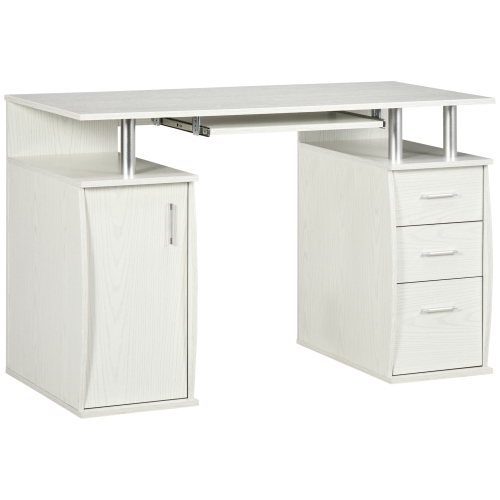
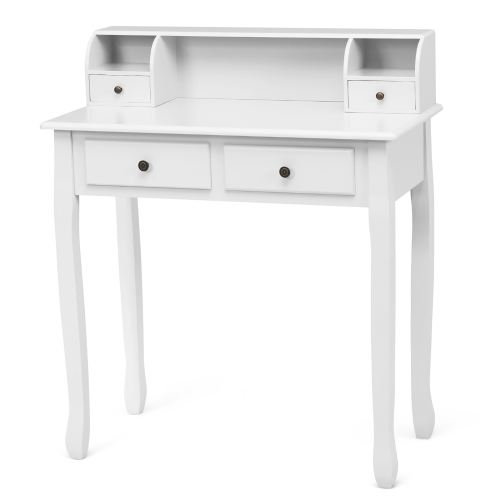


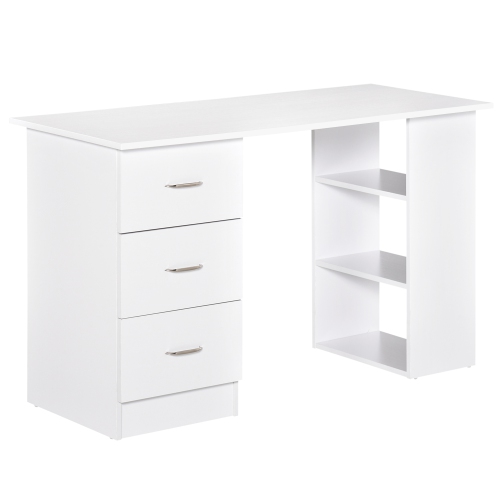
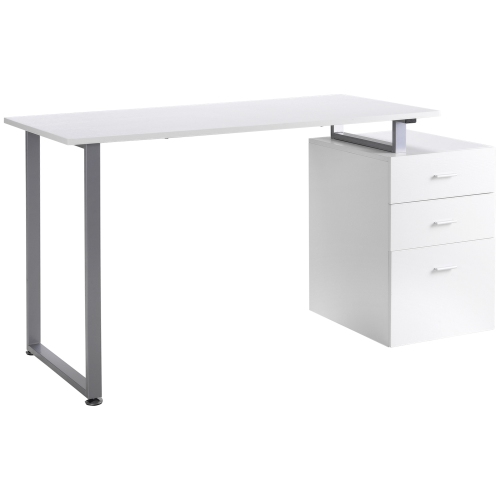


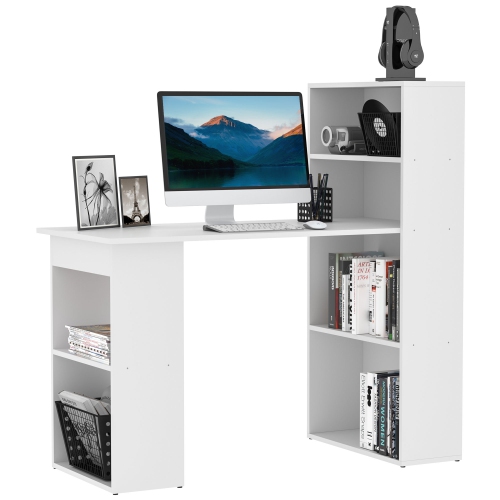


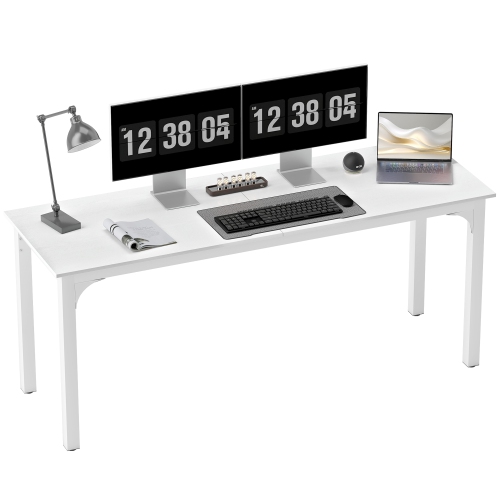

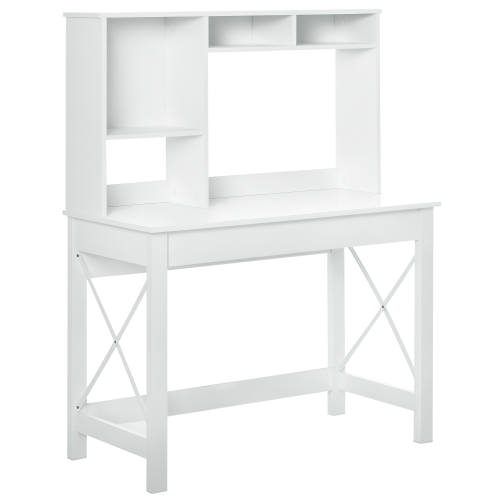

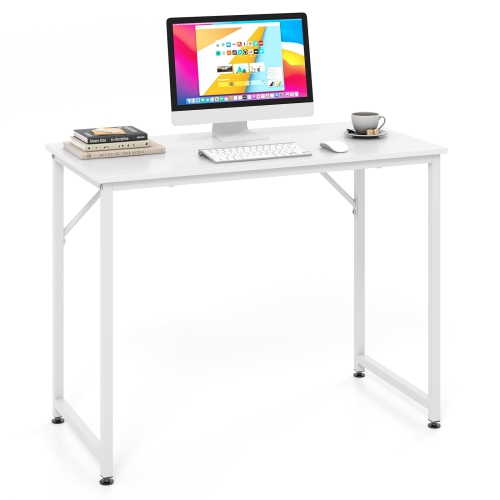


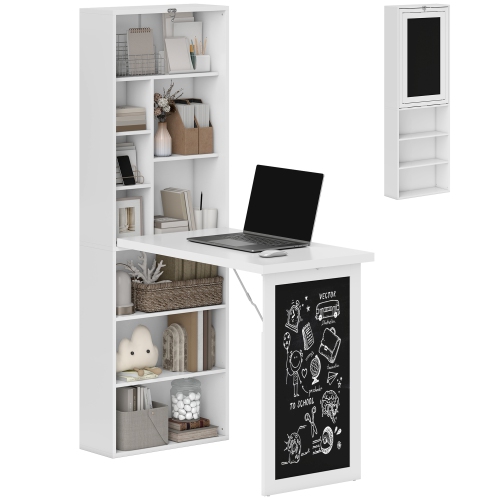
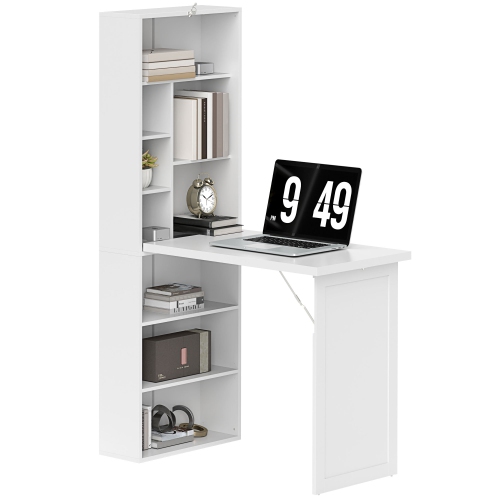

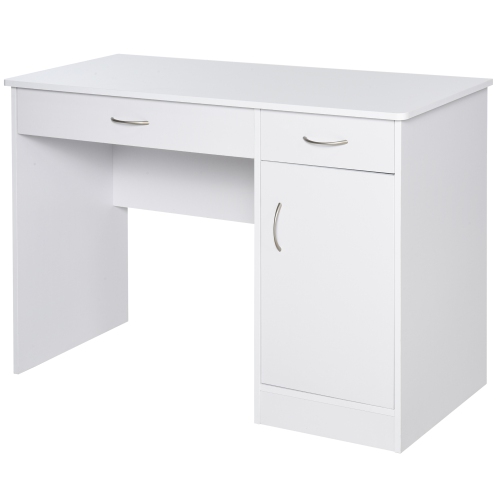
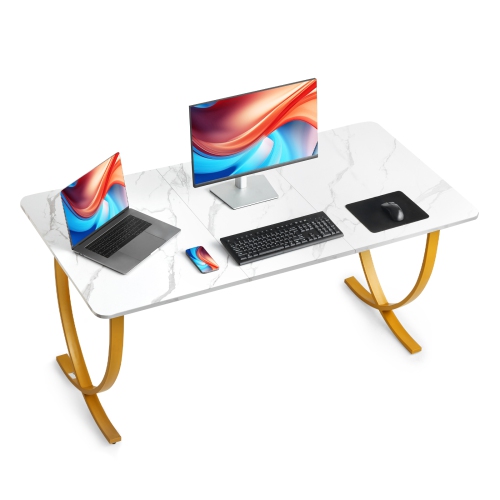
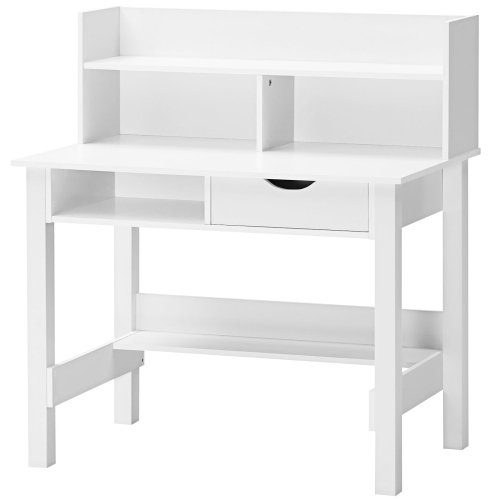
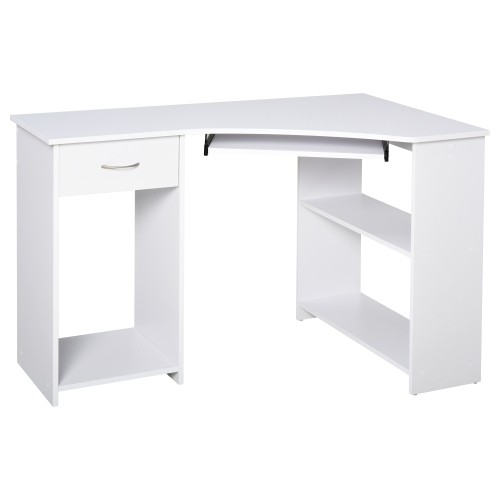

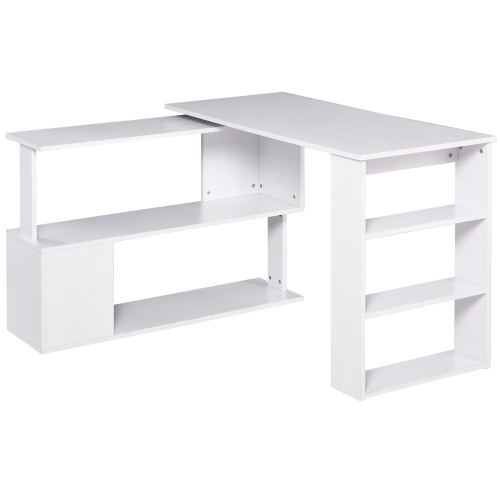
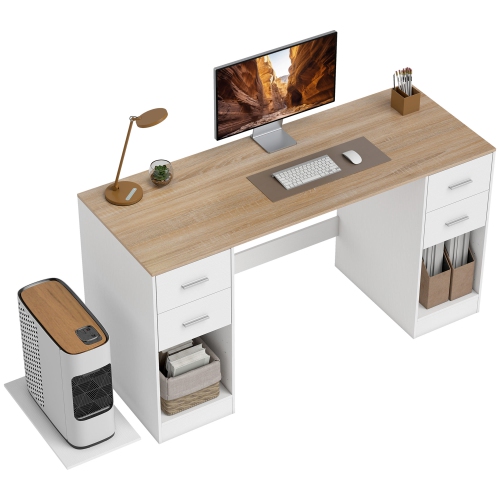

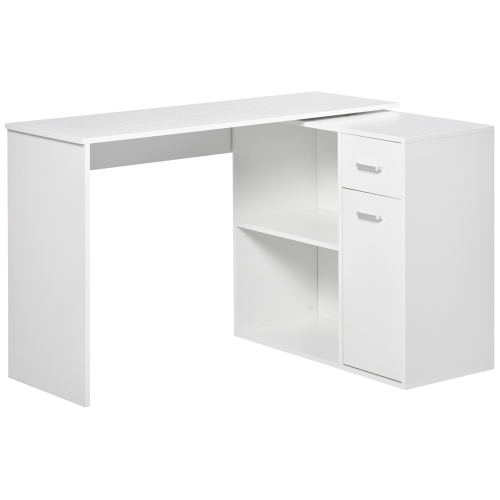


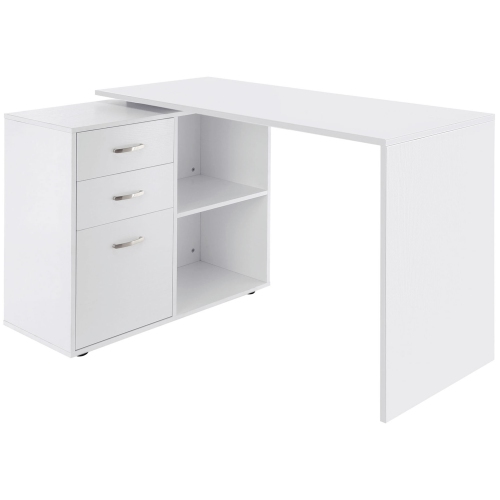

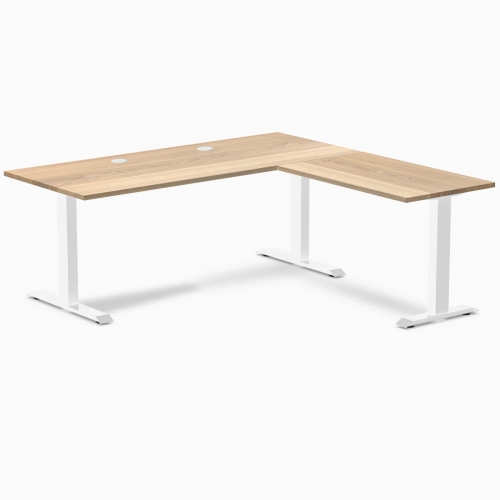

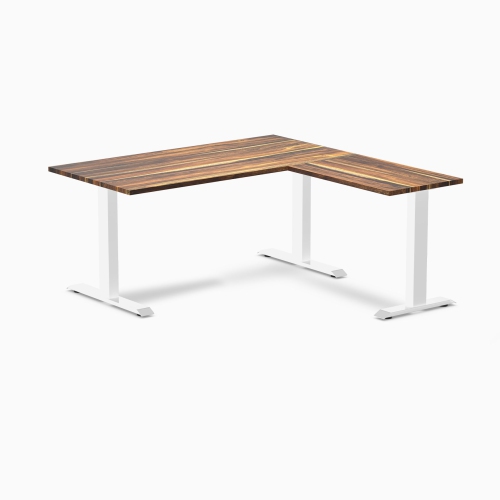





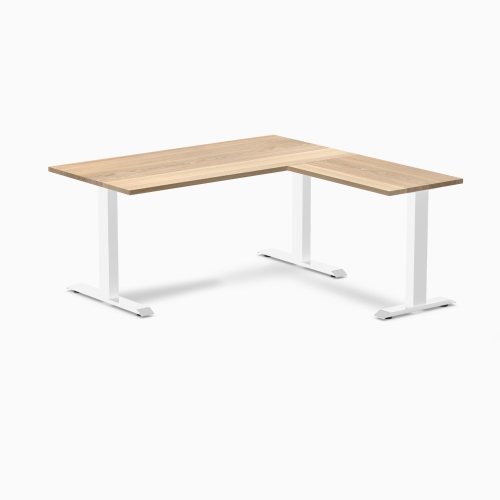
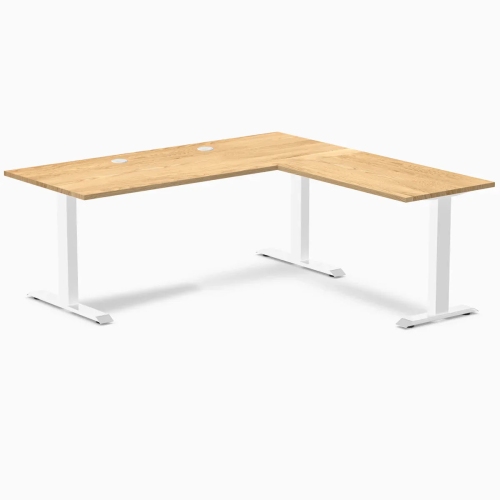

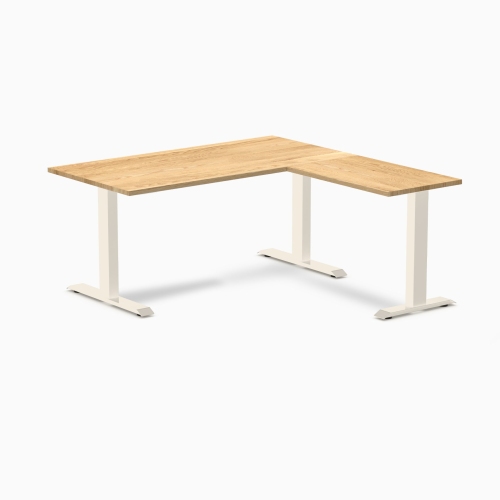
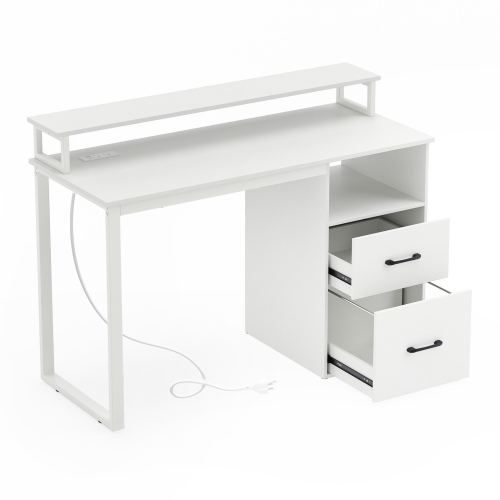
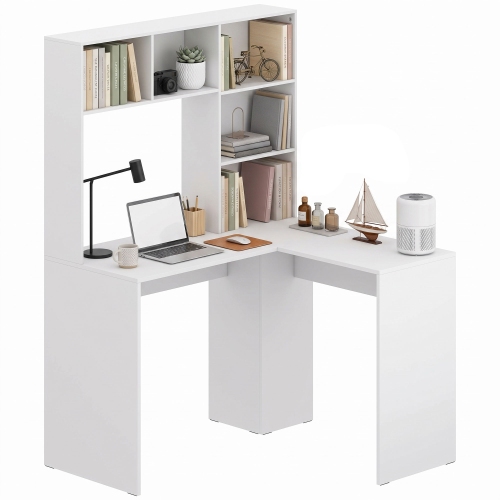
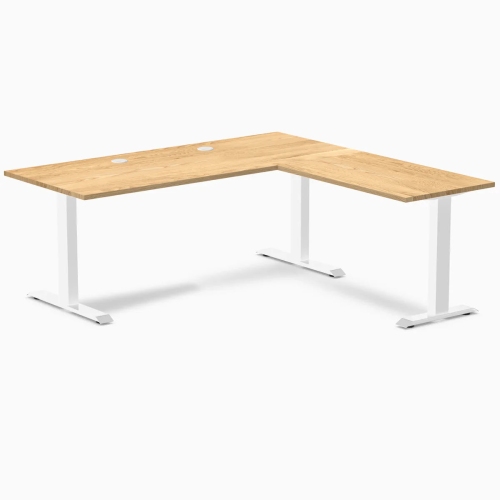


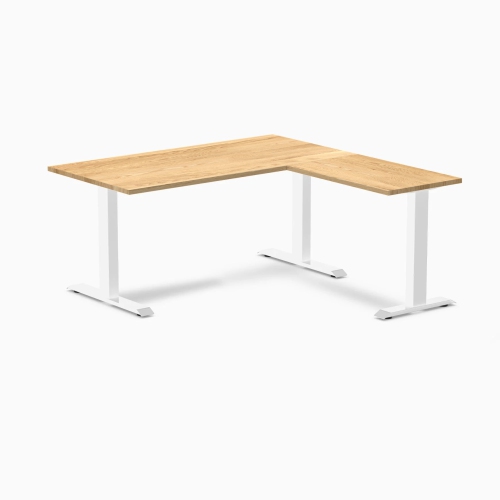
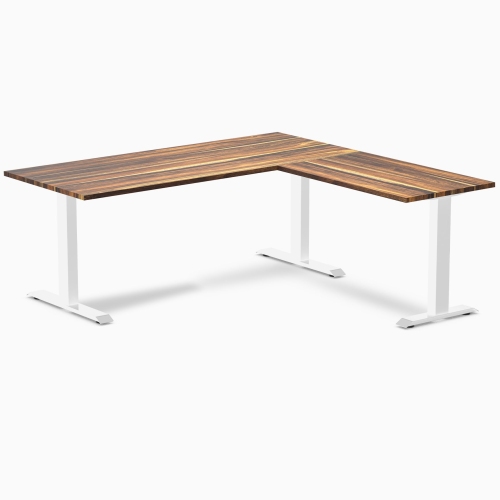
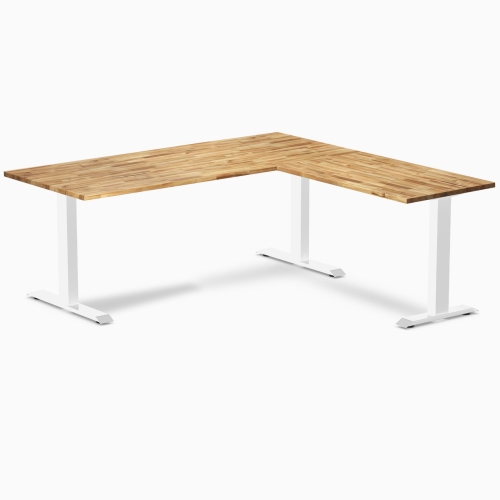

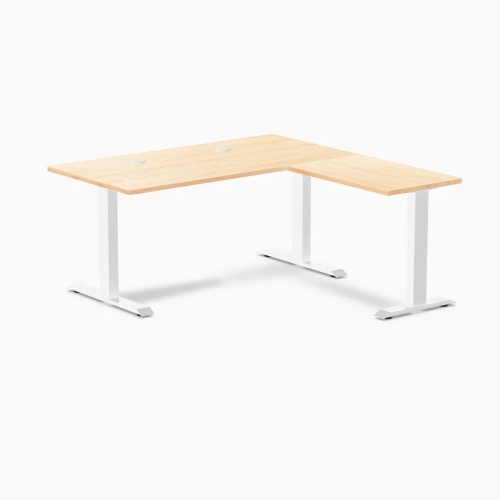
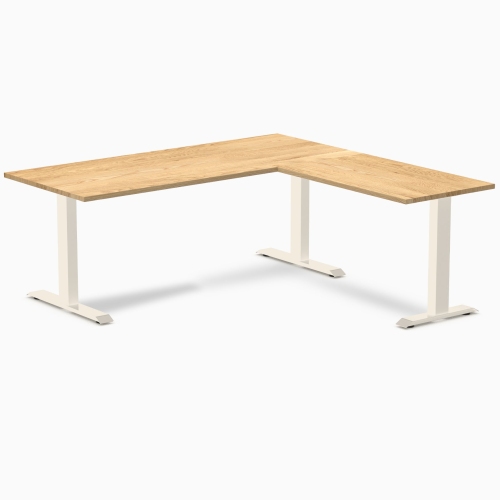
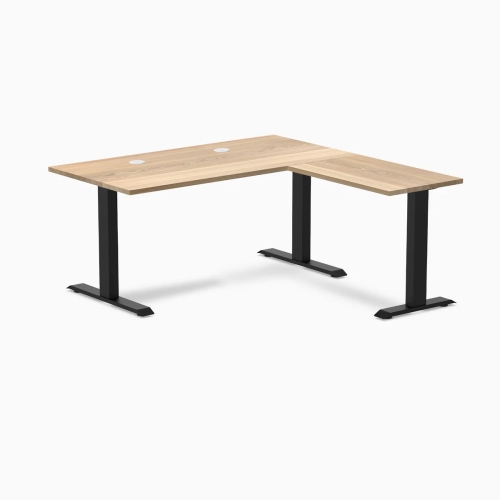

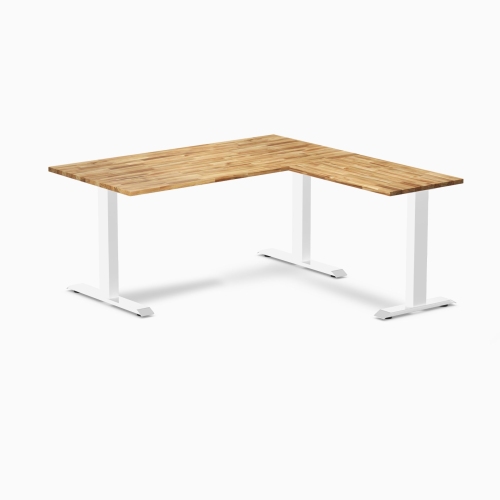
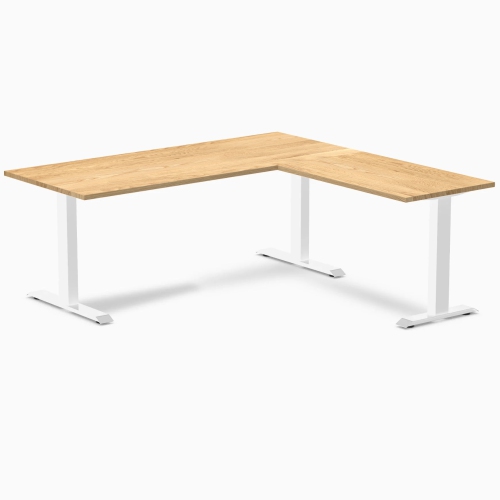

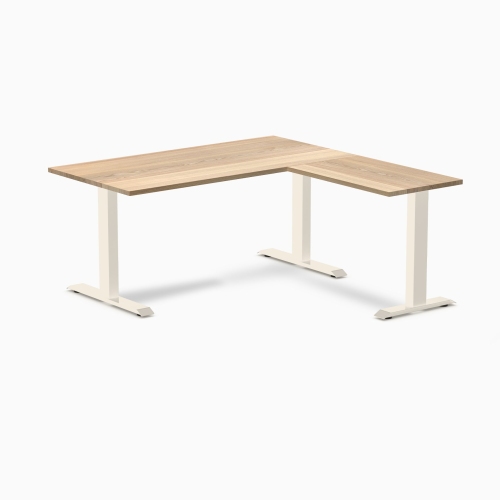


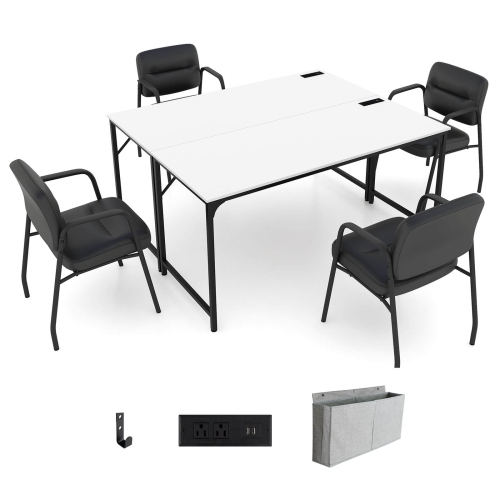
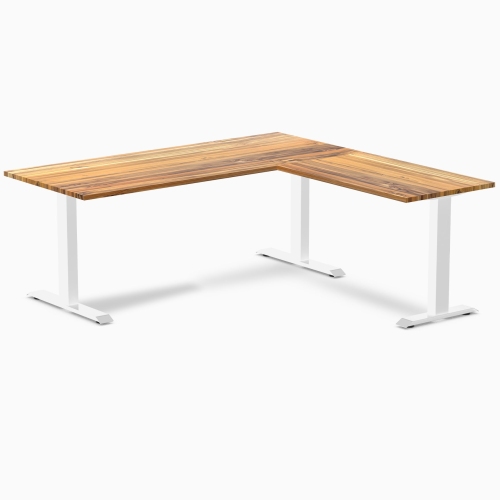

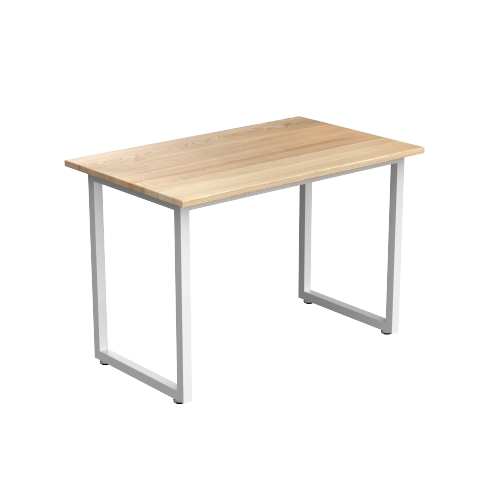
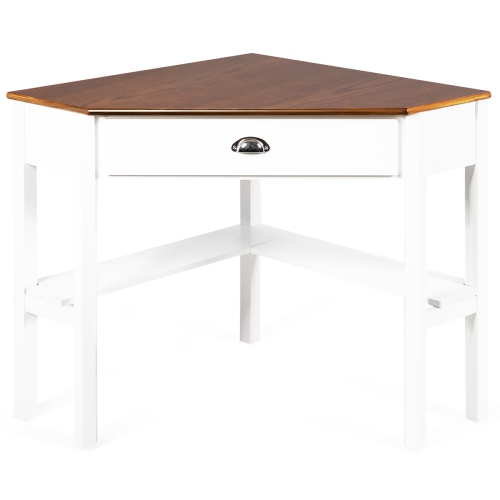


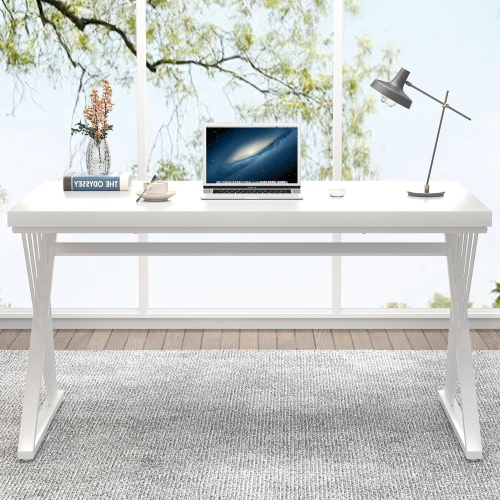
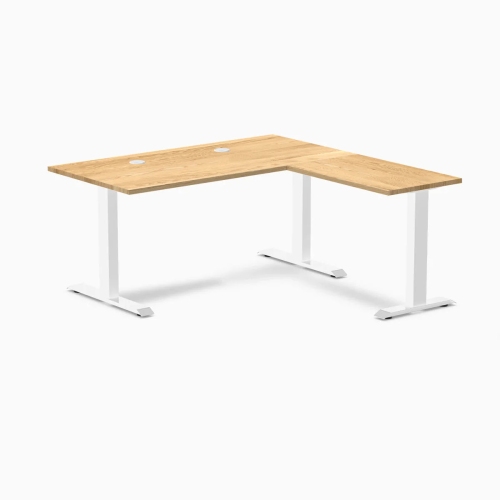
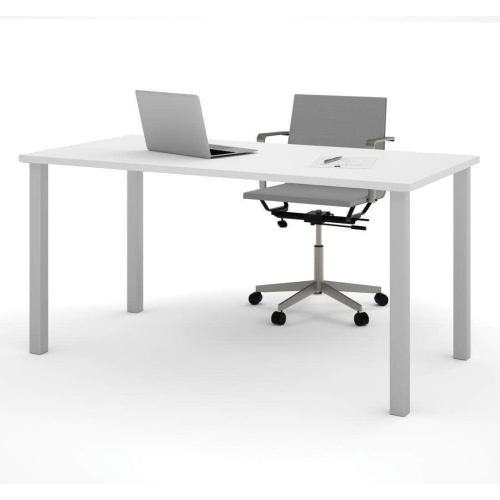
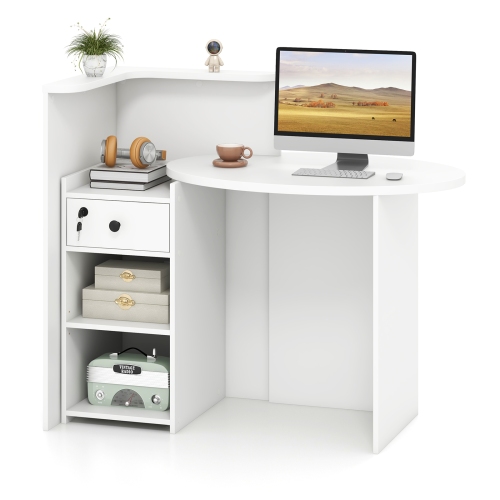
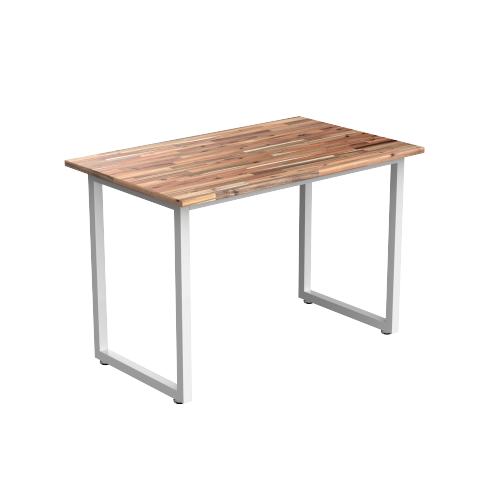
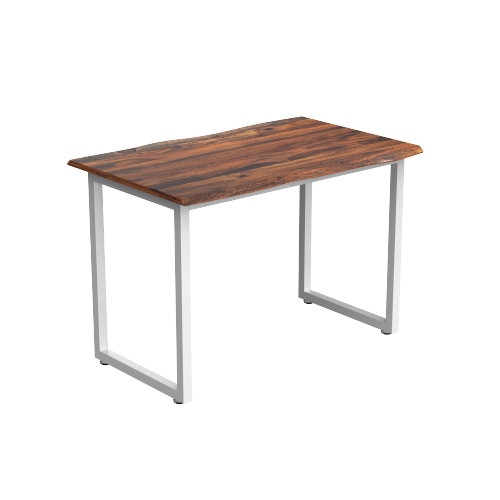

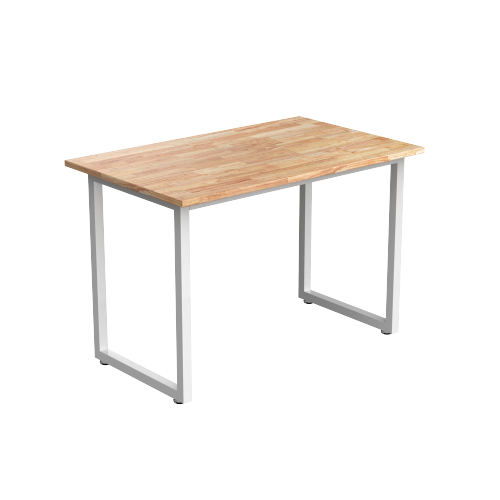
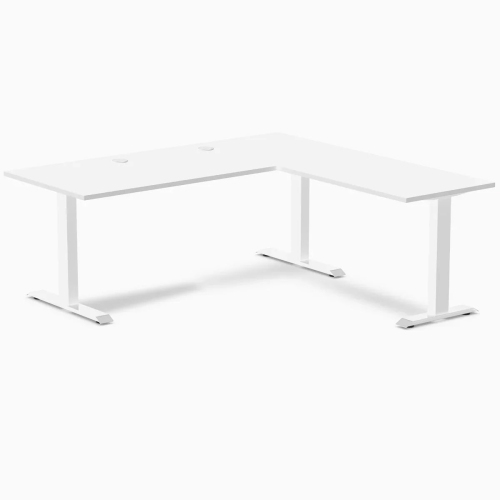

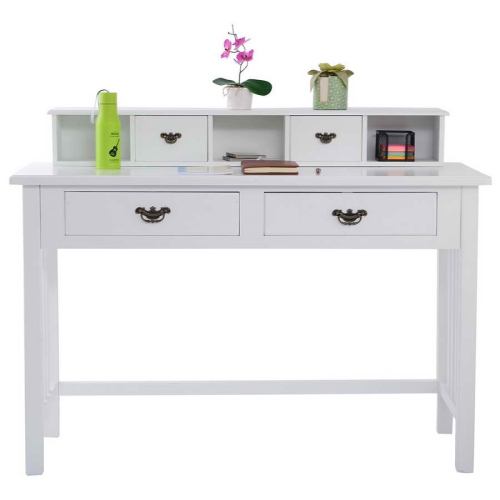
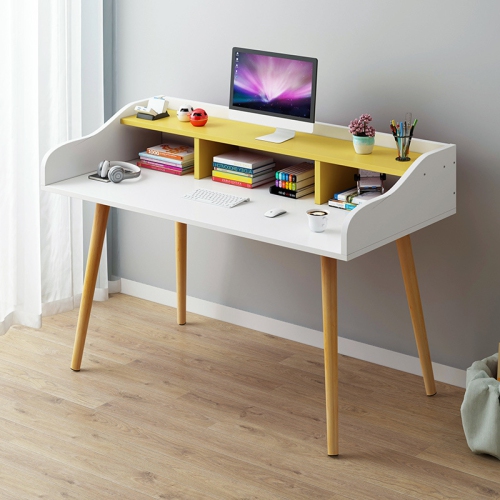

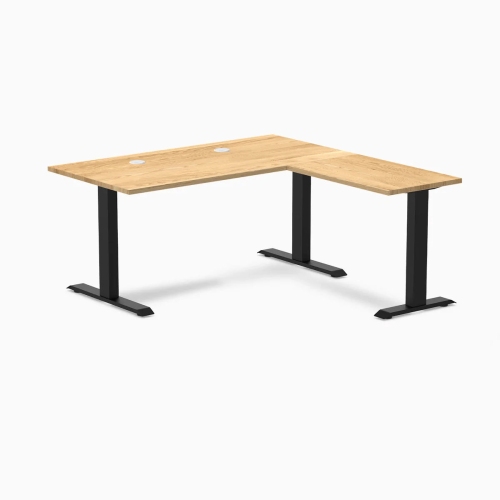
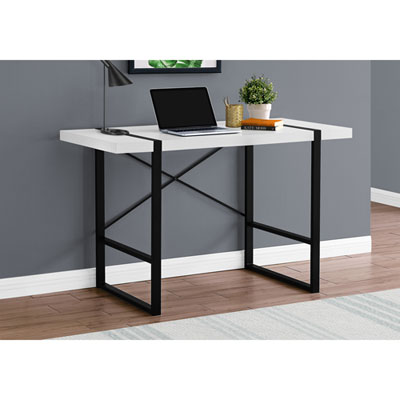
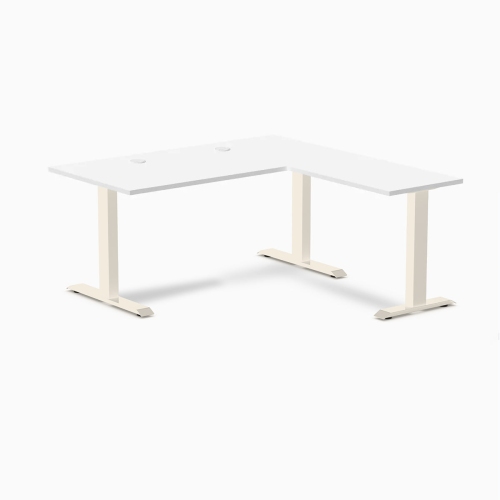


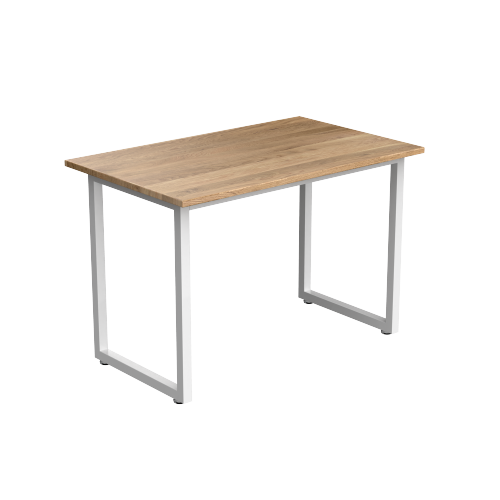

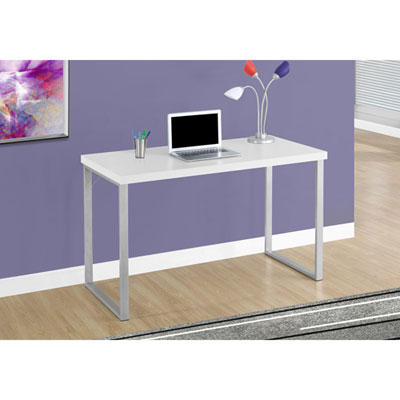


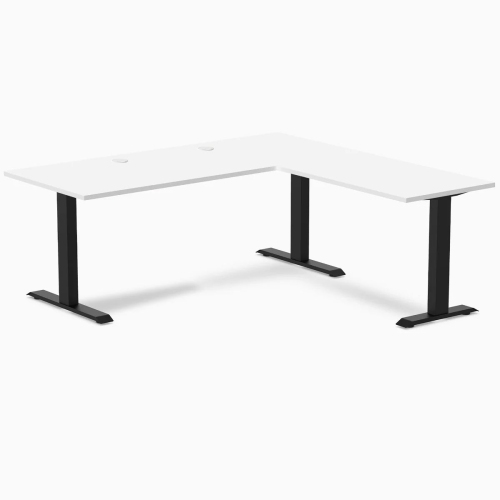
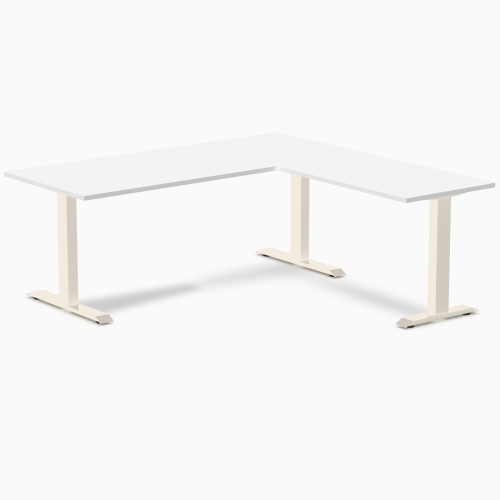
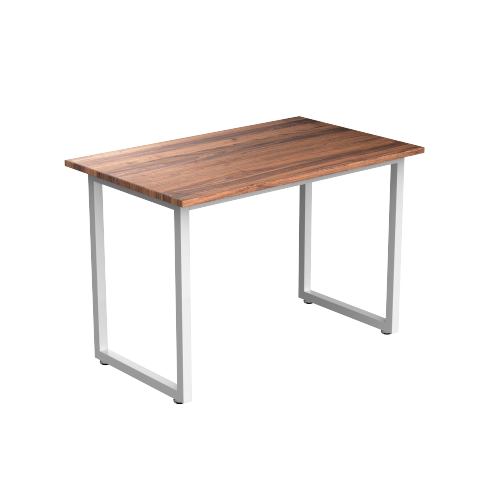
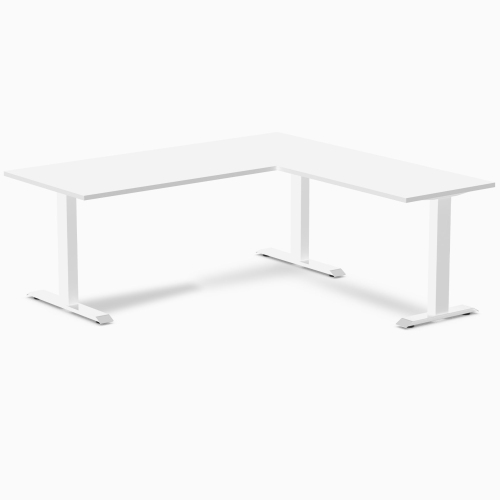

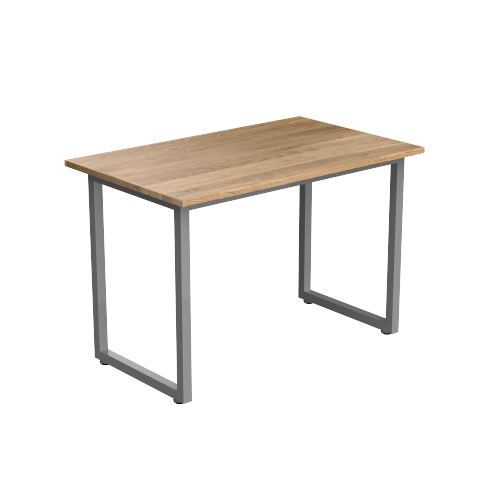

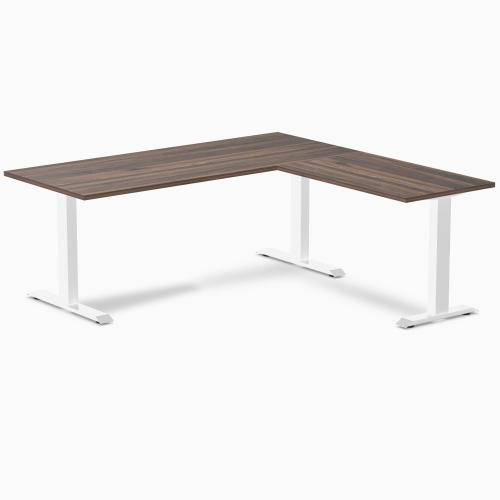

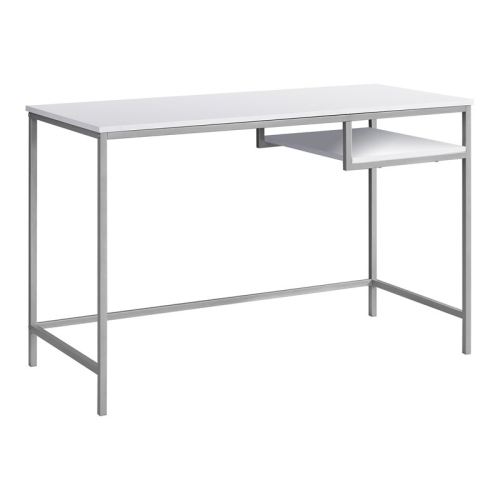
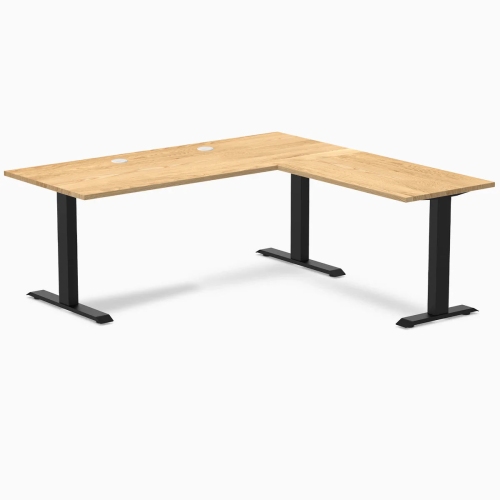
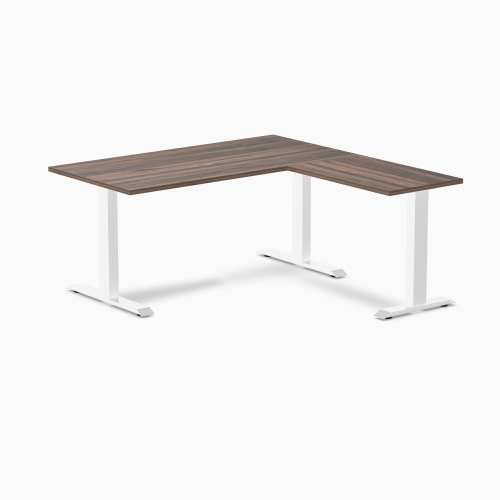
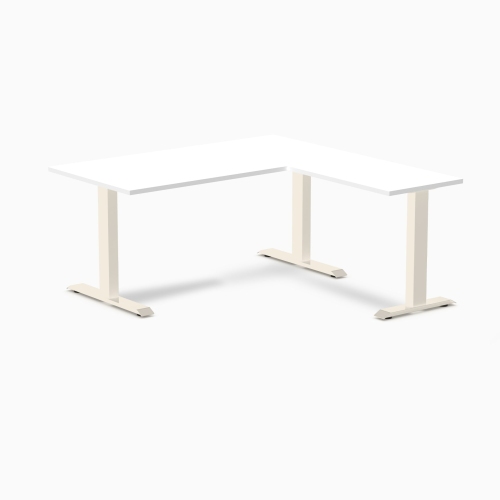


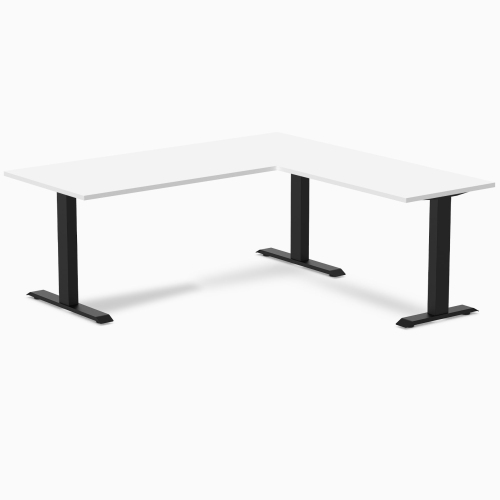

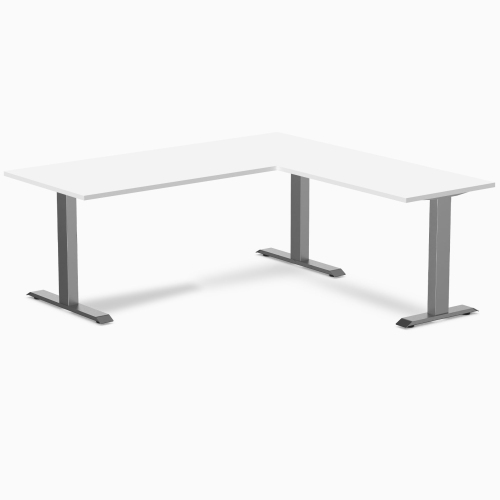
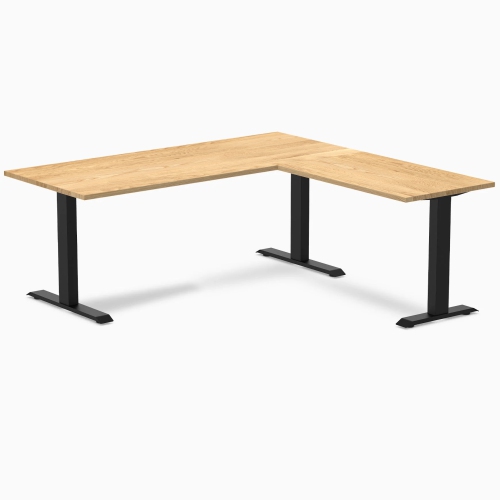

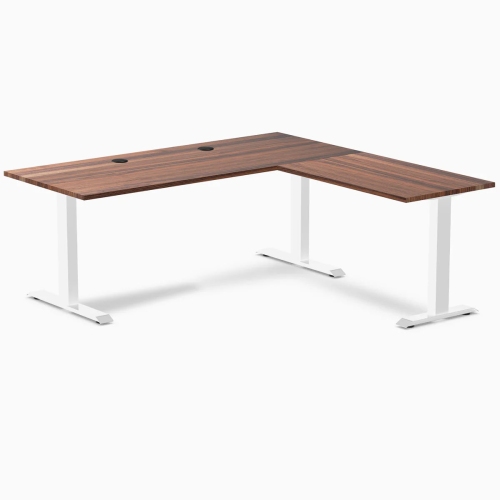




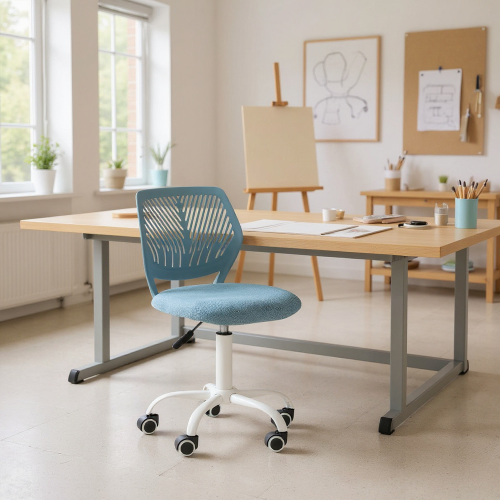

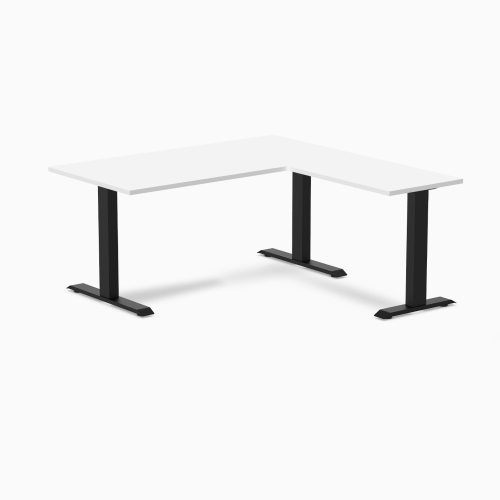


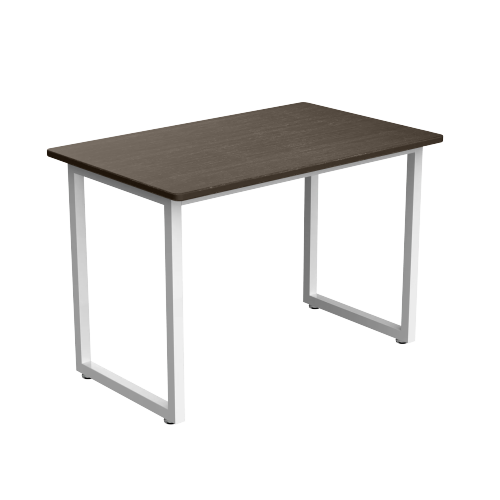
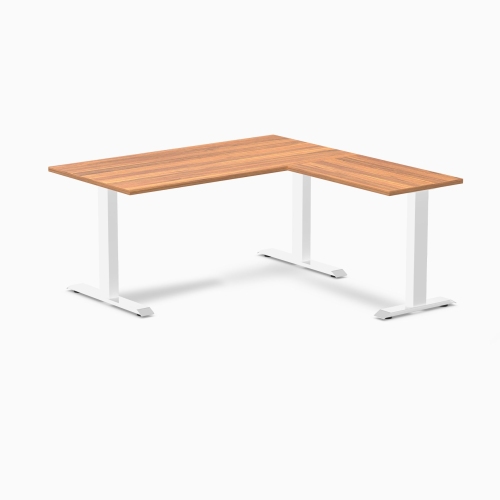




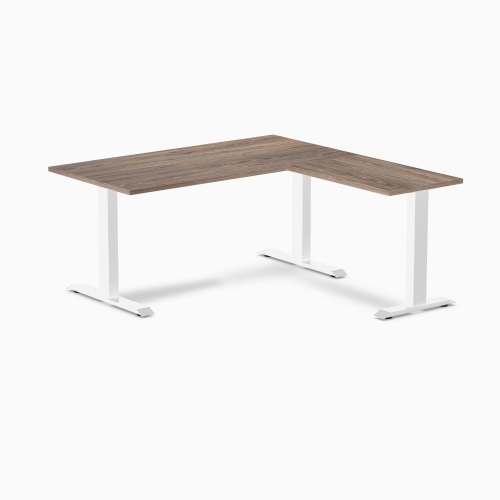
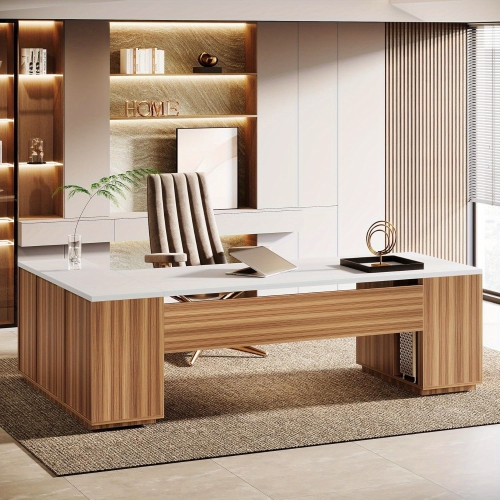
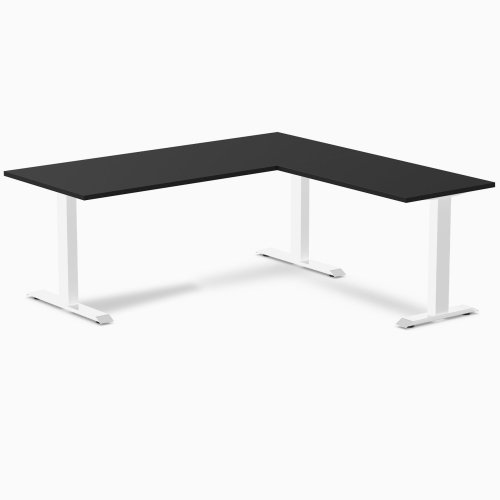
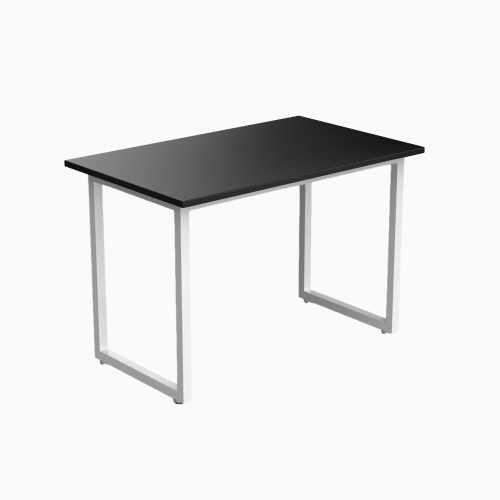


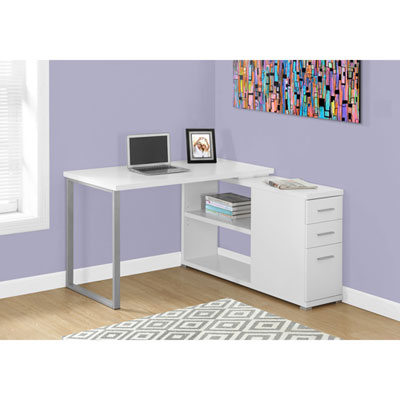


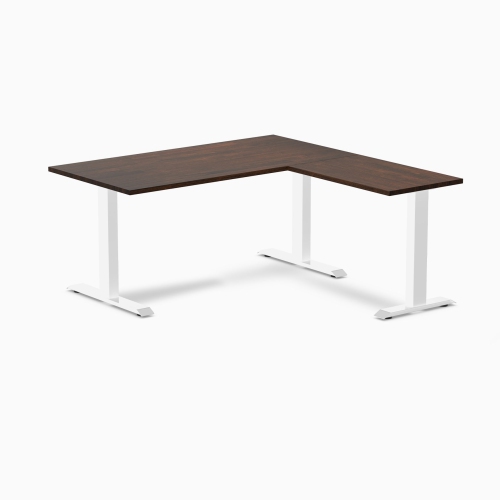


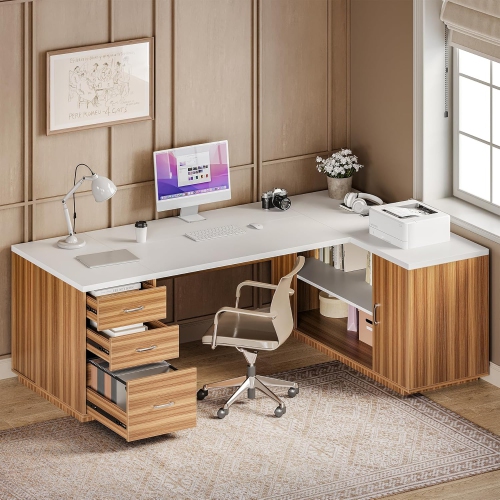

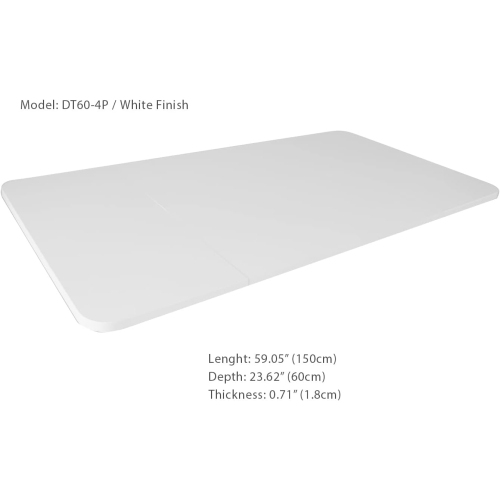
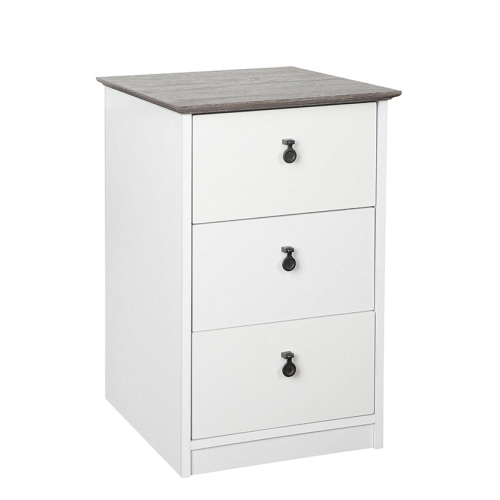

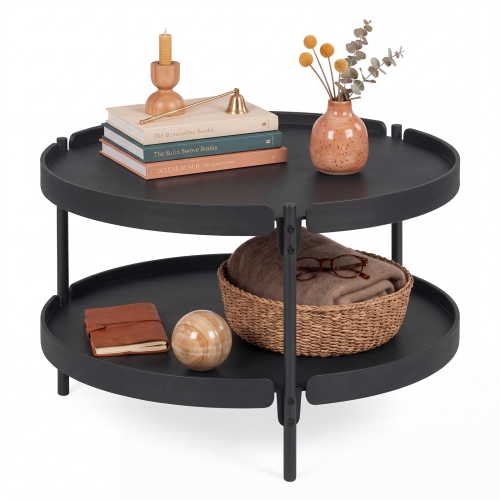
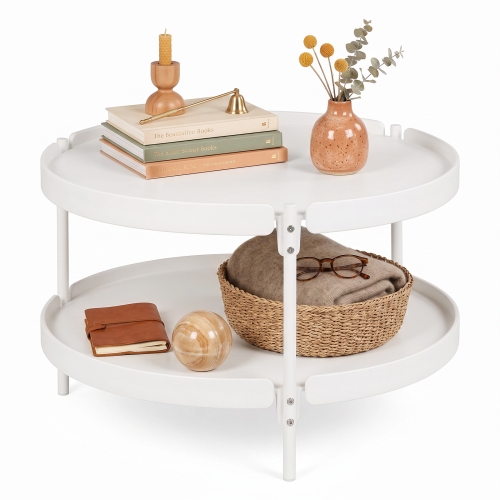
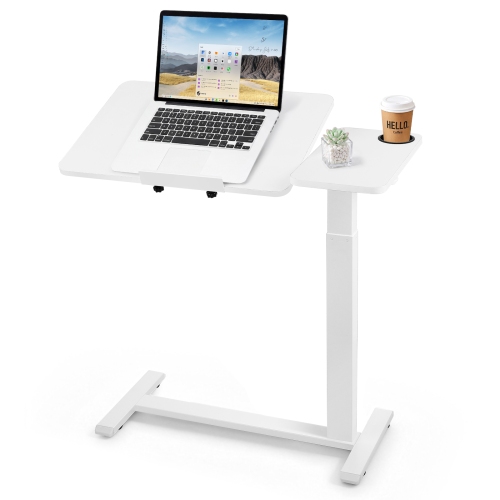
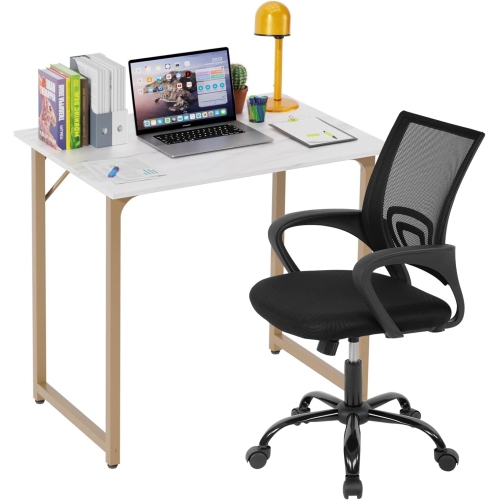


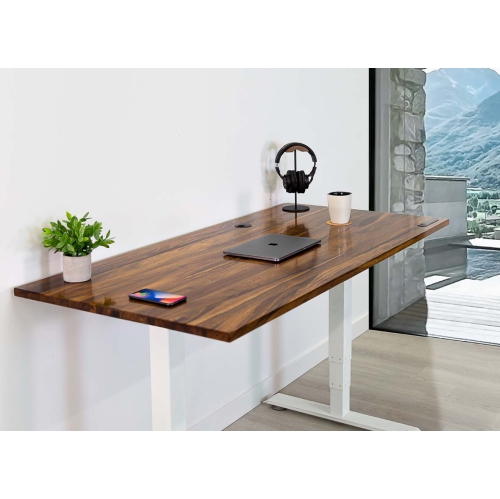
A lighter look with room for everyday work
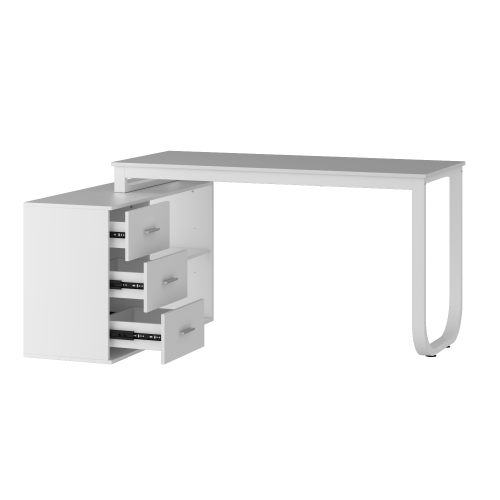
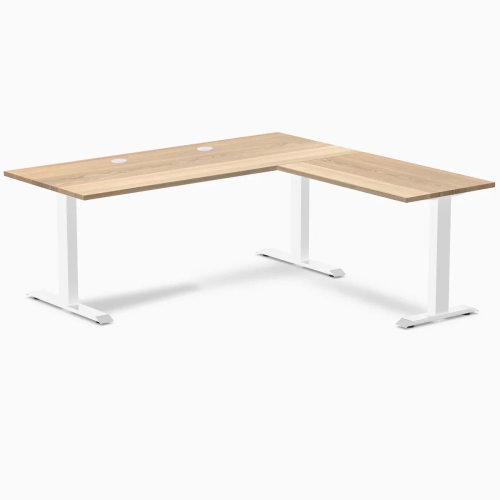
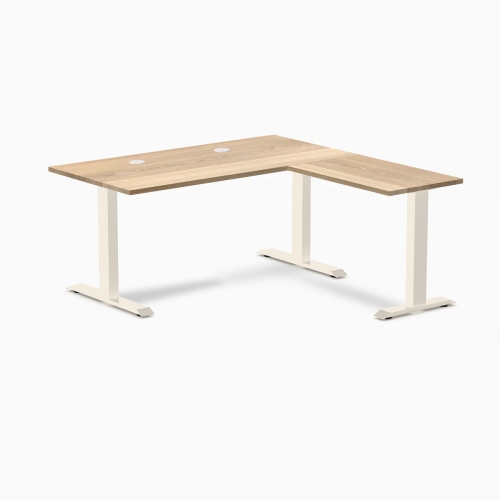
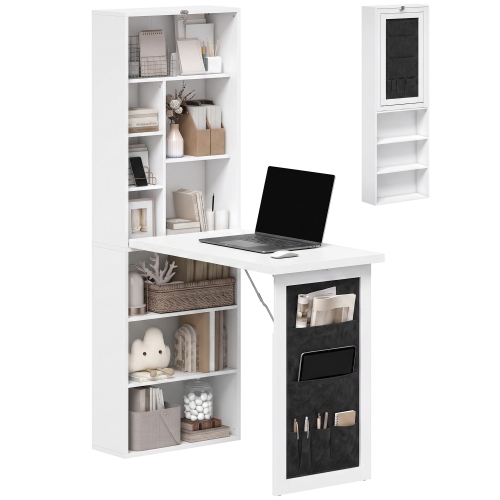
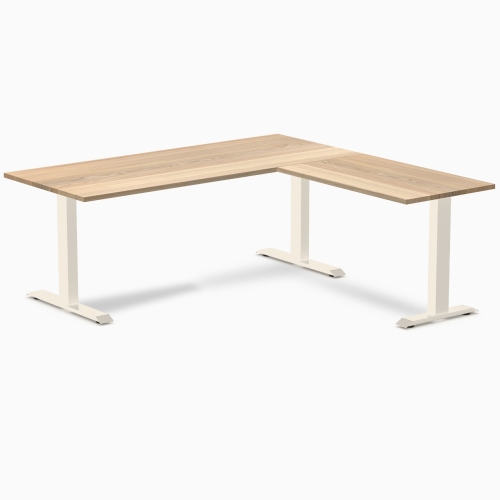
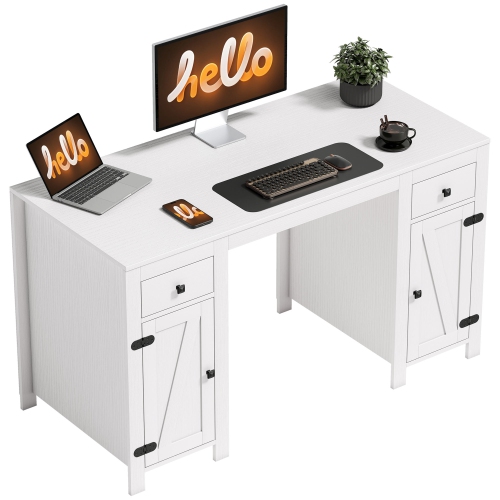
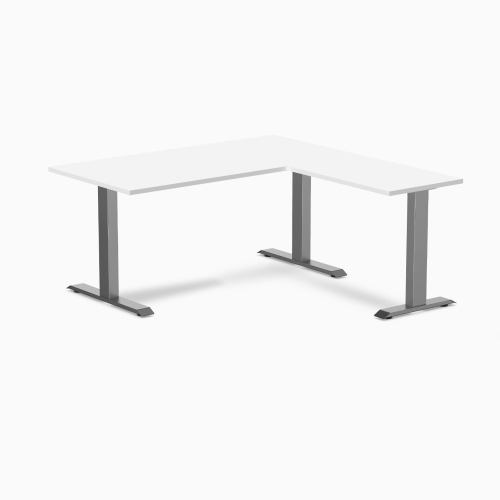
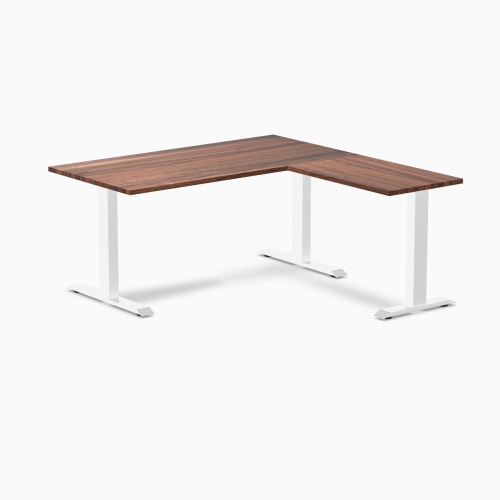
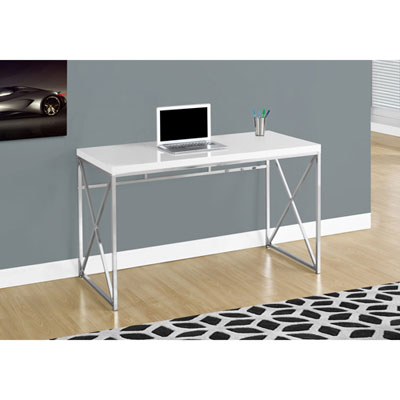
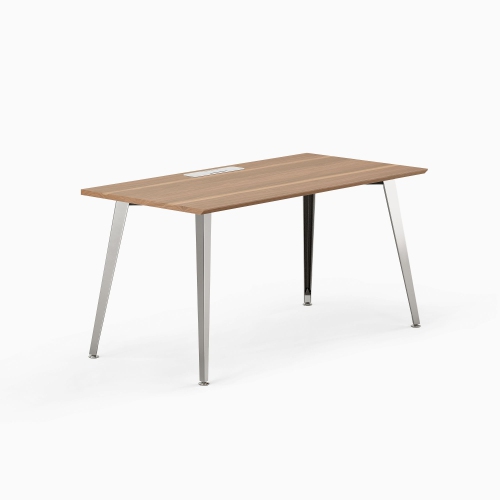
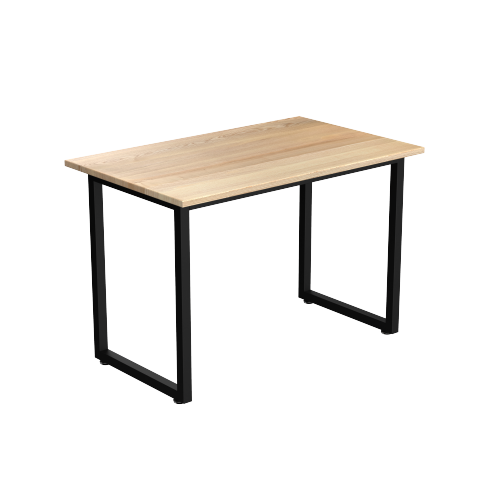
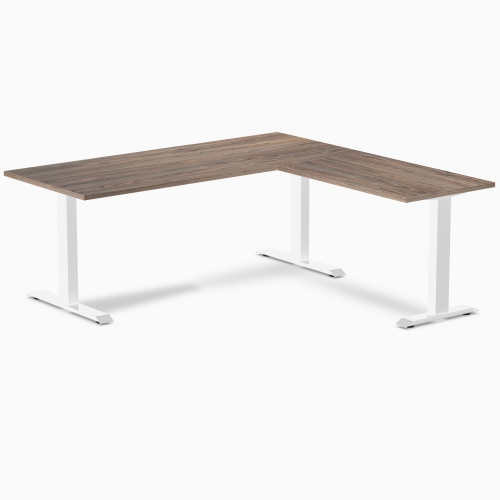
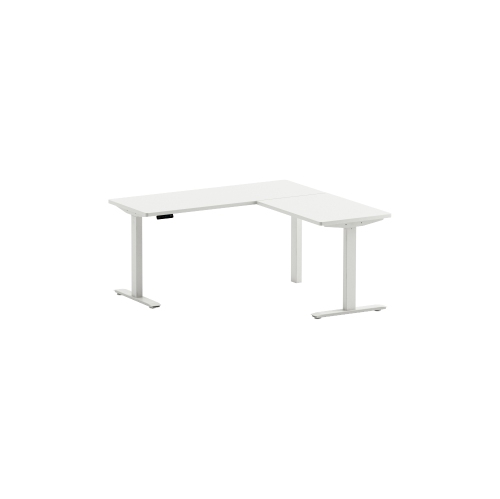
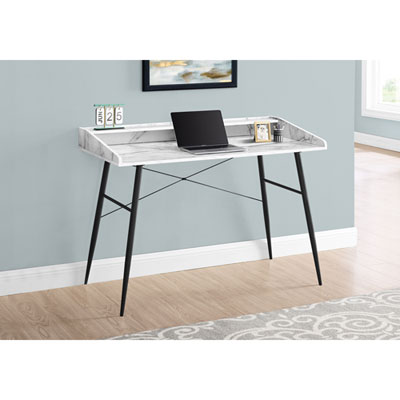
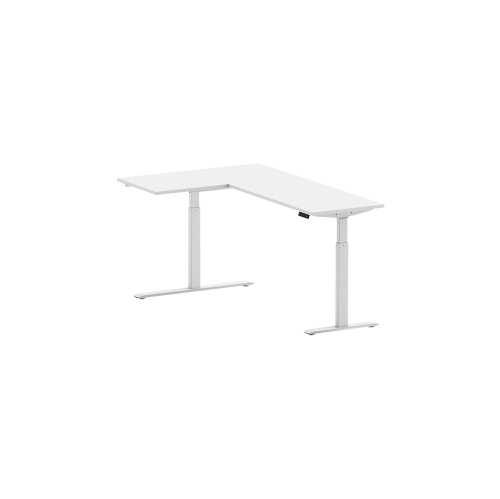
White office tables provide a practical surface for computer work, paperwork, studying, and collaboration, with a light-coloured finish that suits home offices and professional spaces alike. The category spans compact writing tables, larger rectangular worktables, corner configurations, and meeting tables designed for several people. Their defining feature is the white tabletop or finish, while the frame may match or introduce contrast through wood tones or metal legs. A white surface can give a small workspace a less visually heavy appearance, especially beside pale walls or open shelving, but it also works well against darker cabinetry and colourful accessories. The right proportions depend on what happens at the table each day. A laptop and notebook need less room than a monitor, separate keyboard, document tray, and reference materials spread out together. Depth matters as much as width: a shallow tabletop may fit neatly along a wall but leave little space between a screen and the person using it. For shared work, enough room around the edges helps people sit without competing for elbow space or placing chair legs against table supports. Rectangular shapes make efficient use of wall space, while round tables can suit smaller discussions where everyone needs a clear view of one another. A freestanding table also allows more flexibility than a fitted workstation when a room serves several purposes. In an apartment, for example, a simple white table might support focused work during the day and a personal project later, with supplies stored separately. For shoppers comparing open work surfaces with more traditional individual workstations, White Office Desks offer a closely related category, where built-in drawers, shelving, and other desk-style features may be part of the design. The distinction is useful: an office table often prioritizes an open surface and flexible seating, while a desk may place more emphasis on one person's daily setup and storage needs.
Materials and construction influence how a white office table feels, how it holds up, and how much attention its finish needs. Engineered wood with a laminate or melamine surface is common in office furniture, creating a consistent white appearance over a structural core. These finishes can be straightforward to wipe clean, although their resistance to scratches, heat, and moisture varies with the construction. Sealed edges are particularly important around frequently handled corners and anywhere a drink might spill. Painted wood and wood veneer bring a different character, sometimes allowing subtle grain or surface texture to remain visible beneath the finish. Glass tabletops, including white-backed designs, create a smooth appearance but may show fingerprints and require attention to the care instructions for both the glass and its coating. A metal frame can support a slim profile, while broader panel legs or substantial wood supports give the table a more solid visual presence. Stability depends on the complete structure, not simply the material named in the description. Secure joints, suitable bracing, and a frame designed for the tabletop's span all matter, particularly when typing, writing by hand, or leaning lightly against an edge. Stated weight limits should account for everything resting on the surface, including screens, books, and equipment; a tabletop should not be treated as a seat or step. White finishes also differ in sheen and undertone. A warm white may sit comfortably beside oak furniture, while a cooler white can coordinate with grey storage and metal accents. Matte surfaces tend to soften reflections, whereas glossy finishes can make overhead lighting more noticeable. Routine care is usually simplest with a soft cloth and a cleaning method approved for the finish. Promptly wiping up spills, using coasters, and placing a desk mat beneath frequently moved accessories can help limit marks. Abrasive pads, strong solvents, and excessive water may damage surfaces or edges, so care directions remain more reliable than assuming every white tabletop can be cleaned the same way.
Comfortable fit makes a white office table useful beyond its appearance. For seated work, the relationship between tabletop height, chair adjustment, and legroom affects how naturally someone can use a keyboard or write for extended periods. Relaxed shoulders, supported feet, and enough clearance to shift position are more useful goals than choosing a table by height alone. A thick apron beneath the tabletop or a low crossbar can reduce usable knee space even when the overall dimensions seem suitable. Armrests also need clearance if the chair is meant to tuck underneath. In a smaller room, the working footprint includes the chair pulled back, nearby drawers opened, and a clear route past the setup—not just the area occupied by the tabletop. Cable access deserves similar attention. A surface placed against a wall may need space behind it for plugs, while a table in the middle of a room needs a practical route to power that does not leave cords across a walkway. Cable trays and openings can keep connections organized when included in the design, but they should be assessed alongside the actual location of outlets. For a home-based professional, a deeper surface can separate screen work from handwritten notes; for a student, an uncluttered table can leave room for textbooks and assignments without forcing everything into one narrow strip. Shared offices and meeting rooms place greater emphasis on easy seating access, durable edges, and finishes that tolerate regular cleaning between users. A white table used for video calls also becomes part of the room's visible background, so its proportions and surrounding storage can contribute to a tidy, cohesive look. Matching every piece of furniture is not necessary: repeating one detail, such as the frame colour or drawer handles, can connect the table to the rest of the space. Ultimately, the most useful choice balances a suitable work surface with comfortable clearance, dependable construction, and care requirements that fit everyday routines.
Top selling and popular products
-
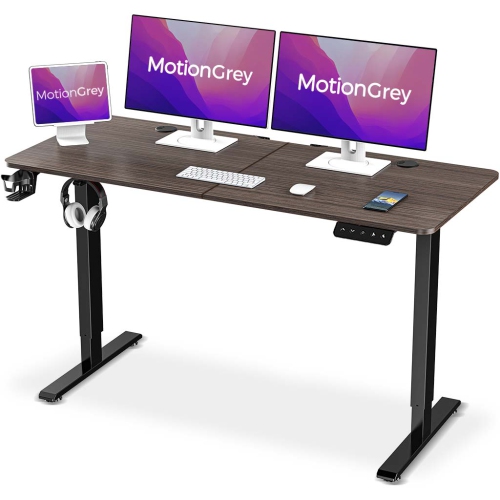 Your price for this item is $144.99
-
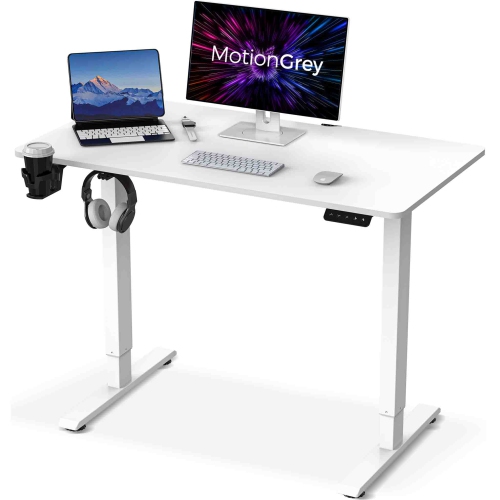 Your price for this item is $122.96
-
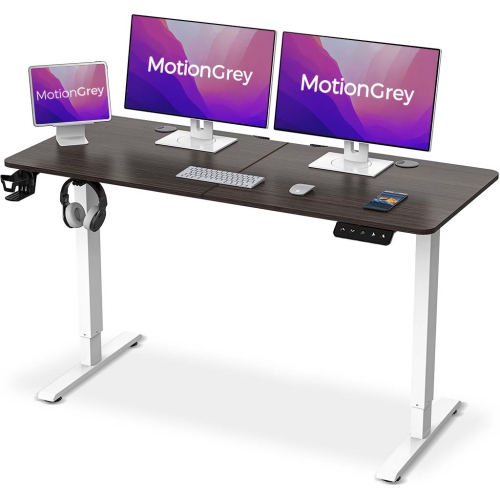 Your price for this item is $142.99
-
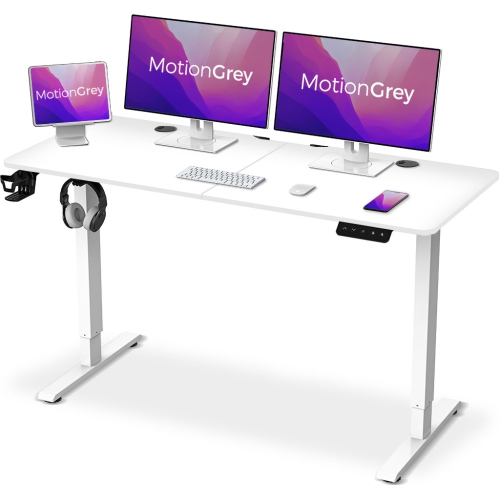 Your price for this item is $137.99
-
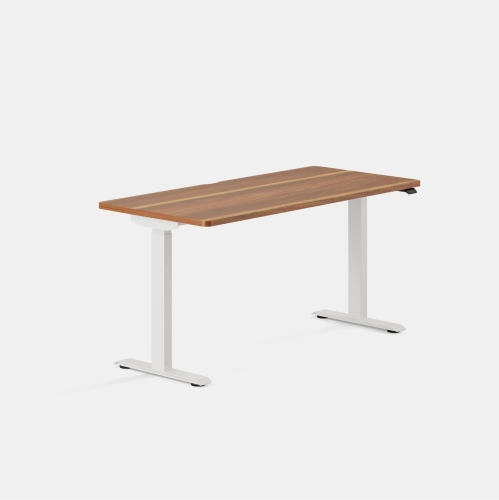 Your price for this item is $849
-
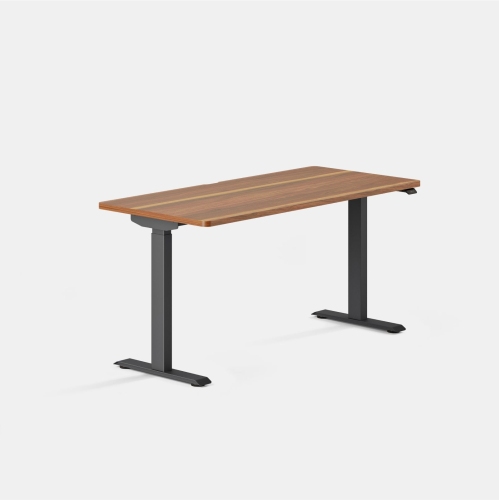 Your price for this item is $849
-
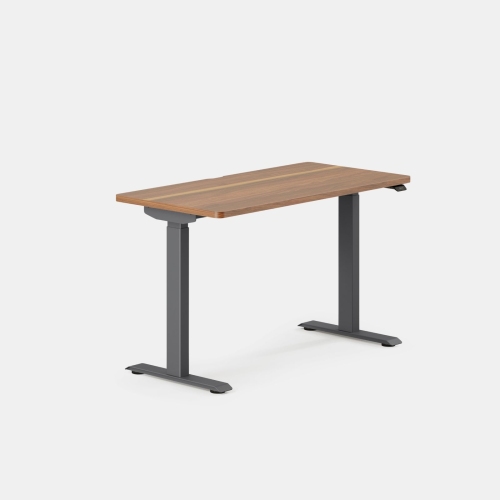 Your price for this item is $749
-
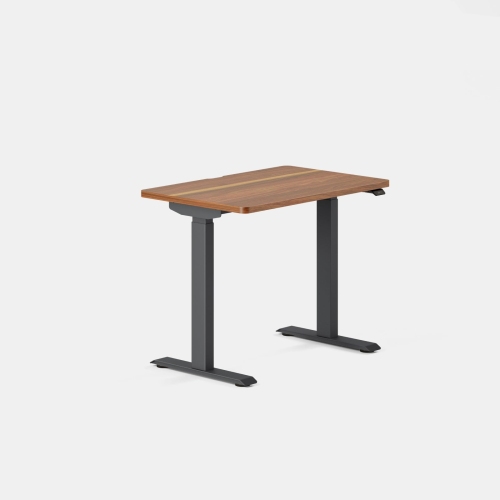 Your price for this item is $649
Discover more categories related to White Office Tables
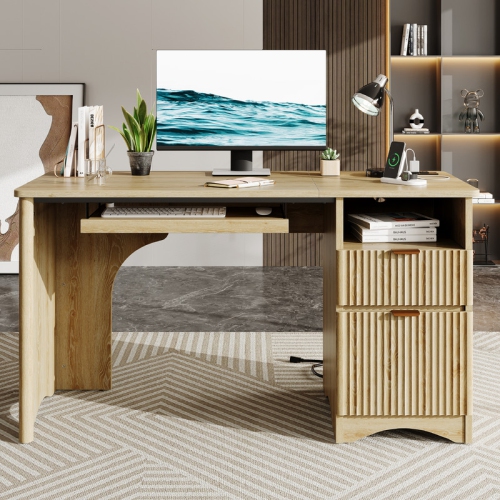
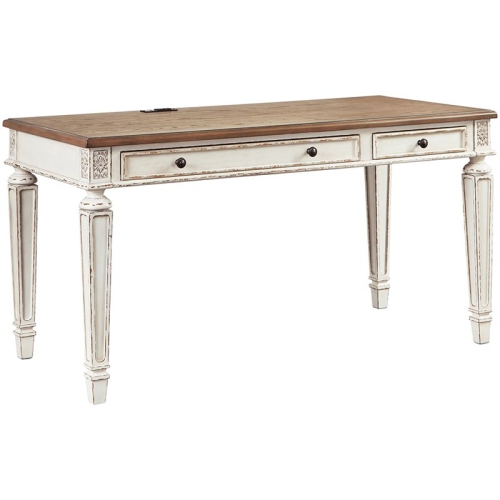
Top Collections:
Pokemon Centers, Kindle Devices, Best Black Friday Deals This Year, Pokémon 30th Celebration Cards, Best Black Friday Deals On Electronics, Best Cameras for Sports Photography, Best Black Friday Deals On Apple Products, Canon G7X Cameras, iPhone 15 Apple, Candle Warmer Lights
Some products may be subject to Environmental Handling Fees
(EHF) depending on your province.
Learn more about EHFs.