White Plastic Lounge Chairs
Add a touch of modern style and ultimate comfort to your outdoor space with our collection of white plastic lounge chairs. Whether you're soaking up the sun on your patio, enjoying a refreshing drink by the pool, or simply unwinding in your backyard oasis, these white plastic lounge chairs offer the perfect combination of durability, functionality, and chic design. Explore our range today and discover the ideal addition to create a serene and inviting atmosphere outdoors.
Sort
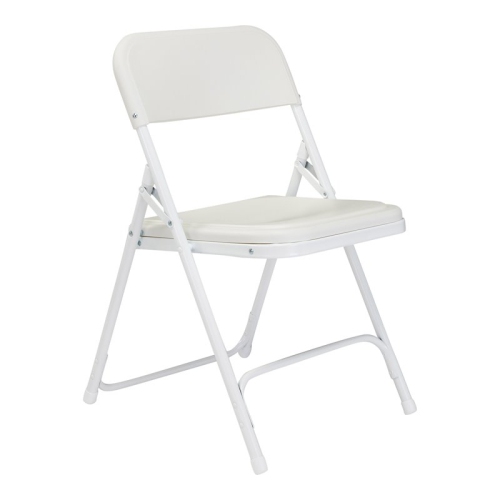
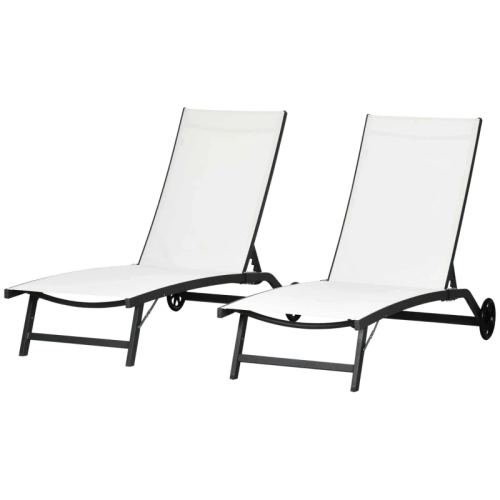
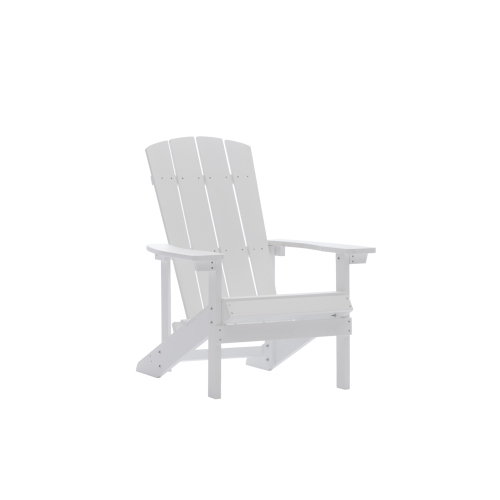
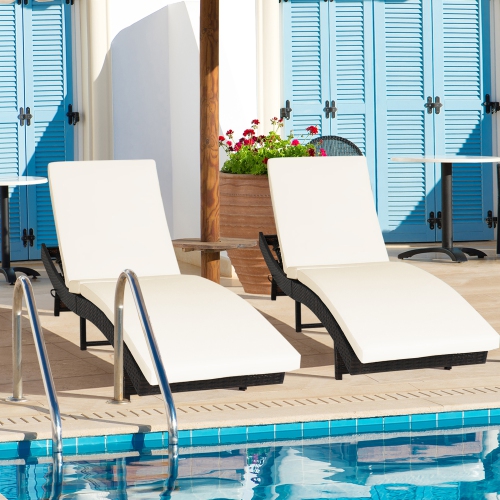
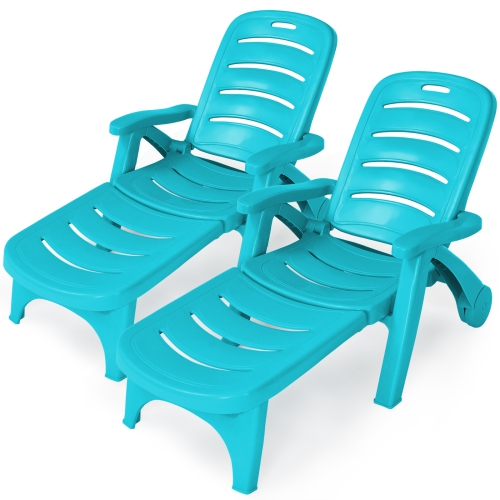
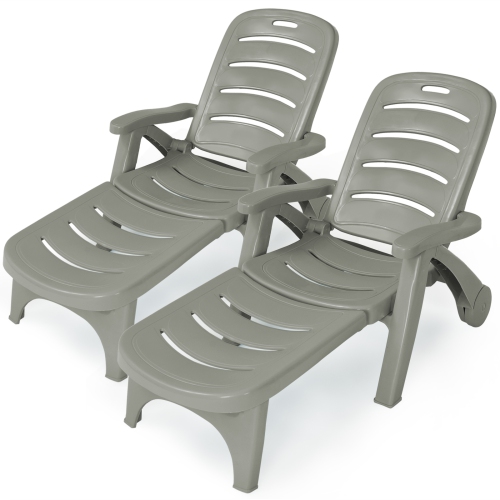
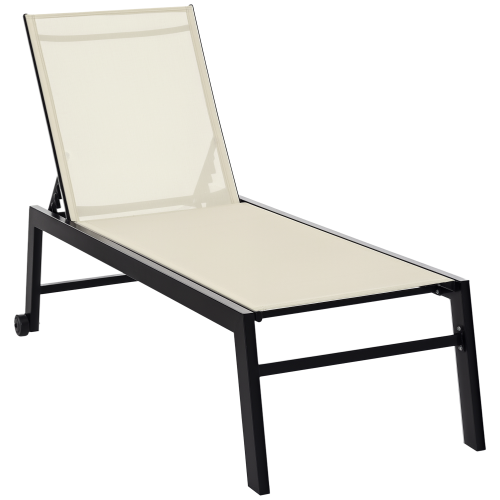
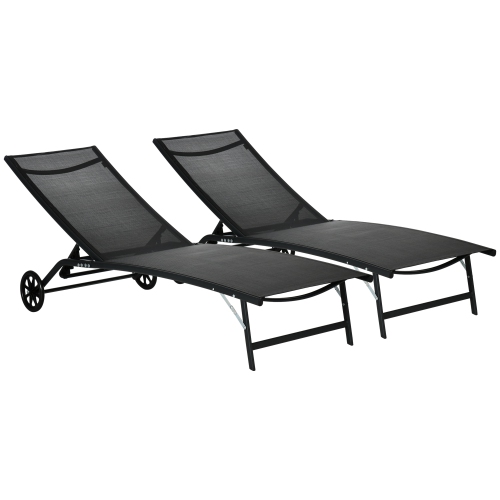
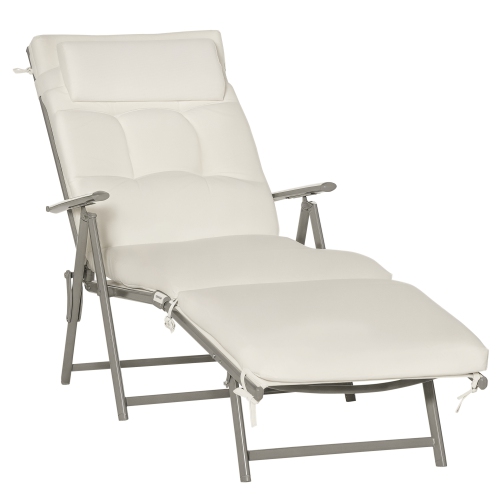
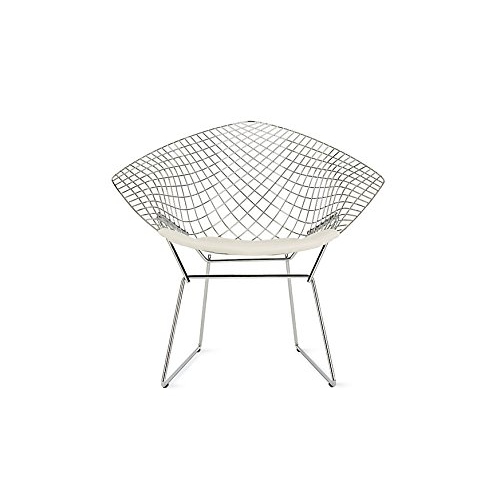
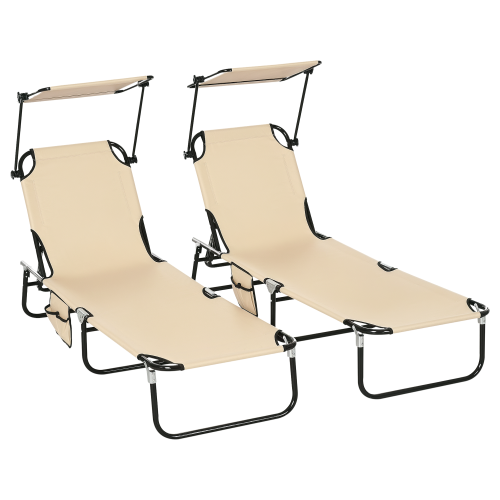
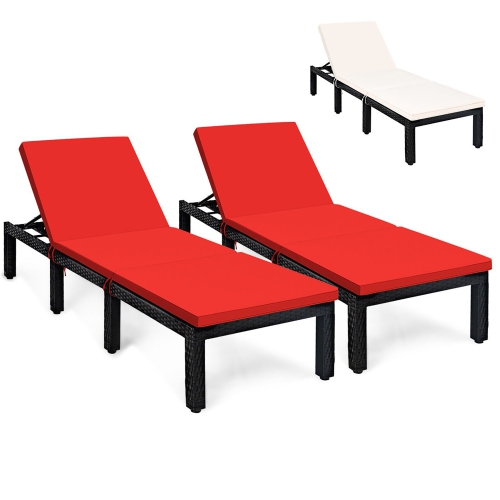
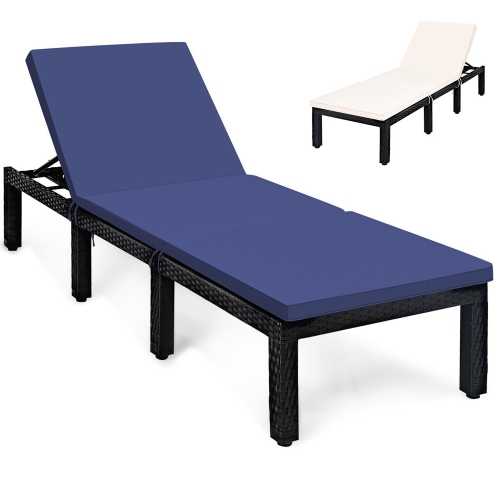
The right seat shape changes how you lounge
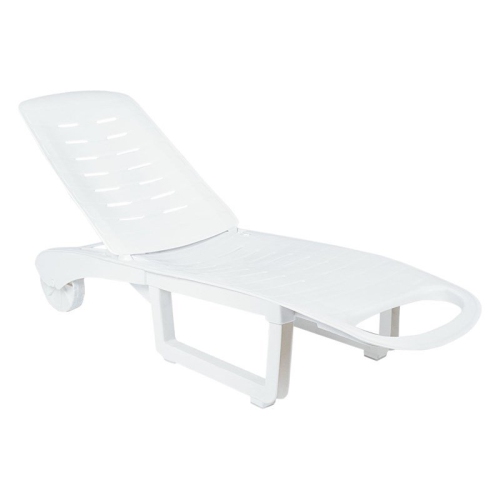
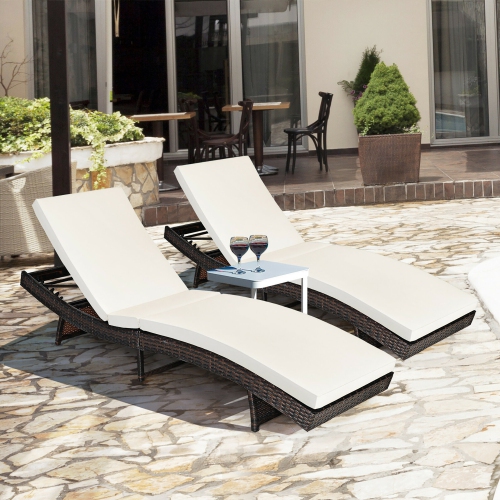
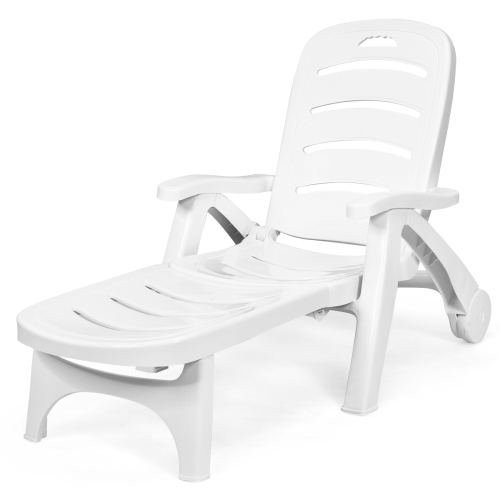
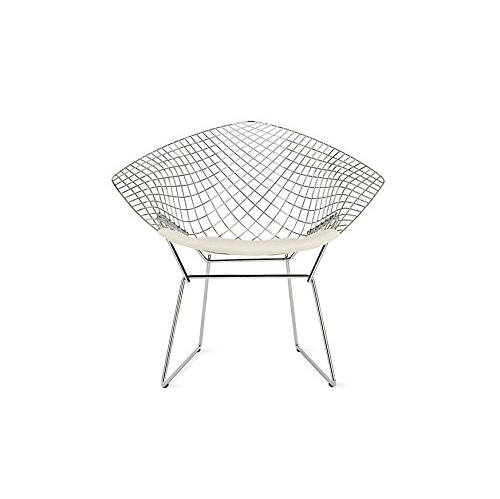
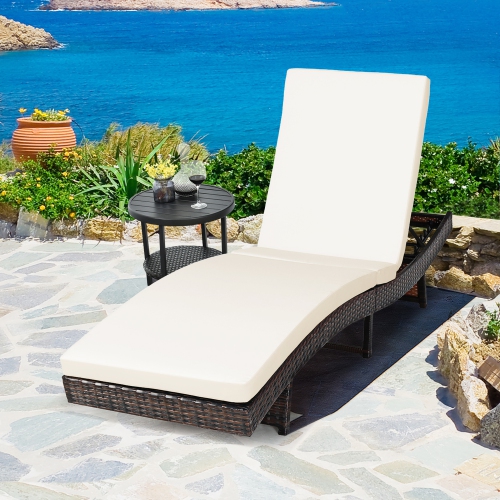
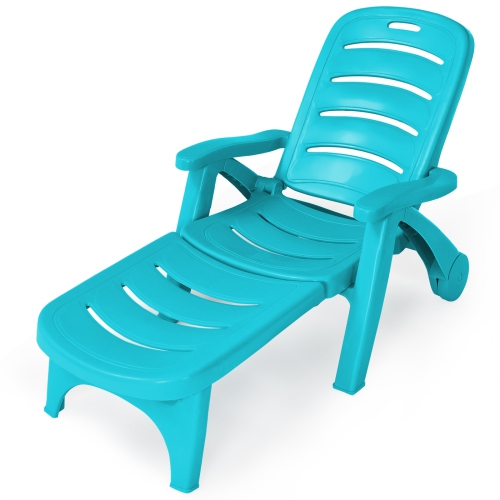
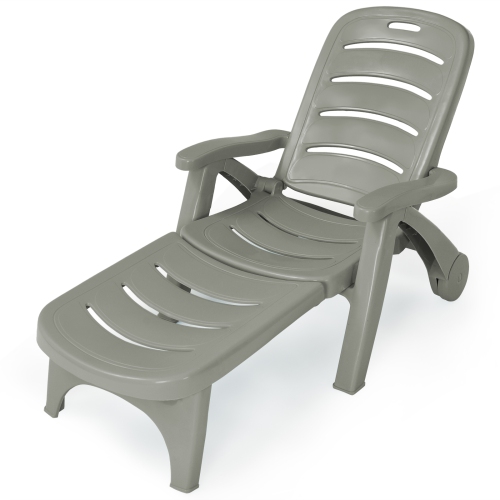
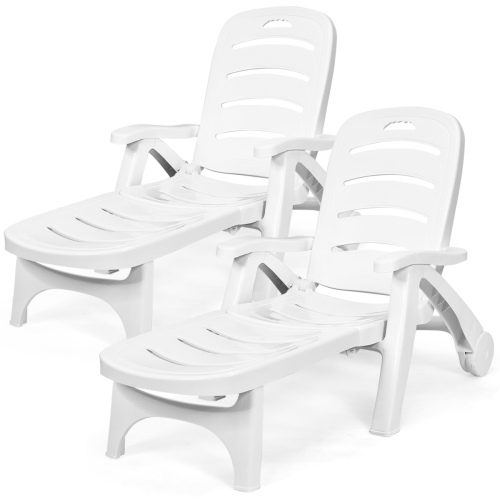
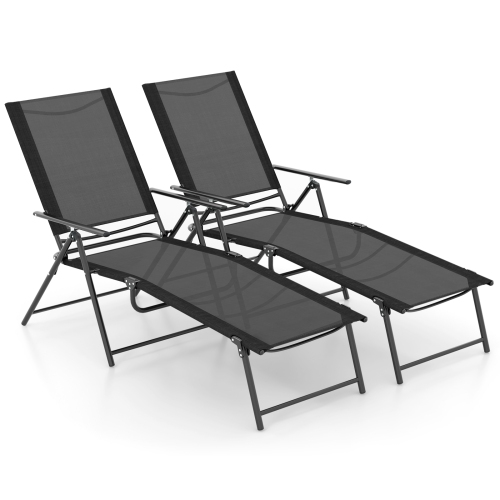
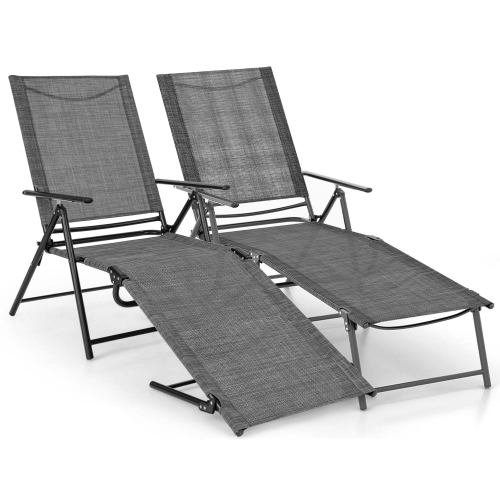
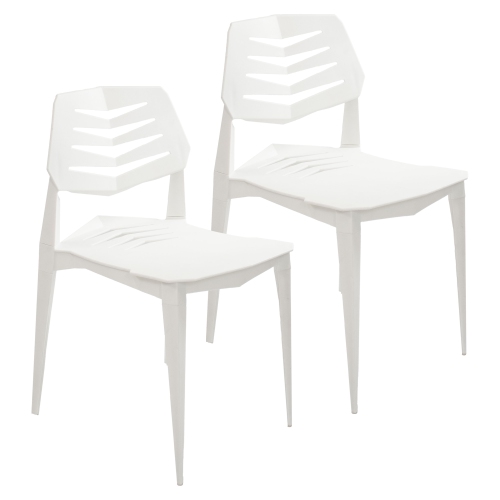
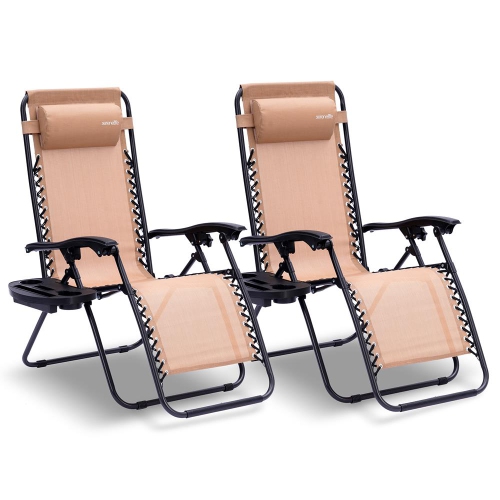
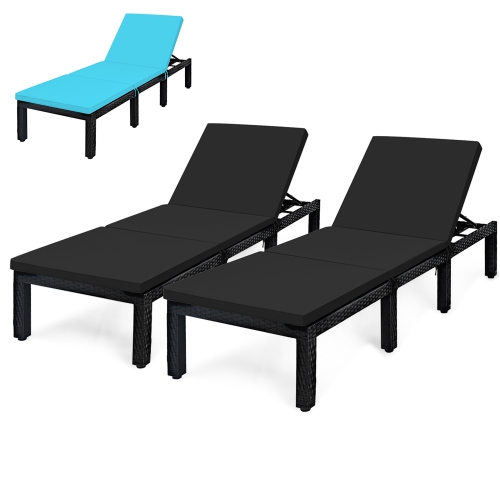
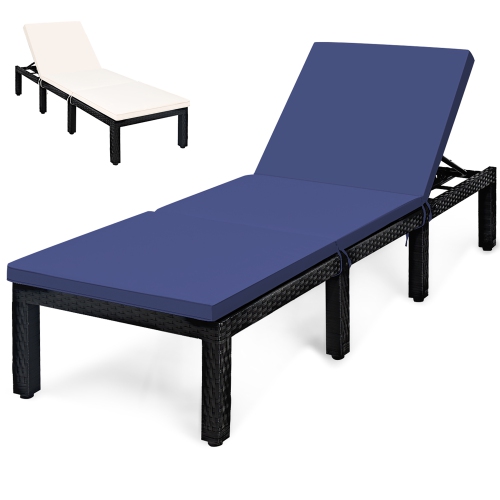
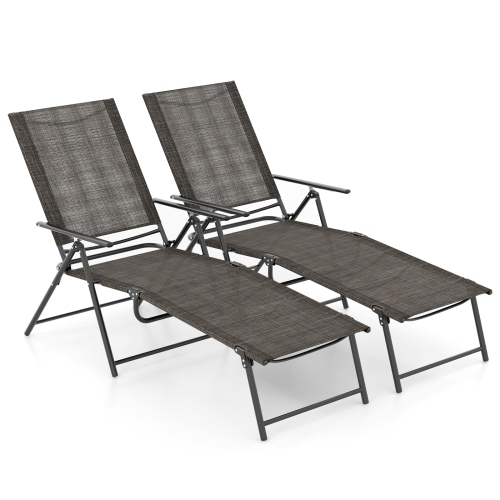
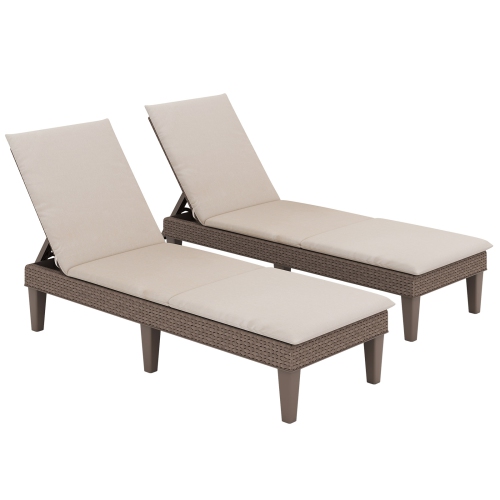
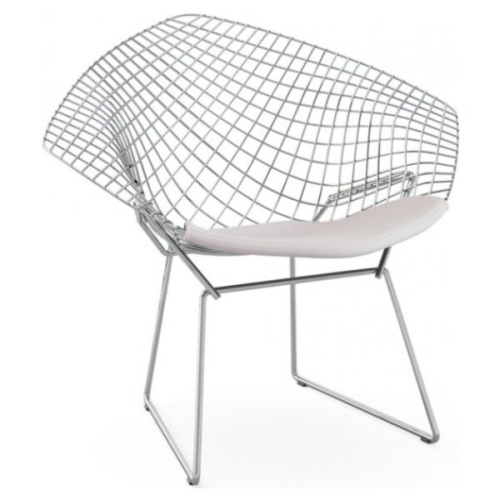
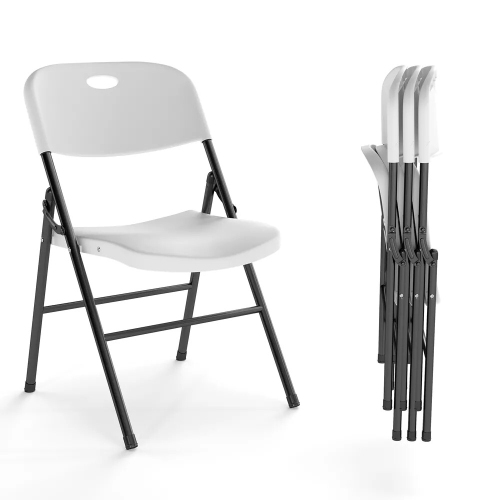
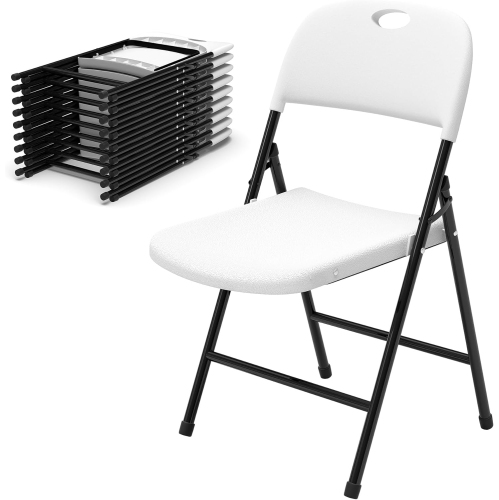
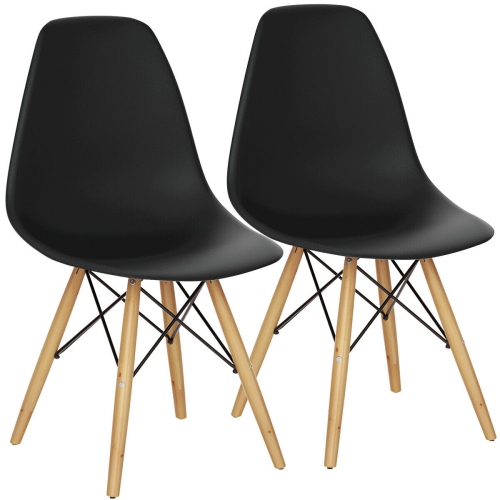
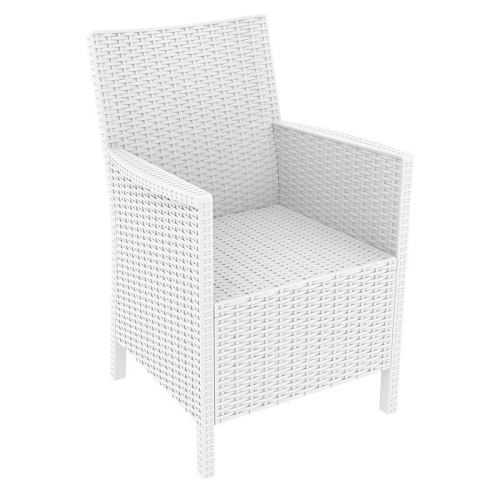
White plastic lounge chairs offer relaxed seating for patios, decks, balconies, and poolside spaces, pairing a clean, neutral finish with materials that are generally easy to wipe down. Many designs are light enough to reposition, while others use thicker components for a more substantial feel. Their appeal is practical as well as visual: white seating sits comfortably beside pale stone, dark railings, wood decking, or colourful cushions without making a small seating area feel visually crowded. Within this category, the shape of the chair makes a meaningful difference. An upright lounge armchair provides a place to sit with a book or chat across a side table, while an extended chaise supports the legs for a more reclined resting position. Some loungers have adjustable backrests that move between several angles; others hold a fixed position with a gently curved seat and back. A reclining design can suit someone who alternates between reading upright and stretching out, but not every adjustable chaise lies completely flat. Seat height, usable width, backrest height, and arm placement all affect comfort, especially for taller users or anyone who finds low seating difficult to get out of. A deep, low seat may feel inviting for a long rest, whereas a higher seat with supportive arms can make sitting down and standing up more manageable. For a shared patio, a mix of lounging and upright seating can accommodate different preferences without requiring every chair to serve the same purpose. The related White Plastic Chairs category provides a broader point of comparison for seating shapes beyond loungers. Whether the intended setting is a quiet balcony corner or a larger gathering space, the most useful fit depends on how people will sit, how much room the chair needs, and whether it will stay in one place or move between areas. A lounger positioned for reading, for example, benefits from enough space beside it for a table without blocking the route to a door.
The term plastic covers several materials and construction methods, so two white lounge chairs can differ considerably in weight, rigidity, texture, and care requirements. Polypropylene is commonly used for moulded seating and can offer a relatively lightweight structure with smooth curves or an open, slatted profile. High-density polyethylene, often labelled HDPE, may be used in thicker components or lumber-style construction, which can give seating a heavier feel. Resin is a broader description rather than a precise specification; the stated material and intended use are more informative than that label alone. For outdoor placement, UV-stabilized materials can help limit damage from sunlight, but they do not make a chair immune to discolouration, brittleness, or surface wear. Durability also depends on component thickness, joint construction, hardware, exposure, and use. Published weight limits matter more than appearance when assessing suitability, and a broad seat does not necessarily indicate a higher load capacity. Slatted seats and drainage openings help water escape after rain or poolside splashes, although cushions can still retain moisture and need separate drying time. Solid moulded surfaces may be simple to clean, while textured finishes and narrow gaps can need a soft brush to lift trapped dirt. On an adjustable lounger, the backrest support should engage securely at the chosen angle, with fingers kept clear of moving joints. Integrated wheels can make a long chaise easier to relocate, particularly when its overall weight makes lifting awkward. Stackable chairs offer another way to clear space, but stackability should be confirmed rather than assumed from a similar shape. Folding designs can suit occasional use or limited storage, provided their locking mechanisms are properly secured before sitting. Standard patio loungers are not automatically suitable for placement in a pool or on a submerged ledge; those settings require seating expressly designed for immersion and compatible with the pool surface. For ordinary poolside use, stable footing and a layout that leaves access routes open are just as important as the chair material.
Comfort and day-to-day upkeep often determine how well white plastic lounge chairs work in a home setting. Before placing a chaise on a balcony or narrow deck, its fully reclined length matters as much as its upright footprint. Clearance behind an adjustable backrest, room to approach the seat, and space for nearby doors to open can make the difference between a restful corner and an awkward obstacle. Legs should sit evenly on a firm surface; gravel, soft ground, and widely spaced deck boards can create an unstable base for some designs. Protective feet may help reduce marks on suitable flooring, though compatibility depends on both the chair and the surface. Cushions can soften a firm seat and introduce colour, but their length, width, and attachment points should match the lounger rather than hang loosely over the edges. Outdoor-rated fabric is useful for patio seating, and removable covers can simplify cleaning when their care instructions permit washing. White plastic can show pollen, dirt, sunscreen residue, and scuff marks, making regular gentle cleaning worthwhile. Mild soap, water, and a soft cloth are often appropriate, subject to the manufacturer's directions; abrasive pads, strong solvents, and high-pressure cleaning may damage finishes or components. A thorough rinse helps remove soap residue, and allowing the chair to dry before covering or storing it helps avoid trapping moisture. Adjustable joints, fasteners, and feet also benefit from occasional checks for looseness, cracks, or uneven wear. Outdoor suitability does not necessarily mean a chair should remain exposed through freezing conditions or heavy snow, so storage guidance deserves attention in Canadian settings. Clean, dry storage and a correctly fitted cover can help protect seating when it is not in use. For someone furnishing a first patio, refreshing a cottage deck, or creating a comfortable place for visiting family, a white plastic lounger can be a thoughtful addition when its dimensions and seating style match the space. The strongest choice balances easy care with dependable support, manageable handling, and the kind of comfort that suits an unhurried afternoon.
The term plastic covers several materials and construction methods, so two white lounge chairs can differ considerably in weight, rigidity, texture, and care requirements. Polypropylene is commonly used for moulded seating and can offer a relatively lightweight structure with smooth curves or an open, slatted profile. High-density polyethylene, often labelled HDPE, may be used in thicker components or lumber-style construction, which can give seating a heavier feel. Resin is a broader description rather than a precise specification; the stated material and intended use are more informative than that label alone. For outdoor placement, UV-stabilized materials can help limit damage from sunlight, but they do not make a chair immune to discolouration, brittleness, or surface wear. Durability also depends on component thickness, joint construction, hardware, exposure, and use. Published weight limits matter more than appearance when assessing suitability, and a broad seat does not necessarily indicate a higher load capacity. Slatted seats and drainage openings help water escape after rain or poolside splashes, although cushions can still retain moisture and need separate drying time. Solid moulded surfaces may be simple to clean, while textured finishes and narrow gaps can need a soft brush to lift trapped dirt. On an adjustable lounger, the backrest support should engage securely at the chosen angle, with fingers kept clear of moving joints. Integrated wheels can make a long chaise easier to relocate, particularly when its overall weight makes lifting awkward. Stackable chairs offer another way to clear space, but stackability should be confirmed rather than assumed from a similar shape. Folding designs can suit occasional use or limited storage, provided their locking mechanisms are properly secured before sitting. Standard patio loungers are not automatically suitable for placement in a pool or on a submerged ledge; those settings require seating expressly designed for immersion and compatible with the pool surface. For ordinary poolside use, stable footing and a layout that leaves access routes open are just as important as the chair material.
Comfort and day-to-day upkeep often determine how well white plastic lounge chairs work in a home setting. Before placing a chaise on a balcony or narrow deck, its fully reclined length matters as much as its upright footprint. Clearance behind an adjustable backrest, room to approach the seat, and space for nearby doors to open can make the difference between a restful corner and an awkward obstacle. Legs should sit evenly on a firm surface; gravel, soft ground, and widely spaced deck boards can create an unstable base for some designs. Protective feet may help reduce marks on suitable flooring, though compatibility depends on both the chair and the surface. Cushions can soften a firm seat and introduce colour, but their length, width, and attachment points should match the lounger rather than hang loosely over the edges. Outdoor-rated fabric is useful for patio seating, and removable covers can simplify cleaning when their care instructions permit washing. White plastic can show pollen, dirt, sunscreen residue, and scuff marks, making regular gentle cleaning worthwhile. Mild soap, water, and a soft cloth are often appropriate, subject to the manufacturer's directions; abrasive pads, strong solvents, and high-pressure cleaning may damage finishes or components. A thorough rinse helps remove soap residue, and allowing the chair to dry before covering or storing it helps avoid trapping moisture. Adjustable joints, fasteners, and feet also benefit from occasional checks for looseness, cracks, or uneven wear. Outdoor suitability does not necessarily mean a chair should remain exposed through freezing conditions or heavy snow, so storage guidance deserves attention in Canadian settings. Clean, dry storage and a correctly fitted cover can help protect seating when it is not in use. For someone furnishing a first patio, refreshing a cottage deck, or creating a comfortable place for visiting family, a white plastic lounger can be a thoughtful addition when its dimensions and seating style match the space. The strongest choice balances easy care with dependable support, manageable handling, and the kind of comfort that suits an unhurried afternoon.
Top selling and popular products
-
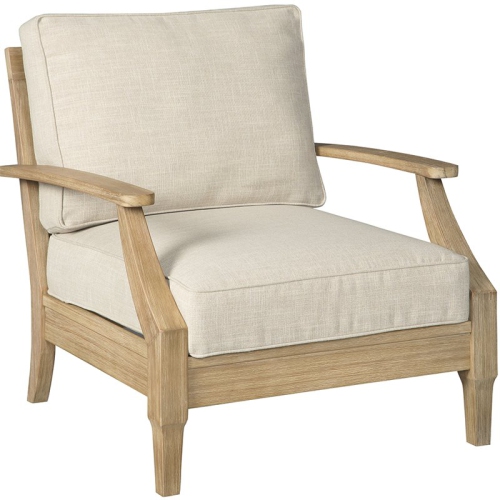 Your price for this item is $1227.67
 -
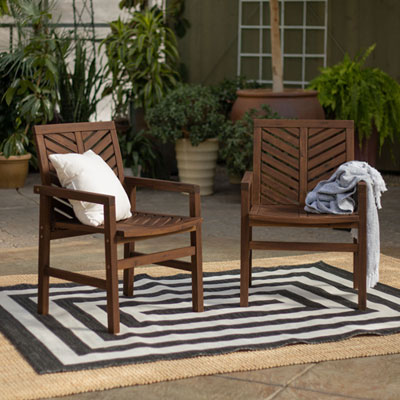 Your price for this item is $604.99
 -
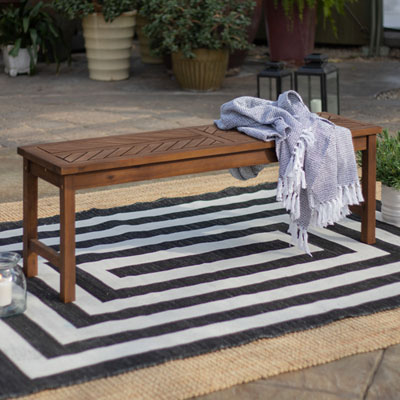 Your price for this item is $371.99
 -
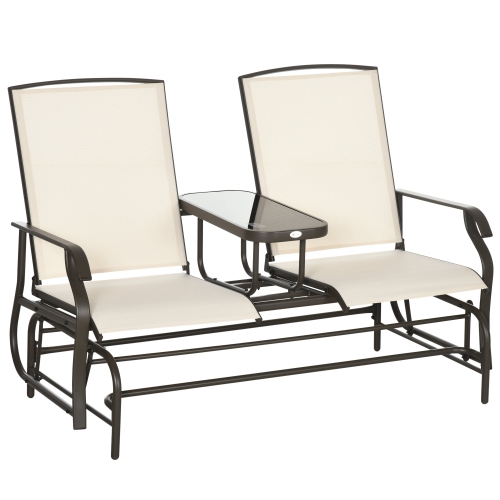 Your price for this item is $189.99
 -
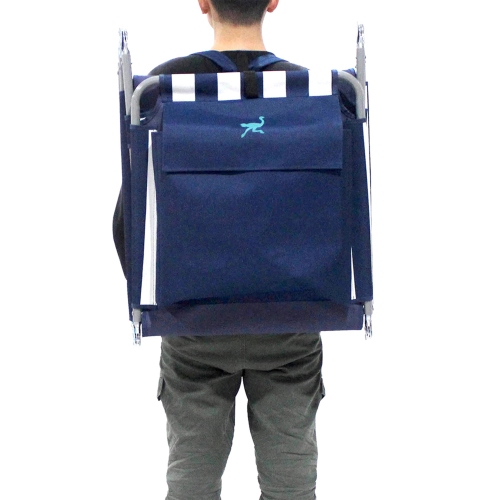 Your price for this item is $204.99
 -
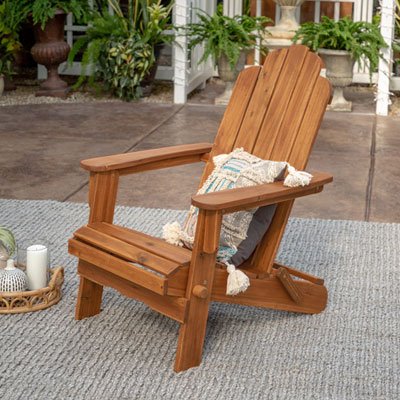 Your price for this item is $461.99
 -
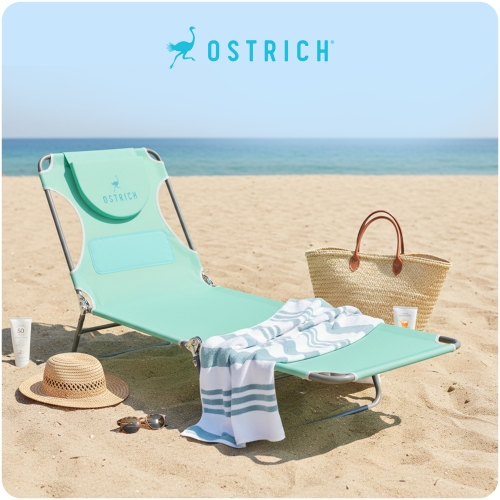 Your price for this item is $170.99
 -
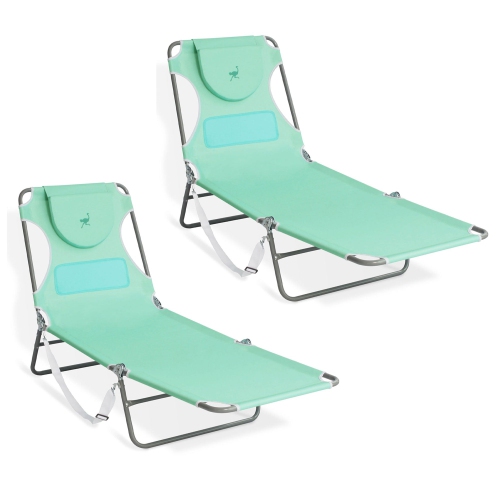 Your price for this item is $392.99
Discover more categories related to White Plastic Lounge Chairs

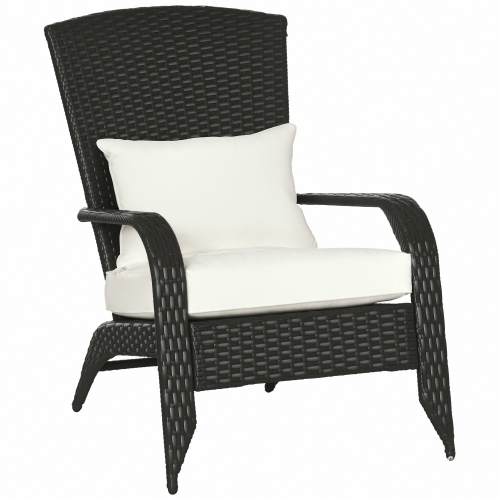
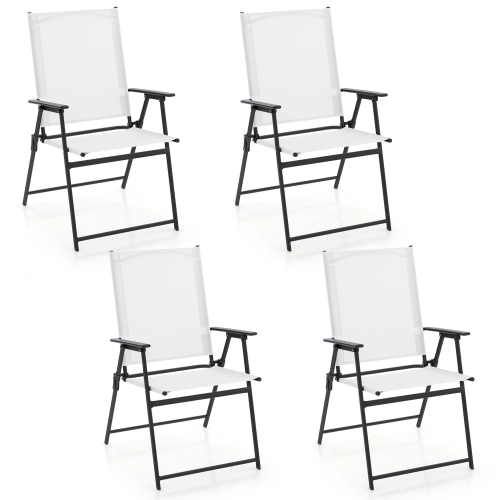
Top Collections:
Pokemon Centers, Kindle Devices, Best Budget Office Chairs, Apple iPhones 16, Best Laptops for Writers, iPhone 15 Apple, Canon G7X Cameras, Refurbished Apple Laptops, Alarm Clock, Motorola Razr Phones
Some products may be subject to Environmental Handling Fees
(EHF) depending on your province.
Learn more about EHFs.