White Resin Chairs
Transform your space with the timeless elegance of white resin chairs. Whether you're hosting a backyard barbecue, lounging by the pool, or simply enjoying some fresh air on your patio, these versatile chairs are the perfect addition to almost any outdoor setting. Experience the ultimate in relaxation and style with our collection of white resin chairs.
Sort

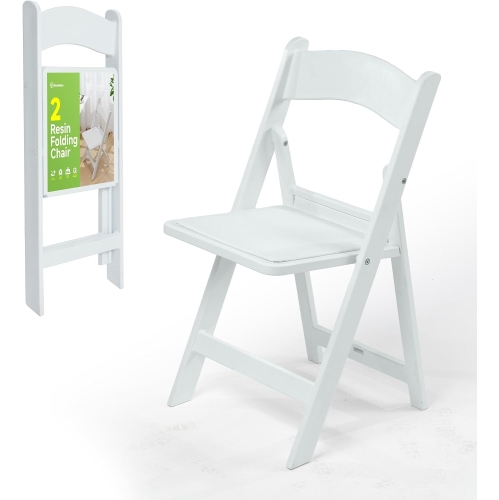

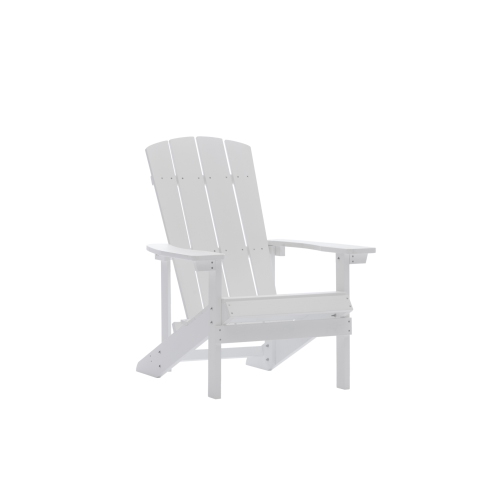
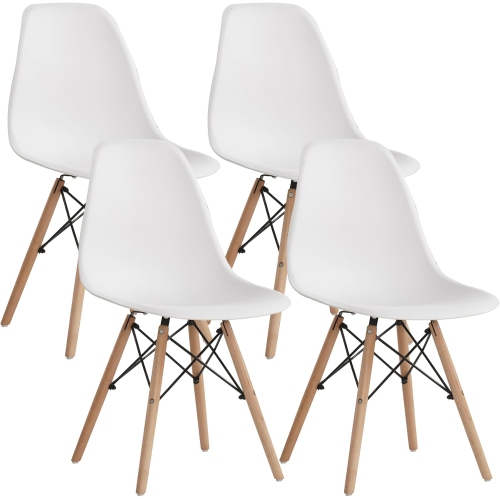


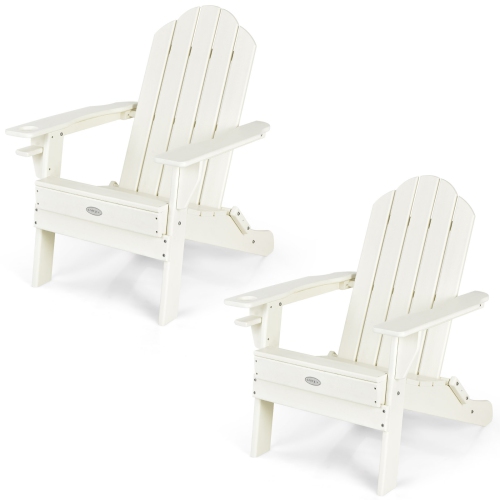

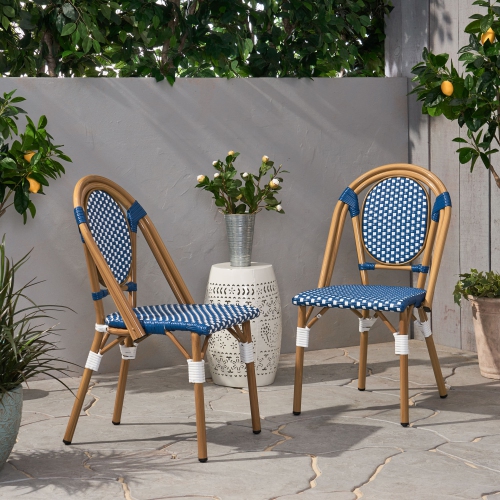
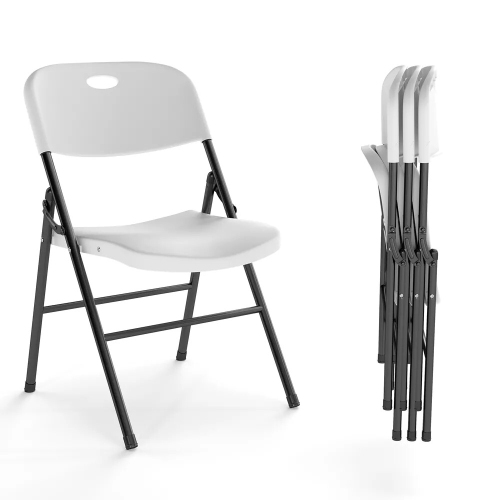
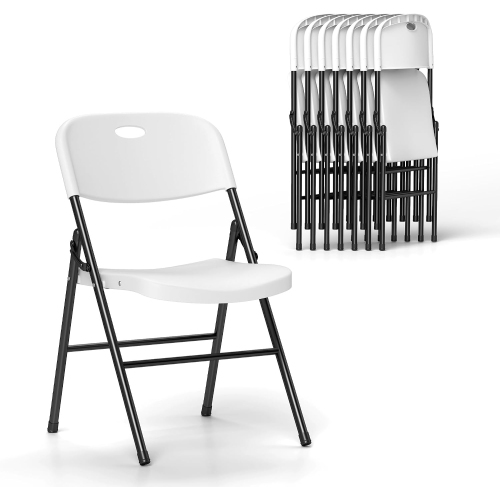


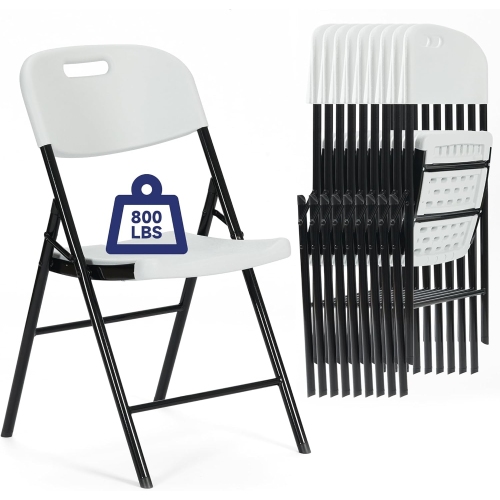



An uncluttered look without a matching furniture set
White resin chairs bring a light, uncluttered look to dining areas, patios, balconies, and shared seating spaces. Their neutral colour works easily with wood grain, dark metal, stone, and colourful textiles, making them a practical choice when the surrounding furniture does not come from a matching set. Around a compact café table, white seating can keep the arrangement visually simple; beside a substantial dining table, it can soften the appearance of darker finishes without competing with them. Resin is a broad furniture term rather than a single material specification. Many chairs are made from moulded plastics such as polypropylene, while other designs use resin-based components over a supporting frame. These differences affect weight, texture, flexibility, and care, so the material description matters as much as the silhouette. A smooth, one-piece chair has a different feel from a chair with woven resin strands, and neither should be assumed to have the same construction or intended use. Moulded designs may have open backs, slatted seats, curved shells, or more traditional upright profiles. Some offer a firm, supportive seat, while others have a little flexibility built into the backrest. White finishes also vary: a crisp white can look sharper against black furniture, while a softer white may blend more gently with pale wood and neutral upholstery. Matching undertones helps when chairs sit beside an existing white table or cabinet, where small colour differences become noticeable. For outdoor seating arrangements, the broader White Outdoor Chairs category provides context for different materials and shapes, while resin remains a distinct option for those who prefer surfaces that are generally straightforward to wipe clean. The appeal is not limited to appearance. Depending on their construction, resin chairs can be relatively easy to move between a dining table and an extra seating area, making them useful in homes where furniture needs to serve more than one purpose. Their suitability for that flexibility still depends on dimensions, weight, and the uses specified for the chair.
Comfort and fit become especially important when chairs are used for meals, conversation, or extended sitting rather than occasional extra seating. Seat height should work with the table height, leaving enough room for legs without placing the tabletop awkwardly high. Armrests add another measurement to consider: a chair may fit comfortably beside a table yet fail to slide underneath because its arms meet the underside or apron. In a smaller kitchen or on a narrow balcony, that difference can determine whether the space feels open or crowded. Overall width matters, too, particularly when several chairs share one side of a table. Allowing room between seats makes it easier to sit down, move elbows, and get up without shifting neighbouring chairs. A deeper seat may suit someone who likes a relaxed position, whereas a shorter seat can be more comfortable for a person whose feet otherwise struggle to rest flat. Backrest shape, seat contour, and the placement of any openings also influence comfort. A curved back can feel more accommodating than a flat panel, but personal preference and body proportions remain important. Cushions can soften a firm resin seat, provided they fit securely and do not cover drainage openings or interfere with the chair’s intended function. Removable cushions are especially useful where the same chair serves both a dining arrangement and a casual sitting area. For households that rearrange furniture often, chair weight and grip points deserve attention; a smooth shell can be harder to hold than a design with a convenient opening in the back. Stackable chairs can help keep spare seating organized, but stacking should only be expected when the design specifically supports it. The stack height, spacing between chairs, and potential contact points affect storage and surface wear. Families, apartment dwellers, and people who host gatherings may value these practical details more than decorative flourishes. Weight capacity, a stable base, and the stated residential or commercial use rating should also suit the people and setting involved, rather than being inferred from the chair’s appearance.
Day-to-day care is usually uncomplicated, though white resin benefits from regular attention because food marks, shoe scuffs, and dust can stand out against a pale surface. A soft cloth, mild soap, and water are often appropriate for routine cleaning, with the manufacturer’s care directions taking priority. Cleaning a small spill promptly can be easier than dealing with a dried stain later, particularly around textured areas, seams, and the junction between the seat and backrest. A soft brush can help reach grooves without the scratching that an abrasive pad may leave behind. Strong solvents, harsh cleaners, and abrasive powders can damage some resin surfaces or alter their finish, so a cleaning method suitable for one chair should not automatically be used on another. After washing, wiping away excess water helps prevent residue from collecting around fasteners or beneath seat edges. Chairs with separate frames, hardware, or woven sections need attention to those components as well; the care requirements of a resin seat do not necessarily apply to metal legs or attached upholstery. Durability depends on construction quality and intended use, not simply on whether a chair is labelled resin. Reinforced areas, well-finished edges, secure joints, and an even stance all contribute to a chair that feels dependable in everyday use. On hard flooring, suitable foot caps can reduce scraping and help protect the surface, while worn or missing caps should be replaced with compatible parts. Periodic checks for loose fasteners, cracks, or changes in stability are worthwhile, especially when chairs are frequently moved or stacked. Avoid dragging chairs across rough surfaces or balancing on two legs, which can place stress on areas not designed for that load. For outdoor placement, confirm that the chair is specifically rated for that use rather than treating all resin furniture as interchangeable. Thoughtful care preserves the clean appearance that makes white seating appealing, while sensible sizing and construction choices help it remain useful. Whether arranged around a family table or kept ready for visiting friends, a well-suited resin chair earns its place through comfort, easy handling, and a look that fits naturally with the surrounding space.
Top selling and popular products
-
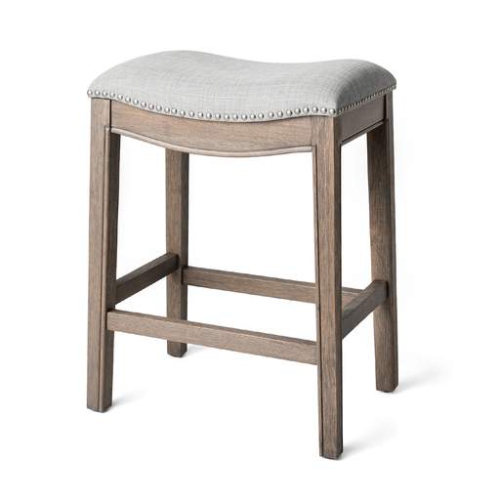 Your price for this item is $176.99
-
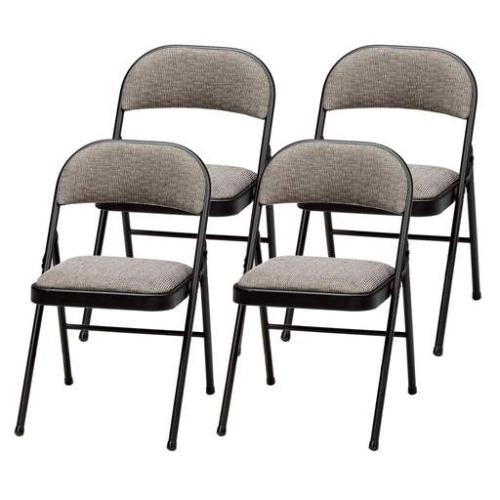 Your price for this item is $270.99
-
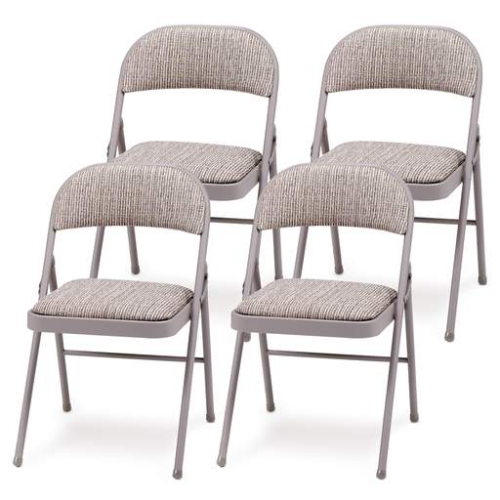 Your price for this item is $317.99
-
 Your price for this item is $430.14
-
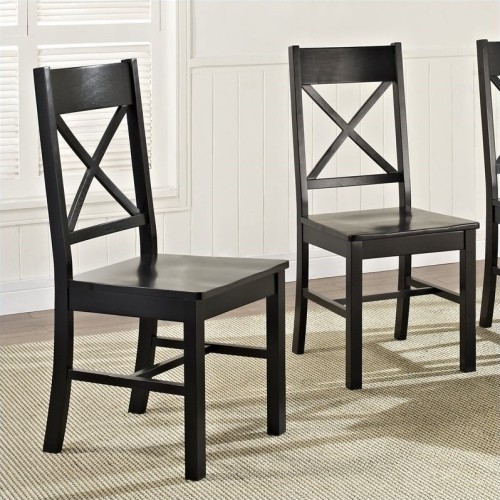 Your price for this item is $498.07
-
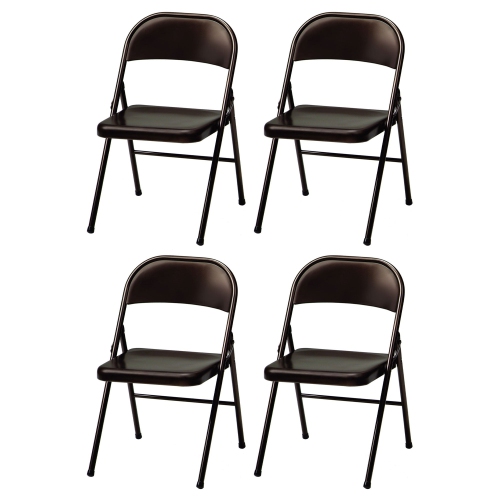 Your price for this item is $155.99
-
 Your price for this item is $431.99
-
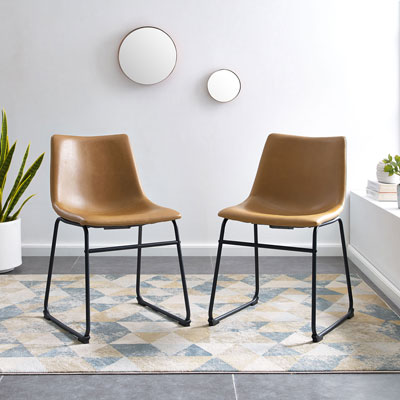 Your price for this item is $431.99
Discover more categories related to White Resin Chairs
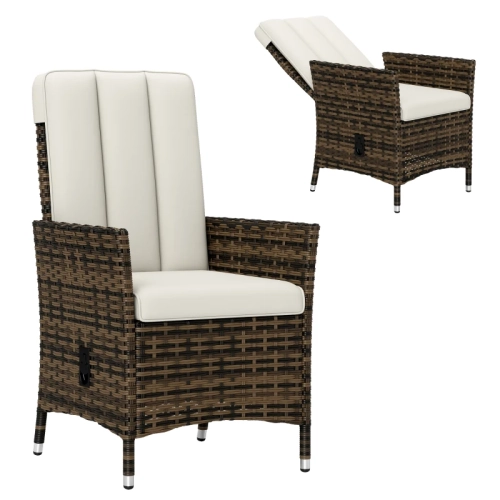

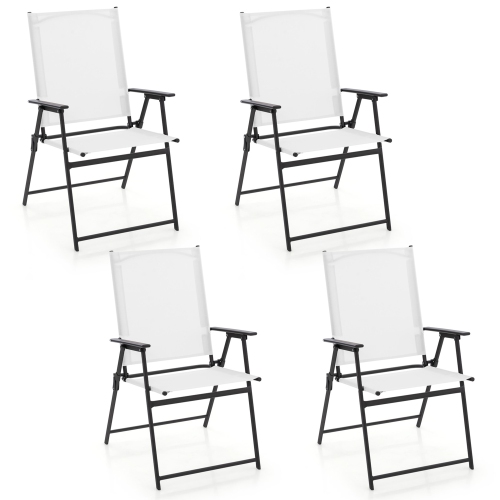
Top Collections:
Pokemon Centers, Best Cameras for Sports Photography, Kindle Devices, Samsung Galaxy Phones, Canon G7X Cameras, Pokémon 30th Celebration Cards, Refurbished Apple Laptops, iPhone 15 Apple, Laptops for Students, Budget Smartphones
Some products may be subject to Environmental Handling Fees
(EHF) depending on your province.
Learn more about EHFs.