White Tarp
Protect your outdoor equipment and furniture with rugged tarps. These white tarps are made from durable materials that can withstand harsh weather conditions and provide reliable protection for your items in the garden, on the patio, or even at a construction site. Here are some great options for you.
Sort
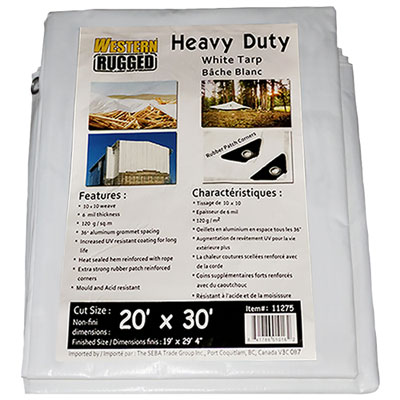
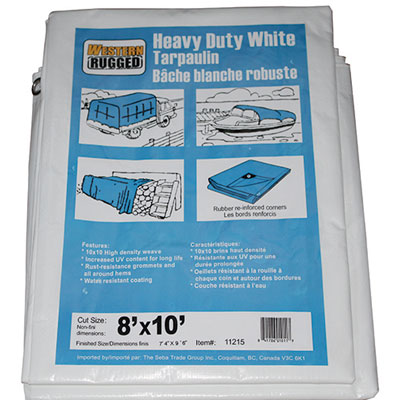
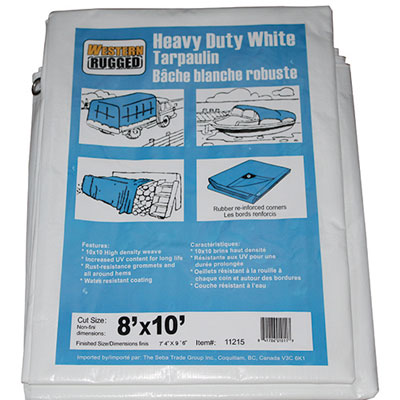
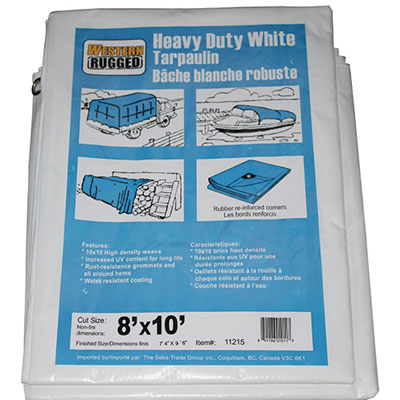
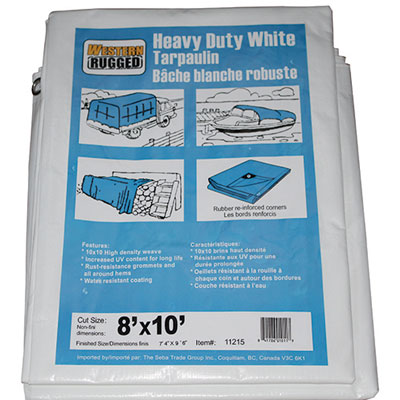
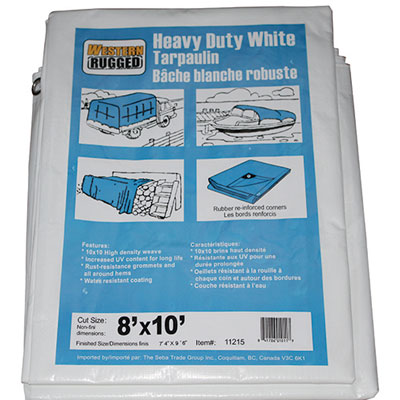
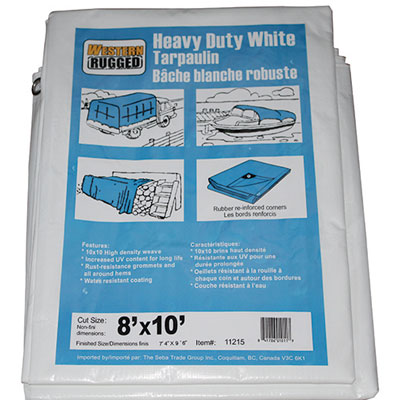
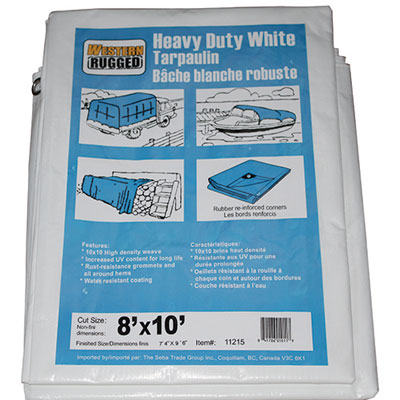
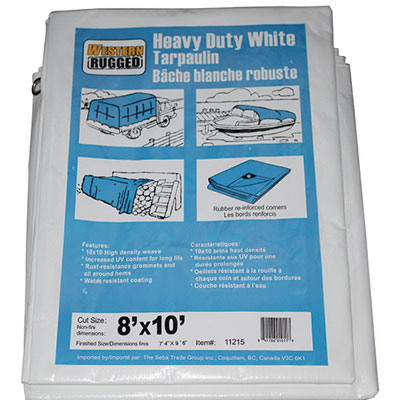
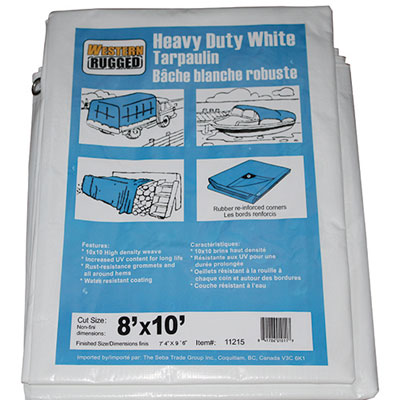
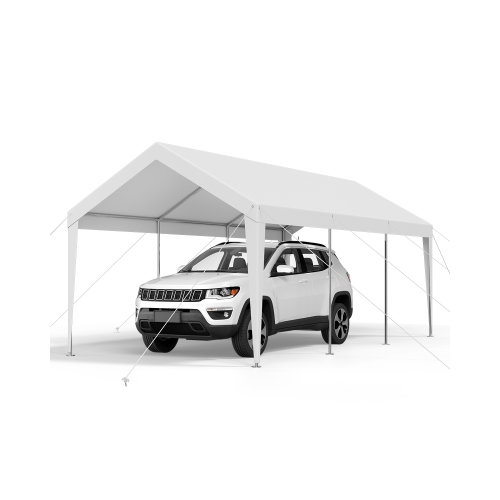
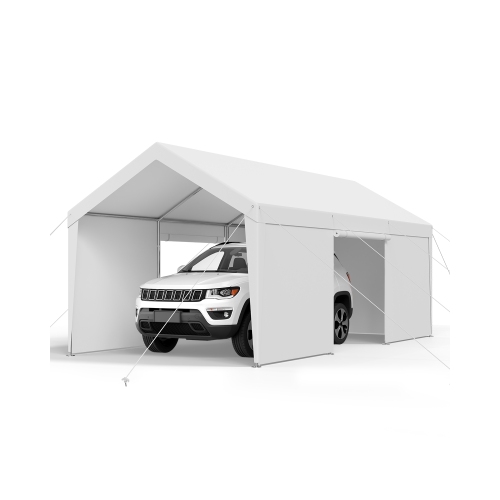
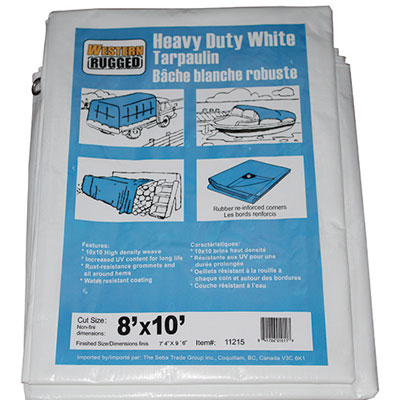
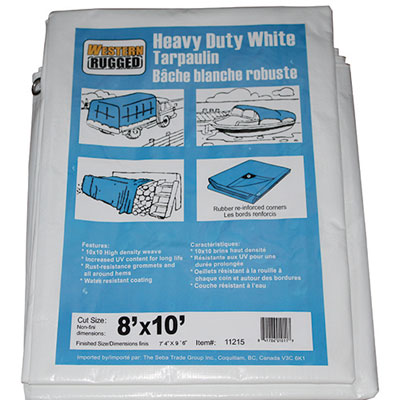
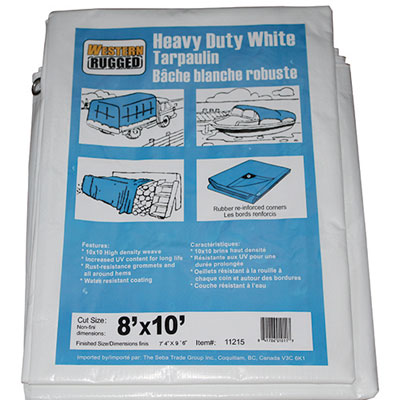
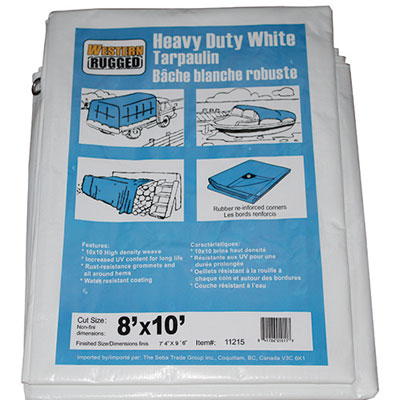
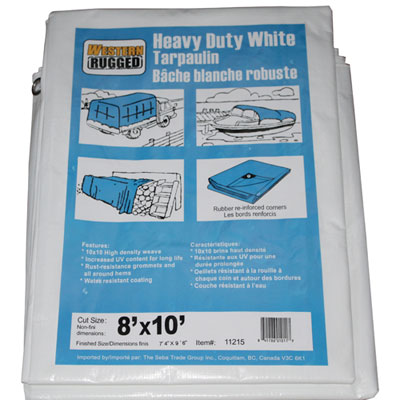
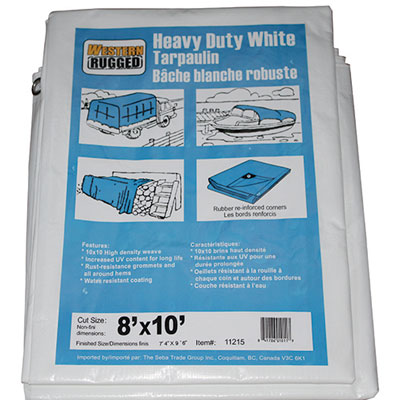
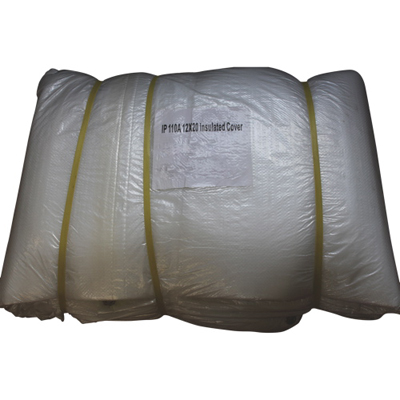
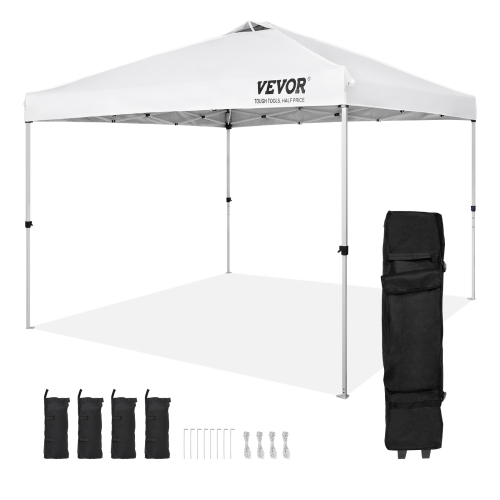
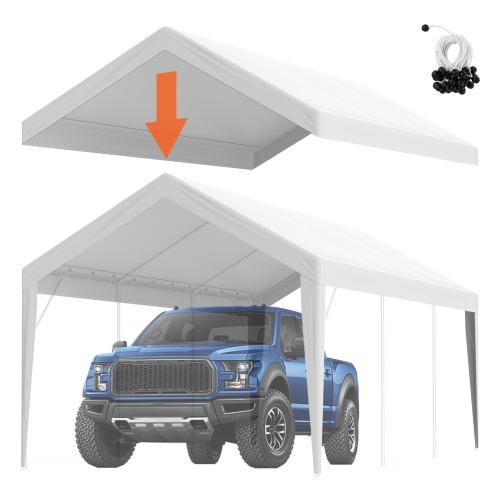
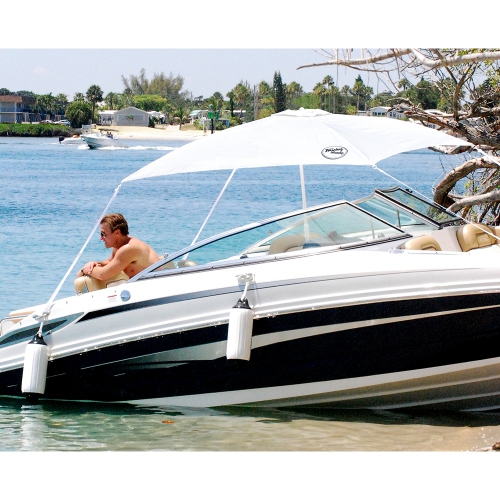
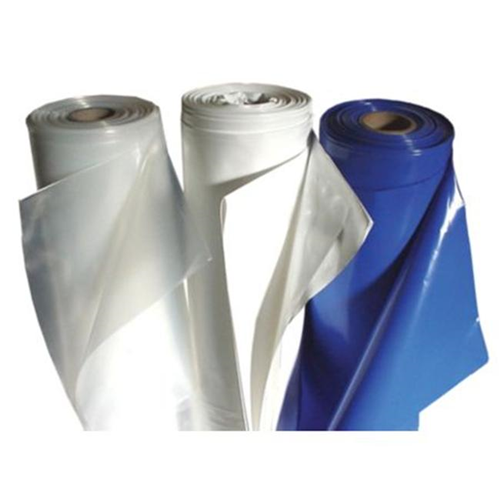
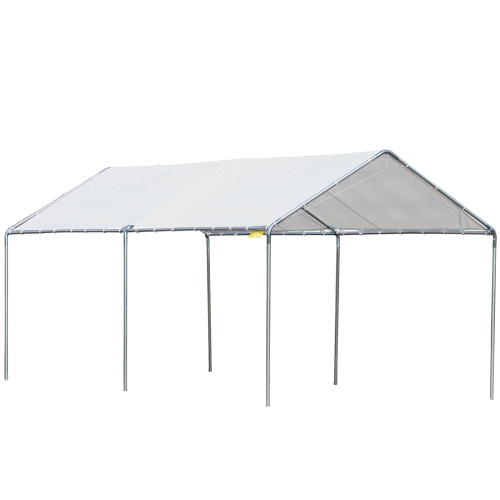
Versatile protection for changing weather and outdoor work
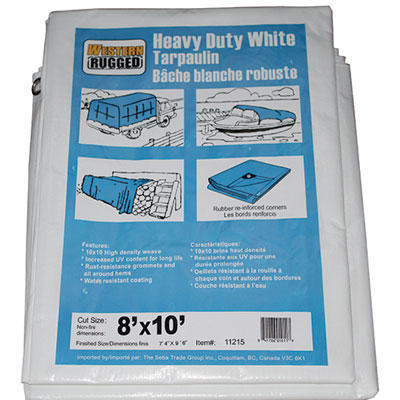
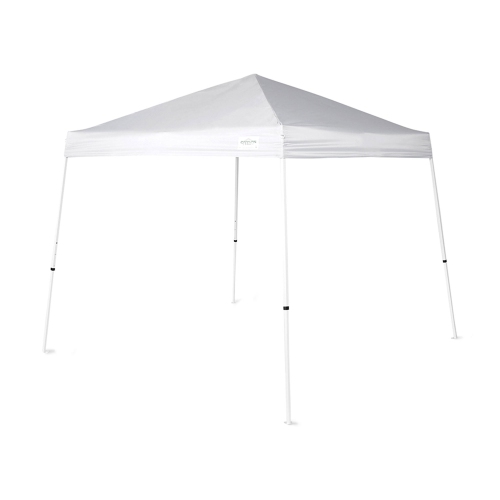
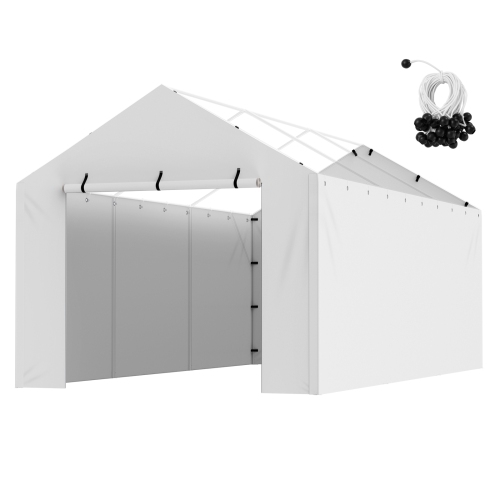
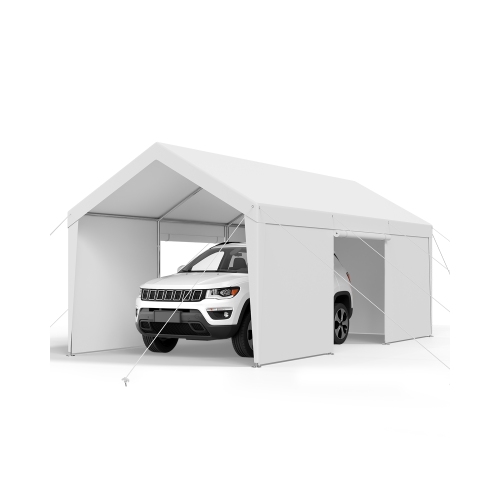
White tarps are practical coverings for keeping belongings, work areas, and outdoor spaces protected from changing weather. Their light colour offers a clean, highly visible appearance that can suit a backyard, campsite, driveway, renovation area, or temporary event setup, while also making it easier to see beneath the covered space during overcast conditions. Depending on the design, a white tarp may be used to cover patio furniture, firewood, gardening supplies, sports equipment, building materials, motorcycles, trailers, or other items that need an extra layer of protection from rain, wind, dust, and falling debris. Some people choose them for moving and storage because they help keep furniture and boxes covered without creating a dark, enclosed feeling, while others use them as temporary ground sheets, privacy screens, shade panels, or overhead shelters. They can also be useful around the home during painting, repairs, and seasonal maintenance, providing a barrier between work areas and the surrounding space. As the weather shifts from warmer days to cooler months, a properly secured tarp can help protect outdoor items when they are not in use, though it should always be installed with enough room for air to circulate and water to drain. A tarp is most effective when selected for the job rather than simply for its colour, so consider where it will be used, how long it will remain in place, and what type of exposure it may face. A compact tarp may be convenient for covering a small load or creating a ground layer, while a larger size can be useful for furniture, equipment, or a temporary shelter. Measuring the area carefully before shopping helps avoid stretching the material too tightly or leaving large sections exposed. It is usually wise to allow some extra coverage for overlap and for securing the edges, especially when the tarp will be wrapped around an object or used at an angle.
The construction details can make a noticeable difference in everyday use. Look for reinforced edges and evenly spaced grommets when the tarp needs to be tied down, since these features provide practical attachment points and help distribute tension. Strong cord, bungee ties, straps, or suitable fasteners can keep the covering in place, but avoid pulling so tightly that the material or eyelets are strained. In breezy conditions, a few additional attachment points may provide better stability than relying on just the corners. A waterproof or water-resistant finish is important when the main goal is keeping rain away, while a heavier-duty fabric may be preferable for repeated outdoor use, rough handling, or covering materials with sharp corners. Lightweight options are easier to fold, carry, and position, making them useful for camping, day trips, quick clean-up jobs, and temporary coverage. Heavier tarps can offer more durability and stability, but they may require more effort to lift and secure. The light surface of a white tarp can show dirt, mud, and marks more readily than a darker covering, so consider how easy it is to wipe clean and dry before folding it away. Keeping the tarp dry during storage helps reduce odours and prevents moisture from being trapped against the folded material. For outdoor setups during the cooler months, check the covering after strong wind or precipitation and clear away pooled water, leaves, or accumulated snow rather than allowing excess weight to remain on top. Tarps are designed for protection and temporary coverage, not as a replacement for a permanent roof or engineered structure, so follow the instructions provided and avoid creating an unsafe enclosure. Properly angled installation, secure tie-downs, and regular checks can help the tarp perform reliably while reducing the chance of flapping, sagging, or rubbing against the items underneath.
A white tarp can be a thoughtful practical gift for a new homeowner, camper, traveller, recreational vehicle owner, cottage visitor, gardener, or anyone who enjoys being prepared for outdoor projects. It is the sort of useful item that may spend much of its time folded in a storage bin, then become essential when rain arrives before a move, a load needs covering, or patio furniture must be protected before the temperature drops. Campers can use one as a rain fly, windbreak, ground covering, or cooking-area barrier when set up correctly, while people working on home improvements may appreciate a quick way to protect floors, tools, lumber, or furniture from dust and splashes. For travel and transport, choose a size and weight that can be handled easily and stored with the rest of the gear, and make sure the tarp will cover the load without obstructing lights, licence plates, doors, or ventilation. Those comparing white tarp options with other colours may prefer the brighter look for temporary spaces, displays, outdoor gatherings, or areas where visibility matters. In some situations, a darker covering may be better for reducing visible marks or creating a more shaded space, while a white covering can help a work area feel brighter and less enclosed. If a different colour is more suitable for the setting, you can also compare options such as a Blue Tarp while keeping the same attention on dimensions, fastening points, material weight, and weather resistance. Before choosing, think through the complete setup: the surface being covered, the expected weather, the available tie-down points, the amount of storage space, and how often the tarp will be folded and reused. With the right fit and careful installation, a white tarp can become a dependable part of a home, travel, camping, or workshop kit, ready to provide straightforward coverage whenever outdoor conditions become less predictable.
The construction details can make a noticeable difference in everyday use. Look for reinforced edges and evenly spaced grommets when the tarp needs to be tied down, since these features provide practical attachment points and help distribute tension. Strong cord, bungee ties, straps, or suitable fasteners can keep the covering in place, but avoid pulling so tightly that the material or eyelets are strained. In breezy conditions, a few additional attachment points may provide better stability than relying on just the corners. A waterproof or water-resistant finish is important when the main goal is keeping rain away, while a heavier-duty fabric may be preferable for repeated outdoor use, rough handling, or covering materials with sharp corners. Lightweight options are easier to fold, carry, and position, making them useful for camping, day trips, quick clean-up jobs, and temporary coverage. Heavier tarps can offer more durability and stability, but they may require more effort to lift and secure. The light surface of a white tarp can show dirt, mud, and marks more readily than a darker covering, so consider how easy it is to wipe clean and dry before folding it away. Keeping the tarp dry during storage helps reduce odours and prevents moisture from being trapped against the folded material. For outdoor setups during the cooler months, check the covering after strong wind or precipitation and clear away pooled water, leaves, or accumulated snow rather than allowing excess weight to remain on top. Tarps are designed for protection and temporary coverage, not as a replacement for a permanent roof or engineered structure, so follow the instructions provided and avoid creating an unsafe enclosure. Properly angled installation, secure tie-downs, and regular checks can help the tarp perform reliably while reducing the chance of flapping, sagging, or rubbing against the items underneath.
A white tarp can be a thoughtful practical gift for a new homeowner, camper, traveller, recreational vehicle owner, cottage visitor, gardener, or anyone who enjoys being prepared for outdoor projects. It is the sort of useful item that may spend much of its time folded in a storage bin, then become essential when rain arrives before a move, a load needs covering, or patio furniture must be protected before the temperature drops. Campers can use one as a rain fly, windbreak, ground covering, or cooking-area barrier when set up correctly, while people working on home improvements may appreciate a quick way to protect floors, tools, lumber, or furniture from dust and splashes. For travel and transport, choose a size and weight that can be handled easily and stored with the rest of the gear, and make sure the tarp will cover the load without obstructing lights, licence plates, doors, or ventilation. Those comparing white tarp options with other colours may prefer the brighter look for temporary spaces, displays, outdoor gatherings, or areas where visibility matters. In some situations, a darker covering may be better for reducing visible marks or creating a more shaded space, while a white covering can help a work area feel brighter and less enclosed. If a different colour is more suitable for the setting, you can also compare options such as a Blue Tarp while keeping the same attention on dimensions, fastening points, material weight, and weather resistance. Before choosing, think through the complete setup: the surface being covered, the expected weather, the available tie-down points, the amount of storage space, and how often the tarp will be folded and reused. With the right fit and careful installation, a white tarp can become a dependable part of a home, travel, camping, or workshop kit, ready to provide straightforward coverage whenever outdoor conditions become less predictable.
Top selling and popular products
-
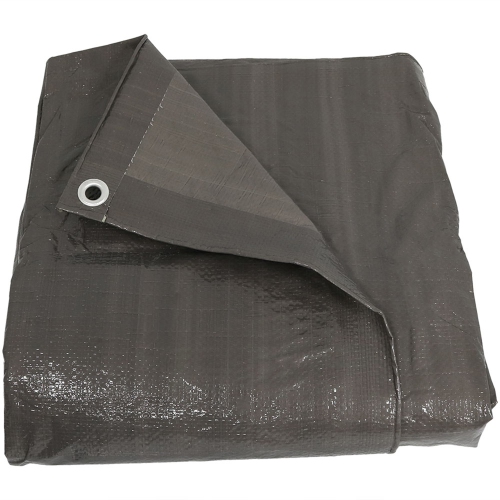 Your price for this item is $295.95
 -
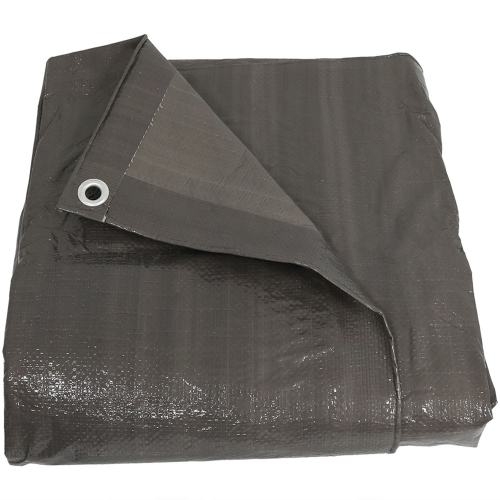 Your price for this item is $46.85
 -
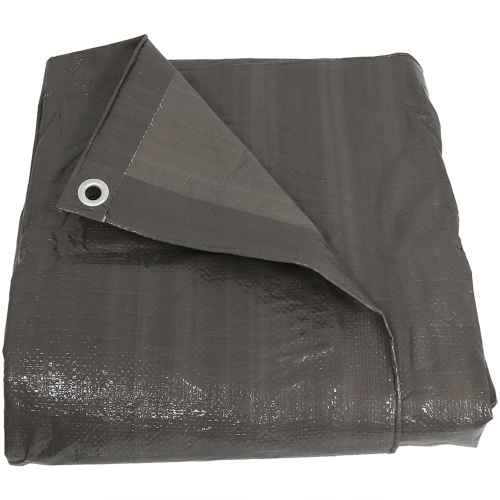 Your price for this item is $53.05
 -
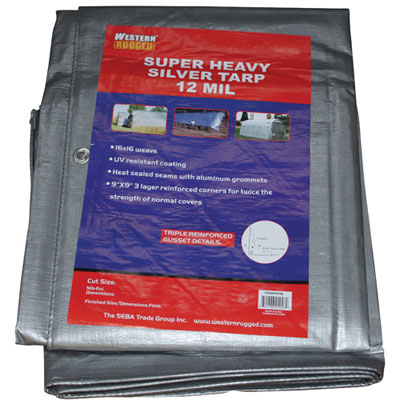 Your price for this item is $106.99
 -
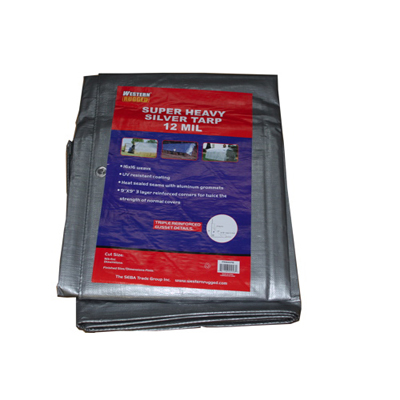 Your price for this item is $143.99
 -
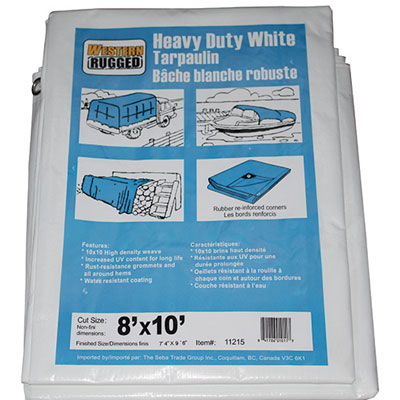 Your price for this item is $24.99
 -
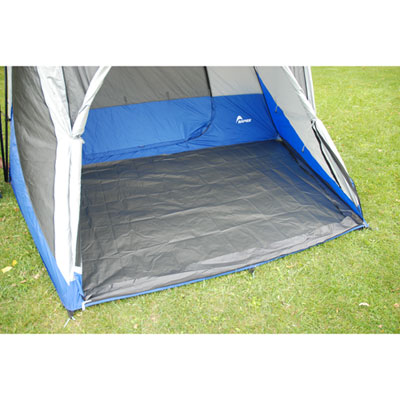 Your price for this item is $29.99
 -
 Your price for this item is $195.99
Discover more categories related to White Tarp
Top Collections:
Pokemon Centers, Kindle Devices, Best Budget Office Chairs, Apple iPhones 16, Best Laptops for Writers, iPhone 15 Apple, Canon G7X Cameras, Refurbished Apple Laptops, Alarm Clock, Motorola Razr Phones
Some products may be subject to Environmental Handling Fees
(EHF) depending on your province.
Learn more about EHFs.