White Wall Shelf Units
Looking for a stylish and practical storage solution for your home? Our white wall shelf units are the perfect addition to any space, offering both functionality and a sleek aesthetic. With their clean white finish and minimalist design, they effortlessly blend into any decor style, making them a timeless and versatile choice.
Sort
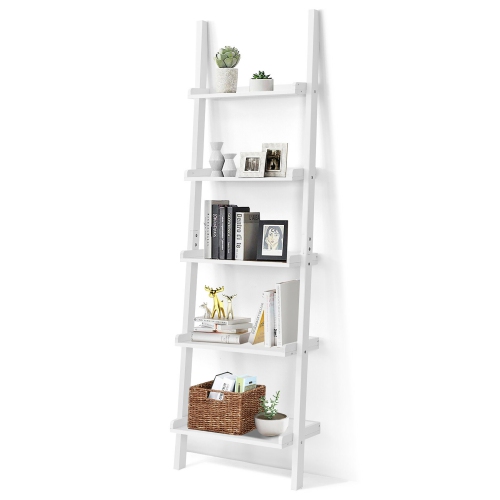

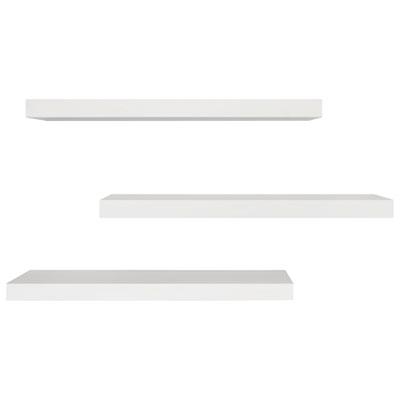
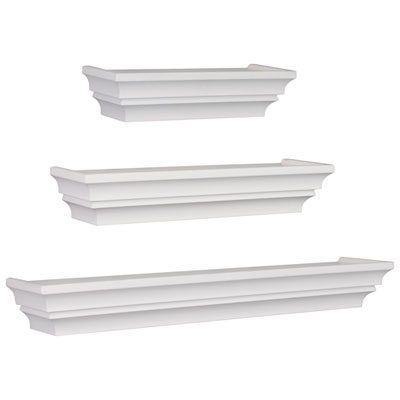
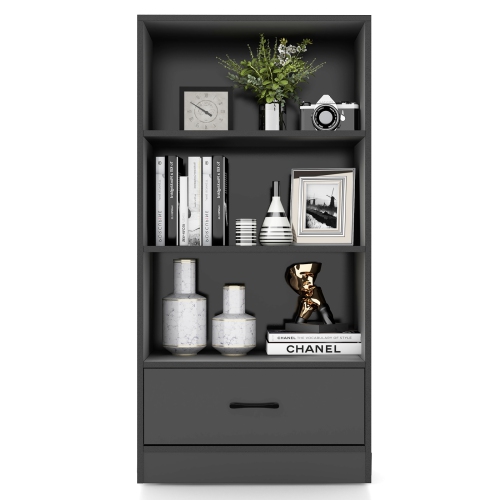
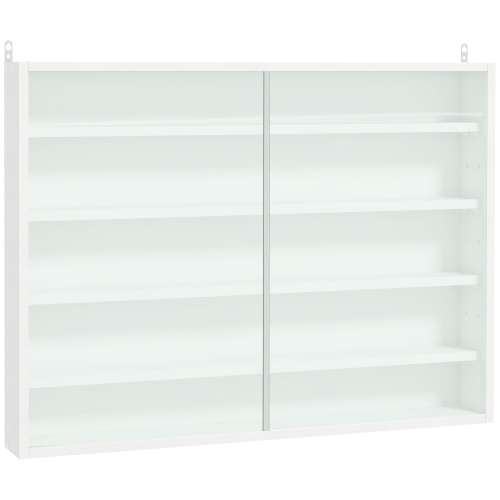
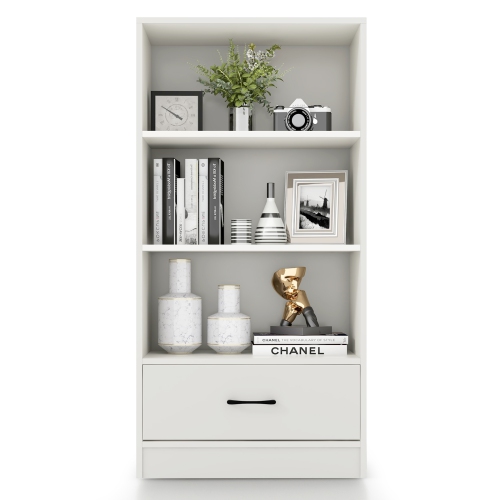
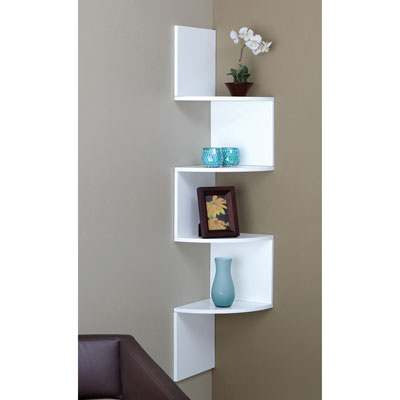
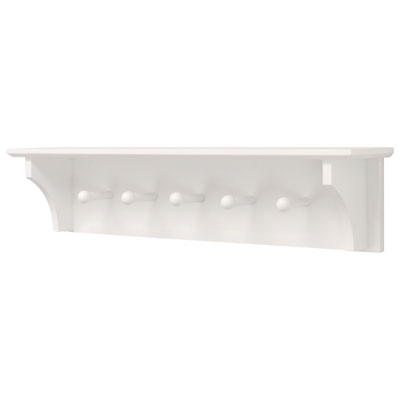
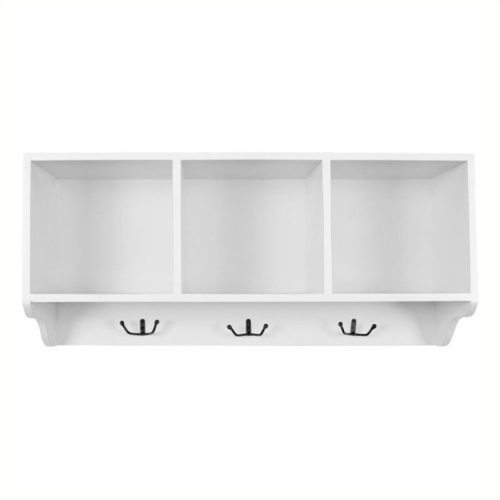
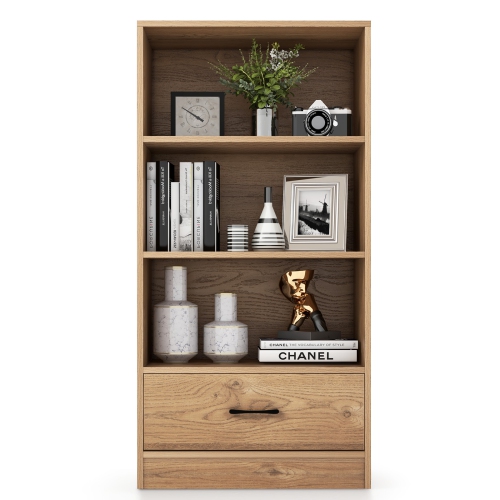

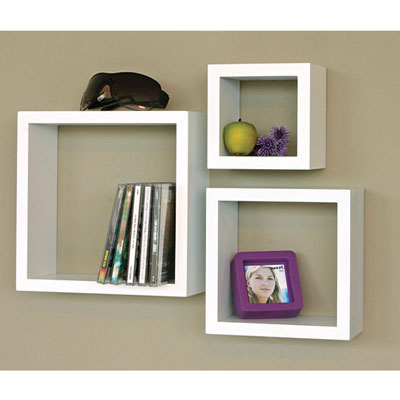
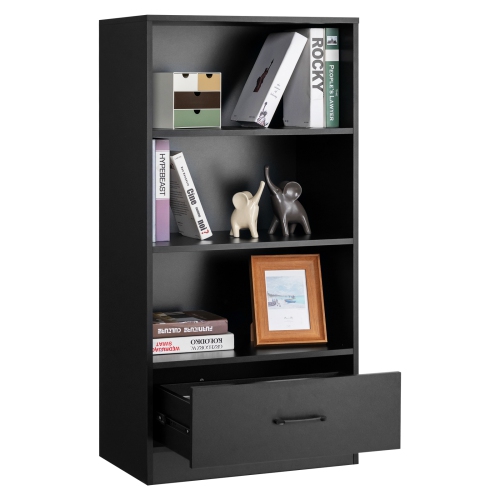
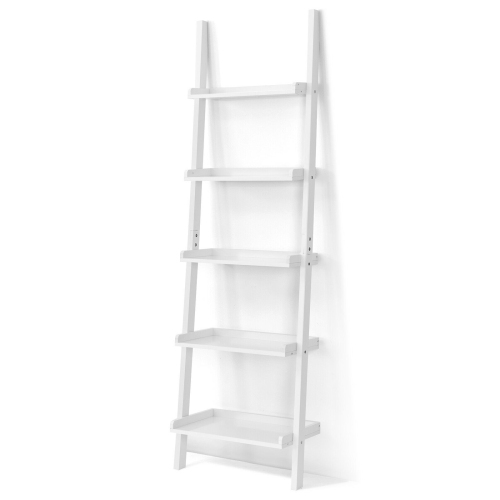
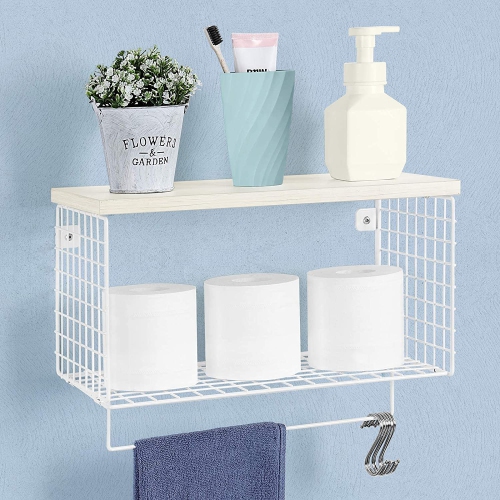
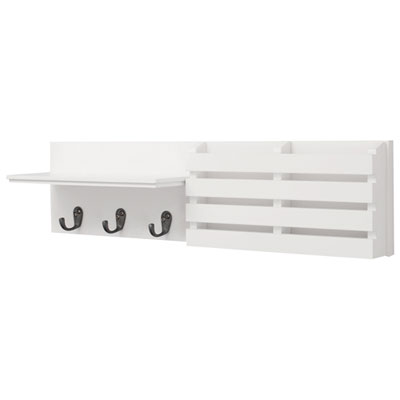
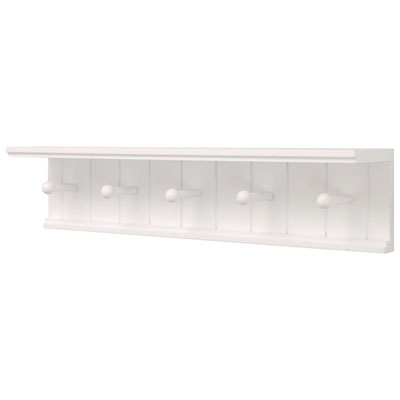
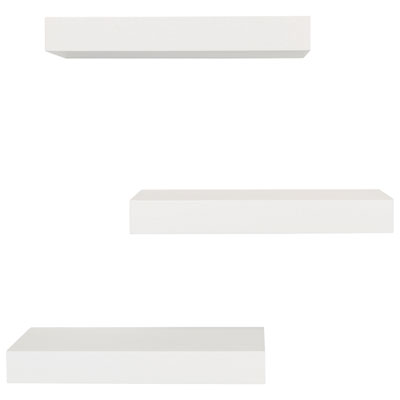

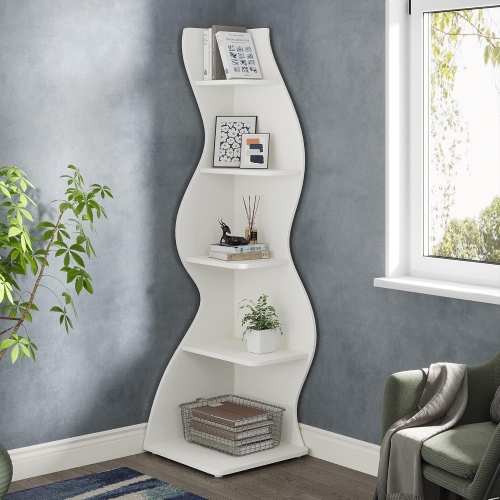

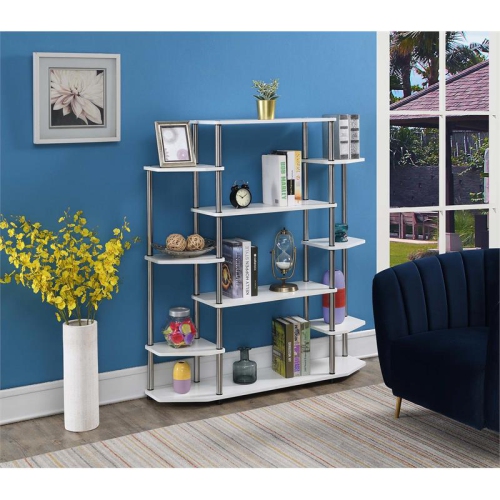
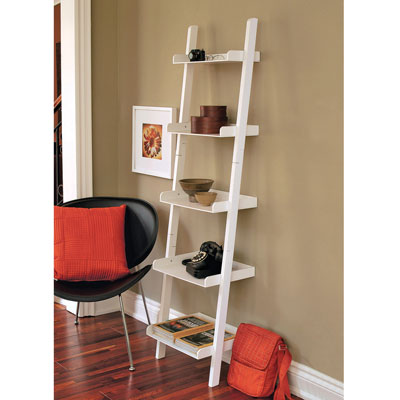
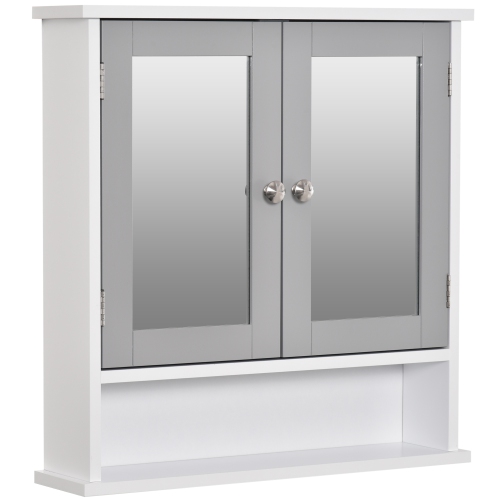
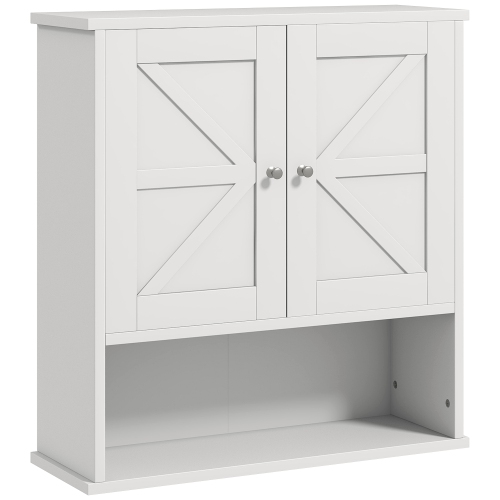
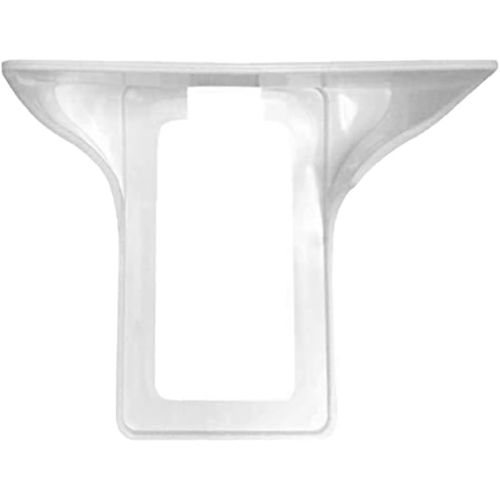
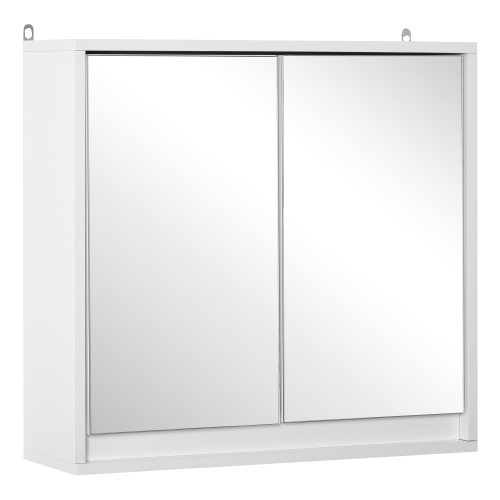
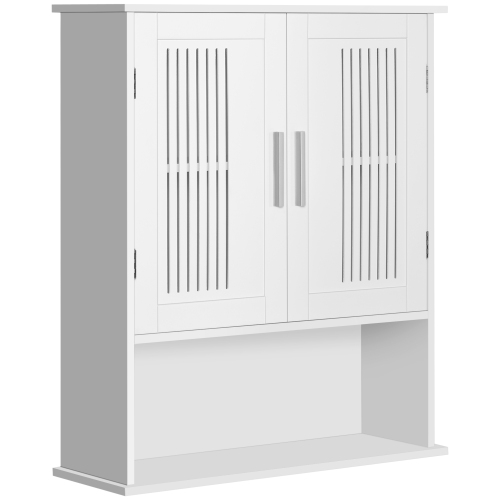
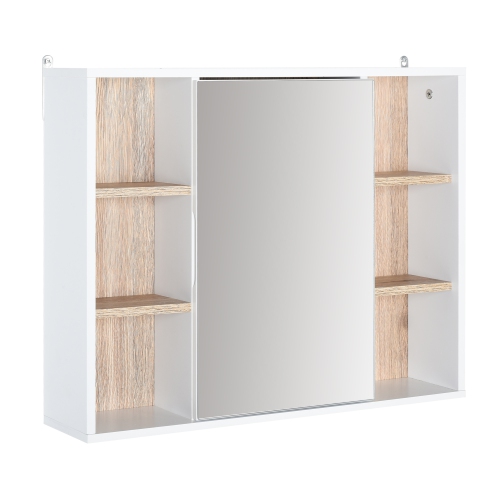
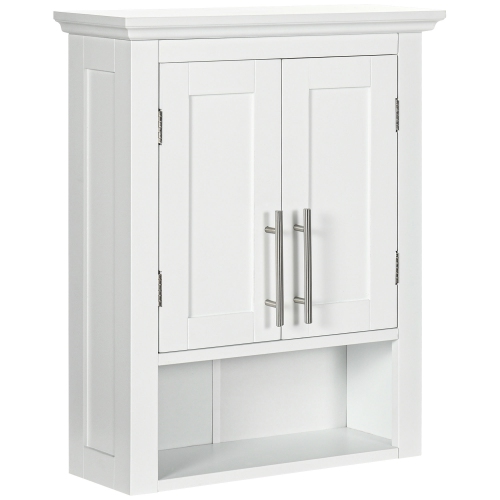
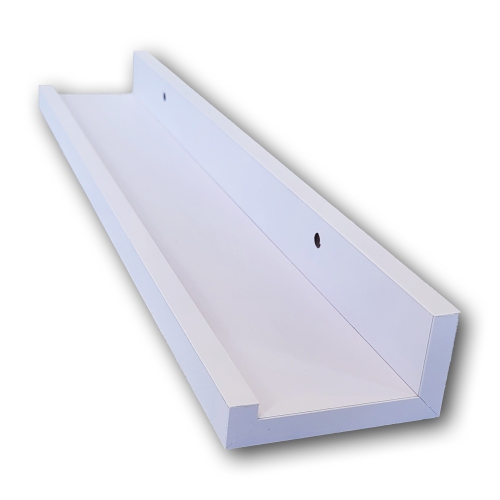
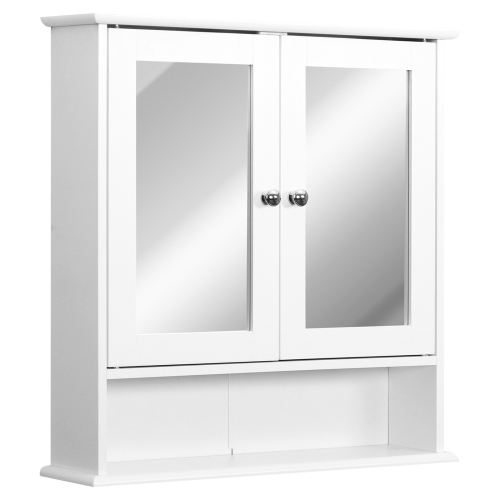
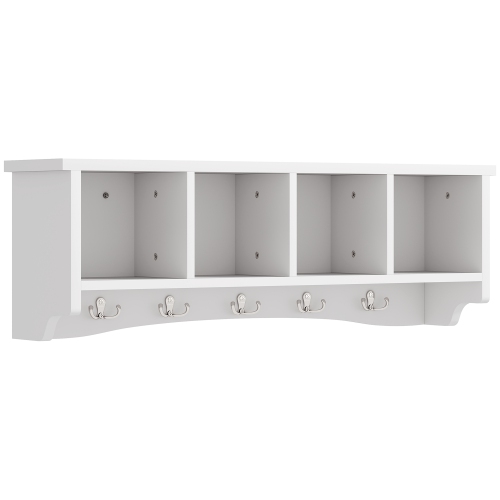
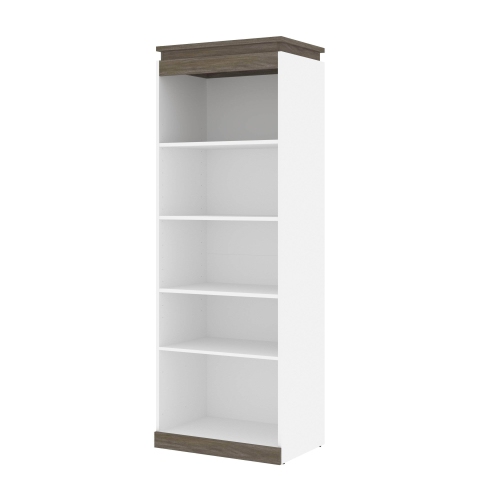
Storage and display without giving up floor space
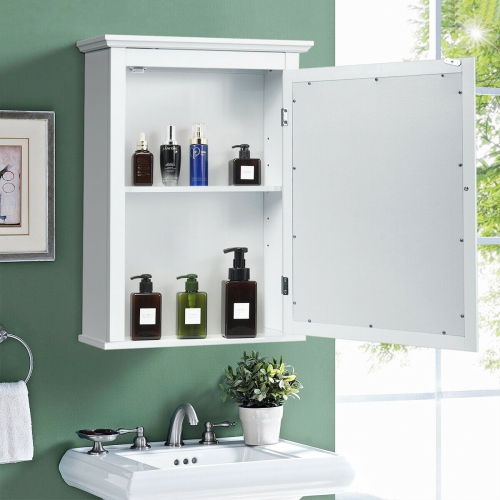
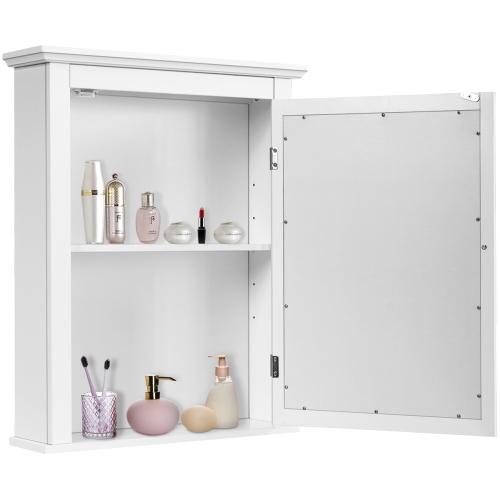
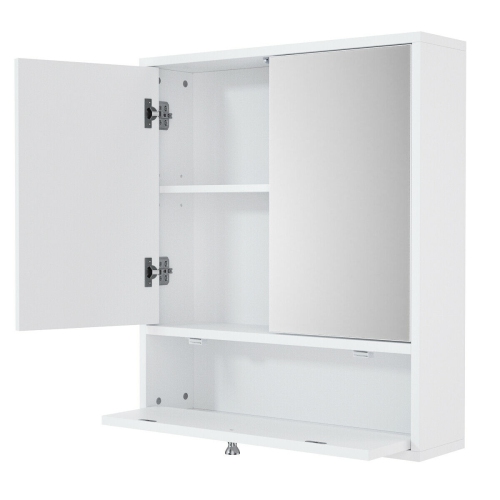
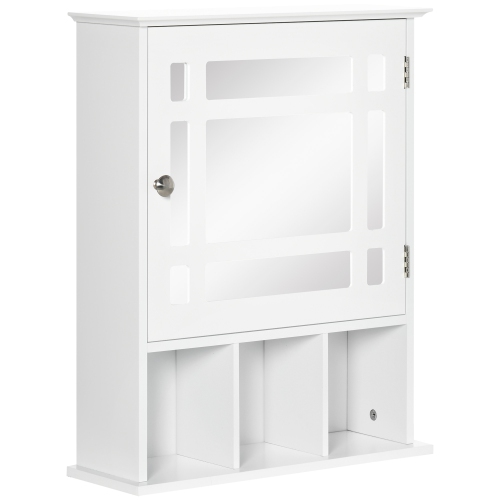
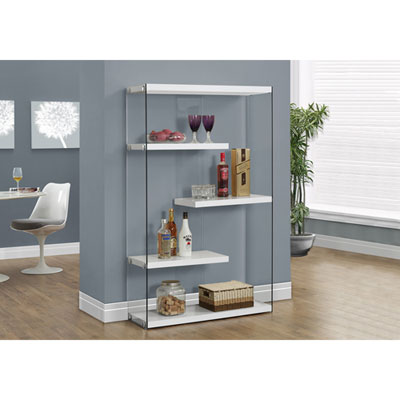
White wall shelf units are wall-mounted storage pieces that combine shelving with a white finish, providing space for books, framed photos, small plants, and everyday essentials without taking up floor space. Their shapes range from simple floating shelves to open cubes, stepped arrangements, and tall, narrow units with several tiers. A floating design conceals its mounting hardware for a clean-lined appearance, while shelves with visible brackets can add structure and contrast. Cube-style compartments create distinct spaces for grouping objects, and multi-tier units bring several storage levels together in one arrangement. The white finish can blend into a light-coloured wall or stand out against deeper paint colours, making these shelves adaptable to bedrooms, living rooms, home offices, and entryways. In a compact apartment, a shallow shelf beside a desk can hold notebooks and stationery while leaving the work surface clear. Above a hallway console, a series of open compartments can keep small baskets and display pieces organized without adding another piece of floor-standing furniture. The most useful shape depends on what it needs to hold: broad horizontal shelves suit rows of books and wider objects, while narrow vertical units make use of a slim section of wall. Open backs allow the wall colour to show through; solid backs give each compartment a more defined appearance. For storage centred on reading material, White Wall Book Shelves offer a closely related option, with shelf depth, usable height, and weight capacity being especially important considerations. White shelving also suits shared spaces because it can sit alongside different furniture finishes without introducing another strong colour. A few meaningful objects spaced across the shelves create an airy display, while baskets or boxes sized to the compartments can contain smaller belongings. For students, families, and people working from home, that balance between visible storage and contained clutter can make a modest stretch of wall genuinely useful.
Materials and construction influence how a white wall shelf unit looks, feels, and holds up to daily use. Solid wood can have visible grain beneath a painted finish, depending on the coating, and its edges may feel more substantial than those of a hollow-core design. Engineered wood, including medium-density fibreboard and particleboard, is often finished with paint, laminate, or a wrapped surface to create a consistent white appearance. These materials differ in density and construction, so the material name alone does not establish how much weight a shelf can safely carry. Metal frames or brackets can provide a slimmer profile, although the complete unit’s rated capacity still depends on its design and installation. A smooth matte finish offers a softer appearance, while a glossier surface catches more light and may show fingerprints more readily. White finishes also vary from crisp, bright tones to warmer shades, a difference that becomes noticeable beside existing white cabinetry or painted trim. For a coordinated arrangement, finish undertones deserve as much attention as the overall shape. Edges, joints, and shelf thickness are useful details to examine, particularly when the unit will hold objects that are moved frequently. Exposed corners can be vulnerable to knocks, and damaged coatings may leave some engineered wood surfaces more susceptible to moisture. Routine care usually involves removing dust with a soft cloth and, where the manufacturer permits, wiping marks with a lightly dampened cloth before drying the surface. Abrasive pads and harsh cleaners can scratch or dull finishes. Plant pots need watertight trays, and spills should be wiped up promptly rather than left around seams or mounting points. A bathroom or laundry area calls for shelving specifically suited to the room’s moisture exposure; a white finish does not make a unit water-resistant. For everyday durability, matching the shelf to its intended use matters more than appearance alone. A display of small keepsakes places different demands on a unit than tightly packed textbooks, stacked dishes, or frequently handled storage bins.
Fit begins with the usable wall area, but it also includes shelf depth, the spacing between tiers, and the clearance needed around nearby furniture. A unit may fit between a doorway and a corner yet project too far into a narrow walking route. Above a desk, sufficient clearance helps prevent bumps when standing up, while shelving near a door needs to remain outside the door’s swing. Measuring the objects intended for storage is equally useful: large books may overhang a shallow shelf, and a tall vase may not fit between fixed tiers. Adjustable shelves offer flexibility where included, whereas fixed compartments give the arrangement a consistent structure. Installation is central to safe use, because a wall shelf relies on both its own construction and the surface supporting it. Drywall, masonry, and other wall types require appropriate fasteners, and included hardware is not necessarily suitable for every wall. Follow the manufacturer’s mounting instructions, use structural supports where specified, and confirm whether the stated weight limit applies to each shelf or the whole unit. The contents should remain within that limit and be distributed as directed rather than concentrated on one edge. Books can become surprisingly heavy across a full row, so a shelf intended for light display should not be treated as a bookcase. Before drilling, the mounting location needs to be checked for concealed wiring and plumbing; professional installation may be appropriate when the wall construction is uncertain. In a rental home, permission for permanent fixings may also affect the choice. Placement deserves particular care in children’s rooms, where shelves should not invite climbing or put heavy objects above a cot or bed. Frequently used belongings work best within comfortable reach, leaving higher positions for lighter pieces handled less often. Once mounted, white wall shelf units can support a reading corner, tidy a workspace, or give favourite photographs a defined place. They can also make a practical housewarming gift when the recipient’s measurements, storage needs, and ability to install wall-mounted furniture are known. The right combination of proportions, finish, and capacity makes shelving feel like a considered part of the room rather than an extra surface to fill.
Materials and construction influence how a white wall shelf unit looks, feels, and holds up to daily use. Solid wood can have visible grain beneath a painted finish, depending on the coating, and its edges may feel more substantial than those of a hollow-core design. Engineered wood, including medium-density fibreboard and particleboard, is often finished with paint, laminate, or a wrapped surface to create a consistent white appearance. These materials differ in density and construction, so the material name alone does not establish how much weight a shelf can safely carry. Metal frames or brackets can provide a slimmer profile, although the complete unit’s rated capacity still depends on its design and installation. A smooth matte finish offers a softer appearance, while a glossier surface catches more light and may show fingerprints more readily. White finishes also vary from crisp, bright tones to warmer shades, a difference that becomes noticeable beside existing white cabinetry or painted trim. For a coordinated arrangement, finish undertones deserve as much attention as the overall shape. Edges, joints, and shelf thickness are useful details to examine, particularly when the unit will hold objects that are moved frequently. Exposed corners can be vulnerable to knocks, and damaged coatings may leave some engineered wood surfaces more susceptible to moisture. Routine care usually involves removing dust with a soft cloth and, where the manufacturer permits, wiping marks with a lightly dampened cloth before drying the surface. Abrasive pads and harsh cleaners can scratch or dull finishes. Plant pots need watertight trays, and spills should be wiped up promptly rather than left around seams or mounting points. A bathroom or laundry area calls for shelving specifically suited to the room’s moisture exposure; a white finish does not make a unit water-resistant. For everyday durability, matching the shelf to its intended use matters more than appearance alone. A display of small keepsakes places different demands on a unit than tightly packed textbooks, stacked dishes, or frequently handled storage bins.
Fit begins with the usable wall area, but it also includes shelf depth, the spacing between tiers, and the clearance needed around nearby furniture. A unit may fit between a doorway and a corner yet project too far into a narrow walking route. Above a desk, sufficient clearance helps prevent bumps when standing up, while shelving near a door needs to remain outside the door’s swing. Measuring the objects intended for storage is equally useful: large books may overhang a shallow shelf, and a tall vase may not fit between fixed tiers. Adjustable shelves offer flexibility where included, whereas fixed compartments give the arrangement a consistent structure. Installation is central to safe use, because a wall shelf relies on both its own construction and the surface supporting it. Drywall, masonry, and other wall types require appropriate fasteners, and included hardware is not necessarily suitable for every wall. Follow the manufacturer’s mounting instructions, use structural supports where specified, and confirm whether the stated weight limit applies to each shelf or the whole unit. The contents should remain within that limit and be distributed as directed rather than concentrated on one edge. Books can become surprisingly heavy across a full row, so a shelf intended for light display should not be treated as a bookcase. Before drilling, the mounting location needs to be checked for concealed wiring and plumbing; professional installation may be appropriate when the wall construction is uncertain. In a rental home, permission for permanent fixings may also affect the choice. Placement deserves particular care in children’s rooms, where shelves should not invite climbing or put heavy objects above a cot or bed. Frequently used belongings work best within comfortable reach, leaving higher positions for lighter pieces handled less often. Once mounted, white wall shelf units can support a reading corner, tidy a workspace, or give favourite photographs a defined place. They can also make a practical housewarming gift when the recipient’s measurements, storage needs, and ability to install wall-mounted furniture are known. The right combination of proportions, finish, and capacity makes shelving feel like a considered part of the room rather than an extra surface to fill.
Top selling and popular products
-
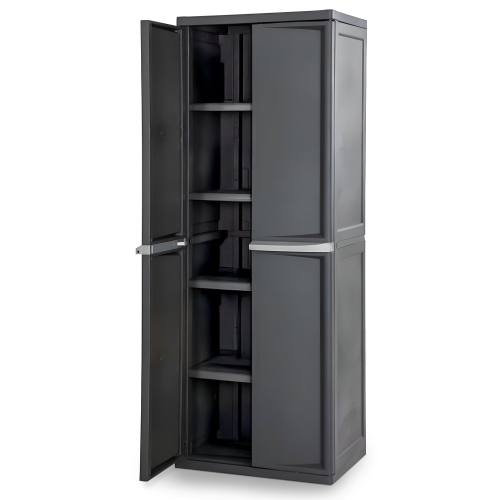 Your price for this item is $772.99
 -
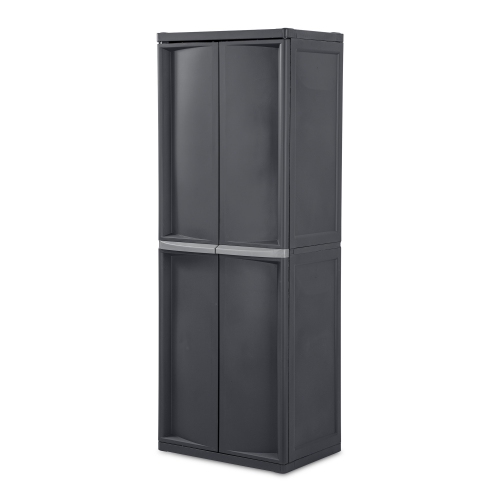 Your price for this item is $1522.99
 -
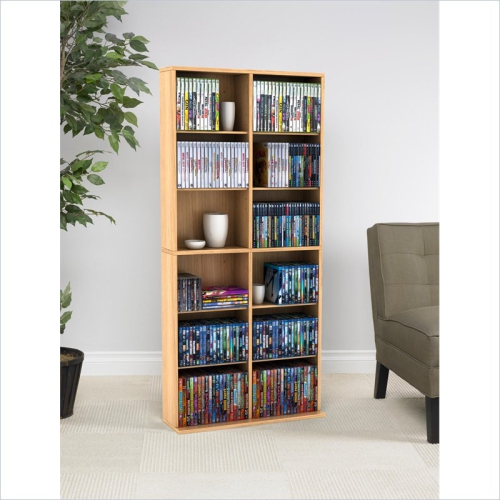 Your price for this item is $234.68
 -
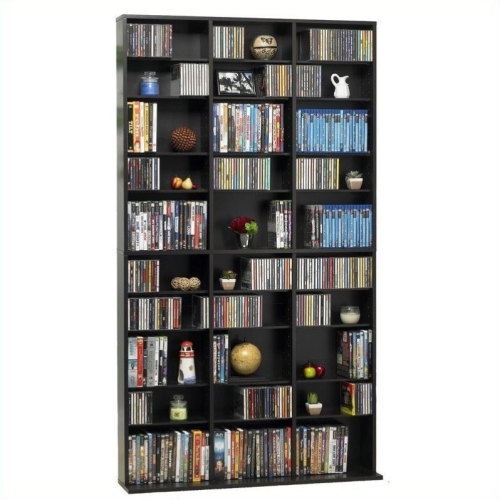 Your price for this item is $365.38
 -
 Your price for this item is $468.99
 -
 Your price for this item is $295.84
 -
 Your price for this item is $999.77
 -
 Your price for this item is $998.43
Discover more categories related to White Wall Shelf Units
Top Collections:
Pokemon Centers, Kindle Devices, Best Budget Office Chairs, Apple iPhones 16, Best Laptops for Writers, iPhone 15 Apple, Canon G7X Cameras, Refurbished Apple Laptops, Alarm Clock, Motorola Razr Phones
Some products may be subject to Environmental Handling Fees
(EHF) depending on your province.
Learn more about EHFs.