White Wooden Side Tables
Wooden side tables are the unsung heroes of the living room. Side tables are also some of the most versatile pieces of furniture in your home. You can use them as extra space for remotes, books, drinks, or even as a place to set down your tablet or phone. Here are some white options on the market.
Sort


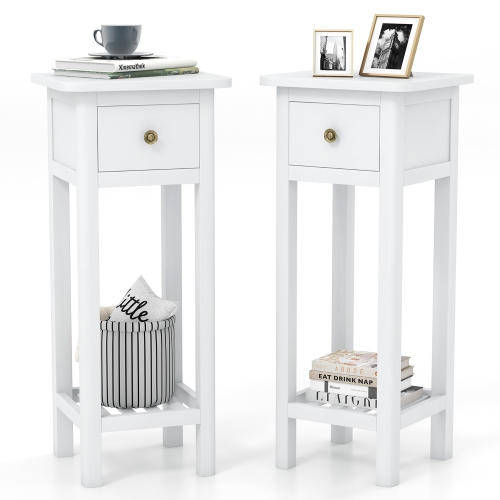


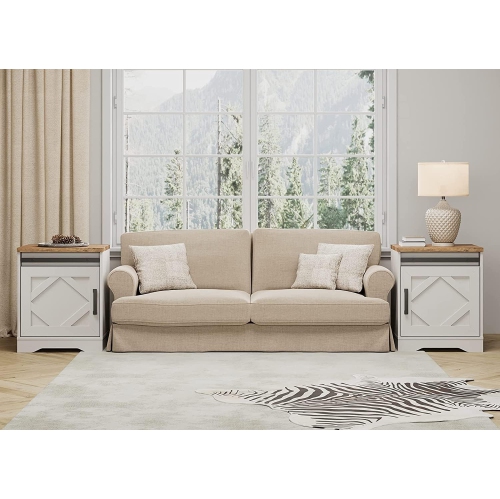


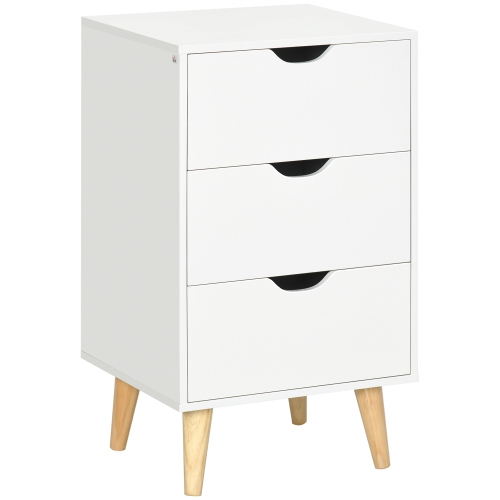

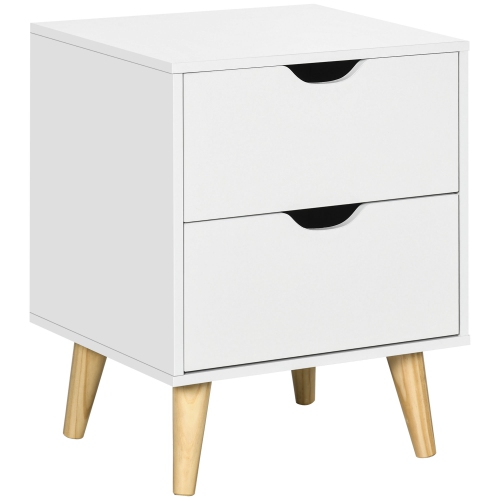





















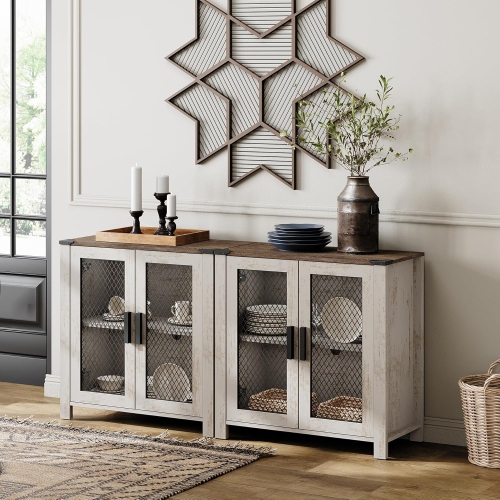


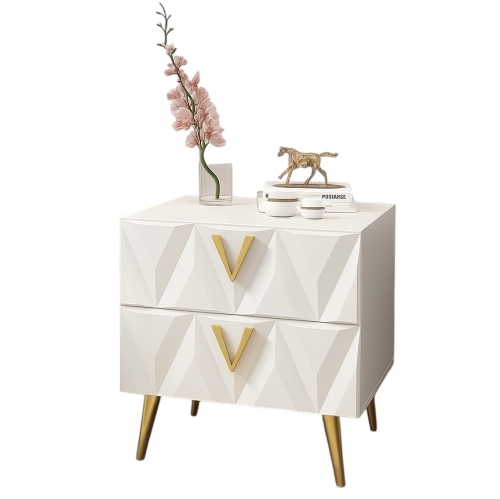
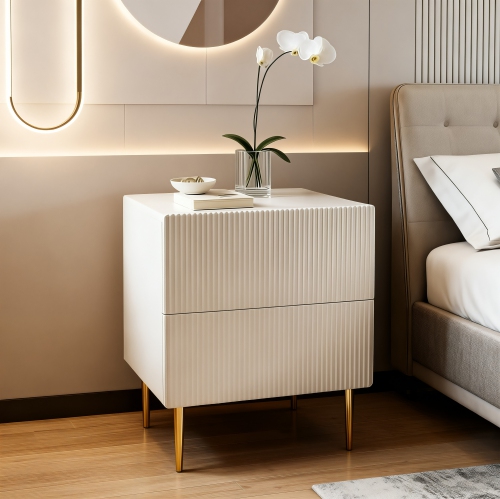

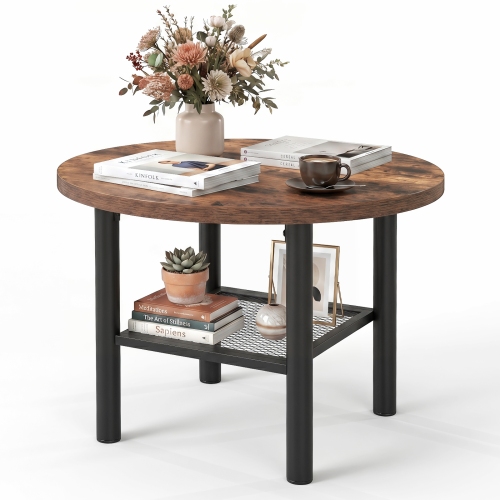









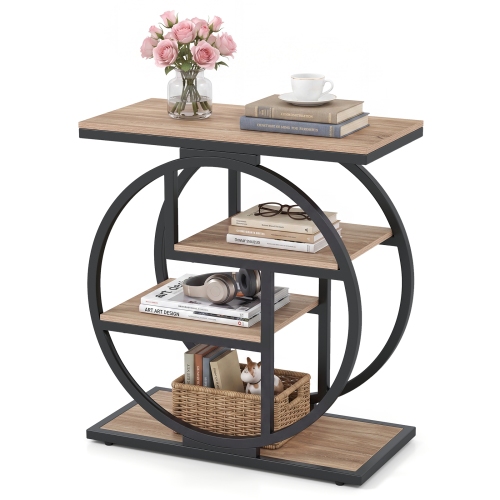
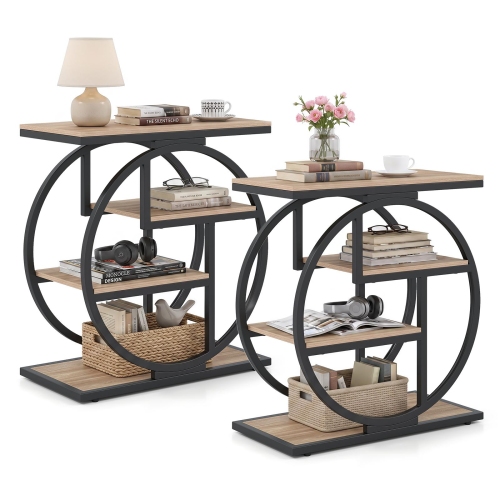
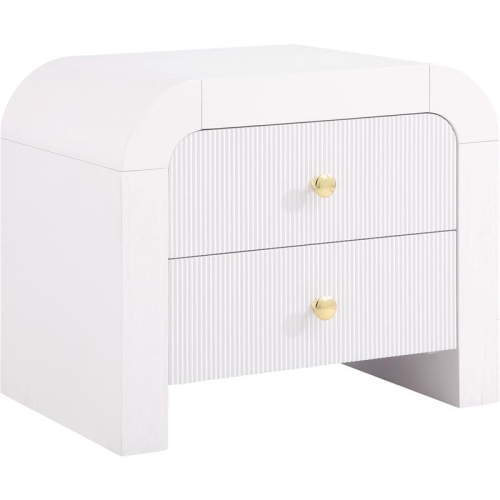

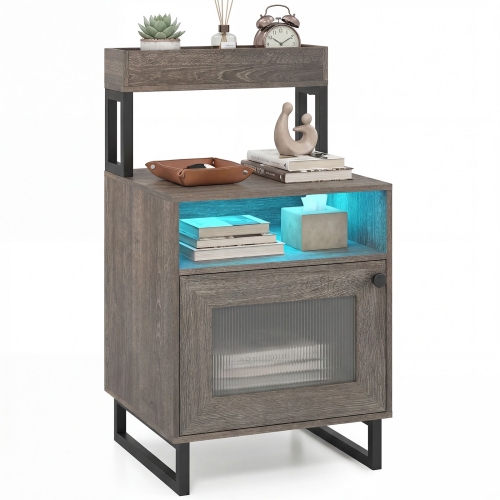




Why construction matters as much as a white finish
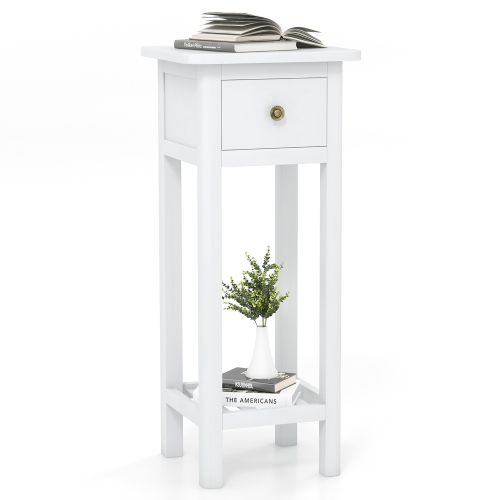
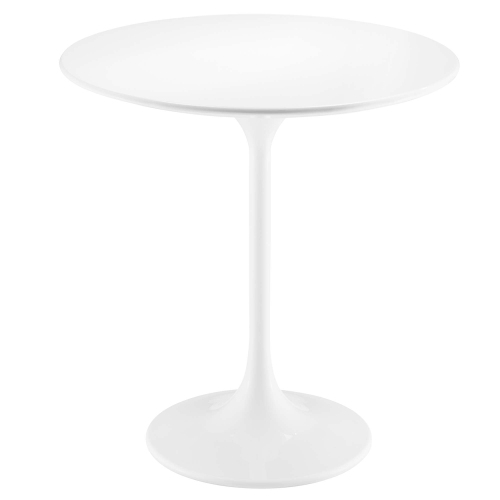
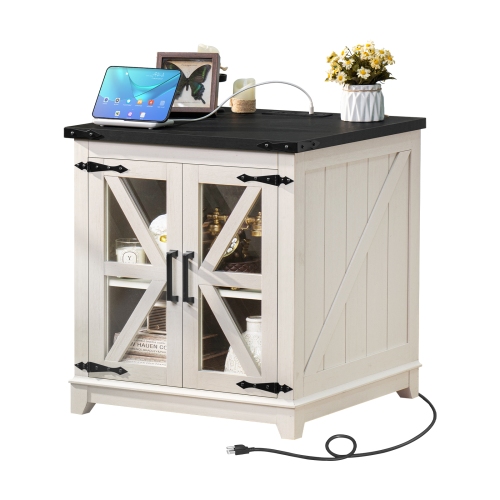
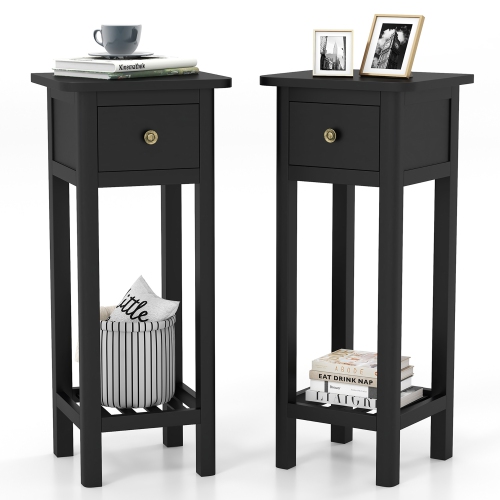
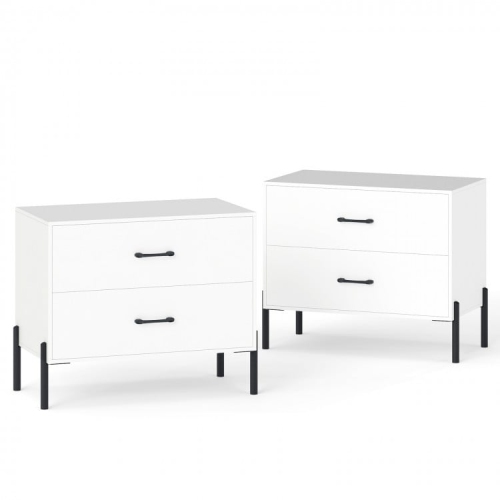
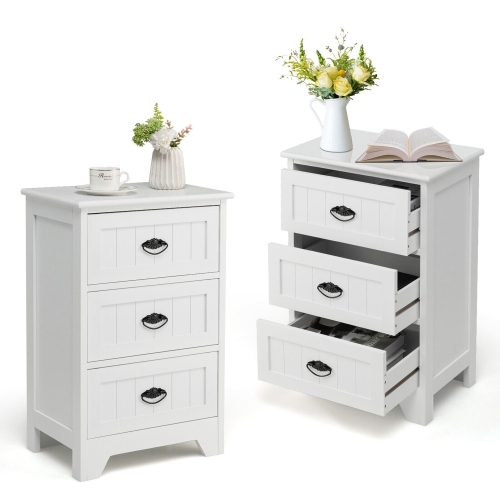
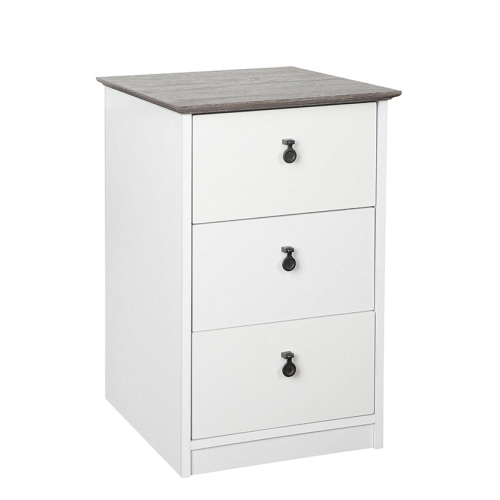
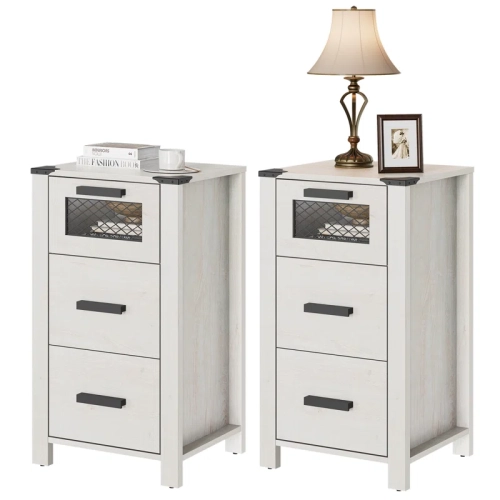
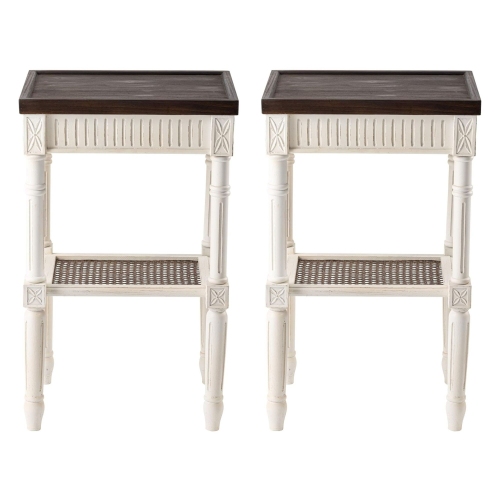
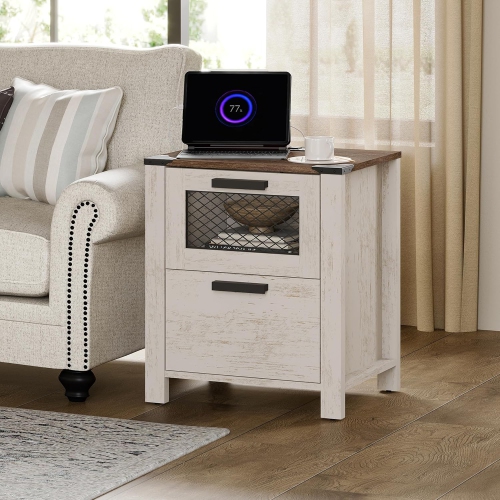
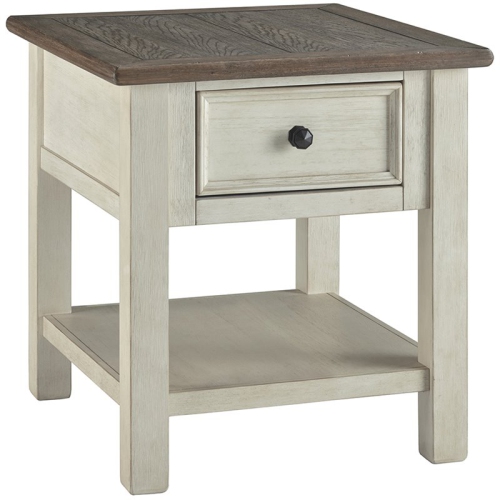
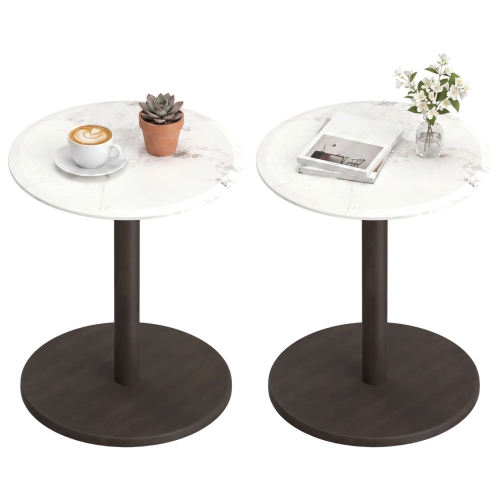
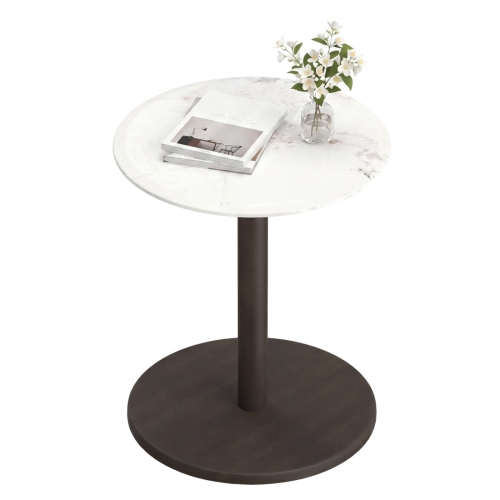
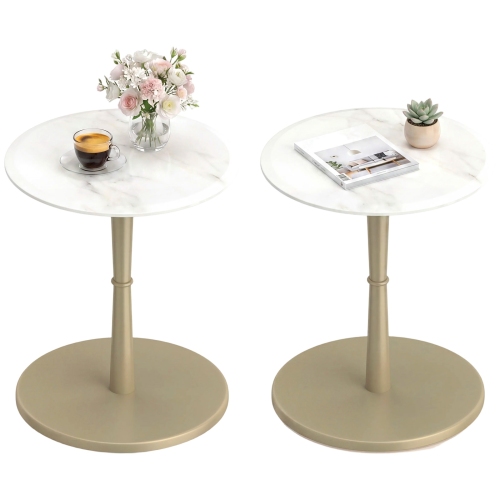
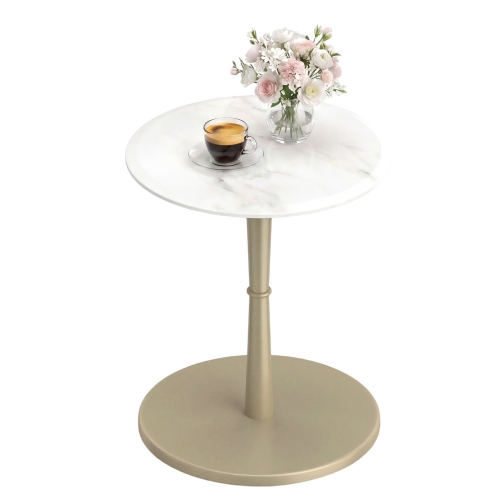
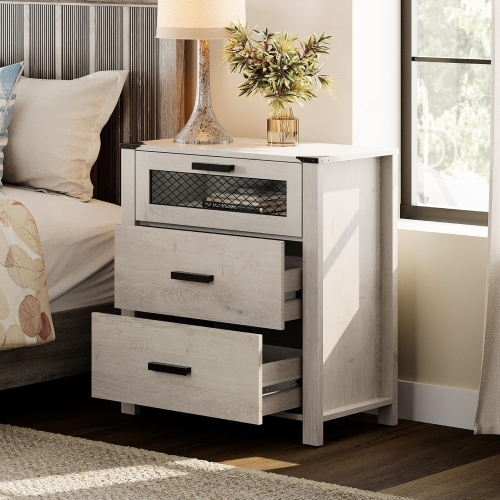
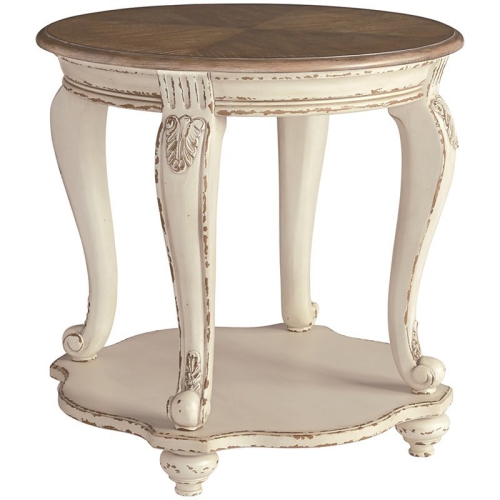
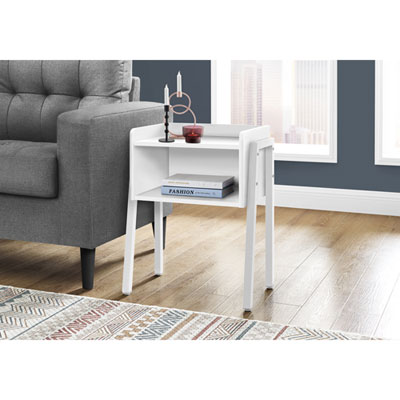
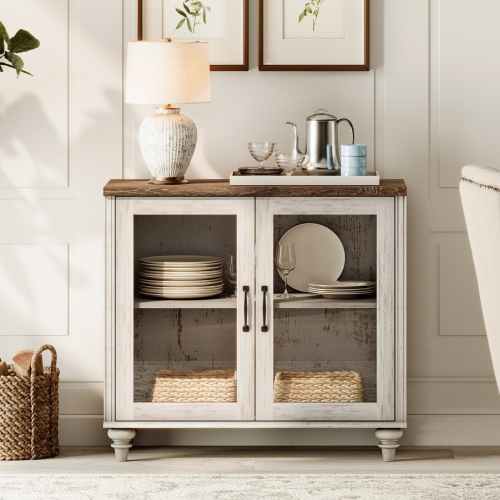
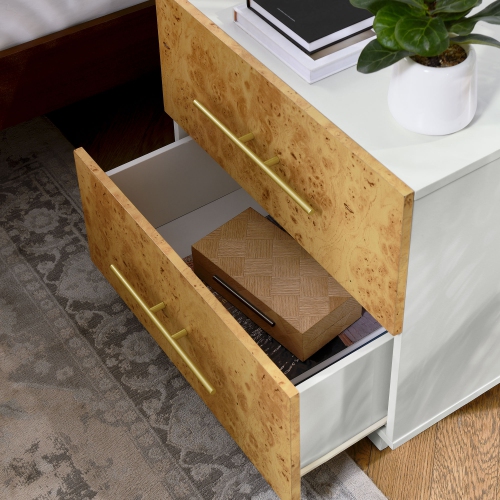
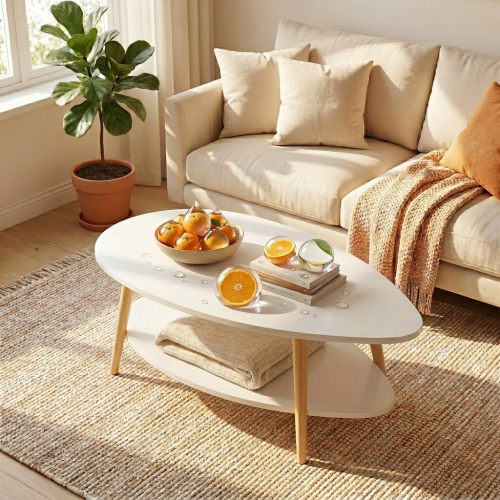
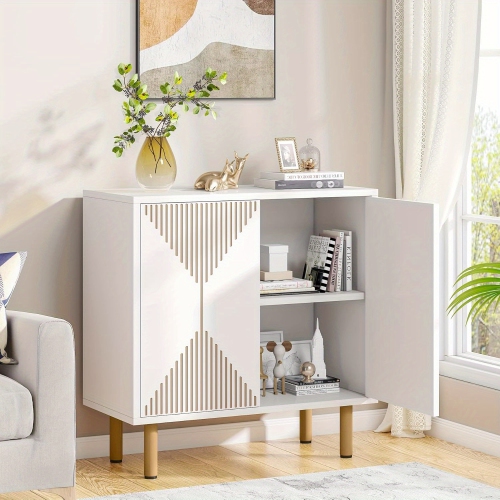
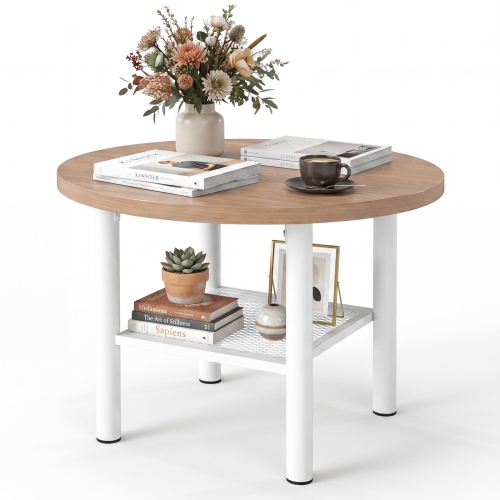
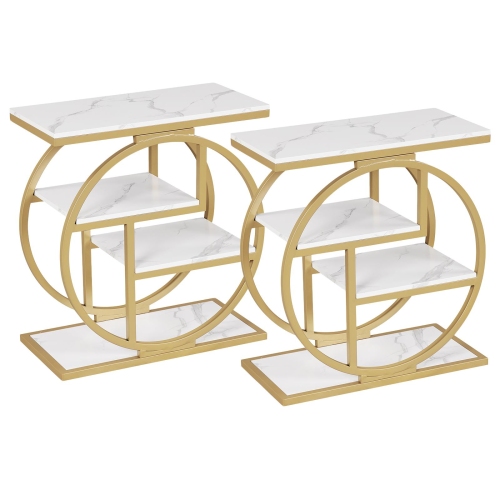
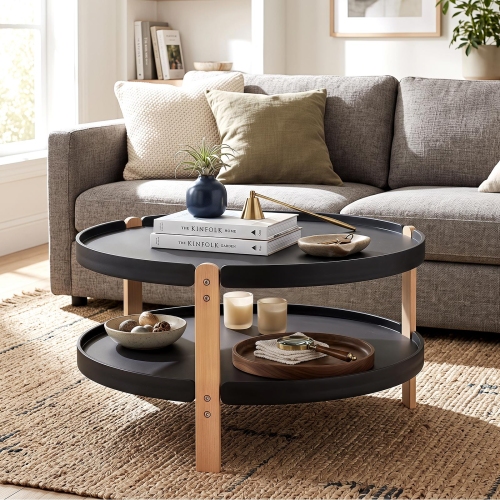
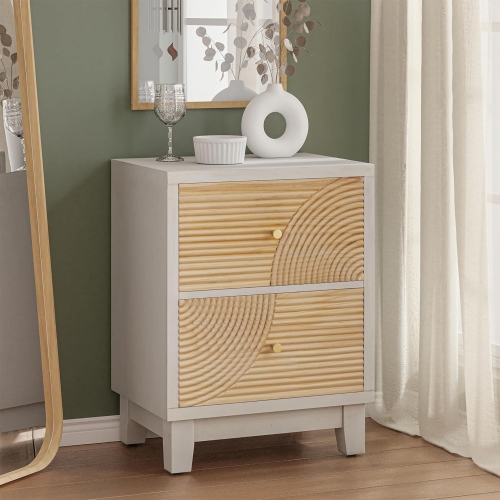
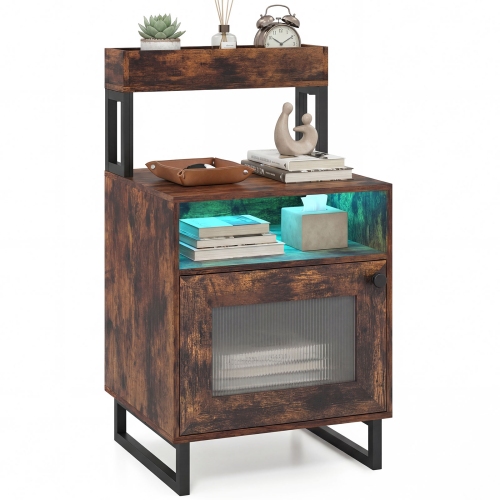
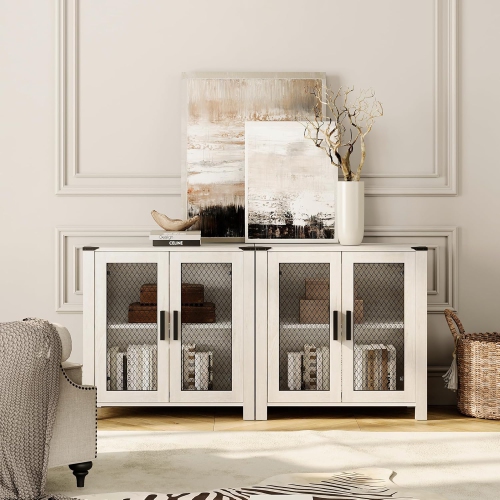
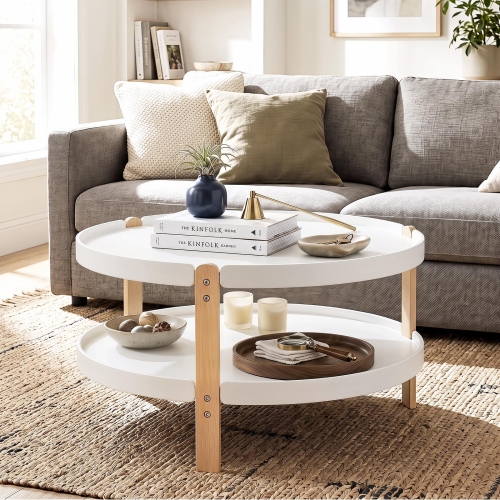
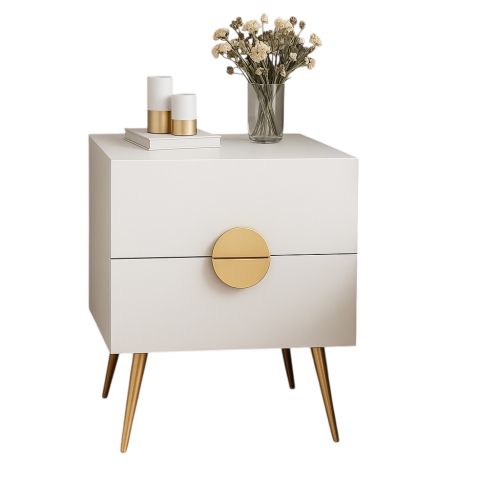
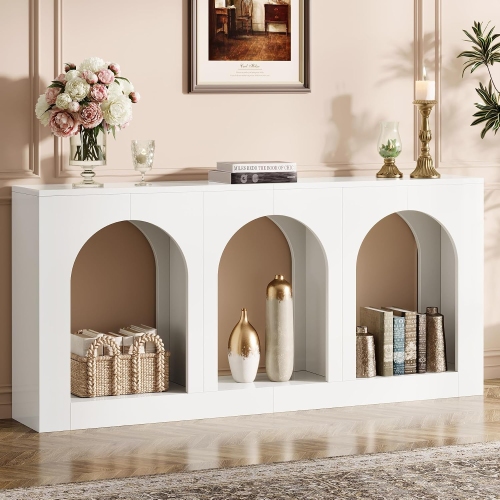
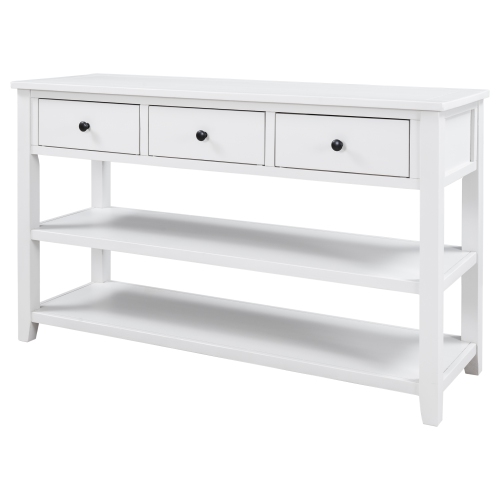
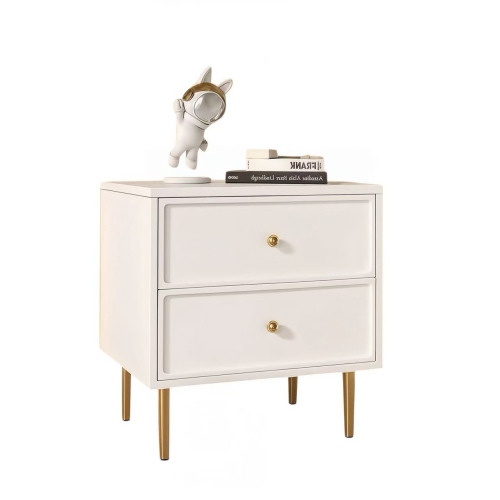
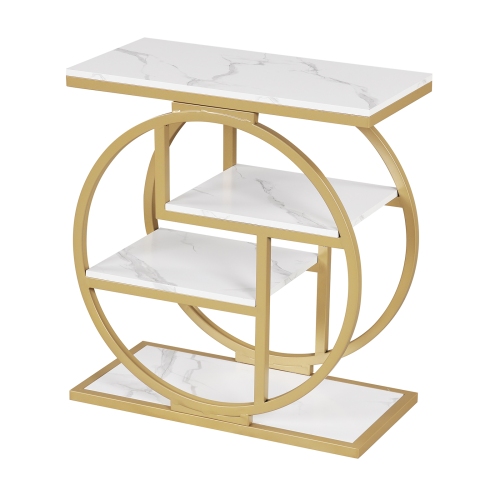
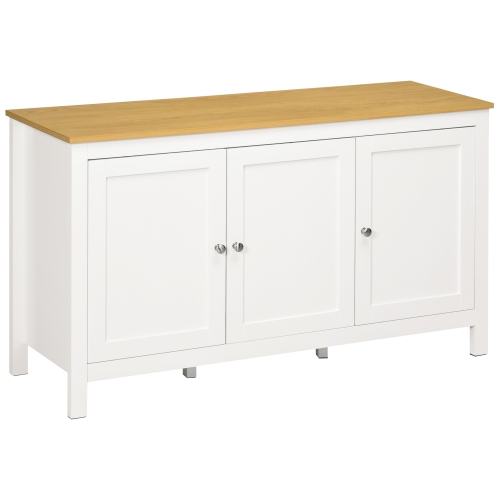
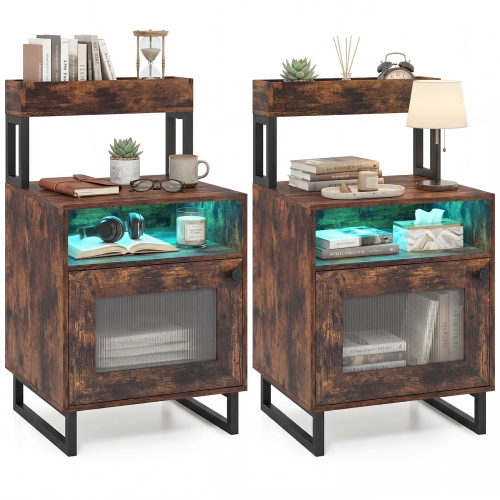
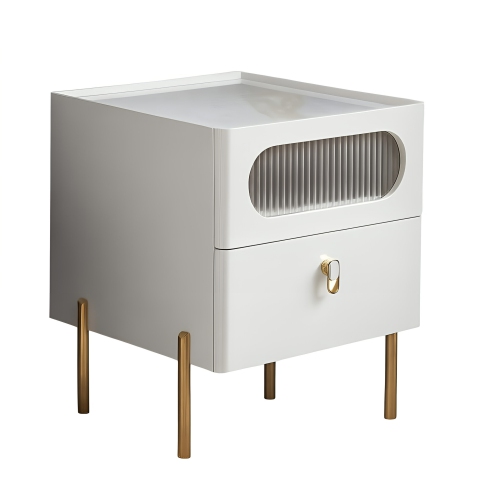
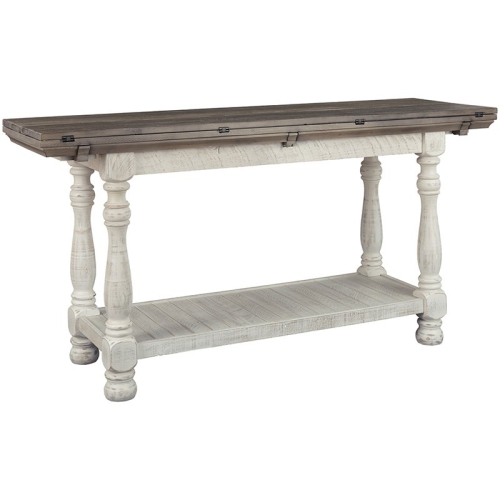
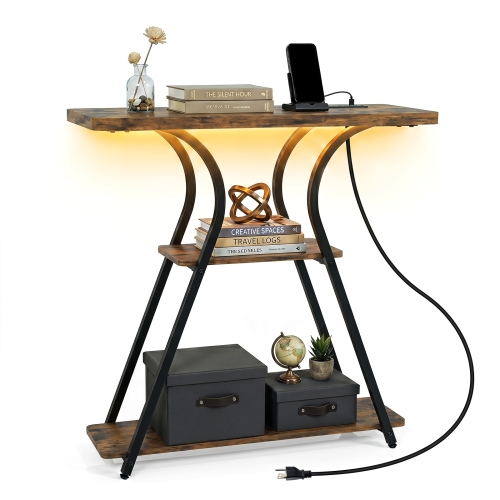
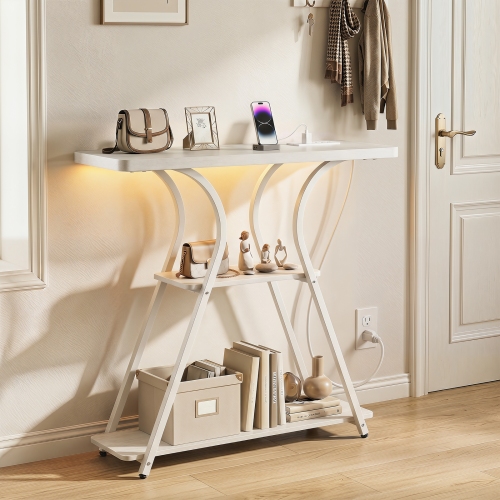
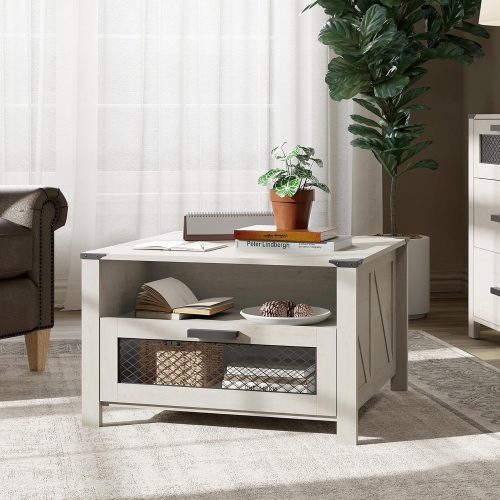
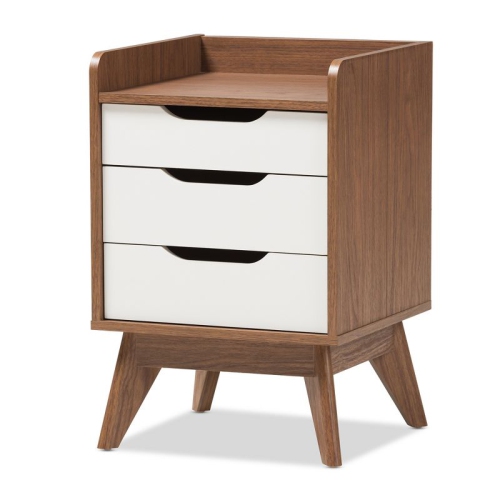
White wooden side tables bring a light, clean finish to a practical piece of furniture: a compact surface that keeps everyday essentials close to a sofa, armchair, or bed. Often called end tables or accent tables, they can hold a reading lamp, a drink, and a book without taking up the floor space of a coffee table. Their appeal comes partly from contrast. A white finish stands out against a charcoal sofa, softens the look of dark flooring, and sits comfortably alongside pale upholstery or natural wood furniture. The underlying construction makes a difference to both appearance and everyday use. Solid wood may show grain, knots, or subtle variations beneath a painted or whitewashed finish, while wood veneer offers a real wood surface over a supporting core. Engineered wood, including MDF and particleboard, is also used in painted furniture, often with a smooth, uniform appearance. These materials are not interchangeable, so the construction details matter more than colour alone. A table described as wooden may combine solid wood legs with an engineered wood top or drawer panels. Opaque white paint largely conceals the grain, whereas whitewashing allows more of the wood’s character to remain visible. A matte finish has a subdued appearance, while a satin or gloss finish reflects more light; resistance to scratches and stains depends on the coating itself, not simply its sheen. Shape and detailing help establish the overall style. Straight legs and flat drawer fronts suit simple, pared-back rooms, while turned legs, framed panels, and shaped edges offer a more traditional feel. A distressed finish can sit naturally beside woven baskets and textured fabrics, while a crisp white surface pairs easily with metal lighting and glass accessories. For a broader look at the colour across different materials and designs, White Side Tables provides a related starting point. Within the wooden category, the most useful distinction is often between a table chosen mainly as a display surface and one expected to handle daily storage.
Fit becomes especially important when a side table occupies the small gap between a sofa and a wall, or the space beside a bed. Width and depth determine whether it fits the footprint, but height affects how comfortable it is to use. Beside seating, a tabletop close to the height of the arm generally makes it easier to set down a mug or reach a remote without leaning awkwardly. At a bedside, a surface near mattress height keeps a lamp switch, glasses, or a phone within convenient reach. Measuring the actual sofa arm or mattress is more reliable than assuming every end table will work in either location. Allow room for curtains to hang freely, drawers to open, and people to walk past without turning sideways. Painter’s tape on the floor can make a table’s dimensions easier to picture before committing to a shape. Round white wooden side tables soften the outline of a seating area and avoid projecting corners, although the widest part of the top still needs enough clearance. Square designs can sit neatly beside a sofa arm, while narrow rectangular tables make use of tighter spaces. A lower shelf creates room for books or a basket, but its height and depth determine what will actually fit. Drawers keep charging cables, remotes, and reading glasses out of sight; their internal measurements may be considerably smaller than the table’s outer dimensions. A cupboard-style base offers more concealed storage but can look visually heavier than open legs. Nesting designs provide separate surfaces when needed, provided there is enough surrounding space to pull them apart. Intended use also affects the tabletop space required. A substantial lamp base can leave little room for a drink on a very small table, and a trailing charging cable needs a route that does not cross a walkway. In a shared living room, a stable base and useful storage may matter most; beside an occasional reading chair, a simple top with room for a book may be enough.
Durability depends on the combination of materials, joinery, finish, and how the table is used. Solid wood can develop small changes as indoor humidity varies, and some damage may be repairable, depending on the finish and construction. Veneered surfaces need care because the real wood layer is thin, while exposed edges on MDF or particleboard can swell if moisture gets beneath the coating. A securely joined frame, an evenly supported top, and properly fitted hardware all contribute to a table that feels steady in daily use. Weight limits deserve attention, particularly when a table will support a large lamp, a stack of hardcovers, or several objects on a lower shelf. A side table is not a substitute for a seat or step stool, even when its proportions look sturdy. In homes with children or pets, rounded edges, secure drawer stops, and a base that resists wobbling are useful details to consider, without assuming that any shape makes furniture risk-free. Assembly also influences stability: fittings should be tightened as directed, and any supplied safety hardware should be installed according to the manufacturer’s instructions. For routine care, a soft cloth removes dust without unnecessarily scuffing the finish. Use a lightly dampened cloth only where the care instructions permit it, dry the surface promptly, and avoid soaking seams or leaving spills to sit. Coasters help protect against drink rings, while a waterproof tray beneath a plant pot helps keep moisture away from the top. Felt pads beneath lamps and accessories can reduce surface marks, and suitable pads under the legs help protect flooring when the table is moved. Lift rather than drag the table, especially if its legs are slender or angled. White finishes can make dark scuffs noticeable, so gentle, prompt cleaning is preferable to aggressive scrubbing. For a housewarming gift or a first apartment, a white wooden side table can be a thoughtful, useful choice when the recipient’s measurements and taste are known. Its lasting value is in the everyday details: a comfortable reach from a favourite chair, a clear place for a bedside lamp, and storage that keeps a small space feeling organized.
Top selling and popular products
-
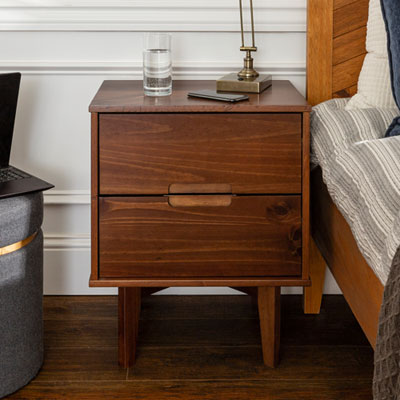 Your price for this item is $188.99
-
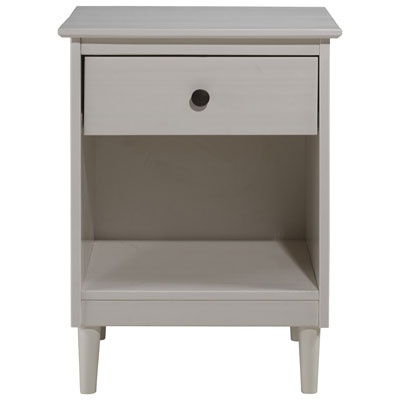 Your price for this item is $179.99
-
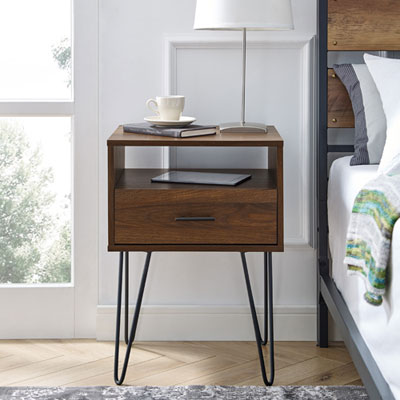 Your price for this item is $266.99
-
 Your price for this item is $266.99
-
 Your price for this item is $629.95
-
 Your price for this item is $352.58
-
 Your price for this item is $251.99
-
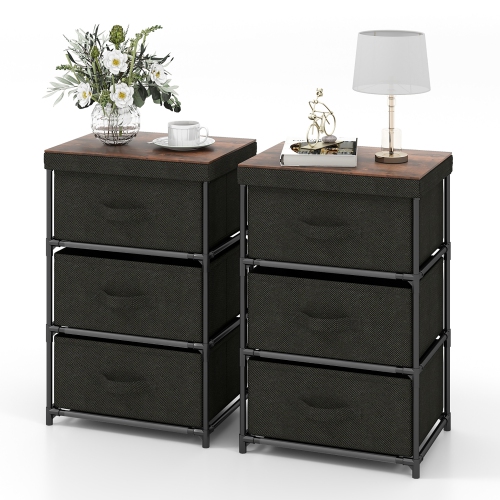 Your price for this item is $99.99
Discover more categories related to White Wooden Side Tables


Top Collections:
Pokemon Centers, Kindle Devices, Best Cameras for Sports Photography, Pokémon 30th Celebration Cards, Apple iPhones 16, Canon G7X Cameras, iPhone 15 Apple, Flip Phones, Samsung Galaxy Phones, Alarm Clock
Some products may be subject to Environmental Handling Fees
(EHF) depending on your province.
Learn more about EHFs.