Whole Bean Coffee
If you're a coffee enthusiast looking to elevate your morning brew experience, you've come to the right place. Our selection of whole bean coffee offers a diverse range of flavors and roasts to suit every palate. From rich and robust dark roasts to smooth and mellow medium roasts, each bag is filled with premium quality beans ready to be ground and brewed to perfection. Whether you prefer a single origin bean or a carefully crafted blend, our collection has something for everyone. Dive into the world of whole bean coffee and discover your new favorite brew today.
Sort


How roast and grind shape your coffee’s flavour
Whole bean coffee is roasted coffee sold as intact beans rather than ground coffee, giving each cup a starting point that can be matched to the brewing method and personal taste. Because intact beans have less surface area exposed to air than ground coffee, they generally retain their aroma and flavour compounds longer under comparable storage conditions. Grinding shortly before brewing releases those aromas, from toasted nuts and cocoa to floral or fruit-like notes, while allowing control over the size of the coffee particles. Whole beans still change with age, so the roast date, packaging and storage conditions all matter alongside the coffee itself. Within the broader range of Roast Coffee, whole beans offer a flexible option for people who enjoy adjusting the character of their daily cup. Roast level provides a useful indication of taste, although it does not tell the whole story. Lighter roasts often highlight brighter acidity and delicate flavours associated with the bean’s origin, while medium roasts can bring together sweetness, body and toasted notes. Darker roasts typically emphasize deeper roasted flavours, with varying degrees of bitterness and a heavier impression on the palate. A dark roast is not automatically higher in caffeine, and a lighter roast is not necessarily mild in flavour. Descriptions such as chocolate, caramel or berry usually refer to tasting notes rather than added ingredients; flavoured coffee is a separate consideration, best understood from its ingredient information. Single-origin coffee can emphasize characteristics associated with a particular growing region or producer, while blends combine coffees to create a chosen balance or a more consistent flavour profile. Neither approach is inherently better. Someone who drinks coffee black may appreciate a clean, distinctive finish, while a household making several styles of drink may prefer a rounded blend that tastes equally satisfying on its own or with milk.
The connection between whole bean coffee and the brewing equipment is especially important, since the same beans can taste quite different depending on how they are ground and prepared. Whole beans require a separate grinder or a coffee machine with an integrated grinder; they cannot simply replace ground coffee in a standard filter basket. A burr grinder generally produces more evenly sized particles than a blade grinder, which can make extraction more consistent and adjustments easier to repeat. Grind range matters as much as the grinder’s basic design. Espresso usually calls for a fine grind and relatively small adjustments, while a French press generally works with a coarser grind that is easier to separate from the finished drink. Drip coffee makers and pour-over brewers often suit a medium range, with the precise setting depending on the filter, brewer and serving size. Cold brew commonly uses a coarser grind and a longer steep, making it another use for whole beans beyond a conventional brewed cup. These differences explain why a bag labelled for espresso can still be used with other methods: the label often describes an intended flavour profile rather than a restriction on how the beans can be brewed. For machines with built-in grinders, the manufacturer’s guidance takes priority, particularly where very oily or coated beans are concerned. Some darker roasts develop a visible surface sheen, but that sheen alone is not a reliable measure of freshness or quality. In everyday use, flavour preferences help narrow the choice further. A fuller-bodied coffee can remain noticeable in a latte, while a more delicate coffee may reveal its detail most clearly without much milk or sweetener. For a shared kitchen, a balanced roast can accommodate several preferences without requiring a different bag for every drink. Consistent measuring and regular cleaning of the grinder also help the coffee taste as intended, since old grounds and accumulated oils can affect even a freshly opened bag.
Packaging and storage help protect the qualities that make whole bean coffee appealing in the first place. Bags with a one-way valve allow gases released after roasting to escape without the bag needing to be opened, while a secure closure helps reduce exposure between uses. A roast date offers context about when the coffee was prepared, whereas a best-before date serves a different purpose; neither replaces attention to how the beans have been handled. Coffee does not remain at its most aromatic indefinitely, and a larger bag is not always the best fit for someone who brews only occasionally. A household making several cups each morning may finish a larger quantity comfortably, while a single-cup drinker may find smaller amounts easier to enjoy before the aroma becomes muted. An airtight container in a dry cupboard, away from direct sunlight, cooking heat and steam, is a practical home for beans after opening. Clear containers are better kept out of the light, and frequent refrigeration can expose coffee to moisture and food odours. Keeping the grinder clean matters too, especially when moving between strongly flavoured coffees and plain beans. Whole bean coffee can suit an unhurried breakfast, a dependable workday routine or an after-dinner cup, with decaffeinated choices offering another option for people limiting caffeine. Decaffeinated coffee is not necessarily completely caffeine-free, so anyone with a strict restriction should check the relevant information. For flavoured varieties, ingredient and allergen details deserve the same attention as the tasting description. As a gift, whole bean coffee is most useful for someone who already owns a suitable grinder or bean-to-cup machine. Matching the recipient’s usual roast preference and brewing style makes the gesture more personal than choosing by packaging alone. Whether the aim is a familiar, chocolate-toned cup or a brighter coffee with a distinctive aroma, whole beans leave room to adjust the grind and brewing method while keeping the central pleasure simple: coffee prepared to suit the person drinking it.
Top selling and popular products
-
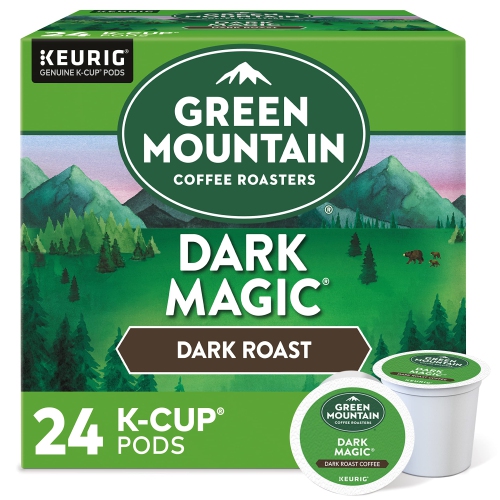 Your price for this item is $32.99
-
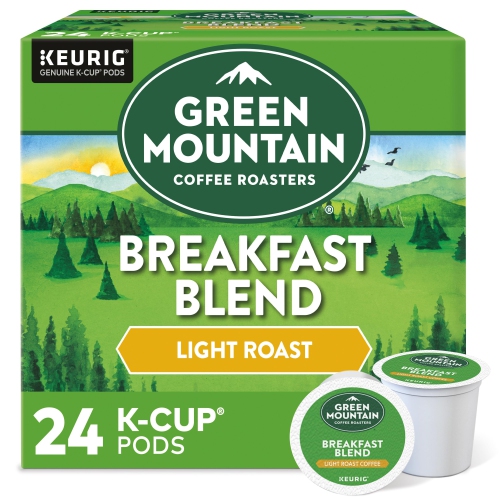 Your price for this item is $38.49
-
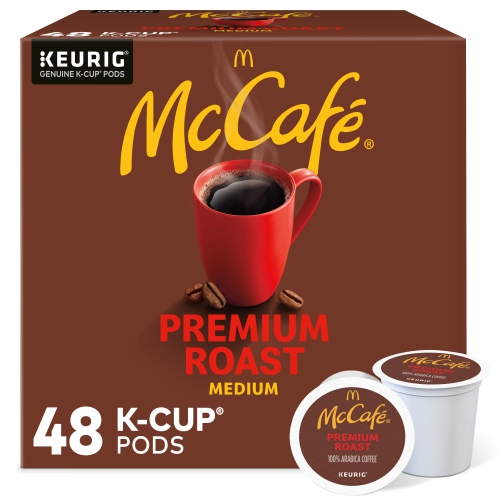 Your price for this item is $58.29
-
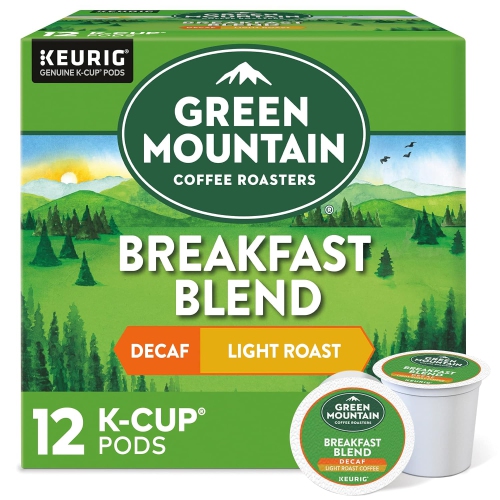 Your price for this item is $43.99
-
 Your price for this item is $69.99
-
 Your price for this item is $43.99
-
 Your price for this item is $43.99
-
 Your price for this item is $69.99
Discover more categories related to Whole Bean Coffee

Top Collections:
Best Black Friday Deals This Year, Best Black Friday Deals On Electronics, Kindle Devices, Pokemon Centers, Best Black Friday Deals On Apple Products, Best Cameras for Sports Photography, Dyson Airwrap, Pokémon 30th Celebration Cards, Apple iPhone 17 Pro, Canon G7X Cameras
Some products may be subject to Environmental Handling Fees
(EHF) depending on your province.
Learn more about EHFs.