Wine Cabinets for Small Spaces
Wine Cabinets for Small Spaces offer a stylish and practical solution for keeping your favorite bottles organized and easily accessible, even in compact areas. Perfect for apartments, condos, or cozy homes, these cabinets are designed to maximize storage without taking up too much room. Whether you're a casual wine enthusiast or an avid collector, you'll find options that seamlessly fit into your living space while adding a touch of elegance to your décor. Discover versatile choices that make it simple to showcase and store your collection, no matter the size of your home.
Sort

Wine storage that leaves room for everyday living
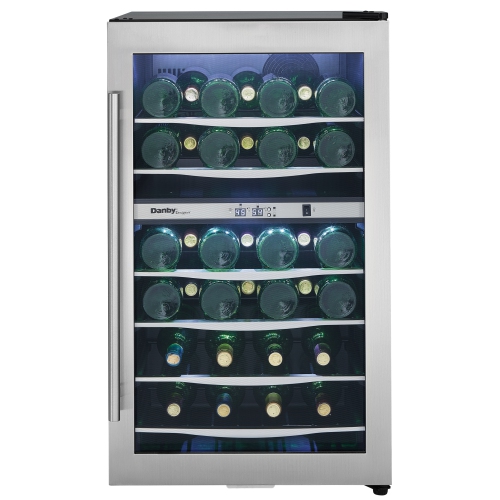
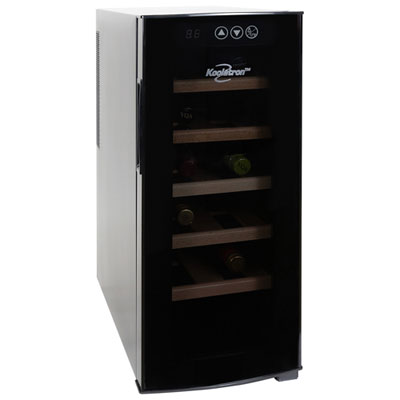
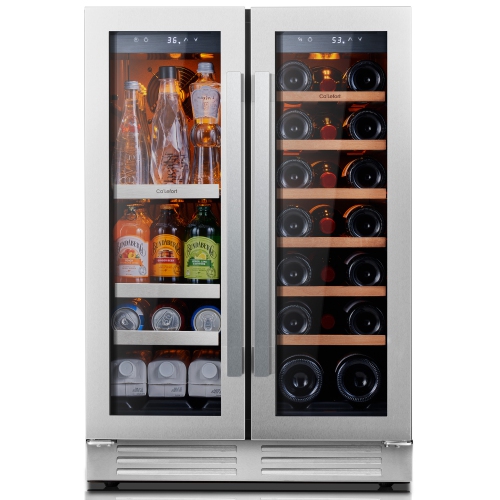
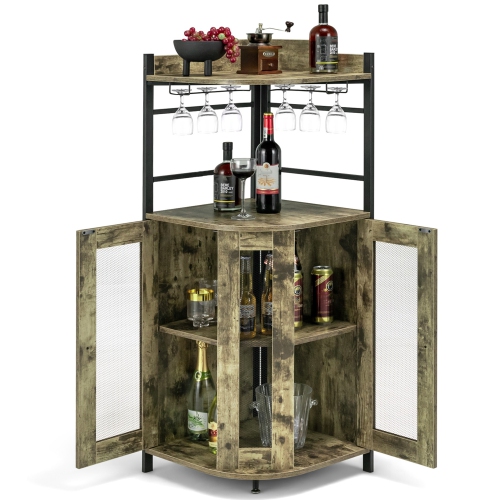
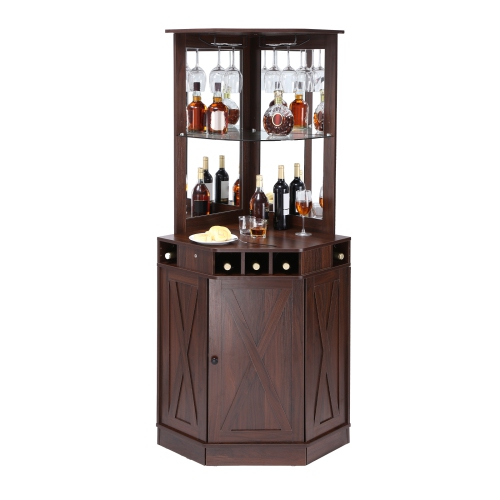
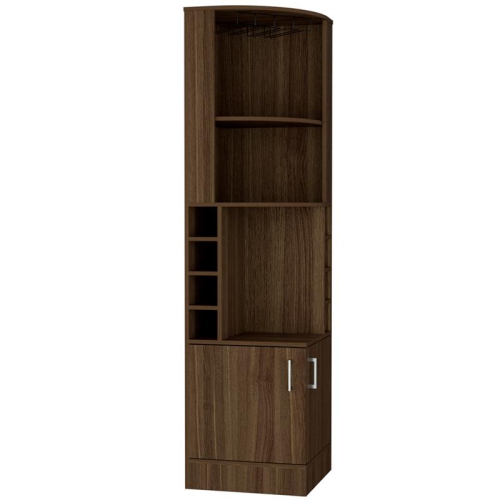
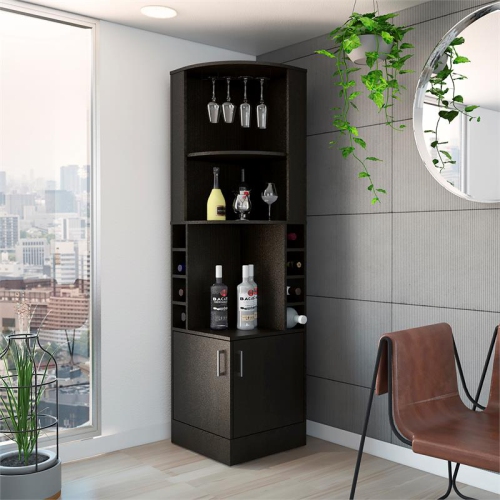
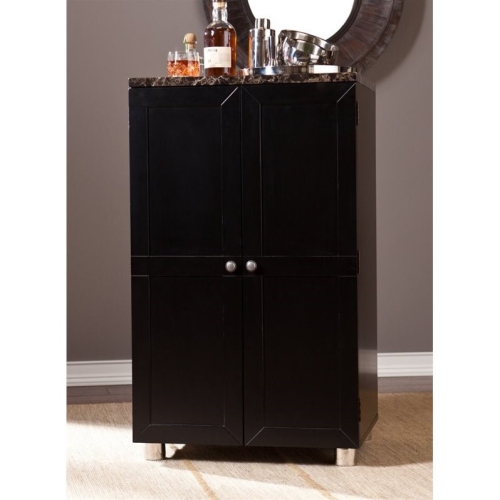
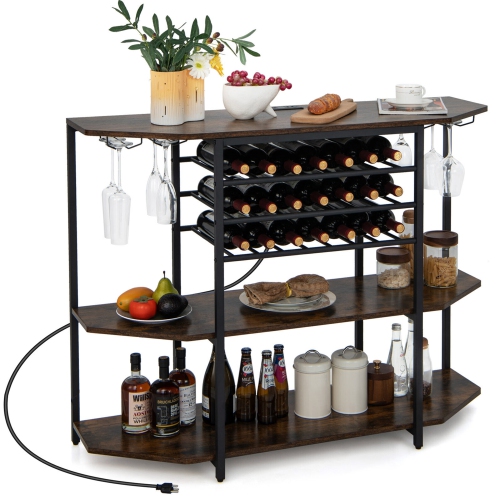
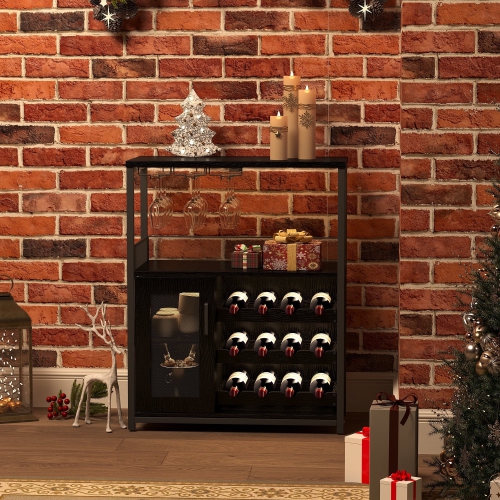
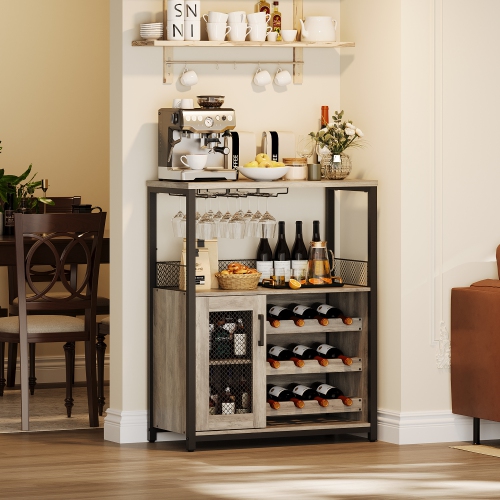
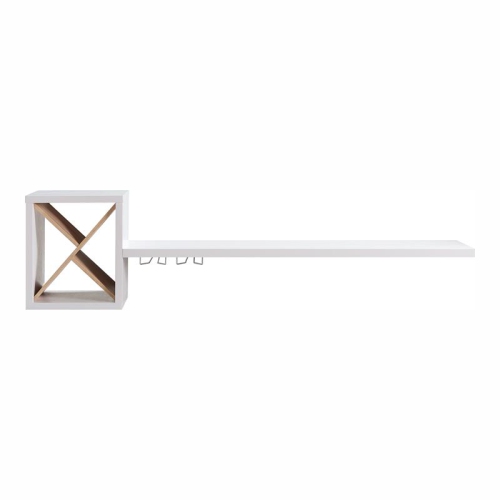
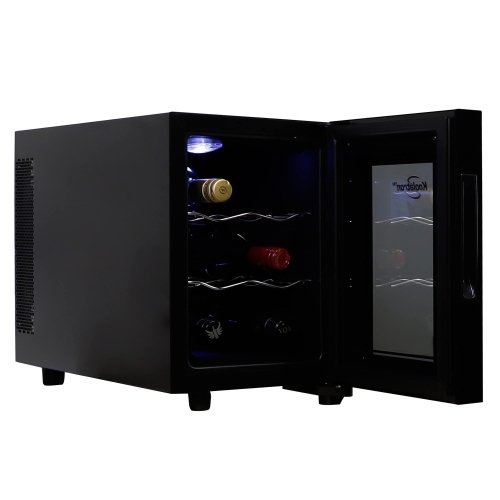
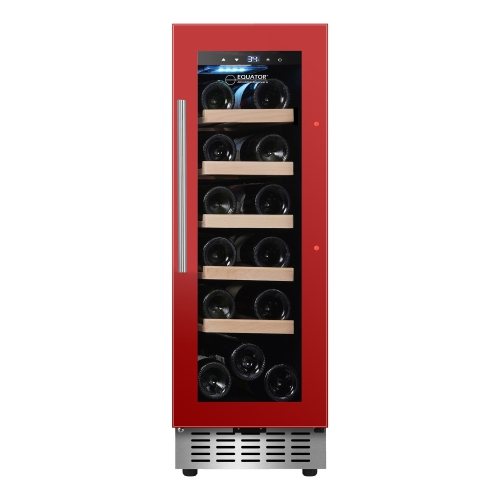
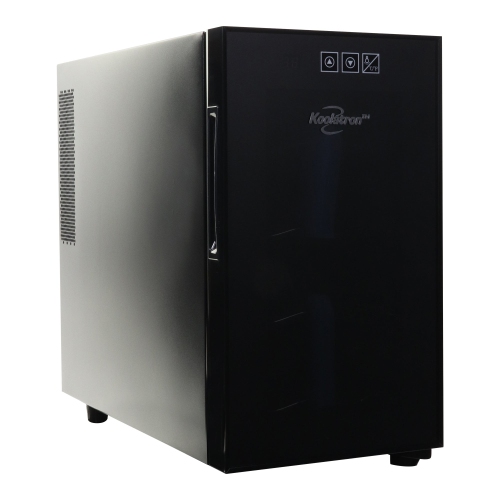
Wine cabinets for small spaces bring bottle storage, glassware organization, and a useful serving surface into a compact piece of furniture. In a condo dining area, an apartment living room, or a kitchen with limited cupboard space, the most practical designs make use of narrow gaps and unused height without interrupting everyday movement. A slim wine cabinet can sit beside a dining table, while a shallow cabinet may fit along a wall where a full-depth sideboard would project too far into the room. Designs under 16 inches deep can be worth considering for tighter layouts, although the right depth depends on the space and the bottles being stored. Width and height matter just as much: a tall, narrow cabinet concentrates storage vertically, while a low cabinet can double as a surface for pouring and serving. The usable footprint includes more than the cabinet’s outer dimensions. Doors need room to swing, drawers need clearance to open, and anyone reaching for a bottle needs a comfortable place to stand. In a dining nook, that also means leaving enough room to pull out a chair without bumping a handle or an open door. Measuring the intended location at floor level helps account for baseboards, while checking nearby outlets and switches can prevent an awkward placement. Corner wine cabinets offer another way to use an overlooked area, but their angled shape still needs to work with the surrounding furniture. Wall-mounted wine storage can leave the floor clear where suitable structural support and secure installation are possible. For a small room, the strongest fit is usually a cabinet that holds a realistic everyday collection rather than one chosen solely for its maximum bottle count. A modest rack, a shelf for glasses, and a drawer for an opener can be more useful than a larger cabinet that leaves little room to move.
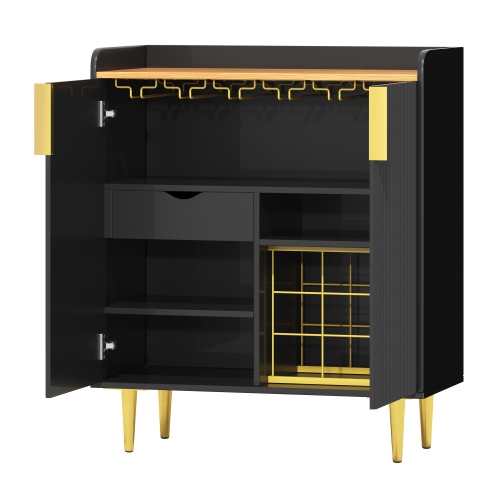
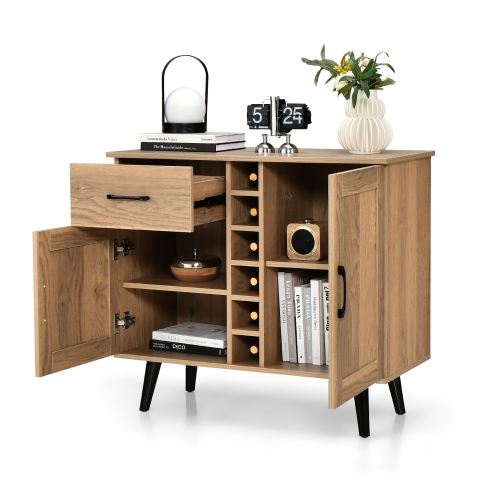
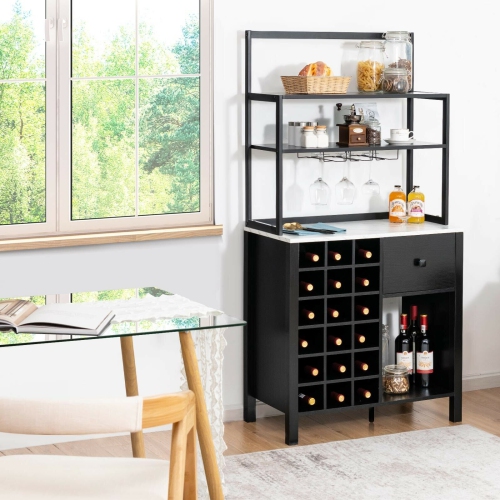
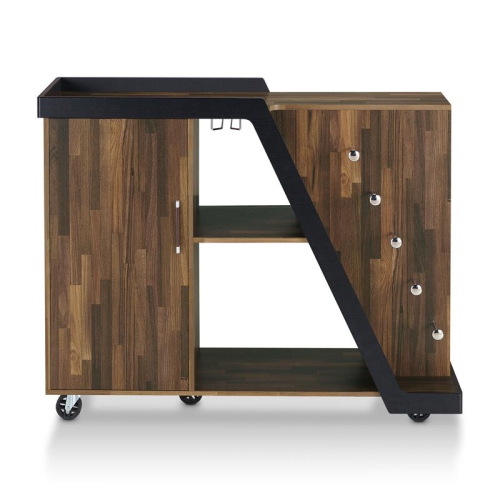
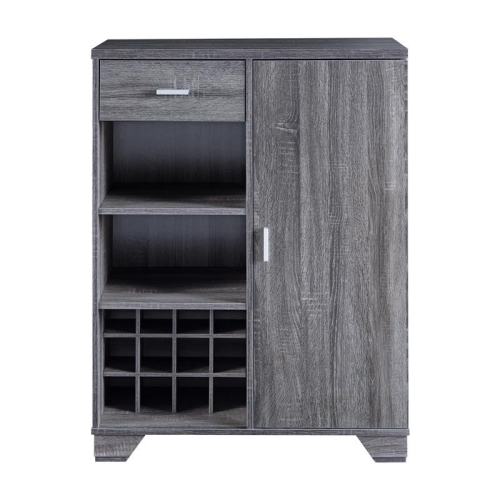
The interior layout determines how well a compact wine cabinet works once it is filled. Bottle capacity is often based on standard wine bottle shapes, so wider sparkling wine bottles, taller bottles, and unusually shaped glass may not fit every opening. Individual slots keep bottles separated, while open cubbies offer flexibility but need enough support to stop bottles from rolling. Horizontal storage is commonly used for bottles sealed with natural cork; screw-cap bottles do not need that orientation to keep a cork moist. Removable racks and adjustable shelves can make a cabinet easier to adapt when the mix of bottles and serving pieces changes. A small bar cabinet with wine storage may combine bottle compartments with hanging stemware rails, a closed cupboard, and a drawer for accessories. Rail spacing and clearance are important, especially for broad glass bases or long stems, and glasses should not interfere with bottles on the shelf below. Materials influence both appearance and everyday upkeep. Solid wood can bring grain and warmth to a room, with its finish helping protect the surface from minor spills. Wood veneer offers a real-wood surface over a supporting core, while engineered wood with a laminate finish can provide a smooth, straightforward surface to wipe clean. Durability depends on construction, edge sealing, hardware, and the stated load limits, not simply the material name. Metal frames can create a slender profile, although the shelves and bottle supports still need to feel stable under their intended load. Glass doors keep the contents visible and can reduce dust settling on stored pieces, while opaque doors conceal a mixture of bottles, napkins, and serving accessories. Lighter finishes may sit quietly against pale walls; darker finishes can give a small cabinet a more defined furniture presence. Handles, hinges, and drawer runners deserve attention too, since these are the parts used every time the cabinet is opened.
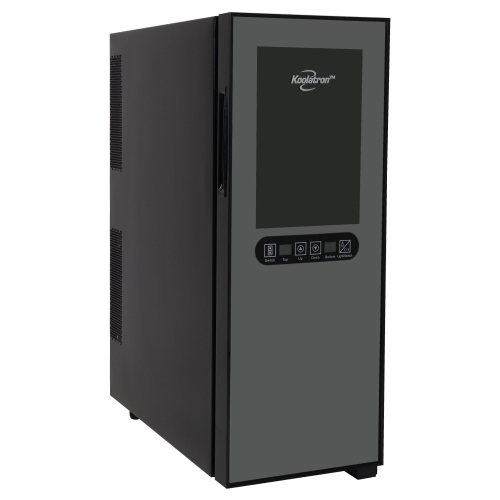
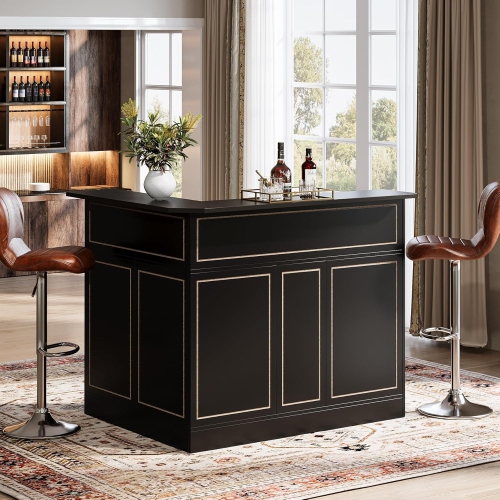
A compact wine cabinet works best when its intended use matches the way the room is lived in. For someone who opens a bottle with dinner, easy access to a few bottles and two glasses may be enough. For a household that enjoys having friends over, a clear top surface and a separate drawer for bottle stoppers, coasters, and a corkscrew can make serving feel less crowded. A cabinet can also share duties with a dining room cupboard, holding table linens or small serving pieces behind closed doors while keeping bottles in dedicated slots. Those comparing furniture styles and storage layouts can explore Best Wine Cabinets for a broader view of wine storage options. An important distinction is that a furniture-style wine cabinet organizes bottles but does not actively cool them. Refrigerated wine cabinets have different placement requirements, including access to power and the ventilation clearances specified by the manufacturer; a freestanding appliance should not be enclosed unless it is designed for that installation. For non-refrigerated storage, a location away from direct sunlight, cooking heat, and frequent vibration is preferable, particularly when bottles will remain there for a while. Everyday care is usually simple: wipe up drips promptly, use a coaster or tray beneath opened bottles, and clean each surface according to its finish. Avoid leaving a damp cloth or wet glass on wood-based surfaces, especially near seams and edges. Staying within shelf limits, keeping heavier contents low where the layout allows, and securing tall furniture with the supplied anti-tip hardware help support safe use. In homes with children, a securely locking compartment may be a useful feature, though it does not replace supervision. A wine cabinet can make a thoughtful housewarming or wedding gift for an adult who enjoys wine, provided its dimensions and style suit the recipient’s home. The lasting appeal is practical: a designated place for bottles and glasses that feels settled into the room rather than squeezed into it.
The interior layout determines how well a compact wine cabinet works once it is filled. Bottle capacity is often based on standard wine bottle shapes, so wider sparkling wine bottles, taller bottles, and unusually shaped glass may not fit every opening. Individual slots keep bottles separated, while open cubbies offer flexibility but need enough support to stop bottles from rolling. Horizontal storage is commonly used for bottles sealed with natural cork; screw-cap bottles do not need that orientation to keep a cork moist. Removable racks and adjustable shelves can make a cabinet easier to adapt when the mix of bottles and serving pieces changes. A small bar cabinet with wine storage may combine bottle compartments with hanging stemware rails, a closed cupboard, and a drawer for accessories. Rail spacing and clearance are important, especially for broad glass bases or long stems, and glasses should not interfere with bottles on the shelf below. Materials influence both appearance and everyday upkeep. Solid wood can bring grain and warmth to a room, with its finish helping protect the surface from minor spills. Wood veneer offers a real-wood surface over a supporting core, while engineered wood with a laminate finish can provide a smooth, straightforward surface to wipe clean. Durability depends on construction, edge sealing, hardware, and the stated load limits, not simply the material name. Metal frames can create a slender profile, although the shelves and bottle supports still need to feel stable under their intended load. Glass doors keep the contents visible and can reduce dust settling on stored pieces, while opaque doors conceal a mixture of bottles, napkins, and serving accessories. Lighter finishes may sit quietly against pale walls; darker finishes can give a small cabinet a more defined furniture presence. Handles, hinges, and drawer runners deserve attention too, since these are the parts used every time the cabinet is opened.
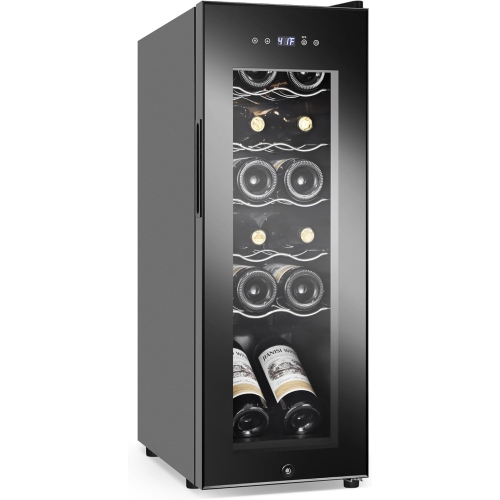
A compact wine cabinet works best when its intended use matches the way the room is lived in. For someone who opens a bottle with dinner, easy access to a few bottles and two glasses may be enough. For a household that enjoys having friends over, a clear top surface and a separate drawer for bottle stoppers, coasters, and a corkscrew can make serving feel less crowded. A cabinet can also share duties with a dining room cupboard, holding table linens or small serving pieces behind closed doors while keeping bottles in dedicated slots. Those comparing furniture styles and storage layouts can explore Best Wine Cabinets for a broader view of wine storage options. An important distinction is that a furniture-style wine cabinet organizes bottles but does not actively cool them. Refrigerated wine cabinets have different placement requirements, including access to power and the ventilation clearances specified by the manufacturer; a freestanding appliance should not be enclosed unless it is designed for that installation. For non-refrigerated storage, a location away from direct sunlight, cooking heat, and frequent vibration is preferable, particularly when bottles will remain there for a while. Everyday care is usually simple: wipe up drips promptly, use a coaster or tray beneath opened bottles, and clean each surface according to its finish. Avoid leaving a damp cloth or wet glass on wood-based surfaces, especially near seams and edges. Staying within shelf limits, keeping heavier contents low where the layout allows, and securing tall furniture with the supplied anti-tip hardware help support safe use. In homes with children, a securely locking compartment may be a useful feature, though it does not replace supervision. A wine cabinet can make a thoughtful housewarming or wedding gift for an adult who enjoys wine, provided its dimensions and style suit the recipient’s home. The lasting appeal is practical: a designated place for bottles and glasses that feels settled into the room rather than squeezed into it.
Top selling and popular products
-
 Your price for this item is $537.55
 -
 Your price for this item is $250.99
 -
 Your price for this item is $186.99
 -
 Your price for this item is $231.99
 -
 Your price for this item is $230.99
 -
 Your price for this item is $238.99
 -
 Your price for this item is $226.99
 -
 Your price for this item is $193.99
Discover more categories related to Wine Cabinets for Small Spaces
Top Collections:
Pokemon Centers, Kindle Devices, Best Budget Office Chairs, Apple iPhones 16, Best Laptops for Writers, iPhone 15 Apple, Canon G7X Cameras, Refurbished Apple Laptops, Alarm Clock, Motorola Razr Phones
Some products may be subject to Environmental Handling Fees
(EHF) depending on your province.
Learn more about EHFs.