Wine Holder Cabinets
Elevate your home décor and showcase your wine collection in style with our selection of wine holder cabinets. Crafted with both functionality and aesthetics in mind, these cabinets offer a sophisticated storage solution for your favorite bottles. Whether you're a wine enthusiast or simply looking to add a touch of elegance to your space, our range of wine holder cabinets provides the perfect blend of organization and design. Explore our collection today and find the ideal piece to complement your home's ambiance.
Sort
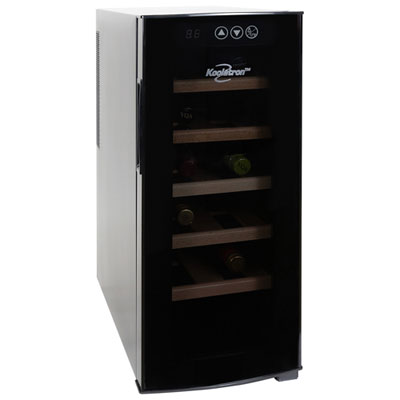
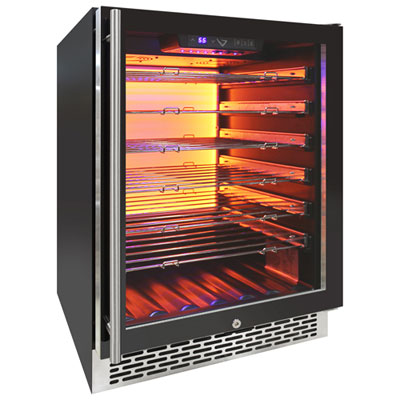
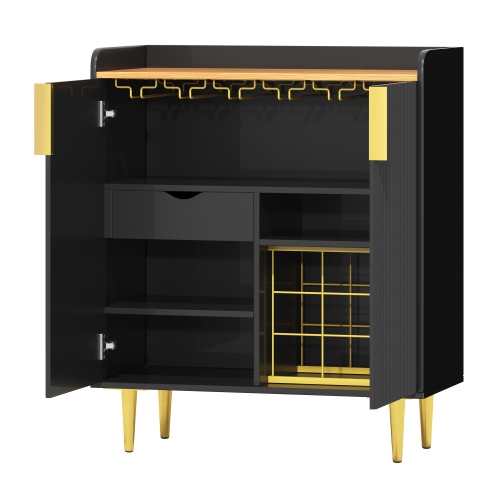
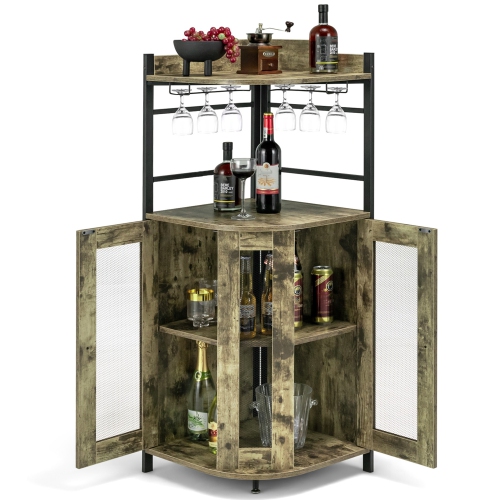
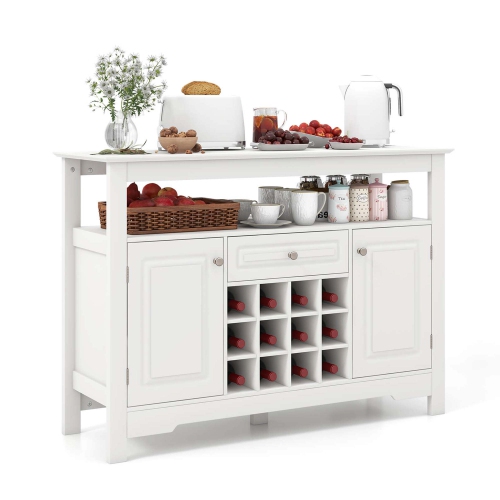
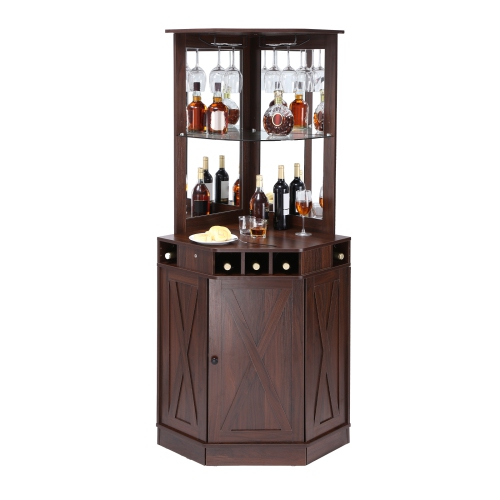
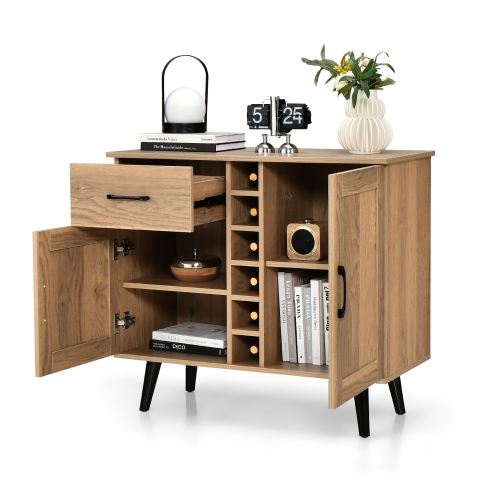
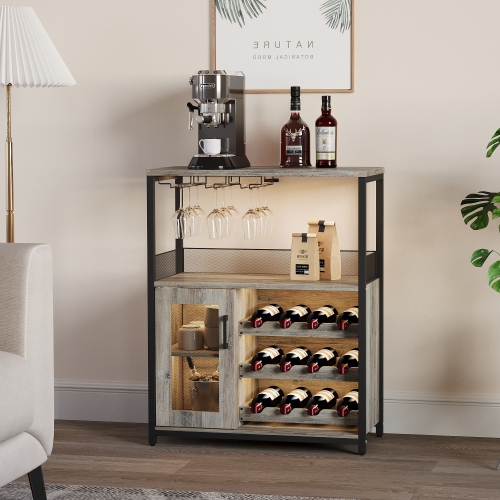
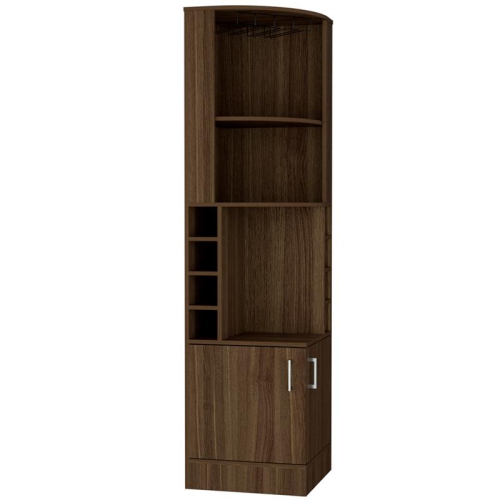
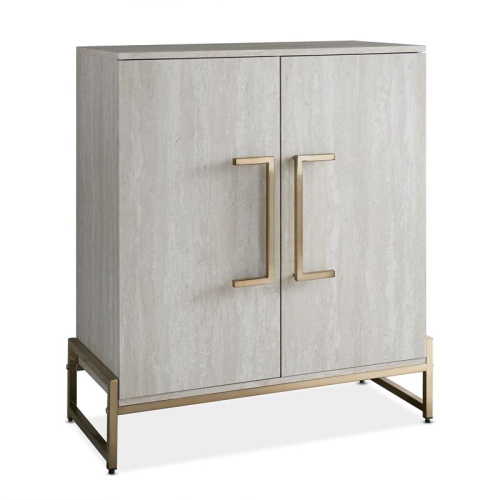
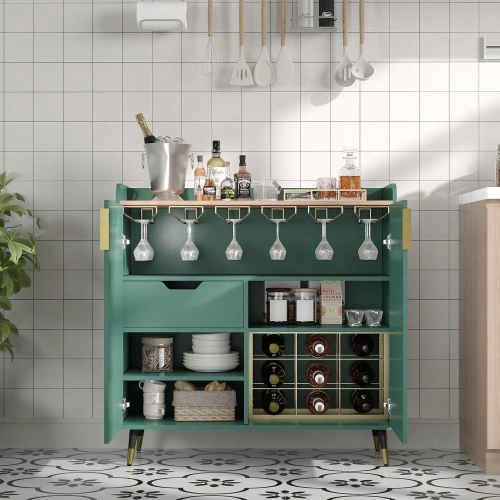
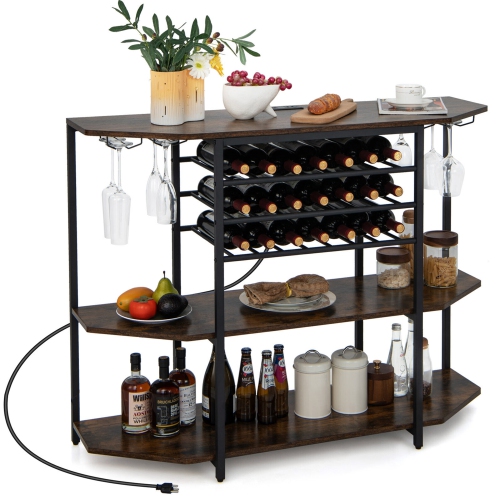
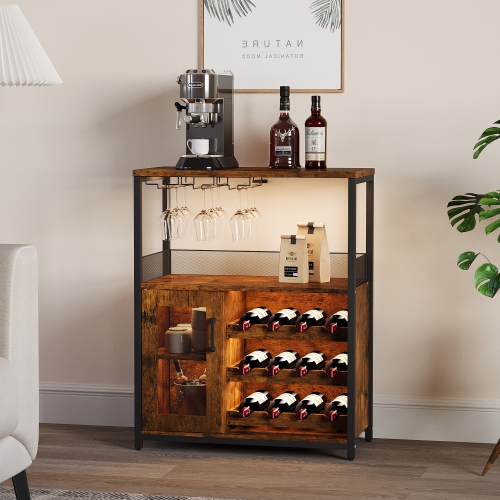
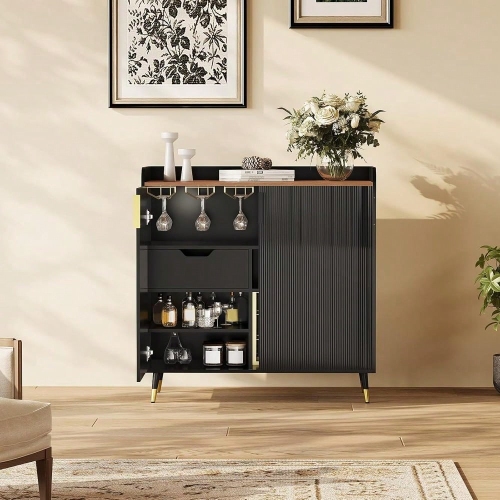

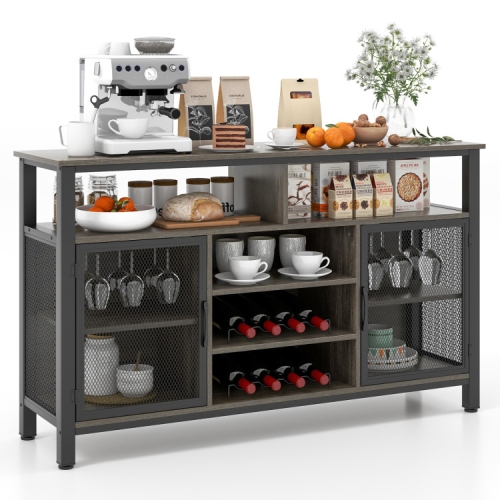
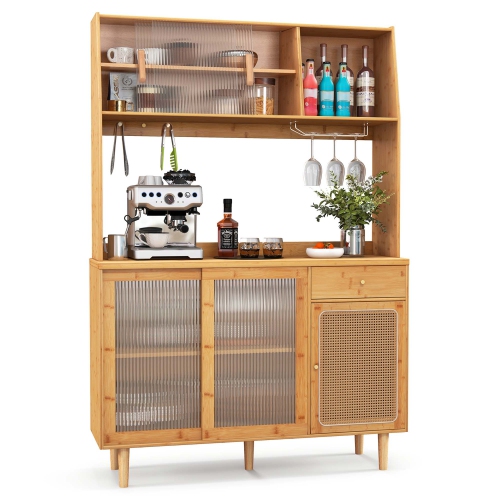
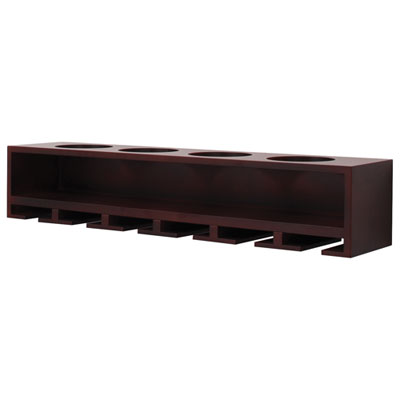
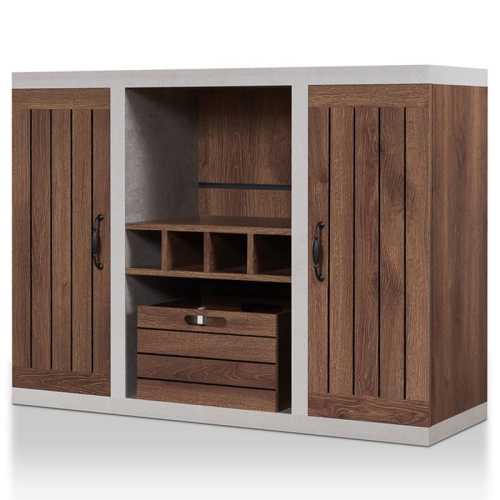
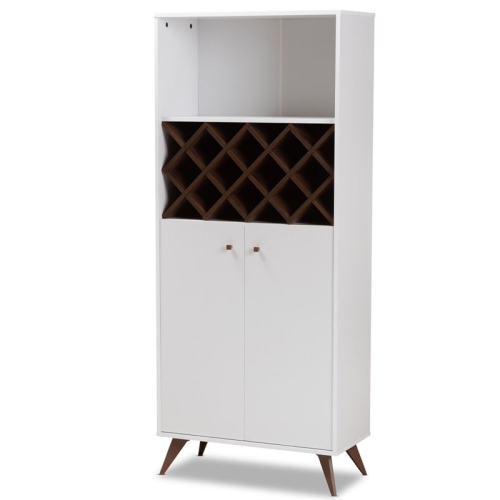
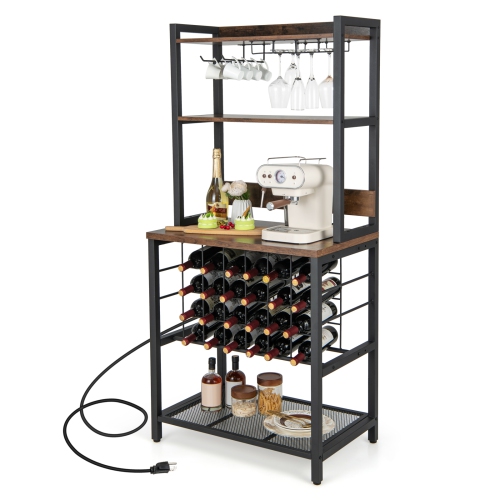
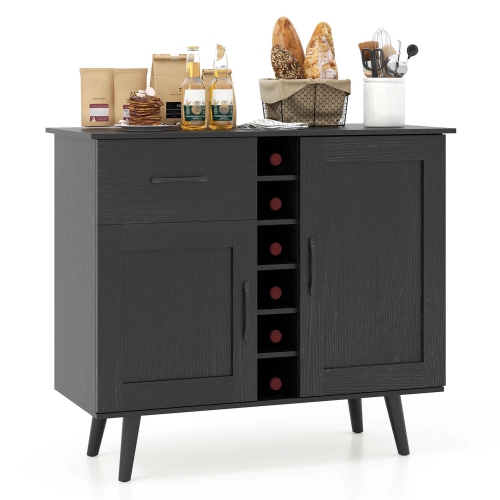
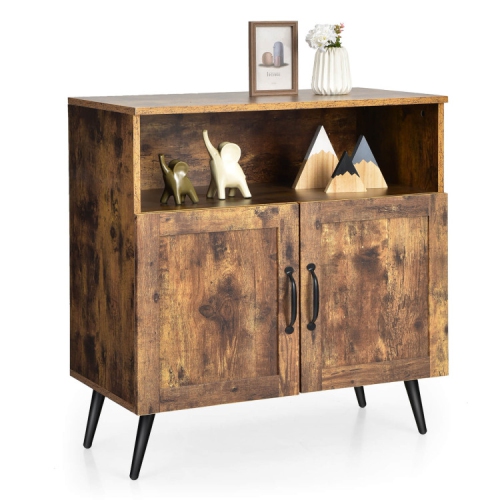
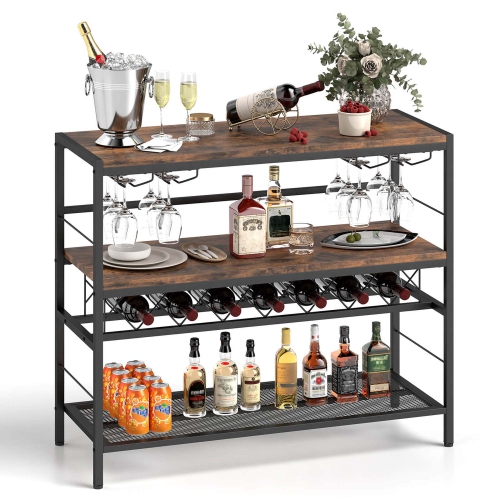
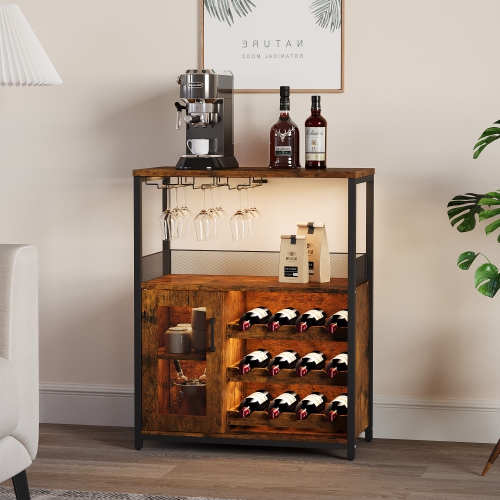
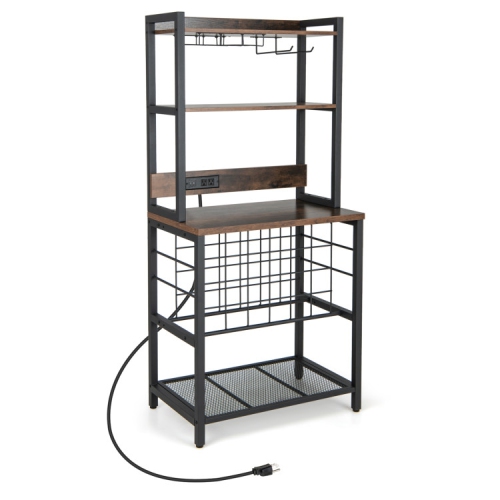
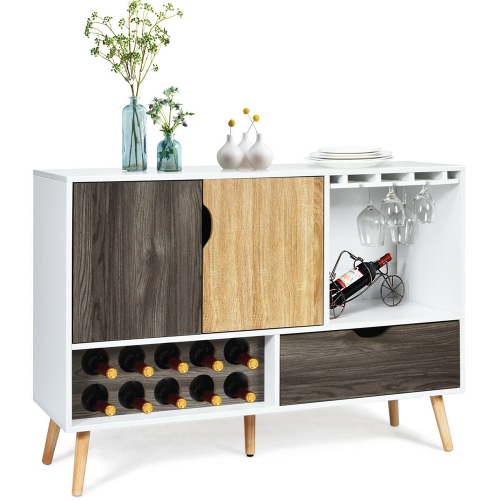
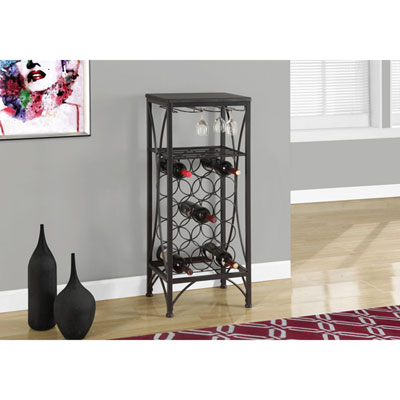
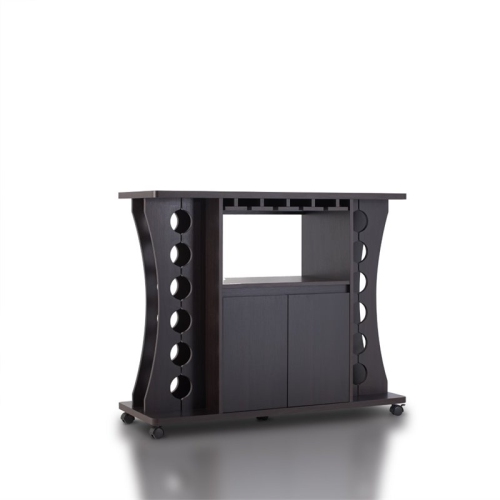
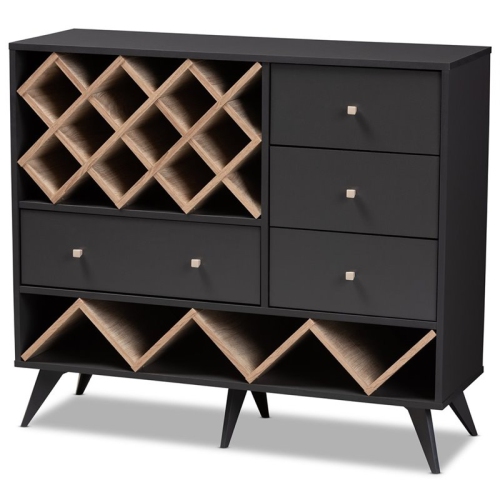
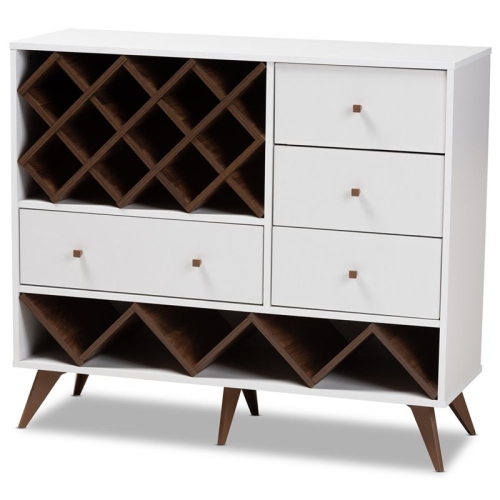
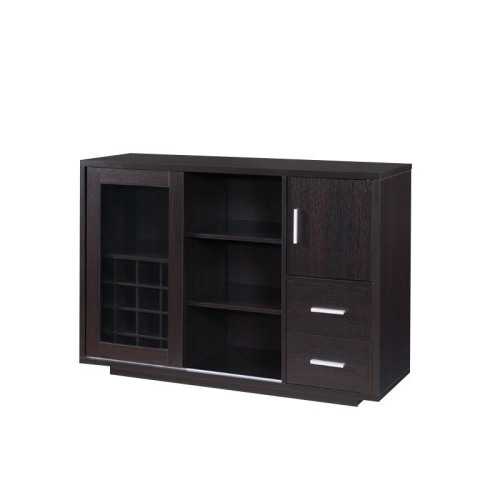
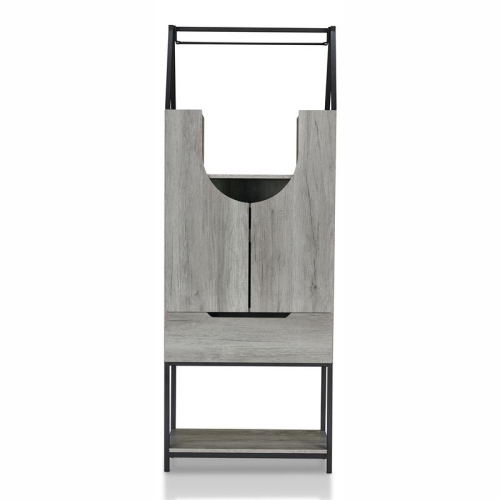
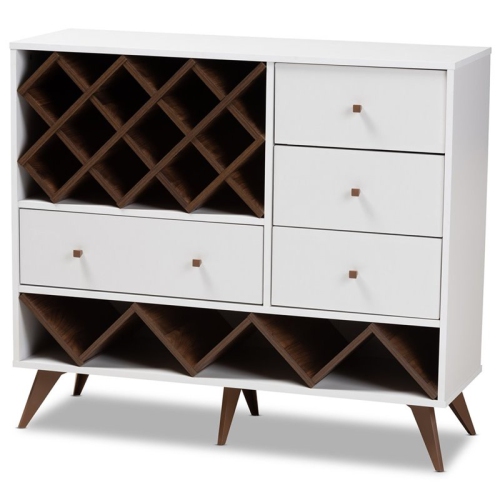
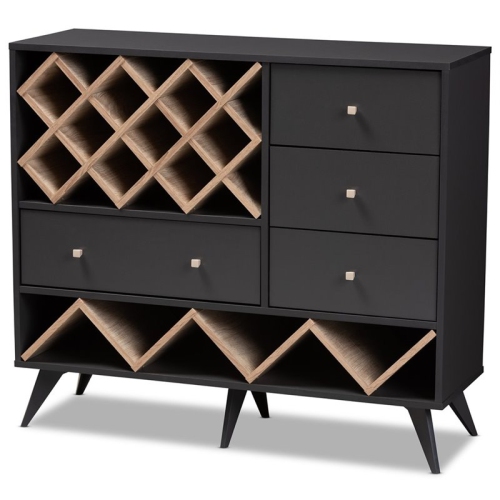
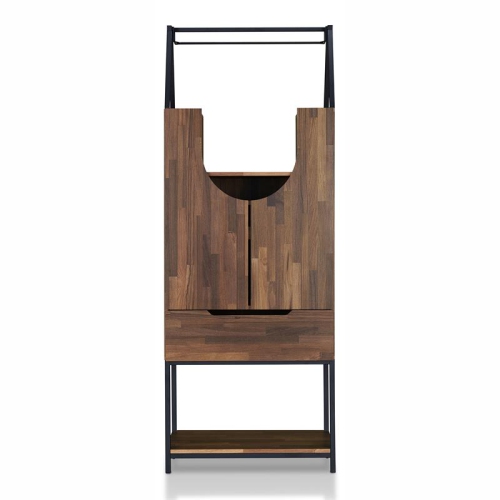
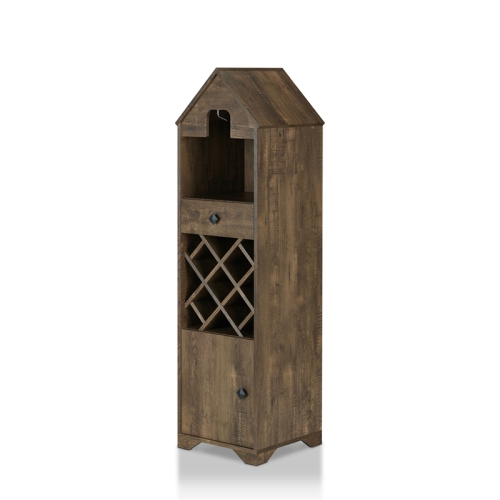
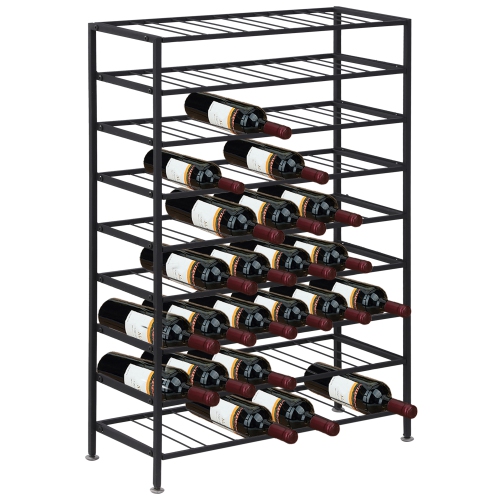
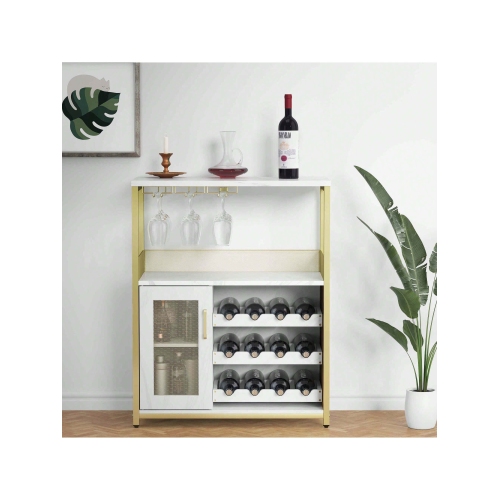
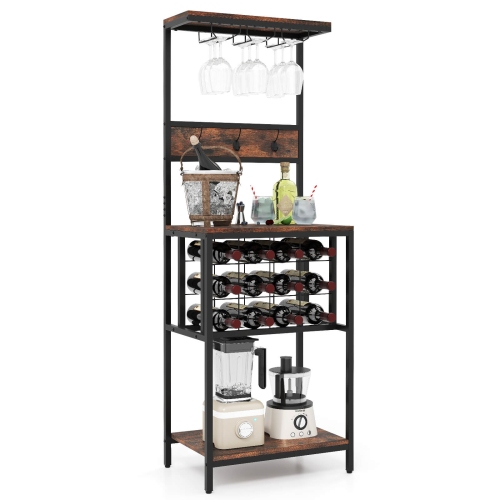
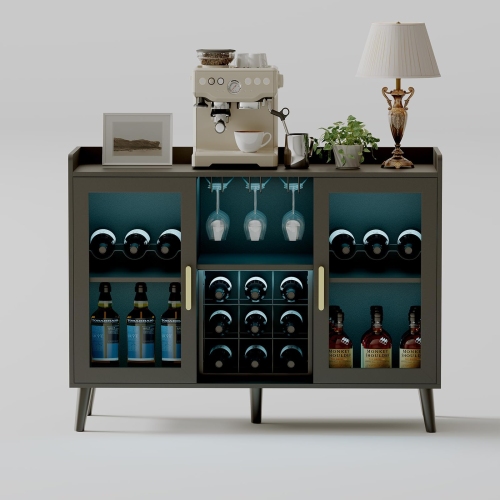
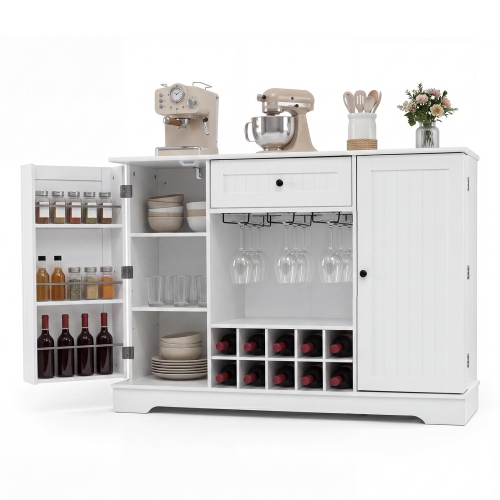

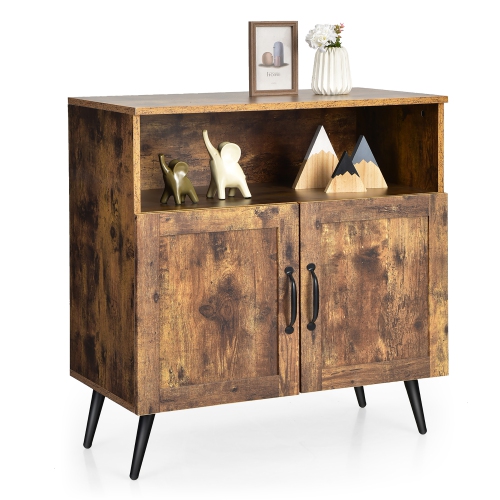
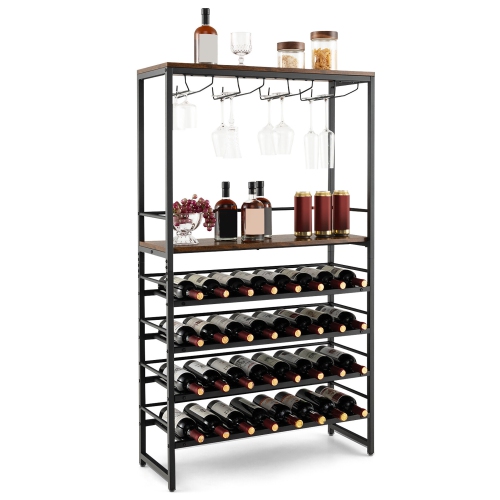
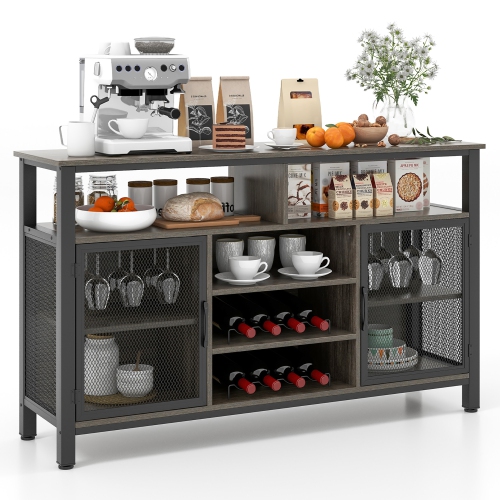
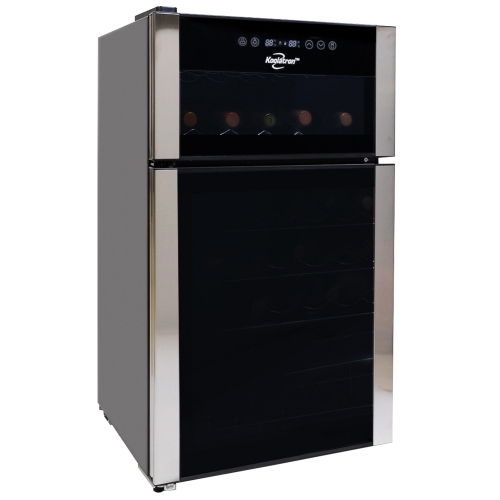
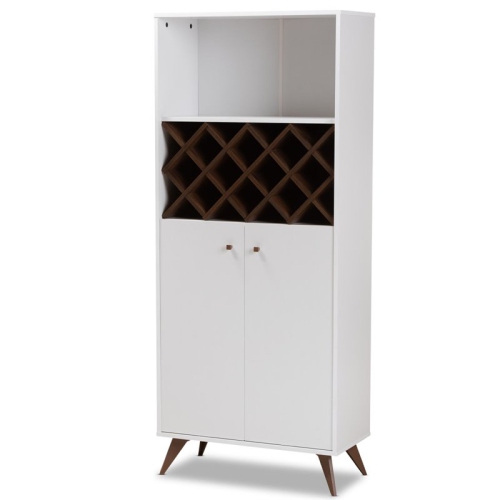
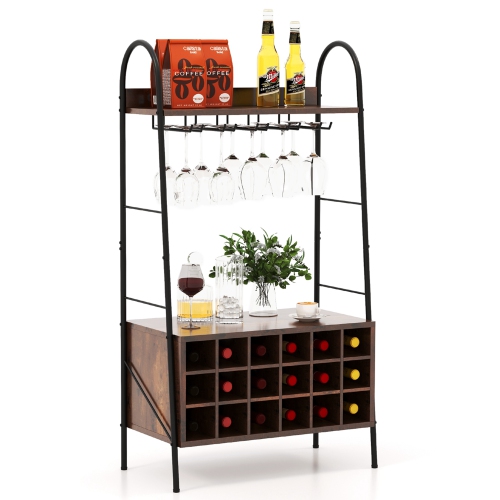
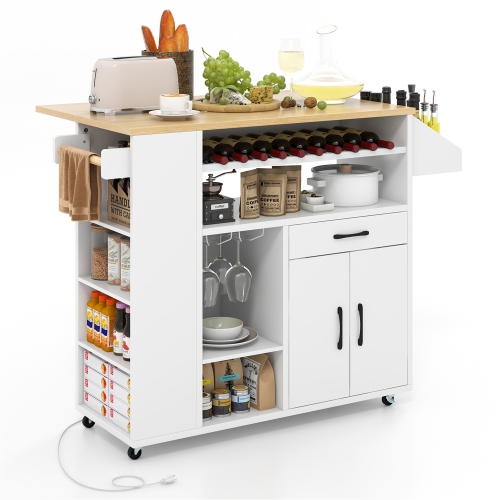
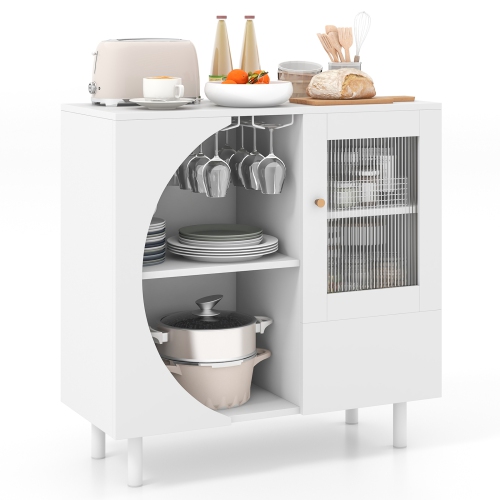
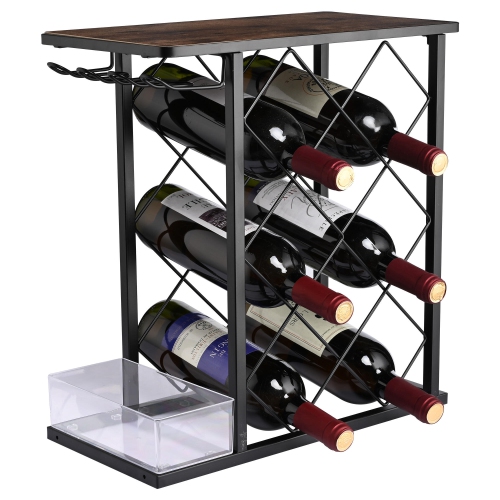
Bottle storage that doubles as a serving station
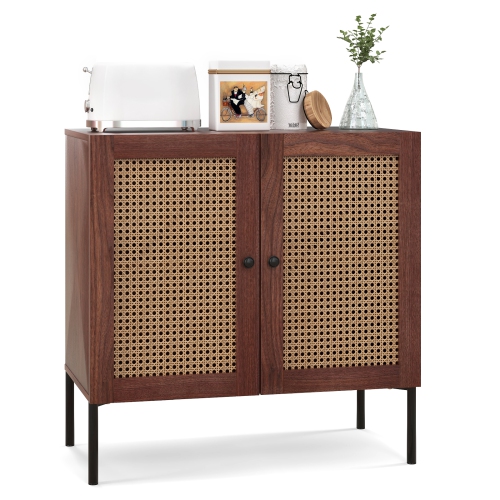
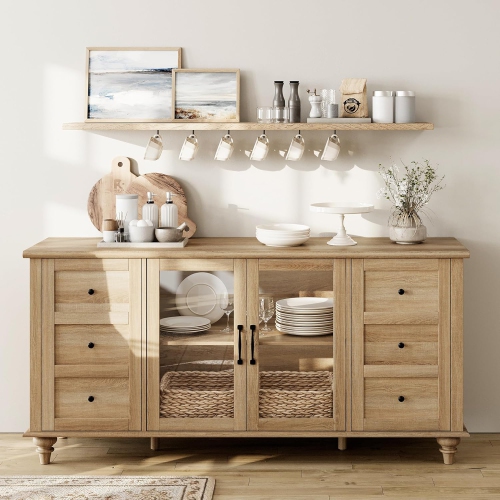
Wine holder cabinets combine dedicated bottle storage with the enclosed shelves, drawers, and display space of a furniture cabinet. They keep wine organized while giving glasses, bottle openers, serving trays, and other entertaining essentials a place of their own. Unlike a standalone wine rack, a cabinet can conceal smaller accessories behind doors and provide a top surface for setting down a tray or arranging glassware before guests arrive. Freestanding floor cabinets work well along a dining room wall or beside a kitchen eating area, while compact designs can turn an unused corner into a serving station. Base and under-counter wine cabinets integrate storage beneath a worktop or within an island, provided their dimensions and installation requirements suit the space. Wall-mounted designs leave the floor clear and bring bottles or stemware within reach, although they need suitable wall support and secure installation for their fully loaded weight. Bar cabinets offer a broader mix of storage, often pairing bottle compartments with taller shelves for decanters and hanging racks for wine glasses. Within these styles, individual bottle slots make labels and selections easier to organize, while open cubbies and diamond-shaped compartments create a more visible display. Enclosed designs give a room a quieter appearance and help keep dust away from stored accessories. Some cabinets include removable wine inserts, allowing the same compartment to hold bottles, serving bowls, or folded table linens as household needs change. For homes where preparation and serving happen in the same room, Kitchen Wine Cabinets bring this storage approach into the kitchen, keeping bottles and entertaining supplies near counters and dining spaces. A wine holder cabinet can suit an occasional host with a handful of favourite bottles just as well as someone who enjoys keeping several varieties ready for a meal. Its usefulness comes from the balance of bottle capacity, everyday accessibility, and storage for the objects that would otherwise occupy a crowded cupboard.
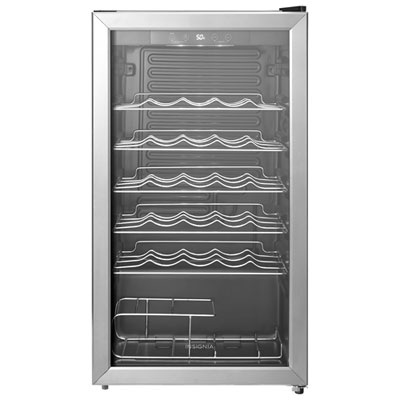
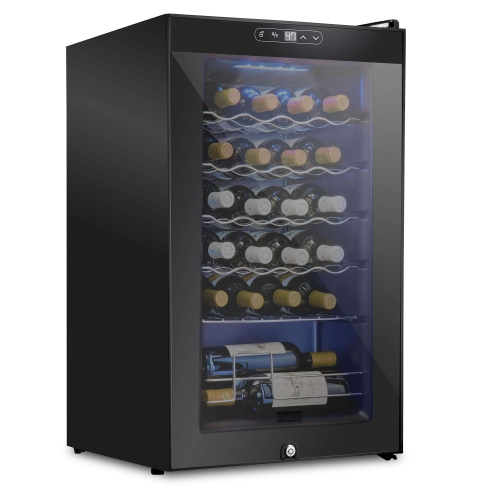
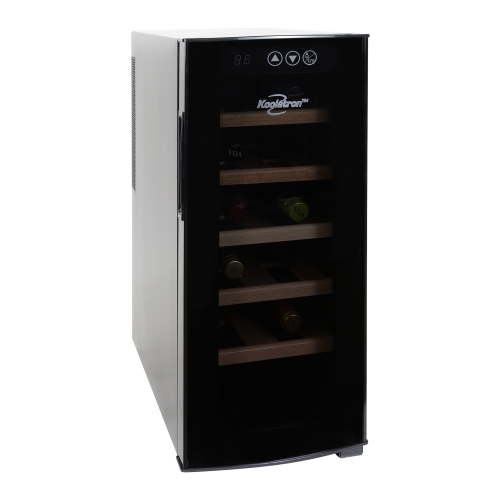
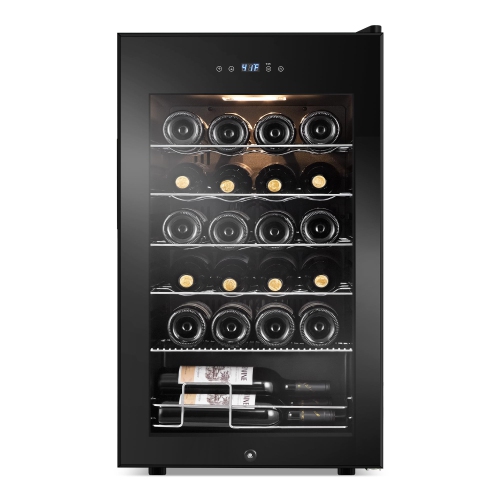
The right fit involves more than measuring an empty stretch of wall. Cabinet width, height, and depth should leave room for people to pass comfortably, chairs to pull out, and nearby appliances or cupboards to open. Doors and drawers also need clearance: a cabinet that fits neatly beside a dining table may still be awkward if its door swings into a chair. In a narrow room, a shallow design can preserve a walkway, while a taller cabinet may provide more storage without taking up as much floor area. Measure the route into the room as well, particularly where stairs, tight landings, or narrow doorways could complicate moving assembled furniture. Bottle capacity is another practical detail. Published capacities often assume standard 750 mL wine bottles, so wider sparkling wine bottles, unusually shaped bottles, and larger formats may require more generous compartments or adjustable shelving. Individual slots should support bottles securely without forcing them against adjacent shelves. Stemware storage deserves the same attention: the opening must accommodate the glass base, and there should be enough hanging clearance for the bowl and stem. A cabinet intended for entertaining benefits from space for a corkscrew, stoppers, coasters, and a serving tray, rather than dedicating every shelf to bottles. For a dining room that doubles as a workspace, closed storage can keep these accessories out of sight between gatherings. Most furniture-style wine cabinets do not provide active cooling or humidity control and should not be confused with refrigerated wine storage. Position them away from direct sunlight, ovens, heating vents, and places with frequent vibration. Horizontal compartments can help keep natural corks in contact with wine, but bottle orientation alone does not create suitable conditions for long-term ageing. Anyone storing wine over extended periods should consider the wine’s requirements and whether dedicated controlled storage is needed. For everyday use, a convenient location with steady conditions and easy access is often more valuable than the largest possible bottle count.
Materials and construction shape how a wine holder cabinet looks, feels, and stands up to regular use. Solid wood offers visible grain and a substantial furniture presence, while wood veneer provides a real-wood surface over a supporting core. Engineered wood can give cabinets smooth, consistent panels and a range of finishes; intact edges and well-sealed surfaces are particularly important wherever an accidental spill could reach the underlying material. Metal frames introduce a lighter visual profile or an industrial character, and secure joints help prevent movement when bottles are added or removed. Glass-front doors let a bottle arrangement or stemware display remain visible while offering some protection from dust, though clear glass should not be assumed to block damaging light. Finish and hardware influence how naturally the cabinet sits alongside existing furniture. A warm wood tone can complement a dining table, a painted finish can blend with kitchen cabinetry, and restrained metal handles can tie in with nearby shelving or lighting. Beyond appearance, check shelf load limits, drawer operation, hinge alignment, and the strength of the bottle supports. Bottles are heavy when grouped together, so a stable base matters even for a relatively small cabinet. Tall furniture should be secured with the appropriate anti-tip hardware according to the manufacturer’s instructions, and wall-mounted storage needs fixings suitable for the wall structure. In homes with children, locked storage may add a useful barrier, but it does not replace supervision or secure placement. Day-to-day care is generally straightforward: wipe spills promptly, dust bottle compartments and stemware rails, and clean each surface using the method specified for its finish. Coasters or a tray help protect the top from glass rings, and keeping damp cloths away from exposed seams helps preserve panel edges. A wine holder cabinet can also make a thoughtful housewarming or wedding gift for adult recipients who enjoy hosting, particularly when their room dimensions and furniture preferences are known. Whether it holds a small selection beside the dinner table or anchors a dedicated entertaining area, a well-matched cabinet brings bottles, glassware, and serving accessories together without making the room feel crowded.
The right fit involves more than measuring an empty stretch of wall. Cabinet width, height, and depth should leave room for people to pass comfortably, chairs to pull out, and nearby appliances or cupboards to open. Doors and drawers also need clearance: a cabinet that fits neatly beside a dining table may still be awkward if its door swings into a chair. In a narrow room, a shallow design can preserve a walkway, while a taller cabinet may provide more storage without taking up as much floor area. Measure the route into the room as well, particularly where stairs, tight landings, or narrow doorways could complicate moving assembled furniture. Bottle capacity is another practical detail. Published capacities often assume standard 750 mL wine bottles, so wider sparkling wine bottles, unusually shaped bottles, and larger formats may require more generous compartments or adjustable shelving. Individual slots should support bottles securely without forcing them against adjacent shelves. Stemware storage deserves the same attention: the opening must accommodate the glass base, and there should be enough hanging clearance for the bowl and stem. A cabinet intended for entertaining benefits from space for a corkscrew, stoppers, coasters, and a serving tray, rather than dedicating every shelf to bottles. For a dining room that doubles as a workspace, closed storage can keep these accessories out of sight between gatherings. Most furniture-style wine cabinets do not provide active cooling or humidity control and should not be confused with refrigerated wine storage. Position them away from direct sunlight, ovens, heating vents, and places with frequent vibration. Horizontal compartments can help keep natural corks in contact with wine, but bottle orientation alone does not create suitable conditions for long-term ageing. Anyone storing wine over extended periods should consider the wine’s requirements and whether dedicated controlled storage is needed. For everyday use, a convenient location with steady conditions and easy access is often more valuable than the largest possible bottle count.
Materials and construction shape how a wine holder cabinet looks, feels, and stands up to regular use. Solid wood offers visible grain and a substantial furniture presence, while wood veneer provides a real-wood surface over a supporting core. Engineered wood can give cabinets smooth, consistent panels and a range of finishes; intact edges and well-sealed surfaces are particularly important wherever an accidental spill could reach the underlying material. Metal frames introduce a lighter visual profile or an industrial character, and secure joints help prevent movement when bottles are added or removed. Glass-front doors let a bottle arrangement or stemware display remain visible while offering some protection from dust, though clear glass should not be assumed to block damaging light. Finish and hardware influence how naturally the cabinet sits alongside existing furniture. A warm wood tone can complement a dining table, a painted finish can blend with kitchen cabinetry, and restrained metal handles can tie in with nearby shelving or lighting. Beyond appearance, check shelf load limits, drawer operation, hinge alignment, and the strength of the bottle supports. Bottles are heavy when grouped together, so a stable base matters even for a relatively small cabinet. Tall furniture should be secured with the appropriate anti-tip hardware according to the manufacturer’s instructions, and wall-mounted storage needs fixings suitable for the wall structure. In homes with children, locked storage may add a useful barrier, but it does not replace supervision or secure placement. Day-to-day care is generally straightforward: wipe spills promptly, dust bottle compartments and stemware rails, and clean each surface using the method specified for its finish. Coasters or a tray help protect the top from glass rings, and keeping damp cloths away from exposed seams helps preserve panel edges. A wine holder cabinet can also make a thoughtful housewarming or wedding gift for adult recipients who enjoy hosting, particularly when their room dimensions and furniture preferences are known. Whether it holds a small selection beside the dinner table or anchors a dedicated entertaining area, a well-matched cabinet brings bottles, glassware, and serving accessories together without making the room feel crowded.
Top selling and popular products
-
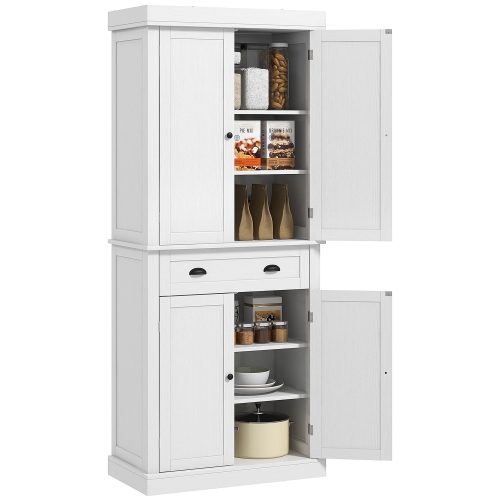 Your price for this item is $267.79
 -
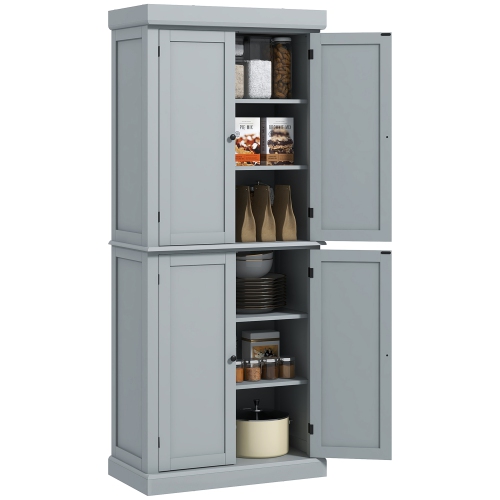 Your price for this item is $299.99
 -
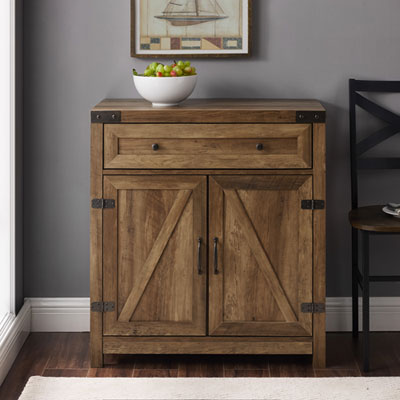 Your price for this item is $401.99
 -
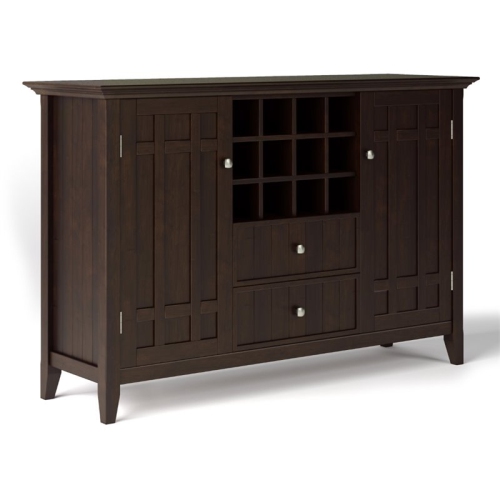 Your price for this item is $1451.13
 -
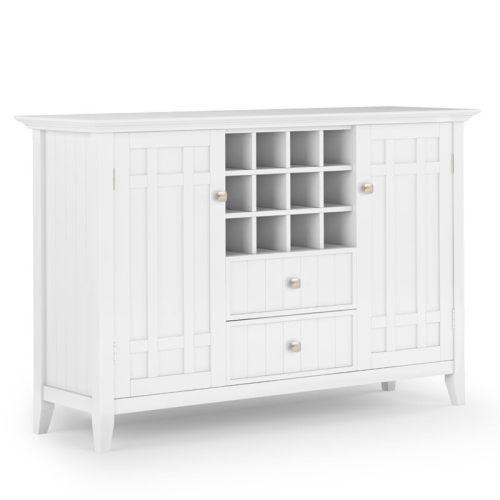 Your price for this item is $1456.84
 -
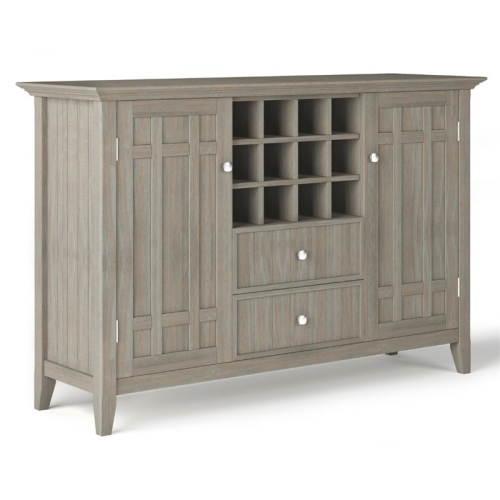 Your price for this item is $1465.29
 -
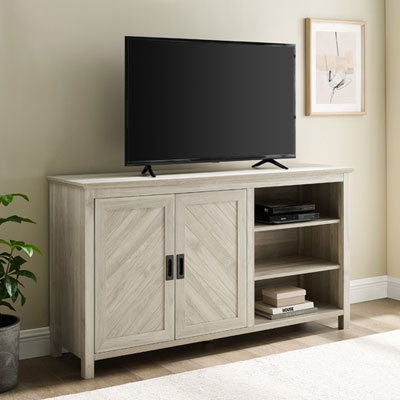 Your price for this item is $593.99
 -
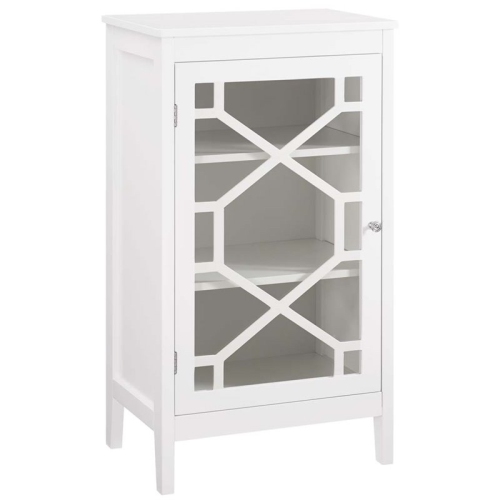 Your price for this item is $386.25
Discover more categories related to Wine Holder Cabinets
Top Collections:
Pokemon Centers, Kindle Devices, Best Budget Office Chairs, Apple iPhones 16, Canon G7X Cameras, iPhone 15 Apple, Alarm Clock, Refurbished Apple Laptops, Flip Phones, Best Laptops for Writers
Some products may be subject to Environmental Handling Fees
(EHF) depending on your province.
Learn more about EHFs.