Wire Shelves
Maximize your space and organize your home with versatile wire shelves. Perfect for any room, these sleek and sturdy storage solutions offer a blend of functionality and style, making them an ideal addition to your kitchen, garage, or office. With their open design, wire shelves allow for easy visibility and access to your items while promoting airflow to keep everything fresh. Whether you're looking to tidy up your pantry, display decorative items, or store tools and equipment, wire shelves provide the perfect balance of durability and elegance to meet all your organizational needs. Explore the possibilities and transform your space with the practicality of wire shelving.
Sort
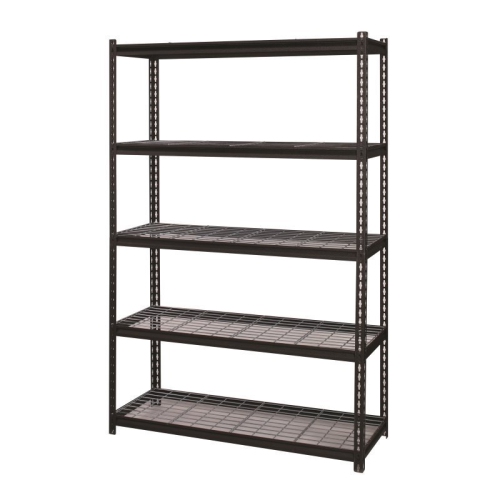
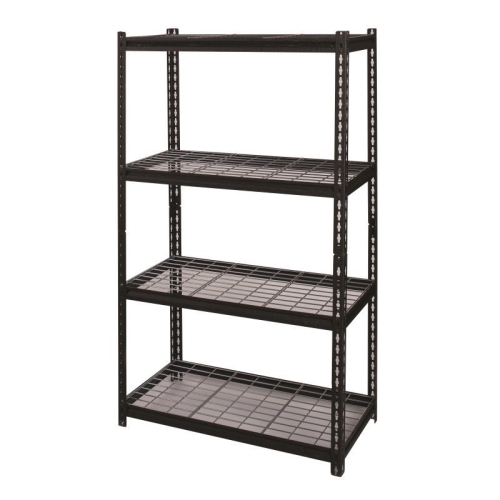


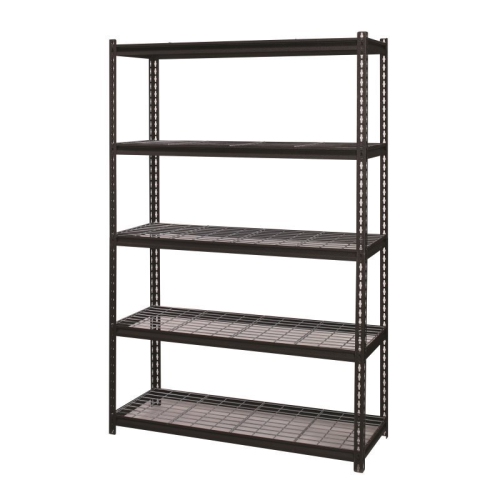
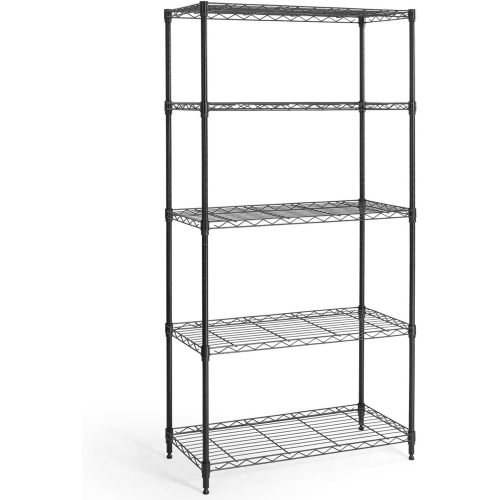
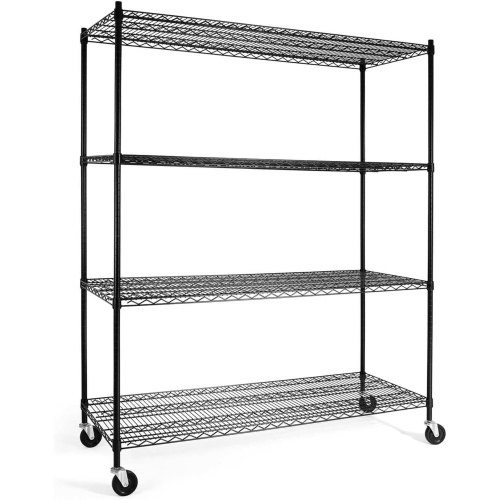
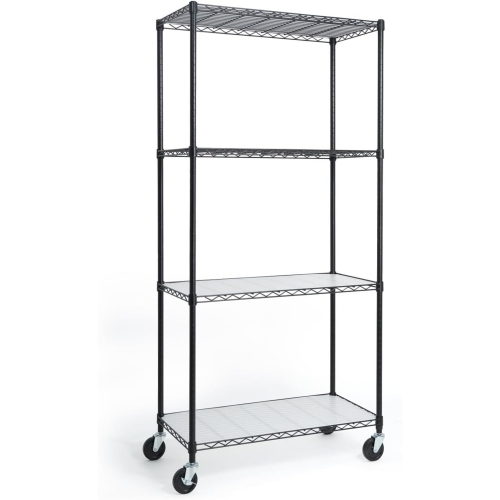
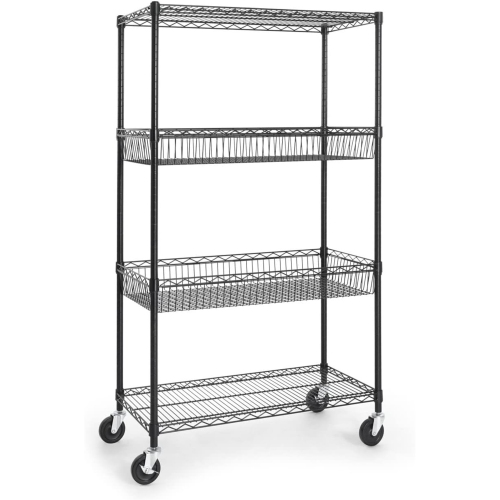
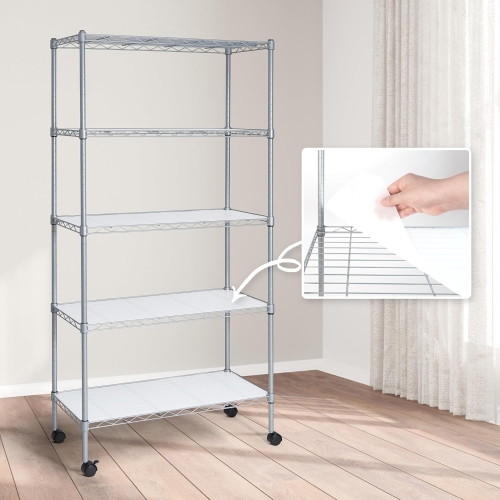
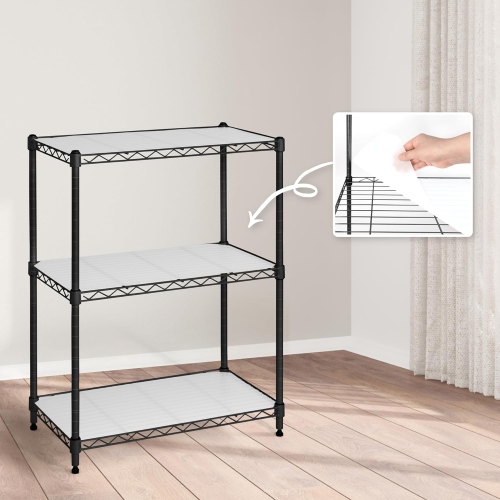
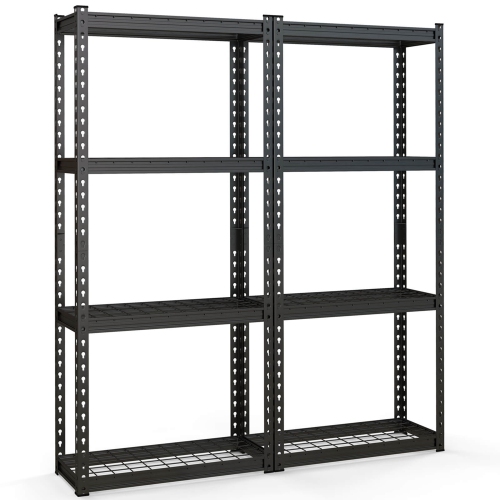
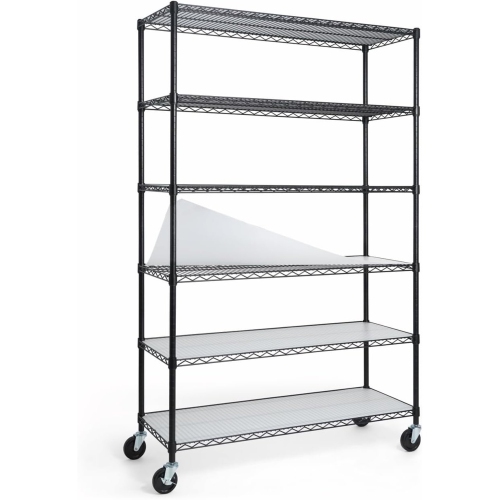
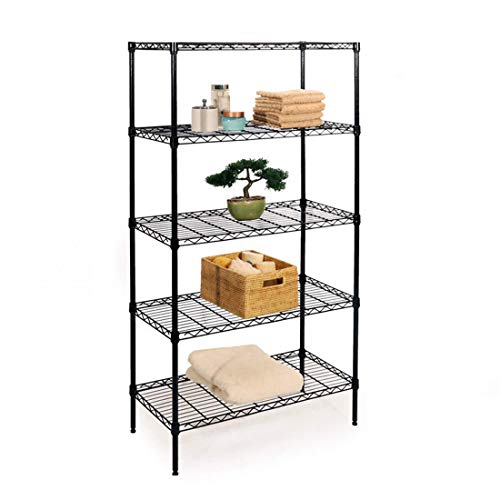

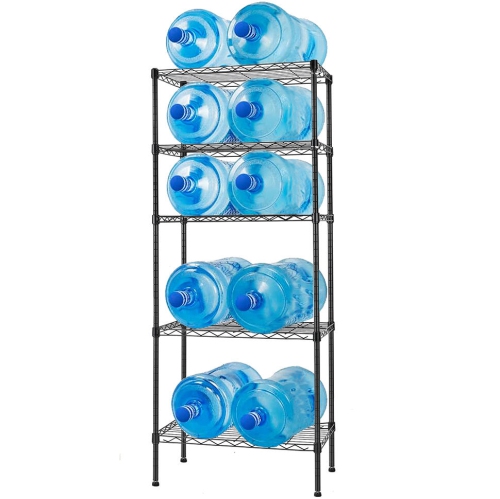
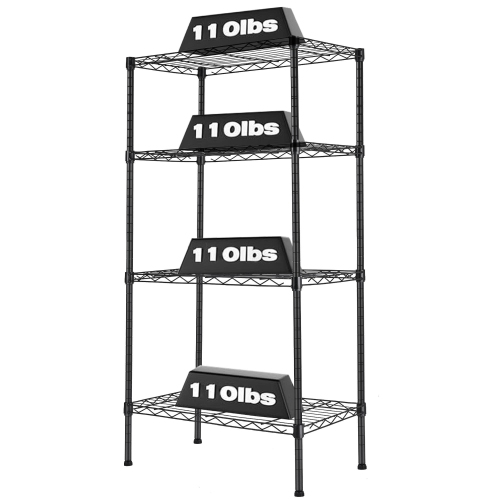
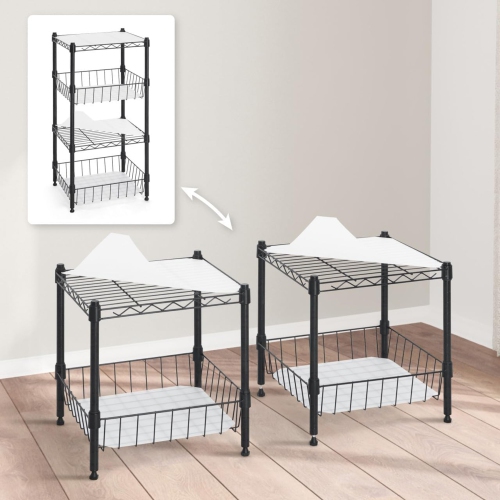
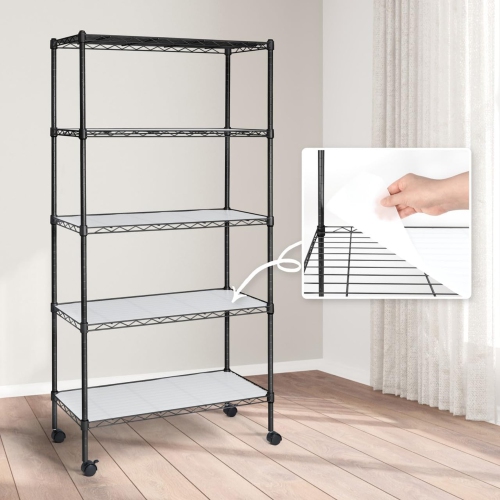
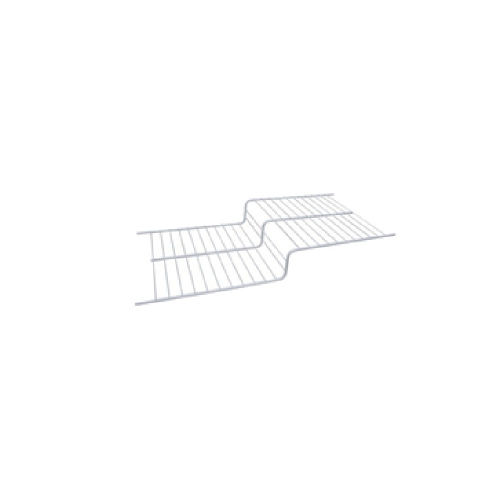
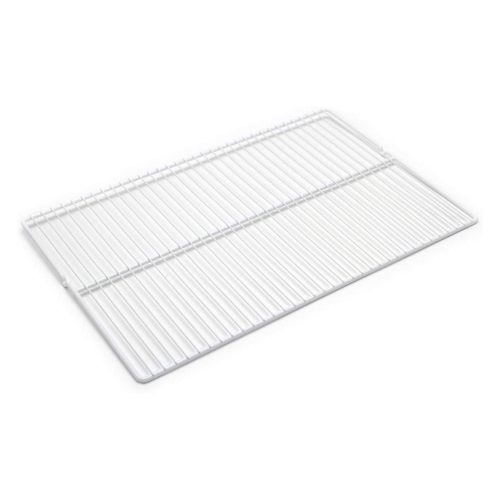
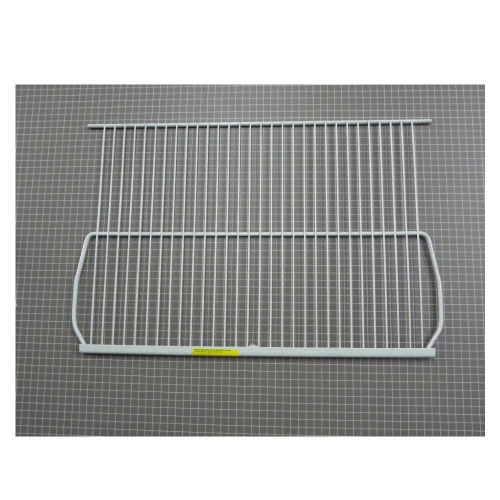
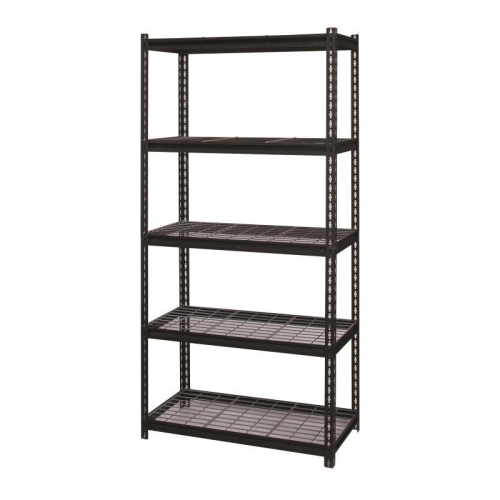
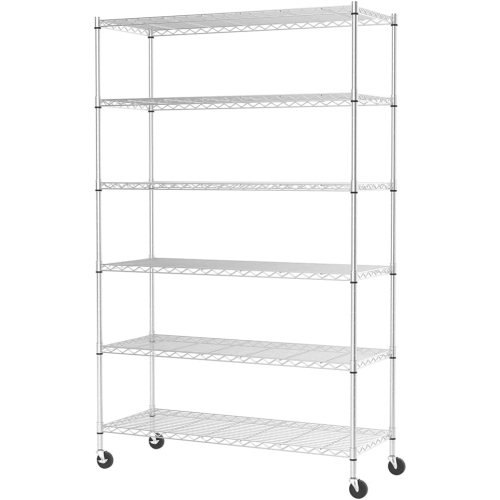

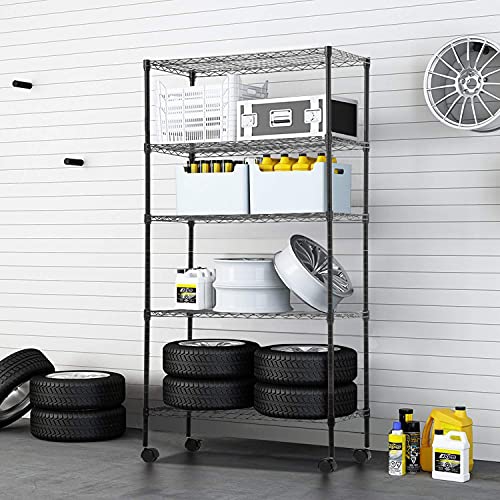
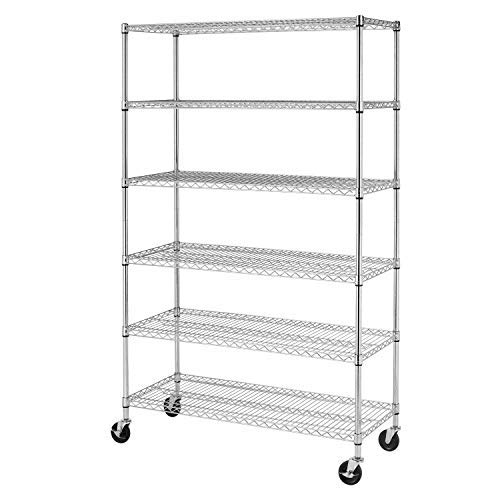
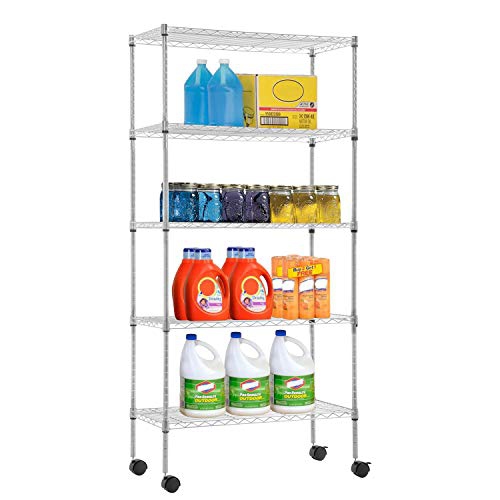
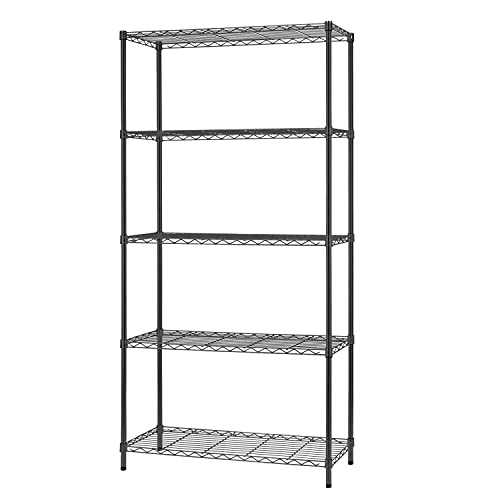
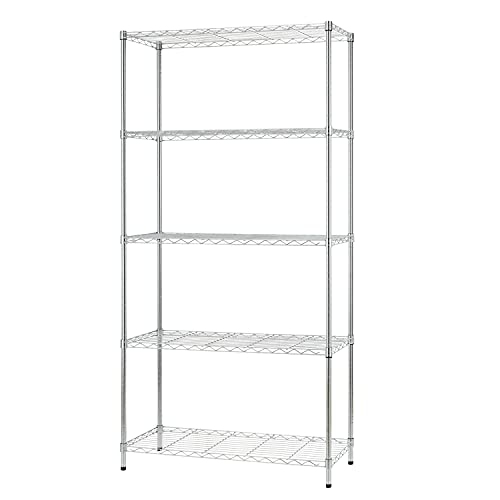
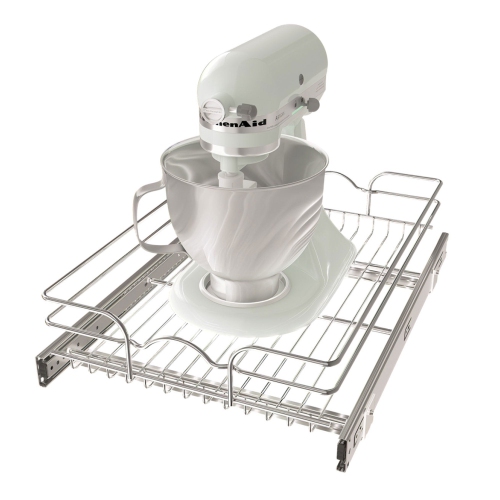
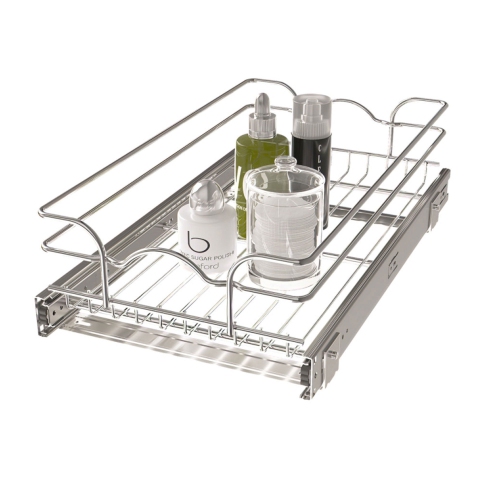
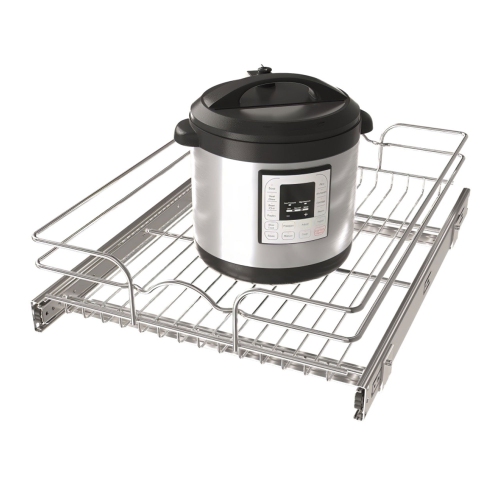
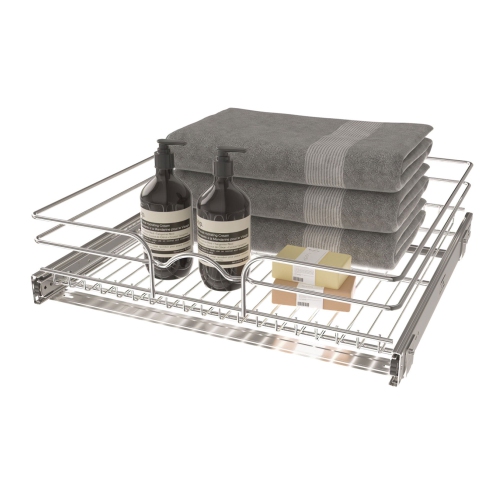
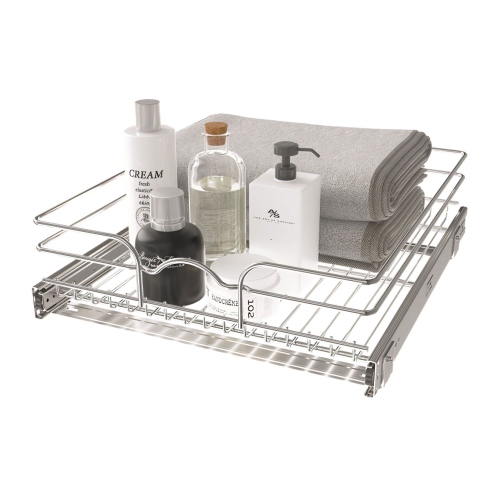
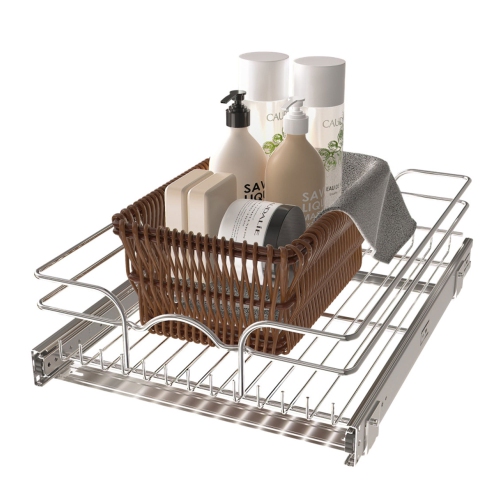
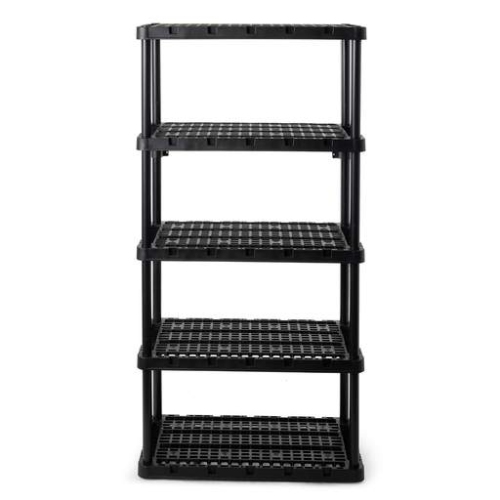

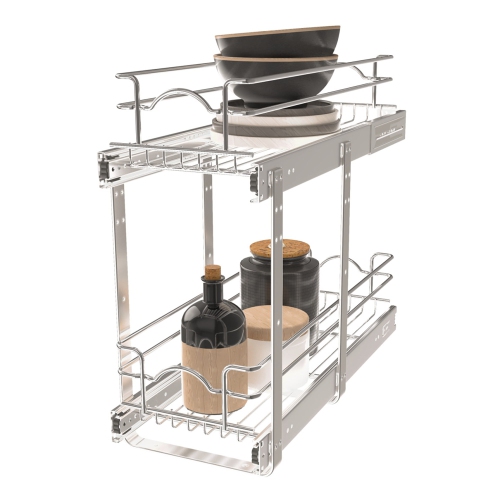
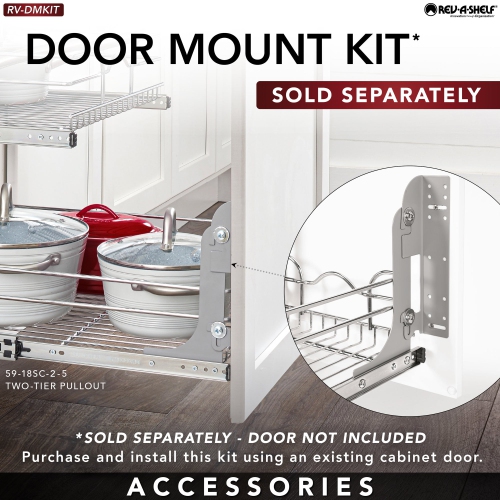
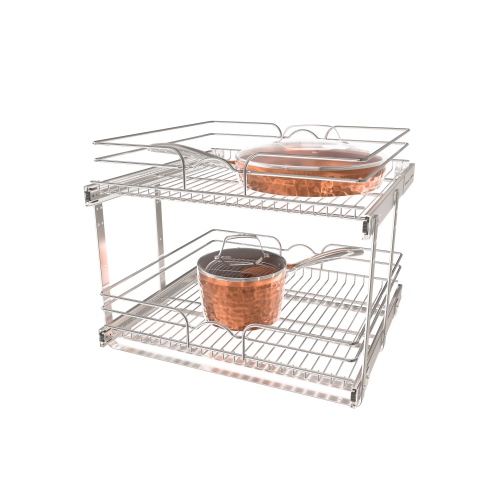
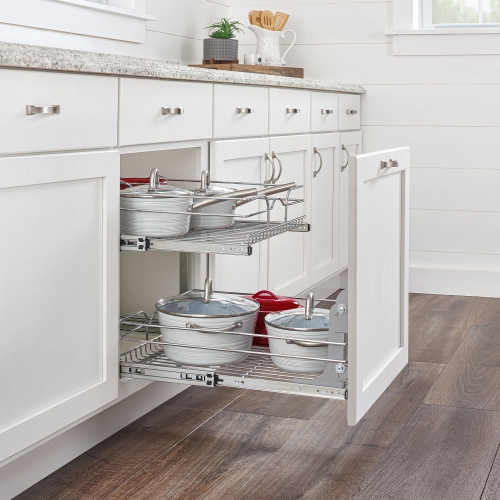
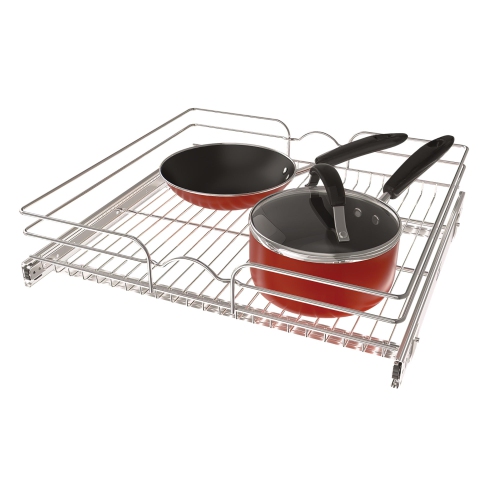

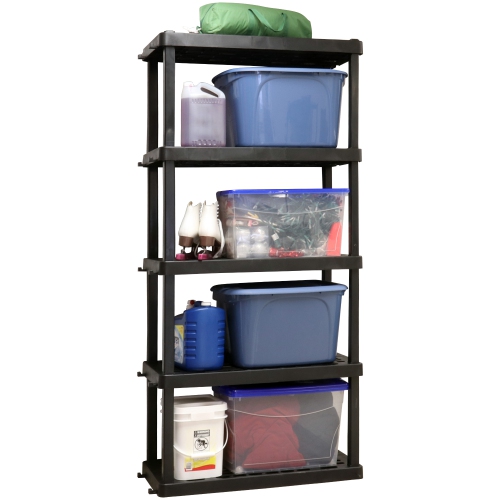
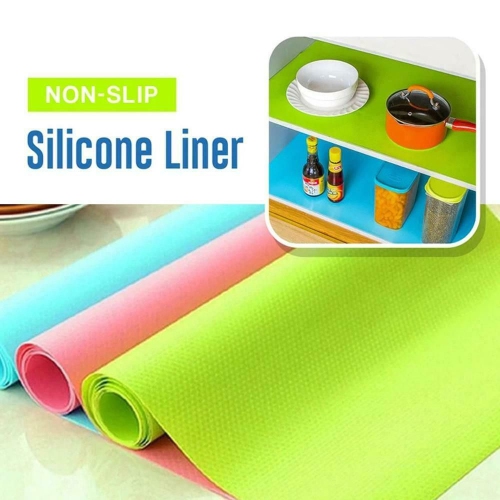
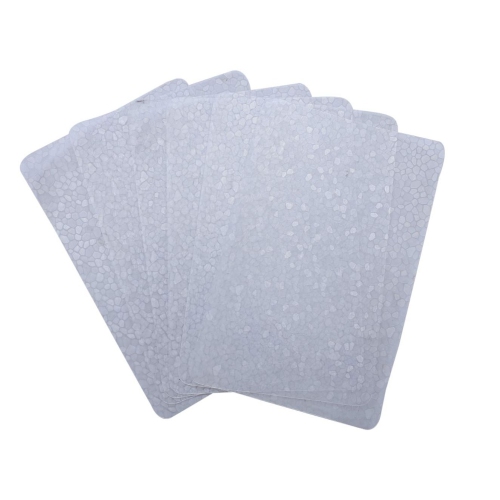
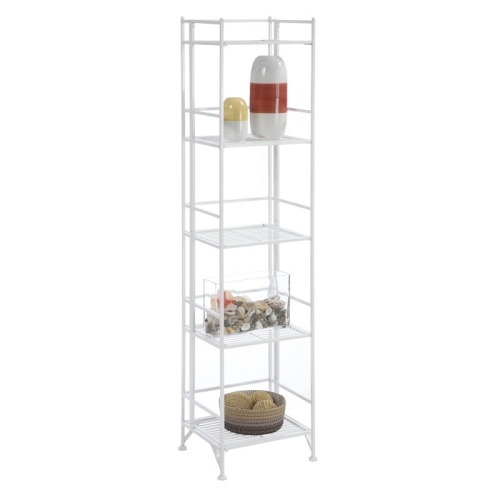
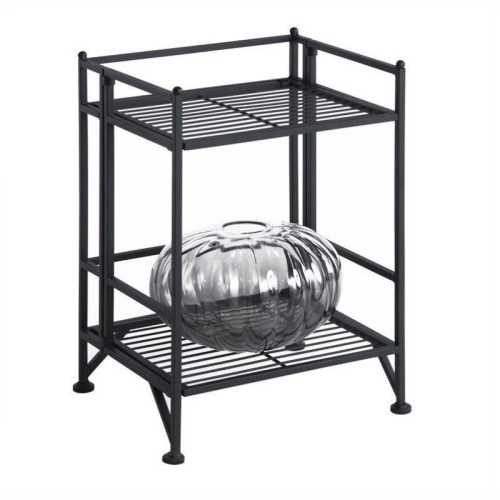
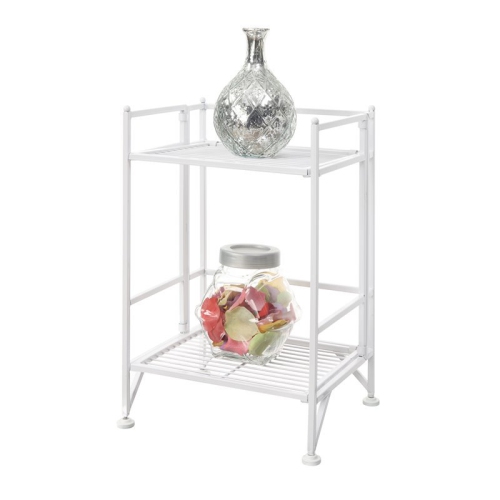
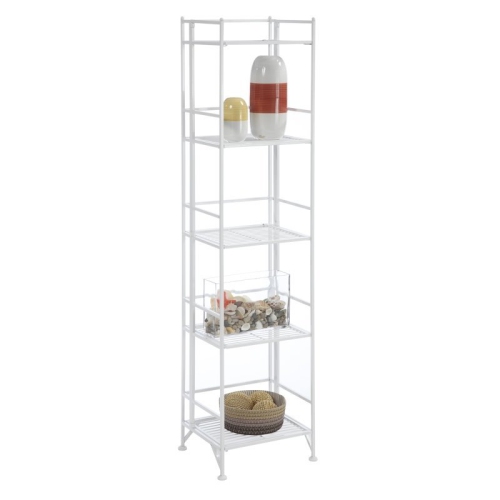
Open storage that puts everyday essentials in view
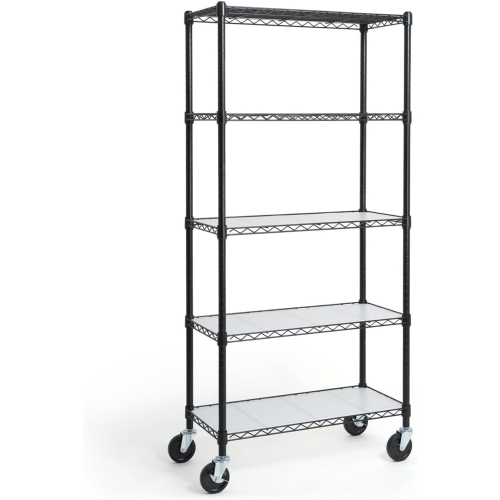
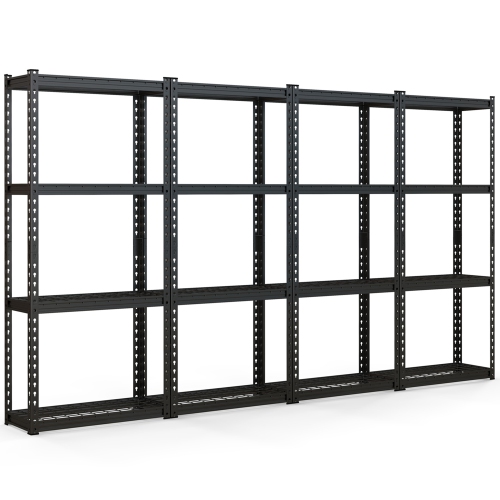
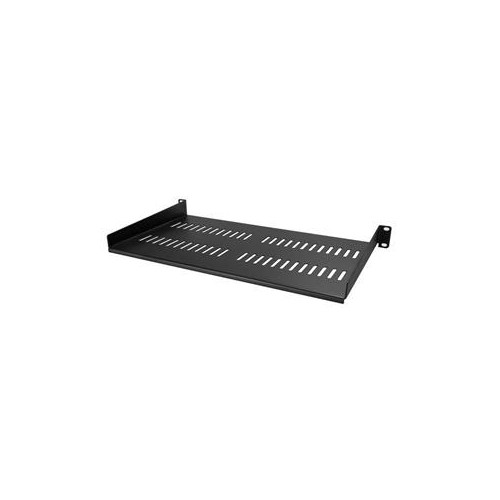
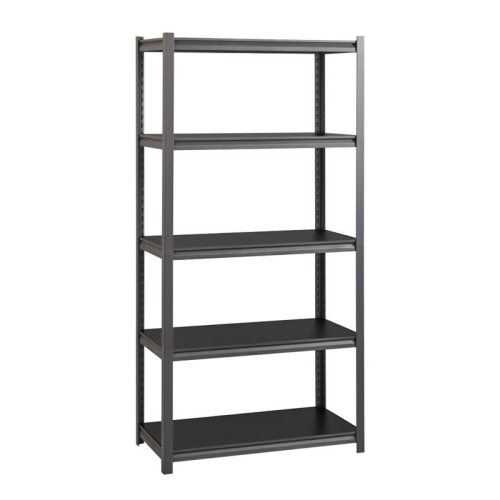
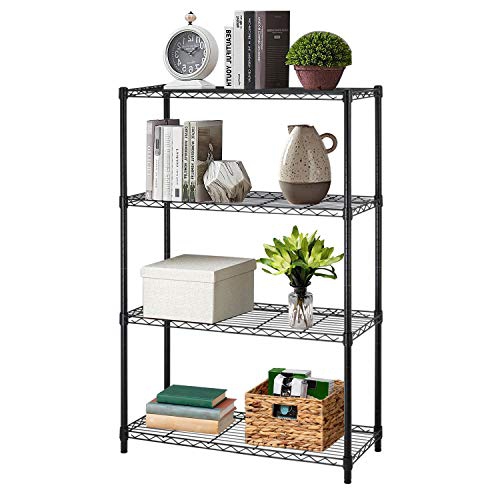
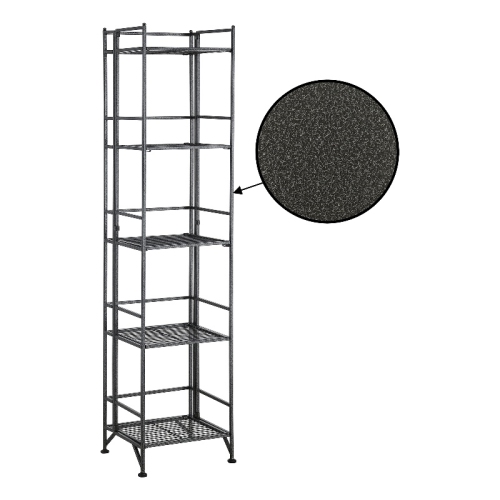
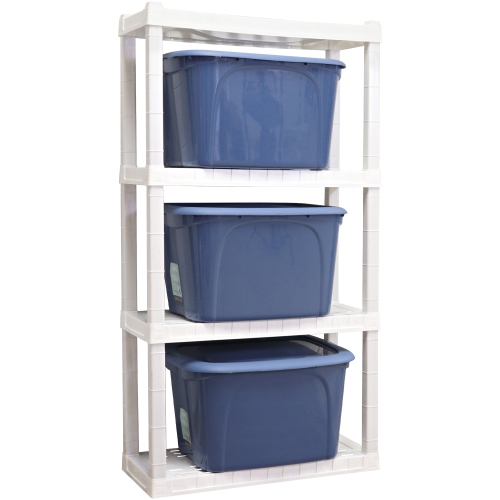
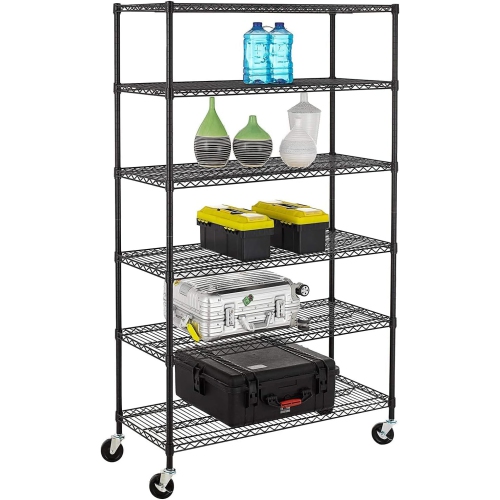
Wire shelves are storage surfaces made from a grid of metal wires, usually supported by a frame, upright posts, or wall brackets. Their open construction keeps stored belongings visible and allows air to circulate around them, making wire shelving a practical choice for closets, pantries, laundry rooms, garages, and workspaces. Unlike a solid shelf, a wire grid lets light pass through the tiers, which can make it easier to spot a folded towel or a container tucked towards the back. The openings also allow dust, crumbs, and spilled liquids to pass through, so the right shelf surface depends on what will sit on it. Broad, flat-bottomed containers generally rest more securely than narrow bottles or objects with small feet; a compatible shelf liner can provide a smoother base for smaller belongings. Wire shelves come in several formats, from wall-mounted closet sections to freestanding units with multiple tiers. Wall-mounted shelving can leave the floor clear for cleaning or storage below, while freestanding shelving offers flexibility where permanent installation is not suitable. For storage arranged on several levels, Wire Shelving Racks bring individual shelves together in an upright structure suited to grouping household supplies by task or frequency of use. Adjustable designs allow the spacing between tiers to change, creating room for tall containers on one level and shorter baskets on another without leaving large unused gaps. That flexibility is useful in a busy household, where a storage area might hold school bags and lunch supplies one season and extra blankets or cold-weather accessories in another. The open appearance can also suit a utility corner in a small apartment, where bulky cabinetry might make the space feel crowded. A well-fitted shelving arrangement keeps everyday essentials within comfortable reach while giving less frequently used belongings a designated place above or below them.
Materials, finish, and construction all influence how wire shelves perform over time. Many designs use steel wire with a chrome-plated, painted, or other protective coating, while some use stainless steel. Wire thickness, reinforcing supports, shelf span, and the strength of the connections matter as much as the finish when assessing durability. A shiny surface alone does not establish suitability for a damp basement or an unheated garage. Moisture resistance varies by material and coating, and scratches or chipped areas can leave some metals more vulnerable to rust. Shelving used near laundry appliances, wet footwear, or cleaning supplies should be rated for those conditions, with spills wiped up promptly rather than left beneath containers. Load capacity also needs careful attention: a rating may apply to each shelf, to the entire unit, or to a specific configuration, and it commonly assumes that weight is evenly distributed. A heavy object concentrated in the middle of a wide shelf can cause bending even when the overall load seems modest. Keeping heavier belongings on lower tiers helps lower the centre of gravity, while evenly spreading the load reduces strain on individual wires and supports. Safe placement depends on fit as well as strength. Width, depth, and height measurements should account for baseboards, pipes, door swings, and the room needed to reach stored belongings without twisting around an obstruction. In a pantry, shallow shelves can keep labels visible and prevent containers from disappearing behind one another; deeper shelves may suit larger storage bins in a garage. Adjustable feet can help a freestanding unit sit level on a slightly uneven floor, but they do not replace any required anchoring. Wall-mounted systems need brackets and fasteners appropriate to the wall construction and intended load. Tall units should be secured according to the manufacturer’s directions, particularly where children or pets could pull or climb on them. Wheeled shelving adds mobility, although its load rating may differ from that of a stationary setup, and locking castors should be engaged whenever the unit is parked.
Day-to-day usefulness often comes down to small details that suit the room and the people using it. In a shared closet, closely spaced wires or fitted liners can support folded clothing without smaller accessories slipping through, while baskets help separate scarves, gloves, and hats. A laundry area benefits from enough clearance above each tier to lift out a basket without scraping knuckles against the shelf overhead. In a kitchen or pantry, keeping frequently used supplies between waist and shoulder height can make routine tasks more comfortable, with heavier cookware below and lighter, less-used belongings higher up. Open wire shelving allows airflow, but it does not dry damp fabrics on its own or prevent mould; linens and clothing should be dry before they are put away. Where spills are likely, removable liners or washable trays can help contain drips, provided they are compatible with the shelving and do not interfere with its supports. Offices, craft rooms, and hobby spaces can use adjustable tiers to accommodate changing storage needs, from paper supplies to project boxes, with related materials grouped together for easier access. Businesses considering shelving for food storage or other regulated uses should check any required certifications and the stated purpose of the unit rather than relying on its appearance. Assembly requirements vary, too. Some systems use sleeves and shelf collars with few tools, while others require bolts, brackets, or more involved wall installation; all connections should be fully seated before loading. Routine care is usually straightforward: remove stored belongings as needed, wipe the wires and joints with a soft cloth and a suitable mild cleaner, then dry thoroughly. Abrasive pads and harsh chemicals can damage certain finishes, so the manufacturer’s care directions remain important. Periodic checks for loose fittings, bent wires, corrosion, or shifting brackets help catch wear before it affects stability. With suitable dimensions, properly supported loads, and a finish matched to its location, wire shelving can provide dependable, adaptable storage for everyday household routines.
Materials, finish, and construction all influence how wire shelves perform over time. Many designs use steel wire with a chrome-plated, painted, or other protective coating, while some use stainless steel. Wire thickness, reinforcing supports, shelf span, and the strength of the connections matter as much as the finish when assessing durability. A shiny surface alone does not establish suitability for a damp basement or an unheated garage. Moisture resistance varies by material and coating, and scratches or chipped areas can leave some metals more vulnerable to rust. Shelving used near laundry appliances, wet footwear, or cleaning supplies should be rated for those conditions, with spills wiped up promptly rather than left beneath containers. Load capacity also needs careful attention: a rating may apply to each shelf, to the entire unit, or to a specific configuration, and it commonly assumes that weight is evenly distributed. A heavy object concentrated in the middle of a wide shelf can cause bending even when the overall load seems modest. Keeping heavier belongings on lower tiers helps lower the centre of gravity, while evenly spreading the load reduces strain on individual wires and supports. Safe placement depends on fit as well as strength. Width, depth, and height measurements should account for baseboards, pipes, door swings, and the room needed to reach stored belongings without twisting around an obstruction. In a pantry, shallow shelves can keep labels visible and prevent containers from disappearing behind one another; deeper shelves may suit larger storage bins in a garage. Adjustable feet can help a freestanding unit sit level on a slightly uneven floor, but they do not replace any required anchoring. Wall-mounted systems need brackets and fasteners appropriate to the wall construction and intended load. Tall units should be secured according to the manufacturer’s directions, particularly where children or pets could pull or climb on them. Wheeled shelving adds mobility, although its load rating may differ from that of a stationary setup, and locking castors should be engaged whenever the unit is parked.
Day-to-day usefulness often comes down to small details that suit the room and the people using it. In a shared closet, closely spaced wires or fitted liners can support folded clothing without smaller accessories slipping through, while baskets help separate scarves, gloves, and hats. A laundry area benefits from enough clearance above each tier to lift out a basket without scraping knuckles against the shelf overhead. In a kitchen or pantry, keeping frequently used supplies between waist and shoulder height can make routine tasks more comfortable, with heavier cookware below and lighter, less-used belongings higher up. Open wire shelving allows airflow, but it does not dry damp fabrics on its own or prevent mould; linens and clothing should be dry before they are put away. Where spills are likely, removable liners or washable trays can help contain drips, provided they are compatible with the shelving and do not interfere with its supports. Offices, craft rooms, and hobby spaces can use adjustable tiers to accommodate changing storage needs, from paper supplies to project boxes, with related materials grouped together for easier access. Businesses considering shelving for food storage or other regulated uses should check any required certifications and the stated purpose of the unit rather than relying on its appearance. Assembly requirements vary, too. Some systems use sleeves and shelf collars with few tools, while others require bolts, brackets, or more involved wall installation; all connections should be fully seated before loading. Routine care is usually straightforward: remove stored belongings as needed, wipe the wires and joints with a soft cloth and a suitable mild cleaner, then dry thoroughly. Abrasive pads and harsh chemicals can damage certain finishes, so the manufacturer’s care directions remain important. Periodic checks for loose fittings, bent wires, corrosion, or shifting brackets help catch wear before it affects stability. With suitable dimensions, properly supported loads, and a finish matched to its location, wire shelving can provide dependable, adaptable storage for everyday household routines.
Top selling and popular products
-
 Your price for this item is $537.55
 -
 Your price for this item is $250.99
 -
 Your price for this item is $186.99
 -
 Your price for this item is $238.99
 -
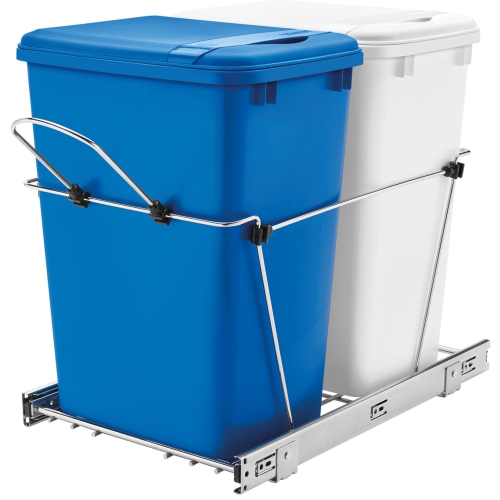 Your price for this item is $226.99
 -
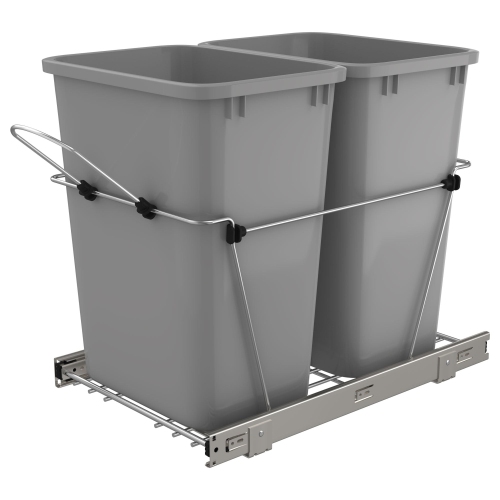 Your price for this item is $231.99
 -
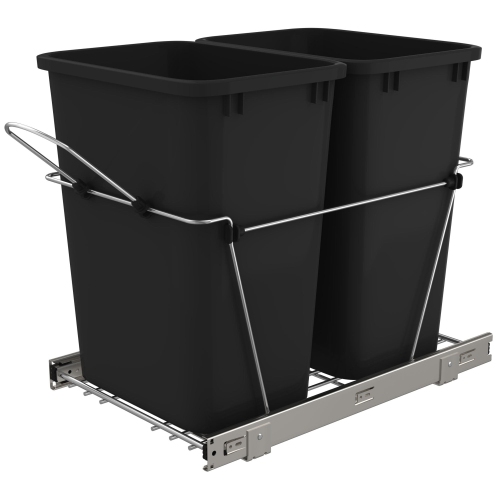 Your price for this item is $230.99
 -
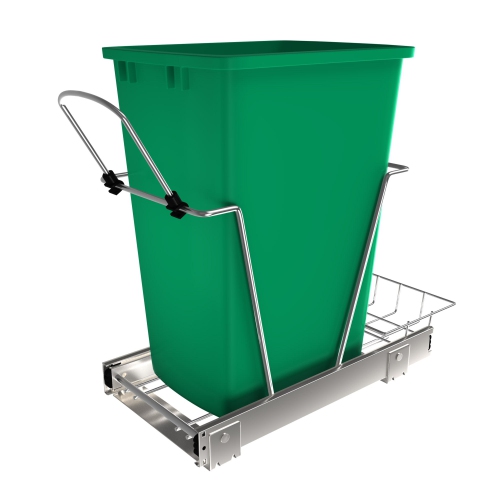 Your price for this item is $193.99
Discover more categories related to Wire Shelves
Top Collections:
Pokemon Centers, Kindle Devices, Best Budget Office Chairs, Apple iPhones 16, Best Laptops for Writers, iPhone 15 Apple, Canon G7X Cameras, Refurbished Apple Laptops, Alarm Clock, Motorola Razr Phones
Some products may be subject to Environmental Handling Fees
(EHF) depending on your province.
Learn more about EHFs.