Wobble Stools
Discover the perfect blend of comfort and flexibility with wobble stools, a dynamic seating solution designed to enhance your workspace or home environment. Ideal for promoting active sitting, these innovative stools encourage gentle movement, helping to improve posture and increase focus throughout your day. Whether you're setting up a home office, classroom, or creative space, wobble stools offer a modern twist on traditional seating, making them an excellent choice for those seeking both style and functionality. Explore our selection to find the ideal wobble stool that suits your needs and complements your space beautifully.
Sort
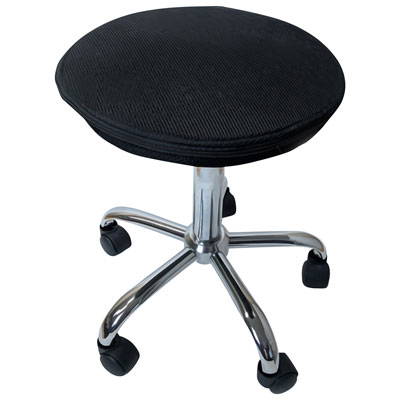
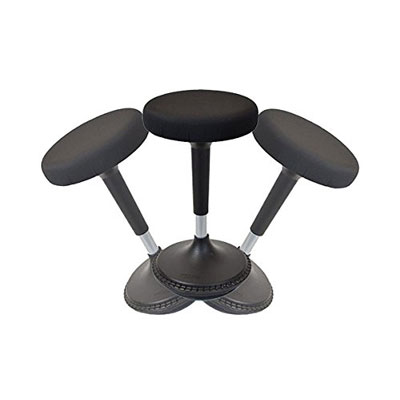
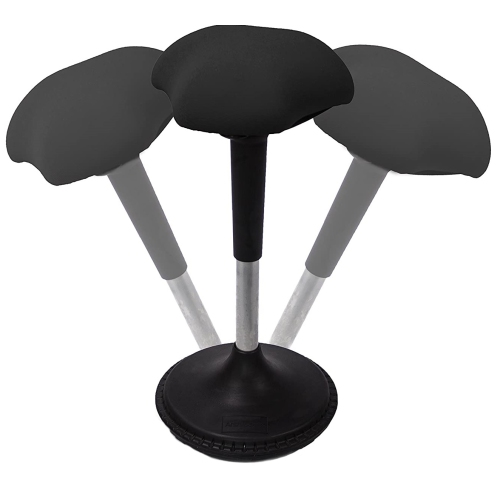
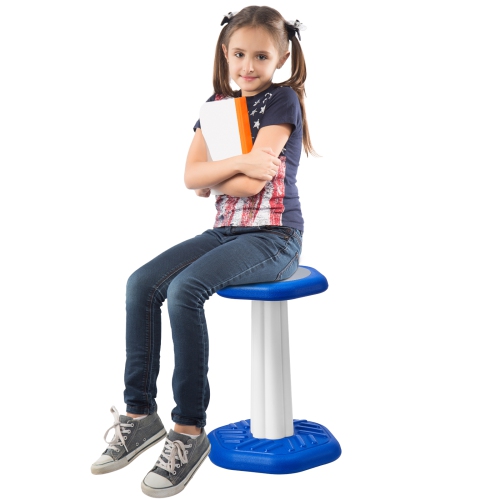
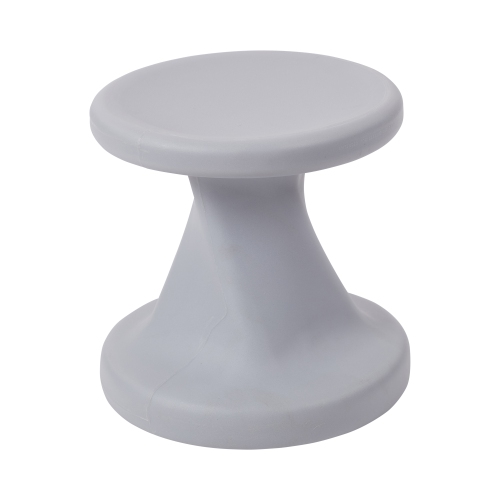
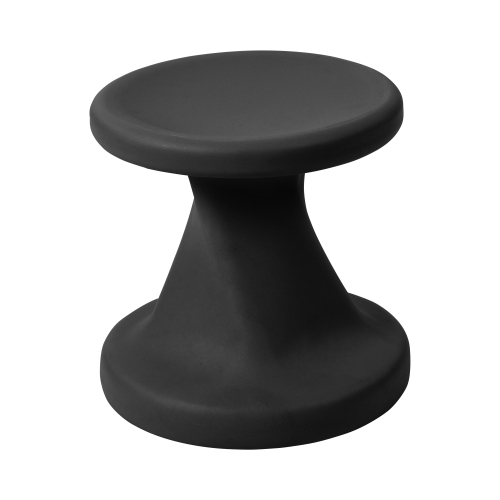
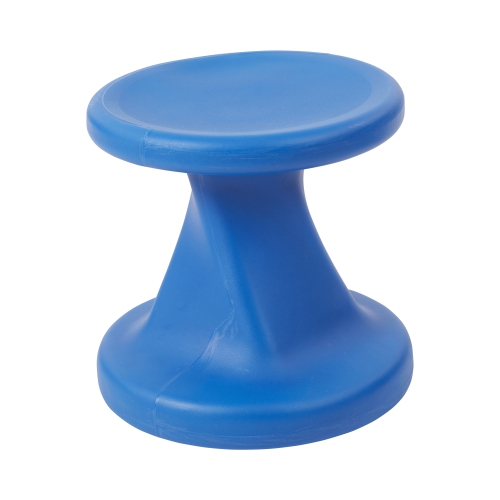
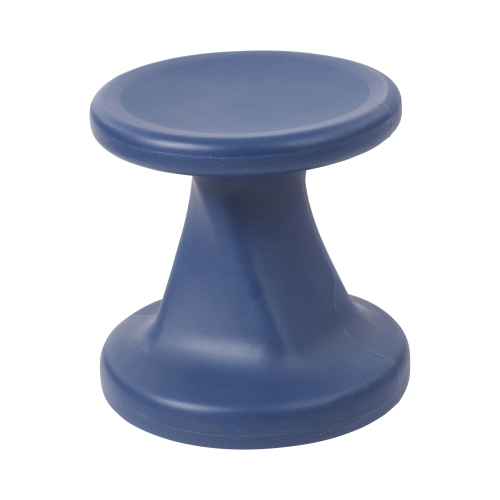
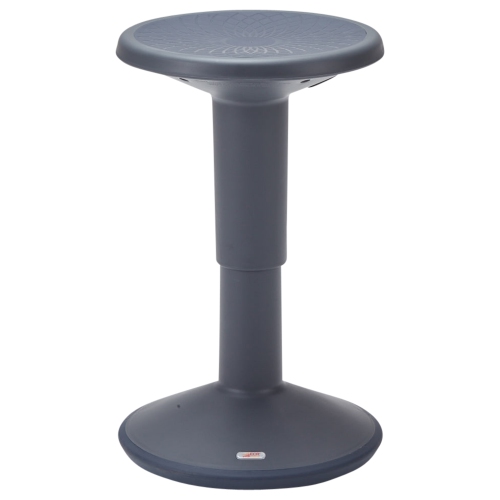
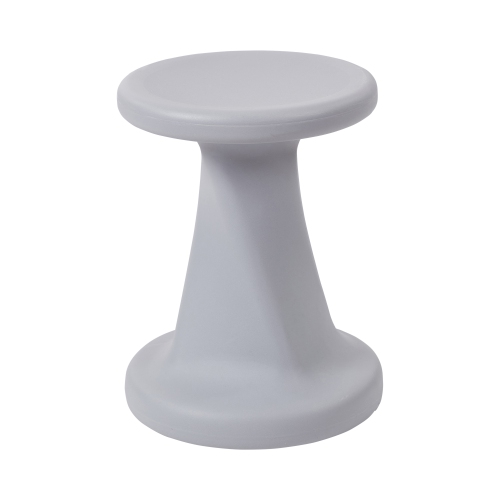
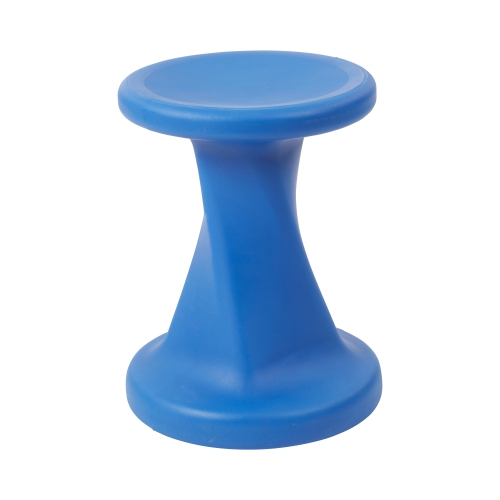
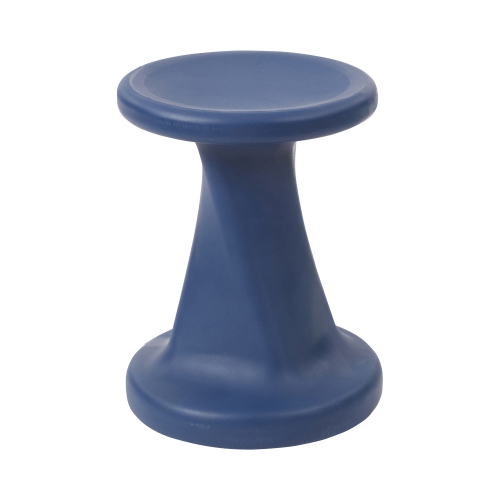
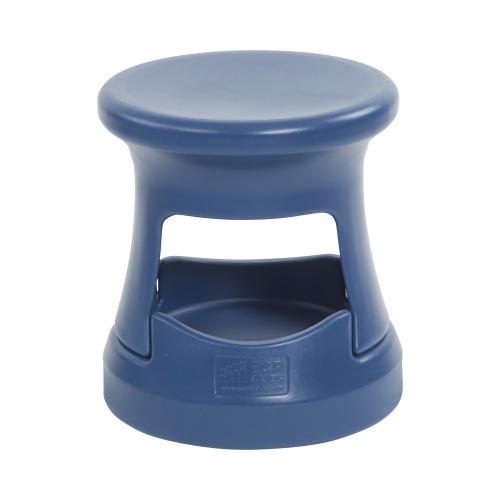
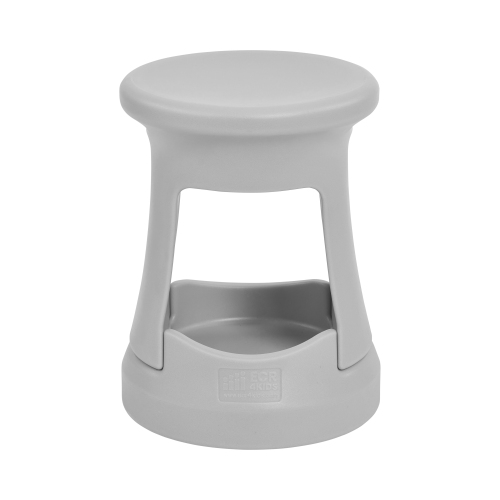
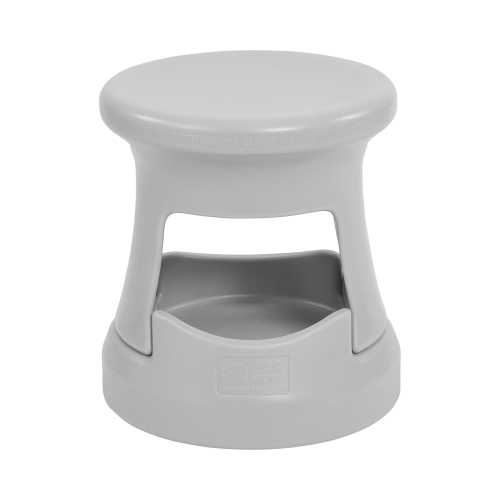
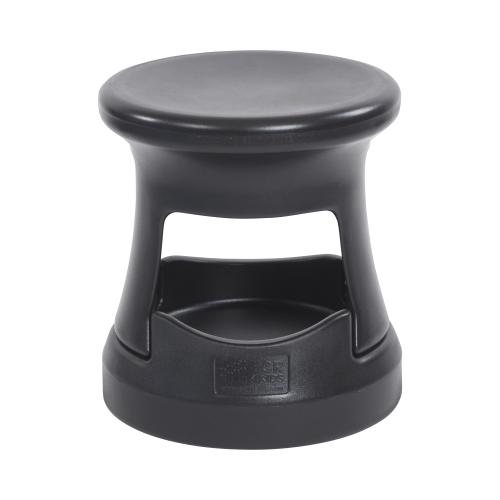
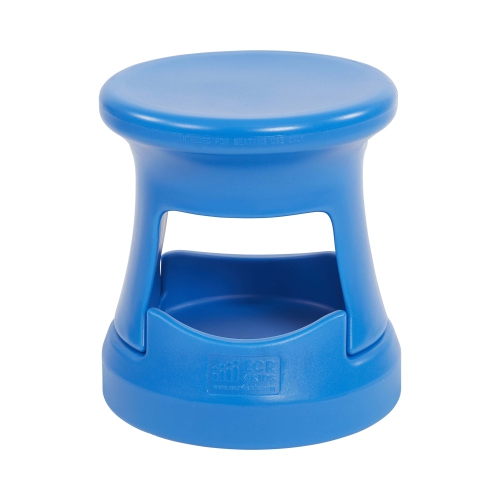
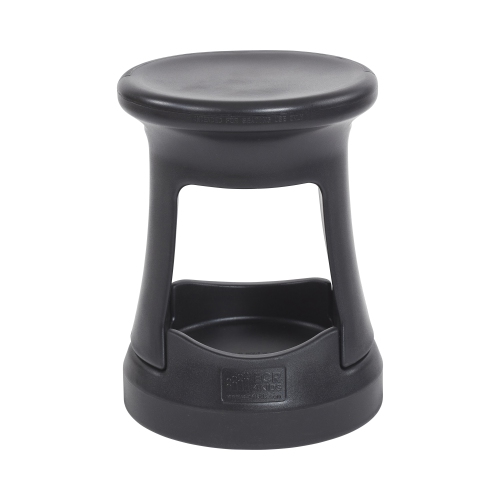
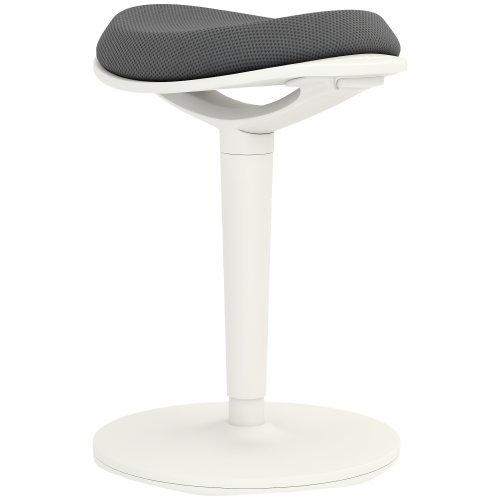
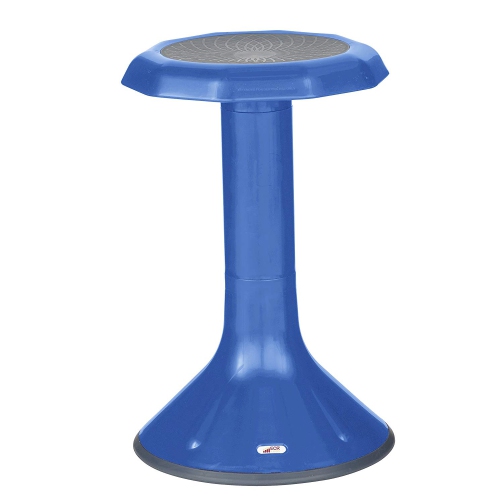
A little movement for everyday seated tasks
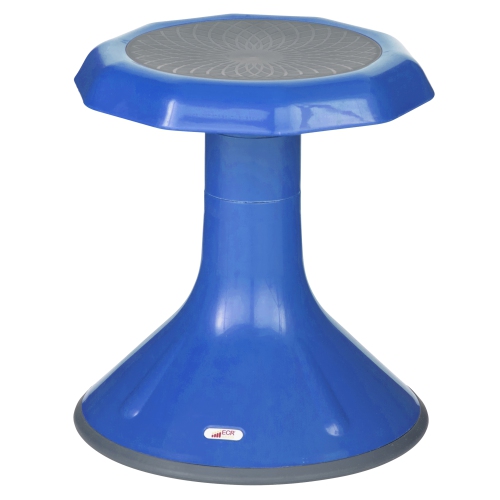
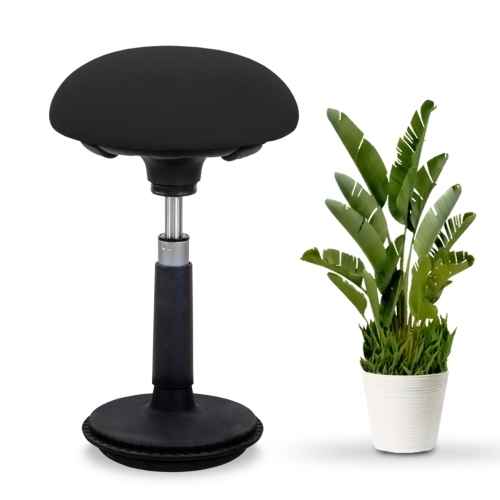
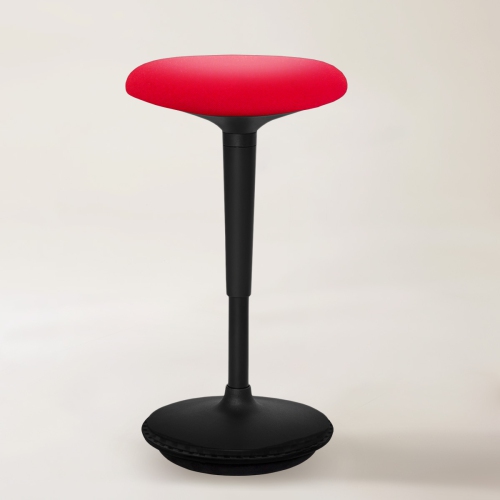
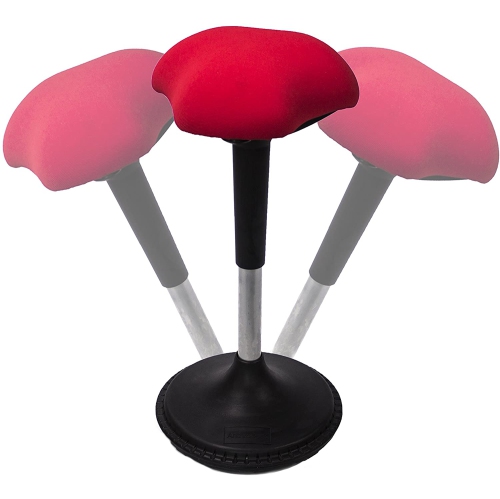
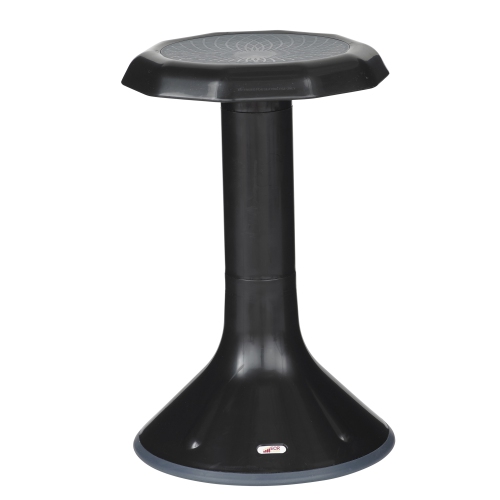
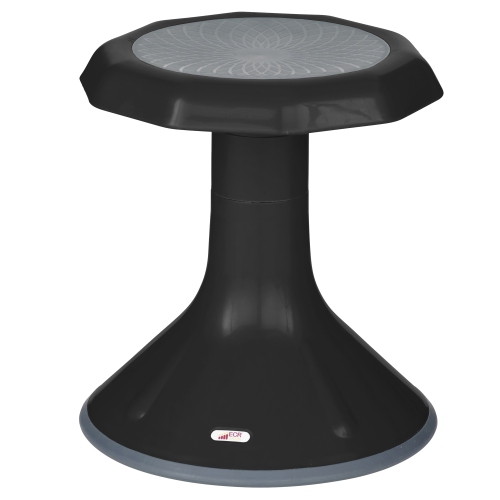
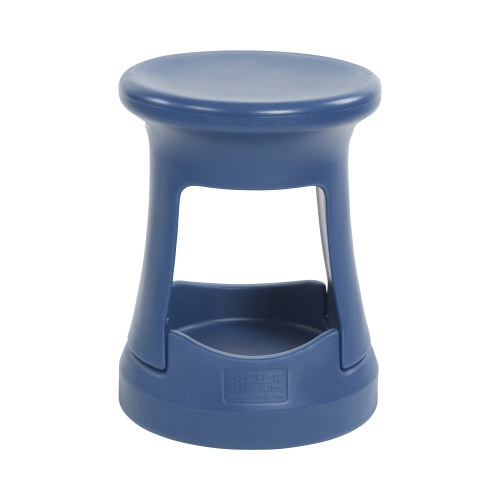
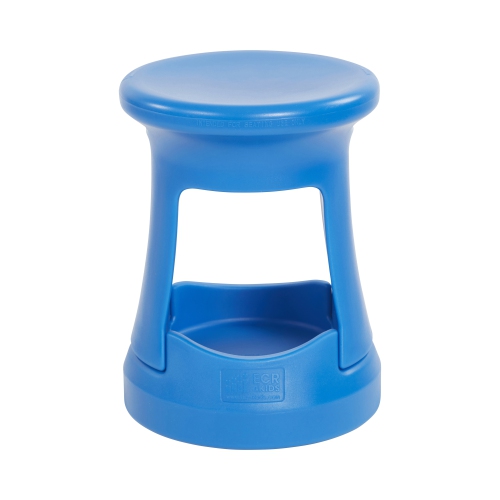
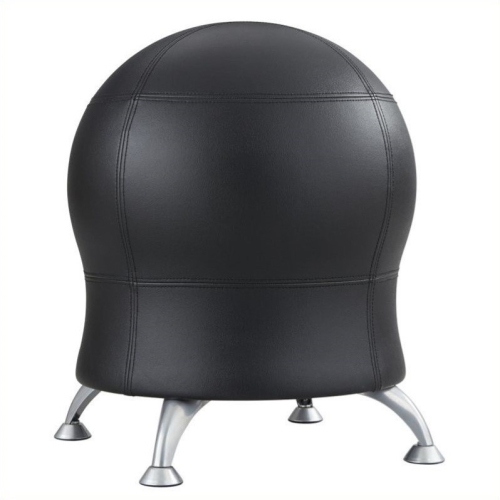
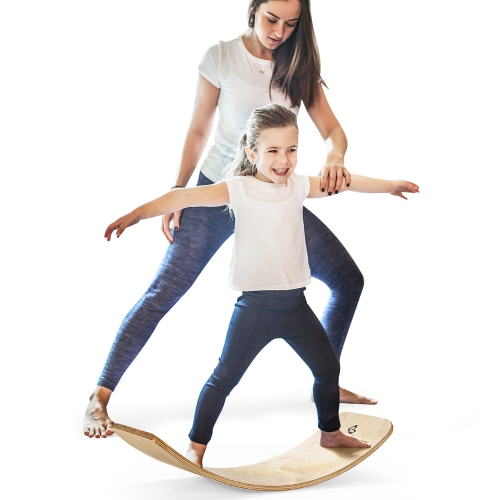
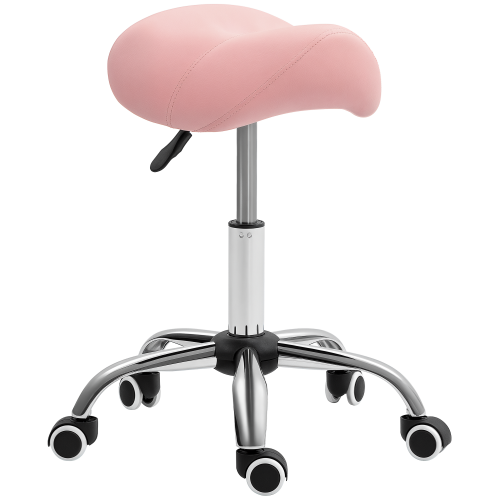
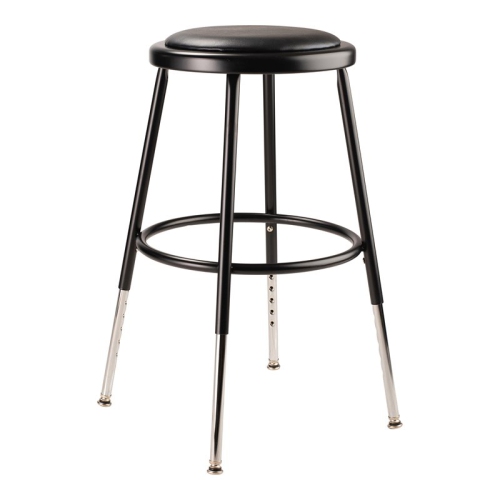
Wobble stools are backless seats designed to allow gentle movement while sitting or perching. A rounded or curved base lets the stool tilt or rock as the person seated shifts their weight; some designs also swivel to make turning easier. Unlike a conventional chair with a fixed seat and backrest, a wobble stool asks the user to make small adjustments through their feet, legs, and torso to stay balanced. This style of active seating can suit people who prefer a little movement while answering emails, reading, sketching, or completing schoolwork. It is not a piece of exercise equipment, and movement alone does not guarantee better posture or relief from discomfort. Its appeal is simpler: it offers another way to sit, particularly during tasks that do not require continuous back support. At a home office desk, a wobble stool can serve as an alternative to a supportive task chair for shorter stretches of work. At a suitable-height standing desk, a taller model may allow a supported perch between sitting and standing, provided its height range and intended use match the setup. Smaller versions may suit homework spaces or classroom activity tables when their dimensions and age recommendations are appropriate. Not every wobble stool is adjustable, and not every rounded base moves in the same way. Some allow a modest tilt in several directions, while others have a more noticeable rocking action. A swivel mechanism, where included, is separate from the base’s ability to tilt, so these features are worth distinguishing. The best match depends on whether the user wants subtle movement at a standard desk, a higher perch at a raised work surface, or a compact seat for occasional tasks. A backless shape can tuck neatly beneath some tables, but the base still needs enough clear space to move without striking nearby furniture. For shared rooms, the stool’s footprint matters just as much as the size of its seat.
Fit starts with the relationship between the stool, the user, and the work surface. For conventional seated desk work, feet should rest securely on the floor or on a suitable support permitted by the stool’s design, rather than hanging from a seat that is too high. The desk should allow relaxed shoulders and comfortable access to a keyboard, notebook, or craft materials without reaching upward or leaning far forward. For perching, the seat is usually higher and the legs more extended, but firm footing remains important. An adjustable seat can make these changes easier, especially when different people share a workspace. Related seating options include adjustable stools, though height adjustment by itself does not mean a stool has a wobbling base. The stated minimum and maximum seat heights are more useful than a general description such as “desk stool,” since they show whether the seat can actually match the intended table. Seat width, shape, and padding also affect comfort. A broad, lightly contoured seat may feel different from a smaller, firmer one, particularly when the user changes position often. Upholstered padding can soften contact, while a moulded seat offers a firmer surface that may be easier to wipe clean. Neither approach suits everyone, and a deep cushion is not automatically the most comfortable choice for active sitting. Weight capacity, recommended user height, and any age guidance should all match the person using the stool. In a homework corner, for example, a child needs a seat scaled to their body rather than simply an adult model lowered as far as it will go. In an office, someone who needs dependable back or arm support may prefer a conventional chair for most tasks and a wobble stool only for brief changes of position. People with balance concerns, dizziness, or mobility limitations may find a moving seat unsuitable and should seek individual advice before using one.
Materials and construction influence how a wobble stool feels in everyday use and how much attention it needs over time. Moulded plastic seats and shells often have relatively few seams to catch crumbs or dust, making them practical for shared study areas and activity spaces. Fabric upholstery has a softer texture, but spills may need prompt spot cleaning according to the care label. Coated upholstery can be easier to wipe, although unsuitable cleaners may damage its finish. Wood components bring a different look and feel, with care requirements that depend on the finish; prolonged moisture and abrasive cleaning can leave marks. Beneath the seat, the column, adjustment mechanism, connections, and base all contribute to durability. A weighted base may help certain designs return towards an upright position when unoccupied, but that does not make them tip-proof. Rubberized or textured contact surfaces can improve grip on compatible flooring, yet floor protection and traction vary by material. The manufacturer’s flooring guidance is especially important on smooth hard floors, rugs, or thick carpet, where the same base may behave differently. A clear, level area gives the stool room to move as intended, away from stairs, loose cables, and furniture edges. Regular care includes removing grit from the underside, checking accessible fasteners as directed, and watching for cracks, loose parts, uneven movement, or a seat that no longer holds its selected height. Adjustment mechanisms should be used and maintained only as instructed, rather than modified to gain extra height or tilt. For everyday comfort, short periods of use provide a chance to get familiar with the motion before taking on longer tasks. Alternating with standing, walking, and sitting in a supportive chair keeps the stool in its intended role as one seating option rather than a substitute for every position. Whether used by an adult at a desk or a child at an appropriately sized table, a well-matched wobble stool offers a compact place to sit with freedom for small, controlled movements.
Fit starts with the relationship between the stool, the user, and the work surface. For conventional seated desk work, feet should rest securely on the floor or on a suitable support permitted by the stool’s design, rather than hanging from a seat that is too high. The desk should allow relaxed shoulders and comfortable access to a keyboard, notebook, or craft materials without reaching upward or leaning far forward. For perching, the seat is usually higher and the legs more extended, but firm footing remains important. An adjustable seat can make these changes easier, especially when different people share a workspace. Related seating options include adjustable stools, though height adjustment by itself does not mean a stool has a wobbling base. The stated minimum and maximum seat heights are more useful than a general description such as “desk stool,” since they show whether the seat can actually match the intended table. Seat width, shape, and padding also affect comfort. A broad, lightly contoured seat may feel different from a smaller, firmer one, particularly when the user changes position often. Upholstered padding can soften contact, while a moulded seat offers a firmer surface that may be easier to wipe clean. Neither approach suits everyone, and a deep cushion is not automatically the most comfortable choice for active sitting. Weight capacity, recommended user height, and any age guidance should all match the person using the stool. In a homework corner, for example, a child needs a seat scaled to their body rather than simply an adult model lowered as far as it will go. In an office, someone who needs dependable back or arm support may prefer a conventional chair for most tasks and a wobble stool only for brief changes of position. People with balance concerns, dizziness, or mobility limitations may find a moving seat unsuitable and should seek individual advice before using one.
Materials and construction influence how a wobble stool feels in everyday use and how much attention it needs over time. Moulded plastic seats and shells often have relatively few seams to catch crumbs or dust, making them practical for shared study areas and activity spaces. Fabric upholstery has a softer texture, but spills may need prompt spot cleaning according to the care label. Coated upholstery can be easier to wipe, although unsuitable cleaners may damage its finish. Wood components bring a different look and feel, with care requirements that depend on the finish; prolonged moisture and abrasive cleaning can leave marks. Beneath the seat, the column, adjustment mechanism, connections, and base all contribute to durability. A weighted base may help certain designs return towards an upright position when unoccupied, but that does not make them tip-proof. Rubberized or textured contact surfaces can improve grip on compatible flooring, yet floor protection and traction vary by material. The manufacturer’s flooring guidance is especially important on smooth hard floors, rugs, or thick carpet, where the same base may behave differently. A clear, level area gives the stool room to move as intended, away from stairs, loose cables, and furniture edges. Regular care includes removing grit from the underside, checking accessible fasteners as directed, and watching for cracks, loose parts, uneven movement, or a seat that no longer holds its selected height. Adjustment mechanisms should be used and maintained only as instructed, rather than modified to gain extra height or tilt. For everyday comfort, short periods of use provide a chance to get familiar with the motion before taking on longer tasks. Alternating with standing, walking, and sitting in a supportive chair keeps the stool in its intended role as one seating option rather than a substitute for every position. Whether used by an adult at a desk or a child at an appropriately sized table, a well-matched wobble stool offers a compact place to sit with freedom for small, controlled movements.
Top selling and popular products
-
 Your price for this item is $38.98
 -
 Your price for this item is $19.99
 -
 Your price for this item is $89.99
 -
![OSMO - Genius Starter Kit - for Ipad [Electronics]](https://multimedia.bbycastatic.ca/multimedia/products/500x500/188/18884/18884576.jpeg) Your price for this item is $199.99
Your price for this item is $199.99 -
 Your price for this item is $79.99
 -
 Your price for this item is $79.99
 -
 Your price for this item is $149
 -
 Your price for this item is $67.98
Discover more categories related to Wobble Stools
Top Collections:
Pokemon Centers, Kindle Devices, Best Budget Office Chairs, Apple iPhones 16, Best Laptops for Writers, iPhone 15 Apple, Canon G7X Cameras, Refurbished Apple Laptops, Alarm Clock, Motorola Razr Phones
Some products may be subject to Environmental Handling Fees
(EHF) depending on your province.
Learn more about EHFs.